

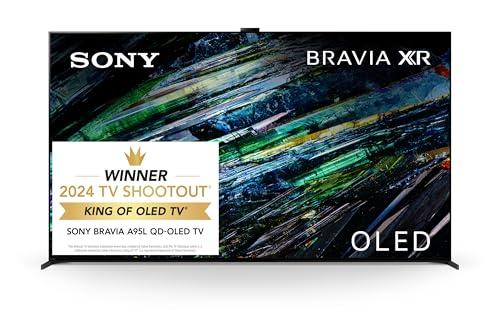
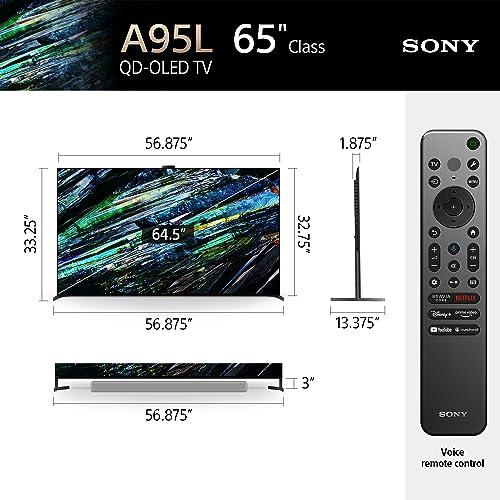
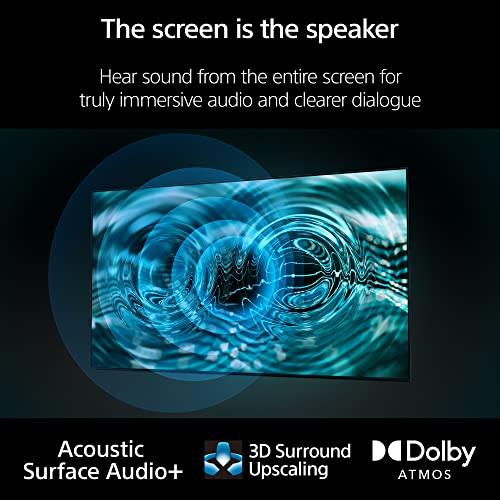
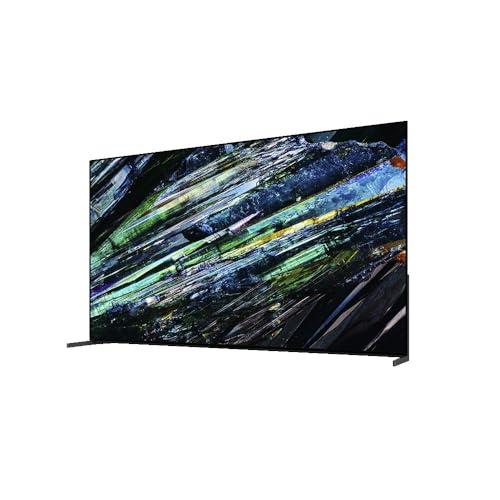



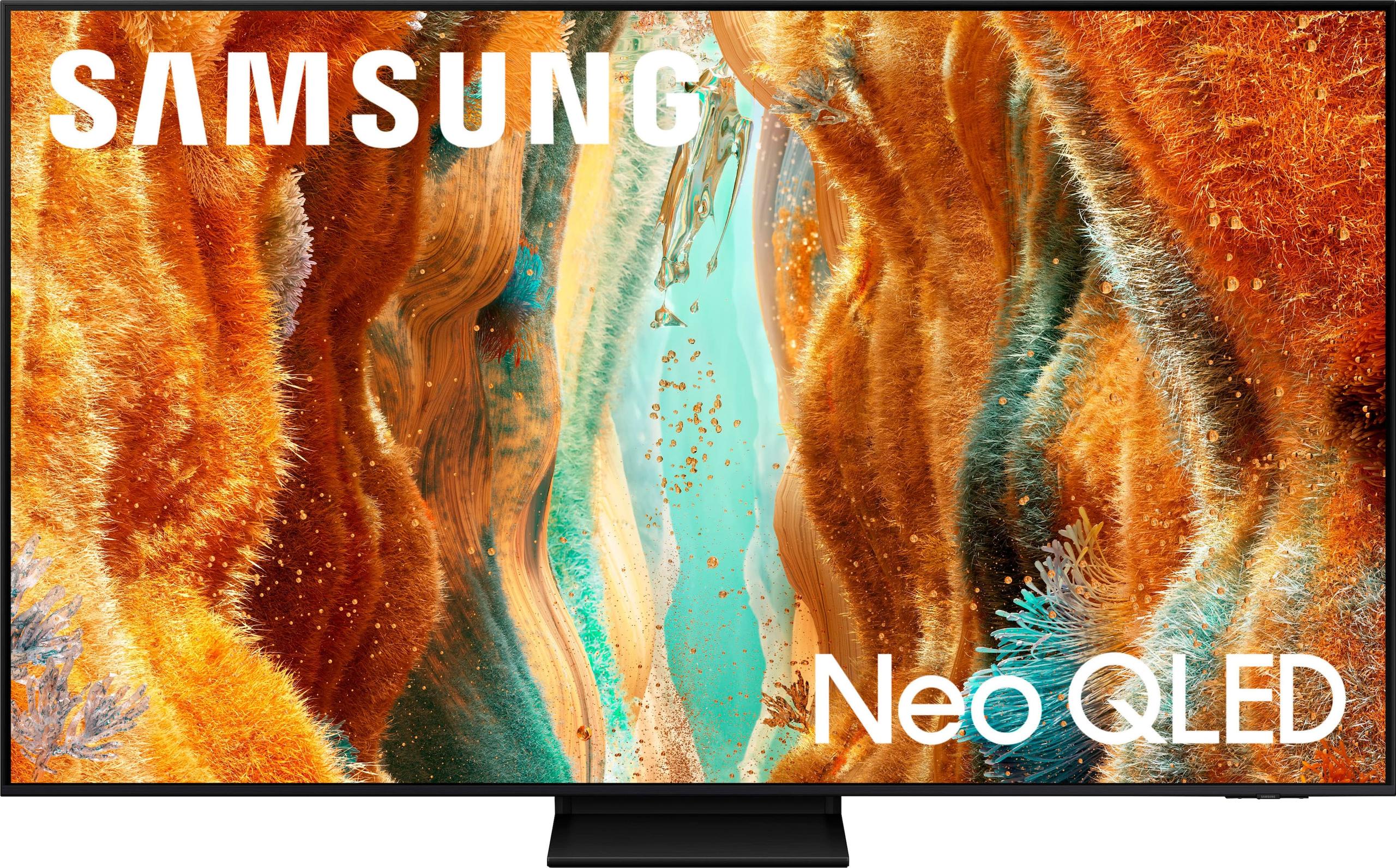
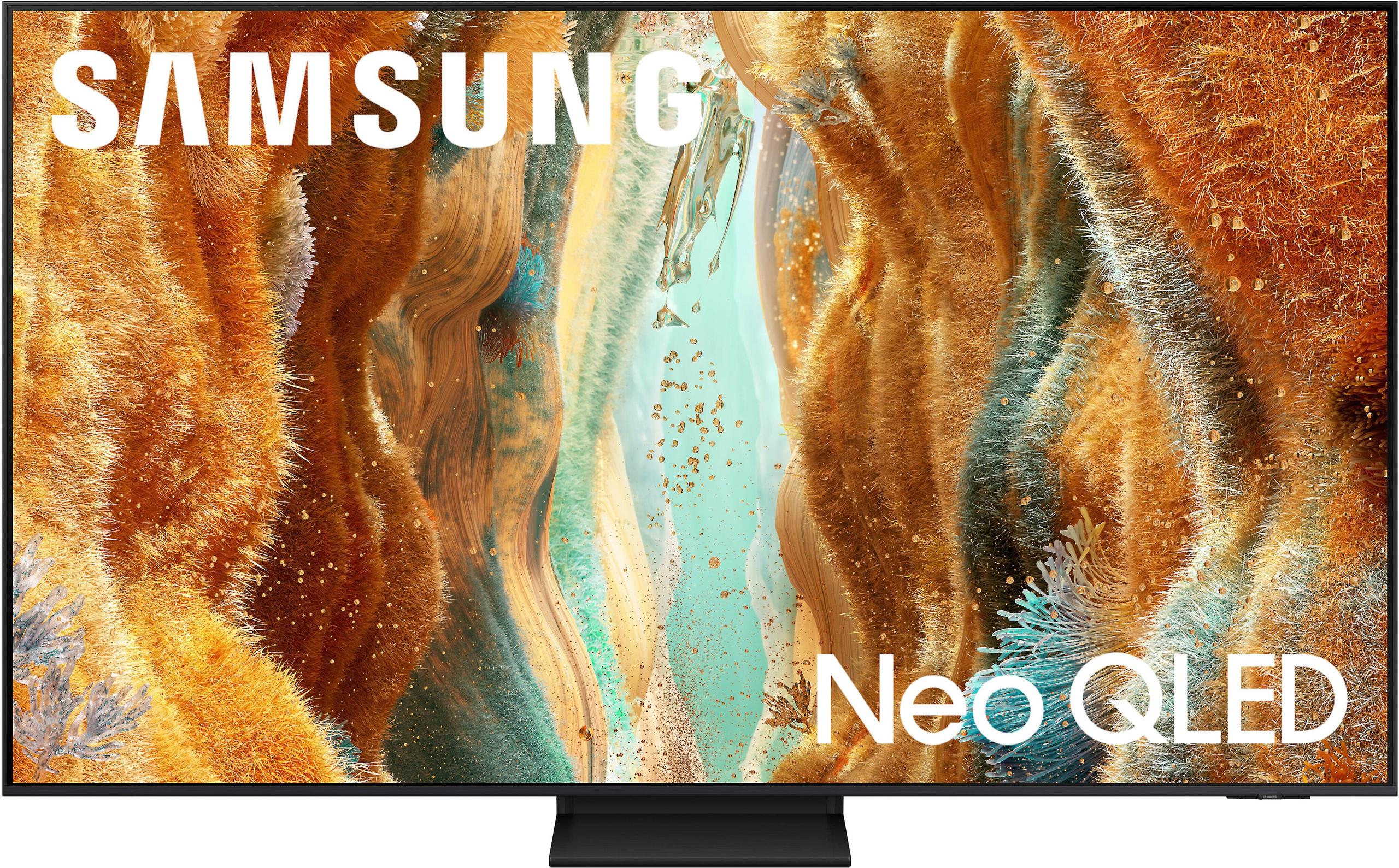
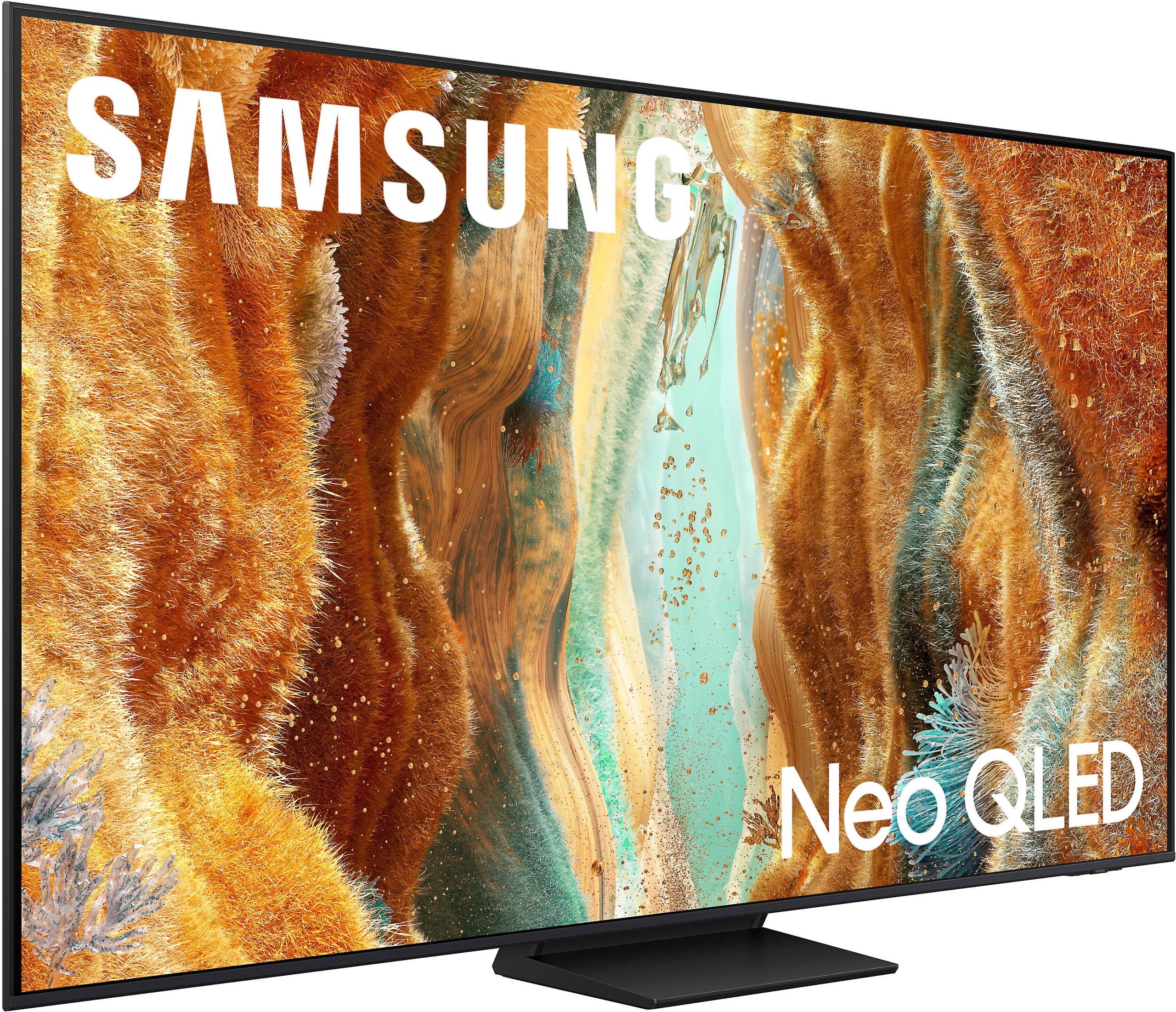

When you're shopping for a premium 65-inch 4K TV, you're essentially choosing between two completely different philosophies of how to create an amazing picture. The Sony A95L QD-OLED represents the cutting edge of OLED technology, while the Samsung QN70F Neo QLED takes a more traditional LED approach but supercharges it with Mini LED backlighting and AI features.
Both TVs deliver excellent 4K picture quality, but they get there through fundamentally different methods. Understanding these differences will help you pick the right TV for your specific viewing habits, room setup, and budget.
Before diving into specifics, it's crucial to understand what sets these display technologies apart. The Sony A95L uses QD-OLED technology, which combines quantum dots (tiny particles that enhance color) with OLED pixels that can turn completely on and off individually. Think of it like having 8.3 million tiny light bulbs that can each shut off completely to create perfect blacks.
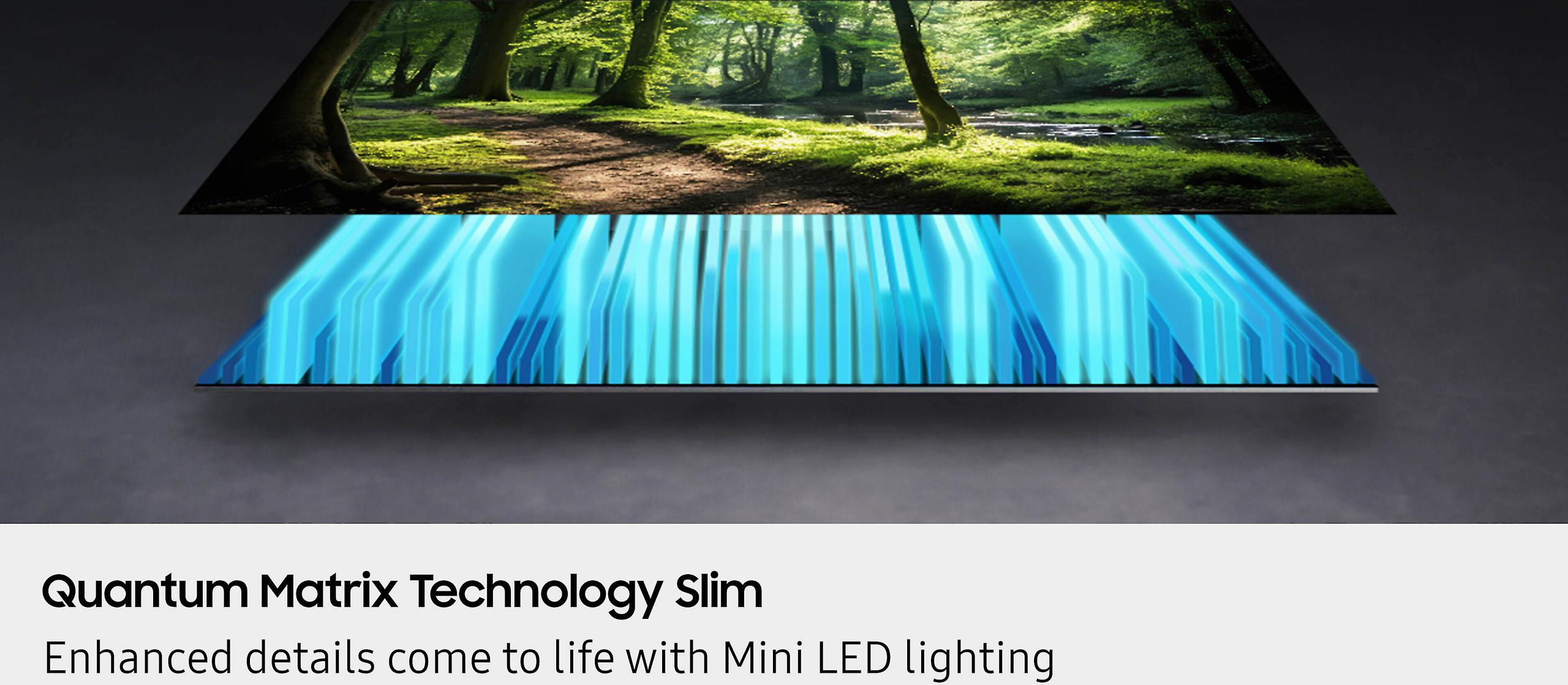
The Samsung QN70F, on the other hand, uses Neo QLED technology with Mini LEDs. Instead of individual pixel control, it uses thousands of tiny LED backlights behind the screen, grouped into zones that can dim independently. These Mini LEDs are much smaller than traditional LED backlights, allowing for more precise control over brightness and darkness.
Both approaches have merit, but they excel in different scenarios. OLED technology has dominated premium TV discussions for years because of its perfect contrast, but Mini LED technology has been rapidly improving and offers some compelling advantages, especially for bright room viewing.
Here's where the fundamental difference between these technologies becomes most apparent. The Sony A95L achieves what's called "infinite contrast ratio" because its OLED pixels can turn completely off, creating true blacks with no light bleeding through. When you're watching a movie with dark scenes, like space sequences or nighttime scenes, the black areas are genuinely black, not the dark gray you get with most TVs.
The Samsung QN70F can't match this level of contrast due to its LED backlighting system. Even with Mini LEDs providing more precise control than traditional LED TVs, there's still some light bleeding that prevents true blacks. However, Samsung's Quantum Matrix Slim technology with Supreme UHD Dimming does a respectable job of getting close, and most viewers will find the contrast perfectly satisfying for everyday viewing.
In our research of expert reviews and user feedback, the contrast advantage clearly goes to the Sony A95L, particularly for home theater enthusiasts who watch movies in darkened rooms. The difference is immediately noticeable when comparing dark scenes side by side.
This is where things get more interesting. While the Sony A95L delivers exceptional contrast, the Samsung QN70F likely achieves higher peak brightness levels. The Sony peaks at around 1,300 nits (a measurement of brightness), which is excellent for an OLED TV, but Samsung's Neo QLED technology typically pushes well beyond this, potentially reaching 1,500+ nits.
Higher peak brightness matters significantly for HDR (High Dynamic Range) content, which is designed to display a wider range of brightness levels than standard video. When you're watching HDR movies or shows during the day or in a bright room, that extra brightness makes highlights pop more dramatically – think of the sun reflecting off water or explosions in action movies.
The Sony A95L supports Dolby Vision, which is considered the premium HDR format, offering more sophisticated tone mapping (how the TV translates the HDR signal to what you see on screen). The Samsung QN70F supports HDR10+ Adaptive, which is also excellent but generally considered a step below Dolby Vision in terms of precision and filmmaker adoption.
For home theater use in controlled lighting, the Sony A95L's combination of perfect blacks and excellent brightness creates a more cinematic experience. For family rooms with lots of windows or daytime viewing, the Samsung QN70F's potentially higher brightness could provide a more impactful HDR experience.
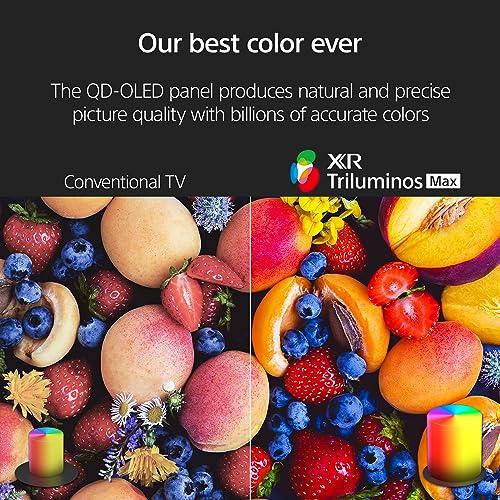
Both TVs use quantum dot technology to enhance color reproduction, but they implement it differently. The Sony A95L features second-generation QD-OLED technology with XR Triluminos Max, which delivers both incredibly wide color gamut (the range of colors it can display) and exceptional color accuracy. Sony has always prioritized color accuracy, aiming to reproduce exactly what filmmakers intended.
The Samsung QN70F uses traditional quantum dots combined with its Color Booster Pro technology. Samsung tends to tune their displays for more vibrant, eye-catching colors that pop off the screen. This can make content look more impressive in showrooms but may not always reflect the creator's original vision.
Based on our evaluation of professional reviews, the Sony A95L edges ahead for color accuracy, making it the better choice for serious movie watching. The Samsung QN70F might actually be more appealing for casual viewing, sports, and gaming where that extra vibrancy can enhance the experience.
Both TVs incorporate advanced AI processing, but they take different approaches. The Sony A95L, released in 2023, uses Sony's Cognitive Processor XR, which has earned widespread praise for its sophisticated upscaling of lower-resolution content. When you're watching older movies, streaming content, or cable TV that isn't native 4K, this processor works to enhance detail and reduce artifacts.
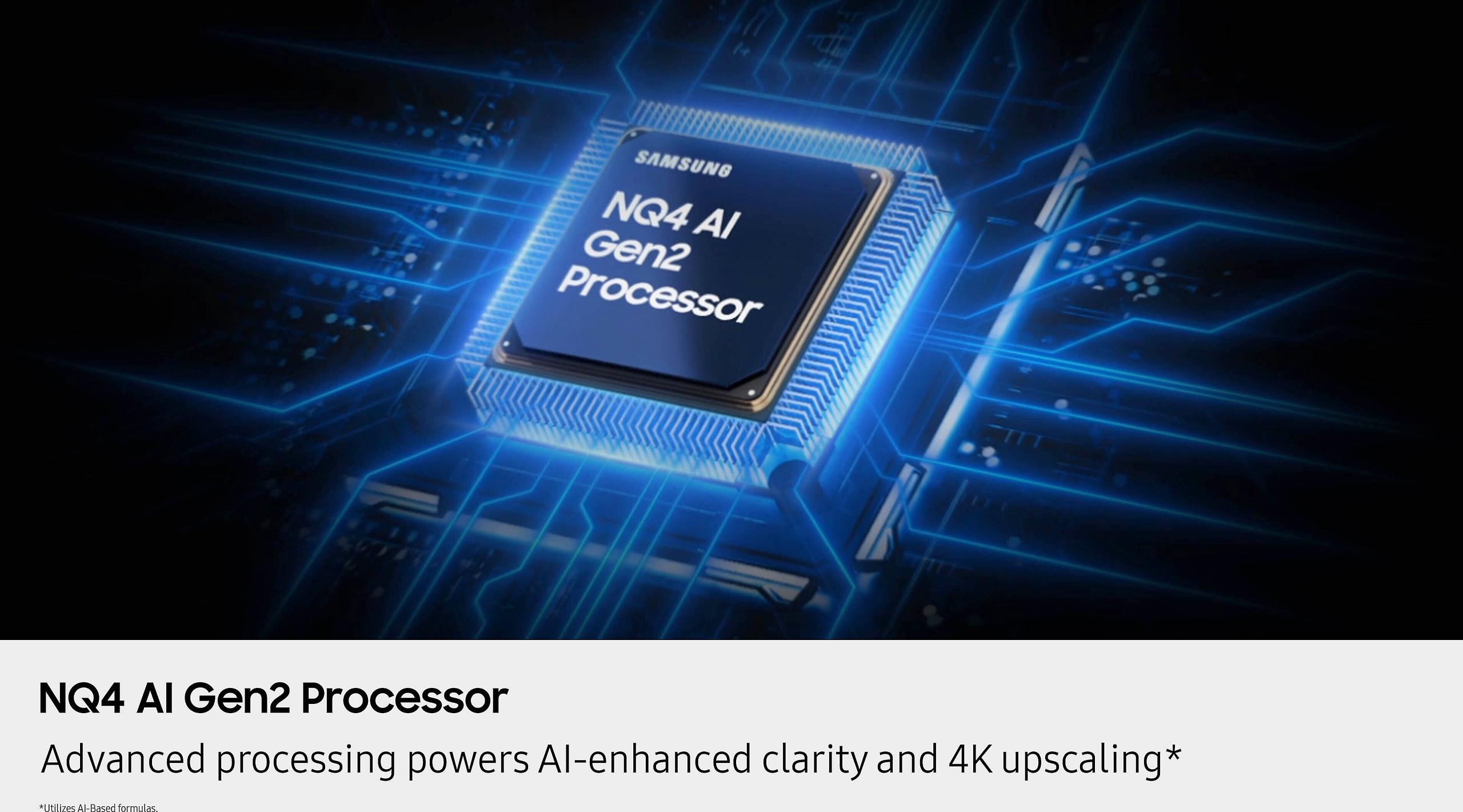
The Samsung QN70F, being a 2025 model, features Samsung's newer NQ4 AI Gen2 processor with their latest Vision AI features. This includes some genuinely innovative capabilities like "Click to Search," which can identify actors and provide information about what you're watching, and "Live Translate," which provides real-time subtitle translation for foreign content.
These Vision AI features represent a more interactive approach to TV watching that could be genuinely useful for many viewers. However, the Sony A95L's processing excellence shows more consistently in day-to-day picture quality improvements.
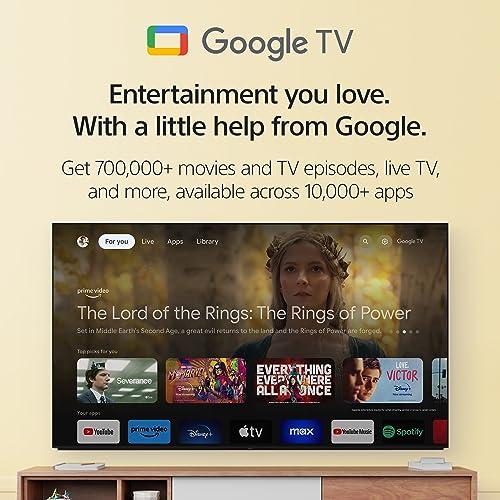
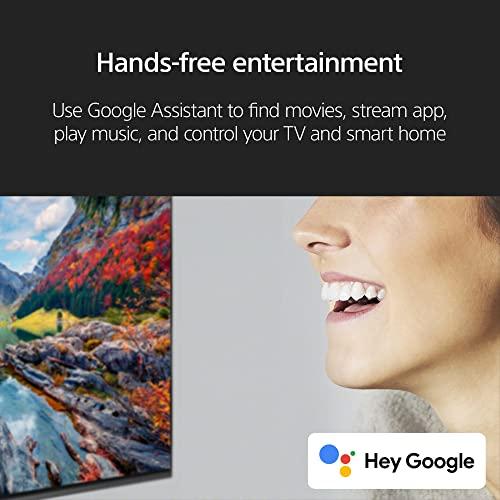
The Sony A95L runs Google TV, which provides excellent integration with Google services and comprehensive streaming app support. The interface is clean and personalized recommendations generally work well. Voice control through Google Assistant is responsive and handles complex queries well.
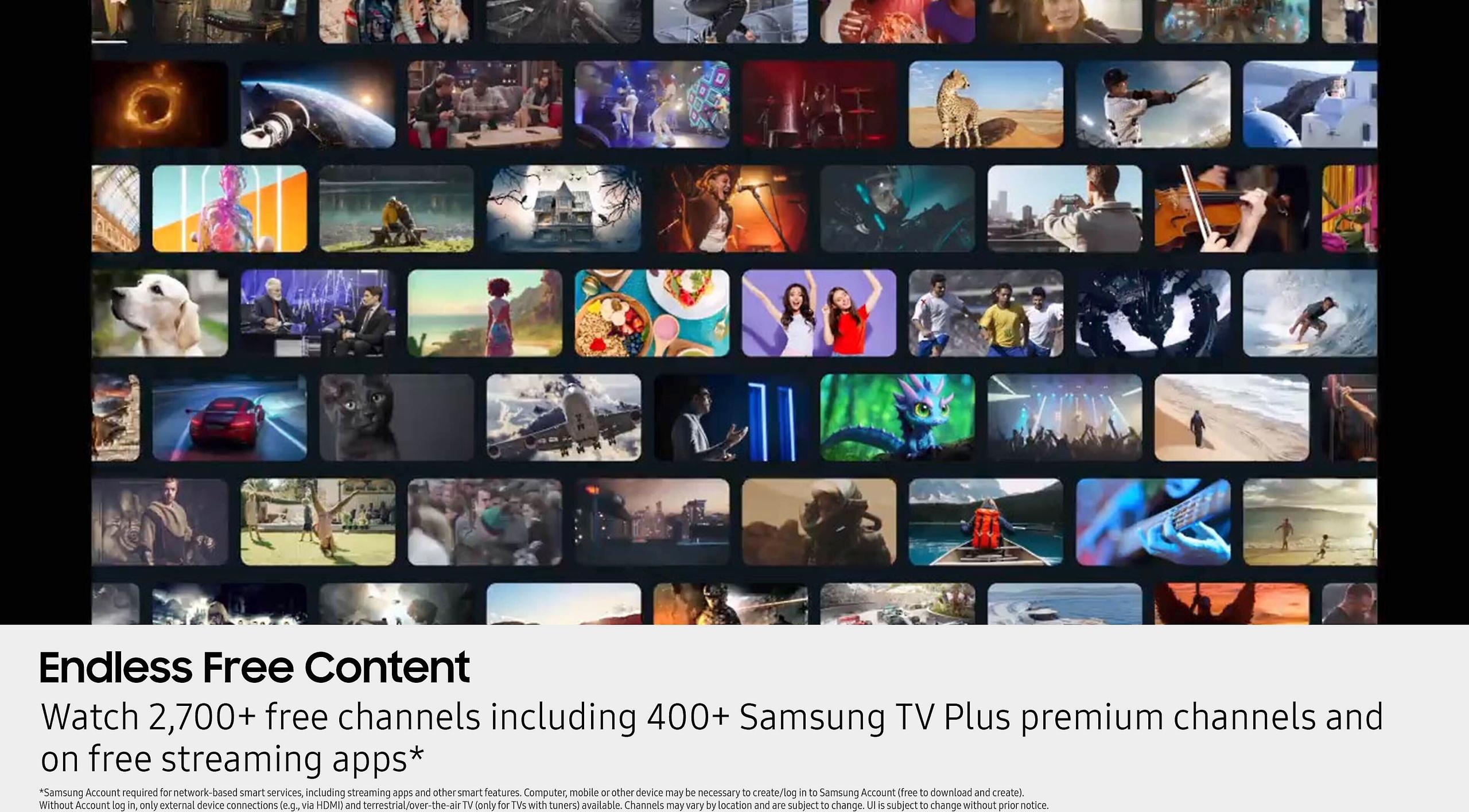
The Samsung QN70F uses Samsung's Tizen platform, which has evolved significantly over the years. The newer Vision AI features are integrated directly into the interface, making them more accessible than typical smart TV gimmicks. Samsung TV Plus provides free content channels, which can be valuable for cord-cutters.
Both platforms are mature and functional, with the choice often coming down to your existing ecosystem preferences (Google services vs Samsung/Android integration).
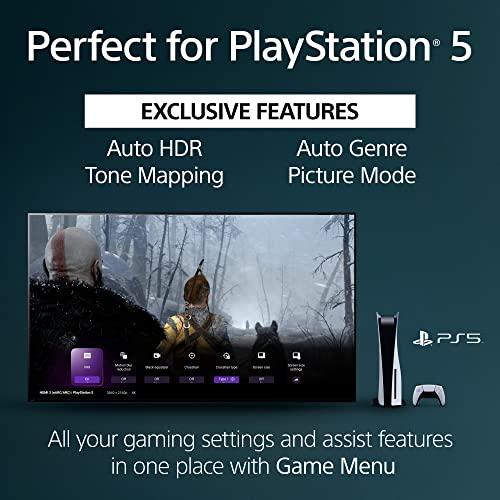
For gaming enthusiasts, both TVs offer solid performance but with different strengths. The Sony A95L provides near-instantaneous pixel response times thanks to OLED technology, virtually eliminating motion blur during fast-paced games. Input lag measures around 9ms in game mode, which is excellent for competitive gaming.
However, the Sony A95L only offers two HDMI 2.1 ports capable of 4K at 120Hz, which could be limiting if you have multiple next-generation consoles or a high-end gaming PC.
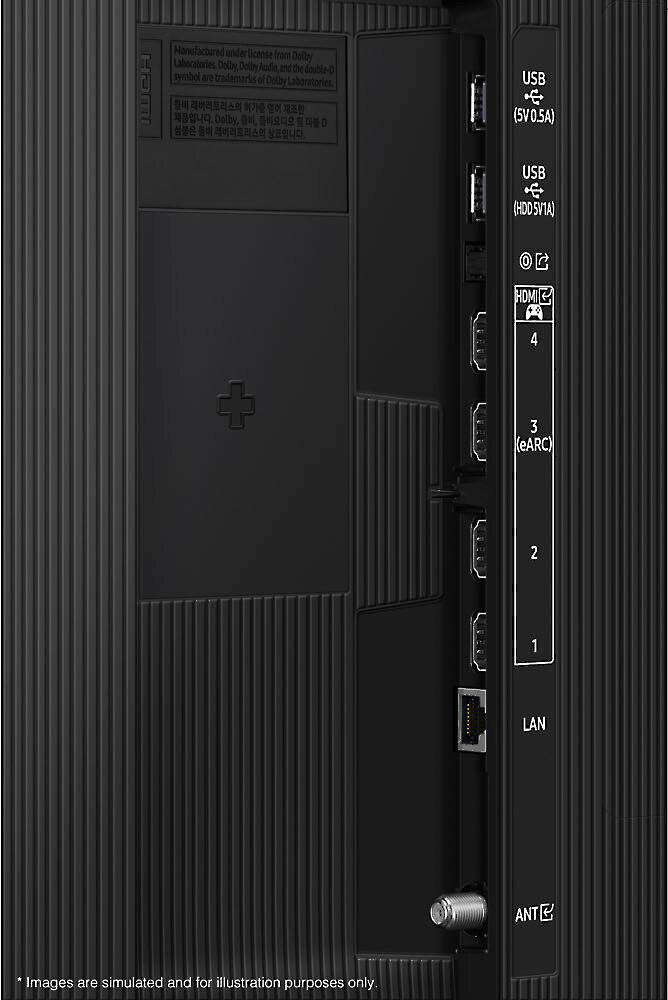
The Samsung QN70F addresses this limitation with four HDMI 2.1 ports and support for 4K at 144Hz, going beyond what current consoles can output but future-proofing for PC gaming. Samsung's gaming features like AMD FreeSync Premium Pro help eliminate screen tearing and stuttering.
For serious gamers with multiple devices, the Samsung QN70F's connectivity advantage is significant. For most console gamers, the Sony A95L's superior contrast and motion handling might provide a more immersive gaming experience.
The Sony A95L, being positioned as a premium model, includes thoughtful design touches like an aluminum stand with multiple positioning options and a backlit premium remote. The overall build quality reflects its higher-tier positioning within Sony's lineup.
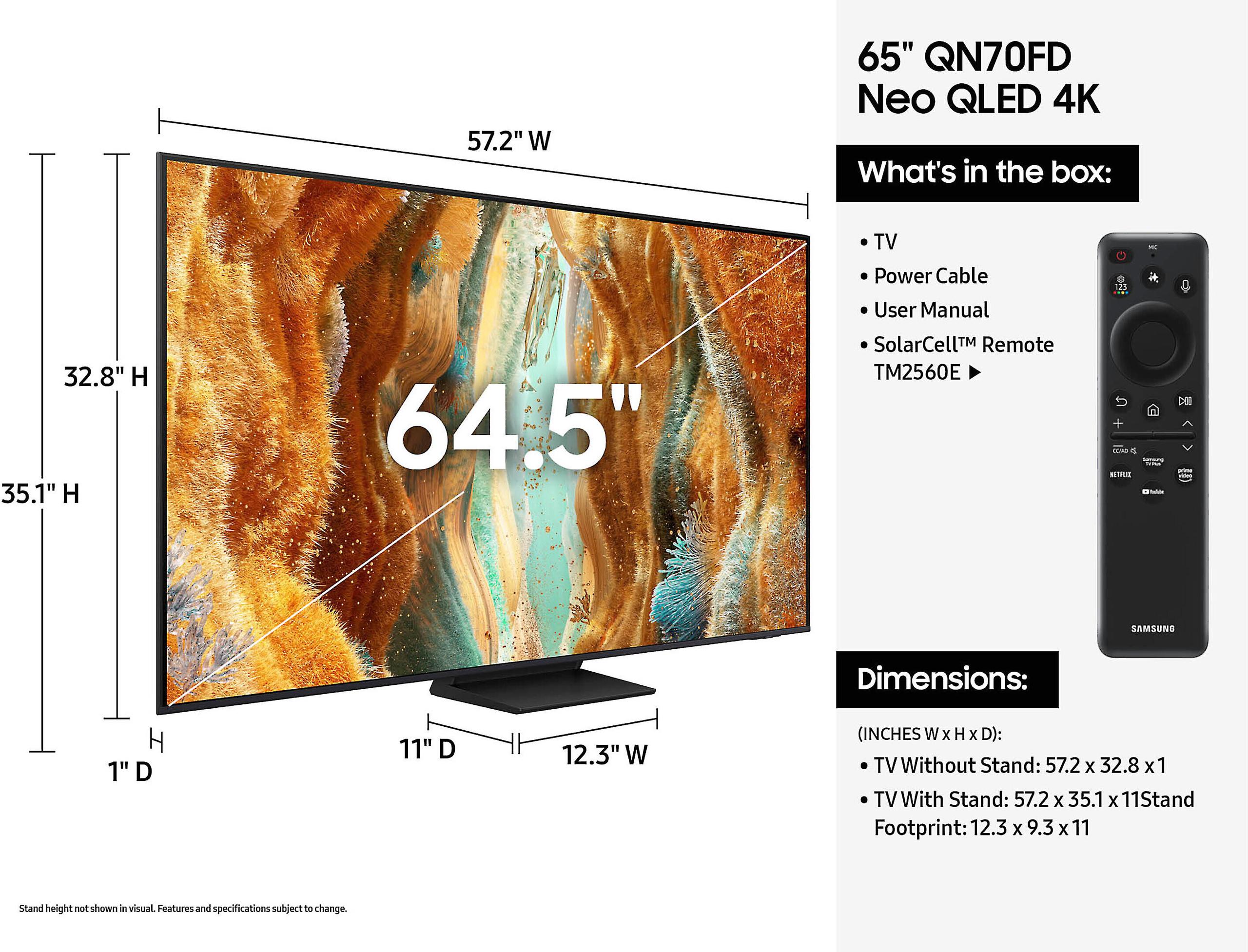
The Samsung QN70F, as an entry-level Neo QLED model, likely uses more standard materials and construction. However, it includes Samsung's BT SolarCell Remote, which charges itself using ambient light – a practical and environmentally friendly feature.
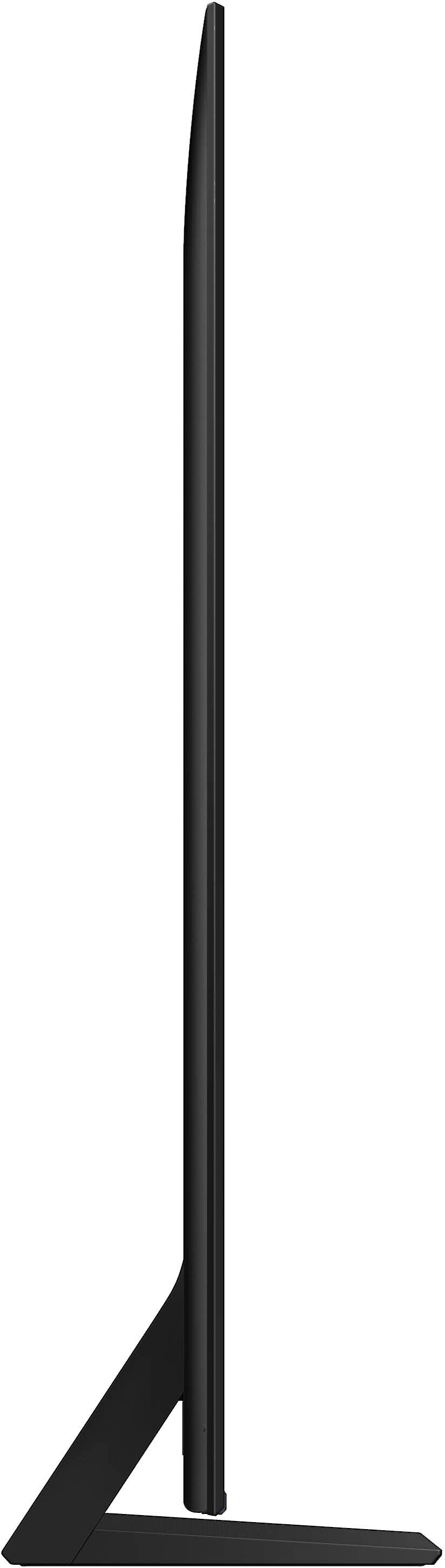
Both TVs offer wall-mounting options, but the Sony A95L's premium construction and slimmer profile might be more aesthetically pleasing in a dedicated home theater setup.
At the time of writing, these TVs occupy different market segments despite both being 65-inch premium models. The Sony A95L, launched in 2023, was positioned as Sony's flagship OLED and priced accordingly in the premium tier. However, as newer models have been released, its pricing has become more competitive while maintaining its reference-level picture quality.
The Samsung QN70F, being a 2025 entry-level Neo QLED model, targets the mainstream premium market with advanced features at more accessible pricing. This positioning makes it appealing to buyers who want premium technology without flagship pricing.
The value equation depends heavily on your priorities. If picture quality is paramount and you primarily watch movies and premium content in controlled lighting, the Sony A95L delivers reference-level performance that justifies its positioning. If you want the latest AI features, better bright-room performance, and extensive gaming connectivity at a lower price point, the Samsung QN70F offers compelling value.
For dedicated home theater use, the Sony A95L is the clear winner. Its perfect black levels, exceptional color accuracy, and superior processing create the most cinematic experience. The support for Dolby Vision and advanced calibration options makes it ideal for viewers who prioritize filmmaker intent and reference-level accuracy.
The Samsung QN70F's bright room performance and vibrant colors make it better suited for family rooms and multi-purpose spaces where ambient light is a factor. Its AI features also align better with casual viewing patterns rather than dedicated movie watching sessions.
Choose the Sony A95L QD-OLED if you're a movie enthusiast who prioritizes picture quality above all else. If you have a dedicated home theater or primarily watch content in controlled lighting, its superior contrast and color accuracy will provide the most immersive experience. The mature QD-OLED technology offers proven reliability, and Sony's excellent upscaling makes all content look better.
Opt for the Samsung QN70F Neo QLED if you want modern AI features and good picture quality at a more accessible price point. If your TV will be used in a bright room, for varied content types, or if you're a gamer who needs multiple high-bandwidth HDMI ports, its practical advantages outweigh the contrast disadvantage. The newer technology also provides potential for feature improvements through software updates.
Both TVs represent excellent choices within their respective categories and price ranges. The Sony A95L delivers the superior home theater experience with reference-level picture quality, while the Samsung QN70F offers better value and more modern features for everyday use.
Your decision should align with your primary use case: choose the Sony for the ultimate movie-watching experience, or the Samsung for a well-rounded premium TV with practical advantages and innovative features. At the time of writing, both represent smart choices that will serve you well for years to come, just in different ways.
| Sony BRAVIA XR A95L 65" QD-OLED | Samsung 65" QN70F Neo QLED 4K Vision AI Smart TV 2025 |
|---|---|
| Display Technology - Core technology that determines contrast and picture quality | |
| QD-OLED with individual pixel control for perfect blacks | Neo QLED with Mini LED backlighting and quantum dots |
| Peak Brightness - Critical for HDR impact and bright room viewing | |
| ~1,300 nits (excellent for OLED, good for most rooms) | Likely 1,500+ nits (superior for bright rooms and daytime viewing) |
| Contrast Ratio - Most important factor for cinematic picture quality | |
| Infinite contrast with perfect blacks (reference-level) | Very good contrast but cannot achieve true blacks |
| HDR Support - Determines compatibility with premium streaming content | |
| Dolby Vision, HDR10, HLG (filmmaker-preferred formats) | HDR10+ Adaptive, HDR10 (good but lacks Dolby Vision) |
| Processor - Affects upscaling quality and AI features | |
| Cognitive Processor XR (industry-leading upscaling) | NQ4 AI Gen2 with Vision AI features |
| Smart Platform - Daily interface and app experience | |
| Google TV with comprehensive streaming support | Tizen with Samsung Vision AI (Click-to-Search, Live Translate) |
| Gaming Features - Important for console and PC gaming | |
| 2 HDMI 2.1 ports, 4K@120Hz, 9ms input lag | 4 HDMI 2.1 ports, 4K@144Hz, AMD FreeSync Premium Pro |
| Viewing Angles - Matters for family viewing and room layout | |
| 178° with minimal degradation (OLED advantage) | Wide viewing angle technology (good but not OLED-level) |
| Release Year - Indicates technology generation and potential discounts | |
| 2023 (mature QD-OLED, proven reliability) | 2025 (latest AI features, newest processing) |
| Target Market - Helps determine if it matches your needs | |
| Premium home theater enthusiasts | Mainstream buyers wanting advanced features |
| Best Use Case - Primary scenario where each TV excels | |
| Dark room movie watching and color accuracy | Bright room viewing and modern AI features |
The Sony BRAVIA XR A95L delivers superior picture quality for movies due to its QD-OLED technology that produces perfect blacks and infinite contrast. This creates a more cinematic experience with deeper shadows and more accurate colors that match the filmmaker's intent. The Samsung QN70F Neo QLED offers good picture quality but cannot match the contrast levels of OLED technology.
QD-OLED in the Sony A95L uses individual pixels that can turn completely off for perfect blacks, while Neo QLED in the Samsung QN70F uses Mini LED backlighting with local dimming zones. OLED provides better contrast and viewing angles, while Neo QLED typically offers higher brightness levels for daytime viewing.
The Samsung QN70F Neo QLED is better for bright rooms due to its higher peak brightness capability, which helps combat glare and maintains picture quality in well-lit environments. The Sony A95L performs well in moderate lighting but truly excels in darker, controlled viewing environments.
Yes, both TVs support next-gen gaming consoles. The Samsung QN70F offers four HDMI 2.1 ports with 4K@144Hz support, while the Sony A95L has two HDMI 2.1 ports with 4K@120Hz. The Sony provides near-instantaneous pixel response for blur-free gaming, while the Samsung offers more connectivity options.
The Samsung QN70F Neo QLED features newer Vision AI capabilities like Click-to-Search and Live Translate, offering more interactive smart features. The Sony A95L runs Google TV with excellent streaming app support and voice control, but focuses more on picture processing than innovative smart features.
The Sony A95L supports Dolby Vision, HDR10, and HLG, including the premium Dolby Vision format preferred by filmmakers. The Samsung QN70F supports HDR10+ Adaptive and HDR10, which are excellent formats but doesn't include Dolby Vision support.
The Sony BRAVIA XR A95L is superior for dedicated home theater use due to its perfect black levels, exceptional color accuracy, and support for Dolby Vision. Its OLED technology creates the most cinematic experience in dark rooms, making it ideal for serious movie watching.
The Sony A95L uses the Cognitive Processor XR, renowned for excellent upscaling and picture processing that makes all content look better. The Samsung QN70F features the newer NQ4 AI Gen2 processor with advanced AI features, though Sony's processor is generally considered superior for pure picture quality enhancement.
The Sony A95L offers superior viewing angles at 178° with minimal color and contrast degradation, thanks to OLED technology. The Samsung QN70F Neo QLED has wide viewing angle technology but cannot match OLED's performance for off-center viewing positions.
Both TVs excel at upscaling, but the Sony A95L has a slight advantage with its Cognitive Processor XR that's specifically designed for enhancing lower-resolution content. The Samsung QN70F also provides good 4K AI upscaling, making both suitable for mixed content sources.
The Samsung QN70F Neo QLED typically offers better value as an entry-level premium TV with modern AI features and good picture quality. The Sony A95L provides superior picture quality and build quality but at a higher price point, making it better value for those prioritizing cinematic performance.
The Sony A95L has only two HDMI 2.1 ports and lower peak brightness compared to some competitors. The Samsung QN70F cannot achieve true blacks due to its LED backlighting and lacks Dolby Vision support, which may matter for premium content viewing.
We've done our best to create useful and informative comparisons to help you decide what product to buy. Our research uses advanced automated methods to create this comparison and perfection is not possible - please contact us for corrections or questions. These are the sites we've researched in the creation of this article: rtings.com - youtube.com - rtings.com - avsforum.com - rtings.com - smarthomesounds.co.uk - smarthomesounds.co.uk - rtings.com - smarthomesounds.co.uk - youtube.com - tomsguide.com - avsforum.com - rtings.com - perfectrec.com - flatpanelshd.com - videoandaudiocenter.com - sonypremiumhome.com - bestbuy.com - sony.com - electronics.sony.com - displayspecifications.com - donstv.com - youtube.com - static.pcrichard.com - smarthomesounds.co.uk - youtube.com - electronics.sony.com - electronics.sony.com - displayspecifications.com - rtings.com - youtube.com - wifihifi.com - samsung.com - samsung.com - samsung.com - samsung.com - flatpanelshd.com - news.samsung.com - bestbuy.com

Privacy Policy
Terms and Conditions - Affiliate Policy
Home Security
© Copyright 2008-2026.
11816 Inwood Rd #1211, Dallas, TX 75244