



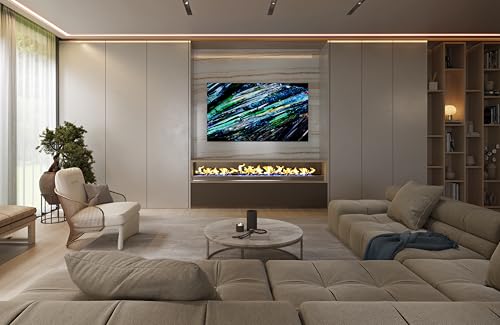
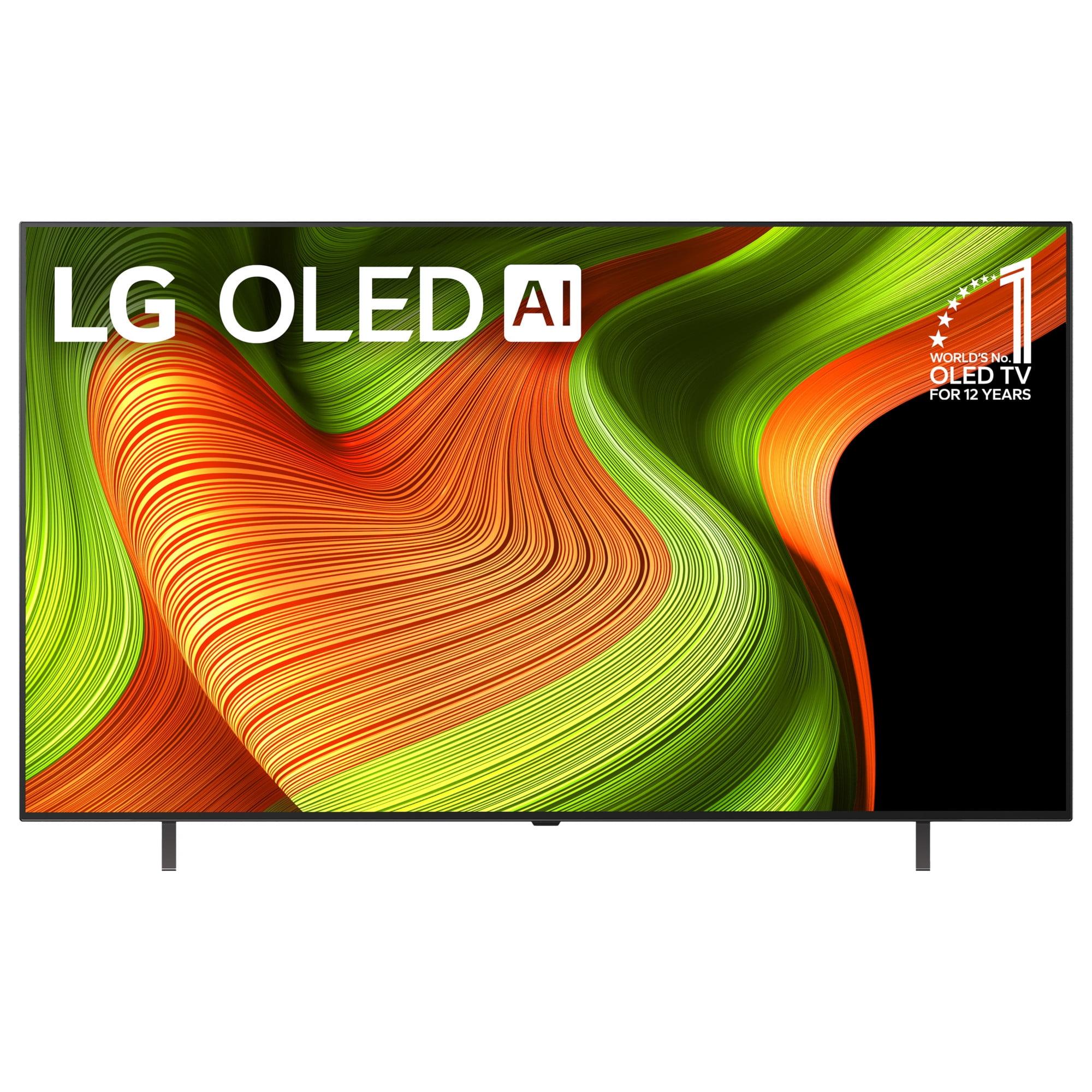
![LG B5 Series OLED 65" 4K Smart TV 2025[1][7][9]](https://images.hometheaterreview.com/htr-stateless/2025/07/31238cd0-lg-b5-series-oled-65-4k-smart-tv-2025179.jpg)
![LG B5 Series OLED 65" 4K Smart TV 2025[1][7][9]](https://images.hometheaterreview.com/htr-stateless/2025/07/3368ce40-25ef-4d07-b442-bb0af89e3a29.jpg)

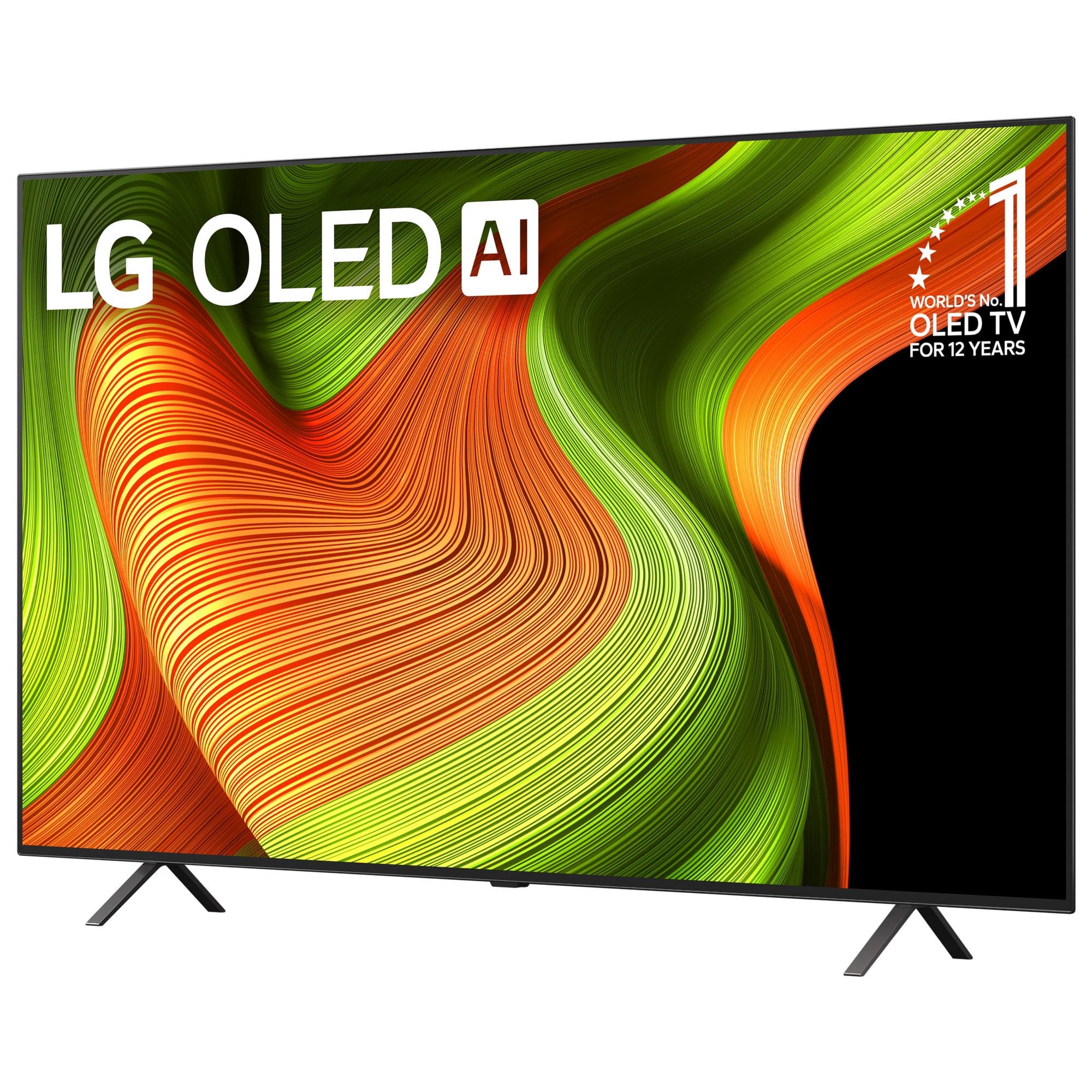
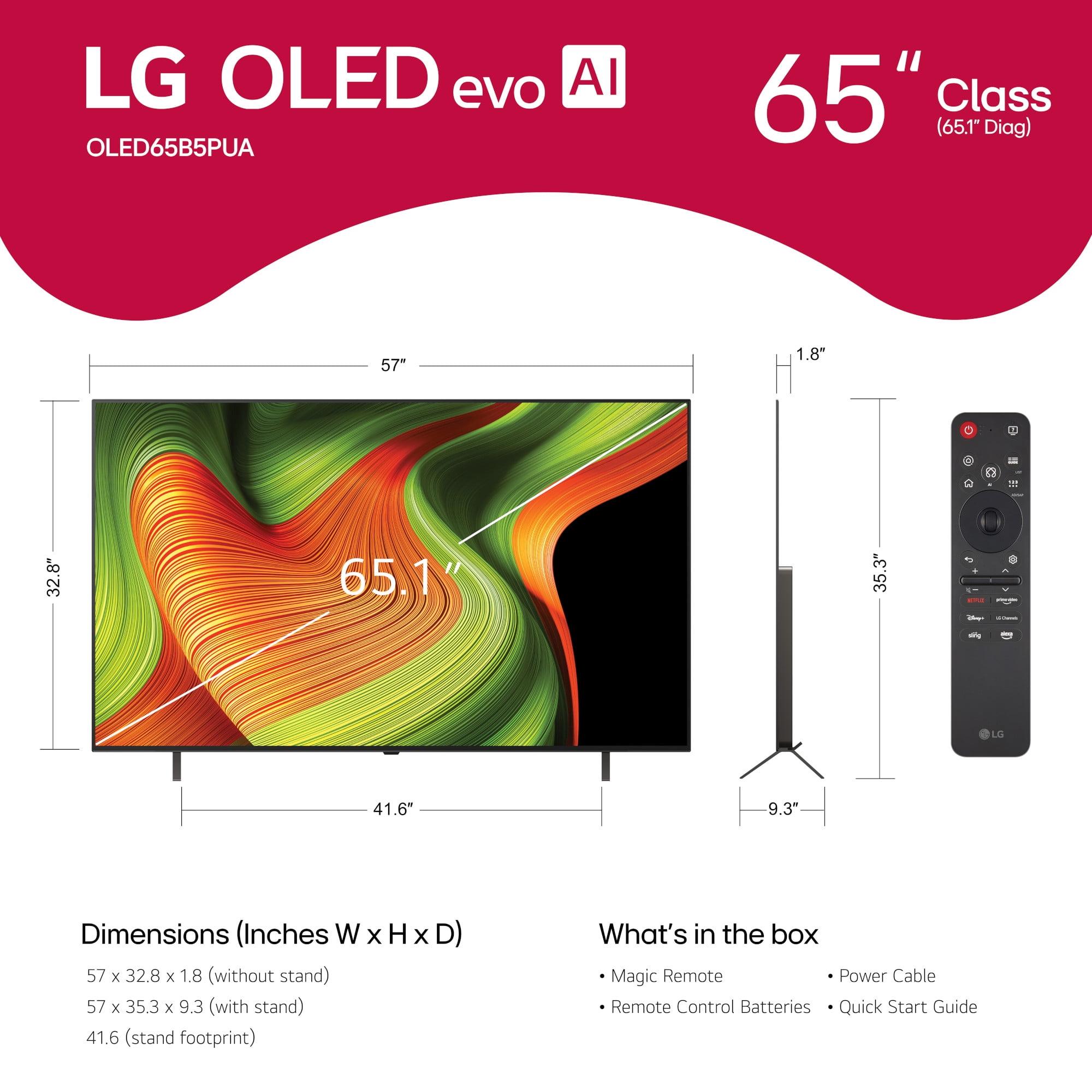
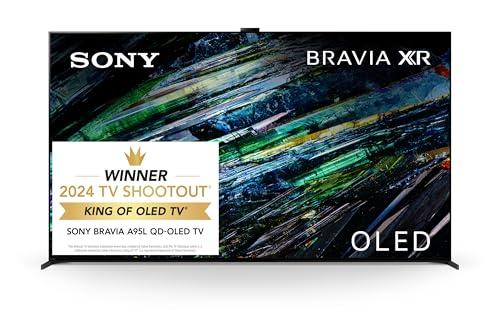
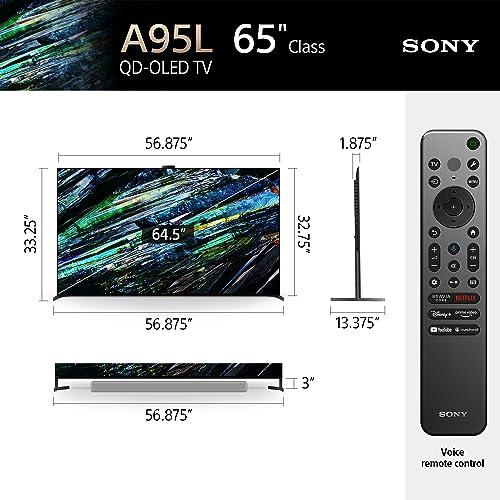
When you're ready to upgrade to an OLED TV, you're faced with an interesting decision: go premium or go practical? The Sony BRAVIA XR A95L and LG B5 Series OLED represent two completely different philosophies in OLED television design. One pushes the boundaries of what's possible with cutting-edge technology, while the other makes OLED accessible without breaking the bank.
Both TVs deliver the core OLED experience—perfect blacks, infinite contrast, and vibrant colors—but they get there through very different approaches. Understanding these differences will help you decide which path makes sense for your home theater setup and budget.
OLED stands for Organic Light-Emitting Diode, and it's fundamentally different from traditional LCD TVs. Instead of needing a backlight, each pixel produces its own light. This means when a pixel needs to be black, it simply turns off completely, creating true blacks that LCD TVs can't match.
The most important performance characteristics for any OLED include color accuracy and volume (how vibrant colors look), peak brightness for HDR content, picture processing quality (how well the TV handles lower-quality sources), gaming features, and overall reliability. While all OLEDs share the perfect black advantage, how they handle everything else varies dramatically between models and manufacturers.
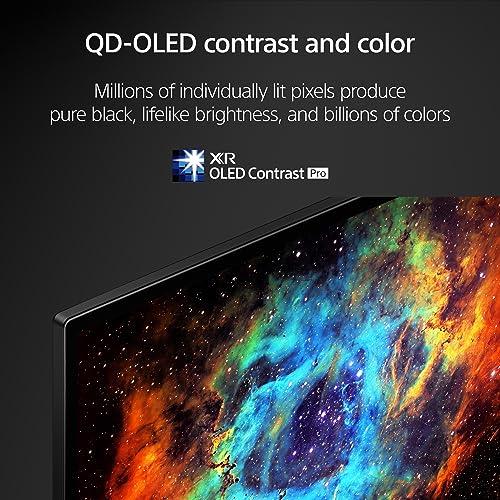
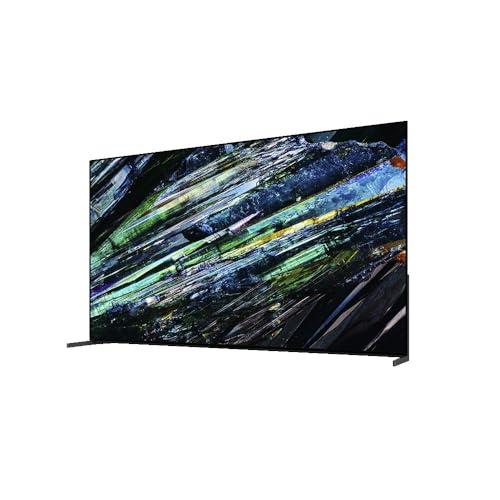
The biggest difference between these TVs lies in their fundamental display technology. The Sony A95L uses what's called QD-OLED (Quantum Dot OLED), while the LG B5 uses traditional WOLED (White OLED). This isn't just marketing jargon—it affects everything you see on screen.
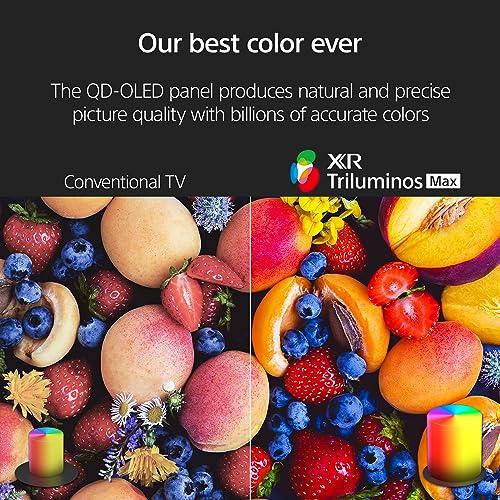
QD-OLED combines quantum dots (tiny nanocrystals that produce pure colors) with OLED's self-emissive pixels. Think of quantum dots as extremely precise color filters that create incredibly pure reds, greens, and blues. The Sony A95L covers an impressive 89% of the Rec. 2020 color space—that's the widest color standard used in professional filmmaking. When you're watching nature documentaries or animated films, colors appear more vivid and lifelike than on traditional displays.
The LG B5 uses WOLED technology, which creates white light first, then filters it through colored sub-pixels including an additional white sub-pixel. While this approach is more cost-effective to manufacture, it can dilute color purity, especially in bright scenes. The B5 covers about 65% of the Rec. 2020 color space—still excellent for most content, but noticeably less saturated than QD-OLED.
In practical terms, if you put these TVs side by side playing the same HDR movie, the Sony A95L would show more vibrant greens in jungle scenes, deeper reds in sunset shots, and more nuanced color gradations overall. The LG B5 would still look fantastic, but colors would appear more subdued and traditional.
HDR (High Dynamic Range) content contains much brighter highlights and darker shadows than standard video, and peak brightness capability determines how impactful these highlights appear. The Sony A95L reaches about 1,200 nits of peak brightness, which creates punchy, eye-catching highlights in HDR movies and shows.
The LG B5 offers more modest HDR brightness levels. While LG hasn't published exact figures, our research suggests it performs best in moderately lit rooms rather than spaces flooded with natural light. This brightness difference becomes most noticeable during daytime viewing or in bright living rooms where ambient light can wash out the screen.
For home theater enthusiasts who watch movies in dark, controlled environments, both TVs will deliver stunning HDR performance. The Sony A95L has the edge in creating those "wow" moments when explosions fill the screen or sunlight streams through windows in a film, but the LG B5 still provides a dramatically better HDR experience than any LCD TV in its price range.
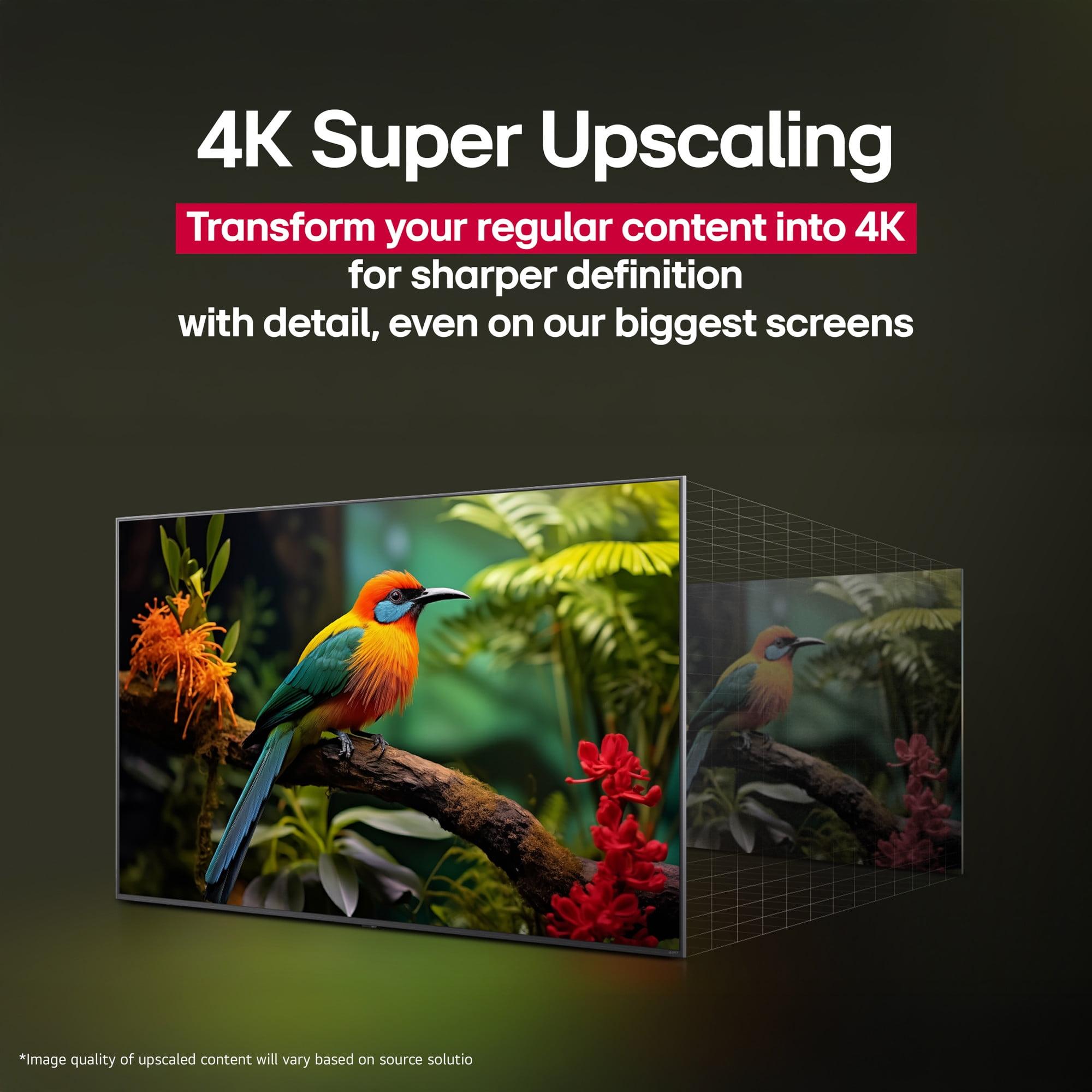
Picture processing is where TVs take whatever signal you feed them and make it look as good as possible on screen. This includes upscaling lower-resolution content, reducing noise and artifacts, smoothing gradients, and optimizing colors and contrast in real-time.
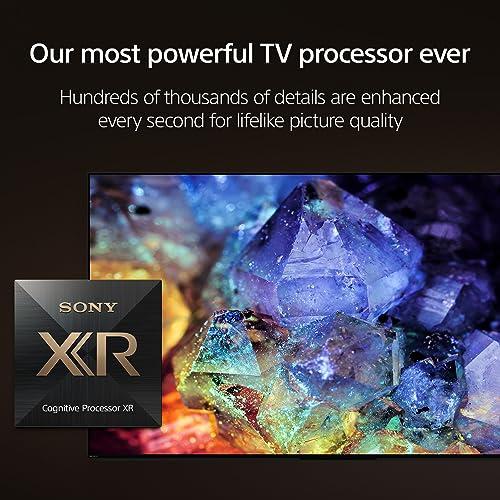
Sony has built a reputation for exceptional picture processing, and the Sony A95L continues this tradition with its Cognitive Processor XR. This chip analyzes content scene by scene, understanding not just technical aspects like brightness and color, but also contextual elements like whether you're watching a sports game or a dramatic film. When you're streaming a movie that was compressed for internet delivery, or watching an old DVD, the Sony's processing works overtime to minimize compression artifacts, sharpen details without creating artificial-looking edges, and smooth out color banding.
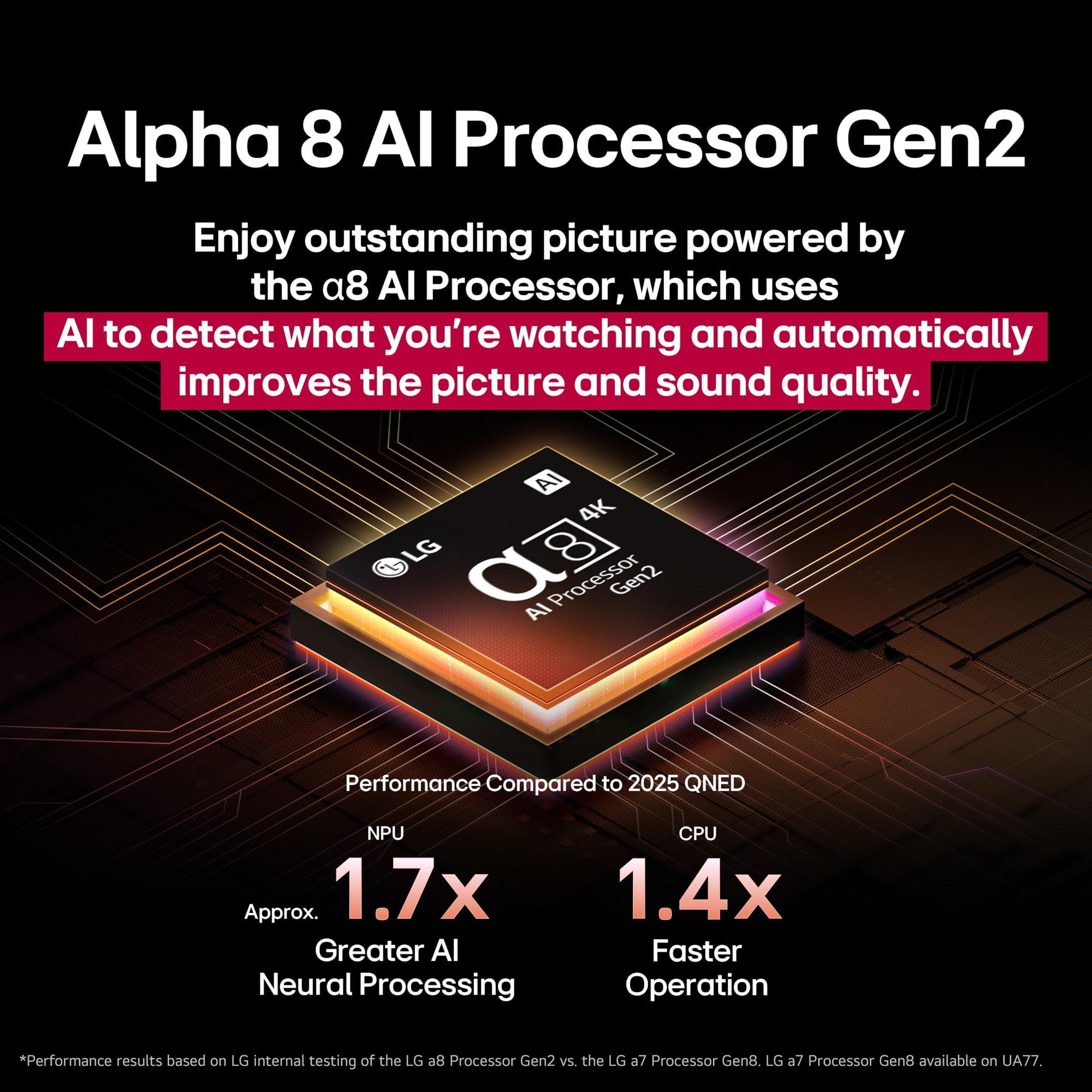
The LG B5 uses the α8 AI Processor 4K Gen2, which provides solid but less sophisticated processing. It handles most content well, particularly when dealing with macro blocking (those pixelated squares you sometimes see in heavily compressed video) and basic upscaling tasks. However, it doesn't match Sony's ability to enhance fine details or handle complex motion as elegantly.
If you watch a lot of streaming content, older movies, or cable TV, the Sony A95L's superior processing becomes a significant advantage. You'll notice fewer artifacts, cleaner motion, and better detail preservation across all types of content.
Modern gaming demands have transformed TV requirements. Today's gaming consoles can output 4K resolution at 120 frames per second, requiring enormous bandwidth and minimal input lag (the delay between pressing a button and seeing the action on screen).
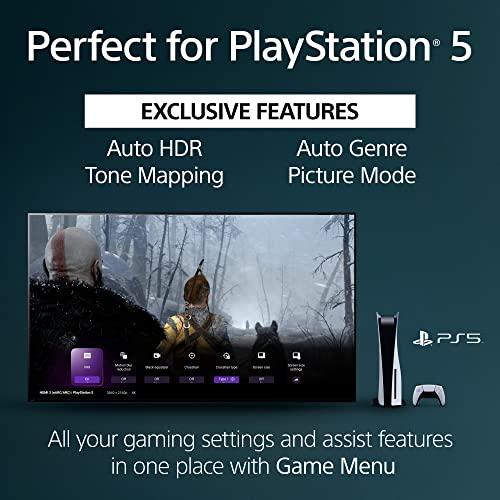
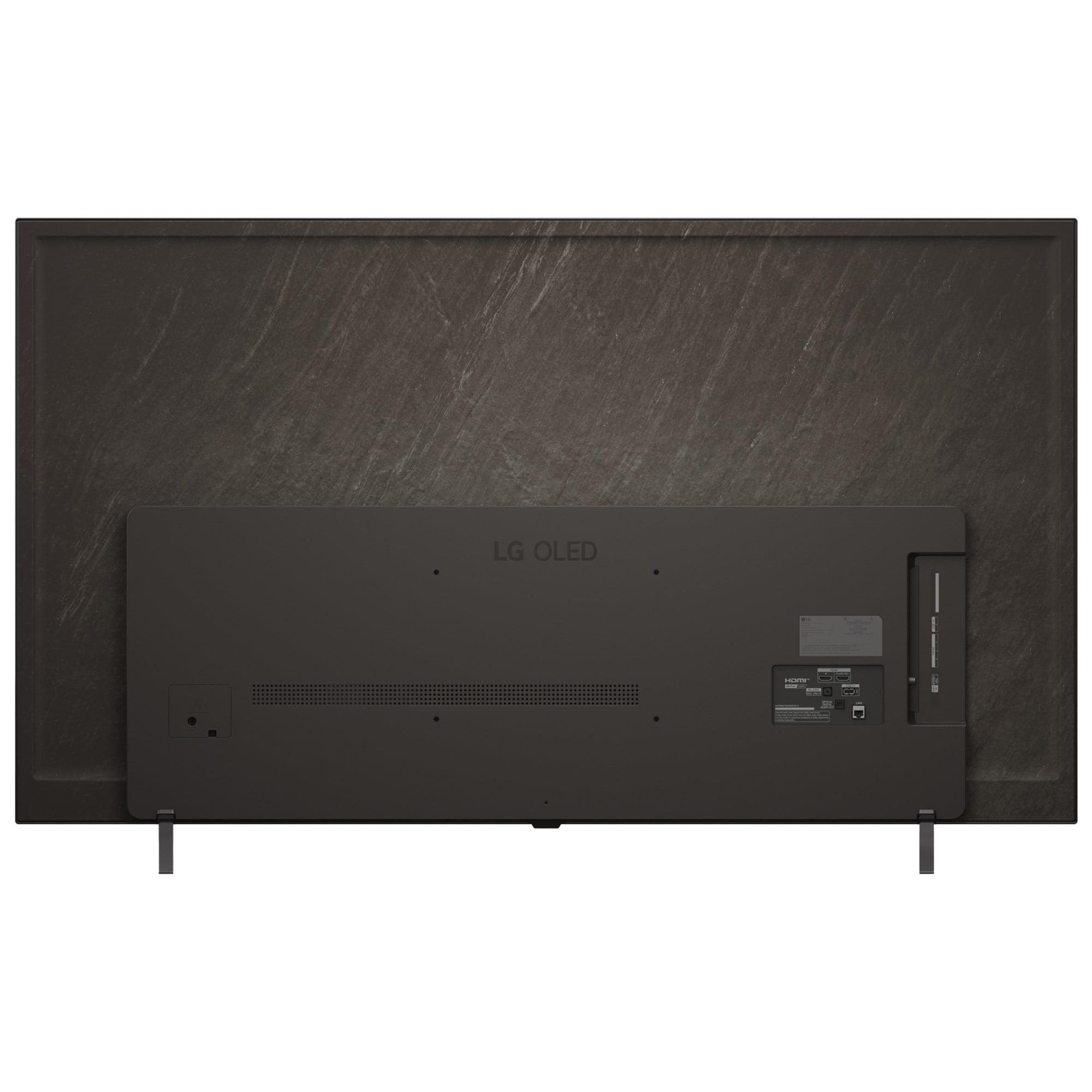
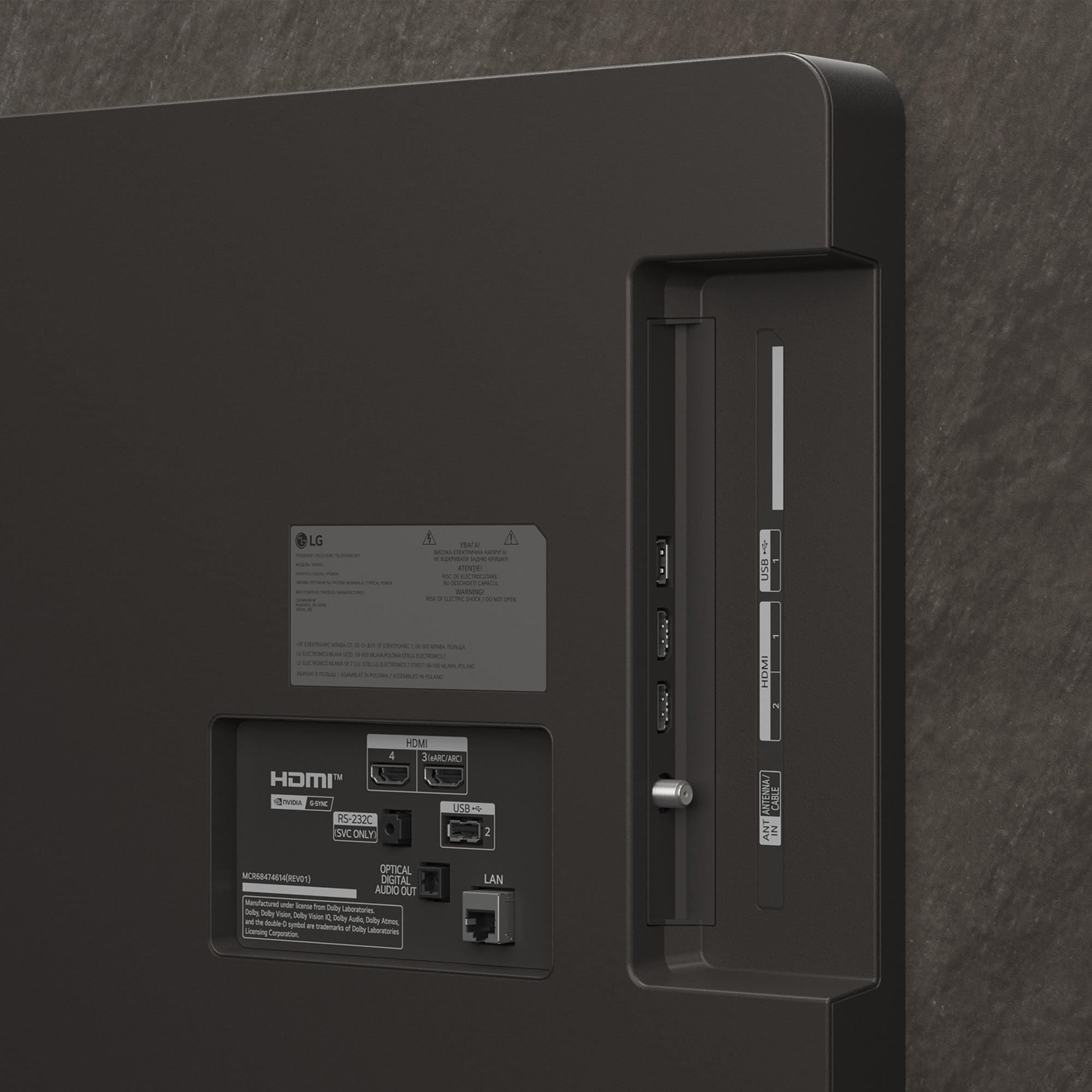
The LG B5 absolutely dominates in gaming connectivity. It includes four HDMI 2.1 ports, each capable of handling the full 48 Gbps bandwidth needed for 4K at 120Hz gaming. This means you can connect a PlayStation 5, Xbox Series X, gaming PC, and still have a port available for a streaming device or sound system—all without compromising performance.
More importantly, the LG B5 achieves 12.8 milliseconds of input lag at 120Hz, making it extremely responsive for competitive gaming. It supports Variable Refresh Rate (VRR), which eliminates screen tearing, and Auto Low Latency Mode (ALLM), which automatically switches to game mode when it detects console input.
The Sony A95L, released in 2023, reflects the connectivity standards of that era with only two HDMI 2.1 ports plus two older HDMI 2.0 ports. Worse yet, if you connect a soundbar using eARC (enhanced Audio Return Channel), you lose one of those precious HDMI 2.1 ports. Input lag measures 16.1 milliseconds—still excellent for casual gaming, but less ideal for competitive players.
For serious gamers with multiple consoles or a gaming PC setup, the LG B5 provides significantly more flexibility and slightly better performance. The Sony A95L works great for single-console gaming but requires more planning for complex setups.
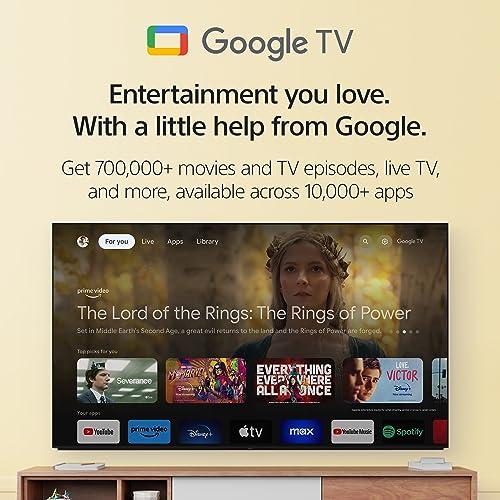
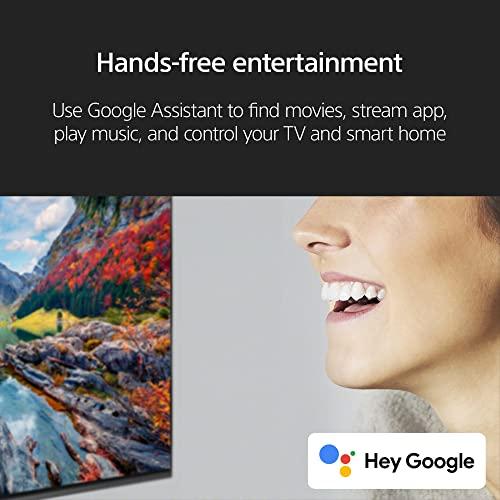
Your TV's smart platform affects every interaction, from launching apps to adjusting settings. The Sony A95L runs Google TV, which provides excellent app selection, seamless integration with Google services, and reliable voice control through Google Assistant. It also includes ATSC 3.0 tuner support, preparing it for next-generation over-the-air broadcasts.
The LG B5 runs webOS in its 2025 iteration, featuring LG's commitment to four years of major OS updates—unusual longevity in the TV world. The interface is clean and user-friendly, with features like Quick Cards that group favorite apps into categories.
However, LG made a controversial decision for 2025: they completely removed DTS audio support from their entire TV lineup. DTS is a common surround sound format found on many Blu-ray discs and streaming content. If you have a physical media collection or prefer certain streaming services that use DTS, you'll need an external player or sound system to decode these audio tracks properly.
Additionally, some users have reported intermittent issues with Dolby Atmos playback on the LG B5, occasionally requiring power cycles to restore proper audio. These aren't dealbreakers for most users, but they represent the kind of small compromises that come with budget-focused products.
The Sony A95L, now in its second year on the market, has established a track record of solid build quality and reliable performance. Sony's premium positioning shows in the materials, manufacturing precision, and quality control.
The LG B5, being a 2025 release, lacks this long-term track record. Some early reports mention quality control issues including dead pixels on review units, and users have noted quirks like the TV defaulting to PC mode even after setting input labels correctly. The redesigned Magic Remote also eliminates the number pad, removing the ability to create quick app shortcuts—a minor but annoying regression.
These issues might improve as LG refines manufacturing processes throughout 2025, but early adopters often encounter more bugs and inconsistencies than buyers of established models.
At the time of writing, the Sony A95L has seen significant price reductions from its original premium launch price, making it more competitive than when it first appeared in 2023. It represents exceptional value for buyers who want the best possible picture quality and don't mind spending substantially more for premium features.
The LG B5 targets the opposite end of the market, offering genuine OLED technology at prices that make it competitive with high-end LCD TVs. For buyers who want to experience OLED's perfect blacks and infinite contrast without premium pricing, it delivers remarkable value.
The price gap between these models reflects their different missions: one pushes technical boundaries while the other makes advanced technology accessible.
For dedicated home theater rooms with controlled lighting, the Sony A95L shines brightest. Its superior color reproduction and peak brightness create more impactful cinematic experiences, especially with high-quality 4K HDR content. The processing advantages become more noticeable when watching films that benefit from careful color grading and subtle details.
The LG B5 still provides an excellent home theater experience, particularly for viewers stepping up from LCD technology. While it can't match the Sony's color purity or processing sophistication, it delivers the core OLED benefits that transform movie watching: perfect blacks, infinite contrast, and wide viewing angles.
Both TVs support major HDR formats including Dolby Vision, though the Sony A95L provides more accurate tone mapping and better highlight detail preservation in challenging content.
The Sony A95L makes sense for viewers who prioritize ultimate picture quality above all else. If you're building a serious home theater, watch primarily high-quality content, and can afford the premium price, its QD-OLED technology and superior processing justify the investment. It's particularly compelling for movie enthusiasts who want the most accurate, vibrant colors possible.
Choose the LG B5 if you want OLED technology at a more accessible price point, especially if gaming is important to your setup. Its four HDMI 2.1 ports, lower input lag, and solid overall performance make it an excellent entry point into OLED ownership. It's also the better choice for buyers who need multiple high-bandwidth gaming connections or prefer LG's webOS interface.
Consider your viewing environment carefully: the Sony A95L performs best in dark, controlled rooms where its color advantages shine, while the LG B5 offers more versatility across different lighting conditions, though neither excels in very bright rooms.
For most buyers, the LG B5 provides the better value proposition, delivering 90% of the OLED experience at a significantly lower price. However, videophiles and home theater enthusiasts will appreciate the Sony A95L's technical superiority and refined performance.
Both represent excellent OLED options, just aimed at different priorities and budgets. The "wrong" choice would be buying premium features you won't appreciate or compromising on capabilities that matter to your specific usage.
| Sony BRAVIA XR A95L 65" QD-OLED | LG B5 Series OLED 65" 4K Smart TV 2025 |
|---|---|
| Panel Technology - Determines color purity and vibrancy | |
| QD-OLED (Quantum Dot + OLED for exceptional color accuracy) | Traditional WOLED (White OLED with good but less pure colors) |
| Color Gamut Coverage - How vivid and lifelike colors appear | |
| 89.4% Rec. 2020 (cinema-grade color reproduction) | 65.2% Rec. 2020 (solid colors but less saturated) |
| HDR Peak Brightness - Impact of highlights in movies and games | |
| 1,215 nits (excellent for dark room HDR) | Modest brightness (best in moderately lit rooms) |
| Picture Processor - Quality of upscaling and motion handling | |
| Cognitive Processor XR (industry-leading processing) | α8 AI Processor 4K Gen2 (good but basic processing) |
| HDMI 2.1 Gaming Ports - Critical for multiple consoles/PC gaming | |
| 2 ports (limiting for complex gaming setups) | 4 ports (excellent flexibility for all gaming devices) |
| Input Lag - Responsiveness for competitive gaming | |
| 16.1ms at 120Hz (good for casual gaming) | 12.8ms at 120Hz (excellent for competitive gaming) |
| Smart TV Platform - Daily interface and app experience | |
| Google TV with ATSC 3.0 support | webOS 2025 with 4-year update promise but no DTS audio |
| Release Year - Affects availability and price trends | |
| 2023 (established model with price reductions) | 2025 (newest tech but early adopter risks) |
| Build Quality Track Record - Long-term reliability expectations | |
| Proven reliability over 2+ years | New release with some reported QC issues |
| Best Use Case - Who should choose this TV | |
| Premium home theater with dark room viewing | Budget-conscious buyers wanting OLED + serious gamers |
The Sony BRAVIA XR A95L delivers superior picture quality with its QD-OLED technology, producing more vibrant and accurate colors with 89% Rec. 2020 coverage compared to the LG B5's 65% coverage. The Sony also offers better HDR brightness at 1,215 nits and superior picture processing. However, both provide perfect OLED blacks and excellent contrast.
The LG B5 Series OLED is significantly better for gaming, featuring four HDMI 2.1 ports versus only two on the Sony A95L. The LG also has lower input lag (12.8ms vs 16.1ms) and supports all major gaming features like VRR and ALLM across all ports, making it ideal for multiple console setups.
The Sony A95L uses QD-OLED technology that combines quantum dots with OLED for purer, more vibrant colors, while the LG B5 uses traditional WOLED with a white subpixel that can slightly dilute color saturation. QD-OLED produces more lifelike reds and greens, making it better for color-critical viewing.
The Sony BRAVIA XR A95L performs better in bright rooms due to its higher peak brightness capabilities. The LG B5 is designed for moderately lit environments and may struggle with excessive ambient light. Neither TV excels in very bright spaces compared to high-end LCD TVs.
The LG B5 Series OLED provides exceptional value as an entry-level OLED with core benefits like perfect blacks at an accessible price point. The Sony A95L offers premium features and superior picture quality but at a significantly higher cost, making it better value for serious home theater enthusiasts.
For dedicated home theater rooms with controlled lighting, the Sony BRAVIA XR A95L excels with superior color accuracy, better HDR impact, and exceptional picture processing that enhances all content types. The LG B5 still provides an excellent home theater experience but with less color vibrancy and processing sophistication.
Yes, both the Sony A95L and LG B5 Series OLED support major HDR formats including Dolby Vision, HDR10, and HLG. However, the Sony provides more accurate tone mapping and better highlight detail preservation due to its superior processing capabilities.
The Sony BRAVIA XR A95L offers superior motion handling thanks to its advanced Cognitive Processor XR, which provides smoother motion processing and better artifact reduction. While the LG B5 handles motion adequately, it doesn't match Sony's processing sophistication for fast-moving content.
For first-time OLED buyers, the LG B5 Series OLED is often the better choice due to its accessible pricing, excellent gaming features, and delivery of core OLED benefits like perfect blacks. Choose the Sony A95L if picture quality is your absolute priority and budget allows for the premium investment.
We've done our best to create useful and informative comparisons to help you decide what product to buy. Our research uses advanced automated methods to create this comparison and perfection is not possible - please contact us for corrections or questions. These are the sites we've researched in the creation of this article: rtings.com - youtube.com - rtings.com - avsforum.com - rtings.com - smarthomesounds.co.uk - smarthomesounds.co.uk - rtings.com - smarthomesounds.co.uk - youtube.com - tomsguide.com - avsforum.com - rtings.com - perfectrec.com - flatpanelshd.com - videoandaudiocenter.com - sonypremiumhome.com - bestbuy.com - sony.com - electronics.sony.com - displayspecifications.com - donstv.com - youtube.com - static.pcrichard.com - smarthomesounds.co.uk - youtube.com - electronics.sony.com - electronics.sony.com - displayspecifications.com - eftm.com - bestbuy.com - rtings.com - youtube.com - rtings.com - tomsguide.com - youtube.com - nationalproductreview.com.au - lg.com - manchesterbrothers.com - avsforum.com - lg.com - lg.com - lg.com - lg.com - retailspecs.com - american-homeappliance.com - perpichtv.com

Privacy Policy
Terms and Conditions - Affiliate Policy
Home Security
© Copyright 2008-2026.
11816 Inwood Rd #1211, Dallas, TX 75244