

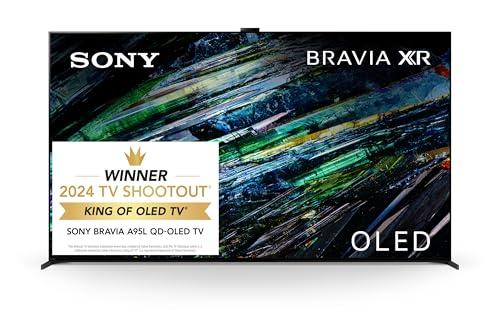
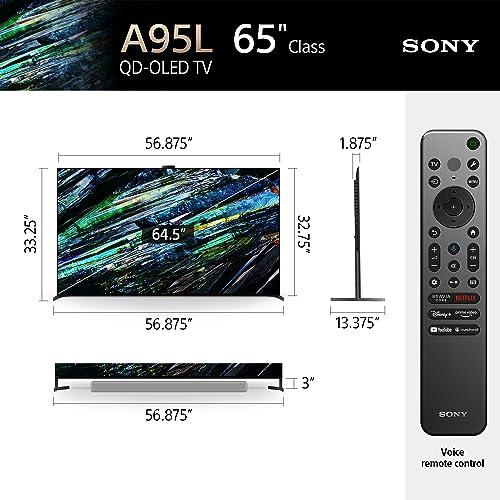



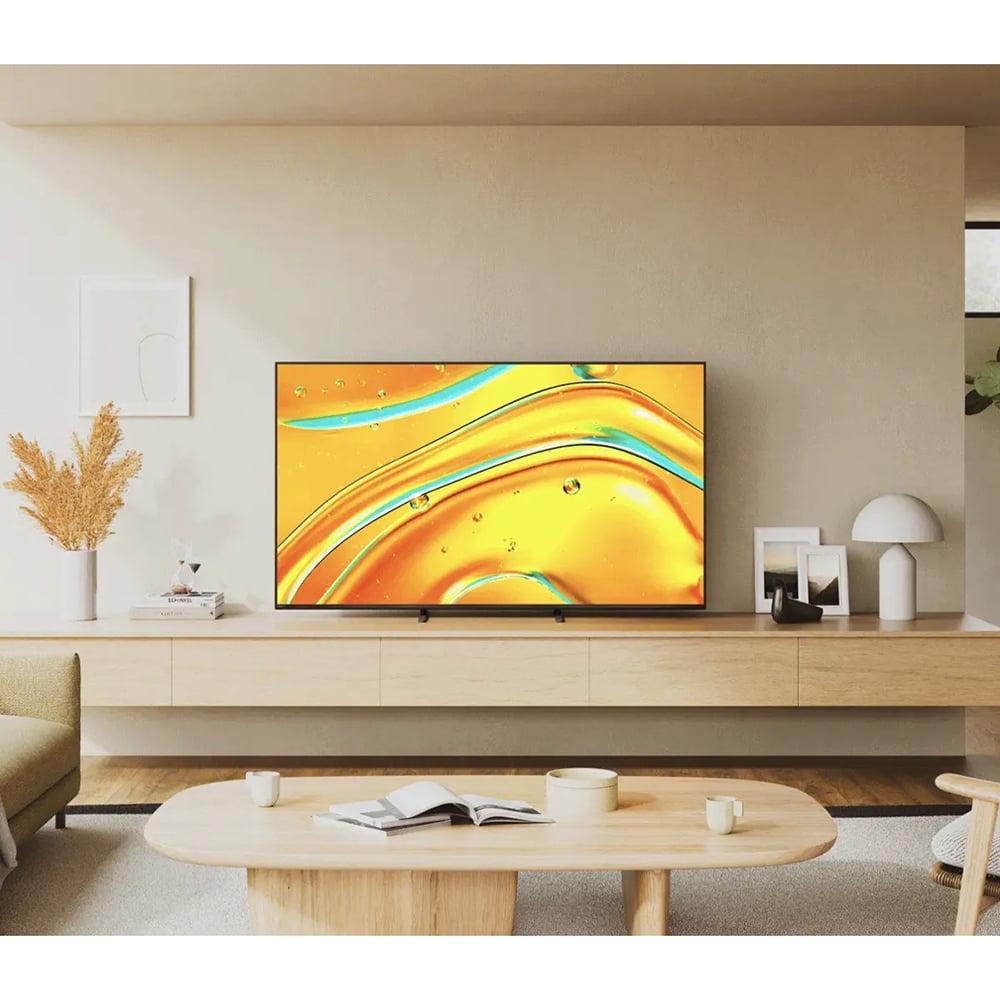
Choosing between the Sony BRAVIA XR A95L and Sony BRAVIA 5 isn't just about picking a TV—it's about understanding two fundamentally different approaches to creating great picture quality. One uses cutting-edge OLED technology that was the talk of 2023, while the other represents Sony's 2025 attempt at making Mini LED more accessible to mainstream buyers.
Based on our research into professional reviews and user experiences, these TVs couldn't be more different despite sharing the Sony badge. The A95L delivers flagship performance that justifies its premium positioning, while the BRAVIA 5 struggles to make a compelling case in an increasingly competitive mid-range market. Let's break down exactly what that means for your living room.
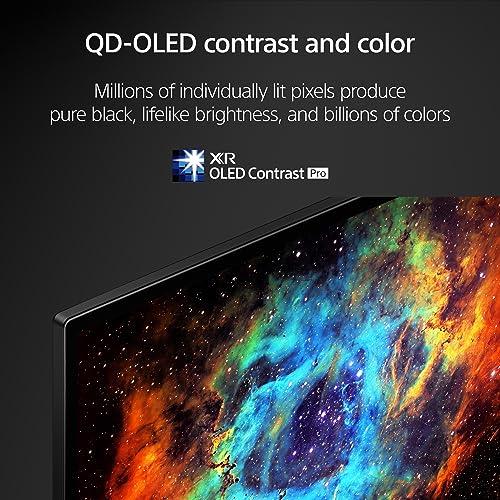
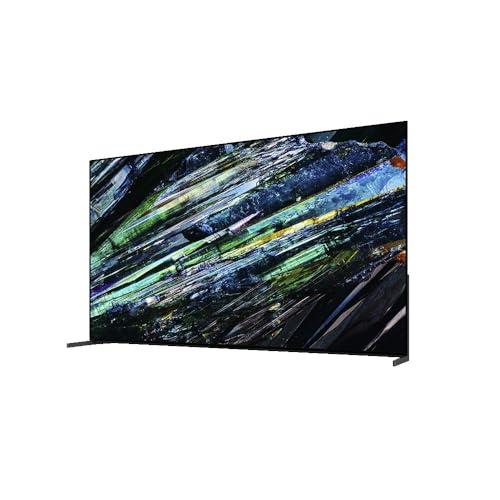
The core difference between these TVs lies in how they create light and color. The A95L uses Quantum Dot OLED (QD-OLED) technology, which means each individual pixel can produce its own light and turn completely off when displaying black. Think of it like having millions of tiny light bulbs that can each be controlled independently—when a pixel needs to show pure black, it simply turns off completely.
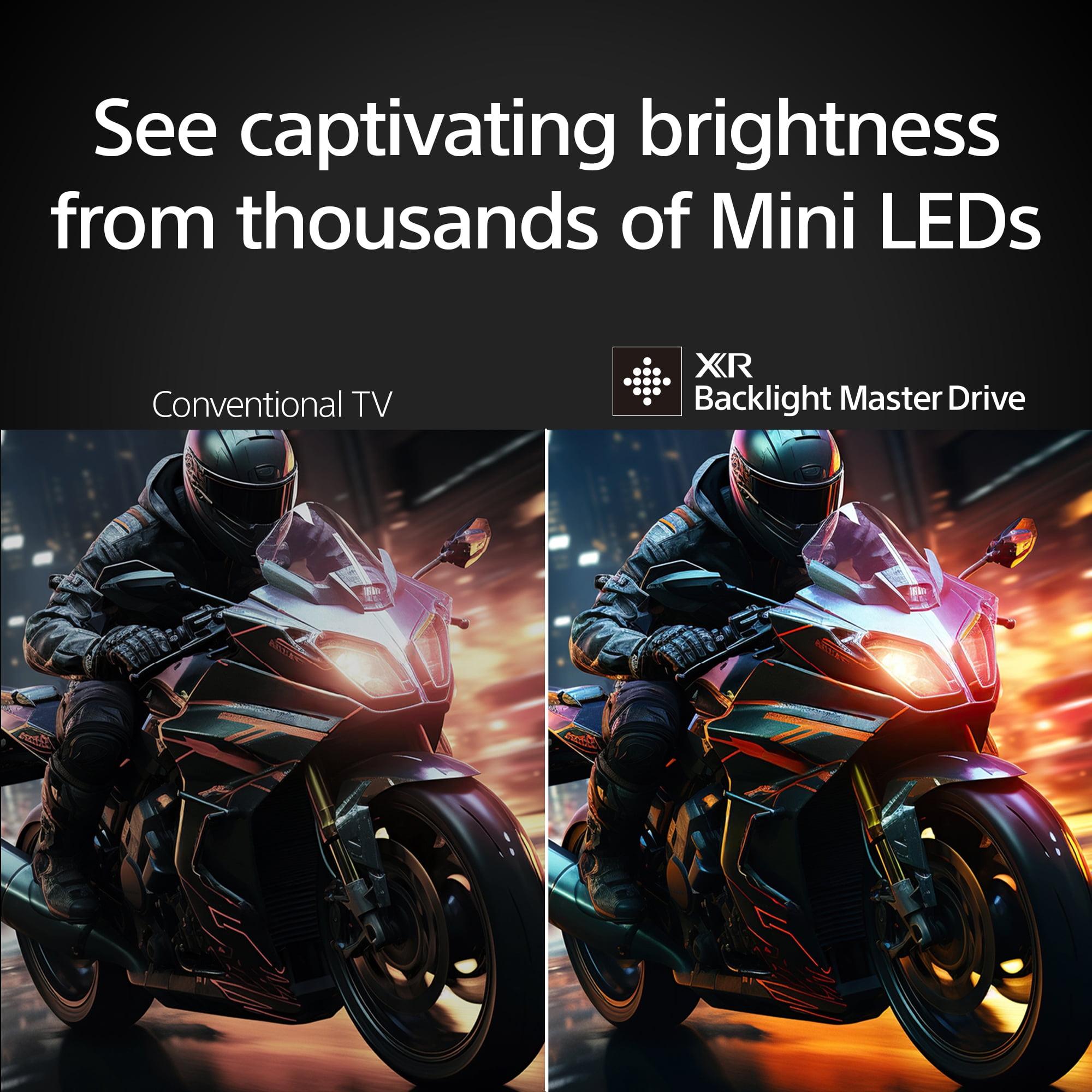
The BRAVIA 5, on the other hand, uses Mini LED backlighting behind a traditional LCD panel. This means thousands of small LEDs illuminate the screen from behind, but they're grouped into zones that dim together. It's like having a sophisticated lighting system behind a window shade—you can control different areas, but you can't achieve the same precision as individual pixel control.
This technical difference creates a cascade of performance implications that affect everything from how movies look in a dark room to whether you'll be satisfied with gaming performance.
Here's where the technology gap becomes immediately obvious. The A95L achieves what display enthusiasts call "infinite contrast"—meaning the difference between its darkest blacks and brightest whites is theoretically unlimited. When you're watching a movie with a scene that cuts from bright daylight to a dark cave, every shadow detail remains visible while bright highlights still pop.
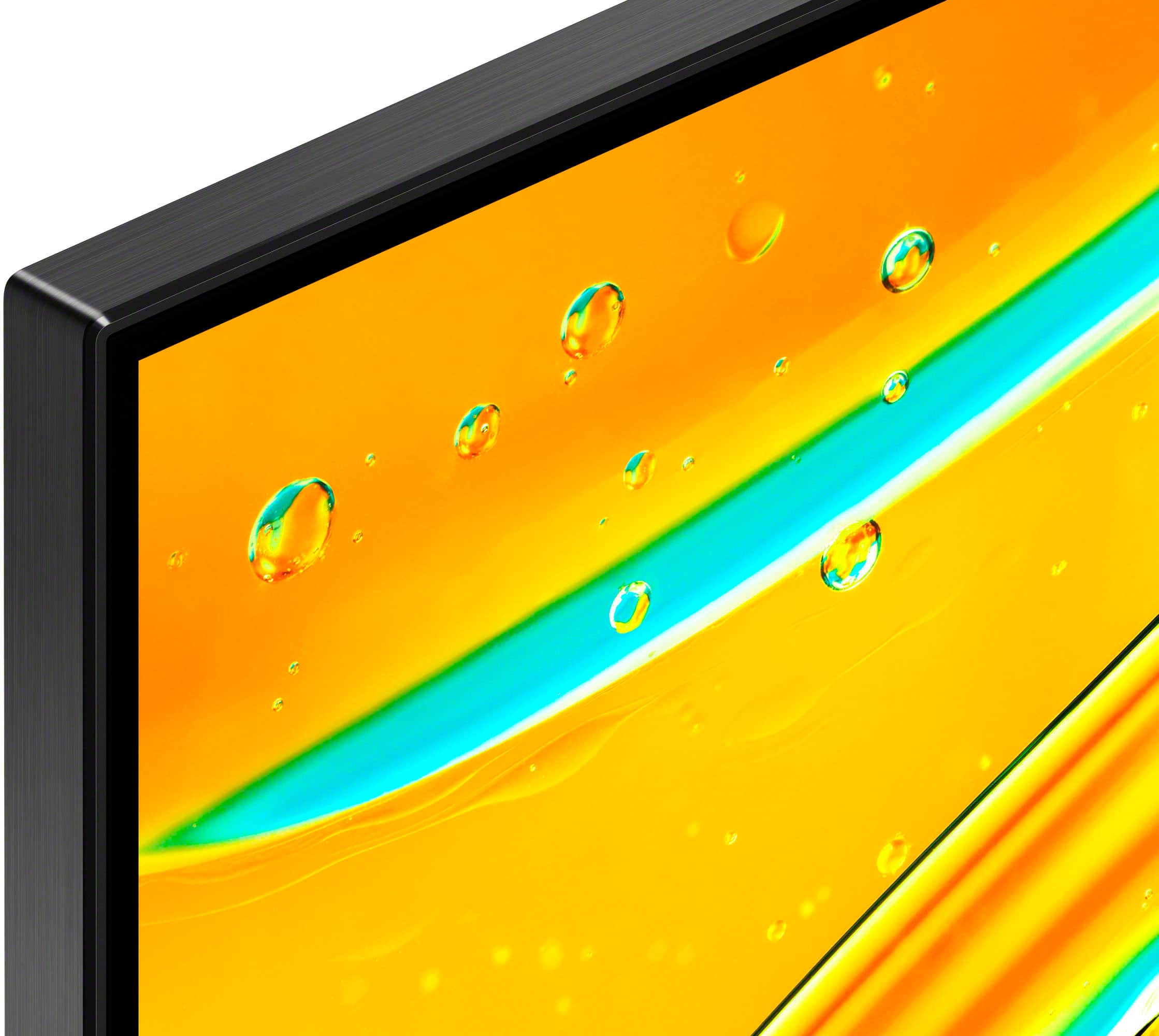
The BRAVIA 5 struggles here despite having significantly more local dimming zones than its predecessors. Professional reviewers consistently note that its contrast is only marginally better than older, cheaper models. The Mini LED zones, while numerous, can't prevent light from bleeding into areas that should be completely black. This creates a washed-out look in dark scenes that becomes particularly noticeable during movie nights.
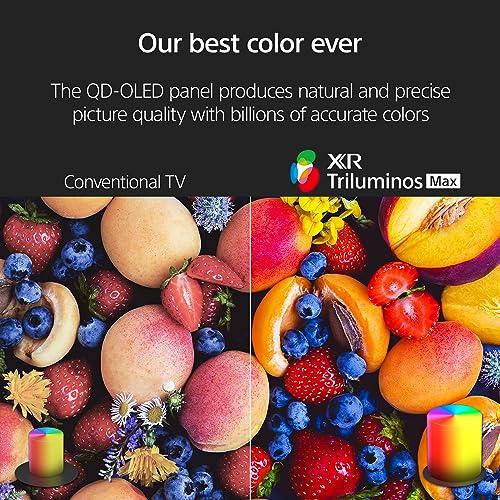
The QD-OLED technology in the A95L doesn't just excel at contrast—it's also a color powerhouse. The quantum dots (microscopic particles that emit specific colors when hit with light) allow for incredibly pure and vibrant colors while maintaining accuracy. Professional calibrators consistently praise the A95L's out-of-the-box color accuracy, meaning it displays content very close to what directors and cinematographers intended without requiring professional adjustment.
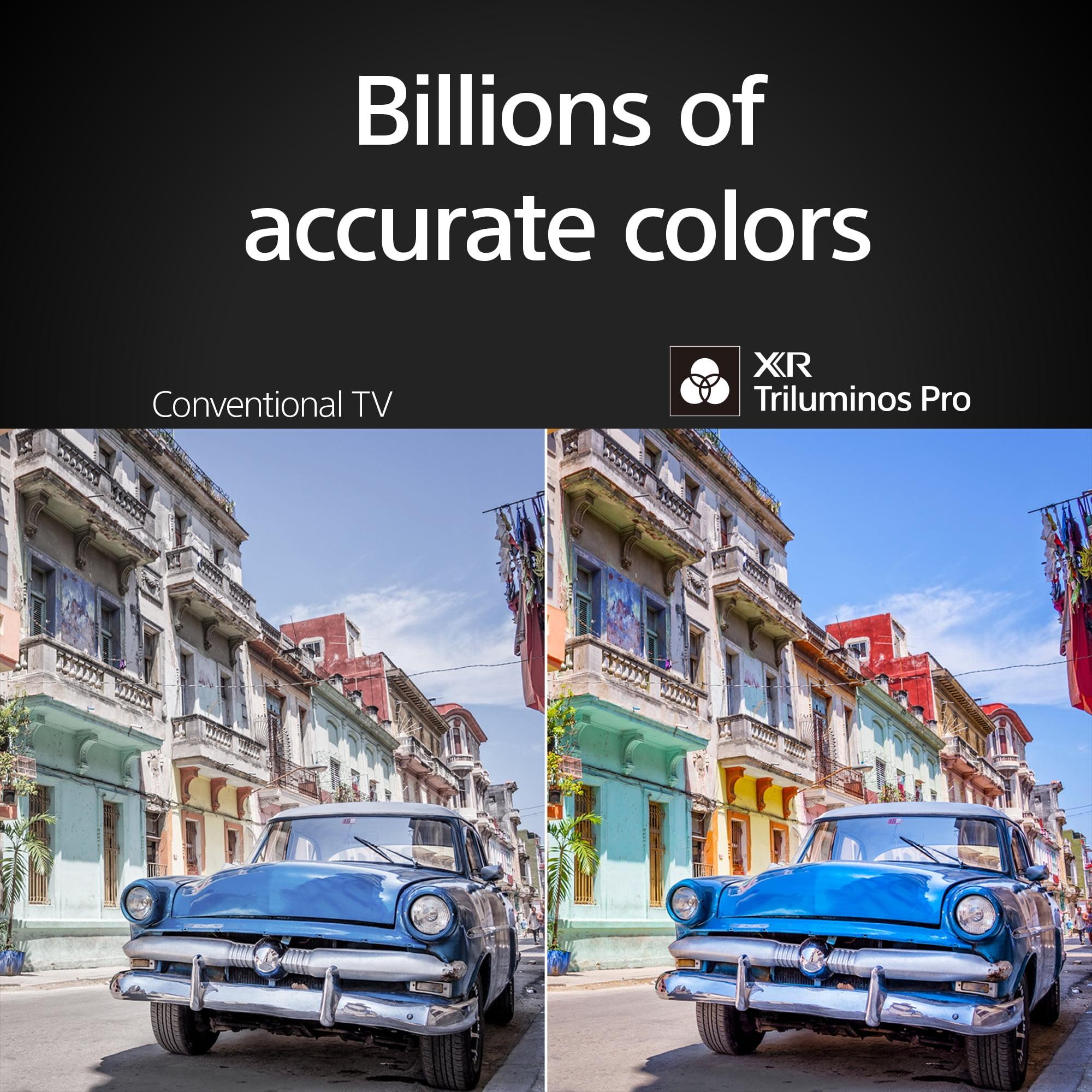
The BRAVIA 5 takes a more conventional approach to color reproduction, and unfortunately, it shows. Reviews consistently mention mediocre color accuracy in both standard and HDR content. Colors might look decent during casual viewing, but side-by-side with a quality OLED, the difference becomes stark. This matters more than you might think—inaccurate colors can make skin tones look unnatural and reduce the emotional impact of carefully crafted movie scenes.
This is where things get interesting. You might assume that the LED-based BRAVIA 5 would be brighter than the A95L, but that's not the case. The A95L actually delivers superior brightness performance, averaging around 500 nits in typical content—enough to make HDR highlights genuinely impactful and cut through room glare effectively.
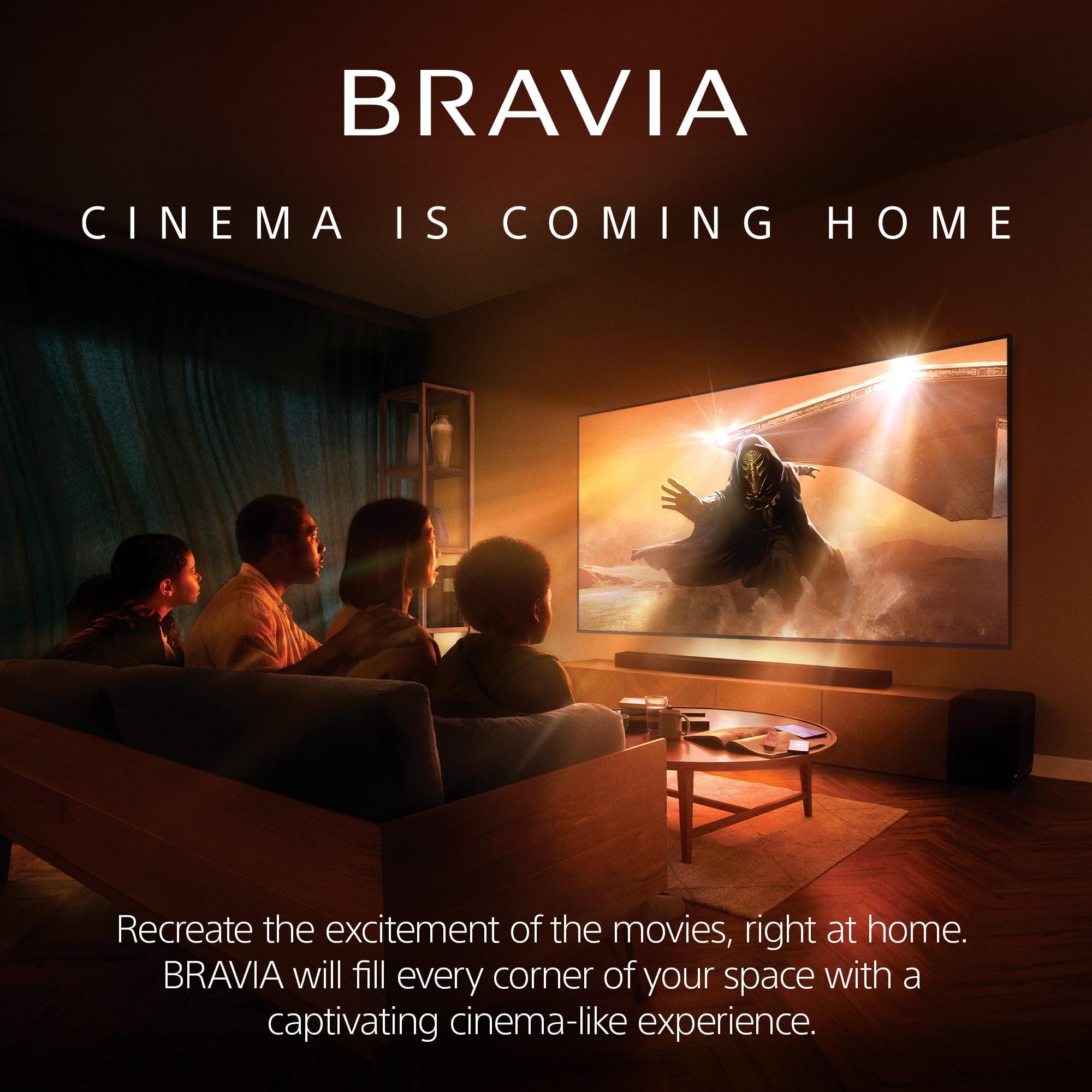
The BRAVIA 5 disappoints here, with professional reviewers noting that it's actually dimmer than its predecessor despite being a newer model. HDR content lacks the punch that makes you feel like you're looking through a window rather than at a screen. This brightness limitation becomes particularly frustrating when watching content mastered for HDR, as you're not getting the full experience the creators intended.
Gaming reveals some of the most significant differences between these TVs, and unfortunately for the BRAVIA 5, it exposes a critical flaw. The Mini LED panel suffers from very slow pixel response times, creating noticeable motion blur that becomes particularly problematic in Game Mode. Imagine playing a fast-paced racing game where the track scenery becomes a blurry mess during quick turns—this isn't just an aesthetic issue, it can actually impact your gaming performance.
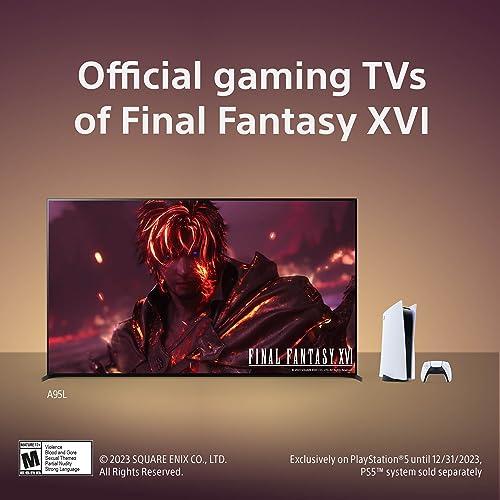
The A95L excels here with nearly instantaneous pixel transitions. OLED technology's ability to switch pixels on and off rapidly means motion stays crisp and clear, whether you're tracking enemies in a shooter or following a ball in a sports game. This responsiveness makes the A95L genuinely suitable for competitive gaming, while the BRAVIA 5's motion blur relegates it to casual gaming scenarios.
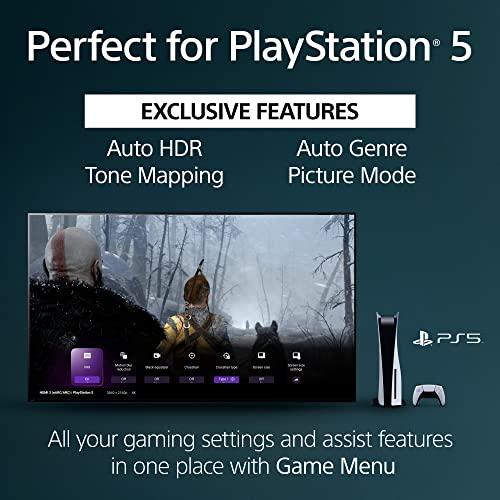
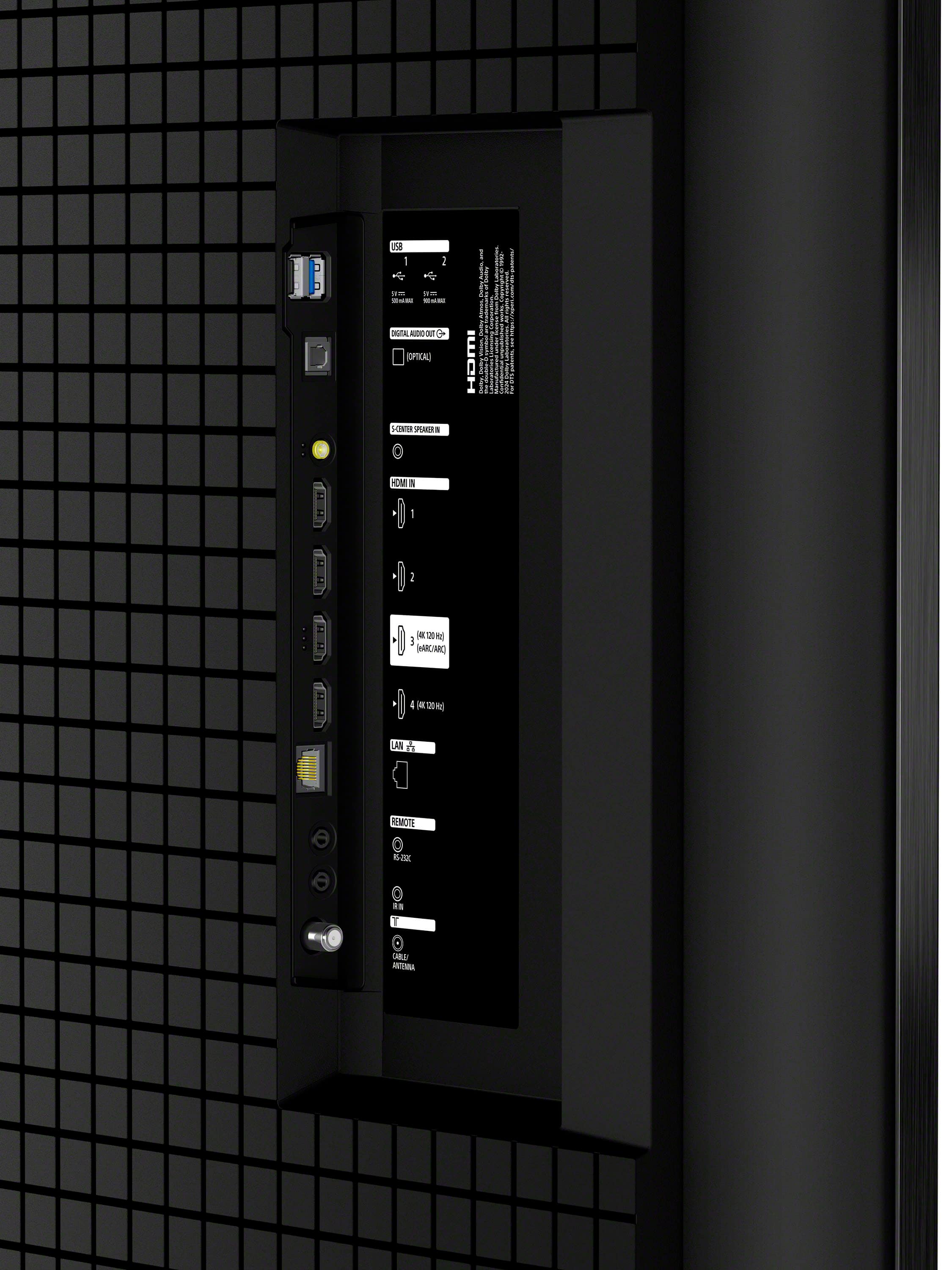
Both TVs support modern gaming features like 4K at 120Hz, Variable Refresh Rate (VRR), and Auto Low Latency Mode (ALLM) on two HDMI 2.1 ports. They also both support Dolby Vision gaming, which is particularly beneficial for Xbox Series X owners. However, these features matter less if the fundamental motion handling is poor.
One area where both TVs could be better is input lag—the delay between when you press a button and when the action appears on screen. Both hover around 10 milliseconds, which is acceptable but not class-leading. For reference, the best gaming TVs achieve around 5 milliseconds. This might only matter to the most competitive gamers, but it's worth noting.
The viewing experience extends far beyond just picture quality metrics. The A95L offers wide viewing angles, meaning the picture quality remains consistent whether you're sitting directly in front or off to the side. This makes it ideal for family movie nights or when entertaining guests.
The BRAVIA 5 has notably narrow viewing angles, which limits where you can sit and still enjoy optimal picture quality. If you have a wide seating arrangement or frequently watch with others, this becomes a significant practical limitation.
Room lighting also affects these TVs differently. The A95L's superior brightness helps it handle ambient light better, while the BRAVIA 5 struggles with reflections from direct light sources like windows or lamps. The A95L also features anti-reflection technology that helps maintain picture quality in bright rooms.
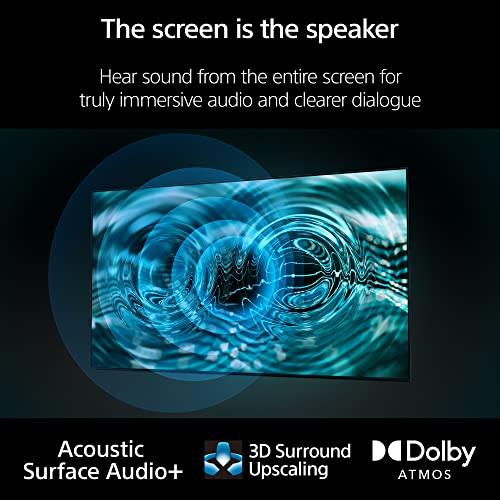
The A95L features Sony's Acoustic Surface Audio technology, where the OLED panel itself acts as a speaker diaphragm. This creates the fascinating effect of dialogue appearing to come directly from actors' mouths rather than from speakers below the screen. It's genuinely immersive in a way that traditional TV speakers can't match.
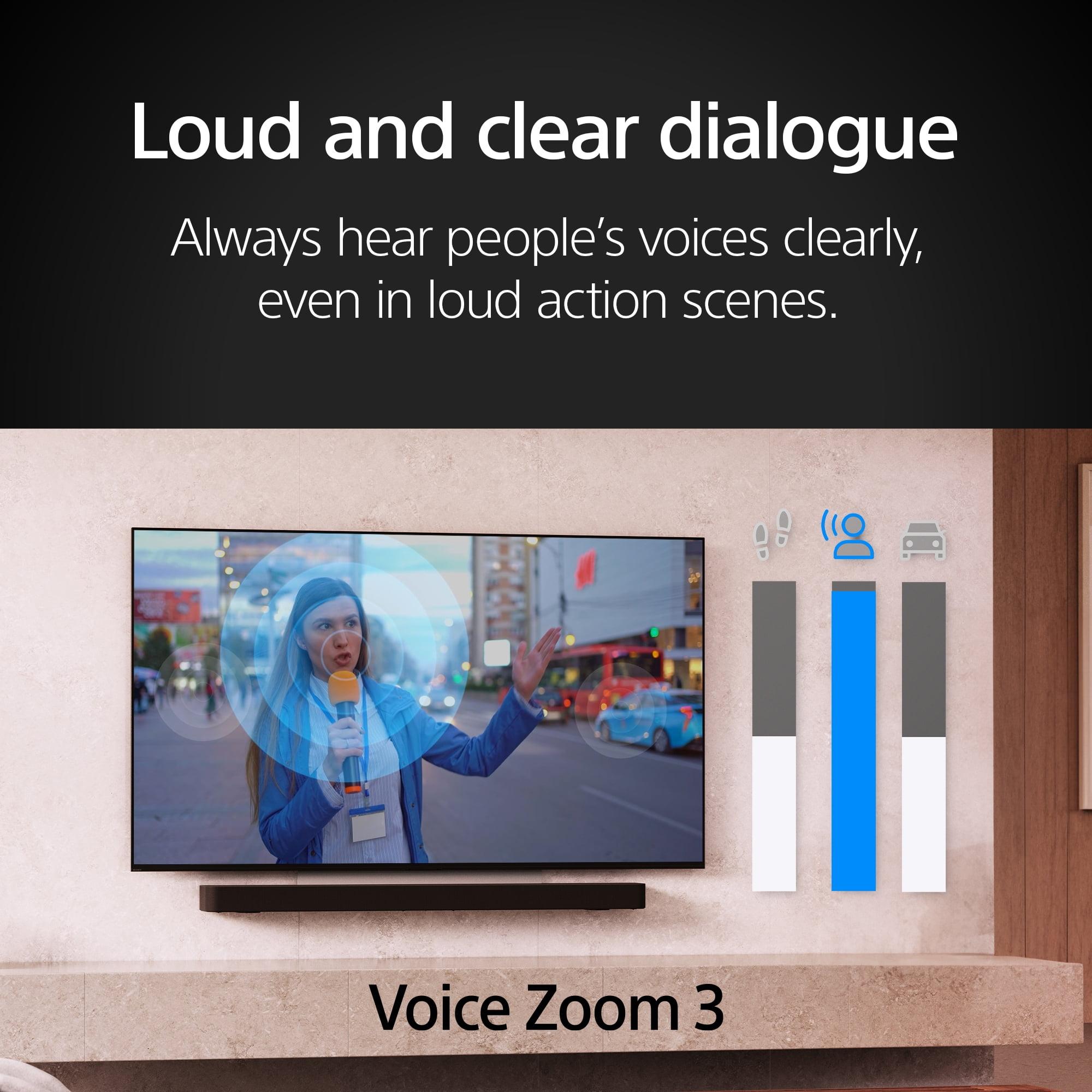
The BRAVIA 5 uses conventional downward-firing speakers. While Sony has included features like Voice Zoom for dialogue clarity and the ability to use the TV as a center channel with compatible soundbars, it can't match the immersive quality of the A95L's approach.
Both TVs benefit from external audio solutions for serious home theater use, but the A95L's unique audio implementation gives it an edge for viewers who prefer not to add additional speakers.
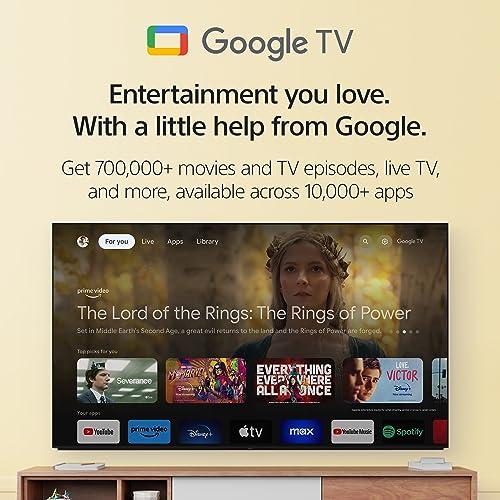
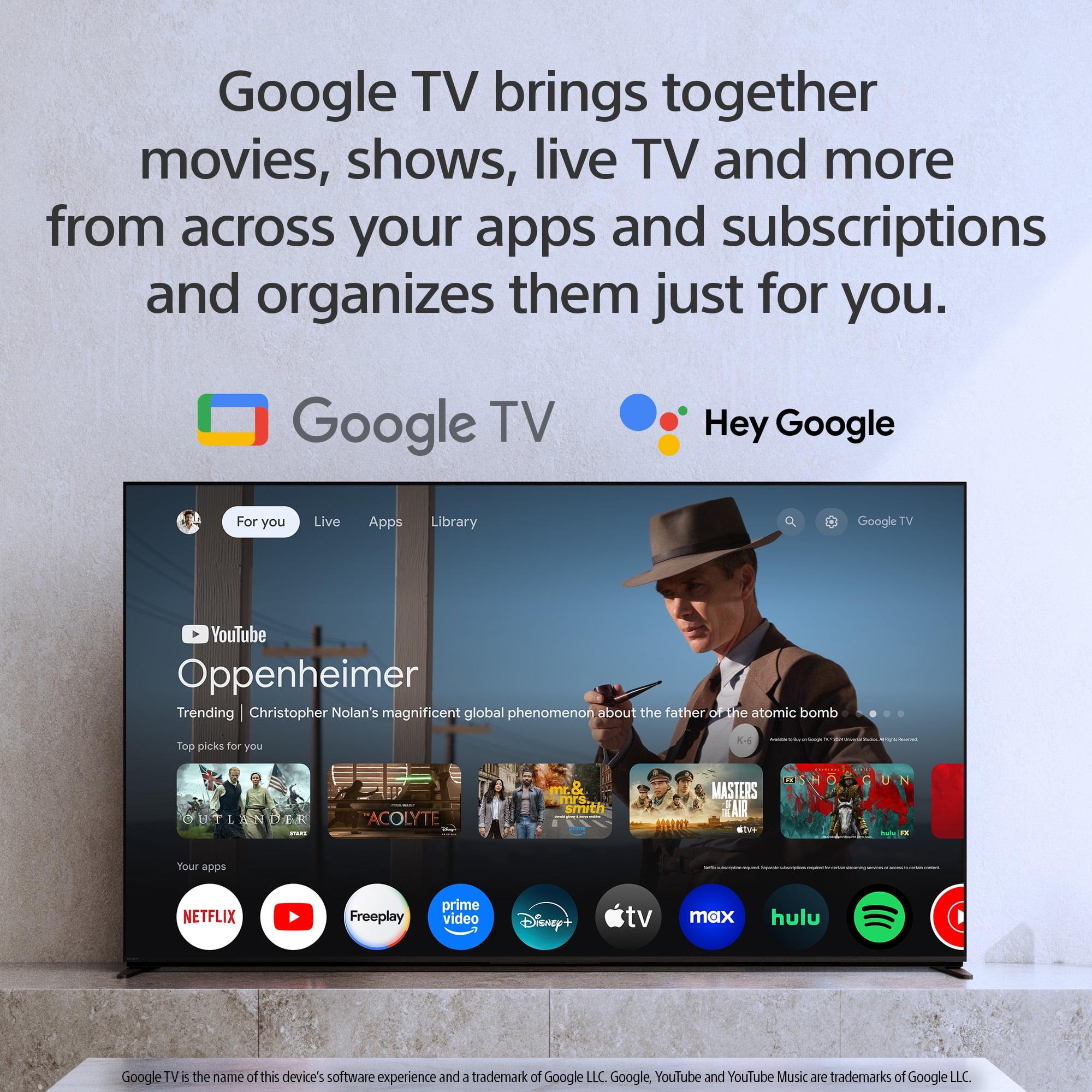
Both TVs run Google TV, Sony's Android-based smart platform that provides access to major streaming services and supports voice control. The experience is largely similar between the two, though some users report occasional sluggishness on the A95L, particularly when first powering on or switching inputs.
Where both TVs shine is in image processing. Sony's XR processor technology excels at upscaling lower-resolution content, which is crucial given that much of what we watch—from streaming services to broadcast TV—isn't native 4K. Both TVs handle compressed video streams well, cleaning up artifacts and maintaining detail that lesser processors might lose.
At the time of writing, the value equation strongly favors the A95L. As a 2023 model being phased out in favor of Sony's newer BRAVIA 8 II, it's often available at significant discounts that bring it closer to the BRAVIA 5's pricing territory. When two TVs cost similar amounts but one delivers dramatically superior performance, the choice becomes obvious.
The BRAVIA 5 faces a challenging position in the market. Professional reviewers consistently point out that competing Mini LED TVs from TCL and Hisense offer superior picture quality at lower prices. Even more damaging, comparable OLED TVs from various manufacturers are often available at similar price points, making the BRAVIA 5's value proposition questionable.
This isn't to say the BRAVIA 5 is a bad TV in absolute terms—it's just overpriced for what it delivers in today's competitive market. Sony's brand reputation and processing capabilities can only compensate for so much when the fundamental picture quality doesn't measure up to expectations.
For dedicated home theater use, the A95L is the clear choice. Perfect blacks are essential for the cinematic experience, especially in a controlled lighting environment. The superior HDR brightness ensures that highlights have proper impact, while the accurate colors preserve the filmmaker's artistic intent.
The Acoustic Surface Audio technology particularly shines in home theater applications, creating a more immersive soundscape that traditional speakers struggle to match. While serious enthusiasts will still want a dedicated audio system, the A95L's built-in audio is more than adequate for most home theater setups.
The BRAVIA 5 simply can't compete in this scenario. The contrast limitations, brightness issues, and narrow viewing angles all work against the home theater experience. If this is your primary use case, the additional cost for the A95L is easily justified.
Choose the A95L if you prioritize picture quality above all else. It's ideal for movie enthusiasts, serious gamers who need responsive motion handling, and anyone who frequently watches with groups. The superior viewing angles, contrast, and color accuracy make it suitable for virtually any viewing scenario.
The home theater crowd will particularly appreciate the A95L's combination of perfect blacks, accurate colors, and unique audio implementation. If you're creating a dedicated movie-watching space, this TV delivers the performance that makes the investment worthwhile.
The BRAVIA 5 is harder to recommend in most scenarios. Its narrow viewing angles limit it to single-viewer or small family situations, while the motion blur issues make it unsuitable for serious gaming. The main scenarios where it might make sense are if you absolutely must stay under a specific budget threshold or if you need Sony's specific smart TV features and processing capabilities.
However, based on our research into market alternatives, most buyers would be better served by either stretching budget for the A95L or considering competing Mini LED options that offer better performance for less money.
The comparison between the Sony BRAVIA XR A95L and Sony BRAVIA 5 illustrates why display technology matters more than marketing or brand names. The A95L represents what happens when cutting-edge OLED technology is properly implemented—you get a TV that excels across virtually every performance metric that matters.
The BRAVIA 5, despite being newer and incorporating Mini LED technology, feels like a step backward in terms of value and performance. Sony's excellent processing can only do so much when the fundamental display technology doesn't measure up to competition.
For most buyers, especially those interested in home theater applications or gaming, the A95L is worth the stretch. Its superior picture quality, responsive gaming performance, and unique audio implementation create a viewing experience that remains satisfying years after purchase. The BRAVIA 5, meanwhile, feels like a compromise that doesn't offer enough advantages to justify choosing it over better alternatives in the market.
The technology gap between these two Sony TVs serves as a perfect example of why understanding display fundamentals matters more than focusing on brand names or marketing features. Sometimes, older technology implemented well beats newer technology implemented poorly.
| Sony BRAVIA XR A95L 65" QD-OLED | Sony BRAVIA 5 65" Mini LED |
|---|---|
| Display Technology - Fundamental difference affecting all picture quality aspects | |
| QD-OLED with perfect pixel-level control | Mini LED LCD with local dimming zones |
| Contrast Ratio - Critical for movie watching and dark room viewing | |
| Infinite contrast (pixels turn completely off) | Limited contrast despite more dimming zones than predecessor |
| Peak Brightness - Important for HDR impact and bright room viewing | |
| ~500 nits sustained (excellent for OLED) | Mediocre HDR brightness, dimmer than predecessor |
| Color Accuracy - Affects how natural content looks out of box | |
| Exceptional out-of-box accuracy, "gold standard for color" | Mediocre SDR and unremarkable HDR color accuracy |
| Motion Handling - Critical for gaming and sports content | |
| Near-instantaneous pixel response, excellent motion clarity | Very slow pixel transitions causing significant blur |
| Viewing Angles - Important for group viewing and room layout flexibility | |
| Wide viewing angles maintain quality from sides | Narrow viewing angles limit optimal seating positions |
| Gaming Features - Modern console compatibility | |
| 4K@120Hz, VRR, ALLM on 2 HDMI 2.1 ports, ~10ms input lag | Same gaming features but motion blur severely impacts experience |
| Audio Technology - Built-in sound quality and immersion | |
| Acoustic Surface Audio (screen acts as speaker) | Traditional downward-firing speakers with Voice Zoom |
| Smart Platform - User interface and app ecosystem | |
| Google TV with occasional menu sluggishness | Google TV with same features and apps |
| Release Year & Availability - Current market status | |
| 2023 flagship being discontinued, often heavily discounted | 2025 mid-range model at full MSRP pricing |
| Professional Review Consensus - Expert recommendations | |
| Highly praised, considered among best TVs available | Criticized as "disappointing," better alternatives available for less |
The Sony BRAVIA XR A95L delivers significantly better picture quality than the Sony BRAVIA 5. The A95L's QD-OLED technology provides perfect blacks, infinite contrast, and exceptional color accuracy, while the BRAVIA 5 struggles with mediocre contrast and color performance despite its newer Mini LED backlighting.
The Sony A95L uses QD-OLED technology where each pixel produces its own light and can turn completely off for perfect blacks. The Sony BRAVIA 5 uses Mini LED backlighting behind an LCD panel, which groups LEDs into dimming zones but can't achieve the same pixel-level precision as OLED technology.
The Sony A95L is much better for gaming due to its near-instantaneous pixel response times that eliminate motion blur. The Sony BRAVIA 5 suffers from very slow pixel transitions that create significant motion blur, especially problematic during fast-paced games, despite supporting the same modern gaming features.
Yes, both the Sony A95L and Sony BRAVIA 5 support 4K at 120Hz, Variable Refresh Rate (VRR), Auto Low Latency Mode (ALLM), and Dolby Vision gaming on two HDMI 2.1 ports. However, the A95L provides a much better gaming experience due to superior motion handling.
Surprisingly, the Sony A95L is actually brighter than the Sony BRAVIA 5, averaging around 500 nits compared to the BRAVIA 5's mediocre brightness levels. The A95L also handles reflections better, making it more suitable for bright room viewing despite being an OLED.
Yes, the Sony A95L offers wide viewing angles that maintain picture quality from the sides, making it ideal for group viewing. The Sony BRAVIA 5 has narrow viewing angles that limit optimal seating positions, making it less suitable for wide room arrangements.
The Sony A95L is significantly better for home theater use. Its perfect blacks, superior HDR brightness, accurate colors, and unique Acoustic Surface Audio technology create a more immersive cinematic experience compared to the Sony BRAVIA 5, which struggles with contrast and brightness limitations.
Yes, both the Sony A95L and Sony BRAVIA 5 run Google TV with access to the same streaming apps and voice control features. Both also feature Sony's excellent XR processor for superior upscaling of lower-resolution content.
The Sony A95L typically offers better value, especially when available at discounted pricing as a discontinued 2023 model. Professional reviews consistently note that the Sony BRAVIA 5 is overpriced compared to competing Mini LED TVs and similarly-priced OLED alternatives.
The Sony A95L features unique Acoustic Surface Audio technology where the screen itself acts as a speaker, creating immersive dialogue that appears to come from actors' mouths. The Sony BRAVIA 5 uses traditional downward-firing speakers with Voice Zoom technology for dialogue clarity.
The Sony A95L handles motion much better due to OLED's fast pixel response times, providing clear motion without blur. The Sony BRAVIA 5 suffers from slow pixel transitions that create noticeable motion blur, making it less ideal for fast-paced sports and action content.
Despite being newer, the Sony BRAVIA 5 is generally not recommended over the Sony A95L. The A95L's superior OLED technology delivers better performance across virtually every metric, and as a discontinued model, it's often available at competitive pricing that makes it the better choice.
We've done our best to create useful and informative comparisons to help you decide what product to buy. Our research uses advanced automated methods to create this comparison and perfection is not possible - please contact us for corrections or questions. These are the sites we've researched in the creation of this article: rtings.com - youtube.com - rtings.com - avsforum.com - rtings.com - smarthomesounds.co.uk - smarthomesounds.co.uk - rtings.com - smarthomesounds.co.uk - youtube.com - tomsguide.com - avsforum.com - rtings.com - perfectrec.com - flatpanelshd.com - videoandaudiocenter.com - sonypremiumhome.com - bestbuy.com - sony.com - electronics.sony.com - displayspecifications.com - donstv.com - youtube.com - static.pcrichard.com - smarthomesounds.co.uk - youtube.com - electronics.sony.com - electronics.sony.com - displayspecifications.com - rtings.com - pro.sony - youtube.com - electronics.sony.com - electronics.sony.com - electronics.sony.com - bestbuy.com - electronics.sony.com - youtube.com - bestbuy.com - videoandaudiocenter.com - valueelectronics.com - youtube.com - sony.ca - perpichtv.com - sony.com - displayspecifications.com - pioneertvandappliance.com - flatpanelshd.com

Privacy Policy
Terms and Conditions - Affiliate Policy
Home Security
© Copyright 2008-2026.
11816 Inwood Rd #1211, Dallas, TX 75244