

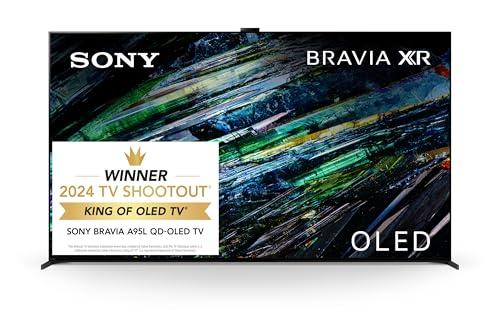


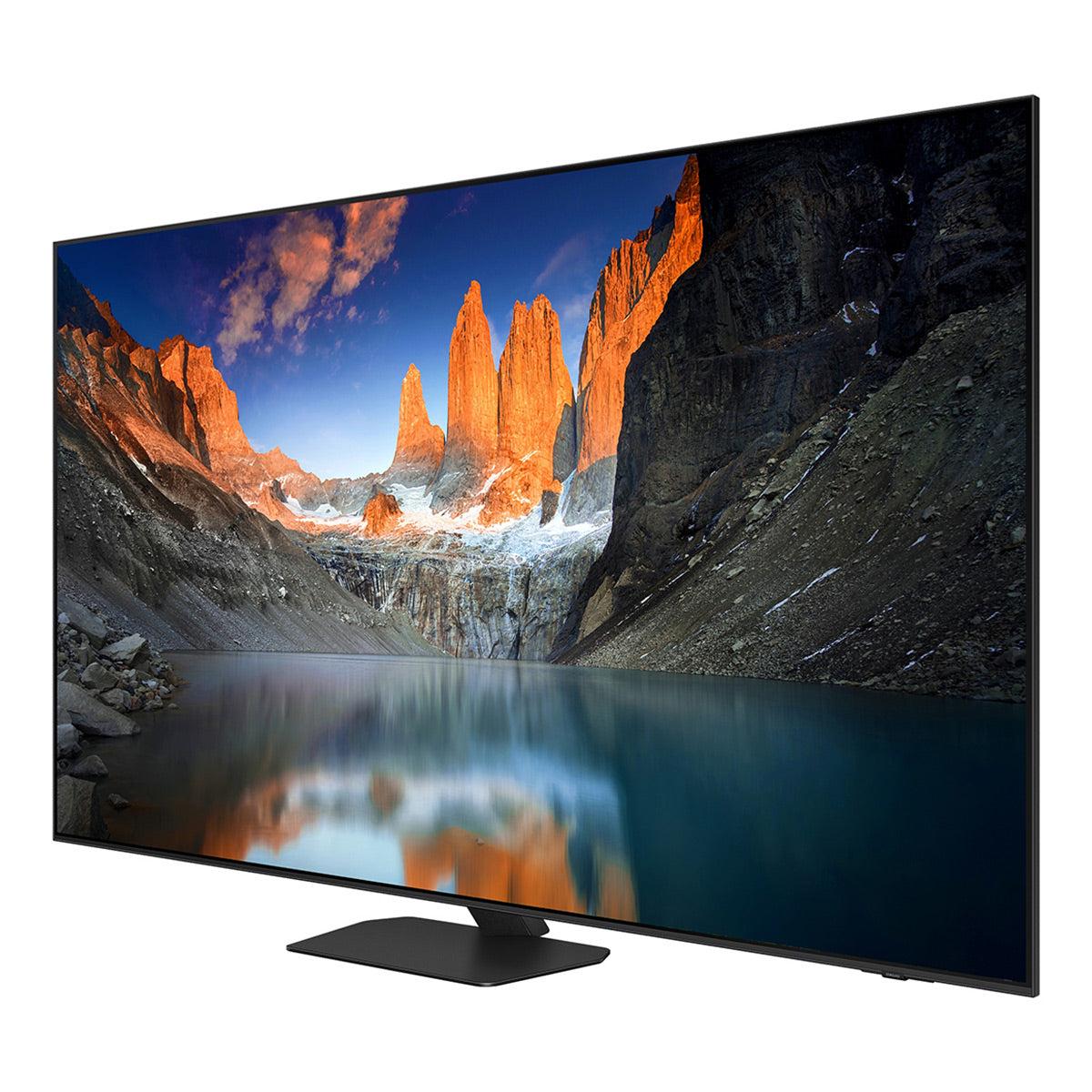

When you're shopping for a premium 65-inch 4K TV, you're essentially choosing between two revolutionary display technologies that represent the cutting edge of home entertainment. The Sony BRAVIA XR A95L and Samsung QN90D aren't just different brands—they're fundamentally different approaches to creating the perfect picture.
Released in 2023 and 2024 respectively, these TVs showcase how display technology has evolved dramatically over the past few years. The Sony A95L uses QD-OLED (Quantum Dot Organic Light Emitting Diode) technology, while the Samsung QN90D employs Neo QLED with Mini-LED backlighting. Understanding these technologies is crucial because they determine everything from how dark your blacks appear to how bright your living room can be while still enjoying great picture quality.
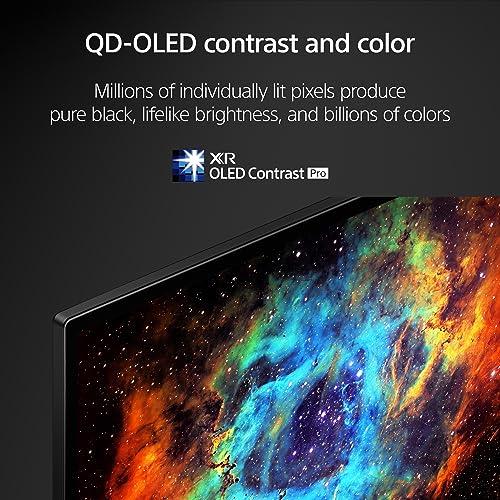
The Sony A95L represents Sony's second-generation QD-OLED panel, and the improvements since the first generation are substantial. QD-OLED combines two breakthrough technologies: self-emissive OLED pixels that produce their own light, and quantum dots that enhance color purity and brightness.
Here's what makes this special: each of the nearly 8.3 million pixels on the screen can turn completely on or off independently. When a pixel needs to display black, it simply turns off entirely, producing true zero-light black levels. This is fundamentally different from traditional LCD TVs that rely on a backlight—even when trying to display black, some light inevitably leaks through.
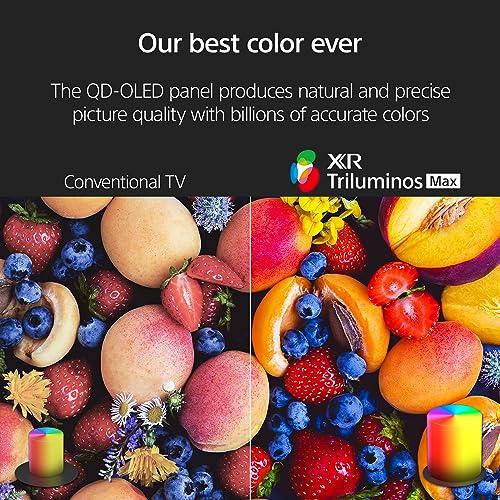
The quantum dot layer adds another dimension. These microscopic semiconductor crystals convert blue light into precise red and green wavelengths, creating colors that are both more vibrant and more accurate than traditional displays. The result is a wider color gamut—essentially, the A95L can display colors that previous TV technologies simply couldn't reproduce.
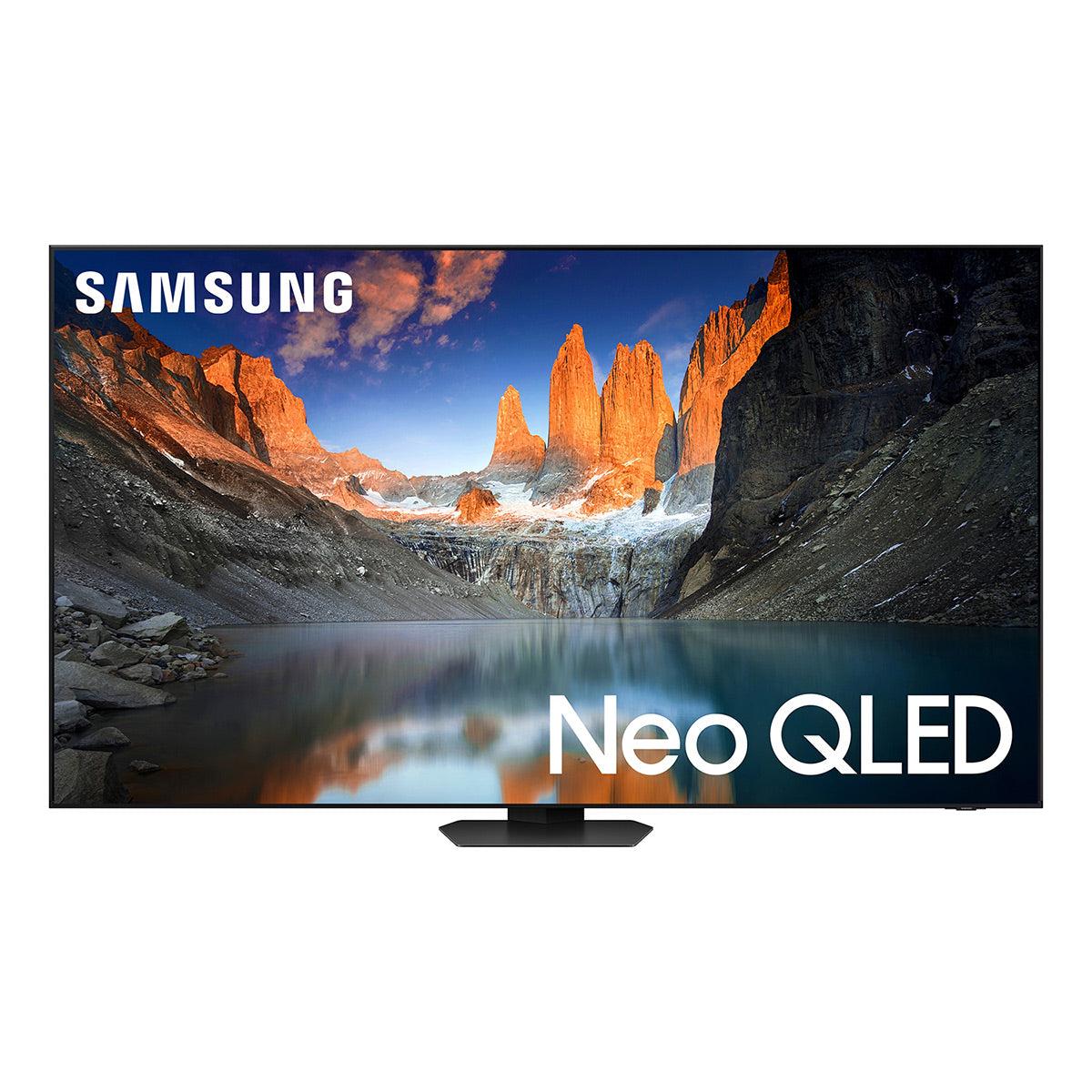
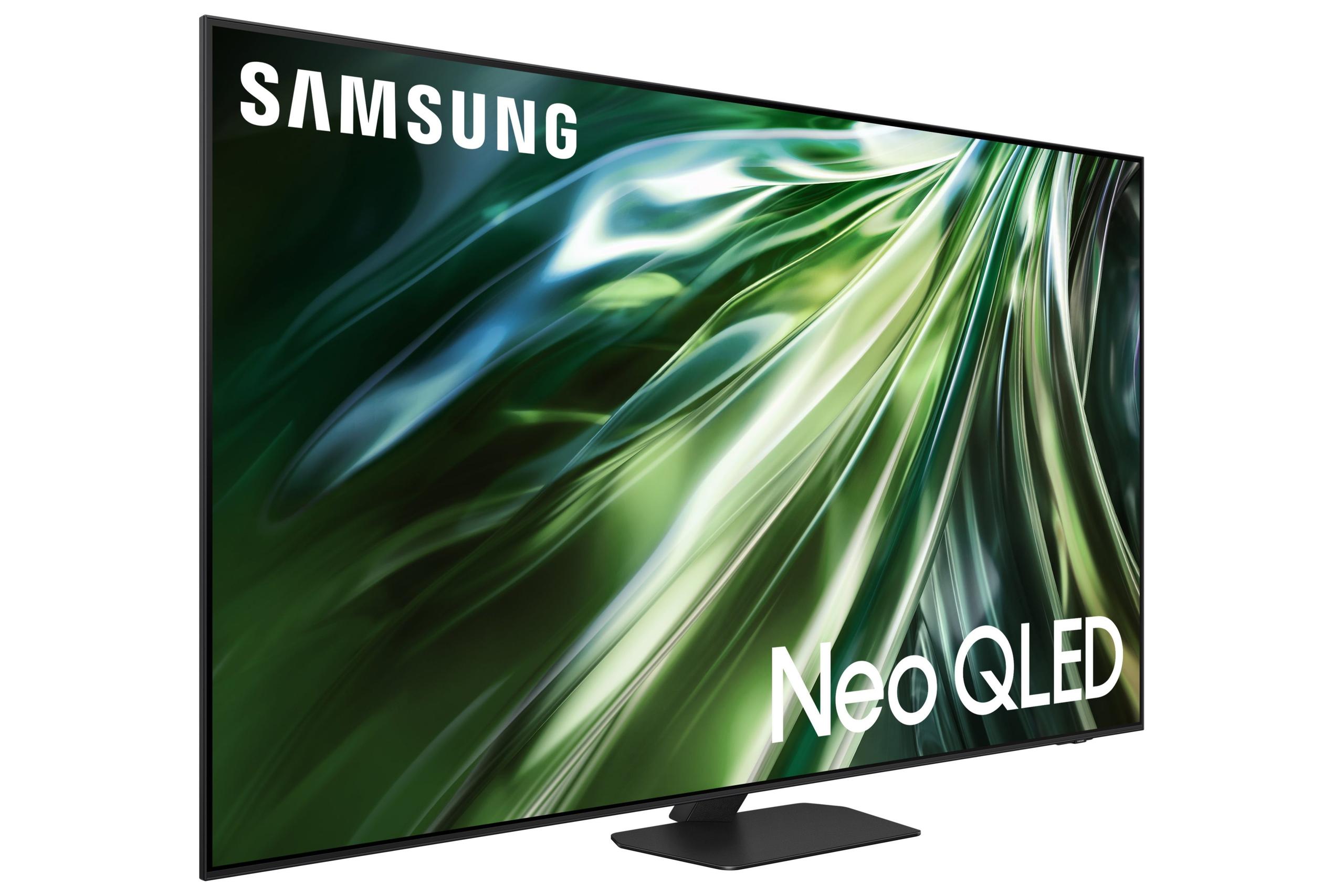
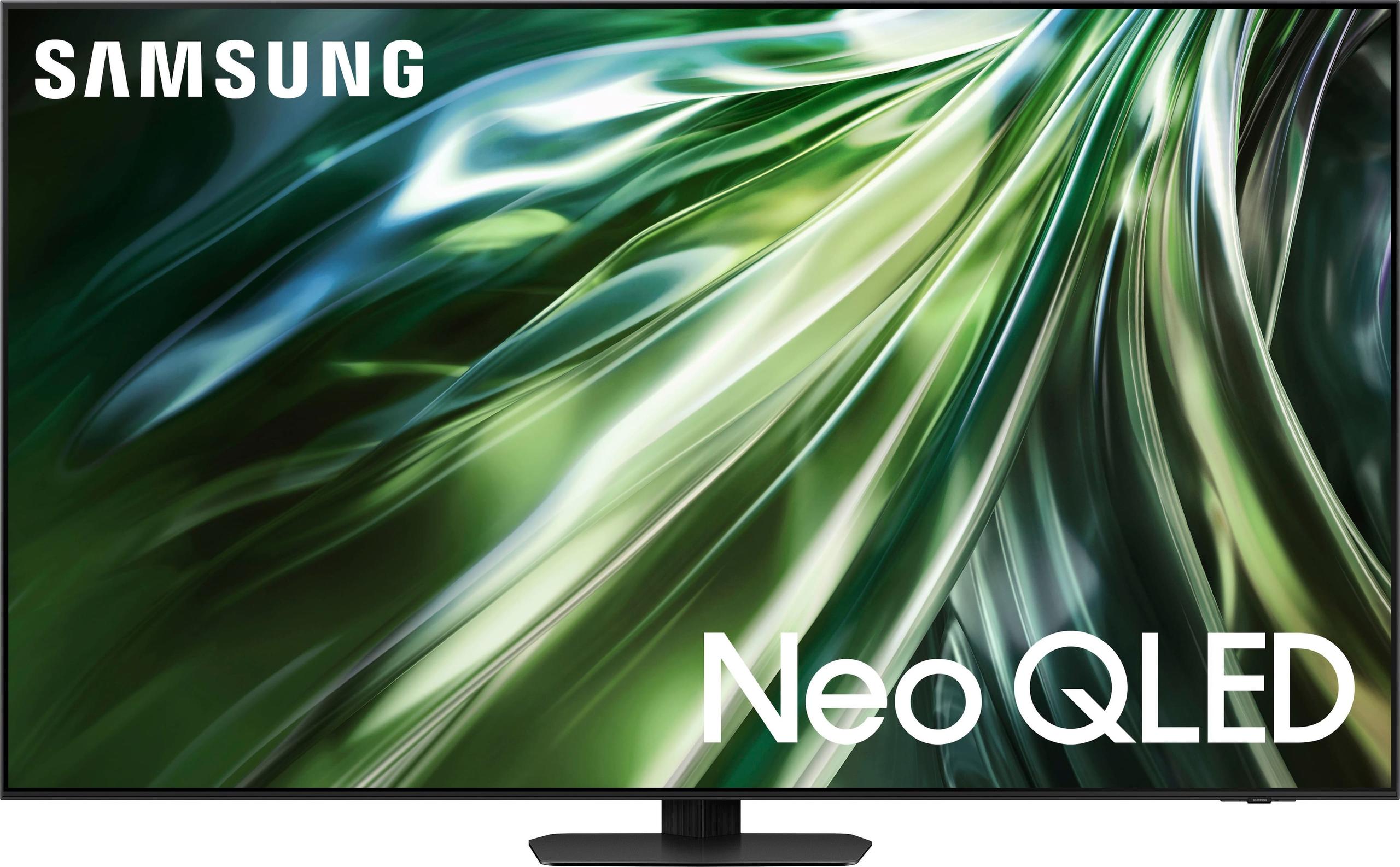
Samsung took a different path with the QN90D, perfecting their Neo QLED technology with Mini-LED backlighting. Instead of using a few hundred larger LEDs behind the screen like traditional LCD TVs, the QN90D employs thousands of tiny LEDs, each roughly one-fortieth the size of conventional LEDs.
These Mini-LEDs are organized into local dimming zones—think of them as independently controlled sections of backlighting. When the TV needs to display a dark scene, it can dim or turn off entire zones of LEDs while keeping others bright. This creates much better contrast than traditional LCD TVs, though it still can't match OLED's ability to turn off individual pixels.
The "Neo" in Neo QLED refers to Samsung's advanced processing and the precision of their local dimming. Combined with quantum dots for color enhancement, this creates a display that can get significantly brighter than OLED while maintaining impressive contrast and color reproduction.
In our research across professional reviews and user experiences, the Sony A95L consistently wins the contrast battle, and it's not particularly close. The physics are simple: perfect black levels create infinite contrast ratio. When you're watching a movie like "Blade Runner 2049" with its dramatic interplay between neon lights and deep shadows, the difference is immediately apparent.
The Samsung QN90D produces impressive blacks for a Mini-LED TV—typically around 0.02 to 0.05 nits in dark scenes. That might sound good, but compare it to the A95L's true zero nits, and you'll notice the difference in a dark room. However, Samsung's local dimming has improved significantly since 2023, and blooming (unwanted light bleeding around bright objects) is minimal in most content.
Here's where the Samsung QN90D takes its revenge. Peak brightness measurements show the Samsung reaching over 2,000 nits in small highlight areas, while the Sony A95L tops out around 1,300 nits. This might seem like a clear win for Samsung, but brightness isn't just about numbers—it's about application.
In a bright living room with windows and ambient lighting, the QN90D's extra brightness becomes genuinely valuable. HDR (High Dynamic Range) content benefits from those bright highlights—think of the sun reflecting off water in a nature documentary, or the flash of an explosion in an action movie. The Samsung can make these moments more impactful in bright viewing environments.
However, in a darkened home theater, the A95L's superior contrast often creates more dramatic and engaging HDR than raw brightness alone. The interplay between perfect blacks and reasonably bright highlights can be more visually striking than very bright highlights against merely dark grays.
Both TVs utilize quantum dot technology, but they apply it differently. The Sony A95L's QD-OLED implementation typically produces more accurate colors straight out of the box, with excellent color volume—meaning colors remain saturated even at high brightness levels.
The Samsung QN90D can produce slightly more saturated colors, which some viewers prefer for content like sports or animated movies. Samsung's approach tends to be more "punchy" while Sony's is more "accurate." Neither approach is wrong; it depends on your preferences and viewing habits.
Professional reviewers consistently praise both TVs for color accuracy, though the A95L generally requires less calibration to achieve reference-standard color reproduction. For most users, both will look spectacular without any adjustments.
This is where buying decisions can get complicated. The Sony A95L supports Dolby Vision, the premium HDR format used by Netflix, Apple TV+, Disney+, Amazon Prime Video, and most major streaming services. Dolby Vision provides scene-by-scene metadata that tells the TV exactly how each moment should look, optimizing brightness and color for every scene.
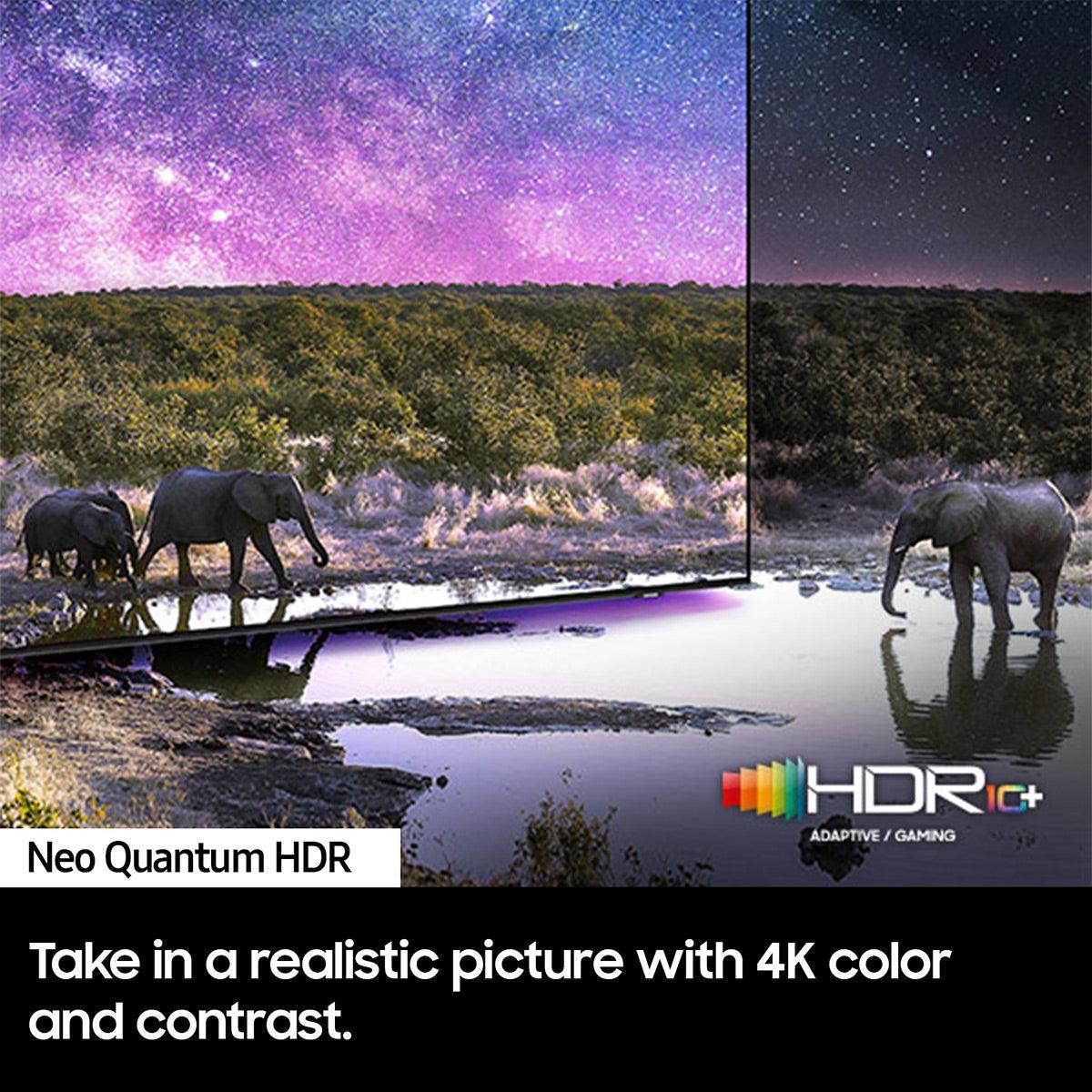
The Samsung QN90D, like all Samsung TVs, doesn't support Dolby Vision. Instead, it uses HDR10+ (which provides similar scene-by-scene optimization) and standard HDR10. While HDR10+ is technically capable, content availability is much more limited.
In practical terms, this means Dolby Vision content will play on the Samsung QN90D, but only in standard HDR10 mode, missing the enhanced optimization data. For heavy streaming users, this could be a deal-breaker, especially considering how much premium content uses Dolby Vision.
Both TVs offer excellent gaming capabilities, but they prioritize different aspects. The Samsung QN90D typically achieves lower input lag—the delay between your controller input and on-screen response. For competitive gaming, those extra milliseconds matter.
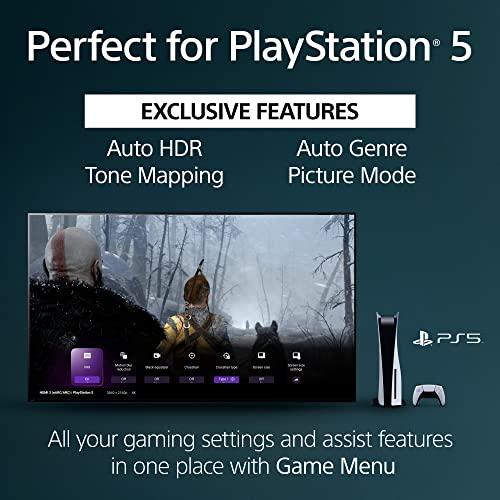
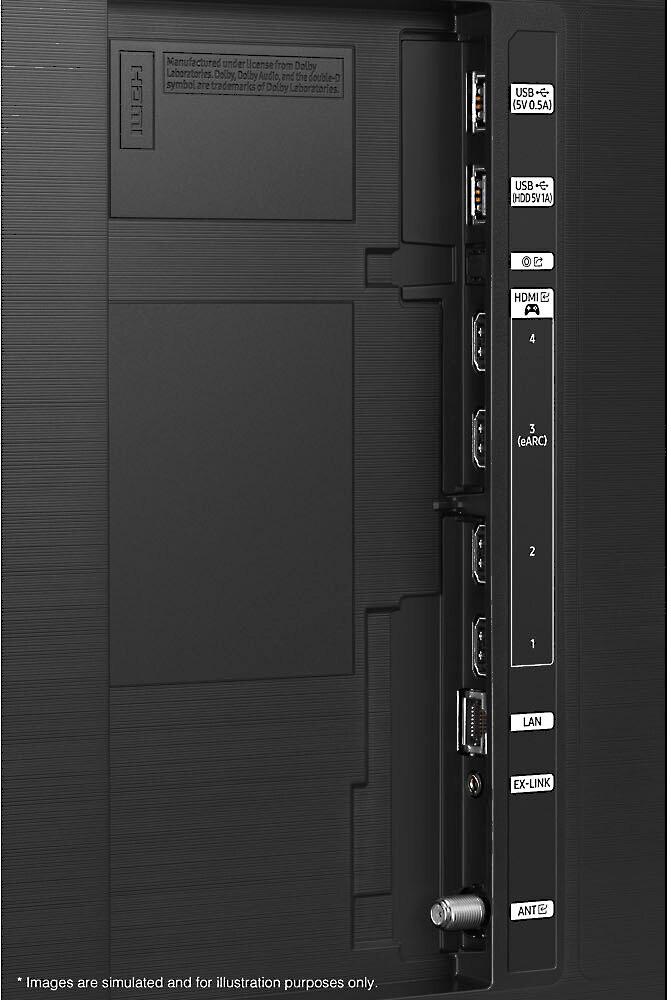
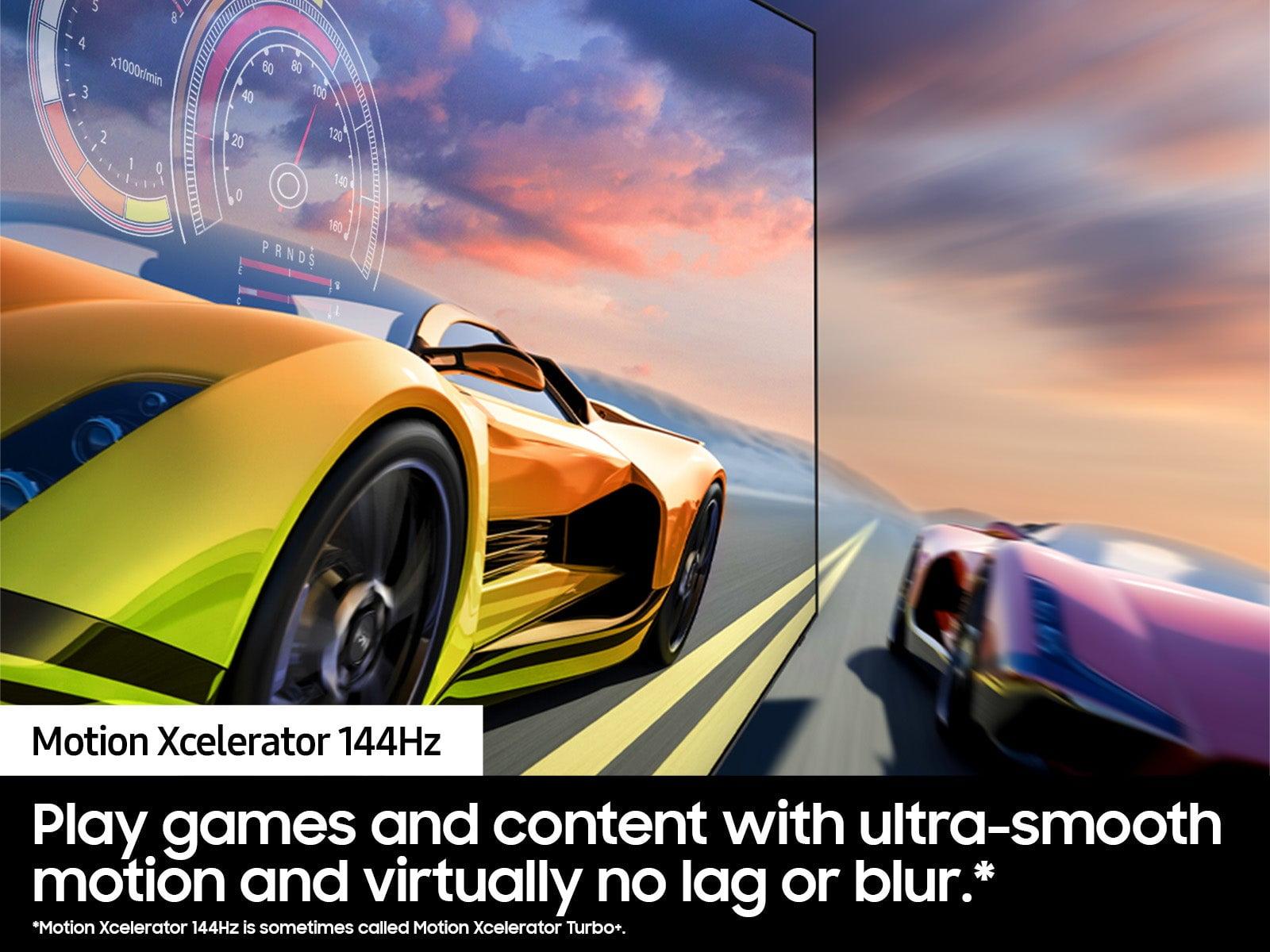
The QN90D also offers more gaming-specific features, including support for 144Hz refresh rates when connected to a PC, and Samsung's Gaming Hub interface. All four HDMI ports support 4K at 120Hz, Variable Refresh Rate (VRR), and Auto Low Latency Mode (ALLM).
The Sony A95L counters with superior motion clarity. OLED's instant pixel response means zero motion blur—every frame is crystal clear even in fast-moving games. The difference is particularly noticeable in racing games or first-person shooters where motion clarity affects gameplay.
For single-player, story-driven games, the A95L's superior contrast and color accuracy create a more cinematic experience. For competitive multiplayer gaming, the QN90D's lower latency and gaming features provide a competitive edge.
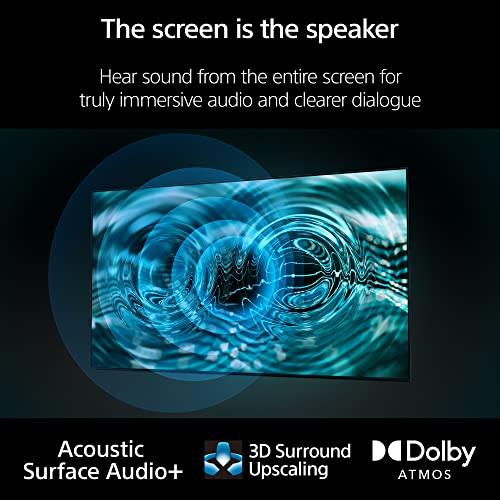
The Sony A95L includes Acoustic Surface Audio+, a unique technology that uses actuators to vibrate the entire screen, turning it into a speaker. This creates precise sound localization—dialogue appears to come directly from actors' mouths rather than from below the screen.
Combined with traditional drivers, the A95L produces 60 watts of power and supports both Dolby Atmos and DTS audio formats. The Samsung QN90D offers 40 watts through a more conventional speaker system, supporting Dolby Atmos but not DTS formats.
While neither TV replaces a good soundbar or surround sound system, the Sony's audio integration is genuinely impressive and reduces the immediate need for additional audio equipment.
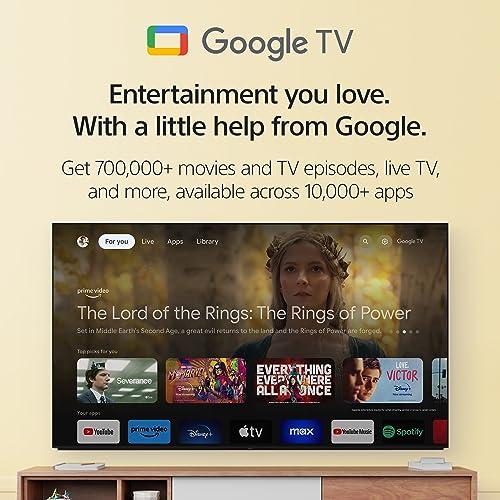
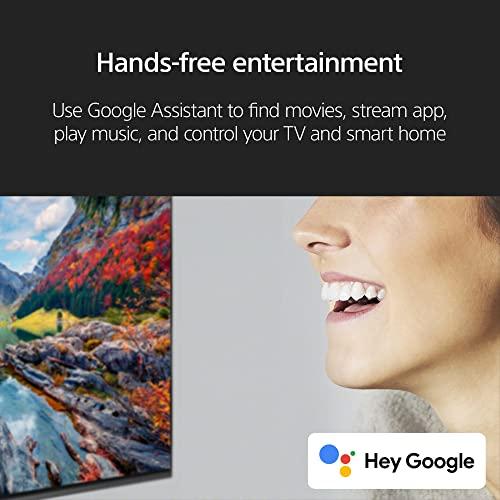
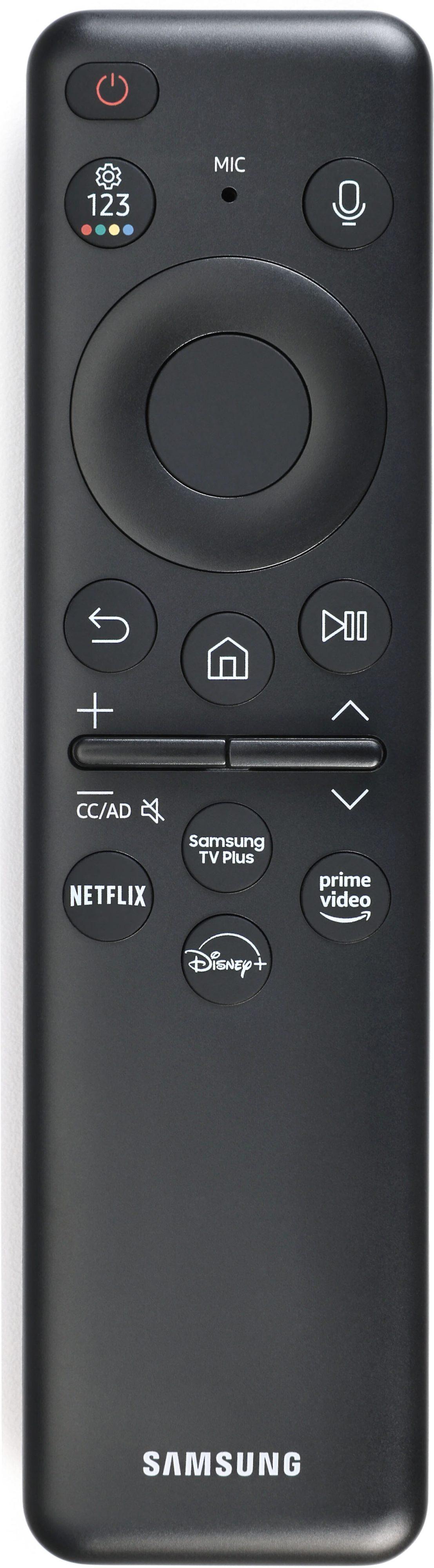
The Sony A95L runs Google TV, which provides excellent app selection, seamless integration with Google services, and generally intuitive navigation. Voice control works well, and Chromecast built-in makes content sharing from mobile devices seamless.
Samsung's Tizen platform on the QN90D has improved significantly in recent years. It's fast, offers good app selection, and integrates well with Samsung's ecosystem of devices. The interface is clean and customizable, though some users find Google TV more intuitive.
Both platforms receive regular updates and support all major streaming apps. Your choice here likely depends on your existing ecosystem—Google services users will prefer Google TV, while Samsung device owners might appreciate Tizen's integration features.
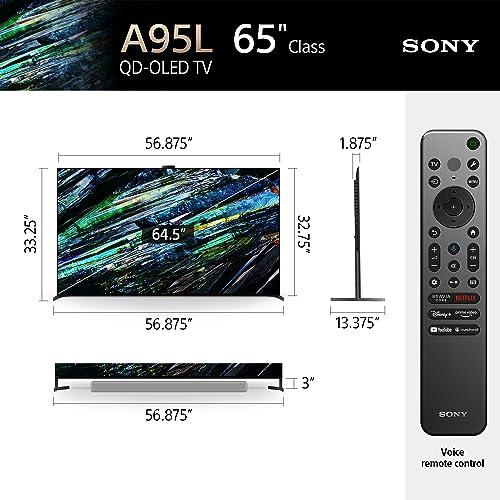
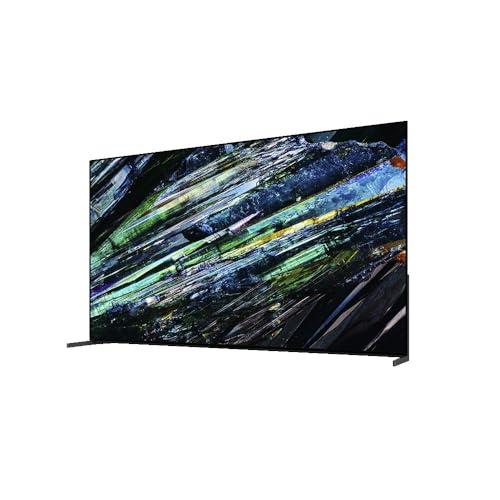
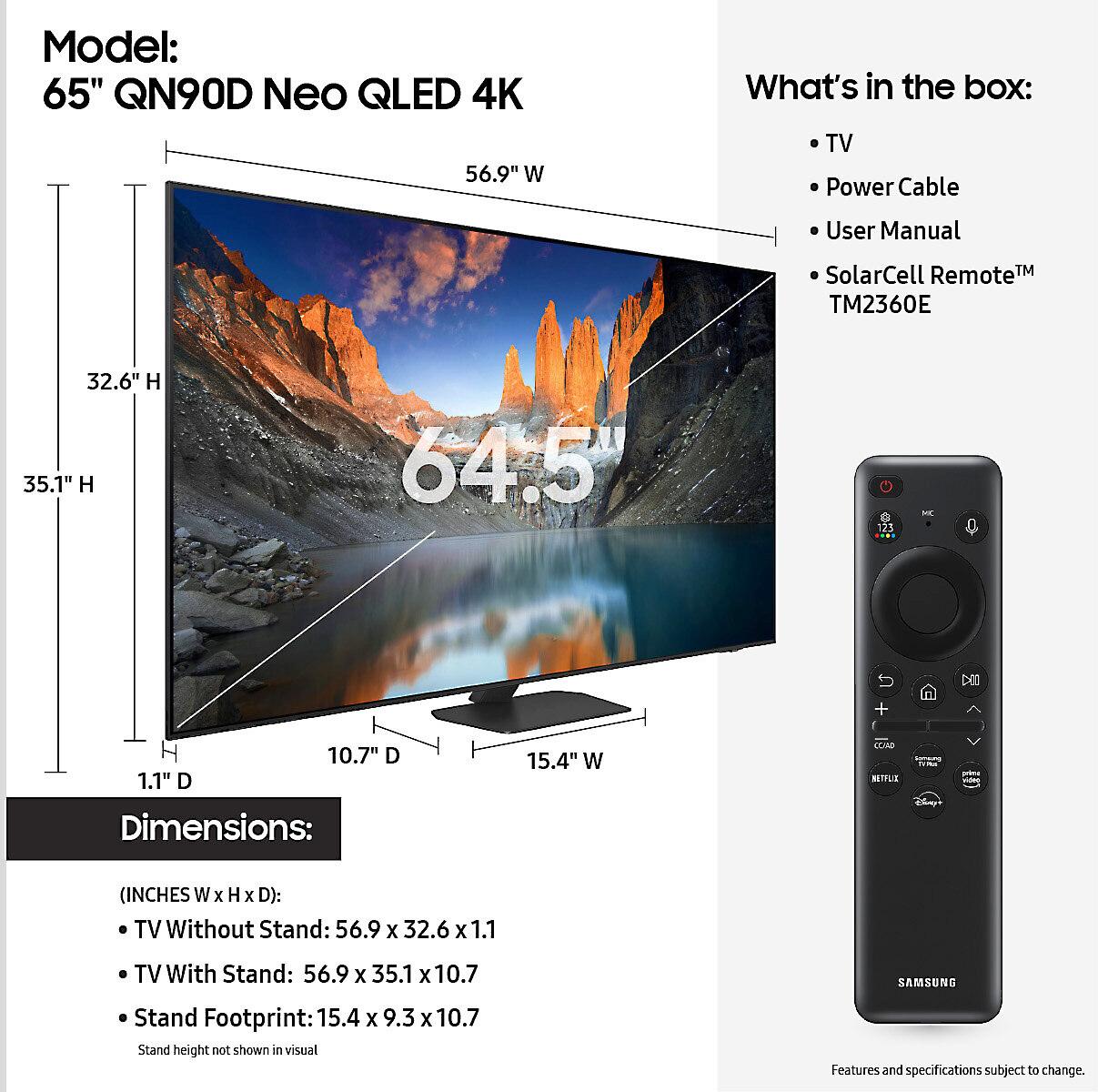
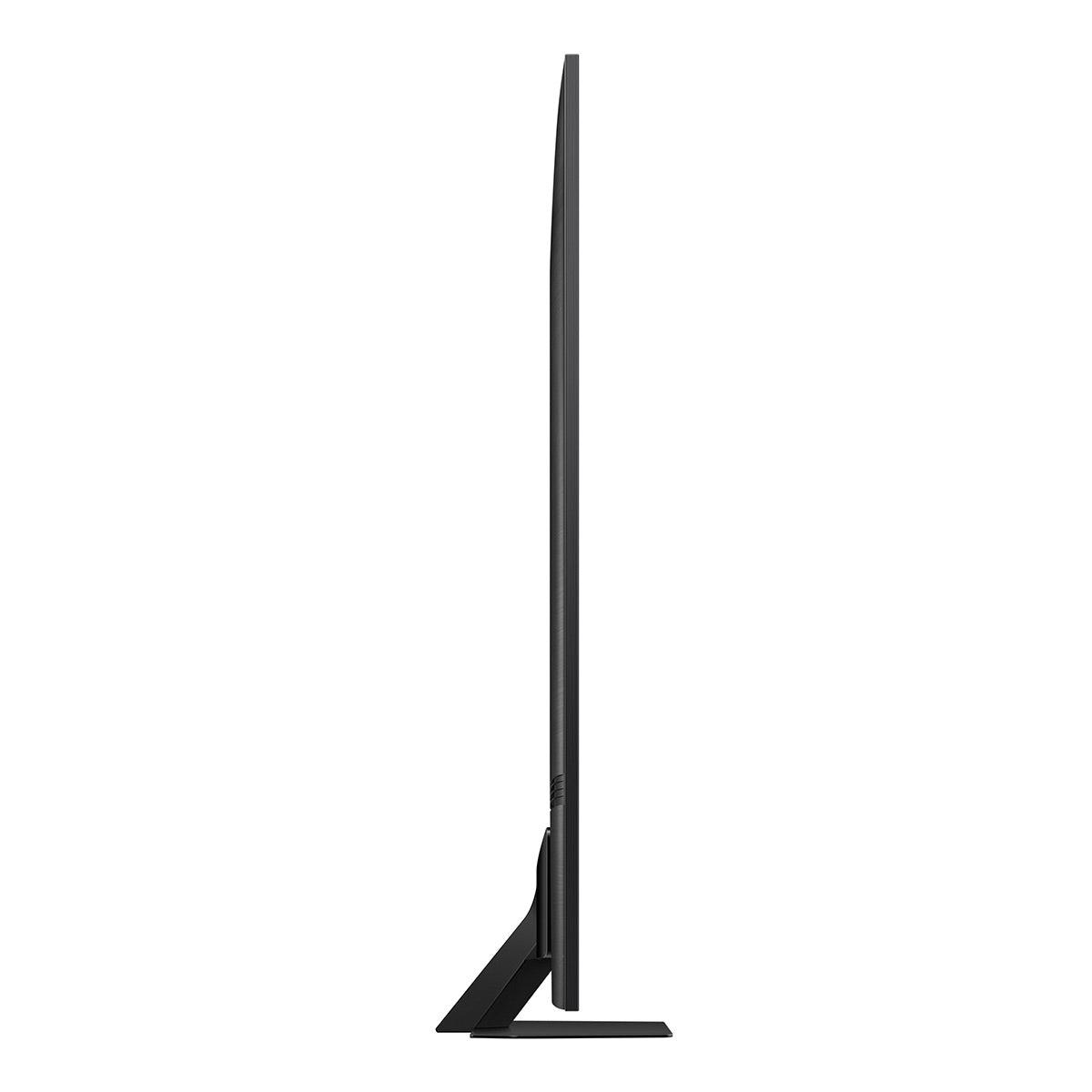
The Sony A95L showcases premium build quality with its seamless edge design and aluminum stand that can be positioned for standard placement or raised for soundbar accommodation. At approximately 52 pounds without the stand, it's substantial but manageable.
The Samsung QN90D is notably lighter at about 30 pounds without its stand, making wall mounting easier. The build quality is excellent, and the design is more understated than Sony's premium aesthetic.
Both TVs offer good cable management and easy access to ports for wall mounting. The choice here often comes down to personal aesthetic preferences and mounting considerations.
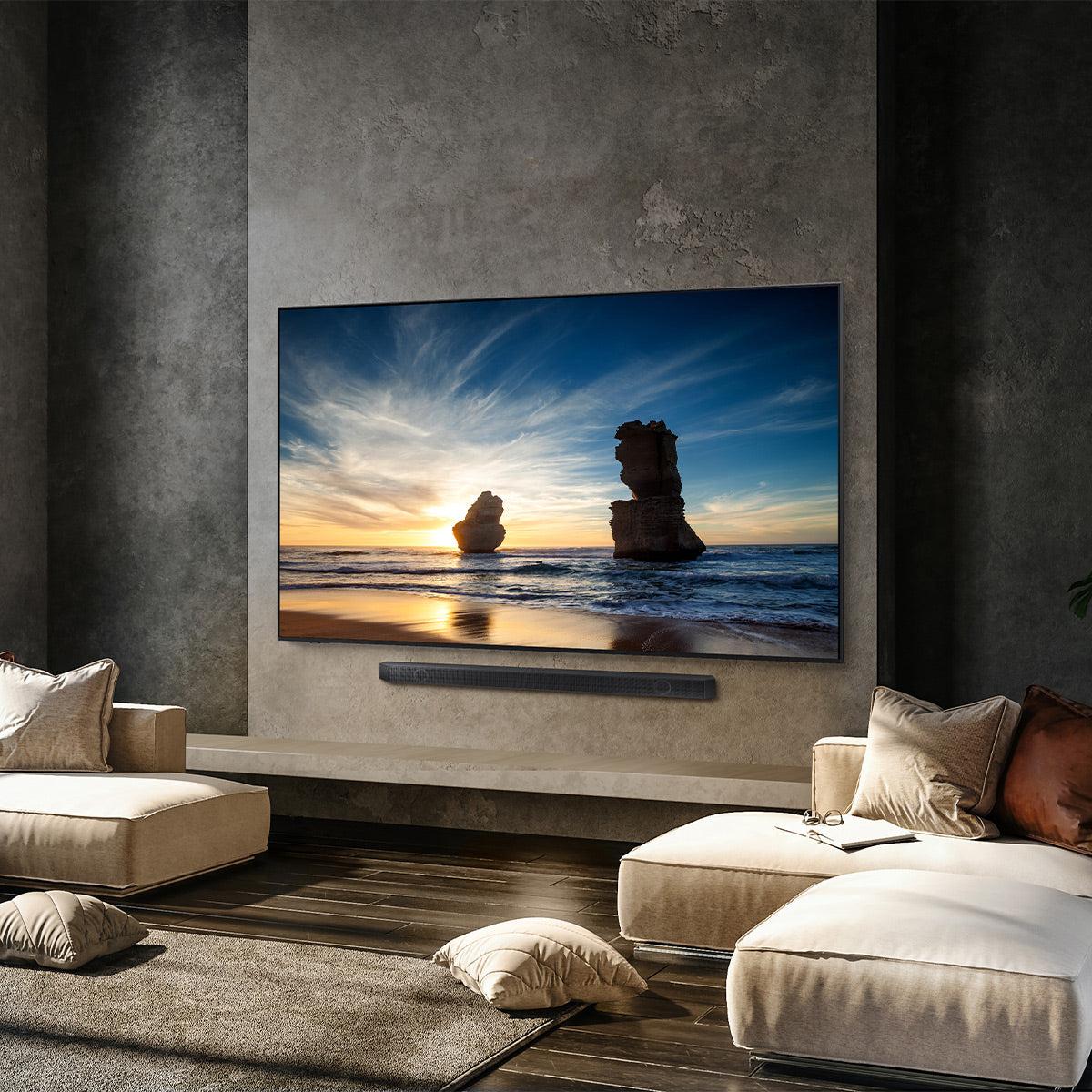
Your viewing environment significantly impacts which TV will serve you better. In a dedicated home theater or media room with controlled lighting, the Sony A95L is simply spectacular. The perfect blacks create an immersive experience that draws you into content in ways that LCD-based displays, regardless of how good, cannot match.
However, in a typical living room with windows, ambient lighting, and varied viewing conditions, the Samsung QN90D's higher brightness becomes a genuine advantage. It maintains better contrast and color saturation in bright conditions, making it more versatile for everyday family use.
At the time of writing, both TVs command premium prices, with the Samsung QN90D typically priced slightly lower than the Sony A95L. The price difference isn't dramatic—we're talking about premium displays either way.
The A95L offers better performance per dollar if you prioritize pure picture quality, accurate colors, and home theater viewing. Its Dolby Vision support and superior audio system add value that's hard to quantify but genuinely useful.
The QN90D provides better value if you need versatility, gaming features, and bright room performance. Its freedom from burn-in concerns and robust brightness make it more suitable for varied content and viewing conditions.
Choose the Sony BRAVIA XR A95L if you're building a home theater experience, watch primarily in darkened rooms, value color accuracy and contrast above all else, and consume lots of streaming content with Dolby Vision. It's the better choice for movie enthusiasts and anyone who prioritizes pure picture quality.
Pick the Samsung QN90D if you have a bright living room, do significant gaming, need worry-free operation with varied content, or want excellent performance at a slightly lower price point. It's ideal for family rooms, sports viewing, and mixed usage scenarios.
Both represent the pinnacle of their respective technologies. The Sony pushes image quality boundaries while the Samsung maximizes brightness and versatility. Your room, viewing habits, and content preferences should guide your choice more than brand loyalty or minor price differences.
Neither TV will disappoint—they're both exceptional displays that showcase how far TV technology has advanced. The question isn't which is better overall, but which is better for your specific needs and viewing environment.
| Sony BRAVIA XR A95L 65" QD-OLED | Samsung 65" QN90D Series Neo QLED |
|---|---|
| Display Technology - Determines picture quality fundamentals | |
| QD-OLED with self-emissive pixels | Neo QLED with Mini-LED backlighting |
| Black Levels - Critical for contrast and dark room viewing | |
| Perfect blacks (0.0 nits) - pixels turn completely off | Excellent blacks (~0.02-0.05 nits) - minimal light leakage |
| Peak Brightness - Essential for HDR impact and bright room viewing | |
| 1,300 nits (excellent for dark rooms) | 2,000+ nits (superior for bright rooms and daytime viewing) |
| HDR Format Support - Affects streaming content quality | |
| HDR10, HLG, Dolby Vision (supports Netflix, Disney+, Apple TV+) | HDR10, HDR10+, HLG (no Dolby Vision - major streaming limitation) |
| Gaming Features - Important for console and PC gamers | |
| 4K@120Hz, VRR, ALLM on 4 ports, instant pixel response | 4K@120Hz, VRR, ALLM on 4 ports, plus 144Hz PC support, lower input lag |
| Audio System - Reduces need for external speakers | |
| Acoustic Surface Audio+ (60W, screen vibrates), Dolby Atmos, DTS support | Traditional speakers (40W), Dolby Atmos, no DTS support |
| Smart TV Platform - Daily user experience | |
| Google TV with extensive app selection and Chromecast | Tizen OS with Samsung ecosystem integration |
| Burn-in Risk - Long-term durability consideration | |
| Possible with static content (logos, gaming HUDs) | No burn-in risk - LCD technology advantage |
| Viewing Angles - Important for wide seating arrangements | |
| Excellent - consistent picture from any angle | Very good - improved over traditional LCD but not OLED-level |
| Best Use Case - Primary recommendation | |
| Home theaters, movie enthusiasts, dark room viewing | Bright living rooms, gaming, mixed family usage |
The Sony BRAVIA XR A95L delivers superior picture quality overall thanks to its QD-OLED technology with perfect black levels and infinite contrast. However, the Samsung QN90D produces brighter highlights and may look better in very bright rooms. For home theater use, the Sony A95L is the clear winner.
QD-OLED in the Sony A95L uses self-emissive pixels that turn completely off for perfect blacks, while Neo QLED in the Samsung QN90D uses thousands of Mini-LEDs behind an LCD panel. The Sony provides better contrast, while the Samsung achieves higher brightness levels.
Both TVs offer excellent gaming features, but they excel differently. The Samsung QN90D has lower input lag and supports 144Hz for PC gaming, making it better for competitive gaming. The Sony A95L offers instant pixel response and superior image quality for cinematic single-player games.
No, only the Sony BRAVIA XR A95L supports Dolby Vision, which is used by Netflix, Disney+, and Apple TV+. The Samsung QN90D uses HDR10+ instead, which has limited content availability. This is a significant advantage for the Sony for streaming content.
The Samsung QN90D gets significantly brighter, reaching over 2,000 nits compared to the Sony A95L's 1,300 nits. This makes the Samsung better for bright rooms and daytime viewing, while the Sony's lower brightness is still excellent for dark room viewing.
The Sony A95L uses OLED technology, which can experience burn-in with static images displayed for extended periods (like news tickers or gaming HUDs). The Samsung QN90D uses LCD technology and has no burn-in risk, making it worry-free for varied content.
Both offer excellent smart platforms. The Sony A95L runs Google TV with extensive app selection and Chromecast built-in. The Samsung QN90D uses Tizen OS with good app support and Samsung ecosystem integration. Both support major streaming services equally well.
The Sony BRAVIA XR A95L has a unique Acoustic Surface Audio+ system where the screen acts as a speaker, providing better sound localization and 60W of power. The Samsung QN90D uses traditional speakers with 40W output. The Sony offers superior built-in audio quality.
The Samsung QN90D is better for bright living rooms due to its higher peak brightness and better handling of ambient light. The Sony A95L performs well in moderately lit rooms but truly excels in darker viewing environments like dedicated home theaters.
The Sony A95L offers excellent viewing angles with consistent picture quality from any seating position, typical of OLED technology. The Samsung QN90D has very good viewing angles for an LCD TV, but not quite matching the Sony's performance from extreme side angles.
Value depends on your priorities. The Samsung QN90D typically costs less and offers excellent brightness, gaming features, and no burn-in concerns. The Sony A95L costs more but provides superior picture quality, Dolby Vision support, and better audio. Both represent good value in the premium TV segment.
For a dedicated home theater with controlled lighting, choose the Sony BRAVIA XR A95L. Its perfect black levels, superior contrast, Dolby Vision support, and excellent audio make it ideal for cinematic viewing. The Samsung QN90D is better for multi-purpose family rooms with ambient lighting.
We've done our best to create useful and informative comparisons to help you decide what product to buy. Our research uses advanced automated methods to create this comparison and perfection is not possible - please contact us for corrections or questions. These are the sites we've researched in the creation of this article: rtings.com - youtube.com - rtings.com - avsforum.com - rtings.com - smarthomesounds.co.uk - smarthomesounds.co.uk - rtings.com - smarthomesounds.co.uk - youtube.com - tomsguide.com - avsforum.com - rtings.com - perfectrec.com - flatpanelshd.com - videoandaudiocenter.com - sonypremiumhome.com - bestbuy.com - sony.com - electronics.sony.com - displayspecifications.com - donstv.com - youtube.com - static.pcrichard.com - smarthomesounds.co.uk - youtube.com - electronics.sony.com - electronics.sony.com - displayspecifications.com - tomsguide.com - abt.com - youtube.com - youtube.com - rtings.com - samsung.com - samsung.com - standardtvandappliance.com - gerhardsappliance.com - bestbuy.com - image-us.samsung.com - youtube.com - images.samsung.com

Privacy Policy
Terms and Conditions - Affiliate Policy
Home Security
© Copyright 2008-2026.
11816 Inwood Rd #1211, Dallas, TX 75244