

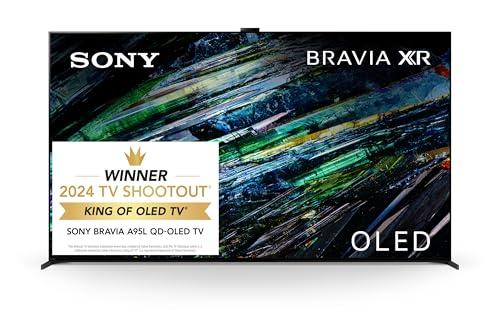
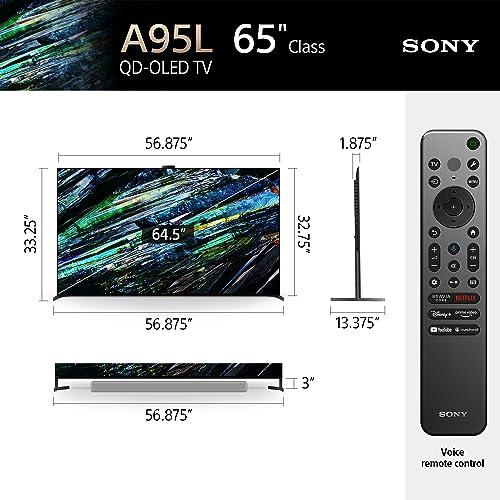
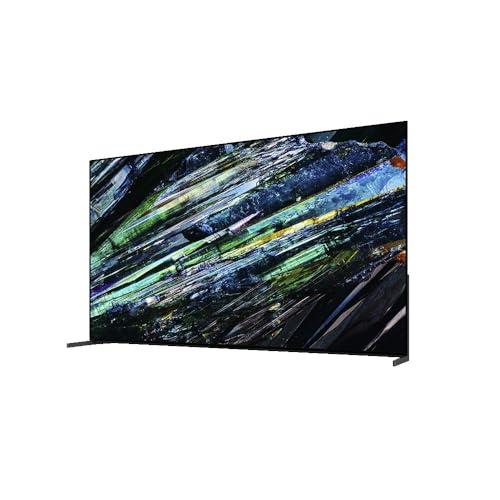




When you're shopping for a premium 65-inch TV, two models that keep coming up in discussions are the Sony BRAVIA XR A95L and the TCL QM8K Series. Both deliver impressive picture quality, but they take completely different paths to get there. After diving deep into the specs, user feedback, and expert reviews, it's clear these represent two distinct philosophies in TV design—and understanding those differences is key to making the right choice for your setup.
The Sony A95L launched in 2023 as Sony's flagship OLED, while the TCL QM8K arrived in 2025 as TCL's answer to premium Mini-LED competition. At the time of writing, you'll pay a premium for the Sony, but the price gap has narrowed significantly since its original launch. The question isn't just about money though—it's about which technology approach fits your viewing habits and room setup better.
The biggest difference between these TVs lies in their fundamental display technology, and this shapes everything else about their performance.
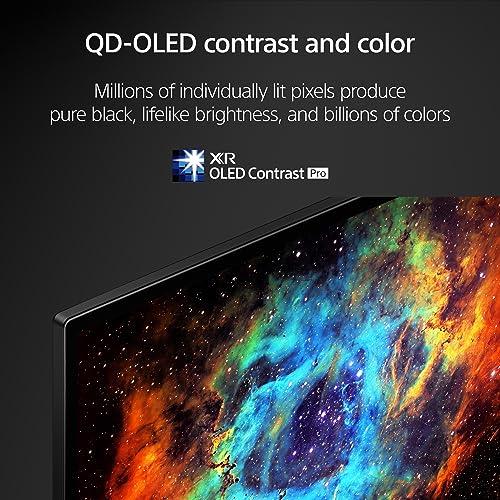
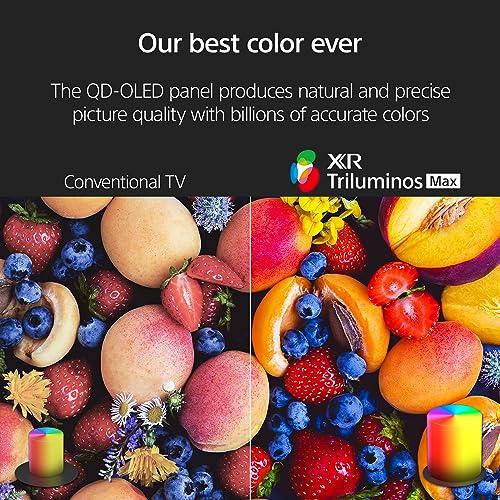
The Sony A95L uses QD-OLED technology, which combines traditional OLED's self-emissive pixels (each pixel produces its own light and can turn completely off) with quantum dot color enhancement. Think of it as getting OLED's famous perfect blacks while boosting color volume and brightness beyond what regular OLEDs can achieve. When a pixel needs to show black, it simply turns off—no backlight bleeding through, no compromise.
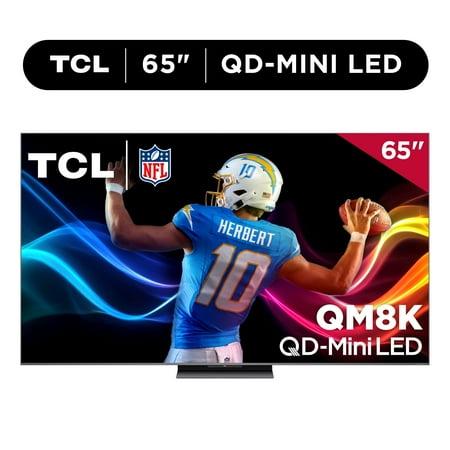
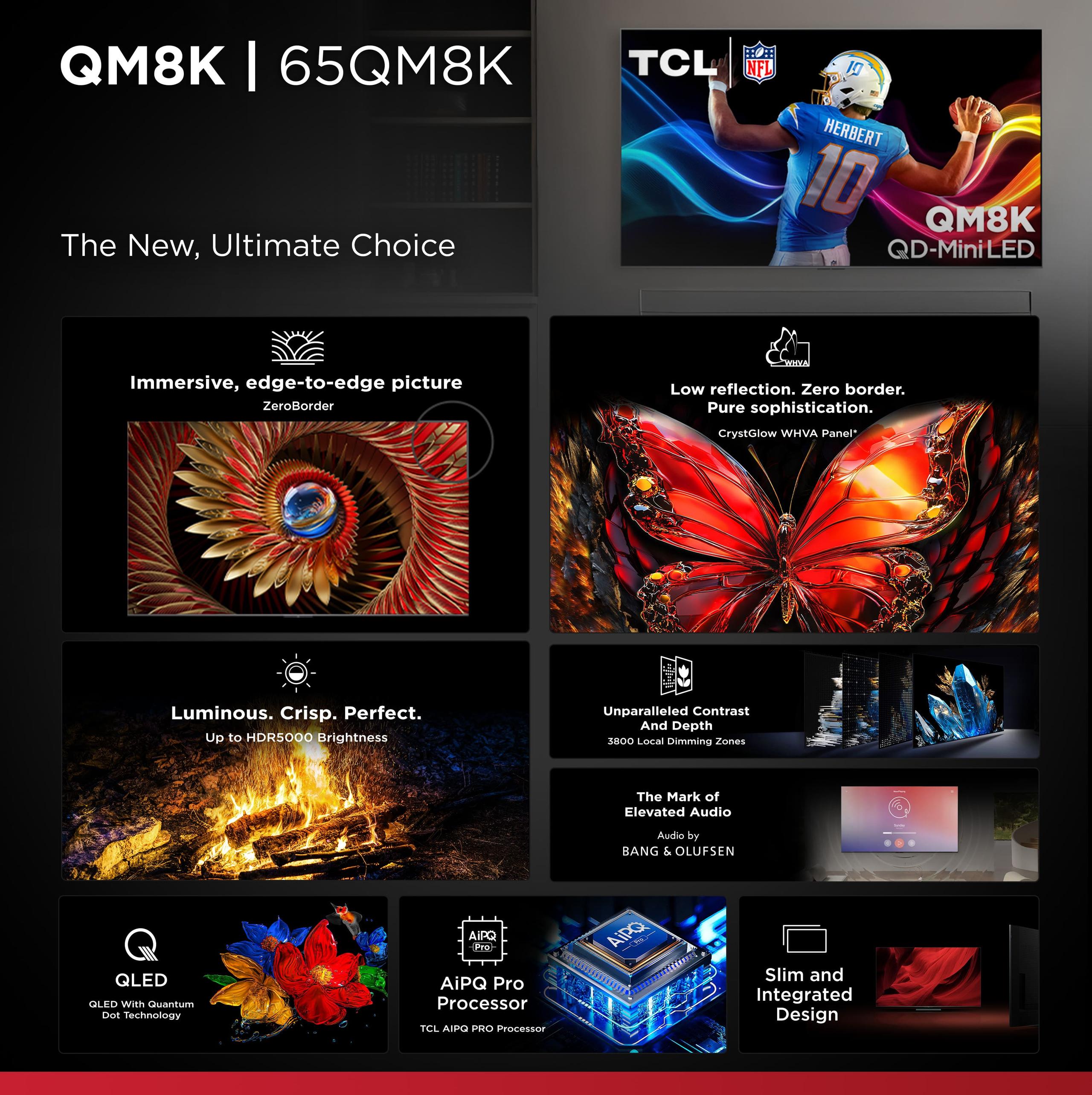
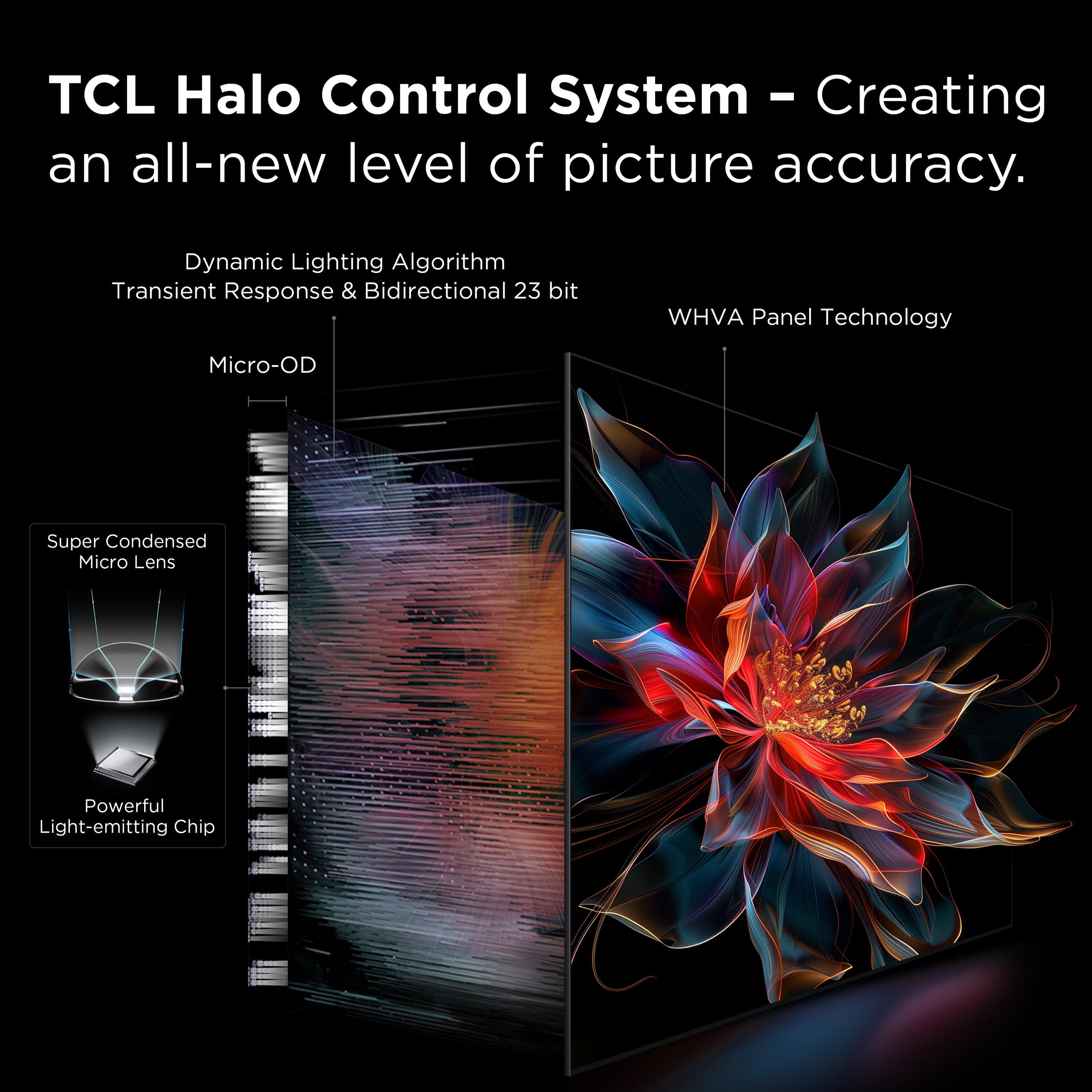
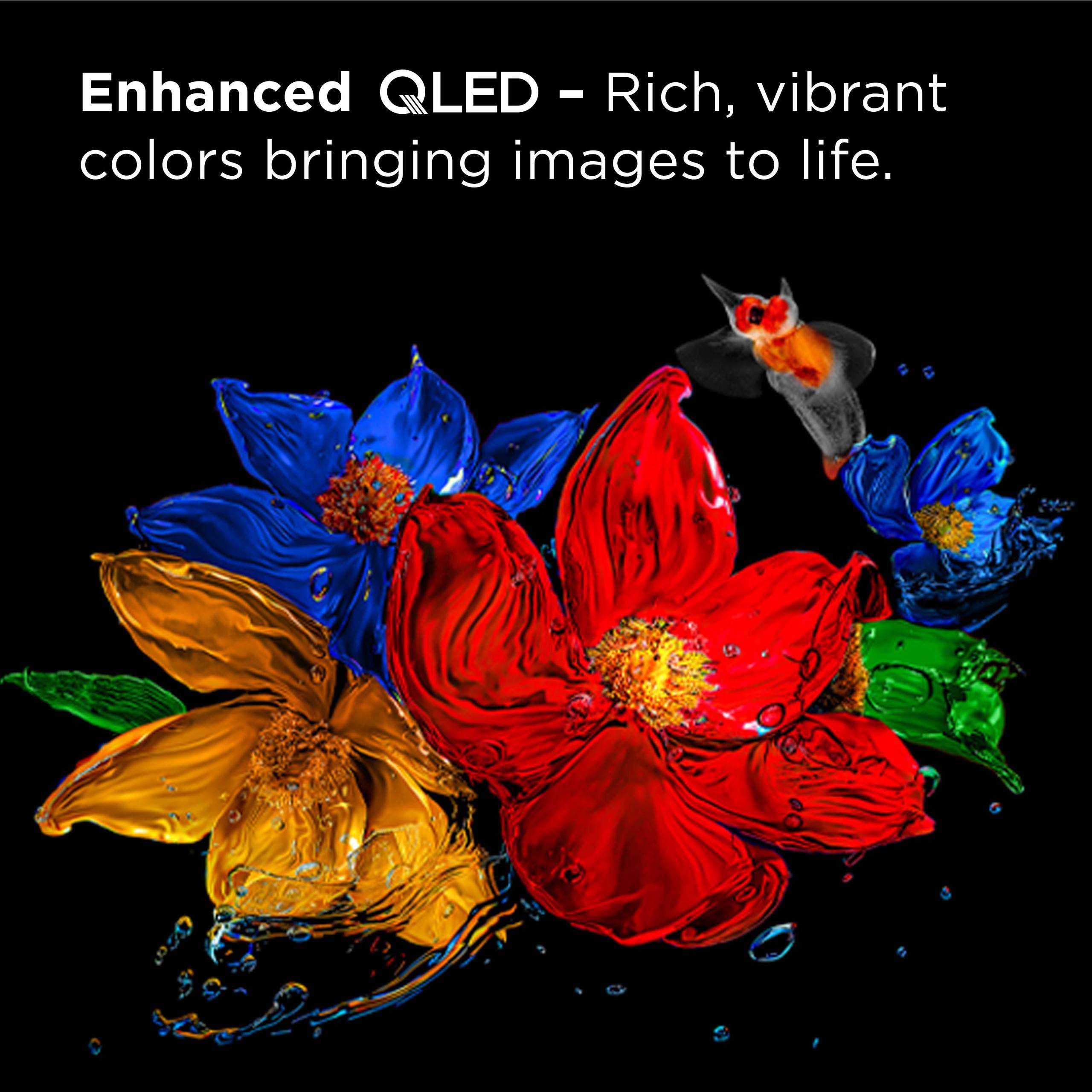
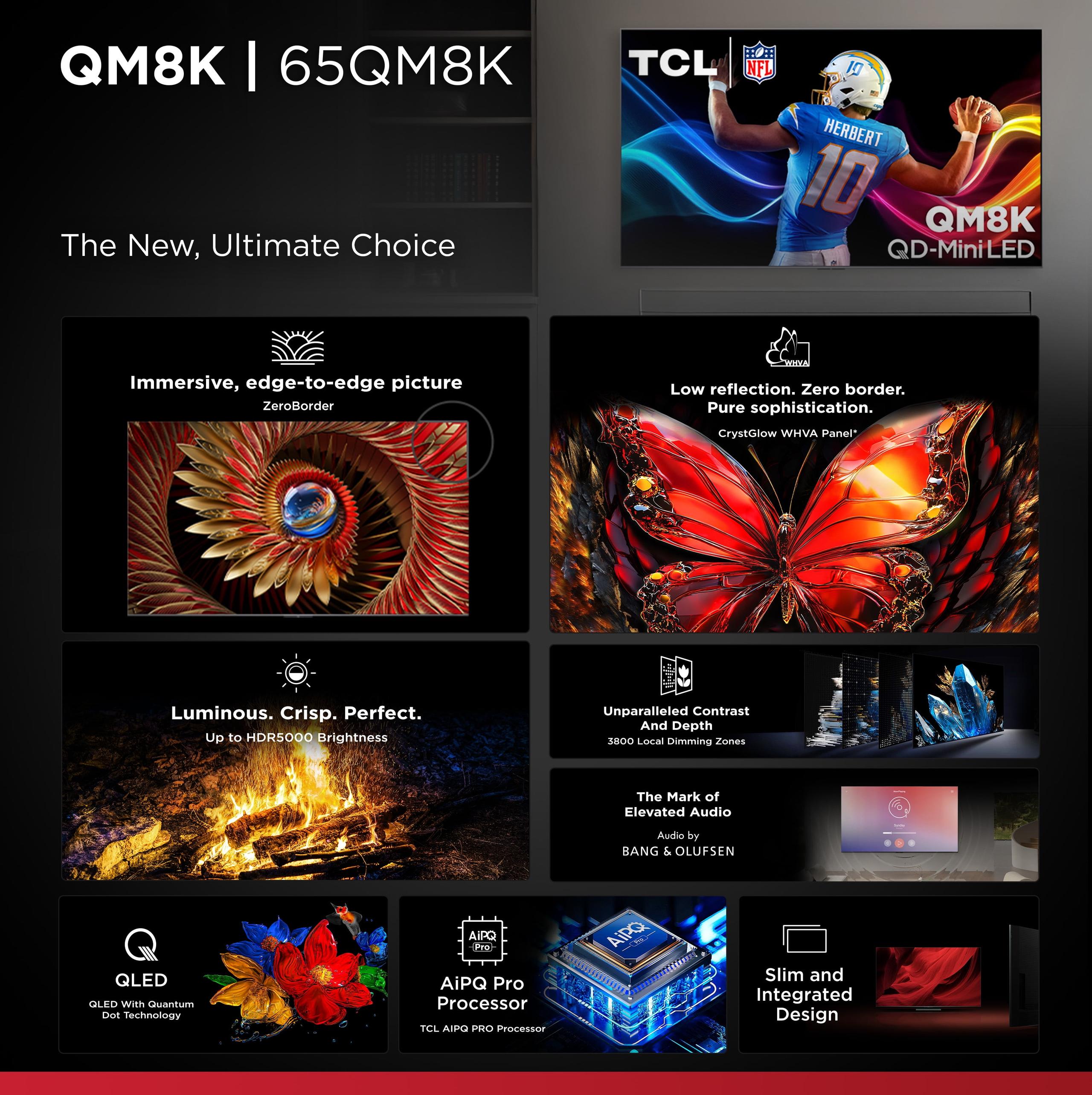
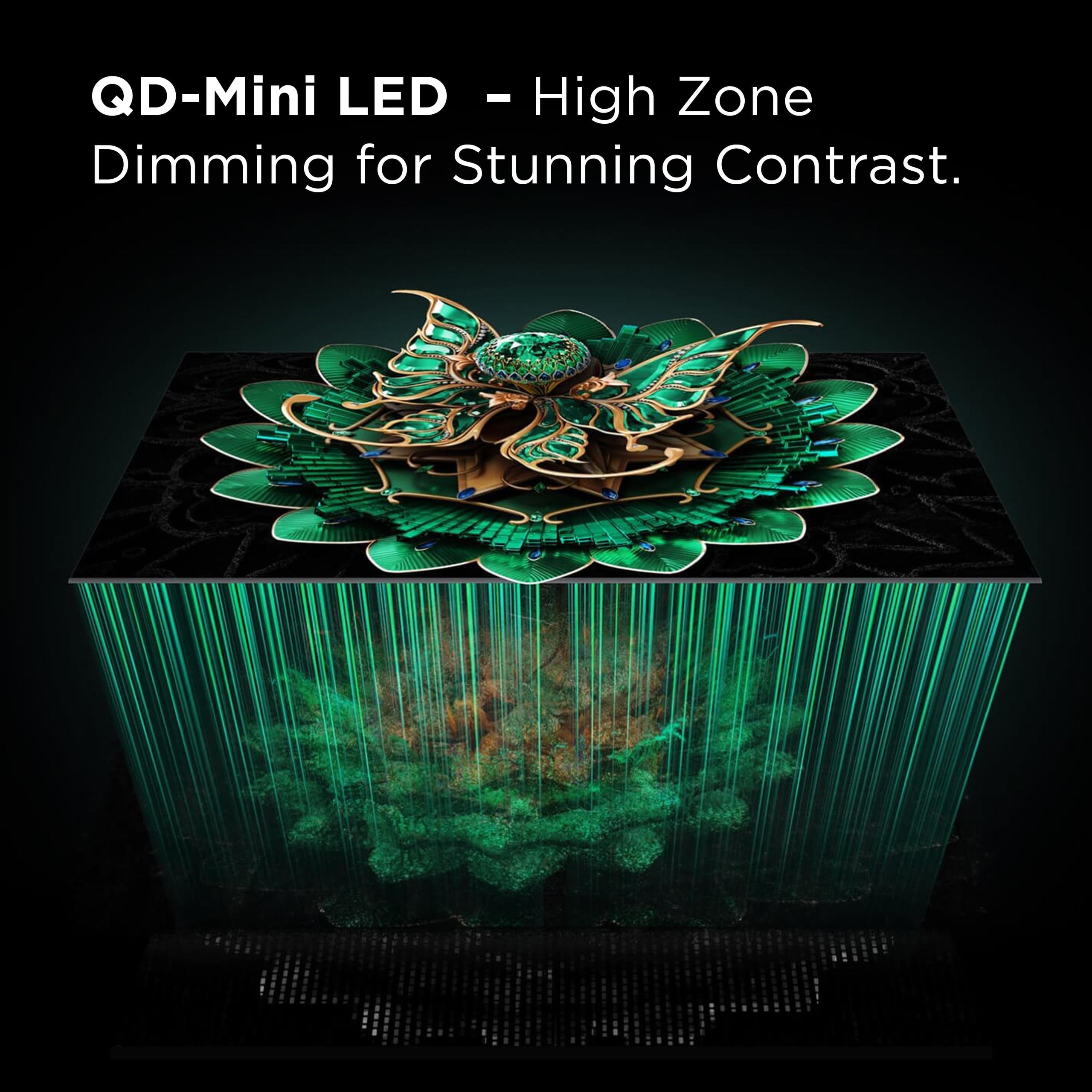
The TCL QM8K takes the Mini-LED approach, using thousands of tiny LED backlights arranged behind an LCD panel. These LEDs are organized into local dimming zones (the QM8K has up to 3,800 of them), allowing different areas of the screen to brighten or dim independently. It's like having thousands of tiny flashlights that can coordinate to create bright highlights while keeping other areas dark. The quantum dot layer enhances color reproduction, similar to the Sony.
Both approaches have evolved significantly since their early days. The Sony's second-generation QD-OLED panel is roughly twice as bright as first-generation OLEDs, addressing the main criticism of OLED TVs in bright rooms. Meanwhile, Mini-LED technology has improved dramatically in the past few years—the TCL QM8K represents a major leap forward in local dimming control and brightness capability compared to earlier Mini-LED attempts.
Here's where these TVs diverge most dramatically. The TCL QM8K can reach peak brightness levels over 3,000 nits in HDR highlights, while the Sony A95L tops out around 1,300 nits. To put that in perspective, a typical LCD TV might hit 400-600 nits, while bright outdoor daylight measures around 10,000 nits.
This difference matters more than the numbers suggest. In a bright living room with lots of windows, the TCL can overpower ambient light in ways the Sony simply cannot match. HDR highlights—think sun reflections, explosions, or bright lights in movies—appear more impactful on the TCL. When watching something like a Marvel movie with lots of bright effects, the difference is immediately noticeable.
But here's where it gets interesting: more brightness isn't always better. Based on user feedback and expert analysis, the Sony handles brightness more intelligently. While the TCL tends to push everything brighter, the Sony maintains better contrast by keeping mid-tones and shadows at appropriate levels. This creates a more dimensional, cinematic image where bright highlights pop against properly dark backgrounds.
For home theater use, this distinction becomes crucial. In a dedicated theater room with controlled lighting, the Sony's approach often looks more natural and film-like. The TCL's extreme brightness can actually work against the viewing experience in dark rooms, making the overall image appear too aggressive or "hot."
This is where OLED technology shows its fundamental advantage. The Sony A95L achieves perfect blacks because its pixels can turn completely off. When you're watching a space scene or a movie with dark cinematography, those black areas are truly black—not dark gray trying to pass for black.
The TCL QM8K does remarkably well for a backlit display. Its local dimming system creates what experts describe as excellent black uniformity, meaning dark areas stay consistently dark across the screen. The blooming effect (where bright objects create unwanted light spill around their edges) is minimal compared to other Mini-LED TVs. However, it still can't match the pixel-perfect control of OLED.
In practical terms, this affects different content differently. Dark, moody films like those from directors such as Denis Villeneuve (think "Dune" or "Blade Runner 2049") showcase the Sony's advantages beautifully. The TCL handles mixed content—scenes with both bright and dark elements—very well, but pure black scenes will always favor OLED.
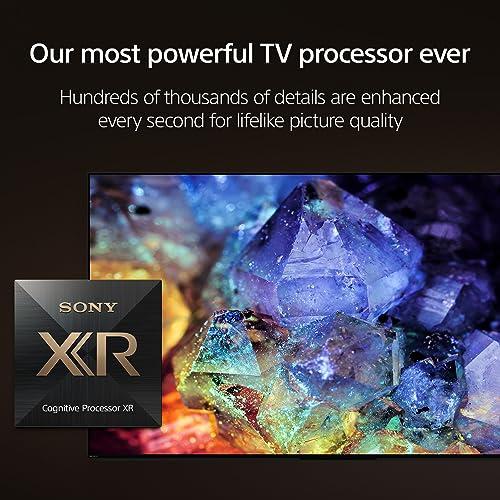
Both TVs use quantum dot technology for color enhancement, but their implementation and supporting processing differ significantly. The Sony A95L demonstrates exceptional color accuracy straight out of the box, often requiring minimal calibration to achieve reference-quality color reproduction. Its Cognitive Processor XR uses AI-driven analysis to optimize every aspect of the image in real-time.
The processing differences become most apparent with lower-quality content. The Sony excels at upscaling 1080p or even 720p sources to 4K, cleaning up compression artifacts from streaming services, and smoothing out color gradients that might appear banded on other displays. If you watch a lot of cable TV, older movies, or content from various streaming services with different quality levels, these processing advantages add real value to your daily viewing experience.
The TCL QM8K handles high-quality 4K content beautifully, but user reviews consistently mention that its processing doesn't quite match Sony's refinement. Upscaled content appears softer, and gradient handling falls into the "good but not exceptional" category. For viewers who primarily consume high-quality 4K content, this matters less. But if your viewing includes a mix of sources and quality levels, the Sony's processing advantage becomes significant.
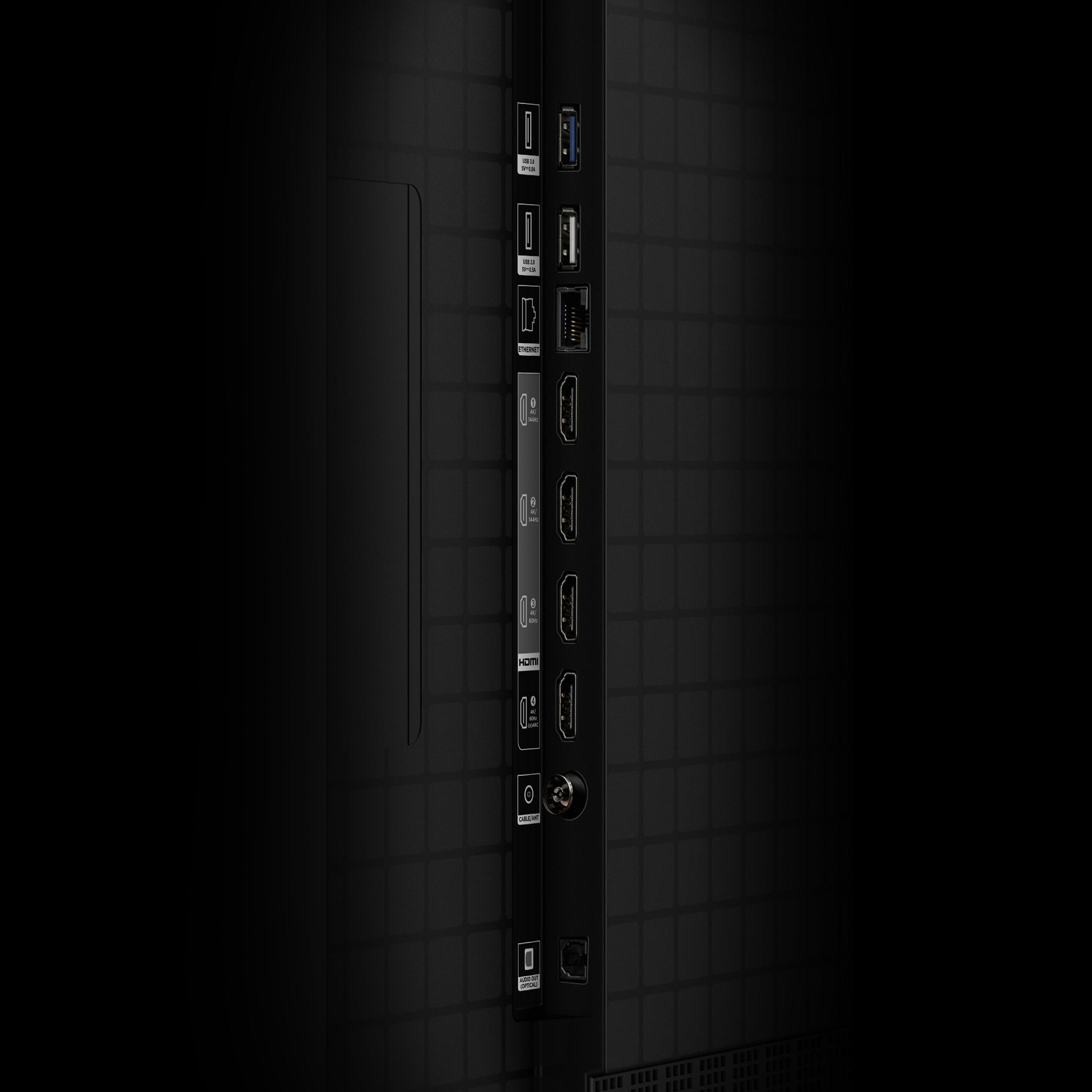
Gaming capabilities represent one area where the TCL QM8K pulls ahead decisively for certain users. It supports 4K gaming at 144Hz and can even handle 1080p at an impressive 288Hz—specifications that put it in league with high-end gaming monitors. Combined with lower input lag and faster pixel response times, it's clearly designed with competitive gaming in mind.
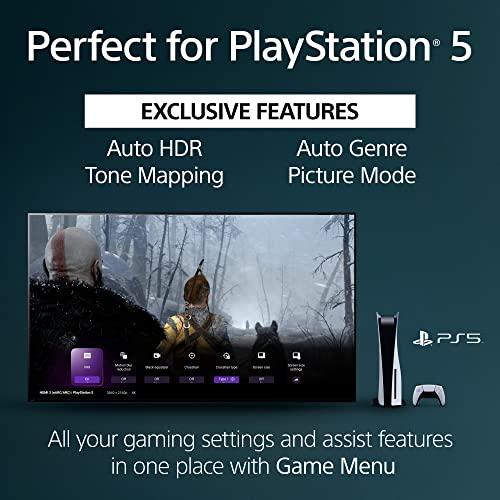
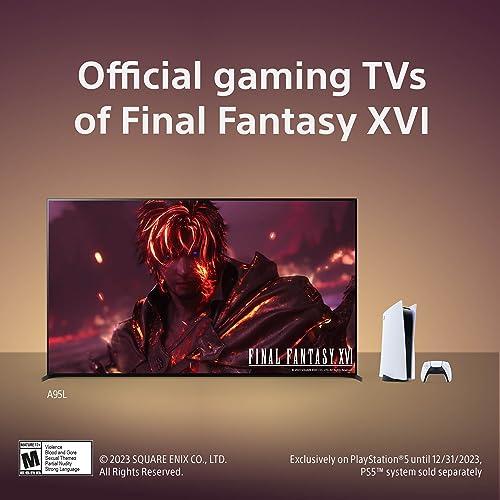
The Sony A95L supports 4K at 120Hz with Variable Refresh Rate (VRR) and Auto Low Latency Mode (ALLM), which covers the needs of current gaming consoles perfectly well. Its input lag measures around 16ms, which feels responsive for most gaming scenarios. Where the Sony shines is in its PlayStation 5 integration, offering automatic HDR tone mapping and game-specific picture modes.
For casual and console gamers, the Sony's capabilities are more than sufficient, and its superior picture processing benefits gaming just as much as movies. For PC gamers or those serious about competitive gaming where every millisecond matters, the TCL's specifications provide a clear advantage.
This might be the most underappreciated aspect of TV performance, but it dramatically affects real-world satisfaction. The Sony A95L maintains consistent picture quality from virtually any viewing angle—colors stay accurate, brightness remains stable, and contrast doesn't shift when you move around the room.
The TCL QM8K requires more careful positioning. Its impressive brightness and contrast performance assumes you're sitting directly in front of the screen. Move to the side, and those advantages diminish quickly while the Sony continues to look great from any reasonable viewing position.
For family rooms, open floor plans, or any situation where people sit in various locations around the TV, this difference becomes crucial. The Sony works better in versatile room setups, while the TCL performs best in dedicated viewing arrangements where seating positions are more controlled.
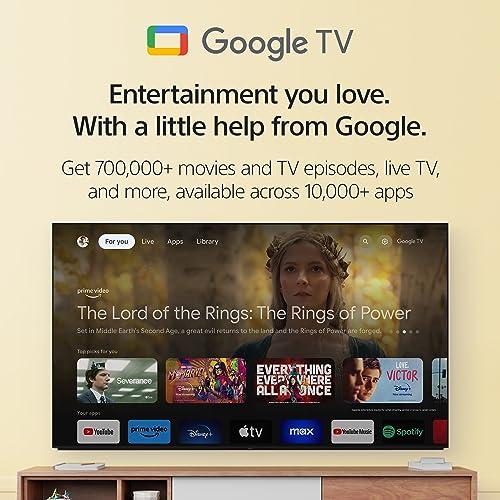
Both TVs run Google TV, so the core smart platform experience is similar—access to all major streaming apps, voice control, and Chromecast built-in. The Sony adds AirPlay 2 support and deeper integration with PlayStation features, while both support modern smart home ecosystems.
Interface responsiveness has improved on both platforms, though some users report occasional menu sluggishness on the Sony immediately after powering on. These differences are minor compared to the picture quality distinctions, but they contribute to the overall ownership experience.
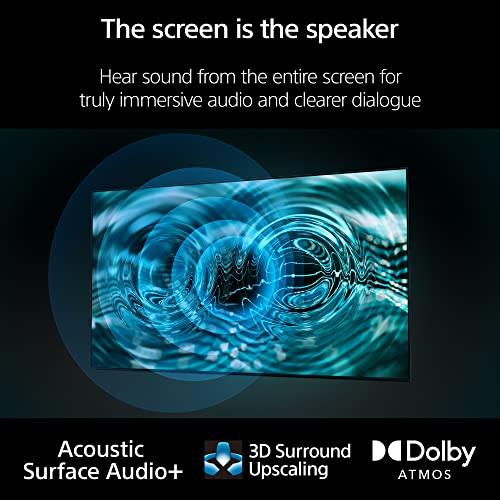
For dedicated home theater setups, the choice often comes down to viewing environment and content priorities. In a light-controlled room optimized for movie watching, the Sony A95L's perfect blacks, accurate colors, and sophisticated processing create an experience that closely matches what filmmakers intended. The TV's Acoustic Surface Audio+ technology, which turns the screen itself into a speaker, provides dialogue that appears to come directly from actors' mouths rather than from separate speakers.
The TCL QM8K works well in home theaters too, especially larger rooms where its extreme brightness helps overcome any ambient light that might sneak in. However, in truly dark environments, its aggressive brightness tuning can work against the cinematic experience unless carefully calibrated.
After evaluating user feedback, expert reviews, and real-world performance reports, clear patterns emerge about who should choose which TV.
Choose the Sony A95L if picture quality refinement matters most to you. This means you watch a variety of content sources, appreciate accurate color reproduction, value wide viewing angles for flexible room arrangements, or prioritize the cinematic experience in darker viewing environments. PlayStation 5 owners get additional benefits from the optimized integration. The premium you'll pay (at the time of writing, several hundred dollars more) buys you OLED's inherent advantages and Sony's processing expertise.
The TCL QM8K makes more sense if you need extreme brightness for bright room viewing, prioritize cutting-edge gaming specifications, or want to maximize performance per dollar spent. It delivers flagship-level brightness and gaming features at a more accessible price point. Just ensure your seating arrangement works well with its viewing angle limitations.
The $500-ish price difference (at the time of writing) reflects genuine technological trade-offs rather than arbitrary positioning. You're choosing between OLED refinement with superior processing versus Mini-LED brightness with gaming-focused specifications. Both represent excellent value propositions for their intended audiences.
For most buyers, the decision comes down to room environment and priorities. Bright rooms with flexible seating favor the Sony despite its lower peak brightness because of its viewing angles and processing. Dark, dedicated viewing spaces could go either way depending on whether you prioritize perfect blacks (Sony) or maximum HDR impact (TCL). Serious gamers have an easier choice—the TCL's specifications are simply more future-proof for high-refresh gaming.
Both TVs represent the current state of the art in their respective technologies. The Sony A95L showcases how mature OLED technology has become, addressing traditional brightness concerns while maintaining all the benefits that made OLED desirable. The TCL QM8K demonstrates how Mini-LED has evolved to compete directly with OLED while offering unique advantages in brightness and gaming performance.
Your choice should align with how and where you watch TV most often, but either way, you're getting a genuinely excellent display that will serve you well for years to come.
| Sony BRAVIA XR A95L | TCL QM8K Series |
|---|---|
| Display Technology - Determines black levels, brightness capability, and overall picture character | |
| QD-OLED (perfect pixel-level blacks, moderate brightness) | QD-Mini LED (excellent blacks for LCD, extreme brightness) |
| Peak Brightness - Critical for HDR impact and bright room viewing | |
| ~1,300 nits (excellent for dark rooms, limited in bright spaces) | 3,000+ nits (dominates any lighting condition, can appear over-bright) |
| Black Level Performance - Foundation of contrast and movie experience | |
| Perfect blacks (pixels turn completely off) | Excellent blacks for Mini-LED (minimal blooming, not pixel-perfect) |
| Gaming Refresh Rate - Determines smoothness for PC and competitive gaming | |
| 4K @ 120Hz (covers all current consoles perfectly) | 4K @ 144Hz, 1080p @ 288Hz (future-proof for PC gaming) |
| Input Lag - Response time for competitive gaming | |
| ~16ms (good for console gaming, adequate for most users) | Lower input lag (optimized for competitive gaming) |
| Picture Processing - Quality with streaming, cable, and lower-resolution content | |
| Cognitive Processor XR (industry-leading upscaling and artifact removal) | Solid processing (handles 4K well, struggles with lower quality sources) |
| Viewing Angles - Performance when not sitting directly centered | |
| Excellent from any position (consistent colors and brightness) | Poor off-axis (requires centered seating for optimal performance) |
| Color Accuracy - Out-of-box accuracy and calibration requirements | |
| Near-perfect out-of-box (minimal calibration needed) | Good but requires more adjustment (vivid but less accurate initially) |
| Local Dimming Zones - Precision of contrast control | |
| Pixel-level control (8.3 million pixels act as zones) | Up to 3,800 zones (excellent for Mini-LED, but not pixel-precise) |
| Smart TV Platform - Interface and app ecosystem | |
| Google TV with PlayStation integration and AirPlay 2 | Google TV with enhanced gaming interface |
| Release Year - Technology generation and feature currency | |
| 2023 flagship (mature QD-OLED technology) | 2025 model (latest Mini-LED refinements and gaming features) |
The Sony BRAVIA XR A95L delivers superior overall picture quality thanks to its QD-OLED technology and advanced processing. It offers perfect blacks, exceptional color accuracy, and industry-leading upscaling of lower-quality content. The TCL QM8K Series excels in brightness and handles high-quality 4K content well, but the Sony A95L provides more refined, cinematic image quality across all content types.
The TCL QM8K Series is better for competitive gaming, offering 4K at 144Hz and 1080p at 288Hz refresh rates with lower input lag. The Sony BRAVIA XR A95L supports 4K at 120Hz, which is perfect for current gaming consoles like PlayStation 5 and Xbox Series X, and includes special PlayStation integration features. Choose the TCL QM8K for PC gaming and competitive esports, or the Sony A95L for console gaming.
The TCL QM8K Series is significantly brighter, reaching over 3,000 nits peak brightness compared to the Sony A95L's ~1,300 nits. This makes the TCL QM8K much better for bright rooms with lots of windows or ambient light. However, the Sony A95L uses its brightness more intelligently, creating better overall contrast and more natural-looking images.
Both work for home theaters, but with different strengths. The Sony BRAVIA XR A95L excels in dedicated home theaters with controlled lighting, offering perfect blacks and cinematic color accuracy that matches filmmakers' intentions. The TCL QM8K Series works well in larger home theaters or rooms with some ambient light, where its extreme brightness helps maintain image quality. For traditional dark home theaters, the Sony A95L is the better choice.
The Sony BRAVIA XR A95L has significantly better viewing angles, maintaining consistent picture quality from almost any position in the room. The TCL QM8K Series requires more centered seating, as its picture quality degrades when viewed from the sides. If you have a family room or open floor plan with multiple seating positions, the Sony A95L is the clear winner.
Yes, both TVs run Google TV and support all major streaming apps. However, the Sony BRAVIA XR A95L provides a better streaming experience due to its superior processing, which cleans up compression artifacts and upscales lower-quality streams more effectively. The TCL QM8K Series handles high-quality 4K streams well but struggles more with variable bitrate content from streaming services.
The TCL QM8K Series offers better value if you prioritize brightness and gaming features, delivering flagship-level specifications at a lower price point. The Sony BRAVIA XR A95L provides better value if you prioritize picture quality, processing, and versatility, as its OLED technology and advanced processing justify the premium cost. Your choice depends on whether you value specifications or overall refinement.
Both TVs support modern gaming features like 4K, HDR, VRR (Variable Refresh Rate), and ALLM (Auto Low Latency Mode). The Sony A95L offers special PlayStation 5 integration and optimization, while the TCL QM8K Series provides higher refresh rates for future gaming capabilities. Current console owners will be satisfied with either TV, but the TCL QM8K is more future-proof for PC gaming.
The Sony BRAVIA XR A95L has perfect black levels because its OLED pixels can turn completely off, creating true blacks with infinite contrast. The TCL QM8K Series has excellent black levels for a Mini-LED TV with minimal blooming, but cannot match OLED's pixel-perfect black control. For dark, atmospheric movies and TV shows, the Sony A95L provides a superior viewing experience.
The Sony BRAVIA XR A95L is easier to set up for most users, as it delivers excellent picture quality with minimal adjustments needed out of the box. The TCL QM8K Series may require more fine-tuning to achieve optimal picture quality, especially for color accuracy. Both TVs offer comprehensive calibration options for enthusiasts, but the Sony A95L provides a better plug-and-play experience.
Both TVs handle motion well, but differently. The TCL QM8K Series offers higher refresh rates (144Hz native) for ultra-smooth motion, especially beneficial for sports and fast action. The Sony A95L uses sophisticated motion processing to maintain sharpness without artifacts, creating more natural-looking motion. The TCL QM8K wins for raw smoothness, while the Sony A95L provides more refined motion handling.
Choose the Sony BRAVIA XR A95L if your living room has flexible seating arrangements, moderate lighting, and you watch varied content sources including streaming and cable TV. Choose the TCL QM8K Series if your living room is very bright, you have a centered seating arrangement, you prioritize gaming, or you want maximum brightness for HDR content. The Sony A95L is more versatile for typical living room setups, while the TCL QM8K excels in specific scenarios.
We've done our best to create useful and informative comparisons to help you decide what product to buy. Our research uses advanced automated methods to create this comparison and perfection is not possible - please contact us for corrections or questions. These are the sites we've researched in the creation of this article: rtings.com - youtube.com - rtings.com - avsforum.com - rtings.com - smarthomesounds.co.uk - smarthomesounds.co.uk - rtings.com - smarthomesounds.co.uk - youtube.com - tomsguide.com - avsforum.com - rtings.com - perfectrec.com - flatpanelshd.com - videoandaudiocenter.com - sonypremiumhome.com - bestbuy.com - sony.com - electronics.sony.com - displayspecifications.com - donstv.com - youtube.com - static.pcrichard.com - smarthomesounds.co.uk - youtube.com - electronics.sony.com - electronics.sony.com - displayspecifications.com - tomsguide.com - youtube.com - businessinsider.com - rtings.com - youtube.com - avsforum.com - avsforum.com - bestbuy.com - tcl.com - tcl.com - tcl.com - flatpanelshd.com - romomattressfurniture.com - brandsmartusa.com - pcrichard.com - tvsbook.com - tcl.com - youtube.com - prnewswire.com - tcl.com - tcl.com

Privacy Policy
Terms and Conditions - Affiliate Policy
Home Security
© Copyright 2008-2026.
11816 Inwood Rd #1211, Dallas, TX 75244