

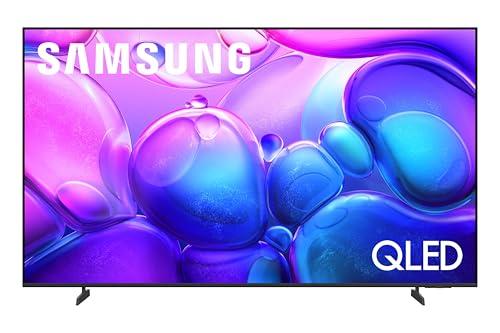
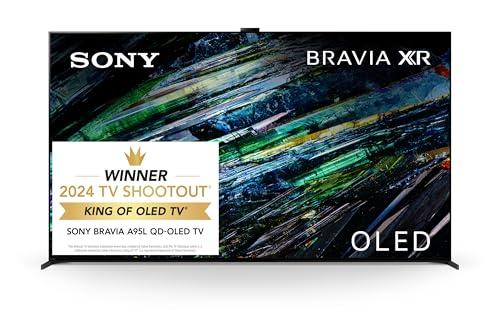


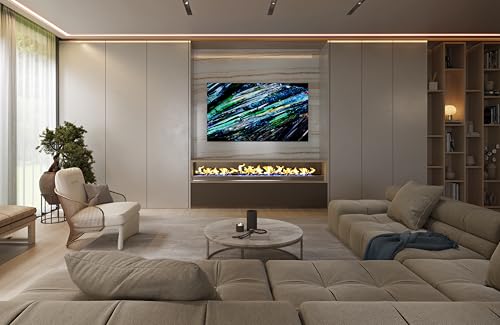
Choosing between the Samsung 75-Inch QLED Q6F Series and Sony BRAVIA XR A95L 65" isn't just about picking a TV—it's about understanding two completely different philosophies in television design. At the time of writing, these TVs sit at opposite ends of the value spectrum, with the Samsung costing roughly one-third the price of the Sony while offering a significantly larger screen. But as anyone who's spent hours researching TVs knows, bigger isn't always better.
Before diving into specifics, it's worth understanding what separates these TVs at a fundamental level. The Samsung Q6F uses QLED technology, which is essentially a high-quality LED-backlit LCD display enhanced with a quantum dot layer. Think of quantum dots as microscopic crystals that, when hit by light, produce incredibly pure colors. The entire screen is illuminated by LEDs positioned behind or around the edges of the panel.
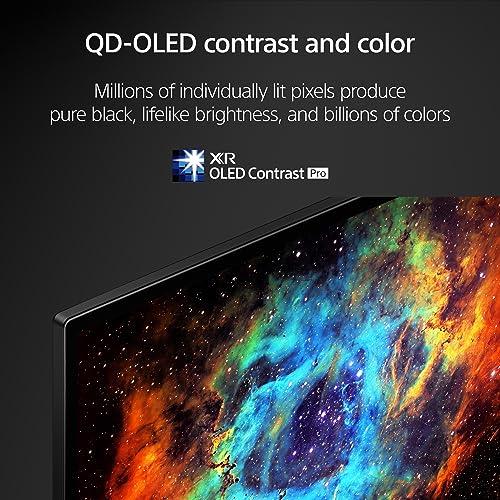
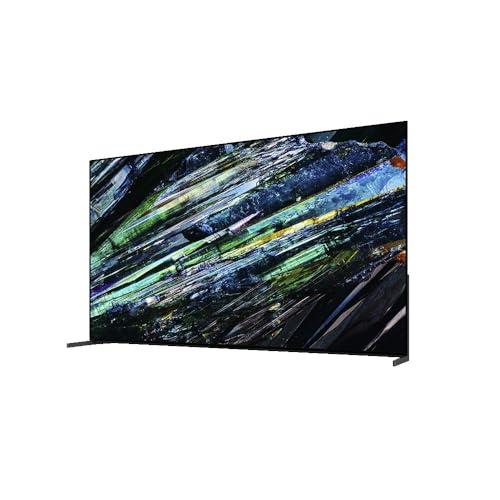
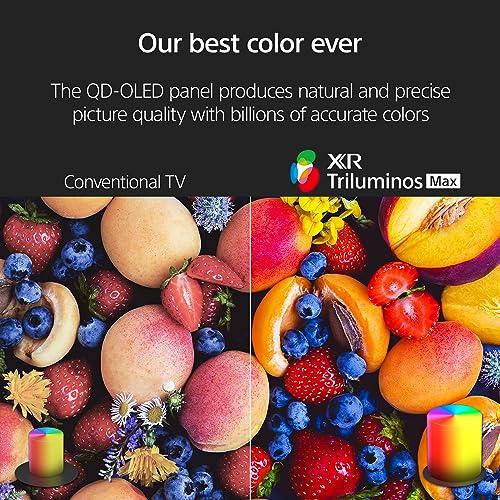
The Sony A95L, on the other hand, uses QD-OLED technology—a newer, more sophisticated approach where each individual pixel generates its own light. OLED stands for Organic Light-Emitting Diode, and when combined with quantum dots (the "QD" part), you get a display that can turn pixels completely off for perfect blacks while still delivering the vibrant colors quantum dots are known for.
This difference in how the displays create light affects everything from contrast and brightness to power consumption and viewing angles. It's like comparing a flashlight shining through a stained-glass window (QLED) to thousands of tiny, individually controlled colored lights (QD-OLED).
The Samsung Q6F launched in 2025 as Samsung's entry-level QLED offering, designed to bring quantum dot color enhancement to budget-conscious buyers. Samsung positioned this model to compete directly with mid-range TVs from other manufacturers while maintaining the QLED branding that consumers associate with premium features.
The Sony A95L debuted in 2023 as Sony's flagship OLED television, representing the pinnacle of their display technology at the time. Even now, in 2025, it remains at the top of Sony's OLED lineup for those prioritizing cinematic picture quality. While newer models have since been released, the A95L's combination of features and performance keeps it competitive in the premium market.
When it comes to picture quality, these TVs take fundamentally different approaches, and the differences are immediately noticeable in real-world use.
The most striking difference between these displays becomes apparent the moment you watch content with dark scenes. The Sony A95L can turn off individual pixels completely, creating what's technically called an infinite contrast ratio. When you're watching a movie like Interspace or The Dark Knight, space scenes appear as true black rather than the dark gray you'll see on most TVs.
The Samsung Q6F, being backlit by LEDs, cannot achieve true black levels. Even in its darkest moments, there's always some light bleeding through the LCD panel. However, Samsung's implementation is better than most budget TVs, and for daytime viewing or well-lit rooms, this limitation becomes less noticeable.
Based on our research of user experiences and professional reviews, the Sony's perfect blacks create a more immersive viewing experience, especially in dedicated home theater setups. The Samsung, however, holds its own in typical living room environments where ambient light reduces the visual impact of perfect blacks.
Here's where things get interesting. While the Sony A95L achieves perfect blacks, the Samsung Q6F can get brighter overall due to its LED backlighting system. This matters significantly for HDR (High Dynamic Range) content, which requires both deep blacks and bright highlights to look its best.
The Sony reaches peak brightness levels around 1,300 nits—impressive for an OLED display and bright enough to make HDR highlights pop in most viewing environments. The Samsung, while not reaching the same peak levels, maintains higher average brightness across the entire screen, which can make regular content appear more vibrant in bright rooms.
For HDR performance specifically, the Sony A95L supports Dolby Vision, which is considered the premium HDR format. Dolby Vision uses dynamic metadata, meaning it can adjust the picture settings scene by scene, or even frame by frame, to optimize the viewing experience. The Samsung Q6F supports HDR10+, which is also dynamic but not quite as sophisticated as Dolby Vision's implementation.
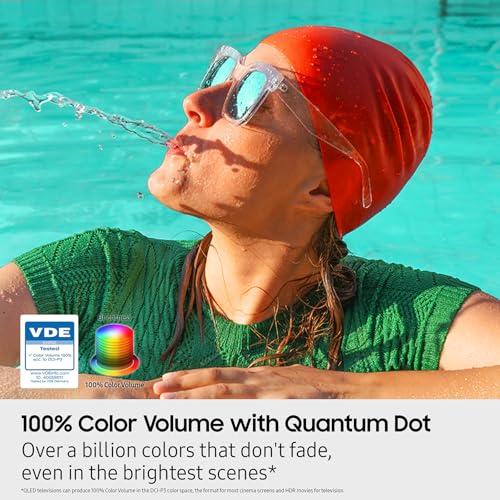
Both TVs feature quantum dot technology, but they implement it differently. The Samsung Q6F achieves 100% Color Volume certification, which means it can display vibrant colors at any brightness level. In practice, this translates to punchy, saturated colors that look great for sports, animated content, and bright streaming shows.
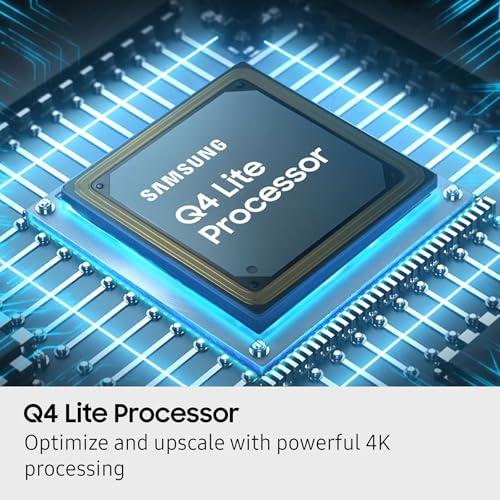
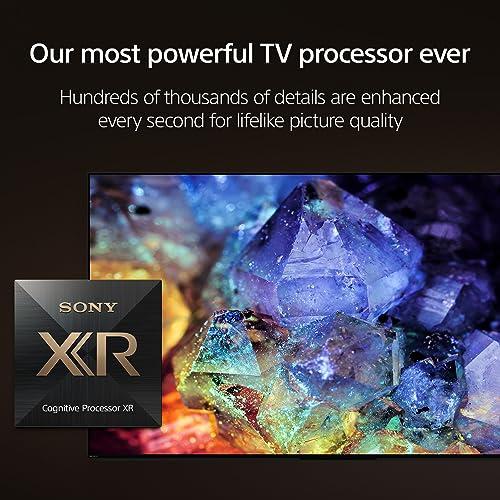
The Sony A95L takes a more nuanced approach with its Cognitive Processor XR, an AI-driven system that analyzes content and adjusts color, contrast, and clarity in real-time. This processor excels at making low-quality content look better—something particularly valuable given how much streaming content we watch today. If you've ever been frustrated by pixelated Netflix shows or grainy YouTube videos, Sony's upscaling technology addresses these issues more effectively than Samsung's Q4 Lite Processor.
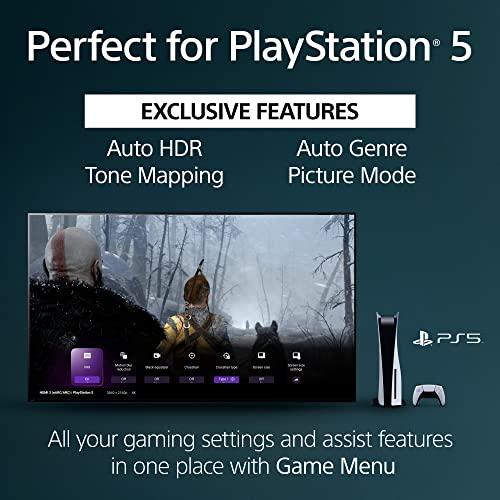
For gamers, especially those with PlayStation 5 or Xbox Series X consoles, the differences between these TVs become crucial.
The Sony A95L supports 4K gaming at 120Hz on two of its HDMI ports, with input lag measured around 16 milliseconds. While this isn't the lowest input lag we've seen, it's responsive enough for all but the most competitive gaming scenarios. More importantly, OLED's instantaneous pixel response means there's virtually no motion blur during fast-paced gaming sequences.
The Samsung Q6F includes modern gaming features like Auto Game Mode and Variable Refresh Rate (VRR), but it's limited to 60Hz refresh rates. For casual gaming and older consoles, this is perfectly adequate. However, if you're planning to take advantage of next-generation console features or PC gaming at high refresh rates, the Samsung's limitations become apparent.
Variable Refresh Rate, for context, allows the TV to sync its refresh rate with your gaming device's output, eliminating screen tearing and providing smoother gameplay. Both TVs support this feature, but the Sony's higher refresh rate capability gives it an edge for demanding games.
Most TV speakers are afterthoughts, but both manufacturers have implemented interesting audio technologies in these models.
The Samsung Q6F features Object Tracking Sound Lite (OTS Lite), which uses multiple speakers to create the impression that sound is coming from different parts of the screen. It's a clever implementation that works better than traditional stereo TV speakers, though it still benefits from a soundbar or external speakers for optimal performance.
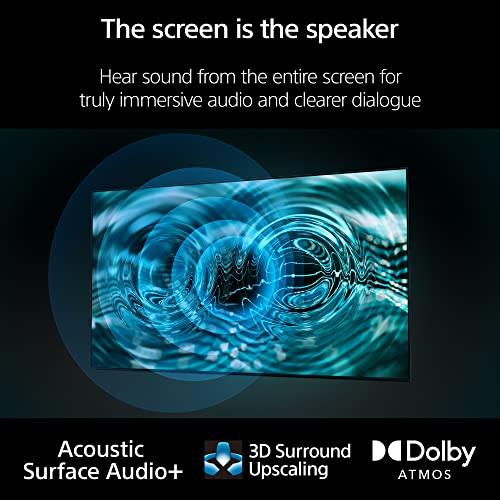
The Sony A95L takes a completely different approach with Acoustic Surface Audio+. Instead of traditional speakers, the TV uses actuators to vibrate the entire screen, essentially turning the display into a massive speaker. This creates remarkably precise dialogue placement—when someone speaks on the left side of the screen, the sound literally comes from that location. For movie watching, this technology provides a level of immersion that conventional TV speakers simply cannot match.
Both TVs run different smart platforms, and the choice between them often comes down to personal preference and ecosystem integration.
The Samsung Q6F runs Tizen OS, Samsung's proprietary smart TV platform. Tizen integrates seamlessly with Samsung's SmartThings ecosystem, making it an excellent choice if you already use Samsung smartphones, tablets, or smart home devices. Samsung TV Plus provides access to hundreds of free streaming channels, which adds value for cord-cutters.
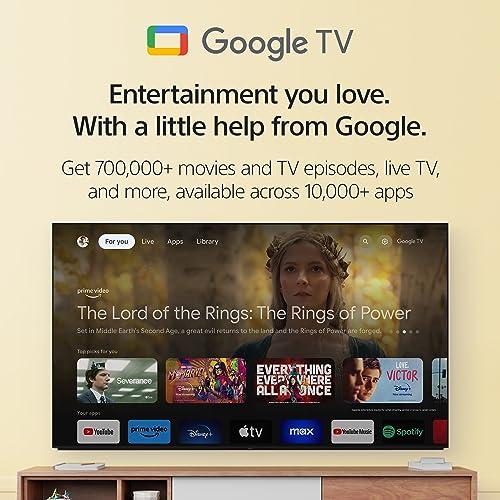
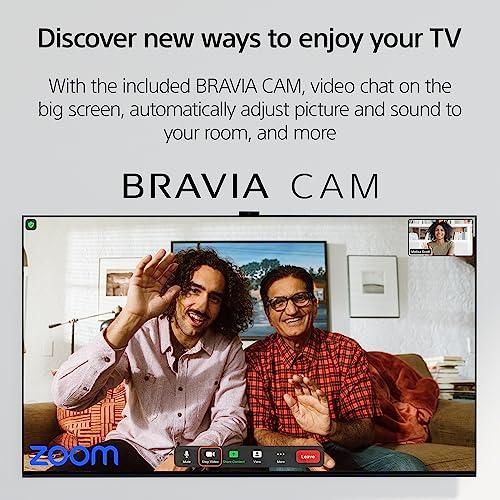
The Sony A95L uses Google TV, which offers broader app compatibility and integrates well with Google services and Android devices. Chromecast built-in means you can easily cast content from your phone or tablet, while AirPlay 2 support keeps iPhone users happy. The included BRAVIA CAM adds unique features like ambient optimization, automatically adjusting picture settings based on room lighting and your seating position.
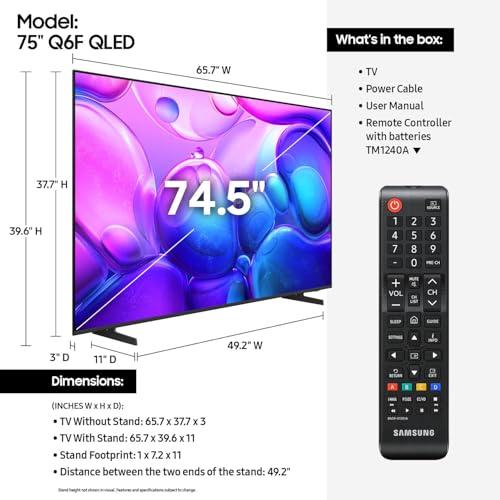
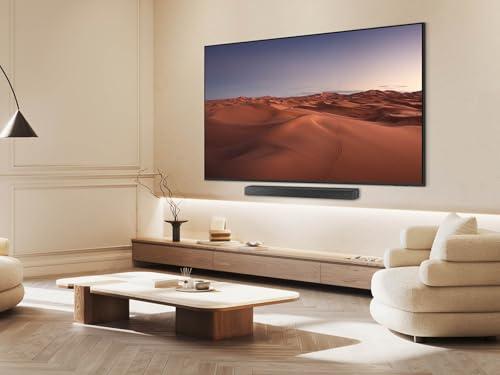
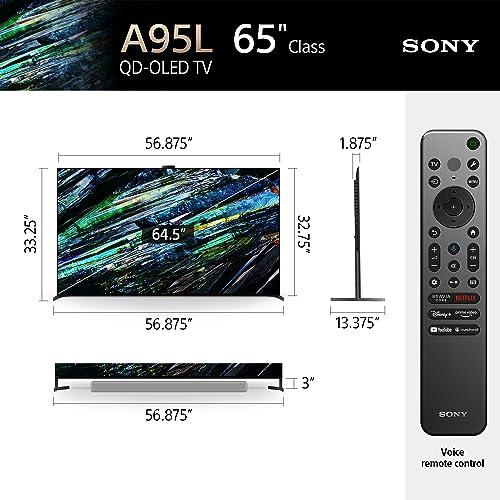
The 10-inch difference in screen size shouldn't be underestimated. The Samsung Q6F provides about 33% more viewing area than the Sony A95L, which translates to a more immersive experience for large rooms and group viewing scenarios.
For rooms where you sit 10-12 feet from the TV, the 75-inch Samsung provides an ideal viewing experience for sports and movies. The larger screen makes text easier to read and creates a more cinema-like presence. However, if you sit closer than 8 feet, the 65-inch Sony might actually provide a better experience due to its superior pixel density and picture quality.
If you're building a dedicated home theater, the Sony A95L has significant advantages. Perfect blacks are crucial in dark rooms, where the Sony's OLED technology truly shines. The TV's accurate color reproduction and Dolby Vision support ensure that movies appear as filmmakers intended.
The Acoustic Surface Audio+ technology also works particularly well in home theater setups, reducing the need for a center channel speaker or providing an excellent center channel when paired with Sony's audio equipment. Professional reviewers consistently praise the A95L for its cinematic presentation and accurate image reproduction.
For casual home theater use or family rooms with ambient lighting, the Samsung Q6F offers excellent value. Its larger screen creates an impressive presence, and its brighter display handles room lighting better than OLED technology.
At the time of writing, the price difference between these TVs is substantial—the Samsung costs roughly one-third of the Sony's price. This creates an interesting value equation where you're essentially choosing between screen size and picture quality at similar budget levels.
The Samsung Q6F represents excellent value for buyers prioritizing screen size and modern features. It includes all the smart TV functionality most users need, supports current gaming consoles adequately, and provides a satisfying viewing experience for general entertainment.
The Sony A95L justifies its premium pricing through superior technology and performance. For enthusiasts who notice and appreciate picture quality differences, the Sony's advantages in contrast, color accuracy, and motion handling make the investment worthwhile.
Choose the Samsung 75-Inch QLED Q6F if you want maximum screen size for your budget and primarily watch content in well-lit rooms. It's ideal for families, sports fans, and anyone who values the immersive experience that a large screen provides. The Samsung also makes sense if you're planning to add a soundbar or surround sound system, as its audio limitations become less relevant.
Choose the Sony BRAVIA XR A95L 65" if picture quality is your primary concern and you can work with the smaller screen size. It's the clear choice for movie enthusiasts, serious gamers with next-generation consoles, and anyone building a home theater where image quality matters more than screen size. The Sony also appeals to users who prefer minimal setup complexity, as its superior built-in audio and processing reduce the need for additional equipment.
Consider your viewing environment carefully. The Samsung excels in bright rooms where its LED backlighting advantage becomes apparent, while the Sony dominates in controlled lighting where OLED's perfect blacks create a more cinematic experience.
Both TVs will serve most users well, but they excel in different scenarios. The choice ultimately comes down to whether you value the immersive experience of a larger screen or the technical excellence of superior picture quality. Either way, you're getting modern smart TV features, decent gaming support, and solid performance for their respective price points.
| Samsung 75-Inch QLED Q6F Series 2025 Smart TV | Sony BRAVIA XR A95L 65" QD-OLED 4K HDR Google TV |
|---|---|
| Screen Size - Impacts immersion and room requirements | |
| 75 inches (ideal for 10+ foot viewing distance) | 65 inches (perfect for 8-10 foot viewing distance) |
| Display Technology - Determines picture quality fundamentals | |
| QLED (LED-backlit LCD with quantum dots) | QD-OLED (self-emitting pixels with quantum dots) |
| Black Levels - Critical for dark room movie watching | |
| Limited by LED backlighting (dark gray blacks) | Perfect blacks (pixels turn completely off) |
| Peak Brightness - Important for HDR and bright room viewing | |
| Standard LED brightness levels | ~1,300 nits (excellent for OLED) |
| HDR Format Support - Affects streaming and movie quality | |
| HDR10+ with dynamic tone mapping | Dolby Vision (premium format with frame-by-frame optimization) |
| Gaming Refresh Rate - Crucial for next-gen console performance | |
| 60Hz maximum | 4K @ 120Hz on two HDMI 2.1 ports |
| Input Lag - Important for competitive gaming responsiveness | |
| Standard for 60Hz gaming | ~16ms (excellent for high-refresh gaming) |
| Audio Technology - Determines need for external speakers | |
| 20W 2-channel with Object Tracking Sound Lite | Acoustic Surface Audio+ (screen acts as speaker) |
| Smart Platform - Affects app selection and ecosystem integration | |
| Tizen OS with SmartThings integration | Google TV with Chromecast built-in |
| Image Processor - Handles upscaling and picture optimization | |
| Q4 Lite Processor (basic upscaling) | Cognitive Processor XR (AI-driven enhancement) |
| Viewing Angles - Important for off-center seating | |
| Standard LCD limitations | Wide OLED viewing angles |
| Target Market - Who each TV is designed for | |
| Budget-conscious buyers wanting large screens | Picture quality enthusiasts and serious gamers |
| Best Use Case - Where each TV excels | |
| Bright living rooms, sports viewing, families | Dark room home theaters, cinematic content |
| Value Proposition - What you're paying for | |
| Maximum screen size per dollar | Premium picture technology and performance |
The Sony BRAVIA XR A95L delivers superior picture quality with its QD-OLED display technology, offering perfect blacks, infinite contrast, and exceptional color accuracy. The Samsung 75-Inch QLED Q6F provides good picture quality for its price range but cannot match the Sony's contrast performance due to its LED backlighting system.
The Samsung Q6F uses QLED technology, which combines LED backlighting with quantum dots for enhanced colors. The Sony A95L features QD-OLED technology, where individual pixels emit their own light and can turn completely off, creating perfect blacks and superior contrast compared to traditional LED-backlit displays.
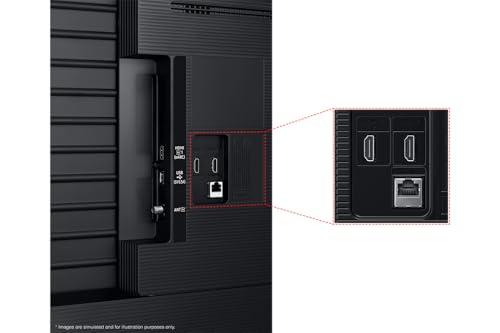
The Sony A95L is significantly better for gaming, supporting 4K at 120Hz refresh rates with ~16ms input lag and advanced HDMI 2.1 features. The Samsung Q6F is limited to 60Hz gaming but includes basic gaming features like Auto Game Mode and VRR, making it adequate for casual gaming.
The Samsung 75-Inch QLED Q6F offers 33% more screen area, making it ideal for large rooms and group viewing. However, the Sony A95L provides superior picture quality on its smaller 65-inch display. Choose the Samsung for size priority, the Sony for picture quality priority.
The Samsung Q6F performs better in bright rooms due to its LED backlighting system that can achieve higher overall brightness levels. The Sony A95L handles reflections well but may not be as bright in well-lit environments, though it still provides excellent HDR performance.
The Samsung Q6F runs Tizen OS with SmartThings integration and Samsung TV Plus free channels. The Sony A95L uses Google TV with Chromecast built-in, AirPlay 2 support, and broader app compatibility. Both platforms are user-friendly but serve different ecosystem preferences.
The Sony A95L features superior Acoustic Surface Audio+ technology that turns the entire screen into a speaker, providing immersive sound with precise dialogue placement. The Samsung Q6F has standard 20W speakers with Object Tracking Sound Lite, which is adequate but not as advanced as Sony's implementation.
The Sony A95L excels in home theater environments with its perfect blacks, Dolby Vision support, and cinematic color accuracy. The Samsung Q6F works well for casual home theater use, especially in larger rooms where its 75-inch screen creates an impressive presence.
The Samsung 75-Inch QLED Q6F provides excellent value with its large screen size and modern features at an entry-level price point. The Sony A95L justifies its premium pricing through cutting-edge display technology and superior performance, making it valuable for picture quality enthusiasts.
The Samsung Q6F supports HDR10+ with dynamic tone mapping and Quantum HDR enhancement. The Sony A95L supports Dolby Vision, which is considered the premium HDR format, offering more sophisticated scene-by-scene optimization for better picture quality.
The Samsung 75-Inch QLED Q6F is excellent for sports viewing with its large 75-inch screen, bright LED display, and good motion handling. The Sony A95L also handles sports well with superior motion clarity, but the Samsung's larger screen provides a more immersive sports viewing experience.
Despite being a 2025 model, the Samsung Q6F is an entry-level TV, while the Sony A95L from 2023 remains Sony's flagship OLED technology. The Sony still offers superior picture quality, gaming performance, and premium features that justify choosing the older but higher-tier model for quality-focused buyers.
We've done our best to create useful and informative comparisons to help you decide what product to buy. Our research uses advanced automated methods to create this comparison and perfection is not possible - please contact us for corrections or questions. These are the sites we've researched in the creation of this article: youtube.com - rtings.com - cnet.com - youtube.com - rtings.com - samsung.com - bestbuy.com - samsung.com - samsung.com - bestbuy.com - manuals.plus - arrowassociatedstores.com - samsung.com - samsung.com - samsung.com - flatpanelshd.com - device.report - rtings.com - youtube.com - rtings.com - avsforum.com - rtings.com - smarthomesounds.co.uk - smarthomesounds.co.uk - rtings.com - smarthomesounds.co.uk - youtube.com - tomsguide.com - avsforum.com - rtings.com - perfectrec.com - flatpanelshd.com - videoandaudiocenter.com - sonypremiumhome.com - bestbuy.com - sony.com - electronics.sony.com - displayspecifications.com - donstv.com - youtube.com - static.pcrichard.com - smarthomesounds.co.uk - youtube.com - electronics.sony.com - electronics.sony.com - displayspecifications.com

Privacy Policy
Terms and Conditions - Affiliate Policy
Home Security
© Copyright 2008-2026.
11816 Inwood Rd #1211, Dallas, TX 75244