

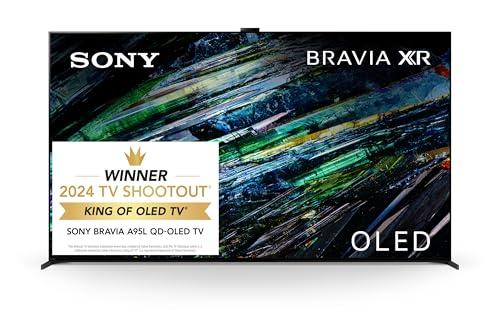
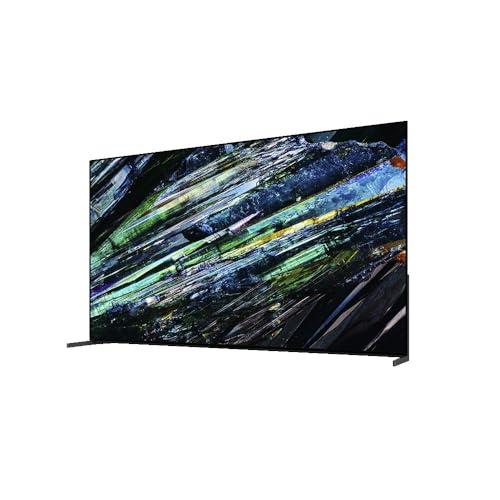


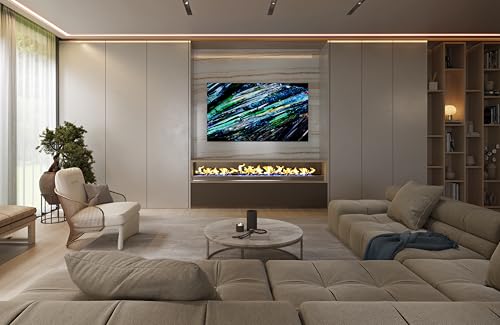
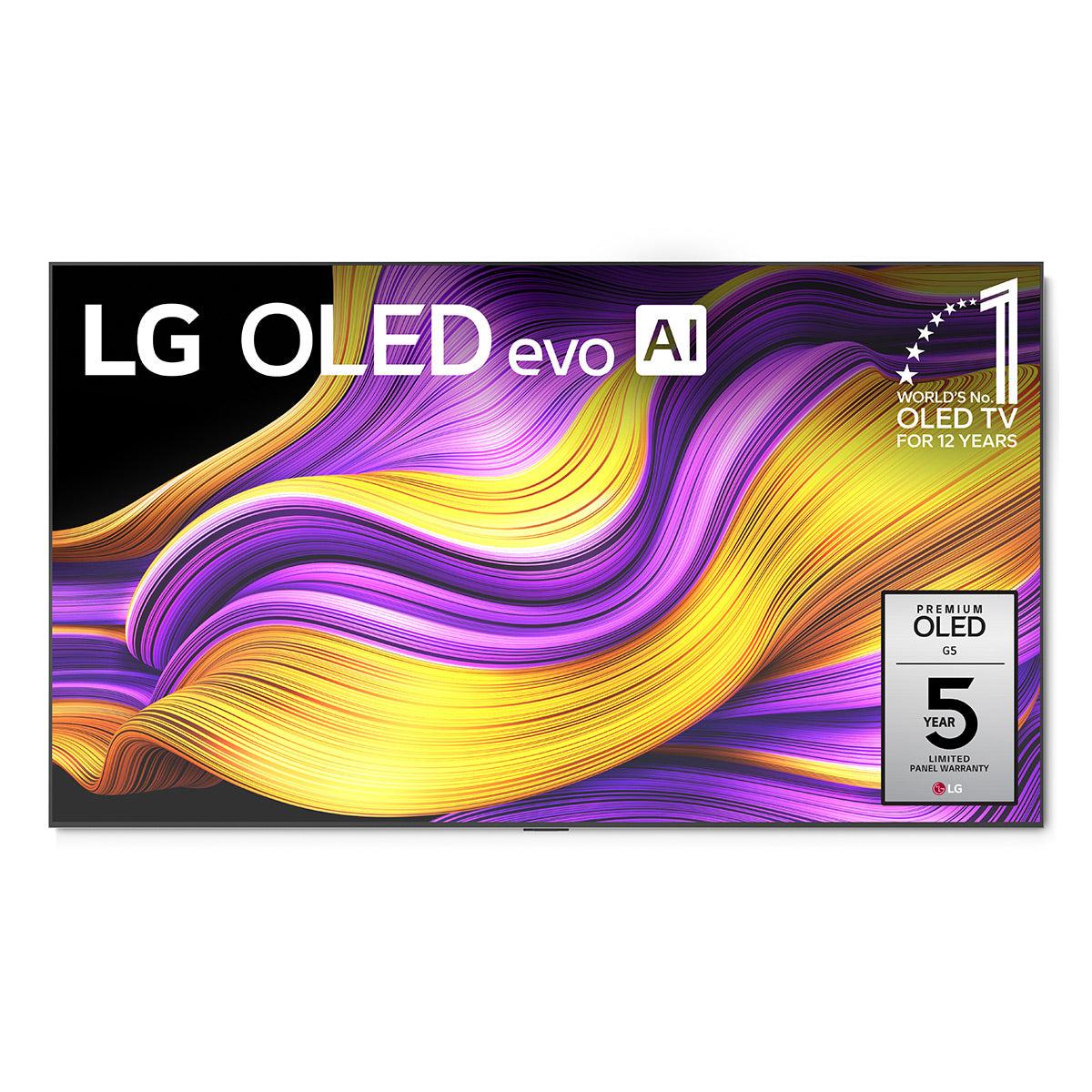
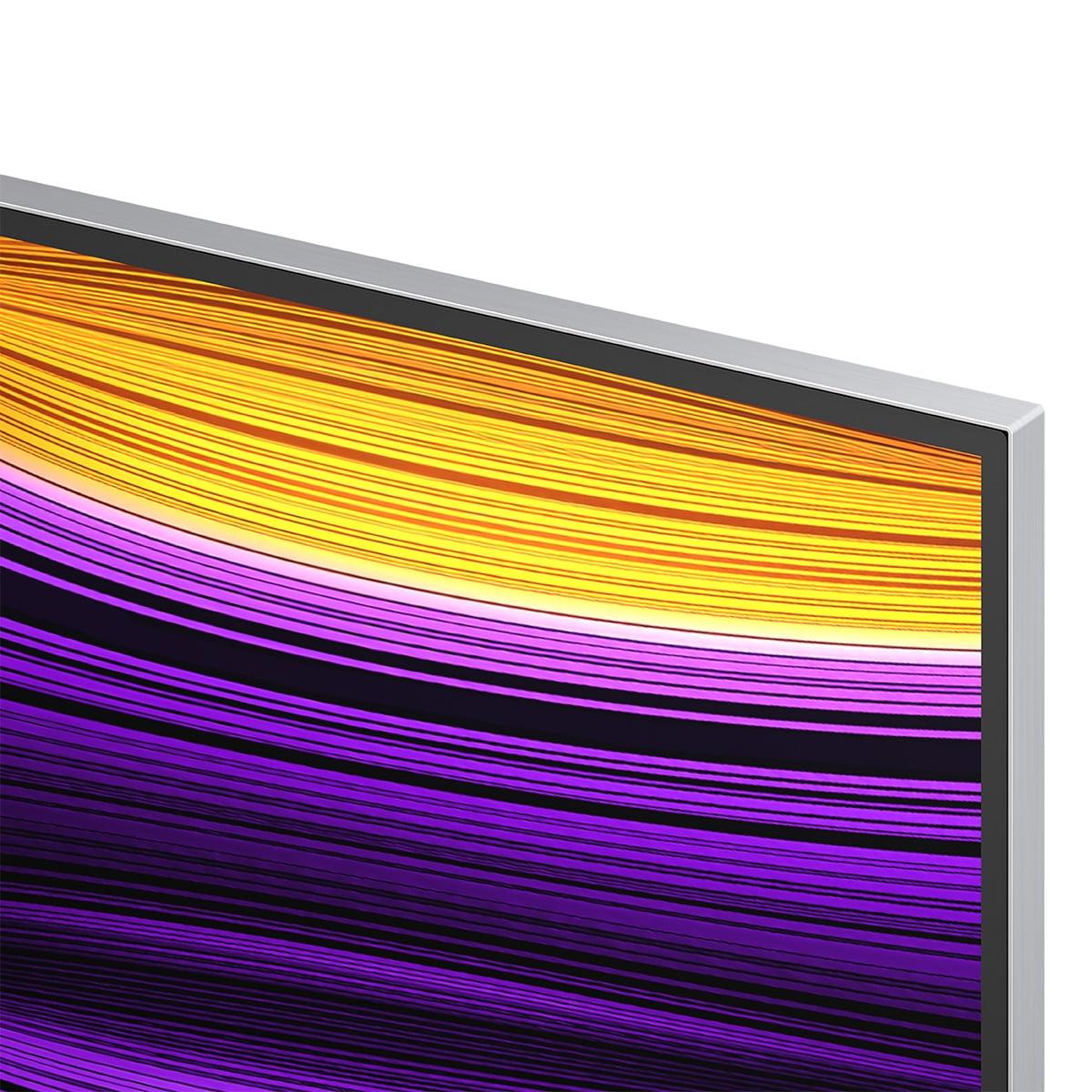
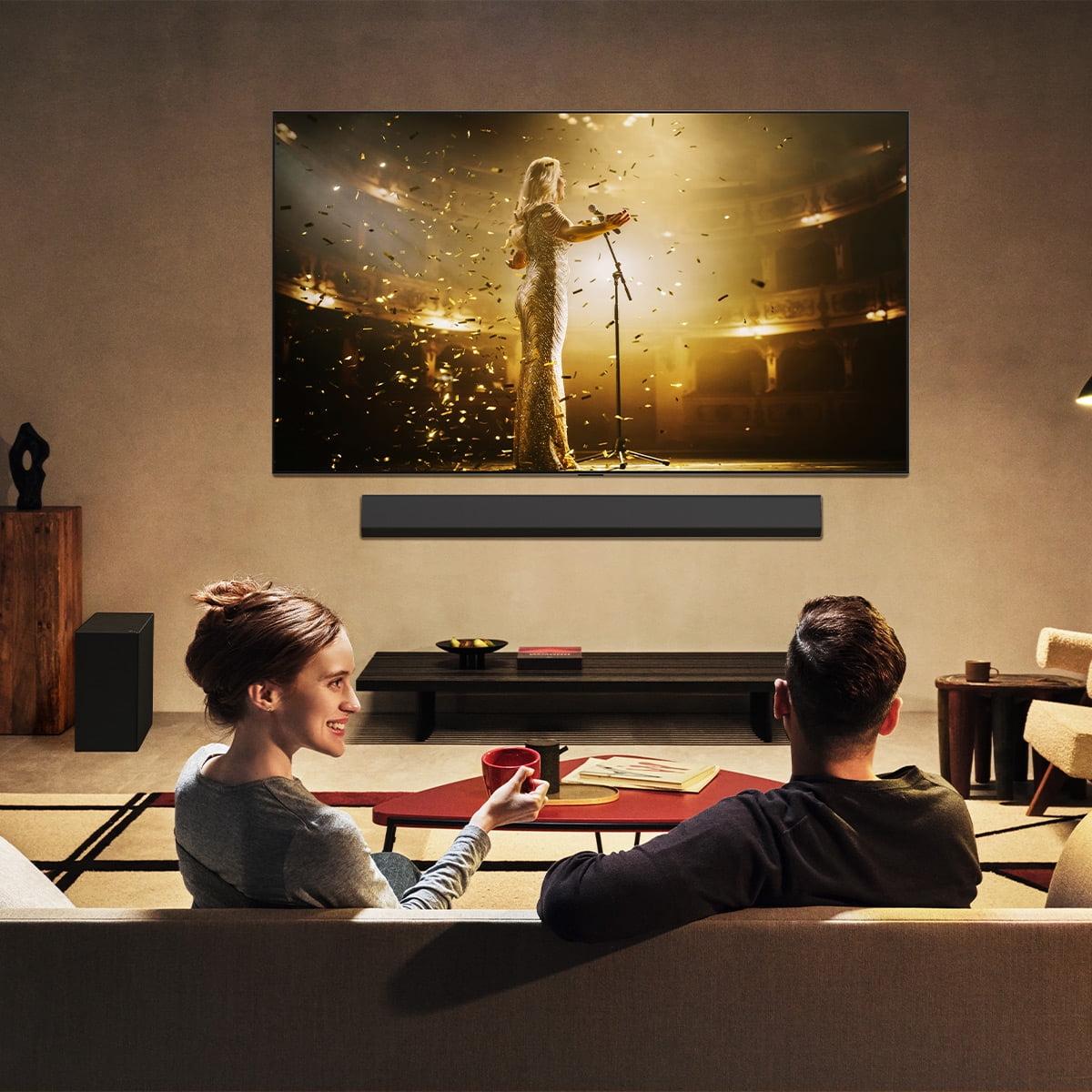
When you're ready to invest in a premium 65-inch OLED TV, two models consistently rise to the top: the Sony BRAVIA XR A95L and the LG OLED evo G5. Both represent the pinnacle of their manufacturers' 2023-2025 television lineups, but they take fundamentally different approaches to delivering exceptional picture quality.
The choice between these two flagship models isn't just about brand preference—it's about understanding how different OLED technologies work and which approach better serves your specific viewing environment and habits. After extensive research into expert reviews, user feedback, and technical specifications, I've found that each TV excels in distinct scenarios, making the "better" choice highly dependent on your priorities.
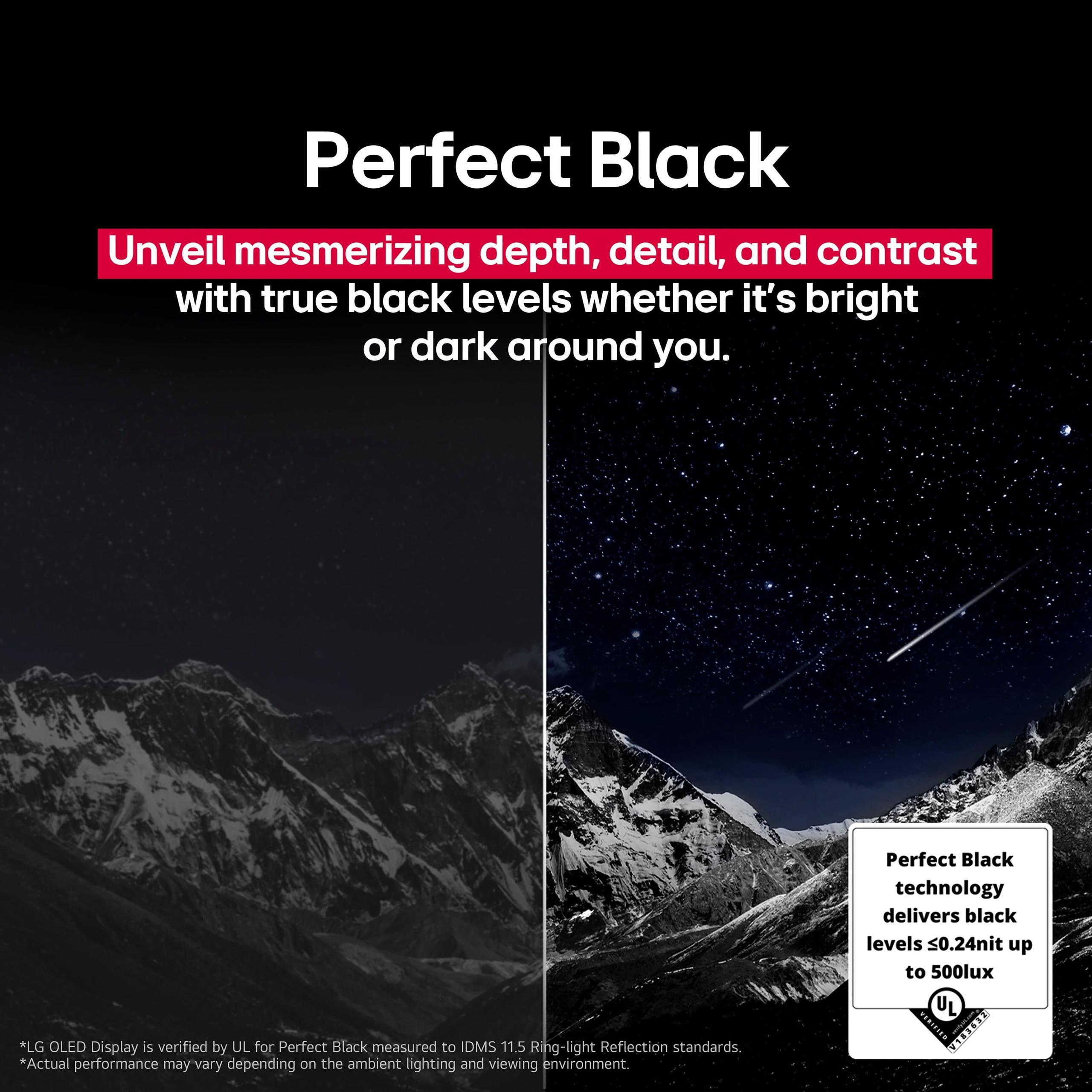
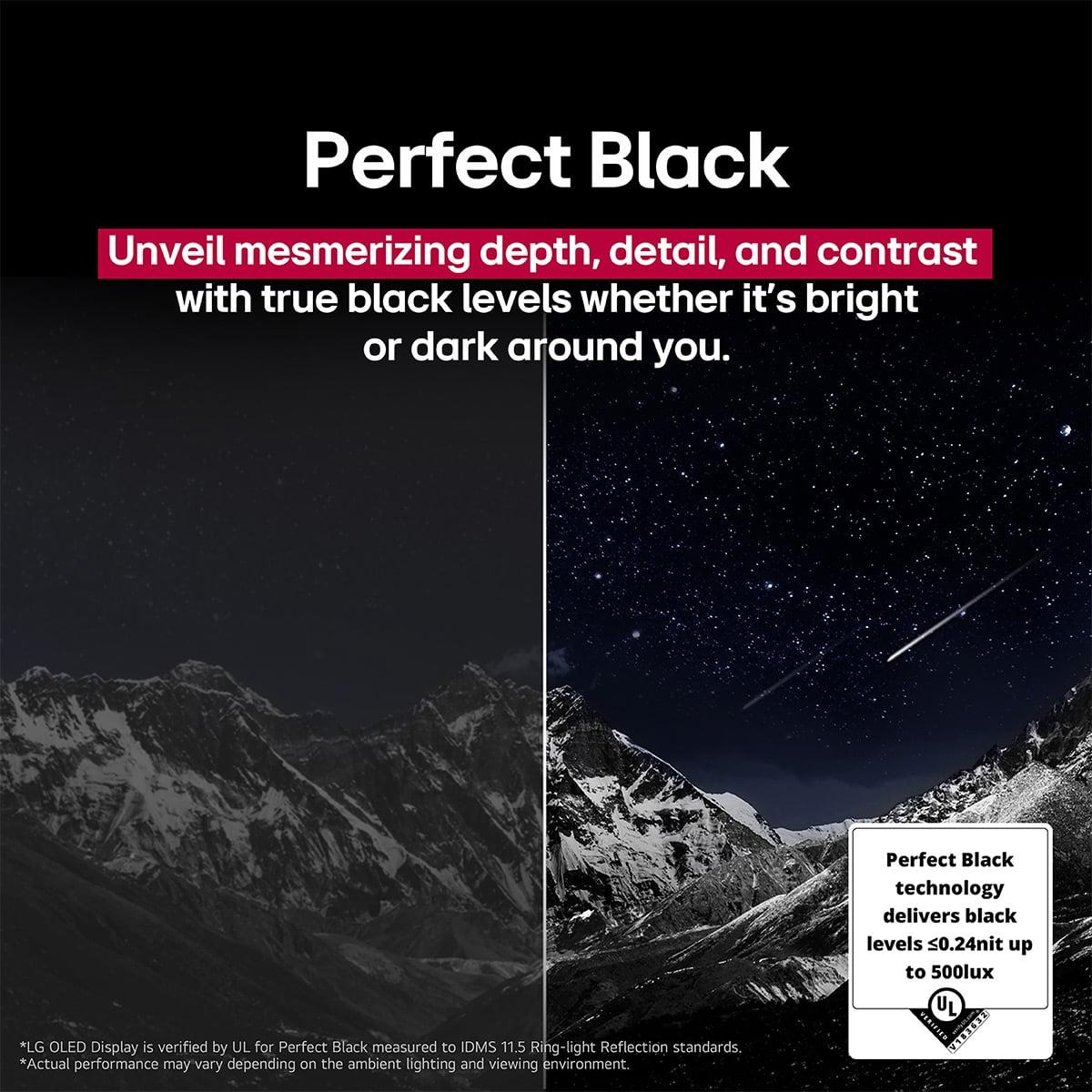
OLED (Organic Light-Emitting Diode) technology represents the current gold standard for home theater displays. Unlike traditional LED TVs that require backlighting, each pixel in an OLED display generates its own light. This fundamental difference allows OLED TVs to achieve perfect blacks—when a pixel needs to display black, it simply turns off completely, creating infinite contrast ratios that make dark scenes look incredibly realistic.
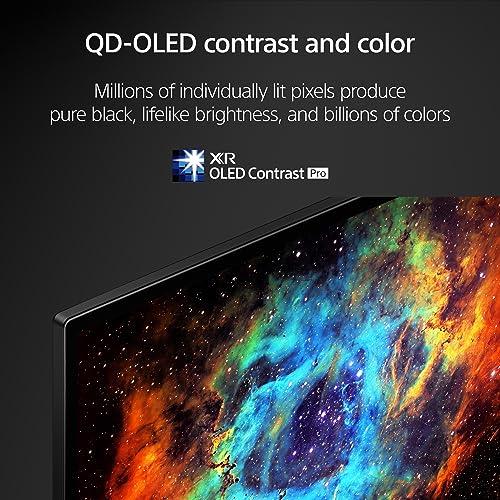
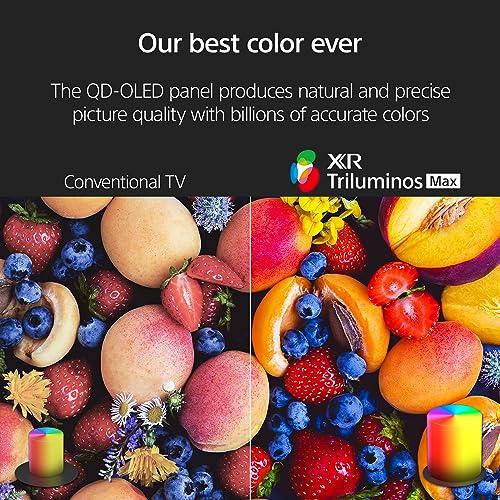
However, not all OLED panels are created equal. The Sony A95L uses QD-OLED (Quantum Dot OLED) technology, which adds a layer of quantum dots—microscopic nanocrystals that enhance color purity when struck by light. Think of quantum dots as tiny color filters that make reds more red, greens more green, and blues more blue, resulting in more vibrant and accurate colors.
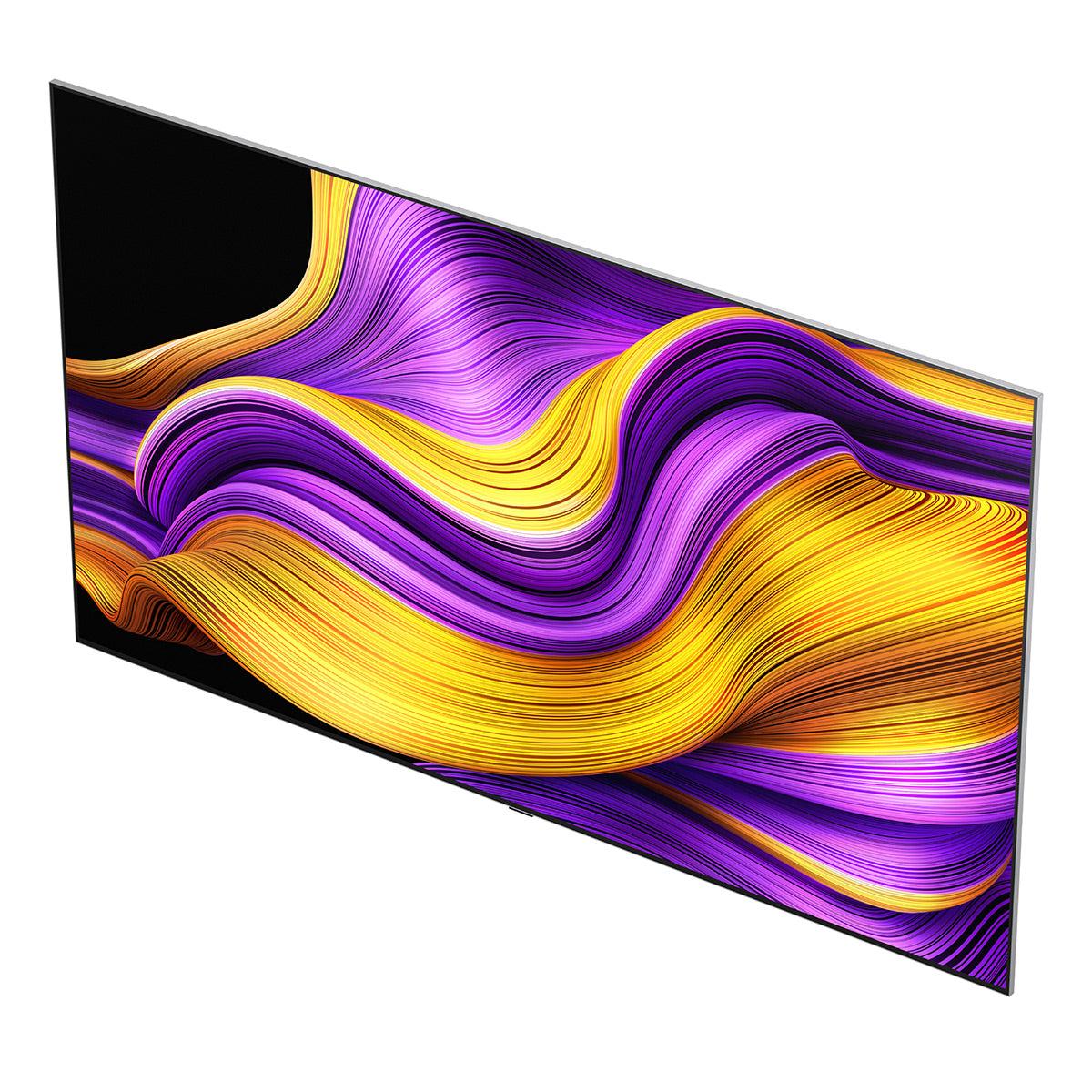
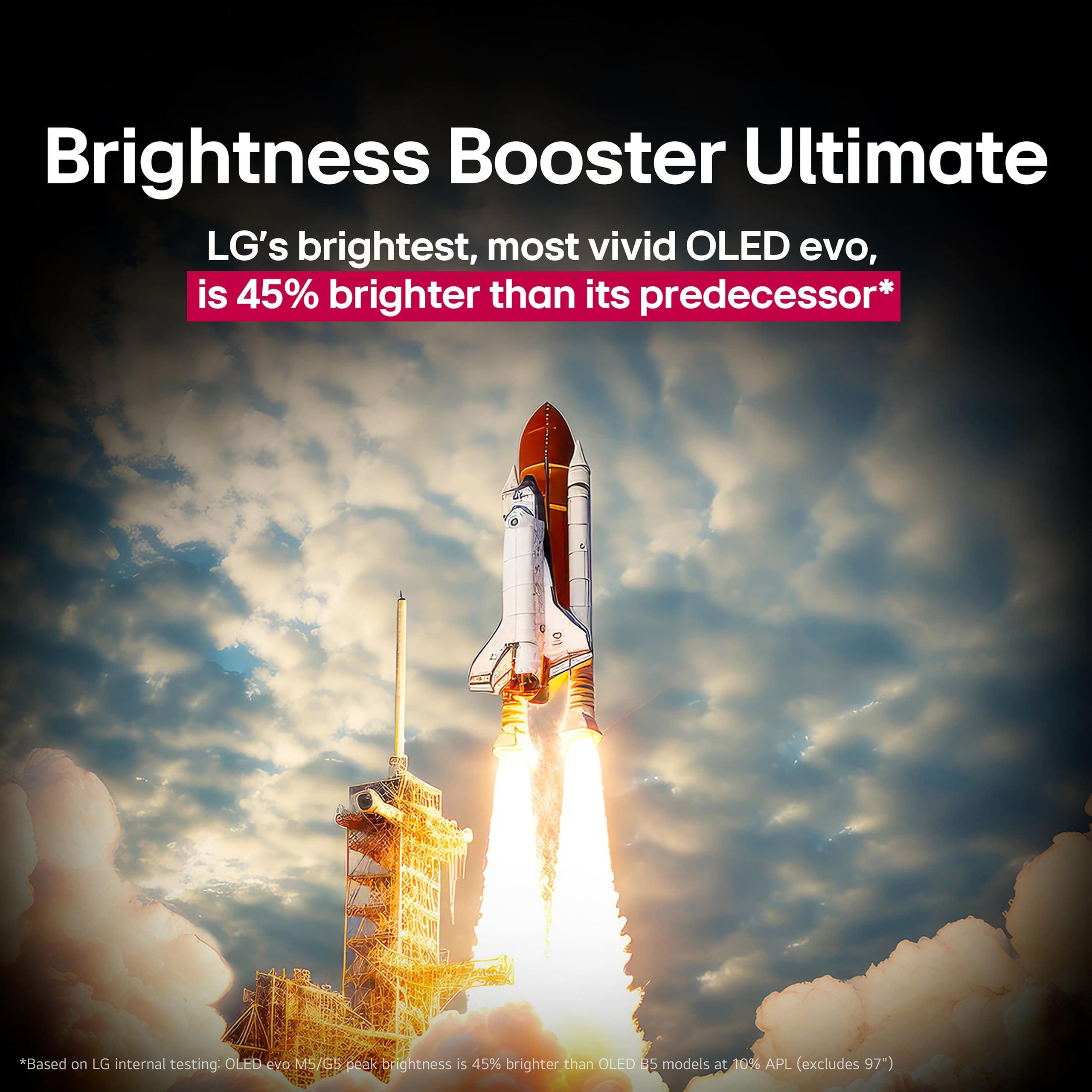
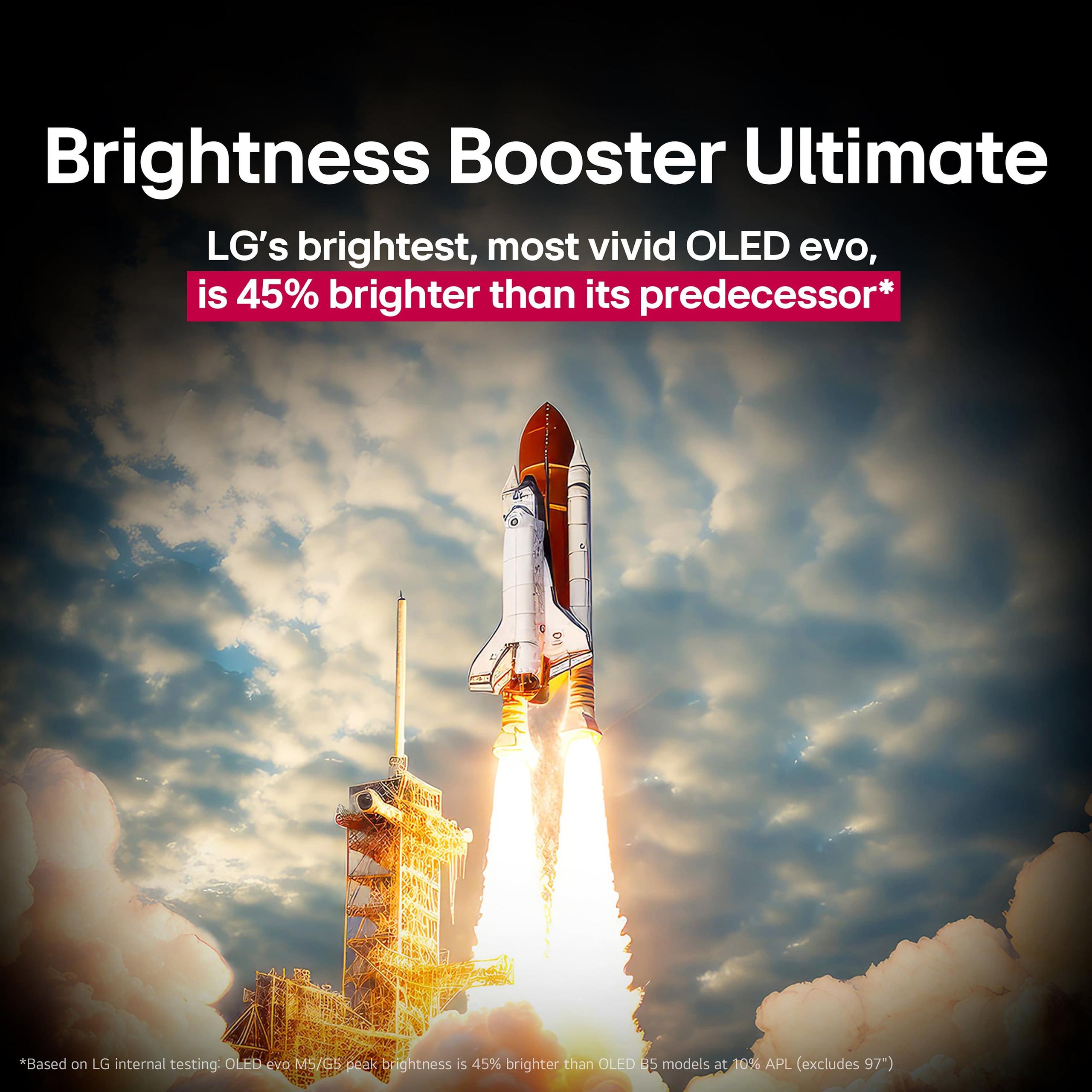
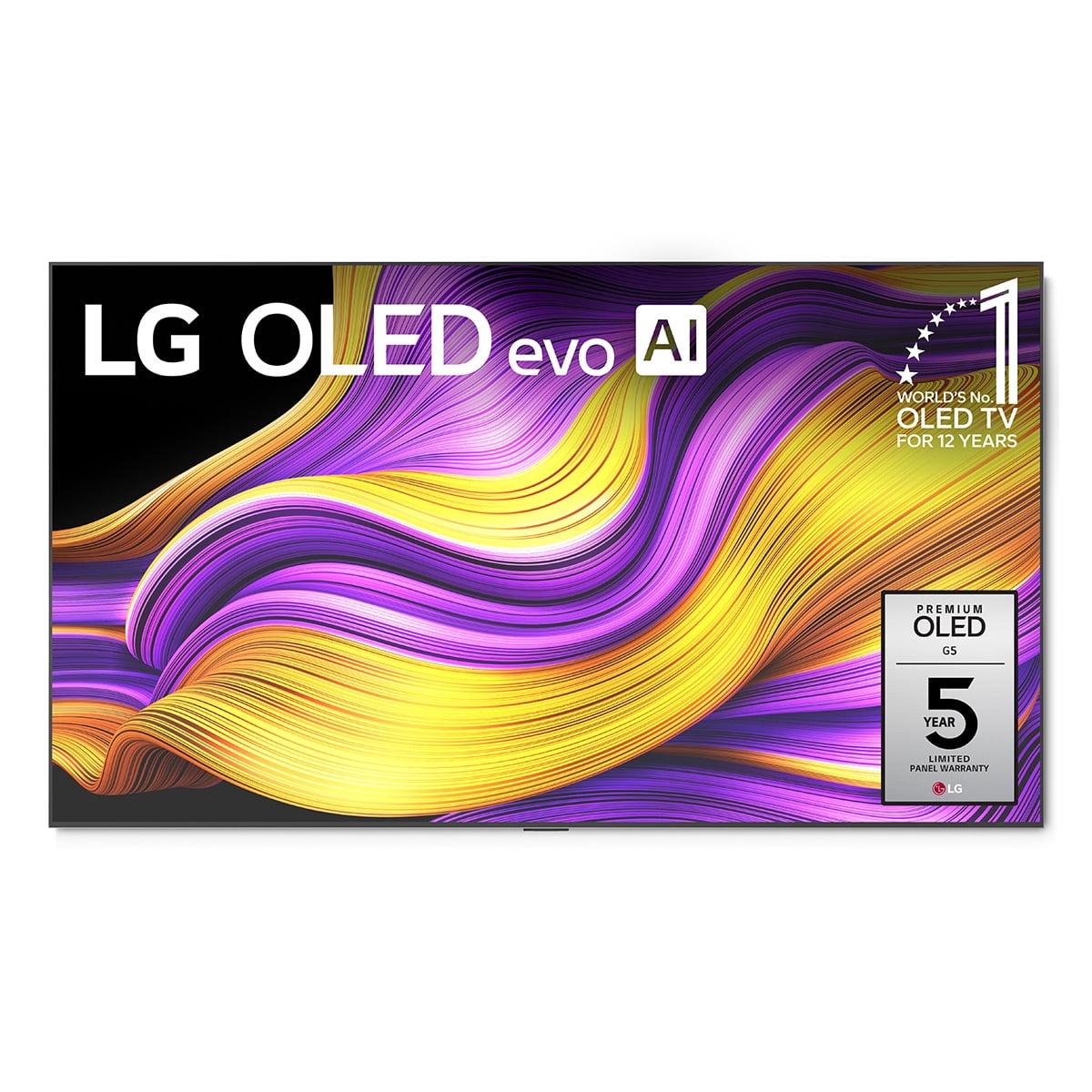
The LG G5, released in 2025, takes a different approach with its 4-Stack RGB Tandem OLED panel. This newer technology stacks multiple OLED layers to dramatically increase brightness output while maintaining the perfect blacks that make OLED special. LG abandoned their previous micro lens array (MLA) technology in favor of this tandem structure, which represents a significant leap forward in OLED brightness capabilities.
One of the most significant differences between these TVs lies in their brightness capabilities, and this impacts your viewing experience more than most people realize. Peak brightness, measured in nits (a unit of luminance), determines how impactful HDR (High Dynamic Range) content appears and how well the TV performs in rooms with ambient lighting.
The LG G5 achieves an exceptional 2,296 nits of peak HDR brightness—nearly double the Sony A95L's 1,215 nits. This difference becomes even more pronounced with standard content, where the G5 delivers 465 nits compared to the A95L's 112 nits. These aren't just numbers on a spec sheet; they translate to dramatically different real-world performance.

In practice, this means the LG G5 can display HDR highlights that genuinely pop, even in well-lit rooms. When you're watching a sunset scene or explosion in an action movie, those bright elements will appear more convincing and impactful. The G5's brightness advantage also makes it significantly more versatile for daytime viewing, sports watching, and general family TV time when you can't control lighting conditions.
The Sony A95L, while less bright, still delivers excellent HDR performance in controlled environments. Sony's approach prioritizes color accuracy and processing refinement over raw brightness, which works beautifully in dedicated home theater setups where you can dim the lights.
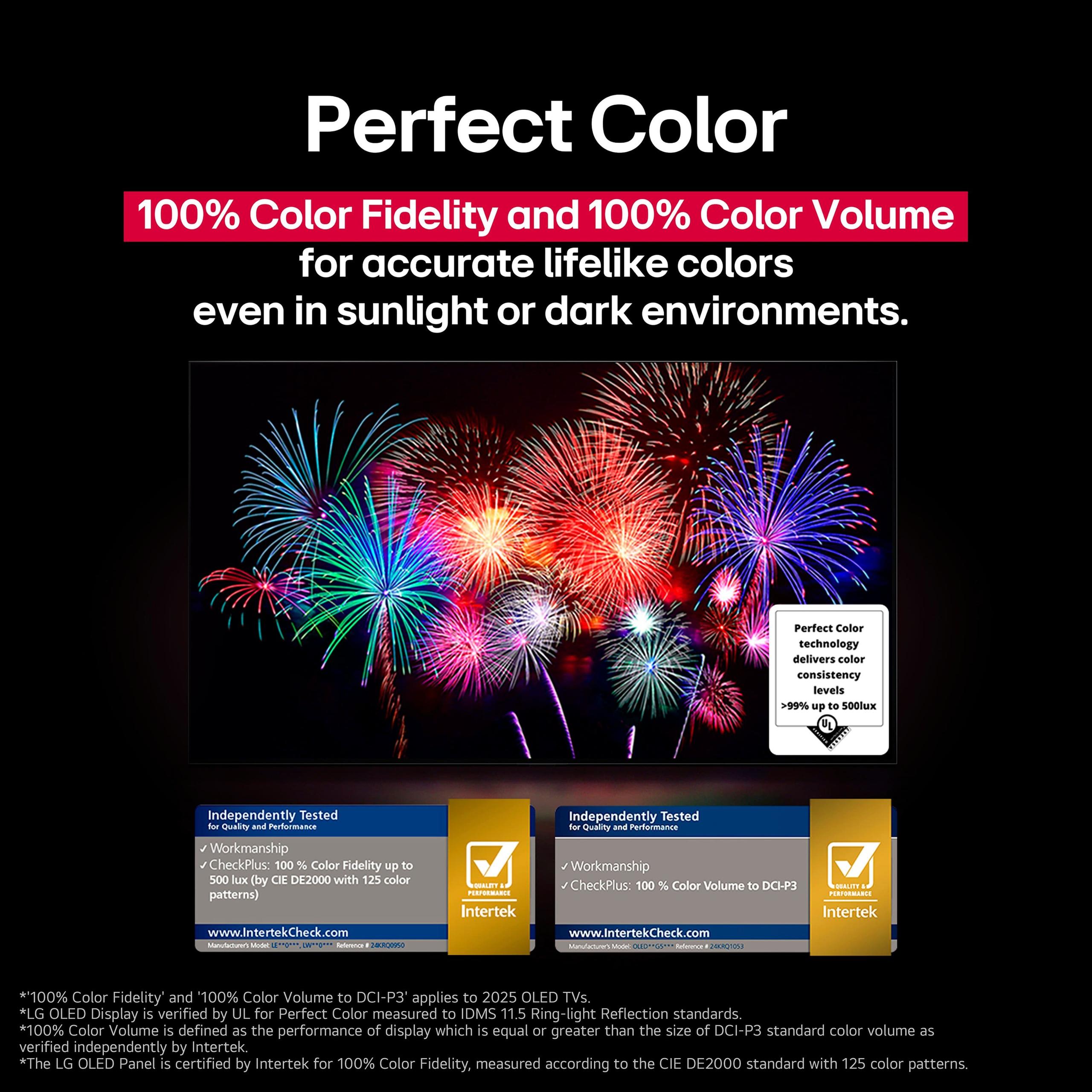
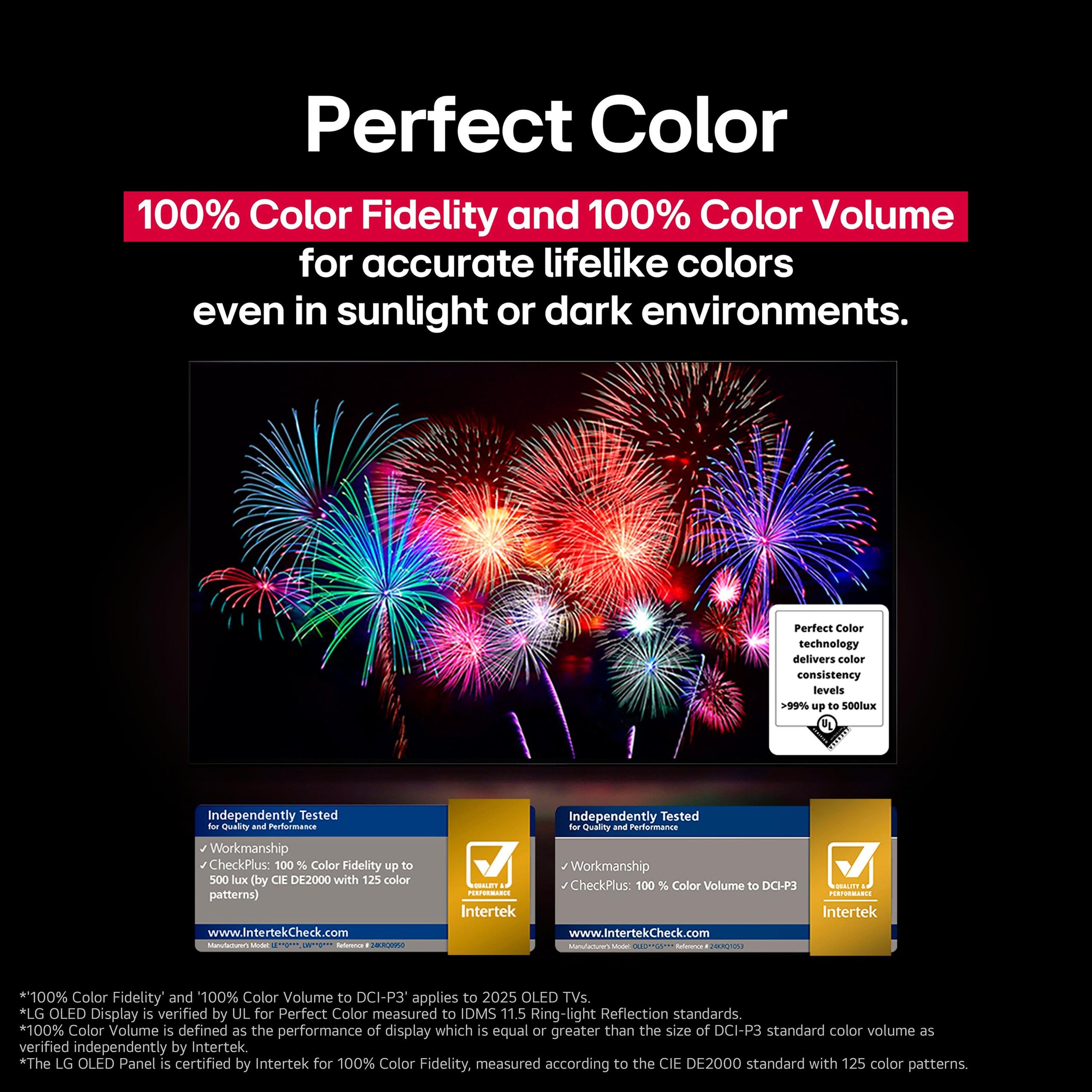
Color reproduction reveals another fascinating contrast between these technologies. The Sony A95L's QD-OLED panel covers 89.41% of the Rec.2020 color space (the newest standard for 4K content) compared to the LG G5's 82.42% coverage. This translates to the Sony displaying a wider range of colors, particularly excelling in blues and greens where quantum dot technology shines brightest.
Color volume—how saturated colors remain at different brightness levels—also favors the Sony A95L. Quantum dots maintain color purity even in bright highlights, meaning a bright red sports car in HDR content will look appropriately saturated rather than washed out. This makes the A95L particularly appealing for movie enthusiasts who want to see content as filmmakers intended.
However, the LG G5 achieves better color accuracy out of the box, measuring a Delta-E of 1.9 compared to the A95L's 2.9. Delta-E represents how far displayed colors deviate from reference standards—lower numbers indicate more accurate colors. While both TVs can be calibrated for professional accuracy, the G5 requires less adjustment for optimal performance.
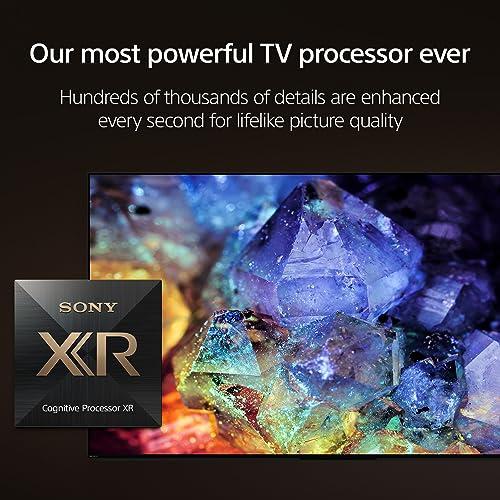
Picture processing—how the TV analyzes and enhances incoming video signals—represents a crucial battleground where Sony has traditionally excelled. The Sony A95L features the Cognitive Processor XR, which uses artificial intelligence to analyze scenes and selectively enhance different elements rather than applying global adjustments.
This sophisticated processing becomes most apparent when watching lower-quality content. The A95L's upscaling capabilities can make 1080p Netflix streams or DVD content look remarkably close to native 4K material. The processor identifies objects, faces, and textures in each scene, applying appropriate sharpening and noise reduction to each element individually.
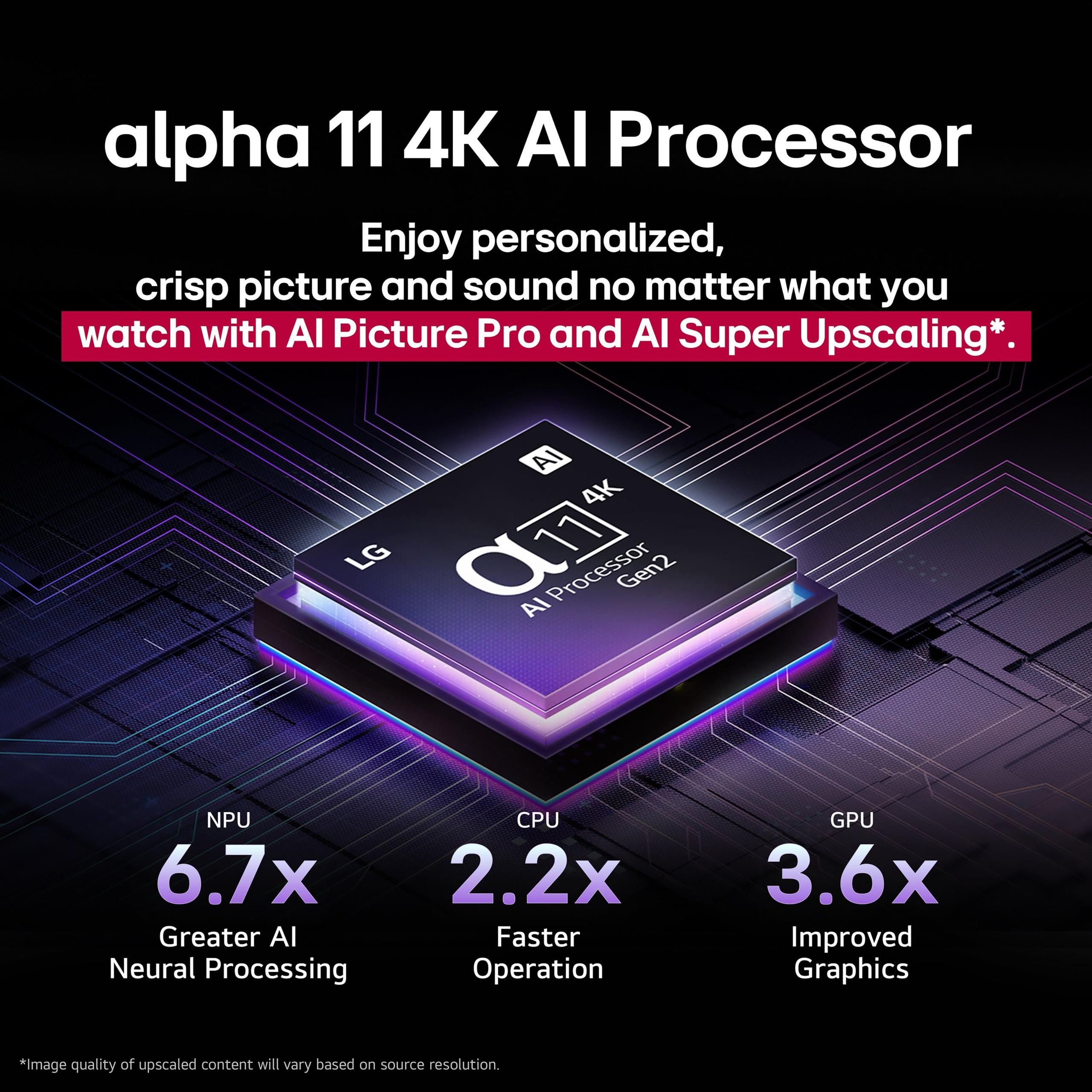
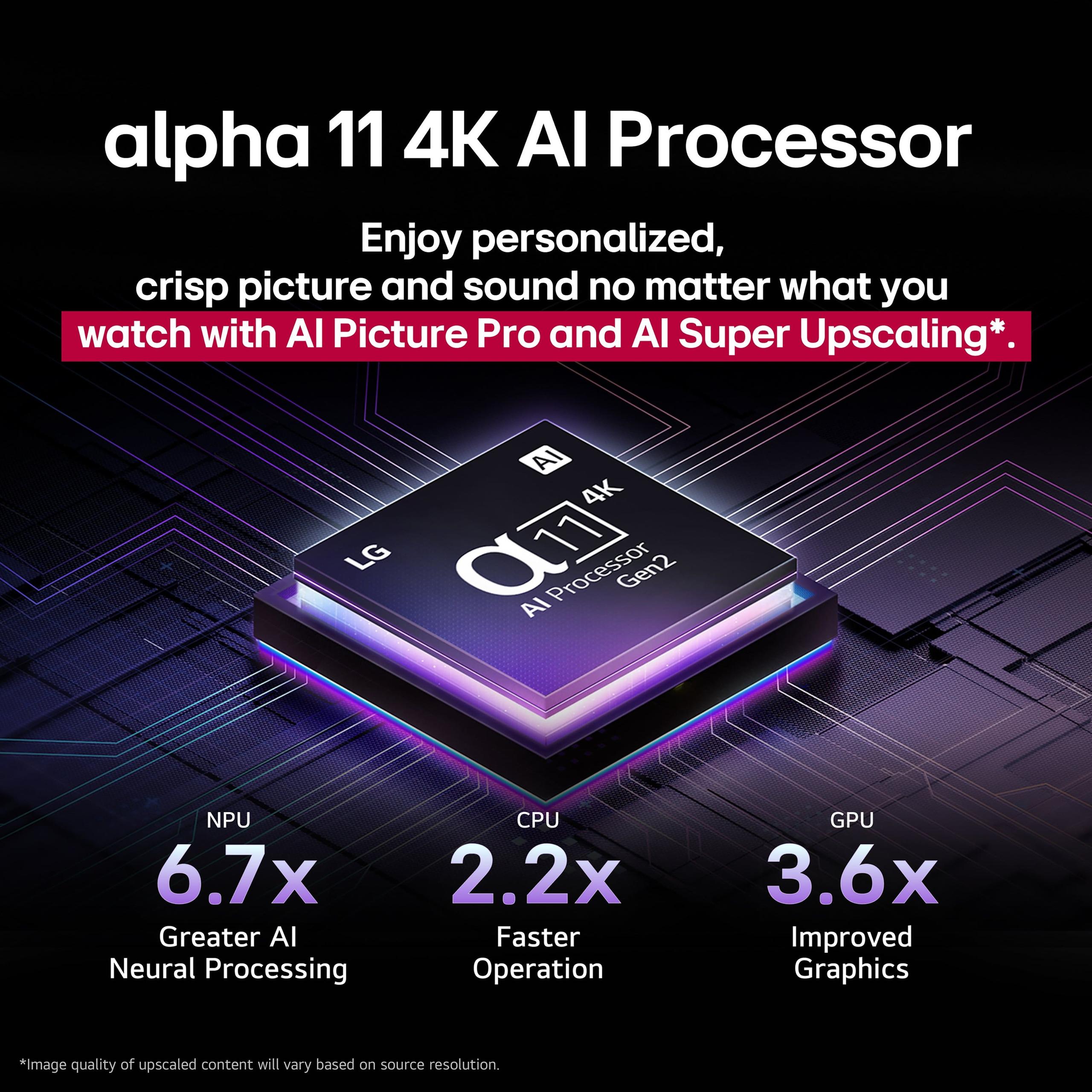
The LG G5 uses the Alpha 11 AI Processor Gen 2, which has improved significantly in recent years but still shows some aggressive tendencies. Based on user reports, the G5's processing occasionally crushes shadow details—meaning important visual information in dark areas can disappear—and can create more noticeable color banding (visible steps between color gradients) than the A95L, particularly in gaming mode.
For movie enthusiasts who watch varied content sources, from pristine 4K Blu-rays to compressed streaming video, the Sony A95L's superior processing represents a meaningful advantage that becomes apparent over time.

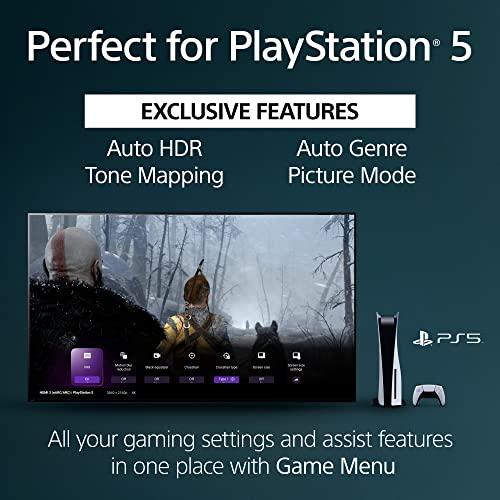
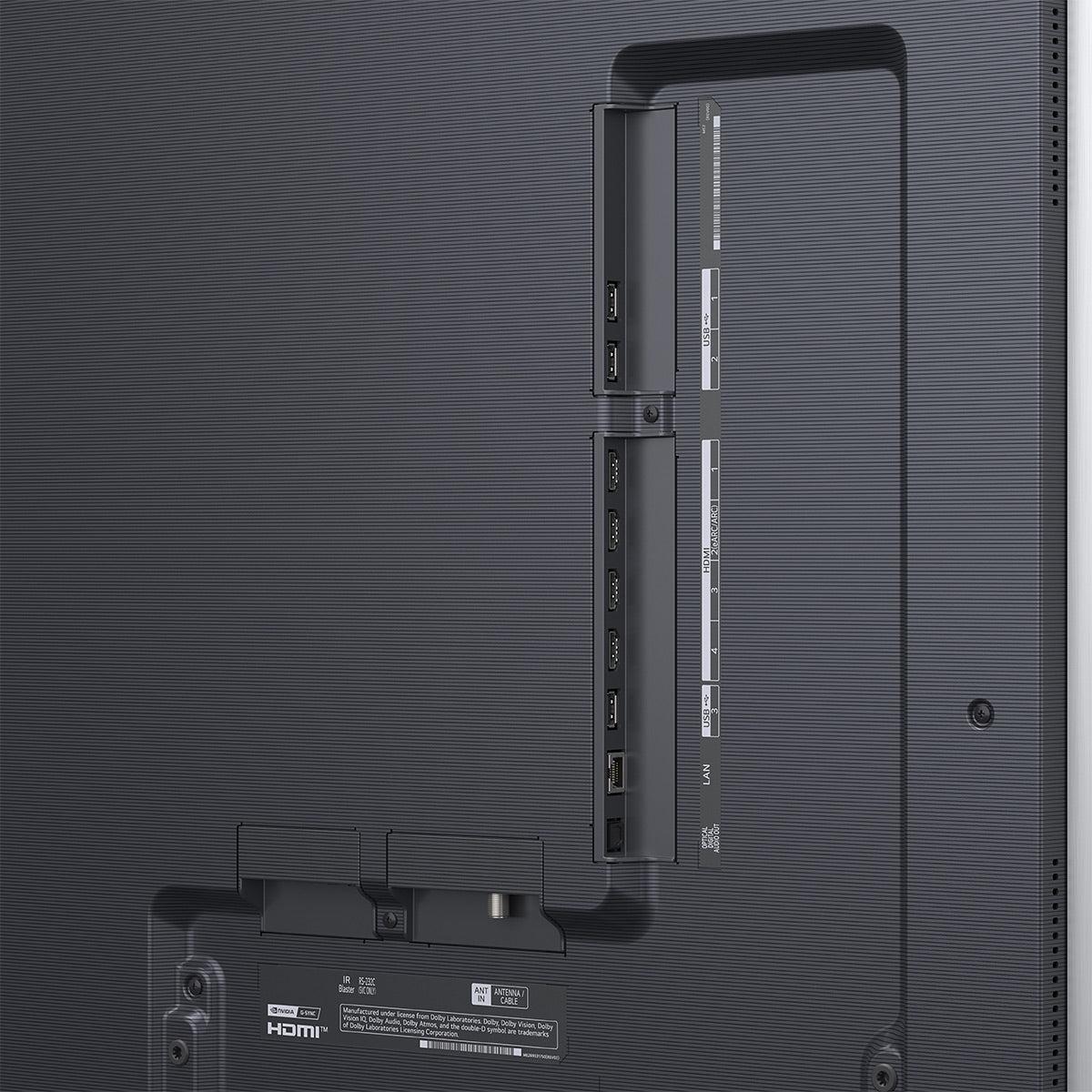
Gaming capabilities reveal perhaps the clearest winner between these TVs. The LG G5 dominates with four HDMI 2.1 ports supporting the full bandwidth needed for advanced gaming features, while the Sony A95L provides only two HDMI 2.1 ports (with two additional HDMI 2.0 ports). This difference matters significantly if you own multiple gaming devices.
HDMI 2.1 enables several crucial gaming features: 4K resolution at high refresh rates, Variable Refresh Rate (VRR) to eliminate screen tearing, and Auto Low Latency Mode (ALLM) for optimal responsiveness. The LG G5 supports 4K gaming at up to 165Hz—important for high-end PC gaming—while the Sony A95L caps out at 120Hz, which suffices for current PlayStation 5 and Xbox Series X consoles but limits future PC gaming potential.
Input lag—the delay between pressing a controller button and seeing the result on screen—also favors the LG G5 at 9.2 milliseconds compared to the Sony A95L's 16.1 milliseconds. While both qualify as excellent for gaming, competitive players will appreciate every millisecond of advantage.
However, if you primarily game on one console and occasionally watch movies, the A95L's superior picture processing and color performance might outweigh its gaming limitations.
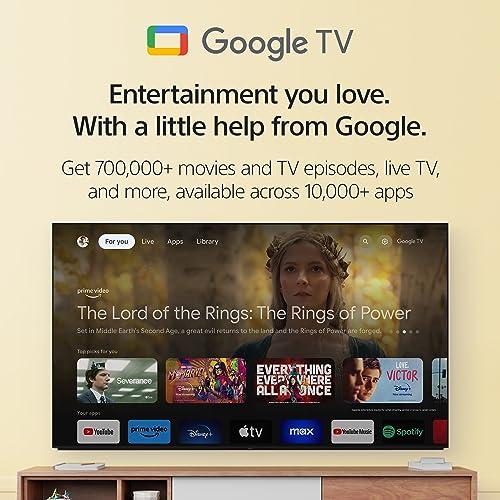
The smart TV platform significantly impacts daily usability, and both manufacturers take different approaches. The Sony A95L runs Google TV, which most users find intuitive and responsive. Google TV provides excellent app selection, seamless integration with Android devices, and relatively clean interface design, though like all modern smart TV platforms, it includes advertising and content recommendations.
The LG G5 uses webOS 25, LG's proprietary platform that offers extensive customization and features but can feel cluttered compared to Google TV. Some menus require diving deeper into settings, and the interface occasionally feels less polished. However, LG promises five years of software updates through their webOS Renew program, providing long-term support confidence.
An often-overlooked feature advantage goes to the Sony A95L: ATSC 3.0 tuner support. This enables 4K over-the-air broadcasts, which are becoming more common for major sporting events and local news. The LG G5 lacks this feature, limiting it to traditional HD broadcast reception.
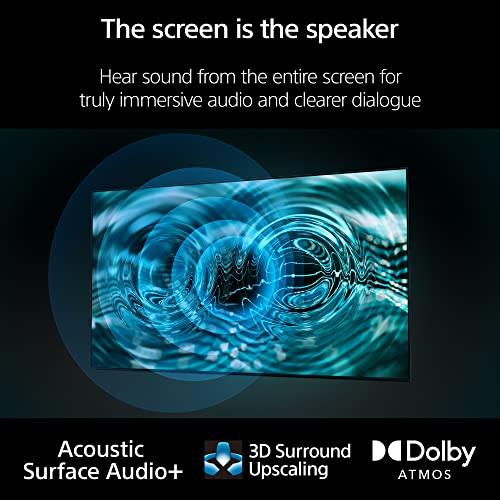
Audio represents an interesting differentiator where Sony's innovation shines. The Sony A95L features Acoustic Surface Audio+ technology, which uses actuators to vibrate the entire screen and produce sound directly from the display. This creates remarkably immersive audio where dialogue appears to come from actors' mouths rather than speakers below the screen.
The LG G5 uses traditional speakers, though both TVs support Dolby Atmos for enhanced surround sound. If you plan to use a soundbar or surround sound system, this difference becomes less relevant, but the A95L's screen-based audio provides a notably better experience with built-in speakers.
Sony also enables the A95L to function as a center channel speaker when paired with compatible Sony soundbars, creating a more cohesive audio system for dedicated home theater setups.
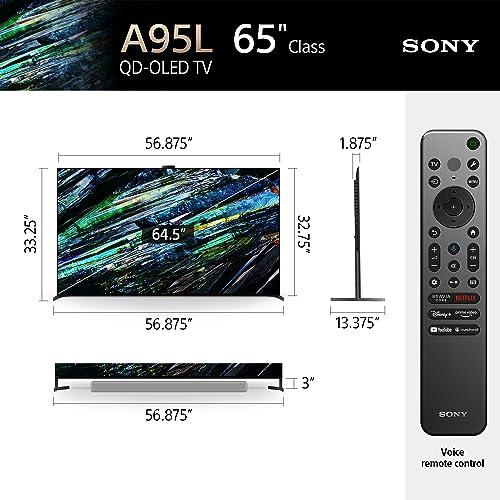
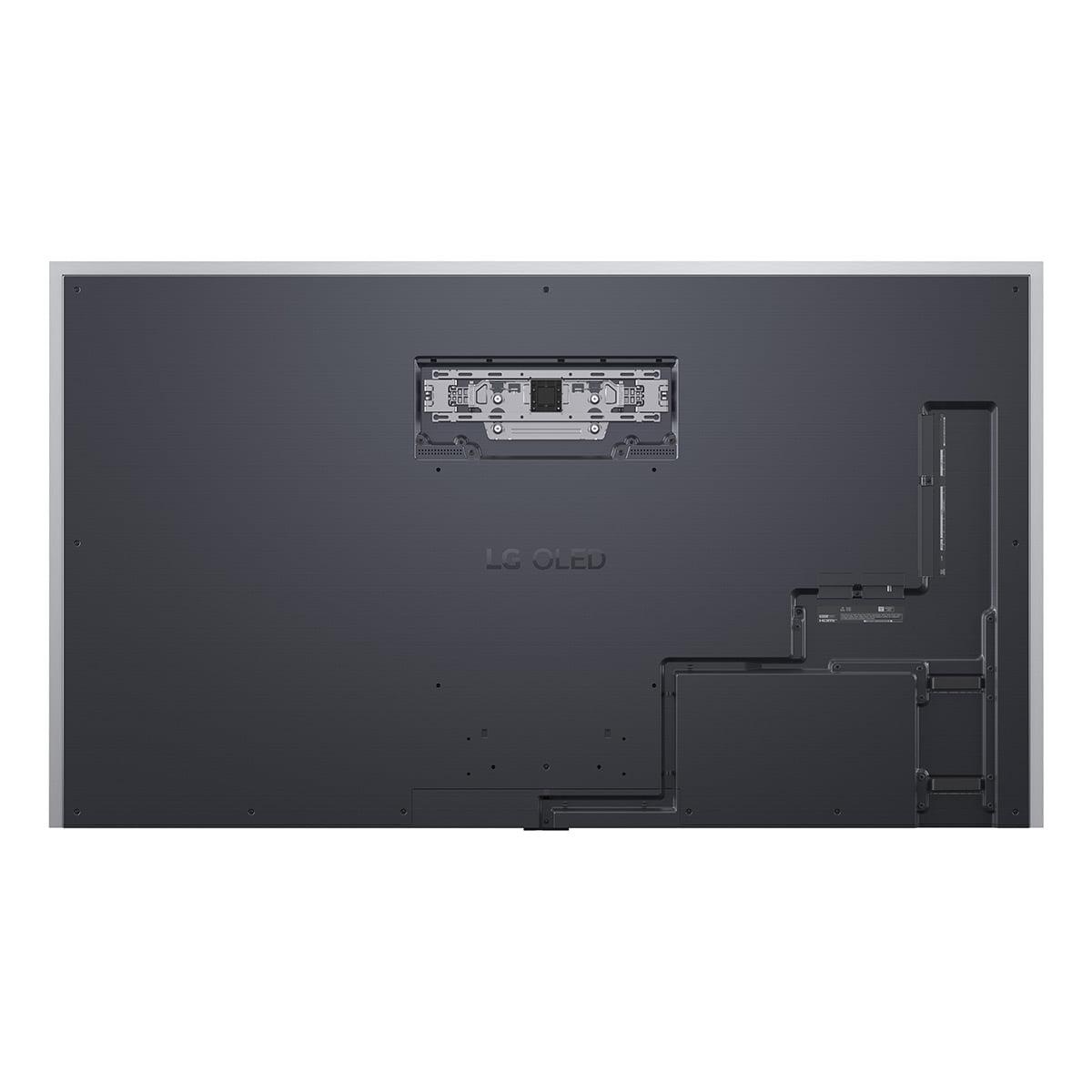
Physical design reveals another philosophical difference. The LG G5 embodies LG's "Gallery Design" concept—it's designed to mount flush against the wall like a piece of art, and LG doesn't include a stand with any size. This approach works beautifully if you plan to wall-mount the TV, but requires purchasing a separate stand for tabletop placement.
The Sony A95L includes a traditional stand and takes a more conventional approach to TV design. Both TVs look premium, but the G5's ultra-thin profile when wall-mounted creates a more dramatic visual impact.
When not displaying content, the LG G5 can show artwork or family photos, blending into your living space as a digital art frame. This feature appeals to design-conscious buyers who want their TV to serve multiple purposes.
Value comparison requires considering where each TV sits in its product lifecycle. The Sony A95L, released in 2023, has matured in the marketplace and now offers flagship OLED performance at significantly reduced pricing compared to its original launch cost. This represents exceptional value for buyers seeking premium OLED quality without paying early-adopter pricing.
The LG G5, as a 2025 model, commands premium pricing for its latest technology. At the time of writing, the price difference between these models is substantial, making the A95L the clear value winner for performance per dollar.
However, the G5's technological advantages—particularly its revolutionary brightness capabilities and extensive gaming features—may justify the premium for users who will benefit from these improvements. LG also provides a 5-year panel warranty, offering additional peace of mind for long-term ownership.
For dedicated home theater environments where lighting can be controlled, the Sony A95L often provides the more cinematic experience. Its superior color gamut, refined processing, and excellent upscaling capabilities make movies look stunning in darkened rooms. The quantum dot technology particularly excels with HDR content, delivering vibrant yet natural colors that enhance the filmmaking experience.
The Sony A95L also supports more advanced audio formats and integrates better with home theater audio systems through features like center channel sync and extensive audio format support including DTS.
However, if your home theater doubles as a family room with windows and ambient lighting, the LG G5's brightness advantage becomes crucial. There's no substitute for adequate peak brightness when competing with ambient light, and the G5's 2,296-nit capability ensures HDR content maintains its impact even in less-than-ideal conditions.
After researching extensive professional reviews and user feedback, the choice between these excellent TVs ultimately depends on your viewing environment and priorities.
Choose the Sony A95L if you primarily watch in controlled lighting conditions, value superior color accuracy and processing quality, have simpler gaming needs, and want flagship OLED performance at a more accessible price point. This TV excels for movie enthusiasts, home theater setups, and users who appreciate refined picture processing.
Choose the LG G5 if you need a TV that performs well in bright rooms, require extensive gaming connectivity, want the absolute latest OLED technology, or plan to use the TV for daytime viewing, sports, and varied content. The G5's brightness advantage and gaming capabilities make it the more versatile choice for mixed-use environments.
Both TVs deliver exceptional OLED performance that will satisfy discerning viewers. The Sony A95L represents the refined, value-conscious choice for cinematic viewing, while the LG G5 pushes boundaries with breakthrough brightness and gaming features. Your room conditions, viewing habits, and budget priorities should ultimately guide this decision—either choice will provide years of exceptional entertainment.
| Sony BRAVIA XR A95L 65" QD-OLED 4K HDR Google TV | LG OLED evo G5 65" 4K Smart TV 2025 |
|---|---|
| Panel Technology - Determines color performance and brightness capabilities | |
| QD-OLED with quantum dots for enhanced color purity | 4-Stack RGB Tandem OLED for maximum brightness |
| Peak HDR Brightness - Critical for HDR impact and bright room viewing | |
| 1,215 nits (excellent for dark rooms) | 2,296 nits (nearly double, exceptional for any lighting) |
| SDR Brightness - Affects daytime viewing and general TV watching | |
| 112 nits (requires controlled lighting) | 465 nits (4x brighter, great for bright rooms) |
| Color Gamut Coverage - How wide a range of colors the TV can display | |
| 89.41% Rec.2020 coverage (superior color range) | 82.42% Rec.2020 coverage (still excellent but narrower) |
| Picture Processor - Impacts upscaling and overall image quality | |
| Cognitive Processor XR (renowned for superior processing) | Alpha 11 AI Processor Gen 2 (good but more aggressive) |
| Gaming Refresh Rate - Maximum frame rate for PC and future console gaming | |
| 4K @ 120Hz (sufficient for current consoles) | 4K @ 165Hz (future-proof for high-end PC gaming) |
| HDMI 2.1 Ports - Number of ports supporting advanced gaming features | |
| 2 HDMI 2.1 ports (limits multi-device gaming setups) | 4 HDMI 2.1 ports (supports multiple gaming devices) |
| Input Lag - Response time for competitive gaming | |
| 16.1ms (good for casual gaming) | 9.2ms (excellent for competitive gaming) |
| Audio Technology - Built-in sound quality and features | |
| Acoustic Surface Audio+ (screen acts as speaker) | Traditional speakers with Dolby Atmos |
| Smart TV Platform - Interface and app ecosystem | |
| Google TV (clean, intuitive interface) | webOS 25 (feature-rich but more cluttered) |
| Stand Included - Physical setup considerations | |
| Standard stand included | No stand included (wall mount only, stand sold separately) |
| Broadcast Support - Future TV standards compatibility | |
| ATSC 3.0 support (4K over-the-air broadcasts) | No ATSC 3.0 (limited to HD broadcasts) |
| Release Year - Technology generation and pricing impact | |
| 2023 model (mature pricing, excellent value) | 2025 model (latest tech, premium pricing) |
| Best For - Primary use case recommendation | |
| Dark room movie watching, home theater setups | Bright room viewing, serious gaming, all-around versatility |
The LG OLED evo G5 is significantly better for bright rooms, delivering 2,296 nits peak brightness compared to the Sony BRAVIA XR A95L's 1,215 nits. For daytime viewing, the LG G5 achieves 465 nits in standard content versus the A95L's 112 nits, making it four times brighter for general TV watching. If you have windows in your viewing room or watch TV during the day, the LG G5 will provide much better visibility and HDR impact.
The LG OLED evo G5 is the clear winner for gaming. It offers four HDMI 2.1 ports compared to the Sony A95L's two ports, supports 4K gaming up to 165Hz versus 120Hz, and delivers lower input lag at 9.2ms compared to 16.1ms. The LG G5 is ideal for multiple gaming consoles or high-end PC gaming, while the Sony A95L works well for single-console setups.
The Sony BRAVIA XR A95L uses QD-OLED technology, which adds quantum dots to enhance color purity and achieve wider color coverage (89.41% Rec.2020). The LG OLED evo G5 uses a 4-Stack RGB Tandem OLED design focused on maximizing brightness. QD-OLED excels at color accuracy and vibrancy, while the tandem OLED structure in the LG G5 prioritizes brightness output for better performance in various lighting conditions.
For dedicated home theater use in dark rooms, the Sony BRAVIA XR A95L often provides superior cinematic quality due to its wider color gamut, exceptional picture processing with the Cognitive Processor XR, and better upscaling of lower-quality content. However, if your home theater has ambient lighting, the LG OLED evo G5's dramatically higher brightness ensures HDR content maintains proper impact. Both deliver perfect blacks and excellent contrast for movie watching.
The Sony BRAVIA XR A95L runs Google TV, which most users find cleaner and more intuitive to navigate. The LG OLED evo G5 uses webOS 25, which offers more customization options but can feel more cluttered. Both platforms support major streaming apps, but the Sony A95L also includes ATSC 3.0 support for 4K over-the-air broadcasts, while the LG G5 promises five years of software updates through webOS Renew.
The Sony BRAVIA XR A95L typically offers better value as a mature 2023 model with significantly reduced pricing compared to its original launch cost. You get flagship QD-OLED performance at a more accessible price point. The LG OLED evo G5, being a 2025 model with the latest technology, commands premium pricing but delivers cutting-edge brightness and gaming features that may justify the cost for specific users.
The Sony BRAVIA XR A95L includes a standard table stand and can be placed on furniture or wall-mounted. The LG OLED evo G5 follows LG's Gallery Design philosophy and doesn't include a stand—it's designed for flush wall mounting but requires purchasing a separate stand for tabletop placement. Consider your setup preferences when choosing between the Sony A95L and LG G5.
The LG OLED evo G5 excels for sports and daytime viewing due to its exceptional brightness capabilities. With nearly double the peak brightness of the Sony A95L, the LG G5 maintains vibrant colors and clear visibility during daytime hours. Sports content benefits from the brighter highlights and better performance in rooms with ambient lighting, though both TVs offer excellent motion handling for fast-paced action.
The Sony BRAVIA XR A95L features unique Acoustic Surface Audio+ technology that uses the screen itself as a speaker, creating immersive sound where dialogue appears to come from actors' mouths. The LG OLED evo G5 uses traditional speakers but supports Dolby Atmos. If you plan to use a soundbar, this difference matters less, but the Sony A95L provides notably better built-in audio and can function as a center channel with compatible Sony soundbars.
Both TVs offer excellent build quality, but the LG OLED evo G5 includes a 5-year panel warranty and promises five years of software updates. The Sony BRAVIA XR A95L has proven reliability as a mature product with established performance. Sony's processing tends to age well as content standards evolve, while the LG G5's newer panel technology may provide longer-term brightness retention.
The LG OLED evo G5 includes dedicated Art Mode functionality, allowing it to display artwork, family photos, or other content when not actively watching TV. Combined with its flush wall-mounting design, the LG G5 can blend into your living space like a digital art frame. The Sony BRAVIA XR A95L can display photos through its interface but doesn't have the same dedicated ambient display features as the LG G5.
Choose the Sony BRAVIA XR A95L if you primarily watch in dark or controlled lighting, value superior color accuracy and processing, have simple gaming needs, and want flagship OLED performance at better value pricing. Choose the LG OLED evo G5 if you need bright room performance, require extensive gaming connectivity, want the latest OLED technology, or use your TV for varied daytime content. Both the Sony A95L and LG G5 deliver exceptional OLED quality—your room conditions and usage patterns should guide the decision.
We've done our best to create useful and informative comparisons to help you decide what product to buy. Our research uses advanced automated methods to create this comparison and perfection is not possible - please contact us for corrections or questions. These are the sites we've researched in the creation of this article: rtings.com - youtube.com - rtings.com - avsforum.com - rtings.com - smarthomesounds.co.uk - smarthomesounds.co.uk - rtings.com - smarthomesounds.co.uk - youtube.com - tomsguide.com - avsforum.com - rtings.com - perfectrec.com - flatpanelshd.com - videoandaudiocenter.com - sonypremiumhome.com - bestbuy.com - sony.com - electronics.sony.com - displayspecifications.com - donstv.com - youtube.com - static.pcrichard.com - smarthomesounds.co.uk - youtube.com - electronics.sony.com - electronics.sony.com - displayspecifications.com - bestbuy.com - techradar.com - rtings.com - youtube.com - youtube.com - rtings.com - bestbuy.com - youtube.com - valueelectronics.com - lg.com - audio-videoplus.com - lg.com - lg.com - lg.com

Privacy Policy
Terms and Conditions - Affiliate Policy
Home Security
© Copyright 2008-2026.
11816 Inwood Rd #1211, Dallas, TX 75244