

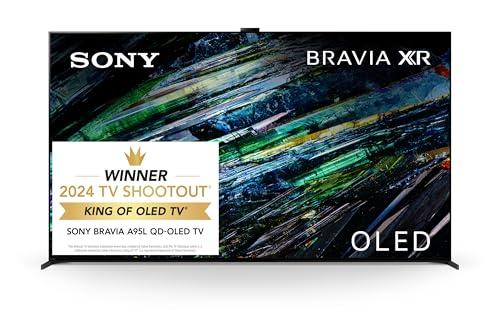



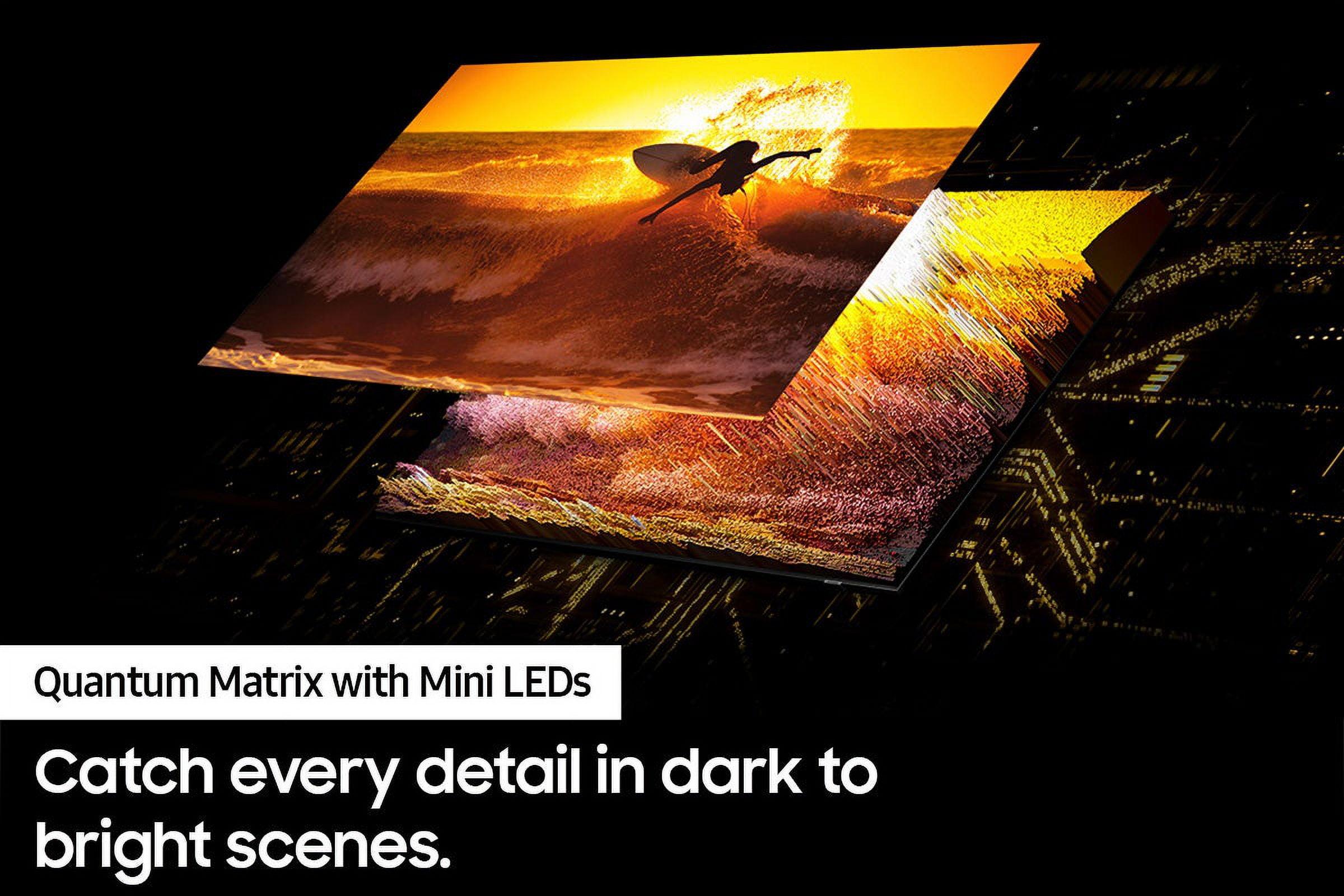
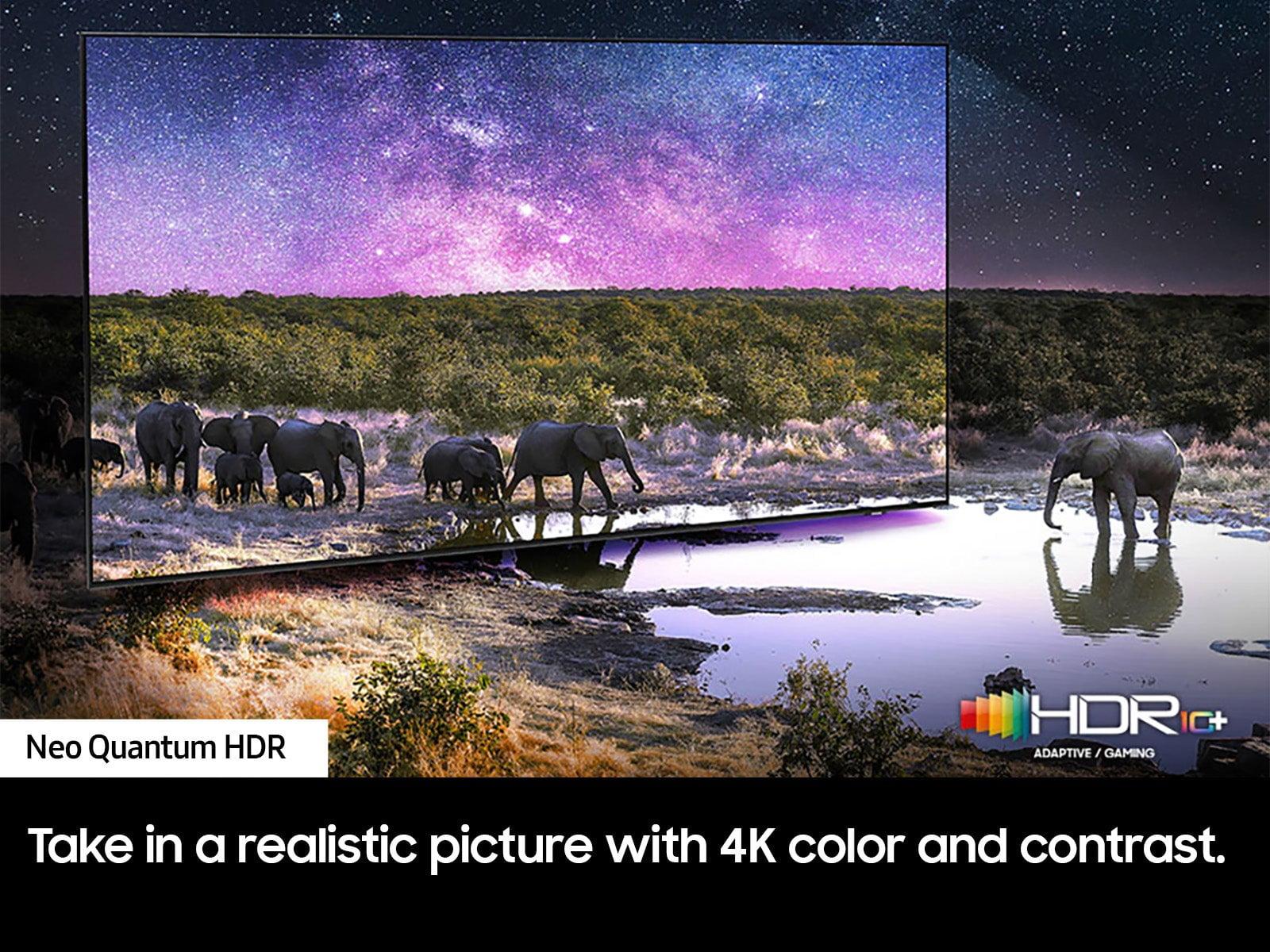

If you're shopping for a premium television in 2024, you've probably heard about QD-OLED displays. These represent the cutting edge of TV technology, combining two breakthrough innovations: OLED's ability to turn individual pixels completely off (creating perfect blacks), and quantum dots that dramatically improve color reproduction and brightness. The result is picture quality that was unimaginable just a few years ago.
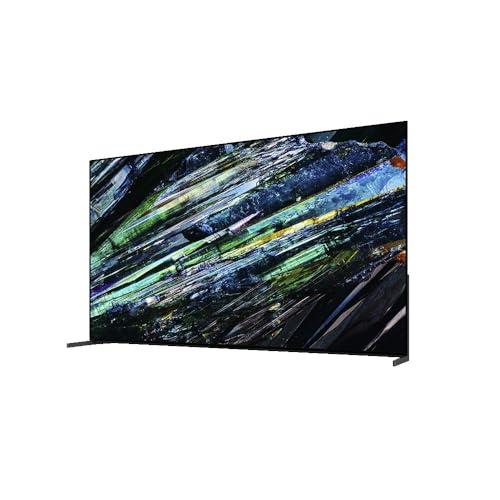
Two standout models have captured attention: Sony's flagship BRAVIA XR A95L, released in 2023, and Samsung's more value-focused S90D, which hit the market in 2024. Both use QD-OLED technology, but they take notably different approaches to delivering premium picture quality. Understanding these differences is crucial for making the right choice for your home theater setup.
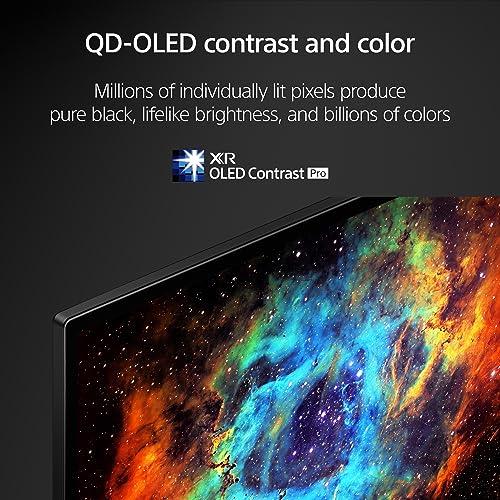
Before diving into the comparison, it's worth understanding what makes QD-OLED special. Traditional OLED panels use organic compounds that emit light when electricity passes through them. This creates perfect blacks because pixels can turn completely off, but brightness has historically been limited. Quantum dots are microscopic crystals that, when hit by light, emit very specific colors with incredible purity and intensity.
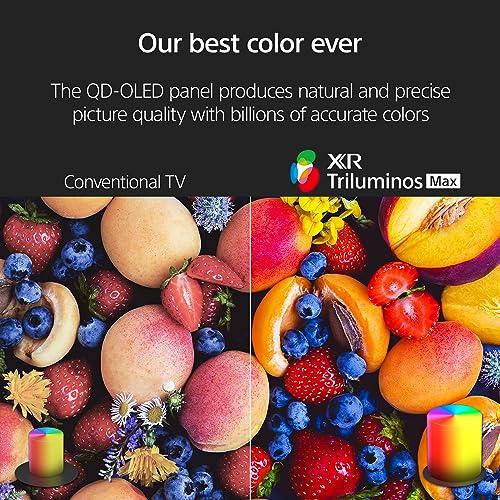
QD-OLED combines these technologies by using a blue OLED layer to illuminate quantum dots, which then produce red and green light alongside the blue. This hybrid approach maintains OLED's perfect blacks while achieving much higher brightness levels and more vibrant colors than either technology could produce alone. The result is displays that can show the subtle details in dark movie scenes while also delivering the blinding brightness of a desert sun in the same frame.
When evaluating QD-OLED TVs, the most important performance characteristics include peak brightness (how bright highlights can get), color accuracy (how true-to-life colors appear), upscaling quality (how well the TV improves lower-resolution content), gaming features, and audio performance. These factors determine whether a TV excels in different scenarios, from movie watching to competitive gaming.
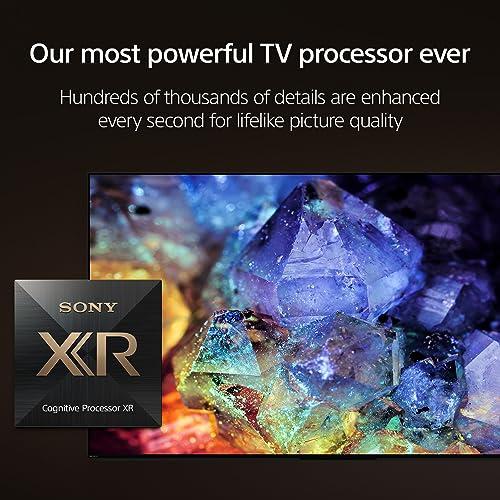
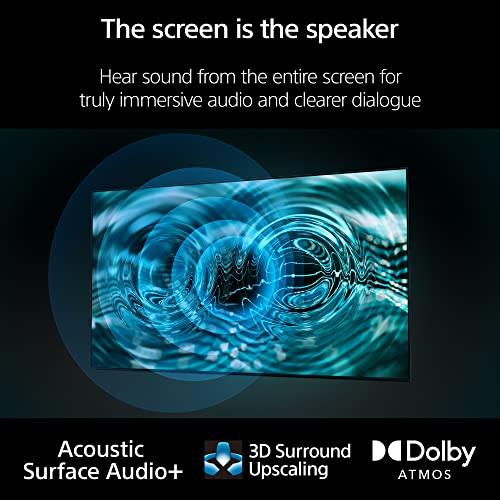
The Sony A95L represents Sony's premium approach to QD-OLED, launching in late 2023 with a focus on cinematic picture quality. Sony built this TV around their Cognitive Processor XR, an AI-powered chip that analyzes content in real-time to optimize every aspect of the picture. The company also integrated their Acoustic Surface Audio+ technology, where actuators behind the screen vibrate the panel itself to produce sound, creating an unusually immersive audio experience.
Samsung's S90D, arriving in 2024, takes a different path. Rather than pursuing the absolute pinnacle of refinement, Samsung focused on delivering QD-OLED's core benefits—exceptional brightness and color—at a more accessible price point. They packed it with gaming features and prioritized the wow factor of immediate visual impact over subtle processing refinements.
These different philosophies create distinct user experiences. The Sony A95L excels at making everything look as good as possible, while the Samsung S90D prioritizes raw performance and versatility.
Picture quality represents the most significant battleground between these TVs, and our research into user experiences and expert reviews reveals fascinating differences in their approaches.
The Sony A95L produces what many consider the most balanced and natural image among QD-OLEDs. Sony's Cognitive Processor XR uses AI to analyze each scene, identifying objects, textures, and focal points to optimize contrast, color, and sharpness accordingly. This results in images that feel incredibly lifelike without appearing oversaturated or artificial. The TV's XR Triluminos Max technology expands the color gamut while maintaining accuracy, creating vivid but believable colors.
Perhaps most importantly, the A95L excels at upscaling lower-quality content. Whether you're watching compressed Netflix streams, older DVDs, or broadcast TV, Sony's processing makes dramatic improvements. The XR 4K Upscaling feature uses dual databases to analyze and enhance content, while XR Super Resolution restores fine details that compression typically destroys. For many users, this alone justifies the premium price, as most content we actually watch isn't native 4K.
The Samsung S90D takes a more aggressive approach to picture quality. It consistently delivers higher peak brightness in HDR content, creating highlights that truly pop off the screen. Colors appear more saturated and intense, which can be either appealing or overwhelming depending on your preferences. Samsung's NQ4 AI Gen2 processor provides solid upscaling, but it's less sophisticated than Sony's system and doesn't improve low-quality content to the same degree.
Where Samsung excels is in sharpness and immediate visual impact. The S90D often appears more detailed in native 4K content, and its brighter, more saturated presentation makes HDR content particularly striking. It also shows less color banding (those subtle gradations you sometimes see in skies or walls) than the Sony.
For home theater enthusiasts who watch a mix of content types, the Sony A95L typically provides the more satisfying long-term viewing experience. Its processing makes even mediocre source material look good, and its balanced approach reduces viewer fatigue during long movie sessions. The Samsung S90D is better for those who primarily watch high-quality 4K content and prefer a more intense, immediately impressive image.
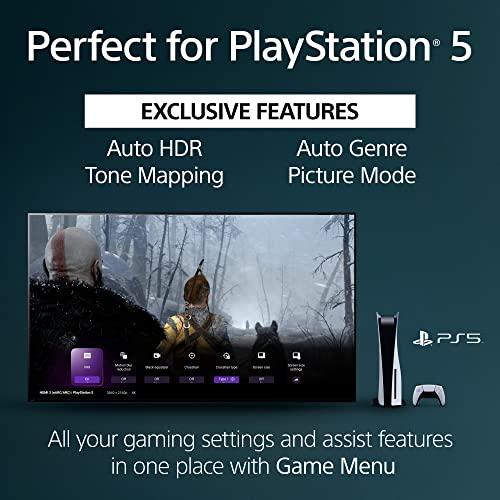
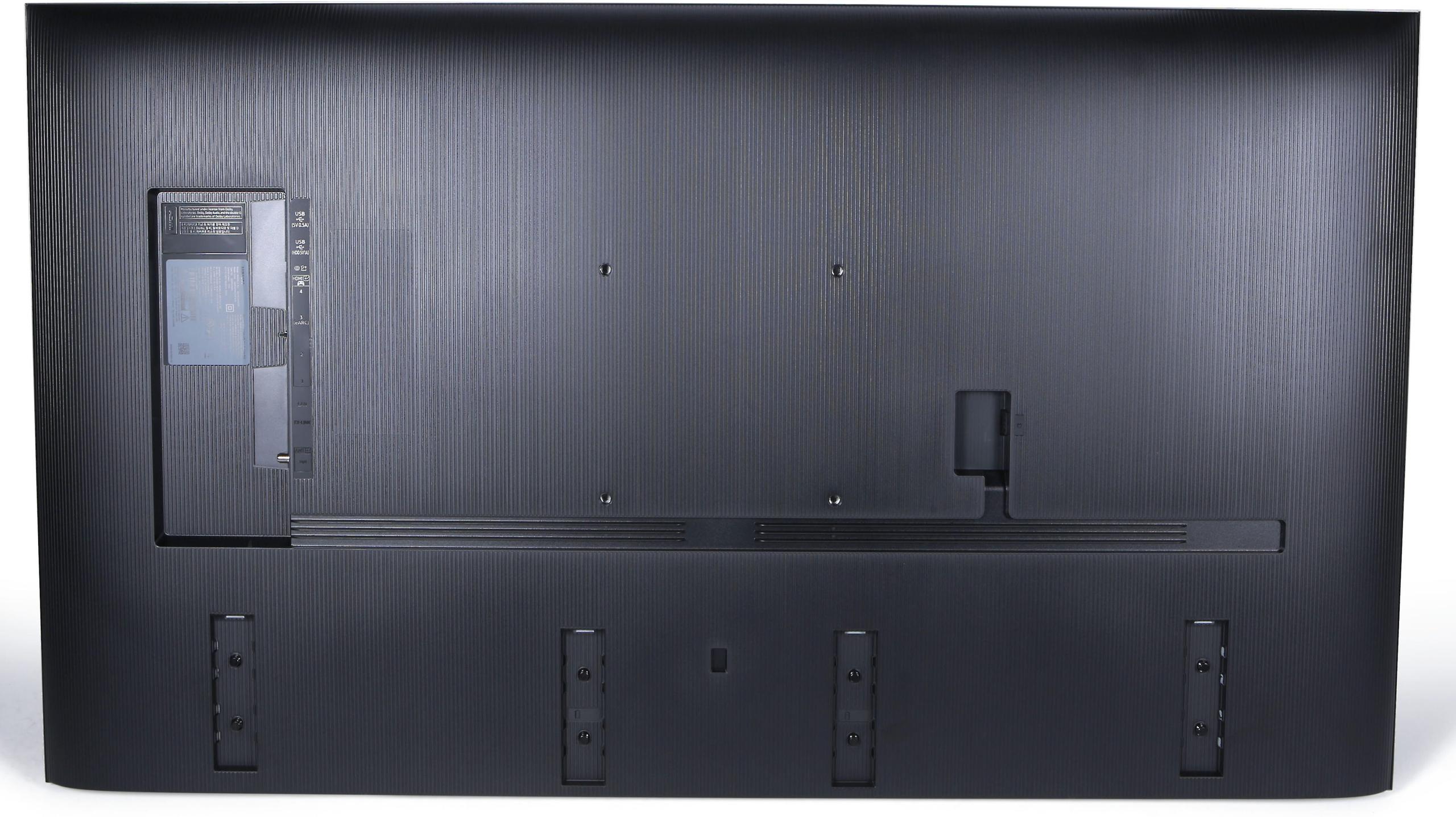
Gaming represents the Samsung S90D's most decisive advantage. Samsung equipped this TV with four full-bandwidth HDMI 2.1 ports, each capable of handling 4K at 144Hz. This matters enormously for gamers with multiple consoles or high-end gaming PCs. You can connect a PlayStation 5, Xbox Series X, Nintendo Switch, and gaming PC simultaneously without sacrificing performance.
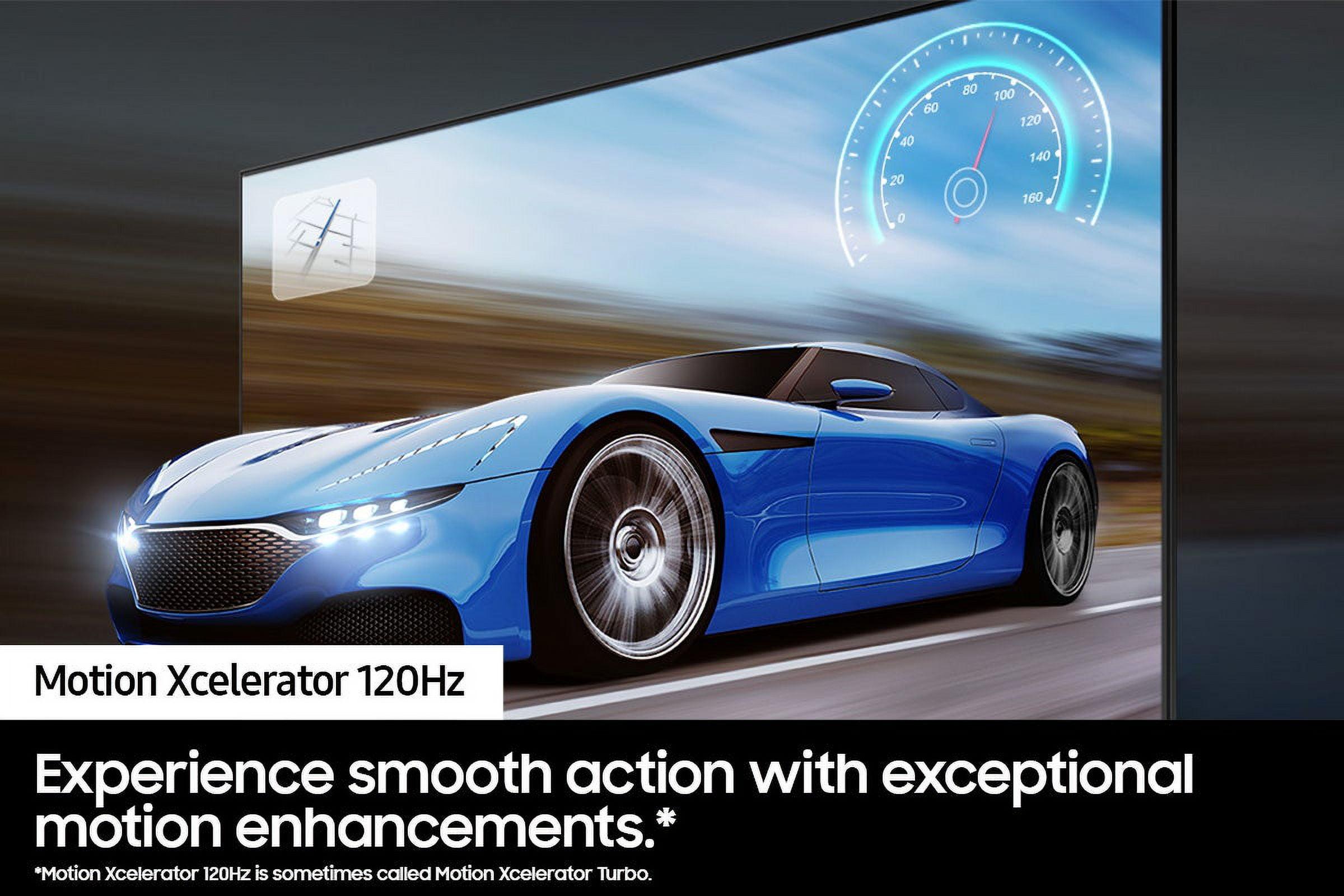
The S90D also delivers lower input lag, meaning less delay between pressing a controller button and seeing the action on screen. For competitive gaming, this responsiveness can be crucial. Samsung's Motion Xcelerator 144Hz ensures ultra-smooth motion with virtually no blur, while features like Variable Refresh Rate (VRR) and Auto Low Latency Mode (ALLM) optimize performance automatically.
In contrast, the Sony A95L offers only two HDMI 2.1 ports, and one is typically used for eARC (enhanced Audio Return Channel) to connect soundbars or receivers. This leaves just one port for gaming devices, severely limiting multi-console setups. The TV is limited to 4K at 120Hz rather than 144Hz, and input lag, while acceptable for casual gaming, is higher than Samsung's offering.
However, the A95L does offer one unique gaming feature: it's the first Sony TV to support Dolby Vision gaming at 4K/120Hz. This premium HDR format can provide superior color and contrast in supported games, though content availability remains limited.
For serious gamers, especially those with multiple consoles or gaming PCs, the Samsung S90D is the clear choice. The Sony A95L works fine for casual gaming but frustrates enthusiasts who want to connect multiple devices.
Audio performance creates perhaps the starkest contrast between these TVs. The Sony A95L features Acoustic Surface Audio+, where actuators behind the screen vibrate the entire panel to produce sound. This isn't just a gimmick—it creates genuinely impressive audio where dialogue appears to come directly from actors' mouths, and sound projects well beyond the TV's physical boundaries.
The system includes dedicated woofers for bass reproduction, creating a 2.2-channel setup that handles both dialogue and music surprisingly well. While it won't match a dedicated sound system, it's good enough that many users can skip buying a soundbar initially. The bass is well-defined and textured, handling low frequencies without distortion.
The Samsung S90D represents the opposite extreme. Despite featuring object-tracking sound technology, the built-in audio sounds flat and lacks impact. Multiple reviews consistently identify audio as the TV's weakest point, with limited dynamic range and poor projection. The bass is vague and uninspiring, while dialogue can sound distant and unclear.
This difference matters more than many buyers realize. A TV with excellent built-in audio like the A95L provides immediate satisfaction and saves money on additional audio equipment. The S90D essentially requires a soundbar or surround system to achieve satisfactory audio, adding to the total cost and complexity of setup.
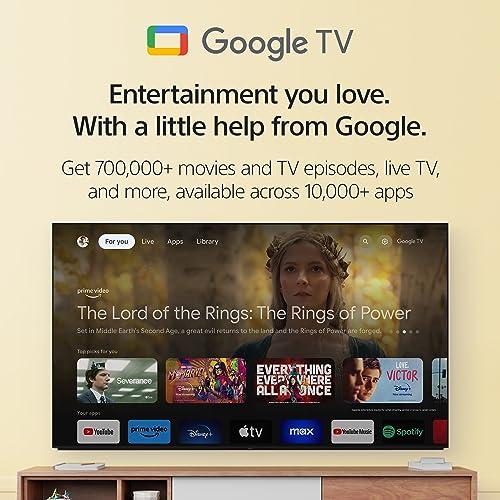
Both TVs offer capable smart platforms, but with different strengths and weaknesses. The Sony A95L runs Google TV, which provides excellent app selection and powerful voice search capabilities. However, the interface can feel sluggish, particularly when first powering on or switching inputs. This responsiveness issue has persisted across Sony's recent TV lineup and can be frustrating for users who value snappy performance.
The Samsung S90D uses Samsung's Tizen OS, which generally feels faster and more responsive than Google TV. The interface is clean and intuitive, with excellent integration into Samsung's broader ecosystem. However, Tizen sometimes lacks certain streaming apps that Google TV offers, and voice search isn't as sophisticated.
Both platforms receive regular updates and support all major streaming services, so the choice often comes down to personal preference and ecosystem compatibility.
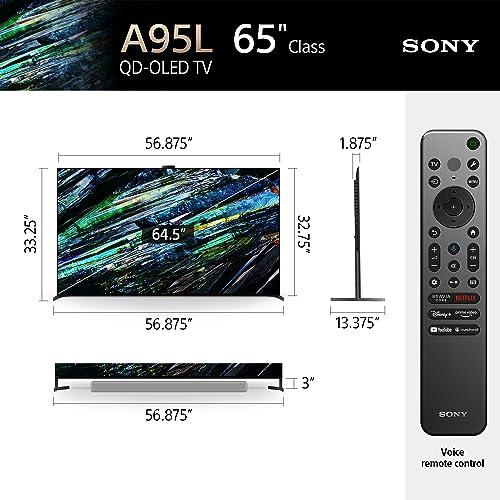
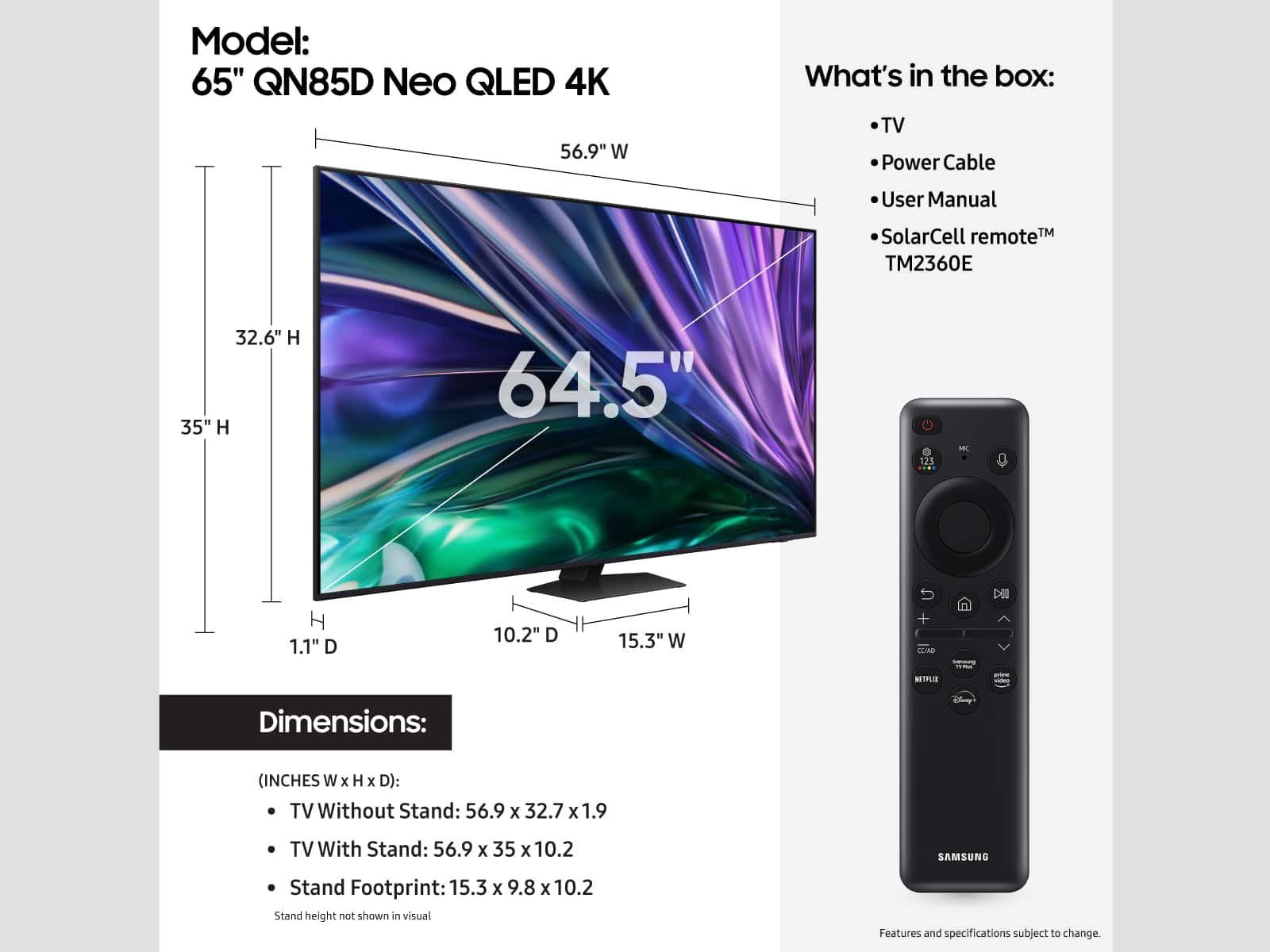
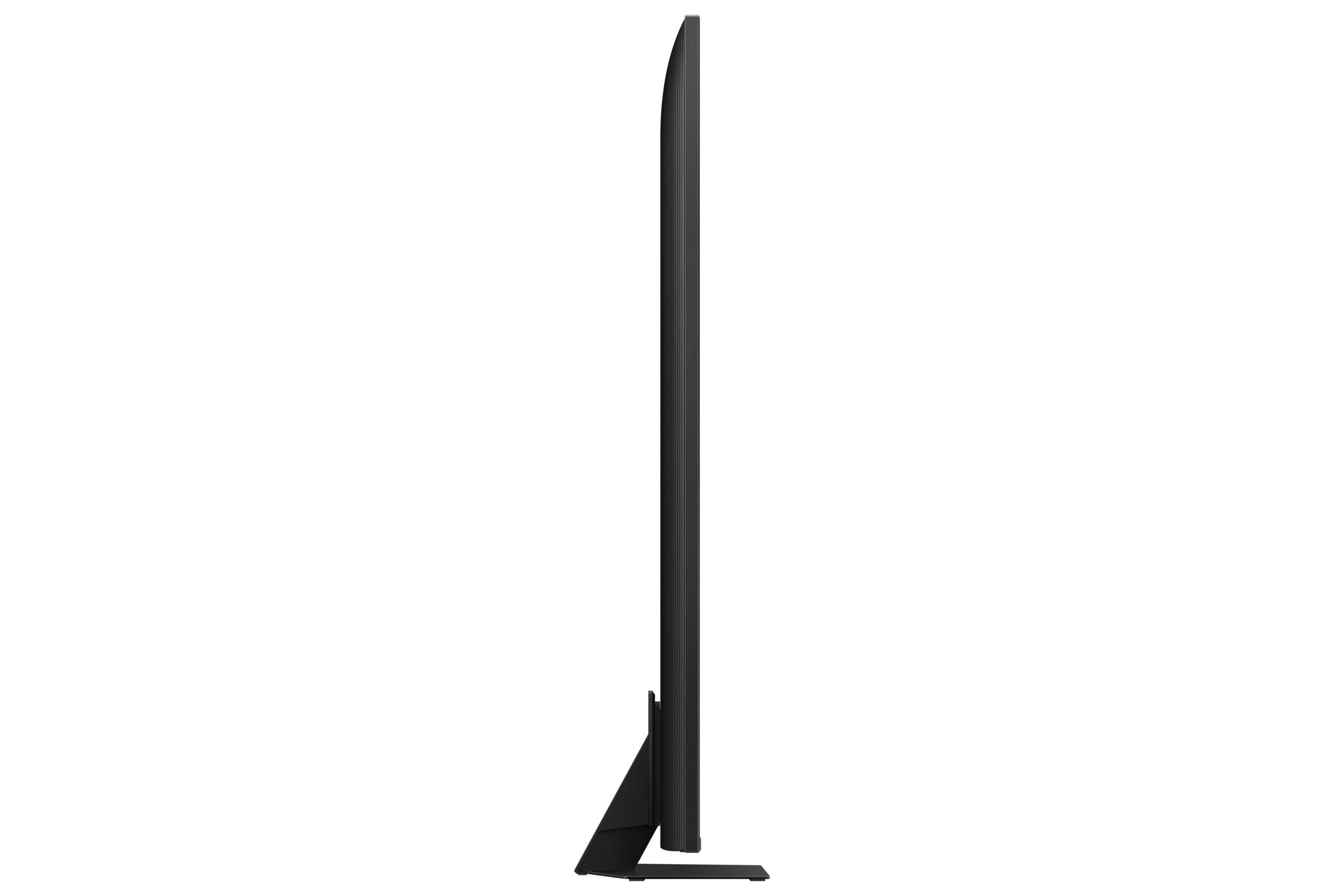
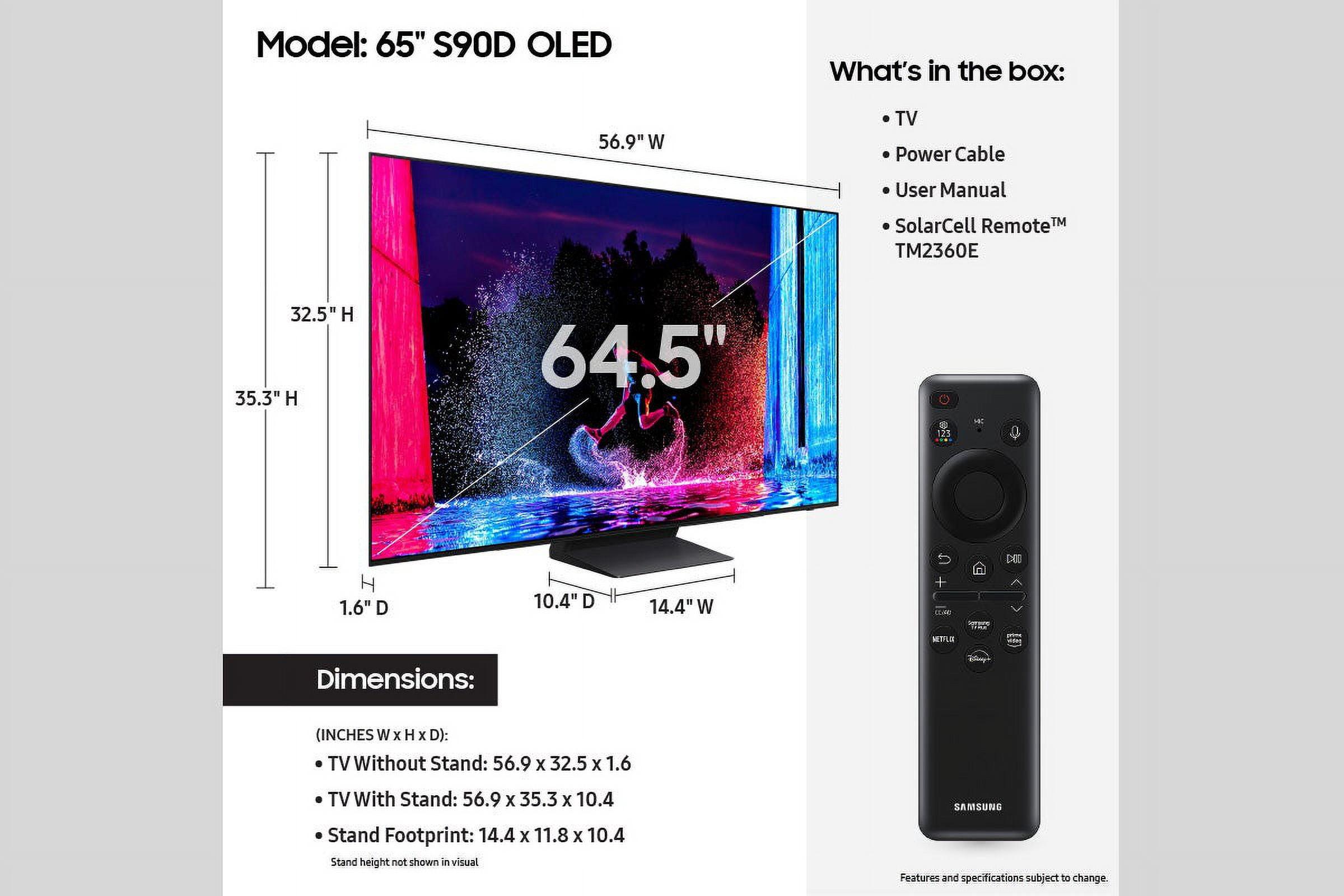
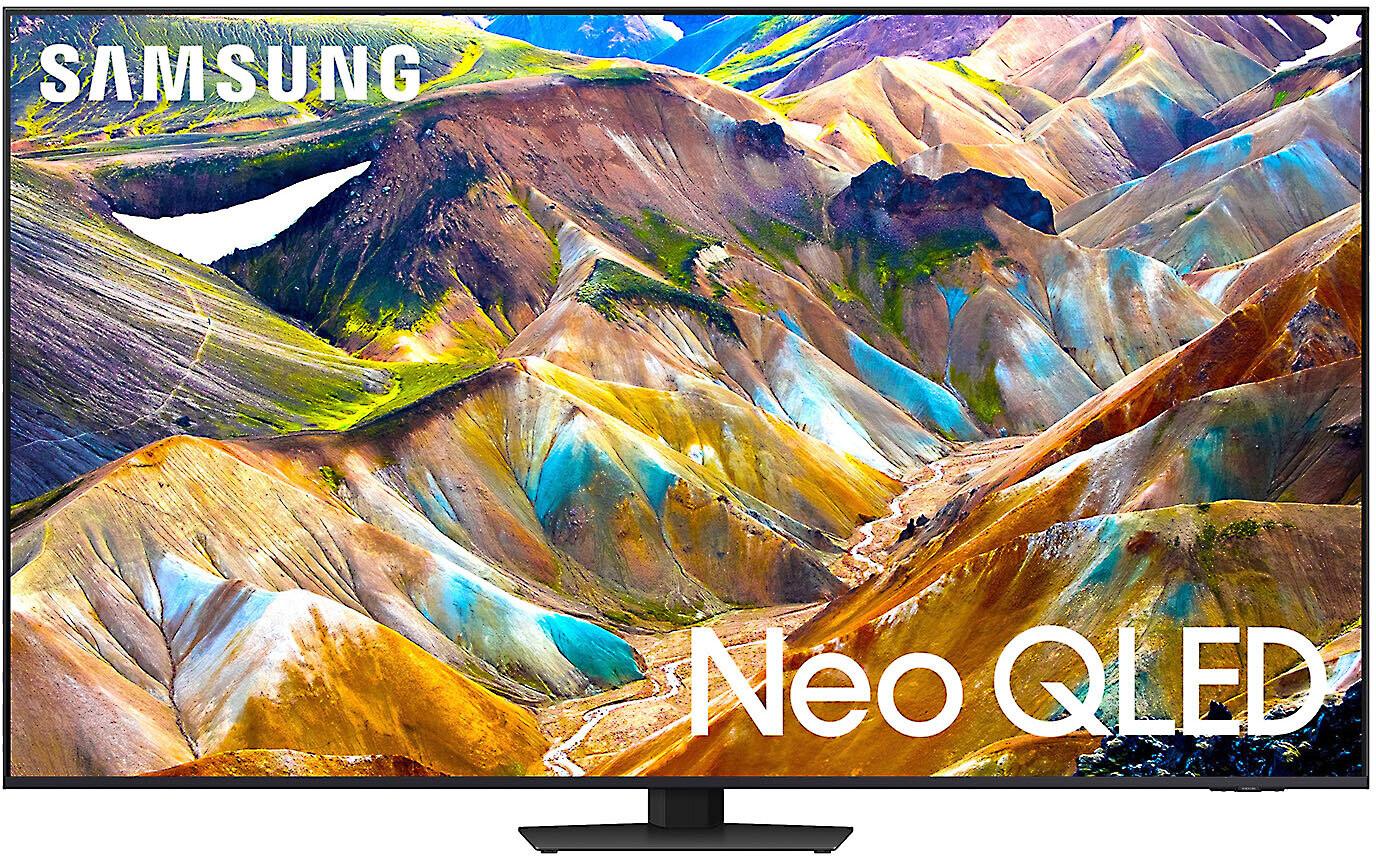
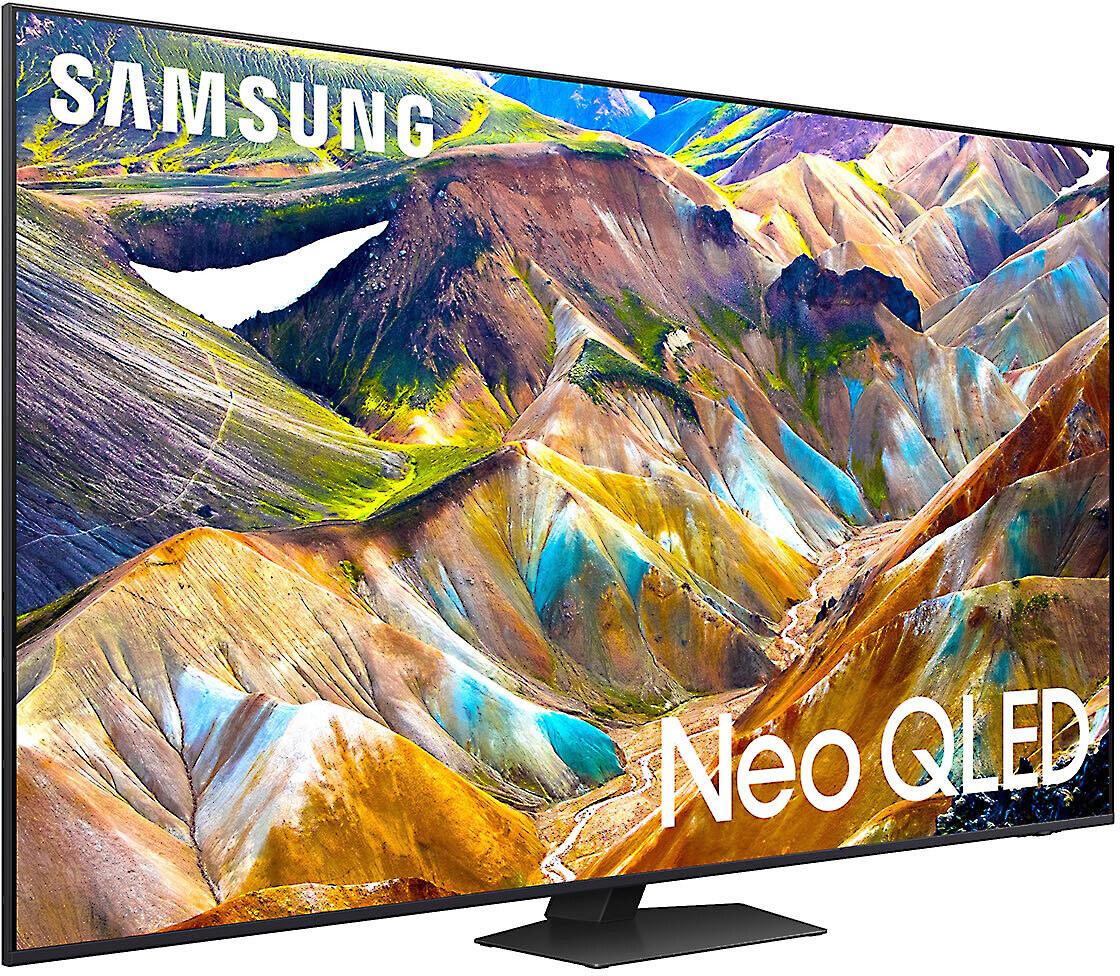
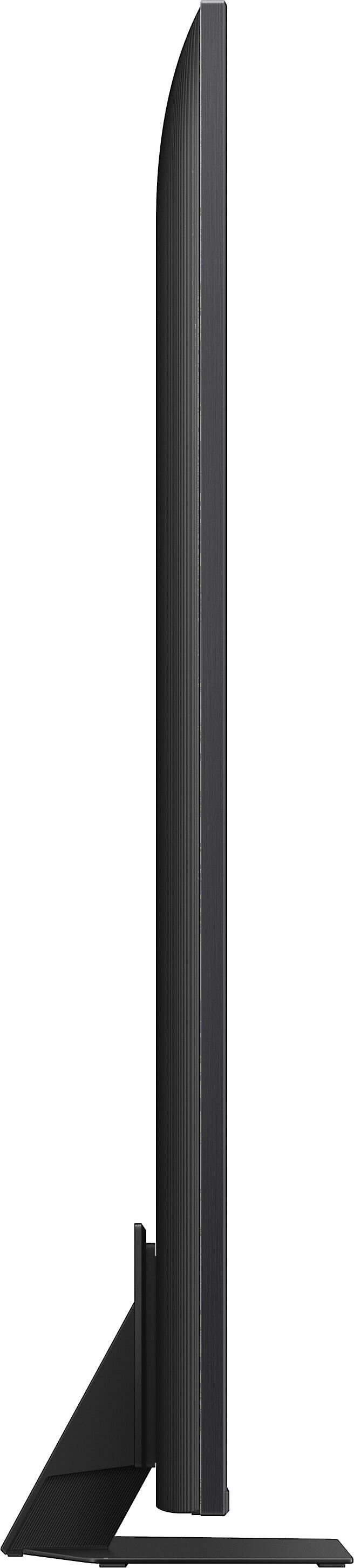
Physical design reveals another area of differentiation. The Samsung S90D uses a practical central stand that fits on most furniture pieces, while the Sony A95L employs wide-set aluminum feet that require a broader surface. Samsung's design is also significantly slimmer, making wall mounting easier and creating a more modern appearance.
However, the A95L feels more premium in construction, with aluminum materials and thoughtful details like adjustable stand positions to accommodate soundbars. The TV includes an anti-reflective coating that makes the screen visible even in direct sunlight, though this causes a slightly gray appearance when the TV is off.
Both TVs offer excellent build quality, but Samsung's design proves more practical for most living situations.
At the time of writing, pricing creates a significant factor in the decision-making process. The Samsung S90D typically costs substantially less than the Sony A95L, making it one of the most accessible QD-OLED TVs available. This pricing makes Samsung's offering competitive with premium LED TVs while delivering superior picture quality.
The Sony A95L commands a premium price that reflects its flagship positioning. For some users, the superior processing, built-in audio, and overall refinement justify the additional cost. For others, the S90D's combination of performance and value proves more appealing.
Since these TV technologies launched, we've seen continued improvements in QD-OLED panels, with newer models achieving even higher brightness levels and better efficiency. However, both the A95L and S90D remain competitive with current offerings, suggesting these technologies have staying power.
Choose the Sony BRAVIA XR A95L if you're building a serious home theater setup where picture quality refinement matters most. This TV excels for movie enthusiasts who watch a variety of content types and value the processing improvements it makes to streaming and broadcast material. The excellent built-in audio means you can delay purchasing additional sound equipment, and the overall viewing experience feels more cinematic and balanced.
The A95L also makes sense if you primarily game with one console and don't need multiple HDMI 2.1 connections. Its Dolby Vision support provides access to premium HDR content, and the refined color accuracy makes it ideal for users who care about faithful content reproduction.
Choose the Samsung 65" OLED S90D if gaming versatility is important or you prefer maximum brightness and color impact. This TV delivers exceptional value in the QD-OLED space, offering core premium TV benefits at a more accessible price point. It's perfect for users who plan to add a soundbar anyway and want the flexibility of four HDMI 2.1 ports.
The S90D also suits users who primarily watch high-quality 4K content and prefer immediate visual impact over subtle processing refinements. Its brighter, more saturated presentation can be more engaging for casual viewing, especially in brighter rooms.
Both TVs represent excellent choices in the premium TV space, but they serve different priorities. The Sony A95L is the more refined, complete package that excels across all content types, while the Samsung S90D offers tremendous value and gaming capabilities with some compromises in audio and content processing. Your choice should align with how you plan to use the TV and which features matter most for your specific viewing habits and room setup.
| Sony BRAVIA XR A95L 65" QD-OLED | Samsung 65" OLED S90D TV |
|---|---|
| Display Technology - Both use premium QD-OLED for perfect blacks and vibrant colors | |
| QD-OLED with anti-reflective coating | Standard QD-OLED panel |
| Peak Brightness - Higher numbers mean better HDR performance and bright room viewing | |
| Up to 1,300 nits (excellent but not class-leading) | Higher peak brightness in HDR (often appears brighter in use) |
| Picture Processing - Critical for improving streaming and lower-quality content | |
| Cognitive Processor XR with superior upscaling | NQ4 AI Gen2 processor (good but less sophisticated) |
| HDR Format Support - Dolby Vision offers premium streaming content | |
| HDR10, HLG, Dolby Vision | HDR10, HDR10+, HLG (no Dolby Vision) |
| Gaming Connectivity - More HDMI 2.1 ports mean more consoles without switching | |
| 2 HDMI 2.1 ports (4K@120Hz max) | 4 HDMI 2.1 ports (4K@144Hz capable) |
| Audio System - Built-in sound quality affects whether you need a soundbar | |
| Acoustic Surface Audio+ with screen-vibrating actuators | Basic speakers (soundbar recommended) |
| Smart Platform - Your daily interface experience | |
| Google TV (great apps, can be sluggish) | Samsung Tizen (fast, clean interface) |
| Gaming Performance - Lower input lag means more responsive gameplay | |
| Higher input lag, acceptable for casual gaming | Lower input lag, better for competitive gaming |
| Stand Design - Affects furniture compatibility and placement options | |
| Wide aluminum feet (requires broad furniture) | Central stand (fits most furniture) |
| Content Upscaling - How well it improves Netflix, YouTube, and broadcast TV | |
| Excellent upscaling of lower-quality content | Good upscaling but less sophisticated |
| Viewing Angles - How picture quality holds up when viewing from the side | |
| Excellent (178° with minimal color shift) | Excellent (typical OLED performance) |
| Target User - Who each TV serves best | |
| Movie enthusiasts prioritizing refinement | Gamers and value-conscious buyers wanting impact |
The Sony BRAVIA XR A95L offers more refined and balanced picture quality with superior upscaling of lower-quality content like streaming and broadcast TV. The Samsung S90D delivers brighter, more vibrant colors with higher peak brightness in HDR content. For overall picture refinement and movie watching, the Sony A95L is generally preferred, while the Samsung S90D excels at immediate visual impact.
The key differences include gaming connectivity (Samsung has 4 HDMI 2.1 ports vs Sony's 2), audio quality (Sony A95L has superior built-in sound), HDR format support (Sony supports Dolby Vision, Samsung doesn't), and picture processing (Sony A95L has better upscaling). The Samsung S90D typically costs less and offers better gaming features, while the Sony A95L provides more premium refinement.
The Samsung S90D is significantly better for gaming with 4 HDMI 2.1 ports supporting 4K at 144Hz, lower input lag, and better multi-console connectivity. The Sony A95L has only 2 HDMI 2.1 ports (often one used for soundbar connection) and higher input lag, though it does support Dolby Vision gaming. For serious gamers, the Samsung S90D is the clear choice.
The Sony A95L features excellent Acoustic Surface Audio+ technology that vibrates the screen to produce impressive built-in sound, often eliminating the immediate need for a soundbar. The Samsung S90D has weak built-in audio that typically requires a soundbar or sound system for satisfactory performance. This audio difference can affect your total setup cost.
The Samsung S90D typically offers better value with significantly lower pricing while still delivering QD-OLED picture quality and excellent gaming features. The Sony A95L costs more but justifies the premium with superior processing, built-in audio, and overall refinement. Your value assessment depends on whether you prioritize savings or premium features.
The Sony A95L runs Google TV, which offers excellent app selection and voice search but can feel sluggish at times. The Samsung S90D uses Samsung Tizen OS, which is generally faster and more responsive with a cleaner interface, though it may lack some streaming apps. Both support major streaming services adequately.
The Sony A95L is generally better for dedicated home theater use due to its superior picture processing, Dolby Vision support, excellent built-in audio, and more cinematic image quality. The Samsung S90D can work well in home theaters but typically requires additional audio equipment and may appear oversaturated for long viewing sessions.
Both TVs handle bright rooms well due to QD-OLED technology, but the Samsung S90D typically appears brighter in HDR content with higher peak brightness. The Sony A95L features an anti-reflective coating that helps with glare reduction. For very bright rooms, the Samsung S90D may have a slight advantage in combating ambient light.
The Sony A95L significantly outperforms the Samsung S90D in upscaling lower-quality content. Sony's Cognitive Processor XR dramatically improves compressed streaming video, DVDs, and broadcast TV through advanced AI processing. If you watch a lot of non-4K content, the Sony A95L provides noticeably better results.
The Samsung S90D features a practical central stand that fits most furniture and a slimmer profile for easier wall mounting. The Sony A95L uses wide-set aluminum feet requiring broader furniture but offers premium build quality and adjustable positioning. Samsung's design is more versatile for most room setups.
The Sony A95L supports HDR10, HLG, and Dolby Vision, giving access to premium HDR content on Netflix, Disney+, and 4K Blu-rays. The Samsung S90D supports HDR10, HDR10+, and HLG but lacks Dolby Vision support. If you have extensive Dolby Vision content, the Sony A95L provides broader format compatibility.
Choose the Sony A95L if you prioritize picture refinement, built-in audio quality, and comprehensive streaming format support, especially for home theater use. Choose the Samsung S90D if gaming features, value pricing, and maximum brightness are priorities. The Samsung S90D offers excellent QD-OLED performance at a more accessible price point, while the Sony A95L provides premium refinement for discerning viewers.
We've done our best to create useful and informative comparisons to help you decide what product to buy. Our research uses advanced automated methods to create this comparison and perfection is not possible - please contact us for corrections or questions. These are the sites we've researched in the creation of this article: rtings.com - youtube.com - rtings.com - avsforum.com - rtings.com - smarthomesounds.co.uk - smarthomesounds.co.uk - rtings.com - smarthomesounds.co.uk - youtube.com - tomsguide.com - avsforum.com - rtings.com - perfectrec.com - flatpanelshd.com - videoandaudiocenter.com - sonypremiumhome.com - bestbuy.com - sony.com - electronics.sony.com - displayspecifications.com - donstv.com - youtube.com - static.pcrichard.com - smarthomesounds.co.uk - youtube.com - electronics.sony.com - electronics.sony.com - displayspecifications.com - bestbuy.com - valueelectronics.com - youtube.com - cnet.com - bestbuy.com - videoandaudiocenter.com - youtube.com - samsung.com - samsung.com - pcrichard.com - samsung.com

Privacy Policy
Terms and Conditions - Affiliate Policy
Home Security
© Copyright 2008-2026.
11816 Inwood Rd #1211, Dallas, TX 75244