

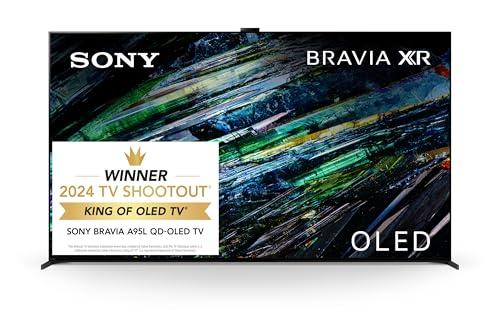
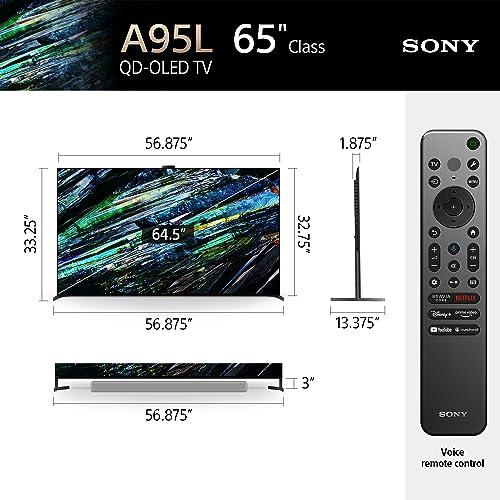


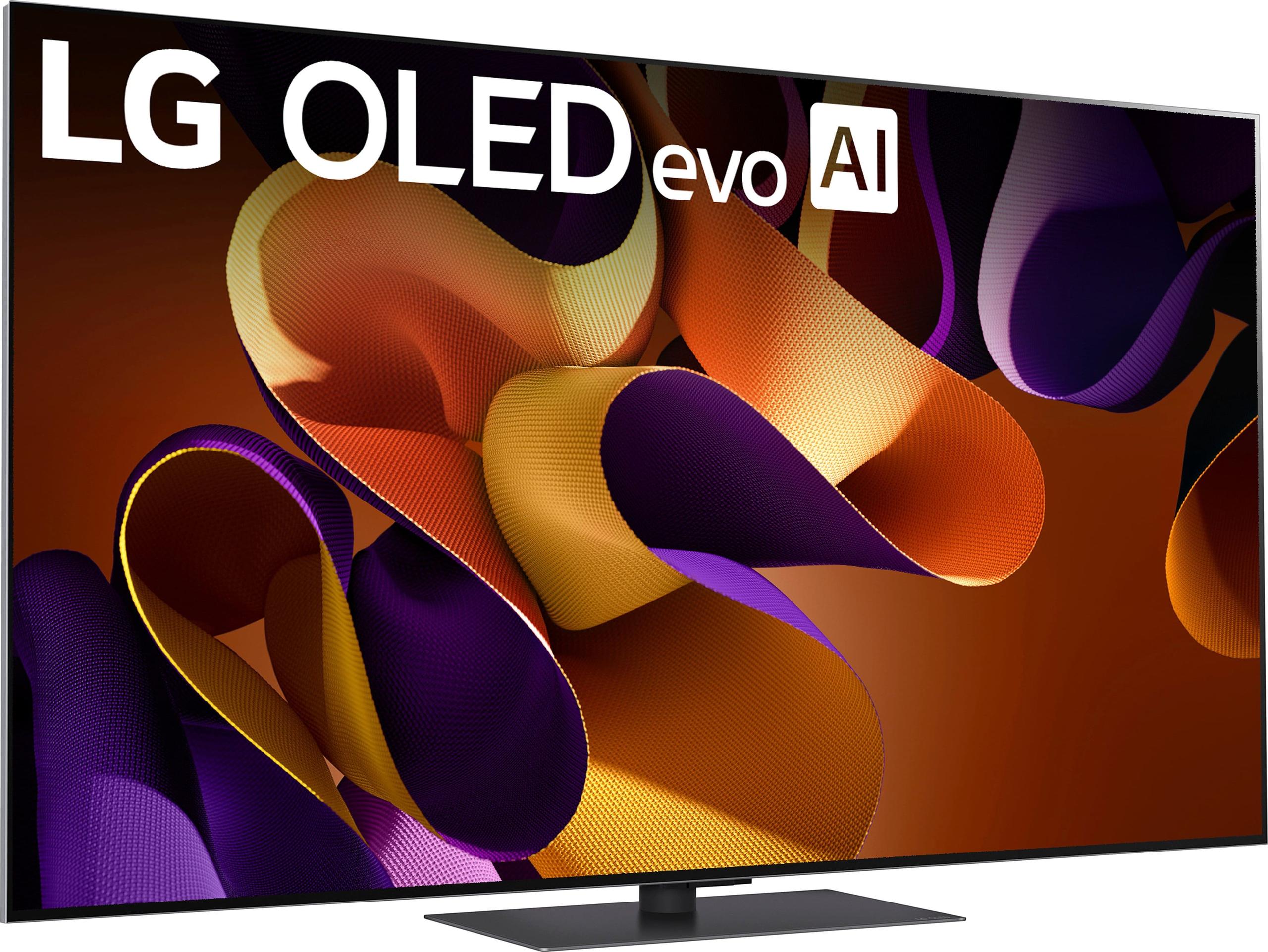
Choosing between premium OLED TVs can feel overwhelming, especially when you're looking at two exceptional models like the Sony BRAVIA XR A95L and LG G4 Series. Both represent the pinnacle of their respective manufacturers' 2023 and 2024 lineups, but they take fundamentally different approaches to achieving stunning picture quality. After diving deep into expert reviews, user feedback, and technical specifications, I'll help you understand which TV makes the most sense for your specific needs and budget.
OLED technology has revolutionized home entertainment by using millions of self-lit pixels that can turn completely off to create perfect blacks. This creates an infinite contrast ratio—the difference between the brightest whites and darkest blacks—which is impossible to achieve with traditional LED TVs that rely on backlighting.
Both the Sony A95L and LG G4 build on this foundation but use different advanced technologies to push brightness and color performance even further. The Sony employs QD-OLED (Quantum Dot OLED) panels, while LG uses their evolved OLED evo technology with Micro Lens Array (MLA) enhancement. These aren't just marketing buzzwords—they represent genuine technological advances that affect what you see on screen.
The key considerations when choosing between premium OLEDs include peak brightness (how bright highlights can get), color volume (how vivid colors remain at high brightness), gaming capabilities, processing quality, and overall value. At the time of writing, both TVs command premium pricing, though the LG G4 typically offers better value for the feature set you receive.
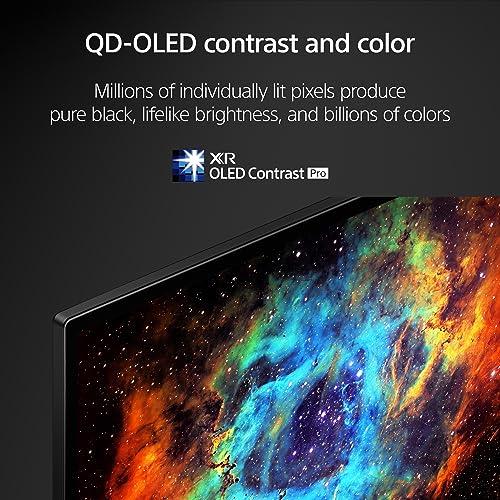
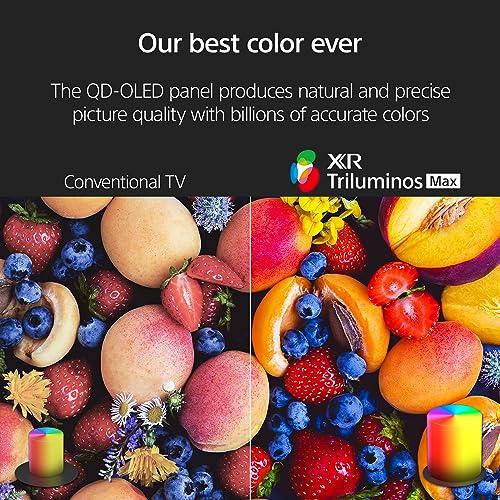
The Sony A95L uses second-generation QD-OLED panels, which combine the perfect blacks of OLED with quantum dot technology borrowed from high-end LED displays. Think of quantum dots as tiny color converters—they take blue light and transform it into incredibly pure red and green colors. This creates a unique triangular subpixel arrangement where green sits on top, with red and blue below.
This unusual structure delivers remarkable color purity and vibrancy. Colors literally appear to jump off the screen in a way that can make other displays look muted by comparison. The A95L achieves up to 1,300 nits peak brightness—double what its predecessor could manage—while maintaining these incredibly saturated colors even at high brightness levels. This is called color volume, and it's where QD-OLED technology truly shines.
However, this triangular subpixel structure can cause minor text clarity issues when using the TV as a PC monitor, and some viewers notice slight color fringing with certain content. For movie and TV viewing, these quirks are essentially invisible.
The LG G4 takes a different approach with second-generation MLA (Micro Lens Array) technology. Imagine millions of tiny lenses placed over each pixel, directing more light toward your viewing position instead of letting it scatter in all directions. This ingenious solution allows LG to achieve peak brightness levels up to 2,268 nits—among the highest we've seen in OLED displays.
LG's approach maintains the traditional RGB subpixel structure that most content is designed for, avoiding the text clarity issues that can affect QD-OLED displays. The G4 also uses a four-stack tandem OLED structure, which improves efficiency and should extend the panel's lifespan compared to older OLED designs.
The Verdict: Both approaches work brilliantly, but they excel in different scenarios. The Sony A95L delivers more jaw-dropping color vibrancy, while the LG G4 achieves higher peak brightness for better HDR impact.
Color reproduction is where these TVs diverge most significantly. The Sony A95L produces colors that seem almost impossibly vivid—think of the difference between a standard photo and one with Instagram's most vibrant filter, except the Sony's enhancement actually makes content look more lifelike rather than oversaturated.
Expert reviews consistently highlight how the A95L makes other displays look dull in direct comparison. This is particularly noticeable with nature documentaries, animated content, and modern movies mastered with wide color gamuts in mind. The Sony covers more of the ultra-wide Rec 2020 color space that future content will use, making it somewhat more future-proof for color-critical viewing.
The LG G4 takes a more restrained approach to color, prioritizing accuracy over pop. Its colors look natural and realistic, closely matching what filmmakers intended. This makes it excellent for serious movie watching where you want to see content exactly as the director envisioned it. The G4's higher peak brightness also means HDR highlights have more impact—explosions are more blinding, sunsets more dramatic, and specular highlights on metal or water more convincing.
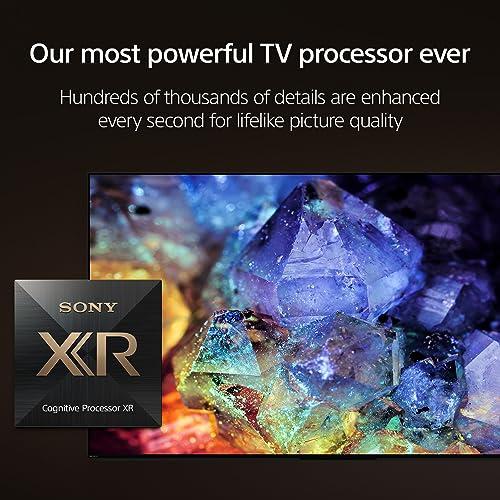
Sony's Cognitive Processor XR gives the A95L a clear advantage when working with lower-quality content. Whether you're watching compressed Netflix streams, older DVDs, or low-bitrate cable content, Sony's processing does an exceptional job cleaning up artifacts and sharpening details. This matters more than you might think, since most of what we watch isn't pristine 4K content.
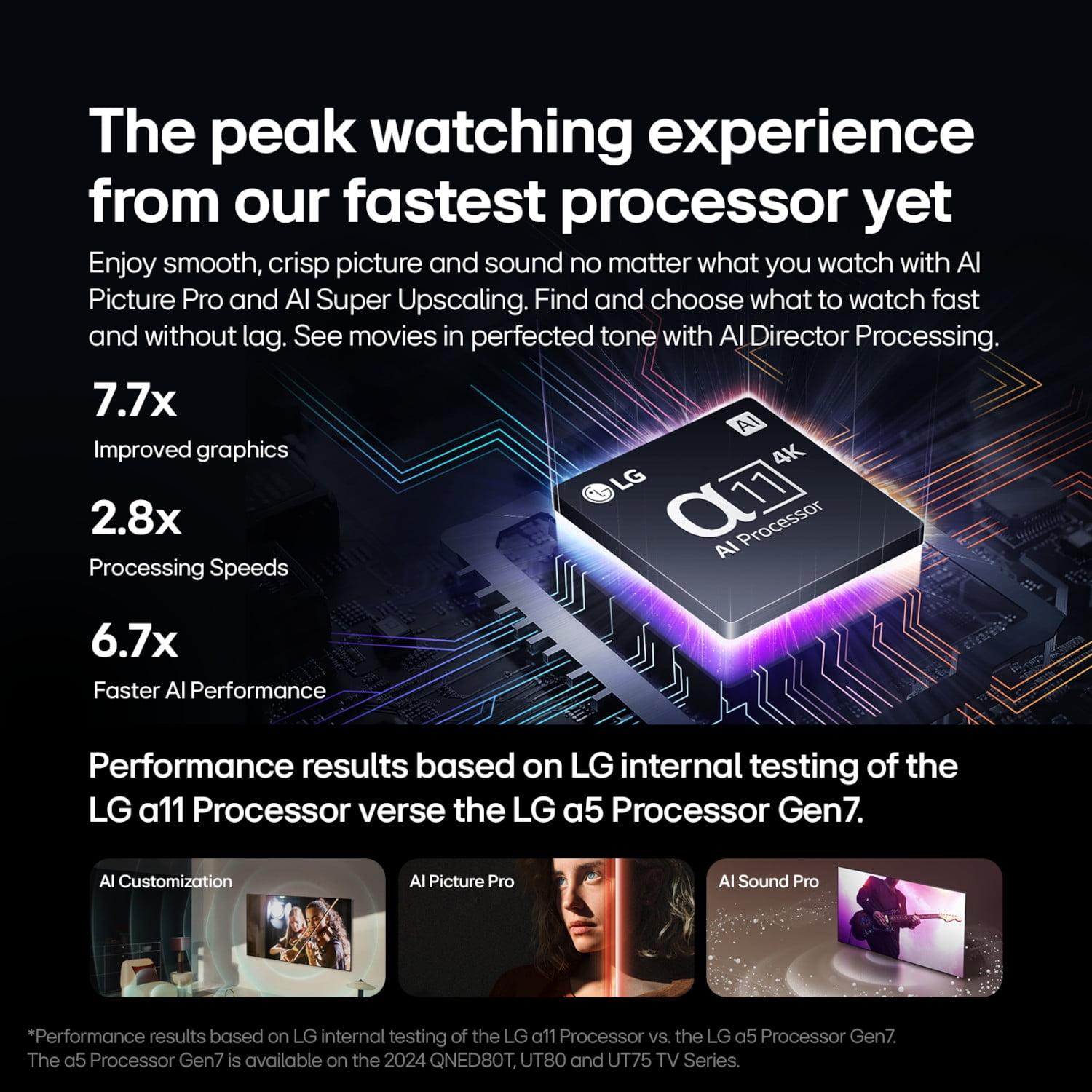
The LG G4 counters with its Alpha 11 processor, which excels at reducing the blocky artifacts you sometimes see with heavily compressed streaming content. While not quite as refined as Sony's upscaling, it's still impressive and makes the overall system feel snappier and more responsive.
For Home Theater Use: If you primarily watch high-quality movies and shows in a darkened room, the Sony A95L delivers a more cinematic, immersive experience with its superior color reproduction and processing. The LG G4 works better for mixed lighting conditions and general family viewing.
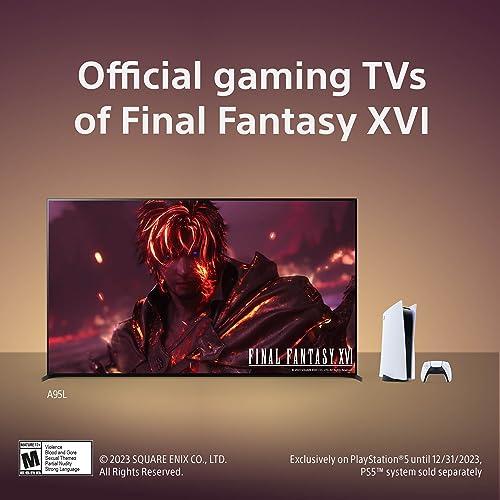
Gaming performance reveals the biggest gap between these two TVs. The LG G4 was clearly designed with gamers in mind, while the Sony A95L makes compromises that limit its gaming appeal.
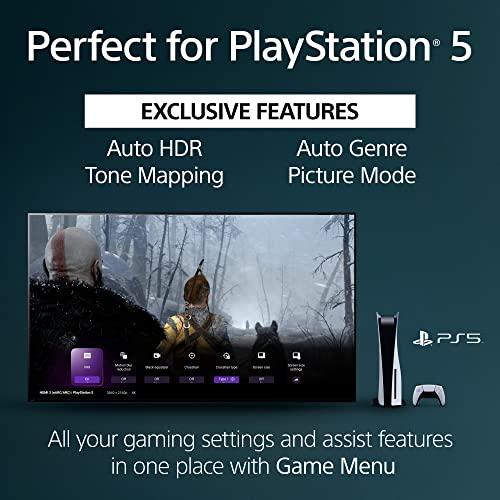
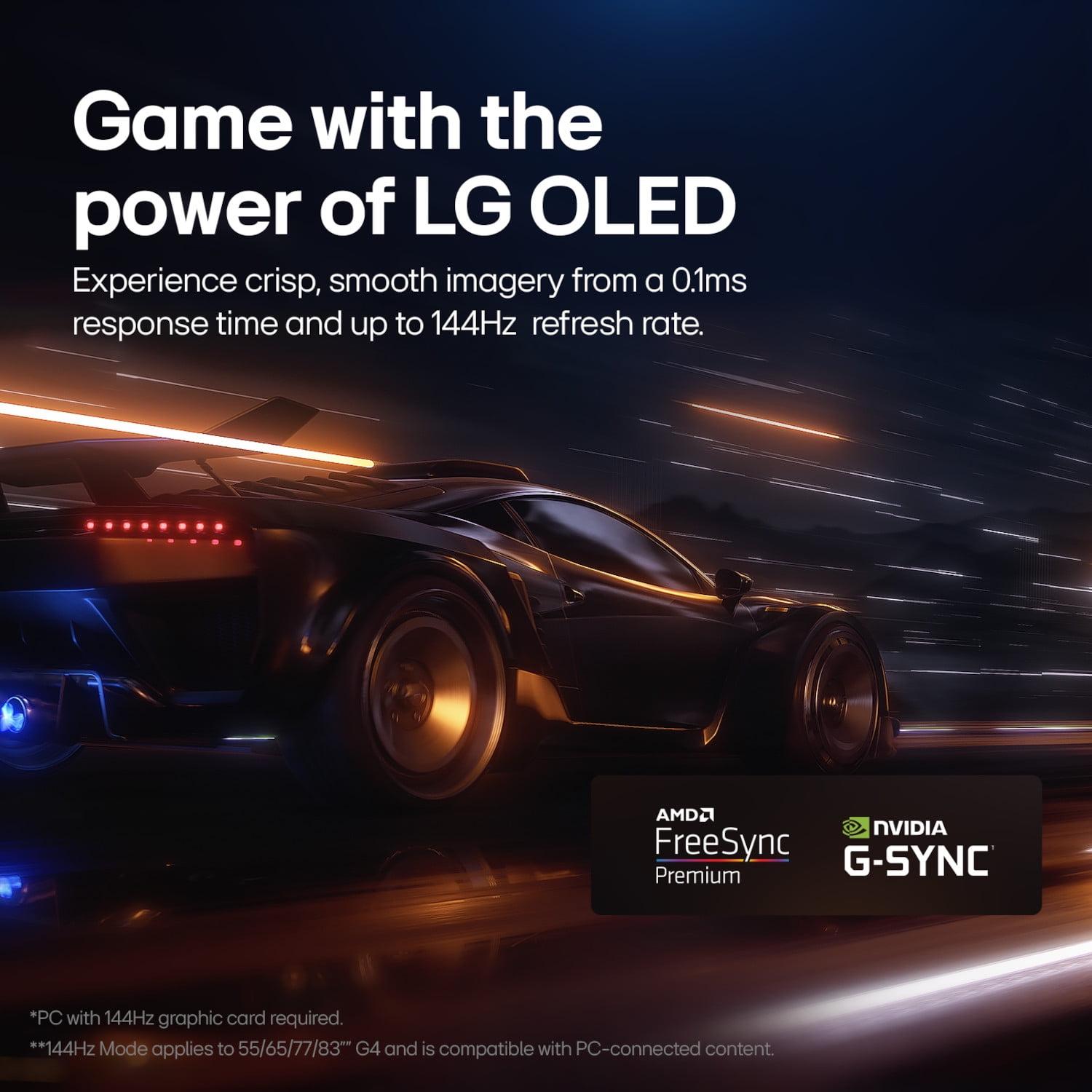
The LG G4 includes four full HDMI 2.1 ports, each capable of handling 4K resolution at up to 144Hz refresh rates. This means you can connect a PlayStation 5, Xbox Series X, high-end gaming PC, and Apple TV 4K all simultaneously without sacrificing performance. The TV supports Variable Refresh Rate (VRR), Auto Low Latency Mode (ALLM), and both NVIDIA G-Sync and AMD FreeSync technologies that eliminate screen tearing and stuttering.
The Sony A95L offers only two HDMI 2.1 ports alongside two older HDMI 2.0 connections, limiting you to 4K at 120Hz maximum. For households with multiple gaming devices, this creates frustrating decisions about which devices get the premium connections.
Input lag—the delay between pressing a controller button and seeing the action on screen—is crucial for competitive gaming. The LG G4 achieves response times as low as 0.1 milliseconds, which is essentially instantaneous. The Sony A95L manages respectable but higher input lag around 13 milliseconds at 4K/120Hz.
More critically, the A95L significantly reduces its brightness when switching to Game Mode, making dark scenes harder to see and reducing the overall visual impact. The G4 maintains its full brightness and color performance in Game Mode, so you don't sacrifice picture quality for gaming performance.
The Gaming Verdict: The LG G4 is unquestionably superior for gaming, offering more connections, higher refresh rates, lower lag, and no picture quality compromises. If gaming is important to you, this should be a decisive factor.
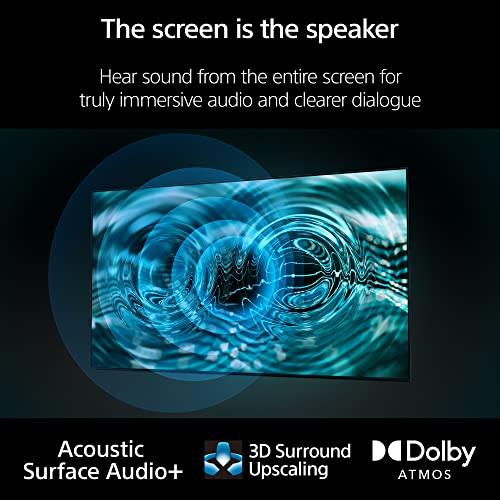
The Sony A95L includes one of the most innovative audio features in modern TVs: Acoustic Surface Audio+. Instead of traditional speakers, Sony uses actuators that vibrate the entire screen to produce sound. This creates an incredibly immersive experience where dialogue appears to come from actors' mouths, explosions emanate from their exact on-screen locations, and music fills the entire visual field.
This technology works remarkably well for creating spatial audio without external speakers. The A95L can even function as a center channel speaker when paired with compatible Sony soundbars, creating a seamless surround sound system.
The LG G4 uses conventional 4.2-channel speakers with 60 watts of power, enhanced by AI processing that can virtually upmix audio to simulate 11.1.2-channel surround sound. While this doesn't match Sony's innovation, it delivers solid performance for built-in TV audio.
Both TVs support Dolby Atmos, but Sony's implementation feels more natural and immersive. However, serious home theater enthusiasts will likely pair either TV with a dedicated sound system, making this difference less critical.
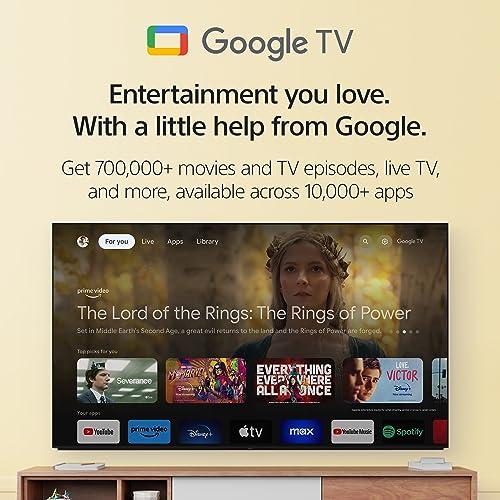
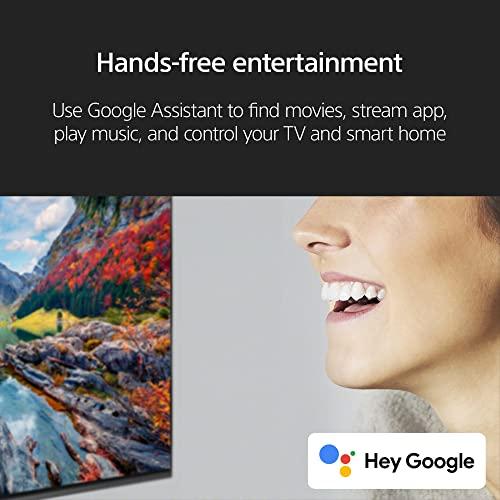
The Sony A95L runs Google TV, which offers extensive app selection, excellent voice search, and seamless integration with Google services. The platform is mature and well-supported, though some users find the interface occasionally sluggish.
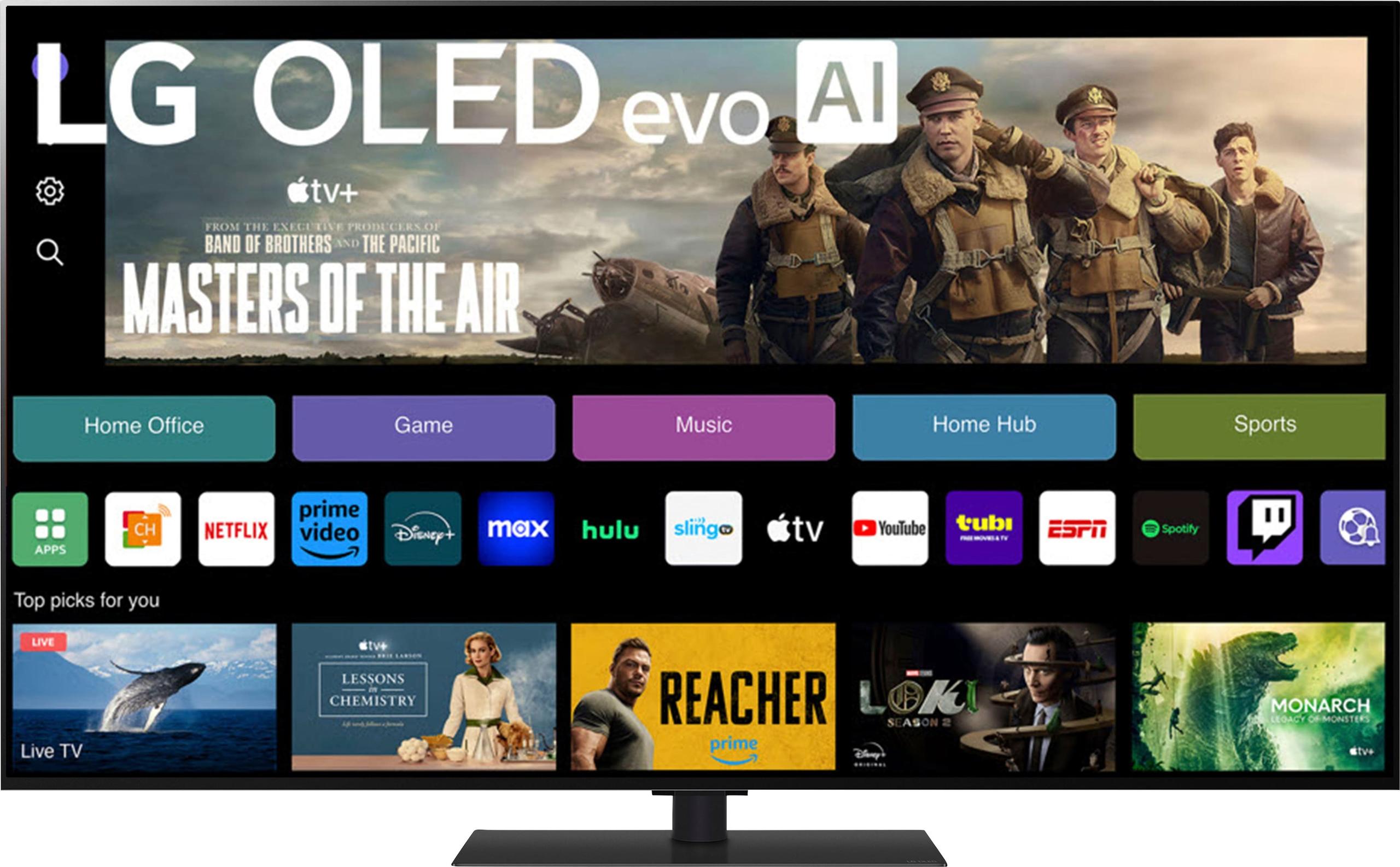
The LG G4 uses webOS 24, which many consider the most intuitive smart TV platform available. It's fast, responsive, and includes thoughtful features like Quick Cards that organize your favorite apps for easy access. LG also includes over 300 free streaming channels and supports cloud gaming services like GeForce NOW and Amazon Luna.
Both platforms work well, but LG's tends to feel more polished and responsive in daily use.
At the time of writing, both TVs command premium pricing, but they offer different value propositions. The Sony A95L, being Sony's 2023 flagship, may see more significant price drops as newer models arrive. However, its limited gaming features and fewer size options may not justify the premium for many buyers.
The LG G4 typically offers better overall value, providing more comprehensive features at competitive pricing. LG also offers more size flexibility, with 55", 65", 77", 83", and 97" models available (though the massive 97" model doesn't include MLA technology). Sony limits the A95L to 55", 65", and 77" sizes.
For most people, the G4 delivers better value because it excels across more use cases without significant compromises. The A95L commands a premium for its exceptional color performance and audio innovation, which may not be worth the extra cost unless these specific features are priorities.
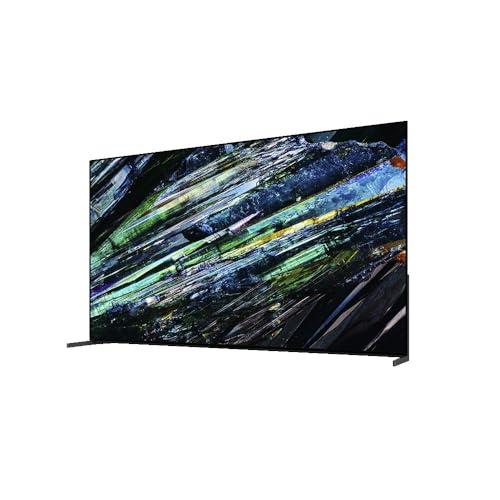
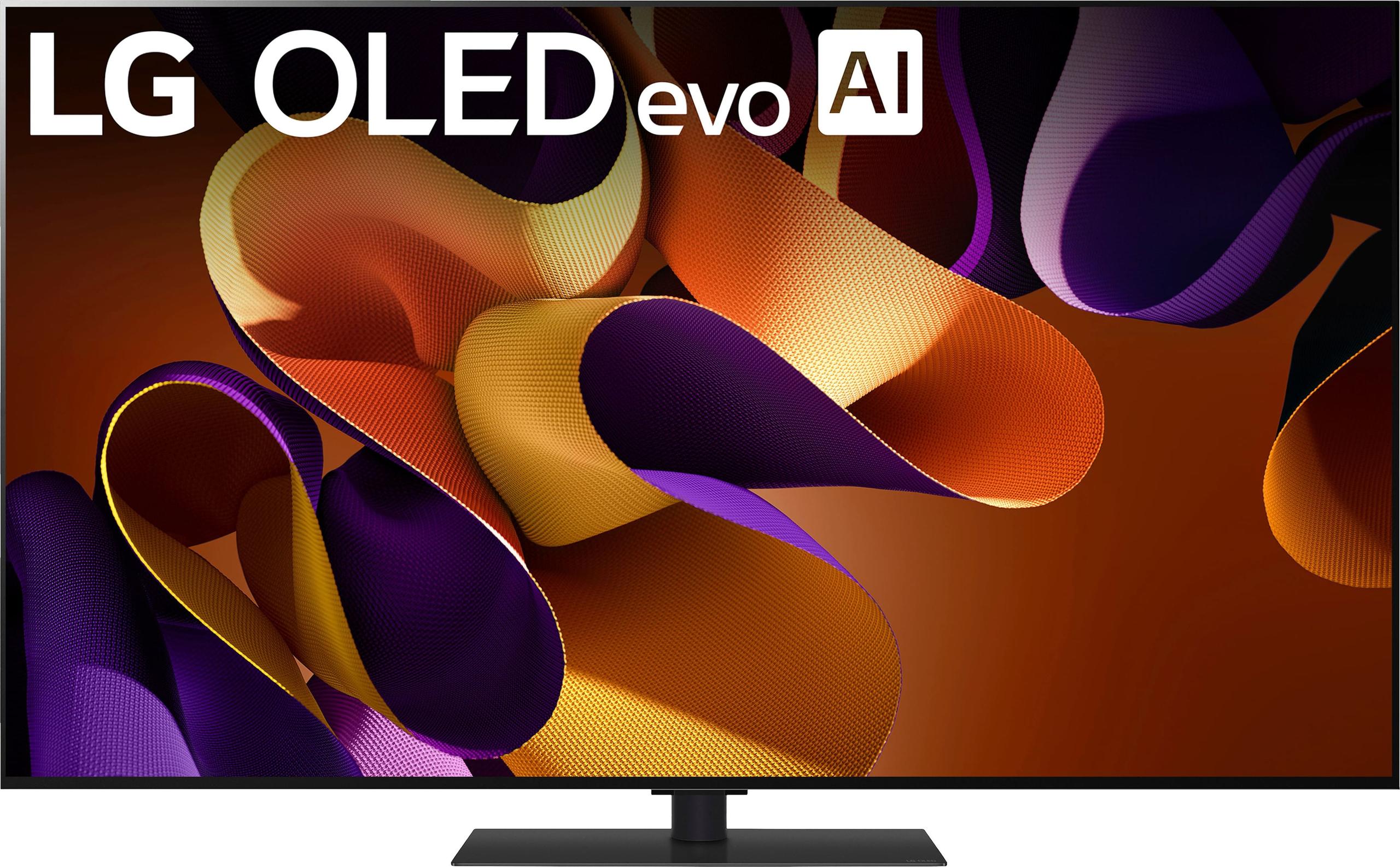
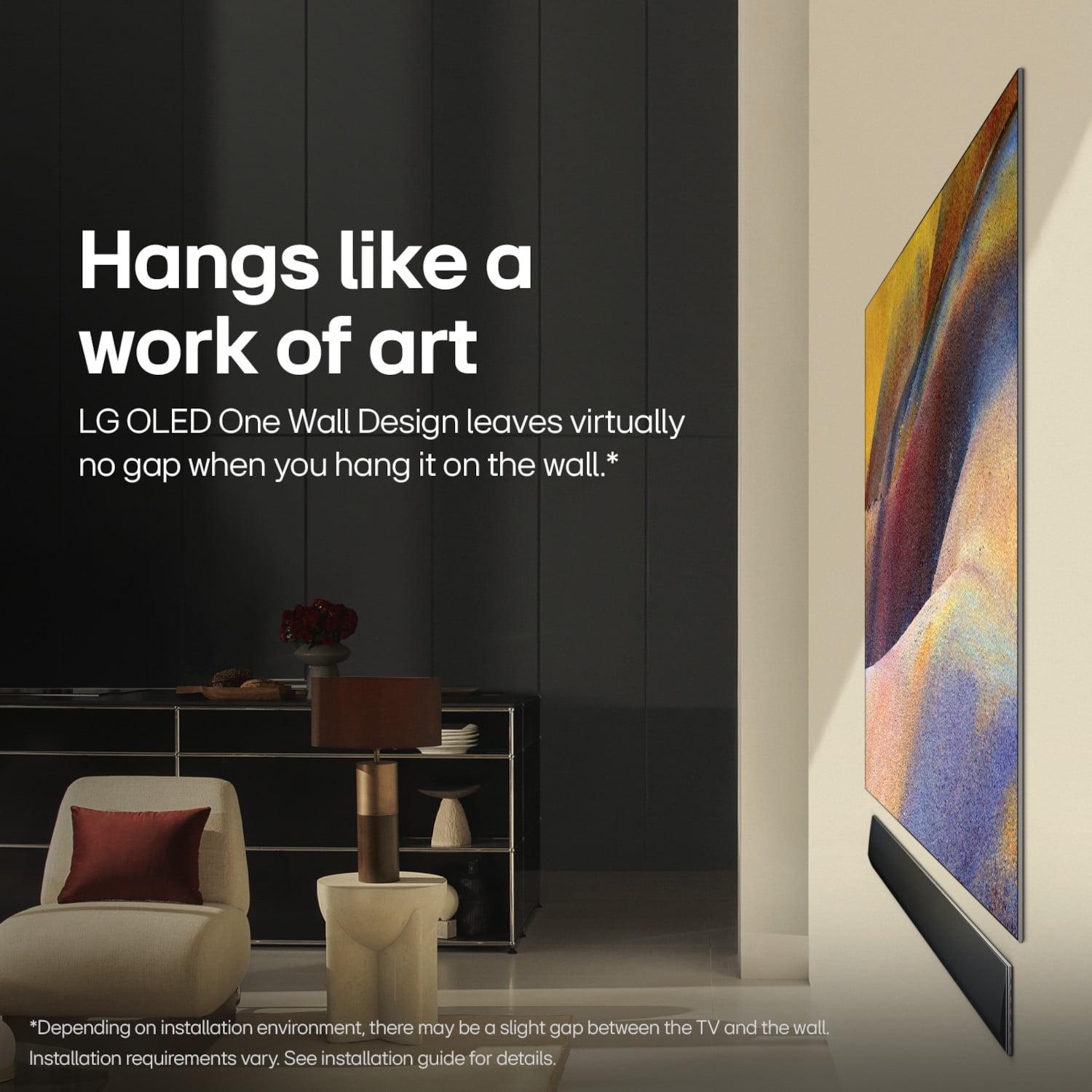
Both TVs feature premium builds with minimal bezels and slim profiles that look elegant in any room. The LG G4 was designed primarily for wall mounting and includes flush-mount hardware for a gallery-like installation. It can display artwork when not in use, truly blending into your décor. LG now includes a table stand with all models, addressing previous complaints about the extra cost.
The Sony A95L offers more flexible stand positioning and works equally well on furniture or wall-mounted. Its slightly thicker profile accommodates the screen-vibrating audio technology.
After evaluating both TVs extensively, here's who should choose which:
Choose the Sony BRAVIA XR A95L if you:
Choose the LG G4 Series if you:
Both TVs represent the pinnacle of OLED technology, but they serve different audiences. The Sony A95L is the choice for purists who want the most visually stunning, color-rich experience possible and don't mind paying extra for Sony's innovations in processing and audio technology.
The LG G4 is the more practical choice for most people, delivering exceptional picture quality while excelling at gaming, offering better connectivity, and providing superior value. Its higher brightness also makes it more versatile for different room conditions.
In my opinion, unless you're specifically drawn to the Sony A95L's exceptional color performance and are willing to accept its gaming limitations, the LG G4 offers a more well-rounded premium OLED experience that will satisfy a broader range of users and use cases.
Both are excellent choices that will provide years of exceptional viewing pleasure—the decision ultimately comes down to whether you prioritize the Sony's color and processing advantages or the LG's superior gaming capabilities and overall versatility.
| Sony BRAVIA XR A95L | LG G4 Series OLED evo |
|---|---|
| Panel Technology - Determines color vibrancy and brightness capabilities | |
| QD-OLED with Quantum Dots (more vibrant colors) | MLA OLED evo (higher peak brightness) |
| Peak Brightness - Critical for HDR impact and bright room viewing | |
| Up to 1,300 nits (excellent for most rooms) | Up to 2,268 nits (superior for bright spaces) |
| Color Performance - Affects how lifelike and vivid content appears | |
| Wider color gamut, more saturated colors | Natural, accurate colors with good brightness |
| Gaming Refresh Rate - Higher rates mean smoother gameplay | |
| 4K @ 120Hz maximum | 4K @ 144Hz maximum |
| HDMI 2.1 Ports - Determines how many next-gen devices you can connect | |
| 2 ports (limits multi-device gaming setups) | 4 ports (connect all devices simultaneously) |
| Input Lag - Lower is better for competitive gaming | |
| ~13ms at 4K/120Hz (good for casual gaming) | <0.1ms response time (excellent for all gaming) |
| Gaming Mode Picture Quality - Whether brightness dims in game mode | |
| Significant brightness reduction in Game Mode | Maintains full brightness and color in Game Mode |
| Audio Technology - Built-in sound quality and innovation | |
| Acoustic Surface Audio+ (screen acts as speaker) | Traditional 4.2ch speakers with AI enhancement |
| Smart Platform - Interface speed and app selection | |
| Google TV (comprehensive but sometimes sluggish) | webOS 24 (fast, intuitive, responsive) |
| Image Processing - How well it enhances lower-quality content | |
| Cognitive Processor XR (superior upscaling) | Alpha 11 AI (excellent but not quite Sony-level) |
| Size Options - Available screen sizes for different rooms | |
| 55", 65", 77" only | 55", 65", 77", 83", 97" |
| Release Year - Affects pricing and future support | |
| 2023 flagship (may see price drops) | 2024 current model (premium pricing) |
| Best For - Primary use case where each excels | |
| Movie enthusiasts prioritizing color vibrancy | Gamers and mixed-use households wanting versatility |
The Sony BRAVIA XR A95L delivers more vibrant, lifelike colors thanks to its QD-OLED technology, making it exceptional for cinematic viewing. The LG G4 Series OLED evo offers higher peak brightness and more natural colors. For dedicated home theater use in dark rooms, the Sony A95L provides a more immersive movie experience with superior color volume.
The LG G4 Series OLED evo is significantly better for gaming. It offers four HDMI 2.1 ports versus only two on the Sony A95L, supports 4K at 144Hz compared to 120Hz, and maintains full brightness in Game Mode. The LG G4 also has lower input lag and faster response times, making it ideal for competitive gaming.
The Sony BRAVIA XR A95L uses QD-OLED technology that combines quantum dots with OLED for wider color gamuts and more saturated colors. The LG G4 Series OLED evo uses Micro Lens Array (MLA) technology to achieve higher peak brightness. QD-OLED excels in color vibrancy, while MLA OLED evo prioritizes brightness and energy efficiency.
The LG G4 Series OLED evo is brighter, reaching up to 2,268 nits peak brightness compared to the Sony A95L's 1,300 nits. This makes the LG G4 better suited for bright rooms with lots of natural light, while the Sony A95L performs best in controlled lighting environments.
Yes, both the Sony BRAVIA XR A95L and LG G4 Series OLED evo support HDR10, Dolby Vision, and HLG formats. However, the Sony A95L tends to display HDR content with more vibrant colors, while the LG G4 delivers brighter HDR highlights for more dramatic contrast.
The Sony BRAVIA XR A95L features innovative Acoustic Surface Audio+ technology that turns the screen into a speaker, creating immersive spatial audio. The LG G4 Series OLED evo uses traditional speakers with AI enhancement. For built-in audio without a soundbar, the Sony A95L provides a more unique and immersive listening experience.
The Sony BRAVIA XR A95L has two HDMI 2.1 ports and two HDMI 2.0 ports, while the LG G4 Series OLED evo offers four full HDMI 2.1 ports. This gives the LG G4 a significant advantage for connecting multiple gaming consoles, streaming devices, and other high-bandwidth devices simultaneously.
The Sony BRAVIA XR A95L runs Google TV with comprehensive app selection and voice control, while the LG G4 Series OLED evo uses webOS 24, which is generally considered faster and more intuitive. The LG G4 typically provides a more responsive smart TV experience with better organization features like Quick Cards.
The Sony BRAVIA XR A95L comes in 55", 65", and 77" sizes. The LG G4 Series OLED evo offers more options with 55", 65", 77", 83", and 97" sizes. If you need a very large screen above 77 inches, the LG G4 is your only option between these two models.
The Sony BRAVIA XR A95L excels at upscaling thanks to its Cognitive Processor XR, which does an exceptional job improving the quality of compressed streaming content, DVDs, and cable TV. While the LG G4 Series OLED evo also upscales well with its Alpha 11 processor, the Sony A95L generally produces sharper, cleaner results with lower-resolution sources.
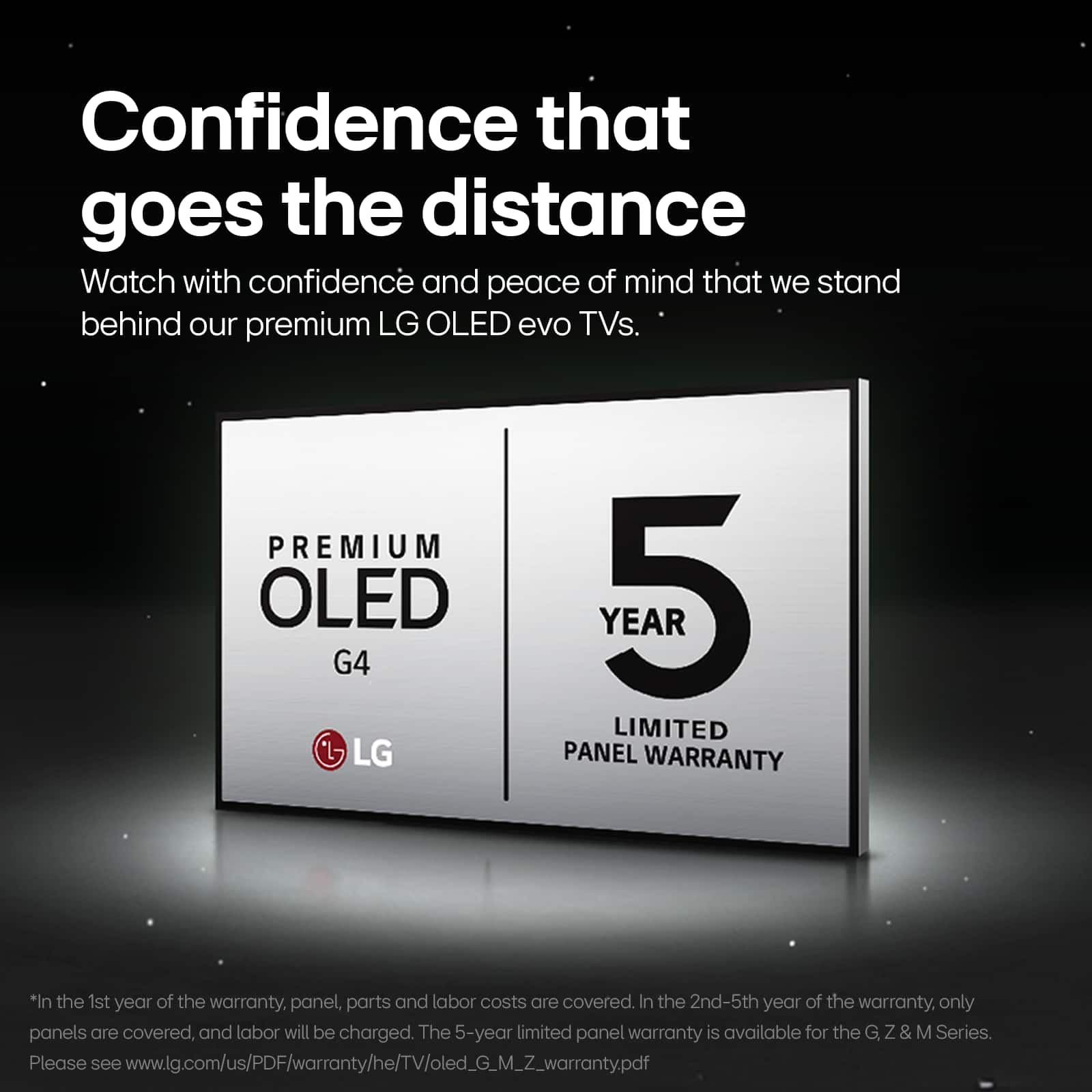
Both the Sony BRAVIA XR A95L and LG G4 Series OLED evo include comprehensive burn-in protection features like pixel shifting, logo detection, and automatic brightness adjustment. The LG G4 even comes with a 5-year panel warranty that covers burn-in, providing extra peace of mind for long-term ownership.
The LG G4 Series OLED evo typically offers better overall value, providing superior gaming features, more size options, higher brightness, and comprehensive connectivity at competitive pricing. The Sony BRAVIA XR A95L commands a premium for its exceptional color performance and audio innovation, making it worthwhile primarily for movie enthusiasts who prioritize color vibrancy above all else.
We've done our best to create useful and informative comparisons to help you decide what product to buy. Our research uses advanced automated methods to create this comparison and perfection is not possible - please contact us for corrections or questions. These are the sites we've researched in the creation of this article: rtings.com - youtube.com - rtings.com - avsforum.com - rtings.com - smarthomesounds.co.uk - smarthomesounds.co.uk - rtings.com - smarthomesounds.co.uk - youtube.com - tomsguide.com - avsforum.com - rtings.com - perfectrec.com - flatpanelshd.com - videoandaudiocenter.com - sonypremiumhome.com - bestbuy.com - sony.com - electronics.sony.com - displayspecifications.com - donstv.com - youtube.com - static.pcrichard.com - smarthomesounds.co.uk - youtube.com - electronics.sony.com - electronics.sony.com - displayspecifications.com - hometechnologyreview.com - hometechnologyreview.com - whathifi.com - hometechnologyreview.com - youtube.com - tomsguide.com - tomsguide.com - smarthomesounds.co.uk - rtings.com - rtings.com - bhphotovideo.com - youtube.com - schaeferstv.com - bestbuy.com - costco.com - lg.com - lg.com - shopsilica.com - bestbuy.com - techradar.com - bestbuy.com - bestbuy.com - lg.com - lgnewsroom.com

Privacy Policy
Terms and Conditions - Affiliate Policy
Home Security
© Copyright 2008-2026.
11816 Inwood Rd #1211, Dallas, TX 75244