

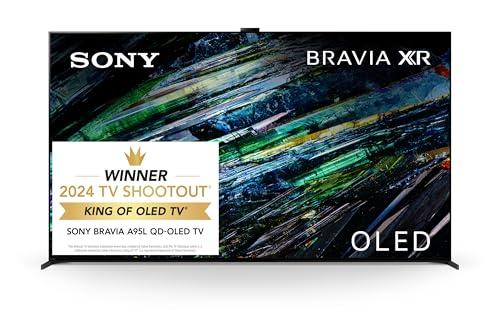
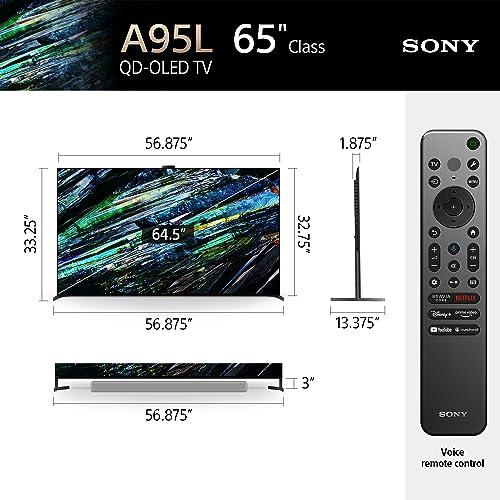


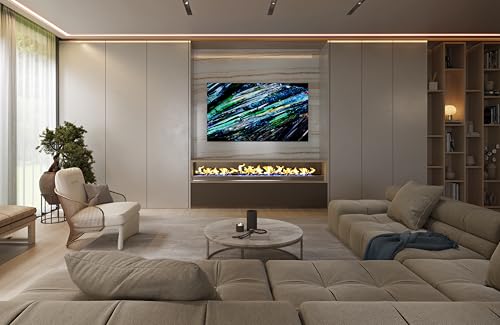
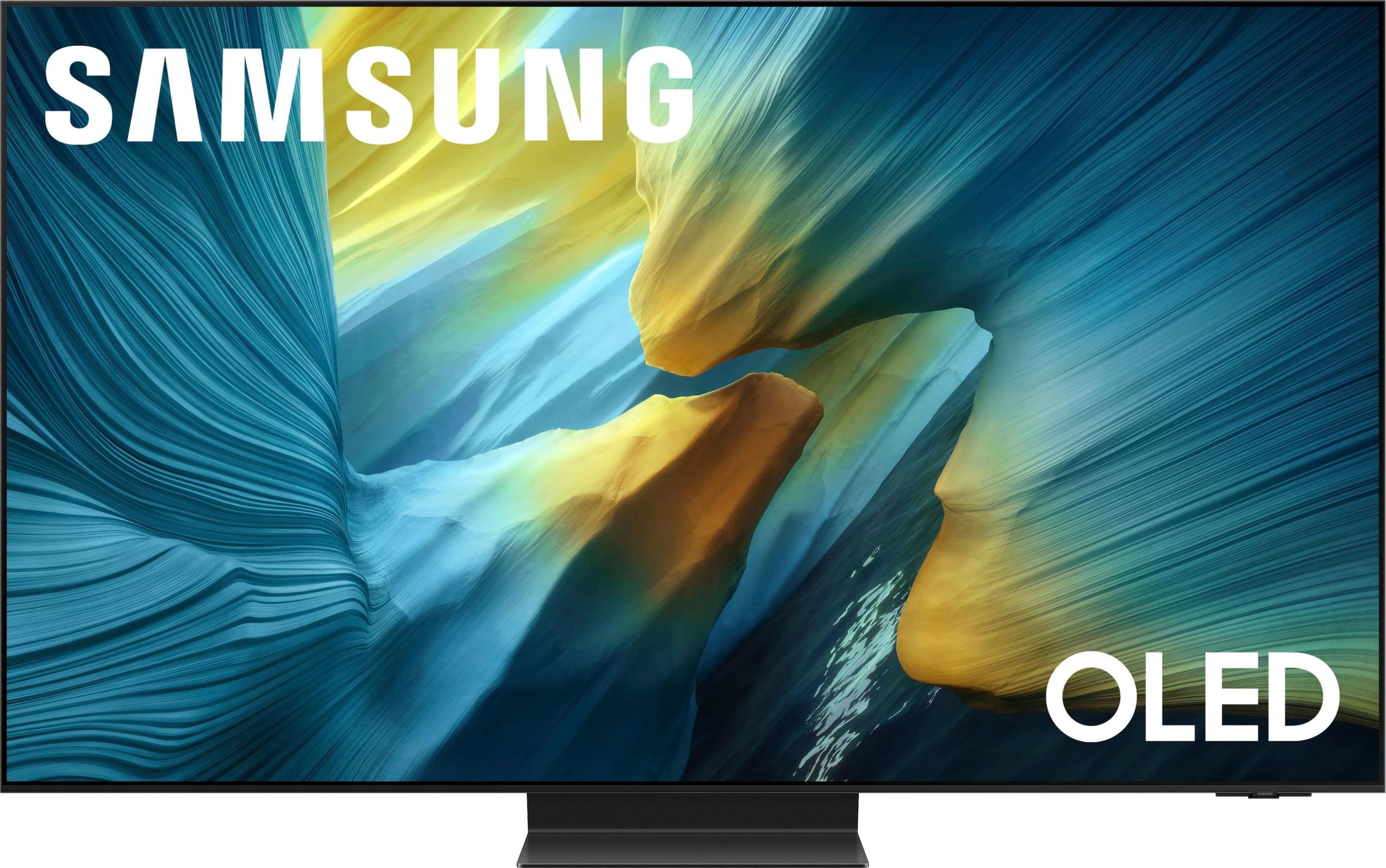
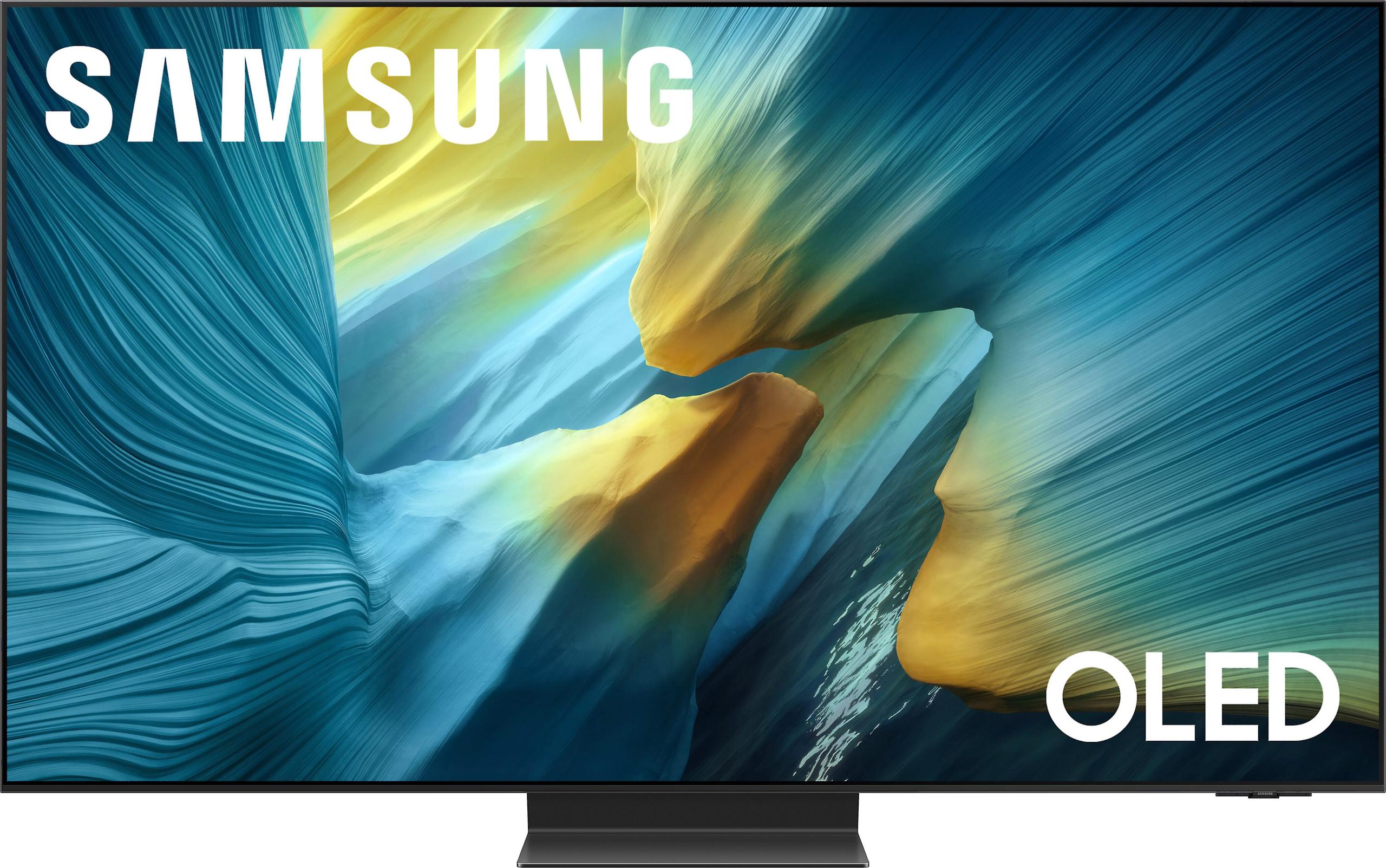


If you're shopping for a premium OLED TV in 2024 or beyond, you've likely encountered two standout options that represent the cutting edge of display technology: the Sony BRAVIA XR A95L from 2023 and the Samsung S95F from 2025. Both use QD-OLED technology—a breakthrough that combines OLED's perfect blacks with quantum dot color enhancement—but they take dramatically different approaches to delivering an exceptional viewing experience.
Understanding which TV suits your needs requires diving deep into their distinct philosophies: Sony prioritizes image processing excellence and cinematic accuracy, while Samsung focuses on raw brightness performance and gaming capabilities. At the time of writing, both represent significant investments in premium display technology, though the Samsung generally offers better value for the advanced features it provides.
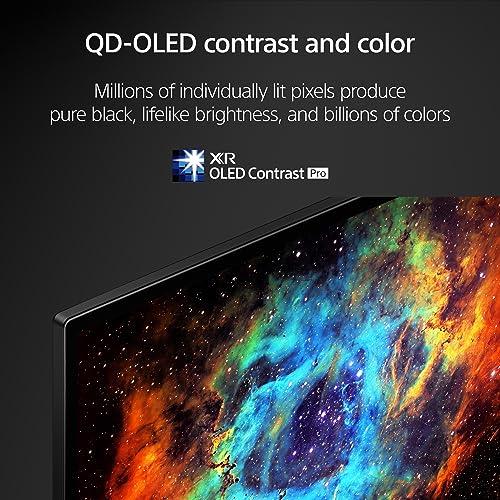
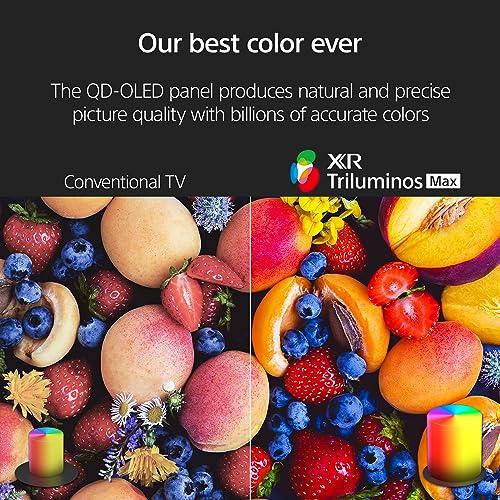
QD-OLED represents the latest evolution in display technology, and both the Sony A95L and Samsung S95F showcase why this technology has captured the attention of TV enthusiasts. Unlike traditional OLED panels that use colored filters, QD-OLED uses quantum dots—microscopic semiconductor crystals that emit pure colors when exposed to blue light from the OLED layer beneath.
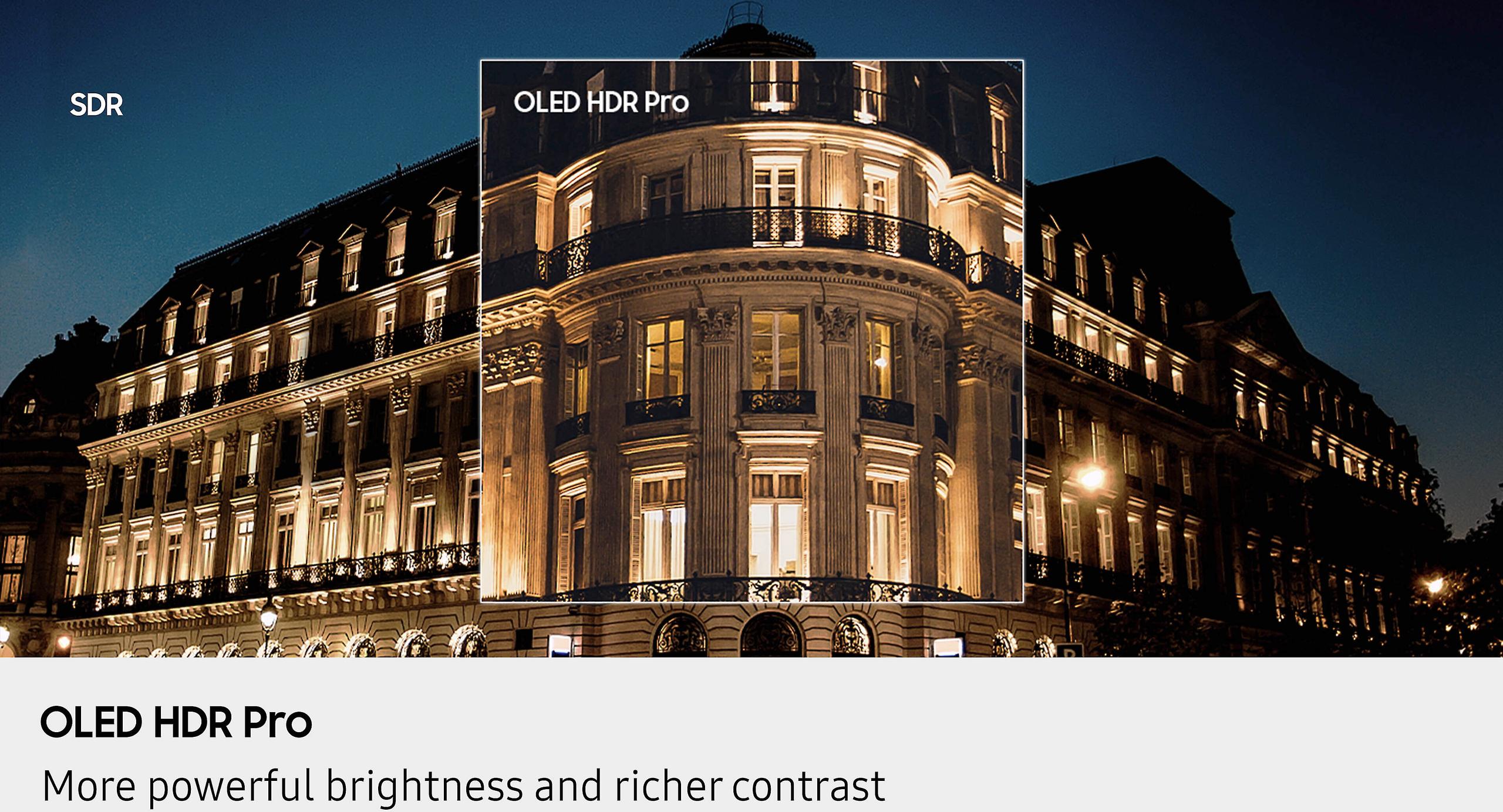
This approach solves several problems that have historically limited OLED TVs. The quantum dots produce more saturated colors and, crucially, allow for much brighter displays than conventional OLEDs. This means you get the perfect blacks that OLED is famous for, combined with highlights that can compete with the brightest LCD TVs. For viewers, this translates to more lifelike images with colors that pop off the screen, especially in HDR (High Dynamic Range) content where the contrast between bright and dark elements creates a more realistic viewing experience.
The technology also enables wider color gamuts—essentially, these TVs can display a broader range of colors than older display types, making everything from nature documentaries to animated films look more vibrant and true-to-life. When you watch a sunset scene, for example, the oranges and reds appear more saturated and natural than what older TV technologies could achieve.
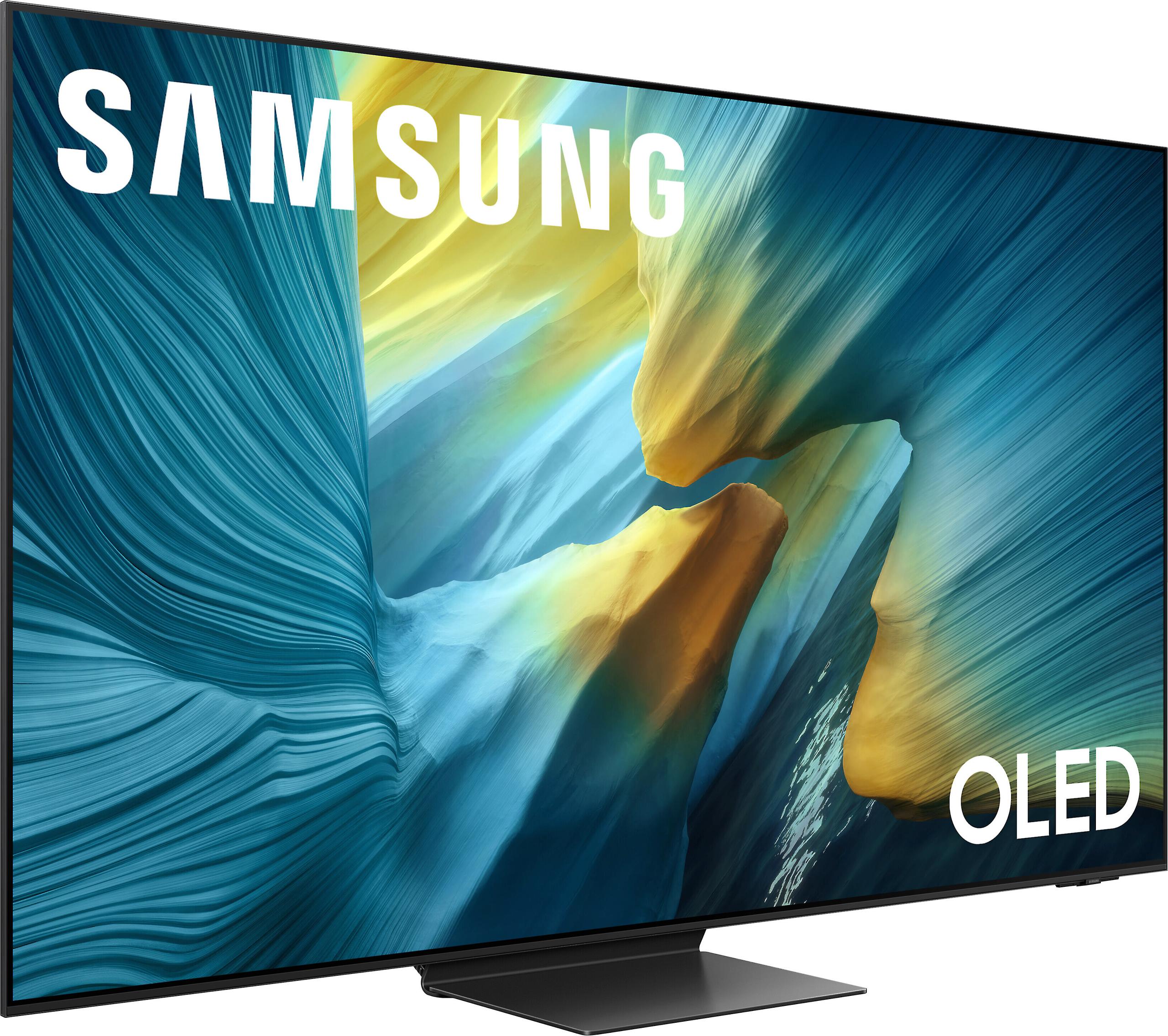
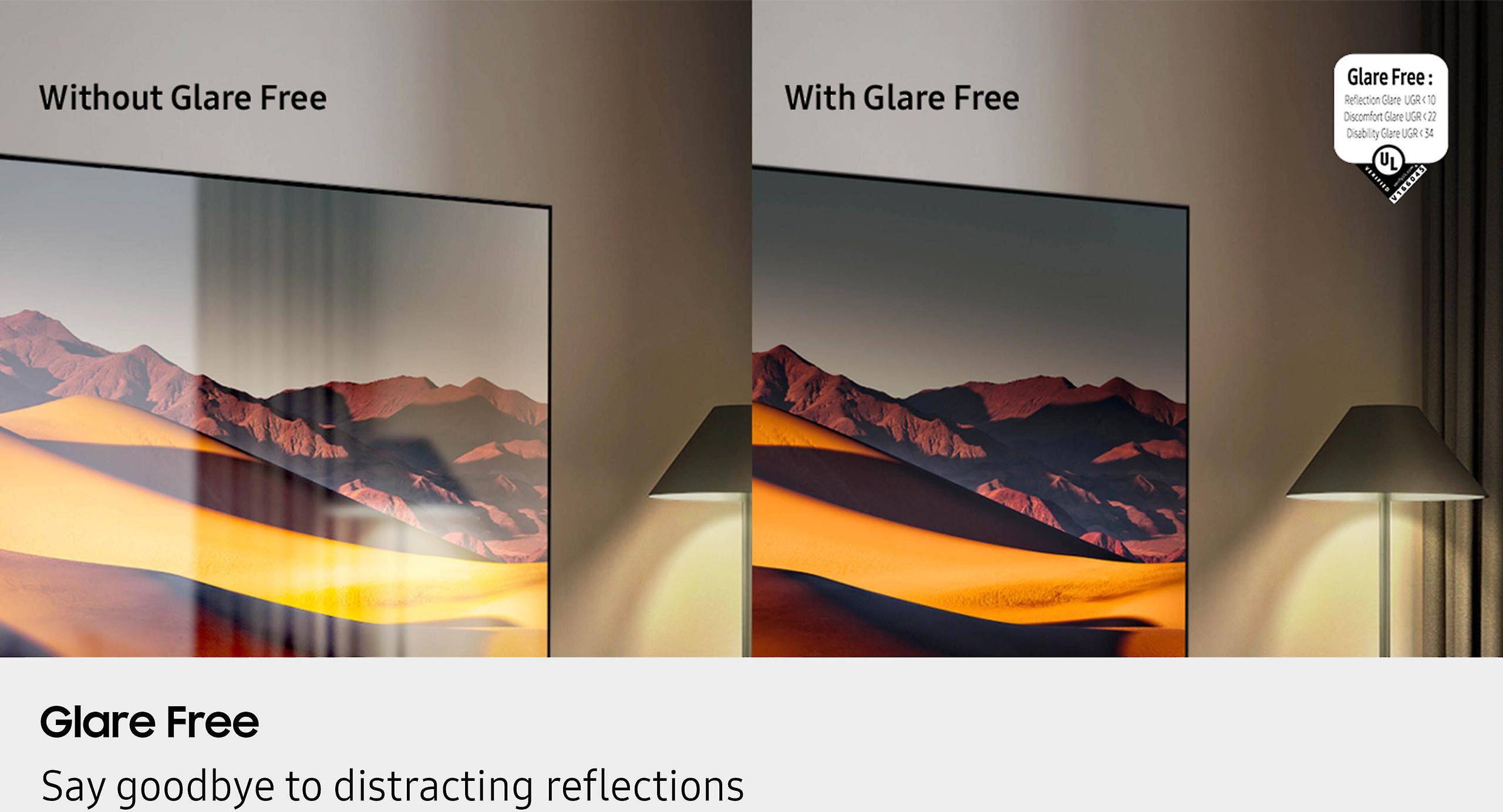
The most significant difference between these TVs lies in their approach to brightness and reflection handling. The Samsung S95F represents a major leap forward in addressing OLED's traditional weakness in bright rooms. Samsung has equipped this 2025 model with a matte anti-glare coating that virtually eliminates reflections—a game-changer for anyone who's struggled with glare on their current TV.
This matte finish allows the Samsung to maintain its impressive image quality even with windows behind the couch or bright overhead lighting. The trade-off is that the matte coating slightly reduces the depth of blacks compared to glossy screens, but for most viewing environments, the benefit far outweighs this minor compromise.
Samsung has also significantly increased the peak brightness capabilities of the S95F. In HDR content, it can reach over 2,000 nits in small highlights—nearly double what many OLEDs could achieve just a few years ago. This extra brightness makes specular highlights like reflections on water, metal surfaces, or bright lights in movies appear more realistic and impactful.
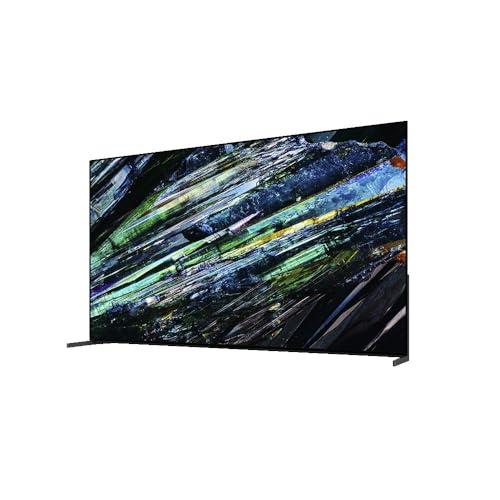
The Sony A95L, released two years earlier, takes a different approach with its glossy screen that delivers deeper, more inky blacks in dark viewing environments. While it can't match the Samsung's peak brightness, it still represents a substantial improvement over earlier OLED generations, reaching around 1,300 nits in HDR highlights. The glossy finish means it's more susceptible to reflections, but in a controlled lighting environment like a dedicated home theater, it can produce slightly more dramatic contrast.
Where Sony truly distinguishes itself is in color accuracy and tone mapping—essentially, how faithfully the TV reproduces the colors and brightness levels that content creators intended. The A95L demonstrates exceptional out-of-box accuracy, meaning it displays colors correctly without extensive calibration. This matters most for viewers who want to see movies and shows exactly as directors intended them to look.
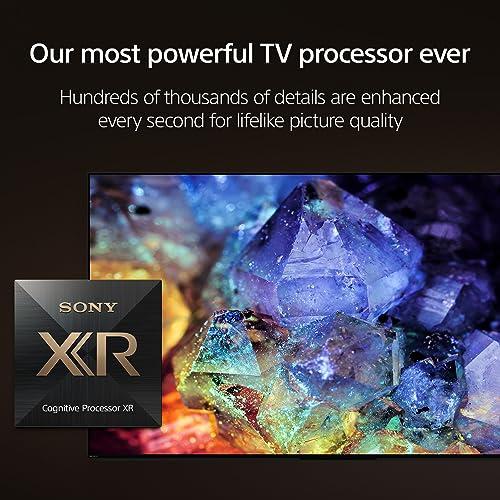
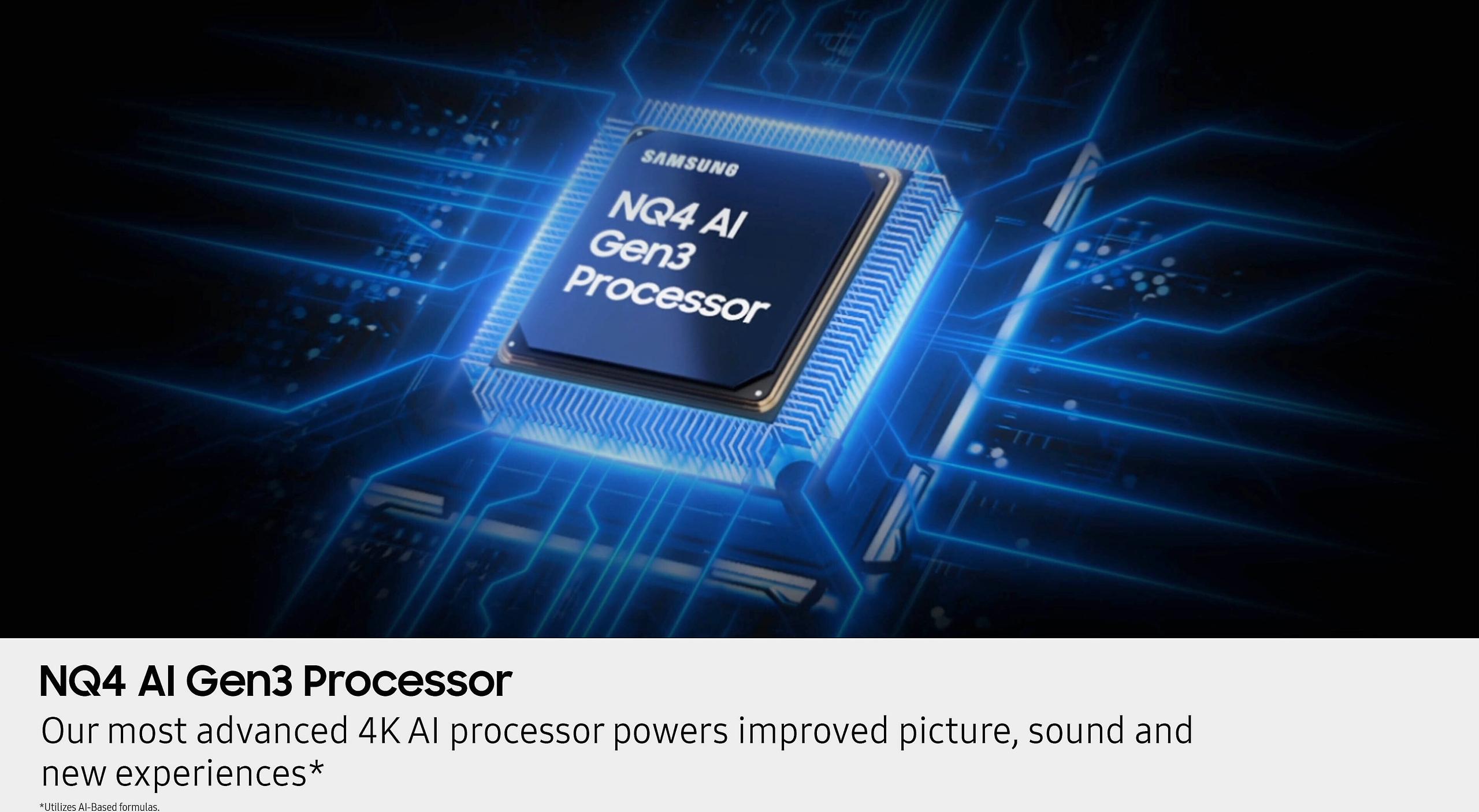
Despite being the older model, the Sony A95L maintains a clear advantage in image processing—the behind-the-scenes work that transforms the incoming video signal into the final image you see. Sony's Cognitive Processor XR remains among the industry's most sophisticated, and this becomes immediately apparent when watching lower-quality content.
When streaming services compress video to save bandwidth, or when watching older DVD content, the Sony's processing makes a dramatic difference. It effectively removes compression artifacts (those blocky or blurry sections you sometimes see in streaming video) while preserving fine details that other TVs might blur away. This means your Netflix shows, YouTube videos, and cable TV programming will consistently look cleaner and sharper on the A95L.
The Sony's upscaling capabilities—its ability to make lower-resolution content look good on a 4K screen—are particularly impressive. 1080p Blu-rays and even 720p cable channels receive significant visual improvements, with the TV intelligently adding detail and sharpening edges without introducing unwanted artifacts.
The Samsung S95F offers competent processing, but it's noticeably less sophisticated than Sony's approach. While it handles native 4K content beautifully, heavily compressed streaming content or older media doesn't receive the same level of enhancement. For viewers who primarily watch the latest 4K movies and shows, this difference is minimal. But for those who watch a mix of content sources—cable TV, older streaming shows, or physical media—Sony's processing advantage becomes more apparent.
One significant advantage for the Sony A95L is its support for Dolby Vision HDR, a premium HDR format that provides more precise color and brightness information than standard HDR10. The Samsung supports HDR10+ instead, which offers similar benefits but isn't as widely adopted. For Xbox gamers and viewers who prioritize having access to the highest-quality HDR content, Sony's Dolby Vision support is a meaningful advantage.
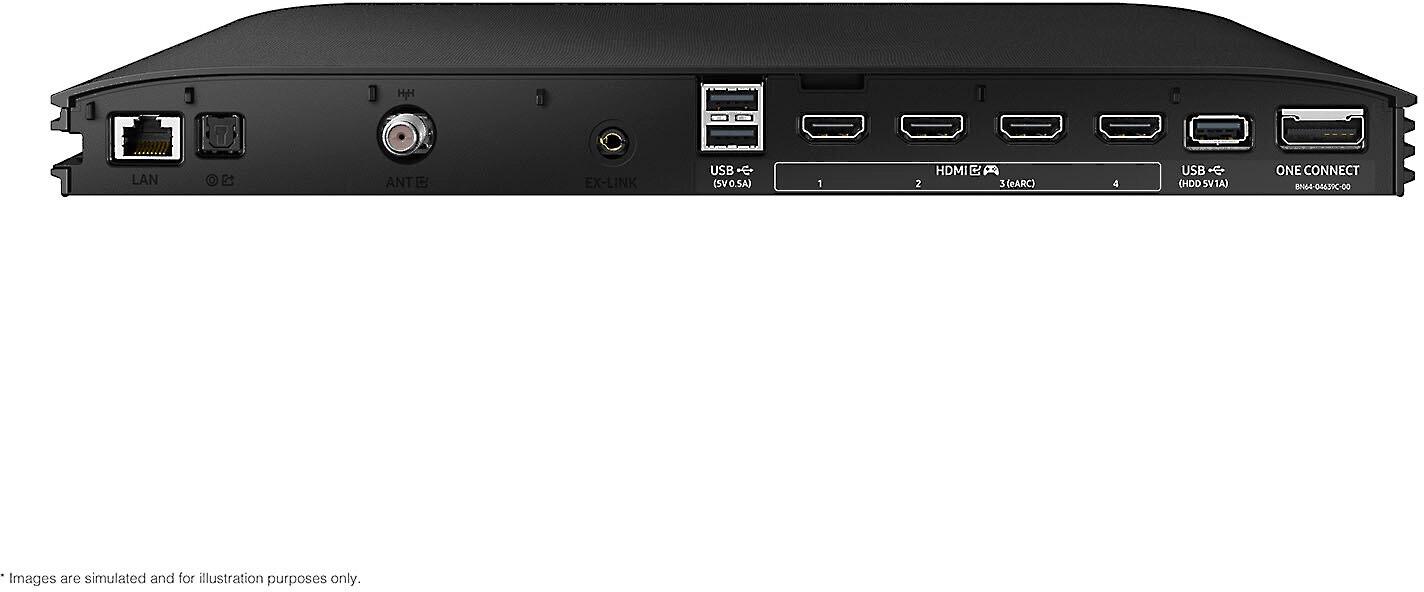
Gaming represents one area where the Samsung S95F clearly outperforms its older competitor. Samsung has equipped all four HDMI ports with full HDMI 2.1 capabilities supporting up to 4K resolution at 165Hz refresh rate—significantly higher than the 120Hz maximum offered by most TVs, including the Sony A95L.
This higher refresh rate matters most for PC gamers with powerful graphics cards capable of pushing frame rates above 120 frames per second. The smoother motion can provide a competitive advantage in fast-paced games and simply makes everything feel more responsive and fluid.
Input lag—the delay between pressing a button and seeing the action on screen—is lower across all modes on the Samsung S95F. For competitive gamers where every millisecond counts, this responsiveness can be crucial. The Samsung also maintains good responsiveness in its non-gaming picture modes, while the Sony A95L suffers from surprisingly high input lag outside of Game Mode, making even navigating streaming apps feel sluggish.
However, the Sony A95L isn't without gaming advantages. It supports Dolby Vision Gaming, which enhances HDR gaming on Xbox consoles. While it's limited to two HDMI 2.1 ports operating at 120Hz maximum, this is still more than sufficient for current gaming consoles, and its gaming performance in Game Mode is excellent with very low input lag.
For serious gamers, especially those using high-end PCs, the Samsung S95F is the clear choice. Console gamers might find the decision more nuanced, weighing Samsung's superior performance against Sony's Dolby Vision Gaming support.
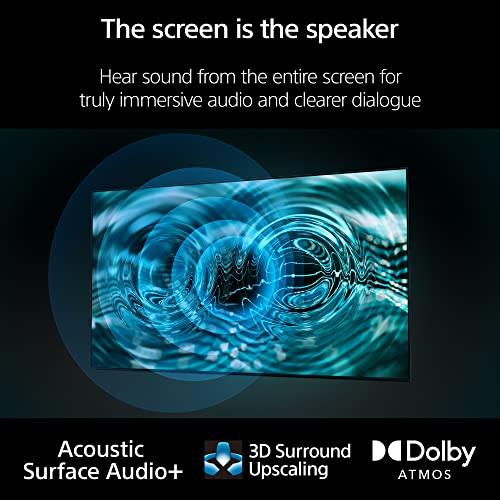
Audio represents another area where these TVs take distinctly different approaches. The Sony A95L features Acoustic Surface Audio+, a unique technology that vibrates the entire screen to produce sound. This creates an immersive experience where dialogue appears to come directly from actors' mouths rather than from speakers below the screen.
This technology works particularly well for creating a wide soundstage and precise dialogue placement. The Sony also passes through advanced audio formats like DTS, which matters for viewers with external sound systems or soundbars that rely on these formats for optimal performance.
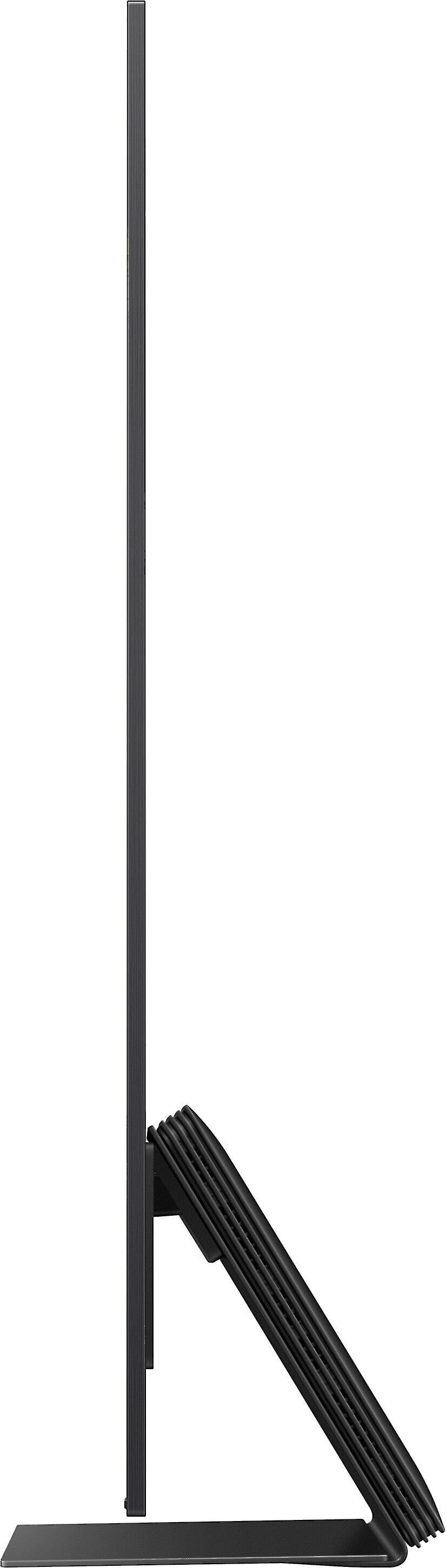
The Samsung S95F takes a more traditional approach with a 4.2.2 channel speaker system outputting 70 watts of power. It supports Dolby Atmos and Object Tracking Sound, which attempts to move audio around the screen to match on-screen action. However, it doesn't support DTS pass-through, which could be limiting for some external audio setups.
For most viewers, both TVs will benefit significantly from external audio solutions like soundbars or home theater systems. The Sony's DTS support and unique screen-based audio technology give it a slight edge for audio enthusiasts, while the Samsung's approach is more conventional but still effective.
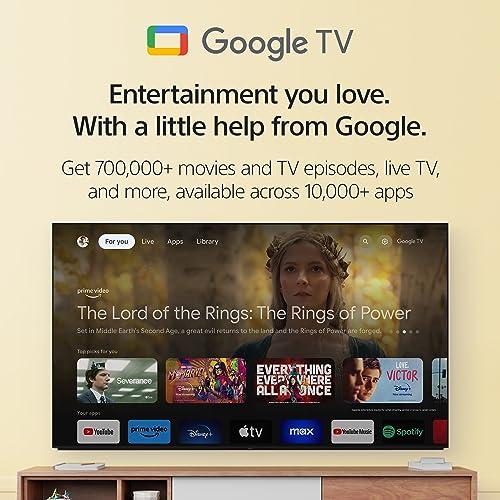
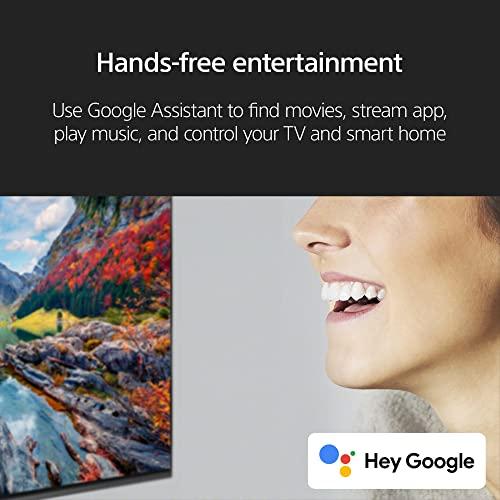
The smart TV experience differs significantly between these models. The Sony A95L runs Google TV, which excels at content discovery and provides a clean, intuitive interface. Google's recommendation engine effectively surfaces content from across multiple streaming services, and the platform integrates well with Google Assistant and Amazon Alexa for voice control.
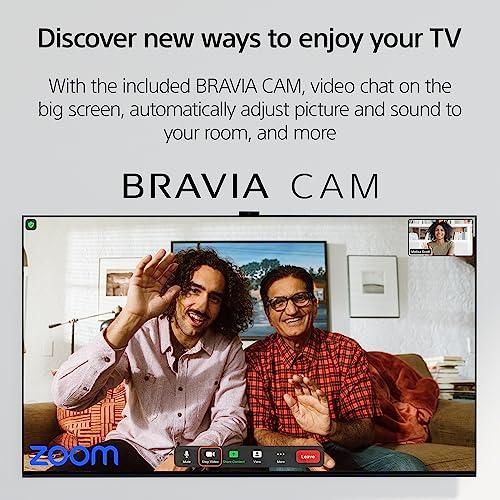
Sony includes a BRAVIA CAM that enables ambient optimization—automatically adjusting picture and sound based on room lighting and your seating position. This feature adds convenience and can improve the viewing experience without manual adjustments.
The Samsung S95F uses Samsung's Tizen platform, which has improved significantly over the years. Samsung promises seven years of software updates for this 2025 model, providing better long-term support than many competitors. The interface feels more responsive than the Sony's, particularly when switching between apps or adjusting settings.
Samsung's Vision AI, powered by 128 neural networks, attempts to optimize both picture and sound automatically. While these AI features can be helpful, they sometimes oversaturate images or make unnecessary adjustments that purists might prefer to avoid.
For dedicated home theater setups, the choice between these TVs depends heavily on your room's lighting conditions and content preferences. In a properly darkened theater room, the Sony A95L can produce slightly deeper blacks and more accurate colors thanks to its glossy screen and superior processing.
The Sony's Dolby Vision support is particularly valuable for home theater enthusiasts who want access to the highest quality HDR content. Its exceptional upscaling also means older movies and mixed-quality content will consistently look their best.
However, if your theater room has any ambient lighting or if glare from sconces or rope lighting is a concern, the Samsung S95F becomes more attractive. Its matte coating eliminates these distractions, and its superior brightness ensures HDR highlights maintain their impact even in less-than-ideal lighting conditions.
The Samsung's higher refresh rate capabilities also future-proof the display for potential high frame rate content, though such material remains rare outside of gaming applications.
Choose the Samsung S95F if you prioritize cutting-edge gaming performance, have a bright viewing room, or are sensitive to screen reflections. Its superior brightness, glare-free coating, and modern gaming features make it ideal for mixed-use environments and serious gamers. The newer technology and extended software support also provide better long-term value.
The Sony A95L remains the better choice for home theater purists who prioritize image processing quality and Dolby Vision support. If you frequently watch compressed streaming content, older media, or prefer Sony's Google TV interface, the A95L's advantages justify its premium positioning despite being the older model.
Both TVs represent exceptional examples of QD-OLED technology, but they serve different priorities. Samsung emphasizes raw performance metrics and modern gaming capabilities, while Sony focuses on processing sophistication and cinematic accuracy. Your choice should align with your specific viewing habits, room conditions, and preferences for gaming versus traditional home theater use.
The rapid advancement in display technology means both TVs will eventually be superseded, but at the time of writing, each represents the pinnacle of their respective manufacturer's approach to premium OLED displays. Your decision ultimately comes down to whether you value Samsung's forward-looking performance features or Sony's proven excellence in image processing and home theater optimization.
| Sony BRAVIA XR A95L 65" QD-OLED 4K HDR Google TV | Samsung 65" OLED S95F 4K Smart TV 2025 |
|---|---|
| Peak HDR Brightness - Critical for impactful HDR highlights and bright room viewing | |
| ~1,300 nits (good HDR impact, best in dark rooms) | 2,089+ nits (exceptional HDR pop, handles bright rooms well) |
| Screen Coating - Affects reflection handling and black depth | |
| Glossy (deeper blacks in dark rooms, more reflections) | Matte anti-glare (virtually eliminates reflections, slightly raised blacks) |
| Image Processing - Makes lower quality content look better | |
| Industry-leading Cognitive Processor XR (excellent upscaling and artifact removal) | Good NQ4 AI Gen3 processing (adequate but less sophisticated) |
| HDR Format Support - Determines compatibility with premium content | |
| HDR10, HLG, Dolby Vision (wider content compatibility) | HDR10, HDR10+, HLG (no Dolby Vision support) |
| Gaming Performance - Refresh rate and input lag for competitive gaming | |
| 2 HDMI 2.1 ports, 4K@120Hz max, ~9ms input lag in Game Mode | 4 HDMI 2.1 ports, 4K@165Hz, lower input lag across all modes |
| Audio Technology - Built-in sound quality and external system compatibility | |
| Acoustic Surface Audio+ (screen vibrates for immersive sound), DTS pass-through | 4.2.2CH 70W speakers with Dolby Atmos, no DTS support |
| Smart Platform - Interface responsiveness and app ecosystem | |
| Google TV (excellent content discovery, can be sluggish outside Game Mode) | Tizen (responsive interface, 7 years of guaranteed updates) |
| Color Accuracy - How faithfully colors match creator's intent | |
| Excellent out-of-box accuracy with superior EOTF tracking | Very good colors but less precise tone mapping |
| Release Year - Impacts available features and long-term support | |
| 2023 model (mature but proven technology) | 2025 model (latest features and longer support lifecycle) |
| Best Use Cases - Who should choose this TV | |
| Home theater purists, mixed content viewers, Dolby Vision enthusiasts | Bright room viewing, competitive gamers, users wanting latest tech |
The Samsung S95F is significantly better for bright rooms due to its matte anti-glare coating that virtually eliminates reflections. The Sony A95L has a glossy screen that can struggle with glare from windows or overhead lighting, making the Samsung the clear choice for well-lit living spaces.
Both TVs use QD-OLED technology for excellent picture quality, but they excel in different areas. The Samsung S95F is much brighter (2,089+ nits vs ~1,300 nits) for more impactful HDR highlights. The Sony A95L offers superior image processing and color accuracy, making lower-quality content look better and providing more faithful color reproduction.
The Samsung S95F is the superior gaming TV with four HDMI 2.1 ports supporting 4K at 165Hz, lower input lag, and AMD FreeSync Premium Pro. The Sony A95L only has two HDMI 2.1 ports limited to 120Hz, though it does support Dolby Vision Gaming for Xbox users.
No, only the Sony A95L supports Dolby Vision HDR. The Samsung S95F supports HDR10+ instead but lacks Dolby Vision entirely, which could be limiting for streaming content and Xbox gaming that relies on this premium HDR format.
The Samsung S95F runs on Tizen with 7 years of guaranteed software updates and a more responsive interface. The Sony A95L uses Google TV with better content discovery and voice assistant integration, though it can feel sluggish outside of Game Mode.
The Sony A95L features unique Acoustic Surface Audio+ technology that makes the screen itself vibrate to produce sound, creating more immersive audio. It also supports DTS pass-through for external sound systems. The Samsung S95F has traditional 4.2.2 channel speakers with 70W output but doesn't support DTS formats.
For dedicated home theaters with controlled lighting, the Sony A95L is often preferred due to its superior image processing, Dolby Vision support, and more accurate color reproduction. However, if your theater room has any ambient lighting, the Samsung S95F's glare-free screen and higher brightness make it the better choice.
The Sony A95L significantly outperforms the Samsung S95F when handling compressed streaming content from Netflix, YouTube, or cable TV. Sony's advanced processing removes compression artifacts and upscales lower-resolution content more effectively, making mixed-quality content look cleaner and sharper.
The Samsung S95F generally offers better value as a newer 2025 model with more advanced gaming features, superior brightness, and anti-glare technology. The Sony A95L commands a premium for its processing excellence but may be worth it for viewers who prioritize image quality over raw specifications.
Yes, the Samsung S95F has four full-featured HDMI 2.1 ports compared to only two on the Sony A95L. This makes the Samsung better for users with multiple gaming consoles, PCs, or other high-bandwidth devices that need HDMI 2.1 features.
The Samsung S95F has a clear advantage with Samsung's promise of 7 years of software updates. While the Sony A95L will continue receiving updates, it's already a 2023 model, so the Samsung offers longer-term software support and future-proofing.
Choose the Samsung S95F if you want the brightest, most glare-free OLED with cutting-edge gaming features and modern connectivity. Choose the Sony A95L if you prioritize the best image processing, Dolby Vision support, and superior handling of mixed-quality content for a more cinematic home theater experience.
We've done our best to create useful and informative comparisons to help you decide what product to buy. Our research uses advanced automated methods to create this comparison and perfection is not possible - please contact us for corrections or questions. These are the sites we've researched in the creation of this article: rtings.com - youtube.com - rtings.com - avsforum.com - rtings.com - smarthomesounds.co.uk - smarthomesounds.co.uk - rtings.com - smarthomesounds.co.uk - youtube.com - tomsguide.com - avsforum.com - rtings.com - perfectrec.com - flatpanelshd.com - videoandaudiocenter.com - sonypremiumhome.com - bestbuy.com - sony.com - electronics.sony.com - displayspecifications.com - donstv.com - youtube.com - static.pcrichard.com - smarthomesounds.co.uk - youtube.com - electronics.sony.com - electronics.sony.com - displayspecifications.com - businessinsider.com - tomsguide.com - youtube.com - avsforum.com - zdnet.com - samsung.com - pioneertvandappliance.com - samsung.com - displayspecifications.com - samsung.com

Privacy Policy
Terms and Conditions - Affiliate Policy
Home Security
© Copyright 2008-2026.
11816 Inwood Rd #1211, Dallas, TX 75244