

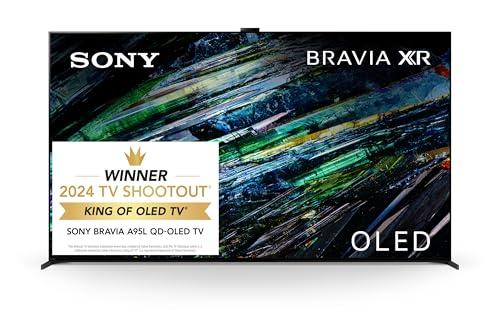


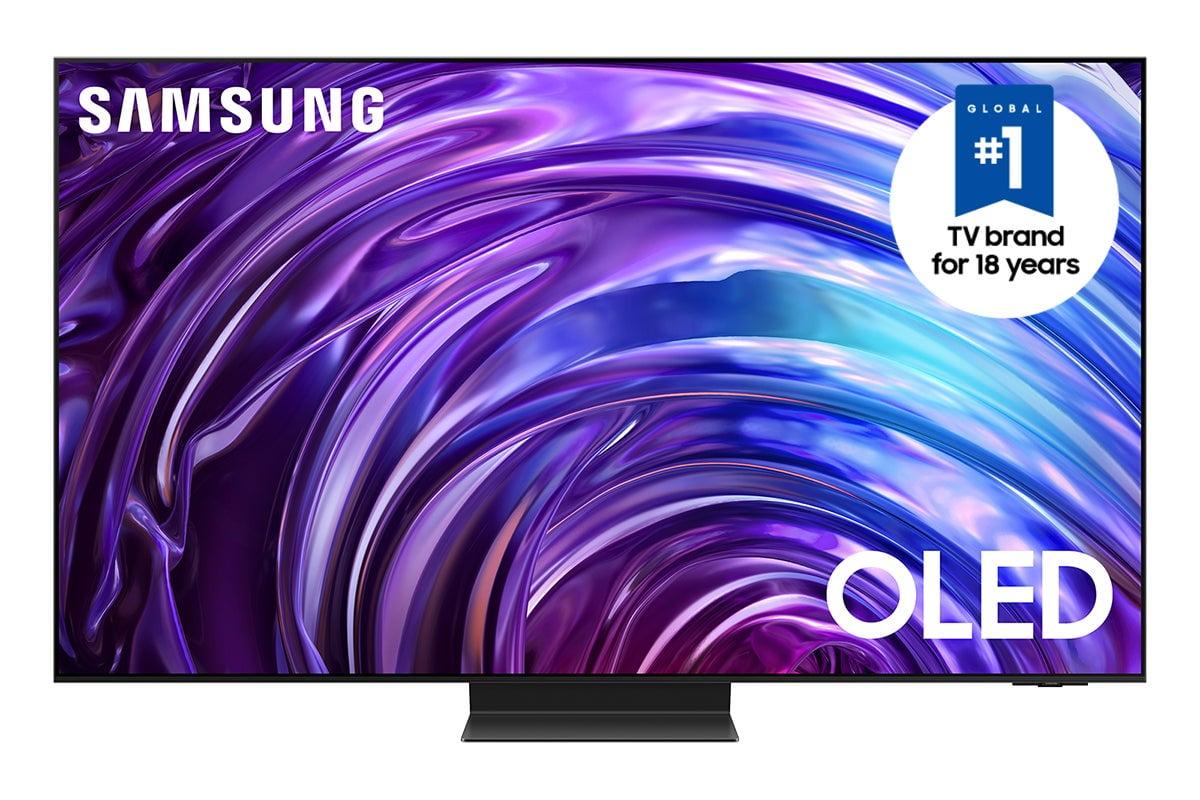
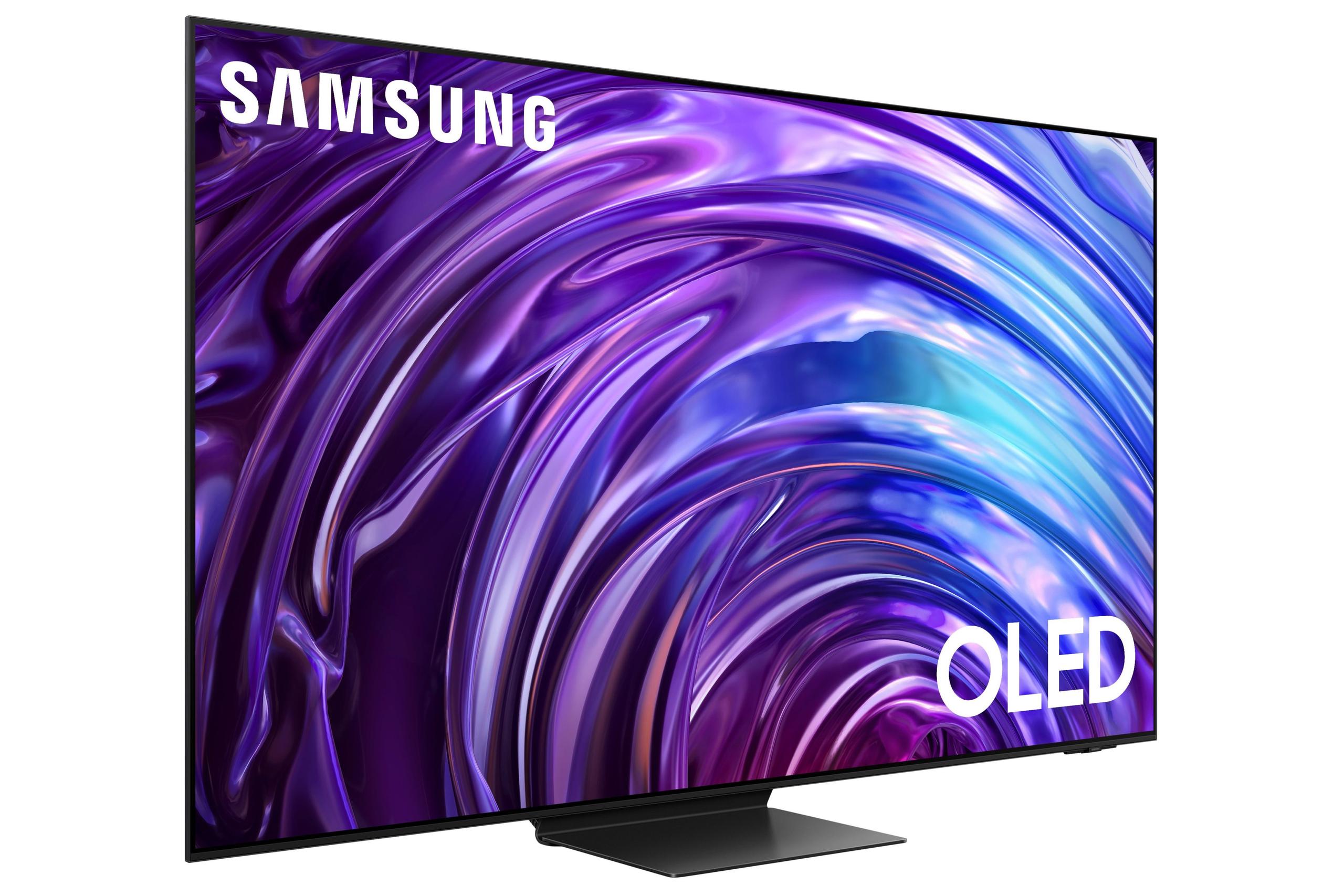
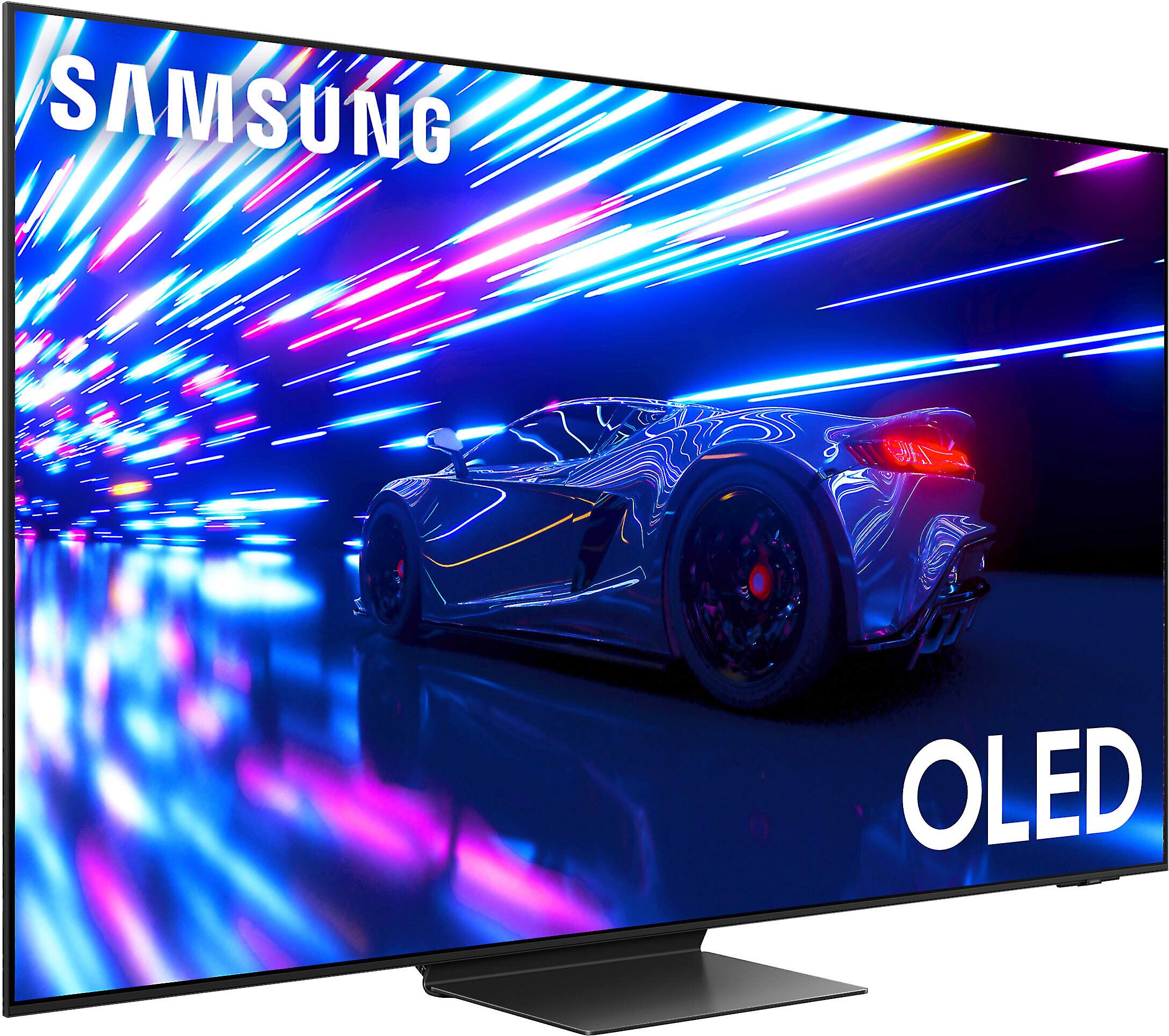

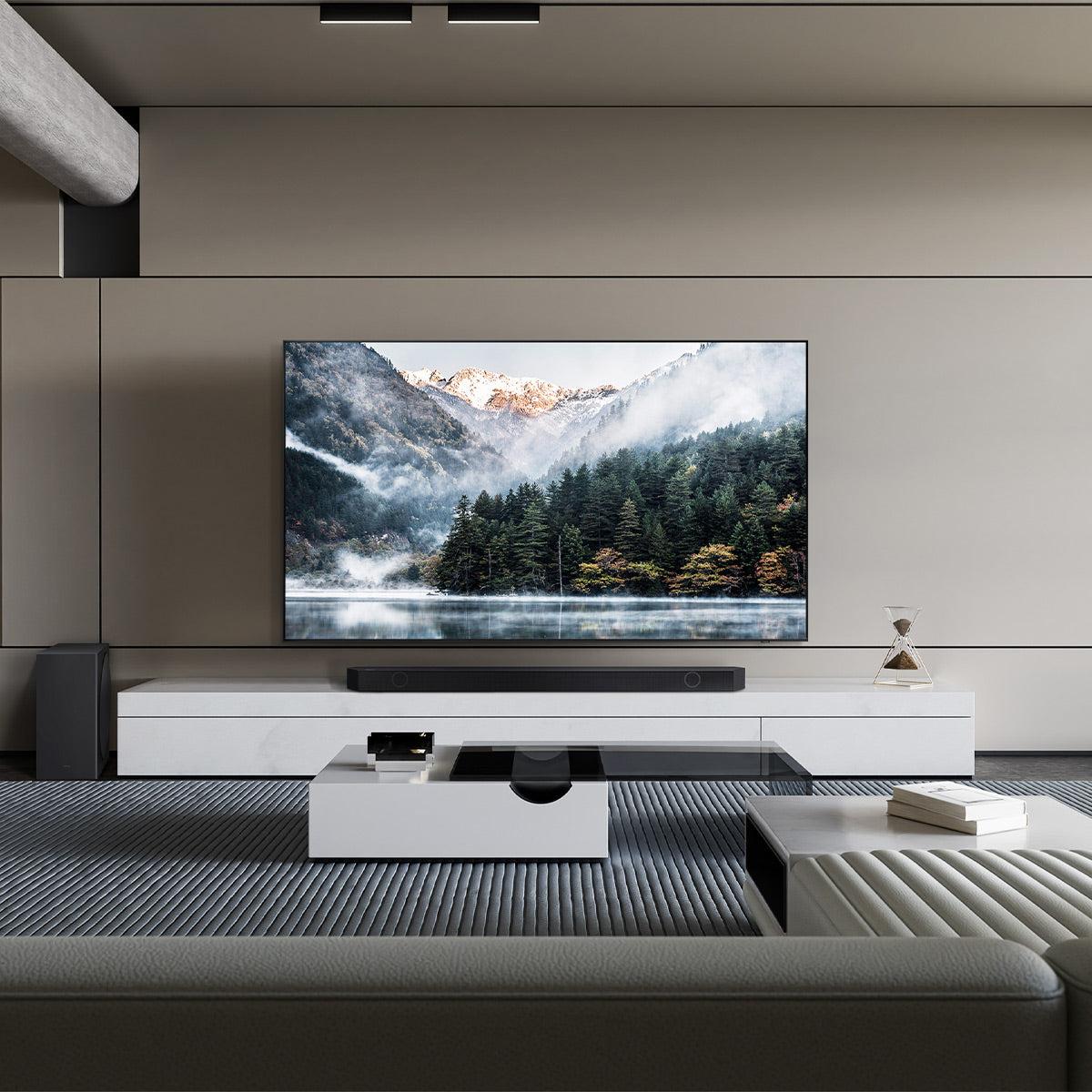
If you're shopping for a premium television in 2024, you've likely encountered two standout models that represent the pinnacle of display technology: the Sony BRAVIA XR A95L and the Samsung 65" S95D. Both use cutting-edge QD-OLED panels—a technology that combines OLED's perfect blacks with quantum dot color enhancement—but they take surprisingly different approaches to delivering exceptional picture quality.
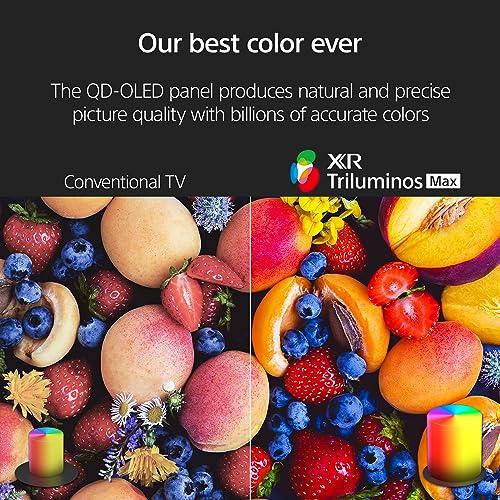
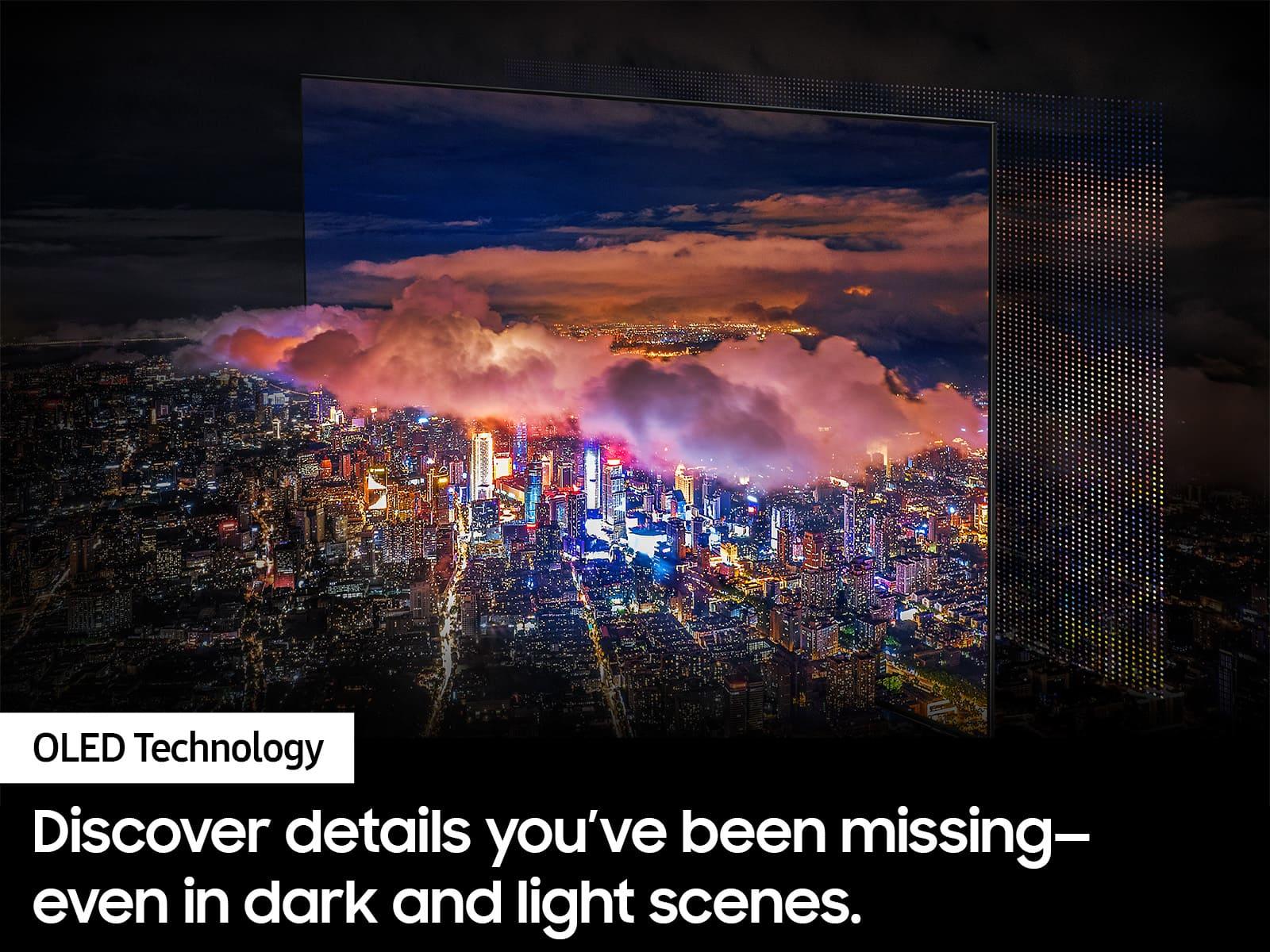
Before diving into comparisons, it's worth understanding what makes QD-OLED technology so impressive. Traditional OLED displays create light and color from organic compounds that emit their own light when electricity passes through them. This gives OLED its signature perfect blacks since pixels can turn completely off. QD-OLED adds a quantum dot layer that converts blue OLED light into precise red and green wavelengths, dramatically expanding the color gamut (the range of colors a display can show) while boosting brightness.
The premium TV market focuses on several key performance areas: picture quality (brightness, contrast, and color accuracy), gaming capabilities, audio performance, and smart features. In this price range—typically $2,500-$3,500 at the time of writing—buyers expect reference-quality displays that excel across multiple use cases, from cinematic movie watching to competitive gaming.
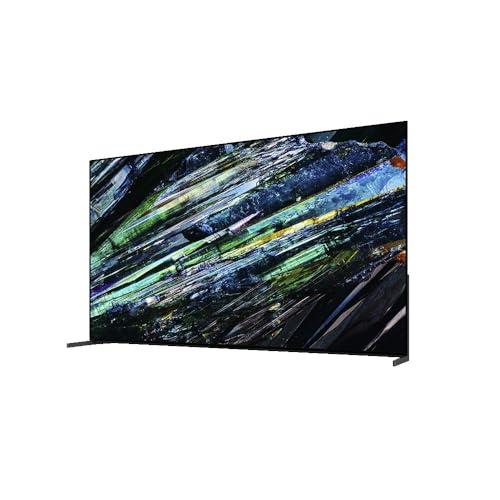
The Sony A95L arrived in 2023 as Sony's second-generation QD-OLED offering, building on lessons learned from their groundbreaking A95K. Sony focused on refining color accuracy and processing while maintaining their signature cinematic approach to picture reproduction.
The Samsung S95D launched in 2024 with Samsung's third-generation QD-OLED panel, representing a full generation leap in the underlying display technology. This newer panel delivers significantly higher peak brightness—the maximum luminance a display can produce—while Samsung refined their anti-reflection coating to nearly eliminate glare.
These timing differences matter because display technology evolves rapidly. The Samsung's newer panel brings measurable improvements in HDR impact, while Sony's extra year in the market has led to more aggressive pricing and refined software.
High Dynamic Range (HDR) content contains a much wider range of brightness levels than standard video, from deep shadows to brilliant highlights like the sun reflecting off water. To properly display HDR, TVs need high peak brightness alongside perfect blacks.
Here's where the generational difference becomes apparent. The Samsung S95D delivers what reviewers consistently describe as "unprecedented" brightness for OLED technology. This third-generation QD-OLED panel pushes 20-30% higher peak brightness than its predecessors, creating HDR highlights that genuinely pop off the screen. When watching something like "Top Gun: Maverick" with its brilliant sky sequences, the Samsung's brightness advantage becomes immediately obvious.
The Sony A95L, while impressive, can't match this raw brightness output. However, Sony's approach prioritizes accuracy over impact. Their Cognitive Processor XR—the main processing chip that analyzes and optimizes every frame—uses tone mapping algorithms that better preserve the filmmaker's original creative intent. This means HDR content often looks more "correct" on the Sony, even if it doesn't create the same visual punch.
For home theater enthusiasts who dim their lights for movie watching, both TVs deliver reference-quality experiences. But in bright living rooms where ambient light competes with the display, the Samsung's brightness advantage becomes crucial.
Both TVs excel at color reproduction, but their processing philosophies differ significantly. The Samsung S95D uses 20 separate neural networks—AI processing systems that analyze different aspects of each frame simultaneously. This creates what Samsung calls "Pantone-validated" colors that are both accurate and vivid, though sometimes the processing can make content appear more intense than originally intended.
The Sony A95L takes a more subtle approach with its XR Triluminos Max technology, which focuses on color volume—how accurately a display can reproduce colors at different brightness levels. This creates more natural-looking images, particularly with skin tones and complex color gradients. Sony's superior upscaling also becomes apparent with lower-quality content like compressed streaming or older DVDs, where the Sony consistently produces cleaner, more detailed results.
One of the Samsung S95D's most praised features is its OLED Glare-Free technology. Traditional OLED screens can be difficult to watch in bright rooms due to reflections, but Samsung's aggressive anti-reflection filter nearly eliminates this problem. You can literally watch the TV with direct sunlight hitting the screen—something impossible with most displays.
The trade-off is subtle: the anti-reflection coating can cause slightly raised black levels in bright rooms and minor blooming (light bleeding around bright objects on dark backgrounds). The Sony A95L handles reflections adequately but can't match Samsung's anti-glare performance.
Modern gaming demands specific TV capabilities: low input lag (the delay between controller input and screen response), high refresh rates, and variable refresh rate support to eliminate screen tearing. Both TVs support these features, but their implementations differ significantly.
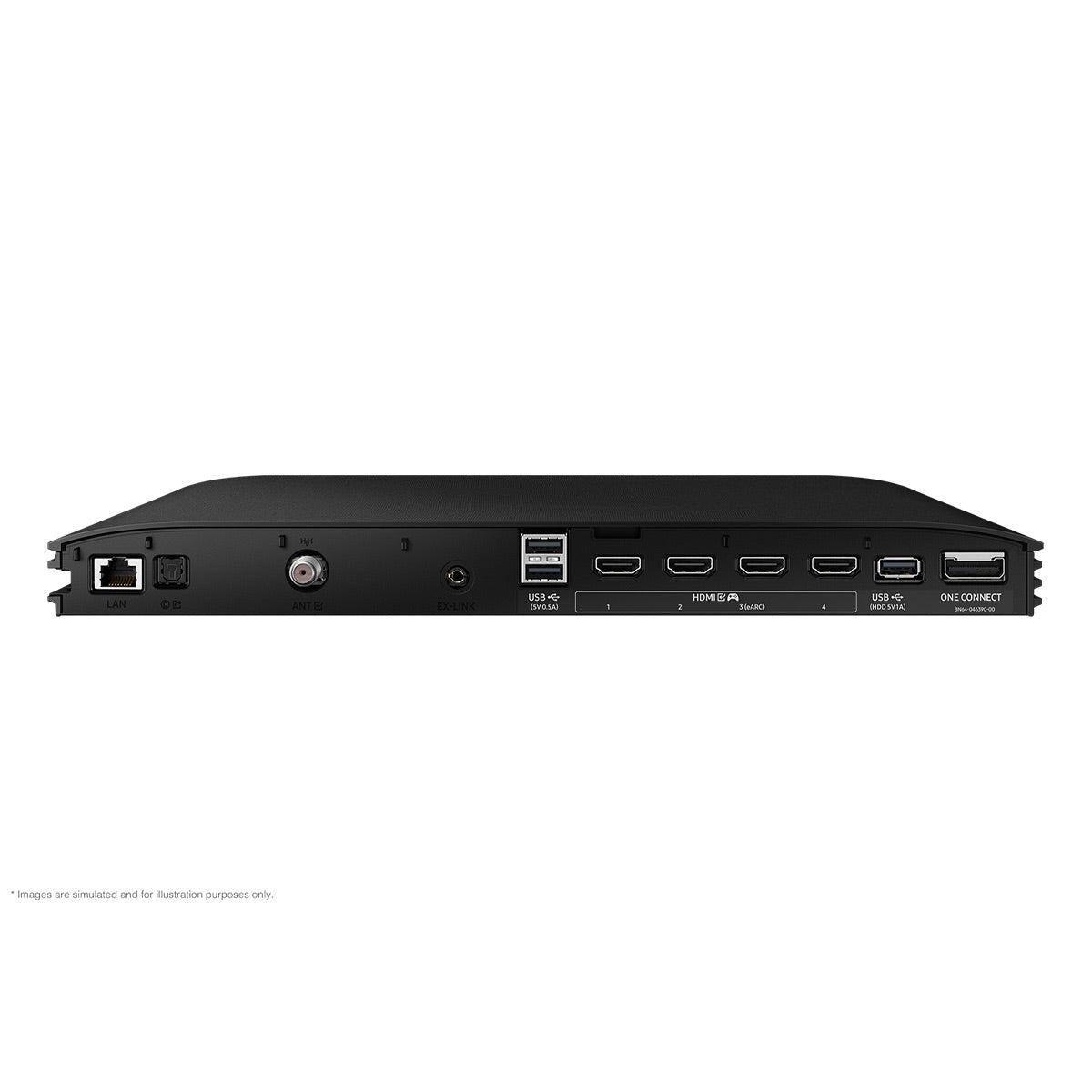
The Samsung S95D provides four full HDMI 2.1 ports, each supporting 4K resolution at up to 144Hz refresh rates. For gamers with multiple consoles—perhaps a PlayStation 5, Xbox Series X, and gaming PC—this connectivity advantage is substantial. The Samsung also delivers slightly lower input lag, making it marginally better for competitive gaming where every millisecond matters.
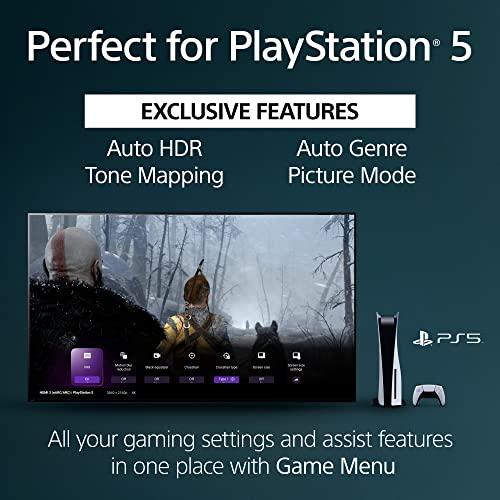
The Sony A95L limits users to two HDMI 2.1 ports, with one typically reserved for eARC (enhanced Audio Return Channel) for soundbar connections. This means serious multi-console gamers might need HDMI switches. However, Sony offers unique Dolby Vision gaming support, which Samsung lacks entirely. Dolby Vision provides superior HDR gaming experiences with better color grading and tone mapping.
Both TVs deliver exceptional gaming experiences with near-instantaneous pixel response times—the speed at which individual pixels can change color. OLED technology's inherent advantages mean motion blur is virtually nonexistent, creating crisp action in fast-paced games.
For most gamers using 1-2 consoles, the Sony A95L's superior processing and Dolby Vision support often outweigh the connectivity limitations. But for enthusiasts with multiple gaming systems or high-end PCs capable of 144Hz gaming, the Samsung S95D's additional ports and higher refresh rate support become compelling advantages.
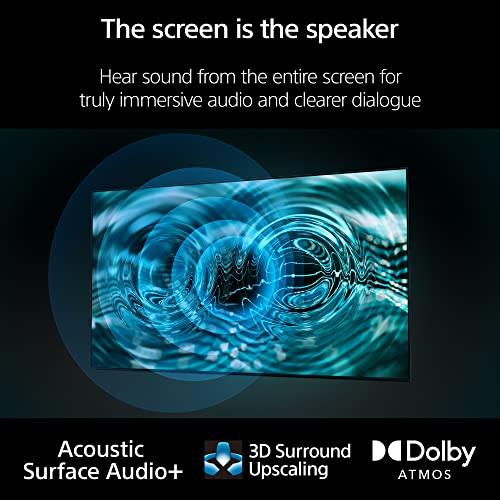
This comparison reveals perhaps the largest performance gap between these TVs. The Sony A95L uses Acoustic Surface Audio+ technology, where actuators behind the screen vibrate the entire panel to produce sound. This creates an almost magical effect where dialogue appears to come directly from actors' mouths on screen, with surprisingly robust bass and excellent clarity.
The audio quality is genuinely impressive—good enough that many users can delay or skip purchasing a separate soundbar. The screen-as-speaker approach also maintains perfect audio-video synchronization since sound and picture come from the same location.
The Samsung S95D uses a more traditional 4.2.2 speaker setup with Object Tracking Sound+ that attempts to move audio around the screen to match on-screen action. While this creates a wide soundstage, the audio lacks depth and impact. Reviews consistently note that the Samsung's audio feels "in front of you" rather than immersive, with limited dynamic range and unclear bass.
For budget-conscious buyers planning to use the TV's built-in speakers initially, the Sony's audio advantage could save hundreds of dollars in soundbar purchases.
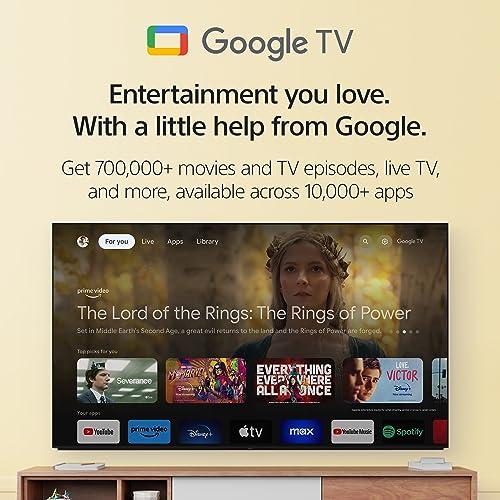
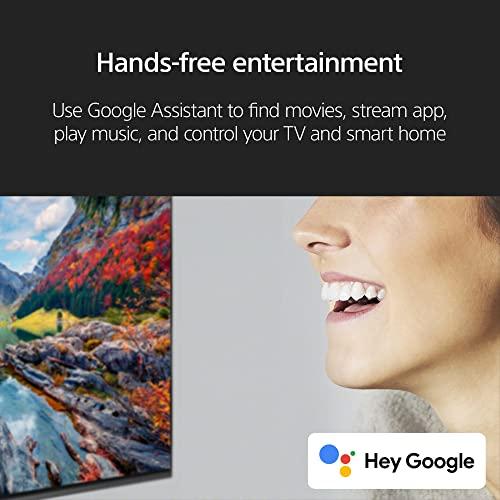
The Sony A95L runs Google TV, which provides excellent content discovery and seamless integration with Google services. The interface can occasionally feel sluggish, particularly when first powering on or switching inputs, but it offers comprehensive app support and hands-free voice control through built-in microphones.
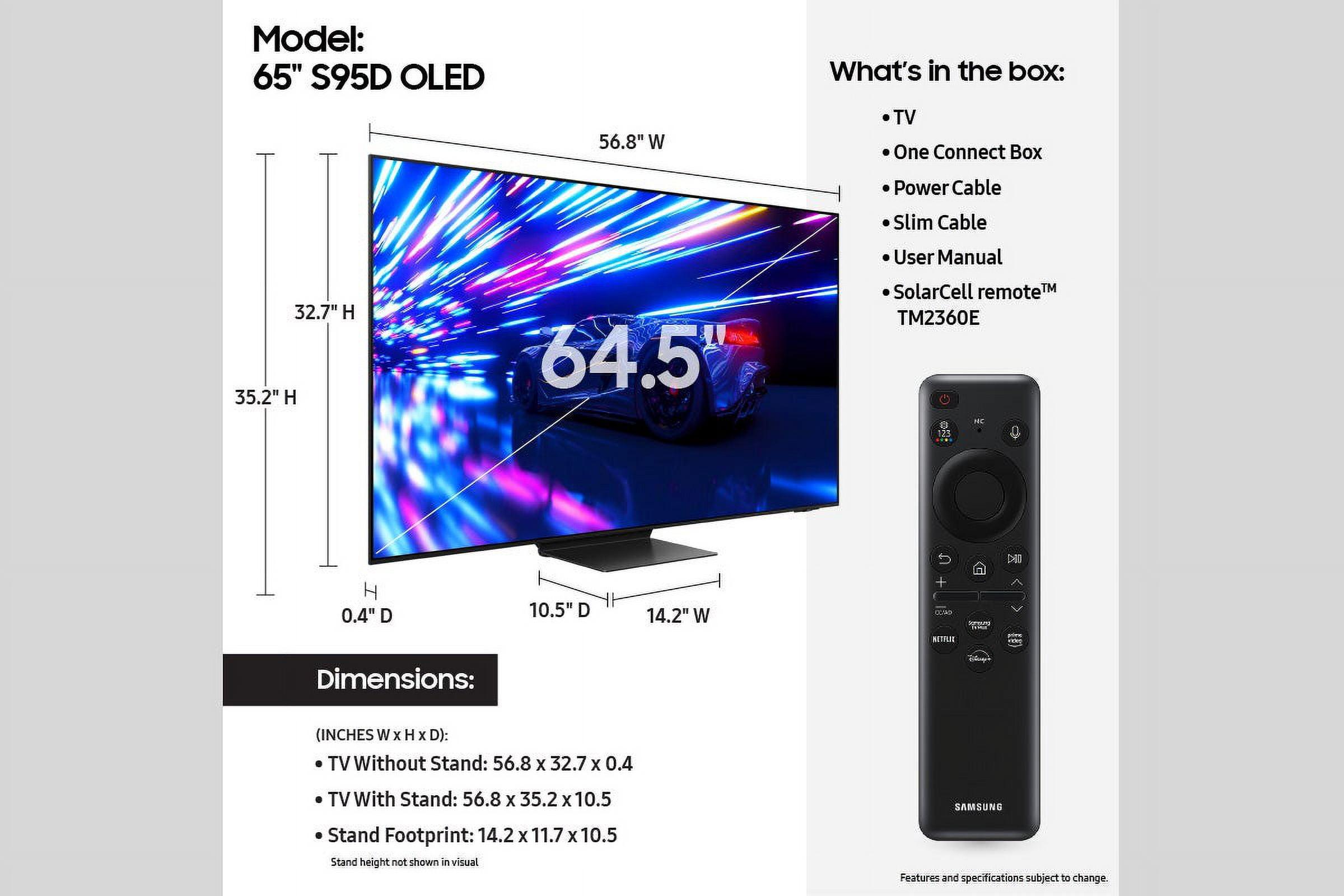
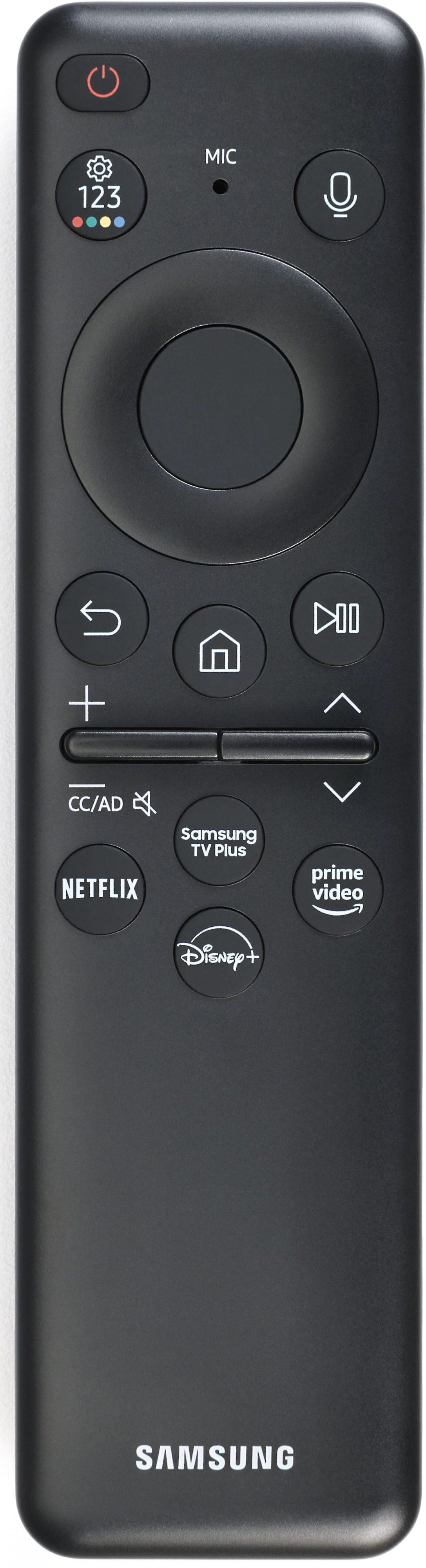
The Samsung S95D uses Samsung's mature Tizen operating system, which generally feels more responsive and stable. Samsung's SmartThings integration allows control of compatible smart home devices directly from the TV interface, while their SolarCell remote charges itself using ambient light—a thoughtful environmental touch.
Both systems support major streaming services and offer regular updates, so the choice often comes down to ecosystem preference: Google users might prefer the Sony, while Samsung smartphone users might appreciate the seamless device integration.
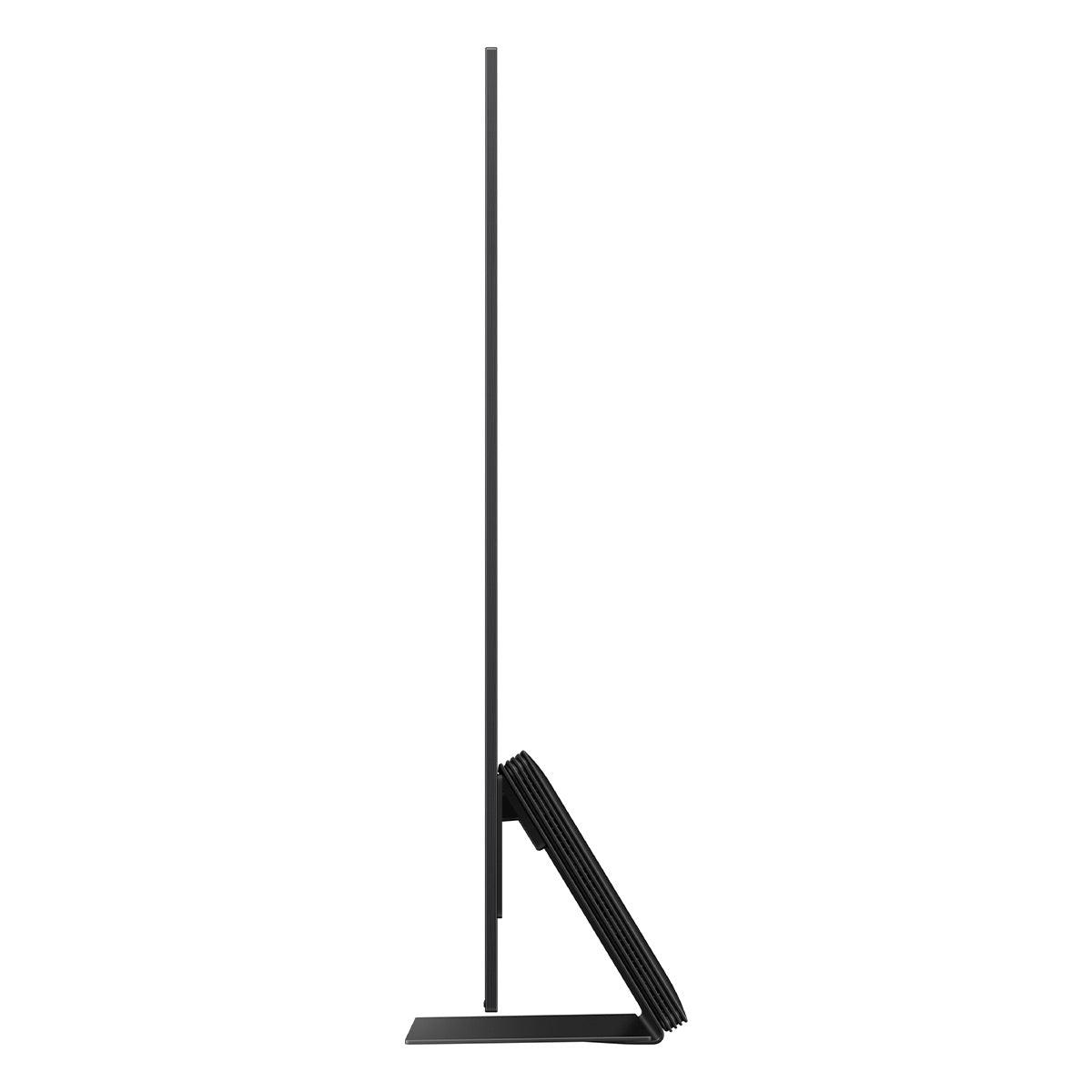
The Samsung S95D represents a radical approach to TV design with its ultra-slim 0.4-inch profile. Samsung achieves this thickness by moving all processing and connectivity to an external One Connect box, leaving only the display panel itself. This creates stunning wall-mount aesthetics but requires hiding the One Connect box and running a special cable to the TV.
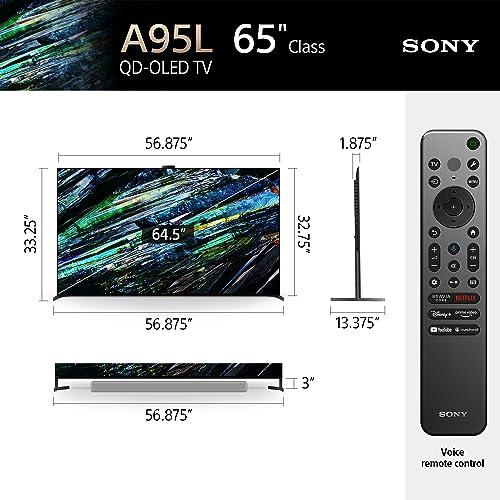
The Sony A95L takes a more traditional integrated approach at 1.4 inches thick. All connections are built into the TV itself, eliminating external boxes but creating a bulkier profile. Sony's wide-stance feet also require more furniture width compared to Samsung's centered stand design.
For wall mounting in modern spaces, the Samsung's ultra-slim profile is genuinely striking. For traditional entertainment centers where the TV sits on furniture, the Sony's integrated design often proves more practical.
At the time of writing, both TVs command premium pricing, typically ranging from $2,500-$3,500 depending on sales and market conditions. The Sony A95L, having been available longer, has seen more significant price reductions and can often be found at better value points.
Value calculations should consider total system cost: if you'll need a soundbar immediately, the Samsung's weaker audio makes it effectively more expensive. If you have multiple gaming consoles, the Sony might require HDMI switch purchases. For wall mounting, the Samsung might need professional installation to properly hide the One Connect box.
The Sony's superior processing and upscaling might also provide better longevity as streaming compression continues evolving. However, the Samsung's third-generation panel technology could prove more durable and retain peak performance longer.
For dedicated home theater setups, both TVs excel in dark rooms where their OLED advantages shine. The Sony A95L's more accurate color reproduction and superior tone mapping make it slightly better suited for critical movie watching, particularly with properly mastered 4K Blu-rays.
The Samsung S95D's brightness advantage becomes less relevant in dark viewing environments, though its anti-glare coating helps during daytime viewing sessions. Samsung's more aggressive processing sometimes enhances the spectacle of action movies and HDR content, even if it's not technically accurate.
Both support major HDR formats, though Sony's Dolby Vision support gives it an edge with streaming content and gaming.
Both the Sony A95L and Samsung S95D represent exceptional achievements in display technology, but they serve different priorities. The Sony delivers better overall value through superior audio, processing, and current pricing, making it ideal for most premium TV buyers seeking well-rounded performance.
The Samsung justifies its premium pricing for brightness enthusiasts, serious gamers, and design-conscious buyers who prioritize cutting-edge panel technology and modern aesthetics.
Your decision should align with your specific room conditions, usage patterns, and feature priorities. Either choice will deliver years of exceptional viewing experiences—the question is which approach better matches your needs and preferences.
| Sony BRAVIA XR A95L 65" QD-OLED 4K HDR Google TV | Samsung 65" S95D 4K OLED Smart TV |
|---|---|
| Panel Technology - Determines overall picture quality and longevity | |
| Second-generation QD-OLED with excellent brightness and color | Third-generation QD-OLED with 20-30% higher peak brightness |
| HDR Peak Brightness - Critical for impactful HDR content in bright rooms | |
| Up to 1,300 nits (very bright for OLED) | 1,600+ nits (brightest OLED available, game-changing for bright rooms) |
| Anti-Glare Technology - Makes or breaks usability in bright spaces | |
| Standard anti-reflection coating (adequate performance) | OLED Glare-Free technology (nearly eliminates all reflections) |
| HDMI 2.1 Gaming Ports - Essential for multiple next-gen consoles | |
| 2 ports (limits multi-console setups, may need HDMI switch) | 4 ports (handles multiple consoles without additional equipment) |
| Gaming Refresh Rate - Higher rates provide smoother PC gaming | |
| 4K @ 120Hz maximum | 4K @ 144Hz (better for high-end PC gaming) |
| Audio System - Determines if you need an immediate soundbar purchase | |
| Acoustic Surface Audio+ (screen-as-speaker, excellent quality) | 4.2.2 speakers with Object Tracking Sound+ (weak, requires soundbar) |
| Picture Processing - Affects how streaming and low-quality content looks | |
| Cognitive Processor XR (superior upscaling and film-like processing) | Neo Quantum 4K AI Gen 2 (20 neural networks, more intense processing) |
| Color Accuracy - Important for cinematic viewing and content creator intent | |
| XR Triluminos Max (more natural, accurate color reproduction) | Pantone-validated colors (vivid and accurate but sometimes oversaturated) |
| HDR Format Support - Affects compatibility with streaming and gaming content | |
| HDR10, HLG, Dolby Vision (including Dolby Vision gaming) | HDR10, HLG, HDR10+ (no Dolby Vision support) |
| Physical Design - Impacts placement options and aesthetics | |
| 1.4" thick integrated design, wide-stance feet, 51.6 lbs | Ultra-slim 0.4" profile with One Connect box, centered stand, lighter |
| Smart TV Platform - Affects daily usability and app performance | |
| Google TV (excellent content discovery, occasionally sluggish) | Samsung Tizen (responsive interface, mature platform) |
| Release Generation - Newer often means better tech but higher prices | |
| 2023 release (more price drops, proven reliability) | 2024 release (cutting-edge panel, premium pricing) |
The Samsung S95D delivers brighter, more impactful HDR with its third-generation QD-OLED panel, while the Sony A95L offers more accurate colors and better processing for streaming content. For bright rooms, the Samsung wins with superior anti-glare technology. For dark home theaters, both are excellent, but the Sony maintains better color accuracy and filmmaker intent.
The Samsung S95D is better for serious gamers with four HDMI 2.1 ports supporting 4K at 144Hz and lower input lag. The Sony A95L only has two HDMI 2.1 ports but offers unique Dolby Vision gaming support. For single-console gaming, either works well, but multi-console setups favor the Samsung.
The Sony A95L has significantly better audio with its Acoustic Surface Audio+ technology that turns the screen into a speaker, delivering clear dialogue and surprising bass. The Samsung S95D has weaker built-in speakers that typically require a soundbar purchase for good audio quality.
The Samsung S95D is 20-30% brighter than the Sony A95L, reaching over 1,600 nits compared to Sony's 1,300 nits. This makes the Samsung better for bright rooms and more impactful HDR content, while the Sony's brightness is still excellent for most viewing conditions.
The Sony A95L excels at processing streaming content with superior upscaling and noise reduction, making compressed video look cleaner and more detailed. Both support major streaming apps, but the Sony's Cognitive Processor XR handles lower-quality streams better than the Samsung S95D.
Yes, the Samsung S95D is ultra-thin at 0.4 inches with an external One Connect box for all connections, making it ideal for wall mounting. The Sony A95L is thicker at 1.4 inches with integrated connections and wide-stance feet, better suited for furniture placement.
The Sony A95L typically offers better value with more aggressive pricing, superior built-in audio that delays soundbar needs, and excellent processing for streaming content. The Samsung S95D commands a premium for its brighter panel and gaming connectivity but may require additional audio equipment.
The Sony A95L supports HDR10, HLG, and Dolby Vision including Dolby Vision gaming. The Samsung S95D supports HDR10, HLG, and HDR10+ but lacks Dolby Vision entirely. For streaming services that use Dolby Vision, the Sony has an advantage.
The Samsung S95D is significantly better for bright rooms thanks to its OLED Glare-Free technology that nearly eliminates reflections. The Sony A95L handles reflections adequately but can't match Samsung's anti-glare performance in challenging lighting conditions.
The Samsung S95D uses Tizen OS which is generally more responsive and stable, while the Sony A95L runs Google TV with better content discovery but occasional sluggishness. Both support major streaming apps, with the choice often depending on your preferred ecosystem.
For dark home theater rooms, the Sony A95L is often preferred for its more accurate color reproduction, better tone mapping, and superior built-in audio that reduces equipment needs. The Samsung S95D delivers more spectacle but sometimes at the cost of accuracy.
Choose the Sony A95L for better built-in audio, superior streaming processing, more accurate colors, and better current pricing. Choose the Samsung S95D for maximum brightness, better bright-room performance, serious gaming with multiple consoles, and ultra-slim wall-mount aesthetics.
We've done our best to create useful and informative comparisons to help you decide what product to buy. Our research uses advanced automated methods to create this comparison and perfection is not possible - please contact us for corrections or questions. These are the sites we've researched in the creation of this article: rtings.com - youtube.com - rtings.com - avsforum.com - rtings.com - smarthomesounds.co.uk - smarthomesounds.co.uk - rtings.com - smarthomesounds.co.uk - youtube.com - tomsguide.com - avsforum.com - rtings.com - perfectrec.com - flatpanelshd.com - videoandaudiocenter.com - sonypremiumhome.com - bestbuy.com - sony.com - electronics.sony.com - displayspecifications.com - donstv.com - youtube.com - static.pcrichard.com - smarthomesounds.co.uk - youtube.com - electronics.sony.com - electronics.sony.com - displayspecifications.com - techradar.com - videoandaudiocenter.com - avsforum.com - cnet.com - abt.com - merlinstv.com - nfm.com - rtings.com - flintsfurniture.com - samsung.com - bestbuy.com - displayspecifications.com

Privacy Policy
Terms and Conditions - Affiliate Policy
Home Security
© Copyright 2008-2026.
11816 Inwood Rd #1211, Dallas, TX 75244