

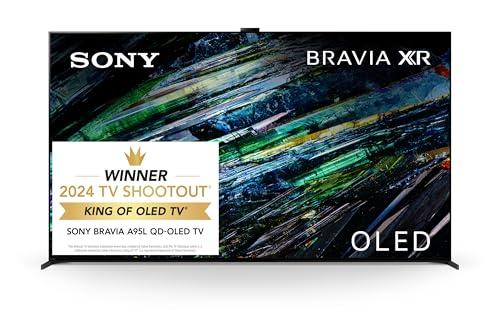
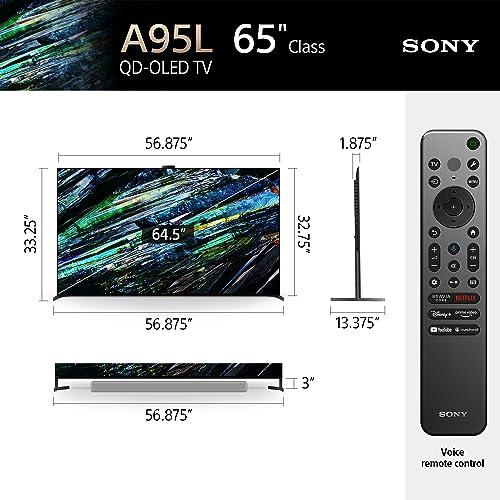


Choosing between the Sony BRAVIA XR A95L and Samsung QN900D isn't just about picking a TV—it's about choosing between two fundamentally different philosophies in premium display technology. Both TVs launched in their respective years as flagship models, but they take completely different approaches to delivering exceptional picture quality.
The Sony A95L arrived in 2023 as Sony's second-generation QD-OLED masterpiece, while the Samsung QN900D debuted in 2024 as Samsung's latest 8K Mini-LED powerhouse. At the time of writing, both command premium pricing in their respective categories, but they serve very different viewing priorities.
The most fundamental difference between these TVs lies in their display technology, and understanding this distinction will help you make the right choice for your viewing needs.
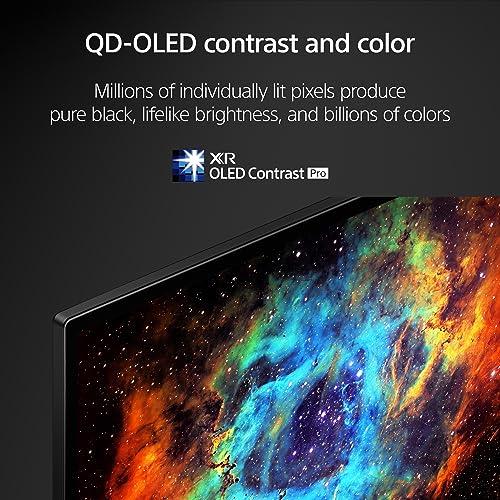
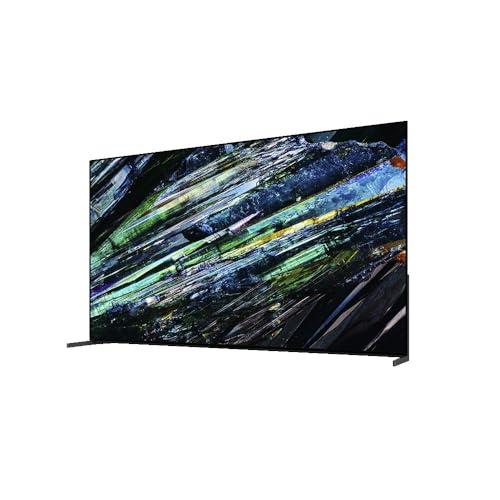
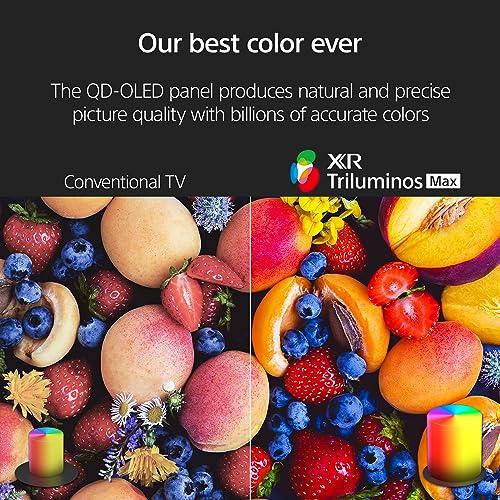
The Sony A95L uses QD-OLED technology, which sounds complicated but is actually quite elegant. Think of it as combining the best of two worlds: OLED's ability to turn individual pixels completely on or off (creating perfect blacks) with quantum dots that enhance color reproduction. Each pixel produces its own light, meaning when displaying a black pixel, it's truly black—not dark gray like most TVs.
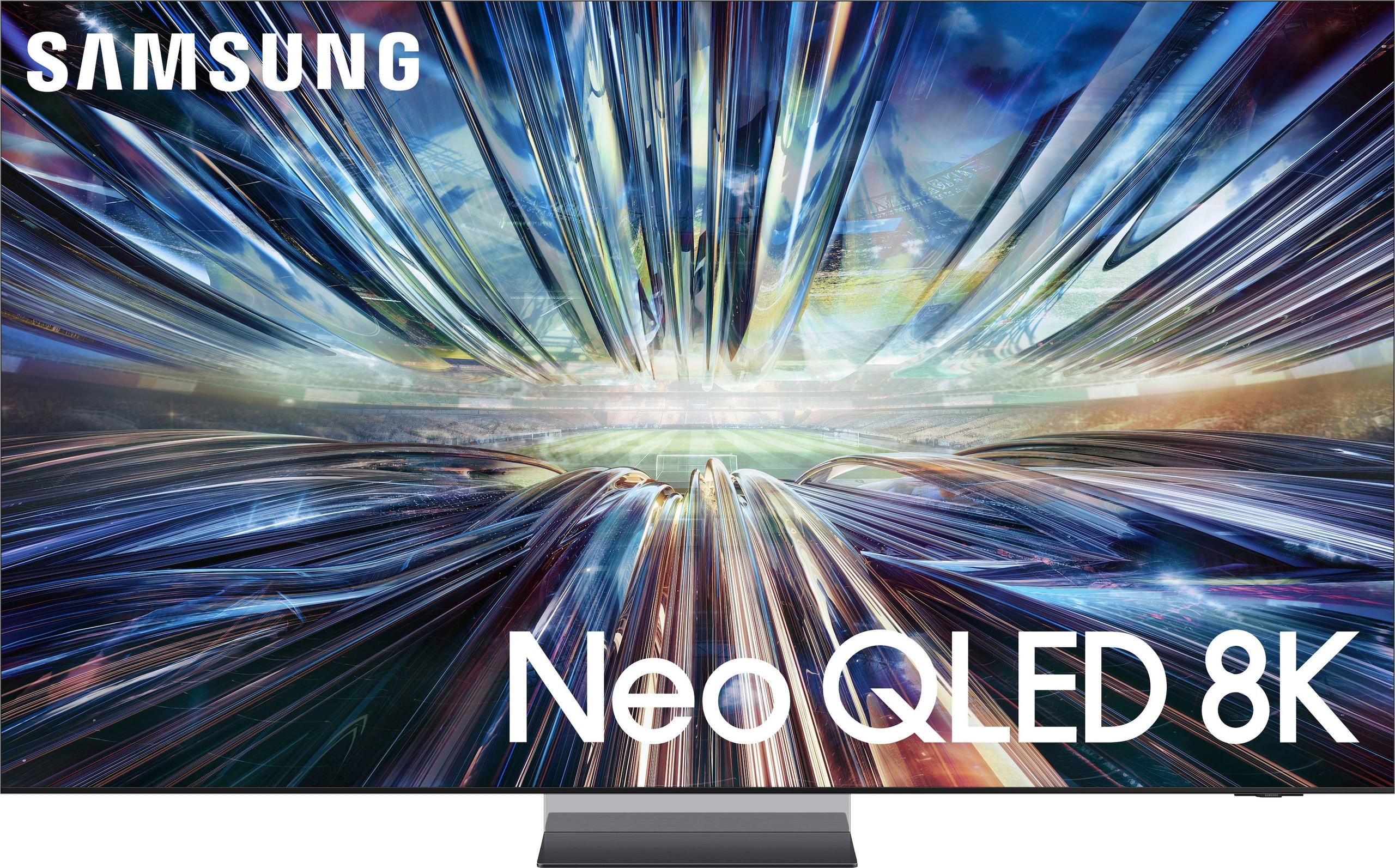
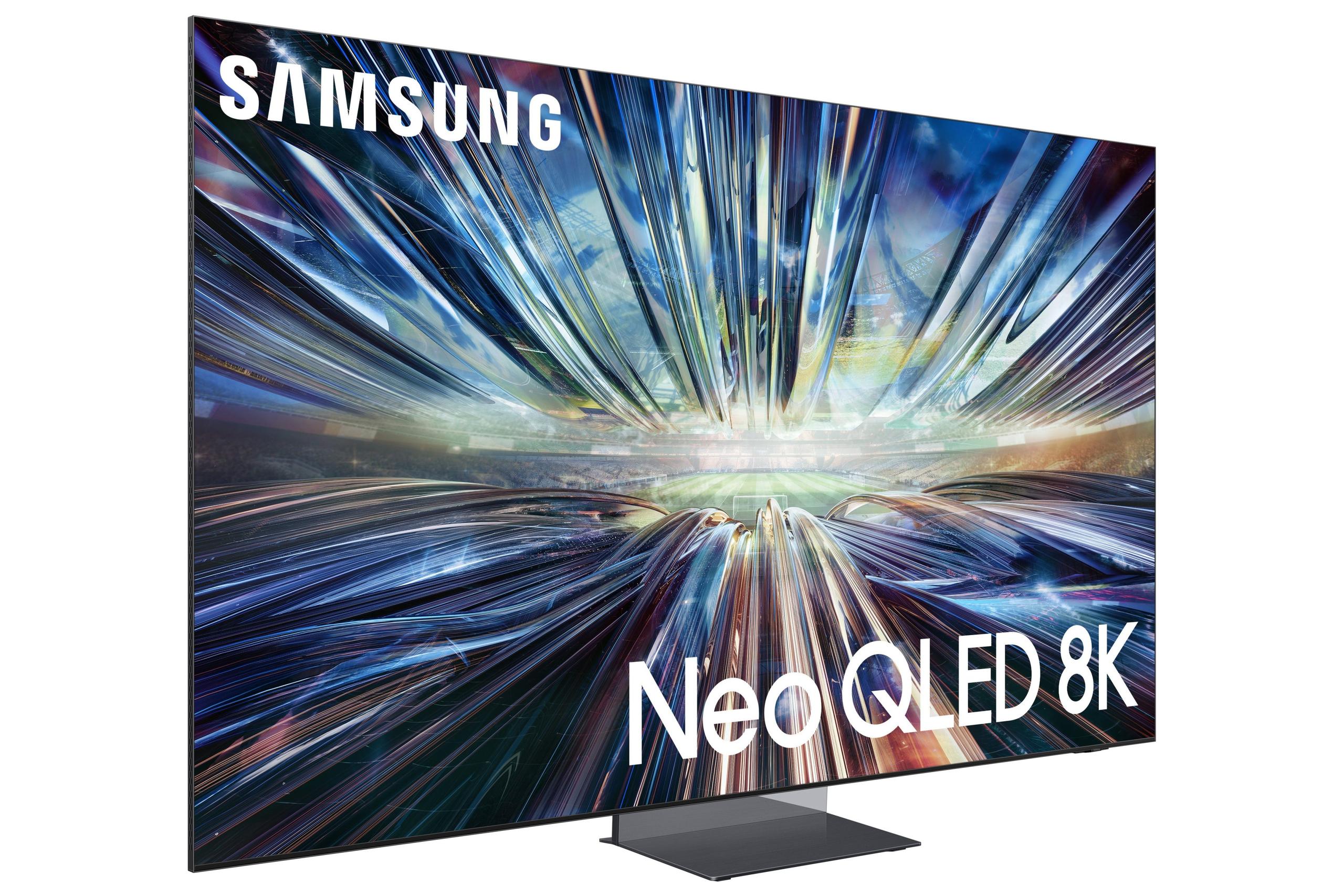
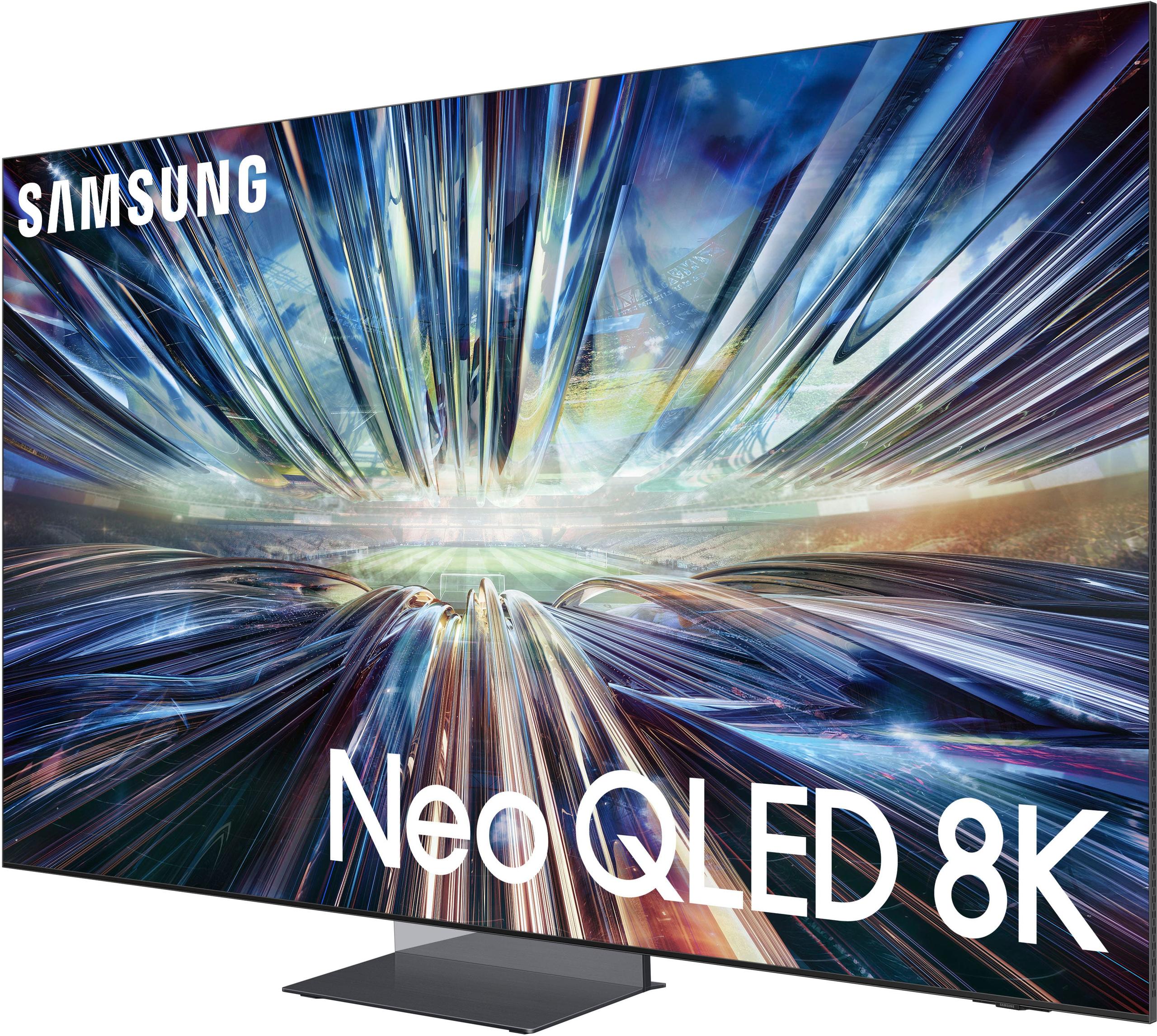
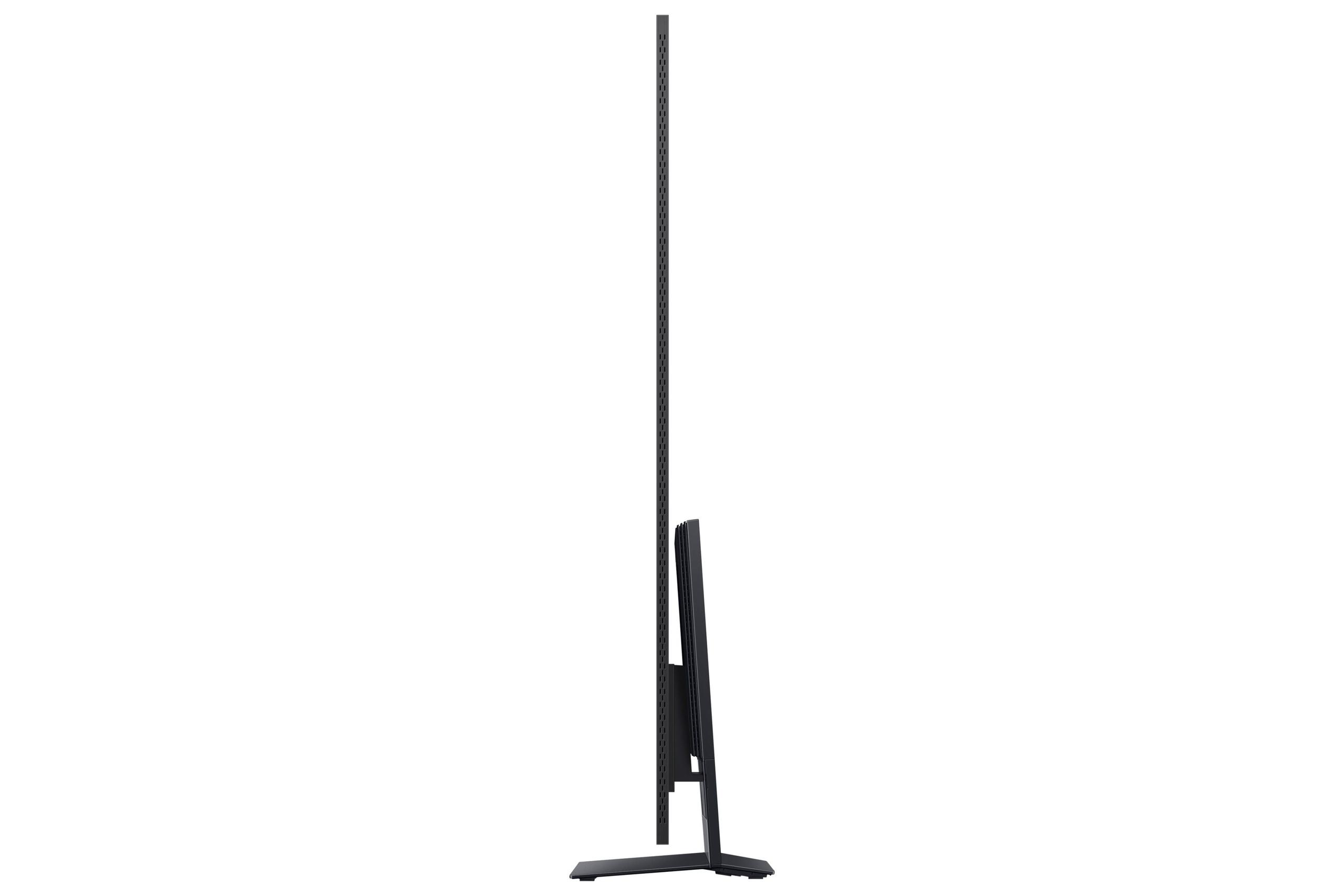
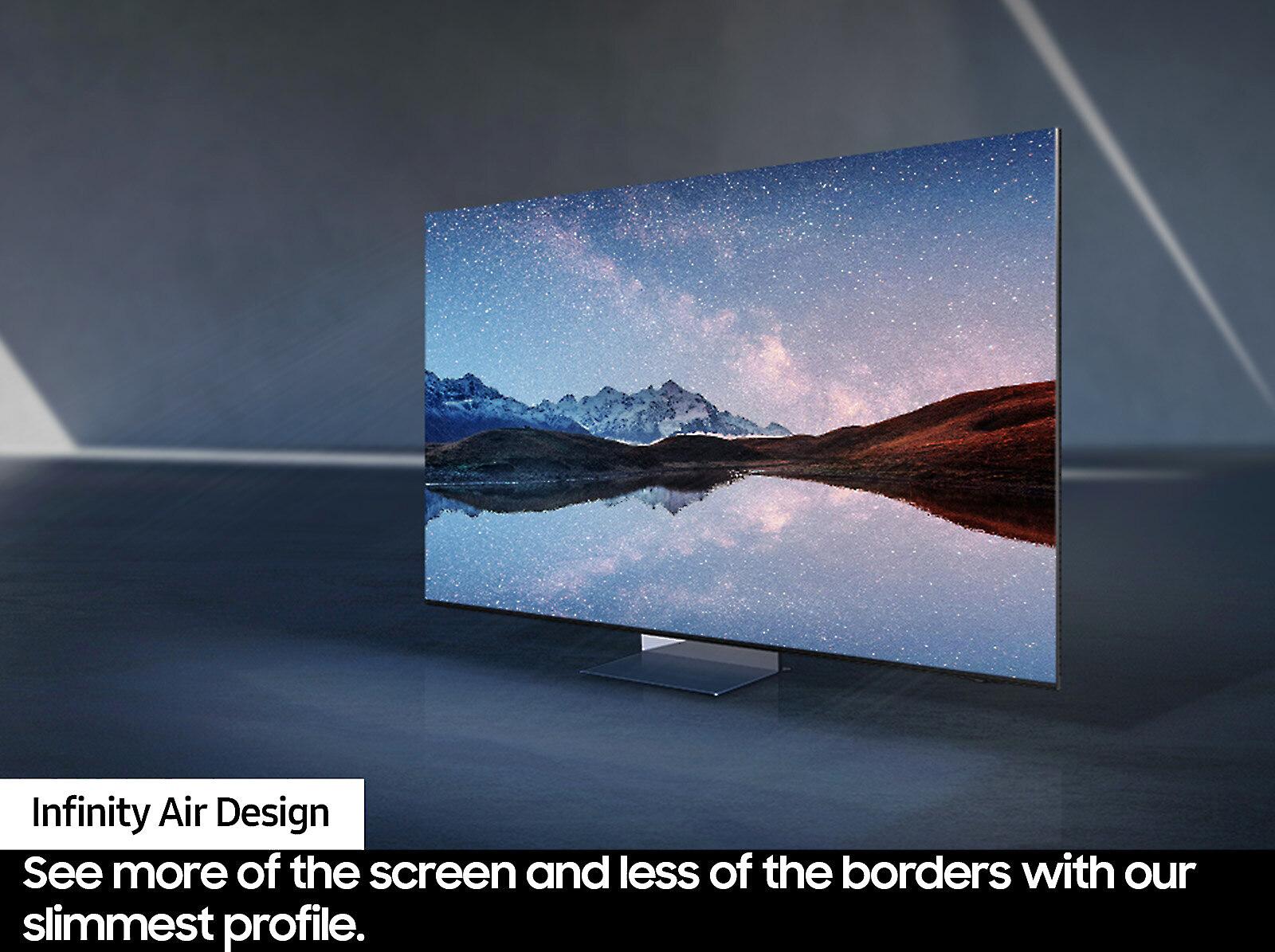
The Samsung QN900D, on the other hand, uses Neo QLED Mini-LED technology. Instead of pixels creating their own light, it uses thousands of tiny LED lights behind the screen, organized into zones that can dim independently. While this can't achieve true blacks like OLED, it can get much brighter overall.
Here's why this matters: if you've ever tried to watch a dark movie scene and noticed that "black" areas look more like dark gray, you're seeing the limitation of traditional LED backlighting. The Sony A95L eliminates this problem entirely, while the Samsung QN900D minimizes it through advanced local dimming but can't eliminate it completely.
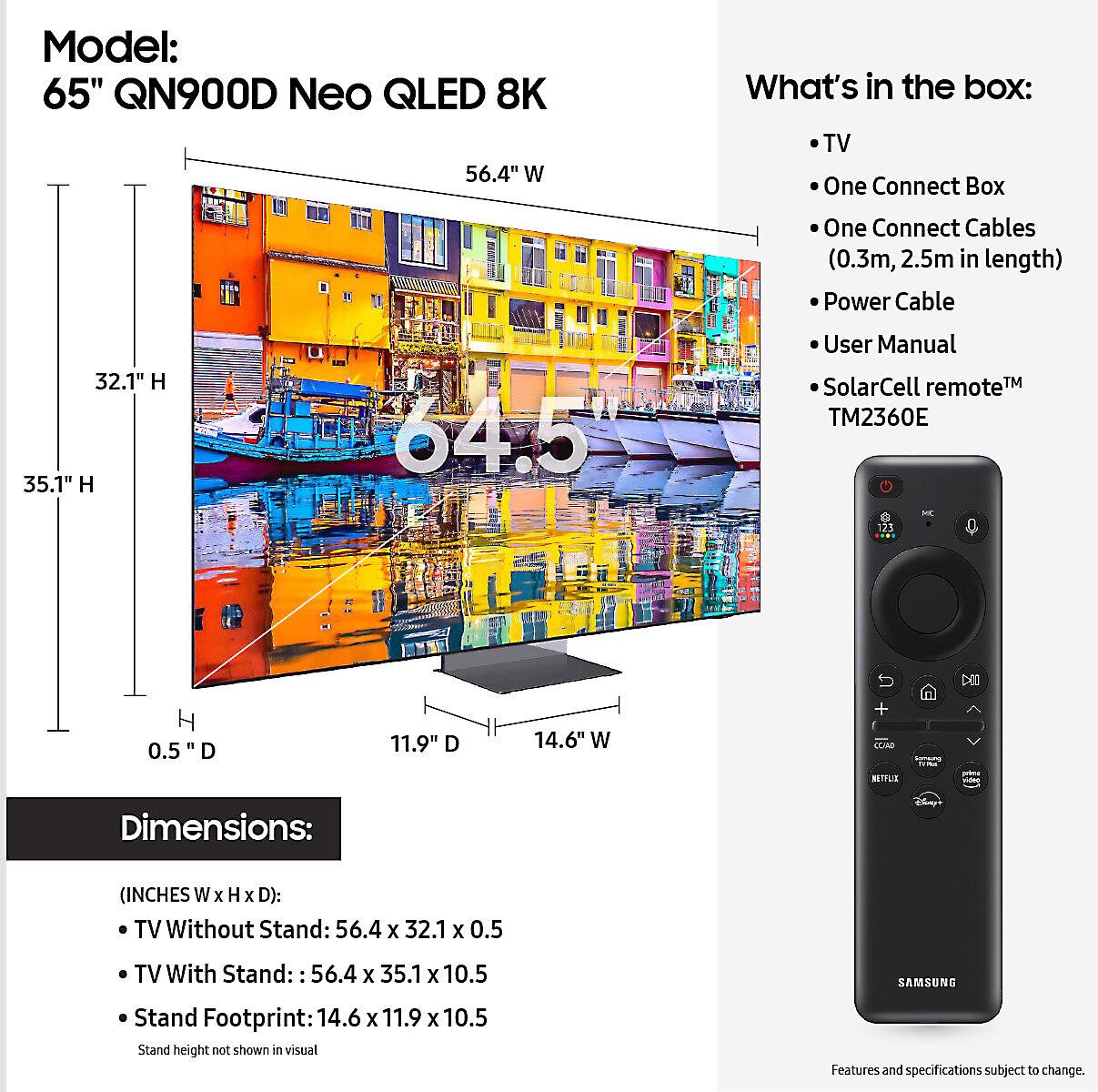
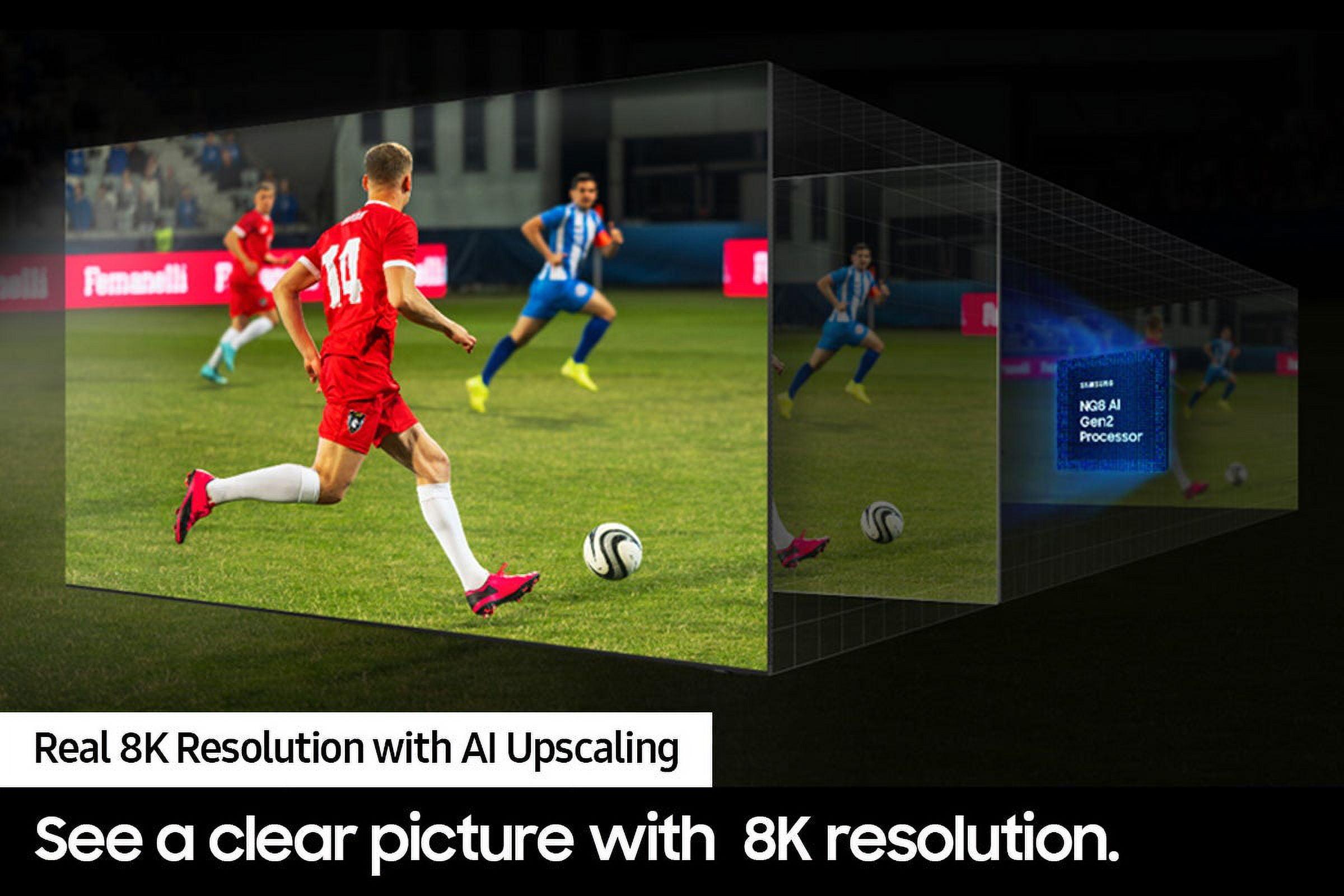
The Samsung QN900D boasts 8K resolution (7,680 x 4,320 pixels), which is four times sharper than the Sony A95L's 4K resolution (3,840 x 2,160 pixels). On paper, this sounds like a clear win for Samsung, but reality is more nuanced.
As of 2024, 8K content is virtually nonexistent. Netflix, Disney+, Amazon Prime, and other major streaming services don't offer 8K programming. Even YouTube's 8K content is extremely limited. Most movies and TV shows are mastered in 4K or lower resolutions. This means the Samsung QN900D spends most of its time upscaling lower-resolution content to fill those 8K pixels.
The Sony A95L takes a different approach: instead of chasing theoretical resolution, it focuses on making 4K content look as good as possible. Sony's XR Processor uses artificial intelligence to analyze and enhance every frame, and based on our research into expert reviews, Sony consistently delivers superior upscaling of lower-quality content compared to Samsung's implementation.
For most viewers today, the Sony A95L's approach makes more sense. You'll see immediate benefits with all your current content, while the Samsung QN900D's 8K resolution remains largely theoretical until content catches up—which could take several more years.
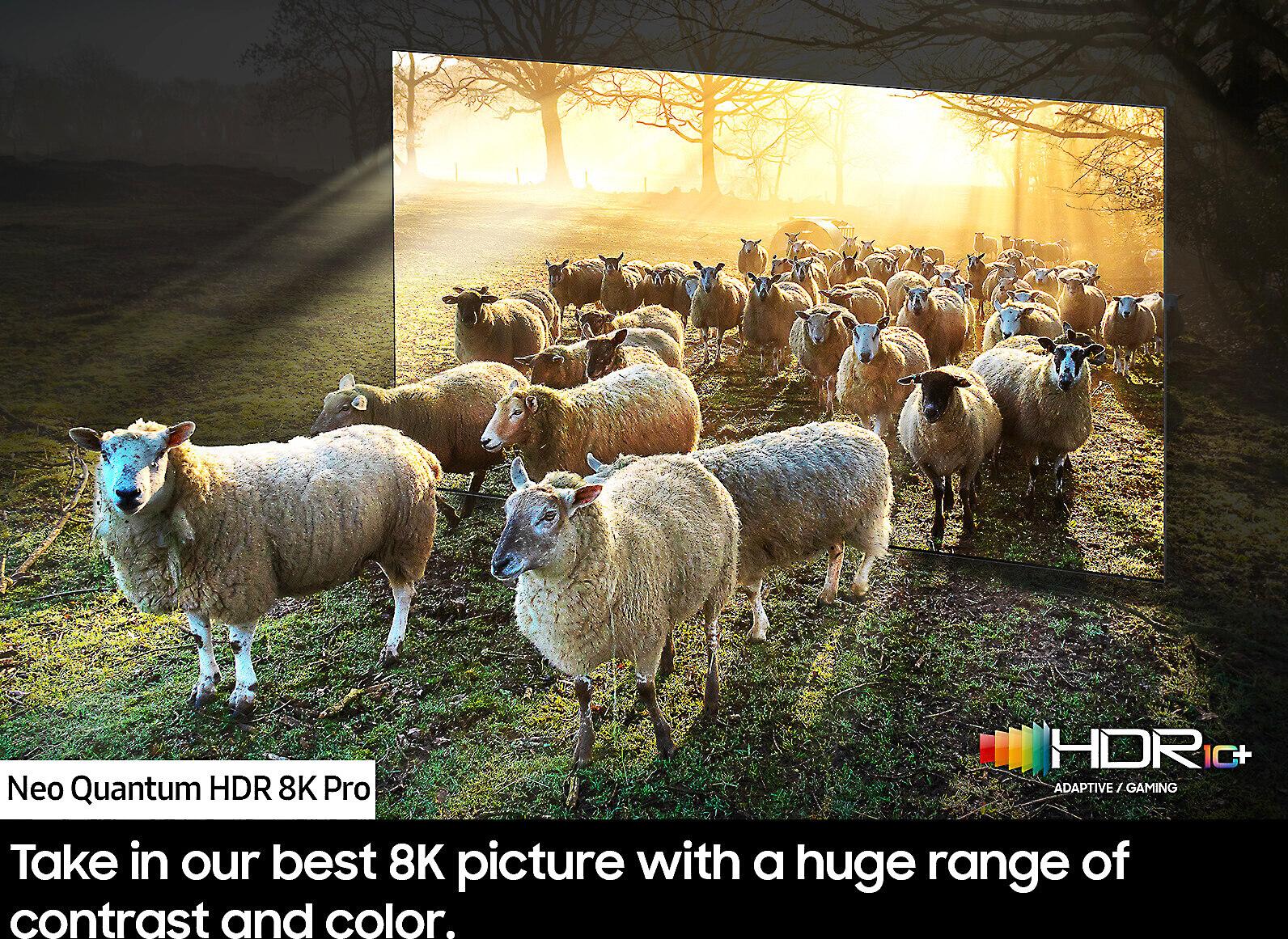
High Dynamic Range (HDR) makes colors more vibrant and highlights brighter, creating more realistic images. But here's where things get political: the Sony A95L supports Dolby Vision, while the Samsung QN900D doesn't.
Dolby Vision is the premium HDR format used by Netflix, Disney+, Apple TV+, and most major streaming services. It provides scene-by-scene optimization, meaning each moment in a movie is individually calibrated for optimal brightness and color. The Samsung QN900D uses HDR10+ instead, which offers similar technical capabilities but has significantly less content available.
This isn't just a technical specification—it's an ecosystem choice that affects what content you can enjoy in premium quality. If you're heavily invested in streaming services, the Sony A95L's Dolby Vision support provides immediate access to higher-quality versions of your favorite shows and movies.
Here's where the Samsung QN900D takes a commanding lead. Mini-LED technology can achieve peak brightness levels that make OLED displays look dim by comparison. While the Sony A95L reaches impressive brightness levels for an OLED (around 1,300 nits), the Samsung QN900D can significantly exceed this in bright highlights.
This matters most in two scenarios: bright room viewing and HDR content impact. If your TV room has large windows or lots of ambient lighting, the Samsung QN900D's superior brightness helps maintain picture quality when competing with room lighting. Similarly, HDR highlights like explosions, sunlight, or neon signs appear more impactful on brighter displays.
However, brightness isn't everything. The Sony A95L compensates with infinite contrast ratio—the difference between its brightest whites and darkest blacks. Even though it's not as bright overall, the dramatic contrast makes images appear more dynamic and realistic, especially in darker viewing environments.
Modern gaming demands low input lag (the delay between pressing a button and seeing the result on screen) and support for high refresh rates. Both TVs excel here but in different ways.
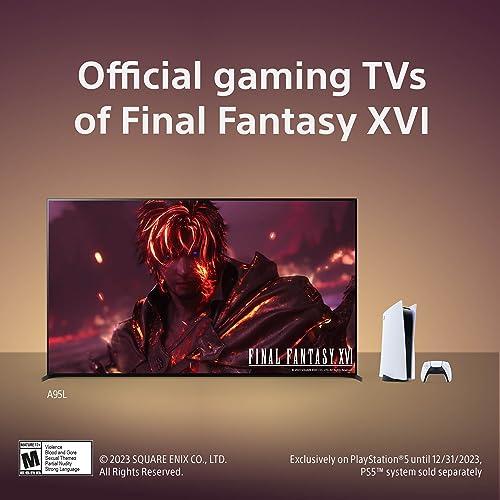
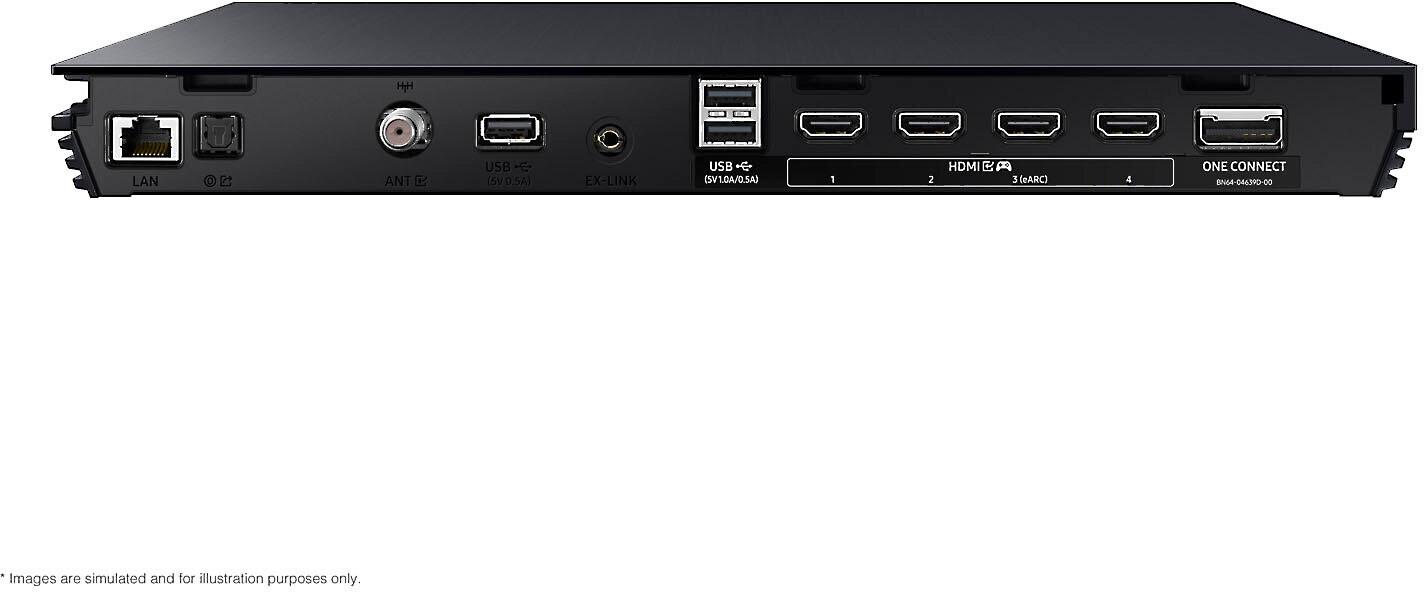
The Samsung QN900D is a gaming powerhouse, supporting 4K at 240Hz or even 8K at 60Hz for future graphics cards. Its input lag is exceptionally low, making it ideal for competitive gaming where every millisecond matters. All four HDMI ports support these advanced gaming features, providing flexibility for multiple consoles or gaming devices.
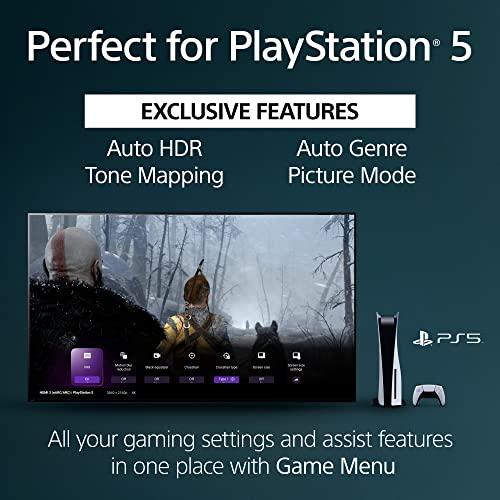
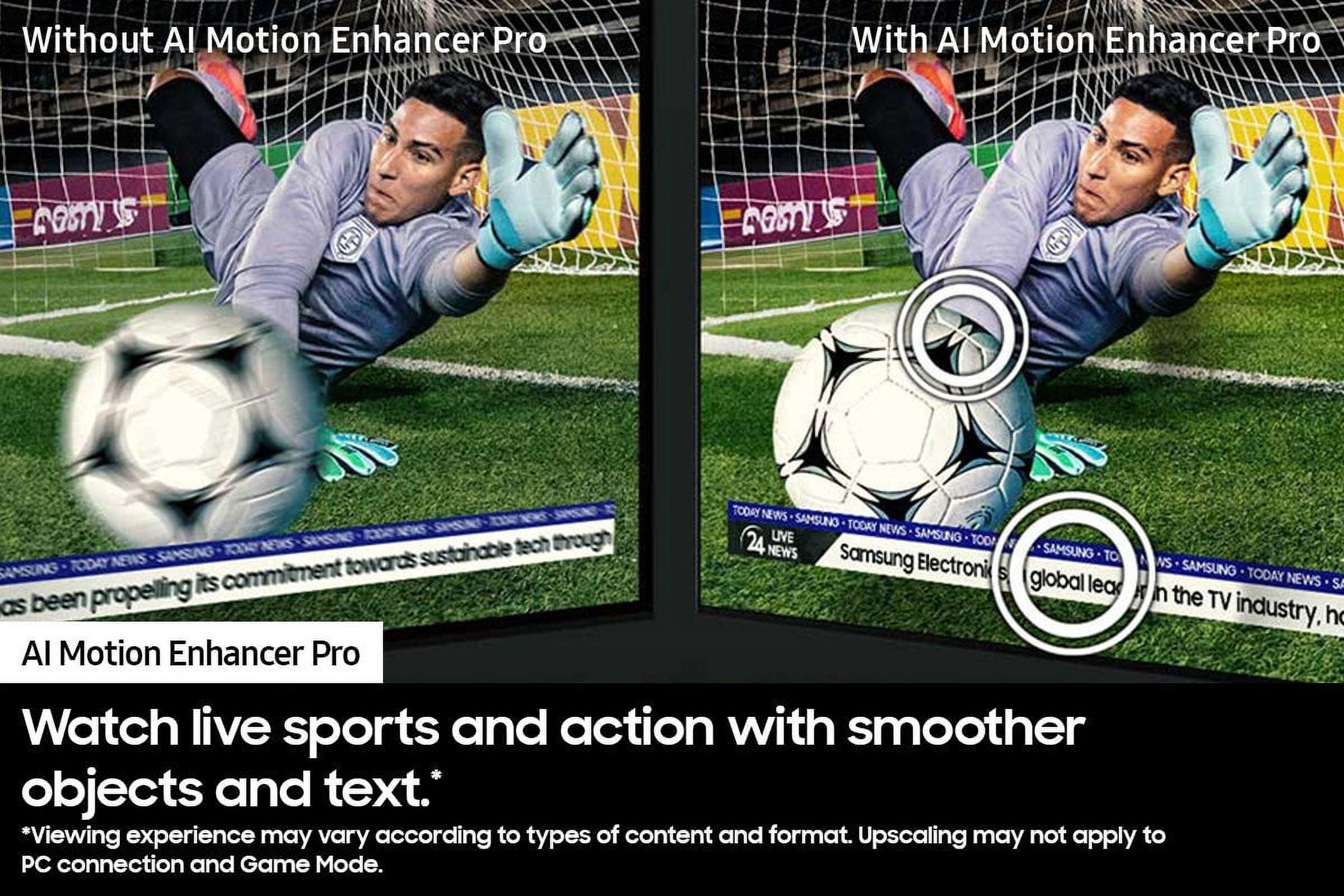
The Sony A95L offers near-instantaneous pixel response times thanks to OLED technology. When objects move quickly across the screen, they remain sharp without motion blur—something that's particularly noticeable in fast-paced games. However, its input lag is slightly higher than Samsung's implementation, and it maxes out at 4K 120Hz rather than the ultra-high refresh rates Samsung supports.
For most gamers, both TVs provide excellent experiences. Competitive esports players might prefer the Samsung QN900D's lower input lag, while single-player gamers who value image quality might prefer the Sony A95L's perfect blacks and color accuracy.
Both TVs push audio technology in interesting directions, but they take completely different approaches.
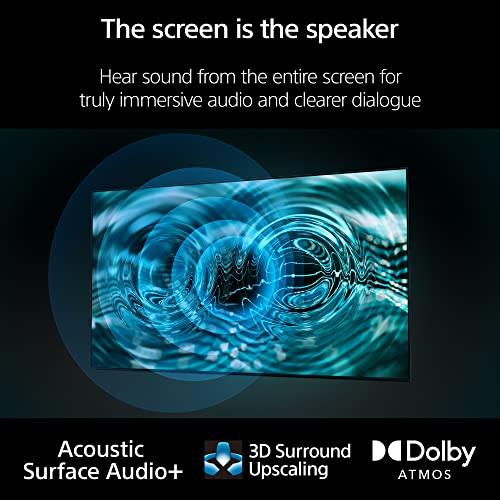
The Sony A95L features Acoustic Surface Audio+, which turns the entire screen into a speaker using actuators (tiny vibrating devices) behind the panel. This creates remarkably precise audio placement—dialogue appears to come directly from actors' mouths rather than from speakers below the screen. It's an impressive technology that creates more immersive viewing, especially for movies and TV shows.
The Samsung QN900D uses Object Tracking Sound with a 6.2.4-channel system that moves audio around the room to match on-screen action. With 90W of power, it provides impressive volume and surround effects. While it doesn't have the precision of Sony's screen-based audio, it delivers more traditional surround sound power.
Both approaches work well, but they serve different preferences. The Sony's approach excels for dialogue clarity and immersion, while Samsung's provides more traditional home theater impact.
The software experience matters more than many buyers realize, since you'll interact with it every time you use the TV.
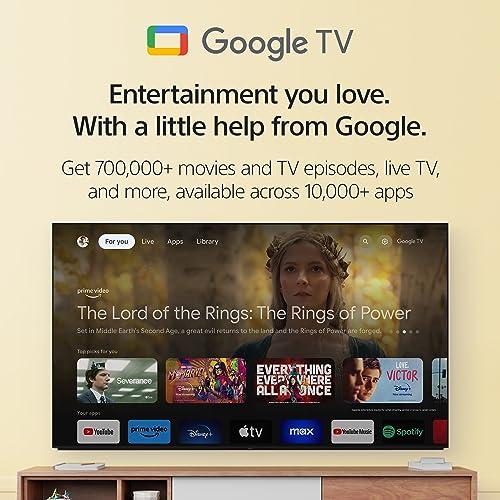
The Sony A95L runs Google TV, which provides excellent app selection, seamless Chromecast integration, and robust voice control. If you use Android devices or Google services extensively, the integration feels natural. The interface is clean and focuses on content discovery across multiple streaming services.
The Samsung QN900D uses Samsung's Tizen platform, which has evolved significantly over the years. It offers SmartThings hub functionality, making it a central control point for smart home devices. The interface is polished and responsive, though some users find it less intuitive than Google TV.
Both platforms support all major streaming apps, so your choice often comes down to ecosystem preferences and interface design.
One consideration with the Sony A95L is burn-in—permanent image retention that can occur when static elements (like news channel logos or video game interfaces) remain on screen for extended periods. Modern OLED TVs include protective measures like pixel shifting and automatic dimming, but the risk isn't zero.
The Samsung QN900D has no burn-in risk due to its LED backlight technology. For viewers who watch lots of news, sports with static scoreboards, or play games with persistent UI elements, this peace of mind might be valuable.
However, based on our research into long-term user experiences, burn-in has become much less common with recent OLED generations. Most users who follow basic precautions (avoiding static content for hours at maximum brightness) never experience issues.
For dedicated home theater setups, the Sony A95L generally provides the more cinematic experience. Its perfect blacks, accurate colors, and superior content processing create images that closely match the filmmaker's intent. The Dolby Vision support ensures you're seeing premium content as intended.
The Samsung QN900D excels in mixed-use scenarios where the TV serves multiple purposes. Its higher brightness works better with ambient lighting, and the lack of burn-in risk makes it suitable for varied content consumption.
At the time of writing, both TVs command premium pricing, but they deliver different types of value.
The Sony A95L represents the pinnacle of current content optimization. Every movie, TV show, and streaming program will look better on this display thanks to superior processing and perfect contrast. You're paying for immediate, visible improvements with all your existing content.
The Samsung QN900D offers a combination of current performance and future-proofing. The 8K resolution provides theoretical benefits for eventual content, while the bright Mini-LED display handles diverse viewing conditions better than OLED alternatives.
Since the Sony A95L launched in 2023, OLED technology has continued evolving with brighter panels and improved longevity. Sony has since released newer models with enhanced brightness, though the A95L remains competitive.
The Samsung QN900D, being a 2024 model, incorporates Samsung's latest Mini-LED advances and processing improvements. The NQ8 AI Gen3 processor represents significant advancement over previous generations, though real-world content limitations still apply to 8K resolution.
Choose the Sony BRAVIA XR A95L if you prioritize picture quality above all else, primarily watch movies and premium TV content, prefer dark room viewing, and want immediate benefits with all current content. It's the better choice for dedicated home theater enthusiasts who value cinematic accuracy.
Choose the Samsung QN900D if you need maximum brightness for bright room viewing, want cutting-edge gaming features, prefer future-proofing with 8K resolution, or have concerns about OLED burn-in. It's ideal for mixed-use family rooms and serious gamers.
Both TVs represent excellent engineering, but they serve different priorities. The Sony excels at making today's content look extraordinary, while the Samsung prepares for tomorrow's possibilities while delivering impressive performance today. Your viewing environment, content preferences, and risk tolerance should guide your decision more than technical specifications alone.
The right choice depends entirely on how you plan to use your TV and what compromises you're willing to make. Both will provide years of exceptional viewing experiences—just through very different technological approaches.
| Sony BRAVIA XR A95L | Samsung QN900D |
|---|---|
| Display Technology - The fundamental difference that affects all image quality | |
| QD-OLED with perfect blacks and infinite contrast | Neo QLED Mini-LED with superior brightness but some blooming |
| Resolution - Future-proofing vs current content optimization | |
| 4K (3,840 x 2,160) optimized for all current content | 8K (7,680 x 4,320) for theoretical future content |
| Peak Brightness - Critical for bright room viewing and HDR impact | |
| ~1,300 nits (excellent for OLED, good for most rooms) | 2,000+ nits (superior for bright rooms and HDR highlights) |
| HDR Format Support - Affects streaming content quality | |
| Dolby Vision, HDR10, HLG (wide content compatibility) | HDR10+, HDR10, HLG (no Dolby Vision support) |
| Gaming Performance - Input lag and refresh rate capabilities | |
| 4K @ 120Hz, higher input lag, perfect motion clarity | 4K @ 240Hz or 8K @ 60Hz, ultra-low input lag |
| Burn-in Risk - Long-term durability concern | |
| Possible with static content (modern protections included) | No burn-in risk due to LED backlight technology |
| Smart Platform - Daily interface experience | |
| Google TV with Chromecast built-in | Samsung Tizen with SmartThings hub integration |
| Audio Technology - Built-in sound quality approach | |
| Acoustic Surface Audio+ (screen becomes speaker) | Object Tracking Sound 6.2.4CH system (90W) |
| Content Processing - Upscaling and enhancement quality | |
| XR Processor with superior upscaling of lower-quality sources | NQ8 AI Gen3 processor with good but less refined processing |
| Viewing Angle - Picture quality from side positions | |
| Excellent (178° with minimal color shift) | Good (some color/brightness loss at extreme angles) |
| Best Use Case - Who should choose each TV | |
| Home theater enthusiasts, movie lovers, dark room viewing | Bright room viewing, gaming, mixed family use |
The Sony BRAVIA XR A95L delivers superior picture quality for most viewers thanks to its QD-OLED technology, which produces perfect blacks and infinite contrast. The Samsung QN900D excels in brightness but cannot match OLED's contrast performance. For home theater use, the Sony A95L provides more cinematic image quality.
Currently, 8K content is virtually nonexistent, making the Samsung QN900D's 8K resolution largely theoretical. The Sony A95L focuses on optimizing 4K content with superior processing, delivering better real-world performance with all current movies and shows. Unless you plan to keep the TV for many years, 4K provides better immediate value.
The Samsung QN900D is superior for competitive gaming with ultra-low input lag and support for 4K at 240Hz. The Sony A95L offers excellent gaming with perfect motion clarity but has slightly higher input lag. Serious gamers should choose the Samsung QN900D, while casual gamers will be satisfied with either.
Only the Sony BRAVIA XR A95L supports Dolby Vision, which is used by Netflix, Disney+, and other major streaming services. The Samsung QN900D uses HDR10+ instead, which has less content available. For streaming enthusiasts, the Sony A95L's Dolby Vision support provides access to higher-quality HDR content.
The Samsung QN900D is significantly brighter due to its Mini-LED technology, making it better for rooms with lots of natural light. The Sony A95L is bright enough for most viewing situations but may struggle in very bright rooms. If your TV room has large windows, the Samsung QN900D maintains better picture quality during the day.
The Sony BRAVIA XR A95L has potential burn-in risk like all OLED TVs, but modern protections make this uncommon with normal use. The Samsung QN900D has no burn-in risk. If you watch news channels with static logos frequently or play games with persistent UI elements for hours, the Samsung QN900D offers more peace of mind.
Both TVs offer excellent smart platforms. The Sony A95L runs Google TV with superior app selection and Chromecast integration, while the Samsung QN900D uses Tizen with SmartThings hub functionality for smart home control. Choose the Sony A95L for streaming focus or the Samsung QN900D for smart home integration.
The Sony A95L features unique Acoustic Surface Audio+ technology that turns the screen into a speaker, providing precise dialogue placement. The Samsung QN900D offers traditional Object Tracking Sound with more power (90W) and surround effects. Both sound good, but the Sony A95L excels for dialogue clarity while the Samsung QN900D provides more theater-like volume.
The Sony BRAVIA XR A95L is superior for dedicated home theater use due to its perfect blacks, accurate colors, Dolby Vision support, and excellent content processing. The screen-based audio also enhances the cinematic experience. Home theater enthusiasts should choose the Sony A95L for the most film-like viewing experience.
The Sony A95L excels at upscaling older content thanks to Sony's superior XR processing technology, making DVDs and compressed streams look significantly better. The Samsung QN900D also upscales content but with less refined results. For viewers with large collections of older movies or who watch compressed streaming content, the Sony A95L provides better enhancement.
Value depends on your priorities. The Sony BRAVIA XR A95L provides immediate picture quality improvements with all current content and superior processing. The Samsung QN900D offers future-proofing with 8K resolution and works better in bright rooms. Consider the Sony A95L for picture quality focus or the Samsung QN900D for versatility and gaming performance.
Both TVs work as large computer monitors, but the Samsung QN900D is better suited due to its higher refresh rates (up to 240Hz) and lower input lag. The Sony A95L may show slight text clarity issues due to its subpixel structure, though this is manageable with proper settings. PC gamers should prefer the Samsung QN900D for the best experience.
We've done our best to create useful and informative comparisons to help you decide what product to buy. Our research uses advanced automated methods to create this comparison and perfection is not possible - please contact us for corrections or questions. These are the sites we've researched in the creation of this article: rtings.com - youtube.com - rtings.com - avsforum.com - rtings.com - smarthomesounds.co.uk - smarthomesounds.co.uk - rtings.com - smarthomesounds.co.uk - youtube.com - tomsguide.com - avsforum.com - rtings.com - perfectrec.com - flatpanelshd.com - videoandaudiocenter.com - sonypremiumhome.com - bestbuy.com - sony.com - electronics.sony.com - displayspecifications.com - donstv.com - youtube.com - static.pcrichard.com - smarthomesounds.co.uk - youtube.com - electronics.sony.com - electronics.sony.com - displayspecifications.com - rtings.com - videoandaudiocenter.com - bestbuy.com - avsforum.com - bestbuy.com - walts.com - images.samsung.com - samsung.com - merlinstv.com - samsung.com - avsforum.com - samsung.com

Privacy Policy
Terms and Conditions - Affiliate Policy
Home Security
© Copyright 2008-2026.
11816 Inwood Rd #1211, Dallas, TX 75244