

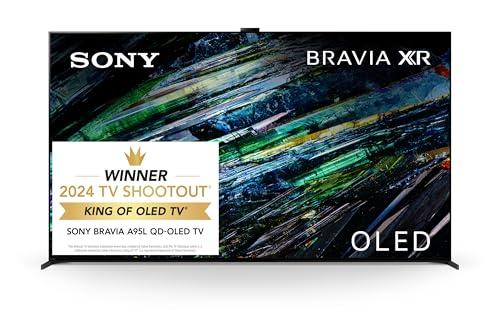
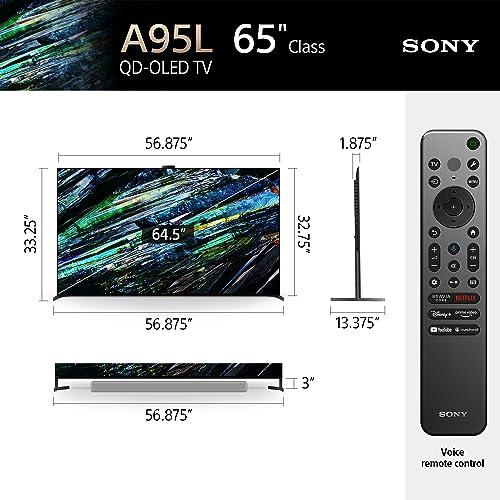



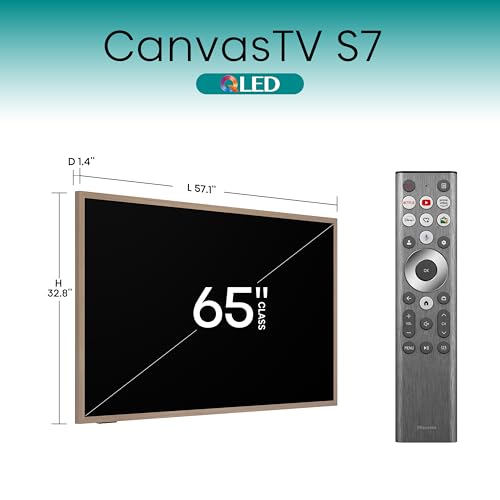



When shopping for a 65-inch 4K TV, you'll quickly discover that not all displays are created equal. The Sony BRAVIA XR A95L and Hisense S7N CanvasTV represent two completely different philosophies in television design, even though they share the same screen size and 4K resolution. Understanding these differences is crucial because choosing the wrong one could leave you disappointed for years to come.
The most fundamental difference between these TVs lies in their display technology, which affects everything from picture quality to price. The Sony A95L uses QD-OLED (Quantum Dot OLED) technology, while the Hisense S7N employs traditional QLED with LED backlighting.
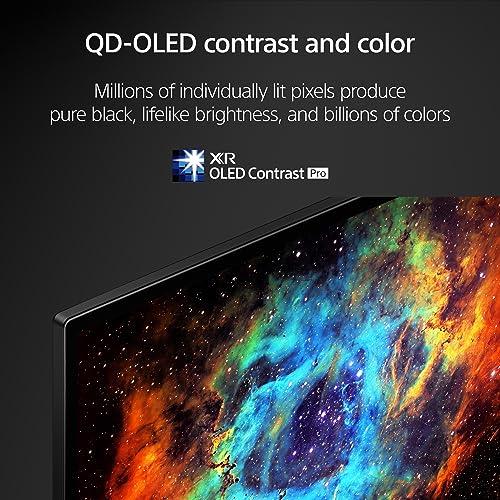
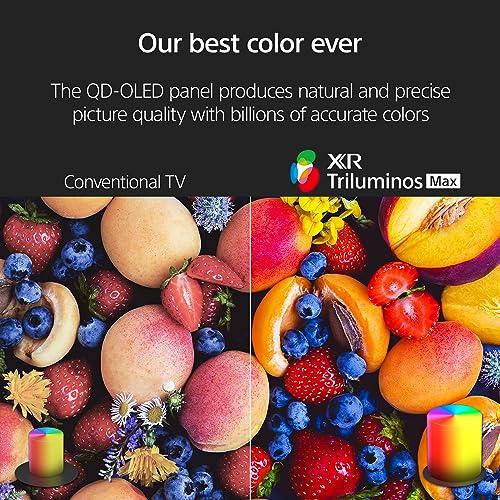
OLED stands for Organic Light-Emitting Diode, where each individual pixel creates its own light and can turn completely off to produce perfect black. Think of it like having millions of tiny light bulbs that can independently shine or go dark. QD-OLED takes this further by adding quantum dots – microscopic particles that enhance color purity and brightness when light hits them.
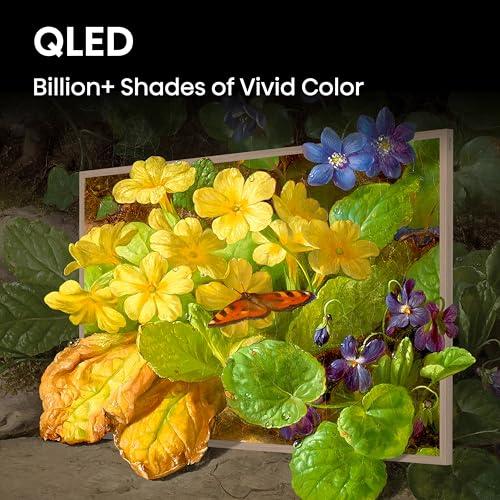
QLED, on the other hand, uses Quantum Dot Light-Emitting Diode technology with a traditional LED backlight system. The quantum dots improve color reproduction, but since there's still a backlight behind the entire panel, it can never achieve true black – there's always some light bleeding through, creating what we call "gray blacks."
This technical difference translates into dramatically different viewing experiences. The Sony A95L, released in 2023, represents Sony's second-generation QD-OLED panel with significantly improved brightness compared to their 2022 models. The Hisense S7N, also from the 2023-2024 lineup, focuses on delivering solid QLED performance while doubling as room décor.
The Sony A95L delivers what many consider the holy grail of TV performance: perfect blacks alongside brilliant whites in the same frame. When you're watching a movie with a starry night sky, those stars pop against a background that's genuinely black, not the dark gray you get with most TVs. This infinite contrast ratio creates a sense of depth and realism that's immediately noticeable.
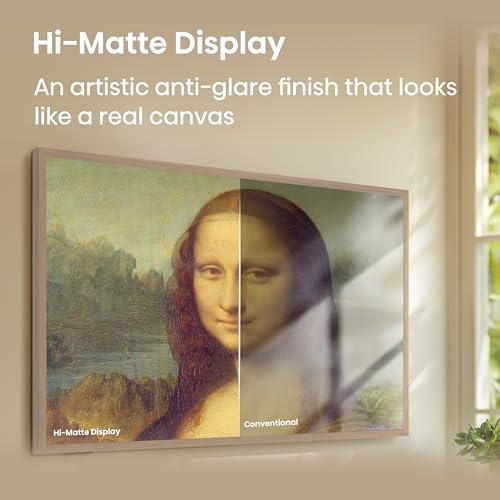
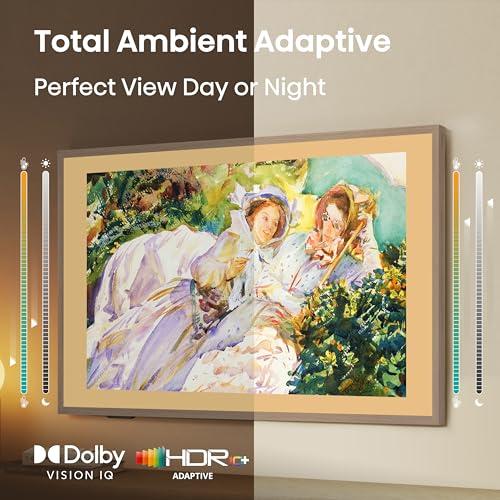
The Hisense S7N can't match this fundamental advantage. Its LED backlight system means dark scenes will always have some level of grayish tint. However, Hisense has implemented a Hi-Matte anti-glare coating that reduces reflections to just 5% – a significant advantage in bright rooms where the Sony might struggle with glare.
Color reproduction is where both TVs show their quantum dot heritage, but at different performance levels. The Sony A95L covers an impressive 99.75% of the DCI-P3 color space (the standard used for digital cinema) and 86.16% of the even wider BT.2020 standard. In practical terms, this means colors appear more vibrant and lifelike, with reds that actually look red rather than orange-ish, and blues that don't appear purple.
The Hisense S7N also uses quantum dot technology for enhanced colors, though it doesn't reach the same coverage levels as the Sony. Where it does excel is in bright room viewing – that anti-glare coating maintains color vibrancy even when sunlight hits the screen directly.
For HDR (High Dynamic Range) content, which includes the bright highlights and deep shadows you see in modern movies and games, the Sony A95L reaches peak brightness levels up to 1,300 nits. This might not sound impressive compared to some LED TVs that claim 4,000+ nits, but OLED's perfect blacks make every bright detail pop dramatically. The TV also tracks the intended brightness curve almost perfectly, meaning you see exactly what content creators intended.
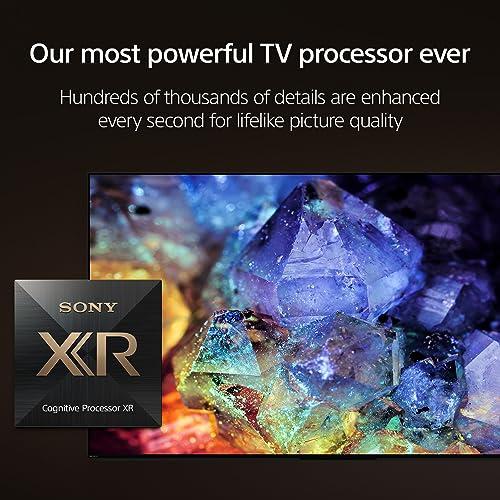
The Sony A95L includes Sony's Cognitive Processor XR, which analyzes hundreds of thousands of on-screen elements simultaneously. This isn't just marketing speak – the difference is immediately visible when watching lower-quality content like compressed streaming video or older DVDs. The processor upscales and cleans up the image in ways that make even Netflix streams look closer to 4K Blu-ray quality.
This processing advantage becomes crucial for real-world viewing. Most content isn't pristine 4K, so a TV's ability to make everything look better matters more than raw specifications. Based on expert consensus, Sony has established a significant lead in this area, with their upscaling described as being "on another planet" compared to budget alternatives.
The Hisense S7N includes basic processing features but can't match Sony's sophisticated algorithms. You'll notice the difference most when watching older shows, low-bitrate streaming content, or anything with film grain or compression artifacts.
Modern gaming demands have pushed TV manufacturers to prioritize features once exclusive to computer monitors. Both TVs support the current generation of gaming consoles, but with different strengths.
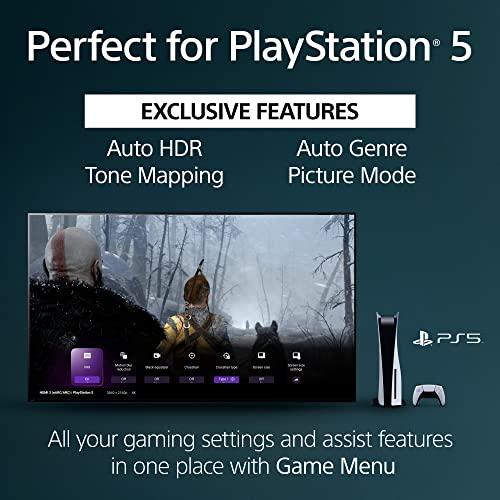
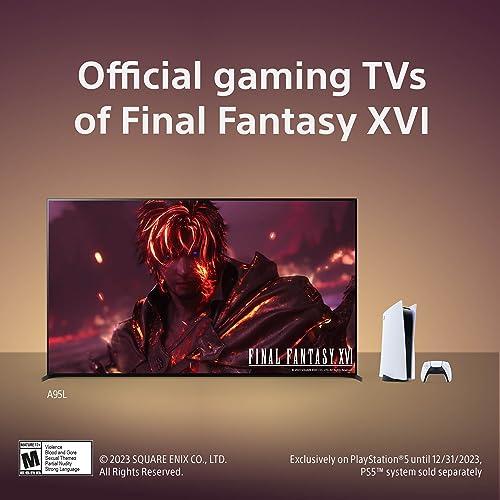
The Sony A95L offers a 120Hz refresh rate with two HDMI 2.1 ports capable of 4K at 120 frames per second. More importantly, OLED's instantaneous pixel response means there's no motion blur – fast-moving objects remain sharp and clear. Variable Refresh Rate (VRR) and Auto Low Latency Mode (ALLM) ensure smooth gameplay without tearing or input delay.
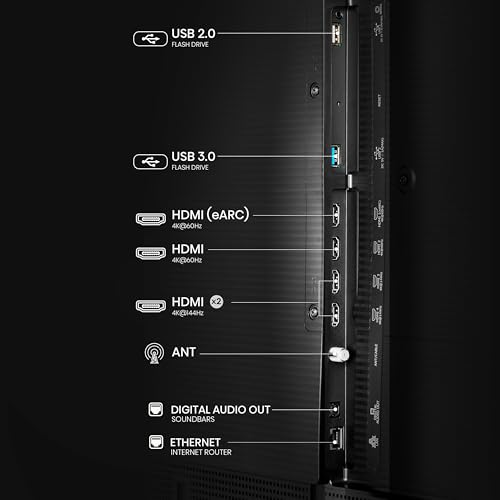
The Hisense S7N actually offers a higher 144Hz refresh rate and can handle 4K at 144Hz on certain inputs, which sounds impressive on paper. However, the LED panel's response time can't match OLED's instantaneous switching, so you might notice some motion blur during fast-paced gaming.
For competitive gaming where every millisecond counts, the Sony's perfect motion clarity gives it an edge despite the lower refresh rate. For casual gaming or if you prefer higher frame rates over perfect motion, the Hisense offers good performance at a much lower price point.
TV audio often gets overlooked, but both models attempt to deliver better sound than typical flat-panel displays.
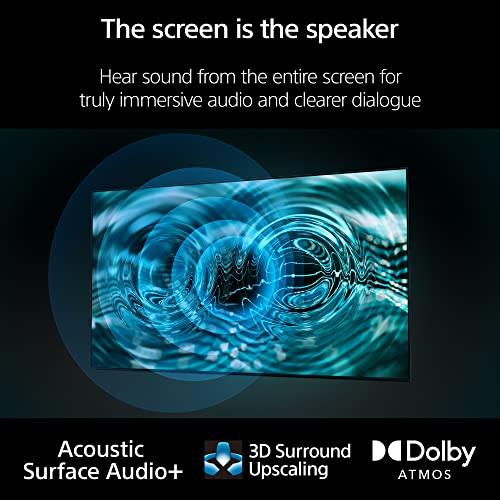
The Sony A95L uses Acoustic Surface Audio+ technology, which turns the entire screen into a speaker using actuators that vibrate the display panel. This creates an unusual but effective audio experience where sound appears to come directly from the action on screen. With 60W total power and support for Dolby Atmos passthrough, it can even function as a center channel speaker for home theater systems.
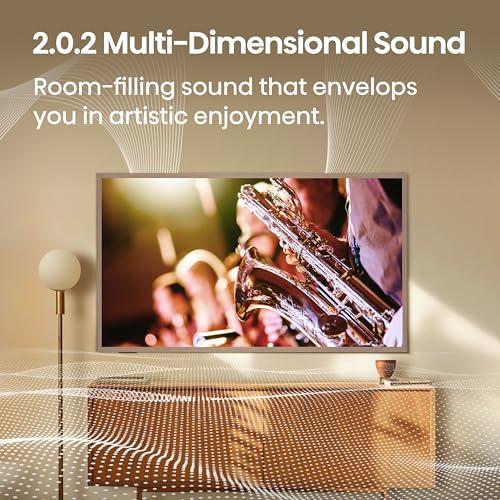
The Hisense S7N takes a more conventional approach with a 2.0.2 channel system including upward-firing speakers for simulated surround sound. At 36W total output, it's less powerful than the Sony but still provides above-average audio for a flat-panel TV.
Neither TV will replace a dedicated sound system for serious home theater use, but the Sony's innovative approach gives it a clear advantage for everyday viewing.
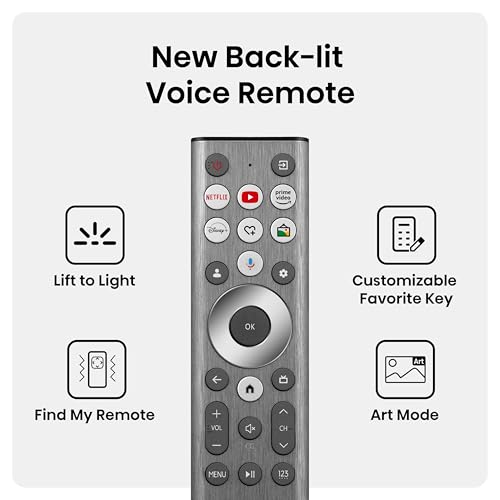
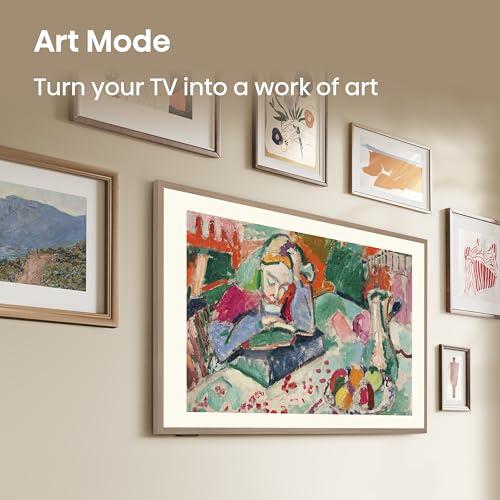
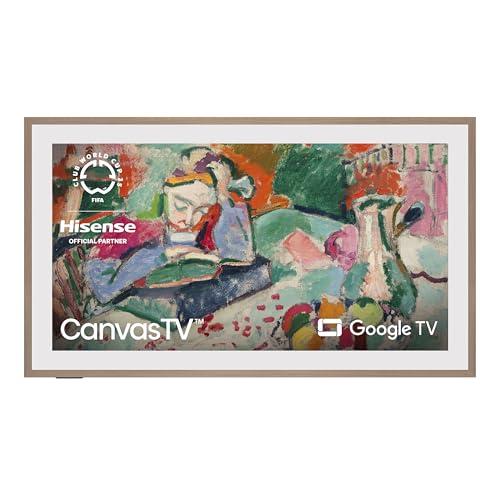
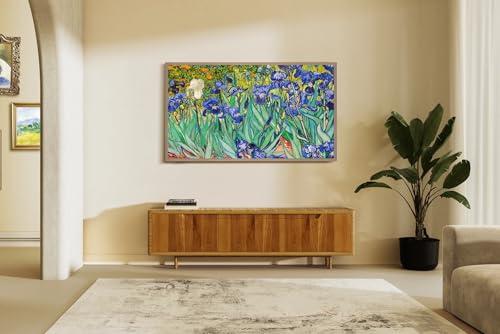
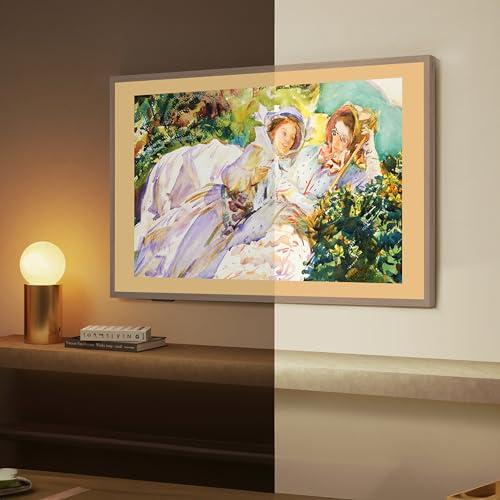
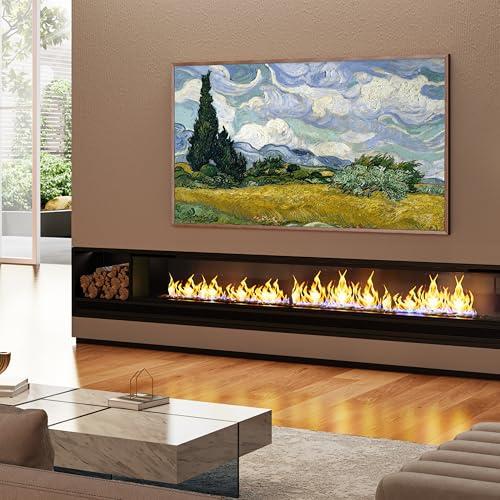
Here's where the Hisense S7N offers something completely different. Art Mode transforms the TV into a digital picture frame displaying curated artwork or personal photos when not actively watching content. Motion sensors detect when someone enters the room and can automatically switch from screensaver to art display.
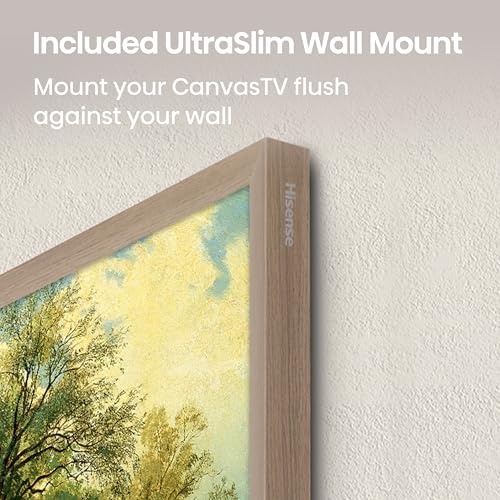
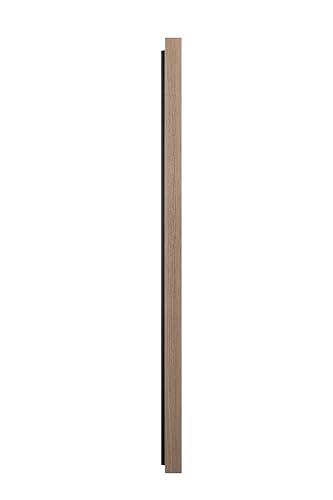
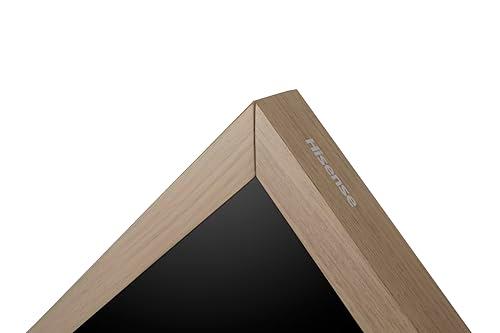
The magnetic frame system lets you swap between different finishes (teak, white, or walnut) to match your décor, and the ultra-slim wall mount positions the TV just 3mm from the wall for a painting-like appearance. Unlike some competitors, Hisense includes artwork at no additional subscription cost.
The Sony A95L offers no comparable feature – it's purely focused on entertainment consumption. When off, it's clearly a black TV screen, not an art piece.
This represents a fundamental philosophical difference. The Hisense acknowledges that your TV occupies prime wall real estate in your living room and should contribute to the room's aesthetics even when not in use. The Sony assumes you want the ultimate viewing experience when the TV is on, regardless of how it looks when off.
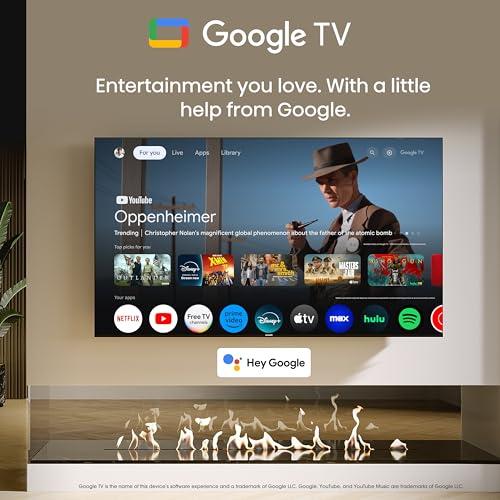
Both TVs run Google TV, so the core smart functionality is identical – same apps, same interface, same voice control through Google Assistant. However, the experience differs in execution.
The Sony A95L includes additional features like Apple AirPlay support for iOS devices and an ATSC 3.0 tuner for receiving 4K over-the-air broadcasts (as they become available). The interface typically runs smoothly, though some users report occasional sluggishness when first powering on.
The Hisense S7N focuses on the core Google TV experience without many extras, but user reports suggest the interface is generally responsive and straightforward to navigate.
At the time of writing, the pricing difference between these TVs is substantial – often more than $1,000 separating them. This isn't simply a case of paying extra for incremental improvements; they're targeting completely different market segments.
The Sony A95L launched in 2023 as a premium home theater display, and even with typical price drops over time, it remains positioned as a high-end option. You're paying for cutting-edge OLED technology, superior processing, and reference-level picture quality.
The Hisense S7N aims to provide solid 4K performance with unique aesthetic features at a much more accessible price point. It offers good value for viewers who want a large, modern TV with art display capabilities without paying premium prices.
For dedicated home theater use, the Sony A95L is the clear choice. Its perfect blacks are essential for the dark room viewing that home theaters demand, and its accurate color reproduction ensures movies look exactly as directors intended. The superior processing means even older films and streaming content will look their best.
The Hisense S7N works adequately in home theater settings but can't provide the same level of immersion due to its gray blacks and less sophisticated processing. However, if your "home theater" is really a multi-purpose living room with ambient lighting, its anti-glare coating might actually provide better practical performance than the Sony's reflective OLED panel.
Choose the Sony BRAVIA XR A95L if picture quality is your top priority and budget is secondary. This TV excels when you want the most immersive viewing experience possible – whether that's cinematic movies, HDR content, or competitive gaming. It's ideal for dedicated media rooms or viewing spaces where you can control lighting. The premium you pay gets you technology that simply isn't available at lower price points.
The Hisense S7N CanvasTV makes sense when you want a TV that enhances your living space even when not in use. If you live in a bright room with lots of natural light, its anti-glare coating provides practical advantages over more expensive OLEDs. It's also the obvious choice when budget is a primary concern but you still want modern features like 4K resolution and smart TV capabilities.
Consider your actual usage patterns. If you're a casual viewer who occasionally watches Netflix and wants your TV to look good on the wall, the Hisense offers excellent value. If you're a movie enthusiast or serious gamer who notices picture quality differences, the Sony's superior technology justifies the higher cost.
The gap between these TVs isn't just about specifications – it's about different approaches to what a television should be in your home. The Sony A95L aims to disappear as a device and immerse you completely in content. The Hisense S7N acknowledges that TVs are furniture first and entertainment devices second.
Both philosophies have merit, but understanding which matches your priorities will determine which TV will make you happier over the years of ownership ahead.
| Sony BRAVIA XR A95L 65" QD-OLED | Hisense 65" S7N CanvasTV QLED |
|---|---|
| Display Technology - Determines picture quality fundamentals | |
| QD-OLED with perfect blacks and infinite contrast | QLED with LED backlight, good colors but gray blacks |
| Peak Brightness - Critical for HDR impact and room compatibility | |
| Up to 1,300 nits (excellent for dark/medium rooms) | 450 nits peak (adequate for most content, limited HDR pop) |
| Refresh Rate - Important for gaming and sports | |
| 120Hz native (smooth for console gaming) | 144Hz native (higher frame rates for PC gaming) |
| HDMI 2.1 Ports - Essential for next-gen gaming | |
| 2 ports supporting 4K@120Hz, VRR, ALLM | 2 ports supporting 4K@144Hz, VRR, ALLM |
| Color Coverage - Affects vibrancy and accuracy | |
| 99.75% DCI-P3, 86.16% BT.2020 (reference level) | Good quantum dot colors but lower coverage |
| Anti-Glare Performance - Critical for bright rooms | |
| Standard OLED (struggles with reflections) | Hi-Matte coating reduces reflections to 5% |
| Processing Power - Determines upscaling quality | |
| Cognitive Processor XR (industry-leading upscaling) | Basic processing (acceptable for native 4K) |
| Art Display Mode - Transforms TV into décor | |
| Not available (purely entertainment focused) | Full art mode with motion sensors and custom frames |
| Audio System - Affects need for external speakers | |
| Acoustic Surface Audio+ 60W (screen as speaker) | 2.0.2 channel 36W (upward-firing speakers) |
| Wall Mounting - Installation and aesthetics | |
| Ultra-thin profile, standard wall mount | 3mm flush mount included (painting-like appearance) |
| Smart Platform - Interface and app selection | |
| Google TV with Apple AirPlay and ATSC 3.0 | Google TV (standard features, responsive interface) |
| Target Market - Who should buy this TV | |
| Home theater enthusiasts and picture quality purists | Style-conscious buyers wanting dual-purpose display |
The Sony BRAVIA XR A95L delivers superior picture quality with its QD-OLED technology, offering perfect blacks, infinite contrast, and exceptional color accuracy. The Hisense S7N CanvasTV provides good QLED performance but cannot match the Sony's contrast and processing capabilities for cinematic content.
The key difference is their purpose and technology: the Sony A95L is a premium QD-OLED TV focused on delivering reference-quality picture performance, while the Hisense S7N is a lifestyle QLED TV designed to double as wall art when not in use, prioritizing aesthetics and value.
Both TVs support 4K gaming with HDMI 2.1 features, but the Sony A95L offers superior gaming performance with instantaneous pixel response and perfect motion clarity at 120Hz. The Hisense S7N provides 144Hz refresh rates but has slower pixel response times typical of LED panels.
Only the Hisense S7N CanvasTV offers dedicated art display mode with curated artwork, motion sensors, and customizable frames. The Sony A95L does not have art mode functionality and appears as a standard black TV screen when powered off.
The Hisense S7N CanvasTV excels in bright environments with its Hi-Matte anti-glare coating that reduces reflections to just 5%. The Sony A95L can struggle with glare and reflections in very bright rooms despite its superior overall picture quality.
Both the Sony A95L and Hisense S7N use Google TV with identical app selection and interface. The Sony adds Apple AirPlay support and ATSC 3.0 tuner, while the Hisense focuses on core Google TV functionality with responsive performance.
Value depends on priorities: the Hisense S7N CanvasTV offers excellent value for budget-conscious buyers wanting 4K performance plus art display features. The Sony A95L provides premium value for enthusiasts who prioritize ultimate picture quality and advanced processing.
Yes, the Sony A95L features innovative Acoustic Surface Audio+ technology that turns the screen into a 60W speaker system with superior sound placement. The Hisense S7N uses conventional 36W speakers with upward-firing drivers for simulated surround sound.
The Sony A95L is ideal for home theater use with its perfect blacks essential for dark room viewing, accurate colors for cinematic content, and superior upscaling for all media types. The Hisense S7N works adequately but cannot provide the same level of immersion.
The Hisense S7N CanvasTV offers a higher 144Hz refresh rate, while the Sony A95L provides 120Hz. However, the Sony's OLED technology delivers instantaneous pixel response for clearer motion, often providing better real-world performance despite the lower refresh rate.
Both support HDR formats, but the Sony A95L delivers dramatically better HDR performance with higher peak brightness, perfect contrast, and accurate tone mapping. The Hisense S7N supports HDR but with more limited brightness and contrast capabilities.
This depends on your priorities: choose the Hisense S7N CanvasTV if art display functionality and bright room performance matter most to you. Select the Sony A95L if you prioritize ultimate picture quality for entertainment and can accept a standard TV appearance when powered off.
We've done our best to create useful and informative comparisons to help you decide what product to buy. Our research uses advanced automated methods to create this comparison and perfection is not possible - please contact us for corrections or questions. These are the sites we've researched in the creation of this article: rtings.com - youtube.com - rtings.com - avsforum.com - rtings.com - smarthomesounds.co.uk - smarthomesounds.co.uk - rtings.com - smarthomesounds.co.uk - youtube.com - tomsguide.com - avsforum.com - rtings.com - perfectrec.com - flatpanelshd.com - videoandaudiocenter.com - sonypremiumhome.com - bestbuy.com - sony.com - electronics.sony.com - displayspecifications.com - donstv.com - youtube.com - static.pcrichard.com - smarthomesounds.co.uk - youtube.com - electronics.sony.com - electronics.sony.com - displayspecifications.com - bestbuy.com - hisense.sg - tomsguide.com - content.syndigo.com - rtings.com - hisense-usa.com - youtube.com - bestbuy.com - youtube.com - displayspecifications.com - displayspecifications.com - manuals.plus - displayspecifications.com - bestbuy.com - hisense-canada.com - manuals.plus - bargainoutletandmore.com - bestbuy.com - device.report

Privacy Policy
Terms and Conditions - Affiliate Policy
Home Security
© Copyright 2008-2026.
11816 Inwood Rd #1211, Dallas, TX 75244