

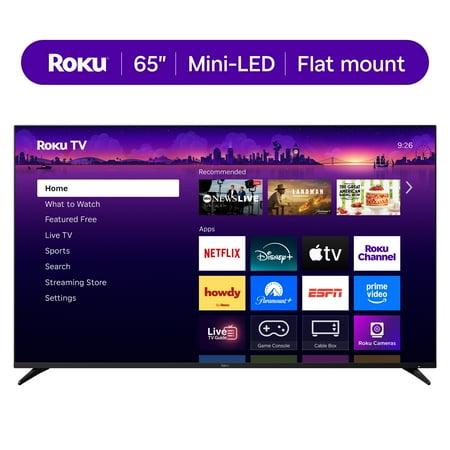
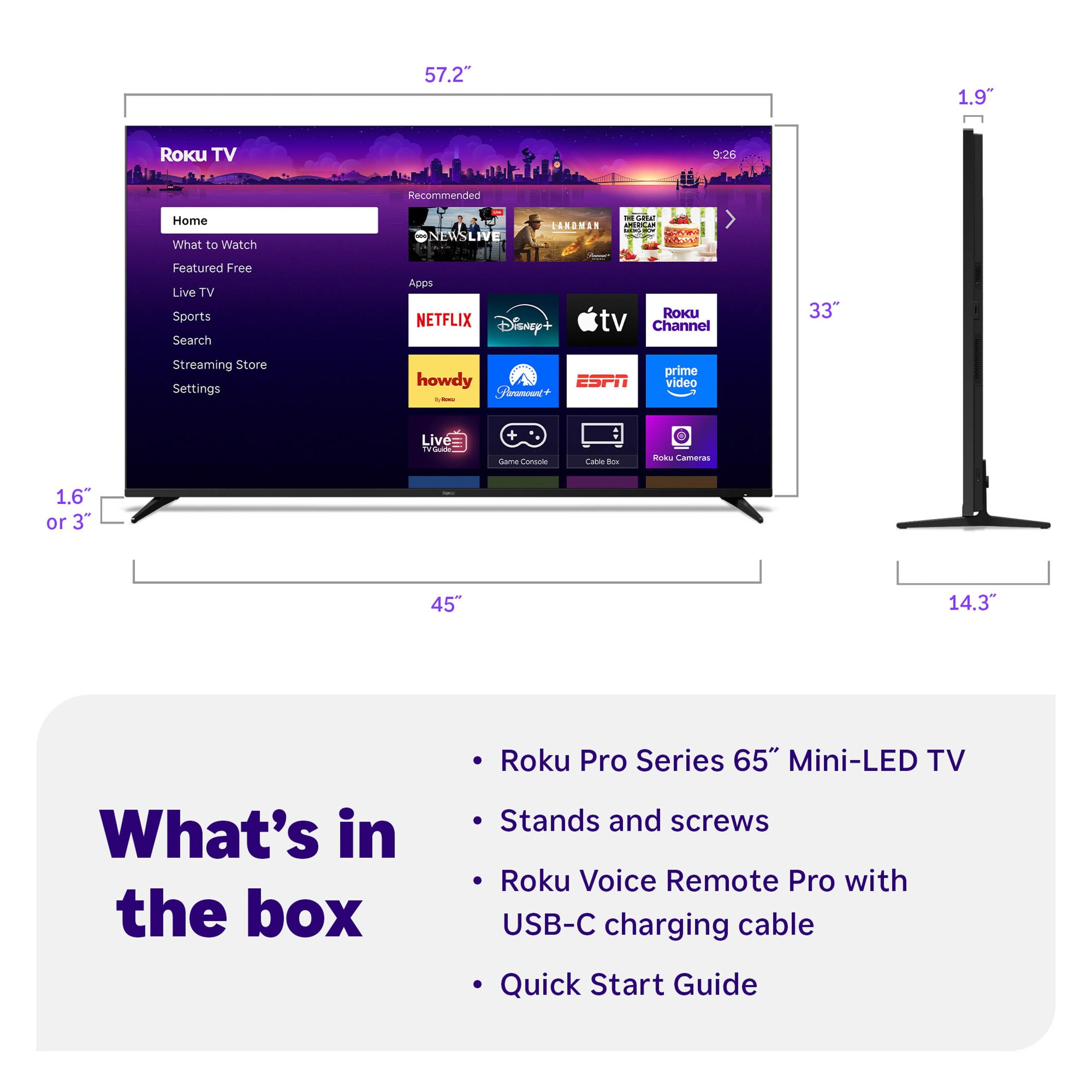
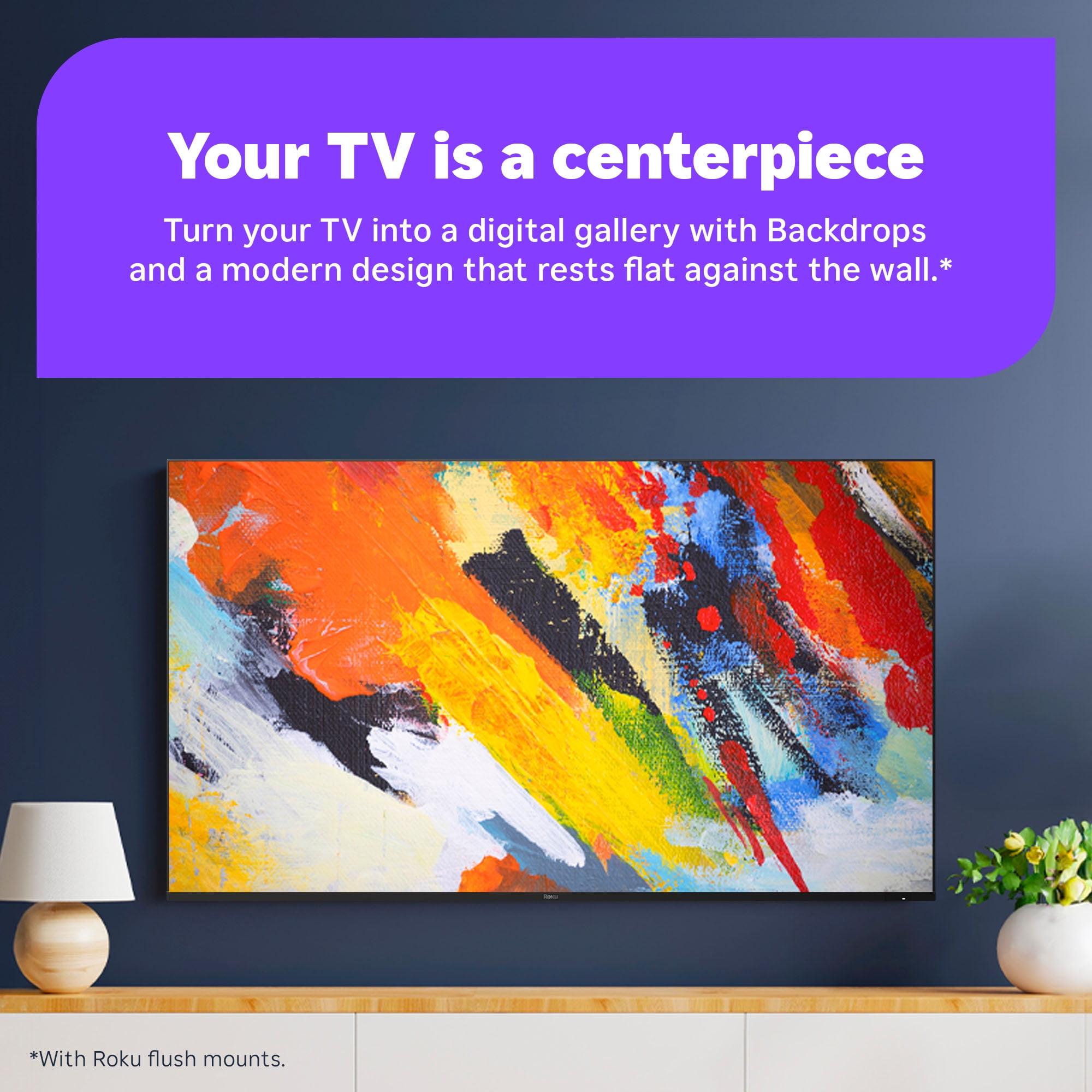
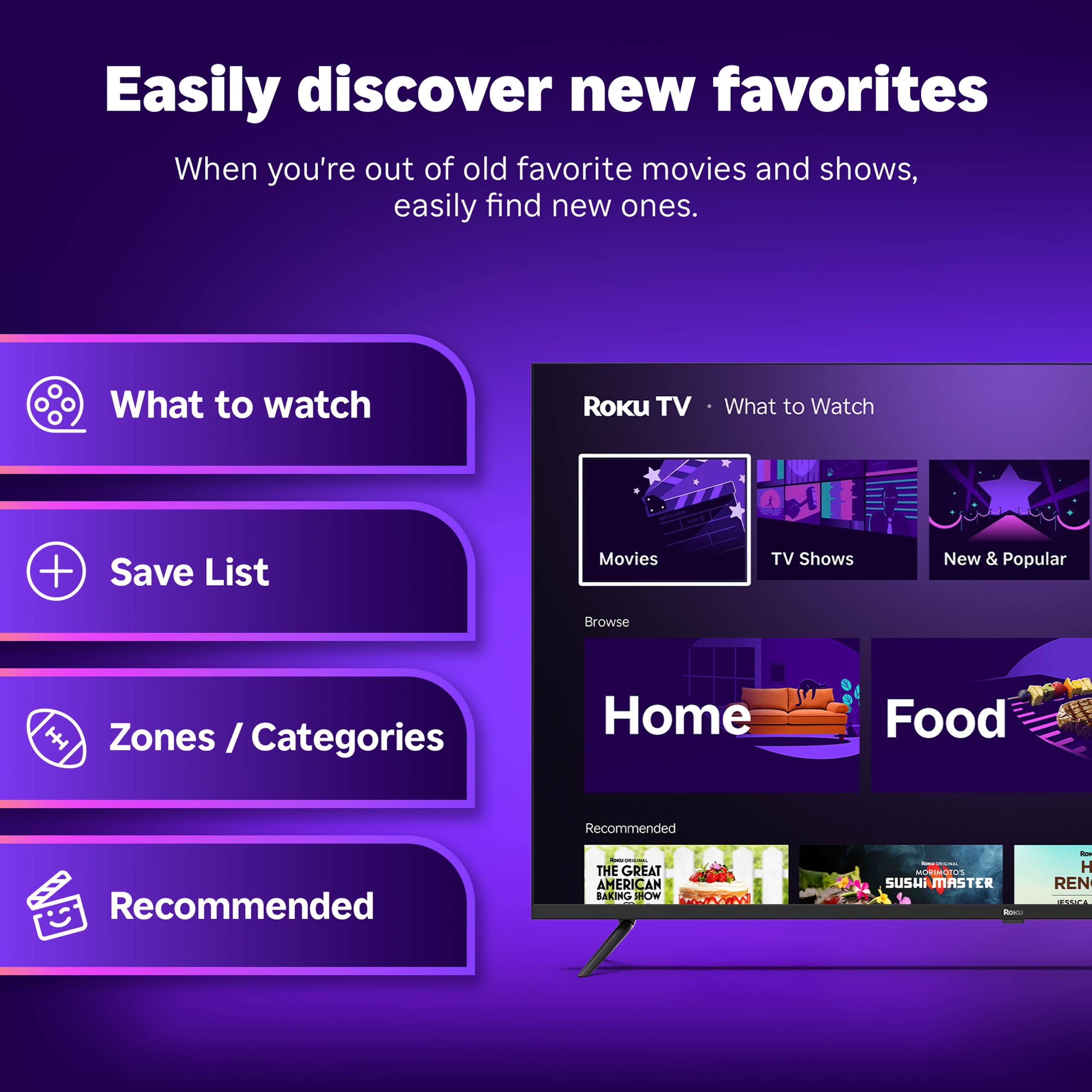
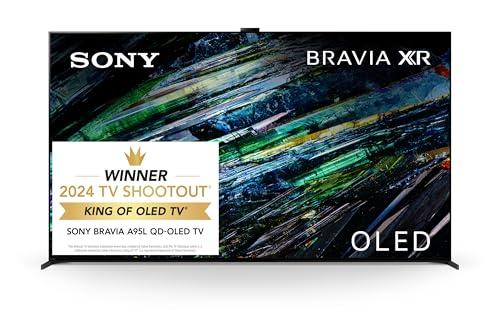
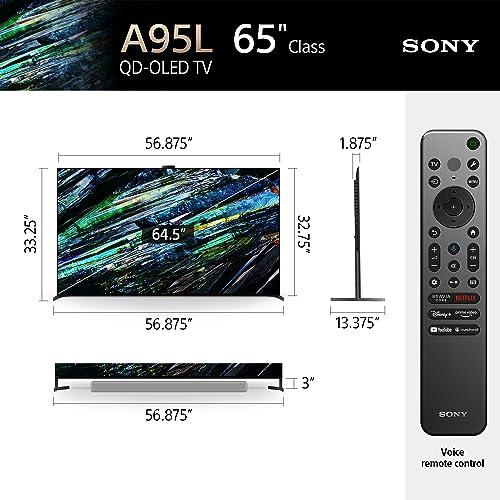


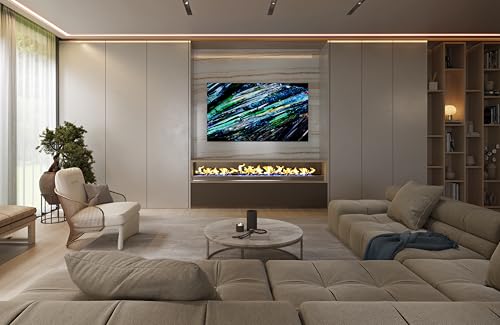
Shopping for a 65-inch premium TV can feel overwhelming, especially when you're comparing different display technologies that each promise the "best" picture quality. Today we're diving deep into two very different approaches to premium television: the Roku 65" Pro Series 2025 and the Sony BRAVIA XR A95L 65". One represents incredible value with cutting-edge mini-LED technology, while the other showcases reference-level picture quality through advanced QD-OLED engineering.
The premium TV landscape has evolved dramatically over the past few years, with manufacturers pushing the boundaries of what's possible in home entertainment. The main technologies competing for your attention are QLED with mini-LED backlighting, traditional OLED, and the newer QD-OLED hybrid approach.
QLED with mini-LED uses thousands of tiny LEDs behind an LCD panel that can dim independently, creating better contrast than traditional LED TVs. Think of it like having thousands of tiny flashlights that can turn on and off individually to light up only the parts of the screen that need to be bright.
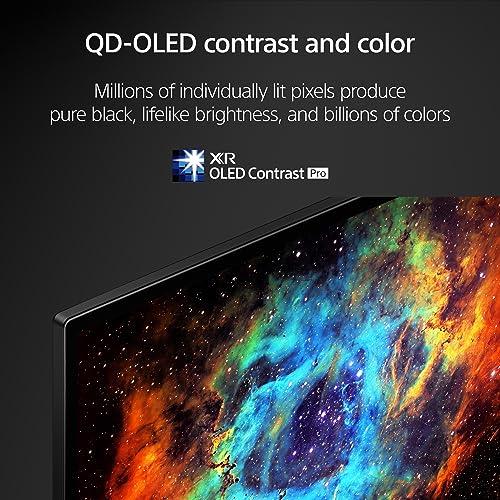
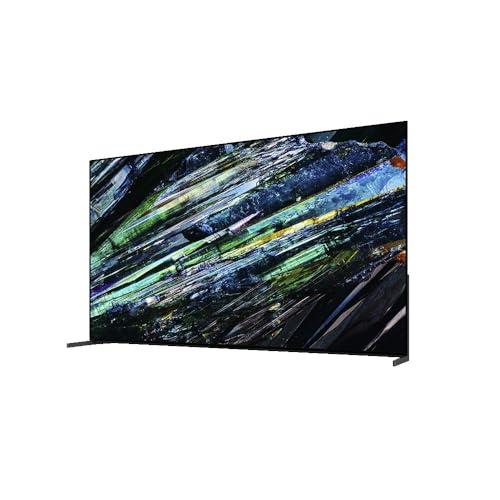
QD-OLED combines quantum dot technology (which enhances color) with OLED's ability to turn individual pixels completely on or off. This creates perfect blacks while maintaining exceptional brightness and color accuracy – essentially getting the best of both worlds.
The Roku Pro Series 2025, released in mid-2025, represents the latest evolution of affordable premium TVs, while the Sony A95L from 2023 established the QD-OLED standard that others are still trying to match. Since the Sony's 2023 release, we've seen incremental improvements in processing and brightness across the industry, but the fundamental QD-OLED advantage remains largely unchanged.
When it comes to raw brightness, these TVs take completely different approaches. The Roku Pro Series 2025 can blast up to 1,818 nits in its brightest setting – that's bright enough to compete with sunlight streaming through your windows. In more reasonable viewing modes, it settles around 821-841 nits, which is still impressive for the price point.
The Sony A95L reaches approximately 1,300 nits, which might seem lower on paper, but here's where things get interesting. OLED pixels can turn completely off, creating true blacks that LCD panels simply cannot match. This means the contrast between the brightest whites and deepest blacks is mathematically infinite on the Sony, while the Roku, despite its impressive local dimming, still has some light bleeding through.
HDR (High Dynamic Range) is where you really notice these differences. HDR content has information for both very bright highlights and very dark shadows. The Roku excels at making HDR highlights pop in bright rooms – watching a sunset scene feels more realistic because the TV can actually get bright enough to make you squint slightly. The Sony creates a more cinematic experience where highlights feel natural and shadows retain detail without washing out.
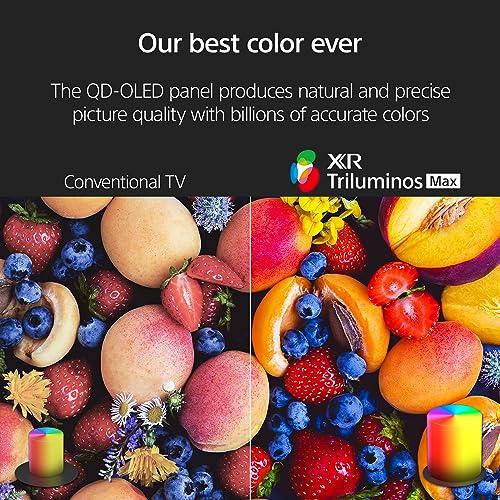
Color reproduction is where the Sony A95L flexes its technical muscles. The QD-OLED panel delivers what Sony calls "XR Triluminos Max" – essentially meaning it can display a wider range of colors more accurately than most TVs. The quantum dot layer acts like a color filter that purifies the light, creating more saturated and accurate reds, greens, and blues.
The Roku Pro Series 2025 covers 96.9% of the UHDA-P3 color space with a respectable 2.6 Delta E accuracy rating. In simpler terms, it displays nearly all the colors that matter for modern content, and the colors it shows are quite accurate to what the director intended. For most viewers, this level of color performance is excellent.
However, the Sony's advantage becomes apparent in subtle gradations – think of a sunset with dozens of orange and red hues blending together. The Sony A95L renders these transitions more smoothly and naturally, while the Roku occasionally shows slight banding or abrupt color shifts.
This is where the fundamental technology difference matters most. The Sony's OLED pixels can turn completely off, creating perfect blacks that make stars pop against a night sky or reveal shadow details in dark movie scenes. When you're watching a film with a character walking through a dimly lit corridor, every subtle detail remains visible while maintaining the scene's moody atmosphere.
The Roku's mini-LED system does an impressive job for an LCD panel. With thousands of dimming zones, it minimizes the "blooming" effect where bright objects create halos of light around them. In most content, you won't notice the difference unless you're specifically looking for it. However, in very dark scenes with bright elements – like white subtitles on a black background – you might see slight haloing around the text.
Both TVs target serious gamers with comprehensive HDMI 2.1 support, but they approach gaming performance differently.
The Roku Pro Series 2025 delivers impressively low input lag at just 5.2ms when running at 120Hz. Input lag is the delay between when you press a button on your controller and when the action appears on screen – lower is always better for competitive gaming. The TV automatically switches to Game Mode when it detects a console, optimizing settings for responsiveness.
The Sony A95L offers nearly instantaneous pixel response times thanks to OLED technology. When a pixel needs to change from black to white, it happens almost immediately, eliminating motion blur in fast-paced games. However, its input lag is slightly higher than the Roku's, though still well within acceptable ranges for most gamers.
Both TVs support Variable Refresh Rate (VRR), which syncs the display's refresh rate with your console's frame rate to eliminate screen tearing. They also feature Auto Low Latency Mode (ALLM), automatically switching to game mode when needed.
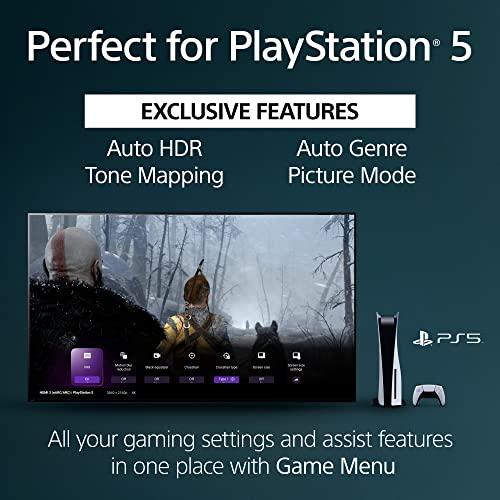
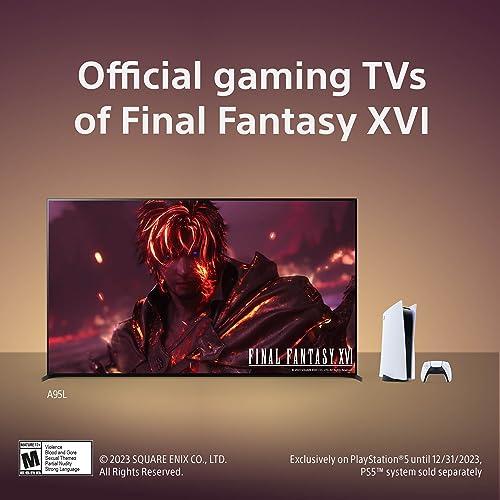
Where the Sony pulls ahead is in PlayStation 5 integration. It includes Auto HDR Tone Mapping specifically for Sony's console, automatically adjusting HDR settings for optimal gaming visuals. If you're invested in the PlayStation ecosystem, this optimization is noticeable.
The smart TV experience differs significantly between these models, reflecting their target audiences.
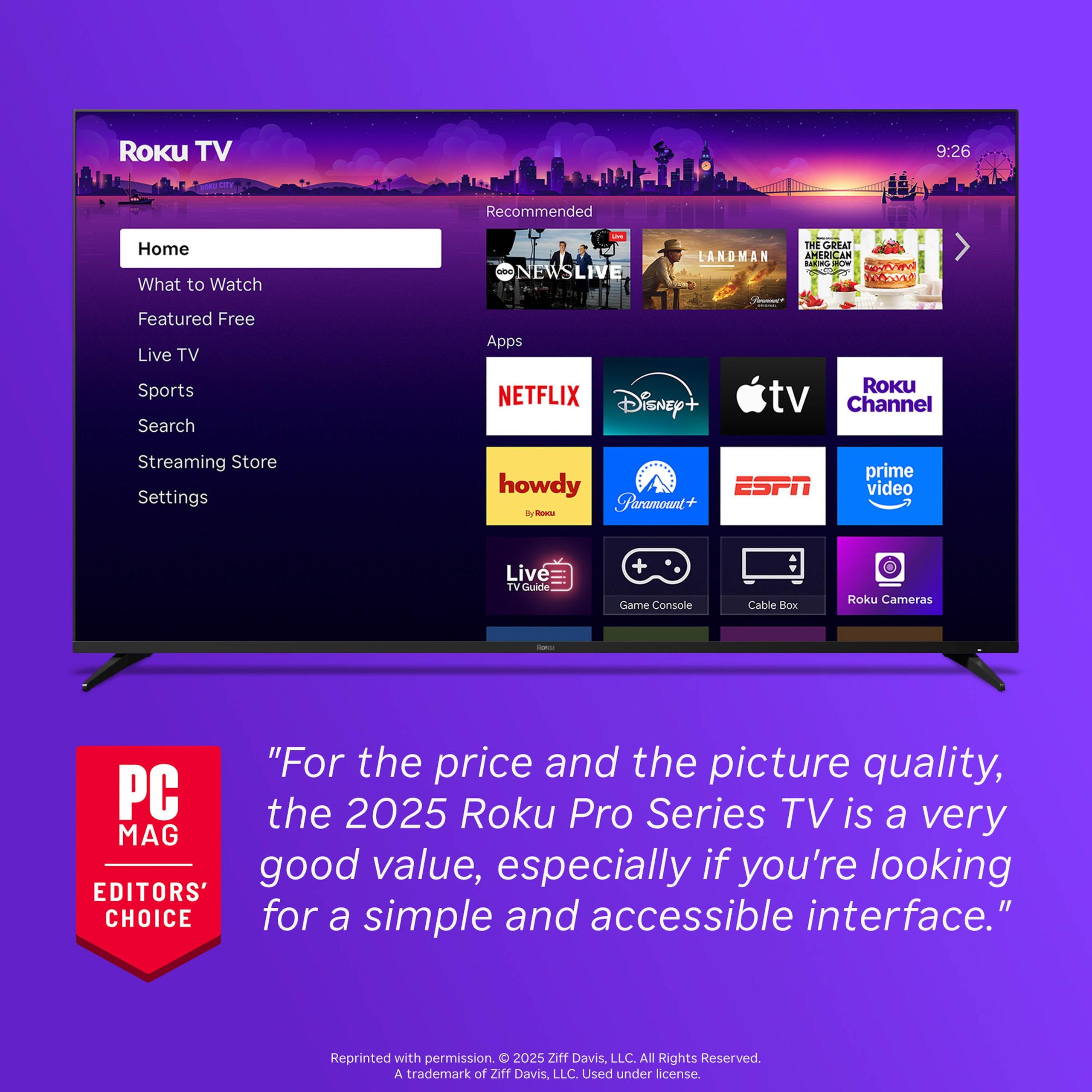
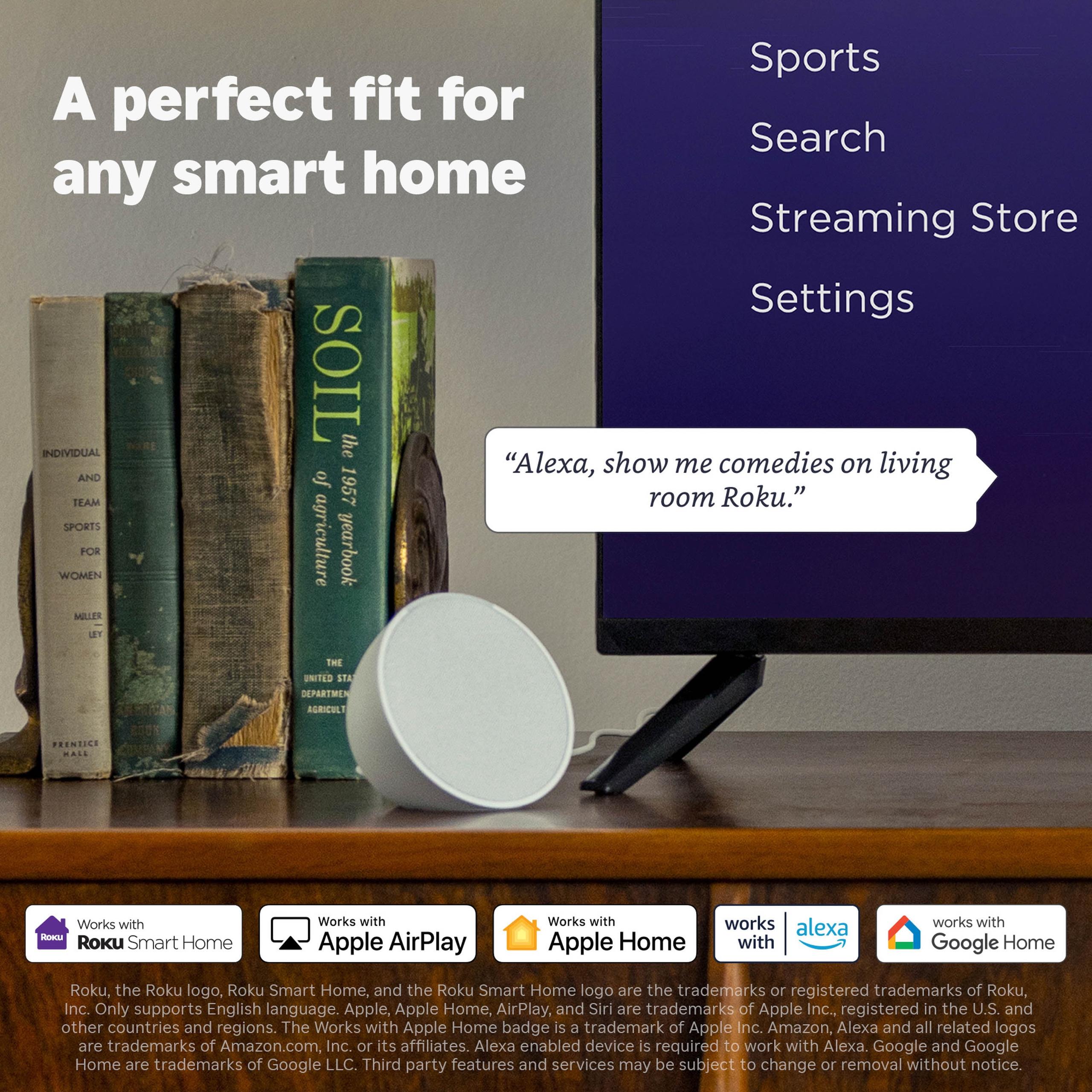
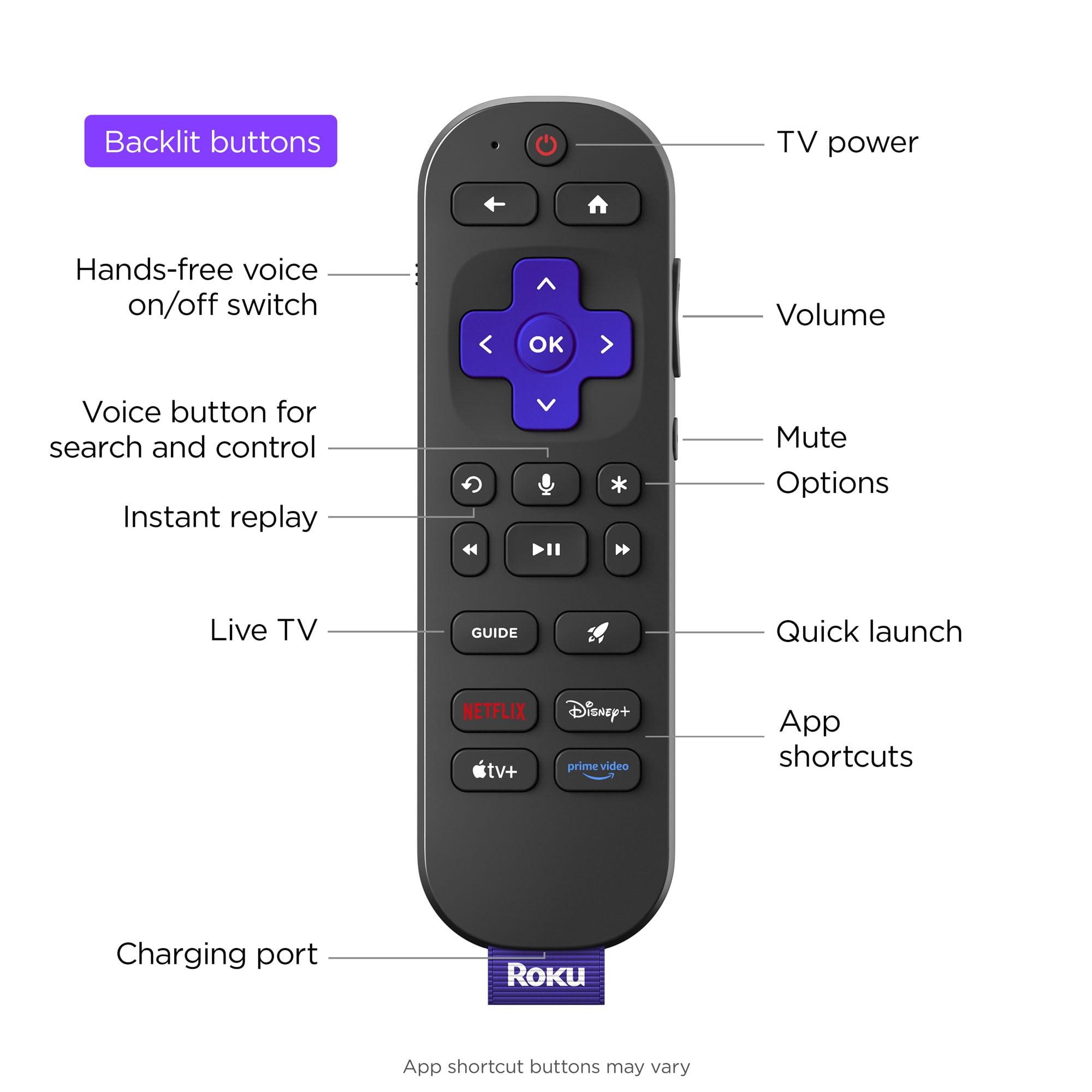
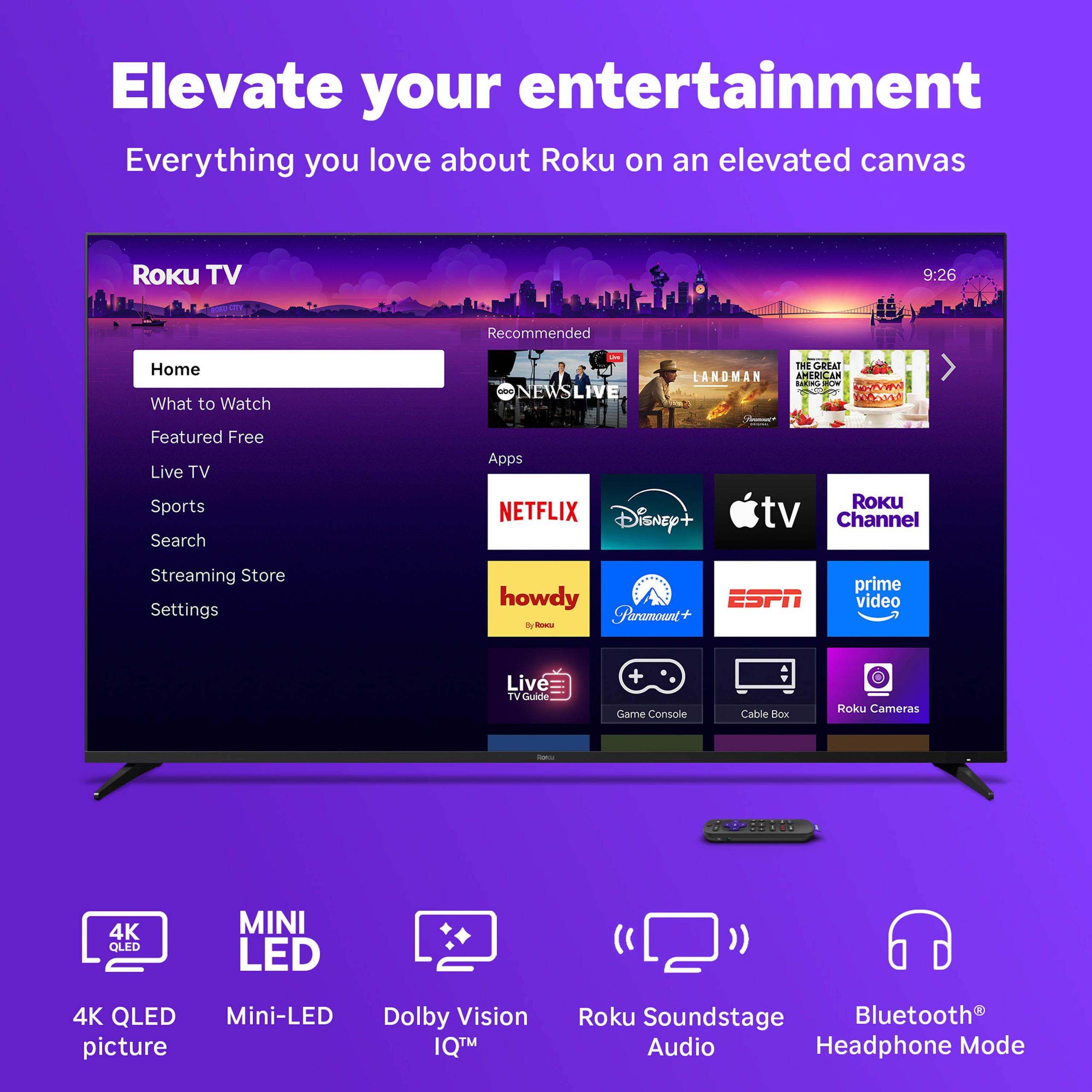
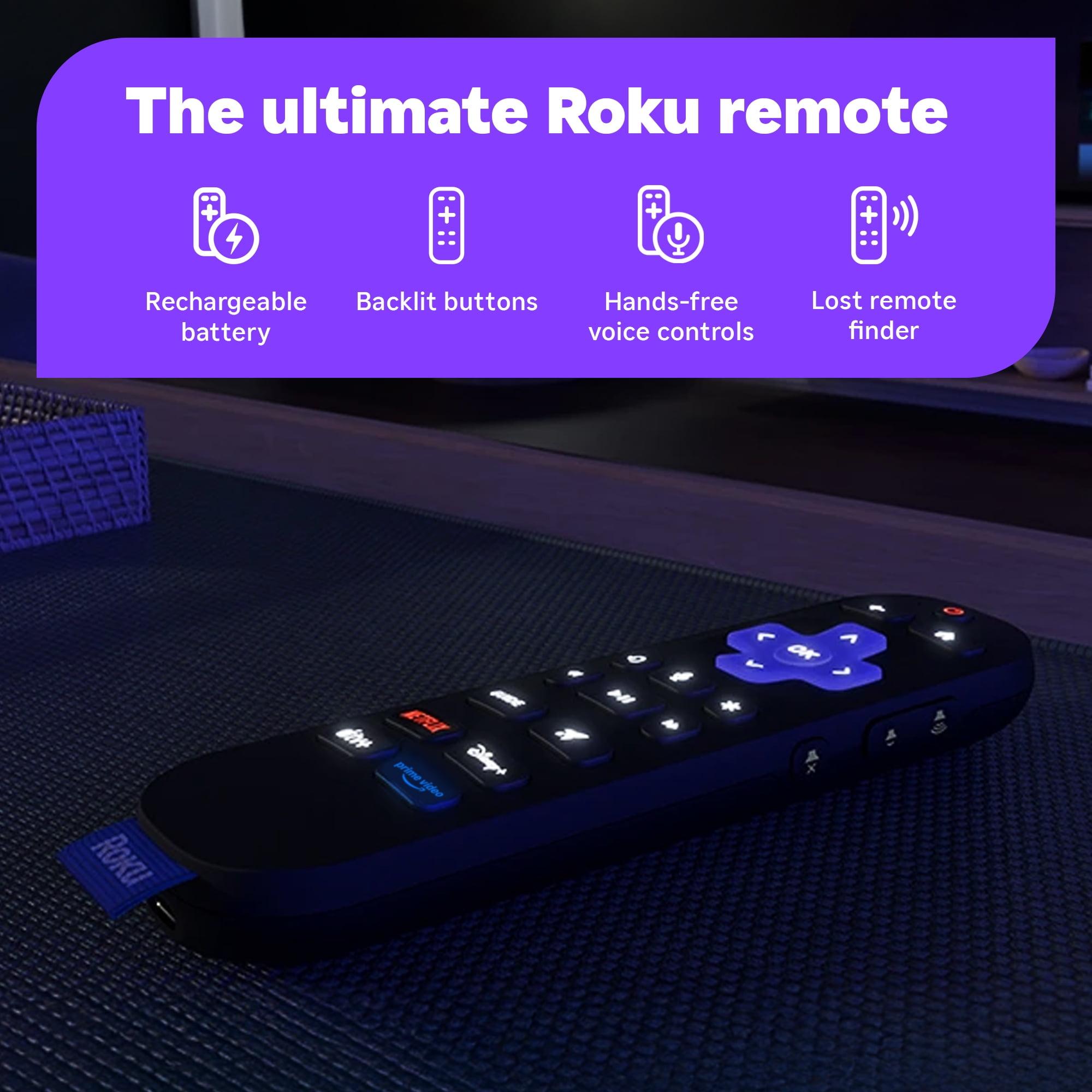
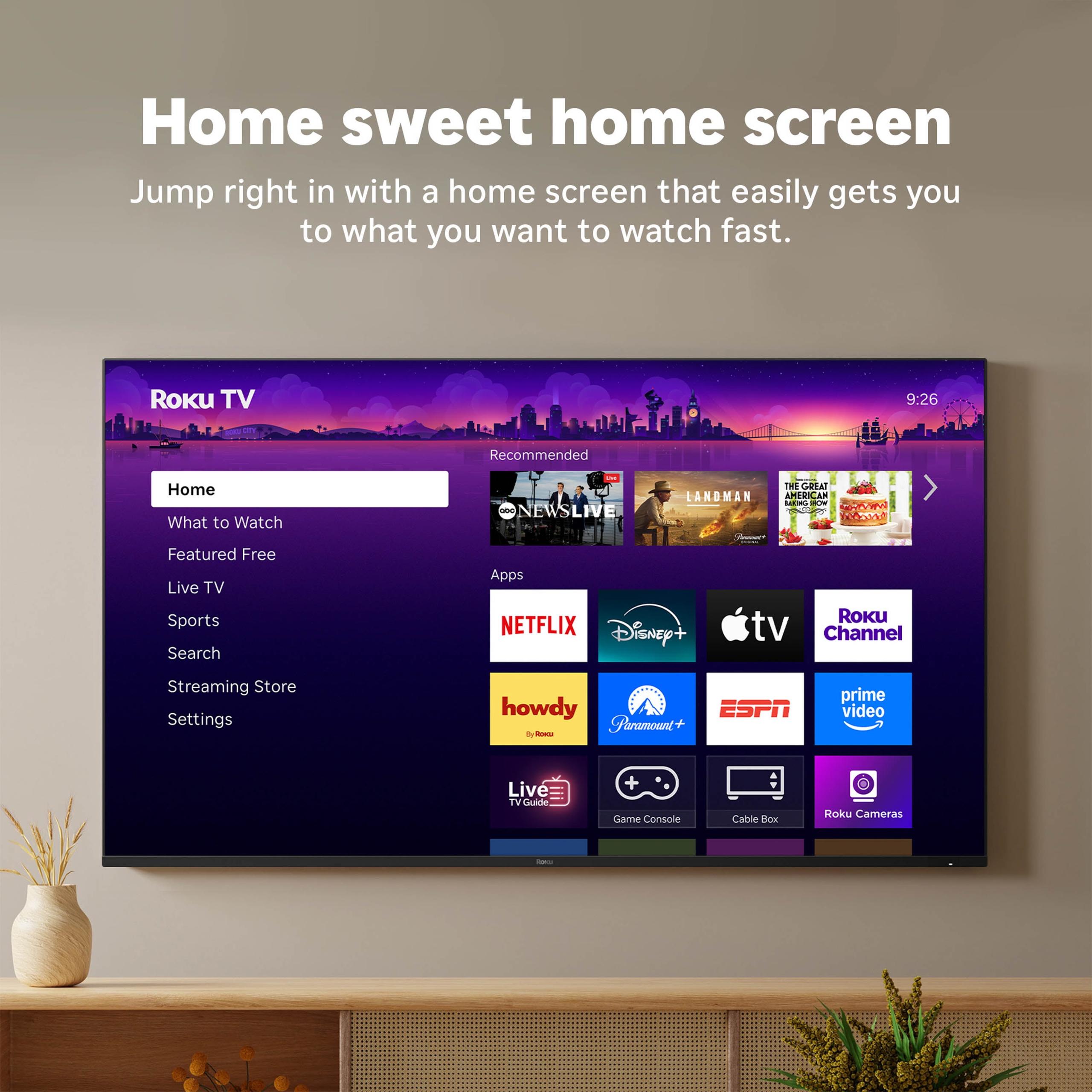
Roku TV OS on the Pro Series 2025 prioritizes simplicity and speed. The interface loads quickly, app launches are snappy thanks to Wi-Fi 6 connectivity, and the unified home screen makes finding content intuitive. The included Voice Remote Pro is genuinely impressive – it's rechargeable, backlit for dark room use, and includes a finder button on the TV that makes the remote beep when you've lost it in the couch cushions.
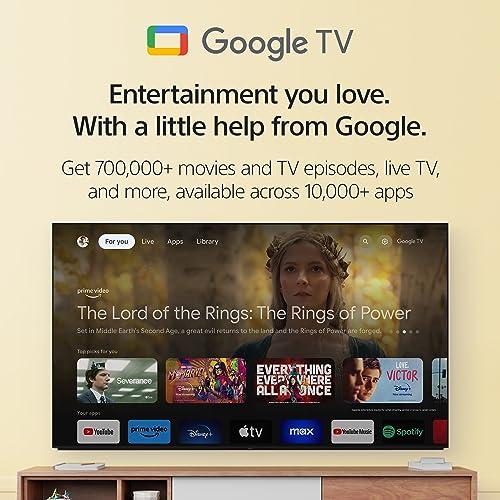
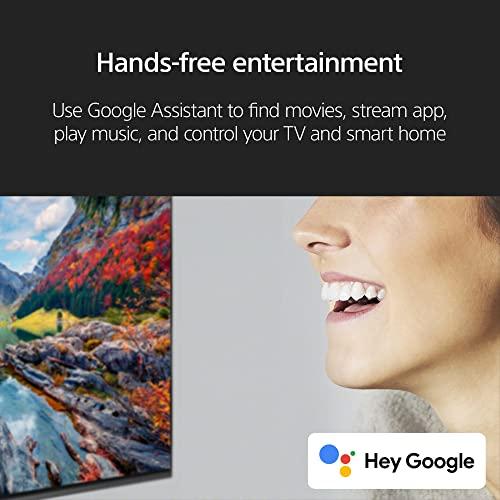
The Sony A95L runs Google TV, which offers more features but can feel sluggish at times. The platform provides access to over 700,000 movies and shows across 10,000+ apps, with excellent voice control integration. However, users report occasional menu lag, especially when powering on or switching inputs.
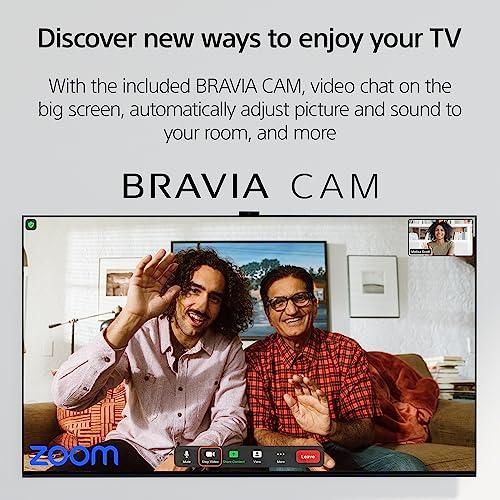
The Sony includes a BRAVIA CAM that enables some genuinely useful features. It can automatically adjust picture and sound settings based on your position in the room, dim the screen when you leave, and even control basic functions through gestures. While some might find this intrusive, the privacy controls are comprehensive.
Neither TV will replace a dedicated sound system, but their approaches to built-in audio differ significantly.
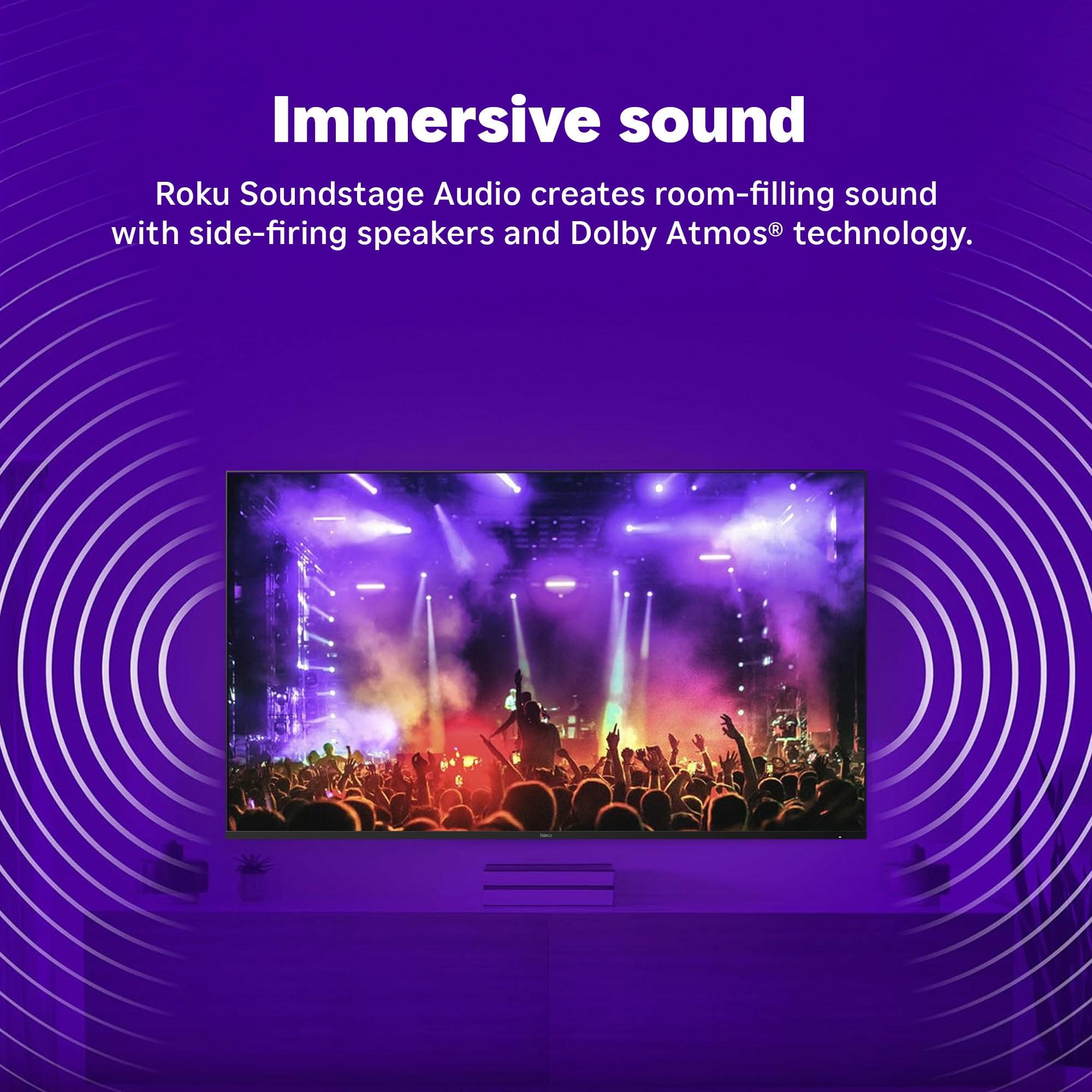
The Roku Pro Series 2025 includes what they call "Soundstage Audio" with Dolby Atmos support. Users consistently praise it as surprisingly powerful for a TV, with one reviewer noting it produces "theater-like bass that rattles walls." However, it lacks fine-tuning controls for bass, treble, and midrange adjustments.
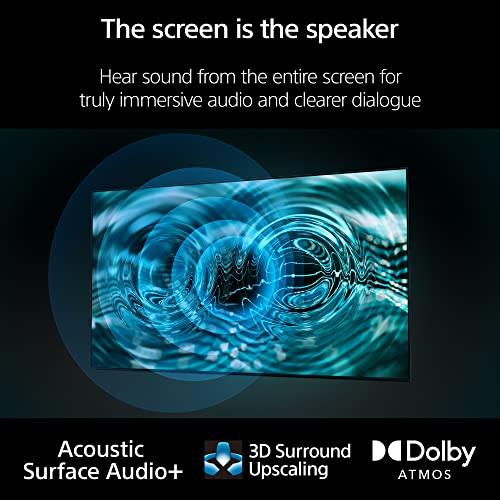
The Sony A95L's Acoustic Surface Audio+ technology is more innovative. Instead of traditional speakers, actuators behind the screen vibrate the panel itself to produce sound. This creates precise audio positioning where dialogue appears to come directly from characters' mouths rather than from speakers below the screen. It supports advanced audio formats including DTS:X and can even function as a center channel when paired with compatible Sony soundbars.
Your viewing environment significantly impacts which TV will serve you better.
The Roku Pro Series 2025 excels in bright spaces. Its higher peak brightness cuts through ambient light effectively, maintaining color vibrancy and contrast even with windows nearby or lights on. The mini-LED system ensures that daytime viewing remains engaging without washing out.
The Sony A95L performs well in moderate ambient light but can struggle in very bright conditions. The OLED's perfect blacks can appear grayish when competing with bright room lighting, reducing the technology's primary advantage.
This is where the Sony truly shines. In a darkened room, the infinite contrast ratio creates an almost three-dimensional image depth that LCD panels cannot match. Colors appear more saturated, shadow details emerge naturally, and the overall cinematic experience feels more immersive.
The Roku still performs admirably in dark rooms, with its local dimming creating impressive contrast for an LCD panel. However, the slight light bleed prevents it from achieving the Sony's level of deep black reproduction.
At the time of writing, the Roku Pro Series 2025 represents exceptional value in the premium TV segment. You're getting approximately 80-85% of the performance of flagship models at roughly 60% of the cost. For most viewers, this represents the sweet spot of premium features without flagship pricing.
The Sony A95L commands a significant price premium, but delivers reference-level picture quality that justifies the cost for enthusiasts. However, being a 2023 model, it's reaching the point where newer alternatives might offer better value.
Longevity considerations favor the Roku slightly. As a 2025 model, it includes the latest processing capabilities and will receive software support for longer. The Sony's 2023 vintage, while still excellent, is approaching the typical 3-4 year refresh cycle for premium TVs.
The Roku delivers what most people actually need in a premium TV: excellent picture quality, robust gaming features, and smart functionality at a reasonable price point.
The Sony serves enthusiasts who understand and value the technical superiority of QD-OLED technology and are willing to pay for that advantage.
Both TVs excel in their intended markets, but they serve different priorities. The Roku Pro Series 2025 delivers outstanding value and versatility, providing premium TV performance for significantly less money while excelling in bright room conditions that challenge most OLEDs.
The Sony BRAVIA XR A95L offers reference-level picture quality for enthusiasts who prioritize cinematic excellence and have the viewing environment to appreciate OLED's advantages.
For most buyers, the Roku represents the better choice – it offers exceptional performance per dollar and handles real-world viewing conditions better than most premium alternatives. However, if picture quality is your absolute priority and you have a proper home theater setup, the Sony's QD-OLED technology remains difficult to beat.
The decision ultimately comes down to your priorities: exceptional value and versatility with the Roku, or reference-level picture quality with the Sony. Either choice will deliver a premium viewing experience that significantly surpasses budget alternatives.
| Roku 65" Pro Series 2025 4K QLED TV | Sony BRAVIA XR A95L 65" QD-OLED 4K HDR Google TV |
|---|---|
| Display Technology - Fundamental difference affecting picture quality and value | |
| QLED with Mini-LED backlighting (thousands of dimming zones) | QD-OLED (self-emissive pixels with quantum dot enhancement) |
| Peak Brightness - Critical for bright room viewing and HDR impact | |
| Up to 1,818 nits (brightest setting), 821-841 nits typical | Approximately 1,300 nits (excellent for OLED technology) |
| Black Levels - Determines contrast and dark scene detail | |
| Very good with minimal blooming (mini-LED local dimming) | Perfect blacks (infinite contrast ratio from OLED pixels) |
| Color Gamut Coverage - Affects color vibrancy and accuracy | |
| 96.9% UHDA-P3, 2.6 Delta E accuracy (excellent for the price) | XR Triluminos Max technology (wider gamut, superior accuracy) |
| Viewing Angles - Important for group viewing and room layout | |
| Limited (typical LCD panel, best for centered seating) | Excellent 178° (maintains quality from any angle) |
| Gaming Input Lag - Critical for competitive gaming responsiveness | |
| 5.2ms at 120Hz (excellent for fast-paced gaming) | Slightly higher than Roku but still responsive |
| Gaming Features - Next-gen console compatibility | |
| 4K@120Hz, VRR, ALLM, FreeSync Premium Pro | 4K@120Hz, VRR, ALLM, PlayStation 5 optimization |
| Smart Platform - Daily usability and app ecosystem | |
| Roku TV OS 15 (fast, simple, responsive interface) | Google TV (feature-rich but occasionally sluggish) |
| Audio Technology - Built-in sound quality without soundbar | |
| Soundstage Audio with Dolby Atmos (powerful but lacks bass) | Acoustic Surface Audio+ (screen acts as speaker, better positioning) |
| Release Year - Affects longevity and future support | |
| 2025 (latest technology, longer support lifecycle) | 2023 (proven but aging, established QD-OLED reference) |
| Best Room Environment - Where each TV excels most | |
| Bright living rooms and mixed lighting conditions | Dark home theaters and controlled lighting environments |
| Value Proposition - Performance relative to cost | |
| Exceptional value: 80% of premium performance at 60% of flagship cost | Premium pricing for reference-level picture quality |
The Sony BRAVIA XR A95L delivers superior picture quality with its QD-OLED technology, offering perfect blacks and exceptional color accuracy. However, the Roku 65" Pro Series 2025 provides excellent picture quality for the price with its mini-LED QLED display, especially in bright rooms where it can reach higher peak brightness levels.
Both TVs are excellent for gaming with 4K@120Hz support, VRR, and ALLM features. The Roku Pro Series 2025 has slightly lower input lag at 5.2ms, making it excellent for competitive gaming. The Sony A95L offers PlayStation 5 optimization and nearly instantaneous pixel response times, making it ideal for cinematic gaming experiences.
The Roku 65" Pro Series 2025 is significantly better for bright rooms, reaching up to 1,818 nits peak brightness that cuts through ambient light effectively. The Sony A95L can struggle in very bright conditions where its perfect blacks may appear grayish, reducing OLED's main advantage.
The Roku Pro Series uses QLED with mini-LED backlighting, where thousands of LED zones light up an LCD panel from behind. The Sony A95L uses QD-OLED technology where individual pixels emit their own light and can turn completely off, creating perfect blacks while quantum dots enhance color accuracy.
The Roku Pro Series 2025 features the fast, simple Roku TV OS with excellent app selection and a superior remote with backlit buttons and finder function. The Sony A95L runs Google TV with more advanced features like voice control and BRAVIA CAM integration, though it can be slower to navigate.
The Sony A95L justifies its premium price for enthusiasts who prioritize reference-level picture quality and have proper dark viewing environments. The Roku Pro Series 2025 offers exceptional value, delivering about 80% of premium TV performance at a significantly lower cost, making it the better choice for most buyers.
For dedicated home theaters with controlled lighting, the Sony A95L excels with perfect blacks, superior contrast, and cinematic picture processing. The Roku Pro Series 2025 still provides excellent movie viewing with impressive HDR performance and great built-in audio, especially considering its value proposition.
The Roku Pro Series 2025 features powerful Soundstage Audio with Dolby Atmos that users describe as surprisingly good, though it lacks bass control. The Sony A95L uses innovative Acoustic Surface Audio+ technology where the screen itself acts as a speaker, providing better dialogue positioning and supporting advanced audio formats.
The Roku Pro Series 2025 has the advantage as a newer 2025 model with latest processing technology and longer expected software support lifecycle. The Sony A95L from 2023 is still excellent but is reaching the typical 3-4 year refresh cycle for premium TVs.
Both TVs handle sports well with 120Hz refresh rates for smooth motion. The Roku Pro Series excels in bright living rooms where most sports viewing occurs and handles motion with minimal blur. The Sony A95L provides superior motion clarity due to OLED's instant pixel response, though it's better suited for darker viewing environments.
The Sony A95L delivers more accurate HDR with better tone mapping and infinite contrast, creating more cinematic HDR experiences. The Roku Pro Series 2025 provides excellent HDR brightness that makes highlights pop, especially effective in bright rooms where HDR content can compete with ambient lighting.
For most buyers upgrading from older TVs, the Roku 65" Pro Series 2025 provides the best value with dramatic improvements in picture quality, smart features, and gaming capabilities. Choose the Sony A95L only if you have a dedicated dark viewing space and picture quality is your absolute top priority regardless of cost.
We've done our best to create useful and informative comparisons to help you decide what product to buy. Our research uses advanced automated methods to create this comparison and perfection is not possible - please contact us for corrections or questions. These are the sites we've researched in the creation of this article: bestbuy.com - rtings.com - techradar.com - youtube.com - roku.com - youtube.com - walmart.com - bestbuy.com - youtube.com - electronicexpress.com - roku.com - pcvarge.com - ecoustics.com - rtings.com - youtube.com - rtings.com - avsforum.com - rtings.com - smarthomesounds.co.uk - smarthomesounds.co.uk - rtings.com - smarthomesounds.co.uk - youtube.com - tomsguide.com - avsforum.com - rtings.com - perfectrec.com - flatpanelshd.com - videoandaudiocenter.com - sonypremiumhome.com - bestbuy.com - sony.com - electronics.sony.com - displayspecifications.com - donstv.com - youtube.com - static.pcrichard.com - smarthomesounds.co.uk - youtube.com - electronics.sony.com - electronics.sony.com - displayspecifications.com

Privacy Policy
Terms and Conditions - Affiliate Policy
Home Security
© Copyright 2008-2026.
11816 Inwood Rd #1211, Dallas, TX 75244