

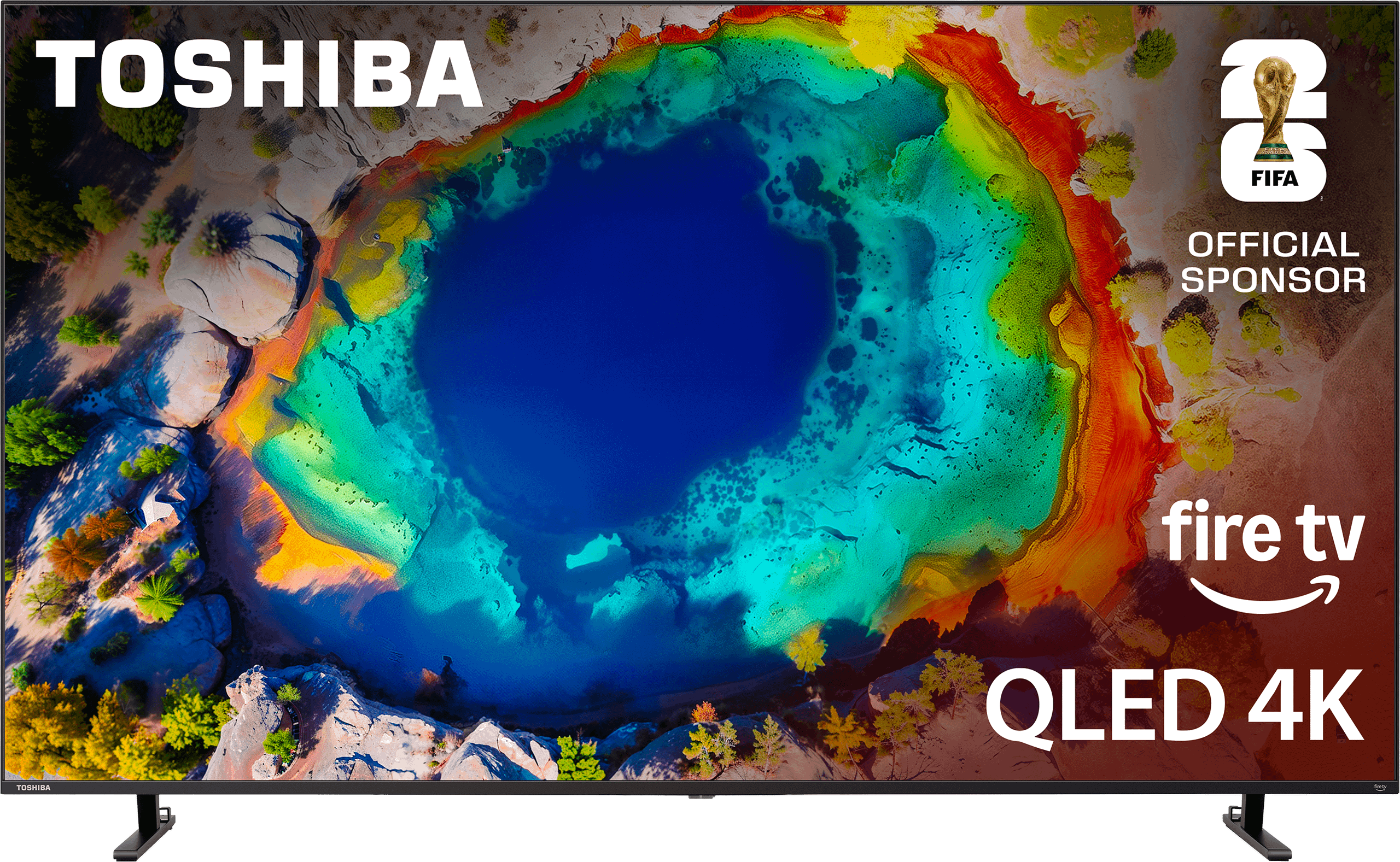
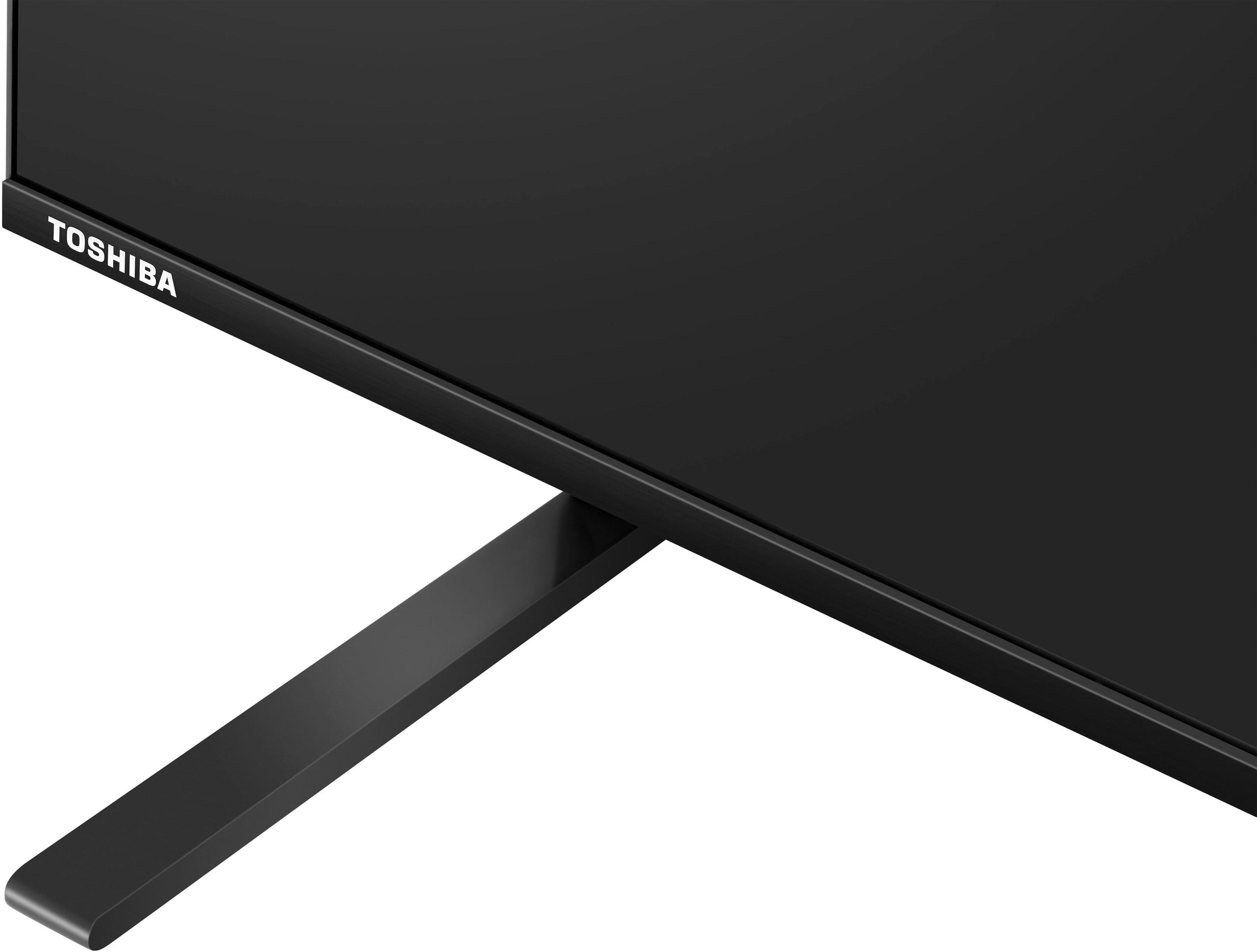
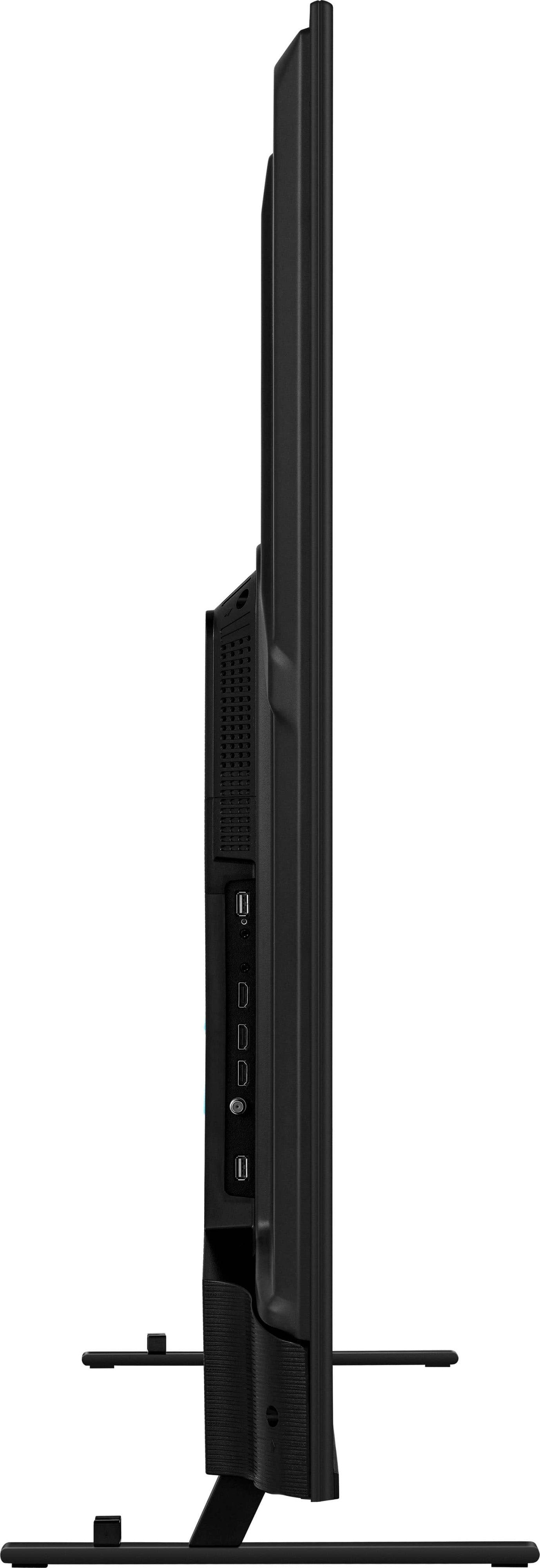
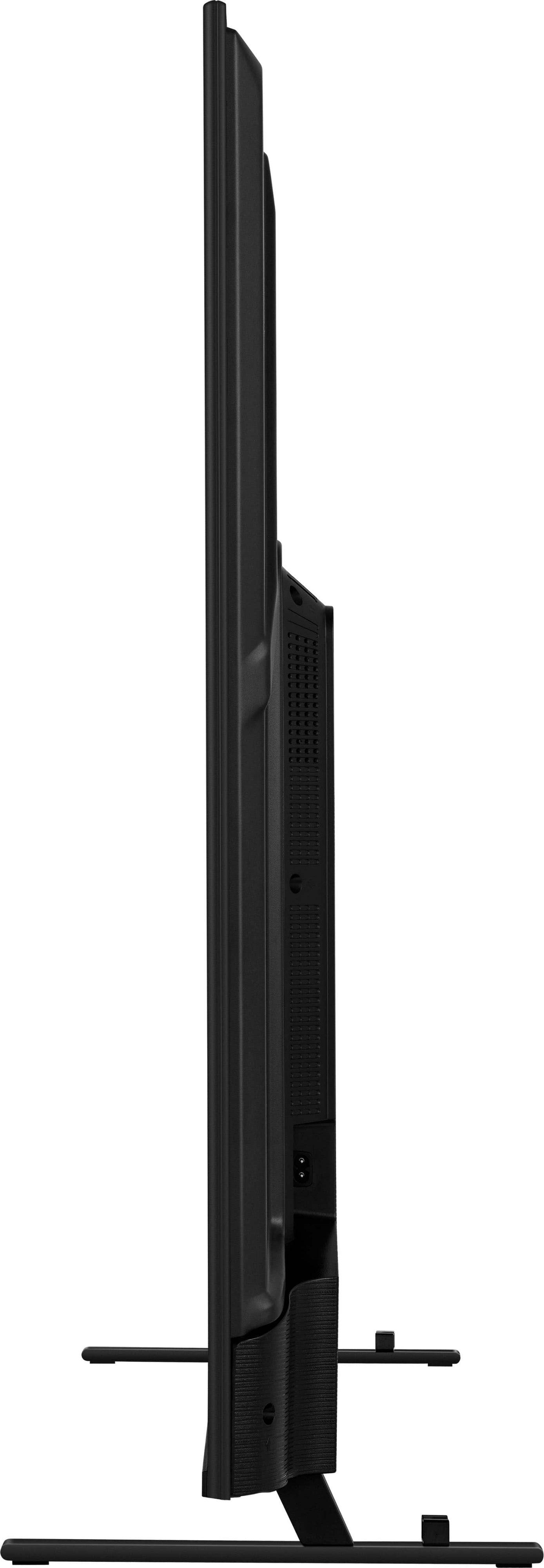
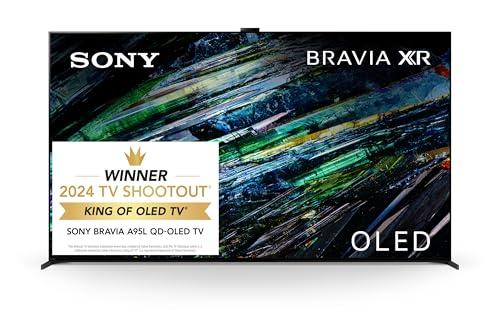
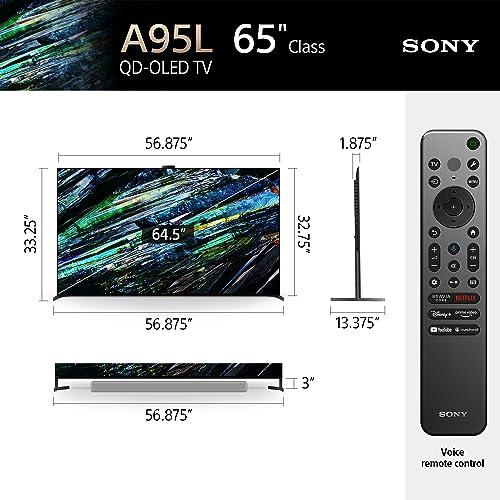


When you're shopping for a large TV, the choices can feel overwhelming. Do you go big on screen size and save money, or invest in cutting-edge technology for the best possible picture? This dilemma perfectly captures the difference between the Toshiba 65" M550 Series QLED Fire TV and the Sony BRAVIA XR A95L 65" QD-OLED—two TVs that couldn't be more different in their approach to delivering your favorite content.
The TV market has evolved dramatically over the past few years. The Toshiba M550 represents the budget-friendly approach that emerged around 2023-2024, where manufacturers focus on delivering massive screens with decent smart features at prices that won't break the bank. Meanwhile, the Sony A95L, released in 2023, showcases the premium end where new display technologies like QD-OLED (Quantum Dot Organic Light Emitting Diode) push the boundaries of what's possible in home entertainment.
The biggest difference between these TVs lies in their fundamental display technology. The Toshiba M550 uses QLED (Quantum Dot Light Emitting Diode) technology, which takes a traditional LED backlight and enhances it with quantum dots—tiny particles that produce more vibrant colors when hit by light. It's paired with Full Array Local Dimming, meaning the backlight is divided into zones that can dim independently to create better contrast.
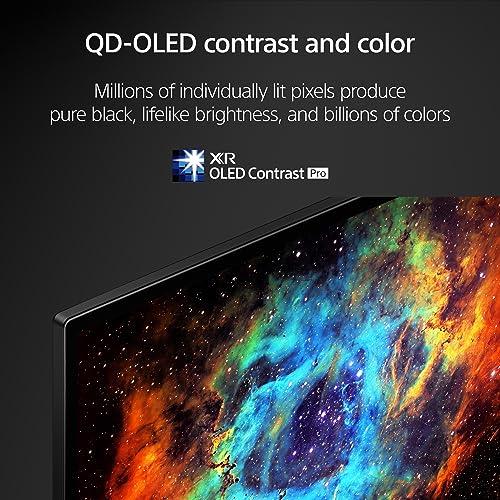
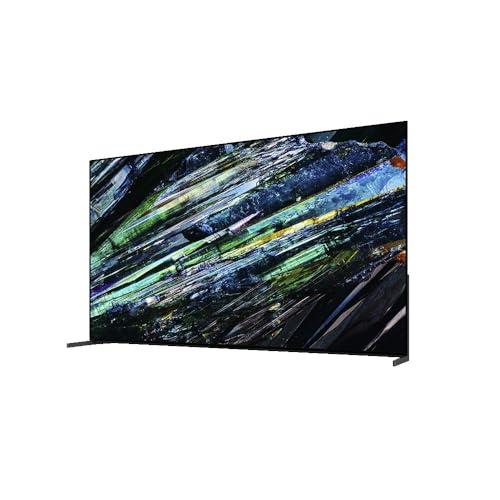
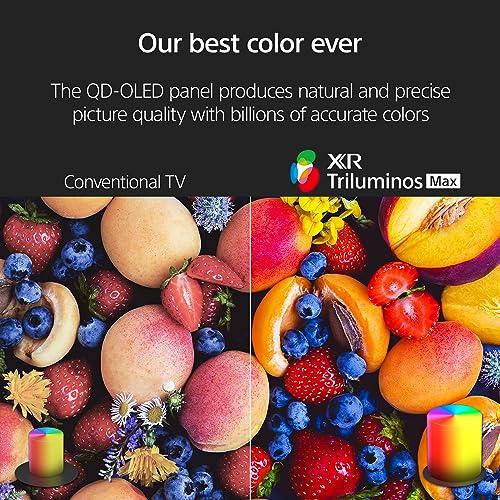
The Sony A95L uses something far more advanced: QD-OLED technology. This combines the best of both worlds—OLED's ability to turn individual pixels completely on or off (creating perfect blacks) with quantum dots for enhanced color production. Think of it like having millions of tiny light bulbs that can each create their own perfect color, versus the Toshiba's approach of shining light through filters.
This difference is immediately visible when you're watching content. OLED technology means the Sony A95L can display true black—not dark gray, but actual black—because those pixels are completely turned off. This creates an infinite contrast ratio, meaning the difference between the brightest whites and darkest blacks is theoretically unlimited. The Toshiba M550, despite its local dimming zones, still has some light bleeding through, so blacks appear more like dark gray.
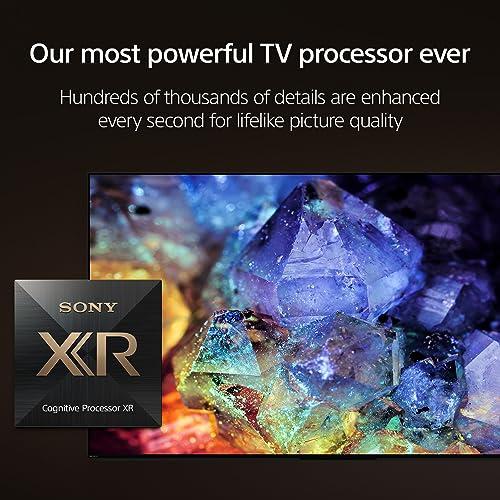
Here's where things get interesting from a performance standpoint. The Sony A95L features Sony's Cognitive Processor XR, which uses artificial intelligence to analyze each scene and optimize it in real-time. This processor examines thousands of elements simultaneously—brightness, color, contrast, detail, motion—and adjusts them to create the most natural-looking image possible.
The Toshiba M550 uses the REGZA Engine ZR, which also employs AI but is significantly less powerful. Based on user feedback and expert reviews, this processor often struggles to keep up with demanding content. Users report delays of 10-60 seconds when loading apps or changing settings, and the TV can exhibit jerky motion during action-packed scenes with phantom images appearing around moving objects.
This processing difference affects everything from how smoothly the TV operates to how well it can upscale lower-quality content. When you're watching an older TV show or a compressed streaming video, the Sony A95L can analyze the image and restore lost detail, smooth out compression artifacts, and enhance sharpness to make it look closer to native 4K quality. The Toshiba M550 attempts this too, but the results are noticeably inferior.
The color capabilities of these TVs tell a compelling story about their target audiences. The Sony A95L can display over 95% of the DCI-P3 color space—the standard used by movie studios—meaning it can reproduce nearly all the colors that filmmakers intended you to see. Its QD-OLED panel can reach peak brightness levels around 1,300 nits, which is exceptionally bright for OLED technology.
The Toshiba M550 covers about 90% of the DCI-P3 color space, which is still quite good for its price range. However, its color accuracy and consistency aren't as refined. While it can produce vibrant, eye-catching colors that look great with casual content, it may not maintain the subtle color gradations and accuracy that serious movie watchers prefer.
Brightness handling differs significantly between these models. The Sony A95L excels in darker viewing environments where its perfect blacks create stunning contrast. In bright rooms, it's still very watchable, though some OLED panels can appear dimmer than QLED displays in direct sunlight. The Toshiba M550 can get quite bright and handles well-lit rooms effectively, making it potentially more versatile for spaces with lots of windows or ambient lighting.
HDR (High Dynamic Range) capability is where the differences become most apparent. Both TVs support the major HDR formats—HDR10, HDR10+, and Dolby Vision—but their execution varies dramatically.
The Sony A95L delivers reference-level HDR performance. When watching HDR content, bright highlights like explosions, sunlight, or reflections appear brilliantly bright while maintaining detail, while shadows remain inky black with visible detail. This creates the "wow factor" that makes HDR content look almost three-dimensional.
The Toshiba M550 can display HDR content and produces noticeable improvements over standard content, but it lacks the dynamic range and detail retention of premium displays. Bright highlights may appear washed out, and shadow detail can get lost, particularly in complex action scenes.
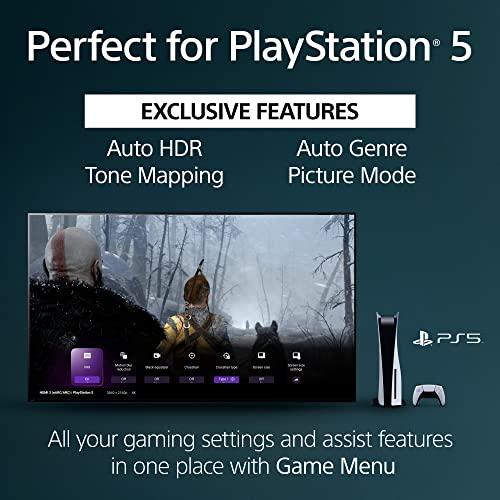
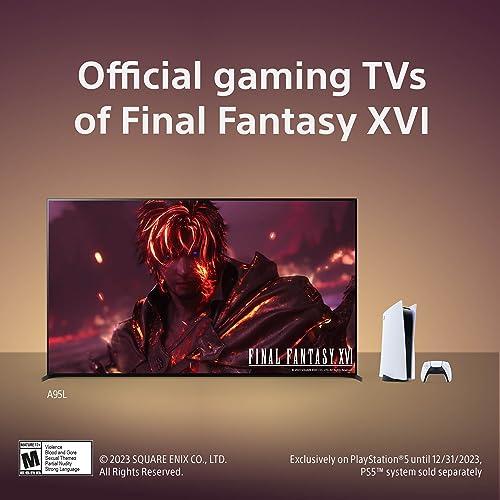
Gaming performance has become increasingly important as PlayStation 5 and Xbox Series X push 4K gaming at higher frame rates. The Sony A95L delivers exceptional gaming performance with proper HDMI 2.1 implementation supporting 4K at 120Hz, Variable Refresh Rate (VRR) to eliminate screen tearing, and Auto Low Latency Mode (ALLM) that automatically switches to game mode. Input lag measures around 16 milliseconds, which is competitive for serious gaming.
The Toshiba M550 offers more limited gaming capabilities. While it supports 120Hz refresh rates, this is restricted to 1440p and 1080p resolutions—4K gaming is capped at 60Hz. Its VRR support only works up to 60Hz, and user reports suggest significant input lag that can affect competitive gaming performance. For casual gaming, it's adequate, but serious gamers will notice the limitations.
The pixel response time difference is dramatic. OLED technology allows the Sony A95L to transition pixels nearly instantaneously, eliminating motion blur entirely. The Toshiba M550, using LCD technology, has slower pixel response times that can create ghosting or trailing in fast-moving scenes.
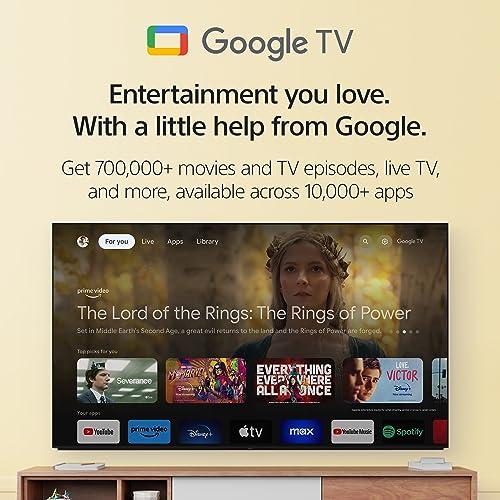
Both TVs run different smart platforms, and the experience varies significantly. The Sony A95L uses Google TV, which provides a clean, responsive interface with excellent app support and integration with Google services. Navigation is smooth, and the TV boots quickly to your content.
The Toshiba M550 runs Amazon's Fire TV platform, which offers good content selection and Alexa voice control. However, user reviews consistently report stability issues. The TV frequently freezes, apps crash or exit unexpectedly, and boot times are slow—often starting with advertisements rather than your last-watched content. These aren't deal-breakers for everyone, but they can make daily use frustrating.
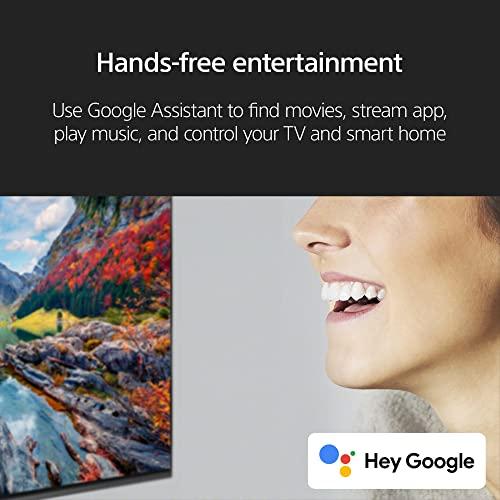
Voice control implementation differs too. The Sony A95L includes hands-free Google Assistant through built-in microphones, while the Toshiba M550 requires using the remote for Alexa commands.
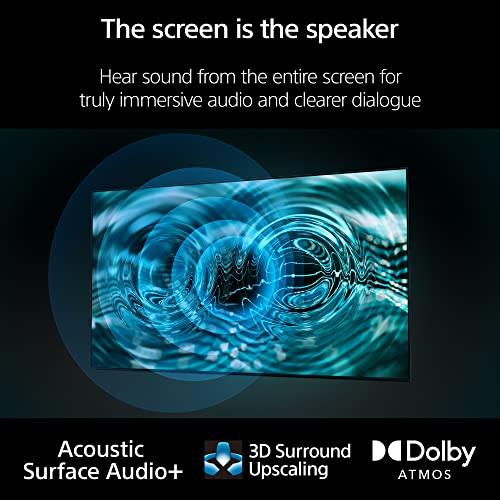
Audio technology showcases another innovation gap. The Sony A95L features Acoustic Surface Audio+, where actuators behind the screen vibrate the panel itself to create sound. This means dialogue appears to come directly from actors' mouths on screen, creating a more immersive experience. It supports Dolby Atmos for three-dimensional sound and can even function as a center channel when paired with compatible Sony soundbars.
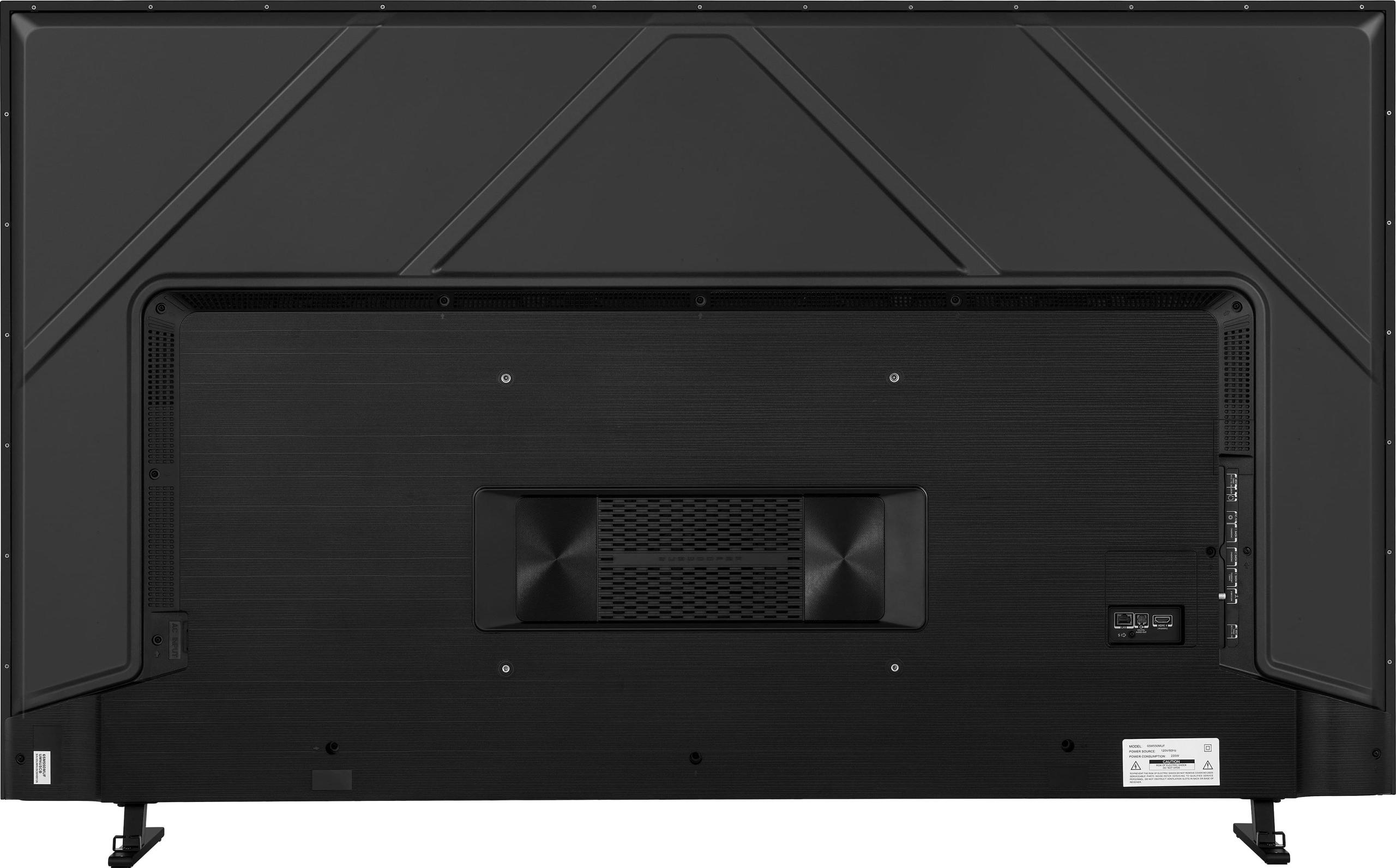
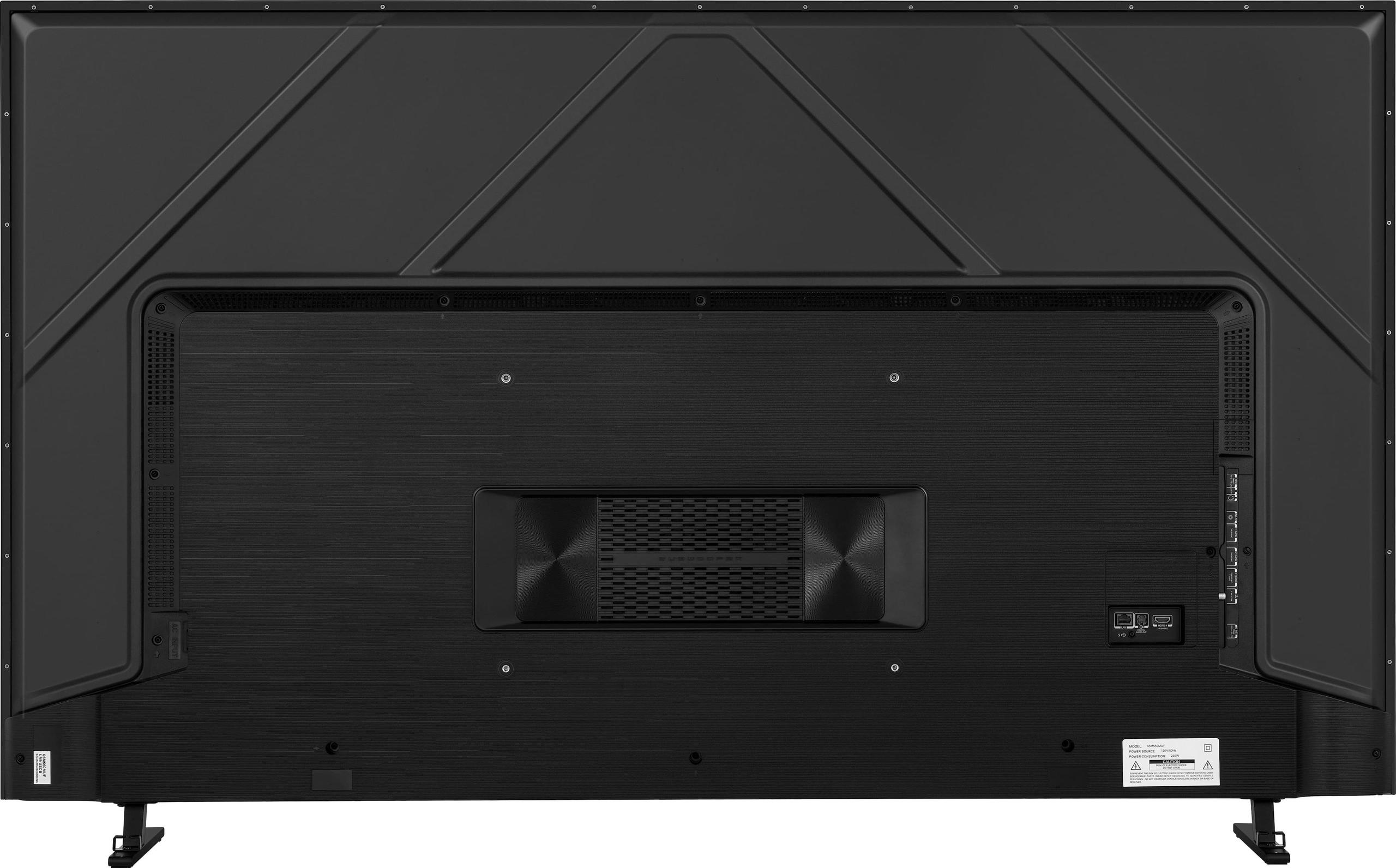
The Toshiba M550 includes REGZA Power Audio Pro with a built-in subwoofer, providing surprisingly decent sound for a budget TV. While it supports Dolby Atmos, the implementation is basic compared to premium models. Many users find the audio adequate enough to skip purchasing a separate soundbar initially.
Build quality differences become apparent over time. The Sony A95L features premium materials, excellent cable management, and solid construction that feels substantial. The remote is backlit with a premium feel, and the overall fit and finish match the premium pricing.
The Toshiba M550 uses more basic materials and construction but still feels solid for its price range. However, some users report hardware issues like screen flashing, sections going blue, or complete display failures requiring hard resets. These reliability concerns, while not universal, suggest potential longevity issues.
At the time of writing, these TVs occupy completely different price brackets. The Toshiba M550 typically sells for under $500, making it one of the most affordable ways to get a 65-inch 4K TV. The Sony A95L commands around $2,000, placing it firmly in premium territory.
This four-to-one price difference means they're really addressing different needs. The Toshiba M550 maximizes screen size per dollar, making large-screen viewing accessible to budget-conscious buyers. The Sony A95L maximizes picture quality and features, targeting enthusiasts willing to pay for cutting-edge technology.
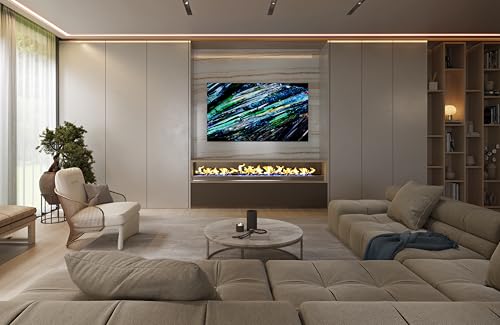
For dedicated home theater setups, the choice becomes clearer. The Sony A95L delivers reference-level picture quality that rivals professional displays. Its perfect blacks, accurate colors, and excellent HDR performance make it ideal for movie nights in darkened rooms. The Acoustic Surface Audio+ technology reduces the need for a complex speaker setup while still providing immersive sound.
The Toshiba M550 can serve in home theater applications but with compromises. Its picture quality is adequate for casual movie watching, but serious film enthusiasts will notice the limitations in shadow detail, color accuracy, and motion handling during complex scenes.
Choose the Toshiba M550 if you prioritize screen size over everything else and have a strict budget. It's perfect for families wanting a large TV for general entertainment—streaming shows, watching sports, and casual gaming. The picture quality is decent for the price, and if you can tolerate occasional software hiccups, it delivers tremendous value.
The Sony A95L is the clear choice for picture quality enthusiasts, serious gamers, and anyone setting up a dedicated home theater. Its superior processing, perfect blacks, accurate colors, and reliable operation justify the premium pricing for users who appreciate the difference.
Consider your viewing environment too. The Toshiba M550 works well in bright living rooms where OLED's advantages are less apparent. The Sony A95L truly shines in controlled lighting where its infinite contrast ratio creates stunning visual impact.
The technology gap between these models represents the current state of the TV market—exceptional value at the budget end, revolutionary technology at the premium end, with little middle ground. Your choice should align with both your budget and how much you value picture quality, because the performance difference is substantial enough that you'll notice it every time you watch.
Both TVs will display your content in 4K resolution, but the experience of watching that content will feel fundamentally different. The Toshiba M550 gets the job done affordably, while the Sony A95L transforms viewing into something approaching a cinematic experience. Choose based on which approach better matches your priorities and expectations.
| Toshiba 65" M550 Series QLED Fire TV | Sony BRAVIA XR A95L 65" QD-OLED |
|---|---|
| Display Technology - The foundation of picture quality | |
| QLED with LED backlight and Full Array Local Dimming | QD-OLED with individually controlled pixels |
| Black Levels - Critical for contrast and movie watching | |
| Dark gray blacks due to backlight bleed | Perfect blacks with pixels completely off |
| Peak Brightness - Important for HDR and bright rooms | |
| Good brightness for well-lit rooms | Up to 1,300 nits, exceptional for OLED technology |
| Color Gamut Coverage - Determines color accuracy and vibrancy | |
| ~90% DCI-P3 (good for the price) | >95% DCI-P3 (reference-level accuracy) |
| Processing Power - Affects performance and upscaling quality | |
| REGZA Engine ZR (underpowered, causes delays) | Cognitive Processor XR (AI-powered, real-time optimization) |
| Gaming Features - Essential for PS5/Xbox Series X owners | |
| 120Hz at 1440p/1080p only, basic VRR up to 60Hz | Full HDMI 2.1: 4K/120Hz, VRR, ALLM with 16ms input lag |
| Smart Platform - Daily usability and app performance | |
| Fire TV with Alexa (frequent freezing and crashes reported) | Google TV with Google Assistant (smooth, reliable operation) |
| Audio Technology - Affects whether you need a soundbar | |
| REGZA Power Audio Pro with built-in subwoofer | Acoustic Surface Audio+ (screen acts as speaker) |
| Build Quality and Reliability - Long-term ownership experience | |
| Basic materials, some hardware issues reported | Premium construction with consistent performance |
| HDR Performance - Makes movies and shows more lifelike | |
| Supports HDR10/HDR10+/Dolby Vision but limited dynamic range | Reference-level HDR with excellent highlight detail |
| Viewing Angles - Important for family viewing | |
| Standard LCD viewing angles with color shift | 178° OLED viewing angles with consistent colors |
| Motion Handling - Critical for sports and action content | |
| Struggles with busy scenes, phantom images reported | Instant pixel response eliminates motion blur |
| Target User - Who should buy this TV | |
| Budget-conscious buyers prioritizing screen size over quality | Picture quality enthusiasts and serious home theater users |
The Toshiba 65" M550 Series QLED Fire TV offers exceptional value if you prioritize screen size over picture quality, delivering a large 4K display at budget-friendly pricing. However, the Sony BRAVIA XR A95L 65" QD-OLED provides significantly better picture quality, reliability, and features that justify its premium price for those who want the best viewing experience.
The Toshiba M550 uses QLED technology with an LED backlight that shines through quantum dot filters, while the Sony A95L uses QD-OLED where individual pixels light themselves and turn completely off for perfect blacks. This means the Sony delivers superior contrast and picture quality, especially in dark rooms.
The Sony BRAVIA XR A95L is far superior for gaming with full HDMI 2.1 support, 4K at 120Hz, Variable Refresh Rate, and low 16ms input lag. The Toshiba M550 has limited gaming features with 120Hz only available at lower resolutions and higher input lag that affects competitive gaming.
The Sony A95L runs Google TV which operates smoothly and reliably, while the Toshiba M550 uses Fire TV with Alexa but suffers from frequent freezing, app crashes, and slow performance according to user reviews. Google TV provides a more stable daily experience.
The Sony BRAVIA XR A95L delivers reference-level picture quality with perfect blacks, superior color accuracy, and excellent HDR performance. The Toshiba M550 provides decent picture quality for its price range but cannot match the Sony's contrast, color reproduction, or detail in dark scenes.
The Toshiba M550 handles bright rooms well due to its higher brightness output and lack of reflective OLED surface. The Sony A95L is also bright for an OLED but performs best in controlled lighting where its superior contrast creates more dramatic visual impact.
The Sony BRAVIA XR A95L is exceptional for home theater use with perfect blacks, accurate colors, and Acoustic Surface Audio+ technology that makes dialogue appear to come from the screen. The Toshiba M550 can work in home theater setups but lacks the contrast and color accuracy serious movie enthusiasts prefer.
The Sony A95L demonstrates excellent build quality and consistent performance with minimal reported issues. The Toshiba M550 has more reliability concerns including system freezes, hardware issues, and software instability that may affect long-term satisfaction.
The Sony BRAVIA XR A95L features innovative Acoustic Surface Audio+ where the screen itself acts as a speaker, creating immersive sound with precise dialogue placement. The Toshiba M550 includes decent built-in speakers with a subwoofer that many users find adequate without needing a soundbar.
The Sony A95L excels at upscaling with its Cognitive Processor XR that uses AI to enhance lower-quality content to near-4K quality. The Toshiba M550 provides basic upscaling through its REGZA Engine but the results are noticeably inferior to Sony's advanced processing.
For casual streaming and TV watching, the Toshiba M550 offers tremendous value with its large screen and adequate picture quality. However, if you watch content regularly and can afford the premium, the Sony A95L will provide a noticeably better experience even for casual viewing.
The Sony BRAVIA XR A95L handles motion excellently with instant pixel response that eliminates blur and judder. The Toshiba M550 struggles with fast motion, particularly in busy action scenes where users report jerky movement and phantom images that can be distracting during sports or action movies.
We've done our best to create useful and informative comparisons to help you decide what product to buy. Our research uses advanced automated methods to create this comparison and perfection is not possible - please contact us for corrections or questions. These are the sites we've researched in the creation of this article: bestbuy.com - bestbuy.com - consumerreports.org - youtube.com - pcvarge.com - tomsguide.com - youtube.com - bestbuy.com - toshibatv-usa.com - marketplace-staging.paytomorrow.com - toshibatv-usa.com - productabout.com - leaseville.com - youtube.com - toshibatv-usa.com - rtings.com - youtube.com - rtings.com - avsforum.com - rtings.com - smarthomesounds.co.uk - smarthomesounds.co.uk - rtings.com - smarthomesounds.co.uk - youtube.com - tomsguide.com - avsforum.com - rtings.com - perfectrec.com - flatpanelshd.com - videoandaudiocenter.com - sonypremiumhome.com - bestbuy.com - sony.com - electronics.sony.com - displayspecifications.com - donstv.com - youtube.com - static.pcrichard.com - smarthomesounds.co.uk - youtube.com - electronics.sony.com - electronics.sony.com - displayspecifications.com

Privacy Policy
Terms and Conditions - Affiliate Policy
Home Security
© Copyright 2008-2026.
11816 Inwood Rd #1211, Dallas, TX 75244