

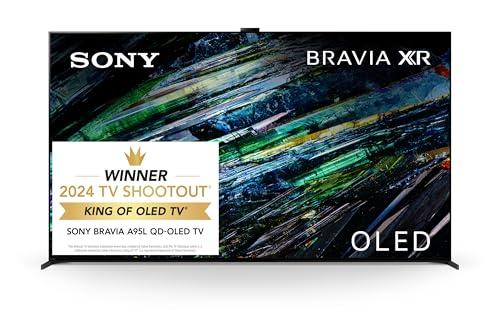
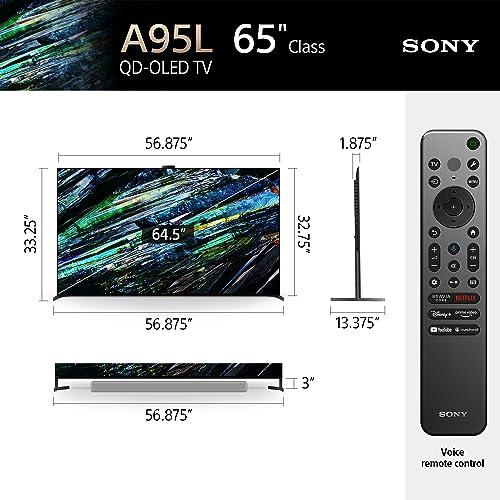






When shopping for a premium 4K television, you'll encounter two fundamentally different approaches to achieving stunning picture quality. The Sony BRAVIA XR A95L represents the cutting edge of OLED technology, while the TCL QM8 showcases how Mini-LED backlighting can compete with more expensive display types. Both launched in 2023, but they target different priorities and budgets in ways that matter significantly to your viewing experience.
Understanding these differences isn't just about technical specifications—it's about how each TV will actually perform in your living room, with your content, and within your budget. Let's dive deep into what makes each approach unique and help you decide which fits your needs better.
The most fundamental difference between the Sony A95L and TCL QM8 lies in how they create the images you see. This isn't just a technical detail—it affects everything from how dark your room needs to be for optimal viewing to how the TV handles fast-moving sports content.
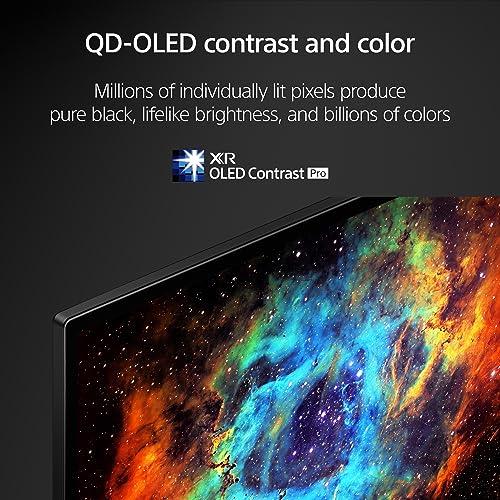
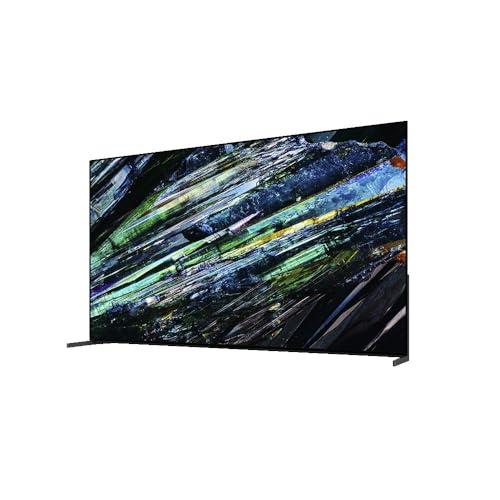
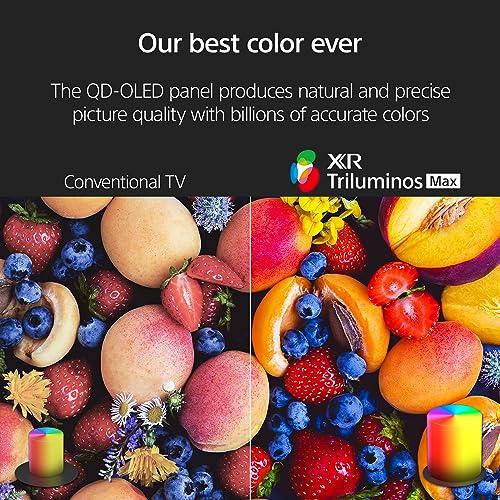
The Sony A95L uses QD-OLED technology, which combines quantum dots (microscopic particles that convert light into specific colors) with OLED pixels that produce their own light. Think of it like having millions of tiny, individually controllable light bulbs behind your screen. When a pixel needs to be black, it simply turns off completely. When it needs to be bright red, it lights up at exactly the right intensity and color. This gives OLED displays what we call "infinite contrast"—the difference between the brightest and darkest parts of the image can be theoretically unlimited.
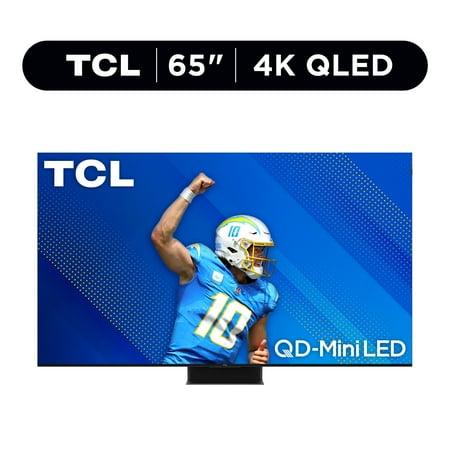
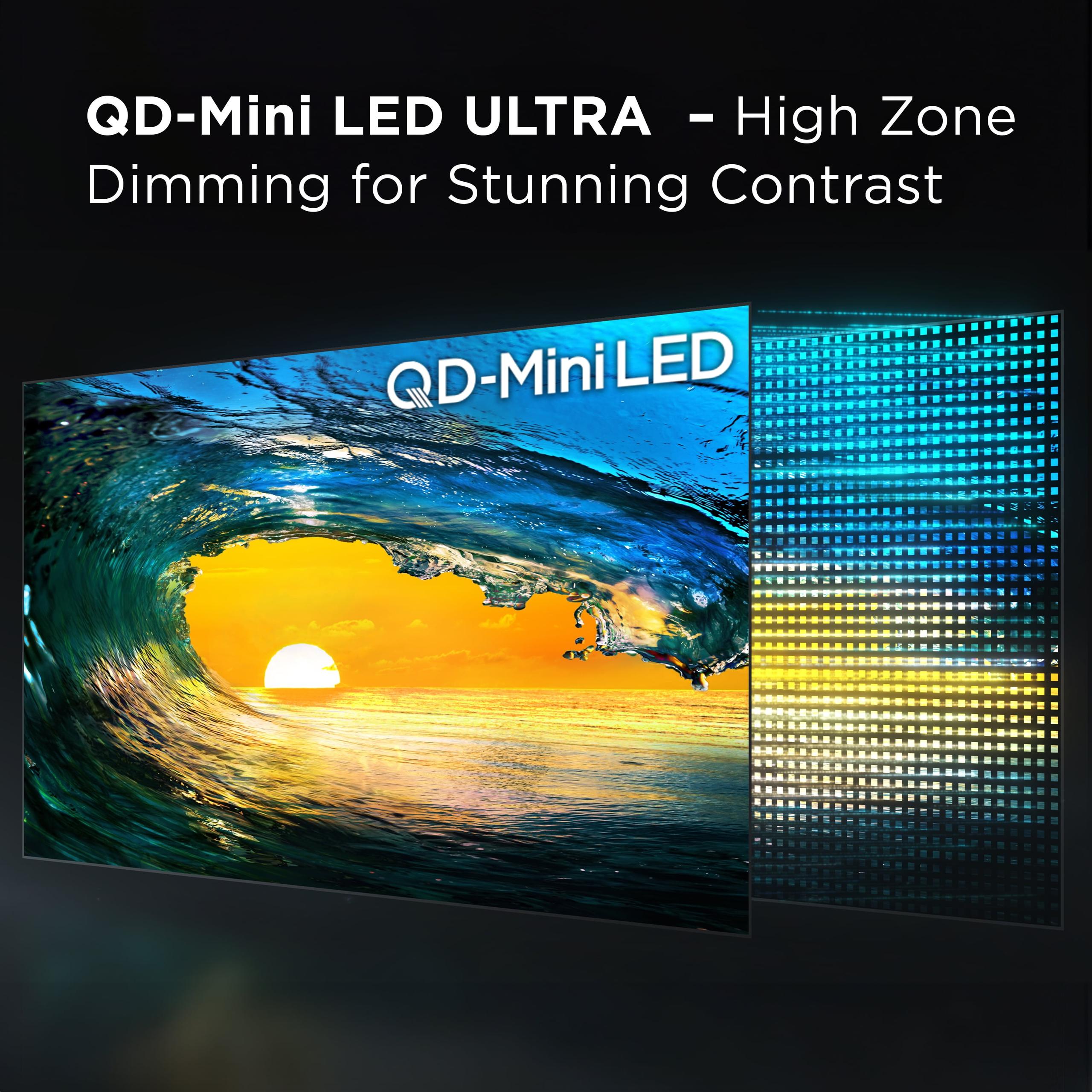
The TCL QM8 takes a different approach with Mini-LED backlighting. Instead of self-emitting pixels, it uses thousands of tiny LED lights behind an LCD panel, organized into hundreds or thousands of "zones" that can be independently controlled. When a zone needs to display something dark, those LEDs dim down significantly. When displaying something bright, they ramp up. It's like having a sophisticated dimming system behind a traditional LCD screen, but with far more precision than older TVs.
Both approaches have evolved significantly since their introduction. OLED technology, which first appeared in consumer TVs around 2013, initially struggled with brightness limitations that made it less suitable for bright rooms. The QD-OLED variant in the Sony A95L addresses this by combining quantum dots with OLED pixels, achieving much higher brightness than traditional OLED while maintaining perfect blacks.
Mini-LED technology is newer to the consumer market, really taking off around 2020-2021. The implementation in the TCL QM8 represents a mature version of this technology, with thousands of dimming zones providing much more precise local control than earlier LED-backlit TVs.
Here's where the fundamental technology differences become immediately visible. The Sony A95L achieves true blacks because its pixels can turn completely off. When you're watching a movie with a night scene or space setting, those black areas are genuinely black—not dark gray. This creates an almost three-dimensional depth to images that's particularly striking in dark viewing environments.
Our research into professional reviews and user feedback consistently shows the Sony A95L excelling in dark room scenarios. Users frequently describe the "inky blacks" and how shadows maintain detail without looking crushed or washed out. This matters enormously for movie watching, especially films shot with dramatic lighting or nighttime scenes.
The TCL QM8 can't match true OLED blacks, but it comes surprisingly close for an LCD-based display. Its thousands of local dimming zones can dramatically dim areas that need to be dark, though some light will always leak through (called "blooming" or "haloing"). However, what the TCL loses in perfect blacks, it more than makes up for in brightness capability.
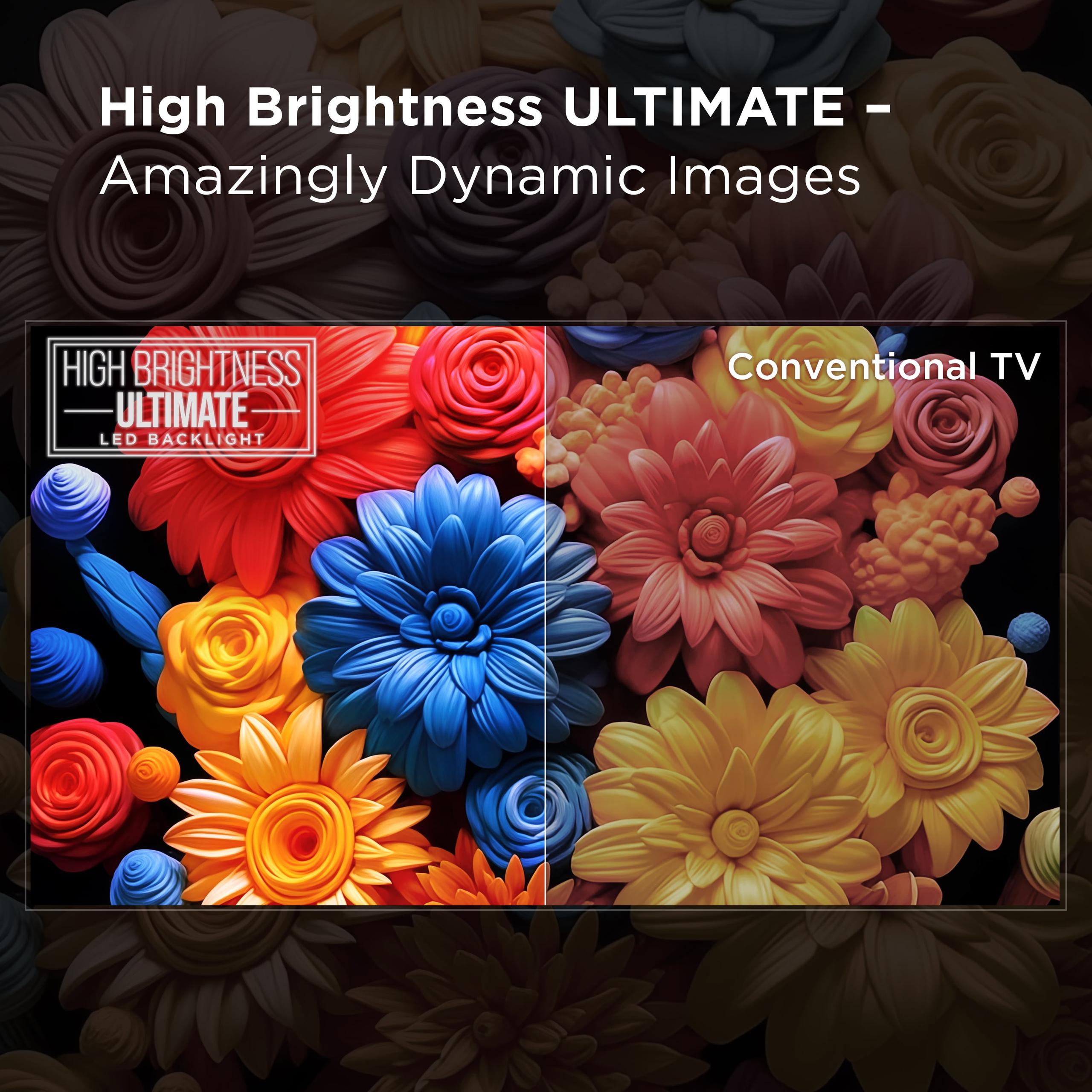
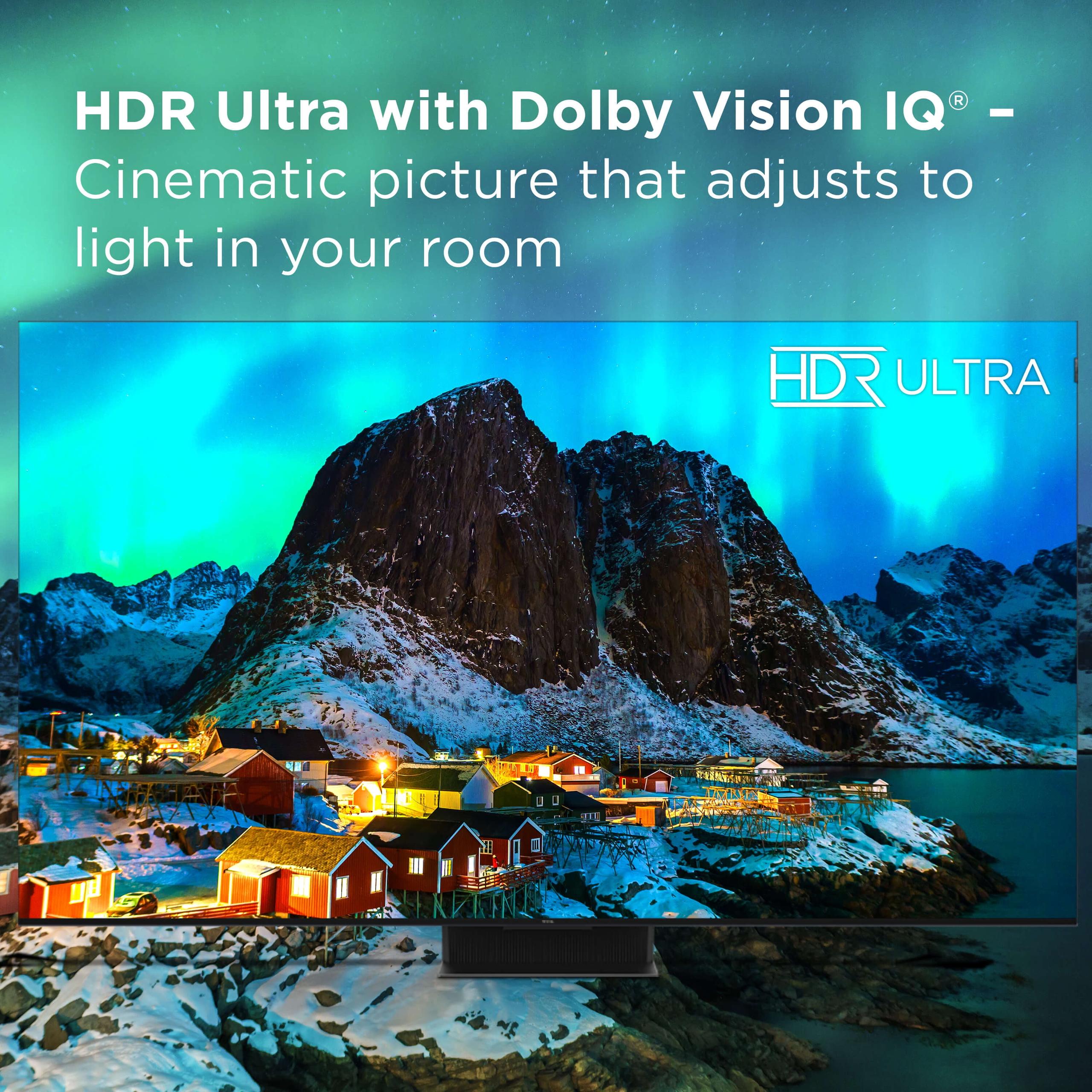
This brightness advantage is substantial. While the Sony A95L can reach impressive peaks around 1,300 nits (a measurement of brightness), the TCL QM8 can hit up to 5,000 nits in small areas. For HDR content—high dynamic range video that includes both very bright and very dark elements—this extra brightness can make highlights genuinely dazzling. Think of the sun reflecting off a car windshield or the bright explosion in an action movie. The TCL can make these moments genuinely eye-catching in ways that feel more impactful than what most TVs can achieve.
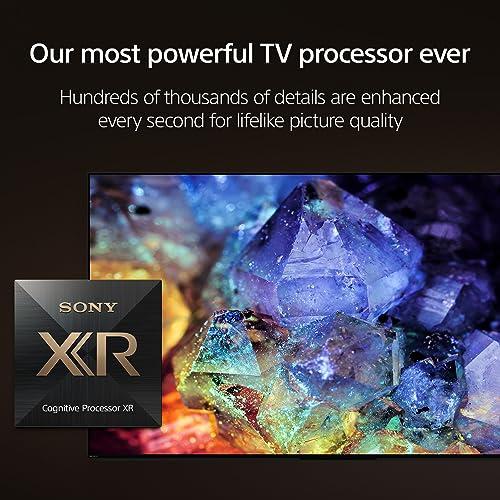
Color reproduction reveals another key philosophical difference between these displays. The Sony A95L prioritizes accuracy—colors that match what filmmakers and content creators intended. Sony's Cognitive Processor XR analyzes each frame and applies sophisticated algorithms to ensure colors look natural and true-to-life. This processing power, combined with the QD-OLED panel's wide color gamut (the range of colors it can display), delivers what many consider reference-quality color reproduction.
Professional calibration measurements consistently show the Sony A95L achieving near-perfect color accuracy straight out of the box. This means most users won't need professional calibration, and the colors you see will closely match what directors intended when they mastered their content.
The TCL QM8 takes a more consumer-oriented approach to color. Its quantum dot technology can produce very vibrant, punchy colors that many viewers find immediately appealing. However, these colors tend to be oversaturated compared to professional standards. While this can make content look more vivid and eye-catching—particularly in bright rooms—it doesn't always represent what content creators intended.
This difference matters depending on your priorities. If you're a movie enthusiast who wants to see films as directors intended, the Sony's accuracy is invaluable. If you prefer colors that pop and grab your attention, especially when watching in brighter environments, the TCL's approach may be more appealing.
One of the most significant practical differences between these TVs is how they perform when you're not sitting directly in front of them. The Sony A95L maintains consistent brightness, color, and contrast from virtually any angle in your room. Whether you're seated on the far left of your couch, standing in the kitchen, or lying on the floor, the picture quality remains essentially unchanged.
This wide viewing angle performance is an inherent advantage of OLED technology, and it makes the Sony A95L much more flexible for different room layouts and seating arrangements. It's particularly valuable for family viewing or entertaining guests.
The TCL QM8 suffers from the traditional limitations of LCD technology when it comes to off-axis viewing. Move more than about 20-30 degrees to either side, and you'll notice the image becoming dimmer, colors shifting, and contrast decreasing significantly. All those brightness advantages the TCL has when viewed straight-on largely disappear when viewed from the side.
This limitation isn't just theoretical—it has real implications for how you arrange your living space and who can enjoy the best picture quality simultaneously. The TCL works best when most viewers can sit relatively close to center, while the Sony accommodates more flexible seating arrangements.
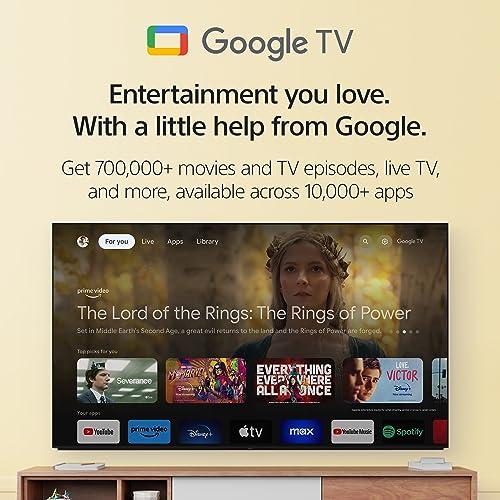
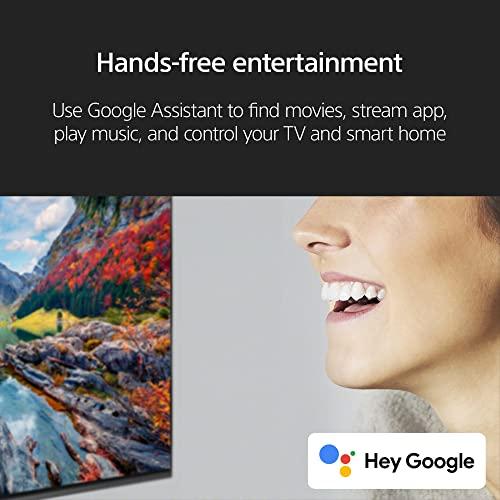
Both the Sony A95L and TCL QM8 run Google TV, so the basic smart TV experience is quite similar. You get access to all major streaming apps, Google Assistant voice control, and a user-friendly interface. However, Sony includes some unique additions that enhance the overall experience.
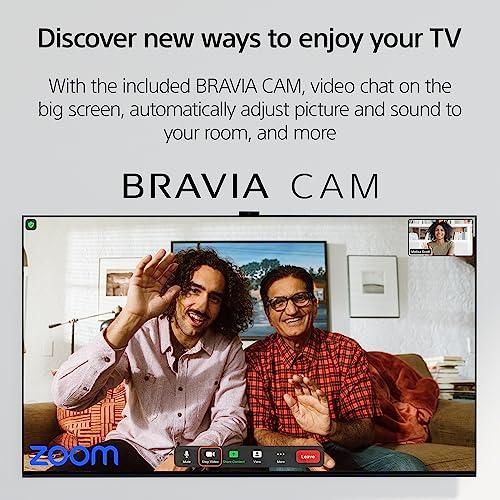
The Sony A95L comes with the BRAVIA CAM, a privacy-focused camera that enables several interesting features. It can optimize picture and sound settings based on where you're sitting and the lighting in your room. It also supports video calling and gesture controls, though these features feel more like novelties than essential functions. More practically, the camera can detect when you've left the room and automatically dim the display to save energy.
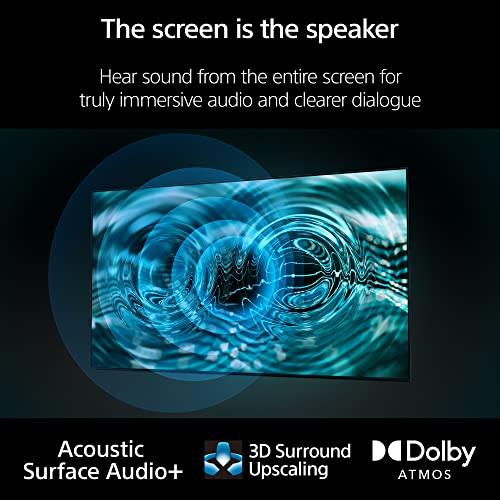
Sony's Acoustic Surface Audio+ technology turns the entire screen into a speaker system. Rather than having traditional speakers at the bottom or sides, the display itself vibrates to produce sound. This creates a more immersive experience where dialogue appears to come directly from characters' mouths on screen. While it's not a replacement for a dedicated sound system, it's significantly better than typical TV speakers and adds to the premium feel of the Sony A95L.
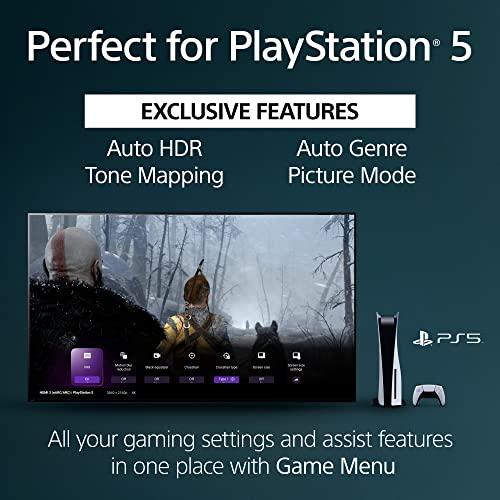
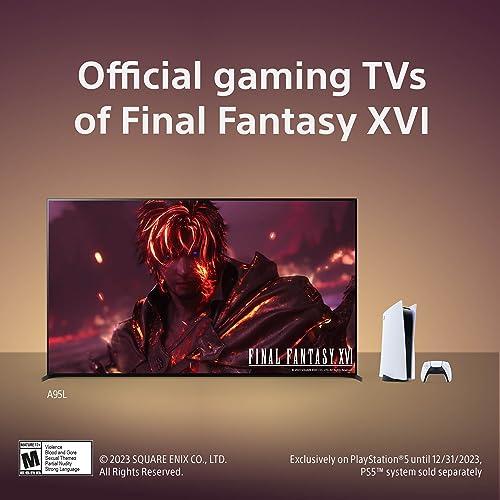
Both TVs cater well to modern gaming, but with some important differences. The Sony A95L supports 4K gaming at 120Hz on two of its HDMI ports, which is ideal for PlayStation 5 and Xbox Series X owners. OLED's instantaneous pixel response time means you won't see motion blur during fast gaming sequences—when something moves quickly on screen, it stays sharp and clear.
The TCL QM8 actually offers slightly more advanced gaming features on paper, supporting variable refresh rates up to 144Hz and including dedicated gaming modes. However, the practical gaming experience often favors the Sony due to OLED's superior motion clarity.
Both displays support Variable Refresh Rate (VRR), which synchronizes the TV's refresh rate with your gaming console's output to reduce screen tearing, and Auto Low Latency Mode (ALLM), which automatically switches to the fastest response setting when it detects gaming content.
For most console gamers, either TV will provide an excellent experience. PC gamers who can take advantage of higher refresh rates might lean toward the TCL, while those prioritizing motion clarity and response time will prefer the Sony.
If you're building a dedicated home theater setup, several factors favor the Sony A95L. Its superior contrast performance really shines in dark viewing environments, which is typically how home theaters are designed. The wide viewing angles also accommodate the multiple seating rows common in home theater setups.
The Sony's accurate color reproduction becomes more important in a dedicated viewing environment where you're likely watching movies and prestige television content that benefits from filmmaker-intended color grading. The Acoustic Surface Audio+ technology also provides better sound positioning in a theater setting, though serious home theater enthusiasts will likely pair either TV with a dedicated sound system.
However, if your "home theater" is really a bright family room that serves multiple purposes, the TCL QM8's superior brightness might actually be more practical. Its ability to cut through ambient light means you can enjoy HDR content even when you can't fully control lighting conditions.
At the time of writing, the TCL QM8 costs significantly less than the Sony A95L—roughly half the price in many cases. This price difference raises important questions about value that go beyond simple dollars and cents.
The TCL QM8 delivers genuinely premium features at a more accessible price point. Its peak brightness capabilities, wide color gamut, and gaming features would have been flagship-level specifications just a few years ago. For many viewers, especially those in bright rooms or those entering the premium TV market for the first time, the TCL provides excellent value.
However, the Sony A95L's higher price reflects some genuinely advanced technology and refinement that may be worth the premium for the right user. The QD-OLED panel technology is cutting-edge, the image processing is more sophisticated, and the overall viewing experience is more polished. If picture quality is your top priority and budget allows, the Sony justifies its higher cost.
Consider also the longevity factor. Premium TVs are typically kept for 5-10 years or more. The Sony's superior viewing angles, more accurate color reproduction, and advanced processing may provide better long-term satisfaction, especially as your viewing habits evolve or your room setup changes.
After extensive research into professional reviews and user feedback, clear patterns emerge about who each TV serves best.
Choose the Sony A95L if you prioritize picture accuracy and plan to watch primarily movies and high-quality television content. It's ideal for dark or dim viewing environments, rooms with multiple seating positions, and situations where budget allows for premium features. Movie enthusiasts, picture quality purists, and those building dedicated home theater setups will appreciate what the Sony offers.
The Sony A95L also makes sense if you value the refined user experience and advanced features like the camera optimization and screen-as-speaker technology. It's the choice for viewers who want flagship performance and are willing to pay for cutting-edge technology.
Choose the TCL QM8 if you watch TV primarily in bright rooms, sit directly in front of the display, and want premium features at a more accessible price point. It's excellent for sports viewing, casual entertainment, and situations where brightness and impact matter more than perfect accuracy.
The TCL QM8 represents outstanding value for viewers entering the premium TV market or those who prefer punchy, vibrant images over strict accuracy. It's also the practical choice for bright family rooms where ambient light is unavoidable.
Both the Sony A95L and TCL QM8 succeed in their respective approaches to premium TV performance. The Sony offers superior overall refinement, accuracy, and viewing versatility, while the TCL provides exceptional brightness and features at a much more accessible price point.
Your choice ultimately depends on your viewing environment, content preferences, seating arrangement, and budget priorities. Neither TV is objectively better than the other—they're optimized for different use cases and user preferences. The key is matching the TV's strengths to your specific needs and priorities.
The good news is that both represent significant advances in TV technology compared to what was available just a few years ago. Whether you choose the Sony's OLED precision or the TCL's Mini-LED brightness, you'll be getting a viewing experience that would have been considered premium flagship performance not too long ago.
| Sony BRAVIA XR A95L | TCL QM8 |
|---|---|
| Display Technology - Fundamental difference affecting contrast and viewing angles | |
| QD-OLED with perfect blacks and infinite contrast | Mini-LED with thousands of local dimming zones |
| Peak Brightness - Critical for HDR impact and bright room viewing | |
| ~1,300 nits (excellent for dark rooms, good for moderate lighting) | Up to 5,000 nits (exceptional for bright rooms and HDR highlights) |
| Black Level Performance - Essential for movie watching and contrast | |
| Perfect blacks with pixels that turn completely off | Very good blacks but some light leakage in dark scenes |
| Viewing Angles - Important for family rooms and multiple seating positions | |
| Excellent 178° viewing with consistent picture quality | Poor off-axis performance, best viewed straight-on |
| Color Accuracy - Matters for filmmakers' intended vision | |
| Reference-level accuracy out of box, filmmaker-intended colors | Vibrant, punchy colors that may be oversaturated |
| Color Gamut Coverage - Range of colors the TV can display | |
| 99.75% DCI-P3, 86.16% BT.2020 (excellent professional coverage) | Wide color gamut with quantum dots (very good consumer appeal) |
| Gaming Features - Important for console and PC gaming | |
| 4K@120Hz on 2 ports, VRR, ALLM, instant pixel response | 4K@144Hz VRR, Game Accelerator 240, multiple HDMI 2.1 ports |
| Image Processing - Affects upscaling and motion handling | |
| Cognitive Processor XR with superior upscaling and refinement | AIPQ PRO processor with good performance for the price |
| Audio System - Built-in sound quality | |
| Acoustic Surface Audio+ (screen becomes speaker) | ONKYO 2.1.2 system with up-firing drivers and subwoofer |
| Smart Platform - User interface and app availability | |
| Google TV with BRAVIA CAM optimization features | Google TV with standard smart features |
| HDR Support - High dynamic range format compatibility | |
| HDR10, HLG, Dolby Vision with excellent tone mapping | HDR10, HDR10+, HLG (no Dolby Vision support) |
| Room Suitability - Best viewing environment for each TV | |
| Dark to moderate lighting, multiple viewing positions | Bright rooms, direct viewing position |
| Value Proposition - Performance relative to cost | |
| Premium pricing for cutting-edge QD-OLED technology | Exceptional value with flagship features at accessible price |
The Sony BRAVIA XR A95L delivers superior overall picture quality with perfect blacks, more accurate colors, and better contrast. Its QD-OLED technology provides infinite contrast and reference-level color accuracy that's ideal for movies and dark room viewing. The TCL QM8 offers more vibrant colors and significantly higher brightness, making it better for bright rooms, but can't match the Sony's contrast and color accuracy.
The Sony A95L uses QD-OLED technology where each pixel produces its own light and can turn completely off for perfect blacks. The TCL QM8 uses Mini-LED backlighting with thousands of zones that can dim independently behind an LCD panel. OLED provides better contrast and viewing angles, while Mini-LED offers higher peak brightness and better performance in bright rooms.
The Sony A95L has excellent viewing angles with consistent picture quality from any position in the room. The TCL QM8 has poor off-axis performance - colors fade and contrast decreases significantly when viewed from the sides. If you have a wide seating arrangement or multiple viewing positions, the Sony is the clear winner.
Both TVs offer excellent gaming features, but the Sony A95L has a slight edge due to OLED's instantaneous pixel response time, which eliminates motion blur completely. The TCL QM8 supports slightly higher refresh rates (144Hz vs 120Hz) and has dedicated gaming modes. Both support VRR, ALLM, and 4K gaming, so either choice will provide great console gaming performance.
The Sony A95L has significantly more accurate colors that match filmmakers' intentions, achieving near-perfect color accuracy out of the box. The TCL QM8 produces more vibrant, punchy colors that many viewers find appealing but are often oversaturated compared to professional standards. Choose Sony for accuracy, TCL for vivid impact.
The Sony A95L excels in dark scenes due to its perfect blacks and infinite contrast ratio. OLED pixels can turn completely off, creating true blacks that make shadow details pop without looking gray or washed out. The TCL QM8 produces very good blacks for an LCD TV but can't match OLED's performance in dark content.
The Sony A95L is better suited for dedicated home theater use due to its perfect blacks, accurate colors, and excellent performance in dark environments. Its wide viewing angles also accommodate theater seating arrangements better. The TCL QM8 works well if your "home theater" is actually a bright family room where you can't control lighting conditions.
The TCL QM8 offers exceptional value, providing flagship-level features like high brightness, wide color gamut, and advanced gaming capabilities at roughly half the cost of the Sony A95L. However, the Sony justifies its premium pricing with cutting-edge QD-OLED technology, superior processing, and overall refinement that may provide better long-term satisfaction.
The TCL QM8 gets significantly brighter with peak brightness up to 5,000 nits compared to the Sony A95L's ~1,300 nits. This makes HDR highlights more impactful on the TCL, especially in bright viewing environments. However, the Sony's superior contrast means its HDR performance can look more cinematic and true to the content creator's intent.
Choose the Sony A95L if you have multiple seating positions, watch primarily in darker environments, prioritize movie quality, and budget allows for premium features. Choose the TCL QM8 if you watch in bright rooms, sit mostly straight-on, want maximum brightness impact, and prefer excellent value over ultimate refinement. Consider your room lighting, seating arrangement, and whether you prioritize accuracy or vibrant impact.
We've done our best to create useful and informative comparisons to help you decide what product to buy. Our research uses advanced automated methods to create this comparison and perfection is not possible - please contact us for corrections or questions. These are the sites we've researched in the creation of this article: rtings.com - youtube.com - rtings.com - avsforum.com - rtings.com - smarthomesounds.co.uk - smarthomesounds.co.uk - rtings.com - smarthomesounds.co.uk - youtube.com - tomsguide.com - avsforum.com - rtings.com - perfectrec.com - flatpanelshd.com - videoandaudiocenter.com - sonypremiumhome.com - bestbuy.com - sony.com - electronics.sony.com - displayspecifications.com - donstv.com - youtube.com - static.pcrichard.com - smarthomesounds.co.uk - youtube.com - electronics.sony.com - electronics.sony.com - displayspecifications.com - rtings.com - rtings.com - techradar.com - tcl.com - the-gadgeteer.com - nfm.com - ecoustics.com - careyscommunications.com - pcrichard.com - tcl.com

Privacy Policy
Terms and Conditions - Affiliate Policy
Home Security
© Copyright 2008-2026.
11816 Inwood Rd #1211, Dallas, TX 75244