

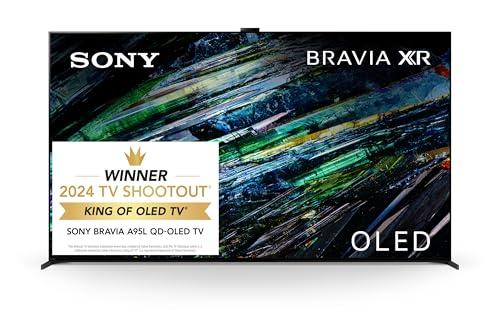
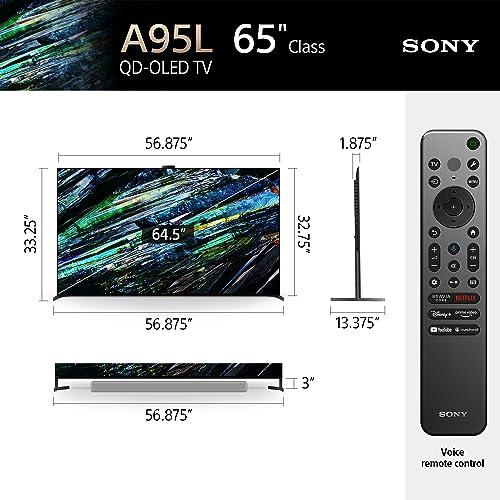
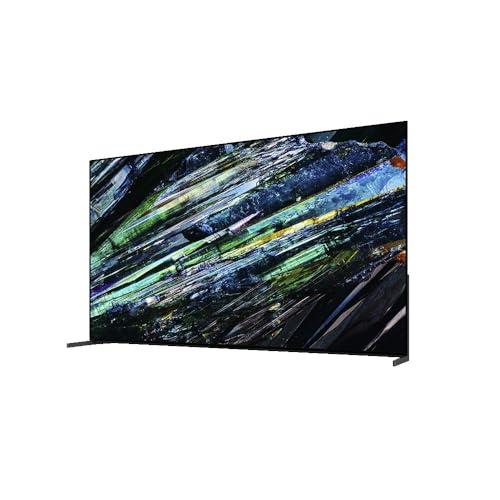


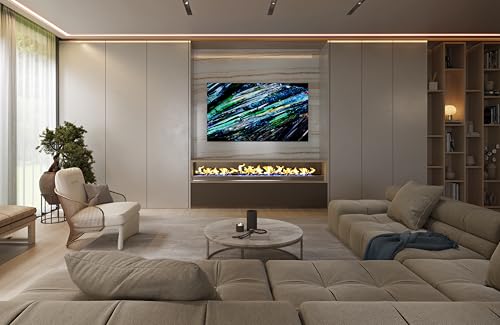
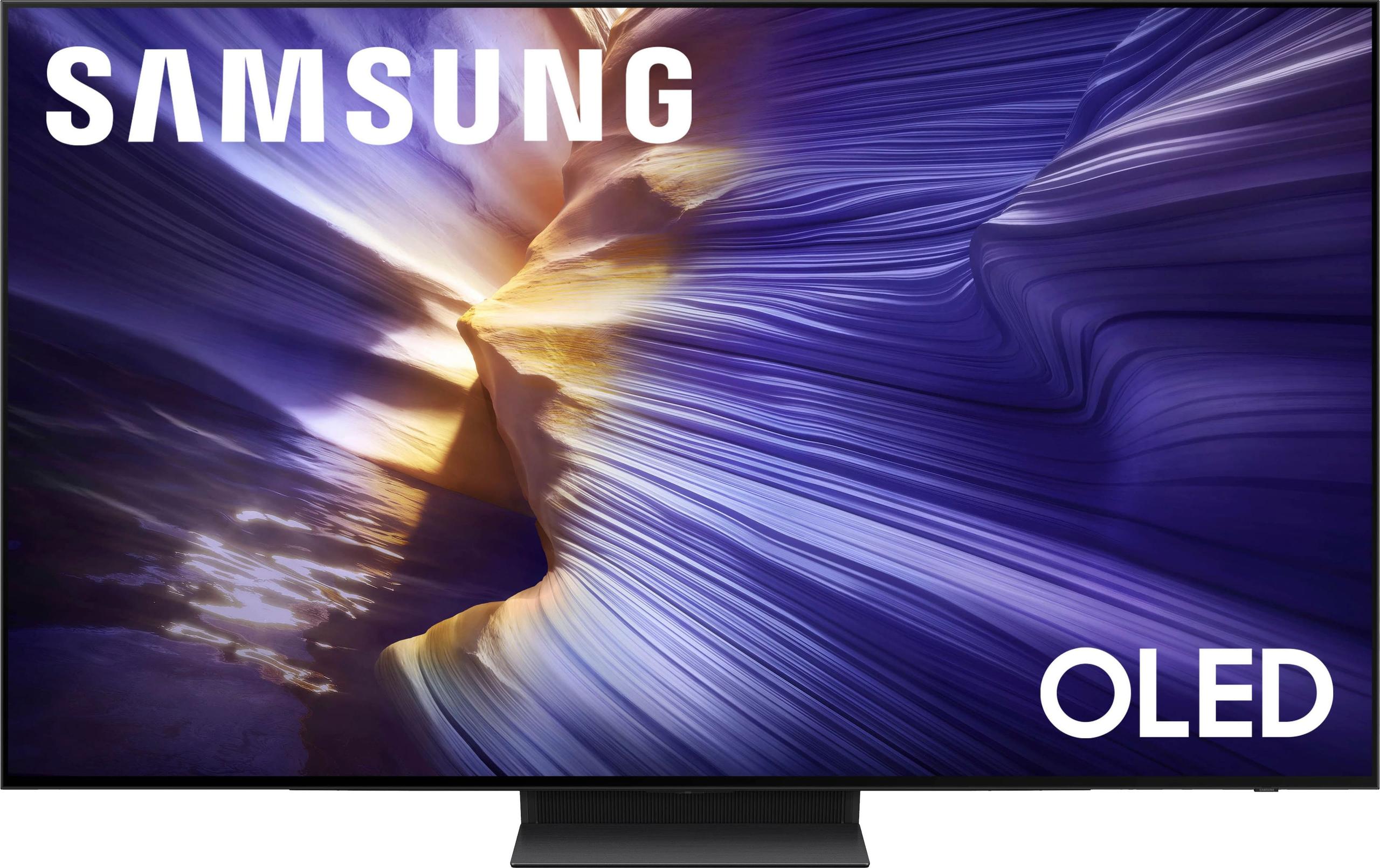
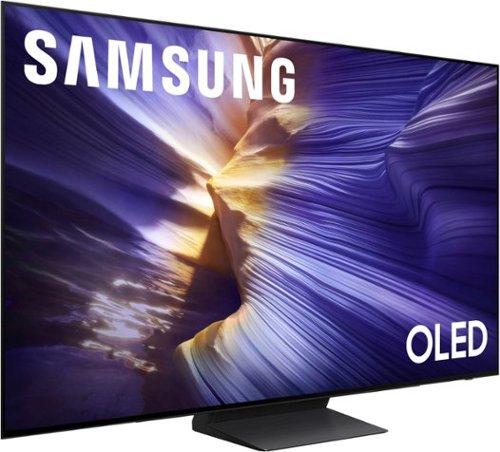
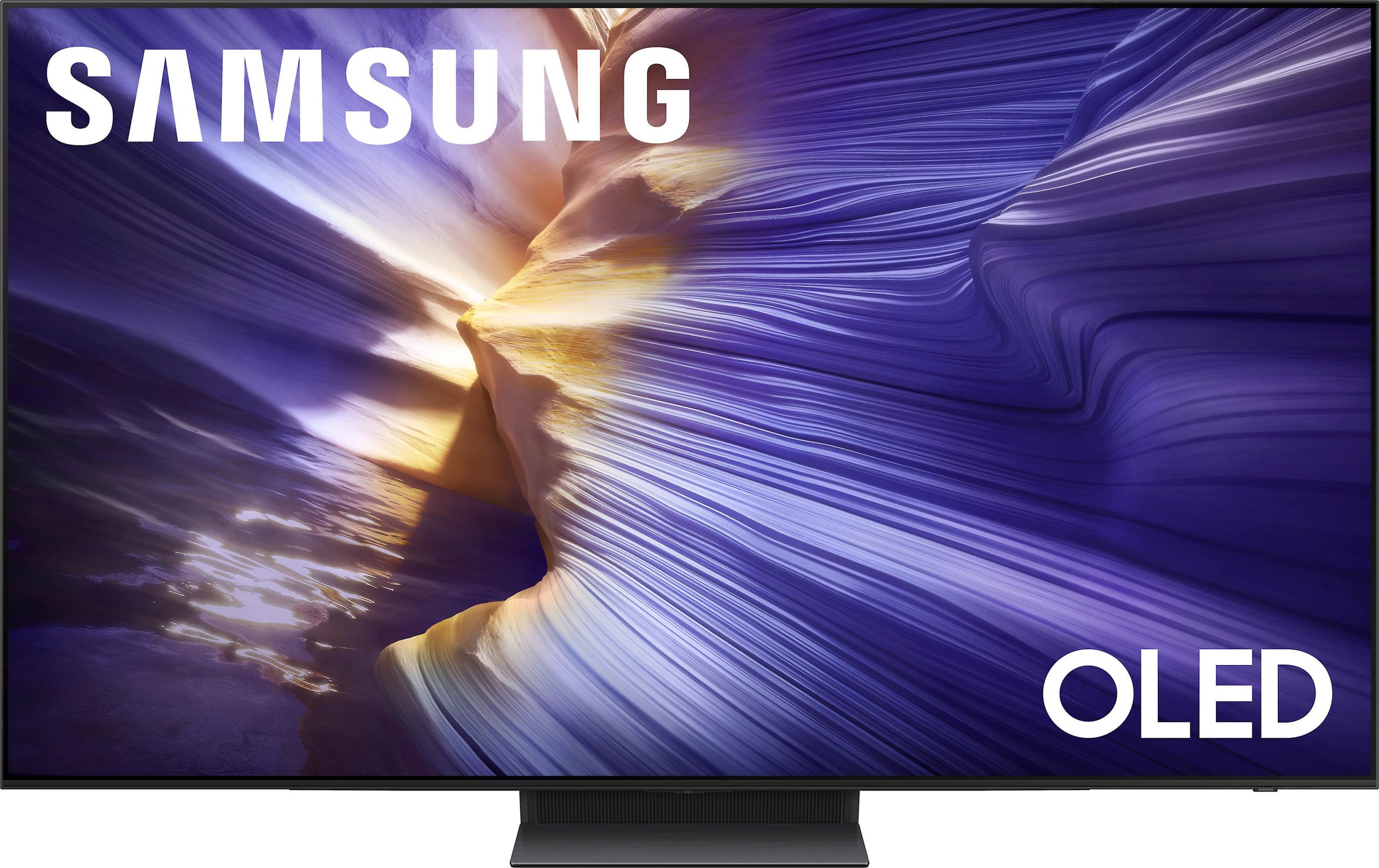
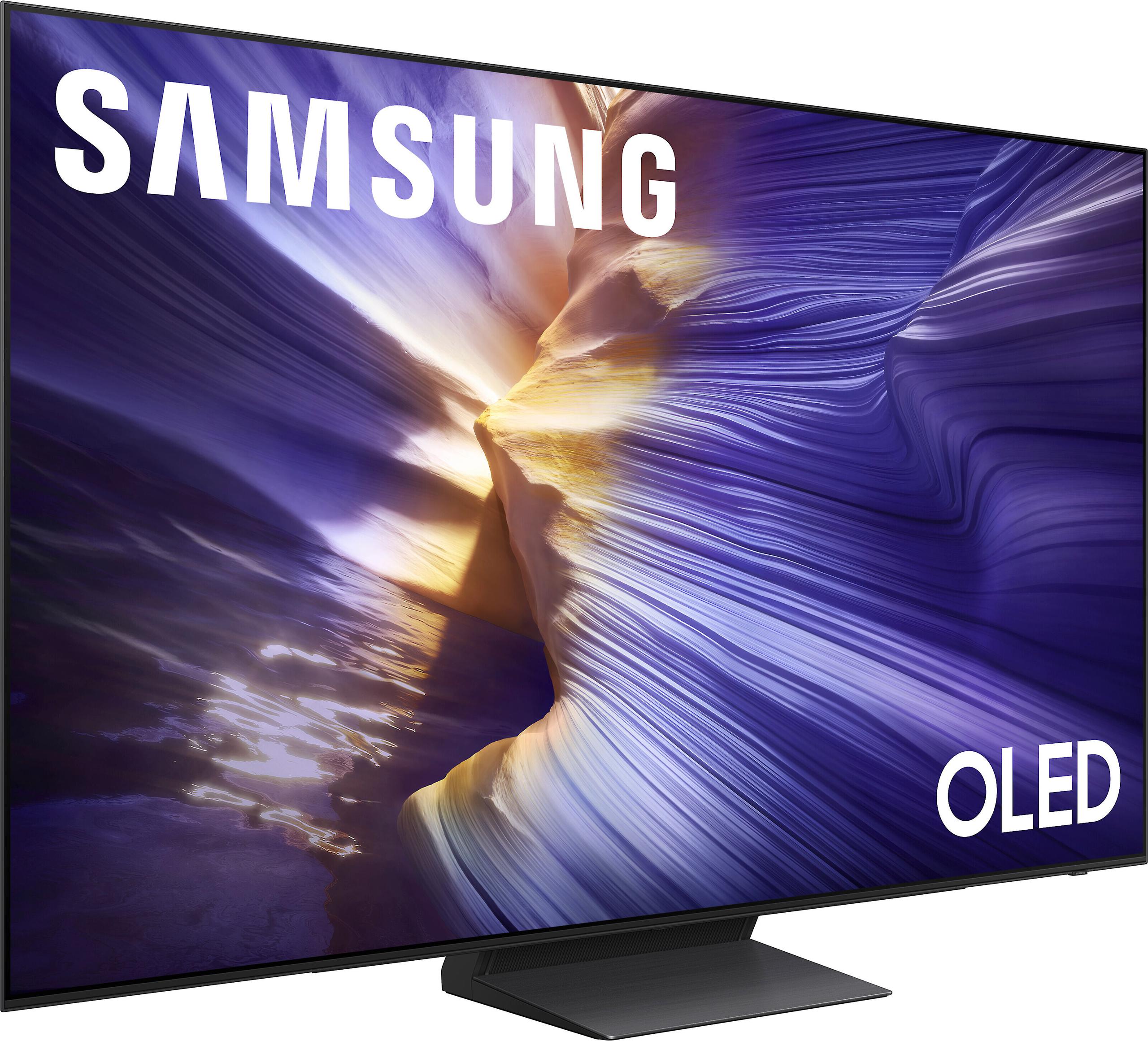
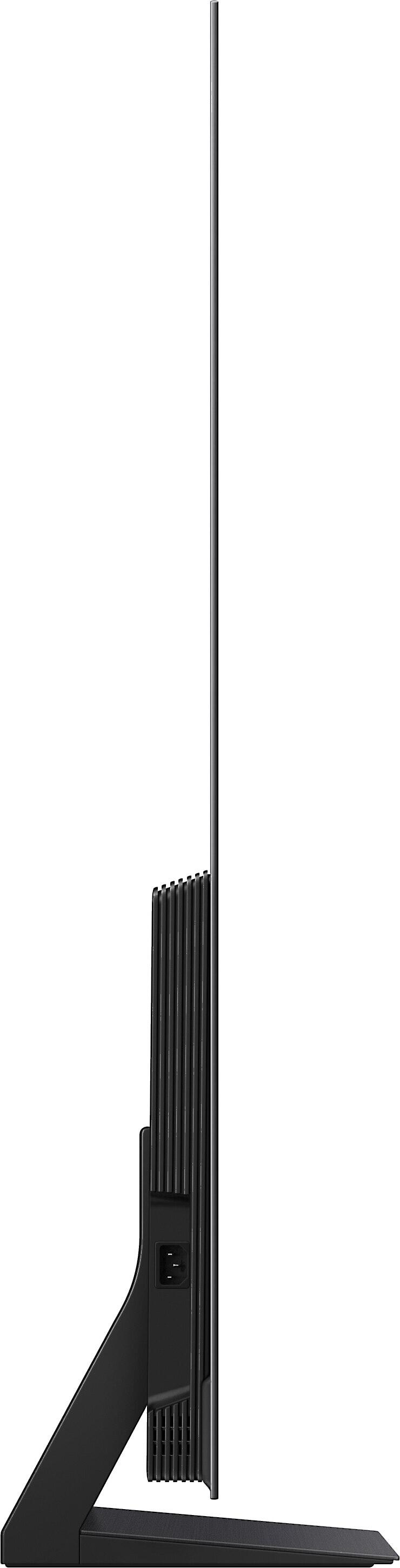
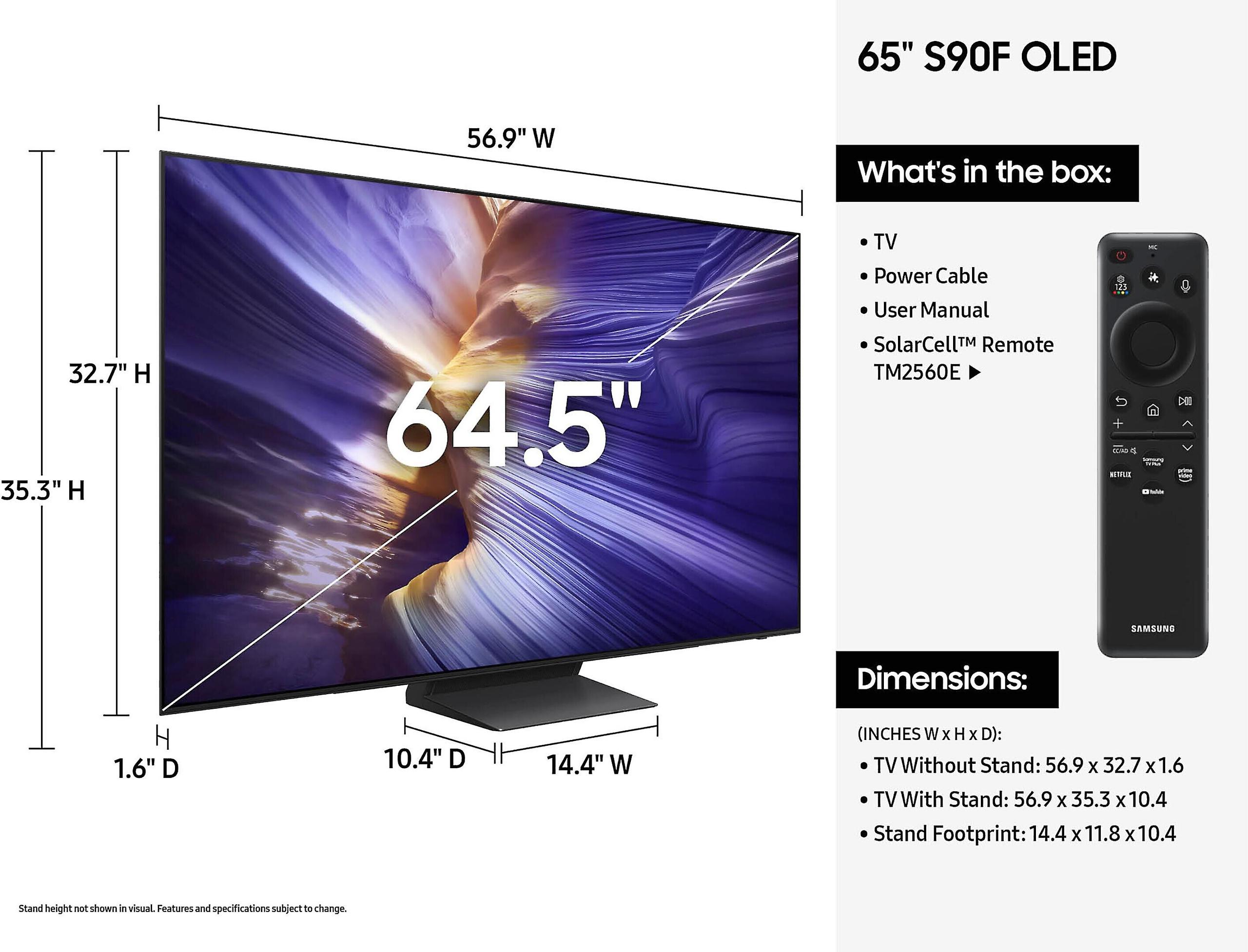

If you're shopping for a premium TV in 2024-2025, you've probably stumbled across two compelling options: the Sony BRAVIA XR A95L and the Samsung S90F. Both use cutting-edge QD-OLED technology, but they couldn't be more different in their approach to delivering an exceptional viewing experience.
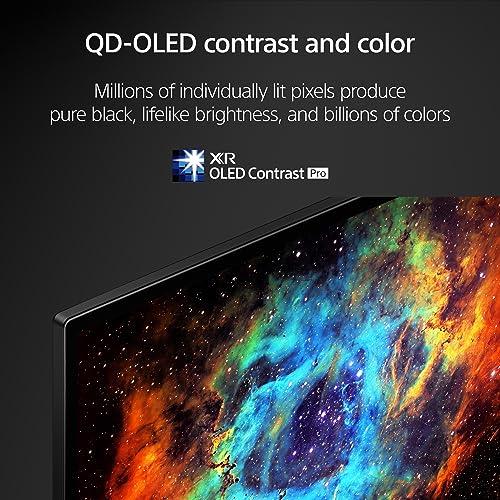
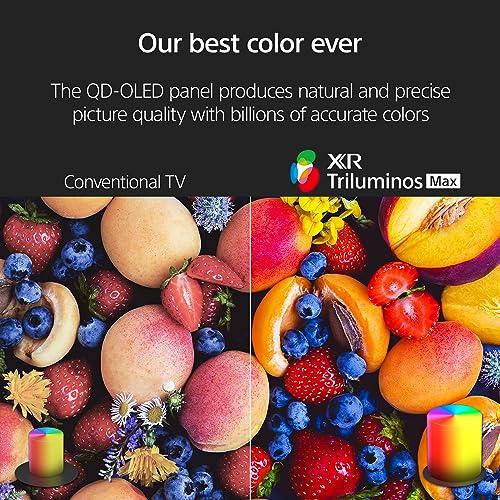
Before diving into the comparison, let's talk about what makes QD-OLED special. Traditional OLED TVs use organic compounds that emit light when electricity passes through them—this gives you perfect blacks because pixels can turn completely off. QD-OLED adds a layer of Quantum Dots (tiny semiconductor particles) that enhance brightness and color volume significantly. Think of it as combining the best aspects of OLED's perfect contrast with the vibrant, bright colors typically seen in premium LED TVs.
Both the Sony A95L and Samsung S90F use this technology, but they're from different generations and target different priorities. The Sony launched in 2023 as a flagship model, while the Samsung arrived in 2025 as part of their mid-range QD-OLED lineup. This timing difference matters more than you might think.
When shopping for premium TVs, you're essentially weighing four main factors: picture quality, gaming performance, smart features, and overall value. The challenge with these two models is that they excel in different areas, making the choice highly dependent on how you plan to use your TV.
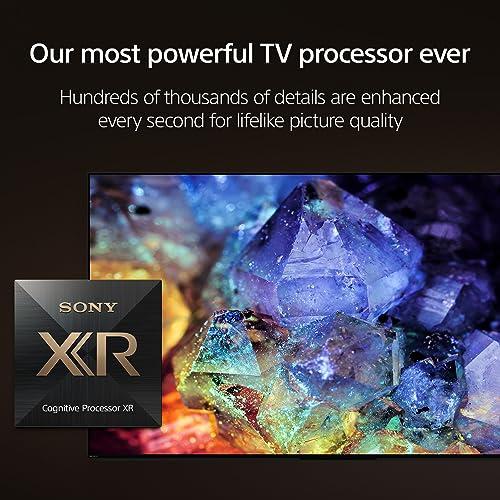
The Sony A95L takes what I'd call the "purist" approach to picture quality. Sony's Cognitive Processor XR is genuinely impressive at understanding what's on screen and optimizing accordingly. When you're watching a streaming show that's been compressed for delivery, this processor works overtime to restore detail and reduce artifacts—those annoying blocks or blur you sometimes see in fast-moving scenes.
What sets Sony apart is their commitment to color accuracy and Dolby Vision support. Dolby Vision is an HDR (High Dynamic Range) format that includes metadata—basically, instructions from the filmmaker about how bright or dim each scene should look. The Sony A95L interprets these instructions exceptionally well, meaning you're seeing something much closer to what the director intended.
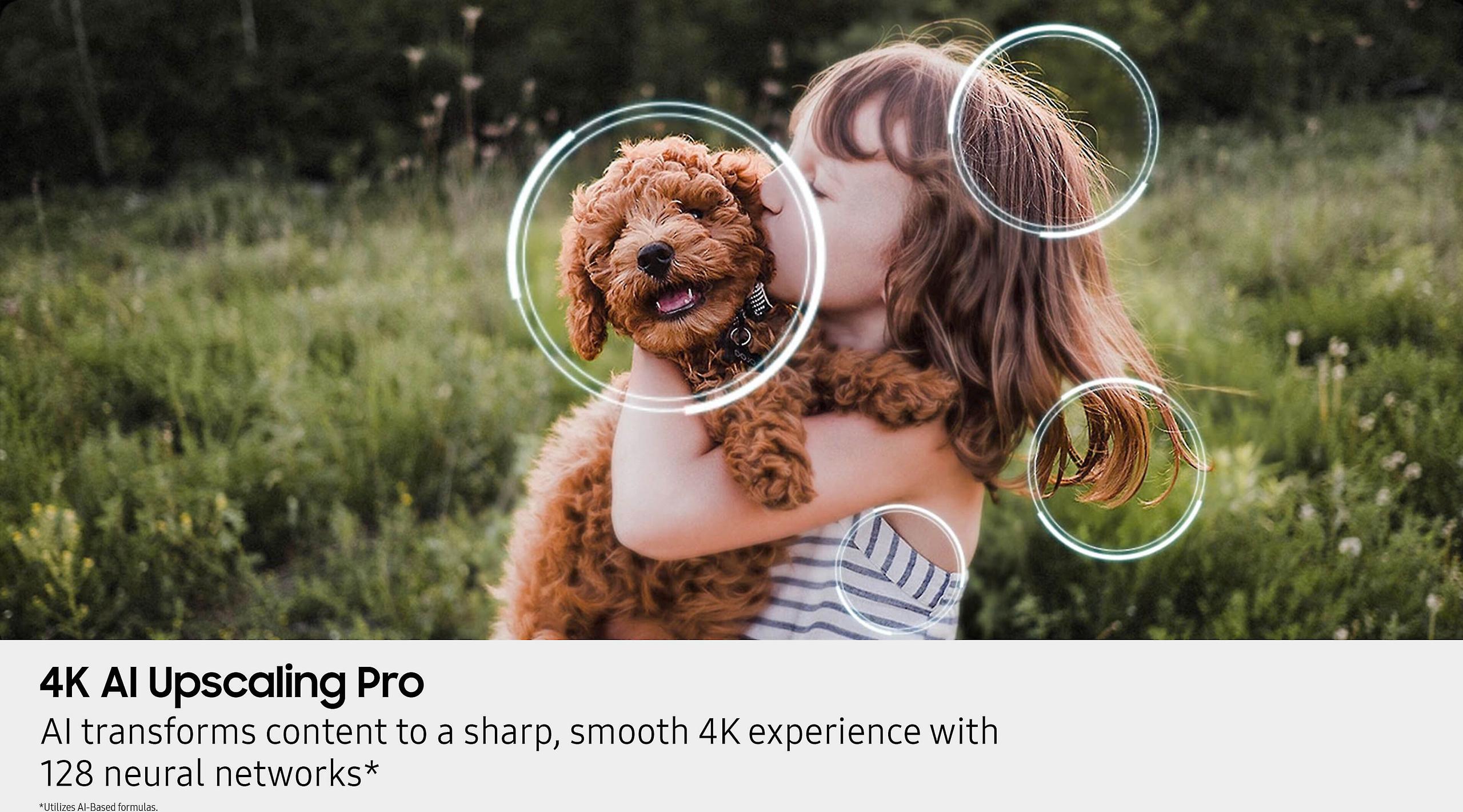
The upscaling performance deserves special mention. If you're still watching some content in 1080p or even 720p, Sony's AI-driven upscaling makes it look remarkably close to native 4K. This matters because despite what marketing tells us, a significant portion of our daily viewing still isn't true 4K.
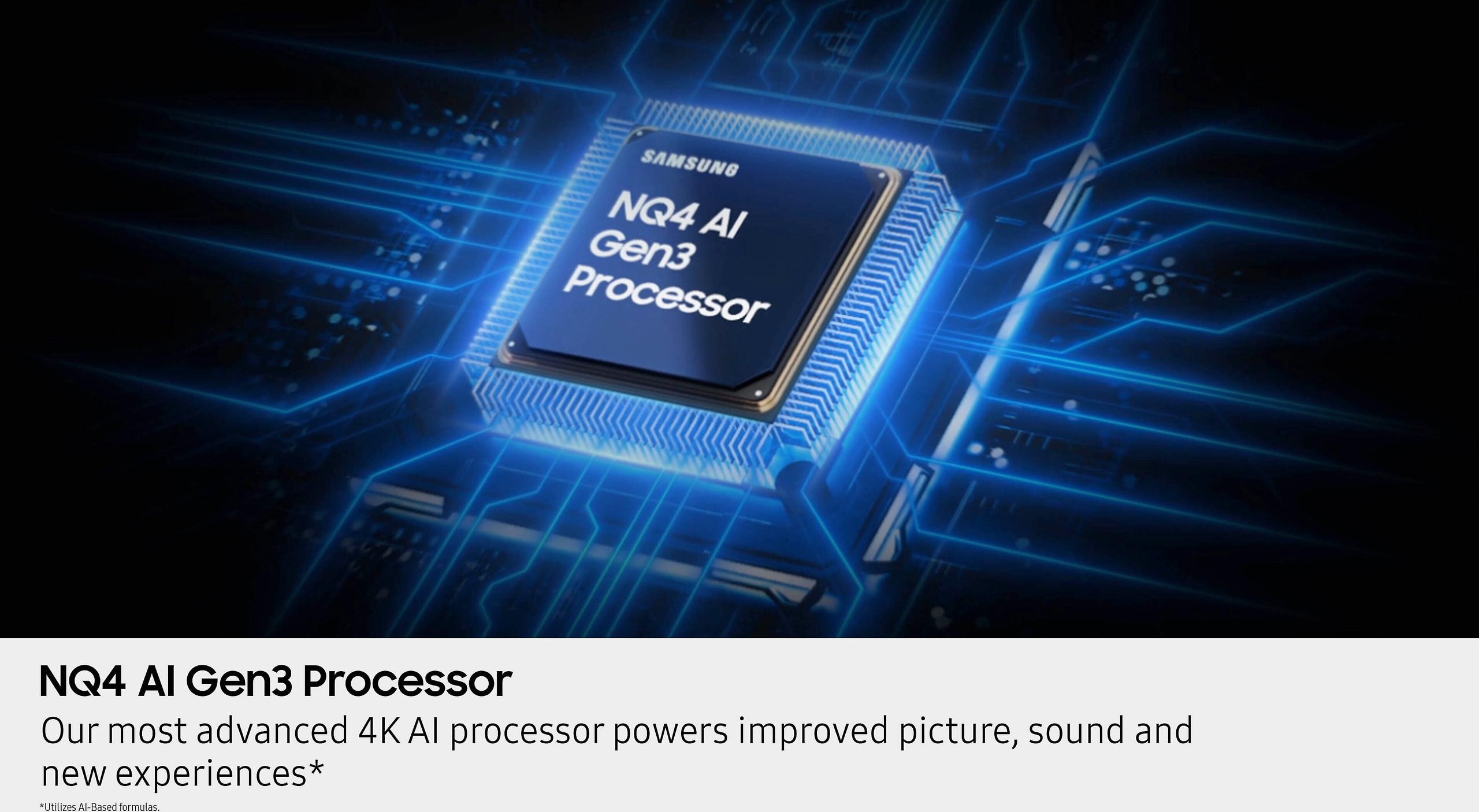
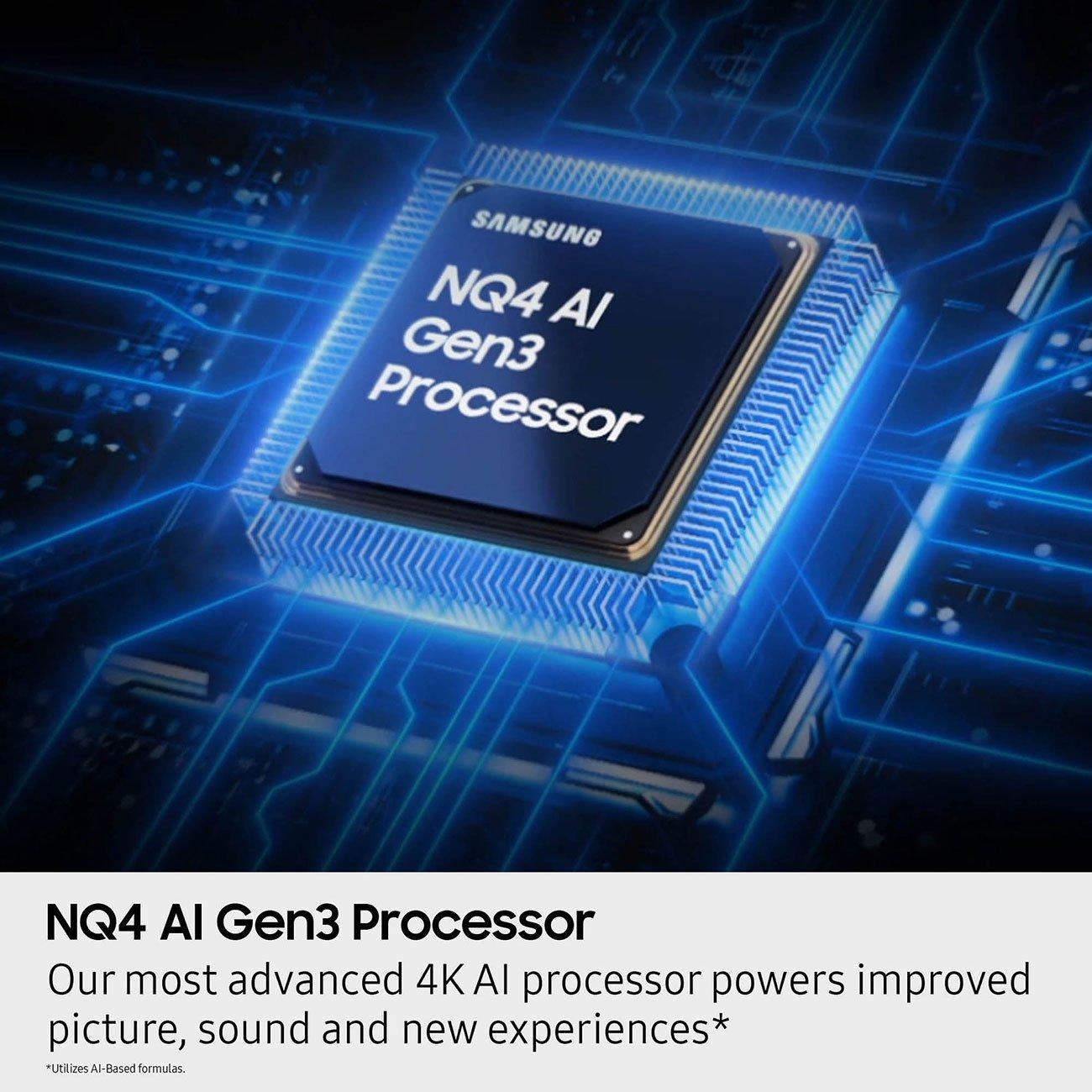
The Samsung S90F, on the other hand, prioritizes immediate visual impact. Samsung's NQ4 AI Gen3 processor is more aggressive in its enhancements, boosting colors and contrast to create images that pop off the screen. Where Sony aims for accuracy, Samsung aims for "wow factor."
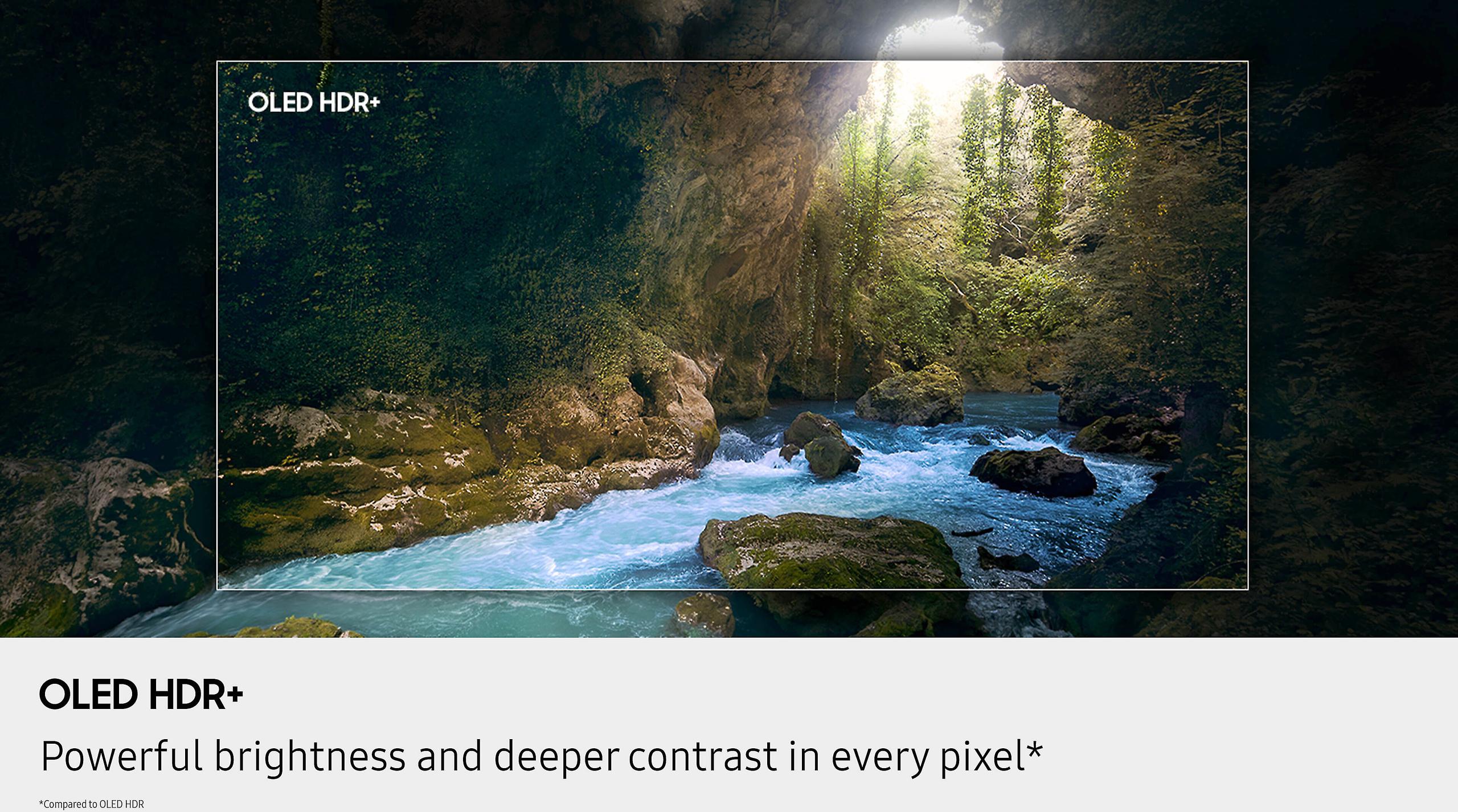
This approach has real benefits. The Samsung S90F achieves brighter HDR highlights and maintains that brightness more consistently, especially during gaming. Its gradient handling—how smoothly it displays color transitions—is virtually perfect, eliminating the color banding you might notice in sunsets or other scenes with subtle color changes.
However, there's a trade-off. Samsung's processing can sometimes make content look overly enhanced, and the TV applies edge enhancement even when you think you've disabled it. For some viewers, this creates a more engaging experience. For others, it feels artificial.
Peak brightness is where these TVs diverge significantly. The Samsung S90F consistently delivers brighter HDR content, which is crucial if your viewing room has windows or ambient lighting. However, the Sony A95L actually gets brighter in standard (SDR) content, making it better for daytime viewing when you're not watching HDR movies.
This difference becomes most apparent in gaming scenarios. The Samsung S90F maintains its brightness levels in Game Mode, while the Sony dims slightly to reduce input lag. For competitive gaming, this Samsung advantage is meaningful.
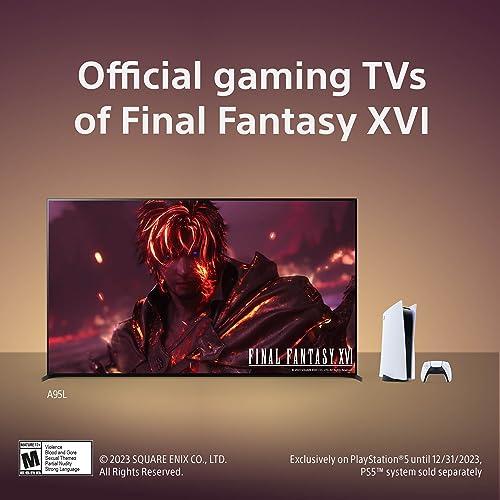
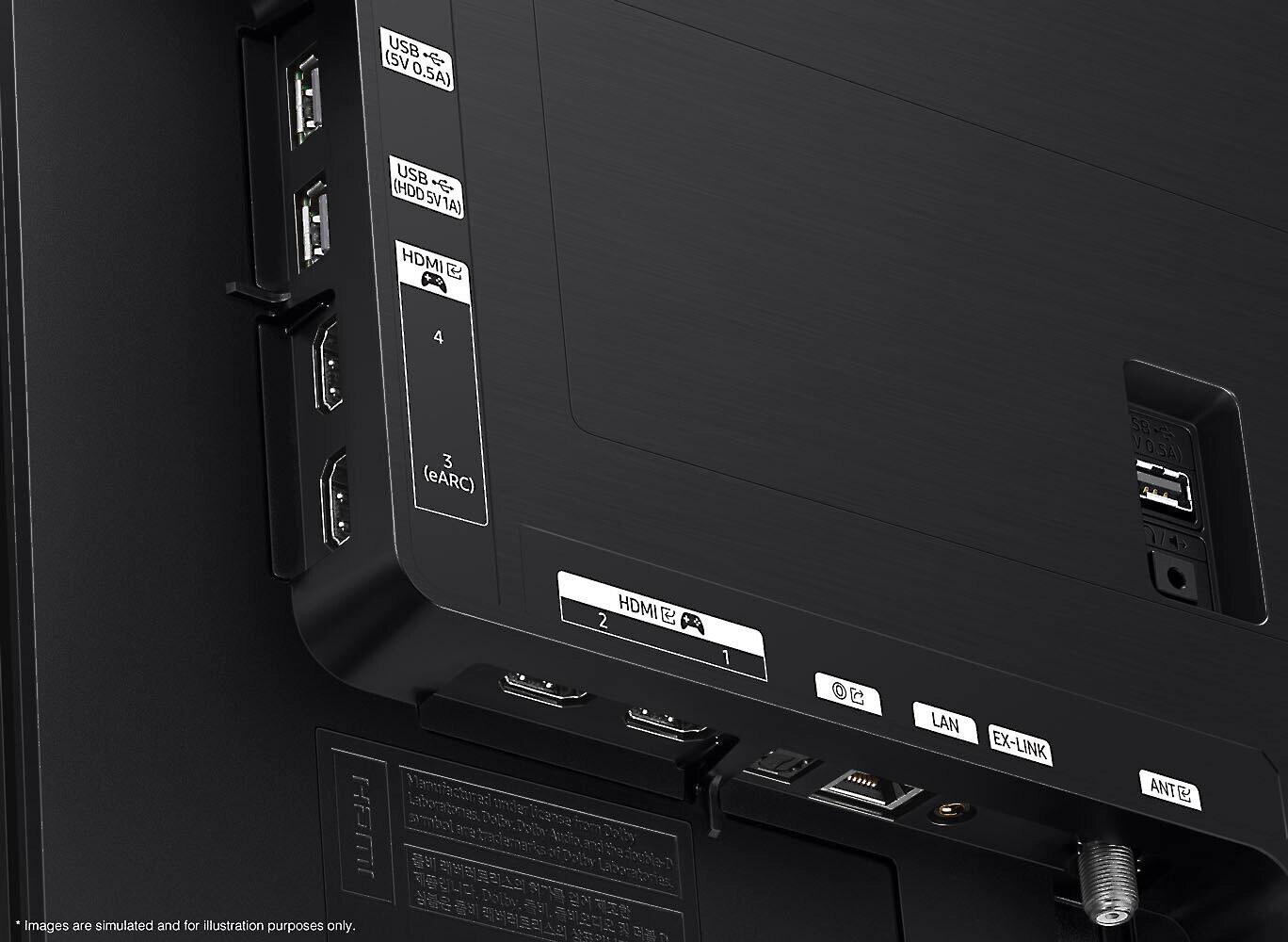
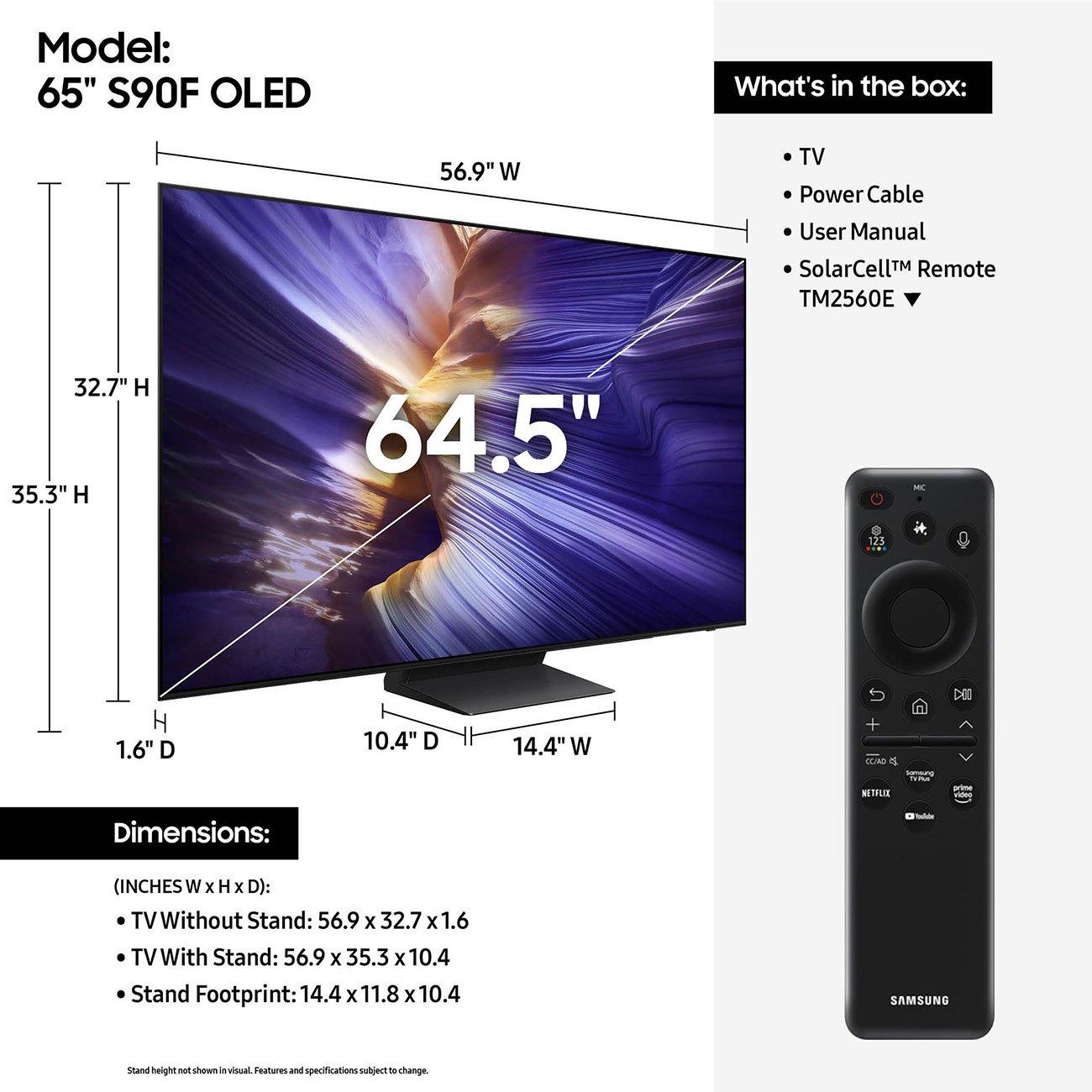
If gaming is a priority, the Samsung S90F wins decisively on paper. It offers four full HDMI 2.1 ports capable of 4K at 144Hz, compared to the Sony A95L's two ports maxed at 120Hz. Input lag—the delay between pressing a button and seeing the action on screen—is noticeably lower on the Samsung, making it more responsive for competitive gaming.
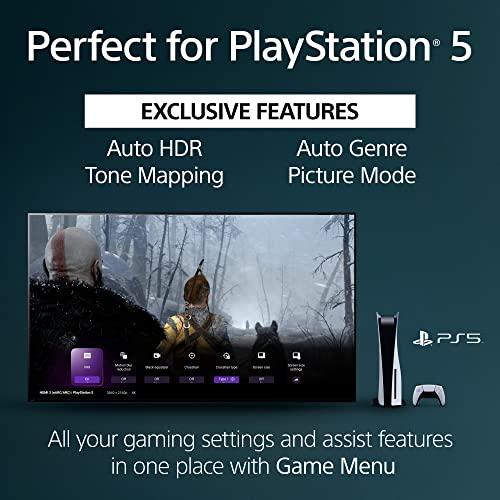
The practical impact of these differences depends on your gaming setup. If you own multiple consoles (PlayStation 5, Xbox Series X, gaming PC), the Samsung's additional high-refresh ports eliminate the need for an HDMI switcher. The 144Hz capability also future-proofs you for gaming PCs that can push frame rates beyond 120fps.
But here's the catch that many reviews don't emphasize enough: the Samsung S90F's Game Mode looks terrible out of the box. The default settings create a washed-out, overly bright image that requires extensive calibration to look acceptable. The Sony A95L, while offering fewer gaming features, provides a much better gaming picture quality immediately.
For casual gamers who value picture quality over maximum responsiveness, this difference in out-of-the-box experience matters significantly. For competitive gamers willing to spend time calibrating, the Samsung's technical advantages outweigh the setup hassle.
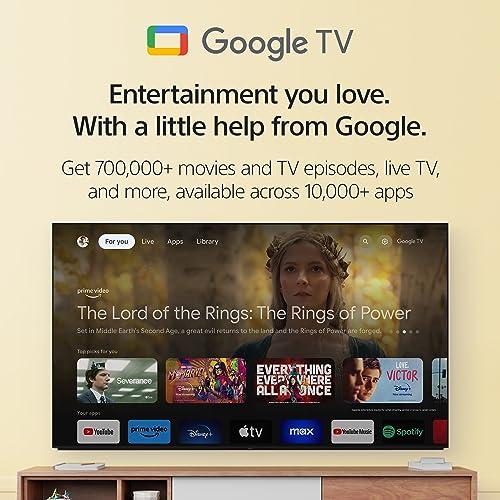
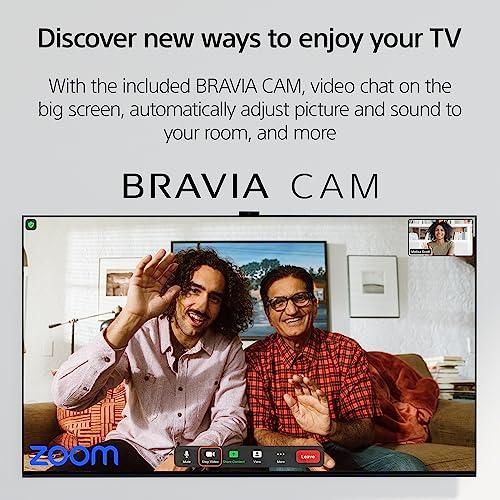
The smart TV experience represents another philosophical difference. The Sony A95L runs Google TV, which offers a cleaner, more straightforward interface with excellent integration for Chromecast and Google services. The included BRAVIA CAM adds interesting features like automatic picture optimization based on your seating position and ambient lighting.
Samsung's Tizen platform on the S90F is more feature-rich but also busier. Samsung Vision AI attempts to recognize what you're watching and optimize accordingly, while features like Pet Care mode can detect when your pets are distressed and play calming content. These features feel gimmicky to some users but genuinely useful to others.
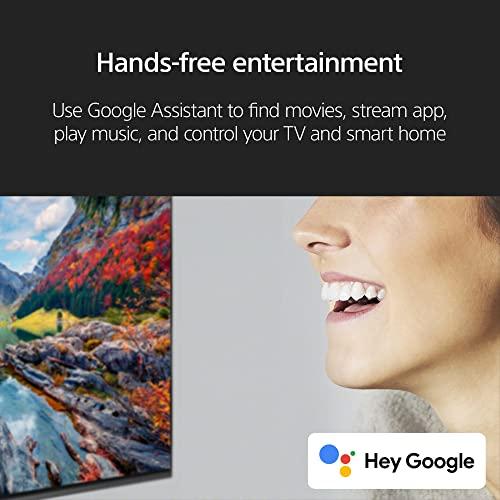
Both platforms handle streaming apps well, though Samsung tends to receive new app updates slightly faster. The voice control implementations differ: Google Assistant feels more natural for general queries, while Samsung's Bixby has improved significantly for TV-specific commands.
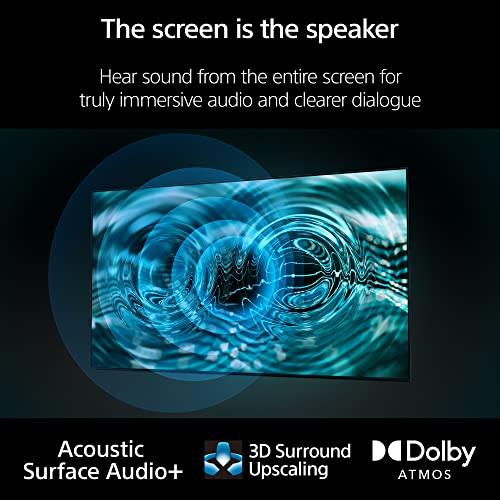
TV audio is notoriously difficult to get right due to space constraints, and both manufacturers take unique approaches. The Sony A95L uses Acoustic Surface Audio+, where the screen itself acts as a speaker using actuators that vibrate the display. This creates surprisingly immersive dialogue placement—voices seem to come directly from characters' mouths rather than from below the screen.
The Samsung S90F uses conventional speakers but enhances them with Adaptive Sound Pro, which analyzes both your room's acoustics and the content type to optimize audio delivery. While not as innovative as Sony's approach, Samsung's processing can deliver clearer dialogue and better bass response in some scenarios.
Neither TV delivers audiophile-quality sound that would satisfy serious home theater enthusiasts, but Sony's implementation feels more natural for dialogue-heavy content like TV shows and movies.
At the time of writing, the pricing difference between these models is substantial enough to influence purchasing decisions. The Samsung S90F typically costs several hundred dollars less than the Sony A95L for comparable screen sizes, and that difference can fund a quality soundbar or other home theater upgrades.
The value equation isn't just about initial cost, though. The Sony A95L offers a more complete, refined experience out of the box. You'll spend less time tweaking settings and more time enjoying content. The Samsung S90F requires more setup work but delivers more raw performance once properly configured.
For home theater enthusiasts, the Sony's Dolby Vision support and DTS audio passthrough capabilities add genuine value. These features ensure compatibility with a wider range of content and audio setups, potentially saving money on external processing equipment.
Setting up either TV in a dedicated home theater environment reveals their different strengths clearly. The Sony A95L excels with film content, delivering accurate colors and respecting the filmmaker's creative decisions. Its superior upscaling becomes more apparent when watching older movies or content from streaming services that heavily compress their feeds.
The Samsung S90F's brighter HDR performance can be advantageous in rooms that aren't completely dark, but it requires careful calibration to avoid oversaturated colors that detract from cinematic content. However, once properly set up, it delivers stunning contrast and color volume that can rival much more expensive displays.
For mixed usage—where the same TV handles everything from Netflix binges to gaming sessions to sports viewing—the Samsung's versatility and gaming capabilities provide more well-rounded performance, assuming you're willing to invest time in proper setup.
The generational difference between these TVs reflects broader industry trends. The Sony A95L represents 2023's premium approach: refined processing, careful color management, and comprehensive format support. Sony has since released the BRAVIA 8 II series, which addresses some of the A95L's gaming limitations while maintaining its picture quality strengths.
The Samsung S90F embodies 2025's mid-range strategy: aggressive AI enhancement, maximum gaming connectivity, and competitive pricing. Samsung's decision to offer four 144Hz HDMI ports at this price point signals their commitment to capturing the gaming market.
Both approaches have merit, but they suggest different trajectories for premium TV technology. Sony continues prioritizing accuracy and refinement, while Samsung pushes for maximum feature density and visual impact.
Choose the Sony BRAVIA XR A95L if you're primarily interested in movie and TV show viewing, value accurate color reproduction, and prefer minimal setup complexity. It's the better choice for users who watch a lot of streaming content, care about Dolby Vision, or want the most polished experience regardless of cost. Home theater enthusiasts who prioritize filmmaker intent over maximum brightness will appreciate Sony's approach.
The Samsung S90F makes more sense for households with diverse viewing habits, serious gamers, or budget-conscious buyers who want premium QD-OLED technology. If you own multiple gaming consoles, plan to use the TV for PC gaming, or simply want the brightest, most vibrant picture possible, Samsung's offering delivers exceptional value.
Consider the Samsung especially if you enjoy tinkering with settings and don't mind spending time optimizing the picture. The payoff is a display that can deliver stunning performance across gaming, sports, and HDR content when properly configured.
Neither TV represents a poor choice—both deliver exceptional picture quality that surpasses most LED alternatives. The decision comes down to priorities: refined accuracy and ease of use (Sony A95L) versus gaming performance and value (Samsung S90F).
The Samsung S90F offers more TV for the money, especially when you factor in the savings that can fund a good soundbar. The Sony A95L provides a more premium, hassle-free experience that justifies its higher cost for users who value immediate satisfaction over maximum feature density.
In the rapidly evolving TV market, both represent solid investments that will deliver years of enjoyable viewing, albeit with different strengths that appeal to different types of users.
| Sony BRAVIA XR A95L | Samsung S90F |
|---|---|
| Display Technology - Both use premium QD-OLED for perfect blacks and enhanced brightness | |
| QD-OLED with XR Triluminos Max (second-generation panel) | QD-OLED with NQ4 AI Gen3 processor (2025 panel) |
| Peak Brightness - Critical for HDR impact and bright room viewing | |
| Up to 1,300 nits HDR, brighter in SDR content | Higher sustained HDR brightness, dimmer SDR performance |
| Gaming Performance - Essential for console and PC gaming | |
| 2 HDMI 2.1 ports, 4K@120Hz max, higher input lag | 4 HDMI 2.1 ports, 4K@144Hz, significantly lower input lag |
| HDR Format Support - Determines compatibility with premium content | |
| HDR10, HLG, Dolby Vision (filmmaker intent preservation) | HDR10, HLG, HDR10+ (no Dolby Vision support) |
| Picture Processing - Affects upscaling and content optimization | |
| Cognitive Processor XR (superior upscaling, film-focused) | NQ4 AI Gen3 (aggressive enhancement, gaming-optimized) |
| Smart TV Platform - Daily interface and app experience | |
| Google TV with BRAVIA CAM optimization features | Samsung Tizen with Vision AI and Pet Care mode |
| Audio Technology - Built-in sound quality and immersion | |
| Acoustic Surface Audio+ (screen acts as speaker) | Adaptive Sound Pro with conventional speakers |
| Audio Format Support - Important for home theater setups | |
| Full DTS passthrough support for external audio systems | Limited DTS support, may require audio workarounds |
| Color Accuracy - Crucial for filmmakers' intended viewing experience | |
| Exceptional out-of-box accuracy, minimal calibration needed | Good accuracy but requires calibration for optimal results |
| Game Mode Picture Quality - Visual experience while gaming | |
| Excellent image quality in Game Mode out-of-box | Poor default Game Mode requires extensive calibration |
| Release Generation - Affects feature set and future support | |
| 2023 flagship (succeeded by BRAVIA 8 II in 2025) | 2025 current mid-range model with latest features |
| Value Positioning - Performance per dollar consideration | |
| Premium pricing for refined, hassle-free experience | Aggressive pricing leaves budget for soundbar/accessories |
The Sony BRAVIA XR A95L delivers superior movie picture quality due to its Dolby Vision support and more accurate color reproduction. Sony's Cognitive Processor XR excels at preserving filmmaker intent, making it the better choice for cinematic content. The Samsung S90F offers brighter HDR but can oversaturate colors without proper calibration.
The Samsung S90F is significantly better for gaming, offering four HDMI 2.1 ports with 4K@144Hz support and lower input lag. The Sony A95L only has two HDMI 2.1 ports limited to 120Hz. However, Sony provides better out-of-the-box Game Mode picture quality, while Samsung requires extensive calibration.
No, there's a key difference. The Sony BRAVIA XR A95L supports HDR10, HLG, and Dolby Vision, providing the most comprehensive HDR experience. The Samsung S90F supports HDR10 and HDR10+ but lacks Dolby Vision, which may disappoint users with extensive Dolby Vision content libraries.
It depends on the content type. The Samsung S90F achieves brighter HDR highlights and maintains brightness more consistently. However, the Sony A95L actually gets brighter with standard (SDR) content, making it better for overcoming glare during daytime TV watching.
Both offer excellent smart platforms but with different approaches. The Sony BRAVIA XR A95L uses Google TV with BRAVIA CAM for ambient optimization, providing a cleaner interface. The Samsung S90F features Samsung Vision AI with more aggressive content enhancement and unique features like Pet Care mode.
The Sony BRAVIA XR A95L is superior for dedicated home theater use due to its Dolby Vision support, better color accuracy, and DTS audio passthrough capabilities. It requires less calibration and delivers more cinematic picture quality. The Samsung S90F can match Sony's performance but needs extensive setup work.
The Samsung S90F provides better value, typically costing significantly less than the Sony A95L while offering more gaming features and comparable picture quality. The savings can fund a quality soundbar or other accessories. Sony justifies its premium with refined processing and hassle-free experience.
The Sony BRAVIA XR A95L uses innovative Acoustic Surface Audio+ technology where the screen acts as a speaker, creating better dialogue placement. The Samsung S90F uses conventional speakers enhanced with Adaptive Sound Pro processing. Neither replaces a dedicated sound system, but Sony's approach feels more immersive.
The Sony BRAVIA XR A95L excels at streaming due to superior upscaling and processing that cleans up compressed content. Its Cognitive Processor XR reduces artifacts and restores detail better than the Samsung S90F, making it ideal for Netflix, Disney+, and other streaming services.
The Sony BRAVIA XR A95L requires minimal setup and delivers excellent picture quality out-of-the-box. The Samsung S90F needs significant calibration, especially for Game Mode, to achieve optimal results. Sony is the better choice for users who prefer immediate satisfaction over tweaking settings.
Both QD-OLED TVs offer excellent viewing angles, but the Samsung S90F maintains brightness and color saturation slightly better when viewed from the side. This makes the Samsung a better choice for wide seating arrangements or large families where not everyone sits directly in front of the screen.
The Samsung S90F is more future-proof for gaming with four 144Hz HDMI 2.1 ports and lower input lag. However, the Sony A95L offers better format support with Dolby Vision and comprehensive audio passthrough. Your definition of "future-proof" depends on whether gaming connectivity or content compatibility matters more to you.
We've done our best to create useful and informative comparisons to help you decide what product to buy. Our research uses advanced automated methods to create this comparison and perfection is not possible - please contact us for corrections or questions. These are the sites we've researched in the creation of this article: rtings.com - youtube.com - rtings.com - avsforum.com - rtings.com - smarthomesounds.co.uk - smarthomesounds.co.uk - rtings.com - smarthomesounds.co.uk - youtube.com - tomsguide.com - avsforum.com - rtings.com - perfectrec.com - flatpanelshd.com - videoandaudiocenter.com - sonypremiumhome.com - bestbuy.com - sony.com - electronics.sony.com - displayspecifications.com - donstv.com - youtube.com - static.pcrichard.com - smarthomesounds.co.uk - youtube.com - electronics.sony.com - electronics.sony.com - displayspecifications.com - youtube.com - t3.com - rtings.com - bestbuy.com - stereonet.com - samsung.com - bestbuy.com - flatpanelshd.com - myallsouth.com - pcrichard.com - samsung.com - bestbuy.com - samsung.com - samsung.com - samsung.com

Privacy Policy
Terms and Conditions - Affiliate Policy
Home Security
© Copyright 2008-2026.
11816 Inwood Rd #1211, Dallas, TX 75244