



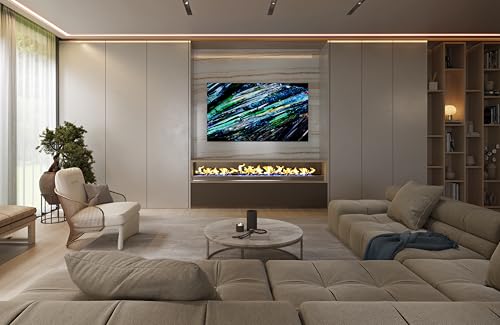
Shopping for a premium 65-inch TV can feel overwhelming when you're looking at price tags that rival a decent used car. The TV market has exploded with acronyms like QD-OLED, QLED, and AI processing that sound impressive but leave you wondering what they actually do for your Netflix binge sessions or gaming marathons.
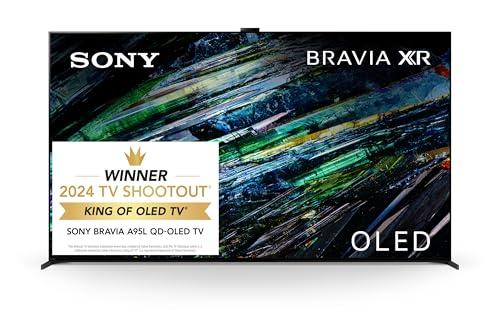
Two standout options represent different philosophies in premium TV design: the Sony BRAVIA XR A95L, released in 2023, and the newer Samsung QN8F Series, which hit shelves in 2025. Both target serious viewers who want exceptional picture quality, but they achieve it through fundamentally different approaches. Understanding these differences will help you make the right choice for your living room and viewing habits.
The premium 65-inch TV category sits at the intersection of cutting-edge display technology and smart features designed for discerning viewers. Unlike budget TVs that prioritize basic functionality, these models focus on delivering reference-quality images that match what filmmakers intended when they created the content.
The main considerations when evaluating premium TVs include display technology (how the TV creates light and color), HDR performance (how well it handles the brightest whites and darkest blacks), processing power (how it improves lower-quality content), gaming capabilities, audio quality, and the overall smart TV experience. Each manufacturer takes a different approach to solving these challenges, which explains why two similarly-priced TVs can look and perform quite differently.
The most fundamental difference between the Sony A95L and Samsung QN8F lies in their display technology. The Sony uses QD-OLED (Quantum Dot Organic Light Emitting Diode), while the Samsung relies on traditional QLED (Quantum Dot Light Emitting Diode) with LED backlighting. These technologies sound similar but work completely differently.
Sony's QD-OLED Advantage
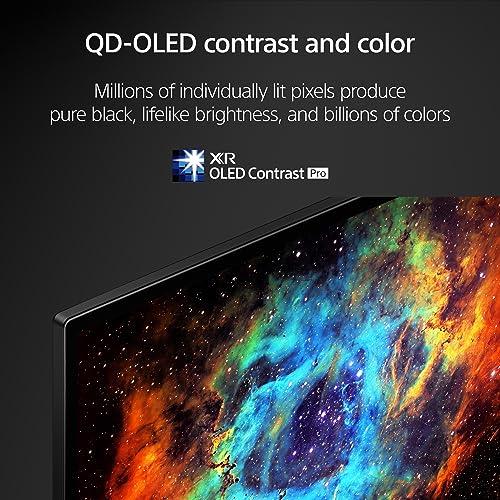
The Sony A95L employs second-generation QD-OLED technology, which represents one of the most significant advances in TV display tech in recent years. Each pixel generates its own light (that's the OLED part), meaning when a pixel needs to be black, it simply turns off completely. This creates what's called an "infinite contrast ratio" – true blacks with no light leaking from surrounding bright areas.
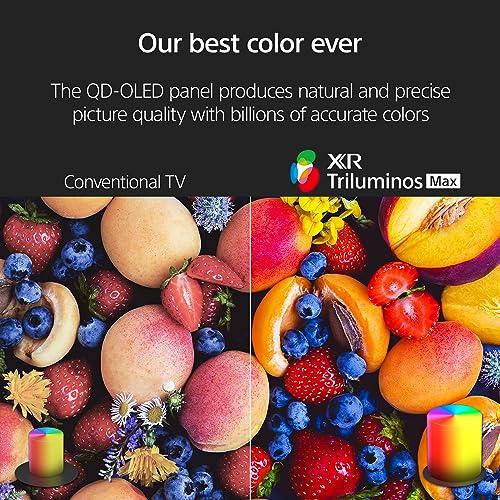
The quantum dot layer adds another dimension by converting blue OLED light into precise red and green wavelengths, creating more accurate colors than traditional OLED panels. The result is a display that can show a starfield in space with perfectly black backgrounds while maintaining bright, punchy stars – something that's impossible with backlit displays.
Peak brightness reaches approximately 1,300 nits, which might not sound impressive compared to some LCD TVs, but remember that OLEDs can achieve this brightness pixel-by-pixel rather than across entire zones. When you're watching a movie with a bright explosion against a dark night sky, every pixel can be independently controlled for maximum impact.
Samsung's QLED Approach
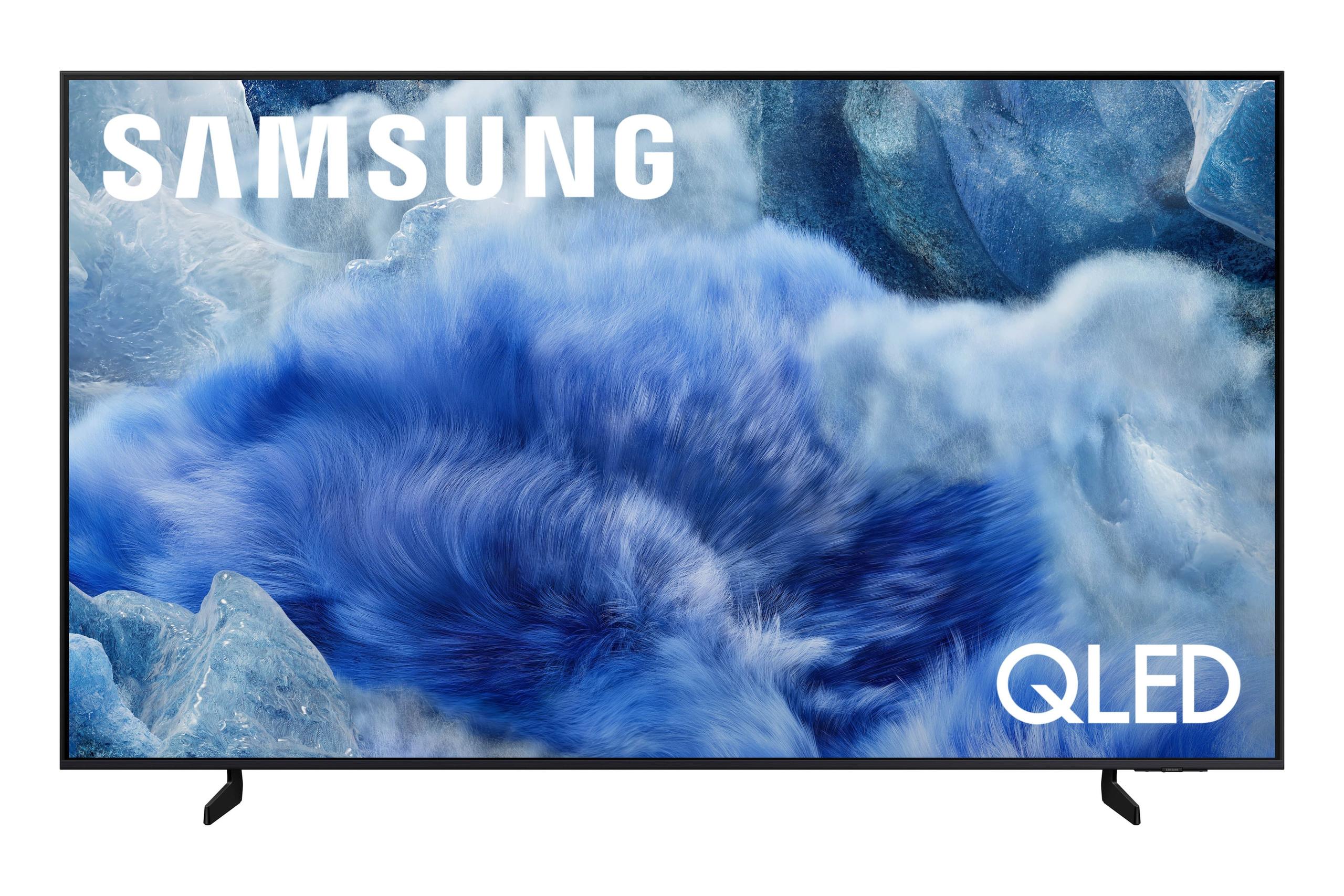
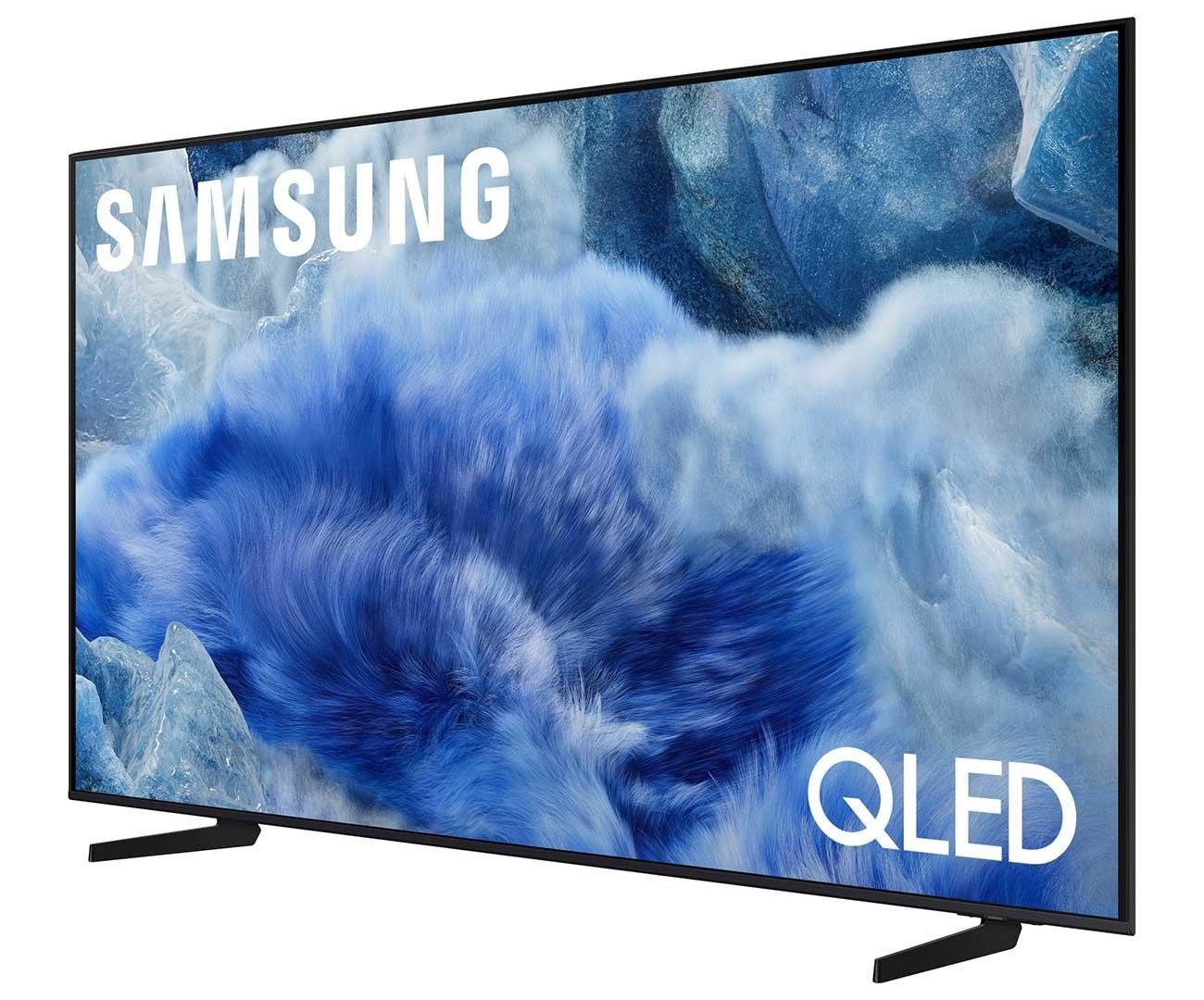
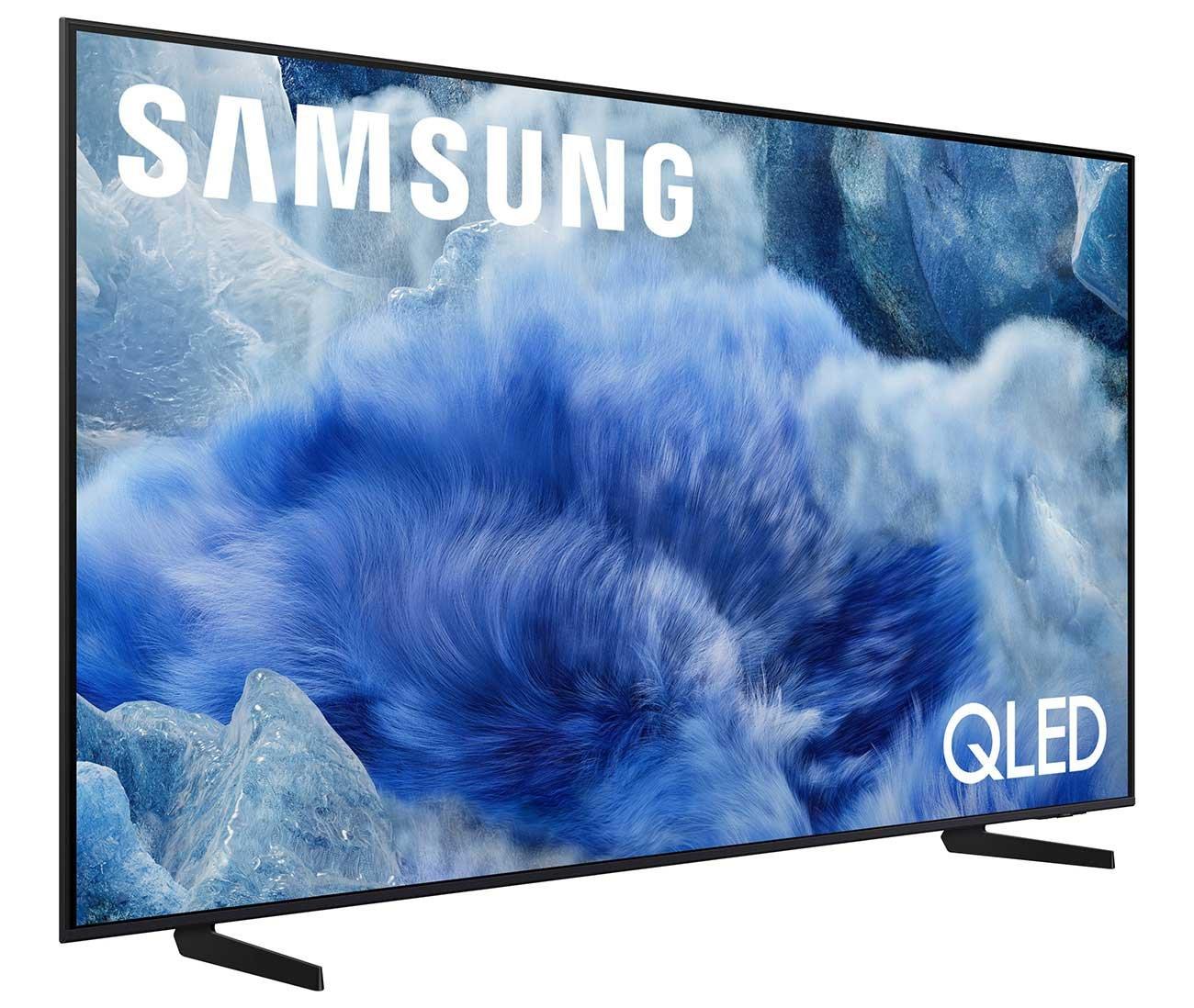
The Samsung QN8F takes the more traditional route with QLED technology enhanced by Dual LED backlighting. Instead of self-emitting pixels, it uses an LED backlight array behind the screen with a quantum dot filter that converts the light into vibrant colors. The Dual LED system uses both cool and warm LED lights to improve contrast and color temperature across different zones of the screen.
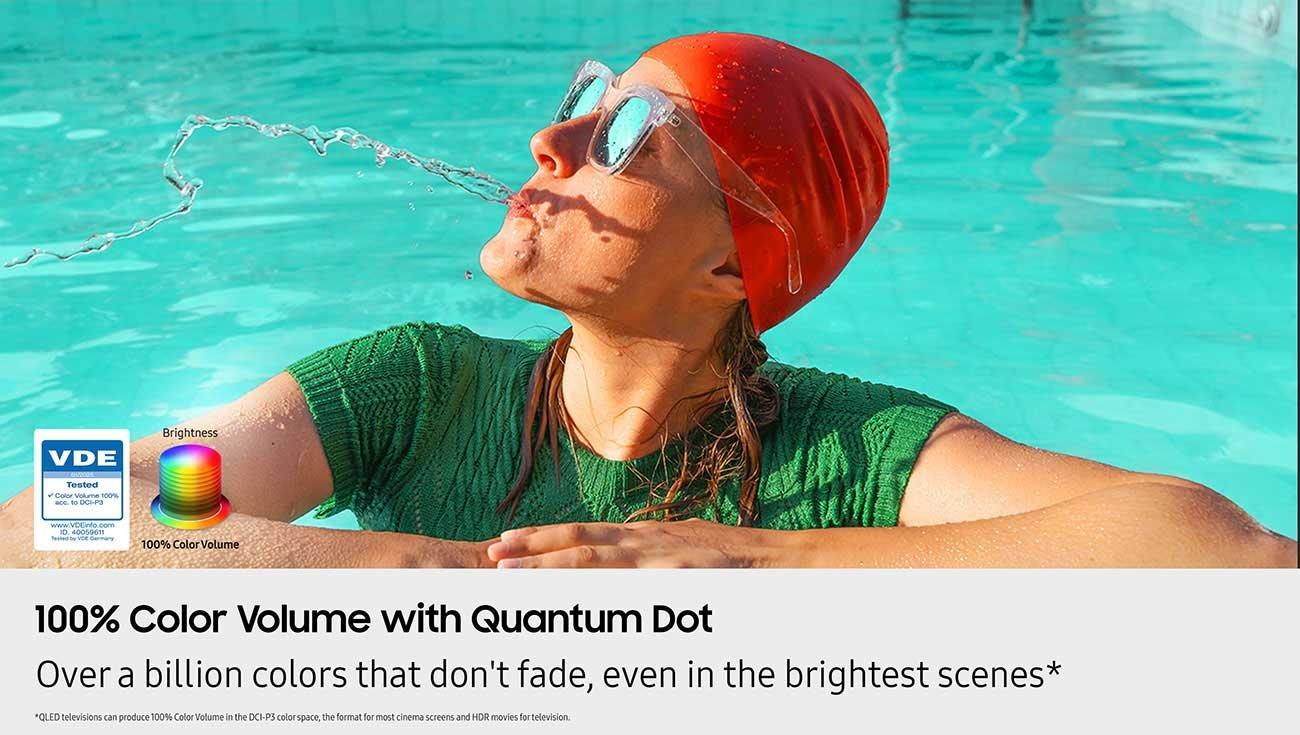
This approach typically achieves higher peak brightness levels than OLED – potentially exceeding 2,000 nits in bright scenes. For viewers in bright rooms or those who prefer punchy, vibrant images, this extra brightness can make a significant difference. The quantum dot technology ensures colors remain saturated even at high brightness levels, something traditional LCD TVs struggle with.
However, because the entire screen is backlit, achieving true blacks is impossible. Even in the darkest scenes, some light bleeds through, creating what's called "elevated blacks" – they appear dark gray rather than true black.
Picture quality encompasses several factors that work together to create the viewing experience. The most important metrics include contrast ratio, color accuracy, HDR performance, and motion handling.
Contrast and Black Levels
This is where the technology differences become most apparent. The Sony A95L delivers perfect blacks with infinite contrast – when watching a movie like "Blade Runner 2049" with its mix of neon-lit scenes and deep shadows, the difference is immediately noticeable. Dark scenes maintain detail in shadows while bright elements pop without any blooming or halo effects around bright objects.
The Samsung QN8F handles contrast well for an LCD TV, with its Dual LED backlighting helping to darken zones when needed. However, it can't match the pixel-level control of OLED. In dark movie scenes, you might notice slightly elevated blacks, especially if you're viewing in a dark room where the contrast becomes more apparent.
Color Accuracy and Processing
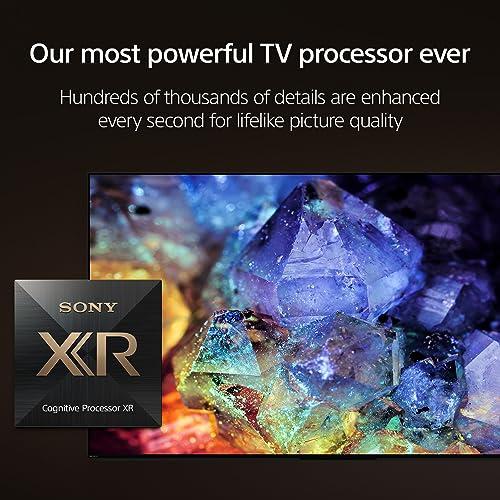
Sony's Cognitive Processor XR in the A95L focuses heavily on color accuracy and maintaining the filmmaker's original intent. The TV includes Netflix Calibrated Mode and IMAX Enhanced support, essentially providing reference monitor-level accuracy out of the box. Colors appear natural and lifelike rather than artificially boosted, which some viewers might initially perceive as less impressive than more saturated displays.
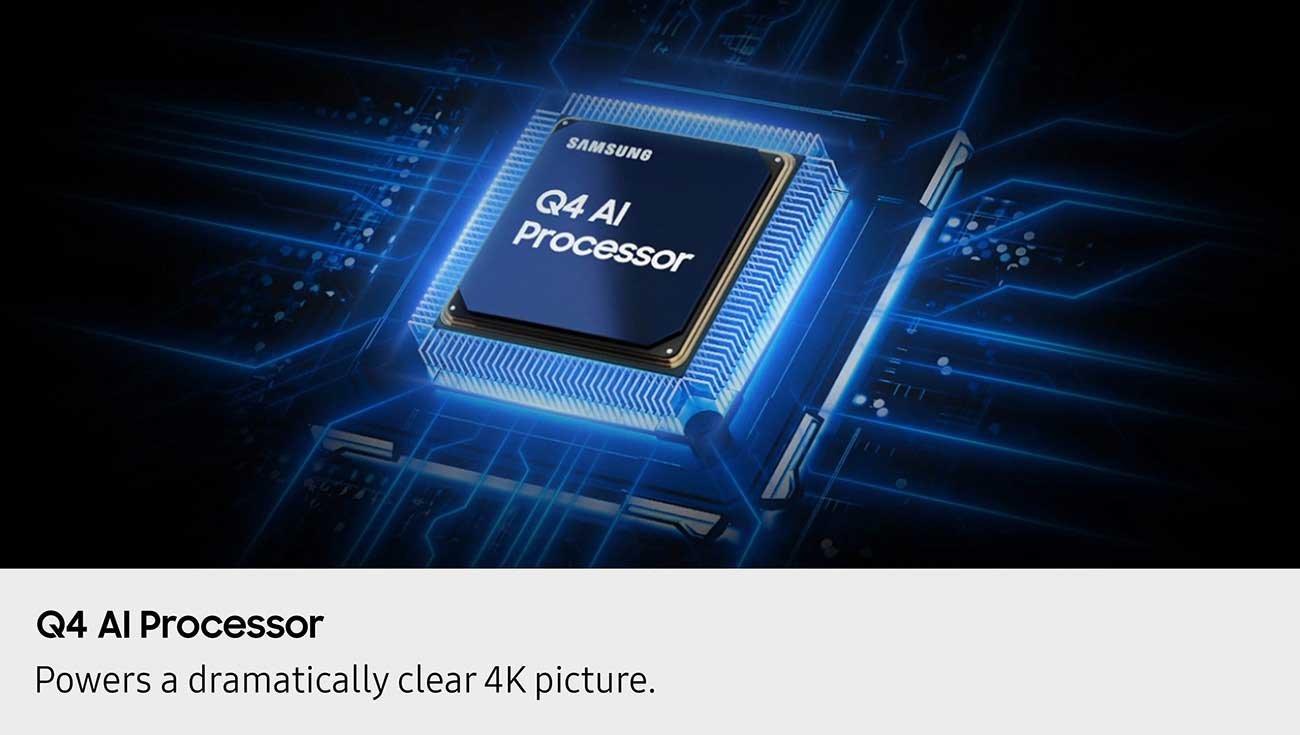
The Samsung QN8F uses its Q4 AI Processor with Vision AI to create more consumer-friendly images. Colors tend to be more vibrant and punchy, which many viewers prefer for everyday content like sports and TV shows. The AI system automatically adjusts settings based on content type and viewing conditions, which can be convenient but sometimes overrides the original creative intent.
HDR Performance
High Dynamic Range (HDR) represents the difference between the brightest whites and darkest blacks a TV can display. Both TVs support major HDR formats including HDR10 and Dolby Vision, but they handle HDR content differently.
The Sony A95L excels in shadow detail preservation – those subtle variations in dark areas that add depth and realism to images. Its tone mapping (how it translates the HDR signal to what you actually see) tends to preserve more of the original creative intent, particularly with Dolby Vision content. However, its lower peak brightness means some HDR highlights might not appear as impactful as they would on brighter displays.
The Samsung QN8F can deliver more impressive HDR highlights due to its higher peak brightness capability. Bright scenes like sunlit landscapes or explosions will appear more dramatic and eye-catching. However, this sometimes comes at the cost of shadow detail, where darker areas might appear crushed or lose subtle variations.
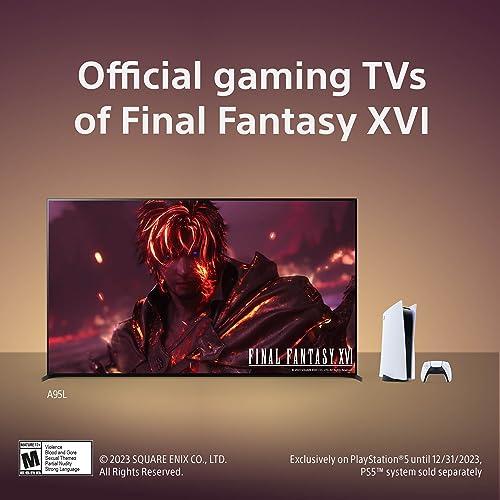
Gaming has become a crucial consideration for premium TVs, especially with current-generation consoles like the PlayStation 5 and Xbox Series X pushing 4K resolution at high refresh rates.
Sony A95L Gaming Strengths
The Sony A95L offers excellent gaming performance with 4K/120Hz support on two of its four HDMI ports. Input lag measures around 10 milliseconds in Game Mode, which is responsive enough for most gaming scenarios. The OLED technology provides instantaneous pixel response times, meaning fast-moving objects appear sharp without motion blur – crucial for racing games or first-person shooters.
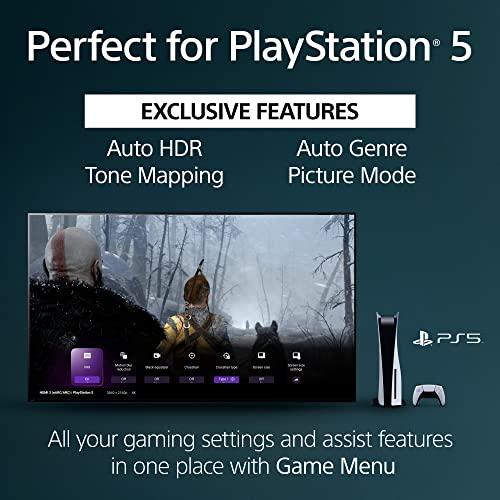
The TV includes specific PlayStation optimizations and supports Variable Refresh Rate (VRR) and Auto Low Latency Mode (ALLM). For cinematic single-player games, the superior contrast and color accuracy create an incredibly immersive experience that's hard to match.
Samsung QN8F Gaming Advantages
The Samsung QN8F positions itself more aggressively toward gaming with 4K/144Hz capability and lower input lag of approximately 6 milliseconds. For competitive gaming where every millisecond matters, this advantage is significant. The Vision AI system includes gaming-specific optimizations that can adjust settings automatically based on the type of game being played.
The higher peak brightness also helps in bright gaming environments or for HDR games with intense lighting effects. Games like "Cyberpunk 2077" or "Spider-Man" with their neon-heavy aesthetics might appear more striking on the Samsung's brighter display.
Audio often gets overlooked in TV comparisons, but it significantly impacts the overall viewing experience, especially if you're not planning to add a separate sound system immediately.
Sony's Acoustic Surface Audio+
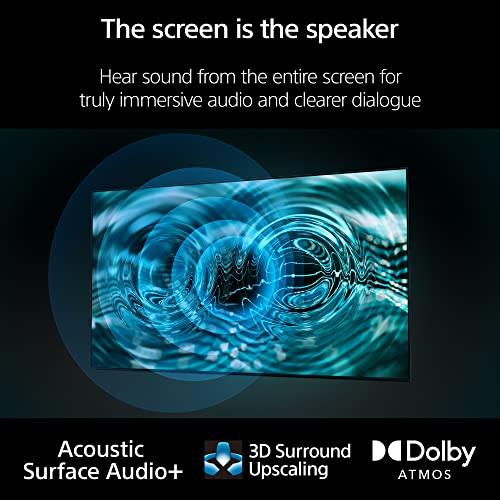
The Sony A95L features one of the most innovative audio technologies in television: Acoustic Surface Audio+. Instead of traditional speakers, the TV uses actuators behind the screen to vibrate the entire display, creating sound that appears to come directly from the action on screen. When characters speak, their voices seem to emerge from their mouths rather than from speakers below the screen.
This technology supports Dolby Atmos and can even function as a center channel when paired with compatible Sony soundbars. The immersive effect is particularly noticeable in movies and shows with strong dialogue or directional audio effects.
Samsung's Traditional Approach
The Samsung QN8F uses a more conventional 2-channel speaker system with 20 watts of power. While it includes advanced features like Adaptive Sound+ (which adjusts audio based on content) and OTS Lite (Object Tracking Sound), the fundamental experience is still sound coming from traditional speaker locations.
The Q-Symphony feature allows the TV speakers to work in conjunction with Samsung soundbars for enhanced audio, but the built-in experience doesn't match the innovation and immersion of Sony's screen-as-speaker technology.
Both TVs offer sophisticated smart platforms, but with different strengths and philosophies.
Google TV on Sony
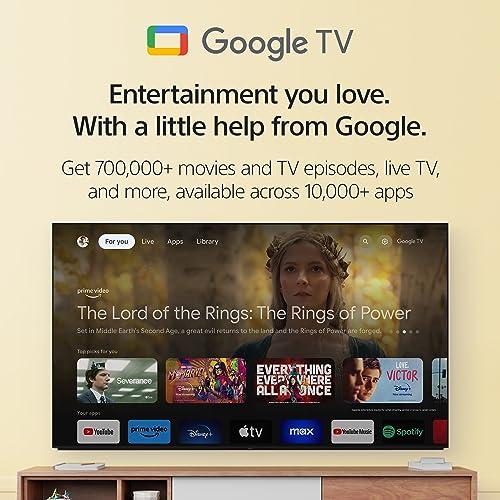
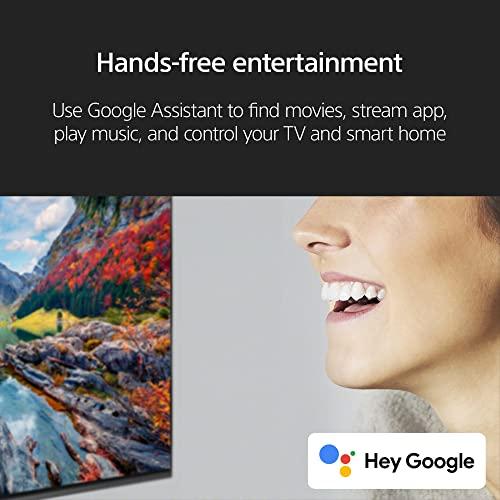
The Sony A95L runs Google TV, which excels at content discovery and organization. The interface prioritizes showing you content from across different streaming services rather than pushing you toward specific apps. Voice control through Google Assistant works reliably, and the platform supports Apple AirPlay and HomeKit for seamless integration with iOS devices.
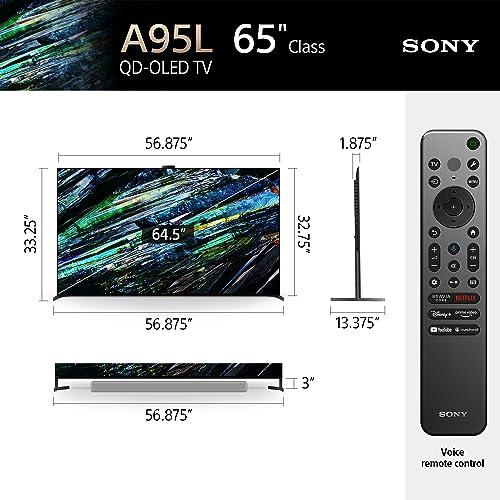
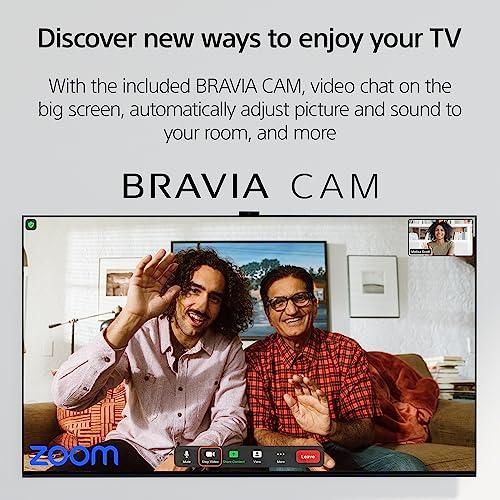
The included BRAVIA CAM adds features like ambient optimization, automatically adjusting picture and sound based on room lighting and your viewing position. While some may have privacy concerns about the camera, it can be physically covered when not in use.
Tizen with Vision AI on Samsung
The Samsung QN8F uses Samsung's Tizen platform enhanced with Vision AI capabilities. The interface is typically faster and more responsive than Google TV, with smooth animations and quick app loading. The enhanced Bixby voice assistant can process multiple commands simultaneously and understands context better than previous versions.
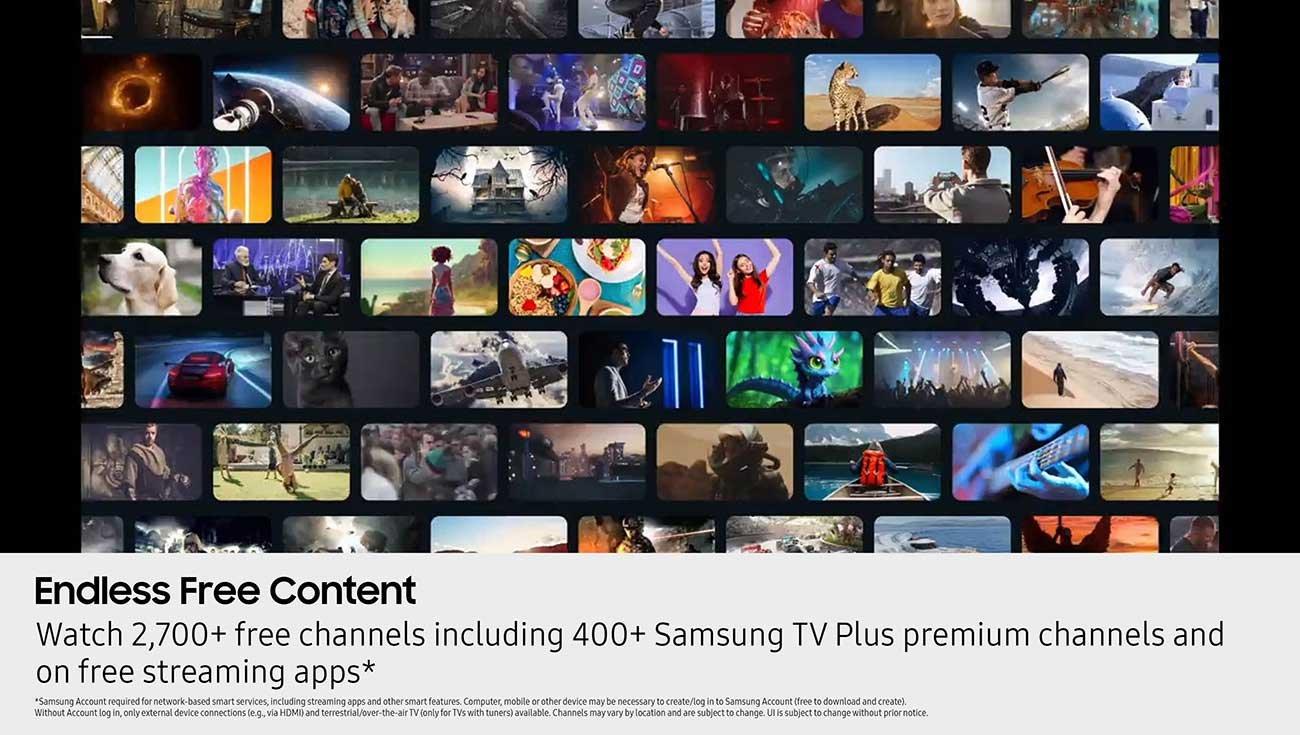
A unique feature is Generative Wallpaper, which uses AI to create custom backgrounds based on keywords you provide. While somewhat gimmicky, it demonstrates Samsung's commitment to integrating AI throughout the user experience. The platform also provides access to over 1,200 free content channels, which adds value for cord-cutters.
Premium TVs should look as good as the content they display, and both manufacturers approach design differently.
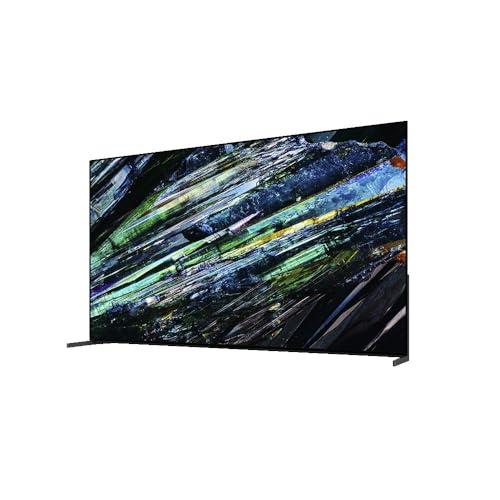
The Sony A95L emphasizes premium materials and build quality. The seamless edge design minimizes bezels, while the aluminum stand offers dual positioning options to accommodate different furniture heights. Cable management is thoughtfully designed, and the backlit remote feels substantial and well-built.
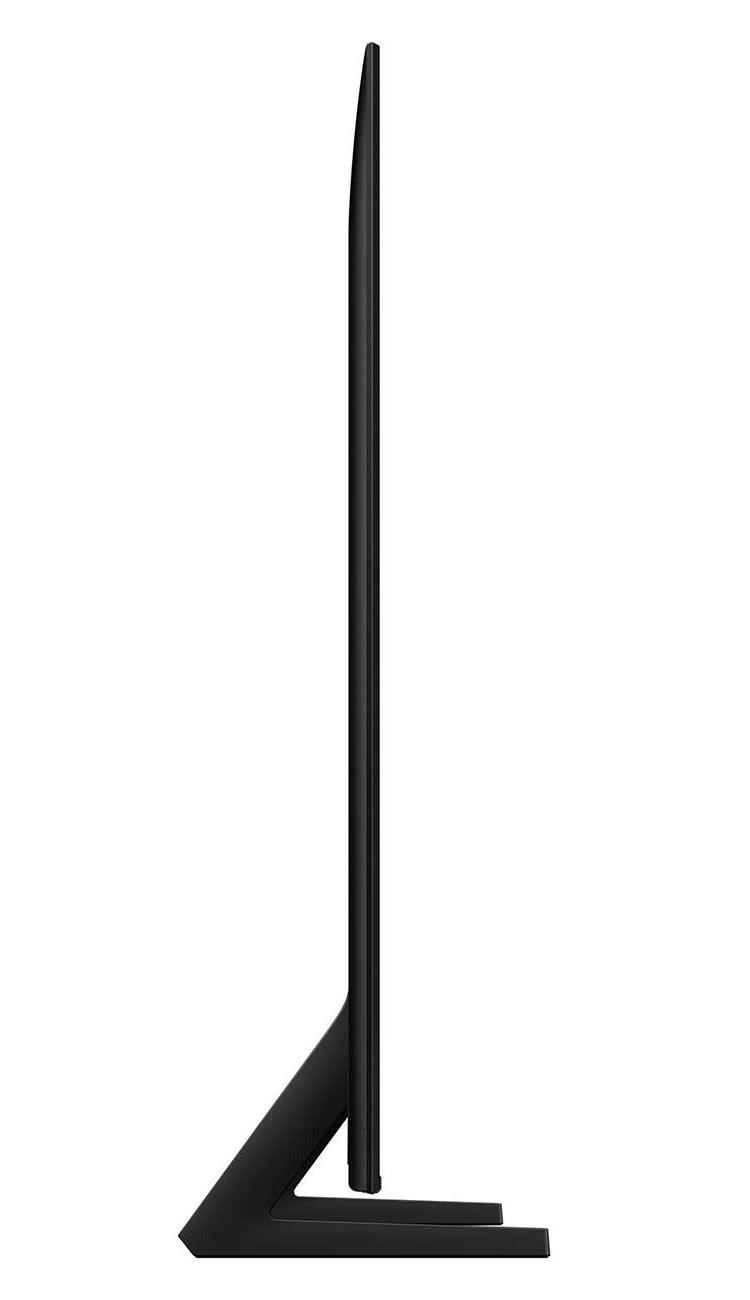
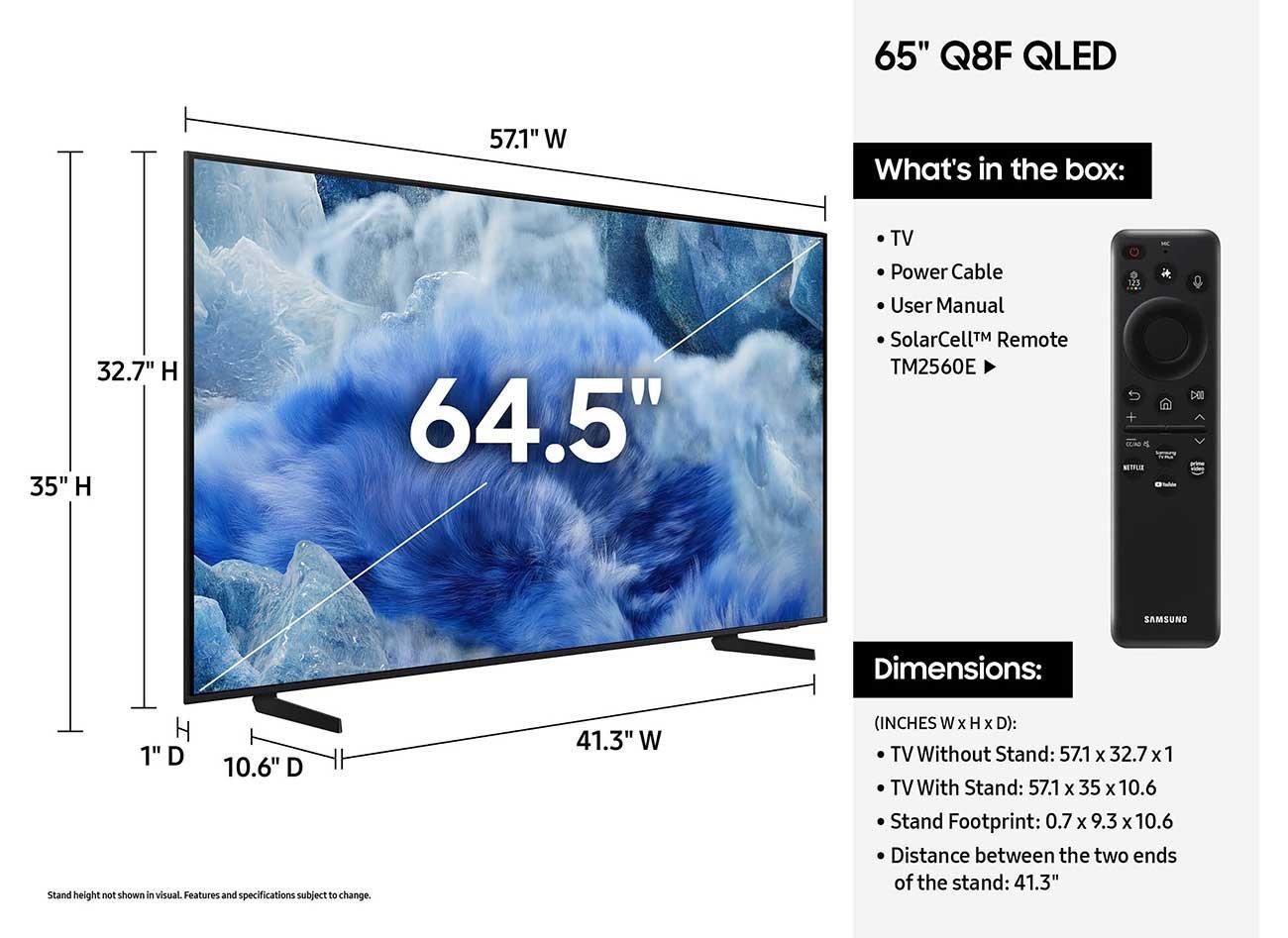
The Samsung QN8F follows Samsung's AirSlim design philosophy, creating a sleeker profile that blends into modern living spaces. The minimalist aesthetic appeals to those who prefer their TV to disappear when not in use. The BT SolarCell remote is an environmentally conscious touch that charges itself using ambient light.
At the time of writing, these TVs occupy different segments of the premium market, with pricing reflecting their technology and target audiences.
The Sony A95L, being a 2023 model, has seen price reductions from its original launch levels, making it more accessible while maintaining its reference-quality performance. The QD-OLED technology represents a significant investment in cutting-edge display tech, and the build quality justifies the premium positioning.
The Samsung QN8F, as a 2025 model, incorporates the latest AI processing and features while likely being positioned more competitively in the market. Samsung's strategy often involves offering advanced features at more accessible price points to gain market share.
For buyers focused on pure picture quality and don't mind paying for perfection, the Sony represents excellent long-term value. For those wanting the latest features and solid performance at a potentially better price point, the Samsung offers compelling value.
If you're building a dedicated home theater, several factors become even more important. Room lighting control, seating distance, and acoustic treatment all influence which TV will work best.
The Sony A95L excels in controlled lighting environments where its superior contrast can be fully appreciated. The perfect blacks and accurate colors create a more cinematic experience that closely matches professional mastering monitors. For viewers who prioritize movies and prestige television, this TV delivers reference-quality performance.
The Samsung QN8F might be better for mixed-use spaces where ambient light is harder to control. Its higher peak brightness ensures good visibility even with some room lighting, and the more vibrant color processing can help overcome lighting challenges.
Choose the Sony A95L if:
Choose the Samsung QN8F if:
Both the Sony A95L and Samsung QN8F represent excellent choices in the premium 65-inch TV category, but they serve different priorities and viewing preferences.
The Sony delivers uncompromising picture quality that rivals professional monitors, making it ideal for serious movie enthusiasts and those who want the most cinematic experience possible. Its QD-OLED technology, innovative audio system, and premium build quality justify its positioning as a reference-level display.
The Samsung offers a more balanced approach with excellent gaming performance, bright room visibility, and cutting-edge AI features. It delivers impressive picture quality while adding modern conveniences and maintaining broad appeal across different content types and viewing conditions.
Your choice ultimately depends on whether you prioritize absolute picture quality (Sony) or want the latest features with solid performance (Samsung). Both will deliver years of exceptional entertainment, but understanding their different strengths ensures you'll pick the one that best matches your viewing habits and environment.
| Sony BRAVIA XR A95L 65" QD-OLED | Samsung 65" QN8F Series QLED |
|---|---|
| Display Technology - The fundamental difference affecting picture quality | |
| QD-OLED (self-emitting pixels with quantum dots) | QLED with Dual LED backlighting |
| Peak Brightness - Critical for HDR impact and bright room viewing | |
| ~1,300 nits (excellent for OLED, but lower overall) | ~2,000+ nits (superior for bright rooms) |
| Black Levels - Most important for contrast and movie watching | |
| Perfect blacks (pixels turn completely off) | Elevated blacks (slight gray tint in dark scenes) |
| Refresh Rate - Key for gaming and sports | |
| 120Hz native (4K/120Hz on 2 HDMI ports) | 120Hz native (up to 144Hz, 4K/144Hz capable) |
| Gaming Input Lag - Critical for competitive gaming | |
| ~10ms (very good for most gaming) | ~6ms (excellent for competitive gaming) |
| HDR Support - Determines compatibility with premium content | |
| HDR10, HLG, Dolby Vision | HDR10+, Quantum HDR+ |
| Smart Platform - Affects daily usability and app performance | |
| Google TV with Google Assistant | Tizen OS with Vision AI and enhanced Bixby |
| Audio Technology - Important if not using external speakers | |
| Acoustic Surface Audio+ (screen vibrates to create sound) | Traditional 2CH speakers with Adaptive Sound+ |
| Processor - Handles upscaling and image optimization | |
| Cognitive Processor XR (cinema-focused) | Q4 AI Processor with Vision AI (adaptive optimization) |
| Burn-in Risk - Long-term reliability consideration | |
| Potential OLED burn-in with static content | No burn-in risk (LCD technology) |
| Viewing Angles - Important for wide seating arrangements | |
| Excellent (178° with minimal color shift) | Good (some color/brightness loss at extreme angles) |
| Release Year - Indicates technology generation and pricing | |
| 2023 (mature pricing, proven technology) | 2025 (latest features, newer pricing) |
| Best Use Case - Who should prioritize this TV | |
| Home theater enthusiasts, movie lovers, dark room viewing | Gamers, bright room viewing, latest AI features |
The Sony BRAVIA XR A95L delivers superior picture quality for movies due to its QD-OLED technology. It produces perfect blacks, infinite contrast, and maintains filmmaker intent with accurate colors. The Samsung QN8F Series offers brighter highlights but can't match the contrast and shadow detail that makes movies look cinematic.
The Samsung QN8F Series is better for competitive gaming with lower input lag (~6ms) and 4K/144Hz capability. However, the Sony BRAVIA XR A95L provides excellent gaming performance at 4K/120Hz with perfect pixel response and no motion blur, making it ideal for cinematic single-player games.
The Sony BRAVIA XR A95L uses QD-OLED where each pixel creates its own light, resulting in perfect blacks and infinite contrast. The Samsung QN8F Series uses QLED with LED backlighting, which produces brighter images but cannot achieve true blacks since the entire screen is backlit.
The Samsung QN8F Series performs better in bright rooms with its higher peak brightness (2,000+ nits) and anti-glare features. The Sony BRAVIA XR A95L reaches about 1,300 nits, which is excellent for OLED but may struggle against direct sunlight or very bright ambient lighting.
Both TVs offer excellent smart platforms with different strengths. The Samsung QN8F Series features the latest Vision AI technology with faster Tizen OS and generative wallpapers. The Sony BRAVIA XR A95L runs Google TV with superior content discovery and broader app compatibility.
The Sony BRAVIA XR A95L has significantly better built-in audio with Acoustic Surface Audio+ technology that makes sound appear to come from the screen itself. The Samsung QN8F Series uses traditional speakers with decent processing but cannot match the immersive audio experience of Sony's screen-vibrating technology.
The Samsung QN8F Series has no burn-in risk since it uses LCD technology, making it more suitable for static content like gaming menus or news channels. The Sony BRAVIA XR A95L has potential OLED burn-in concerns with prolonged static images, though this is less common with modern OLED panels and varied content.
Value depends on priorities. The Samsung QN8F Series typically offers better value with latest 2025 features and competitive pricing. The Sony BRAVIA XR A95L provides reference-quality performance that justifies its premium positioning for serious movie enthusiasts.
The Samsung QN8F Series excels for sports with higher brightness, vibrant colors, and excellent motion handling at 144Hz. The Sony BRAVIA XR A95L also handles sports well with perfect motion clarity, but the Samsung's brighter, more punchy image may be preferable for daytime sports viewing.
The Sony BRAVIA XR A95L is superior for dedicated home theaters with controlled lighting, offering reference-quality picture accuracy, perfect contrast, and immersive screen-based audio. The Samsung QN8F Series works better in multipurpose rooms where ambient light control isn't possible.
Both TVs support modern gaming features including VRR (Variable Refresh Rate) and ALLM (Auto Low Latency Mode). The Samsung QN8F Series offers 4K/144Hz and lower input lag, while the Sony BRAVIA XR A95L provides 4K/120Hz with PlayStation-specific optimizations and perfect pixel response times.
The Samsung QN8F Series maintains consistent performance over time without burn-in concerns and includes the latest AI processing for future content. The Sony BRAVIA XR A95L delivers superior picture quality that remains impressive long-term, though OLED panels may experience gradual brightness decline after many years of heavy use.
We've done our best to create useful and informative comparisons to help you decide what product to buy. Our research uses advanced automated methods to create this comparison and perfection is not possible - please contact us for corrections or questions. These are the sites we've researched in the creation of this article: rtings.com - youtube.com - rtings.com - avsforum.com - rtings.com - smarthomesounds.co.uk - smarthomesounds.co.uk - rtings.com - smarthomesounds.co.uk - youtube.com - tomsguide.com - avsforum.com - rtings.com - perfectrec.com - flatpanelshd.com - videoandaudiocenter.com - sonypremiumhome.com - bestbuy.com - sony.com - electronics.sony.com - displayspecifications.com - donstv.com - youtube.com - static.pcrichard.com - smarthomesounds.co.uk - youtube.com - electronics.sony.com - electronics.sony.com - displayspecifications.com - bestbuy.com - samsung.com - rtings.com - youtube.com - samsung.com - pcrichard.com - abt.com - images.samsung.com - cnet.com - news.samsung.com - samsung.com - bestbuy.com

Privacy Policy
Terms and Conditions - Affiliate Policy
Home Security
© Copyright 2008-2026.
11816 Inwood Rd #1211, Dallas, TX 75244