

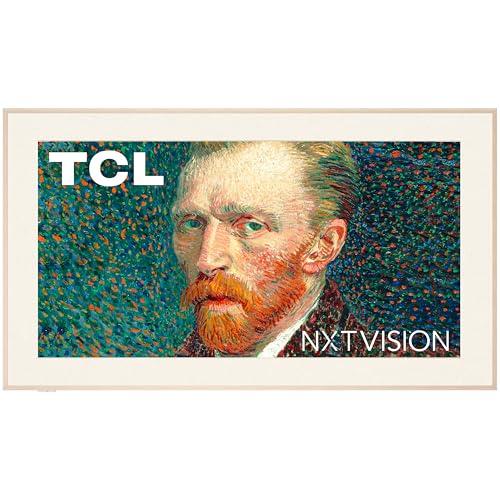

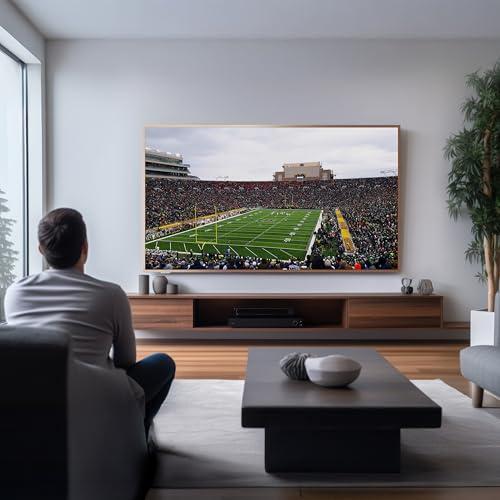




When shopping for a premium 65-inch 4K TV, you'll encounter two fascinating but fundamentally different approaches to television design. The TCL 65" NXTVISION QLED 4K Art Frame TV represents a revolutionary take on lifestyle integration—a TV designed to disappear into your décor when not in use. Meanwhile, the Sony BRAVIA XR A95L 65" QD-OLED embodies the pinnacle of viewing performance, engineered for the ultimate picture quality experience.
This isn't just about picking between two TVs; it's about choosing between two philosophies. Do you want a TV that transforms your living space into an art gallery, or one that delivers reference-level cinema quality? Understanding these distinct approaches will help you make the right choice for your home and viewing habits.
The premium TV market has evolved dramatically over the past few years. Traditional manufacturers focused primarily on picture quality, brightness, and color accuracy. But around 2022-2023, we began seeing a new category emerge: lifestyle TVs that prioritize aesthetic integration over pure performance metrics.
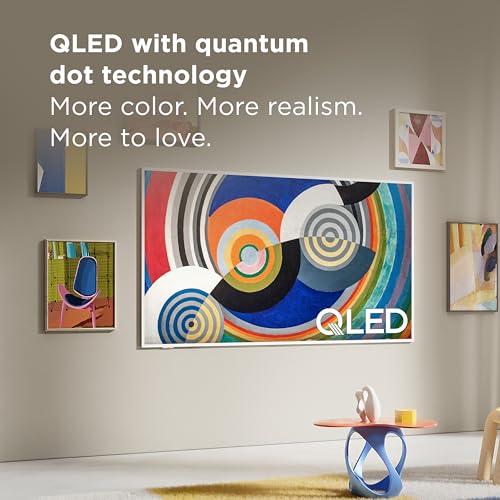
The TCL NXTVISION, released in 2024, represents this new wave of thinking. Rather than trying to be the brightest or most color-accurate TV, it asks a different question: "What if your TV could be a piece of art when you're not watching it?" This approach uses technologies like ultra-matte screens and magnetic frames to create something that genuinely looks like a canvas hanging on your wall.
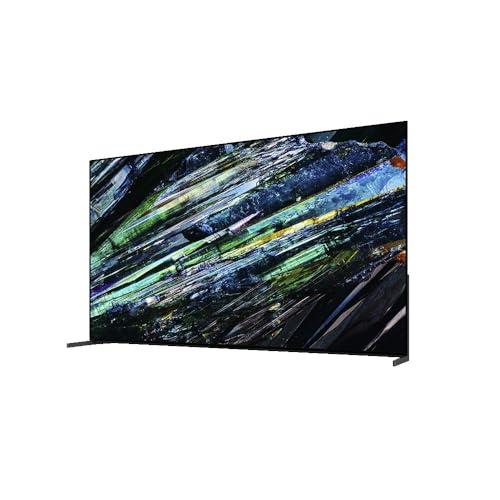
In contrast, the Sony A95L, launched in 2023, follows the traditional performance-first approach but pushes it to new heights with second-generation QD-OLED technology. QD-OLED combines quantum dots (which enhance color) with OLED's perfect blacks, creating what many consider the best picture quality available in consumer televisions.
The key consideration here is understanding what matters most in your specific situation. If you have a formal living room where the TV needs to blend seamlessly into your décor, the aesthetic approach might be worth sacrificing some picture quality. But if you're setting up a dedicated home theater or simply want the best possible viewing experience, performance should take priority.
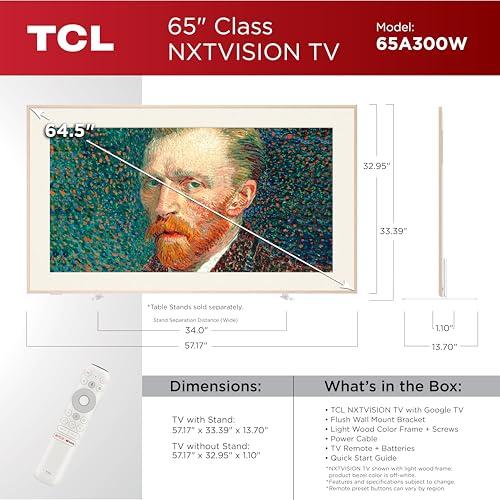
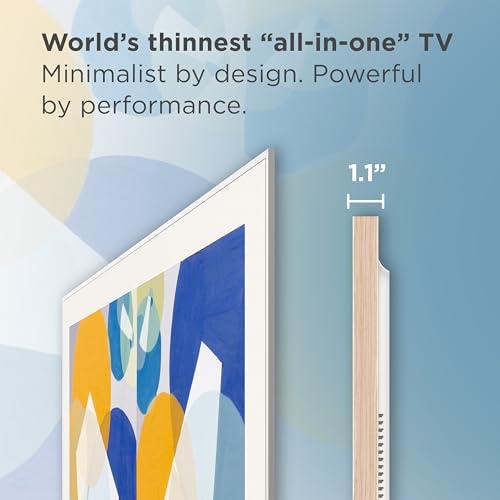
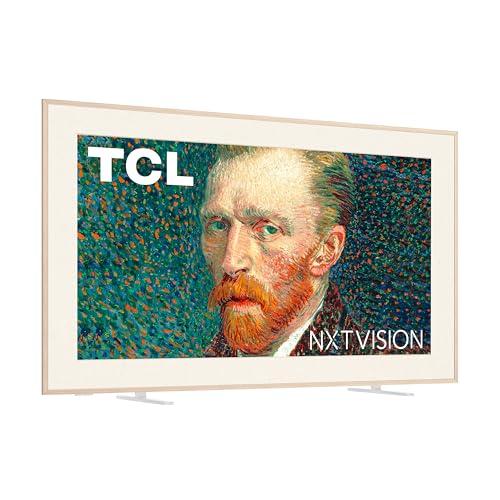
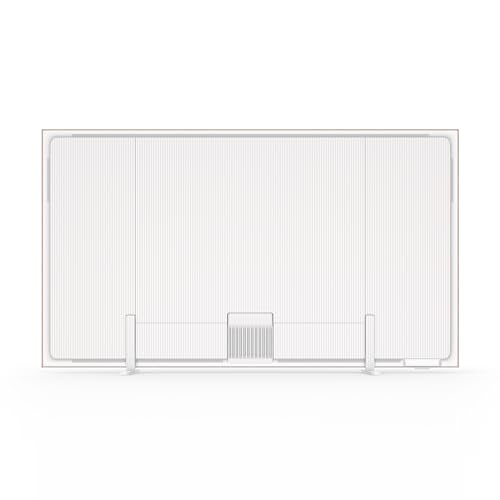
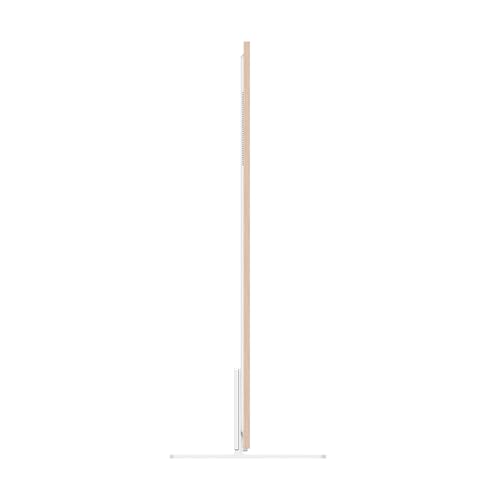
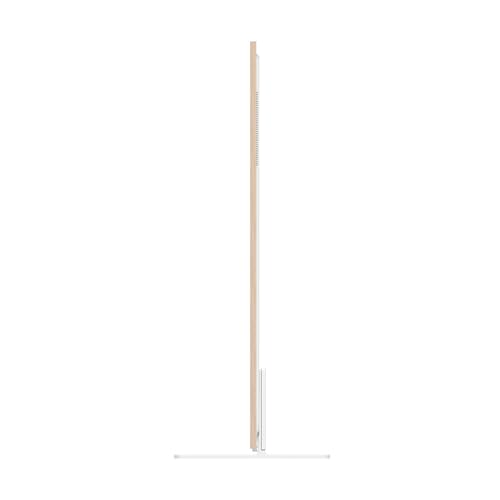
The most striking difference between these TVs is how they approach living space integration. The TCL NXTVISION is genuinely revolutionary in this regard—it's just 1.1 inches deep, making it one of the thinnest all-in-one TVs ever created. This ultra-slim profile comes from integrating all electronics directly into the panel, eliminating the need for an external box that many lifestyle TVs require.
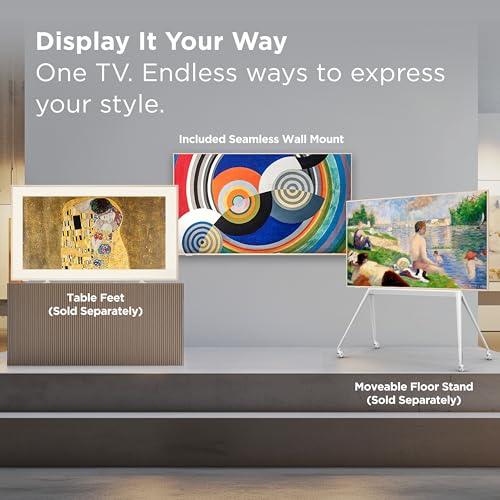
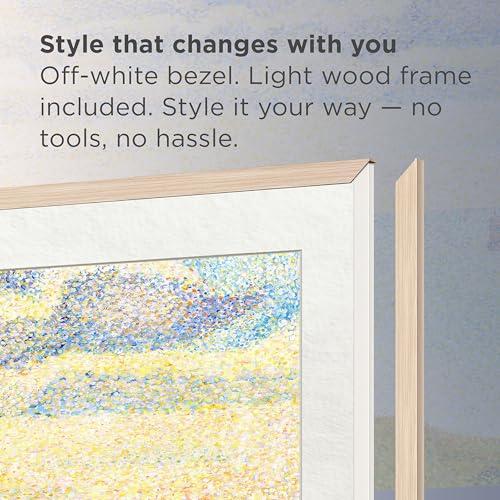
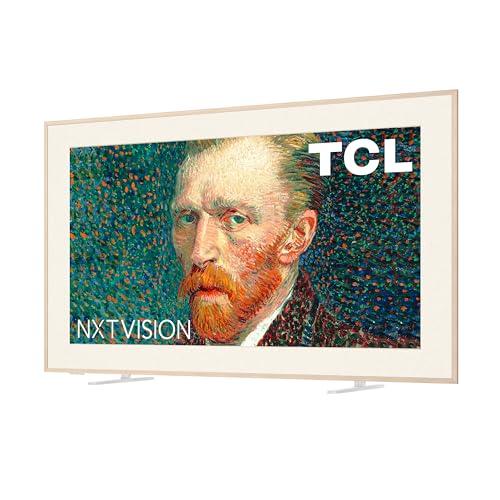
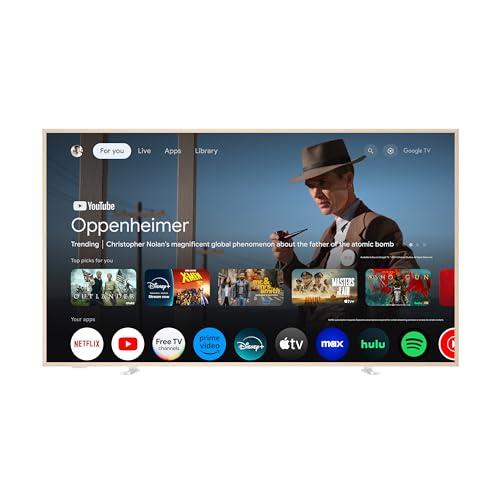
What makes this design particularly clever is the magnetic frame system. The TV ships with an off-white bezel and light wood magnetic frame, but you can swap these frames to match your room's aesthetic. There's even an optional easel-style floor stand that transforms the TV into what looks like a piece of furniture rather than electronics. The flush wall mount system creates a completely seamless installation that genuinely mimics how you'd hang a large piece of art.
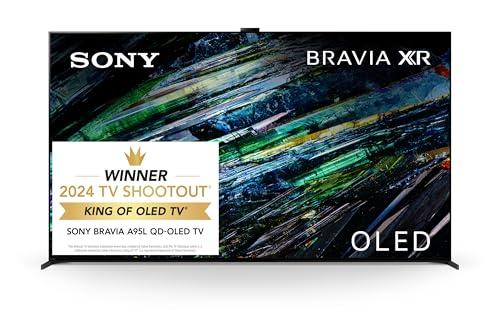
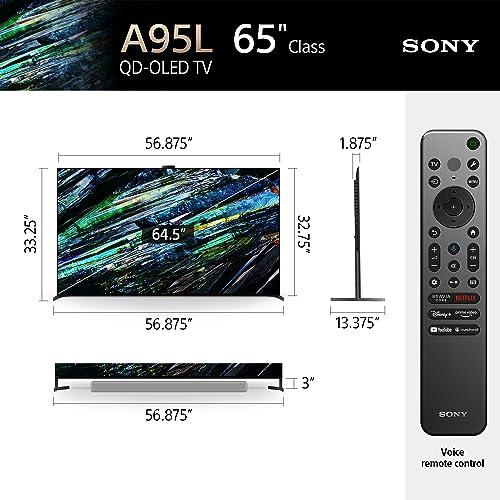
The Sony A95L takes a more conventional but premium approach. It features Sony's signature seamless edge design with minimal bezels and a sophisticated aluminum stand that can be positioned in two ways—standard height or low profile to accommodate a soundbar. While not revolutionary like the TCL's approach, it represents refined traditional TV aesthetics with premium materials and attention to detail.
From personal experience with various TV installations, the mounting approach makes a huge difference in daily life. Wall-mounted TVs that sit flush against the wall create a much cleaner, more intentional look than those that stick out several inches. The TCL's approach here is genuinely impressive and solves a real problem that many people face when trying to integrate large screens into their living spaces.
This is where the philosophical differences become most apparent and where the Sony A95L demonstrates why it commands a premium price point, at least at the time of writing.
Brightness capability directly impacts how well a TV can display HDR content and perform in bright rooms. The Sony A95L reaches peak brightness levels around 1,300 nits thanks to its QD-OLED panel—nearly double what its predecessor achieved. This translates to HDR highlights that genuinely pop off the screen and maintain detail in bright scenes.
The TCL NXTVISION uses edge-lit LED backlighting with quantum dot enhancement, likely achieving peak brightness around 800-1,000 nits based on similar designs. While respectable, this puts it at a significant disadvantage for HDR content, especially in scenes with bright skies, explosions, or other high-contrast elements.
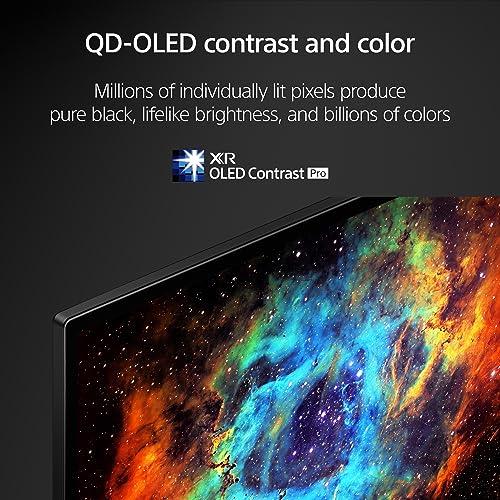
What's particularly interesting about the Sony's brightness advantage is how it's achieved. QD-OLED technology uses quantum dots to enhance the light output from OLED pixels, creating brighter colors while maintaining OLED's perfect blacks. This isn't just about getting brighter—it's about getting brighter while maintaining color accuracy and contrast.
This represents the most dramatic difference between these displays. The Sony A95L offers infinite contrast ratio because each pixel can turn completely off, creating true blacks with no light bleed or blooming around bright objects. This creates a viewing experience that's particularly striking in dark rooms or when watching content with dark scenes.
The TCL NXTVISION uses edge-lit LED backlighting without local dimming zones. This means the backlight is always on to some degree, causing blacks to appear gray rather than truly black. While this might be acceptable for daytime viewing or bright content, it significantly impacts the cinematic experience, especially for movies with dark scenes or space-based content.
From a home theater perspective, this difference is immediately noticeable. Dark movie scenes that should create an immersive, theater-like experience often look flat and washed out on edge-lit displays, while OLED technology makes the same content feel three-dimensional and engaging.
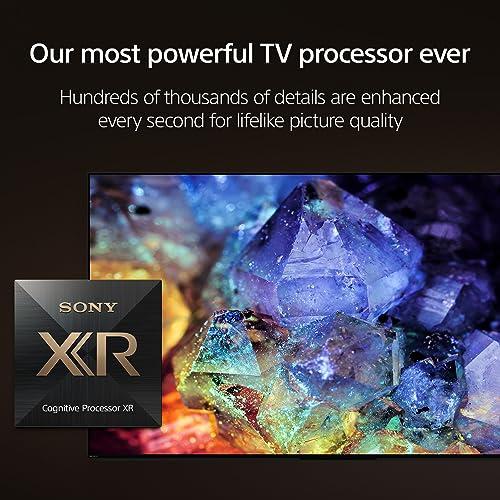
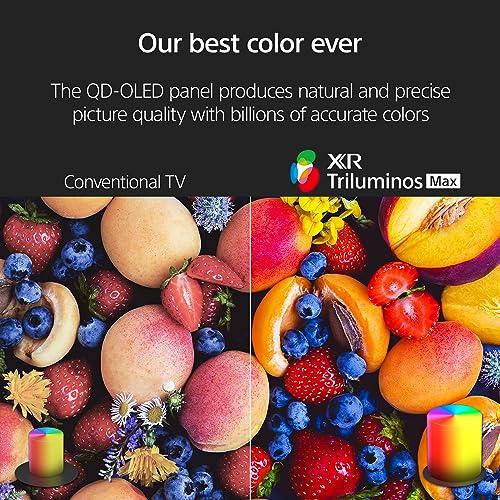
Both TVs use quantum dot technology, but implement it differently. The Sony A95L combines quantum dots with OLED in its QD-OLED panel, enhanced by Sony's XR Triluminos Max processing. This combination delivers what Sony claims is 200% more color brightness than conventional OLED, with exceptional accuracy across the color spectrum.
The TCL NXTVISION uses traditional QLED with KSF phosphor coating for enhanced color separation. While this can produce vibrant colors, reviews consistently note poor color accuracy in both SDR and HDR modes. This means colors might look punchy and appealing initially, but they don't accurately represent what filmmakers intended.
Color accuracy matters more than many people realize. When colors are off, skin tones look unnatural, landscapes appear oversaturated, and the overall viewing experience feels artificial rather than immersive. This is particularly important for anyone who watches films seriously or wants their TV to accurately reproduce photography and artwork.
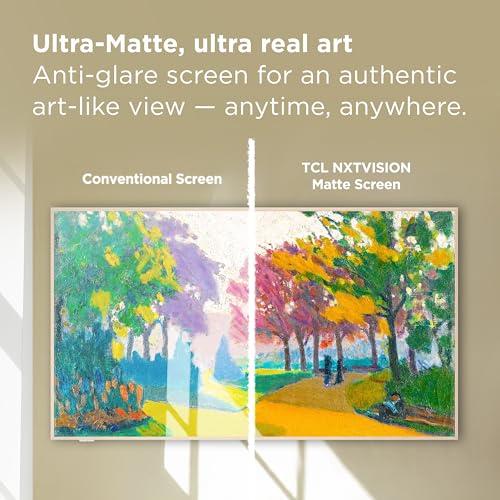
One area where the TCL NXTVISION genuinely excels is its ultra-matte anti-glare screen technology. This represents a significant innovation that addresses a real problem many people face with glossy TV screens in bright rooms.
Traditional TV screens are glossy to maximize contrast and color vibrancy, but this creates reflections from windows, lamps, and other light sources. The TCL's ultra-matte coating dramatically reduces these reflections while maintaining acceptable picture quality. More importantly for its art display function, this matte finish makes displayed artwork genuinely look like canvas rather than a digital screen.
The Sony A95L includes X-Anti Reflection technology, but it's more modest in its approach. It reduces reflections without dramatically changing the screen's appearance, maintaining the glossy look that maximizes picture quality while providing some relief from ambient light.
Having lived with both matte and glossy screens, the trade-off is real but situational. In bright rooms with lots of windows, matte screens can be game-changing for daytime viewing. However, in controlled lighting environments, glossy screens provide superior contrast and color depth. The key is honestly assessing your viewing environment and habits.
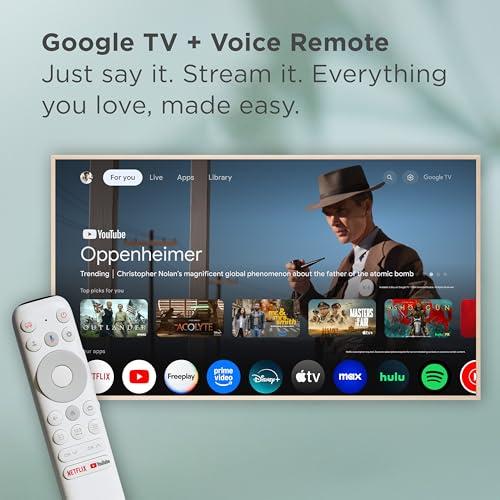
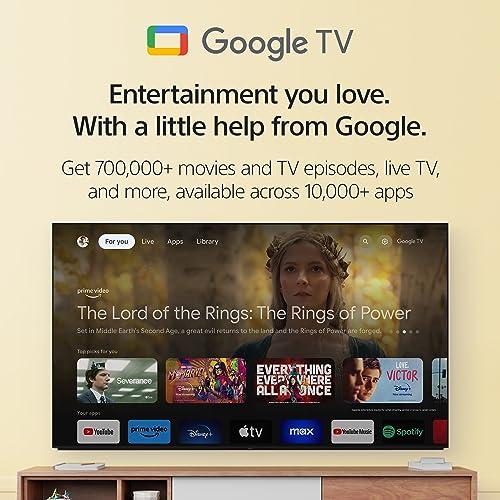
Both TVs run Google TV, but their implementations reflect their different priorities. The TCL NXTVISION focuses heavily on art and gallery features, offering over 400 curated artworks, AI art generation capabilities, and multiple matte display options for personal photos. The interface includes dedicated art browsing and customization tools that make it easy to curate your display when the TV isn't actively being used for entertainment.
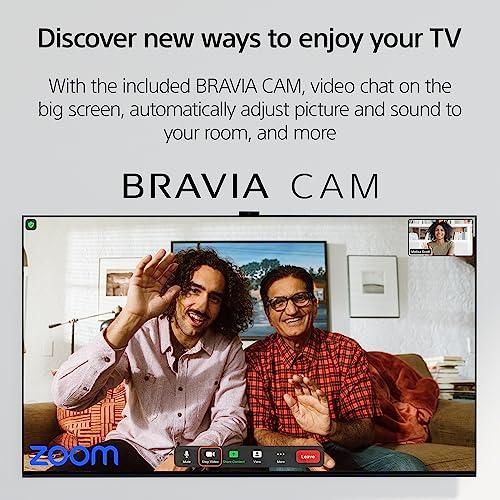
The Sony A95L includes the innovative BRAVIA CAM, which enables several interesting features. The camera can detect your position in the room and optimize picture and sound settings accordingly. It also supports gesture controls and can automatically adjust settings based on ambient lighting conditions. Privacy-conscious users will appreciate the physical camera shutter and microphone switch.
Both TVs support the standard Google TV ecosystem with voice control, Chromecast built-in, and access to major streaming services. The Sony includes calibrated modes for Netflix and BRAVIA CORE that optimize picture settings for these specific services—a nice touch that demonstrates attention to real-world viewing scenarios.
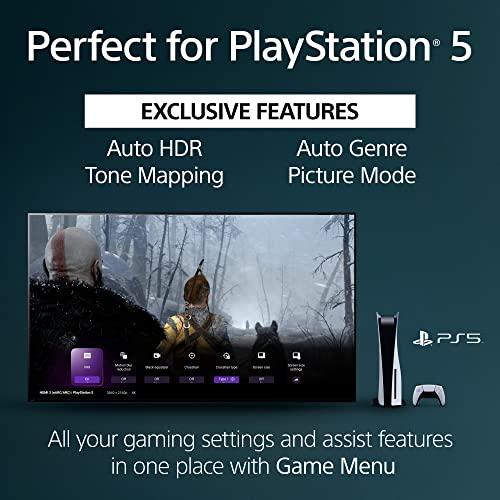
Gaming capabilities reveal another interesting contrast between specification sheets and real-world performance. The TCL NXTVISION technically supports higher refresh rates—up to 240Hz for 1080p content and 144Hz for 4K—compared to the Sony A95L's 120Hz maximum. Both include HDMI 2.1 features like Variable Refresh Rate (VRR) and Auto Low Latency Mode (ALLM).
However, specification sheets don't tell the whole story. The Sony's near-instantaneous pixel response times eliminate motion blur almost entirely, creating crisp, clear movement during fast-paced gaming. The TCL's slower pixel response means that despite higher refresh rate support, fast motion appears blurrier.
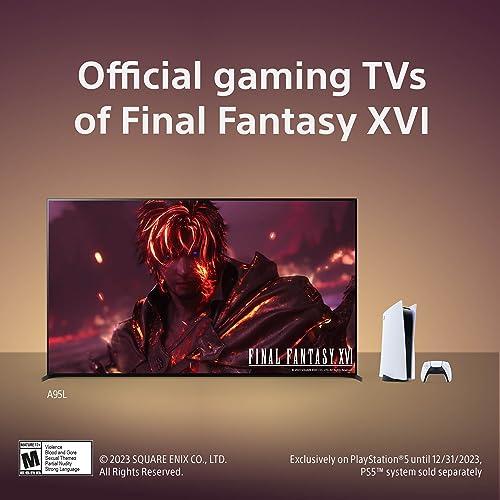
For serious gaming, especially with modern consoles like PlayStation 5 or Xbox Series X, the Sony provides a more responsive and visually impressive experience. The perfect blacks make dark game environments more immersive, while the superior HDR performance makes games with high dynamic range content genuinely spectacular.
That said, the Sony does have slightly higher input lag than some competitors, though it's still responsive enough for most gaming scenarios. Competitive esports players might notice the difference, but casual gamers likely won't.
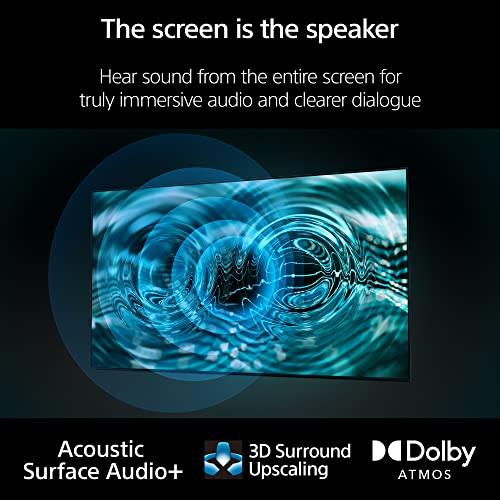
Audio represents another area where different approaches yield different results. The Sony A95L uses Acoustic Surface Audio+ technology, which vibrates the entire screen to produce sound. This creates an unusually immersive effect where dialogue appears to come directly from characters' mouths on screen, rather than from speakers below the display.
The TCL NXTVISION uses conventional down-firing speakers with 20 watts total power output. While adequate for its slim design and enhanced with Dolby Atmos processing, it can't match the spatial accuracy and immersive quality of the Sony's screen-speaker approach.
For home theater use, both TVs include eARC (Enhanced Audio Return Channel) support for connecting to external sound systems. However, the Sony's screen-speaker technology can actually function as a center channel when paired with compatible Sony soundbars, creating a more integrated surround sound experience.
Pricing dynamics in the TV market change frequently, but at the time of writing, these TVs occupy different value propositions. The TCL NXTVISION typically commands a premium for its lifestyle features but offers moderate picture quality for the price. You're paying for the unique art display functionality, ultra-slim design, and matte screen technology.
The Sony A95L, while originally positioned as a flagship model with premium pricing, often becomes more attractive as newer models are released and pricing adjusts. When available at reduced prices, it represents exceptional value for QD-OLED technology and Sony's advanced processing.
The value calculation really depends on your priorities. If you genuinely will use and appreciate the art display features regularly, the TCL's premium makes sense. But if picture quality is your primary concern, the Sony typically offers better performance per dollar, especially when purchased during promotional periods.
Based on extensive research into user experiences and expert reviews, clear patterns emerge about who should choose each TV.
Choose the TCL NXTVISION if you:
Choose the Sony A95L if you:
These TVs represent genuinely different philosophies about what a television should be. The TCL NXTVISION is an innovative lifestyle product that happens to be a TV—it successfully solves the problem of integrating large screens into formal living spaces while providing adequate picture quality for casual viewing.
The Sony A95L is a world-class display that represents the current pinnacle of consumer TV technology. It's engineered for people who want the best possible viewing experience and are willing to accept conventional aesthetics to get it.
Your choice should align with how you actually use your TV and what role it plays in your living space. If you're honest about wanting superior picture quality but find yourself drawn to the TCL's unique features, consider whether you'll actually use those features regularly enough to justify the performance compromise. Conversely, if you're primarily attracted to the Sony's specifications but rarely watch movies or game seriously, you might be overpaying for capabilities you won't fully utilize.
Either way, both represent thoughtful approaches to television design that serve their intended audiences well. The key is understanding which audience you belong to and choosing accordingly.
| TCL 65" NXTVISION QLED 4K Art Frame TV | Sony BRAVIA XR A95L 65" QD-OLED 4K HDR Google TV |
|---|---|
| Panel Technology - Determines picture quality fundamentals | |
| QLED with edge-lit LED backlight | QD-OLED with self-emitting pixels |
| Peak Brightness - Critical for HDR content and bright rooms | |
| ~800-1,000 nits (adequate for most content) | 1,300 nits (excellent HDR impact) |
| Black Levels - Essential for contrast and dark scene detail | |
| Gray blacks due to always-on backlight | Perfect blacks with infinite contrast |
| Screen Type - Major factor for room lighting compatibility | |
| Ultra-matte anti-glare (ideal for bright rooms) | Semi-glossy with anti-reflection coating |
| Design Depth - Important for wall mounting aesthetics | |
| 1.1" ultra-thin with flush wall mount | Standard TV thickness with premium stand |
| Art Display Features - Unique selling point for lifestyle integration | |
| 400+ curated artworks, AI art generation, magnetic frames | Standard screensaver options only |
| Gaming Refresh Rate - Higher numbers benefit competitive gamers | |
| Up to 240Hz (1080p), 144Hz (4K) | 120Hz maximum (sufficient for most users) |
| Gaming Response Time - Lower is better for motion clarity | |
| Slow pixel response causes motion blur | Near-instantaneous OLED pixel switching |
| HDR Format Support - Ensures compatibility with premium content | |
| HDR10, HDR10+, Dolby Vision IQ, HLG | HDR10, HLG, Dolby Vision |
| Audio Technology - Affects built-in sound quality | |
| Conventional 20W speakers with Dolby Atmos | Acoustic Surface Audio+ (screen as speaker) |
| Smart Platform - Both use same OS but different implementations | |
| Google TV with art gallery focus | Google TV with BRAVIA CAM integration |
| HDMI 2.1 Ports - Needed for next-gen gaming features | |
| 2 ports (supports 4K@144Hz) | 2 ports (supports 4K@120Hz) |
| Color Accuracy - Professional reviewers consistently note this difference | |
| Poor color accuracy in reviews | Excellent color accuracy and calibration |
| Best Use Case - Who should buy each TV | |
| Lifestyle/décor priority, bright rooms, casual viewing | Home theater, gaming, critical viewing, dark rooms |
The Sony BRAVIA XR A95L delivers significantly better picture quality with its QD-OLED technology, offering perfect blacks, 1,300 nits peak brightness, and exceptional color accuracy. The TCL NXTVISION uses edge-lit LED which produces gray blacks and has poor color accuracy according to reviews, making it less ideal for serious movie watching.
Yes, but with major differences. The TCL NXTVISION is specifically designed as an art display with 400+ curated artworks, AI art generation, magnetic frames, and an ultra-matte screen that mimics canvas. The Sony A95L only offers basic screensaver functions and isn't designed for art display purposes.
The TCL NXTVISION excels in bright rooms thanks to its ultra-matte anti-glare screen that dramatically reduces reflections from windows and lights. The Sony A95L has anti-reflection technology but uses a semi-glossy screen that can still show reflections in very bright environments.
While the TCL NXTVISION supports higher refresh rates (240Hz at 1080p, 144Hz at 4K), the Sony A95L provides better actual gaming performance due to near-instantaneous pixel response times that eliminate motion blur. The Sony's superior contrast also makes games more immersive, especially in dark scenes.
The TCL NXTVISION is dramatically thinner at just 1.1 inches deep with a flush wall mount system that makes it look like a framed piece of art. The Sony A95L has standard TV thickness and uses conventional wall mounting, though it still offers a premium appearance.
The Sony A95L is excellent for home theater use with perfect blacks, bright HDR highlights, and Acoustic Surface Audio+ technology. The TCL NXTVISION is not recommended for serious home theater due to poor black levels, limited brightness, and mediocre color accuracy that compromise the cinematic experience.
The Sony A95L has superior audio with its Acoustic Surface Audio+ technology that makes the entire screen act as a speaker, creating more immersive sound with better dialogue placement. The TCL NXTVISION uses conventional speakers that are adequate but less impressive.
The Sony A95L is better for sports viewing due to excellent motion clarity from its fast pixel response and superior brightness for daytime games. The TCL NXTVISION suffers from motion blur during fast action, though its anti-glare screen helps in bright rooms.
Value depends on priorities. The Sony A95L typically offers better performance per dollar, especially when discounted, delivering flagship picture quality. The TCL NXTVISION commands a premium for its unique art display features but offers moderate picture performance for the price.
The Sony A95L works well as a monitor with excellent color accuracy and fast response times, though it uses a BGR subpixel layout that may affect text clarity. The TCL NXTVISION is less suitable due to slow response times and poor color accuracy that impact productivity work.
The TCL NXTVISION might appeal to families wanting to display children's artwork or family photos when not watching TV. However, the Sony A95L provides a better overall viewing experience for family movie nights and gaming, making it more versatile for everyday use.
Choose the TCL NXTVISION if you prioritize home décor integration, have a very bright room, and want unique art display features. Choose the Sony A95L if picture quality is most important, you watch movies seriously, enjoy gaming, or want the best overall TV performance regardless of aesthetics.
We've done our best to create useful and informative comparisons to help you decide what product to buy. Our research uses advanced automated methods to create this comparison and perfection is not possible - please contact us for corrections or questions. These are the sites we've researched in the creation of this article: rtings.com - tcl.com - bestbuy.com - tcl.com - bestbuy.com - tcl.com - youtube.com - rcwilley.com - businessinsider.com - bestbuy.com - target.com - youtube.com - support.tcl.com - nfm.com - woodruffappliance.com - flatpanelshd.com - tcl.com - rtings.com - youtube.com - rtings.com - avsforum.com - rtings.com - smarthomesounds.co.uk - smarthomesounds.co.uk - rtings.com - smarthomesounds.co.uk - youtube.com - tomsguide.com - avsforum.com - rtings.com - perfectrec.com - flatpanelshd.com - videoandaudiocenter.com - sonypremiumhome.com - bestbuy.com - sony.com - electronics.sony.com - displayspecifications.com - donstv.com - youtube.com - static.pcrichard.com - smarthomesounds.co.uk - youtube.com - electronics.sony.com - electronics.sony.com - displayspecifications.com

Privacy Policy
Terms and Conditions - Affiliate Policy
Home Security
© Copyright 2008-2026.
11816 Inwood Rd #1211, Dallas, TX 75244