

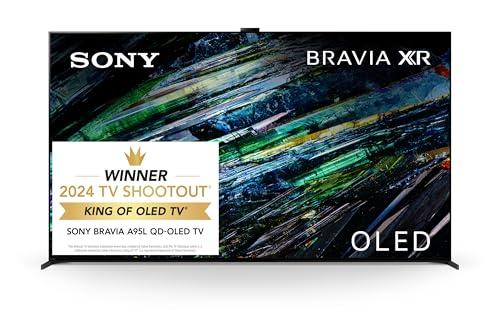
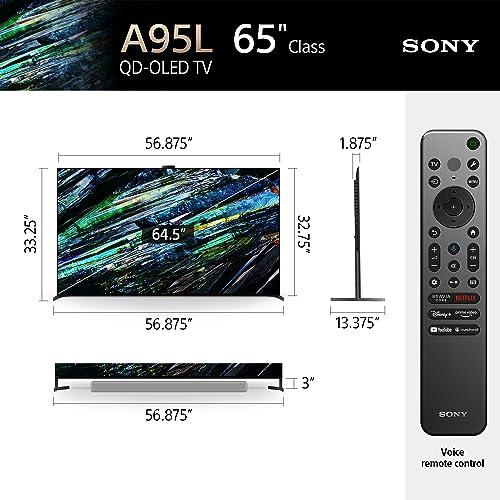
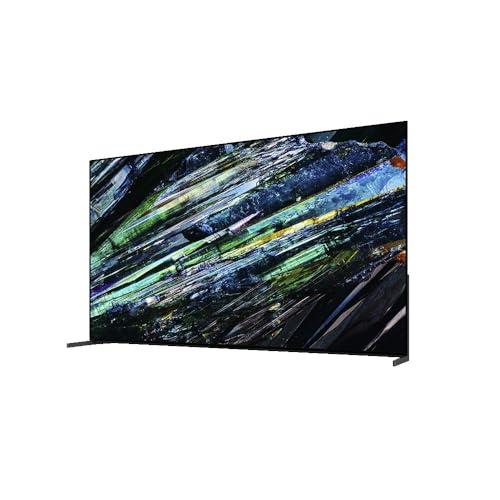




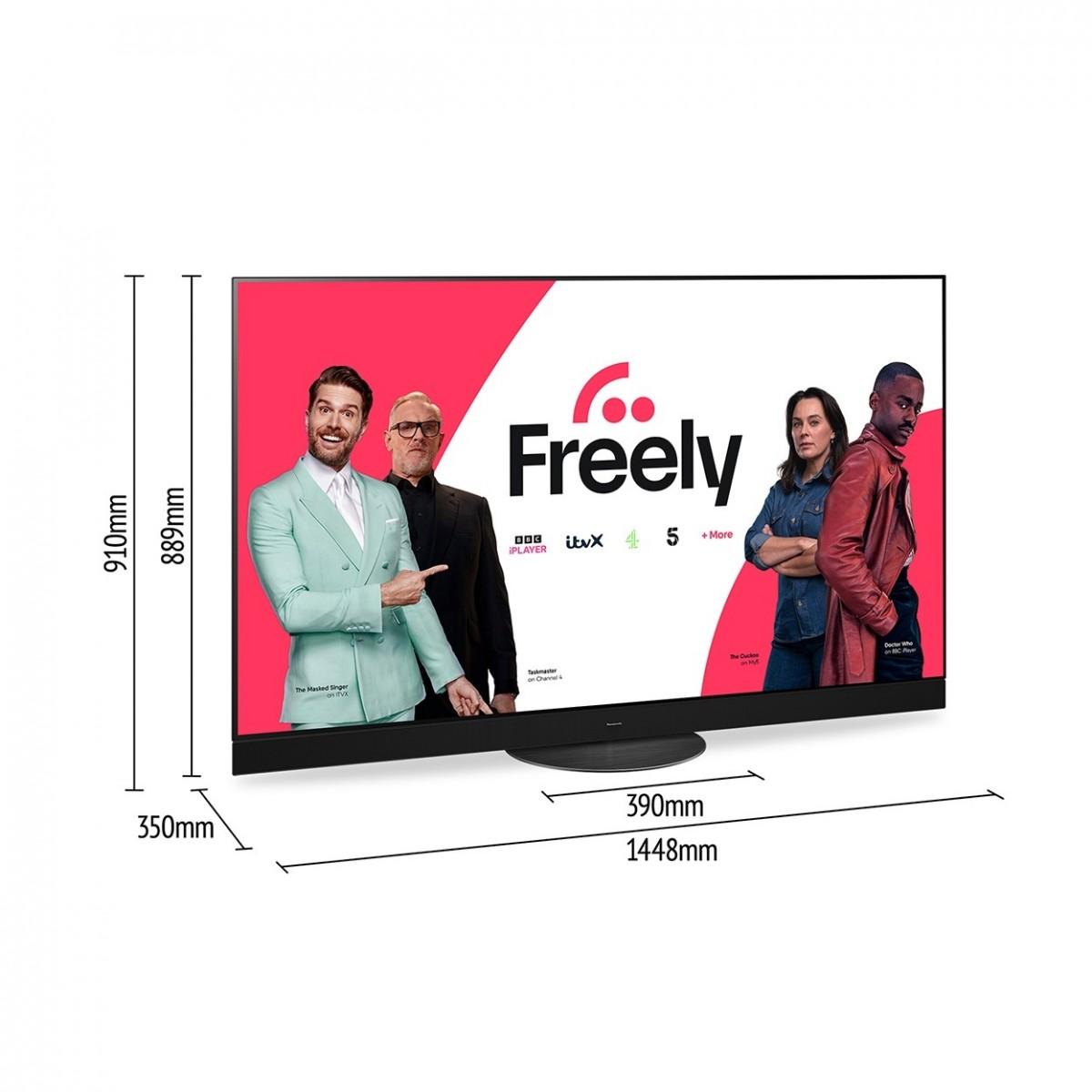
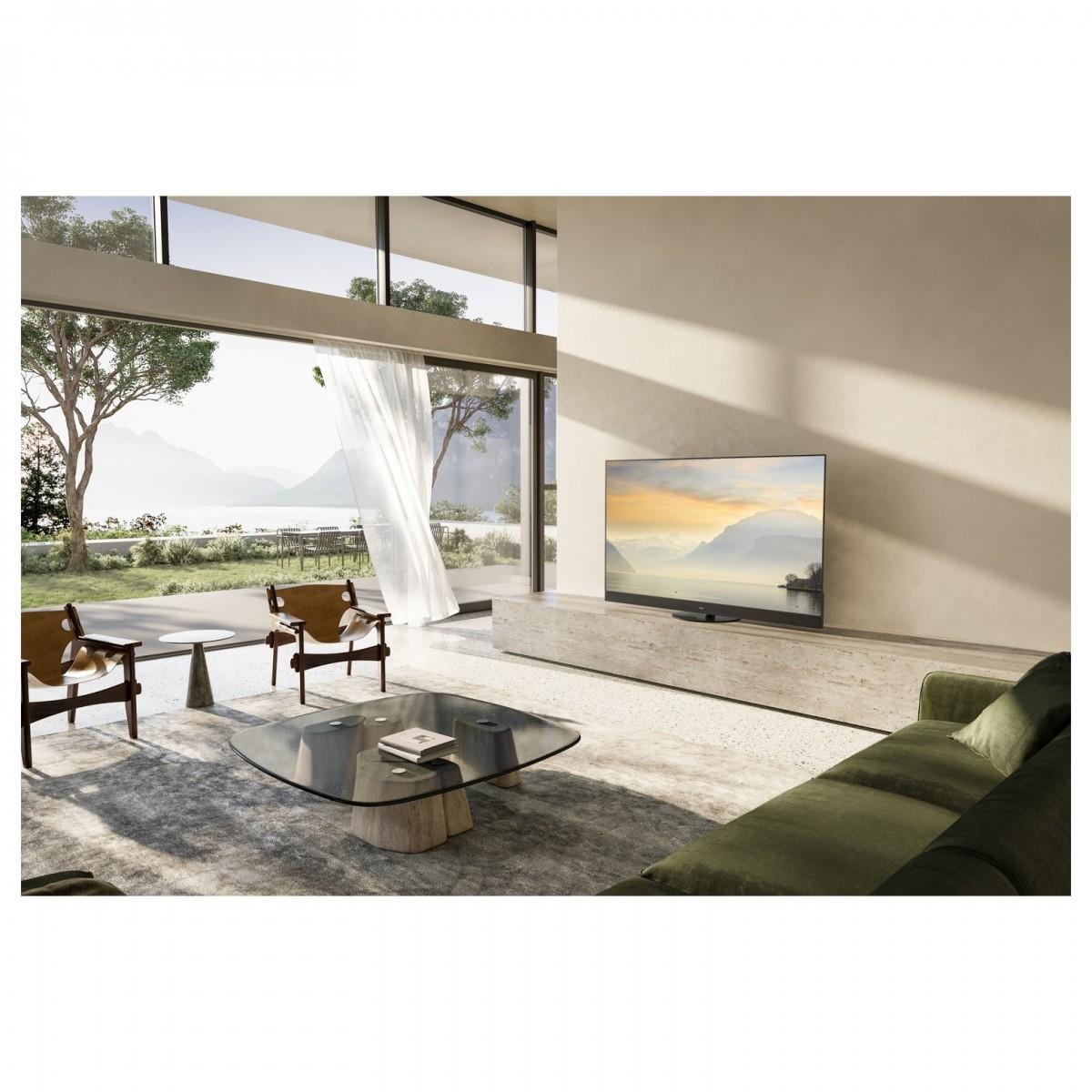
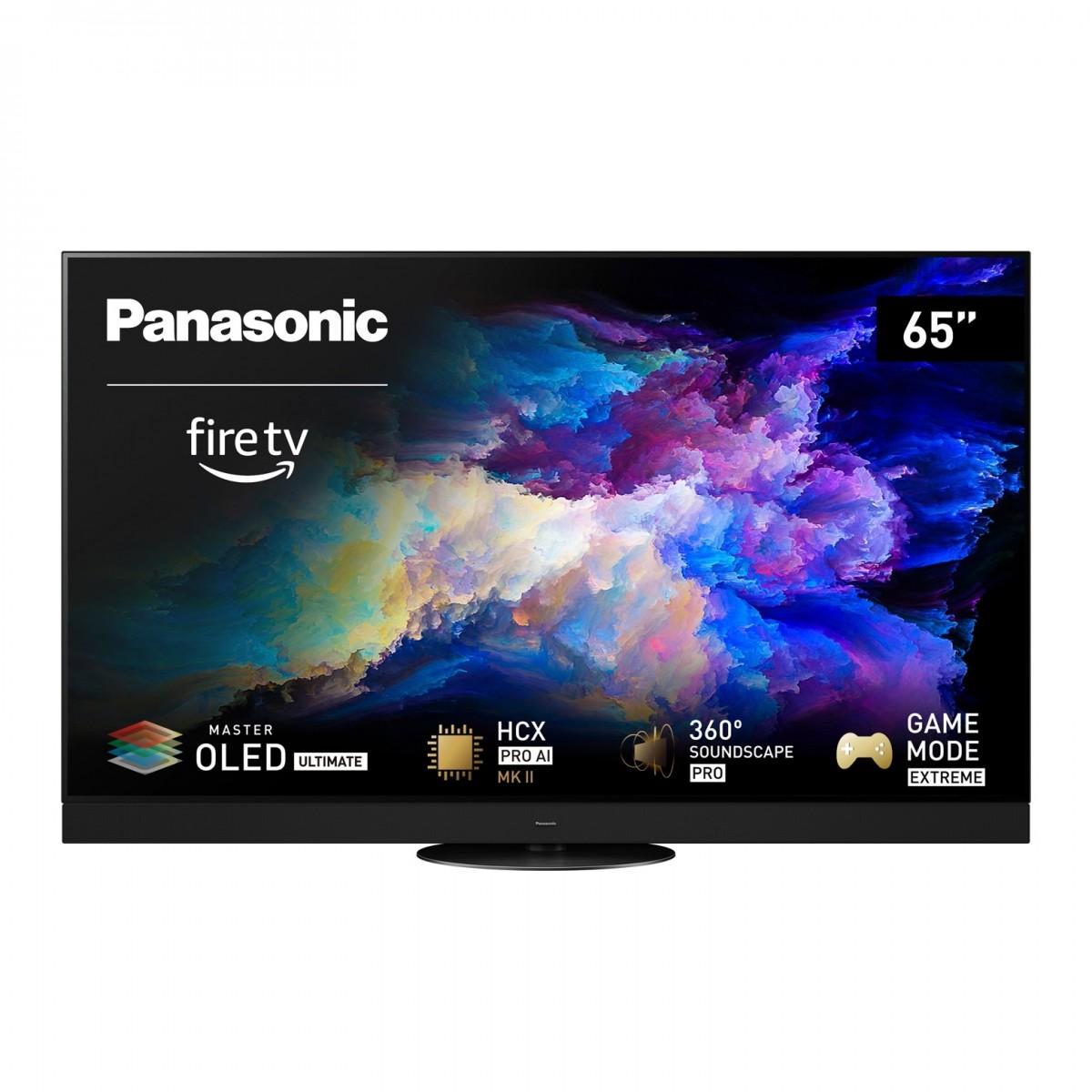
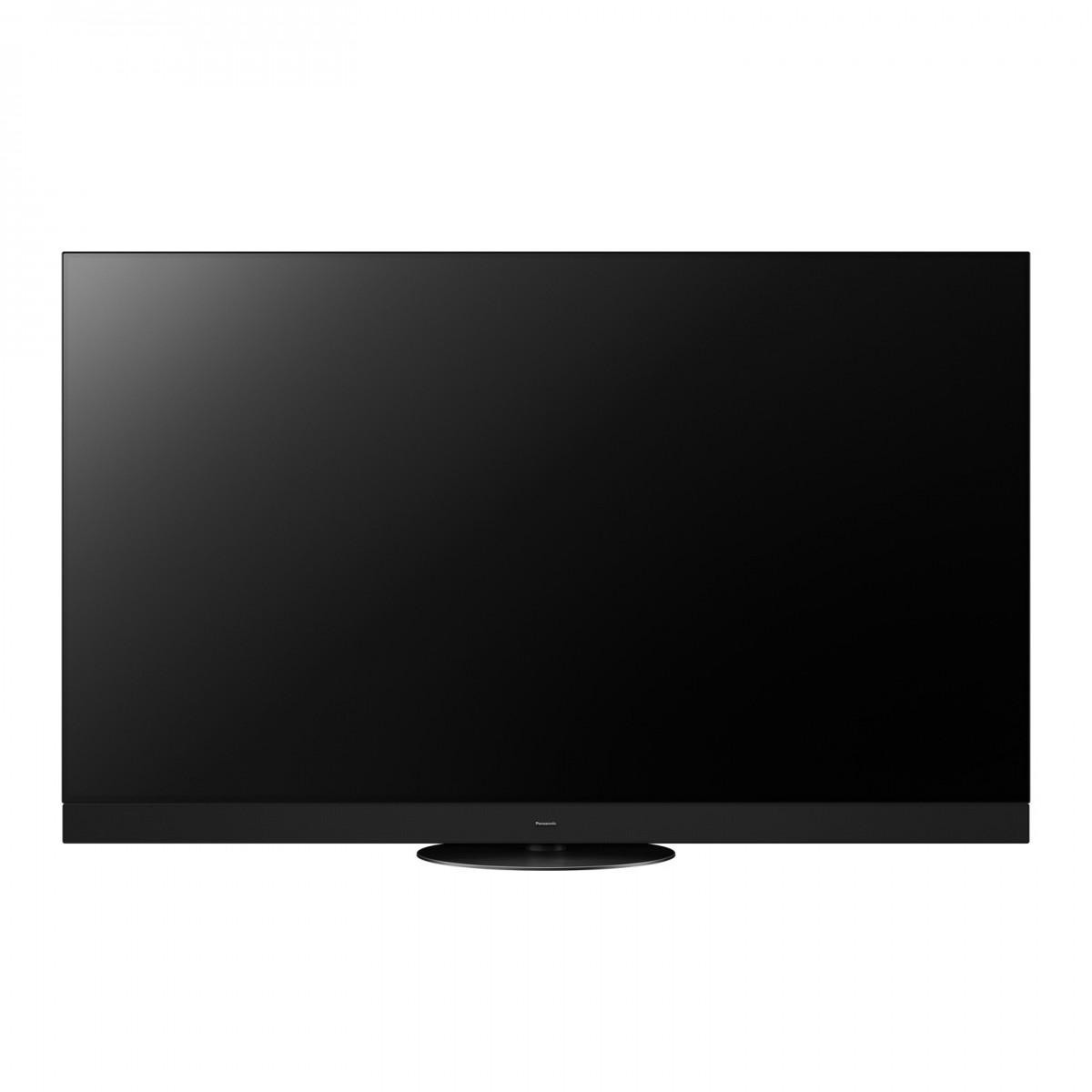
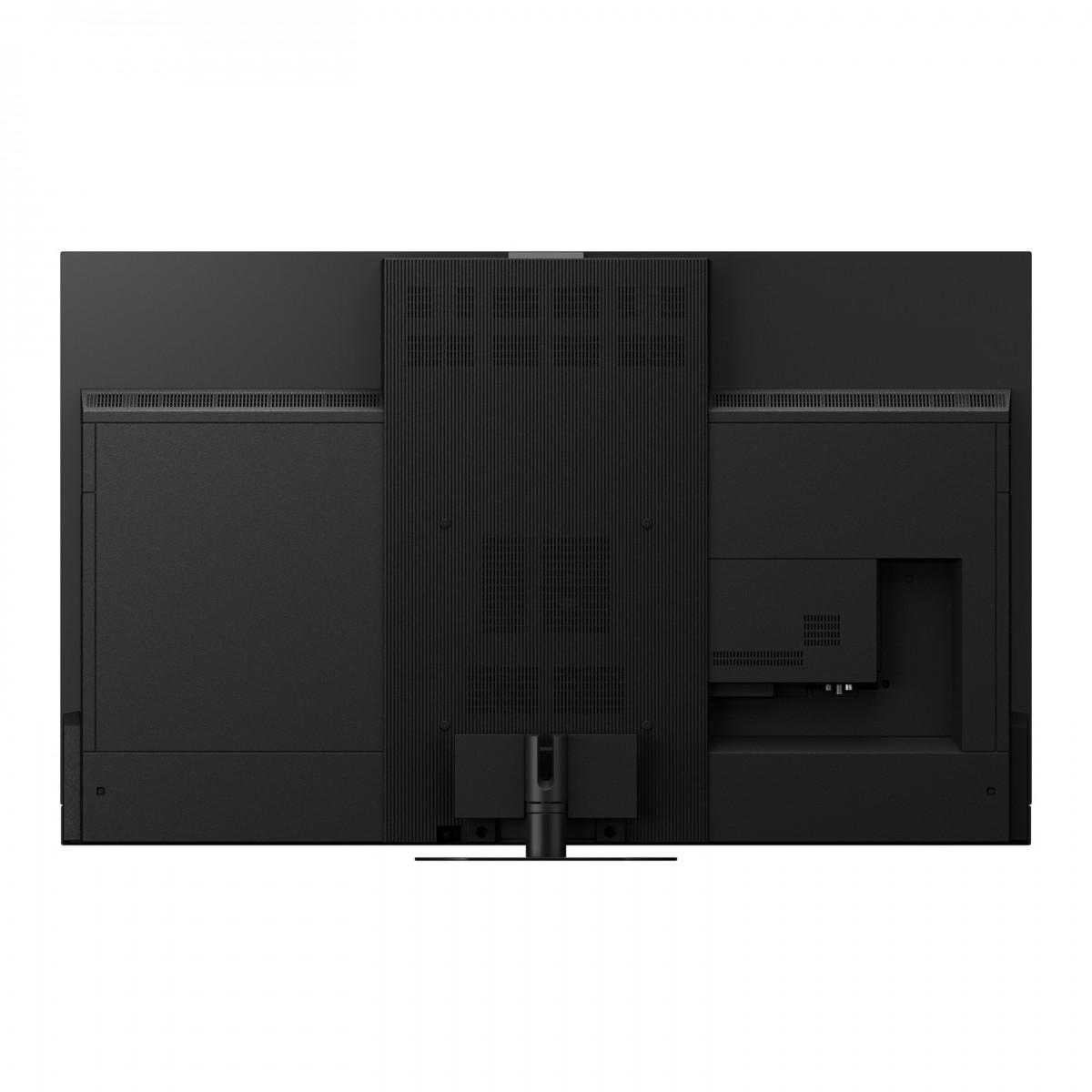
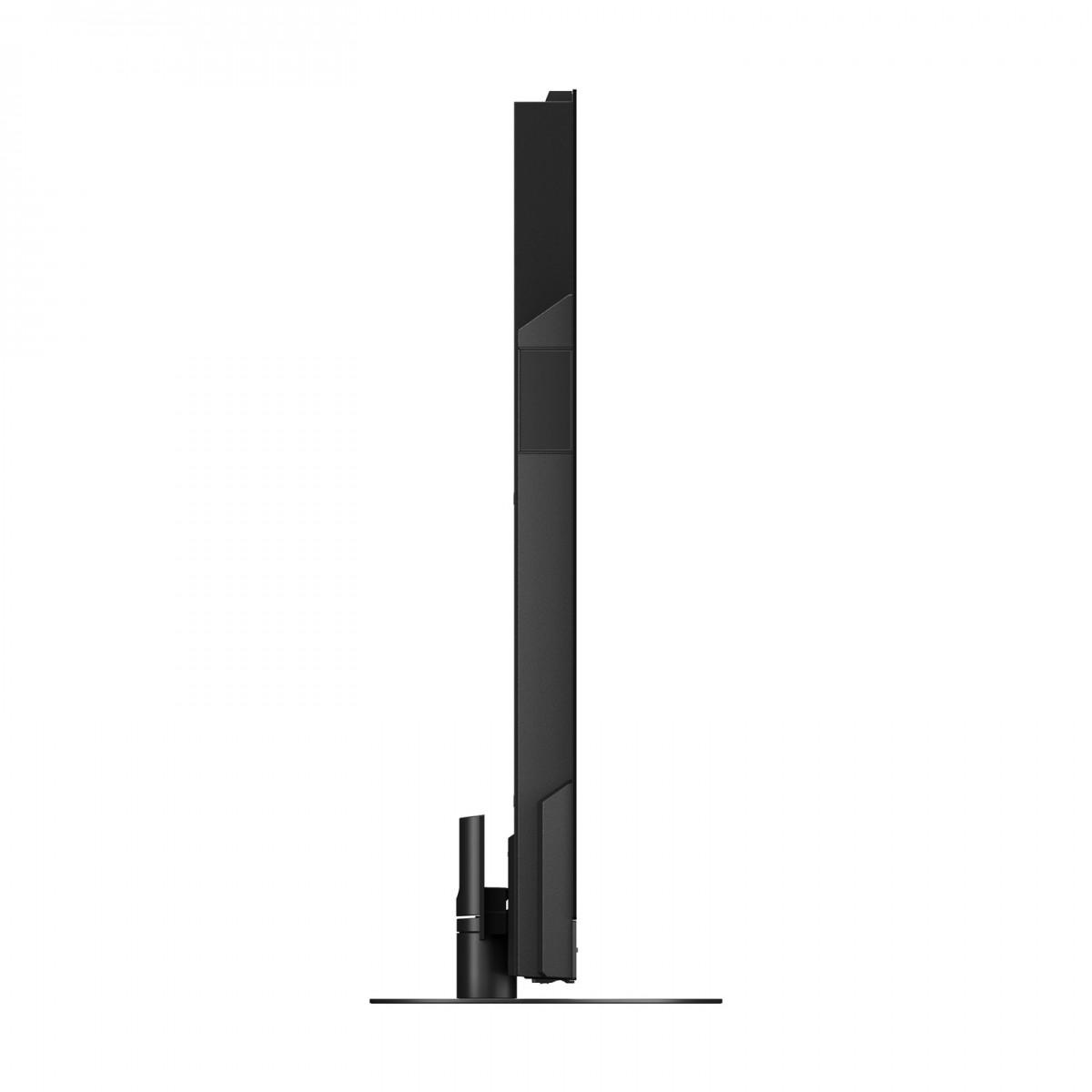
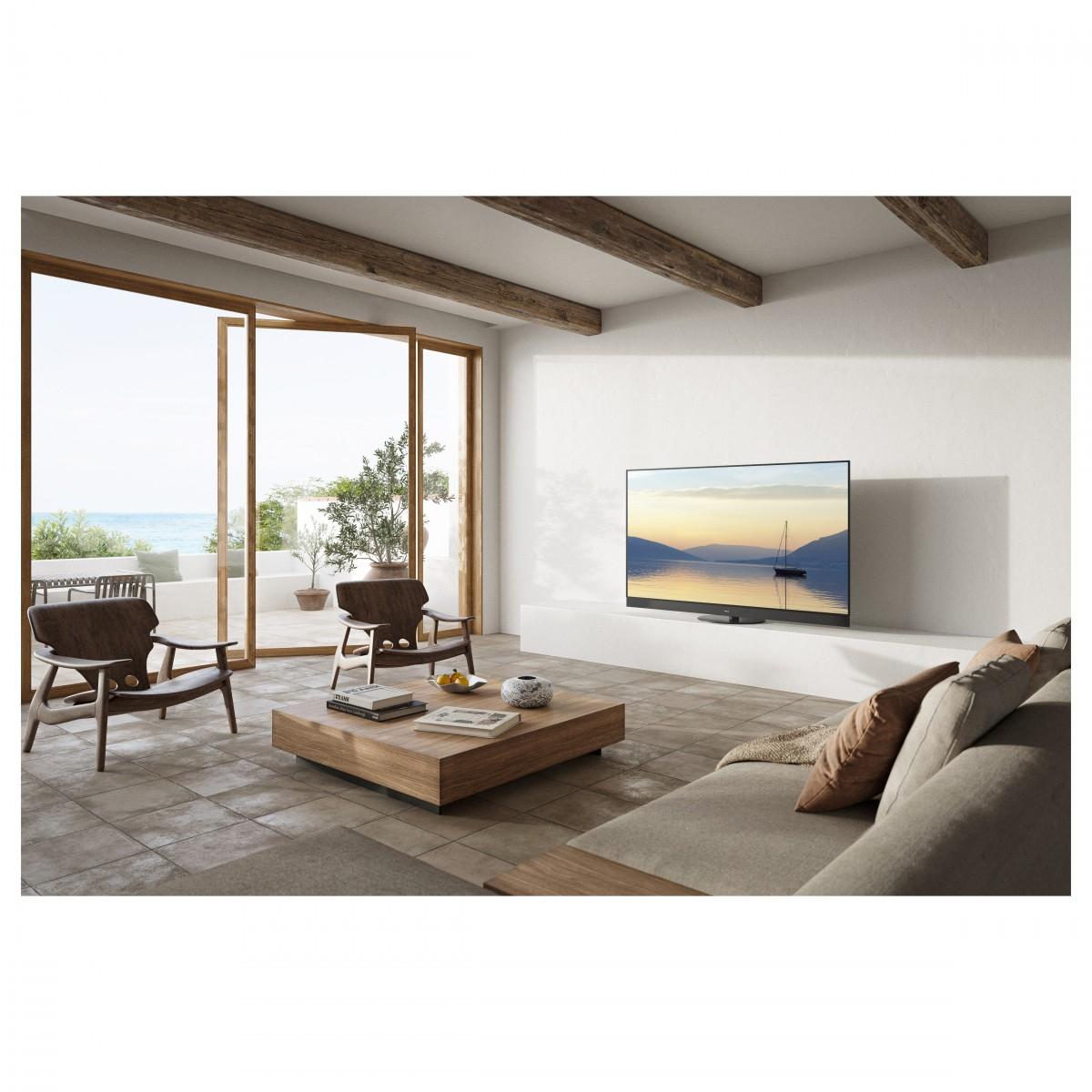
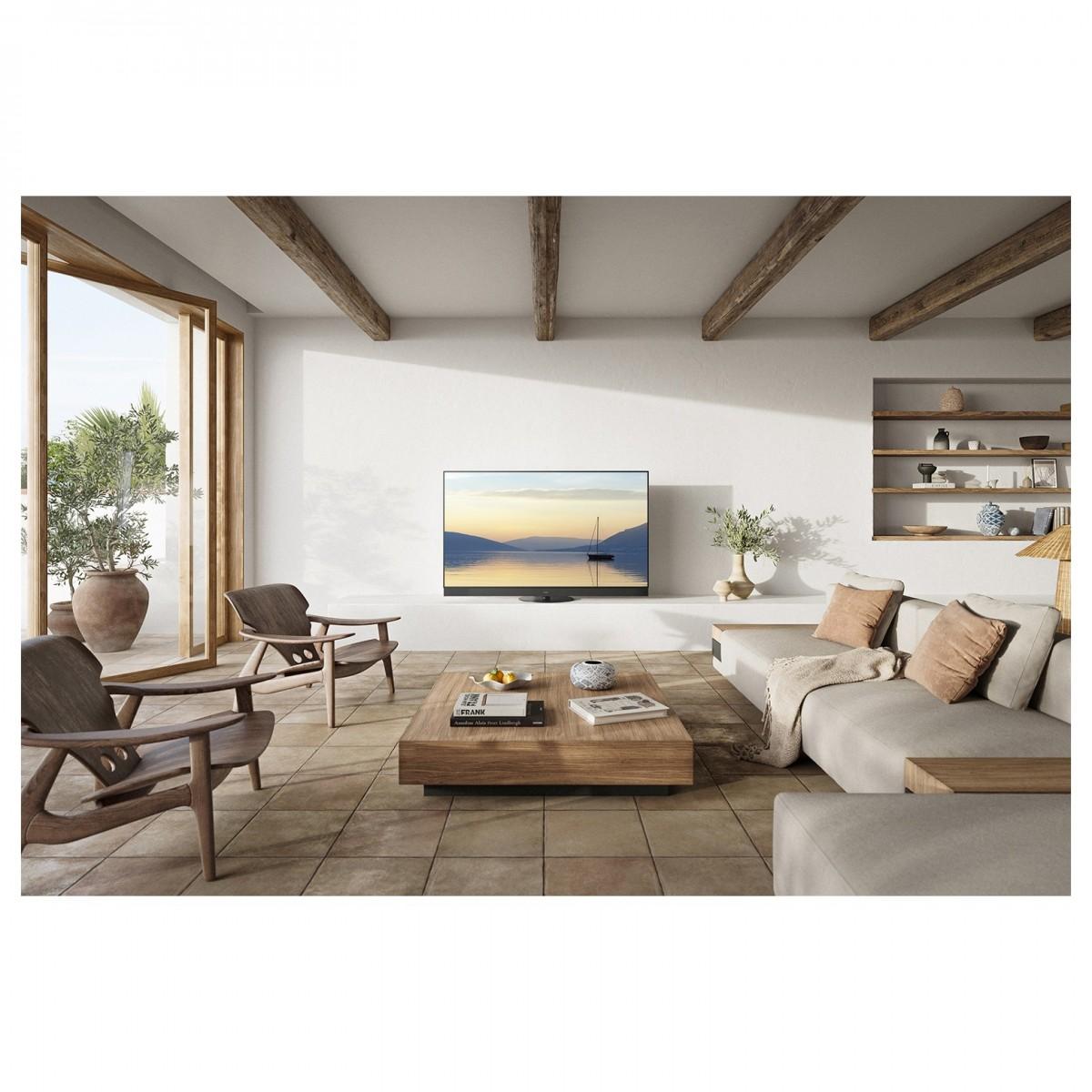
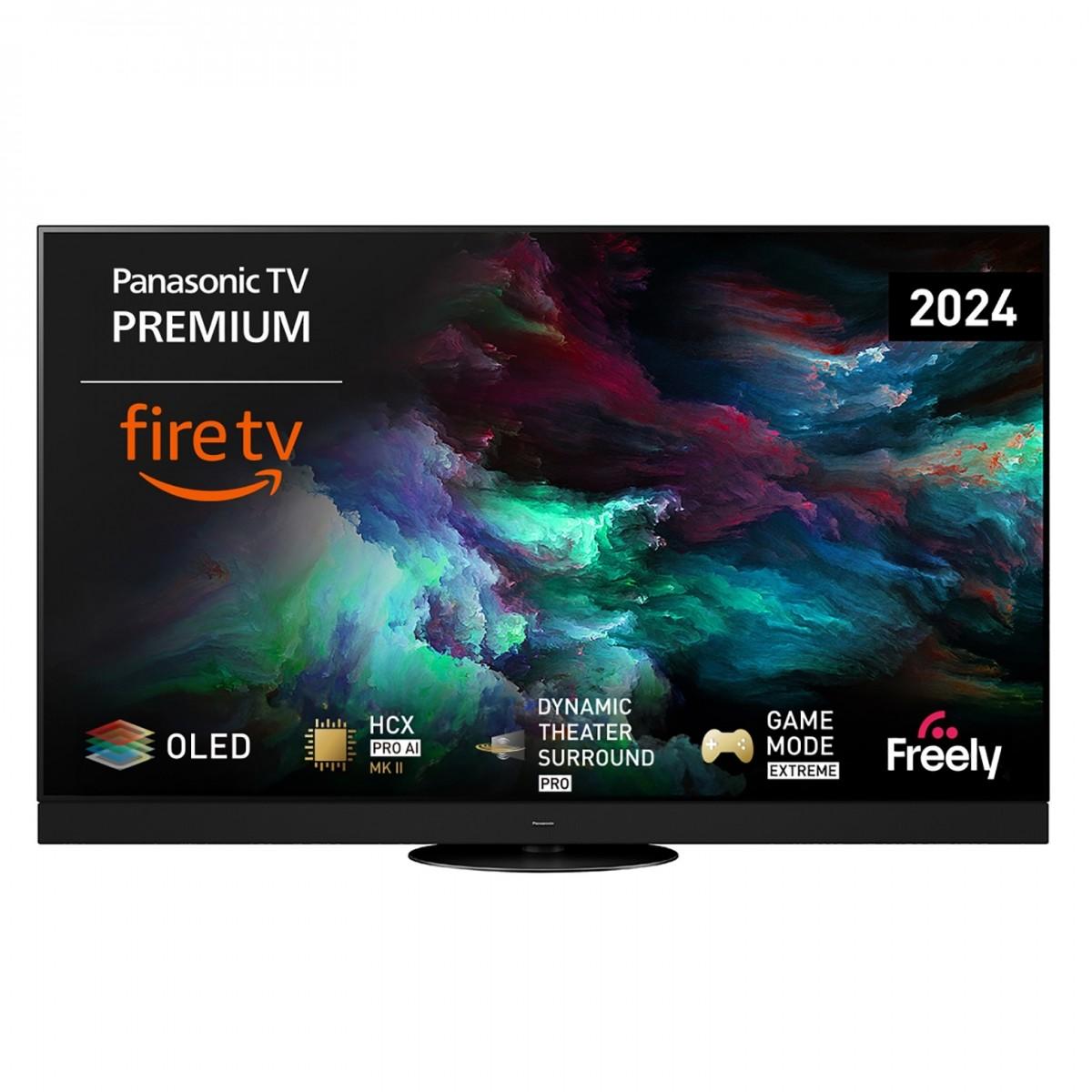
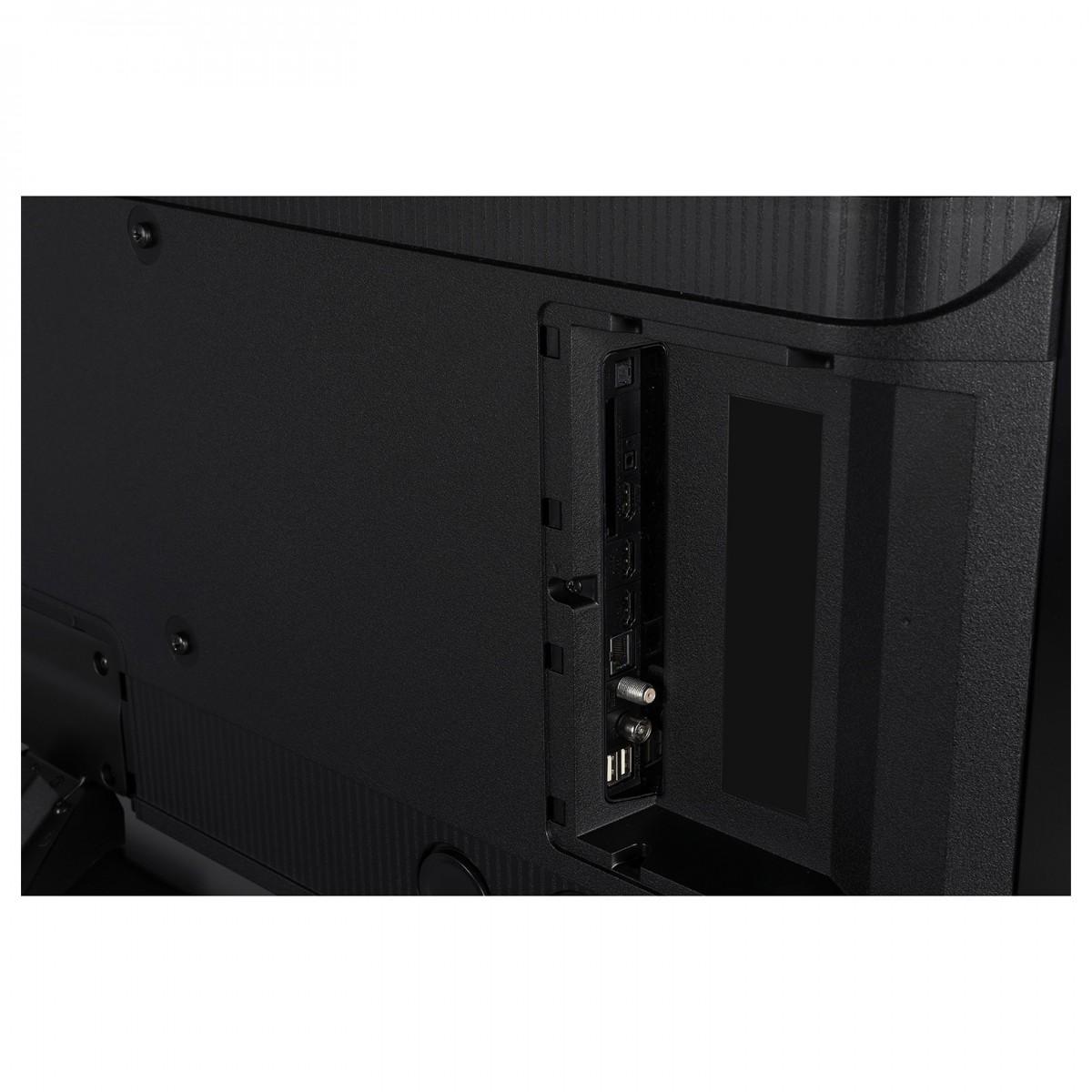
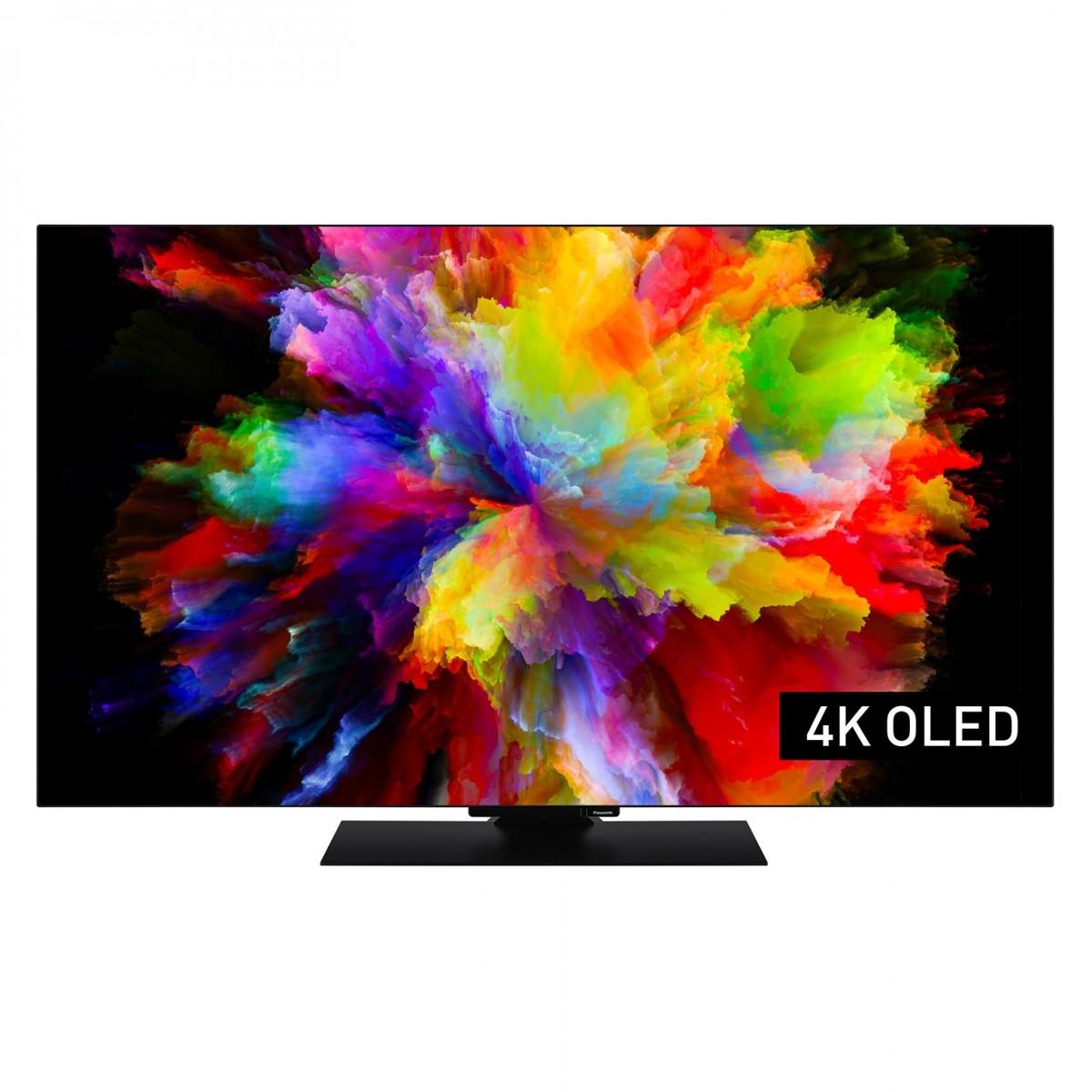
When you're ready to drop serious money on a flagship 65-inch OLED TV, the choice often comes down to two powerhouse options: the Panasonic Z95A and the Sony BRAVIA XR A95L. Both represent the pinnacle of their manufacturers' TV technology, but they take fundamentally different approaches to delivering that jaw-dropping picture quality we all crave.
At the time of writing, both models command premium pricing in the high-end TV market, though the Sony A95L typically carries a higher price tag due to its cutting-edge QD-OLED technology. The Panasonic Z95A, while still expensive, often provides better value for money without sacrificing core OLED benefits.
OLED technology has revolutionized home entertainment by offering perfect blacks and incredible contrast. Unlike traditional LED TVs that use a backlight, OLED panels light up each pixel individually. When a pixel needs to be black, it simply turns off completely – creating true darkness that no backlit display can match.
However, not all OLEDs are created equal. The Sony A95L, released in 2023, uses second-generation QD-OLED (Quantum Dot OLED) technology that combines quantum dots with OLED pixels. This hybrid approach delivers significantly brighter highlights and a wider color spectrum than traditional OLED panels. Meanwhile, the Panasonic Z95A, also from the 2023 lineup, sticks with refined traditional OLED technology enhanced by micro lens array improvements.
The key considerations when choosing between these premium models come down to picture quality, smart features, audio performance, gaming capabilities, and overall value. Each TV excels in different areas, making your choice dependent on your specific viewing habits and room environment.
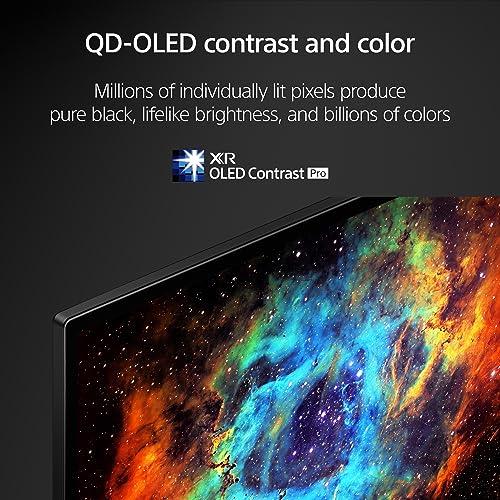
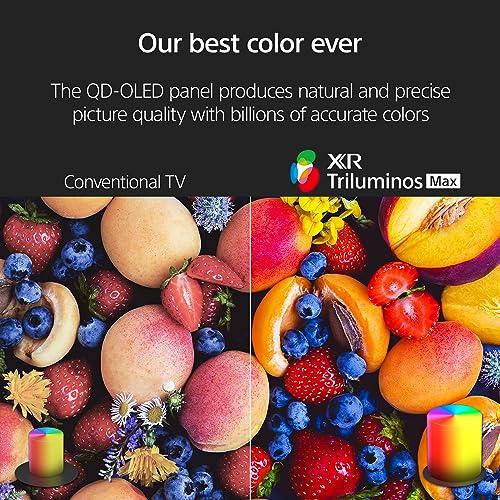
The most significant distinction between these TVs lies in their fundamental display technology. The Sony A95L uses QD-OLED panels that can reach peak brightness levels of around 1,300 nits – nearly double what traditional OLED displays achieve. This quantum dot layer acts like a color filter that converts blue light from the OLED pixels into pure red and green light, creating more vibrant and accurate colors.
In practical terms, this means the Sony A95L performs dramatically better in bright rooms. If your living room has large windows or you prefer watching TV during the day, the Sony's superior brightness makes it the clear winner. Traditional OLED displays, including the Panasonic Z95A, can look washed out in bright ambient lighting, though they're absolutely stunning in darker environments.
The Panasonic Z95A counters with its micro lens array technology, which improves light extraction efficiency from traditional OLED pixels. While it can't match the Sony's raw brightness, it delivers exceptional color accuracy and natural-looking images that many videophiles prefer. Panasonic's approach prioritizes staying true to the filmmaker's original intent rather than pumping up brightness and saturation.
Both displays support all major HDR formats (HDR10, HDR10+, Dolby Vision, and HLG), but the Sony A95L makes HDR content significantly more impactful due to its ability to display much brighter highlights. When watching movies like "Blade Runner 2049" or "Dune," the Sony's highlights practically leap off the screen, while the Panasonic delivers a more subdued but arguably more authentic presentation.
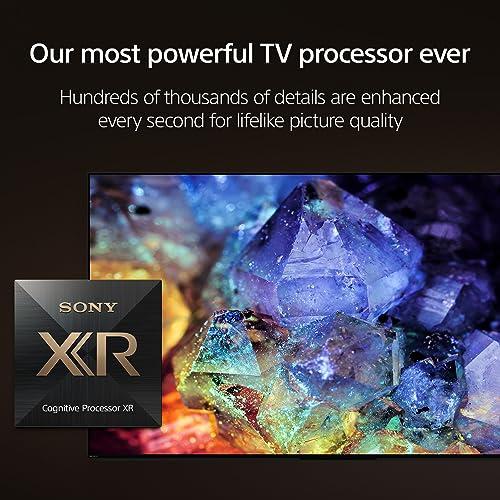
The processing engines in these TVs represent years of development and significantly impact your viewing experience. The Sony A95L features Sony's Cognitive Processor XR, which uses artificial intelligence to analyze every element of the picture in real-time. This processor excels at upscaling lower-resolution content – turning your Netflix streams and Blu-ray discs into something that approaches native 4K quality.
Sony's upscaling prowess becomes most apparent with older content and compressed streaming video. The Cognitive Processor XR can smooth out compression artifacts (those blocky or blurry areas in low-quality video) while maintaining sharp detail where it matters. For anyone who watches a lot of streaming content, this processing advantage is substantial.
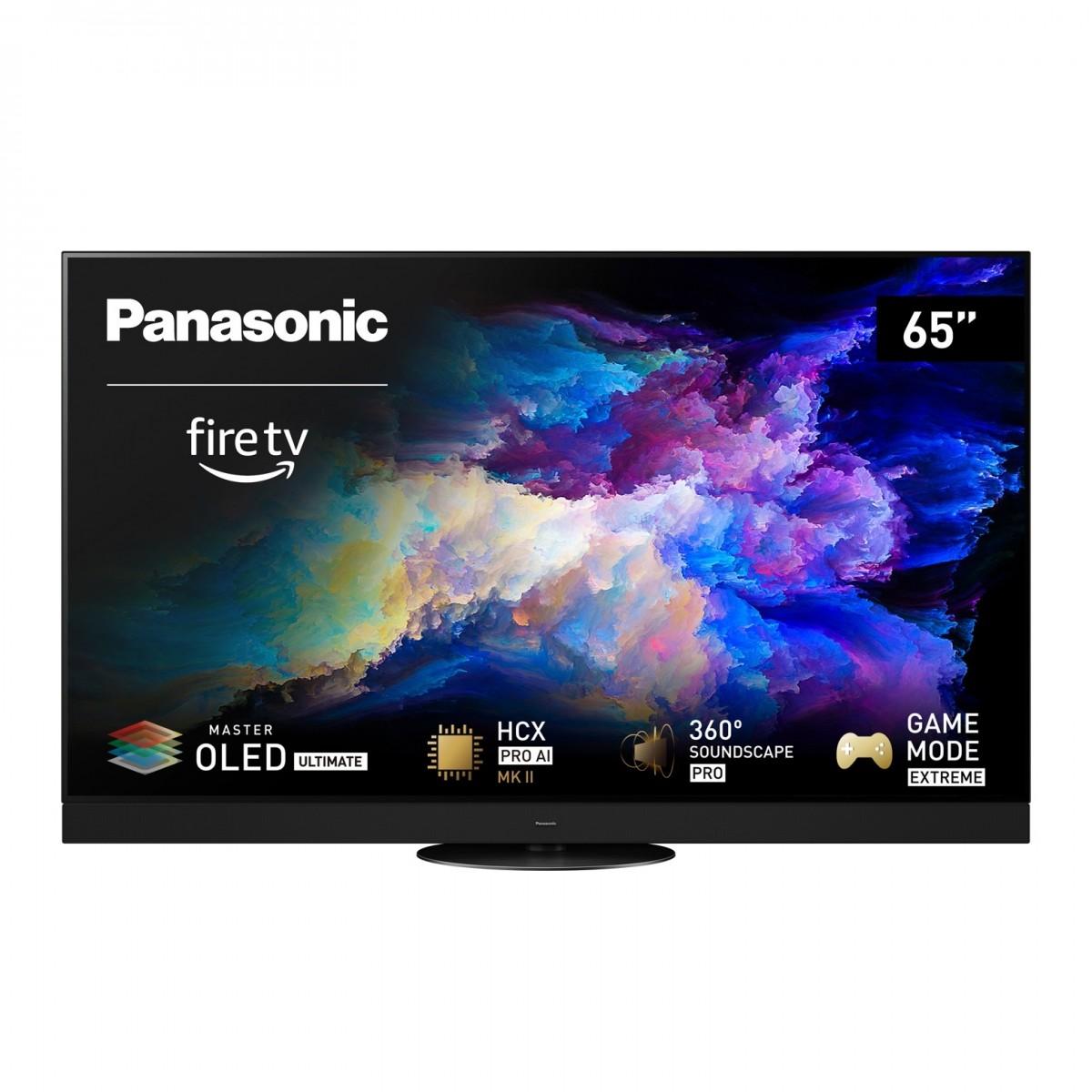
The Panasonic Z95A uses the HCX Pro AI Processor MKII, which focuses more on natural color reproduction and maintaining the original artistic vision. Panasonic's philosophy centers on accuracy rather than enhancement – the processor makes intelligent adjustments to optimize the picture without dramatically altering the content creator's intentions.
This processing difference becomes evident when watching the same movie on both displays. The Sony A95L might make a dark, moody film appear more vibrant and detailed, while the Panasonic Z95A maintains the director's intended atmosphere and color grading. Neither approach is inherently better – it depends on whether you prefer enhanced or authentic presentations.
Traditional TV speakers are afterthoughts – small drivers crammed wherever space allows. Both manufacturers have taken creative approaches to solving this problem, but in completely different ways.
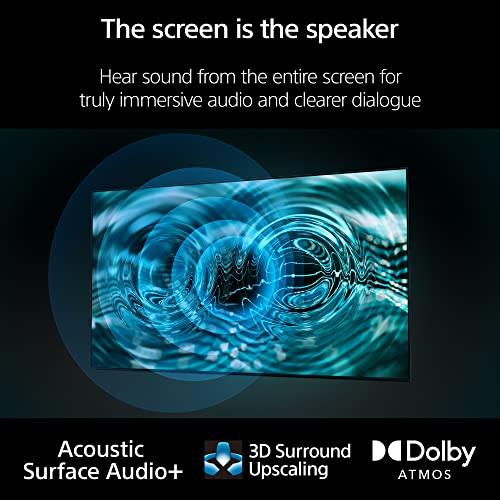
The Sony A95L features Acoustic Surface Audio+ technology, which is genuinely revolutionary. Instead of separate speakers, the entire OLED panel acts as a speaker using actuators that vibrate the screen itself. This creates an incredible sense of immersion because dialogue appears to come directly from actors' mouths on screen, rather than from speakers positioned elsewhere.
This screen-as-speaker approach particularly shines with dialogue-heavy content. Whether you're watching a intense courtroom drama or following complex conversations in "The West Wing," voices stay locked to the characters speaking them. The system also supports Dolby Atmos for three-dimensional audio positioning.
The Panasonic Z95A takes a more traditional but sophisticated approach with discrete speakers positioned around the TV frame. These include front-firing, upward-firing, and side-firing drivers that create a 360-degree soundscape with Dolby Atmos support. While this doesn't provide the same audio-visual synchronization as Sony's system, it can produce more robust bass response and cleaner separation between different audio elements.
Neither TV's built-in audio system will satisfy serious home theater enthusiasts – you'll still want a dedicated soundbar or surround sound system for the best experience. However, both provide significantly better audio than typical TV speakers, and the Sony's unique approach offers a legitimately different listening experience.
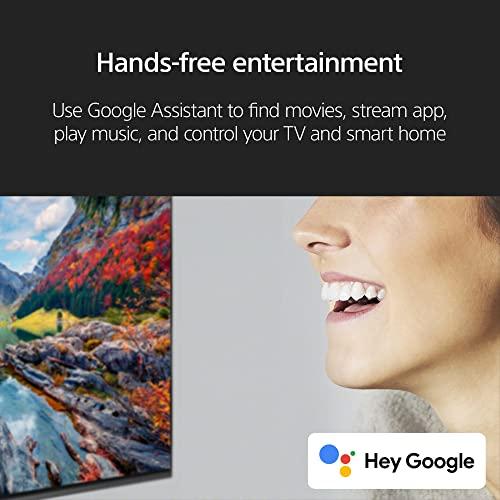
Your choice of smart TV platform affects your daily viewing experience more than you might expect. The Sony A95L runs Google TV, which provides excellent integration with Google services, extensive app selection, and sophisticated recommendation algorithms. The interface feels fluid and responsive, though some users report occasional slowdowns when switching between apps or powering on the TV.
Google TV's strength lies in its content aggregation – it pulls together recommendations from multiple streaming services and presents them in a unified interface. If you subscribe to Netflix, Disney+, HBO Max, and others, Google TV helps you discover content across all platforms rather than siloing you into individual apps.
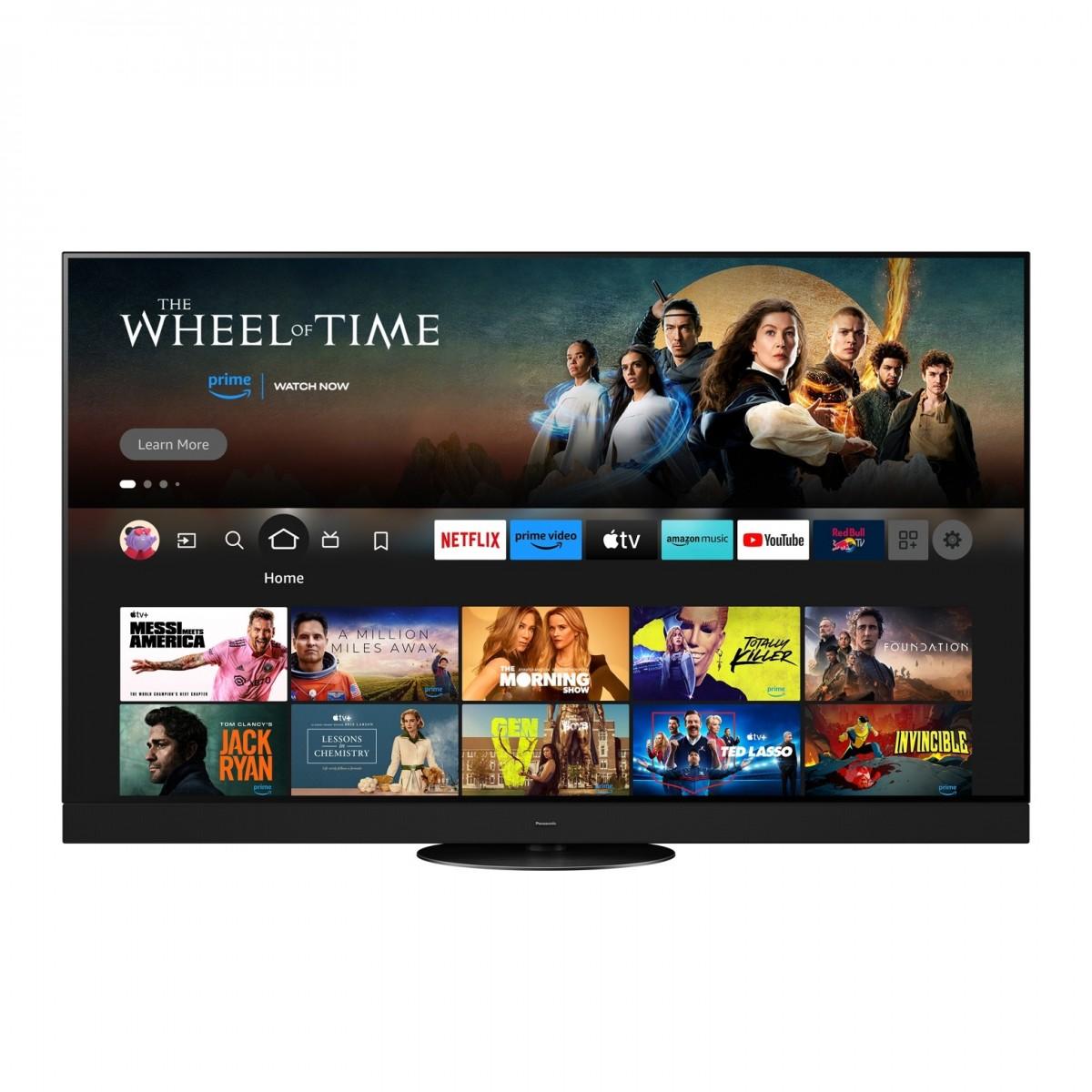
The Panasonic Z95A uses Amazon's Fire TV platform with built-in Alexa voice control. This integration works particularly well if you're already invested in Amazon's ecosystem. You can control smart home devices, order products, and access Amazon Prime Video content seamlessly. The Fire TV interface is generally snappier than Google TV, though it tends to favor Amazon content in recommendations.
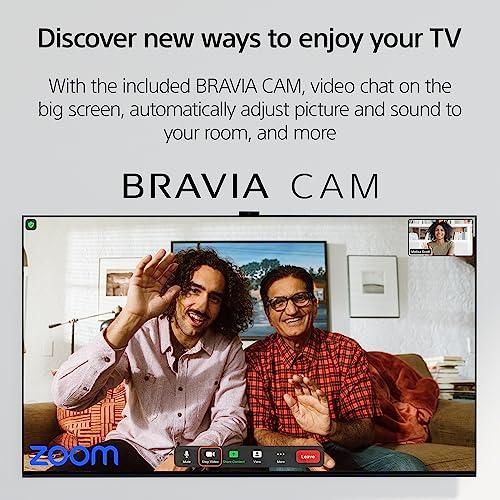
Both platforms support major streaming apps, but Google TV typically receives new apps and updates faster. The Sony A95L also includes additional smart features like the BRAVIA CAM, which enables gesture control, video calling, and automatic picture optimization based on your viewing position and room lighting.
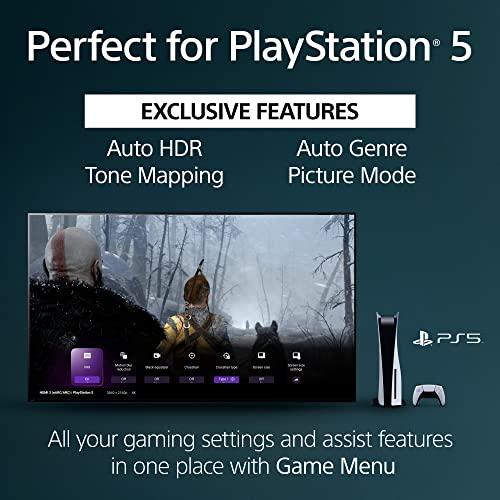
Modern gaming demands have pushed TV manufacturers to optimize their displays for console gaming. Both TVs support the key gaming features you need for PlayStation 5 and Xbox Series X, but with important differences.
The Panasonic Z95A offers a higher maximum refresh rate of 144Hz compared to the Sony's 120Hz. While current consoles max out at 120fps, this future-proofs the TV for potential console updates or PC gaming. The Panasonic also typically achieves lower input lag – the delay between pressing a controller button and seeing the action on screen.
However, the Sony A95L provides more comprehensive gaming feature integration. Its HDMI 2.1 implementation supports Variable Refresh Rate (VRR) and Auto Low Latency Mode (ALLM) across multiple ports, and the TV automatically switches to optimized gaming settings when it detects a console.
For competitive gaming where every millisecond matters, the Panasonic Z95A has a slight edge. For casual gaming where picture quality during gameplay is paramount, the Sony A95L's superior brightness and color performance provide more visual impact.
Both displays deliver essentially instantaneous pixel response times – a key advantage of OLED technology. Unlike LCD displays that can show motion blur or ghosting during fast-paced games, these OLEDs provide crystal-clear motion in first-person shooters, racing games, and sports titles.
If you're building a dedicated home theater or have a carefully controlled viewing environment, several factors become particularly important. Room lighting, seating arrangement, and content preferences all influence which TV performs better in your specific setup.
For dark room viewing – the gold standard for home theater – both TVs deliver exceptional performance. The Panasonic Z95A might actually have a slight edge here due to its more natural color reproduction and film-accurate presentation. Panasonic has historically catered to videophiles who prioritize accuracy over pop, and this tradition continues with the Z95A.
The Sony A95L excels in mixed lighting conditions where you might watch movies during the day or with some ambient lighting. Its superior brightness means you won't lose shadow detail or color saturation in less-than-ideal lighting conditions.
Viewing angle performance is excellent on both displays – a key advantage of OLED technology over LCD alternatives. Whether you're seated directly in front of the TV or off to the side, colors and contrast remain consistent. This makes either TV suitable for larger seating arrangements where not everyone can sit in the sweet spot.
At the time of writing, the Sony A95L commands premium pricing that reflects its cutting-edge QD-OLED technology. This price premium is substantial – often 20-30% more than the Panasonic Z95A when comparing similar sales and promotional pricing.
The question becomes whether QD-OLED's advantages justify this premium. If you primarily watch TV in bright rooms, consume lots of HDR content, and want the latest display technology, the Sony's benefits are tangible and worthwhile. However, if you're setting up a dedicated dark room theater or prioritize value, the Panasonic delivers 90% of the performance at a significantly lower cost.
Long-term reliability considerations also factor into the value equation. Traditional OLED technology, as used in the Panasonic Z95A, has a proven track record spanning multiple generations. QD-OLED is newer technology with less long-term data, though early indications suggest improved energy efficiency and potentially reduced burn-in risk compared to traditional OLED.
Both manufacturers provide solid warranty coverage and support, though Sony's broader market presence might mean easier service availability in some regions.
After extensive research into expert reviews and user feedback, clear preferences emerge based on viewing habits and priorities.
Choose the Sony BRAVIA XR A95L if you watch TV in bright or mixed lighting conditions, prioritize maximum HDR impact, consume lots of streaming content that benefits from superior upscaling, or want the most advanced smart TV features available. The QD-OLED technology provides genuine performance benefits that justify the premium pricing for users who can take advantage of them.
The Panasonic Z95A makes more sense for dark room viewing, gaming-focused setups, users who prefer Amazon's ecosystem, or anyone seeking exceptional OLED performance without paying cutting-edge technology premiums. It delivers the core OLED benefits – perfect blacks, infinite contrast, and excellent colors – while offering better value and proven reliability.
Neither choice is wrong. The Sony A95L pushes display technology forward with meaningful improvements in brightness and processing. The Panasonic Z95A refines traditional OLED technology to near-perfection while maintaining competitive pricing. Your viewing environment, content preferences, and budget will determine which approach better serves your needs.
In my evaluation, the Sony justifies its premium for most users due to its versatility in different lighting conditions and superior streaming optimization. However, the Panasonic remains the smarter choice for dedicated home theaters and budget-conscious buyers who don't need maximum brightness. Both represent the pinnacle of current TV technology – you'll be thrilled with either choice.
| Panasonic Z95A 65" OLED 4K Ultra HD Smart TV | Sony BRAVIA XR A95L 65" QD-OLED 4K HDR Google TV |
|---|---|
| Display Technology - The foundation that determines brightness and color performance | |
| Traditional OLED with micro lens array technology | Second-generation QD-OLED (Quantum Dot OLED) panel |
| Peak Brightness - Critical for HDR impact and bright room viewing | |
| Standard OLED brightness levels (~700-800 nits) | Up to 1,300 nits (nearly double traditional OLED) |
| Processor - Affects upscaling, motion, and overall picture optimization | |
| HCX Pro AI Processor MKII (natural color focus) | Cognitive Processor XR (AI-driven real-time optimization) |
| Smart Platform - Your daily interface and app ecosystem | |
| Amazon Fire TV Built-in with Alexa integration | Google TV with Google Assistant and broader compatibility |
| Gaming Refresh Rate - Higher numbers mean smoother motion for gaming | |
| 144Hz maximum refresh rate | 120Hz refresh rate with superior HDMI 2.1 integration |
| Audio Technology - How the TV produces sound without external speakers | |
| Traditional discrete speakers with 360° Dolby Atmos | Acoustic Surface Audio+ (screen vibrates to create sound) |
| HDR Format Support - Ensures compatibility with premium streaming content | |
| HDR10, HDR10+, Dolby Vision, HLG | HDR10, HLG, Dolby Vision (no HDR10+ support) |
| Color Technology - Determines color accuracy and vibrancy | |
| Hexa Chroma Drive with Wide Colour Gamut | XR Triluminos Max with significantly wider color volume |
| Input Lag - Lower numbers mean faster response for gaming | |
| Optimized for competitive gaming with lower input lag | Slightly higher input lag but excellent overall gaming features |
| Upscaling Capability - How well it improves lower resolution content | |
| 4K upscaling with AI content optimization | Industry-leading upscaling, especially for streaming content |
| Viewing Angles - How consistent the picture looks from the side | |
| Wide viewing angles (standard OLED performance) | Exceptionally wide viewing angles with consistent brightness |
| Smart Home Integration - Compatibility with home automation systems | |
| Amazon ecosystem focus with Alexa control | Broader compatibility: Google, Apple AirPlay, HomeKit |
| Unique Features - Standout capabilities that differentiate each model | |
| Auto AI scene optimization, ambient light adaptation | BRAVIA CAM for gesture control, video calls, room optimization |
The Sony BRAVIA XR A95L is significantly better for bright rooms due to its QD-OLED technology that achieves up to 1,300 nits peak brightness - nearly double what traditional OLED displays can produce. The Panasonic Z95A uses standard OLED technology that performs best in darker environments, as bright ambient lighting can wash out the picture. If your living room has large windows or you watch TV during the day, the Sony A95L maintains better picture quality and color vibrancy.
The Panasonic Z95A uses traditional OLED technology where organic pixels emit light directly, providing perfect blacks but limited brightness. The Sony A95L uses QD-OLED (Quantum Dot OLED) technology that adds a quantum dot layer to convert blue OLED light into pure red and green colors. This results in brighter highlights, wider color gamut, and better energy efficiency. QD-OLED represents the latest advancement in OLED technology, offering superior performance in most viewing conditions.
The Sony A95L runs Google TV, offering broader smart home integration, faster app updates, and excellent content aggregation across streaming services. The Panasonic Z95A uses Amazon Fire TV with built-in Alexa, which works well if you're already in Amazon's ecosystem but has more limited smart home compatibility. Both support major streaming apps, but the Sony A95L typically receives new features and updates more quickly, plus includes advanced features like the BRAVIA CAM for gesture control.
The Sony A95L commands a premium price due to its cutting-edge QD-OLED technology, superior brightness, and advanced processing. It's worth the extra cost if you watch TV in bright rooms, prioritize maximum HDR impact, or want the latest display technology. However, the Panasonic Z95A offers excellent value with 90% of the performance at a lower price point. For dark room viewing or budget-conscious buyers, the Panasonic Z95A provides better bang for your buck.
The Panasonic Z95A has a slight edge for competitive gaming with its 144Hz refresh rate capability and typically lower input lag. However, the Sony A95L offers more comprehensive gaming features with better HDMI 2.1 implementation, automatic gaming mode switching, and superior picture quality during gameplay. Both support 4K at 120Hz, VRR, and ALLM for next-gen consoles. Choose the Panasonic Z95A for competitive gaming or the Sony A95L for visual impact.
The Sony A95L features revolutionary Acoustic Surface Audio+ technology where the entire screen acts as a speaker, creating precise dialogue placement and immersive audio positioning. The Panasonic Z95A uses traditional discrete speakers positioned around the frame with 360° Dolby Atmos support. While both systems outperform typical TV speakers, the Sony A95L provides a unique audio-visual synchronization experience that many users find more engaging.
For dark room movie watching, both TVs deliver exceptional picture quality with perfect blacks and infinite contrast. The Panasonic Z95A focuses on natural, film-accurate color reproduction that stays true to the director's intent. The Sony A95L offers more vibrant colors and brighter highlights that make HDR content more impactful. Movie enthusiasts who prioritize accuracy might prefer the Panasonic Z95A, while those wanting maximum visual impact should choose the Sony A95L.
The Panasonic Z95A uses proven traditional OLED technology with a solid reliability track record spanning multiple generations. The Sony A95L uses newer QD-OLED technology that theoretically offers improved energy efficiency and potentially reduced burn-in risk, but has less long-term data available. Both manufacturers provide good warranty coverage, though Sony's broader market presence may mean easier service availability in some regions.
The Sony A95L excels at streaming content due to its superior upscaling capabilities powered by the Cognitive Processor XR. It effectively reduces compression artifacts and enhances detail in lower-bitrate streaming video. The Google TV platform also provides better content aggregation across multiple streaming services. While the Panasonic Z95A handles streaming well, the Sony A95L delivers noticeably better results with compressed video sources.
Both TVs offer excellent viewing angles thanks to OLED technology, maintaining consistent colors and contrast when viewed from the side. The Sony A95L has a slight advantage with exceptionally wide viewing angles and consistent brightness across different positions. The Panasonic Z95A also provides wide viewing angles that are superior to LCD TVs. Either choice works well for larger seating arrangements where viewers aren't all positioned directly in front of the screen.
For a dedicated dark room home theater, the Panasonic Z95A might have a slight edge due to its focus on natural color reproduction and film-accurate presentation that videophiles prefer. However, the Sony A95L provides more flexibility if your theater room has any ambient lighting and delivers more impactful HDR performance. Both offer the perfect blacks and infinite contrast that make OLED technology ideal for home theater use.
Choose the Sony A95L if you watch TV in bright rooms, want maximum HDR impact, prioritize streaming quality, prefer Google's ecosystem, or want cutting-edge display technology. Choose the Panasonic Z95A if you primarily watch in dark rooms, focus on gaming performance, prefer Amazon's ecosystem, want better value for money, or prioritize natural color accuracy over enhanced brightness.
We've done our best to create useful and informative comparisons to help you decide what product to buy. Our research uses advanced automated methods to create this comparison and perfection is not possible - please contact us for corrections or questions. These are the sites we've researched in the creation of this article: youtube.com - youtube.com - whathifi.com - tomsguide.com - shop.panasonic.com - store.in.panasonic.com - rtings.com - applianceplus.co.nz - rtings.com - store.in.panasonic.com - samsung.com - rtings.com - youtube.com - rtings.com - avsforum.com - rtings.com - smarthomesounds.co.uk - smarthomesounds.co.uk - rtings.com - smarthomesounds.co.uk - youtube.com - tomsguide.com - avsforum.com - rtings.com - perfectrec.com - flatpanelshd.com - videoandaudiocenter.com - sonypremiumhome.com - bestbuy.com - sony.com - electronics.sony.com - displayspecifications.com - donstv.com - youtube.com - static.pcrichard.com - smarthomesounds.co.uk - youtube.com - electronics.sony.com - electronics.sony.com - displayspecifications.com

Privacy Policy
Terms and Conditions - Affiliate Policy
Home Security
© Copyright 2008-2026.
11816 Inwood Rd #1211, Dallas, TX 75244