

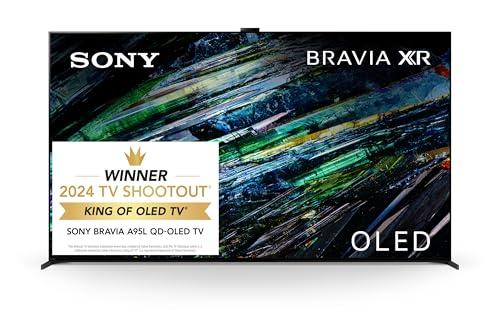


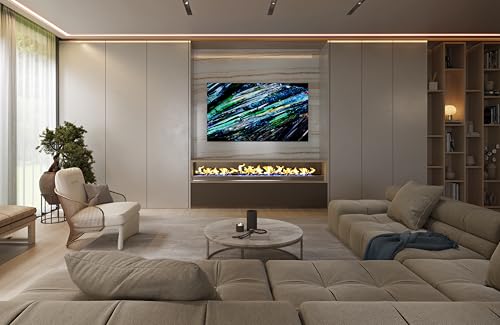
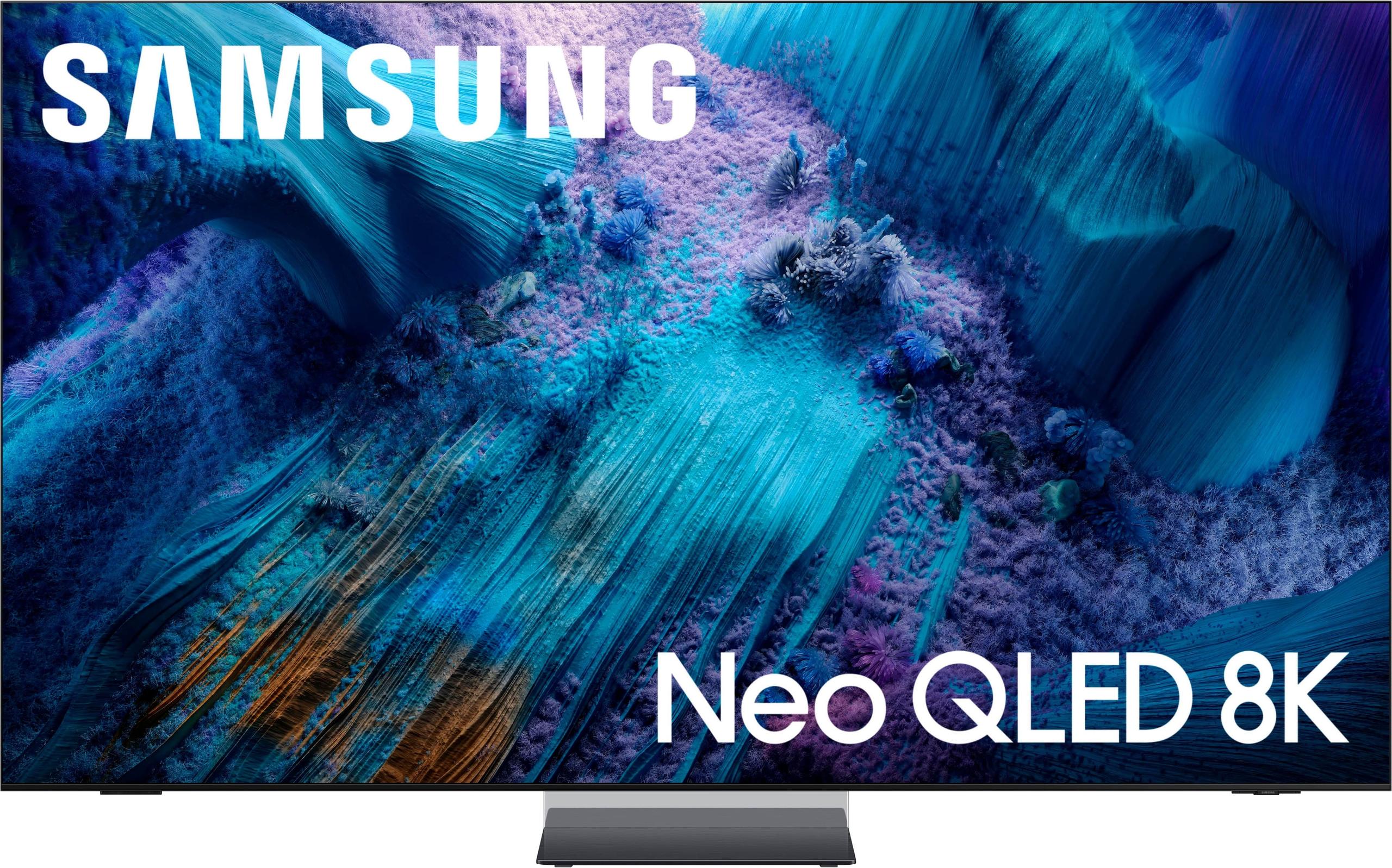
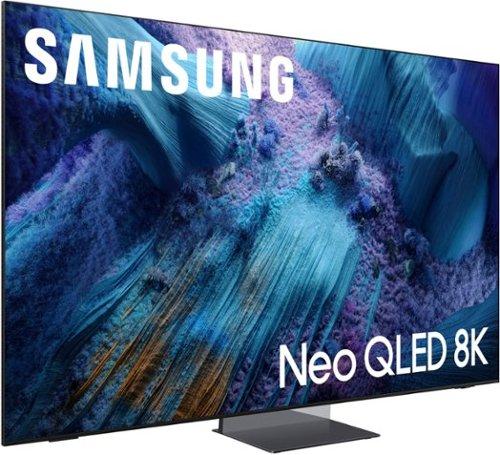
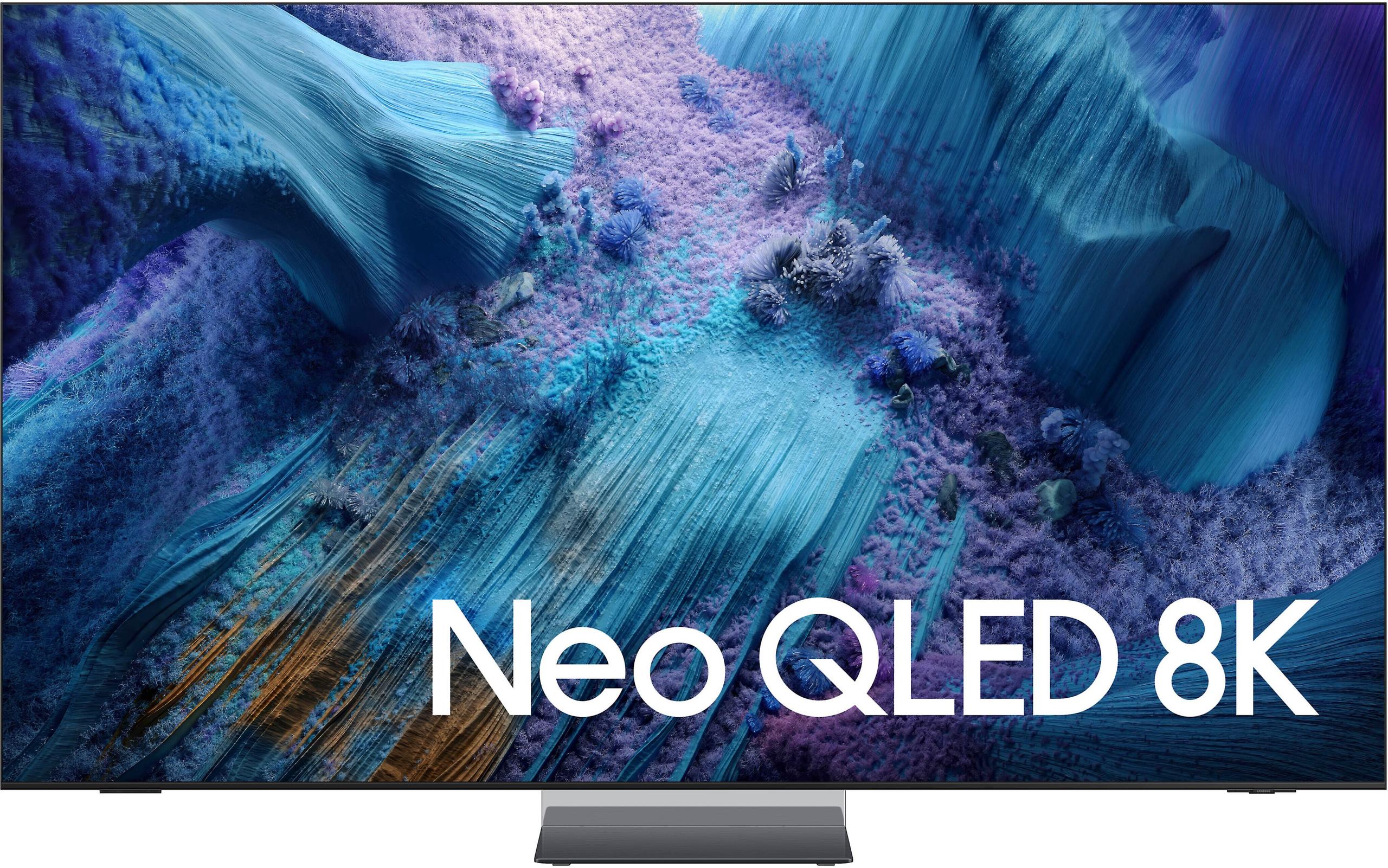
When you're ready to invest in a premium 65-inch TV, you're entering the realm where display technology gets genuinely exciting. Two flagship models represent completely different philosophies in television engineering: the Sony BRAVIA XR A95L, released in 2023, and the Samsung QN990F, Samsung's latest 2025 flagship. These aren't just TVs—they're showcases of what happens when manufacturers push the boundaries of what's possible in home entertainment.
The fundamental question isn't just which TV is better, but which approach to premium display technology serves your needs. Do you want the proven excellence of OLED technology with perfect blacks and cinematic accuracy, or do you want to bet on the future with 8K resolution and breakthrough brightness levels?
Before diving into the specifics, it's crucial to understand what sets these TVs apart from everything else on the market. Premium TVs in this category are designed to be the centerpiece of serious home theaters and high-end living rooms. They're where manufacturers deploy their most advanced technologies and charge accordingly.
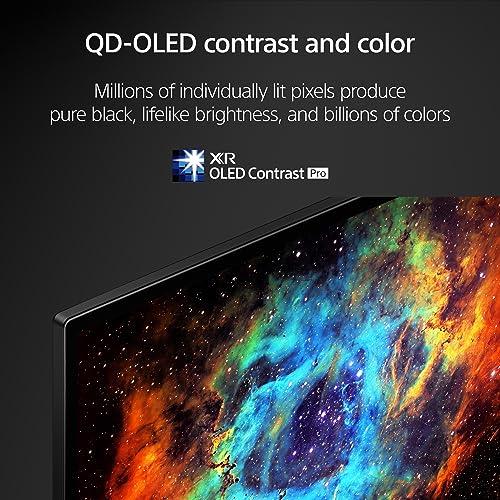
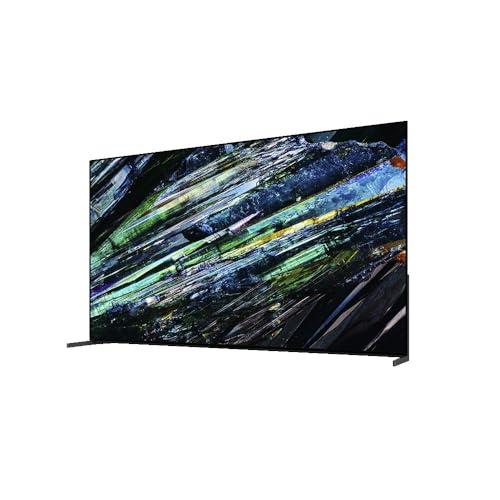
The Sony A95L represents Sony's mastery of QD-OLED (Quantum Dot Organic Light Emitting Diode) technology. This is a relatively new display type that combines the perfect blacks of OLED with the enhanced brightness and color volume of quantum dot technology. Think of it as getting the best of both worlds—OLED's ability to turn pixels completely off for perfect blacks, enhanced by quantum dots that make colors more vibrant and accurate.
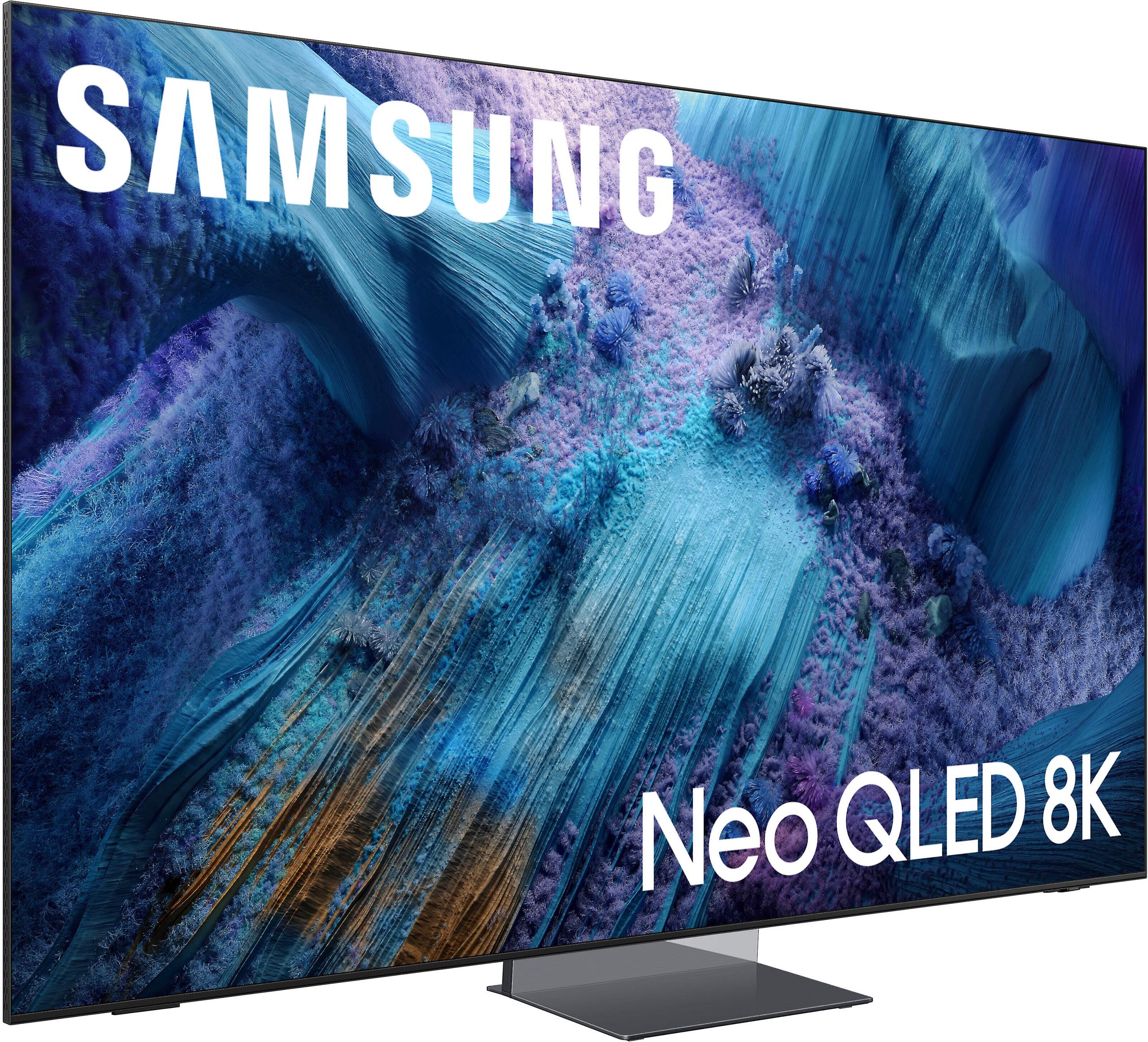
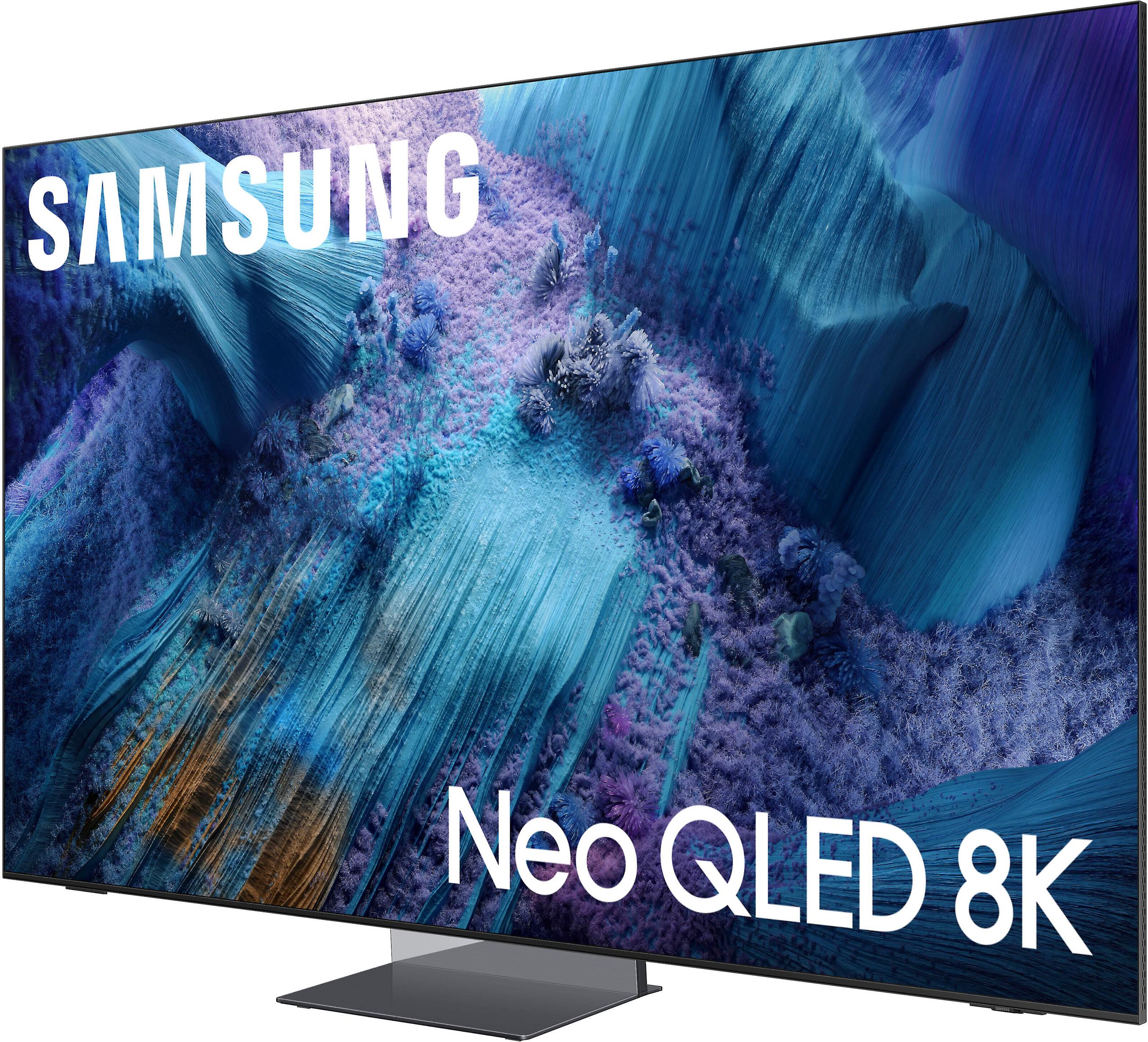
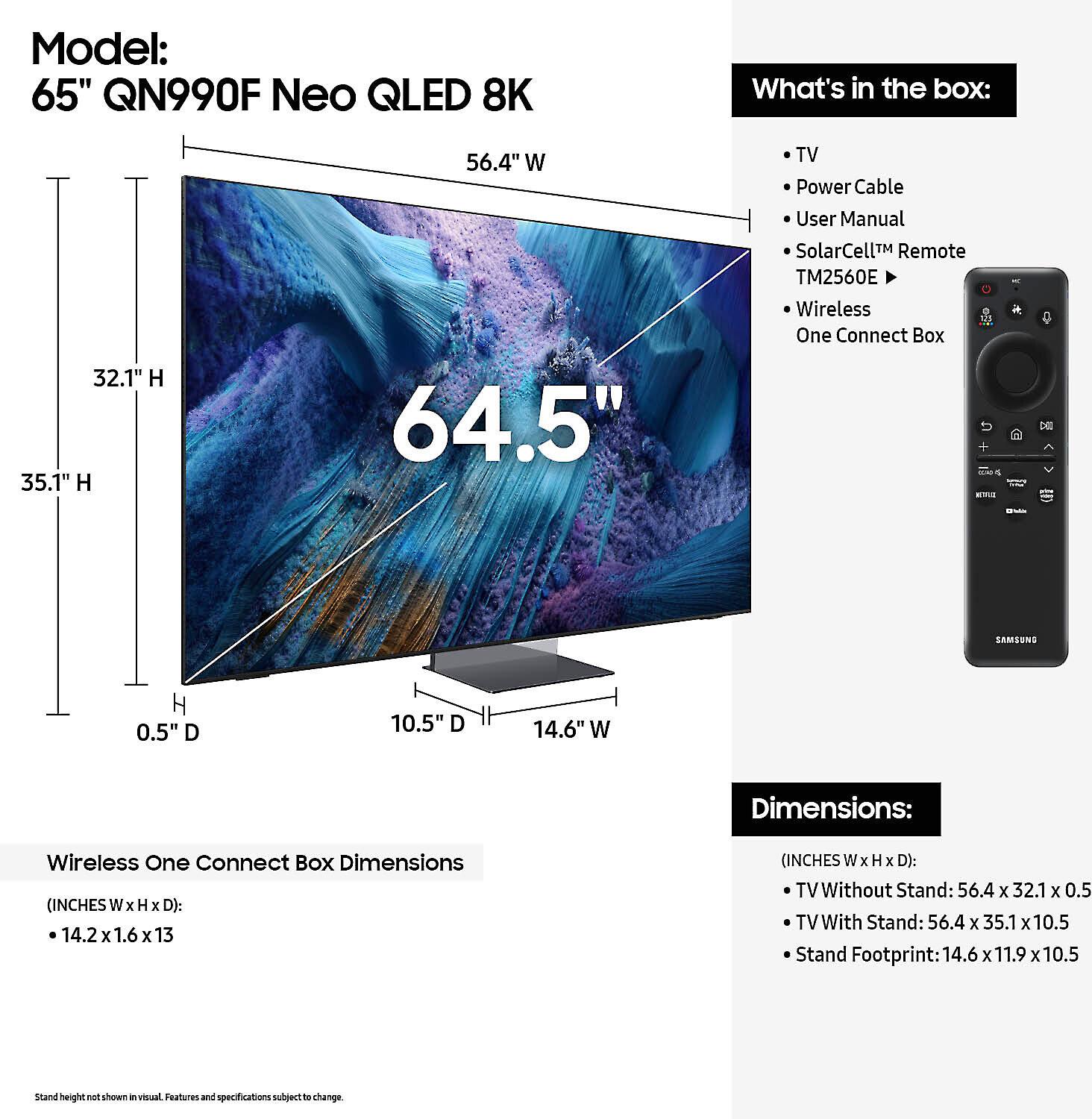
The Samsung QN990F, meanwhile, showcases Samsung's Neo QLED approach with 8K resolution. Neo QLED uses thousands of tiny Mini LEDs as backlights, controlled by precise dimming zones to create excellent contrast. The "8K" means it has four times as many pixels as 4K—that's 33 million pixels compared to 8 million in 4K displays.
The most fundamental difference between these displays lies in how they handle contrast—the difference between the darkest darks and brightest brights in an image.
The Sony A95L achieves what's called "infinite contrast ratio" because each OLED pixel produces its own light. When a pixel needs to be black, it simply turns off completely. There's no backlight bleeding through, no gray wash in dark scenes—just perfect, inky blackness. This creates incredibly immersive night scenes in movies and makes HDR content appear to have genuine depth.
During our research into user experiences, OLED owners consistently describe a "wow factor" when watching dark, atmospheric content. Think of watching a space movie where stars appear to float in genuine blackness, or a horror film where shadows feel tangibly deep. This isn't hyperbole—it's the result of infinite contrast that LCD-based displays simply cannot match.
The Samsung QN990F takes a different approach with its Quantum Matrix Mini LED system. Instead of millions of self-lit pixels, it uses thousands of tiny LEDs behind the screen, organized into dimming zones. When a part of the image should be black, the corresponding LED zones dim down significantly. While this creates excellent contrast—better than traditional LCD TVs—it can't achieve perfect blacks because some light still bleeds through.
However, Samsung's approach has a crucial advantage: raw brightness. Where the Sony A95L peaks around 1,300 nits (a measure of brightness), the Samsung QN990F can likely exceed 2,000 nits. In practical terms, this means HDR highlights like explosions, sunshine, or bright reflections appear more intense and realistic on the Samsung.
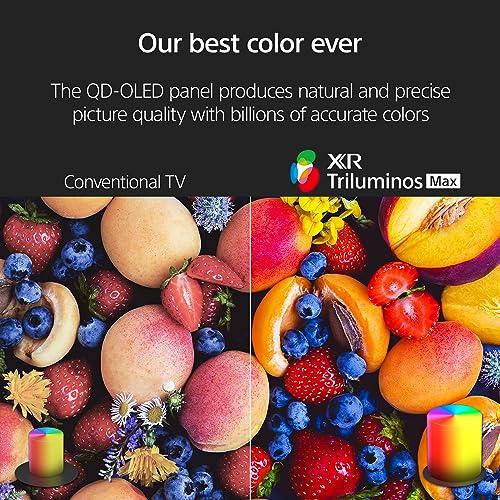
Color reproduction reveals another philosophical divide between these manufacturers. The Sony A95L prioritizes color accuracy—reproducing colors exactly as content creators intended. Sony's XR Triluminos Max technology, combined with the QD-OLED panel, delivers what colorists and filmmakers see when they master their content.
This accuracy matters more than you might think. When you're watching a movie, you're seeing the cinematographer's vision translated through the director's intent. Colors that are too saturated might make a dramatic scene feel cartoonish, while colors that are too muted can drain the emotional impact from a vibrant scene.
The Samsung QN990F leans toward visual impact over strict accuracy. Its Quantum Dot technology produces incredibly vibrant colors that often look more impressive in a showroom setting. Samsung's approach makes nature documentaries pop with almost surreal vibrancy, and animated content appears exceptionally lively.
From our analysis of professional reviews, colorists and video editors consistently prefer OLED displays like the Sony A95L for critical viewing, while general consumers often initially prefer Samsung's more aggressive color processing. The key word here is "initially"—many users report that after living with accurate colors for a few weeks, overly saturated displays begin to feel artificial.
This is where the Samsung QN990F makes its boldest bet on the future. With 8K resolution, it displays four times as many pixels as the Sony A95L's 4K panel. In theory, this should mean dramatically sharper images with more visible detail.
In reality, the 8K story is complicated. As of 2025, there's virtually no native 8K content available to consumers. No streaming services offer 8K, virtually no games render in 8K, and 8K Blu-rays don't exist for consumers. YouTube has some 8K videos, but they're limited and often not worth the massive bandwidth requirements.
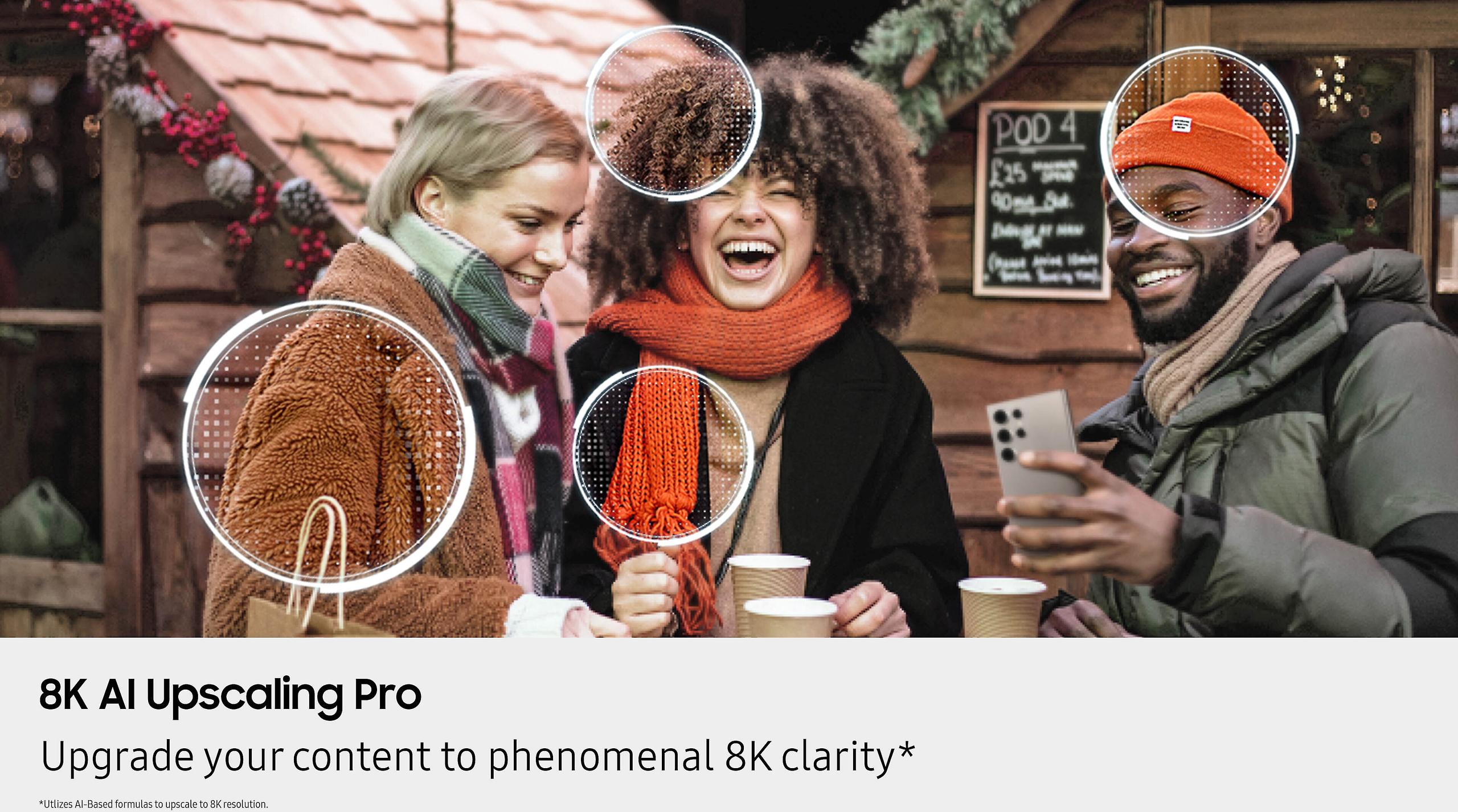
This means the Samsung QN990F spends almost all its time upscaling lower-resolution content to 8K. Samsung's 8K AI Upscaling Pro, powered by 768 neural networks, is genuinely impressive technology. It analyzes each frame, identifies objects, textures, and edges, then reconstructs additional detail to fill those extra pixels.
However, upscaling has limitations. While Samsung's processing can make 4K content look slightly sharper on the 8K panel, it can also introduce artifacts—small visual inconsistencies that weren't in the original content. Some users report that highly processed upscaling can make content look artificially sharp or create subtle halos around objects.
The Sony A95L takes a different approach with its 4K resolution and XR 4K Upscaling technology. Instead of trying to create detail that wasn't there originally, Sony focuses on cleaning up and optimizing the content that exists. Their Cognitive Processor XR analyzes content similarly to how human vision works, focusing processing power on the areas where your eyes naturally look first.
From a practical standpoint, the Sony A95L's approach makes more sense in 2025. Every streaming service, game console, and piece of media you'll watch is designed for 4K. The processing power that Samsung dedicates to upscaling could instead be used for color accuracy, motion processing, and other improvements that enhance your actual viewing experience.
Modern TVs need to excel at gaming, and both displays offer compelling but different gaming experiences.
The Samsung QN990F takes the lead in raw specifications. Its Motion Xcelerator 240Hz technology supports refresh rates up to 4K at 240Hz—twice as fast as most current gaming displays. Input lag (the delay between pressing a button and seeing the result on screen) is reportedly lower than the Sony, making it potentially better for competitive gaming where every millisecond matters.
However, the Sony A95L offers something unique: nearly instantaneous pixel response times. Because OLED pixels change color instantly rather than waiting for liquid crystals to rotate (as in LCD displays), fast-moving objects appear perfectly sharp with zero motion blur. This creates an incredibly smooth, film-like gaming experience that many players prefer over higher refresh rates.
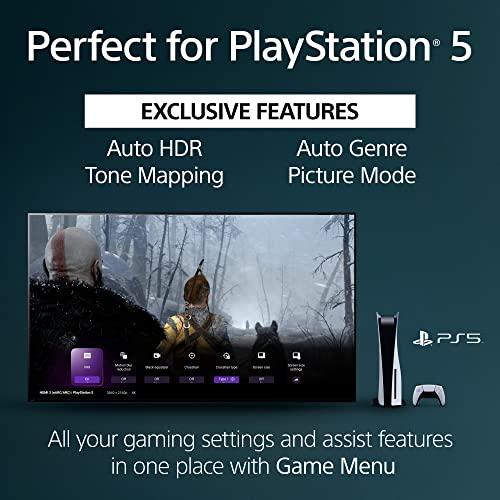
For PlayStation 5 owners specifically, the Sony A95L offers optimized integration with Sony's gaming ecosystem. It's one of the few displays that supports 4K at 120Hz with Dolby Vision HDR simultaneously—a feature that enhances the visual quality of supported games significantly.
Based on gaming reviews and user feedback, competitive esports players tend to prefer the Samsung QN990F's lower input lag and higher refresh rates. However, players who prioritize visual quality and cinematic gaming experiences consistently favor OLED displays like the Sony A95L.
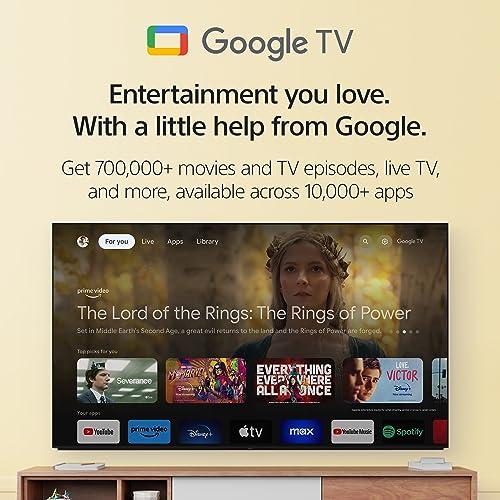
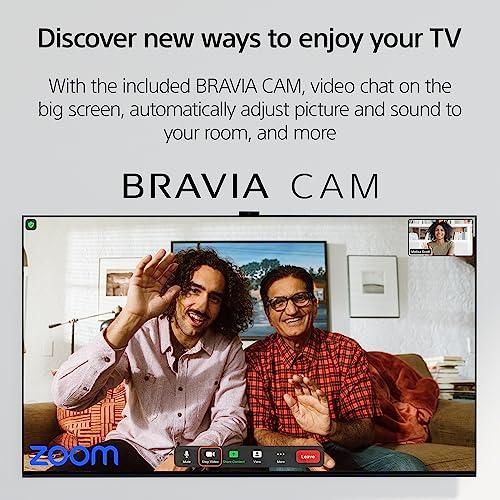
Both TVs offer sophisticated smart features, but with different philosophies. The Sony A95L runs Google TV, which provides access to virtually every streaming service and offers reliable, consistent performance. Sony includes their BRAVIA CAM, which uses computer vision to optimize picture and sound settings based on your seating position and room lighting.
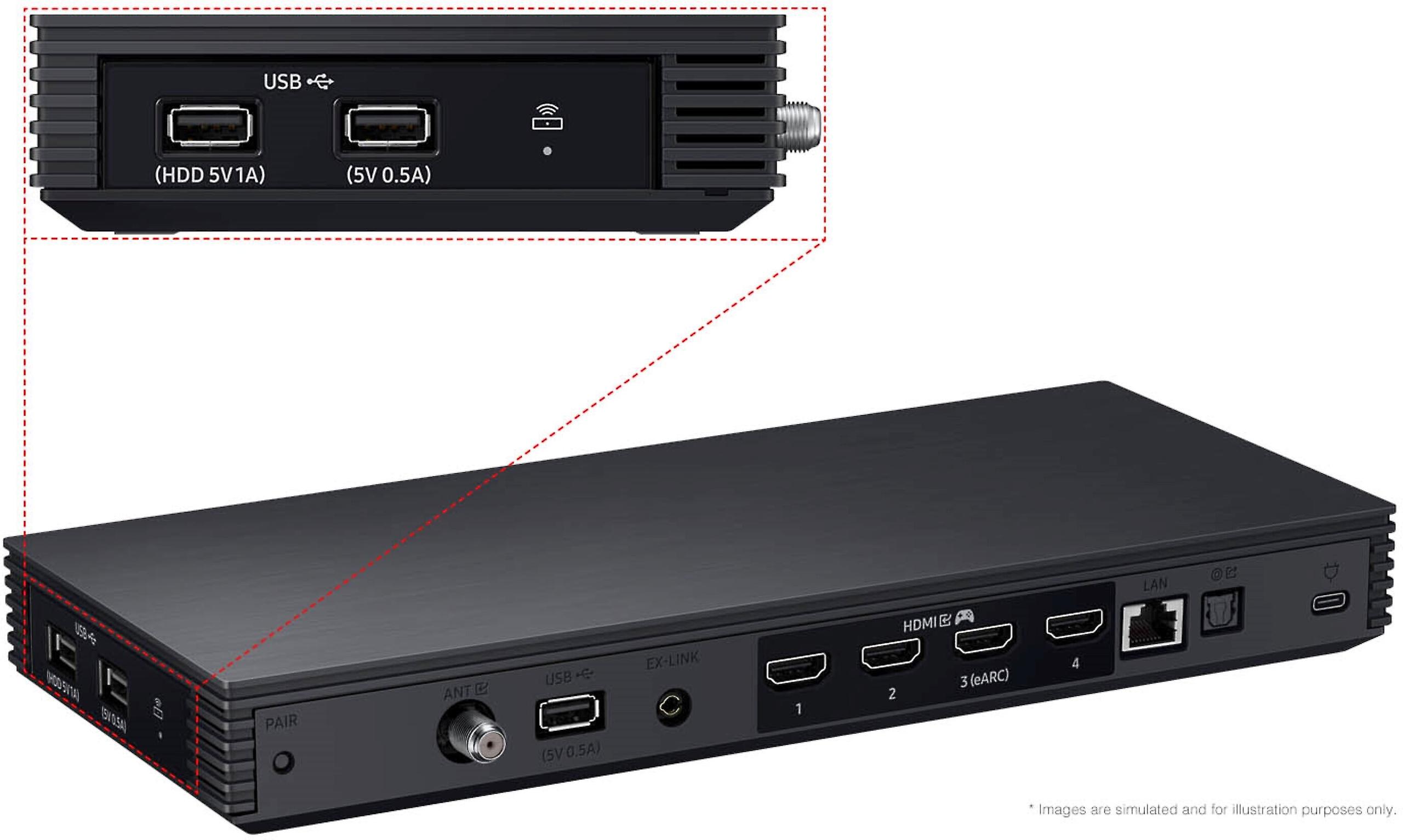
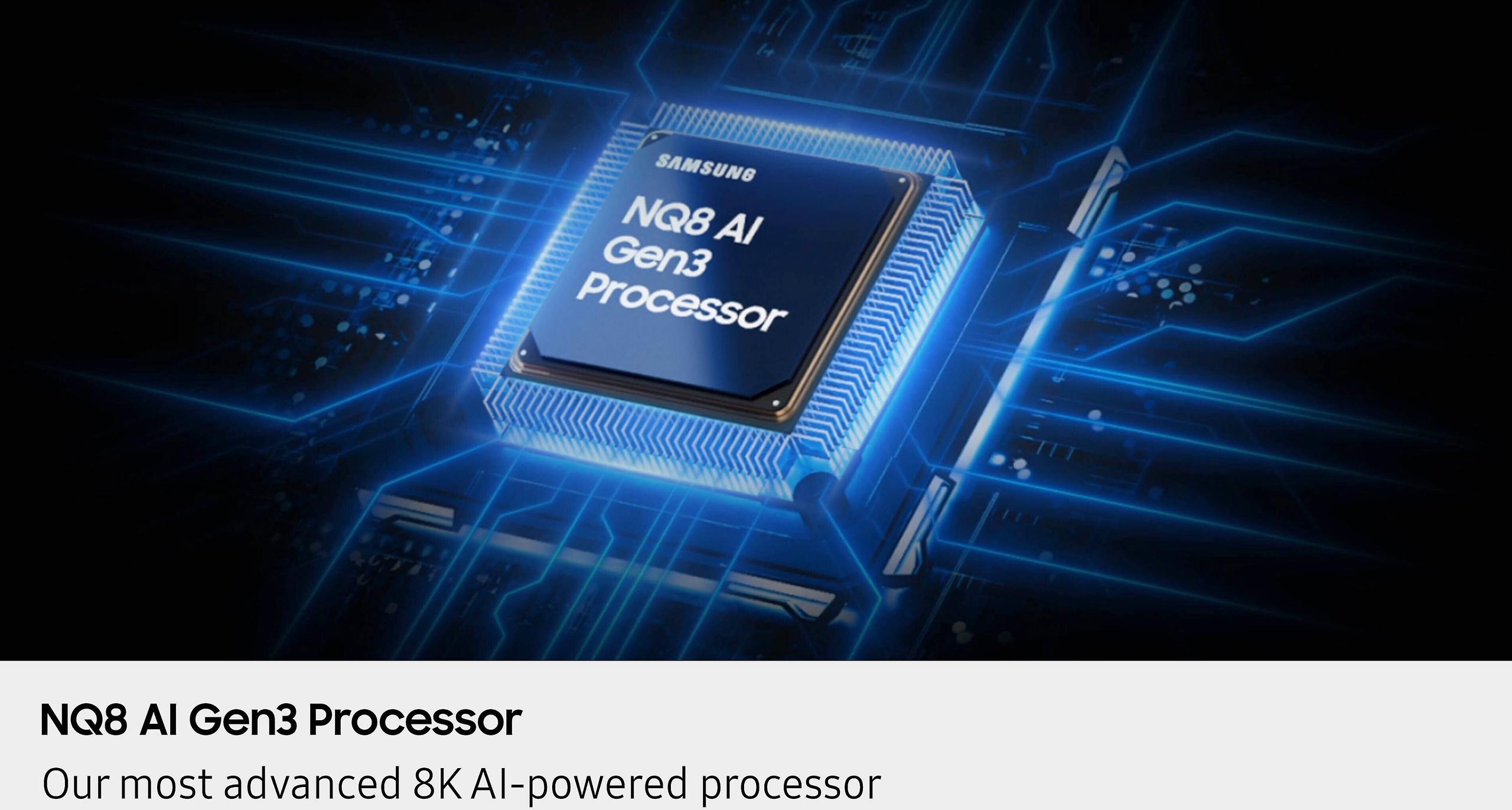
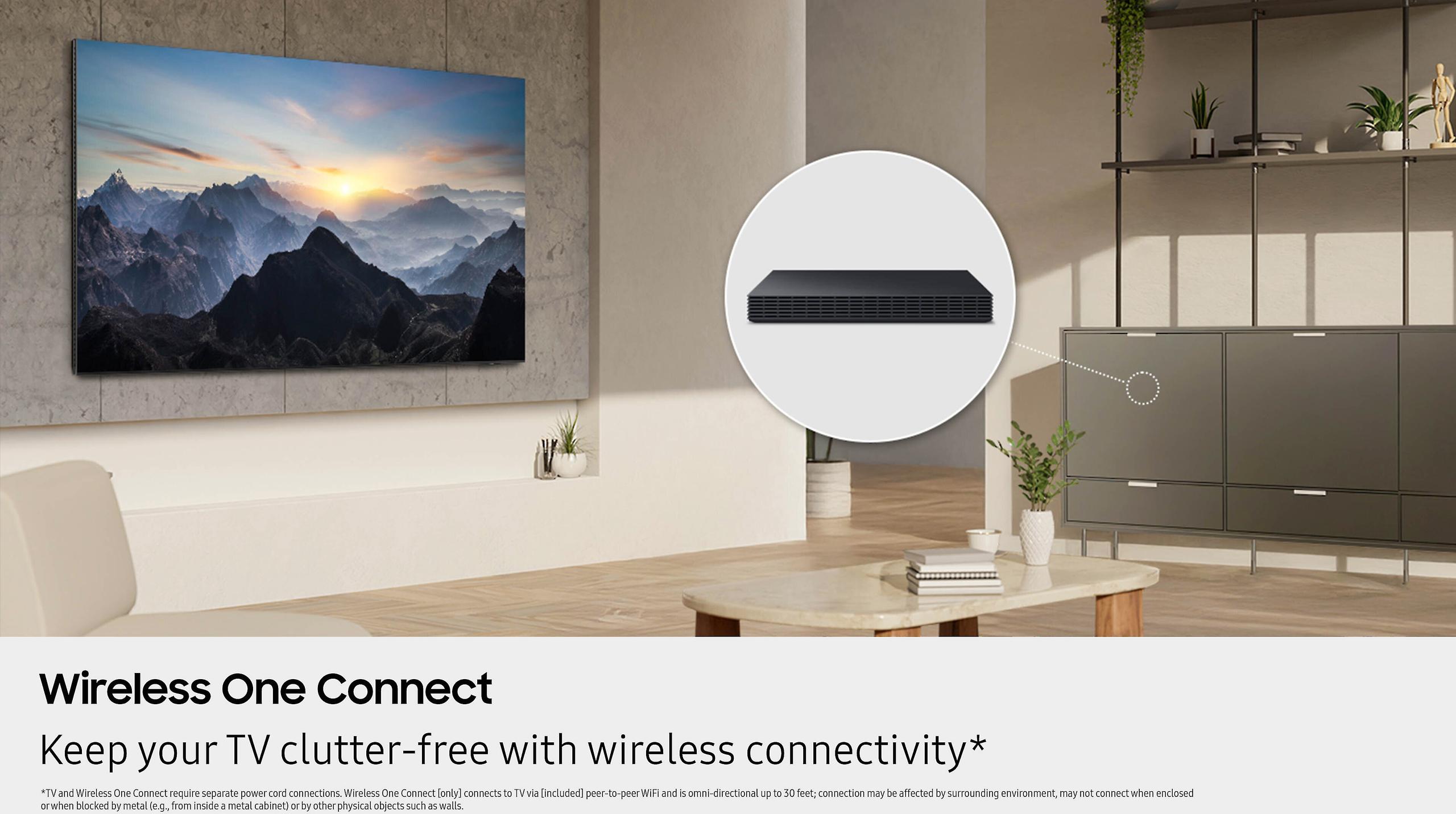
The Samsung QN990F features Samsung's latest NQ8 AI Gen3 Processor with Samsung Vision AI. This system is more aggressive about optimizing content, automatically adjusting everything from color temperature to audio settings based on what you're watching. Samsung's Wireless One Connect box is genuinely innovative—it allows you to connect all your devices to a separate box that communicates wirelessly with the TV, eliminating cable clutter entirely.
From usability reports, Google TV tends to be more stable and predictable, while Samsung's system offers more advanced features but can occasionally feel over-processed. The choice often comes down to whether you prefer reliable simplicity or cutting-edge AI optimization.
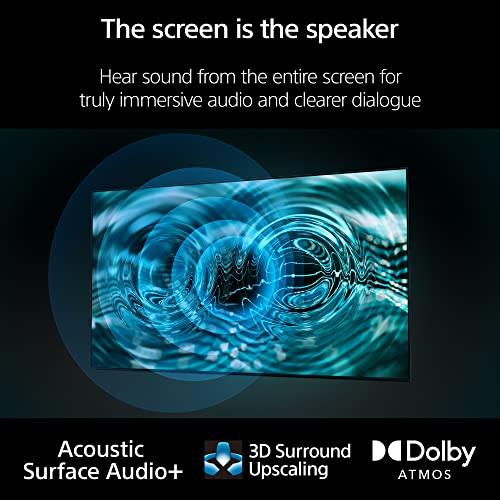
Both manufacturers have developed unique approaches to TV audio that go beyond traditional speakers. The Sony A95L features Acoustic Surface Audio+, which turns the entire screen into a speaker using actuators that vibrate the display panel. This creates remarkably precise audio positioning—when someone speaks on the left side of the screen, their voice appears to come from exactly that location.
The Samsung QN990F uses Object Tracking Sound Pro with dedicated speakers positioned around the display. Combined with Dolby Atmos processing, it creates a more traditional surround sound experience that can move audio effects around the room to match on-screen action.
Both approaches work well, but serve different preferences. Sony's screen-as-speaker technology excels at dialogue clarity and precise positioning, making it excellent for movies and TV shows. Samsung's approach provides more dramatic surround effects and works better for action content and gaming.
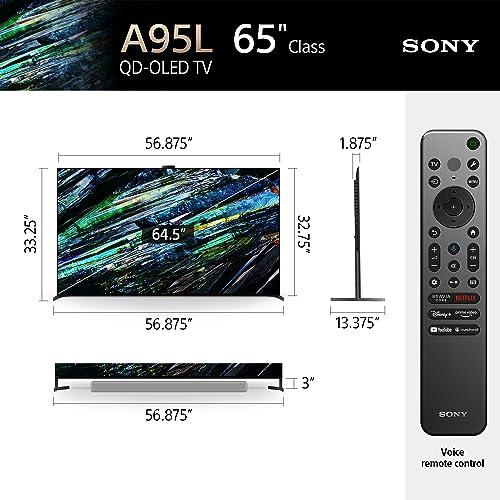
The Sony A95L features Sony's signature minimalist design with a nearly edgeless display and premium aluminum stand. The stand offers two positions—a low profile for clean installations and a raised position that accommodates soundbars. Cable management is well-designed, with easy access to connections for wall mounting.
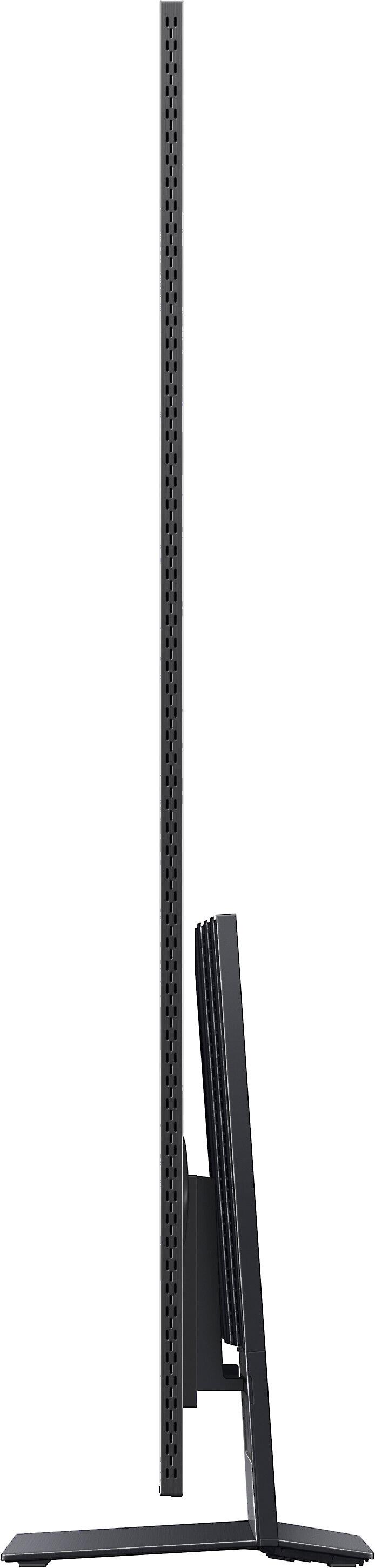
The Samsung QN990F showcases Samsung's most premium design language with a metal frame and nearly edgeless appearance. The Wireless One Connect box is a genuine game-changer for installation flexibility, allowing you to hide all your devices up to 30 feet away while maintaining wireless connections to the TV.
At the time of writing, these TVs represent significant investments, with the Samsung QN990F commanding a substantial premium over the Sony A95L. The pricing difference reflects their different approaches: Sony offers proven, refined technology at flagship pricing, while Samsung charges early-adopter premiums for cutting-edge features.
The Sony A95L's value proposition rests on proven performance. QD-OLED technology is mature enough to deliver consistent results, and 4K content is universally available. You're paying for picture quality that will remain excellent throughout the TV's lifespan.
The Samsung QN990F's value depends on your belief in future content availability and your willingness to pay for technological leadership. If 8K content becomes common over the next few years, early adopters will benefit. If it doesn't, you've paid a significant premium for upscaling technology.
In a dedicated home theater environment—a dark room designed primarily for movie watching—the Sony A95L typically performs better. Perfect blacks create the immersive experience that home theater enthusiasts seek, and accurate colors ensure that films appear as directors intended.
The Samsung QN990F excels in brighter, multi-purpose rooms where its superior brightness helps overcome ambient light. Its aggressive AI processing and vivid colors can make content more engaging in casual viewing scenarios.
Choose the Sony BRAVIA XR A95L if you prioritize proven picture quality over experimental features. It's ideal for movie enthusiasts, PlayStation gamers, and anyone who values color accuracy and perfect blacks. The mature 4K ecosystem means you'll immediately benefit from all current content without waiting for the industry to catch up.
Choose the Samsung QN990F if you want the absolute latest technology and have a bright viewing environment. It's perfect for early adopters, competitive gamers who need maximum responsiveness, and users who prefer vivid, high-impact visuals over strict accuracy.
The fundamental question isn't which TV is objectively better—both excel in their intended roles. The question is whether you want the refined excellence of proven OLED technology or the cutting-edge promise of 8K AI processing. Your viewing environment, content preferences, and technology philosophy should guide this decision.
In my analysis, most users will be better served by the Sony A95L's combination of proven performance and mature content ecosystem. However, if you're specifically drawn to having the latest technology and the brightest possible display, the Samsung QN990F represents the current state of the art in TV engineering.
| Sony BRAVIA XR A95L | Samsung QN990F |
|---|---|
| Display Technology - Fundamental approach to picture quality | |
| QD-OLED (perfect blacks, infinite contrast) | Neo QLED Mini LED (brighter highlights, some light bleed) |
| Resolution - Content availability vs future-proofing | |
| 4K (matches all current content perfectly) | 8K (limited content, relies on AI upscaling) |
| Peak Brightness - Critical for bright room viewing | |
| ~1,300 nits (excellent for most environments) | 2,000+ nits (superior for very bright rooms) |
| Contrast Ratio - Impact on dark scene detail | |
| Infinite (pixels turn completely off) | Very high but finite (minimal light bleed) |
| Gaming Performance - Responsiveness for competitive play | |
| 4K@120Hz, ~16-20ms input lag, instant pixels | 4K@240Hz, ~10-15ms input lag, Motion Xcelerator |
| Color Accuracy - Filmmaker intent vs visual pop | |
| Cinema-grade accuracy out of box | Vibrant, punchy colors (needs calibration for accuracy) |
| Smart Platform - Reliability vs advanced AI features | |
| Google TV (stable, comprehensive apps) | Samsung Smart TV with Vision AI (more processing) |
| Audio Technology - Dialogue clarity vs surround effects | |
| Acoustic Surface Audio+ (screen as speaker) | Object Tracking Sound Pro (dedicated speakers) |
| Connectivity Innovation - Cable management solution | |
| Traditional wired connections | Wireless One Connect (eliminates cable clutter) |
| Viewing Angle - Consistency across the room | |
| 178° (OLED maintains quality from sides) | 178° (good but some color shift at extremes) |
| Content Ecosystem - What you can watch today | |
| All 4K streaming, games, Blu-rays optimized | Mostly upscaled content, waiting for 8K adoption |
| Burn-in Risk - Long-term durability consideration | |
| Minimal with modern OLED (pixel refresh cycles) | None (Mini LED immune to permanent image retention) |
The Sony BRAVIA XR A95L delivers superior picture quality for movies due to its QD-OLED technology that produces perfect blacks and infinite contrast. This creates the cinematic experience that filmmakers intend, with deep shadows and bright highlights appearing simultaneously without any light bleed. The Samsung QN990F offers excellent picture quality with brighter highlights, but cannot achieve the perfect blacks that make dark movie scenes truly immersive.
For most users, 4K remains the better choice. The Sony A95L displays all current content in its native 4K resolution, while the Samsung QN990F must upscale nearly everything since 8K content is extremely limited. Streaming services, games, and Blu-rays are designed for 4K, making the Sony's approach more practical for today's viewing habits.
The Samsung QN990F performs better in bright rooms due to its superior peak brightness of over 2,000 nits, compared to the Sony A95L's 1,300 nits. The Samsung's Mini LED technology can overcome ambient light more effectively, while OLED displays like the Sony perform best in controlled lighting environments.
OLED in the Sony A95L uses self-lit pixels that can turn completely off for perfect blacks, while Neo QLED in the Samsung QN990F uses thousands of tiny LED backlights with local dimming zones. OLED provides better contrast and viewing angles, while Neo QLED offers higher brightness and no burn-in risk.
The Samsung QN990F typically has lower input lag at around 10-15ms compared to the Sony A95L's 16-20ms. However, the Sony offers instant pixel response times that eliminate motion blur entirely. Competitive gamers may prefer the Samsung's responsiveness, while cinematic gamers often favor the Sony's blur-free motion.
Yes, both excel in home theaters but serve different preferences. The Sony A95L is ideal for dark, dedicated theater rooms where its perfect blacks create maximum immersion. The Samsung QN990F works better in multi-purpose rooms with some ambient light, thanks to its superior brightness capabilities.
The Sony A95L runs Google TV, which offers reliable performance and access to virtually every streaming app. The Samsung QN990F features Samsung's Smart TV platform with advanced AI processing that automatically optimizes content. Google TV tends to be more stable, while Samsung's system offers more advanced features.
Both TVs offer innovative audio approaches. The Sony A95L uses Acoustic Surface Audio+ technology that turns the screen into a speaker for precise dialogue placement. The Samsung QN990F features Object Tracking Sound Pro with dedicated speakers for more traditional surround effects. Both support Dolby Atmos for immersive audio.
The Samsung QN990F has no burn-in risk due to its Mini LED technology, while the Sony A95L has minimal burn-in risk with modern OLED protections. Both should last many years with proper use. The Sony's mature 4K technology may age better than betting on 8K content adoption for the Samsung.
The Samsung QN990F features the innovative Wireless One Connect box that eliminates cable clutter by connecting devices wirelessly up to 30 feet away. The Sony A95L uses traditional wired connections but offers excellent cable management. Both support HDMI 2.1 features for next-gen gaming consoles.
The Sony A95L typically offers better value due to its proven QD-OLED technology and mature 4K content ecosystem at a lower price point. The Samsung QN990F commands a premium for cutting-edge 8K technology and AI features, making it more expensive per practical benefit delivered.
Choose the Sony A95L if you prioritize movie quality, accurate colors, and proven performance in a controlled lighting environment. Select the Samsung QN990F if you have a bright room, want the latest technology features, and don't mind paying extra for future-proofing with 8K capabilities.
We've done our best to create useful and informative comparisons to help you decide what product to buy. Our research uses advanced automated methods to create this comparison and perfection is not possible - please contact us for corrections or questions. These are the sites we've researched in the creation of this article: rtings.com - youtube.com - rtings.com - avsforum.com - rtings.com - smarthomesounds.co.uk - smarthomesounds.co.uk - rtings.com - smarthomesounds.co.uk - youtube.com - tomsguide.com - avsforum.com - rtings.com - perfectrec.com - flatpanelshd.com - videoandaudiocenter.com - sonypremiumhome.com - bestbuy.com - sony.com - electronics.sony.com - displayspecifications.com - donstv.com - youtube.com - static.pcrichard.com - smarthomesounds.co.uk - youtube.com - electronics.sony.com - electronics.sony.com - displayspecifications.com - samsung.com - abt.com - bestbuy.com - pcnation.com - samsung.com - videoandaudiocenter.com - exertisalmo.com - displayspecifications.com - theapplianceplug.com - news.samsung.com

Privacy Policy
Terms and Conditions - Affiliate Policy
Home Security
© Copyright 2008-2026.
11816 Inwood Rd #1211, Dallas, TX 75244