

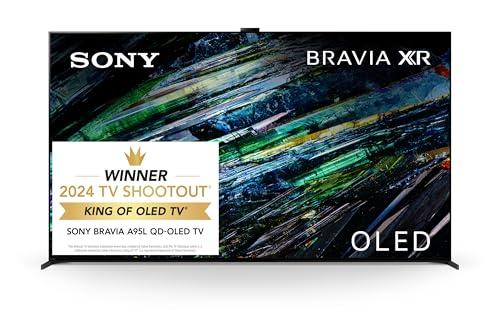


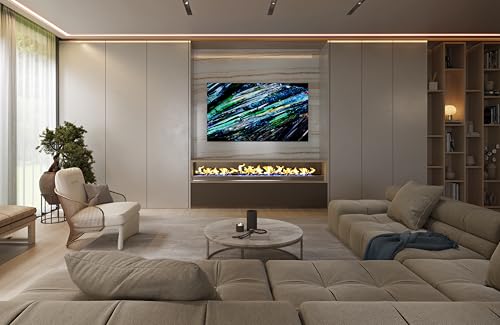
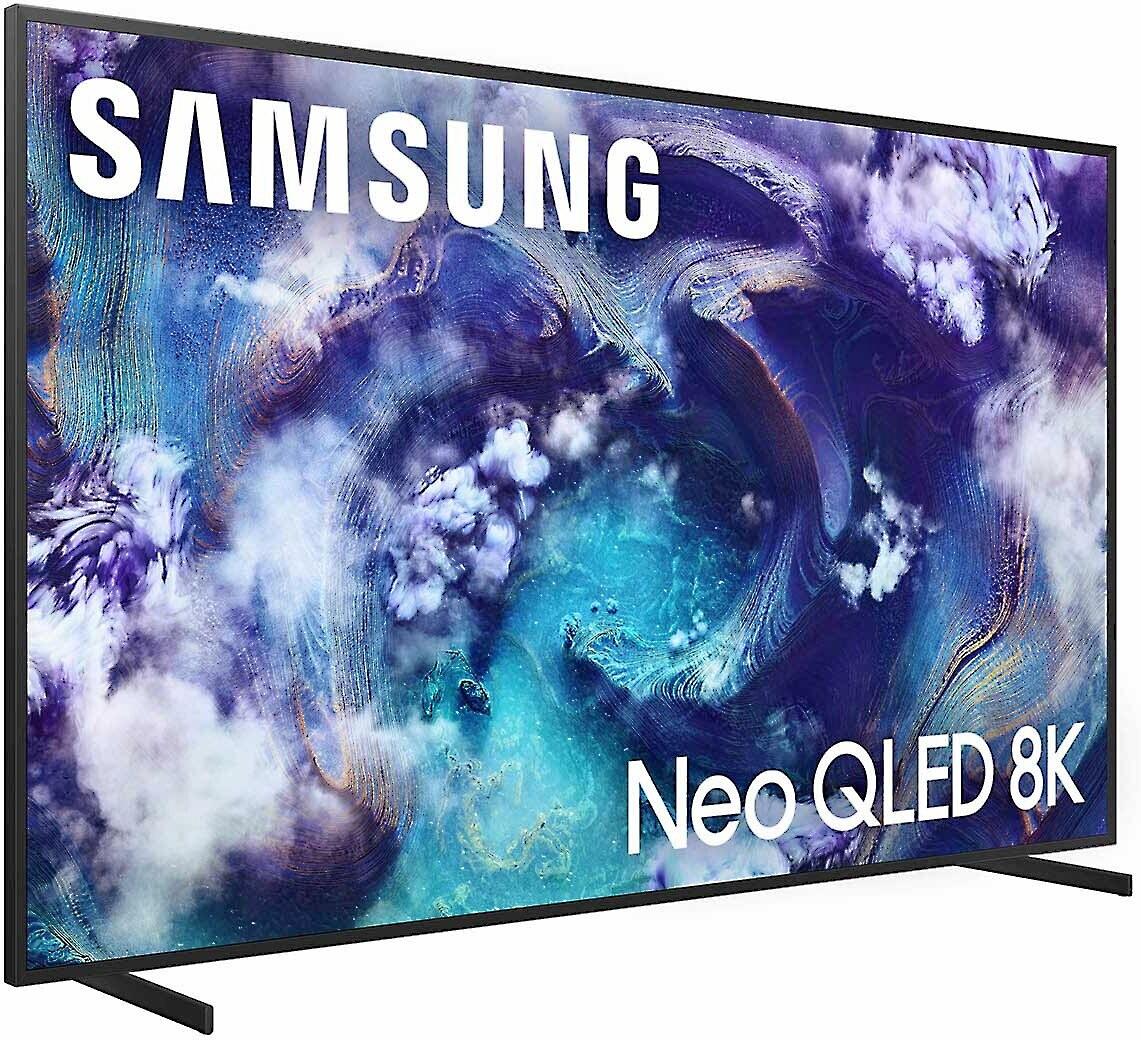
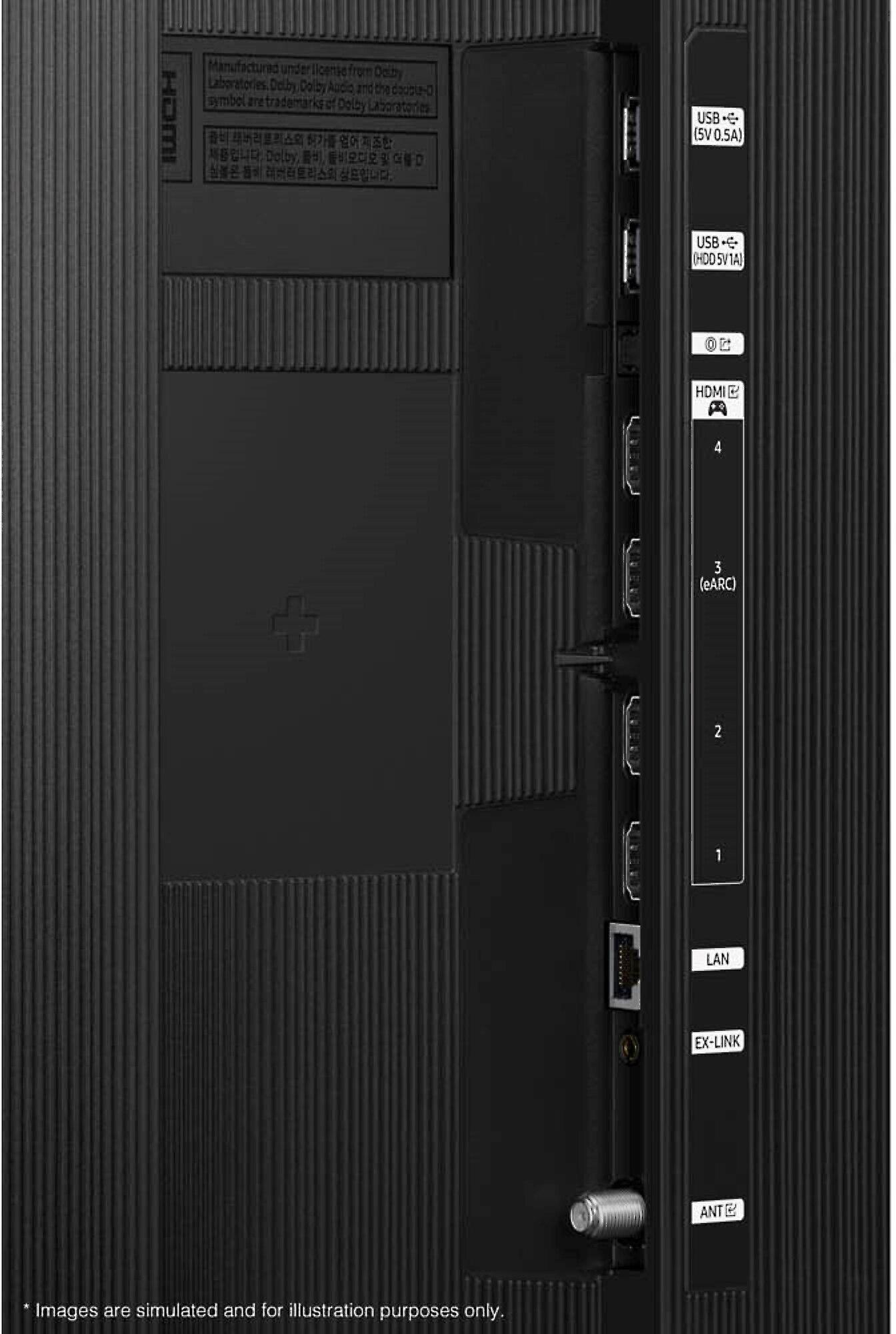
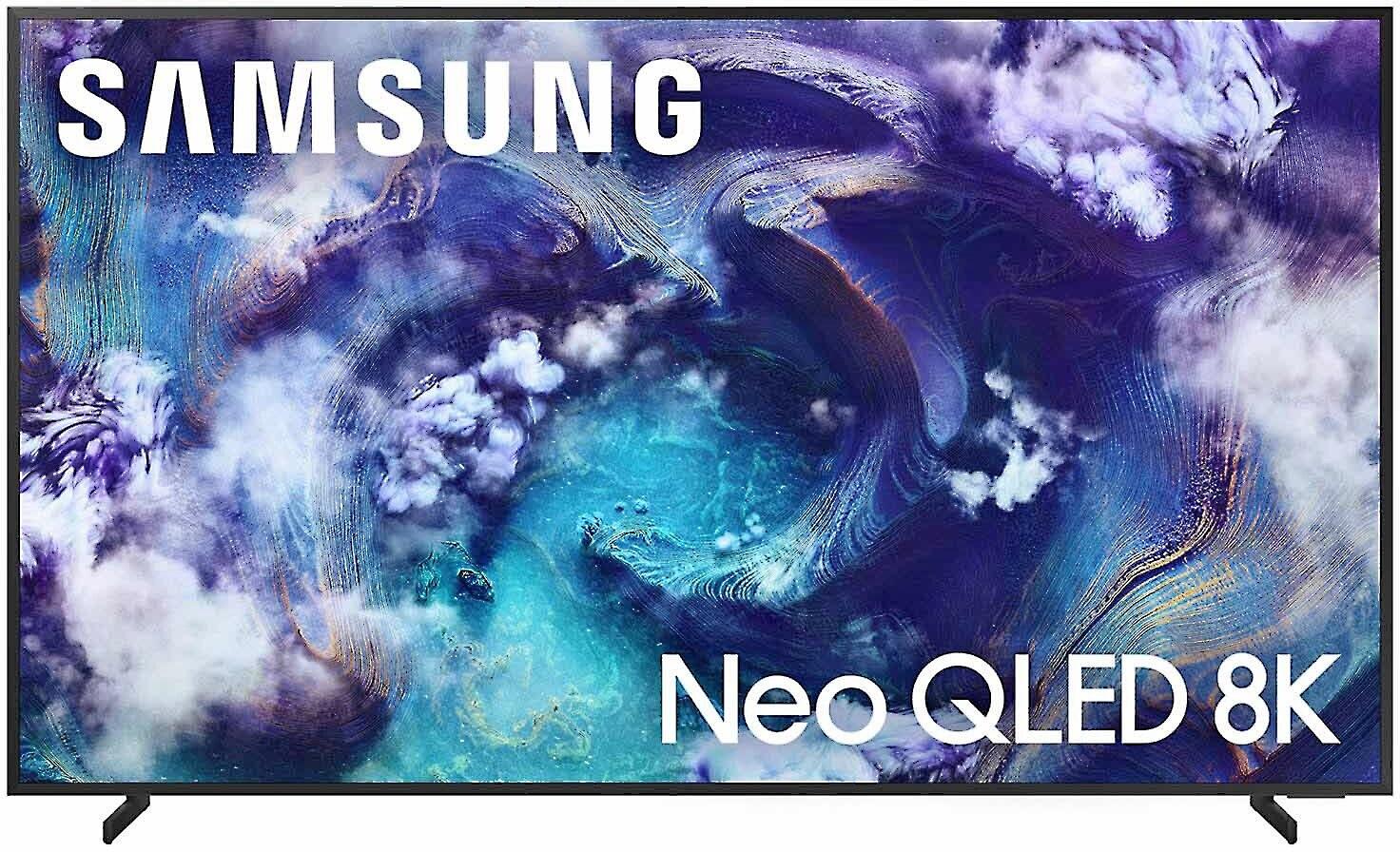
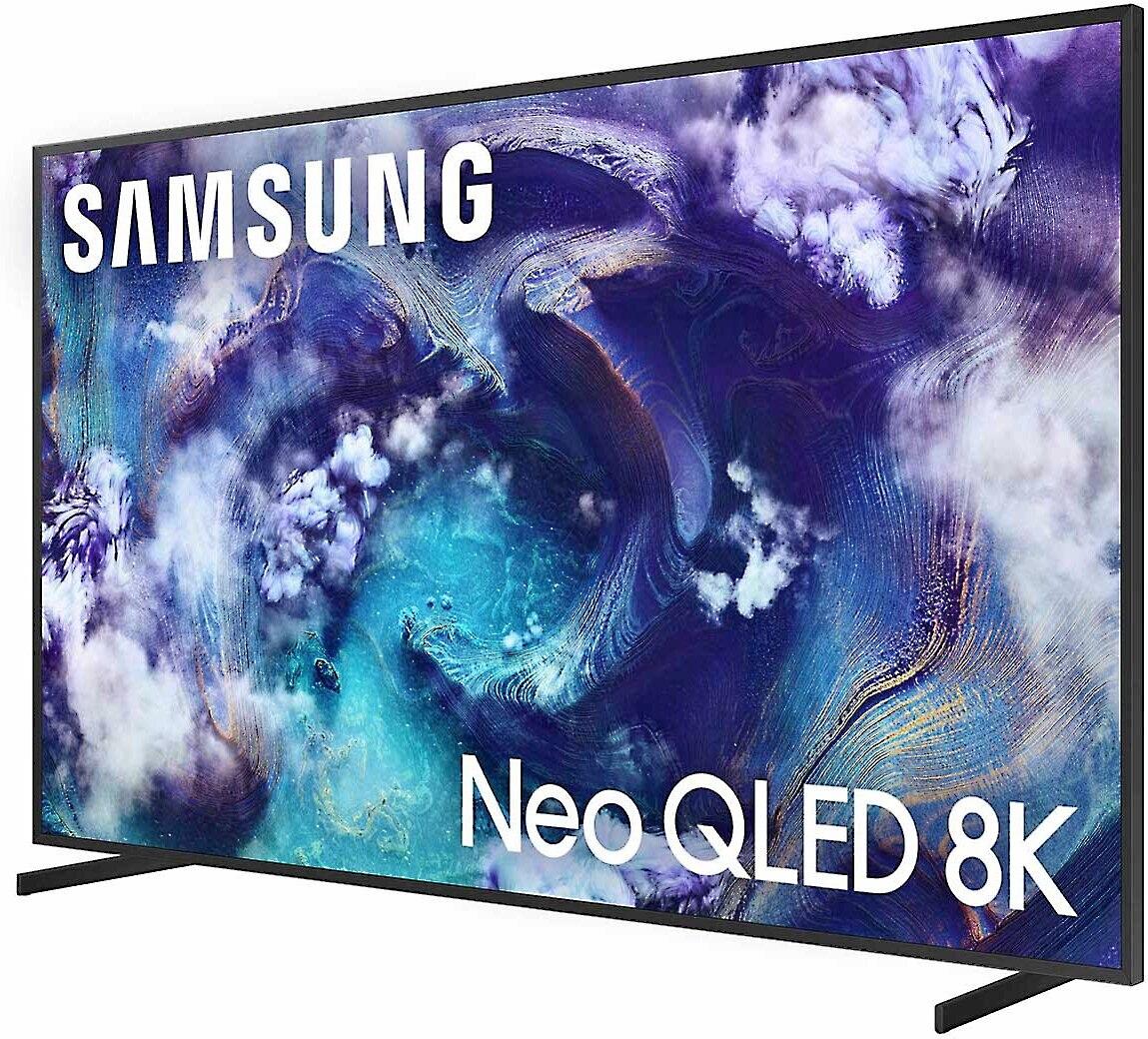

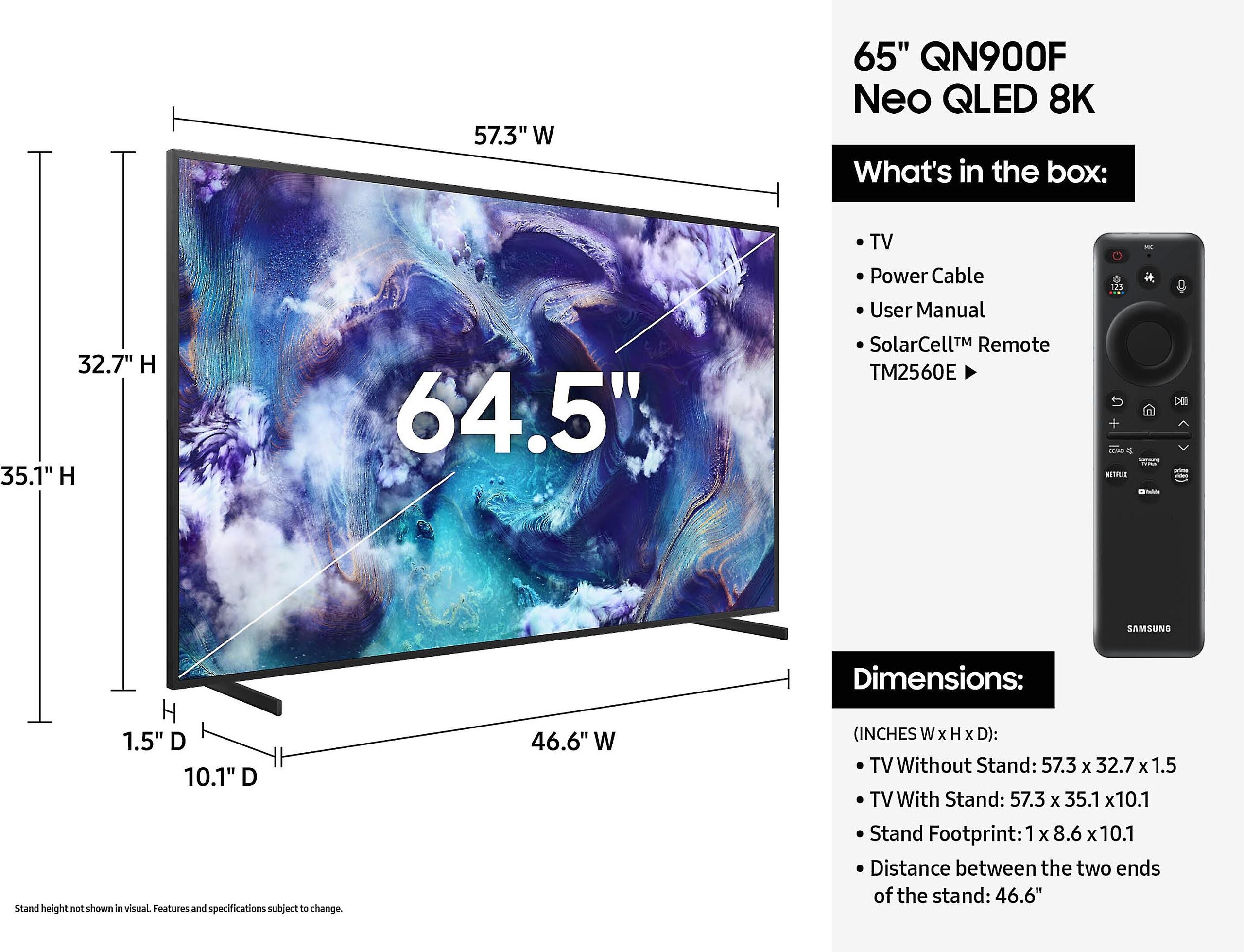
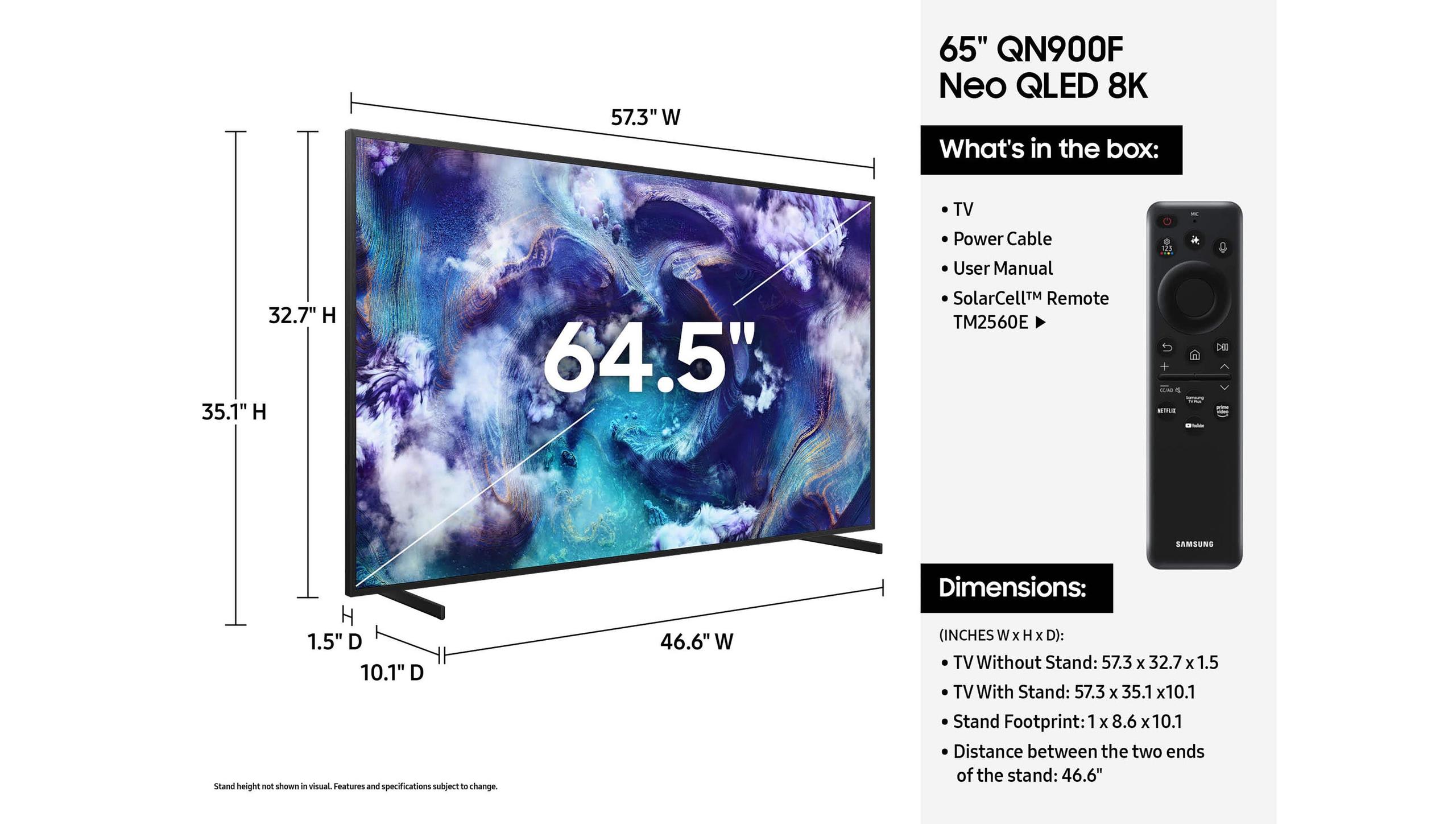
When you're ready to invest in a top-tier television, the choice between OLED and Mini LED technology becomes crucial. Two standouts in the premium large-screen category are the Sony BRAVIA XR A95L and the Samsung 65" Neo QLED 8K QN900F. Both represent different philosophies in achieving the ultimate viewing experience, and understanding these differences will help you make the right choice for your home theater setup.
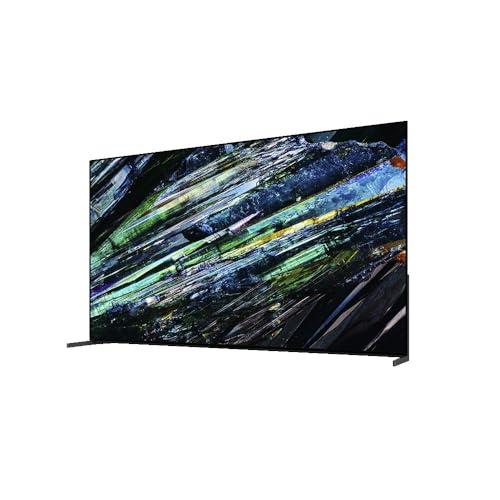
The television landscape has evolved dramatically in recent years, with manufacturers pursuing different paths to deliver stunning picture quality. The Sony A95L, released in 2023, represents Sony's refinement of QD-OLED (Quantum Dot OLED) technology—essentially combining the perfect contrast of OLED with enhanced color volume from quantum dots. Meanwhile, the Samsung QN900F, launched in 2025, showcases Samsung's commitment to Mini LED backlighting paired with native 8K resolution.
These aren't just incremental upgrades. The Sony A95L marked a significant leap from traditional OLED displays, achieving peak brightness levels around 1,300 nits—nearly double its predecessor while maintaining perfect blacks. The Samsung QN900F continues Samsung's push into 8K territory, now powered by their most advanced NQ8 AI Gen3 processor with significantly improved upscaling capabilities.
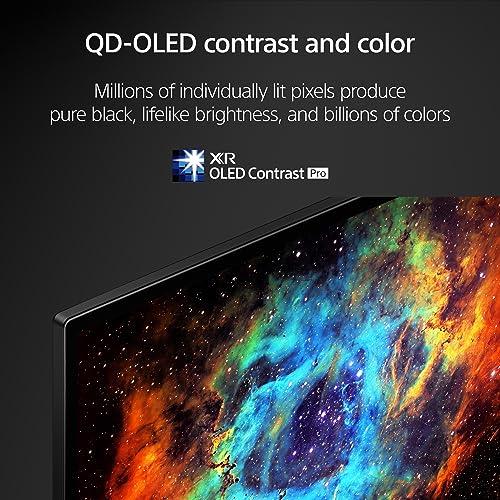
The Sony A95L uses individual pixels that emit their own light, meaning each of the 8.3 million pixels can turn completely off for true blacks. The "QD" part adds quantum dots—microscopic particles that enhance color purity and brightness. Think of it like having millions of tiny, perfect light switches that can also produce incredibly vibrant colors.
This technology creates what's called an infinite contrast ratio because you're dividing any brightness level by absolute zero (the black level). No other display technology can achieve this mathematically perfect contrast.
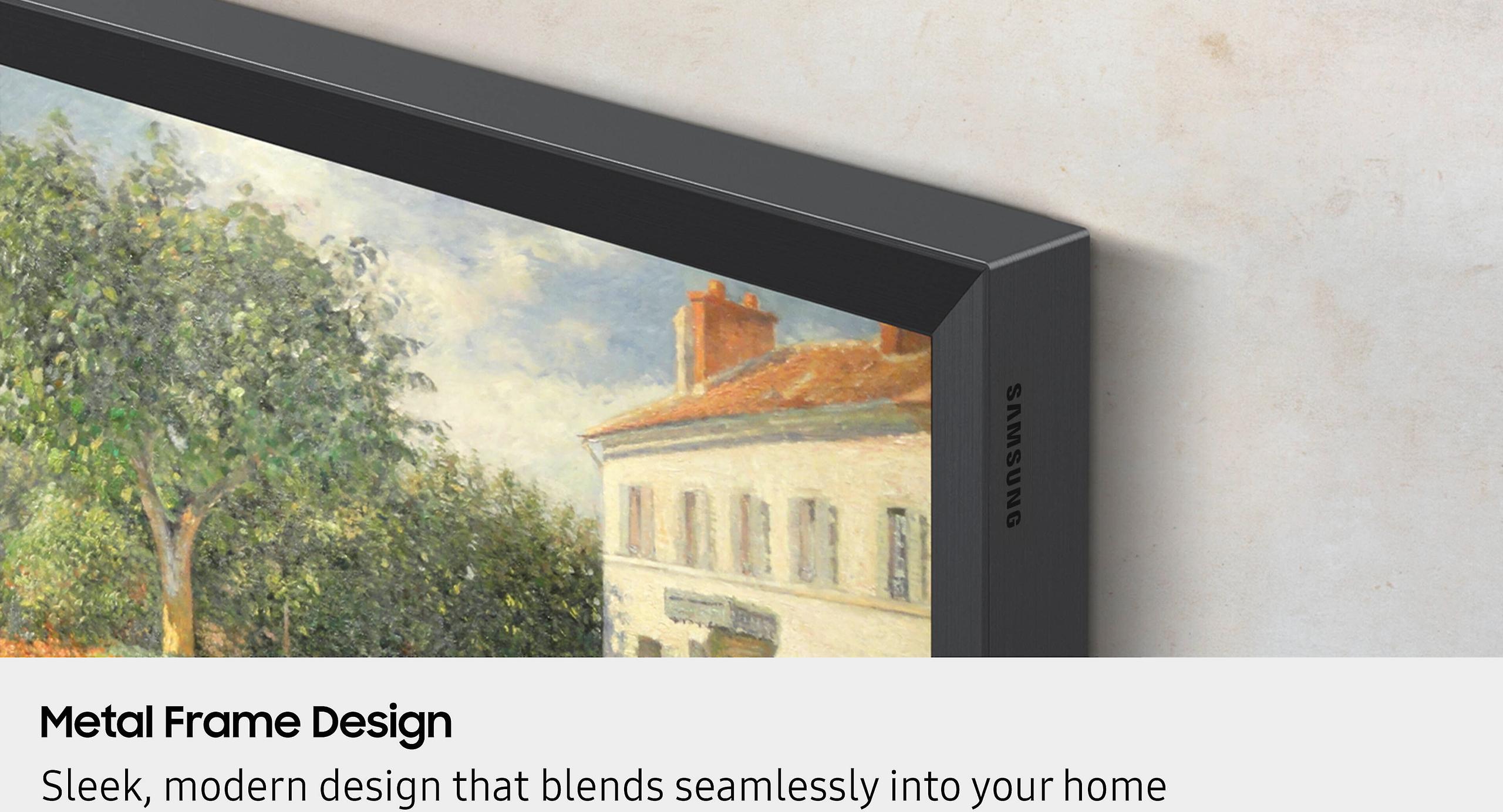
The Samsung QN900F takes a different approach with thousands of tiny LED backlights arranged behind the screen. These Mini LEDs are much smaller than traditional LEDs, allowing for more precise local dimming zones—areas that can be independently controlled for brightness. While it can't achieve true blacks like OLED, it compensates with significantly higher peak brightness and zero burn-in risk.
The 8K resolution (7680×4320 pixels) provides four times the detail of 4K, though this advantage mainly shows with large screens and high-quality content.
Based on extensive professional reviews, the Sony A95L delivers unmatched contrast performance. Dark movie scenes reveal details in shadows that Mini LED displays simply cannot reproduce due to their inherent light bleed between dimming zones. When watching films like "Blade Runner 2049" or "Dune," the Sony A95L maintains perfect blacks while bright elements pop with remarkable intensity.
The Samsung QN900F, while not achieving perfect blacks, comes surprisingly close for an LCD display. Its Quantum Matrix Pro technology minimizes blooming (light spreading around bright objects), making it competitive in most content except the most challenging dark scenes.
Here's where the tables turn. The Samsung QN900F can reach peak brightness levels significantly higher than the Sony A95L—crucial for HDR (High Dynamic Range) content and bright viewing environments. If your TV room has large windows or you prefer watching during daylight hours, the Samsung's extra brightness makes HDR highlights more impactful and the overall image more visible.
The Sony A95L handles HDR beautifully but works best in controlled lighting conditions. Its tone mapping—how it translates HDR content to displayable levels—is more conservative and film-accurate, while the Samsung QN900F takes a more aggressive approach that can make content appear more dramatic.
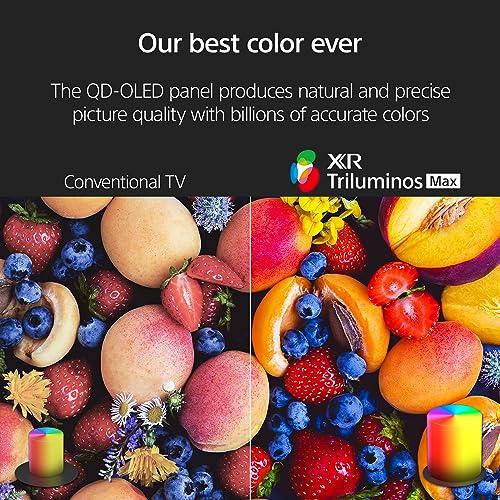
Both TVs excel in color reproduction but with different philosophies. The Sony A95L focuses on accuracy, using its XR Triluminos Max technology to deliver colors that match the filmmaker's intent. Professional reviews consistently praise its out-of-box color accuracy, particularly important for streaming services that invest heavily in color grading.
The Samsung QN900F leans toward more vibrant, eye-catching colors that make content pop. Its Quantum Dot technology achieves 100% color volume, meaning it can display pure, saturated colors even at high brightness levels. This approach works particularly well for sports, gaming, and nature documentaries where visual impact matters more than strict accuracy.
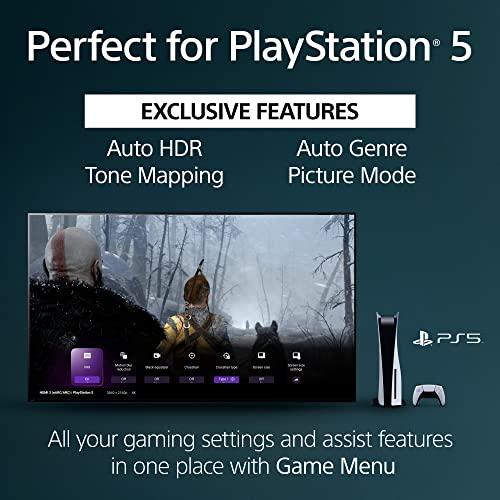
Modern gaming demands have transformed TV requirements, and these models approach gaming differently. The Samsung QN900F clearly targets gamers with features like Motion Xcelerator 240Hz, support for refresh rates up to 165Hz at 4K resolution, and lower input lag—the delay between your controller input and screen response.
Professional gaming reviews indicate input lag around 9-10ms for the Samsung QN900F, compared to roughly 16-17ms for the Sony A95L. While both support HDMI 2.1 features like Variable Refresh Rate (VRR) and Auto Low Latency Mode (ALLM), the Samsung's gaming-focused optimizations make it more suitable for competitive gaming.
The Sony A95L benefits from OLED's nearly instantaneous pixel response time, eliminating motion blur entirely. This makes it exceptional for movie content where natural motion rendering is crucial. However, some users notice slight stutter with 24fps film content, which is common among OLEDs.
The Samsung QN900F uses advanced motion processing to achieve smooth motion, particularly effective for sports and fast-paced content. Its AI Motion Enhancer Pro intelligently adjusts processing based on content type, though some purists prefer the Sony A95L's more natural approach.
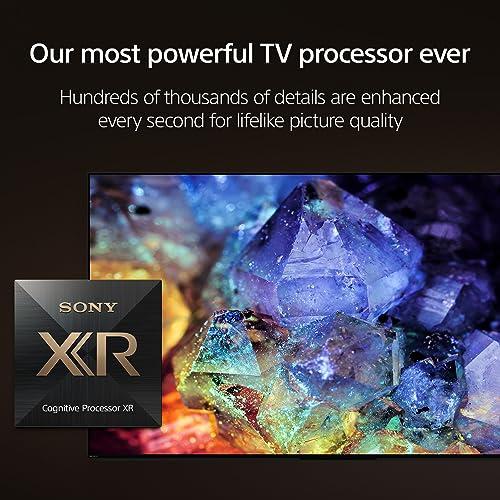
Both TVs excel at making lower-resolution content look better, but through different approaches. The Sony A95L's Cognitive Processor XR uses dual database processing to analyze and enhance content in real-time. Reviews consistently highlight its superior handling of compressed streaming content and older media, smoothing out artifacts while maintaining natural detail.
The Samsung QN900F's NQ8 AI Gen3 processor represents a significant leap forward, utilizing 256 neural networks for content analysis. Its 8K upscaling is particularly impressive, taking 4K content and adding convincing detail that approaches native 8K quality. The AI processing is more aggressive, which can enhance detail but sometimes at the cost of natural texture.
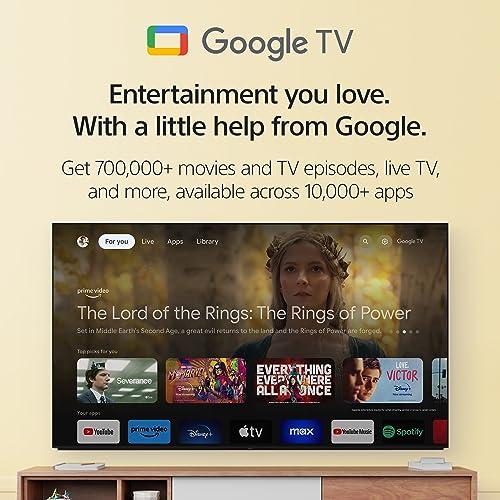
The Sony A95L runs Google TV, offering extensive app support and integration with Google services. The interface is clean and responsive, though some users report occasional sluggishness when switching inputs or powering on.
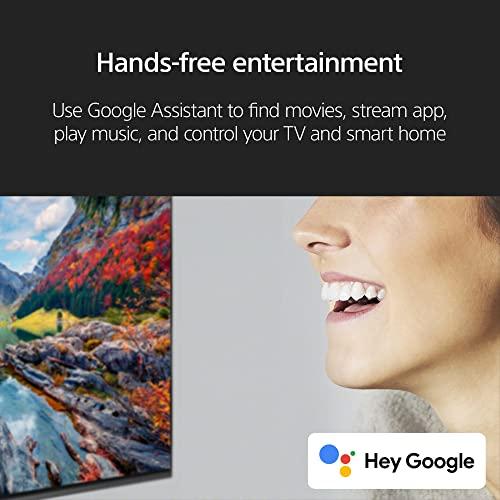
Samsung's Tizen platform on the QN900F has evolved into a sophisticated smart TV experience. The Vision AI integration provides personalized content recommendations and automatic optimization based on viewing habits. The far-field microphone enables hands-free voice control, which works remarkably well in practice.
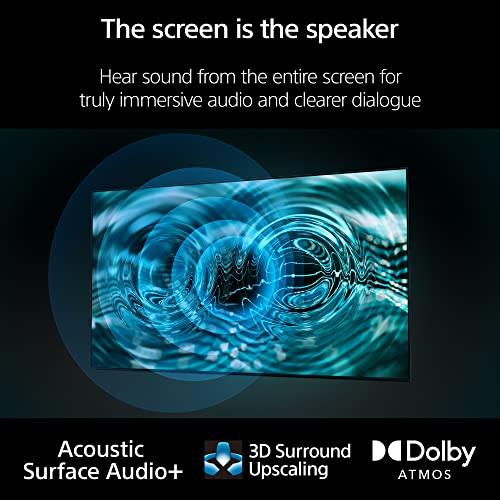
The Sony A95L employs Acoustic Surface Audio+, where the screen itself acts as a speaker using actuators behind the panel. This creates remarkably precise audio positioning—dialogue appears to come directly from actors' mouths, and sound effects track with on-screen action. For casual viewing without a sound system, this approach provides exceptional immersion.
The Samsung QN900F uses a more traditional but powerful 4.2.2-channel speaker system with dedicated top-firing drivers for Dolby Atmos. Professional reviews note stronger bass response and higher overall volume capability, making it better suited for larger rooms or when a soundbar isn't immediately in the budget.
Both TVs support advanced audio formats, but with important differences. The Sony A95L passes through DTS audio formats that many Samsung TVs don't support, crucial for users with extensive physical media collections. However, the Samsung QN900F doesn't support Dolby Vision HDR, limiting compatibility with some premium streaming content.
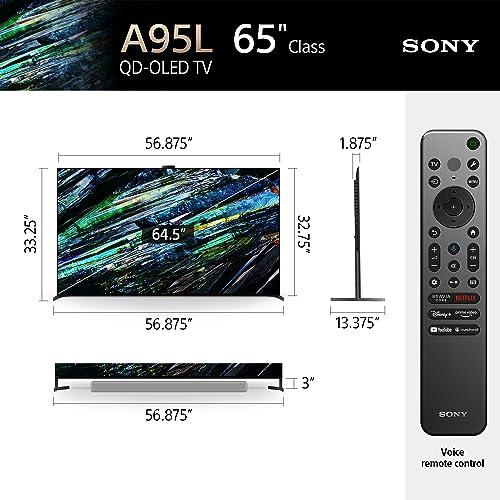
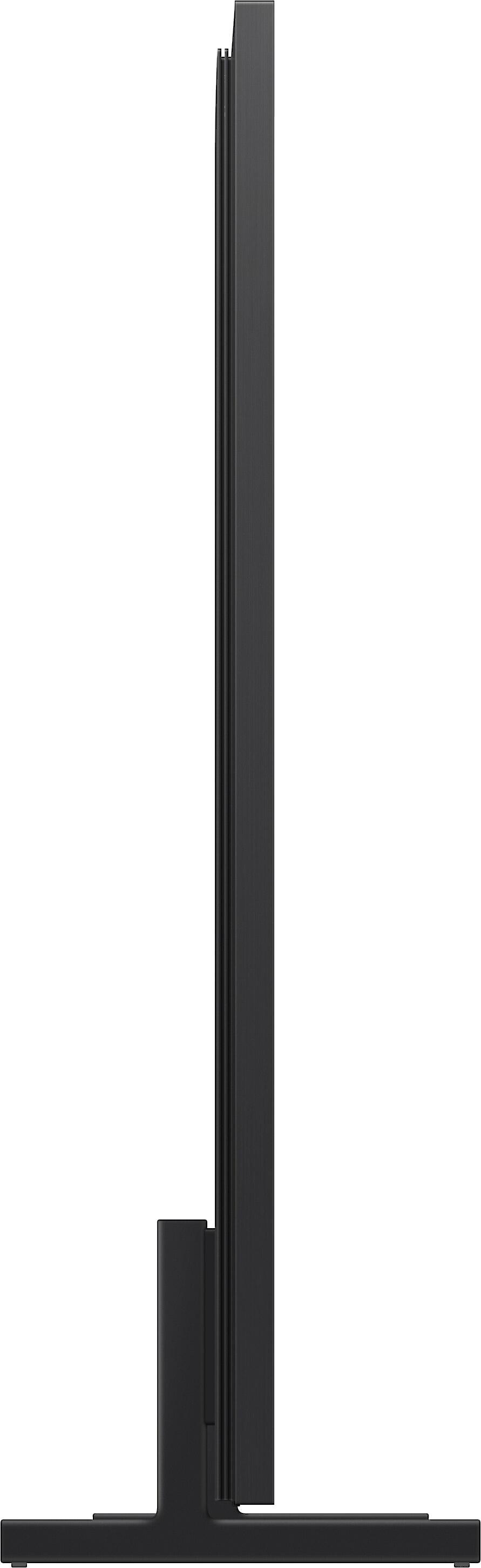
The Sony A95L embodies understated elegance with its seamless edge design and multi-position aluminum stand. The build quality feels premium throughout, with excellent cable management that keeps installations clean. It's designed to disappear into your room's aesthetic rather than dominate it.
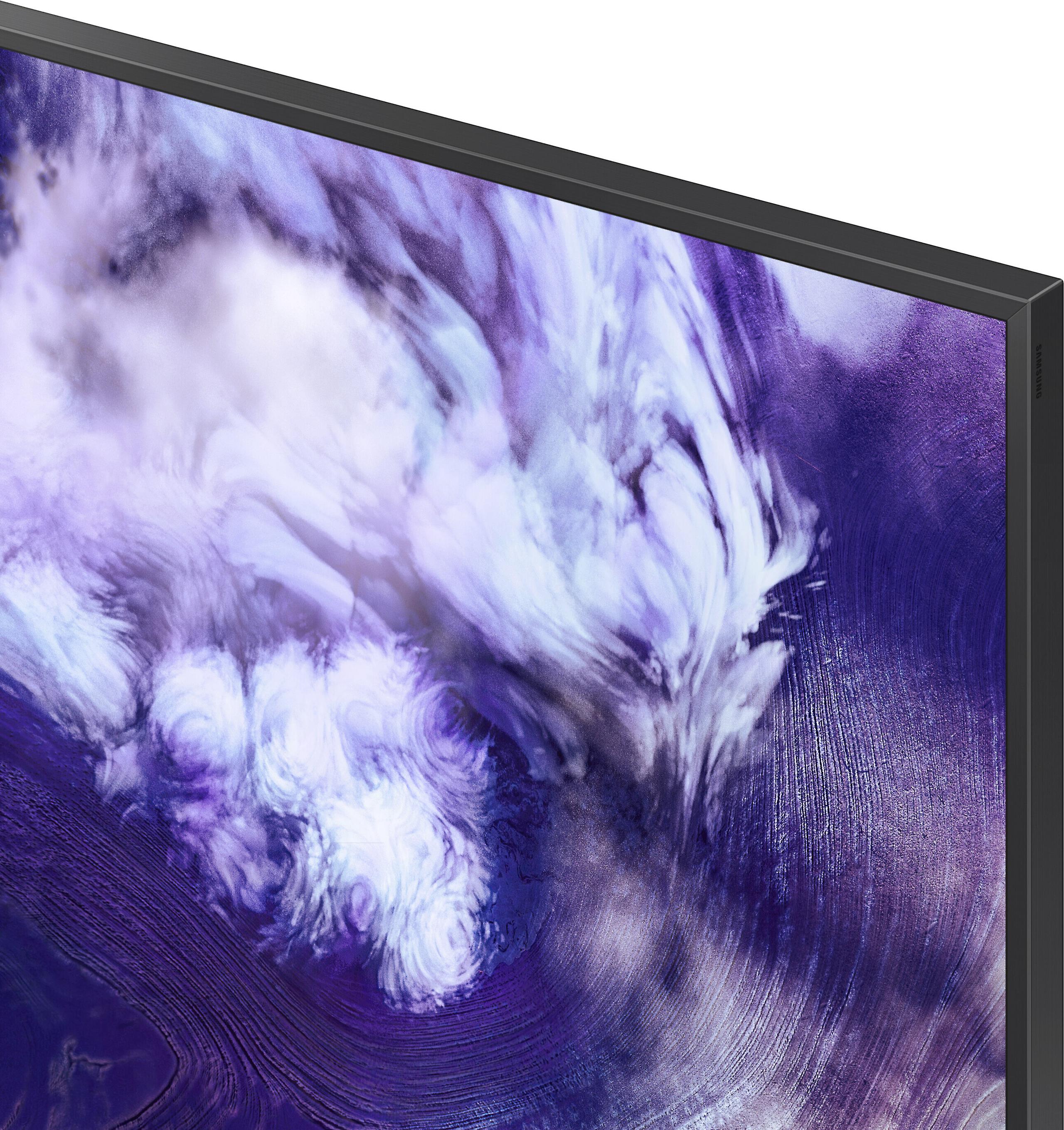
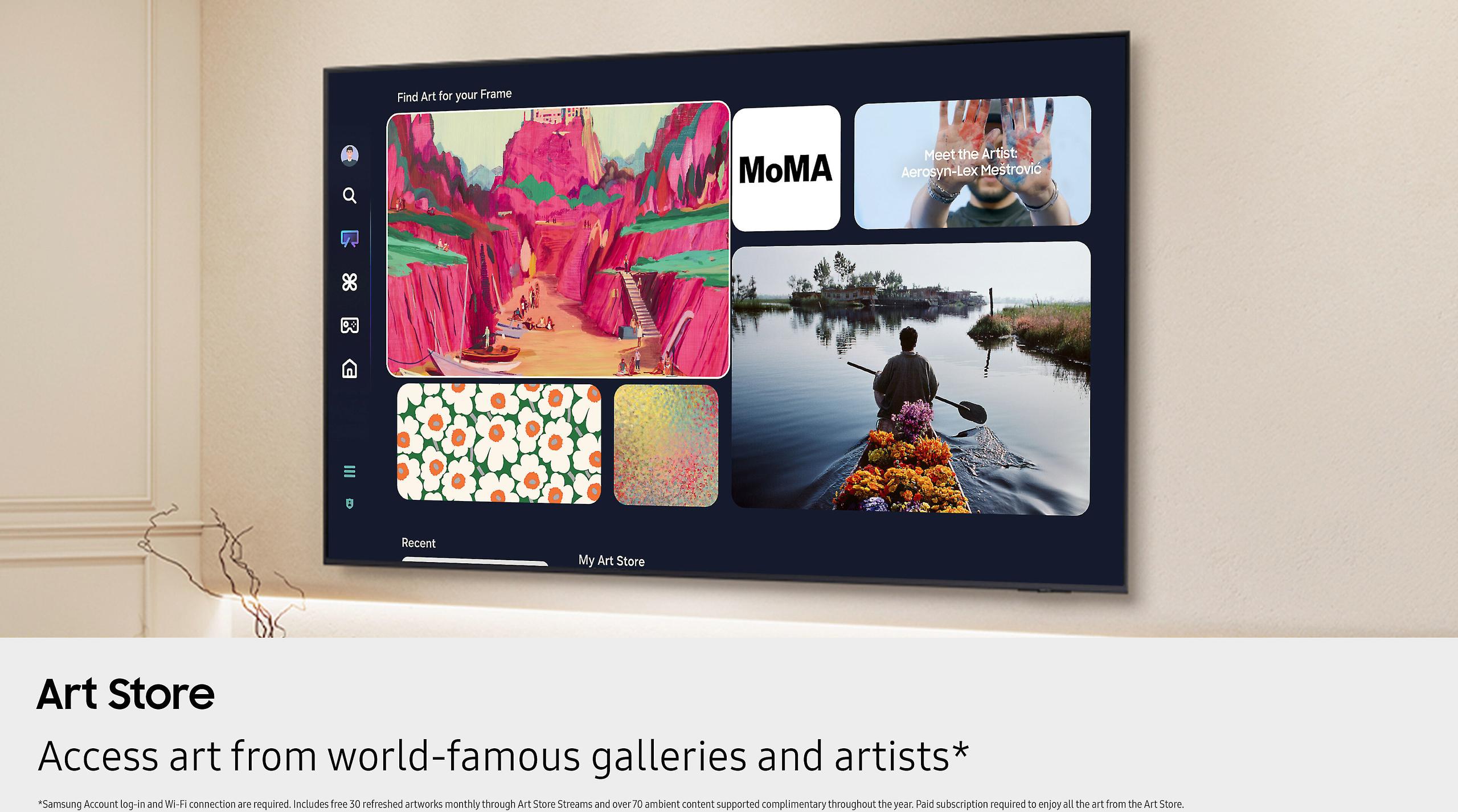
The Samsung QN900F makes more of a design statement with its nearly edgeless metal frame and glare-free coating. The anti-reflection technology is genuinely impressive, virtually eliminating distracting reflections even in bright rooms. When not displaying content, Ambient Mode can show artwork or information, turning it into a decorative element.
At the time of writing, both TVs command premium prices in their respective categories, with the Samsung QN900F typically commanding a higher price due to its 8K resolution and newer processing technology. However, value extends beyond initial cost.
The Sony A95L's QD-OLED technology represents a mature, refined approach that should remain relevant for years. OLED panels don't lose brightness over time like LCD backlights, and the technology's fundamental advantages in contrast won't be overcome by incremental improvements.
The Samsung QN900F's 8K resolution provides future-proofing as more 8K content becomes available, though this remains limited currently. The aggressive AI processing and regular software updates ensure continued feature improvements over time.
Professional reviews and user feedback suggest both manufacturers provide solid long-term support. Samsung's track record with software updates is strong, while Sony's focus on picture accuracy means less likelihood of "features" that might degrade the viewing experience over time.
If your viewing room has significant ambient light, the Samsung QN900F becomes the clear choice. Its higher peak brightness and anti-reflection coating maintain image visibility and impact even in challenging lighting conditions. The Mini LED backlighting doesn't suffer from the raised black levels that affect OLED performance in bright environments.
For dedicated home theater setups with controlled lighting, the Sony A95L delivers an unmatched cinematic experience. The perfect blacks and infinite contrast ratio create depth and immersion that Mini LED technology cannot replicate, regardless of processing improvements.
You prioritize picture quality above all else and can control your viewing environment. Movie enthusiasts who value color accuracy and natural image rendering will appreciate its film-like presentation. The Sony A95L excels with streaming content, Blu-ray movies, and any situation where contrast and shadow detail matter most.
Your room has significant ambient light, you're a serious gamer, or you want the sharpest possible image with future 8K content. The Samsung QN900F provides better versatility across different content types and viewing conditions. Its aggressive processing and higher brightness make it more forgiving of suboptimal viewing environments.
Both televisions represent excellent value in the premium segment, but they serve different priorities. The Sony A95L delivers reference-quality picture performance for cinephiles, while the Samsung QN900F offers cutting-edge features and versatility for mainstream premium buyers.
Consider your room, your content preferences, and your priorities. If perfect contrast and natural colors matter most, the Sony A95L justifies its premium positioning. If you want maximum brightness, gaming performance, and future-proof resolution, the Samsung QN900F delivers compelling value despite its higher price point.
The choice ultimately comes down to whether you prefer the proven excellence of refined OLED technology or the ambitious feature set of advanced Mini LED innovation. Both will deliver years of exceptional viewing experiences—just through different technological philosophies.
| Sony BRAVIA XR A95L 65" QD-OLED 4K HDR Google TV | Samsung 65" Neo QLED 8K QN900F Vision AI Smart TV 2025 |
|---|---|
| Display Technology - Determines contrast performance and viewing experience | |
| QD-OLED with perfect pixel-level dimming | Mini LED with thousands of local dimming zones |
| Resolution - Impact on sharpness and future content compatibility | |
| 4K (3840 x 2160) with exceptional upscaling | Native 8K (7680 x 4320) with AI upscaling |
| Peak Brightness - Critical for HDR impact and bright room viewing | |
| ~1,300 nits (excellent for dark rooms) | Significantly higher peak brightness (better for bright rooms) |
| Black Levels - Determines contrast and shadow detail quality | |
| Perfect blacks (infinite contrast ratio) | Near-black performance with minimal blooming |
| Gaming Performance - Input lag and refresh rate for responsive gaming | |
| 16-17ms input lag, 4K@120Hz on 2 ports | 9-10ms input lag, up to 165Hz at 4K, gaming-optimized features |
| HDR Support - Compatibility with premium streaming content | |
| HDR10, HLG, Dolby Vision with accurate tone mapping | HDR10, HLG, HDR10+ (no Dolby Vision support) |
| Smart Platform - User experience and app ecosystem | |
| Google TV with clean interface, occasional sluggishness | Tizen with Vision AI, responsive with advanced voice control |
| Audio System - Built-in sound quality without external speakers | |
| Acoustic Surface Audio+ (screen as speaker) with precise positioning | 4.2.2-channel system with stronger bass and higher volume |
| Viewing Angles - Picture quality consistency from different seating positions | |
| Excellent wide viewing angles (OLED advantage) | Good viewing angles with Ultra Viewing Angle technology |
| Motion Handling - Smoothness with fast content and sports | |
| Near-instantaneous pixel response, natural motion | Motion Xcelerator 240Hz with AI-enhanced processing |
| Burn-in Risk - Long-term reliability concern with static content | |
| Potential burn-in risk with prolonged static images | No burn-in risk (LCD technology) |
| Color Performance - Accuracy vs vibrancy for different content types | |
| Film-accurate colors with XR Triluminos Max | More vibrant, punchy colors with 100% color volume |
| Processor - Upscaling quality and AI features | |
| Cognitive Processor XR with dual database processing | NQ8 AI Gen3 with 256 neural networks and Vision AI |
| Anti-Reflection - Performance in bright lighting conditions | |
| Good reflection handling | Award-winning Glare-Free technology |
The Sony BRAVIA XR A95L delivers superior picture quality for movies due to its QD-OLED technology that produces perfect blacks and infinite contrast. This creates more realistic shadow details and depth that's ideal for cinematic content. The Samsung QN900F offers excellent picture quality with brighter highlights, but can't match the contrast performance of OLED technology for movie viewing.
The Sony A95L uses 4K resolution (3840 x 2160 pixels) which is perfect for current streaming and Blu-ray content. The Samsung QN900F features 8K resolution (7680 x 4320 pixels) with four times more detail, but there's limited 8K content available. The Samsung's advanced AI upscaling makes 4K content look sharper, while the Sony focuses on perfecting 4K image quality.
The Samsung Neo QLED 8K QN900F is significantly better for bright rooms thanks to its higher peak brightness and award-winning Glare-Free anti-reflection coating. The Sony A95L performs best in darker, controlled lighting environments where its perfect blacks can shine without being affected by ambient light reflections.
The Samsung QN900F is the clear winner for gaming with 9-10ms input lag, support for up to 165Hz refresh rates at 4K, and gaming-specific features. The Sony A95L has higher input lag at 16-17ms and is limited to 4K@120Hz on two HDMI ports, making it adequate for casual gaming but less ideal for competitive players.
Both TVs offer excellent smart platforms, but with different strengths. The Samsung QN900F runs Tizen with Vision AI that provides personalized recommendations and responsive voice control. The Sony A95L uses Google TV with extensive app support and clean interface, though it can occasionally be sluggish when switching inputs.
The Sony BRAVIA XR A95L supports HDR10, HLG, and Dolby Vision with excellent tone mapping that preserves filmmaker intent. The Samsung QN900F supports HDR10, HLG, and HDR10+ but notably lacks Dolby Vision support, which could be limiting for premium streaming content from Netflix and other services.
The Sony A95L uses innovative Acoustic Surface Audio+ technology where the screen itself acts as a speaker, creating precise audio positioning where dialogue appears to come directly from actors. The Samsung QN900F features a traditional 4.2.2-channel speaker system with stronger bass and higher overall volume, better for larger rooms.
The Sony A95L uses OLED technology which has potential burn-in risk if static images are displayed for extended periods, though modern OLEDs are much more resistant than older models. The Samsung QN900F uses Mini LED LCD technology with zero burn-in risk, making it worry-free for varied content including gaming and news channels with static logos.
For a dedicated home theater with controlled lighting, the Sony BRAVIA XR A95L is the superior choice. Its perfect blacks, infinite contrast, and film-accurate color reproduction create the most cinematic experience. The Samsung QN900F is better for multi-purpose rooms where the TV might be used during daylight hours.
Both TVs excel at upscaling, but differently. The Sony A95L uses Cognitive Processor XR with dual database processing that's particularly good at smoothing compressed streaming content while maintaining natural textures. The Samsung QN900F uses NQ8 AI Gen3 processor with 256 neural networks that aggressively enhances detail, especially impressive when upscaling 4K content to 8K.
The Sony A95L offers refined QD-OLED technology that should remain relevant for years with consistent performance and no backlight degradation. The Samsung QN900F provides future-proofing with 8K resolution and aggressive AI features that continue improving through software updates, plus zero burn-in concerns for long-term reliability.
Choose the Sony BRAVIA XR A95L if you prioritize perfect contrast for movies, have a dark viewing room, and want the most accurate colors. Choose the Samsung Neo QLED 8K QN900F if you have a bright room, want the sharpest possible image, prioritize gaming performance, or prefer more vibrant, AI-enhanced picture processing.
We've done our best to create useful and informative comparisons to help you decide what product to buy. Our research uses advanced automated methods to create this comparison and perfection is not possible - please contact us for corrections or questions. These are the sites we've researched in the creation of this article: rtings.com - youtube.com - rtings.com - avsforum.com - rtings.com - smarthomesounds.co.uk - smarthomesounds.co.uk - rtings.com - smarthomesounds.co.uk - youtube.com - tomsguide.com - avsforum.com - rtings.com - perfectrec.com - flatpanelshd.com - videoandaudiocenter.com - sonypremiumhome.com - bestbuy.com - sony.com - electronics.sony.com - displayspecifications.com - donstv.com - youtube.com - static.pcrichard.com - smarthomesounds.co.uk - youtube.com - electronics.sony.com - electronics.sony.com - displayspecifications.com - rtings.com - samsung.com - techradar.com - dolby.com - youtube.com - samsung.com - youtube.com - samsung.com - samsung.com - samsung.com - samsung.com - displayspecifications.com - samsung.com - rtings.com - bestbuy.com - merlinstv.com - news.samsung.com - bestbuy.com

Privacy Policy
Terms and Conditions - Affiliate Policy
Home Security
© Copyright 2008-2026.
11816 Inwood Rd #1211, Dallas, TX 75244