

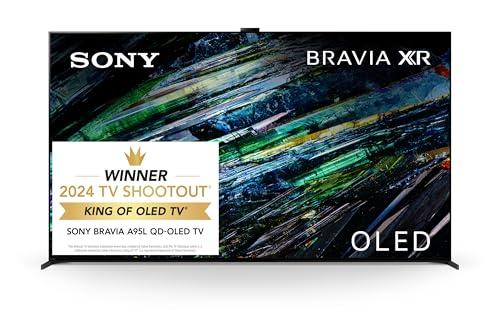
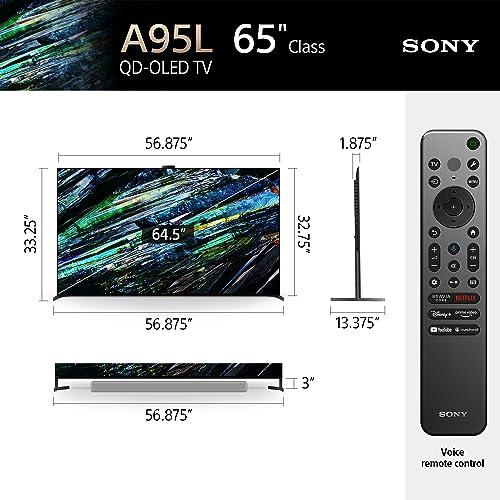






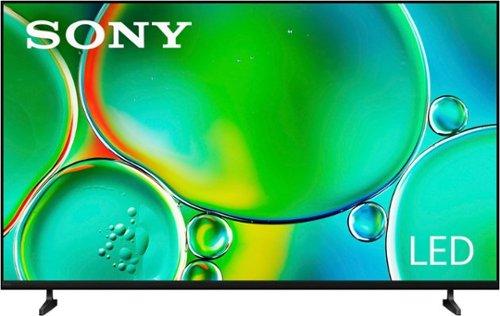
When you're shopping for a 65-inch 4K TV, the choices can feel overwhelming. Do you splurge on premium OLED technology, or stick with a reliable LED model that won't break the bank? Sony's lineup presents this dilemma perfectly with two very different approaches: the BRAVIA XR A95L, a premium QD-OLED powerhouse from 2023, and the BRAVIA 2 II, a budget-friendly LED model from 2025.
These TVs represent fundamentally different philosophies. The A95L targets home theater enthusiasts who want reference-level picture quality, while the BRAVIA 2 II serves budget-conscious buyers who need solid 4K performance without premium features. Understanding which approach suits your needs—and your wallet—requires digging into what makes each tick.
The biggest difference between these TVs lies in their display technology, which affects everything from how dark scenes look to how much they cost to run.
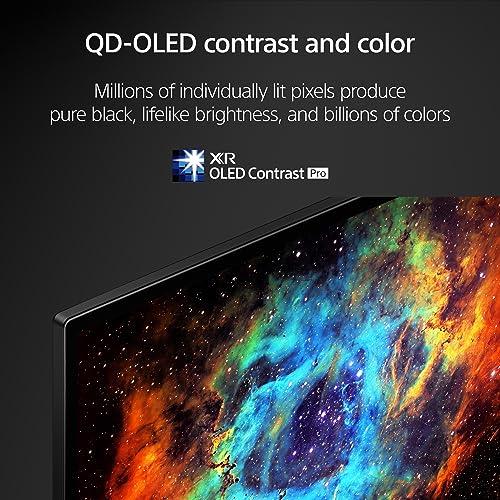
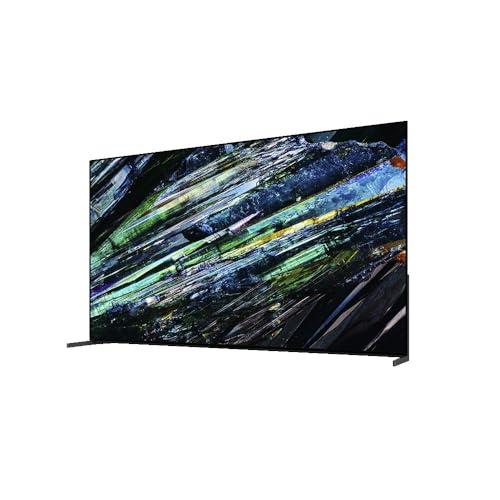
The A95L uses QD-OLED (Quantum Dot Organic Light-Emitting Diode) technology, which sounds complex but delivers stunning results. Unlike traditional LED TVs that use a backlight to illuminate the entire screen, each pixel in an OLED display produces its own light. This means when a pixel needs to show pure black, it simply turns off completely—no light leakage, no compromise.
The "QD" part adds quantum dot technology on top of OLED, creating a second-generation panel that's brighter and more colorful than first-generation OLEDs. Think of quantum dots as tiny color enhancers that convert light into purer, more vivid colors. When Sony launched the A95L in 2023, it represented a significant leap forward from their previous OLED models, offering nearly double the peak brightness while maintaining perfect black levels.
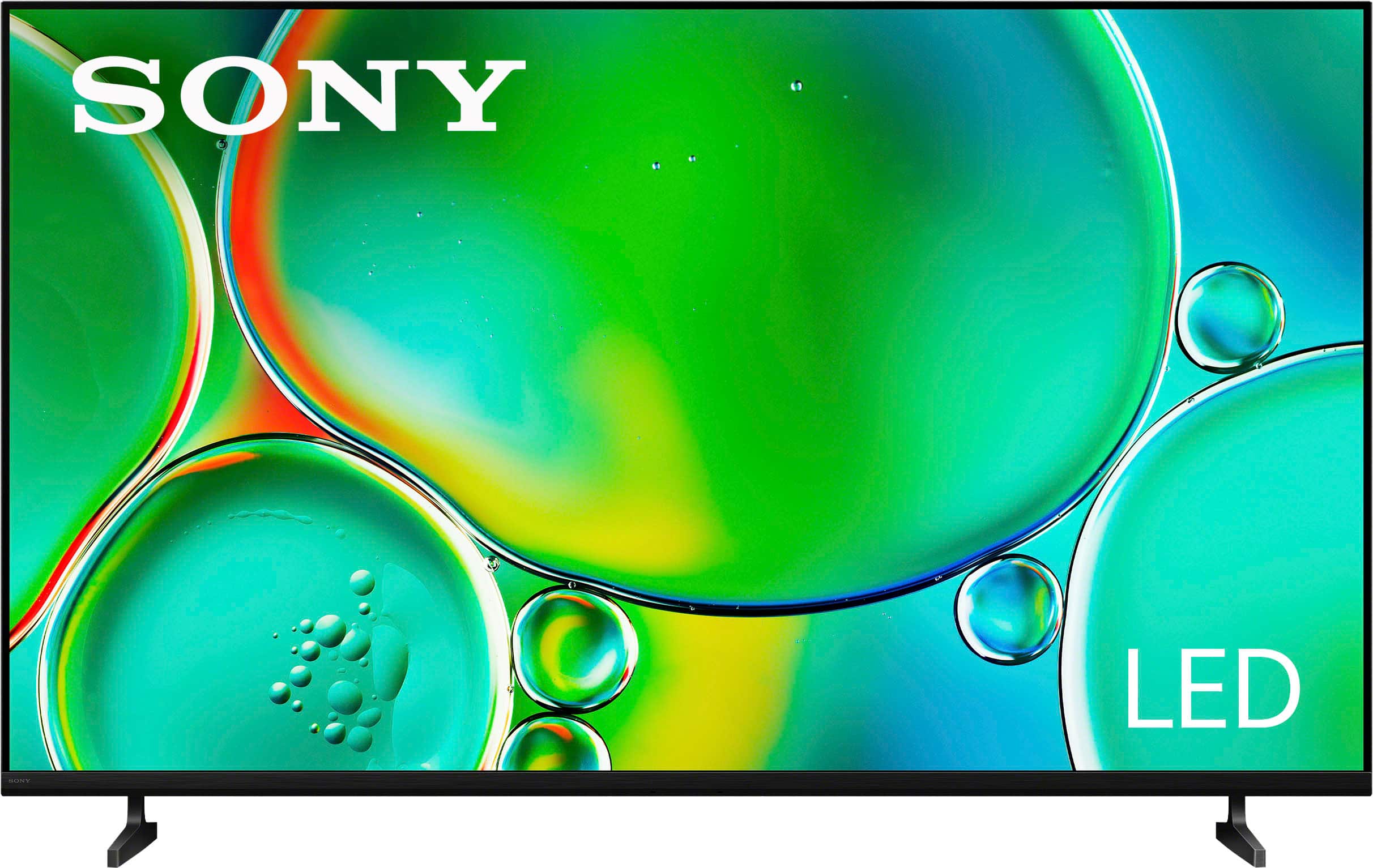
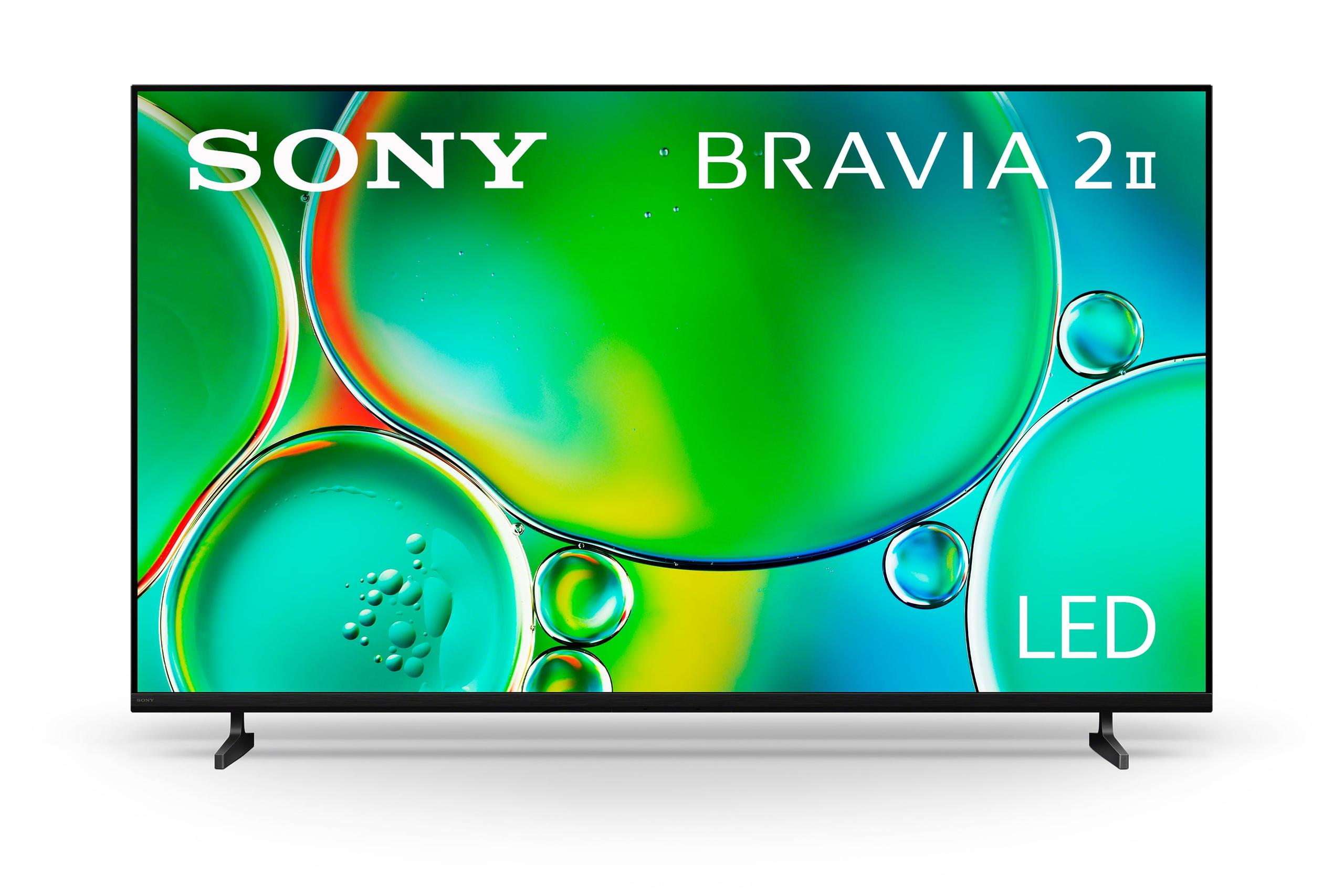
The BRAVIA 2 II, on the other hand, uses traditional LED technology with an LCD (Liquid Crystal Display) panel. Here's how it works: a LED backlight shines through liquid crystals that twist to control how much light passes through colored filters. It's tried-and-true technology that's been refined over decades, but it has inherent limitations. Since the backlight is always on, achieving true black requires the liquid crystals to block all light—and they're not perfect at this job.
Nothing impacts your viewing experience more than contrast—the difference between the darkest and brightest parts of an image. This is where the A95L absolutely dominates.
When you're watching a dark scene in a movie like The Batman or House of the Dragon, the A95L can display pure blacks that disappear into the bezel. Stars twinkle against truly black space, and shadow details emerge without that grayish haze that plagues LED displays. The infinite contrast ratio (since black pixels emit zero light) creates an almost three-dimensional depth that draws you into the scene.
The BRAVIA 2 II does its best with frame dimming technology, which adjusts the overall backlight brightness based on the content. But since it can't turn off individual sections of the backlight, you'll see some backlight bleed and a grayish tint in what should be pure black areas. It's not terrible—most people coming from older TVs won't be bothered—but side-by-side with an OLED, the difference is immediately apparent.
For home theater setups where you control the lighting, this contrast advantage makes the A95L transformative. Dark scenes have impact and drama that LED displays simply can't match.
HDR (High Dynamic Range) content contains more brightness information than standard video, allowing for more realistic lighting effects—think sunlight streaming through windows or car headlights in rain. To display this properly, TVs need sufficient peak brightness.
The A95L hits peak brightness levels around 1,300 nits, which is impressive for OLED technology. The QD-OLED panel's heat diffusion sheet helps achieve these brightness levels while maintaining color accuracy. When watching HDR content on Netflix or Disney+, highlights like explosions, bright skies, or reflections off water have real punch and realism.
The BRAVIA 2 II reaches more modest brightness levels—Sony hasn't disclosed exact figures, but based on our research of similar models, it likely peaks around 400-600 nits. This is adequate for most HDR content, especially in moderately lit rooms, but won't deliver the same "wow factor" as premium displays.
Here's where room lighting matters: In a bright living room, the BRAVIA 2 II can look perfectly fine since ambient light masks some of these differences. But in a dedicated home theater with controlled lighting, the A95L's superior brightness and contrast create a more immersive experience.
Color reproduction separates good TVs from great ones, and both Sony models approach this differently.
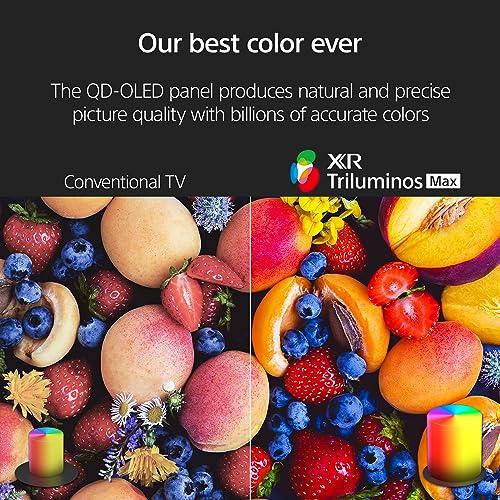
The A95L combines quantum dot technology with Sony's XR Triluminos Max processing to deliver exceptional color volume—meaning it can display bright, saturated colors without losing accuracy. When you're watching nature documentaries or animated films, colors appear more lifelike and three-dimensional. The quantum dots convert backlight into purer red and green colors, expanding the color gamut beyond what standard displays can achieve.
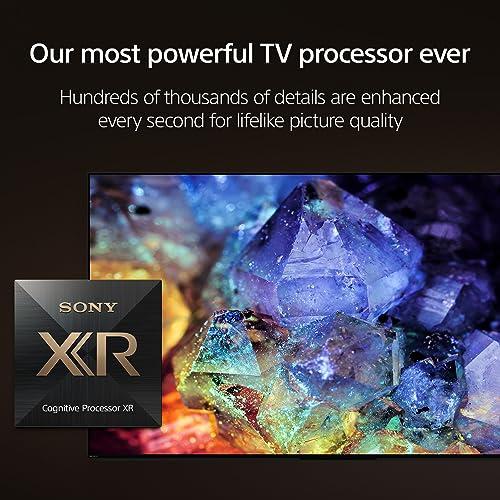
Sony's Cognitive Processor XR analyzes every frame in real-time, adjusting colors based on how humans actually perceive them rather than just technical specifications. This results in skin tones that look natural and landscapes that feel tangible.
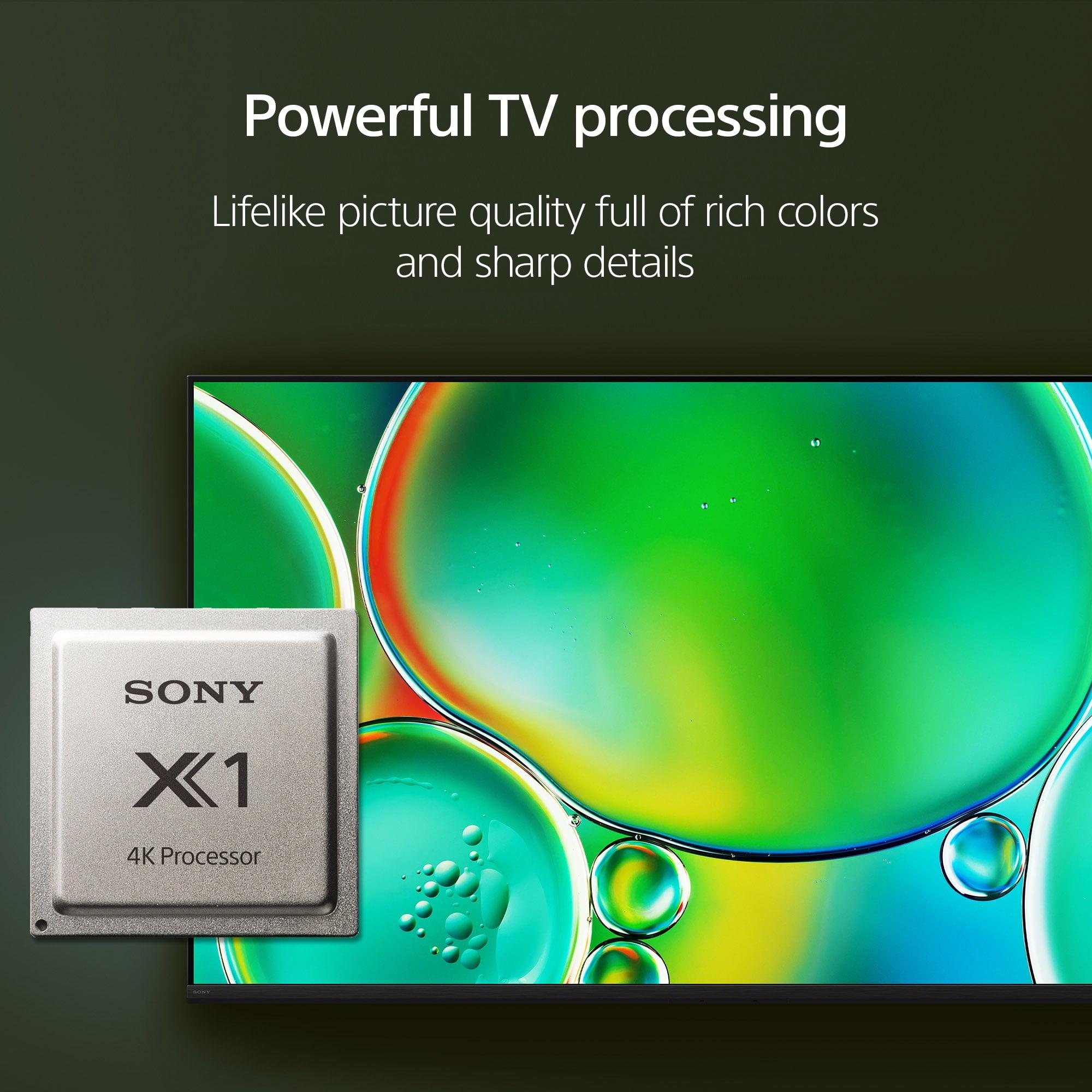
The BRAVIA 2 II uses Sony's Live Color technology and 4K Processor X1 to enhance colors within its more limited capabilities. While it can't match the A95L's color gamut, Sony's processing still delivers pleasing, vibrant colors that often outperform other budget LED displays. It's the difference between "that looks good" and "that looks exactly like real life."
Gaming has become increasingly important for TV buyers, especially with PlayStation 5 and Xbox Series X pushing 4K gaming at higher frame rates.
The A95L supports 4K gaming at 120Hz on two of its HDMI 2.1 ports, with Variable Refresh Rate (VRR) to eliminate screen tearing and Auto Low Latency Mode (ALLM) for reduced input lag. The near-instantaneous pixel response of OLED technology means fast-moving objects appear sharp without motion blur—crucial for competitive gaming or action sequences.
However, input lag on the A95L measures around 16-20ms in Game Mode, which is good but not class-leading. Samsung's competing OLED models often achieve lower input lag, making them preferred by serious competitive gamers.
The BRAVIA 2 II is limited to 4K at 60Hz and lacks VRR support, but it includes ALLM and basic gaming optimizations. For casual gaming or single-player experiences, it's perfectly adequate. The lack of 120Hz support means you won't get the smoothest experience with next-gen consoles, but most games still look and play well.
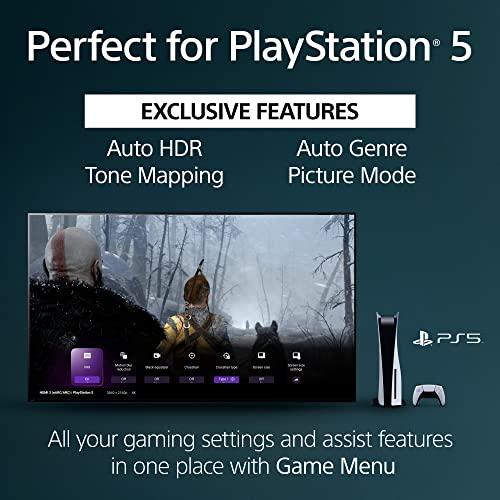
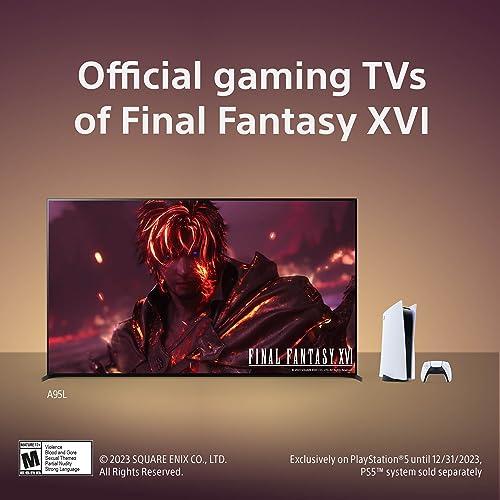
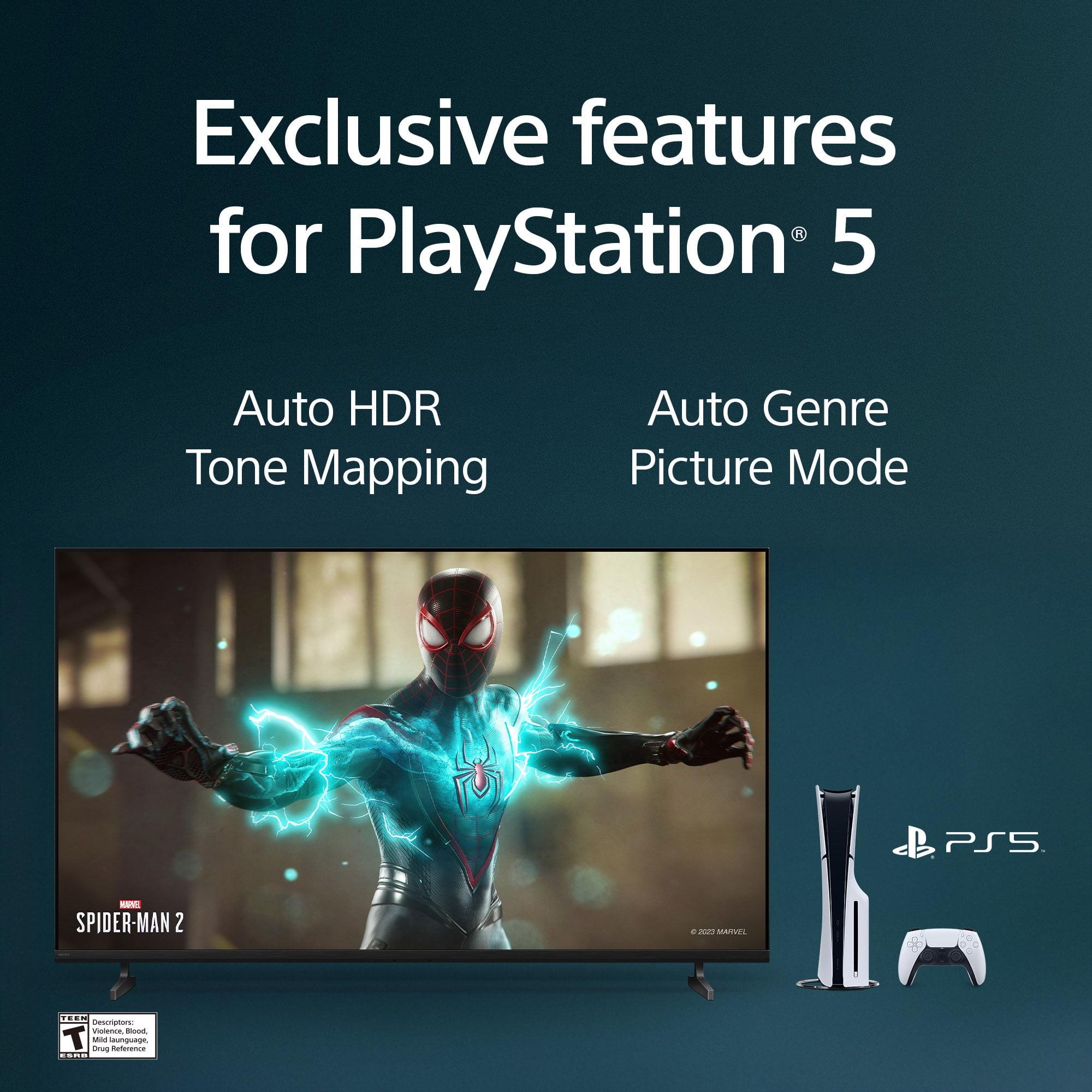
Both TVs include PlayStation 5-specific features like Auto HDR Tone Mapping and dedicated game menus, reflecting Sony's gaming heritage.
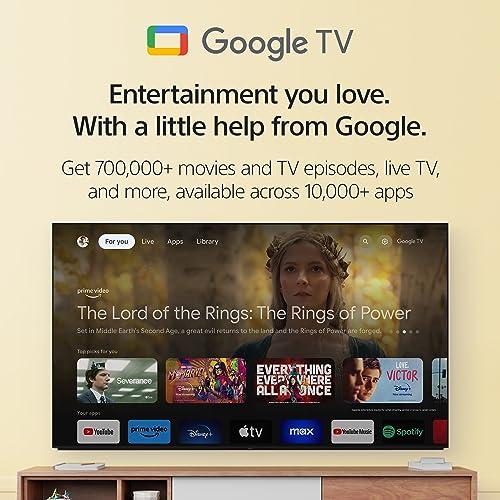
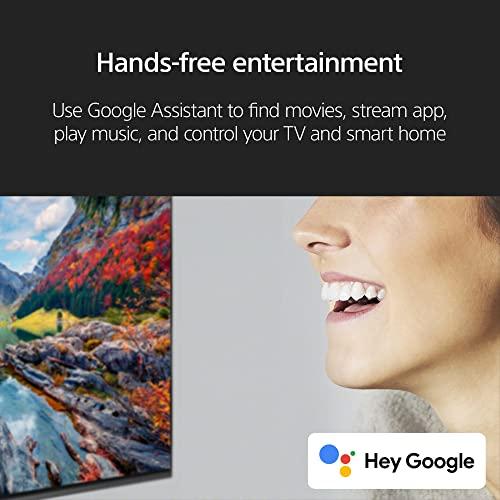
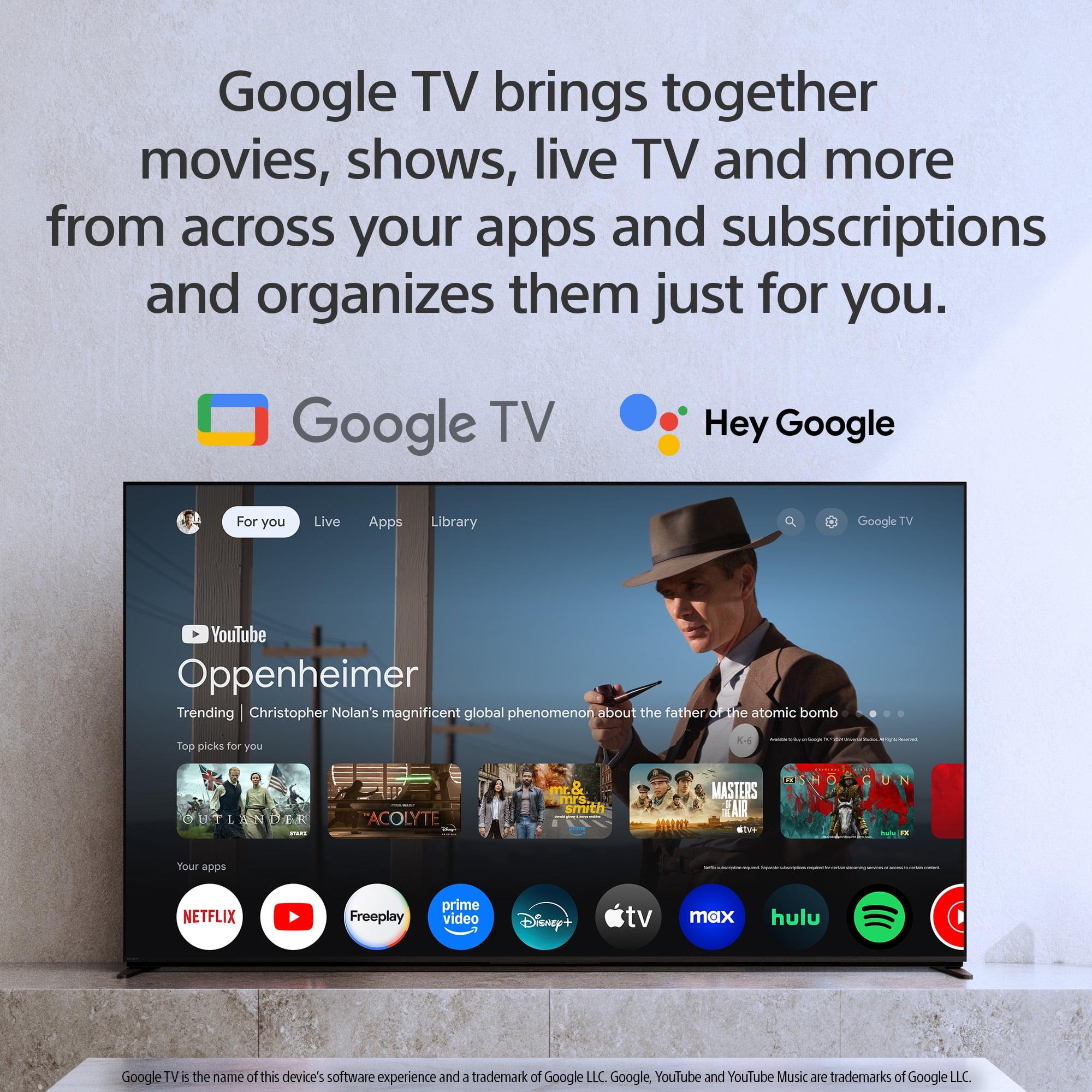
Both TVs run Google TV, Sony's current smart platform that replaced Android TV. The interface is clean and intuitive, aggregating content from different streaming services into personalized recommendations.
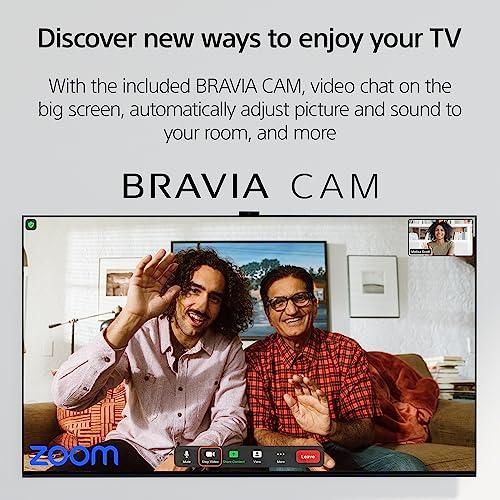
The A95L includes premium features like the BRAVIA CAM, which automatically adjusts picture and sound settings based on your room's lighting and your viewing position. It's surprisingly useful—the TV brightens in daylight and dims for evening viewing without you touching anything. The camera also enables video calling and gesture controls, though privacy-conscious users can physically disable it.
Advanced calibration modes on the A95L include Netflix Calibrated Mode and BRAVIA CORE Calibrated Mode, which display content exactly as creators intended. These might seem like marketing features, but they genuinely improve the viewing experience for movies and premium TV shows.
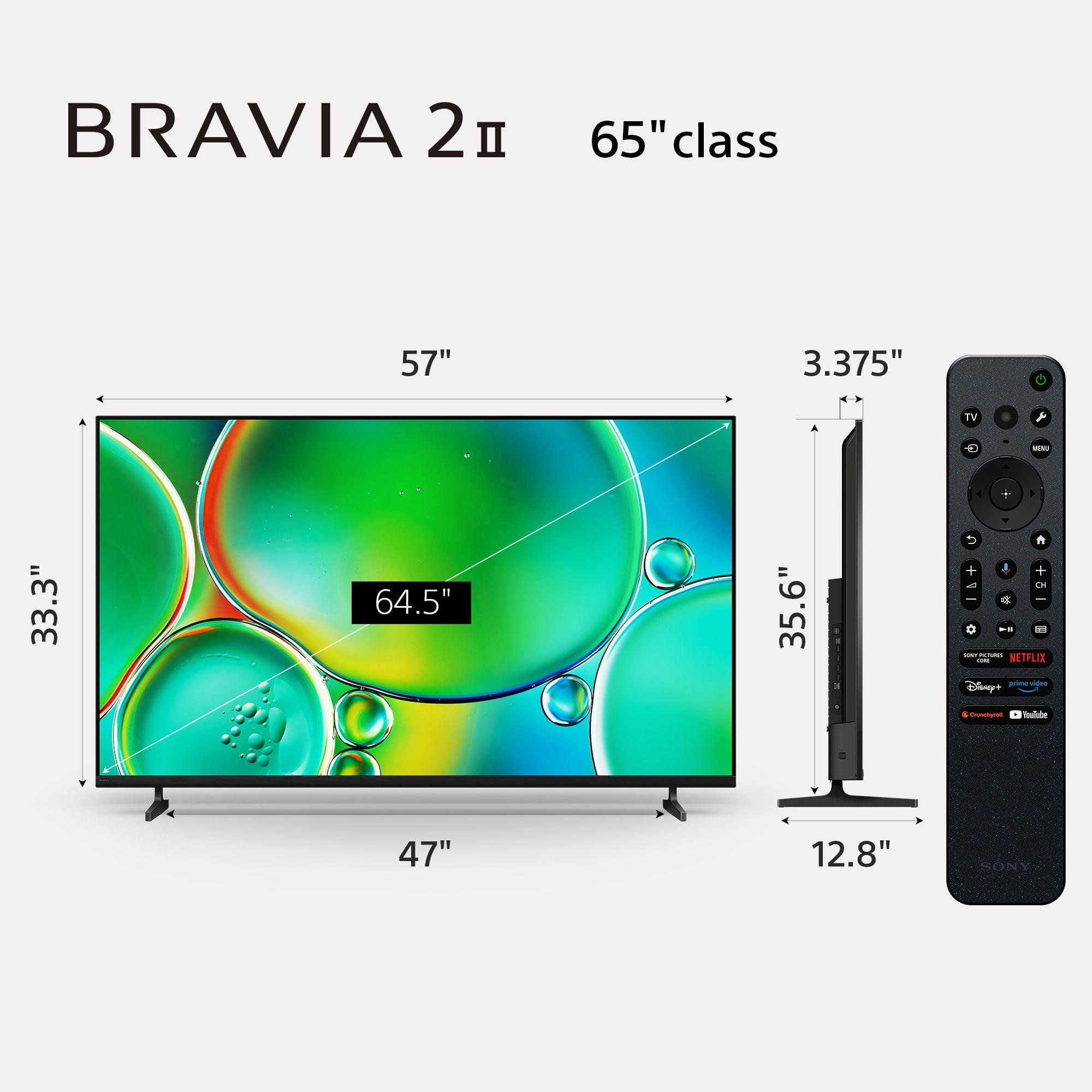
The BRAVIA 2 II offers the same Google TV platform but with a more basic remote and fewer premium features. Navigation can occasionally feel sluggish compared to the A95L's more powerful processor, but it's still perfectly usable for daily streaming.
Audio often gets overlooked in TV comparisons, but Sony takes an innovative approach with the A95L.
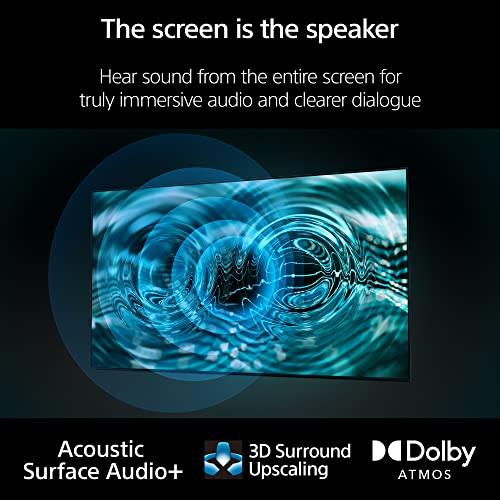
Acoustic Surface Audio+ technology uses actuators behind the screen to vibrate the entire display, essentially turning it into a speaker. This creates precise sound localization—dialogue appears to come from actors' mouths rather than below the screen. Combined with Dolby Atmos processing, it's surprisingly immersive for built-in TV audio.
The BRAVIA 2 II uses traditional speakers with 40W total output and Dolby Atmos processing. It's adequate for casual viewing but lacks the positioning and clarity of the A95L's screen-based audio system.
For serious home theater setups, you'll likely add a soundbar or receiver regardless, but the A95L's audio system is genuinely useful for everyday viewing.
At the time of writing, the A95L typically costs 2-3 times more than the BRAVIA 2 II, reflecting their very different target markets and capabilities.
The BRAVIA 2 II offers excellent value for buyers who want reliable 4K performance without premium features. It's ideal for upgrading from older 1080p displays or as a secondary TV where picture quality isn't the primary concern. Sony's processing and smart features provide a solid foundation that will serve most users well.
The A95L commands premium pricing because it delivers reference-level picture quality that approaches what you'd find in professional mastering suites. The QD-OLED technology, advanced processing, and premium features create an experience that justifies the cost for enthusiasts who prioritize picture quality above all else.
Choose the BRAVIA XR A95L if you're building a home theater, watch movies in controlled lighting, own next-generation gaming consoles, or simply want the best picture quality Sony offers. It's an investment in long-term viewing satisfaction that will remain impressive for years to come.
The BRAVIA 2 II makes sense for budget-conscious buyers who need basic 4K capabilities, families upgrading from older displays, or anyone who watches primarily in bright rooms where LED technology's limitations are less noticeable.
Consider your viewing habits honestly: If you mainly stream sitcoms while scrolling your phone, the BRAVIA 2 II's savings make more sense. But if you love getting lost in movies, appreciate visual storytelling, or want your TV to be a centerpiece of home entertainment, the A95L's premium features provide genuine value.
Both represent solid choices within their price categories, but they serve fundamentally different needs. The key is matching the TV's capabilities to your priorities and expectations—because at the end of the day, the best TV is the one that makes you excited to turn it on.
| Sony BRAVIA XR A95L 65" QD-OLED | Sony BRAVIA 2 II 65" 4K LED |
|---|---|
| Display Technology - The foundation that determines picture quality | |
| QD-OLED with perfect blacks and infinite contrast | Direct LED backlight with LCD panel |
| Peak Brightness - Critical for HDR impact and bright room viewing | |
| Up to 1,300 nits (excellent HDR highlights) | ~400-600 nits (adequate for moderate lighting) |
| Contrast Performance - Most noticeable difference in dark scenes | |
| Infinite contrast ratio with pure blacks | Limited by backlight bleed, grayish blacks |
| Color Gamut - Affects how lifelike and vibrant images appear | |
| Wide color gamut with XR Triluminos Max | Standard color space with Live Color enhancement |
| Refresh Rate & Gaming - Important for next-gen consoles | |
| 120Hz native with 4K@120Hz gaming support | 60Hz native, limited to 4K@60Hz |
| Gaming Features - Essential for PS5/Xbox Series X owners | |
| VRR, ALLM, HDMI 2.1 on select ports | ALLM only, no VRR support |
| Audio System - Built-in sound quality without external speakers | |
| Acoustic Surface Audio+ (screen vibrates as speaker) | Traditional 40W speakers with Dolby Atmos |
| Smart Platform Performance - Daily usability and responsiveness | |
| Cognitive Processor XR with smooth navigation | 4K Processor X1, occasionally sluggish menus |
| Premium Features - Advanced capabilities beyond basic TV functions | |
| BRAVIA CAM, calibrated modes, ambient optimization | Essential smart TV features only |
| Viewing Angles - Important for larger rooms or side seating | |
| Near-perfect 178° with consistent colors | Standard LED angles with some color shifting |
| Target Use Case - Who gets the most value from each model | |
| Home theater enthusiasts, premium picture quality | Budget-conscious buyers, casual viewing |
| Longevity - How future-proof is your investment | |
| Premium tech stays relevant longer | Solid for current needs, may feel dated sooner |
The biggest difference is display technology. The Sony BRAVIA XR A95L uses premium QD-OLED technology with perfect blacks and infinite contrast, while the Sony BRAVIA 2 II uses traditional LED backlighting with an LCD panel. This means the A95L delivers dramatically better picture quality, especially in dark scenes, but costs significantly more than the budget-friendly BRAVIA 2 II.
The Sony BRAVIA XR A95L is far superior for dark room viewing. Its OLED technology can turn off individual pixels completely, creating true blacks without any light bleed. This results in exceptional contrast and depth that makes movies look cinematic. The Sony BRAVIA 2 II will show grayish blacks and some backlight bleed in dark scenes, which reduces the immersive experience.
The Sony BRAVIA XR A95L is much better for next-gen gaming, supporting 4K at 120Hz, Variable Refresh Rate (VRR), and Auto Low Latency Mode (ALLM). The Sony BRAVIA 2 II only supports 4K at 60Hz and lacks VRR, making it adequate for casual gaming but not ideal for getting the full potential from your PS5 or Xbox Series X.
The Sony BRAVIA XR A95L reaches higher peak brightness levels around 1,300 nits, making it better for bright rooms and HDR content. The Sony BRAVIA 2 II has more modest brightness levels that work fine in moderate lighting but may struggle in very bright rooms. Both can handle typical living room conditions, but the A95L provides more flexibility.
Yes, both the Sony BRAVIA XR A95L and Sony BRAVIA 2 II run Google TV with the same app selection and streaming capabilities. However, the A95L includes premium features like the BRAVIA CAM for ambient optimization and advanced calibration modes, while the BRAVIA 2 II offers basic smart TV functionality without these extras.
The Sony BRAVIA XR A95L has superior audio with its Acoustic Surface Audio+ technology, where the screen itself acts as a speaker for better sound positioning. The Sony BRAVIA 2 II uses traditional 40W speakers that are adequate but not exceptional. For serious home theater use, you'd likely add external audio to either TV, but the A95L works better on its own.
This depends on your priorities and viewing habits. The Sony BRAVIA XR A95L delivers reference-level picture quality with perfect blacks, wider colors, and superior HDR that's transformative for movie watching. The Sony BRAVIA 2 II provides solid 4K performance at a much lower price point. If picture quality is your top priority, the A95L justifies its premium pricing.
Both can work in bright living rooms, but they handle it differently. The Sony BRAVIA XR A95L gets brighter and has better anti-reflection coating, maintaining picture quality even with ambient light. The Sony BRAVIA 2 II works fine in moderate lighting and its LED backlight doesn't suffer from the slight brightness variations that can affect OLEDs in very bright rooms.
Yes, both the Sony BRAVIA XR A95L and Sony BRAVIA 2 II support 4K HDR content from all major streaming platforms. However, the A95L displays HDR with much greater impact due to its higher peak brightness and perfect black levels, while the BRAVIA 2 II shows HDR content adequately but with less dramatic contrast.
The Sony BRAVIA XR A95L offers near-perfect viewing angles up to 178 degrees with consistent colors and brightness from any position. The Sony BRAVIA 2 II has standard LED viewing angles that show some color shifting and brightness loss when viewed from the side. For rooms with multiple seating positions, the A95L provides a better experience for everyone.
The Sony BRAVIA XR A95L uses OLED technology which can potentially experience burn-in with static images displayed for very long periods, though modern OLEDs have protective features that make this rare with normal use. The Sony BRAVIA 2 II uses LED technology that doesn't have burn-in concerns but may experience other aging effects over time like backlight dimming.
For your first 4K upgrade, consider your budget and viewing priorities. The Sony BRAVIA 2 II offers excellent value with solid 4K performance and smart features at an accessible price point. The Sony BRAVIA XR A95L provides a premium experience that will wow you with its picture quality but requires a significantly higher investment. Choose the BRAVIA 2 II for great value or the A95L for the ultimate viewing experience.
We've done our best to create useful and informative comparisons to help you decide what product to buy. Our research uses advanced automated methods to create this comparison and perfection is not possible - please contact us for corrections or questions. These are the sites we've researched in the creation of this article: rtings.com - youtube.com - rtings.com - avsforum.com - rtings.com - smarthomesounds.co.uk - smarthomesounds.co.uk - rtings.com - smarthomesounds.co.uk - youtube.com - tomsguide.com - avsforum.com - rtings.com - perfectrec.com - flatpanelshd.com - videoandaudiocenter.com - sonypremiumhome.com - bestbuy.com - sony.com - electronics.sony.com - displayspecifications.com - donstv.com - youtube.com - static.pcrichard.com - smarthomesounds.co.uk - youtube.com - electronics.sony.com - electronics.sony.com - displayspecifications.com - bestbuy.com - notebookcheck.net - rtings.com - youtube.com - youtube.com - avsforum.com - croma.com - totonstv.com - electronics.sony.com - listenup.com - pcrichard.com - youtube.com - flanners.com - brandsmartusa.com - displayspecifications.com - pioneertvandappliance.com - donstv.com

Privacy Policy
Terms and Conditions - Affiliate Policy
Home Security
© Copyright 2008-2026.
11816 Inwood Rd #1211, Dallas, TX 75244