

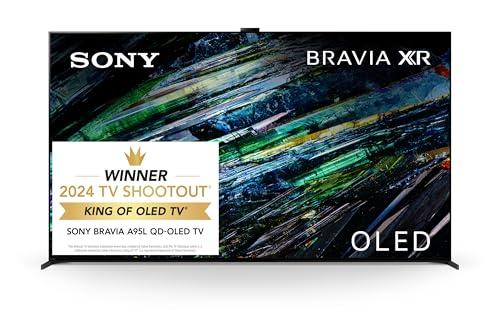
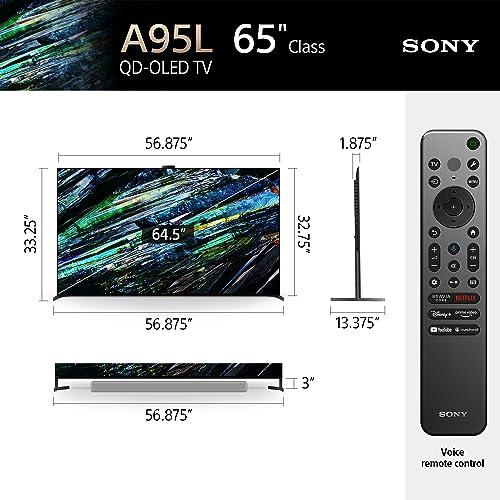




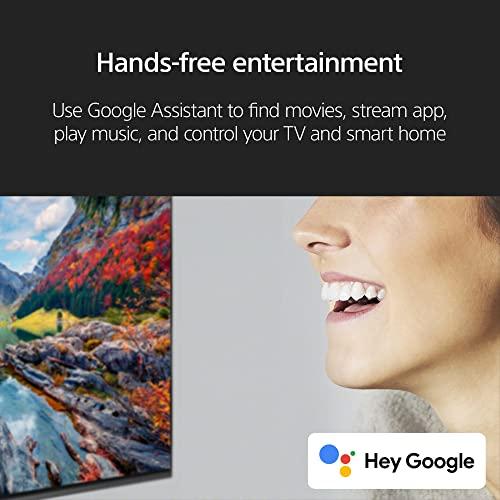
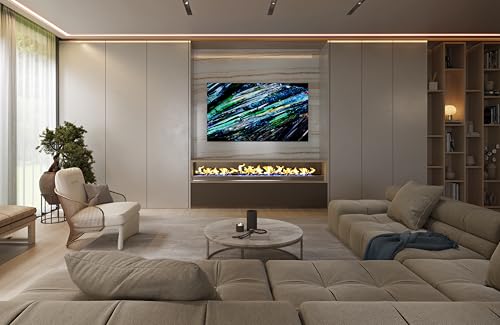
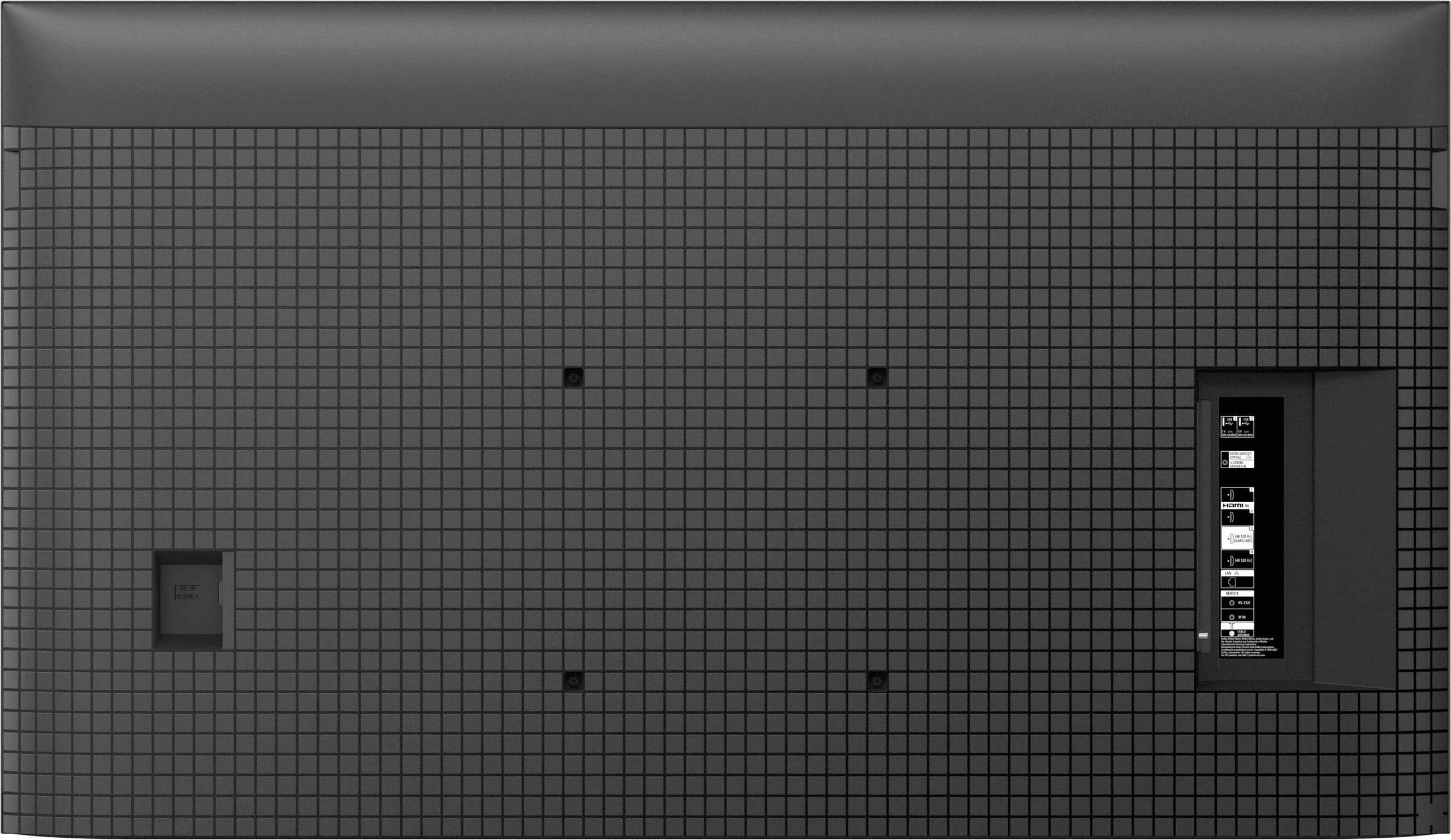
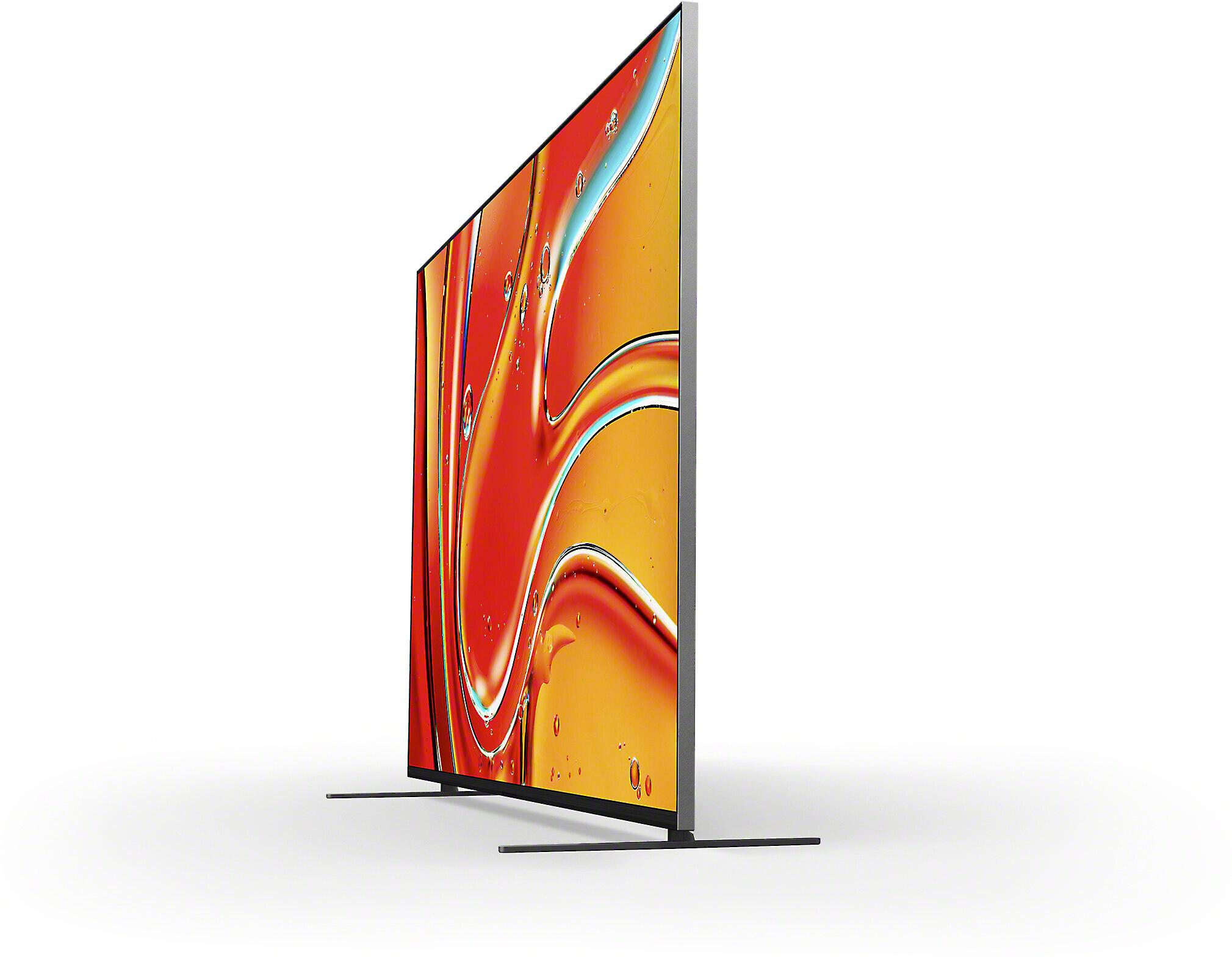
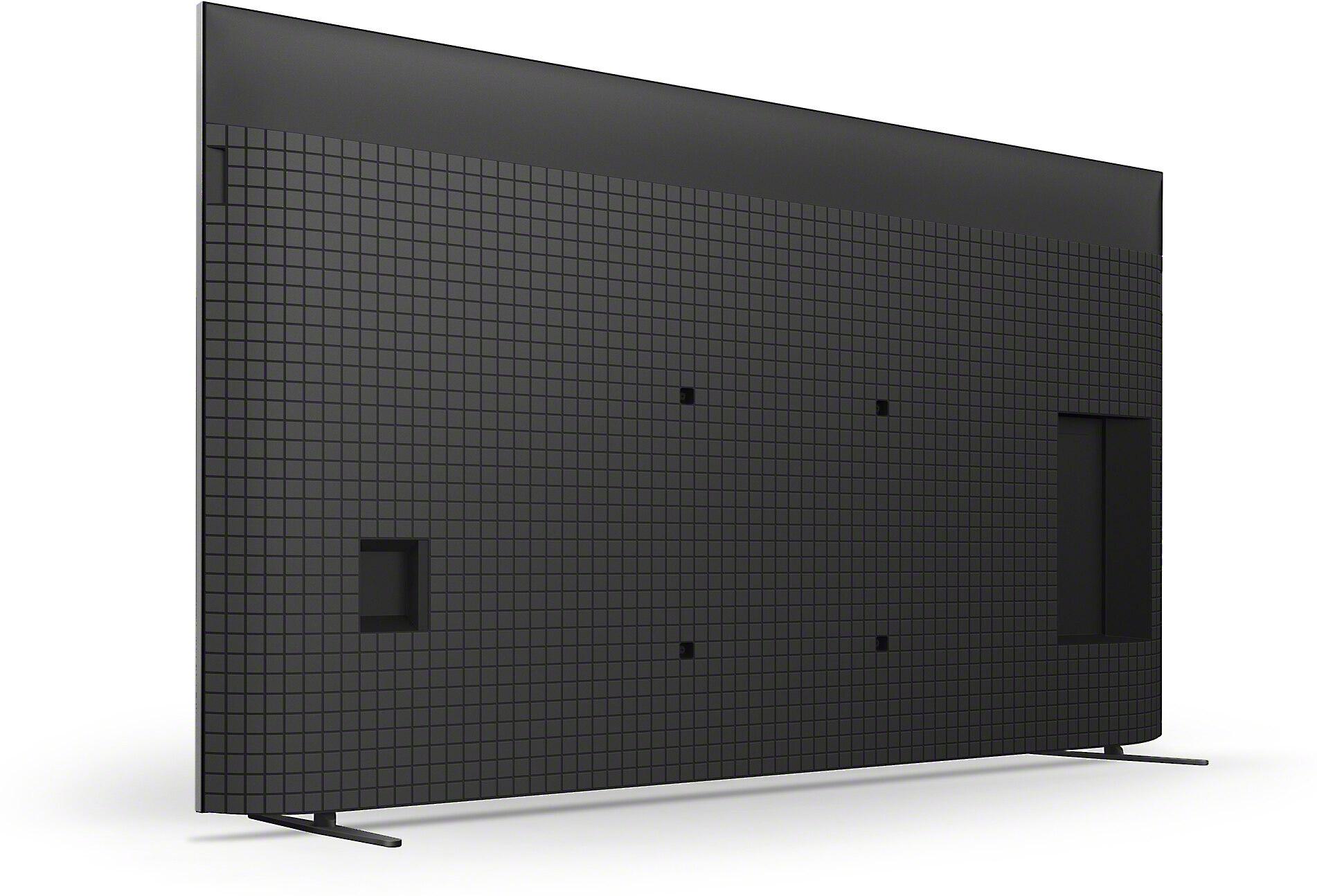
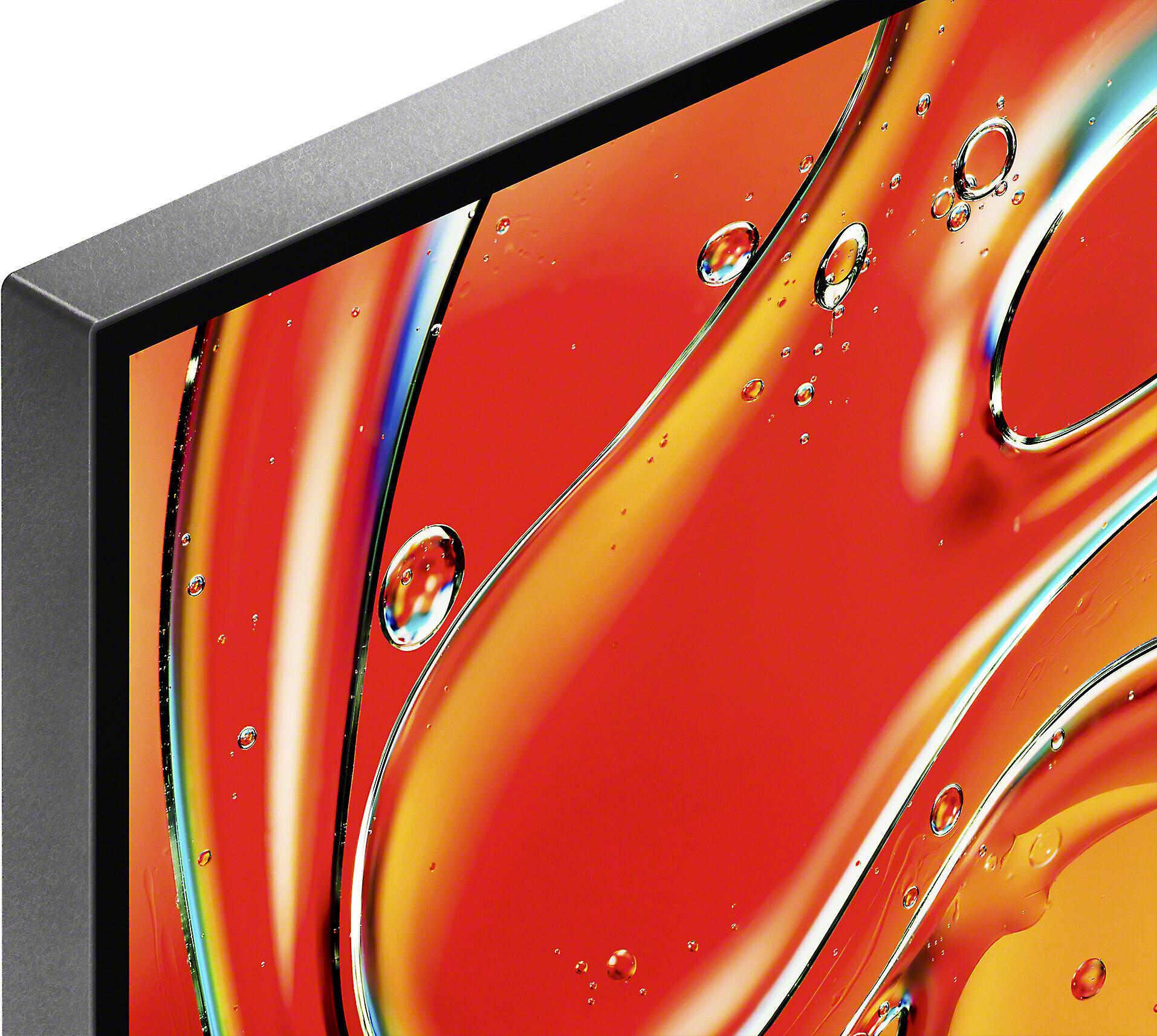
When you're ready to upgrade to a premium television, two display technologies dominate the conversation: OLED and Mini LED. Sony offers compelling options in both categories with the BRAVIA XR A95L representing their QD-OLED flagship and the BRAVIA 7 showcasing their advanced Mini LED technology. These aren't just different TVs—they're fundamentally different approaches to creating exceptional picture quality.
The television market has evolved dramatically over the past few years. OLED technology, where each pixel creates its own light and can turn completely off, has long been the gold standard for contrast and color accuracy. Mini LED represents a newer approach, using thousands of tiny LED zones behind an LCD panel to achieve deep blacks while delivering unprecedented brightness levels. Both technologies excel, but in different ways and for different users.
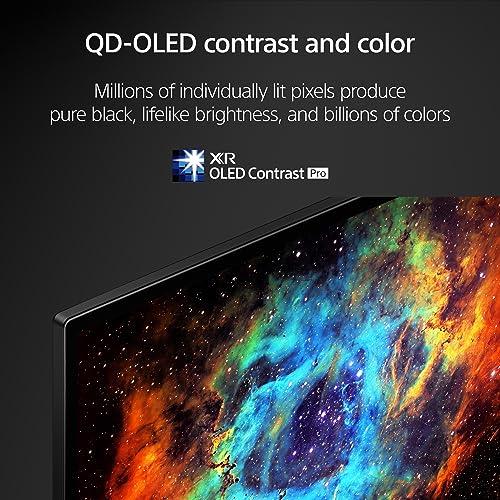
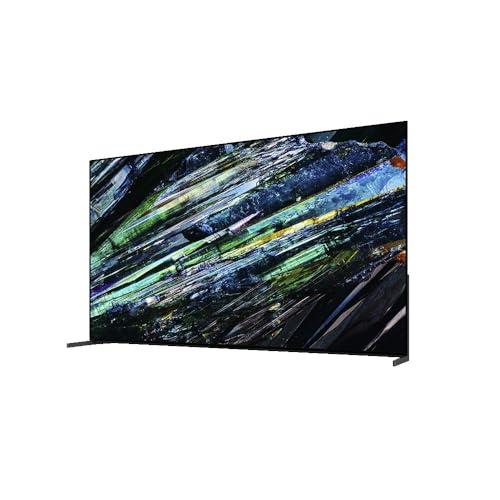
The Sony BRAVIA XR A95L uses QD-OLED (Quantum Dot Organic Light Emitting Diode) technology, which was cutting-edge when it launched in 2023. This second-generation QD-OLED panel combines the perfect blacks of OLED with enhanced brightness and color volume through quantum dot enhancement. Each pixel can turn completely off, creating true blacks with no light bleeding—something LCD-based displays simply cannot match.
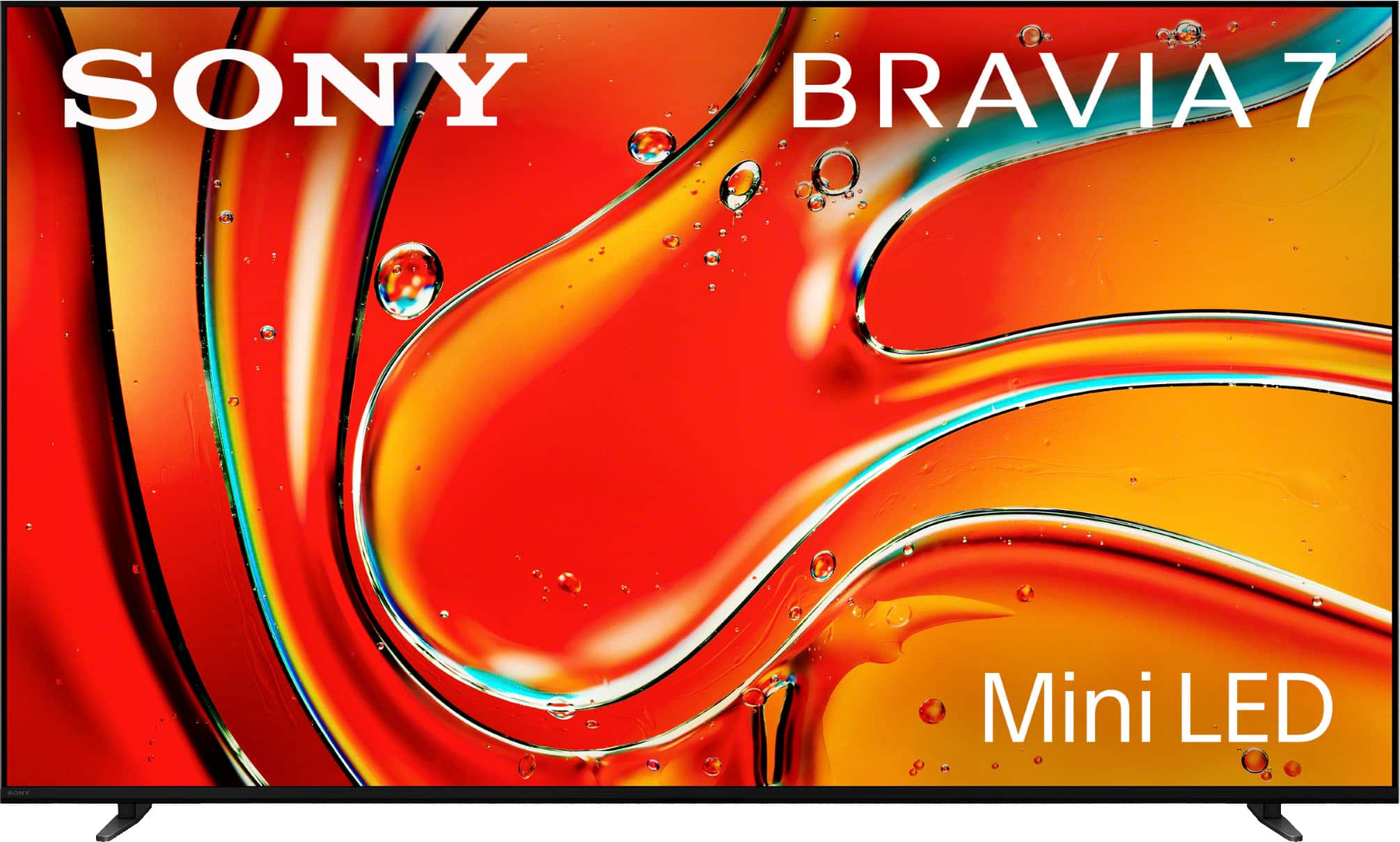
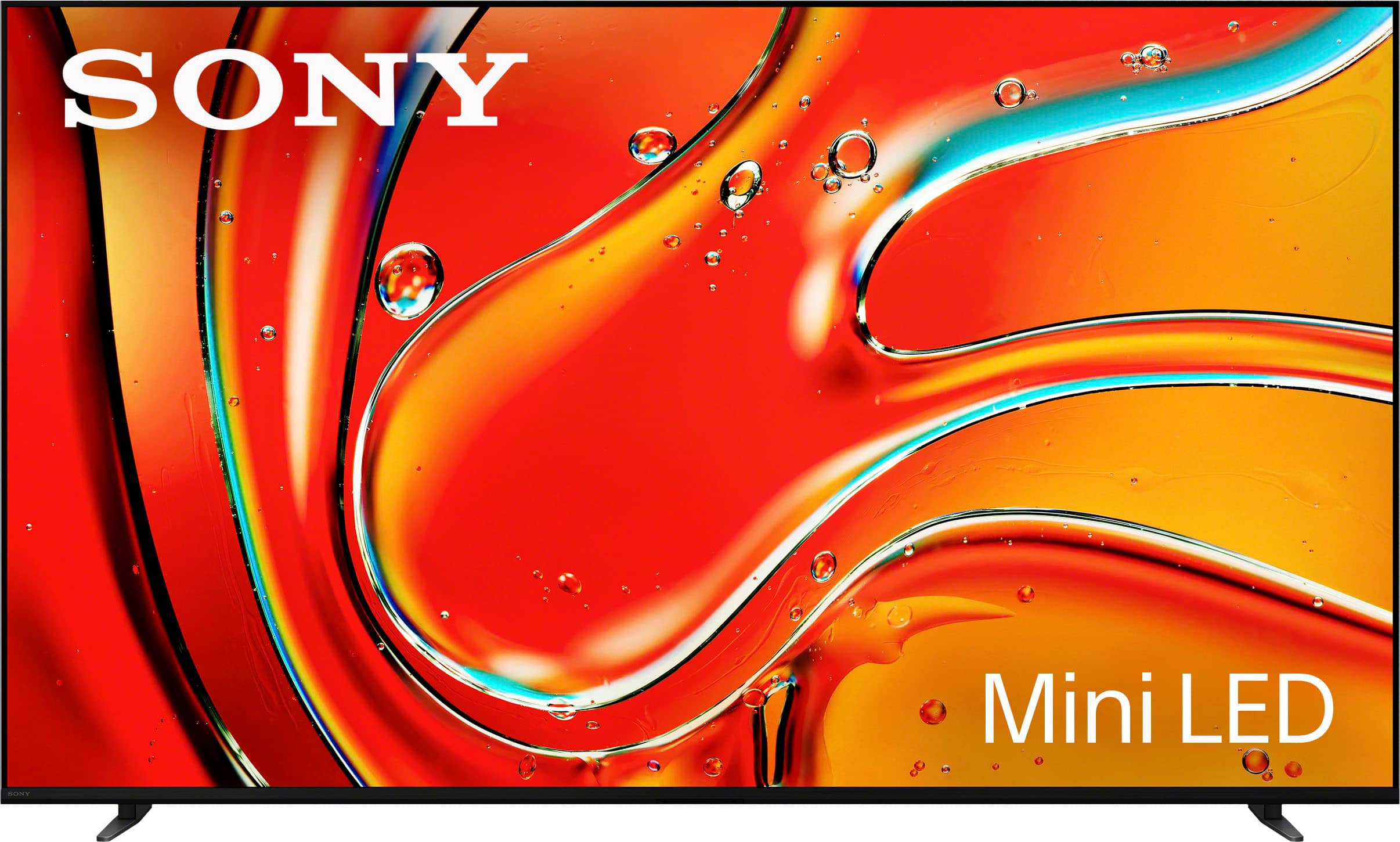
The BRAVIA 7, released in 2024, uses Mini LED backlighting with full-array local dimming. Instead of a few dozen dimming zones like traditional LED TVs, Mini LED uses thousands of tiny LED zones that can be controlled independently. Sony's XR Backlight Master Drive technology manages these zones precisely, creating deep blacks while maintaining exceptional brightness capabilities.
Since these products launched, the TV landscape has continued evolving. Competing brands have pushed OLED brightness even higher, while Mini LED technology has become more refined and affordable. However, both Sony models remain competitive in their respective categories, with the A95L still delivering reference-quality OLED performance and the BRAVIA 7 representing excellent value in the Mini LED space.
Picture quality differences between these TVs come down to fundamental physics. The A95L's OLED panel achieves perfect blacks because pixels can turn completely off—there's literally no light emission. This creates infinite contrast ratio (the difference between the brightest whites and darkest blacks), making every scene appear more three-dimensional and realistic.
The QD-OLED panel can reach peak brightness levels around 1,300 nits, which is impressive for OLED technology. However, the BRAVIA 7's Mini LED backlighting can push significantly brighter, handling HDR highlights with intensity that makes the A95L look dim by comparison. This brightness advantage becomes crucial in bright rooms or when watching HDR content with spectacular highlights like explosions or sunlit scenes.
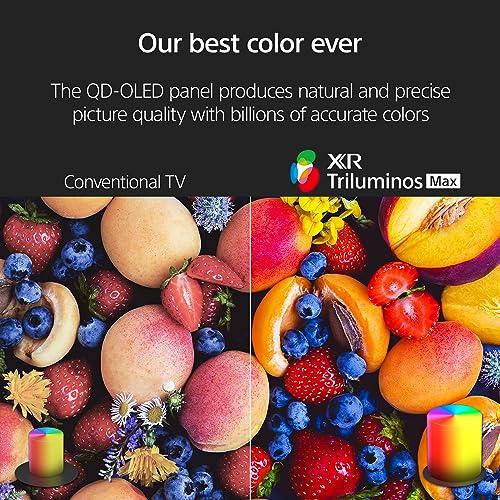
Color performance reveals another key distinction. The A95L's QD-OLED technology delivers a wider color gamut (range of colors it can display) with exceptional accuracy. Colors appear more saturated yet natural, with smooth gradations between similar shades. The XR Triluminos Max technology enhances this further, creating color volume that brings images to life with remarkable realism.
The BRAVIA 7 also delivers excellent color performance through its Mini LED backlighting, but cannot match the natural color reproduction of QD-OLED. However, its superior brightness means colors appear more vibrant in bright viewing conditions where the A95L might look washed out.
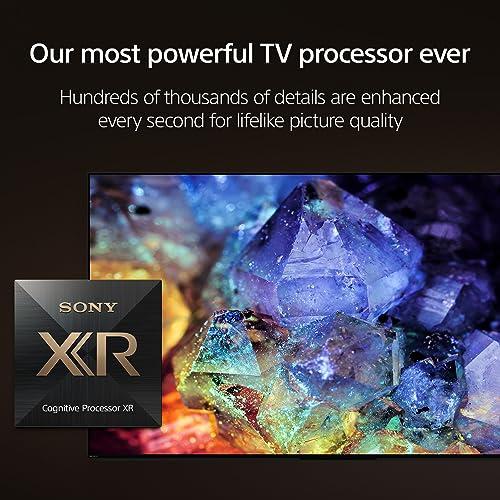
Both TVs excel at upscaling lower-resolution content—taking HD or even DVD content and making it look better on their 4K displays. Sony's Cognitive Processor XR uses artificial intelligence to analyze and enhance every frame, restoring detail and reducing noise. Based on extensive user feedback, Sony's processing remains among the best in the industry, making both TVs excellent choices for mixed content consumption.
Your viewing environment dramatically influences which TV performs better. The A95L maintains excellent picture quality when viewed from the sides—you can sit at sharp angles to the screen without seeing color shifting or brightness loss. This makes it ideal for rooms where people sit in various locations around the TV.
The BRAVIA 7 has much narrower viewing angles, a common limitation of LCD-based displays. Picture quality degrades noticeably when viewed from the sides, with colors shifting and brightness decreasing. This isn't necessarily a deal-breaker, but it does limit seating flexibility.
Brightness capabilities create the biggest environmental difference. The BRAVIA 7 excels in bright rooms with lots of windows or ambient lighting. Its superior peak brightness cuts through glare and maintains picture impact even in challenging lighting conditions. The A95L performs well in controlled lighting but can look dim or washed out in very bright rooms.
For dedicated home theater setups with controlled lighting, the A95L is typically the better choice. Its perfect blacks create an immersive, cinematic experience that's hard to match. However, if your TV is in a bright living room or family room, the BRAVIA 7's brightness advantage becomes significant.
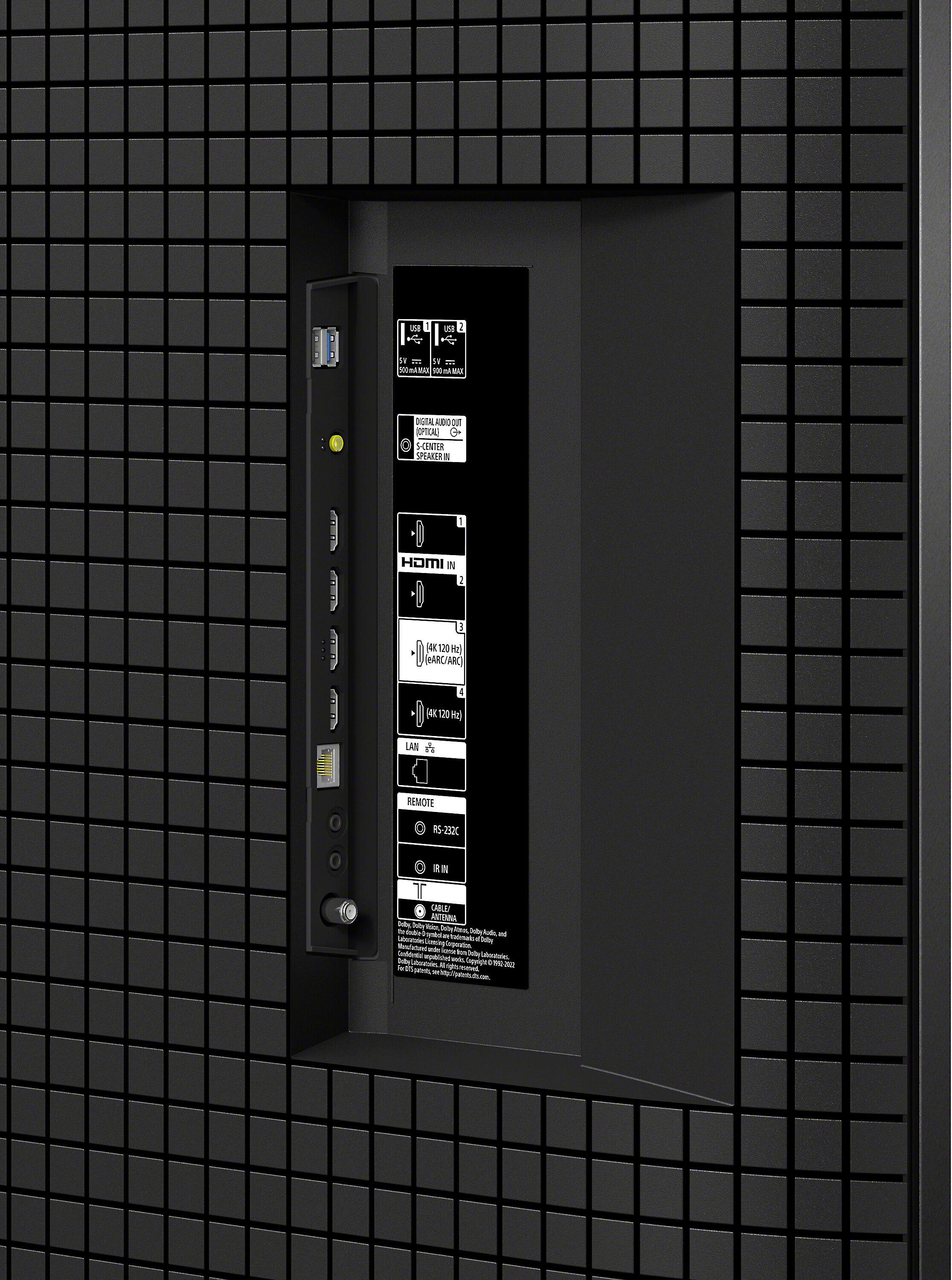
Both TVs cater to serious gamers with HDMI 2.1 features including 4K at 120Hz support, Variable Refresh Rate (VRR) to eliminate screen tearing, and Auto Low Latency Mode (ALLM) that automatically switches to game mode when it detects a gaming console.
The A95L offers input lag around 9-16 milliseconds at 4K 120Hz, which is excellent for competitive gaming. Its OLED panel provides instantaneous pixel response—when pixels need to change from one color to another, they do so immediately with no motion blur. This creates incredibly smooth motion in fast-paced games.
The BRAVIA 7 achieves even lower input lag at under 8.5 milliseconds in game mode, giving it a slight edge for competitive esports gaming. While its LCD panel doesn't have the instantaneous pixel response of OLED, the difference is minimal in practice.
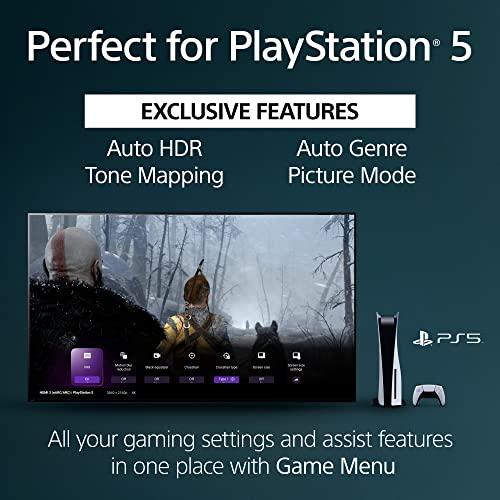
Both TVs work exceptionally well with PlayStation 5 and Xbox Series X consoles. Sony includes specific optimizations for PlayStation 5, including automatic HDR tone mapping that adjusts the TV's settings based on the game being played. However, both TVs only offer two HDMI 2.1 ports capable of full 4K 120Hz gaming, which could be limiting if you have multiple next-generation consoles or a high-end PC.
For HDR gaming specifically, the BRAVIA 7's superior brightness makes HDR highlights more impactful, while the A95L's perfect blacks create more immersive dark scenes. Your gaming preferences and room lighting should guide this decision.
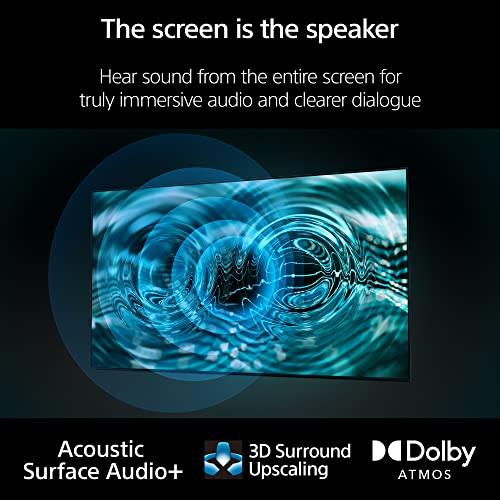
Audio represents an area where these TVs take different approaches. The A95L uses Sony's Acoustic Surface Audio+ technology, where actuators behind the screen vibrate the entire display to create sound. This unique approach makes dialogue appear to come directly from characters on screen, creating impressive immersion for movies and TV shows. The system supports Dolby Atmos and can even function as a center channel speaker when paired with compatible Sony soundbars.
The BRAVIA 7 uses more traditional speakers but delivers surprisingly strong performance for a flatscreen TV. User reports consistently praise its audio quality, describing a large soundstage with good separation and detail. While it can't match dedicated audio systems, it performs well enough that you might delay purchasing a soundbar.
Both TVs support advanced audio formats including Dolby Atmos and DTS:X, but the A95L's unique acoustic approach gives it an edge for built-in audio quality, particularly for dialogue clarity and spatial positioning.
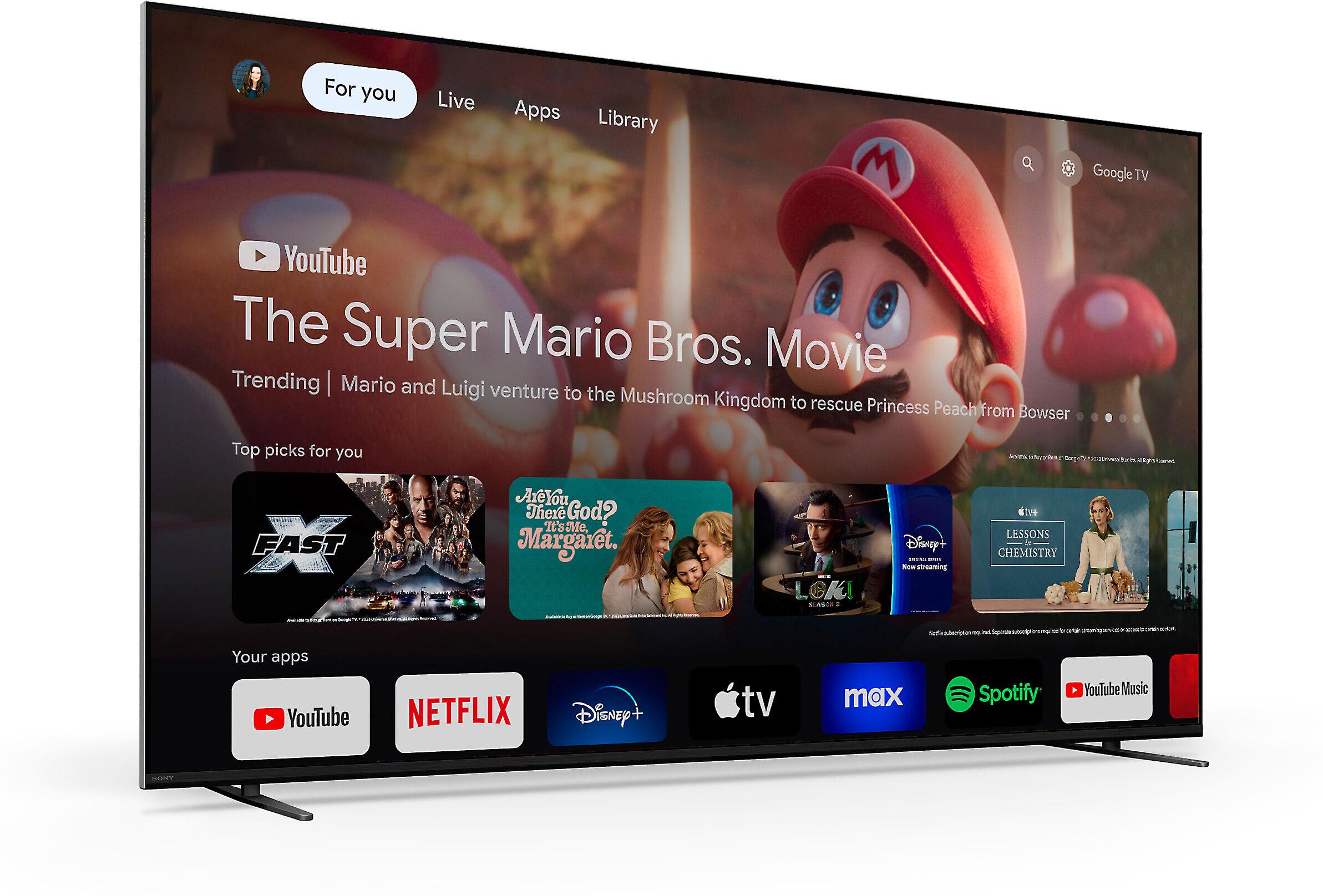
Both TVs run Google TV, Sony's current smart platform that organizes content from various streaming services into a unified interface. The platform is responsive and comprehensive, though some users report occasional slowdowns, particularly when first powering on the TV.
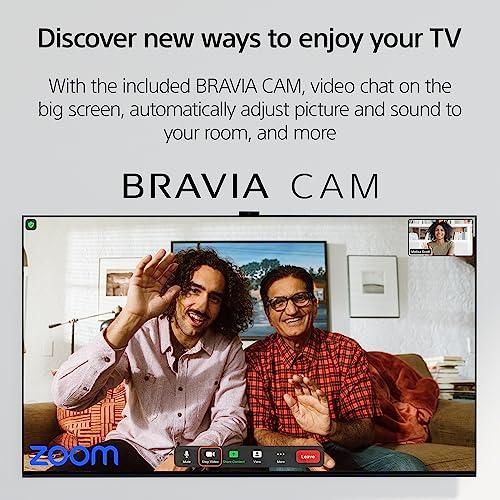
The A95L includes a BRAVIA CAM that adds several useful features. The camera can automatically adjust picture and sound settings based on your position in the room through Ambient Optimization Pro. It also enables gesture controls and video chat capabilities. Privacy-conscious users will appreciate the physical mic switch and camera shutter for complete control over these features.
Both TVs feature Sony's Cognitive Processor XR, which uses artificial intelligence to analyze and optimize every element of the picture and sound in real time. This processor powers features like XR 4K Upscaling for lower-resolution content and XR HDR Remaster for enhanced dynamic range.
The processor also includes specialized picture modes calibrated for different streaming services. Netflix Calibrated Mode ensures content appears as the creators intended, while similar modes exist for Prime Video and Sony Pictures Core content.
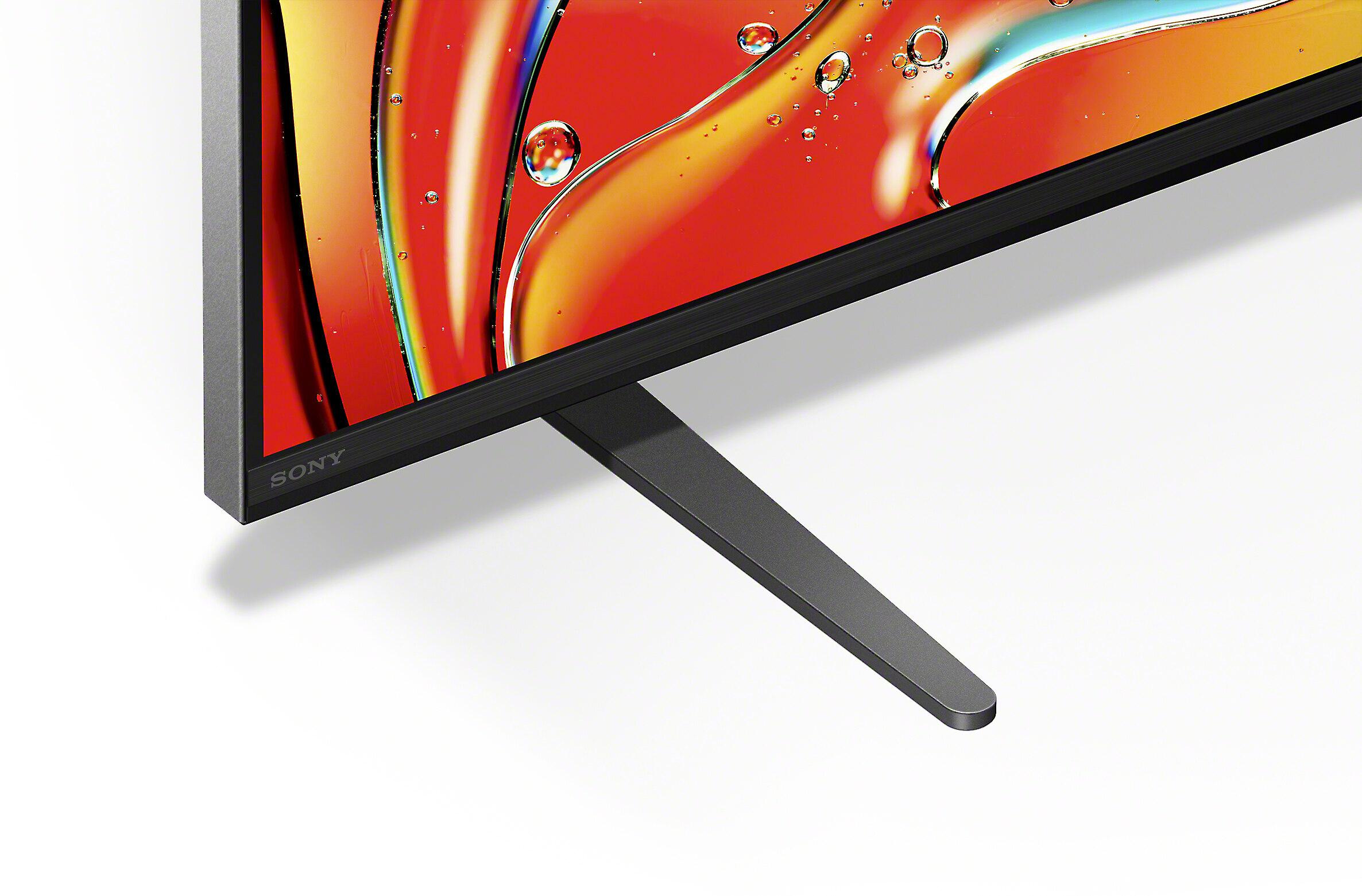
Both TVs reflect Sony's premium build quality with solid construction and thoughtful design details. The BRAVIA 7 includes a particularly clever three-position stand that can be configured in wide, narrow, or raised positions depending on your furniture and soundbar requirements. This flexibility is genuinely useful and shows attention to real-world usage scenarios.
The A95L focuses on minimizing distractions from the picture, with slim bezels and premium materials throughout. As with most OLED TVs, it's remarkably thin when wall-mounted, creating an elegant, almost floating appearance.
Both TVs include well-designed remotes with backlighting and voice control capabilities. The remote quality feels premium and includes direct buttons for major streaming services.
At the time of writing, the BRAVIA 7 typically costs significantly less than the A95L, often pricing at around 60% of the OLED's cost while delivering approximately 85% of its performance. This makes it exceptional value for most users who want premium TV features without flagship pricing.
The A95L commands premium pricing but justifies it with reference-quality picture accuracy and features that remain competitive even as newer models enter the market. For enthusiasts seeking the absolute best picture quality, the price premium often feels worthwhile.
Choose the BRAVIA XR A95L if you're building a dedicated home theater or have a room where you can control lighting. Its perfect blacks and wide viewing angles make it ideal for movie enthusiasts who want the most cinematic experience possible. The included BRAVIA CAM adds value through smart optimization features, and the overall package represents Sony's premium OLED technology at its finest.
The A95L also makes sense if you frequently have people watching from various angles around the room, as its viewing angle performance is substantially better. For gaming, while both TVs perform excellently, the A95L's instantaneous pixel response gives it a slight edge for fast-paced gaming, though the BRAVIA 7 counters with lower input lag.
Choose the BRAVIA 7 if you have a bright room with lots of ambient lighting or if value is a primary concern. Its exceptional brightness and local dimming create impressive picture quality that handles challenging lighting conditions better than most OLED displays. The three-position stand design and strong built-in audio add practical value that many users will appreciate.
The BRAVIA 7 is also the better choice if most viewing happens from directly in front of the TV, as its viewing angle limitations won't impact your experience. For sports and HDR content that benefits from maximum brightness, it often delivers more impact than the A95L.
Both TVs represent excellent choices in their respective categories, but they serve different users and viewing environments. The BRAVIA XR A95L delivers the ultimate picture quality experience with perfect blacks, accurate colors, and wide viewing angles that make it ideal for dedicated home theaters and movie enthusiasts. The BRAVIA 7 offers exceptional brightness and value, making premium TV features accessible while excelling in bright rooms and mixed-use environments.
Your decision should ultimately depend on your viewing environment, seating arrangement, and whether you prioritize absolute picture quality or practical performance with strong value. Both represent Sony's engineering excellence, just applied to different display technologies with their own unique strengths.
| Sony BRAVIA XR A95L 65" QD-OLED | Sony BRAVIA 7 65" 4K UHD Smart Google TV |
|---|---|
| Display Technology - Determines contrast, brightness, and viewing angles | |
| QD-OLED with perfect pixel-level control | Mini LED with full-array local dimming |
| Black Levels - Critical for movie watching and overall contrast | |
| Perfect blacks (pixels turn completely off) | Deep blacks but some light leakage in dark scenes |
| Peak Brightness - Essential for HDR content and bright rooms | |
| ~1,300 nits (excellent for OLED, limited in bright rooms) | Significantly brighter (excellent for any lighting condition) |
| Viewing Angles - Important for seating flexibility | |
| Excellent wide viewing angles maintain picture quality | Very narrow viewing angles, picture degrades from sides |
| Gaming Input Lag - Critical for competitive gaming | |
| 9-16ms at 4K 120Hz (excellent for gaming) | <8.5ms in Game Mode (slightly better for esports) |
| HDMI 2.1 Ports - Needed for next-gen gaming consoles | |
| 2 ports support 4K@120Hz, VRR, ALLM | 2 ports support 4K@120Hz, VRR, ALLM |
| Audio Technology - Affects need for external soundbar | |
| Acoustic Surface Audio+ (screen acts as speaker) | Traditional speakers with surprisingly strong performance |
| Color Accuracy - Important for movies and content creation | |
| Reference-grade color with XR Triluminos Max | Excellent color but cannot match OLED naturalness |
| Smart Platform - Daily usability and app performance | |
| Google TV with BRAVIA CAM included | Google TV with three-position stand design |
| Room Suitability - Where each TV performs best | |
| Controlled lighting, home theaters, wide seating | Bright rooms, centered viewing, living rooms |
| Value Proposition - Performance relative to cost | |
| Premium pricing for reference-quality experience | Exceptional value delivering near-flagship performance |
The Sony BRAVIA XR A95L delivers superior picture quality for movies with its QD-OLED technology providing perfect blacks and infinite contrast. Each pixel can turn completely off, creating the deep blacks essential for cinematic viewing. The Sony BRAVIA 7 offers excellent picture quality with its Mini LED backlighting, but cannot match the absolute black levels that make the A95L ideal for home theater setups.
QD-OLED in the Sony BRAVIA XR A95L combines OLED's perfect blacks with quantum dot color enhancement, where each pixel creates its own light. Mini LED in the Sony BRAVIA 7 uses thousands of tiny LED zones behind an LCD panel for precise local dimming. The A95L achieves perfect blacks while the BRAVIA 7 delivers superior brightness for bright rooms.
The Sony BRAVIA 7 is significantly better for bright rooms due to its superior peak brightness that cuts through glare and ambient lighting. While the Sony BRAVIA XR A95L delivers exceptional picture quality, it can appear dim or washed out in very bright environments. For living rooms with lots of natural light, the BRAVIA 7 maintains picture impact throughout the day.
Yes, both the Sony BRAVIA XR A95L and Sony BRAVIA 7 support 4K at 120Hz, Variable Refresh Rate (VRR), and Auto Low Latency Mode (ALLM) on two HDMI 2.1 ports. The BRAVIA 7 has slightly lower input lag at under 8.5ms, while the A95L offers instantaneous pixel response for blur-free gaming motion.
The Sony BRAVIA XR A95L has excellent wide viewing angles that maintain picture quality when viewed from the sides, making it ideal for group viewing. The Sony BRAVIA 7 has narrow viewing angles with noticeable picture degradation when viewed from off-center positions. For flexible seating arrangements, the A95L is the clear choice.
The Sony BRAVIA XR A95L uses Acoustic Surface Audio+ technology where the screen itself acts as a speaker, creating immersive dialogue placement. The Sony BRAVIA 7 features traditional speakers that deliver surprisingly strong performance with good soundstage and detail. Both support Dolby Atmos, but the A95L offers more innovative audio positioning.
The Sony BRAVIA 7 offers exceptional value, delivering approximately 85% of flagship performance at a significantly lower cost than the Sony BRAVIA XR A95L. While the A95L provides reference-quality picture accuracy, the BRAVIA 7 makes premium Mini LED technology accessible with impressive brightness and local dimming capabilities.
The Sony BRAVIA XR A95L includes a BRAVIA CAM for ambient optimization, gesture controls, and automatic picture adjustments based on viewing position. The Sony BRAVIA 7 features a versatile three-position stand design for flexible setup configurations. Both use Sony's Cognitive Processor XR for AI-powered picture processing and run Google TV.
The Sony BRAVIA XR A95L is superior for dedicated home theaters with its perfect blacks, infinite contrast, and excellent performance in controlled lighting environments. The QD-OLED technology creates the most cinematic viewing experience possible. While the Sony BRAVIA 7 performs well, it cannot match the A95L for pure home theater applications.
Both the Sony BRAVIA XR A95L and Sony BRAVIA 7 support HDR10, HLG, and Dolby Vision formats. The BRAVIA 7 delivers brighter HDR highlights due to its superior peak brightness, while the A95L provides better shadow detail and overall HDR balance with its perfect black levels and precise color reproduction.
Both the Sony BRAVIA XR A95L and Sony BRAVIA 7 use identical Cognitive Processor XR technology and Google TV platform, providing excellent upscaling and smart features. The A95L includes additional smart capabilities through its BRAVIA CAM, while both offer Netflix Calibrated modes and comprehensive streaming app support with similar performance.
Choose the Sony BRAVIA XR A95L QD-OLED if you prioritize absolute picture quality, have controlled lighting, and want wide viewing angles for group viewing. Select the Sony BRAVIA 7 Mini LED if you have a bright room, want excellent value, and primarily view from centered positions. The A95L excels in home theaters while the BRAVIA 7 handles mixed lighting better.
We've done our best to create useful and informative comparisons to help you decide what product to buy. Our research uses advanced automated methods to create this comparison and perfection is not possible - please contact us for corrections or questions. These are the sites we've researched in the creation of this article: rtings.com - youtube.com - rtings.com - avsforum.com - rtings.com - smarthomesounds.co.uk - smarthomesounds.co.uk - rtings.com - smarthomesounds.co.uk - youtube.com - tomsguide.com - avsforum.com - rtings.com - perfectrec.com - flatpanelshd.com - videoandaudiocenter.com - sonypremiumhome.com - bestbuy.com - sony.com - electronics.sony.com - displayspecifications.com - donstv.com - youtube.com - static.pcrichard.com - smarthomesounds.co.uk - youtube.com - electronics.sony.com - electronics.sony.com - displayspecifications.com - bestbuy.com - bestbuy.com - avsforum.com - avsforum.com - crutchfield.com - sony.com - rtings.com - schaeferstv.com - youtube.com - displayspecifications.com

Privacy Policy
Terms and Conditions - Affiliate Policy
Home Security
© Copyright 2008-2026.
11816 Inwood Rd #1211, Dallas, TX 75244