

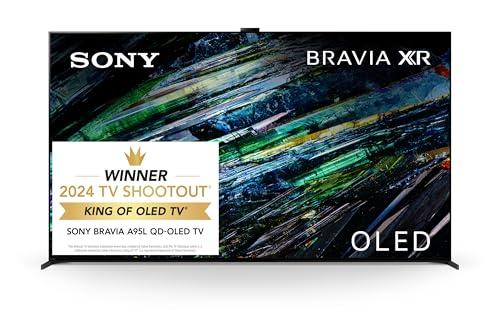
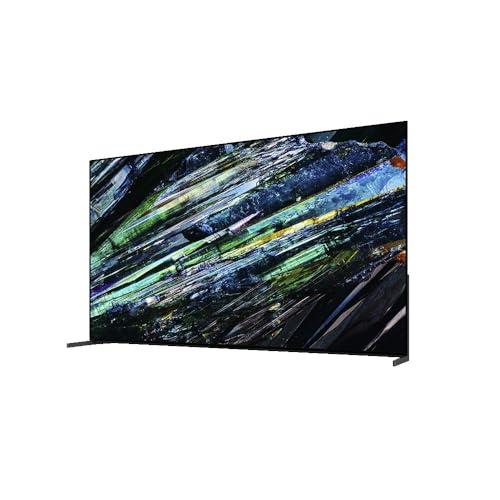


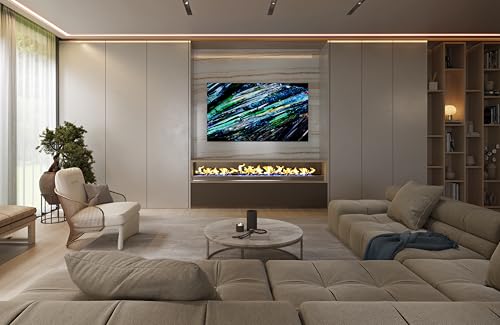
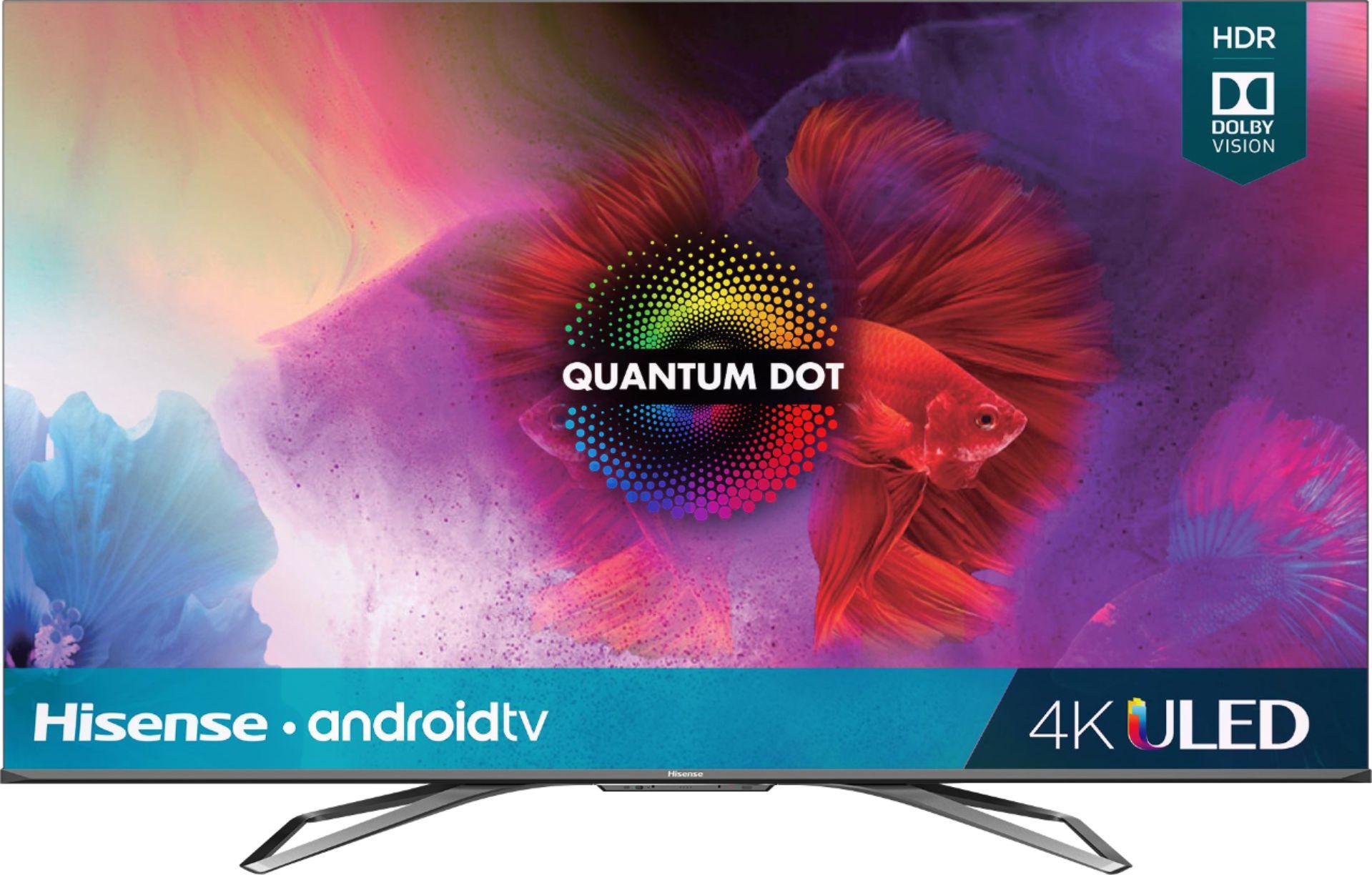
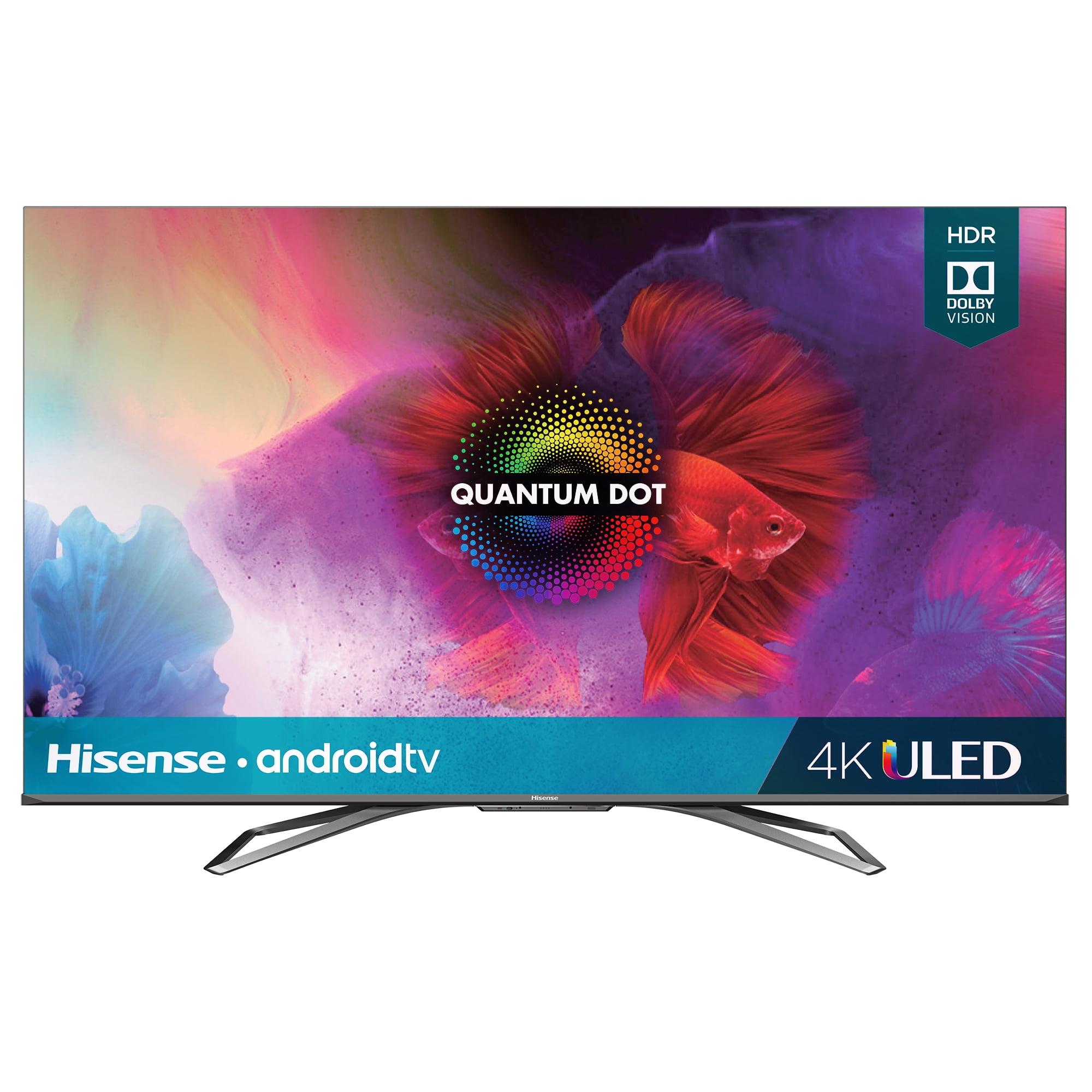
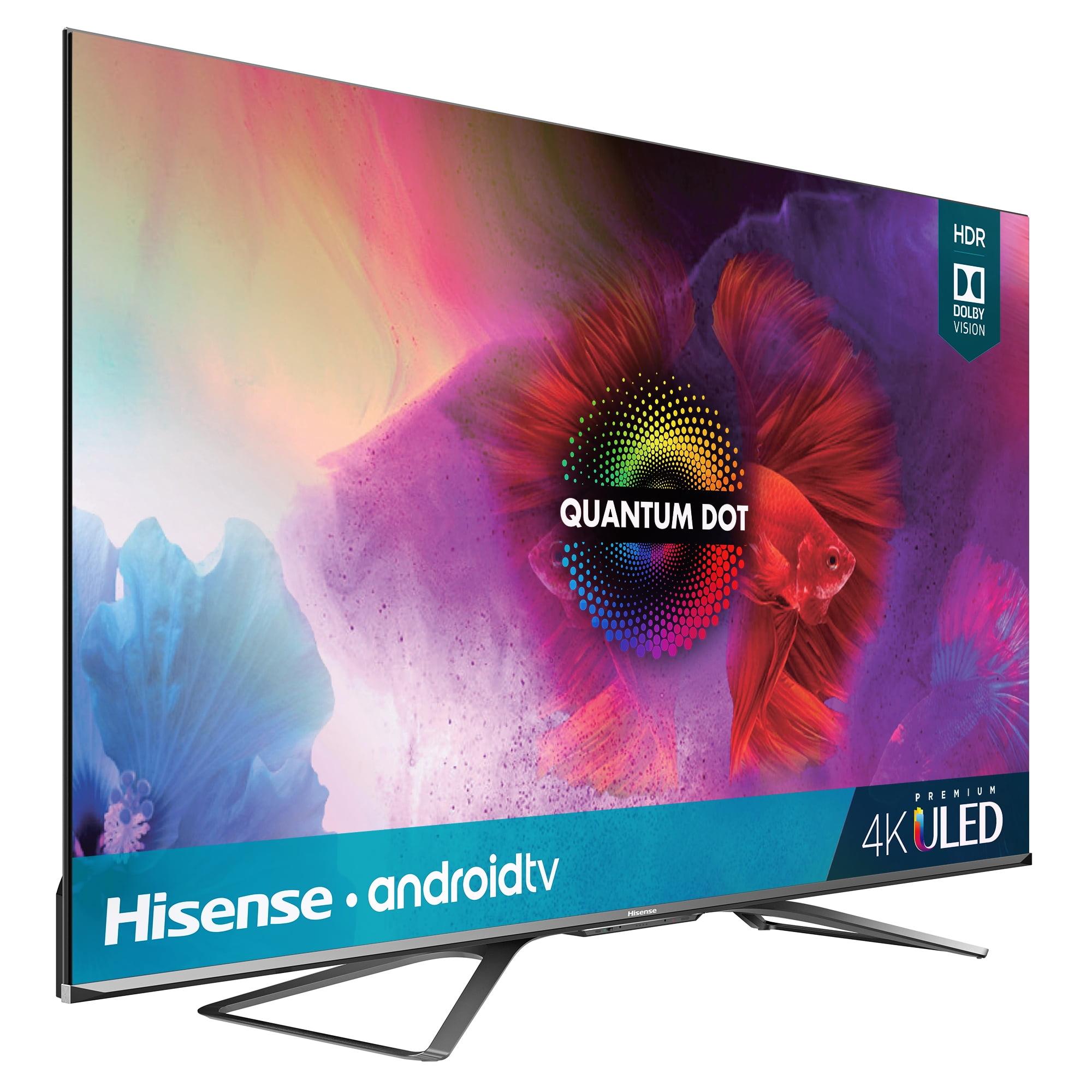

Choosing the right 65-inch TV can feel overwhelming when you're comparing models from completely different price tiers. The Sony BRAVIA XR A95L represents 2023's cutting-edge QD-OLED technology, while the Hisense H9G delivers solid LCD performance at a fraction of the cost. Understanding which approach suits your needs—and your budget—requires diving into what makes these technologies tick.
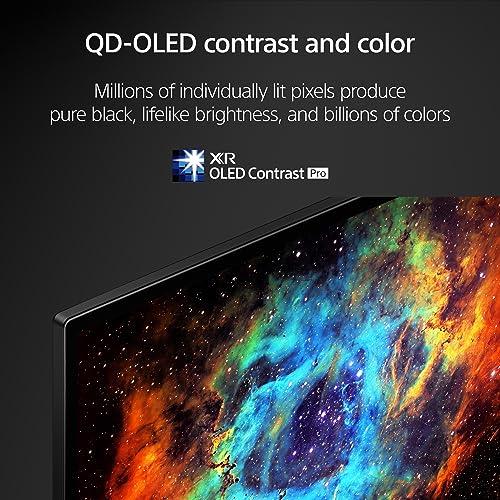
The fundamental difference between these TVs starts with how they create the picture you see. The Sony A95L uses QD-OLED technology, where each of the 8.3 million pixels produces its own light and can turn completely off. Think of it like having millions of tiny light bulbs that can individually dim to perfect black or brighten to brilliant white. This self-emissive technology (meaning pixels emit their own light rather than relying on a backlight) creates what many consider the gold standard for contrast.
The Hisense H9G, meanwhile, uses quantum dot-enhanced LCD technology with full-array local dimming. This means there's a backlight behind the screen that's divided into 180 separate zones that can dim independently. While this creates better contrast than basic LCD TVs, it can't achieve the per-pixel control of OLED. It's like having 180 dimmer switches instead of 8.3 million individual light controls.
Since the H9G's release around 2020, LCD technology has continued advancing, but the fundamental limitations remain the same. The Sony A95L, launching in 2023, represents second-generation QD-OLED technology with significant improvements over earlier OLED panels in brightness and efficiency.
This is where the technological gap becomes most apparent. The Sony A95L delivers infinite contrast ratio—meaning pure black pixels sit directly next to brilliant white ones without any light bleeding between them. When you're watching a movie with a starfield or credits rolling over black, you get true black that matches your TV's bezel.
The Hisense H9G achieves impressive contrast for an LCD, with its 180 local dimming zones creating much deeper blacks than basic TVs. However, physics dictates that some light will still leak from the backlight, creating subtle gray levels instead of true black. You might notice slight haloing around bright objects against dark backgrounds—what we call "blooming"—though it's well-controlled for this price range.
In practical terms, the Sony excels in dark room viewing where these contrast differences are most noticeable. The Hisense performs admirably in mixed lighting conditions where absolute black levels matter less.
High Dynamic Range (HDR) content—which includes most modern streaming shows and movies—relies on bright highlights and deep shadows to create realistic images. Both TVs can reach around 1,000 nits peak brightness (roughly 3x brighter than standard TV content), but they achieve it differently.
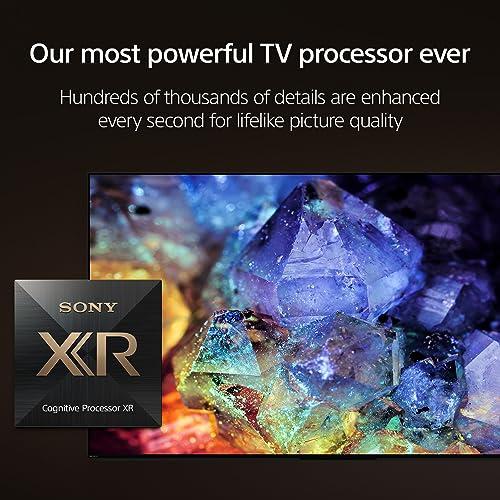
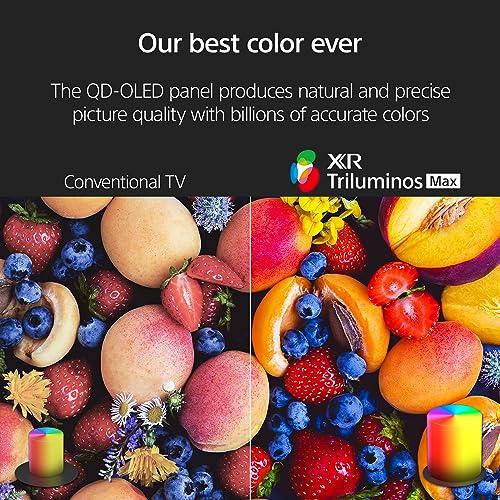
The Sony A95L uses its Cognitive Processor XR to analyze hundreds of thousands of on-screen elements simultaneously, boosting only the elements that should be brightest while maintaining accurate shadow detail. This precision processing, combined with XR Triluminos Max technology, delivers what Sony claims is 200% more color brightness than conventional OLEDs. The result is HDR that closely matches what content creators intended.
The Hisense H9G can achieve similar peak brightness numbers but applies this brightness more broadly across the screen due to its zone-based dimming. While this can make HDR content appear punchy and impressive, it may not preserve the subtle gradations that make HDR content look natural.
Both support major HDR formats including Dolby Vision, but the Sony's processing maintains better accuracy to the original mastering, while the Hisense's approach prioritizes immediate visual impact.
Color reproduction showcases another key difference. The Sony A95L combines quantum dot color enhancement with OLED's self-emissive properties, creating what many reviewers describe as "nearly flawless" color accuracy out of the box. The TV's pre-calibration performance is so accurate that professional calibrators often find minimal adjustments needed.
The Hisense H9G uses quantum dot technology to expand its color gamut beyond standard LCD capabilities. Quantum dots are tiny semiconductor particles that convert blue LED light into precise red and green wavelengths, creating more saturated and accurate colors than traditional LCD phosphors. While not matching the Sony's precision, it delivers vibrant, enjoyable colors that most viewers will find satisfying.
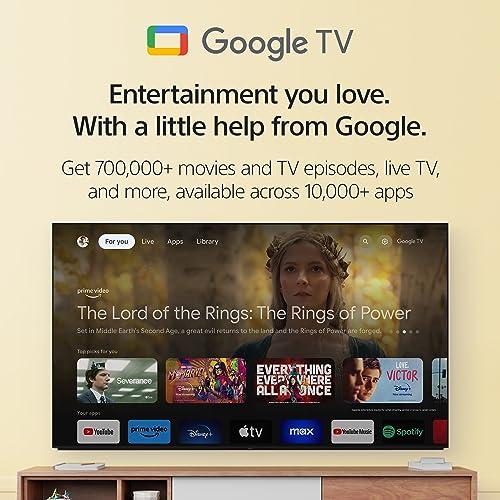
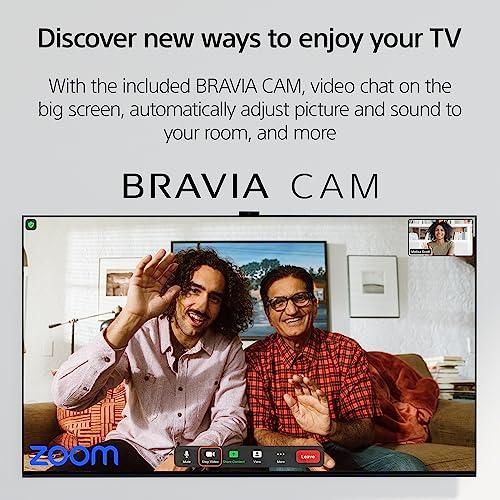
The software experience differs significantly between these models. The Sony A95L runs Google TV, the latest evolution of Android TV that launched in 2020. Google TV features a more streamlined interface with better content discovery, pulling recommendations from across your streaming services onto a unified home screen. The included BRAVIA CAM enables ambient optimization (automatically adjusting picture settings based on room lighting) and gesture controls.
The Hisense H9G uses the earlier Android TV platform, which works well but lacks Google TV's refined interface and advanced features. You'll still get access to the full Google Play Store and Chromecast functionality, but navigation feels less intuitive, and content discovery requires more manual searching.
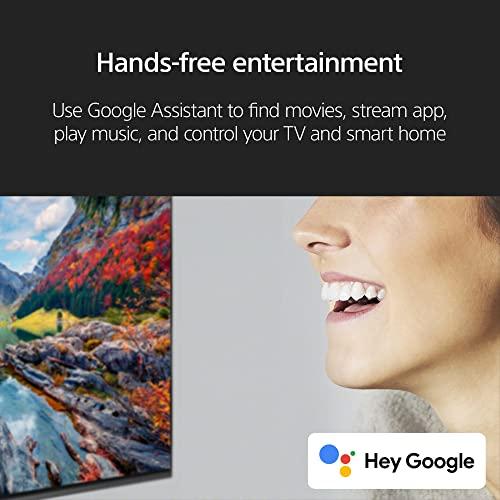
Both support major streaming services, but the Sony includes hands-free voice control through built-in microphones and Apple AirPlay/HomeKit integration for iOS users. The Hisense requires using the remote for voice commands and lacks Apple ecosystem integration.
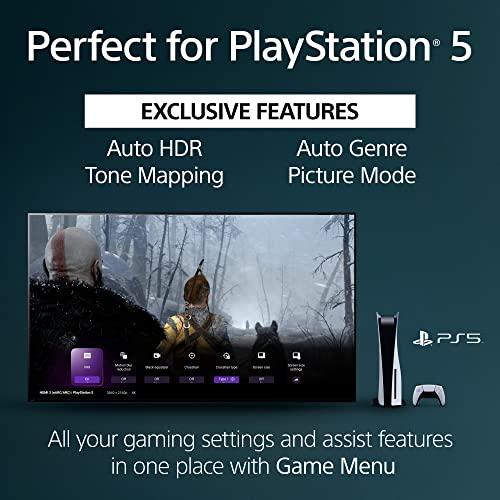
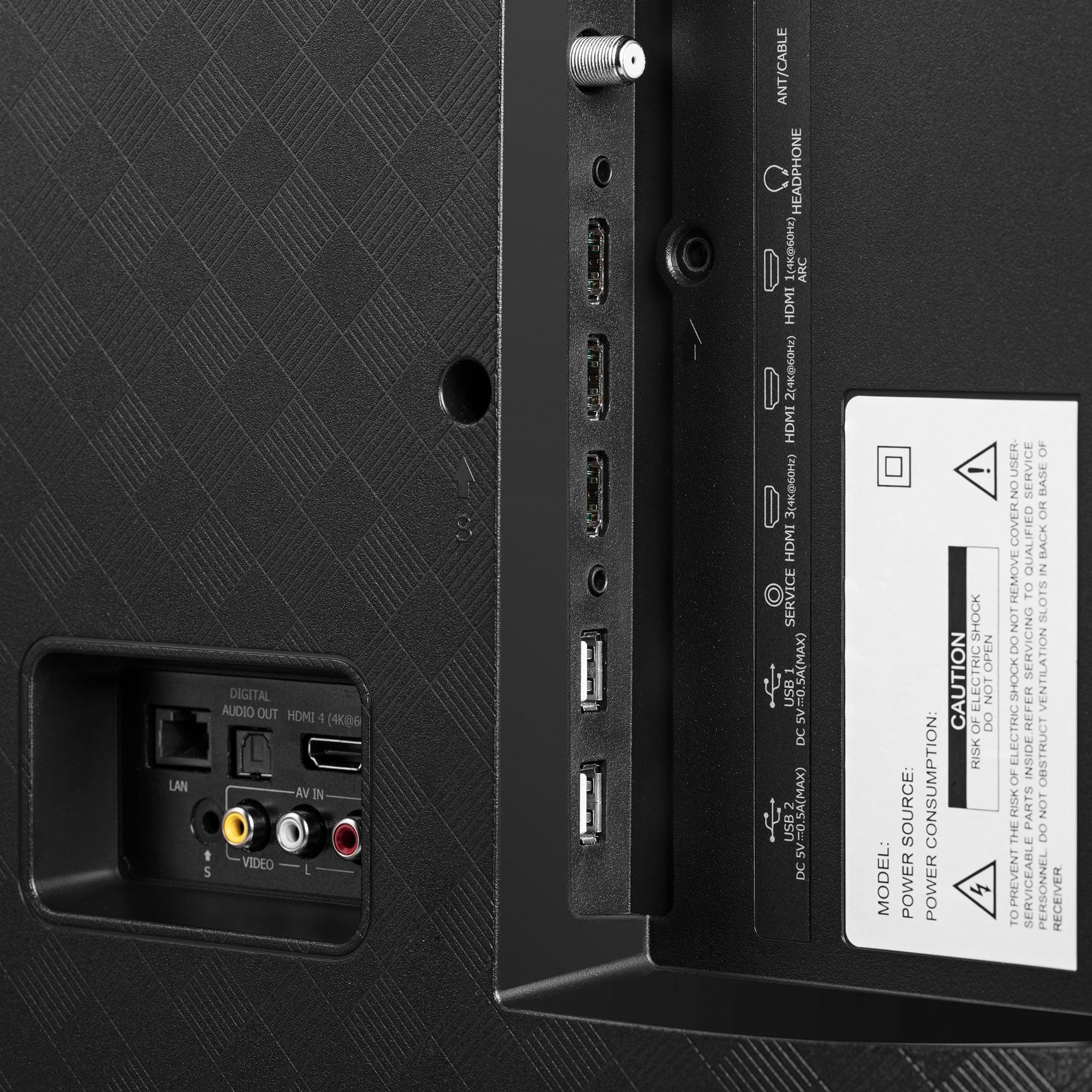
Modern gaming consoles like PlayStation 5 and Xbox Series X benefit from specific TV features. The Sony A95L includes full HDMI 2.1 implementation with 4K@120Hz support, Variable Refresh Rate (VRR) to eliminate screen tearing, and Auto Low Latency Mode (ALLM) that automatically switches to game mode. OLED's nearly instantaneous pixel response time means no motion blur during fast action sequences.
The Hisense H9G includes a native 120Hz panel and game mode that reduces input lag, making it perfectly suitable for gaming. However, it lacks VRR support and some advanced HDMI 2.1 features that optimize next-generation console performance. For casual gaming, it performs well; competitive gamers might notice the difference.
Input lag—the delay between pressing a controller button and seeing the response on screen—measures acceptably low on both TVs in game mode, though the Sony achieves slightly better responsiveness.
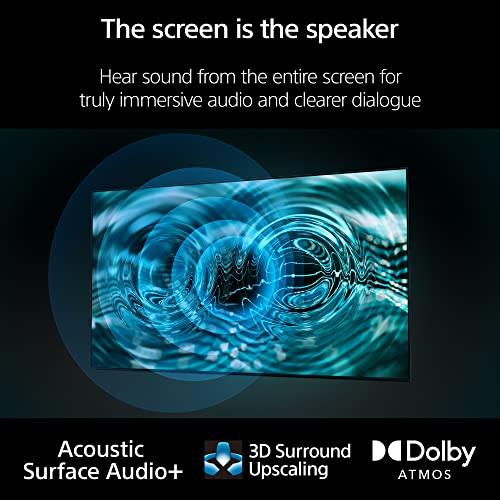
Audio represents a significant differentiator. The Sony A95L features Acoustic Surface Audio+, which uses actuators to vibrate the entire screen, creating sound that appears to come directly from the action on screen. This technology, combined with Dolby Atmos processing, creates surprisingly immersive audio for built-in TV speakers. The TV can even function as a center channel speaker when paired with compatible Sony soundbars.
The Hisense H9G includes standard 10-watt stereo speakers with Dolby Atmos processing for compatible content. While adequate for casual viewing, you'll likely want to add a soundbar or home theater system for optimal audio experience.
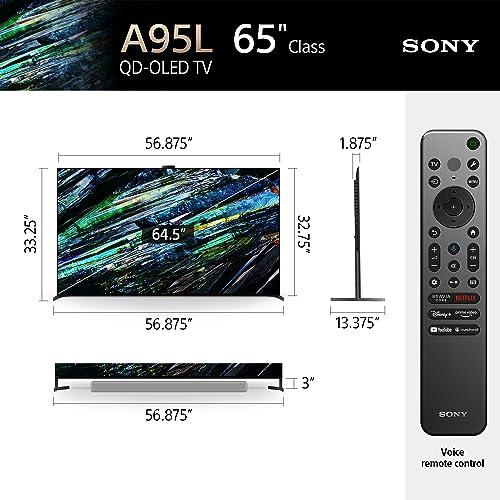
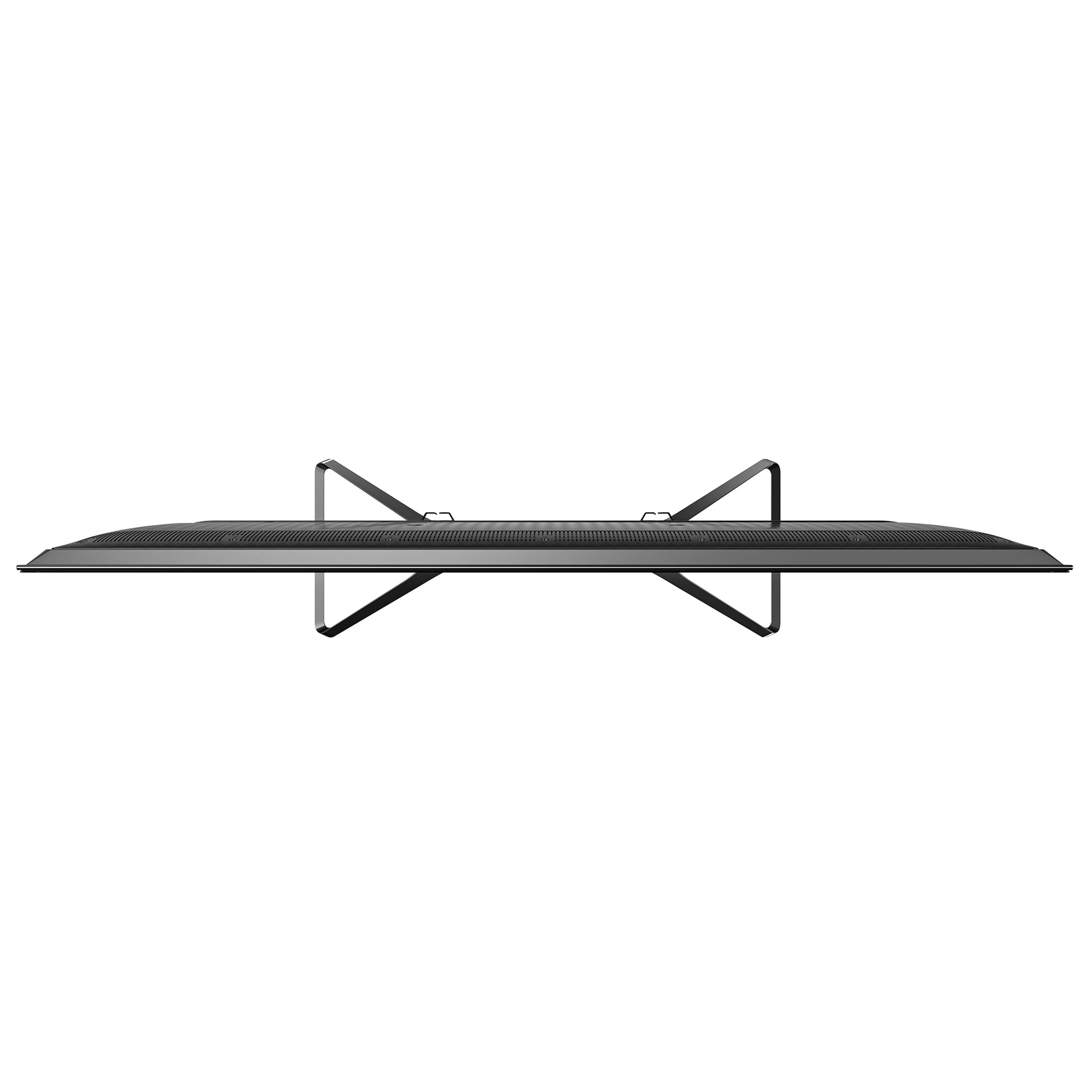
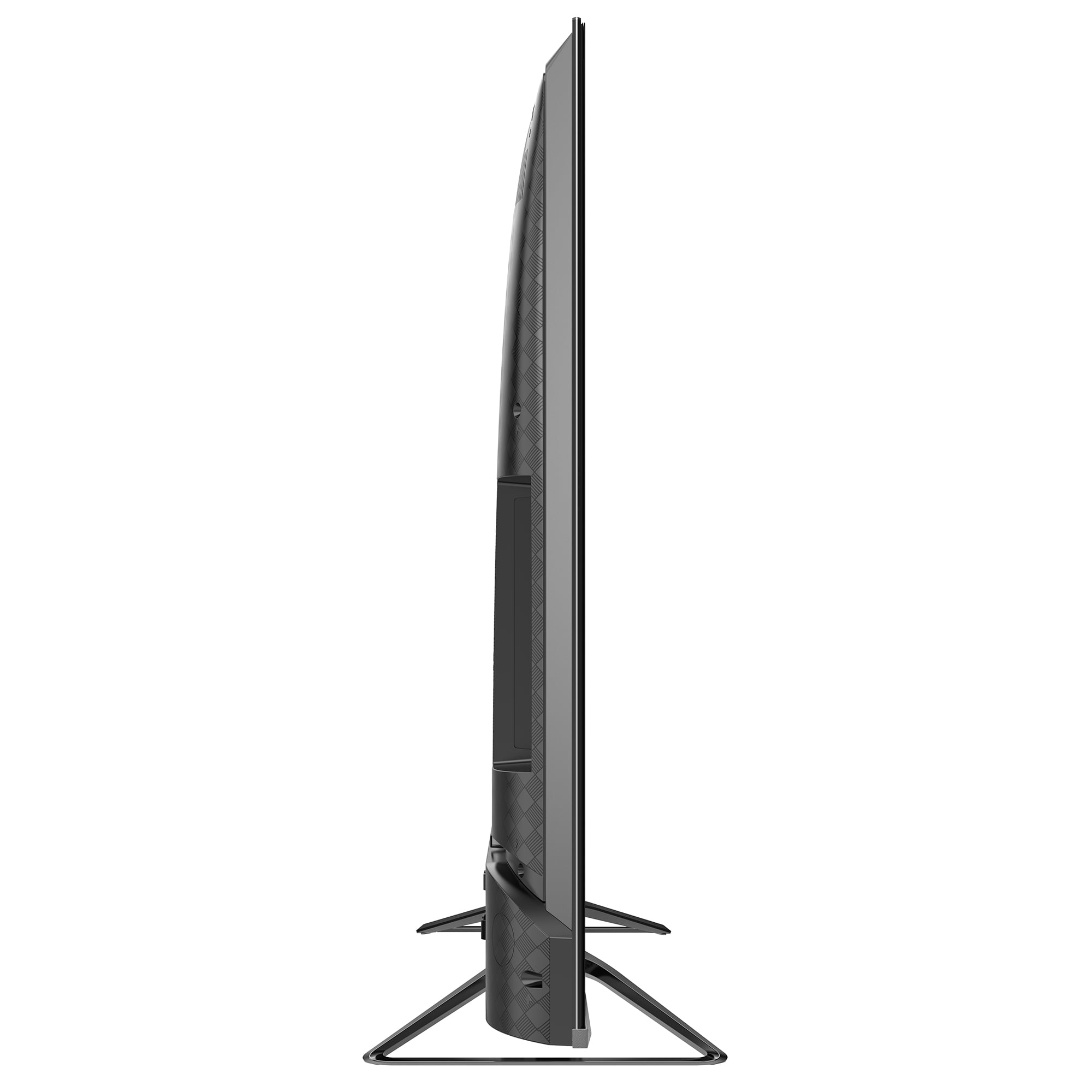
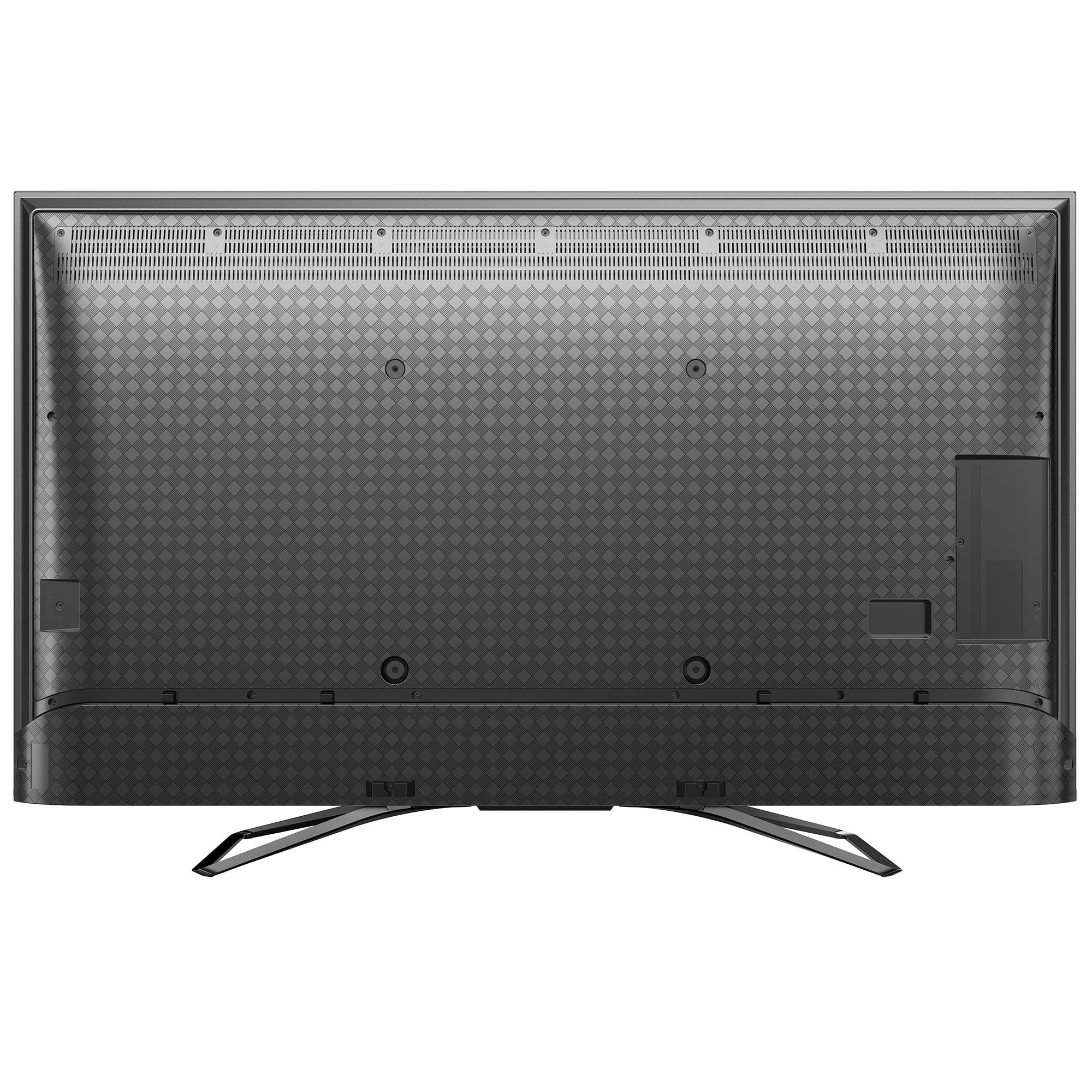
Premium pricing typically includes premium construction, and that holds true here. The Sony A95L features high-quality materials, precise fit and finish, and thoughtful details like a multi-position stand that accommodates soundbars. The seamless edge design minimizes bezels for a more immersive viewing experience.
The Hisense H9G opts for functional design that prioritizes performance over premium aesthetics. Build quality remains solid for the price point, with adequate cable management and a stable stand, but lacks the refinement of more expensive models.
Your viewing environment significantly influences which TV performs better. The Sony A95L excels in dark or controlled lighting conditions where its infinite contrast creates the most dramatic impact. OLED technology can appear less impressive in bright rooms where ambient light raises perceived black levels.
The Hisense H9G performs well across various lighting conditions. Its higher sustained brightness and anti-glare screen coating help maintain visibility in bright rooms, making it more versatile for family rooms with lots of windows.
Viewing angles also differ substantially. The Sony maintains consistent color and brightness when viewed from the side, while the Hisense shows some color shifting and brightness reduction at extreme angles—typical for LCD technology.
At the time of writing, these TVs serve entirely different market segments. The Sony A95L typically costs 2-3 times more than the Hisense H9G, positioning it as a premium purchase for enthusiasts who prioritize the best possible picture quality.
The Hisense represents exceptional value in the budget-to-mid-range segment, delivering 4K HDR performance that would have cost significantly more just a few years ago. For many viewers, its picture quality provides 80% of the premium experience at 30-40% of the cost.
For dedicated home theater use, the Sony A95L stands as the clear choice. Its reference-level color accuracy, infinite contrast, and precise HDR processing create the closest approximation to commercial cinema displays available for home use. The Acoustic Surface Audio+ technology provides better dialogue clarity and soundstage imaging than traditional TV speakers.
The Hisense H9G can certainly anchor a home theater setup, especially when paired with a good sound system and proper room lighting control. While it won't match the Sony's performance ceiling, it delivers genuinely impressive results that many viewers will find completely satisfying.
Choose the Sony BRAVIA XR A95L if you're serious about picture quality, plan to keep the TV for many years, and can afford the premium pricing. It's ideal for movie enthusiasts, content creators requiring color accuracy, and anyone wanting the absolute best current display technology. The investment makes sense if you value cutting-edge features and premium build quality.
The Hisense H9G suits budget-conscious buyers who want excellent 4K HDR performance without premium pricing. It's perfect for families needing a large screen for mixed use, casual gamers, or anyone prioritizing value over absolute performance. You're getting genuinely good picture quality that surpasses basic TVs significantly.
These TVs represent different philosophies: the Sony A95L pursues perfection through advanced technology and premium components, while the Hisense H9G maximizes performance per dollar through efficient engineering and smart feature selection.
Neither approach is inherently better—it depends entirely on your priorities, budget, and viewing habits. The Sony rewards pixel-peeping enthusiasts and dark-room viewing with uncompromising performance. The Hisense delivers impressive results that satisfy most viewers while leaving money for other home theater components.
Consider your total budget, room environment, and performance expectations. If you're building a dedicated home theater and can afford premium pricing, the Sony's advantages justify the cost. If you want great 4K HDR performance at a reasonable price for family viewing, the Hisense represents outstanding value that's hard to beat.
| Sony BRAVIA XR A95L 65" QD-OLED 4K HDR Google TV | Hisense 65" H9G Quantum Series 4K UHD Smart Android TV |
|---|---|
| Display Technology - The foundation of picture quality | |
| QD-OLED (self-emissive pixels with quantum dot color) | LCD with Quantum Dot enhancement and LED backlight |
| Contrast Ratio - Critical for dark room viewing and HDR impact | |
| Infinite contrast (pixels turn completely off for true blacks) | High contrast with 180 local dimming zones (some light bleed) |
| Peak Brightness - Essential for HDR highlights and bright room viewing | |
| ~1,000 nits (exceptional for OLED technology) | Up to 1,000 nits (good sustained brightness across screen) |
| Color Accuracy - Important for natural, filmlike images | |
| Reference-level accuracy with XR Triluminos Max | Good color volume with quantum dot enhancement |
| Viewing Angles - Matters for family viewing from different seats | |
| 178° with consistent color and brightness | Limited viewing angles with color/brightness shift |
| Smart TV Platform - Affects daily usability and app performance | |
| Google TV (2023) with hands-free voice control | Android TV with voice remote control |
| HDR Support - Determines compatibility with premium content | |
| Dolby Vision, HDR10, HLG with precise tone mapping | Dolby Vision, HDR10, HDR10+, HLG with good processing |
| Gaming Features - Essential for PS5/Xbox Series X owners | |
| Full HDMI 2.1: 4K@120Hz, VRR, ALLM, instant pixel response | Native 120Hz panel, Game Mode, limited HDMI 2.1 features |
| Audio Technology - Built-in sound quality before adding external speakers | |
| Acoustic Surface Audio+ (screen vibrates as speaker) | Standard 10W x 2 stereo speakers |
| Build Quality - Reflects long-term durability and premium feel | |
| Premium materials, multi-position stand, seamless design | Solid functional construction, standard plastic build |
| Release Year - Indicates technology generation and feature currency | |
| 2023 (cutting-edge QD-OLED technology) | ~2020 (established LCD technology) |
| Target Market - Who this TV is designed for | |
| Premium buyers seeking reference-quality performance | Budget-conscious buyers wanting solid 4K HDR value |
The Sony BRAVIA XR A95L delivers superior picture quality with its QD-OLED technology, offering perfect blacks, infinite contrast, and reference-level color accuracy. The Hisense H9G provides good picture quality for its price range with quantum dot colors and local dimming, but cannot match the Sony's per-pixel light control and contrast performance.
The Sony A95L uses OLED technology where each pixel produces its own light and can turn completely off for true blacks. The Hisense H9G uses LCD technology with a backlight behind the screen divided into dimming zones. OLED provides better contrast and viewing angles, while LCD typically offers higher peak brightness and longer lifespan.
The Hisense H9G performs better in bright rooms due to its higher sustained brightness across the entire screen and anti-glare coating. The Sony A95L can appear less impressive in very bright environments where ambient light reduces the perceived contrast advantage of OLED technology.
The Sony A95L is excellent for gaming with full HDMI 2.1 support, 4K@120Hz, Variable Refresh Rate (VRR), and nearly instant pixel response. The Hisense H9G offers good gaming performance with a native 120Hz panel and game mode, but lacks some advanced features like VRR that benefit next-generation consoles.
The Hisense H9G provides exceptional value, delivering solid 4K HDR performance at a budget-friendly price point. The Sony A95L justifies its premium pricing with cutting-edge technology and superior performance, making it better value for enthusiasts who prioritize the best possible picture quality.
The Sony A95L runs the latest Google TV platform with improved navigation, hands-free voice control, and better content discovery. The Hisense H9G uses the earlier Android TV platform, which works well but lacks the refined interface and advanced features found in Google TV.
The Sony A95L is ideal for dedicated home theaters with its reference-level color accuracy, infinite contrast, and Acoustic Surface Audio+ technology. The Hisense H9G can work well in home theaters when paired with good sound systems and proper lighting control, offering impressive results at a lower cost.
Yes, both TVs support HDR content. The Sony A95L supports Dolby Vision, HDR10, and HLG with precise tone mapping that preserves filmmaker intent. The Hisense H9G supports Dolby Vision, HDR10, HDR10+, and HLG with good processing that creates punchy, impressive visuals.
The Sony A95L features superior built-in audio with Acoustic Surface Audio+ technology that turns the screen into a speaker, creating sound that follows the action. The Hisense H9G has standard 10-watt stereo speakers that are adequate but will likely require an external sound system for optimal audio experience.
The Sony A95L maintains consistent color and brightness when viewed from wide angles (178°), making it excellent for family viewing. The Hisense H9G shows typical LCD behavior with some color shifting and brightness reduction when viewed from the side, though it's still acceptable for most seating arrangements.
Both TVs should provide years of reliable service. The Hisense H9G uses proven LCD technology with potentially longer lifespan before brightness degradation. The Sony A95L uses newer QD-OLED technology that's more efficient than traditional OLED but has less long-term data available. Both include manufacturer warranties for peace of mind.
Choose the Sony A95L if you want the absolute best picture quality, plan to use it primarily in dark rooms, and can afford premium pricing. Choose the Hisense H9G if you prioritize value, need good performance in bright rooms, or want to allocate more budget to other home theater components while still getting excellent 4K HDR performance.
We've done our best to create useful and informative comparisons to help you decide what product to buy. Our research uses advanced automated methods to create this comparison and perfection is not possible - please contact us for corrections or questions. These are the sites we've researched in the creation of this article: rtings.com - youtube.com - rtings.com - avsforum.com - rtings.com - smarthomesounds.co.uk - smarthomesounds.co.uk - rtings.com - smarthomesounds.co.uk - youtube.com - tomsguide.com - avsforum.com - rtings.com - perfectrec.com - flatpanelshd.com - videoandaudiocenter.com - sonypremiumhome.com - bestbuy.com - sony.com - electronics.sony.com - displayspecifications.com - donstv.com - youtube.com - static.pcrichard.com - smarthomesounds.co.uk - youtube.com - electronics.sony.com - electronics.sony.com - displayspecifications.com - rtings.com - bestbuy.com - techradar.com - youtube.com - digitaltrends.com - assets.hisense-usa.com - bestbuy.com - youtube.com - bestbuy.com

Privacy Policy
Terms and Conditions - Affiliate Policy
Home Security
© Copyright 2008-2026.
11816 Inwood Rd #1211, Dallas, TX 75244