

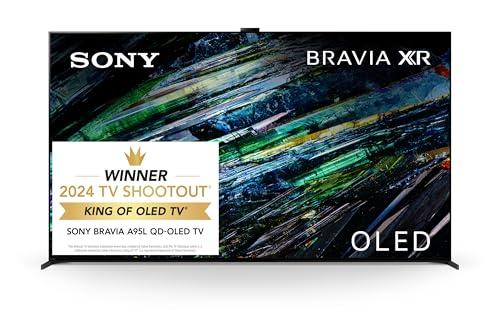


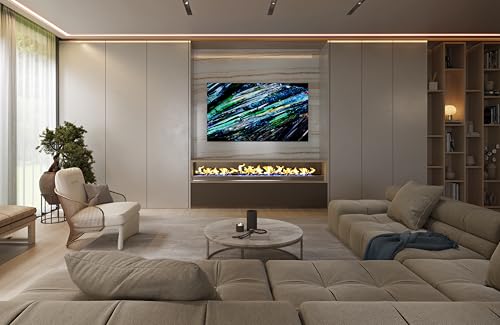
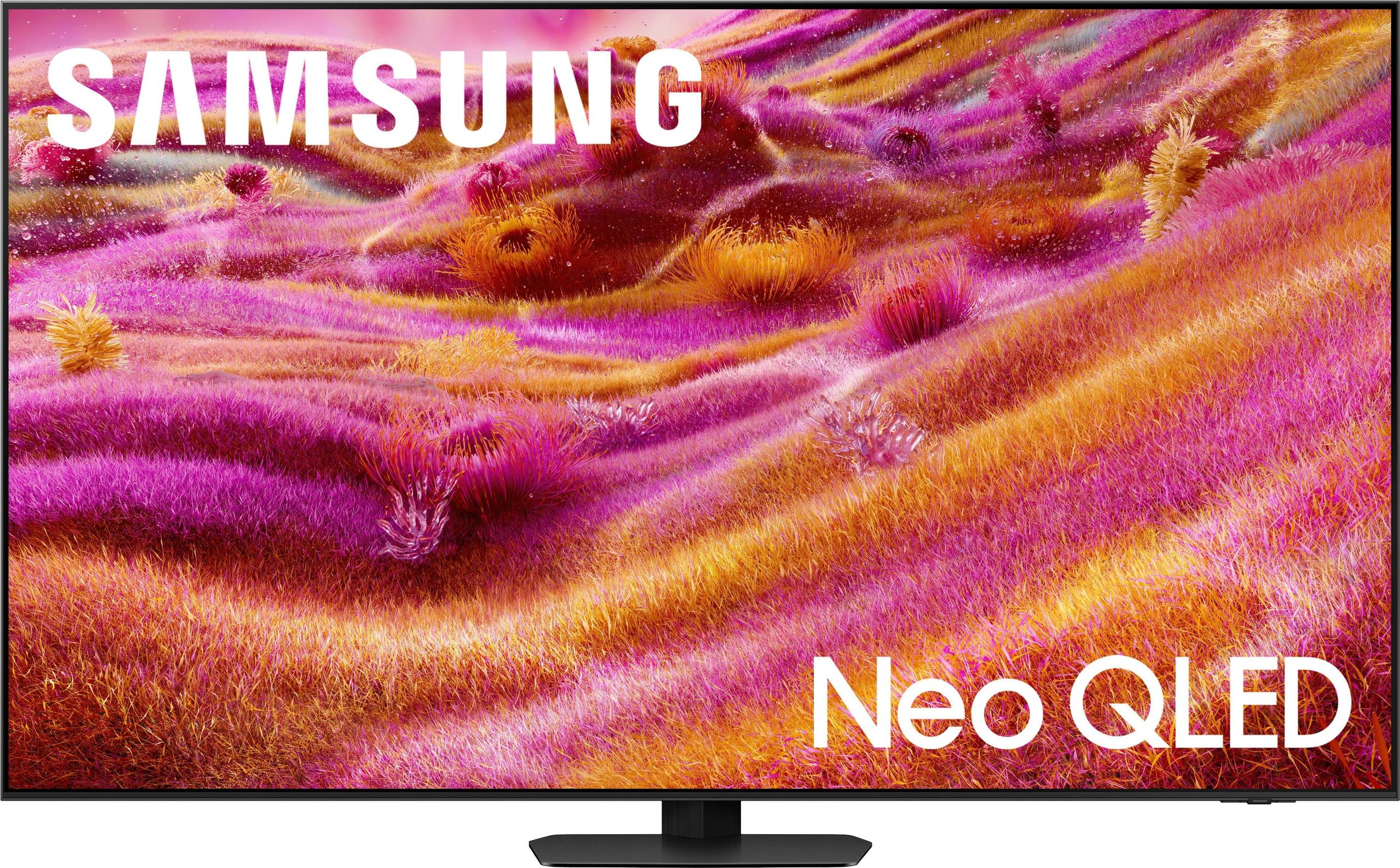
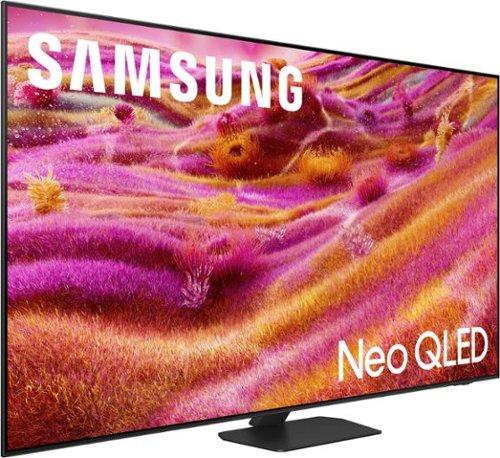


Choosing between the Sony BRAVIA XR A95L and Samsung QN90F isn't just about picking a TV—it's about choosing between two completely different approaches to premium picture quality. These 65-inch giants represent the ongoing battle between OLED perfection and Mini-LED versatility, each with distinct strengths that make them better for different viewing situations.
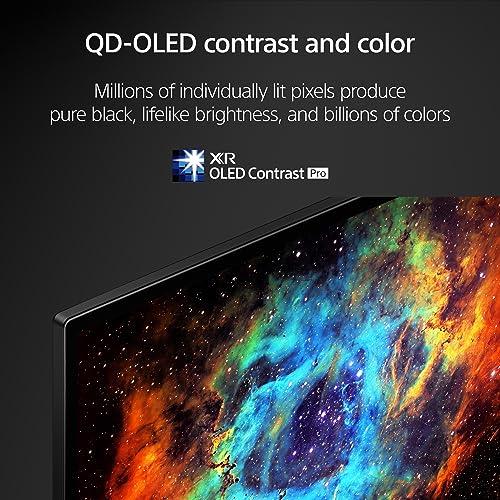
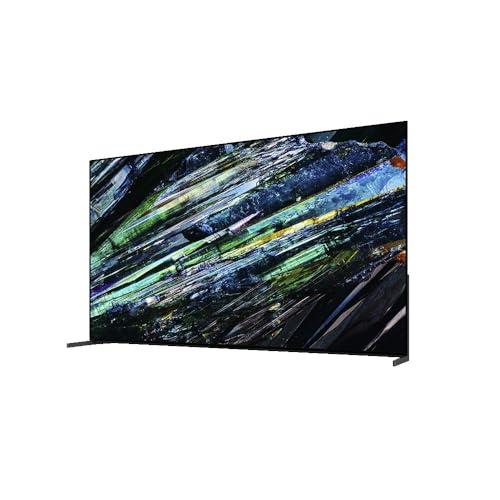
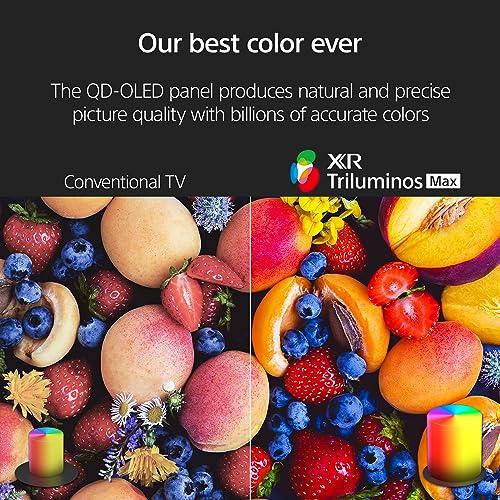
The most important thing to understand is that these TVs use fundamentally different display technologies. The Sony A95L uses QD-OLED technology, which stands for Quantum Dot Organic Light-Emitting Diode. Think of it as millions of tiny lights that can turn completely on or off individually, combined with quantum dots that enhance color production. When a pixel needs to show black, it simply turns off completely—no backlight bleeding through.
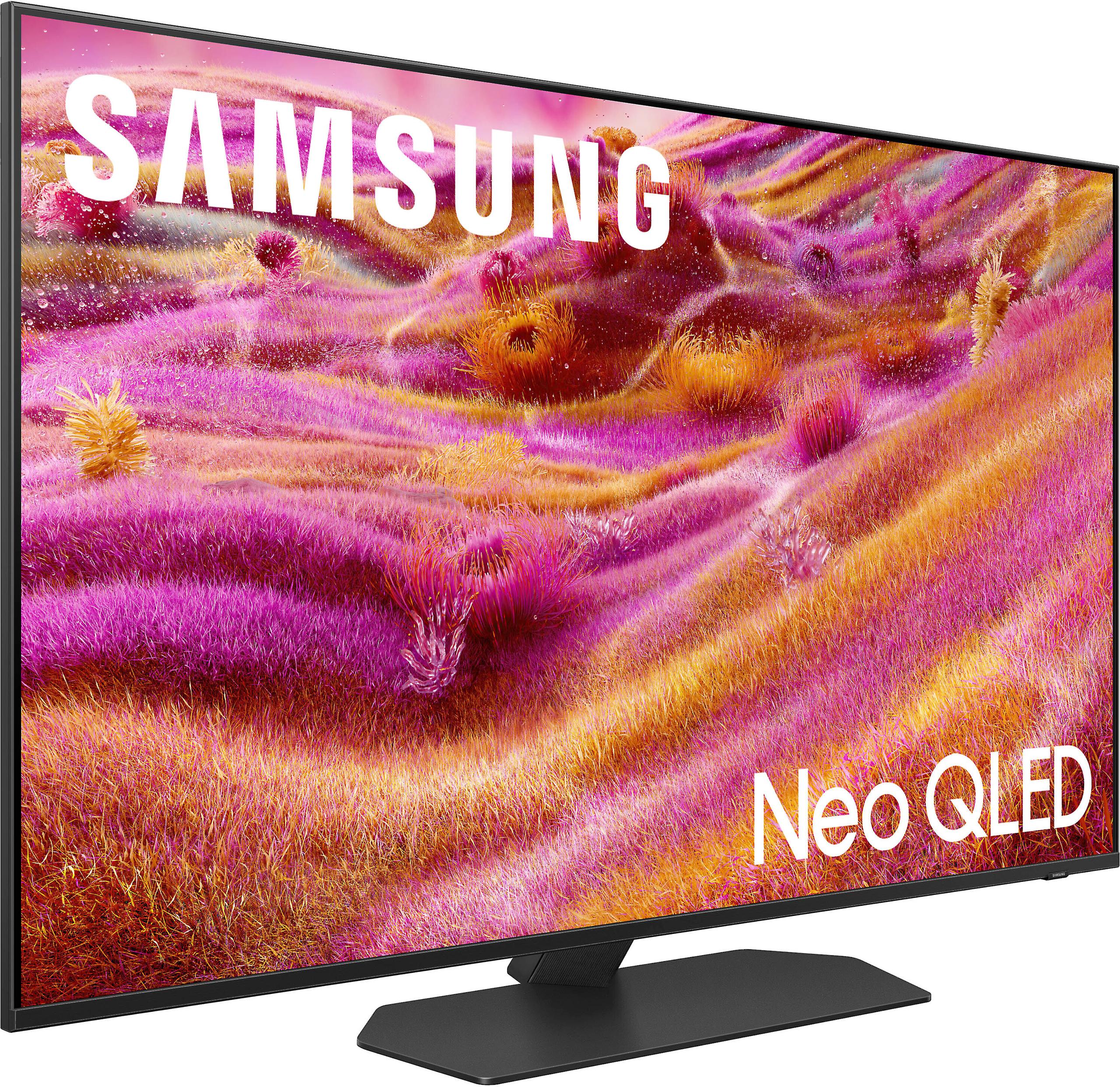
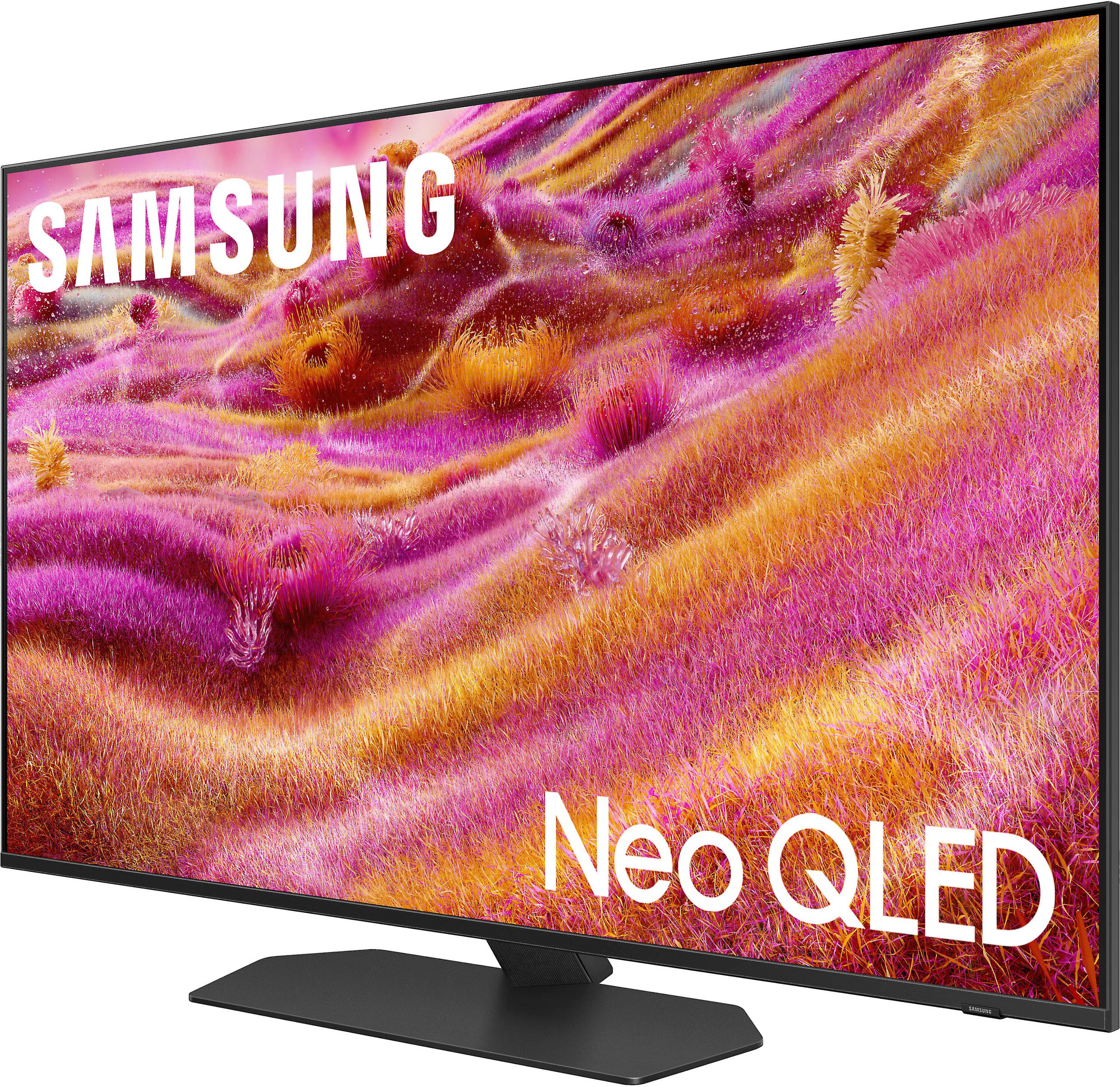
The Samsung QN90F, on the other hand, uses Neo QLED technology, which is Samsung's fancy name for Mini-LED with quantum dots. Instead of individual pixel lights, it uses thousands of tiny LED backlights organized into zones that can dim independently. While it can't turn pixels completely off like OLED, it can create very precise lighting control across the screen.
This fundamental difference affects everything from how deep the blacks look to how bright highlights can get, and understanding this distinction is crucial for making the right choice for your viewing environment.
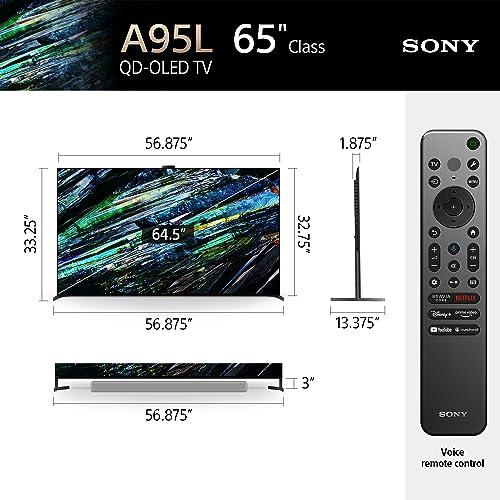
The Sony A95L launched in 2023 as Sony's flagship OLED, representing the second generation of QD-OLED panels with significant brightness improvements over the original A95K. At the time of writing, it's been succeeded by newer models like the Bravia 8 II, but remains one of the most capable OLED TVs available, often at more attractive pricing due to its 2023 vintage.
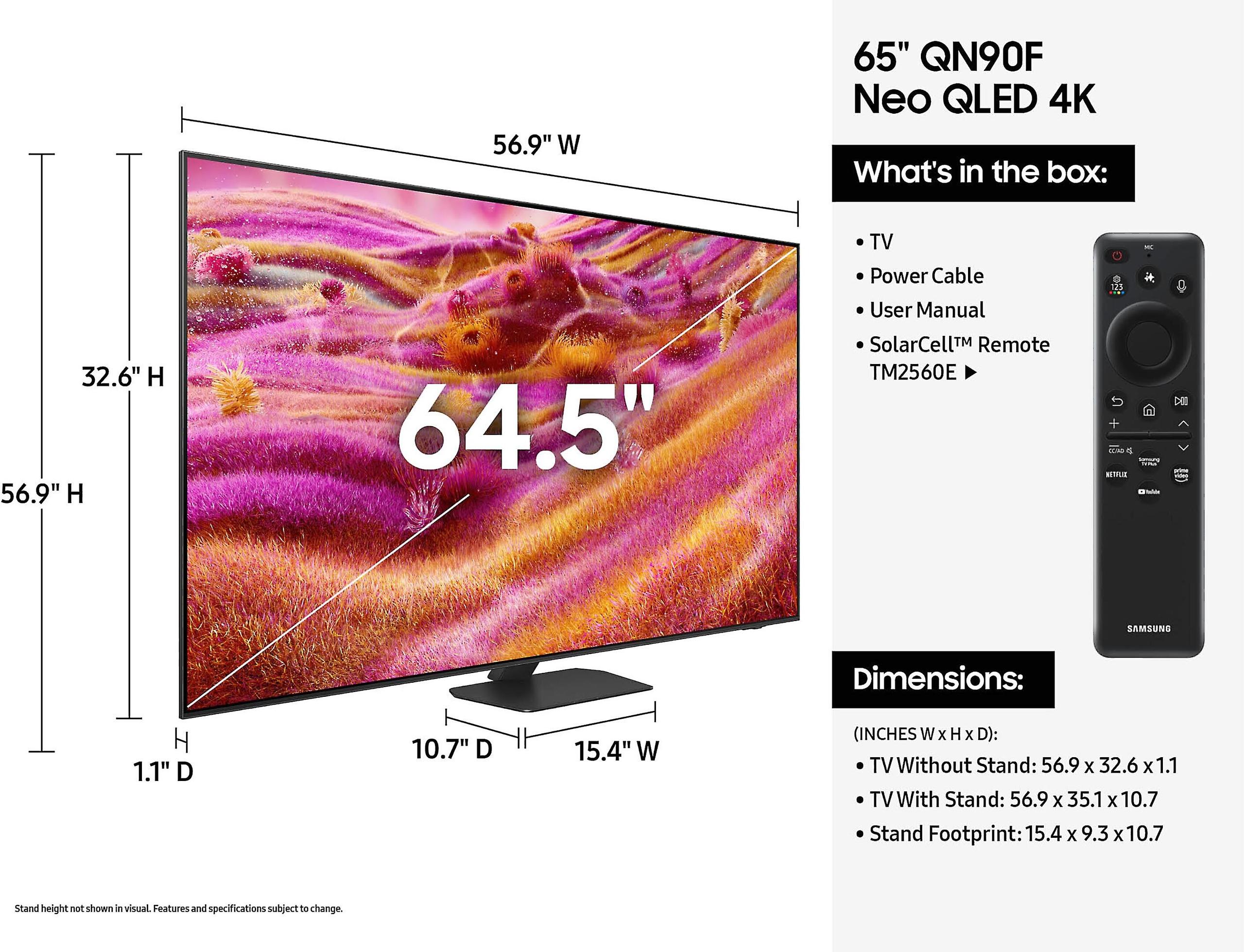
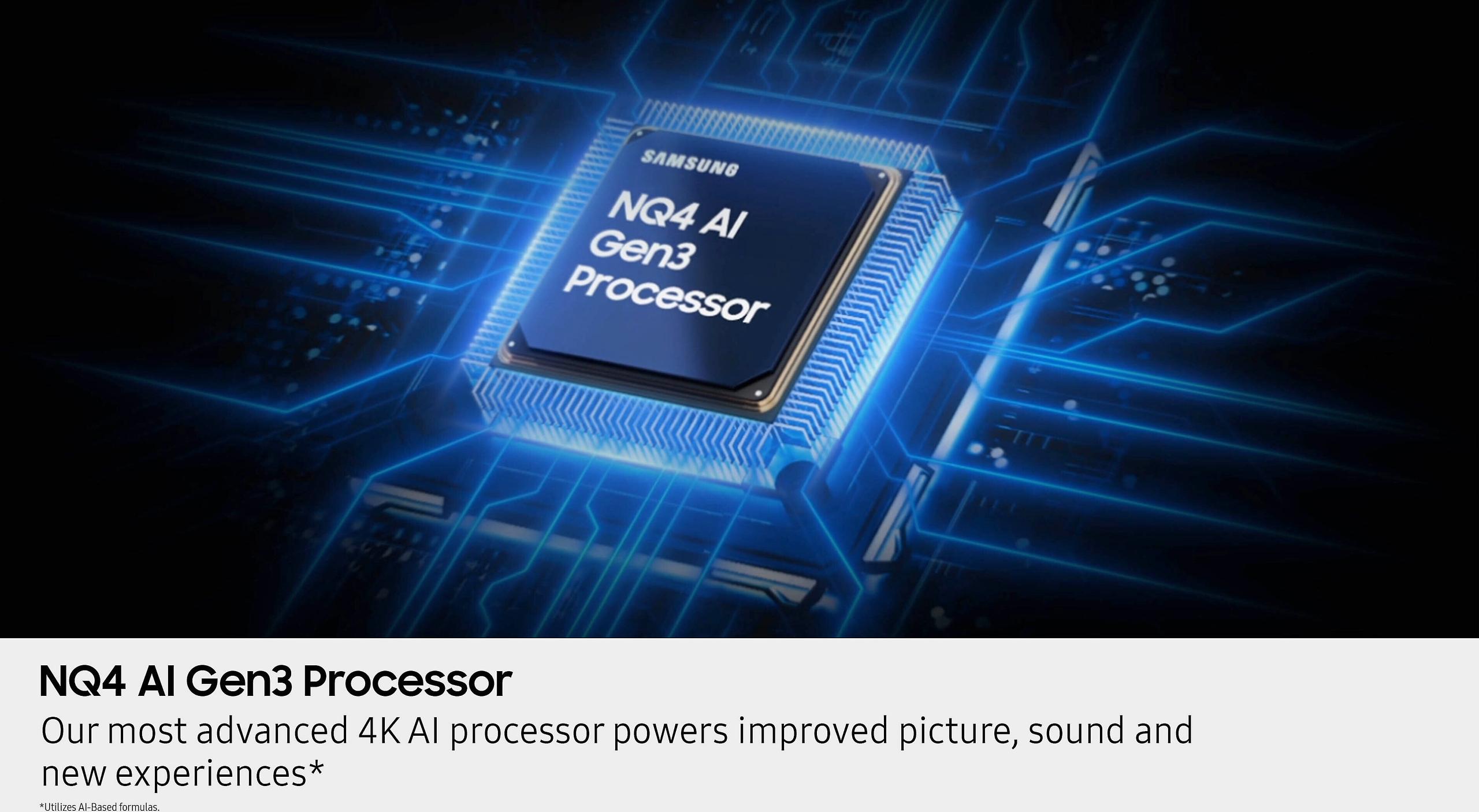
The Samsung QN90F represents Samsung's 2025 Mini-LED technology, featuring their latest Vision AI platform and NQ4 AI Gen3 processor. The "F" series brought notable improvements in processing power, with 128 neural networks handling real-time picture optimization—a substantial upgrade from previous generations.
This two-year gap means you're comparing mature, proven OLED technology against cutting-edge Mini-LED innovations. The Sony offers refined excellence, while the Samsung brings the latest smart features and processing capabilities.
Here's where the technology difference becomes immediately obvious. The Sony A95L delivers what we call "infinite contrast"—when the screen shows black, those pixels turn completely off, creating perfect darkness that makes bright elements pop with incredible intensity. It's like the difference between looking at stars on a moonless night versus trying to see them with streetlights nearby.
The Samsung QN90F uses local dimming zones to darken areas of the screen, and while it does an impressive job, it can't achieve true black. Our research into user experiences shows this becomes particularly noticeable in dark room viewing, where OLED's advantage is most pronounced. However, Samsung's implementation is sophisticated enough that casual viewers might not notice the difference in well-lit rooms.
What's particularly interesting about the Samsung is that its black levels actually get worse in Game Mode—a trade-off for reduced input lag that affects the local dimming system's responsiveness. This is something gamers need to consider when weighing their priorities.
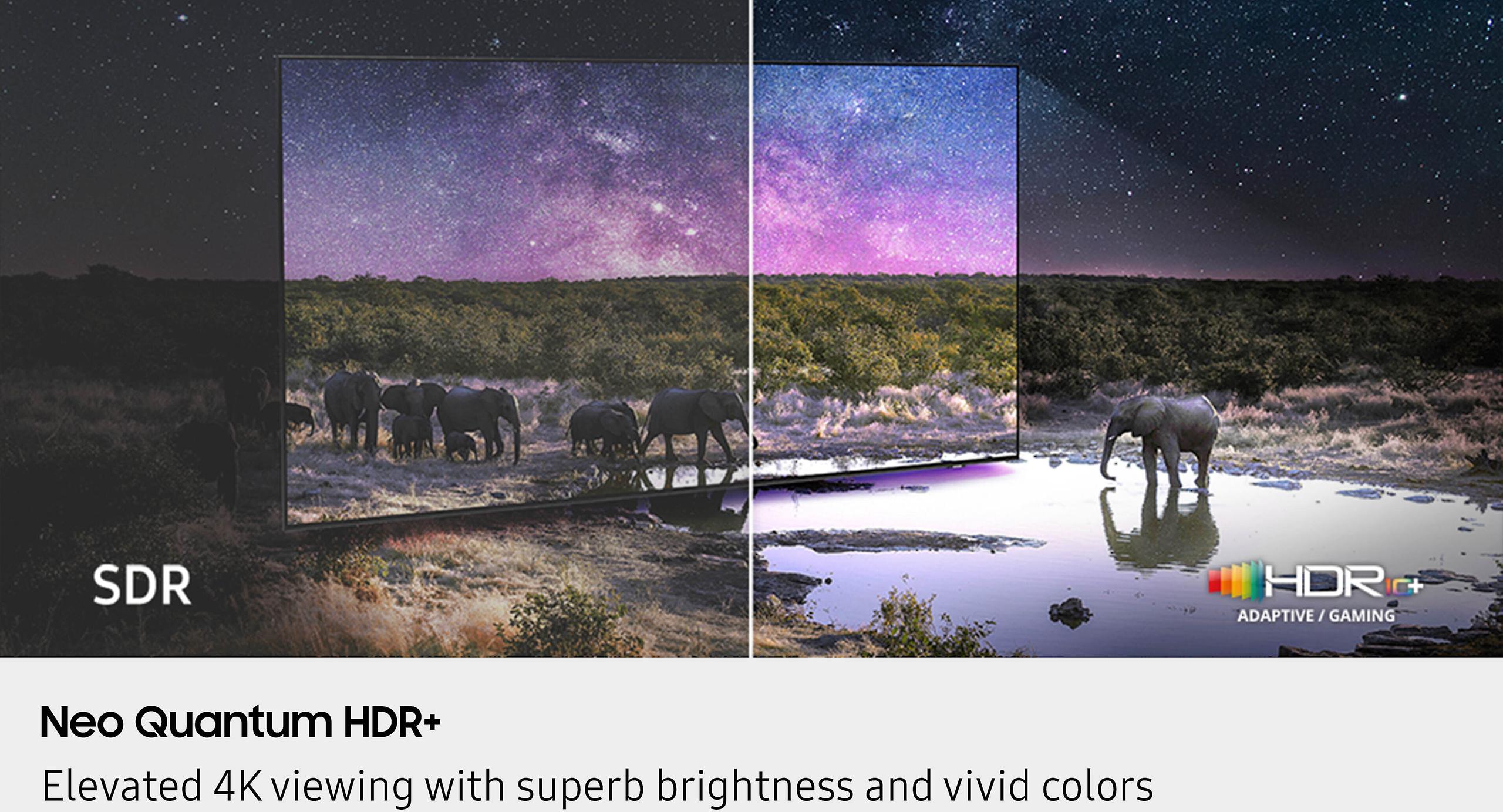
Peak brightness is where Mini-LED technology typically shines, and the Samsung QN90F follows this trend with higher sustained brightness levels than the Sony A95L. The Sony reaches approximately 1,300 nits in small highlights—impressive for OLED technology—but Samsung's Mini-LED design can maintain higher brightness across larger areas of the screen.
This brightness difference matters most in two scenarios: bright room viewing and HDR content with extensive bright scenes. HDR (High Dynamic Range) content is designed to take advantage of these brightness peaks to create more realistic lighting effects, like sunlight streaming through windows or car headlights at night.
However, brightness isn't everything. The Sony A95L uses its quantum dot enhancement to achieve exceptional color volume—essentially how vibrant colors can get at different brightness levels. Our analysis of professional reviews consistently shows Sony maintaining color accuracy even at peak brightness levels, while some Samsung models can appear slightly washed out in extremely bright conditions.
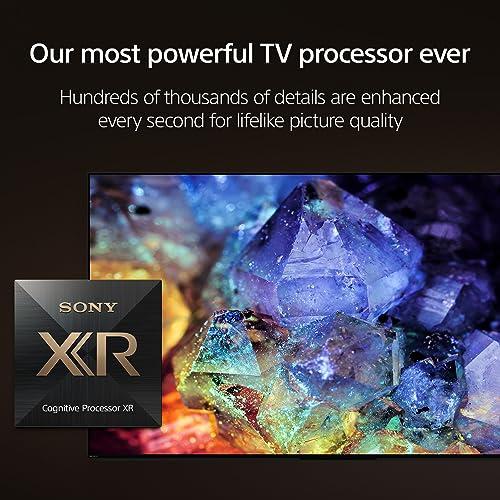
Sony's picture processing has earned legendary status among videophiles, and the Sony A95L showcases why. The XR Cognitive Processor analyzes content using AI to optimize every element—upscaling lower resolution content, reducing noise, and maintaining the filmmaker's original intent.
This shows up most clearly when watching streaming content or older movies. The Sony excels at making Netflix shows look better than they should, smoothing out compression artifacts and enhancing detail without creating the artificial "soap opera effect" that many TVs produce. The XR Triluminos Max technology creates a wider color gamut than standard displays, meaning you see colors closer to what directors intended.
The Samsung QN90F brings impressive processing power with its NQ4 AI Gen3 processor and 128 neural networks, but our research suggests it doesn't quite match Sony's refinement. Samsung tends to favor punchy, vibrant imagery that looks impressive in showrooms but may not maintain the subtle color gradations that make movies feel cinematic.
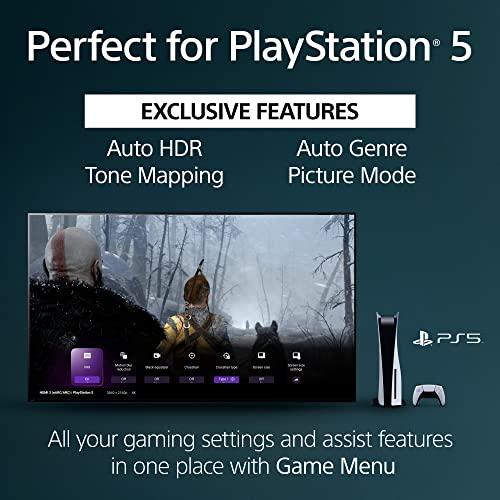
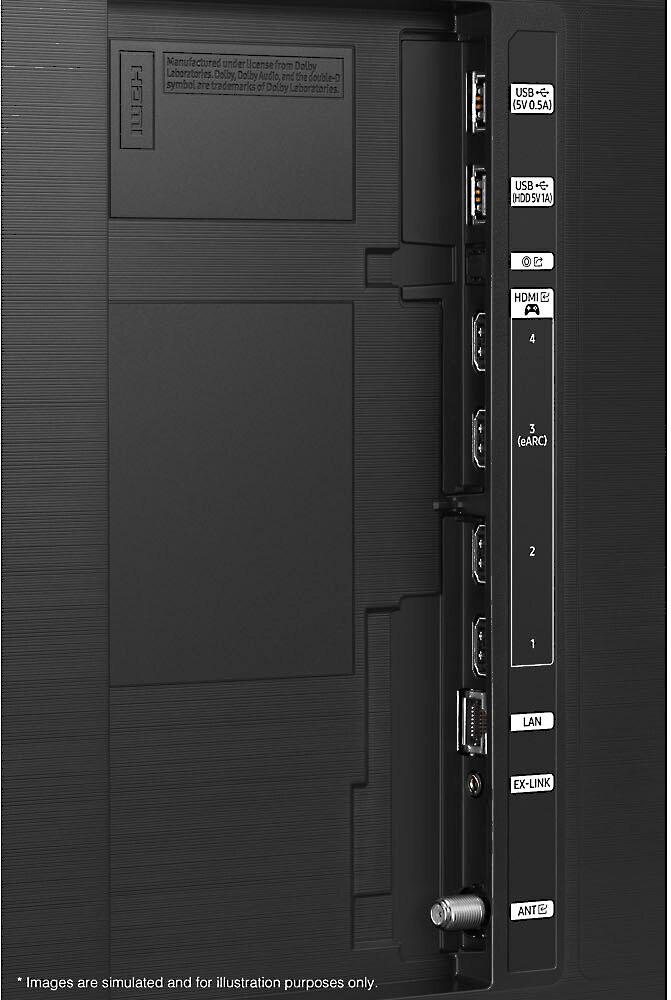
For gaming enthusiasts, the Samsung QN90F offers significant advantages that are hard to ignore. It provides four HDMI 2.1 ports capable of handling 4K resolution at up to 165Hz refresh rate—crucial for PC gaming and future console capabilities. The Sony A95L, by comparison, only offers two HDMI 2.1 ports with 120Hz maximum refresh rate.
Input lag—the delay between pressing a controller button and seeing the action on screen—consistently favors Samsung in our research. While both TVs offer gaming modes that reduce input lag, Samsung's implementation is more aggressive, making it preferable for competitive gaming where every millisecond matters.
The Samsung also includes eight different gaming presets with extensive customization options, HDR10+ gaming support, and advanced features like Game Motion Plus for smoother motion handling. Sony's gaming features are more basic, focusing on core compatibility rather than extensive customization.
However, the Sony A95L offers near-instantaneous pixel response times due to OLED technology—individual pixels change color almost immediately, eliminating motion blur that can occur with LCD-based displays. For single-player games where input lag is less critical, this creates incredibly smooth, blur-free motion.
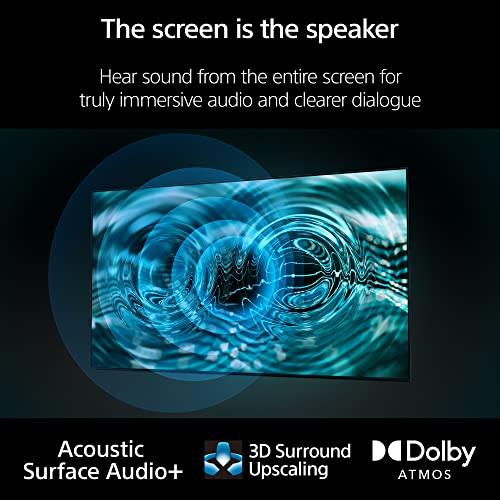
Both TVs take innovative approaches to audio. The Sony A95L uses Acoustic Surface Audio+ technology, turning the entire screen into a speaker using actuators that vibrate the panel. This creates remarkably precise dialogue placement—voices seem to come directly from characters' mouths rather than from speakers below the screen.
The Samsung QN90F uses a more traditional approach with a 60W 4.2.2 channel system, but includes Dolby Atmos support and Object Tracking Sound+ that moves audio effects across the screen to match visual action. While both systems are impressive, the Sony's screen-as-speaker approach feels more immersive for movie watching.
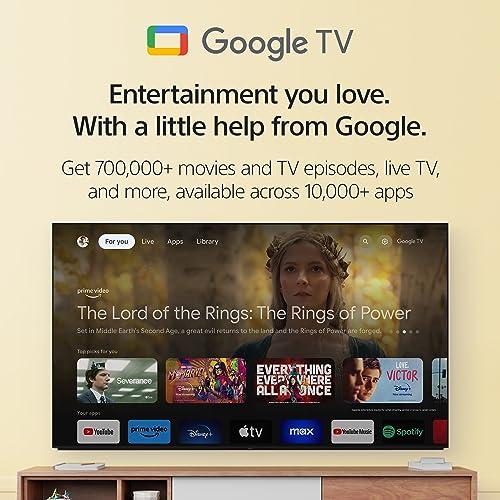
Smart TV platforms represent another significant difference. The Sony A95L runs Google TV, which excels at content discovery and integrates seamlessly with Google services and smart home devices. The interface is clean and responsive, though some users report occasional slowdown after initial startup.
The Samsung QN90F uses Samsung's Tizen platform enhanced with Vision AI capabilities. This 2025 implementation includes gesture control, generative art wallpapers, and adaptive optimization based on viewing environment and content. It's more feature-rich but potentially more complex for users who prefer straightforward operation.
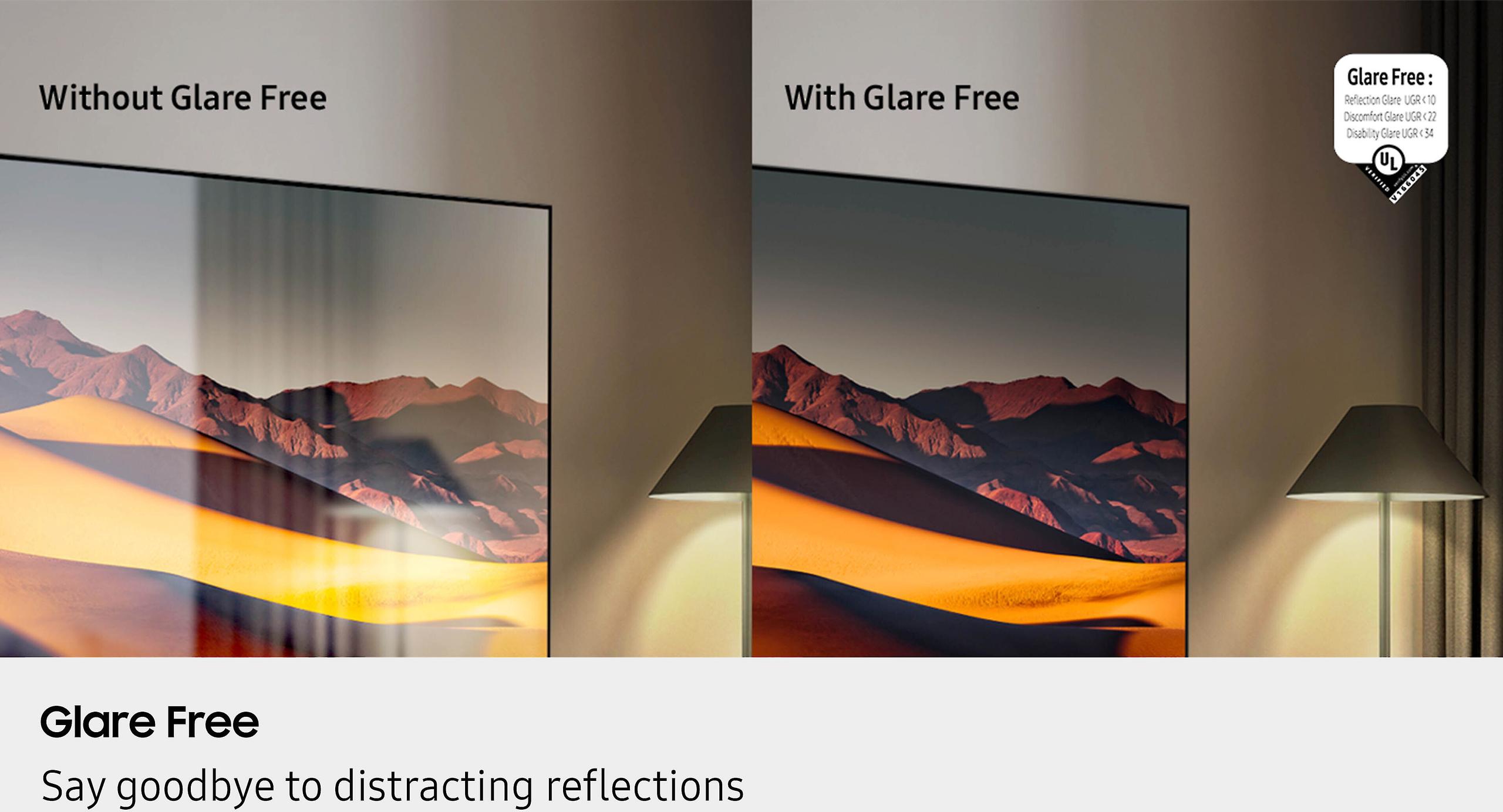
Your viewing environment plays a crucial role in determining which TV will perform better. The Samsung QN90F includes anti-glare coating that dramatically reduces reflections—a game-changer for rooms with large windows or bright lighting. Our research consistently shows Samsung's reflection handling as best-in-class, making it viewable even in challenging lighting conditions.
The Sony A95L uses a glossy screen that can show reflections more readily, though OLED's perfect blacks help maintain image quality even with some ambient light. In controlled lighting environments—like dedicated home theaters—the Sony's superior contrast becomes immediately apparent.
For most living room setups where complete light control isn't practical, the Samsung's brightness advantage and reflection handling make it more versatile. However, for evening viewing or dedicated movie rooms, the Sony's OLED advantages become compelling.
At the time of writing, the Sony A95L often represents better value as a 2023 model with potentially reduced pricing, while the Samsung QN90F commands premium pricing as a current-generation model. However, value extends beyond initial cost.
The Sony offers proven OLED technology with exceptional picture processing that should remain impressive for years. OLED panels also maintain consistent performance over time, though they can experience gradual brightness reduction after thousands of hours of use.
The Samsung brings current-generation smart features and processing that may age better as streaming services and gaming requirements evolve. Its Mini-LED backlighting system is also less susceptible to burn-in concerns that occasionally affect OLED displays with static content.
For dedicated home theater setups, the Sony A95L edges ahead due to several factors. Its support for Dolby Vision HDR provides better tone mapping for movies, while Samsung typically only supports HDR10+ (though both look excellent in practice). The Sony's superior black levels create that crucial "theater in the dark" experience that makes movie watching feel special.
The Sony also passes through advanced DTS audio formats to sound systems, while Samsung's eARC implementation has some limitations. For serious audio enthusiasts with dedicated surround sound systems, this technical compatibility matters.
However, the Samsung QN90F shouldn't be dismissed for home theater use. Its higher peak brightness can make HDR content more impactful in some scenes, and its excellent local dimming creates impressive contrast that many viewers will find completely satisfactory.
Choose the Sony BRAVIA XR A95L if you prioritize the ultimate in picture quality and primarily watch movies or streaming content. It's perfect for viewers who have controlled lighting environments and want that perfect black level that makes images feel three-dimensional. The superior color processing and upscaling make it ideal for mixed content consumption, from Netflix shows to 4K Blu-rays.
The Sony also makes sense for buyers who value proven technology over cutting-edge features, or those who might find better pricing on this 2023 model. If you're building a dedicated home theater and want the most cinematic experience possible, OLED's advantages are hard to ignore.
Choose the Samsung QN90F if you need a TV that performs well in various lighting conditions and want the latest smart TV features. It's the better choice for serious gamers who need multiple high-bandwidth HDMI ports and the lowest possible input lag. The advanced AI features and processing power also make it more future-proof as streaming and gaming technologies continue evolving.
The Samsung excels in bright living rooms where its anti-glare coating and high brightness create better visibility than OLED alternatives. If your household uses the TV for mixed purposes—movies, gaming, sports, and casual viewing—the Samsung's versatility gives it an edge.
Both the Sony A95L and Samsung QN90F represent excellent choices in the premium TV market, but they excel in different areas. The Sony delivers unmatched picture quality for cinematic viewing, while the Samsung offers superior versatility and gaming performance.
Your choice should align with your primary use case and viewing environment. There's no universally "better" option—only the better option for your specific needs and preferences. Consider your room lighting, content preferences, gaming habits, and long-term viewing goals when making this significant investment.
The good news is that both TVs will deliver years of exceptional viewing experiences. The difference lies in which strengths matter most to your particular viewing situation.
| Sony BRAVIA XR A95L 65" QD-OLED | Samsung 65" QN90F Neo QLED 4K Vision AI Smart TV 2025 |
|---|---|
| Display Technology - Fundamentally affects picture quality and performance | |
| QD-OLED (Quantum Dot OLED) with perfect blacks | Neo QLED Mini-LED with local dimming zones |
| Peak Brightness - Critical for HDR impact and bright room viewing | |
| ~1,300 nits (excellent for OLED, good for most content) | Higher sustained brightness (better for bright rooms and large HDR scenes) |
| Black Levels - Most important for contrast and movie watching | |
| Perfect blacks (pixels turn completely off) | Very good blacks but not perfect (worse in Game Mode) |
| Gaming Features - Essential for console and PC gaming | |
| 2 HDMI 2.1 ports, 4K@120Hz, higher input lag | 4 HDMI 2.1 ports, 4K@165Hz, lower input lag, extensive gaming presets |
| Smart TV Platform - Affects daily usability and feature access | |
| Google TV (excellent content discovery, clean interface) | Tizen with Vision AI (gesture control, advanced customization, latest features) |
| HDR Format Support - Important for streaming and disc compatibility | |
| HDR10, HLG, Dolby Vision (better movie tone mapping) | HDR10, HDR10+, HLG (no Dolby Vision support) |
| Audio System - Affects built-in sound quality | |
| Acoustic Surface Audio+ (screen acts as speaker) | 60W 4.2.2CH with Dolby Atmos and Object Tracking Sound+ |
| Reflection Handling - Crucial for bright room performance | |
| Glossy screen with some reflections visible | Superior anti-glare coating, virtually eliminates reflections |
| Color Processing - Impacts color accuracy and upscaling quality | |
| XR Triluminos Max with legendary Sony processing | NQ4 AI Gen3 with 128 neural networks (good but not Sony-level) |
| Release Generation - Affects pricing and feature currency | |
| 2023 flagship (mature technology, potentially better value) | 2025 current model (latest features, premium pricing) |
| Burn-in Risk - Long-term durability consideration | |
| Potential OLED burn-in with static content (rare with normal use) | No burn-in risk with Mini-LED technology |
| Viewing Angles - Important for off-center seating | |
| Excellent wide viewing angles (OLED advantage) | Good viewing angles with Ultra Wide Viewing Angle tech |
| Best Use Case - Who should choose this TV | |
| Movie enthusiasts, dark room viewing, picture quality priority | Gamers, bright rooms, mixed usage, latest features priority |
The Sony BRAVIA XR A95L delivers superior picture quality for most viewing scenarios due to its QD-OLED technology. It produces perfect blacks, infinite contrast, and exceptional color accuracy thanks to Sony's renowned XR processing. The Samsung QN90F offers excellent picture quality with brighter highlights and better performance in bright rooms, but can't match the Sony's contrast and color precision. For home theater setups prioritizing cinematic quality, the Sony A95L is the clear winner.
The Samsung QN90F is significantly better for gaming. It features four HDMI 2.1 ports supporting 4K at 165Hz, lower input lag, extensive gaming presets, and HDR10+ gaming support. The Sony A95L only offers two HDMI 2.1 ports with 120Hz maximum and higher input lag. While the Sony provides blur-free motion due to OLED's instant pixel response, the Samsung's comprehensive gaming features make it the better choice for serious gamers.
The Samsung QN90F offers more advanced smart features with its 2025 Tizen platform including Vision AI, gesture control, and adaptive optimization. The Sony A95L uses Google TV, which excels at content discovery and Google ecosystem integration but lacks the Samsung's cutting-edge AI features. Both platforms are reliable and user-friendly, with the Samsung offering more customization and the Sony providing cleaner, more straightforward operation.
The Samsung QN90F significantly outperforms the Sony A95L in bright rooms. Samsung's anti-glare coating virtually eliminates reflections, while its higher sustained brightness maintains visibility even in sunlit environments. The Sony's glossy OLED screen shows more reflections and can have its black levels compromised by ambient light. For living rooms with large windows or bright lighting, the Samsung is the clear choice.
The Sony A95L delivers perfect blacks because OLED pixels turn completely off, creating infinite contrast that makes bright elements pop dramatically. The Samsung QN90F uses local dimming zones that produce very good blacks but cannot achieve true black levels. This difference is most noticeable in dark room viewing where the Sony's superior contrast creates a more immersive, theater-like experience.
Both TVs offer impressive audio but with different approaches. The Sony A95L uses Acoustic Surface Audio+ technology that turns the screen into a speaker, creating precise dialogue placement and immersive sound. The Samsung QN90F features a 60W 4.2.2 channel system with Dolby Atmos and Object Tracking Sound+. For home theater setups, the Sony's unique screen-speaker approach provides more cinematic audio positioning.
Yes, there are significant connectivity differences. The Samsung QN90F offers four HDMI 2.1 ports capable of full bandwidth features, making it better for multiple gaming consoles or devices. The Sony A95L only provides two HDMI 2.1 ports out of four total HDMI connections. The Samsung also supports higher refresh rates (165Hz vs 120Hz) and includes more gaming-focused connectivity options.
The Sony A95L excels for movies and streaming with its perfect blacks, superior color processing, and support for Dolby Vision HDR. Sony's XR processing provides exceptional upscaling of lower-quality content, making streaming services look their best. The Samsung QN90F delivers excellent movie performance but lacks Dolby Vision support and doesn't match Sony's refined picture processing. For dedicated home theater use, the Sony is preferred.
Both TVs offer excellent viewing angles, but the Sony A95L has a slight advantage due to OLED technology maintaining consistent color and brightness from extreme off-center positions. The Samsung QN90F includes Ultra Wide Viewing Angle technology that provides very good off-axis performance. In practical use, both TVs work well for large seating arrangements, with minimal difference in most viewing scenarios.
Value depends on your priorities and timing. The Sony A95L, being a 2023 model, may offer better value with potentially reduced pricing while delivering flagship OLED performance. The Samsung QN90F represents current 2025 technology with premium pricing but includes the latest features and processing. Consider the Sony for pure picture quality value and the Samsung for comprehensive feature value.
The Sony A95L supports HDR10, HLG, and Dolby Vision, providing better tone mapping for movies and streaming content. The Samsung QN90F supports HDR10, HDR10+, and HLG but lacks Dolby Vision. While both deliver excellent HDR performance, the Sony's Dolby Vision support gives it an edge for streaming services like Netflix and Disney+ that use this format extensively.
For a dedicated home theater, the Sony A95L is typically the better choice. Its perfect blacks, superior contrast, Dolby Vision support, and cinematic processing create the most movie-like experience in dark rooms. The Sony also passes through advanced DTS audio formats better than the Samsung QN90F. However, if your theater room has ambient light issues, the Samsung's anti-glare coating and higher brightness might be more practical.
We've done our best to create useful and informative comparisons to help you decide what product to buy. Our research uses advanced automated methods to create this comparison and perfection is not possible - please contact us for corrections or questions. These are the sites we've researched in the creation of this article: rtings.com - youtube.com - rtings.com - avsforum.com - rtings.com - smarthomesounds.co.uk - smarthomesounds.co.uk - rtings.com - smarthomesounds.co.uk - youtube.com - tomsguide.com - avsforum.com - rtings.com - perfectrec.com - flatpanelshd.com - videoandaudiocenter.com - sonypremiumhome.com - bestbuy.com - sony.com - electronics.sony.com - displayspecifications.com - donstv.com - youtube.com - static.pcrichard.com - smarthomesounds.co.uk - youtube.com - electronics.sony.com - electronics.sony.com - displayspecifications.com - rtings.com - images.samsung.com - youtube.com - listenup.com - youtube.com - cullenshomecenter.com - rtings.com - shopjetson.com - youtube.com - samsung.com - samsung.com - videoandaudiocenter.com - rtings.com - bestbuy.com - youtube.com - news.samsung.com - news.samsung.com - news.samsung.com - bestbuy.com - news.samsung.com - youtube.com - news.samsung.com - youtube.com - smarthomesounds.co.uk

Privacy Policy
Terms and Conditions - Affiliate Policy
Home Security
© Copyright 2008-2026.
11816 Inwood Rd #1211, Dallas, TX 75244