

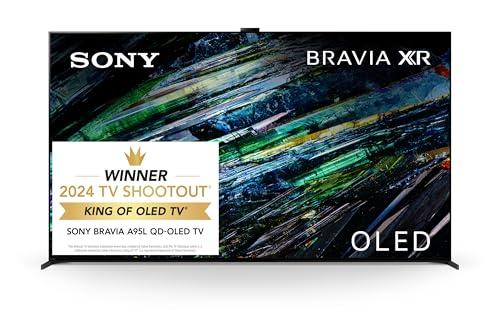
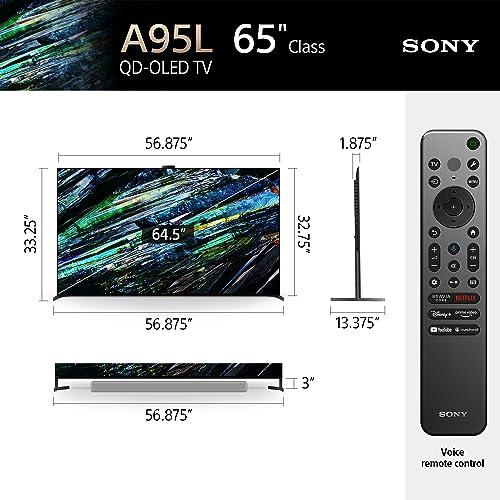


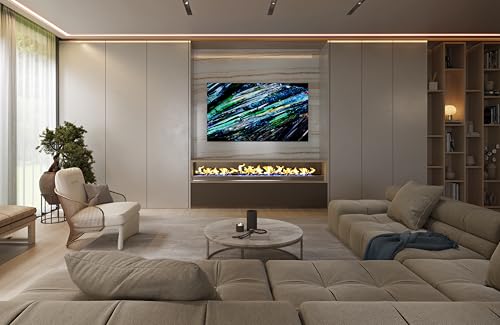
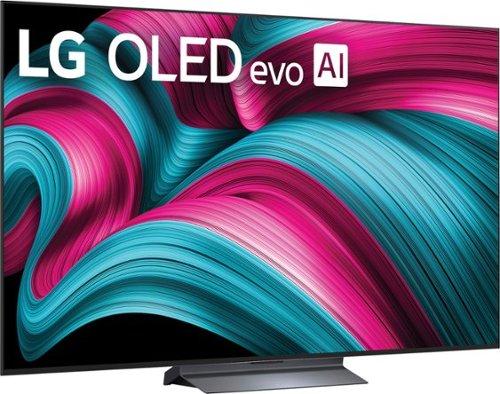
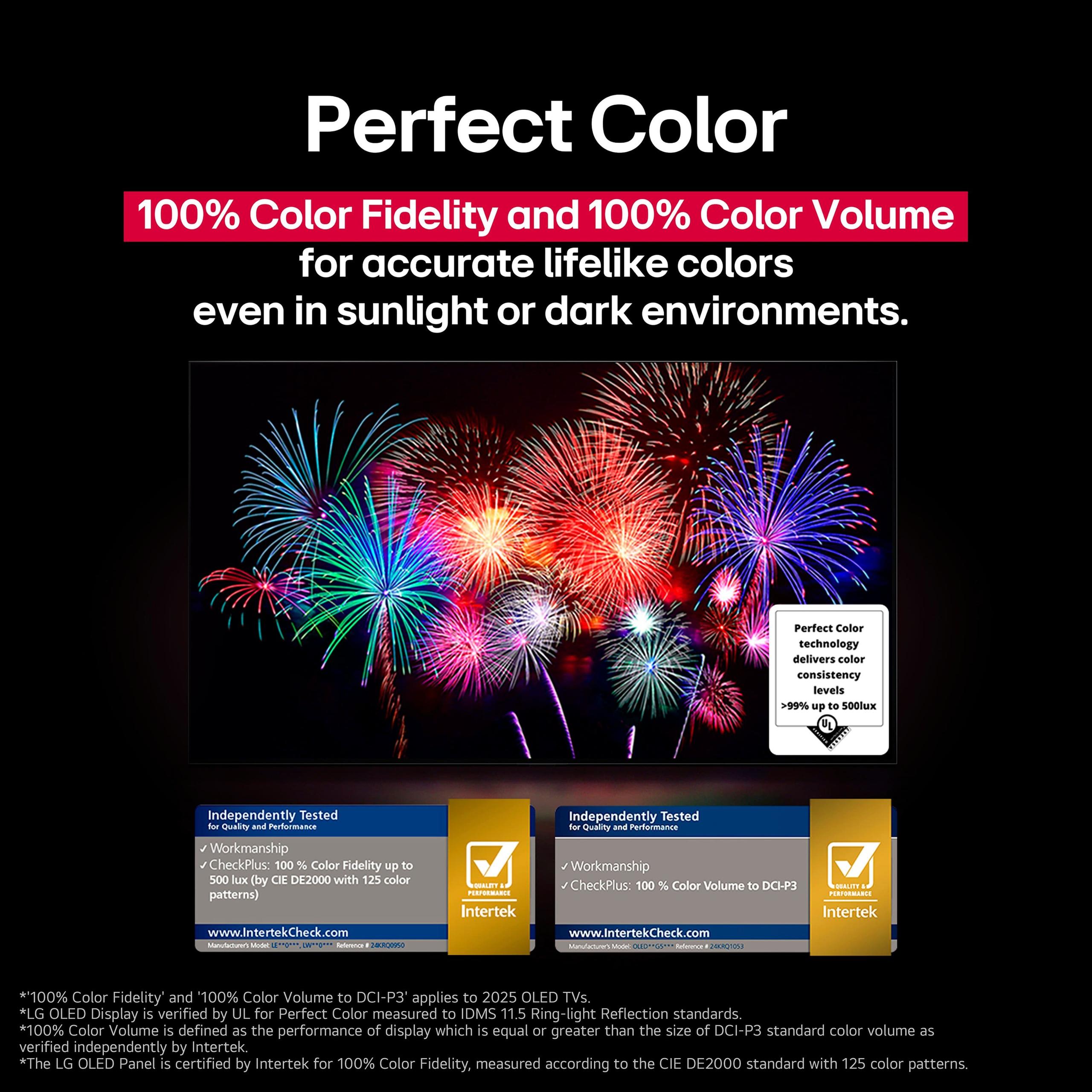
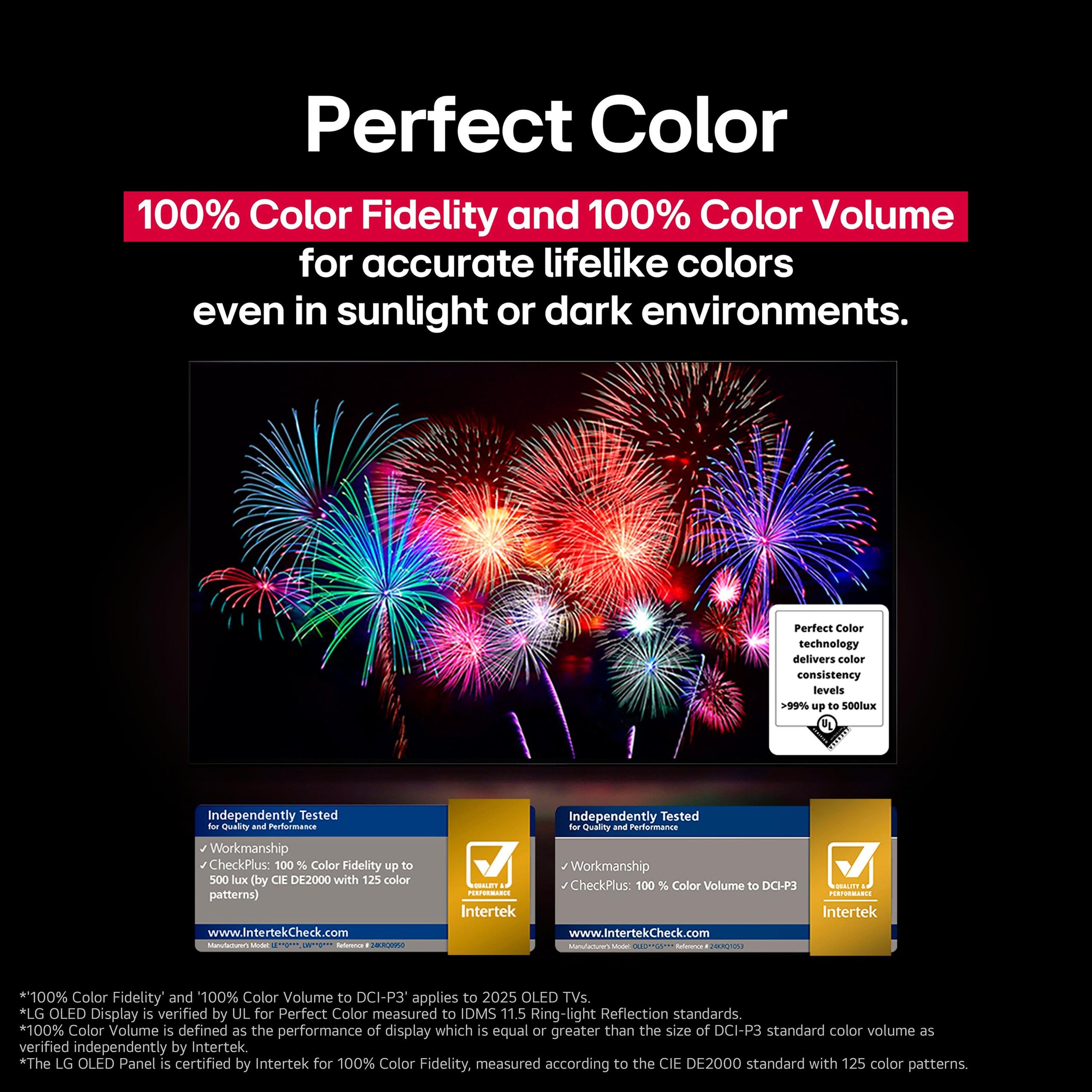


If you're shopping for a premium OLED TV, you've probably narrowed it down to two fundamentally different approaches to the same goal: delivering perfect blacks and stunning picture quality. The Sony BRAVIA XR A95L represents the cutting edge of color science with its QD-OLED panel, while the LG OLED evo C5 takes a more versatile approach with proven WOLED technology and gaming-focused features.
Both TVs deliver the core OLED promise—perfect blacks that make dark movie scenes absolutely stunning—but they get there through different technologies and priorities. Understanding these differences will help you choose the right TV for your specific needs and viewing habits.
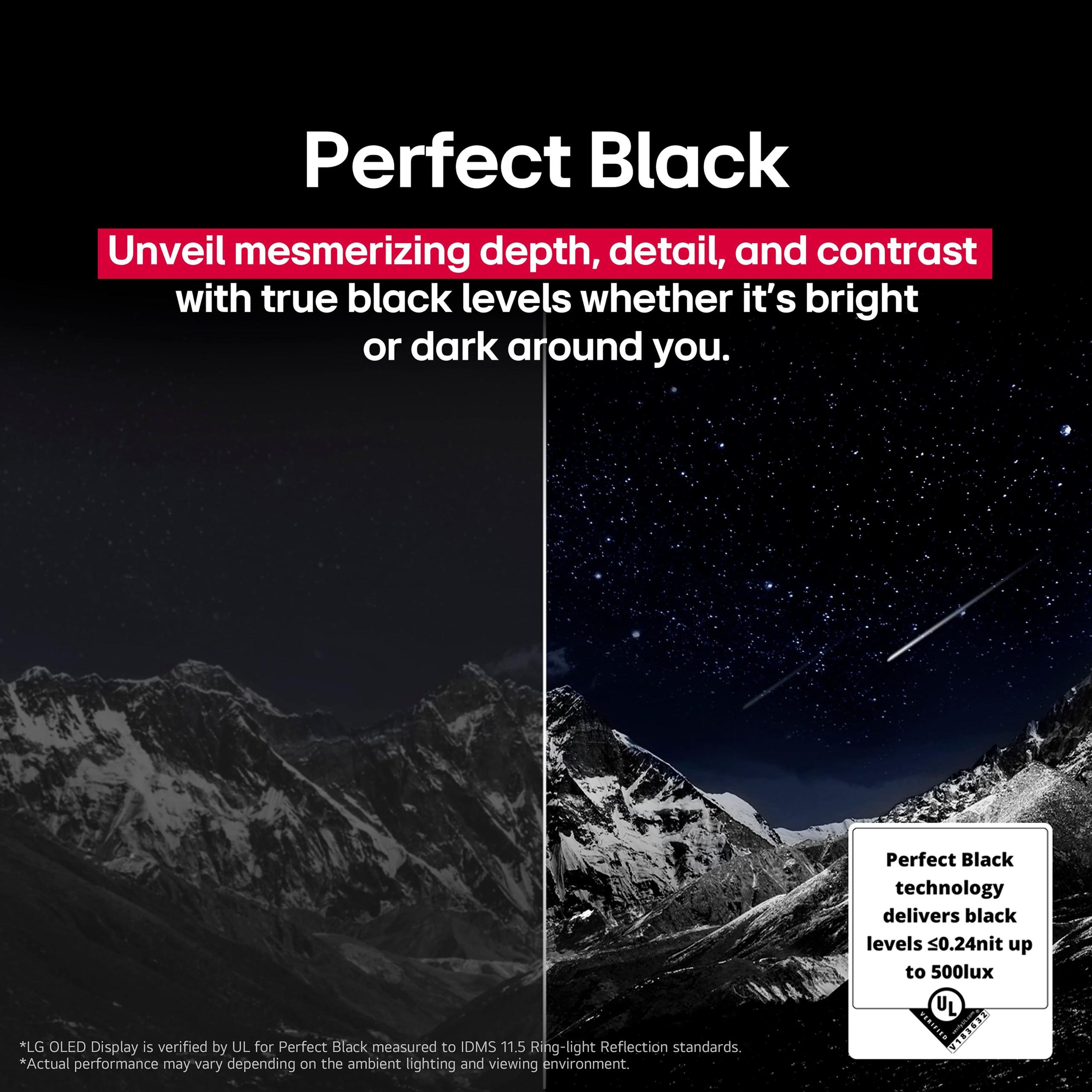
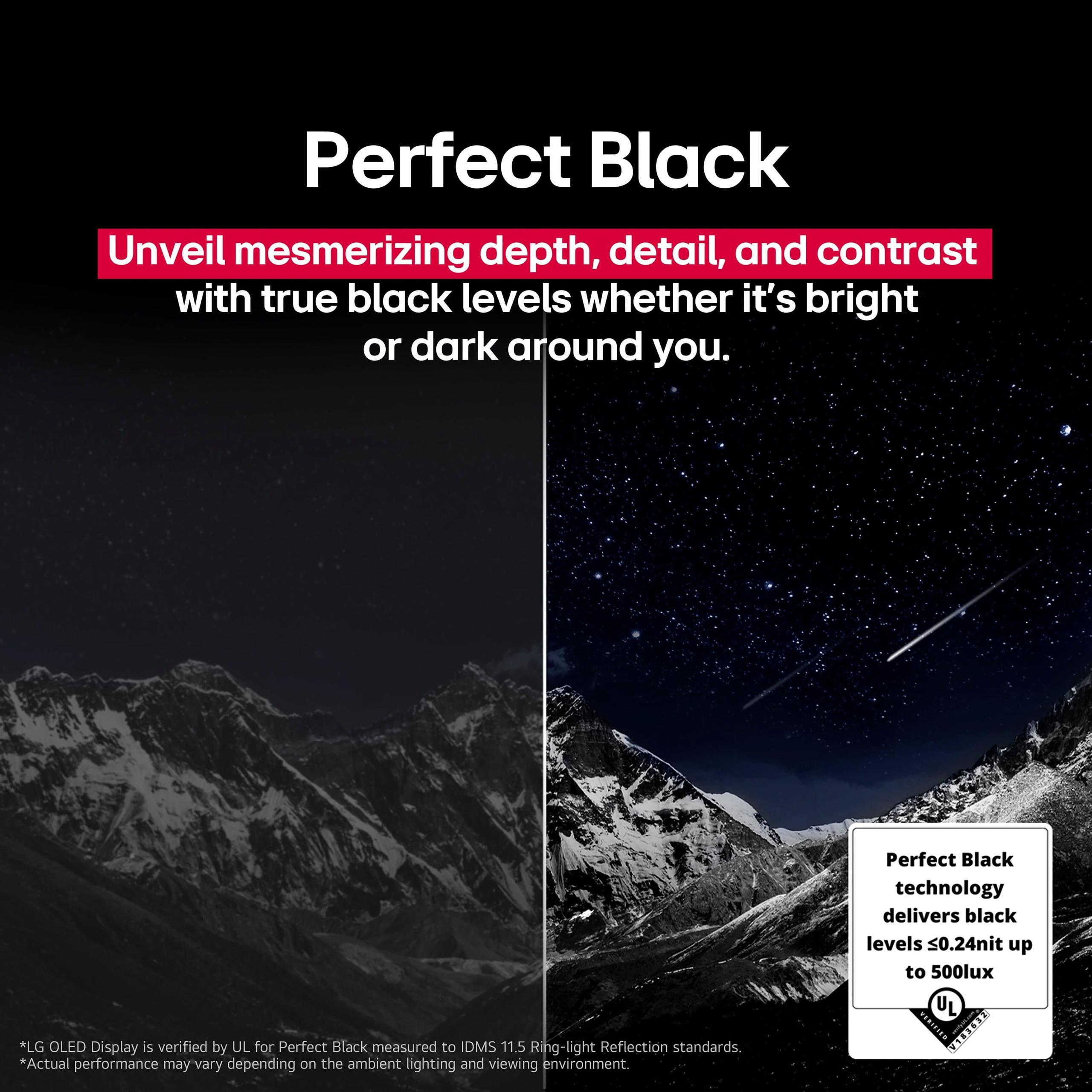
Before diving into the comparison, it's worth understanding what makes OLED special. Unlike traditional LED TVs that use a backlight shining through LCD panels, OLED TVs have millions of individual pixels that produce their own light. When a pixel needs to be black, it simply turns off completely, creating true blacks and infinite contrast ratios.
The key considerations when choosing between premium OLED models go beyond just having perfect blacks. You need to think about peak brightness for HDR content, color accuracy and volume, how well the TV handles different types of content, gaming features, and overall value. Some OLEDs excel in dark rooms but struggle in bright living rooms, while others prioritize gaming over movie watching.
The most fundamental difference between these TVs lies in their panel technology, which affects everything from color reproduction to brightness capabilities.
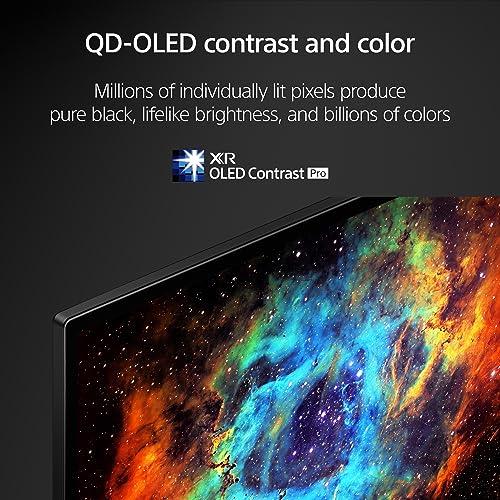
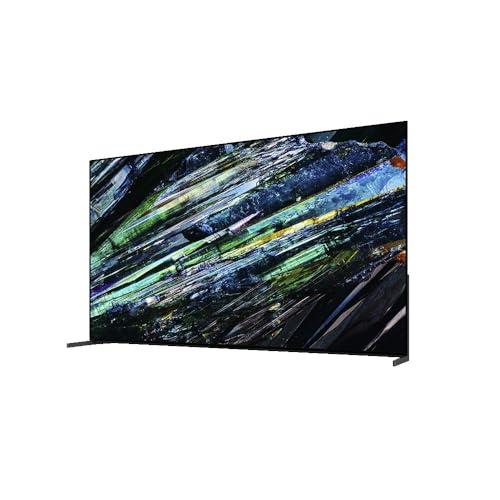
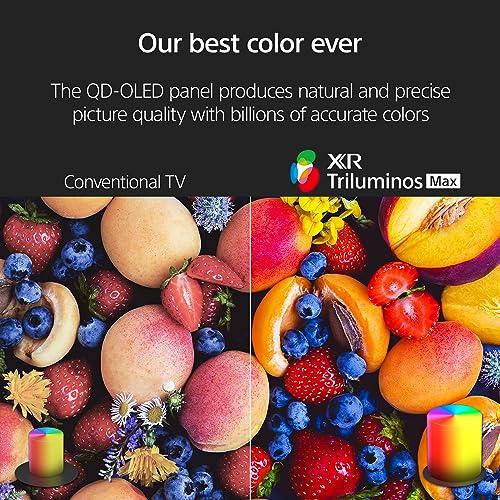
The Sony A95L uses QD-OLED technology, which combines quantum dot nanocrystals with OLED pixels. Think of quantum dots as tiny color filters that can produce extremely pure colors. When blue OLED light hits these microscopic crystals, they convert it into perfectly tuned red and green light. This creates colors that are not only more accurate but also maintain their saturation even when the screen gets bright—a traditional weakness of many display technologies.
In contrast, the LG C5 uses WOLED (White OLED) technology, where white OLED subpixels shine through color filters to create the final image. This is a more mature technology that LG has refined over many years, and the 2025 version includes significant brightness improvements over previous generations.
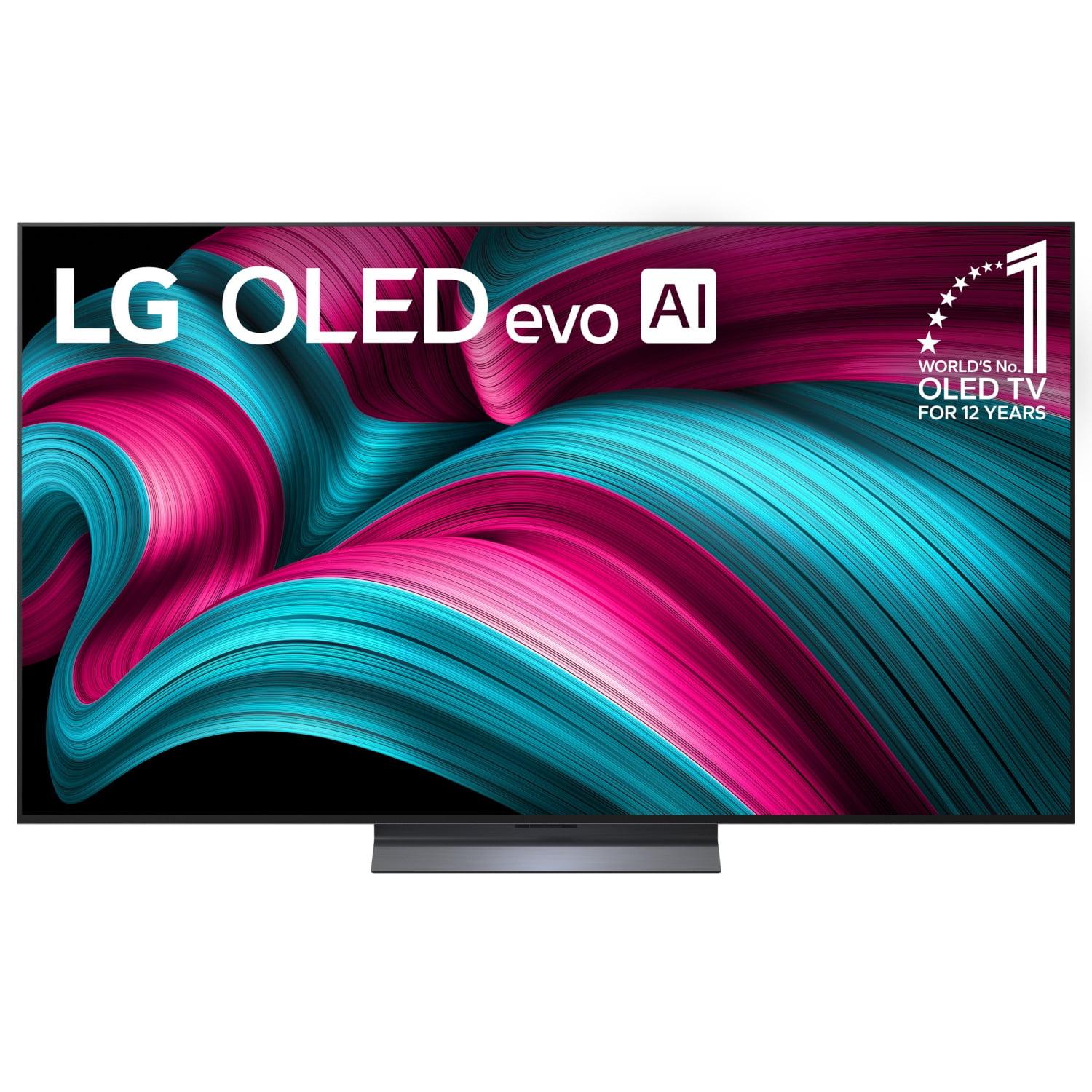
The practical difference? QD-OLED generally produces more vivid, pure colors that pop off the screen, while WOLED offers more consistent performance across different viewing conditions and tends to be brighter overall.
Based on our research into professional reviews and measurements, the Sony A95L achieves exceptional color performance with 89.41% coverage of the Rec.2020 color space—that's the ultra-wide color gamut used for premium HDR content. More importantly, it maintains a Delta-E of 2.9, which means colors are extremely accurate right out of the box. Delta-E measures how far colors deviate from their intended values, with lower numbers being better.
What does this mean for you? Movies and shows appear exactly as their creators intended, with skin tones that look natural and landscapes that feel lifelike. The quantum dot technology means colors stay vibrant even in bright scenes, so that sunset in your favorite movie will have rich oranges and deep reds that don't wash out.
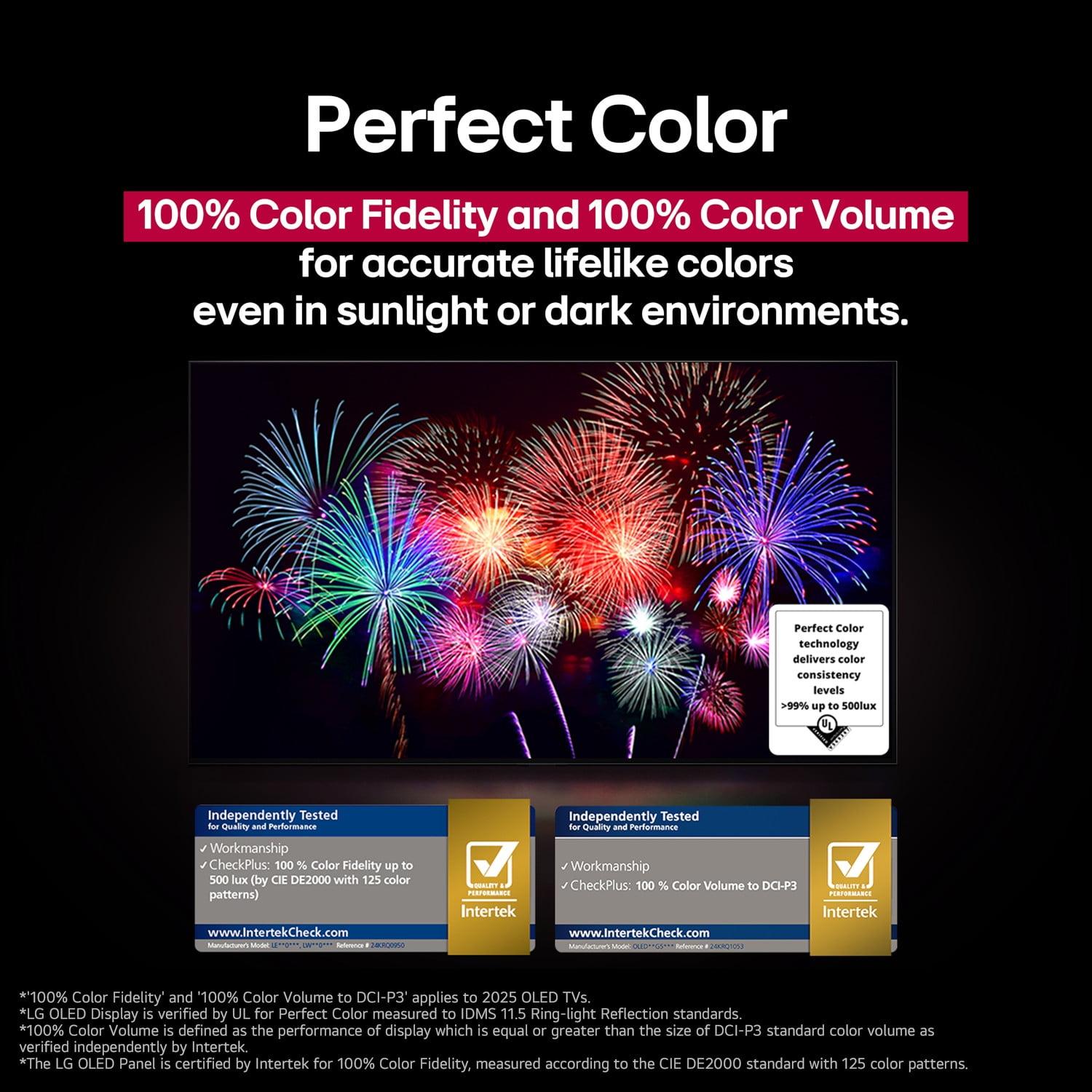
The LG C5, while still excellent, achieves 99.79% of the smaller UHDA-P3 color gamut. Some units exhibit a slight green cast that can make skin tones appear off in certain content, though colors generally appear warm and realistic. The difference in color volume—how vibrant colors can be at high brightness levels—is noticeable when comparing the two side by side.
Peak brightness determines how impactful HDR content looks, especially those bright highlights like explosions, sunlight, or gleaming metal. The Sony A95L reaches approximately 1,215 nits in HDR highlights, which creates impressive specular highlights that add dimensionality to images.
The LG C5 has improved brightness over its 2024 predecessor and performs better in bright rooms. While specific peak measurements weren't available in our research, the C5's brightness improvements make it more suitable for daytime viewing and rooms with lots of windows.
Here's where viewing environment becomes crucial: if you watch TV primarily in a dark or dimly lit room, both TVs will look spectacular. But if your TV room has lots of natural light, the C5's better reflection handling and overall brightness give it an advantage for comfortable daytime viewing.
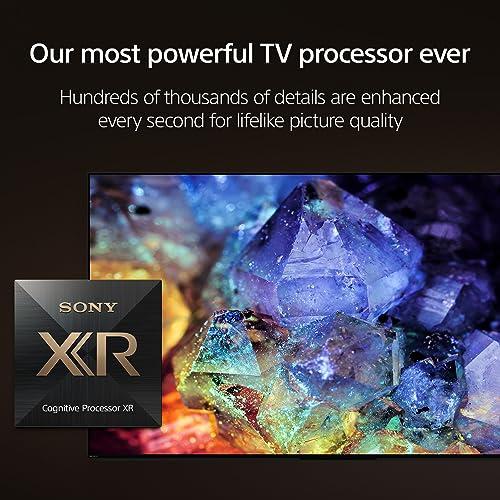
This is where the Sony A95L truly shines. Sony's Cognitive Processor XR uses advanced AI to analyze not just the technical aspects of what you're watching, but also how human perception works. It can identify objects in scenes and optimize them individually—making faces look more natural while enhancing background details differently.
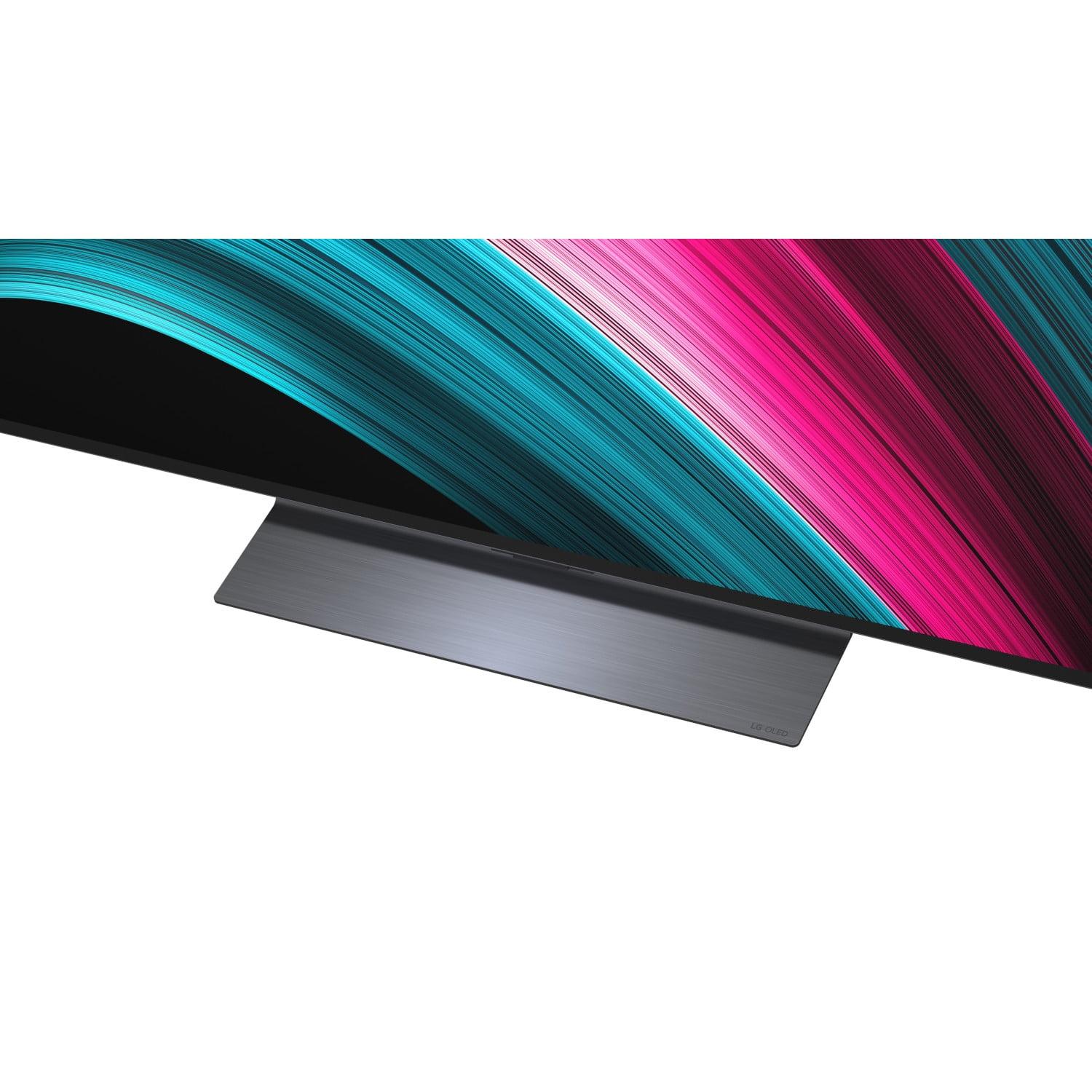
The practical benefit is outstanding upscaling of lower-resolution content. Those old DVDs, streaming shows with poor compression, or even lower-quality YouTube videos look significantly better on the Sony. The processor eliminates artifacts like color banding (those blocky transitions between similar colors) and maintains sharpness without introducing unwanted noise.
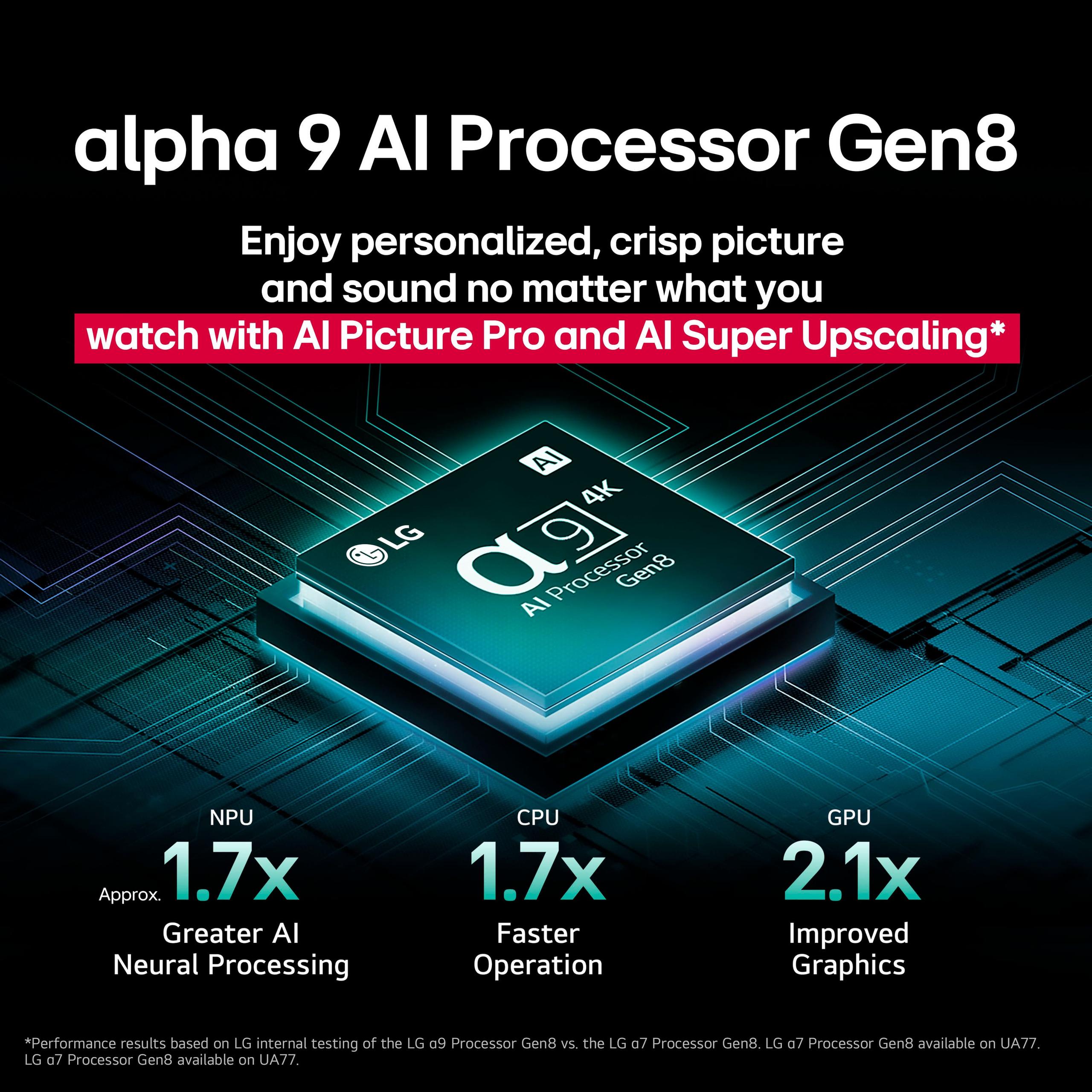
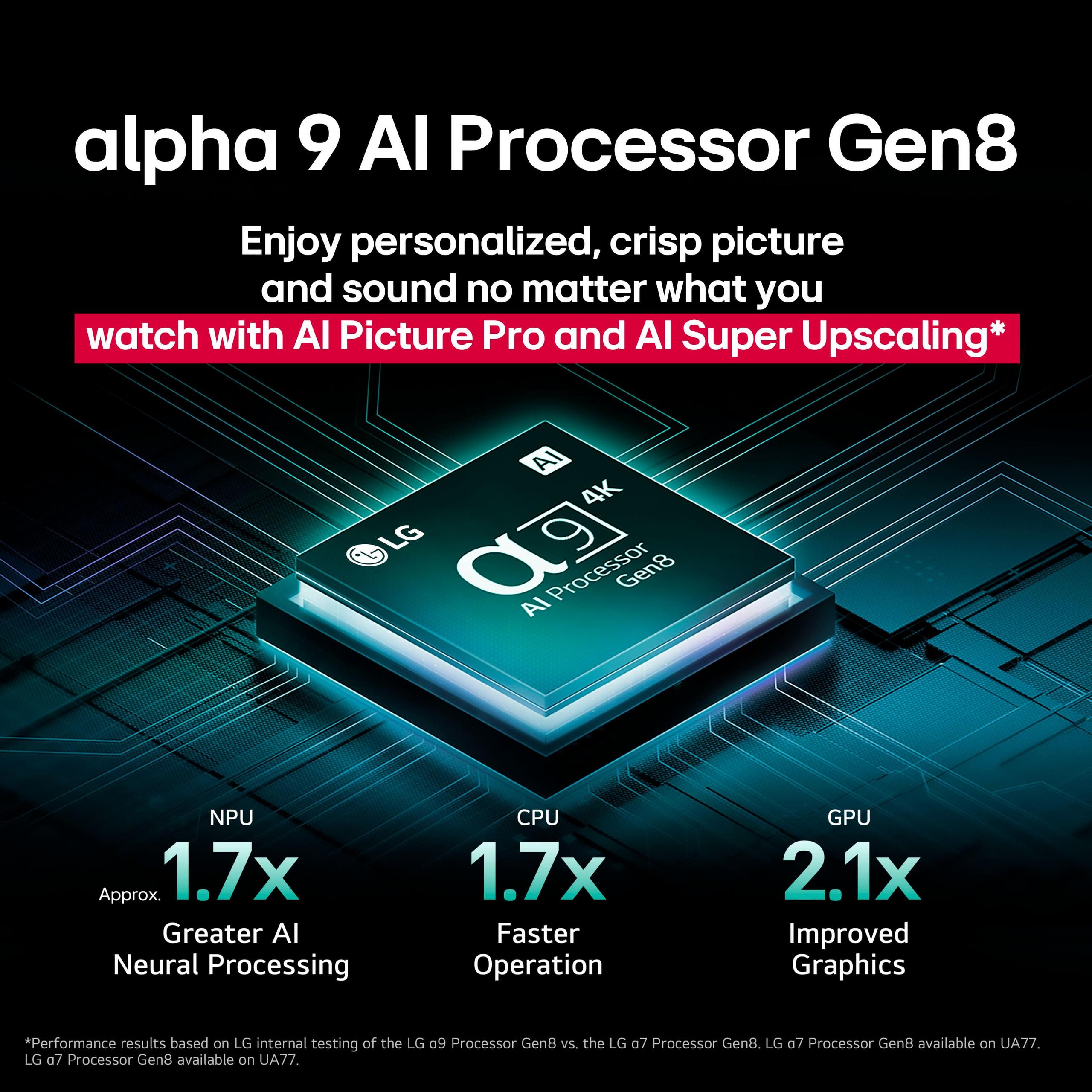
The LG C5 uses the Alpha 9 AI Processor Gen8, which is capable but not quite as sophisticated as Sony's processing. Some users report color banding issues in gradients, particularly in darker scenes, though LG includes a smooth gradation feature to help (unfortunately, this doesn't work in game mode).
If you're a serious gamer, the LG C5 is the clear winner, and it's not particularly close.
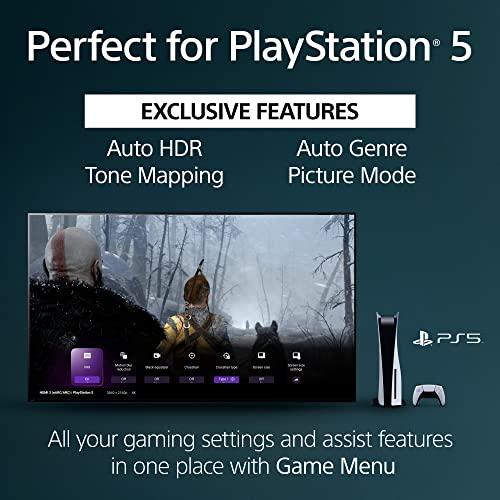
The C5 includes four HDMI 2.1 ports that support the full bandwidth needed for next-generation gaming features. This means you can connect a PlayStation 5, Xbox Series X, gaming PC, and another device all while maintaining access to features like 4K resolution at 144Hz refresh rates, Variable Refresh Rate (VRR), and Auto Low Latency Mode (ALLM).
VRR synchronizes the TV's refresh rate with your gaming device's frame rate, eliminating screen tearing and stuttering for smoother gameplay. ALLM automatically switches the TV to its lowest-latency mode when it detects a gaming signal. The C5's 9.2ms input latency is excellent for responsive gaming, while the 144Hz refresh rate future-proofs you for upcoming gaming hardware.
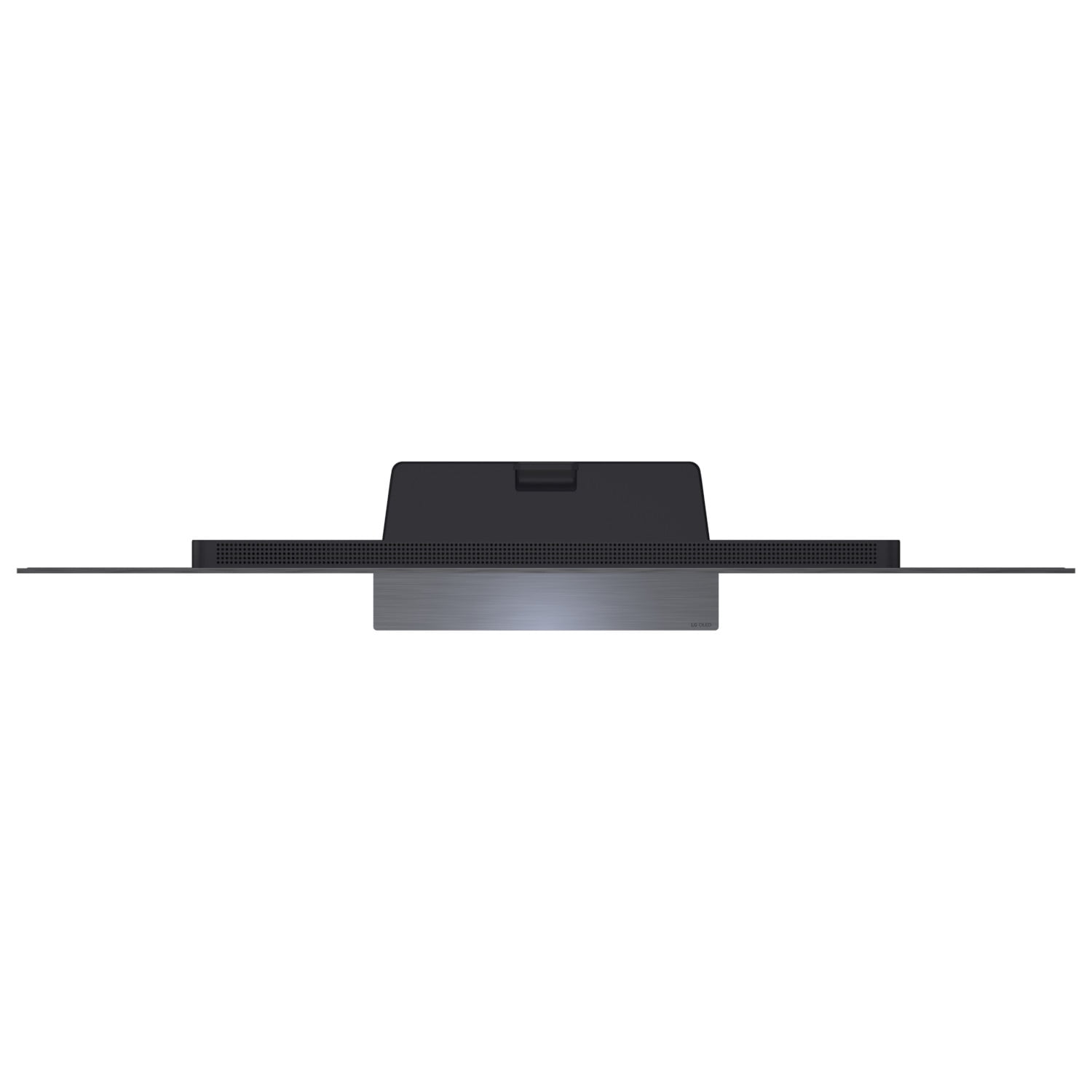
The Sony A95L, released in 2023, reflects the gaming priorities of that era with only two HDMI 2.1 ports and a maximum 120Hz refresh rate. The 16.1ms input latency, while still playable, isn't as responsive as the LG. More problematically, if you connect a soundbar using eARC (which takes up one HDMI 2.1 port), you're left with just one HDMI 2.1 port for gaming devices.
For casual console gaming, the Sony works fine. For PC gaming, multiple consoles, or if you want maximum future flexibility, the LG is substantially better.
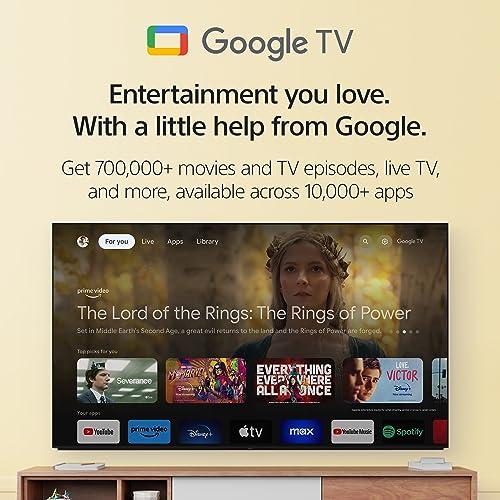
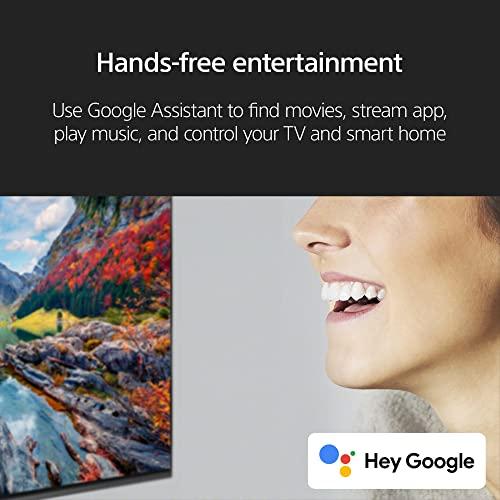
The Sony A95L runs Google TV, which excels at content discovery and recommendations. It learns your viewing habits across multiple streaming services and suggests shows and movies you might enjoy. Google Assistant integration is excellent, and the platform includes ATSC 3.0 support for next-generation broadcast TV—useful if you watch over-the-air channels.
The LG C5 features webOS 25, LG's latest interface that's known for being intuitive and responsive. It includes gaming-focused features and quick access to streaming apps. However, it lacks ATSC 3.0 support, which may matter if you rely on antenna TV.
Both platforms support all major streaming services and work reliably, so your choice here likely comes down to personal preference and whether features like ATSC 3.0 matter to you.
Based on user feedback and long-term reviews, both TVs are generally reliable, but there are some considerations:
The Sony A95L has been available since 2023 and has a track record of consistent performance. Some users report excellent long-term satisfaction, particularly for movie watching. The QD-OLED panel's design may theoretically reduce burn-in risk compared to traditional OLED panels, though this remains difficult to verify in real-world use.
The LG C5, being a 2025 model, represents LG's latest improvements but lacks the long-term track record. LG's C-series has historically been reliable, and the company offers a Re:New program promising software updates for up to five years.
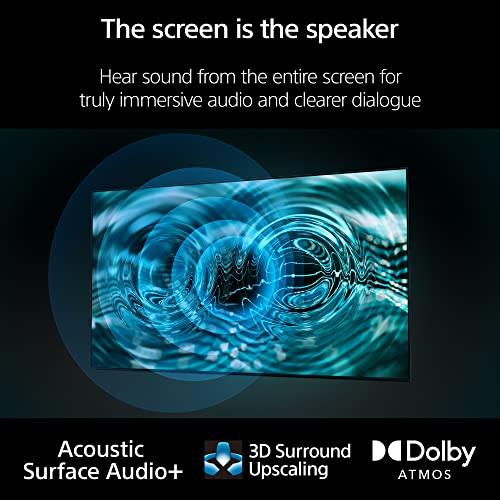
Neither TV excels in audio performance. The C5's built-in speakers are described as "middling" in most reviews, lacking the low-end response needed for movie soundtracks or the clarity for dialogue-heavy content. The Sony's Acoustic Surface Audio+ technology, which vibrates the screen to produce sound, is innovative but still insufficient for serious home theater use.
For both TVs, budget for a soundbar or home theater system. The good news is that both support eARC for high-quality audio passthrough to external audio systems.
At the time of writing, both TVs have seen significant price reductions from their original launch prices. The Sony A95L, having been available longer, often appears at substantial discounts that make its premium QD-OLED technology more accessible.
The LG C5, as a newer 2025 model, commands pricing typical of current-generation premium OLEDs but offers more features for gaming and bright-room viewing.
When considering value, think about what you prioritize: the Sony offers superior color science and processing for movie watching, while the LG provides better gaming features, connectivity, and bright-room performance. The "better value" depends entirely on which features matter most to your viewing habits.
For dedicated home theater setups, the Sony A95L has several advantages. Its superior color accuracy means movies appear as their creators intended, particularly important for film enthusiasts. The advanced processing handles different types of content expertly, from streaming services to Blu-ray discs.
The Filmmaker Mode on both TVs preserves the original aspect ratios and color grading, but the Sony's more accurate color reproduction gives it an edge for cinematic viewing. If your home theater is in a controlled lighting environment, the Sony's slightly lower peak brightness isn't a concern.
However, if your "home theater" doubles as a family room with windows and daytime use, the LG C5's better bright-room performance and gaming features might serve you better overall.
Choose the Sony BRAVIA XR A95L if you're primarily interested in the most accurate, film-like picture quality available. It's ideal for movie enthusiasts who watch in controlled lighting conditions and don't need extensive gaming features. The superior color science and processing make it worth considering if picture quality is your top priority and you can find it at a good discount.
Choose the LG OLED evo C5 if you want maximum versatility. It's better for gaming, performs well in bright rooms, offers more connectivity options, and provides excellent overall value. It's the more practical choice for most households, especially those with varied viewing habits and lighting conditions.
The decision ultimately comes down to whether you prioritize absolute picture quality (Sony) or overall versatility and value (LG). Both are excellent TVs that will provide years of viewing enjoyment, but understanding these differences will help you choose the one that best fits your specific needs and viewing environment.
| Sony BRAVIA XR A95L 65" QD-OLED | LG OLED evo C5 65" 4K TV 2025 |
|---|---|
| Panel Technology - Determines color quality and brightness characteristics | |
| QD-OLED with quantum dots for superior color purity and volume | WOLED with enhanced 2025 brightness improvements |
| Peak HDR Brightness - Critical for impactful HDR highlights and bright room viewing | |
| ~1,215 nits (excellent HDR punch in controlled lighting) | Enhanced brightness over 2024 models (better for bright rooms) |
| Color Gamut Coverage - How vivid and accurate colors appear | |
| 89.41% Rec.2020 coverage with exceptional color volume | 99.79% UHDA-P3 coverage, slightly less color volume than QD-OLED |
| Color Accuracy Out of Box - Important for film enthusiasts wanting creator's intent | |
| Delta-E 2.9 (excellent accuracy, minimal calibration needed) | Good accuracy but some units show slight green cast |
| Picture Processor - Affects upscaling quality and overall image optimization | |
| Cognitive Processor XR (best-in-class upscaling and processing) | Alpha 9 AI Processor Gen8 (capable but not flagship-level) |
| HDMI 2.1 Ports - Essential for next-gen gaming and future devices | |
| 2 ports (limiting for multiple gaming devices) | 4 ports (maximum flexibility for gaming setup) |
| Maximum Refresh Rate - Higher rates provide smoother gaming and motion | |
| 120Hz (good for most gaming scenarios) | 144Hz (future-proof for high-end PC gaming) |
| Input Lag - Lower numbers mean more responsive gaming | |
| 16.1ms (acceptable for casual gaming) | 9.2ms (excellent for competitive gaming) |
| Smart TV Platform - Affects long-term usability and features | |
| Google TV with ATSC 3.0 support | webOS 25 without ATSC 3.0 |
| Release Year - Impacts current pricing and feature currency | |
| 2023 (often available at significant discounts) | 2025 (latest generation with current pricing) |
| Bright Room Performance - How well it handles daytime viewing with ambient light | |
| Good but best in controlled lighting | Better reflection handling, more suitable for bright rooms |
| Best Use Case - Who should prioritize this TV | |
| Movie enthusiasts wanting ultimate picture quality | Gamers and mixed-use households needing versatility |
The Sony BRAVIA XR A95L delivers superior picture quality for movies with its QD-OLED technology and exceptional color accuracy. Its quantum dot panel produces more vivid, accurate colors that maintain saturation at high brightness levels, while Sony's Cognitive Processor XR provides best-in-class upscaling and processing. The LG OLED evo C5 offers excellent picture quality but can't match the Sony's color volume and processing sophistication for cinematic viewing.
The LG OLED evo C5 is significantly better for gaming with four HDMI 2.1 ports supporting 144Hz refresh rates, 9.2ms input lag, and full VRR support. The Sony BRAVIA XR A95L only offers two HDMI 2.1 ports with 120Hz maximum and higher 16.1ms input lag, making it less suitable for serious gaming setups or multiple consoles.
The Sony BRAVIA XR A95L uses QD-OLED technology, combining quantum dots with OLED pixels for superior color purity and volume. The LG OLED evo C5 uses WOLED technology with white OLED subpixels and color filters. QD-OLED generally produces more vivid colors, while WOLED offers better brightness uniformity and has been refined over many years.
The LG OLED evo C5 performs better in bright rooms with enhanced brightness over previous generations and superior reflection handling. While the Sony BRAVIA XR A95L reaches about 1,215 nits peak brightness, the LG's overall screen brightness and anti-glare properties make it more suitable for rooms with lots of ambient light.
Both TVs offer excellent smart platforms. The Sony BRAVIA XR A95L runs Google TV with superior content recommendations and ATSC 3.0 support for next-gen broadcast TV. The LG OLED evo C5 features webOS 25 with an intuitive interface and gaming-focused features, though it lacks ATSC 3.0 support.
The LG OLED evo C5 can exhibit slight color banding in gradients and some units show a green cast affecting skin tones. The Sony BRAVIA XR A95L generally has fewer picture artifacts thanks to superior processing, though it may show slight brightness limitations during extended bright scenes.
Value depends on your priorities. The Sony BRAVIA XR A95L often appears at significant discounts from its original pricing, making premium QD-OLED technology more accessible. The LG OLED evo C5 offers better overall versatility with gaming features and connectivity, providing strong value for mixed-use households.
Both TVs offer excellent viewing angles typical of OLED technology. The LG OLED evo C5 maintains consistent WOLED performance from various positions, while the Sony BRAVIA XR A95L delivers outstanding color accuracy from wide angles thanks to its QD-OLED panel design.
For dedicated home theater use, the Sony BRAVIA XR A95L excels with superior color accuracy, advanced processing, and filmmaker-intent picture quality in controlled lighting. However, if your home theater doubles as a family room, the LG OLED evo C5 might be more practical with better bright-room performance and gaming capabilities.
Both the Sony BRAVIA XR A95L and LG OLED evo C5 have adequate built-in audio but benefit significantly from external sound systems. Both support eARC for high-quality audio passthrough, though connecting a soundbar to the Sony reduces available HDMI 2.1 ports for gaming.
The LG OLED evo C5 is a 2025 model with LG's Re:New program promising updates for up to five years. The Sony BRAVIA XR A95L, released in 2023, has proven reliability but may receive fewer future updates as a older model. Both use mature OLED technology with good longevity expectations.
Choose the Sony BRAVIA XR A95L if you prioritize ultimate picture quality for movies and watch primarily in controlled lighting. Choose the LG OLED evo C5 if you need gaming features, watch TV in bright rooms, or want maximum connectivity flexibility. The LG offers better overall versatility while the Sony delivers superior cinematic image quality.
We've done our best to create useful and informative comparisons to help you decide what product to buy. Our research uses advanced automated methods to create this comparison and perfection is not possible - please contact us for corrections or questions. These are the sites we've researched in the creation of this article: rtings.com - youtube.com - rtings.com - avsforum.com - rtings.com - smarthomesounds.co.uk - smarthomesounds.co.uk - rtings.com - smarthomesounds.co.uk - youtube.com - tomsguide.com - avsforum.com - rtings.com - perfectrec.com - flatpanelshd.com - videoandaudiocenter.com - sonypremiumhome.com - bestbuy.com - sony.com - electronics.sony.com - displayspecifications.com - donstv.com - youtube.com - static.pcrichard.com - smarthomesounds.co.uk - youtube.com - electronics.sony.com - electronics.sony.com - displayspecifications.com - bestbuy.com - rtings.com - youtube.com - businessinsider.com - youtube.com - bestbuy.com - lg.com - files.bbystatic.com - lg.com - flatpanelshd.com - lg.com - blvdhome.com - bhphotovideo.com - flanners.com - videopro.com.au

Privacy Policy
Terms and Conditions - Affiliate Policy
Home Security
© Copyright 2008-2026.
11816 Inwood Rd #1211, Dallas, TX 75244