


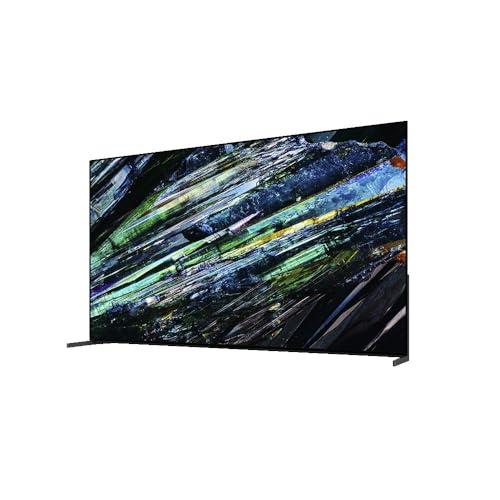


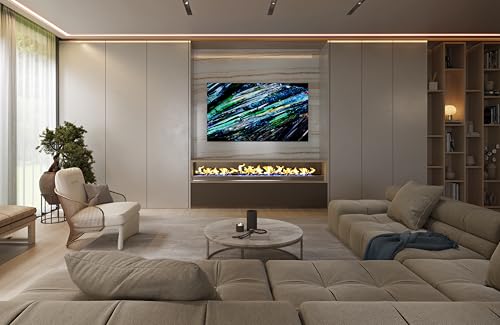
When you're shopping for a premium 65-inch television, you're likely torn between two very different philosophies. Do you want a TV that disappears into your living room décor, or one that delivers the absolute best picture quality money can buy? That's exactly the choice you're facing between the Samsung 65" The Frame QLED 4K 2024 TV and the Sony BRAVIA XR A95L 65" QD-OLED.
At the time of writing, these TVs are separated by roughly $500, with the Samsung Frame positioned as the more affordable lifestyle option and the Sony A95L commanding a premium for its cutting-edge display technology. But that price difference tells only part of the story—these are fundamentally different products serving different needs.
The premium TV market has evolved dramatically over the past few years. We've moved beyond simple LED displays to sophisticated technologies like QLED (Quantum Dot LED) and OLED (Organic Light-Emitting Diode), each with distinct advantages. The Samsung Frame represents the lifestyle TV category—devices designed to blend seamlessly into your home when not actively displaying content. Meanwhile, the Sony A95L exemplifies the performance-first approach, using cutting-edge QD-OLED technology to deliver reference-quality picture performance.
When evaluating premium TVs, the most important considerations are display technology, picture quality metrics like brightness and contrast, audio performance, smart features, and overall value proposition. But perhaps most importantly, you need to understand your primary use case—are you creating a dedicated home theater environment, or do you need a TV that functions beautifully in a bright, multi-purpose living space?
The fundamental difference between these TVs lies in their display technology, and it's worth understanding what that means for your viewing experience.
The Samsung Frame 2024 uses QLED technology, which is essentially an LED-backlit LCD panel enhanced with quantum dots. These microscopic crystals convert the LED backlight into more accurate colors, creating a wider color gamut than traditional LCD displays. However, it's still an LCD at heart, meaning it requires a backlight to illuminate the pixels. This creates inherent limitations in contrast ratio—the difference between the darkest blacks and brightest whites the TV can display.
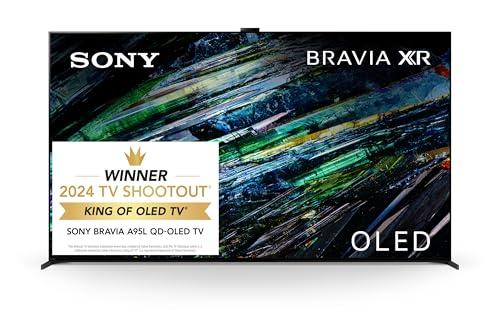
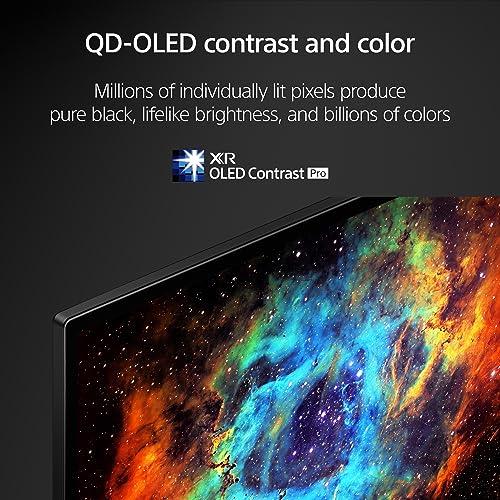
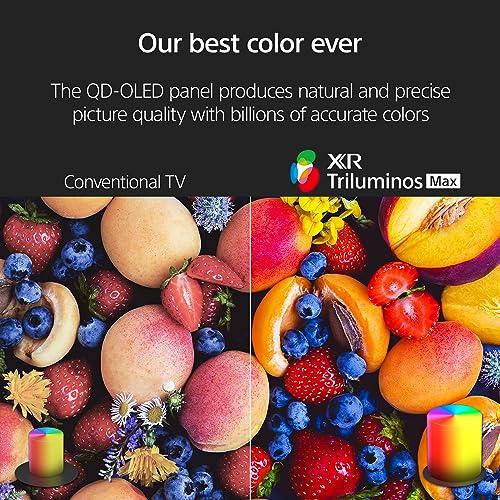
The Sony A95L takes a completely different approach with QD-OLED technology. Here's where it gets interesting: OLED panels don't need a backlight because each pixel produces its own light. When a pixel needs to display black, it simply turns off completely, creating perfect blacks and theoretically infinite contrast. Sony's implementation adds quantum dots to enhance color production, combining OLED's perfect blacks with quantum dot color accuracy.
This technical difference has massive real-world implications. When you're watching a movie with dark scenes, the Sony A95L can display true blacks while keeping bright elements punchy and detailed. The Samsung Frame, constrained by its backlight, will show grayish blacks in the same scenes.
Based on our research into professional reviews and user feedback, the Sony A95L significantly outperforms the Samsung Frame in brightness capabilities. The Sony can reach peak brightness levels around 1,300 nits in HDR content—roughly double its predecessor from the previous year. This matters enormously for HDR (High Dynamic Range) content, which uses extended brightness and color information to create more lifelike images.
The Samsung Frame delivers respectable brightness for everyday viewing, but it can't match the Sony's peak output. More critically, it lacks support for Dolby Vision, the premium HDR format that provides 12-bit color processing for up to 68 billion colors. The Samsung supports HDR10+ instead, which is good but not as sophisticated as Dolby Vision's dynamic, scene-by-scene optimization.
Why does this matter? When you're streaming a movie on Netflix or Disney+ that includes Dolby Vision, the Sony A95L can display subtle color gradations and brightness levels that the Samsung Frame simply cannot reproduce. It's like the difference between viewing a photograph on a high-end monitor versus a basic laptop screen.
This is where the technological differences become most apparent. The Sony A95L's OLED panel delivers perfect blacks because individual pixels turn completely off. When you're watching a space movie with stars against the void of space, those black areas are truly black—not the dark gray you'll see on LCD-based displays.
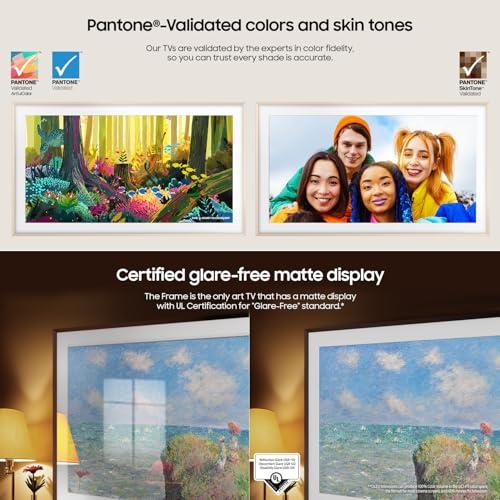
The Samsung Frame, using edge-lit LED backlighting, cannot achieve true blacks. In dark room viewing, this limitation becomes immediately obvious. However, Samsung has optimized the Frame for bright room viewing with its anti-glare matte display, which actually makes it more suitable for rooms with lots of windows and ambient light.
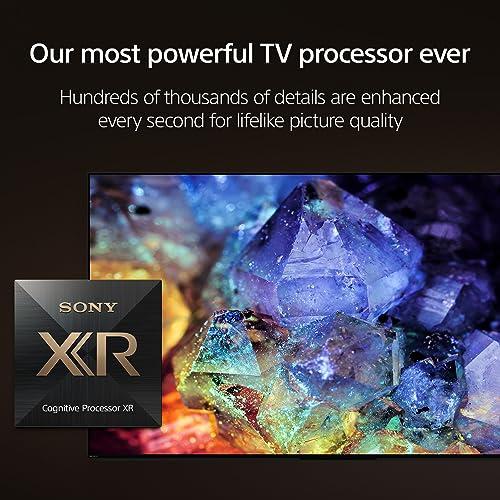
Our evaluation of expert reviews consistently shows the Sony A95L delivering superior color accuracy. Sony's Cognitive Processor XR uses AI-based processing to analyze and optimize every element of the picture in real-time. This isn't just marketing speak—the difference is particularly noticeable when watching lower-quality content like cable TV or compressed streaming video.
The Samsung Frame provides decent color performance, but its processing capabilities are more limited. If you frequently watch cable TV, older movies, or lower-bitrate streaming content, the Sony's superior upscaling will make a meaningful difference in your viewing experience.
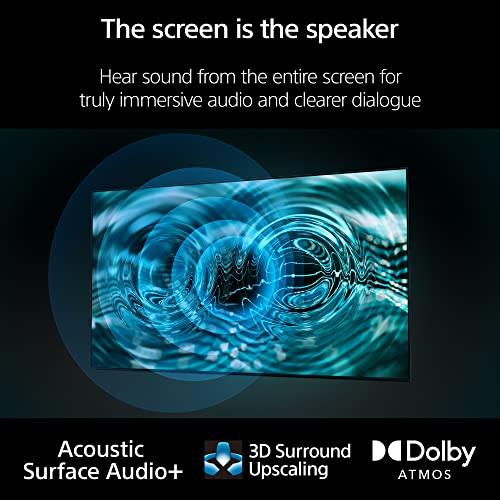
The audio comparison reveals another significant technological difference. The Sony A95L uses Acoustic Surface Audio+ technology, which turns the entire screen into a speaker using actuators that vibrate the display panel. This creates remarkably immersive audio where dialogue appears to come directly from characters' mouths on screen, and sound effects have precise spatial placement.
The Samsung Frame uses conventional speakers with Object Tracking Sound (OTS) technology to simulate directional audio effects. While adequate for casual viewing, it can't match the immersive quality of the Sony's screen-as-speaker approach. The difference becomes particularly apparent when watching movies or TV shows with dynamic soundtracks.
For serious home theater use, both TVs benefit from external audio systems, but the Sony's built-in audio is significantly more capable for users who prefer not to add additional speakers.
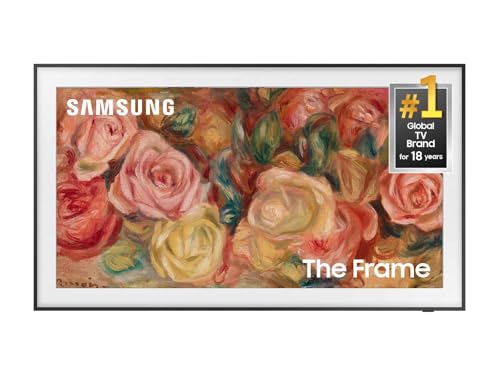
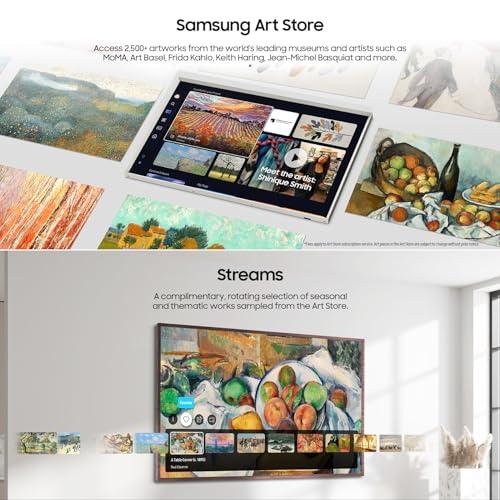
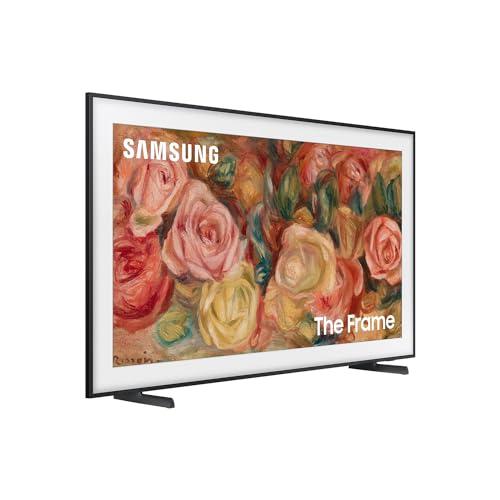
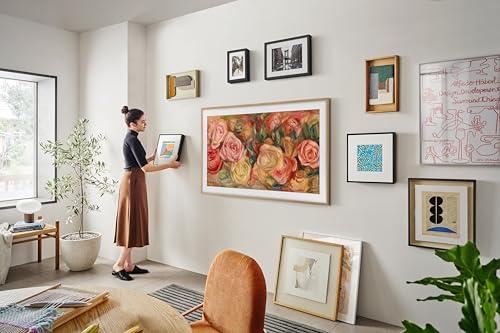
Here's where the Samsung Frame truly differentiates itself. Released as part of Samsung's 2024 lineup, this model represents the evolution of the lifestyle TV concept that Samsung pioneered. The Frame's signature feature is Art Mode, which transforms your TV into a digital picture frame when not actively displaying content.
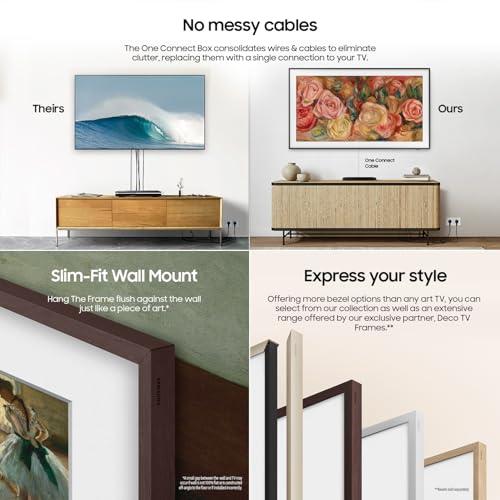
This isn't just a screensaver—it's a comprehensive art ecosystem. The TV comes with a motion sensor that activates the display when someone approaches, displays artwork with museum-quality color accuracy, and includes customizable magnetic bezels that you can swap to match your room's décor. The 2024 model introduced new matte shading technology that makes displayed art appear more like a real canvas painting.
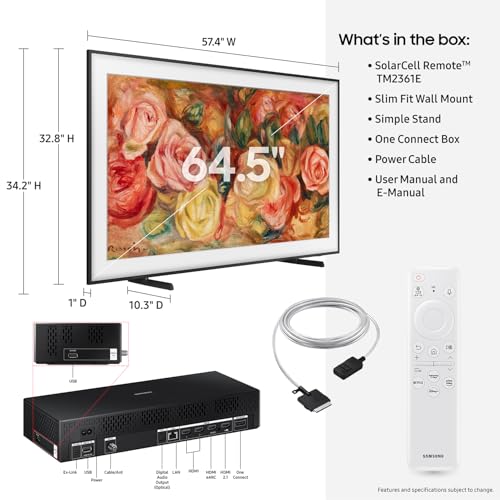
The practical benefits extend beyond aesthetics. The One Connect Box consolidates all your device connections into a separate unit, so only a single cable runs to the TV. When wall-mounted with the included flush mount, the Samsung Frame appears like a genuine piece of artwork hanging on your wall.
For many users, this lifestyle functionality justifies the picture quality compromises. If your TV is mounted in a prominent living room location where it's visible even when turned off, the Frame's ability to enhance rather than detract from your décor is genuinely valuable.
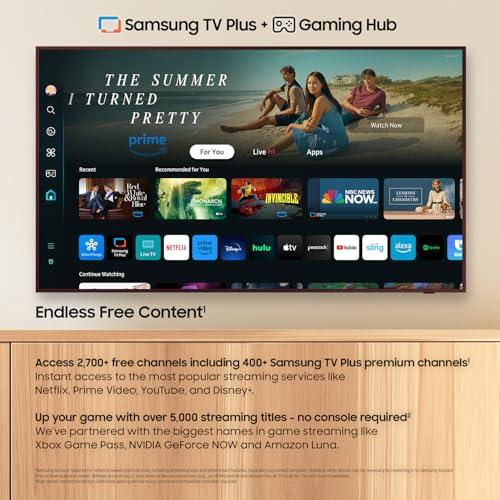
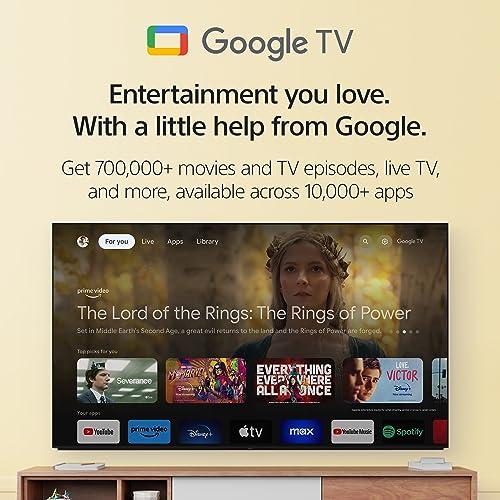
The smart TV experience differs significantly between these models. The Sony A95L runs Google TV, which offers comprehensive app support, superior voice control through Google Assistant, and deep integration with Google ecosystem devices. The platform excels at content discovery and provides robust smart home control capabilities.
The Samsung Frame uses Samsung's Tizen operating system with Bixby voice control. Tizen is streamlined and responsive, but Google Assistant offers more sophisticated voice control and third-party device integration. The Samsung does include Samsung SmartThings integration, which works well if you're already invested in Samsung's smart home ecosystem.
Connectivity-wise, the Sony A95L includes Wi-Fi 6 support for faster, more reliable wireless connections, while the Samsung Frame uses Wi-Fi 5. Both support HDMI 2.1 for modern gaming consoles, but the implementation details differ slightly.
Both TVs support modern gaming features, but with different strengths. The Samsung Frame includes FreeSync Premium Pro support, which eliminates screen tearing when connected to compatible gaming devices. It offers 120Hz refresh rates and low input lag suitable for casual gaming.
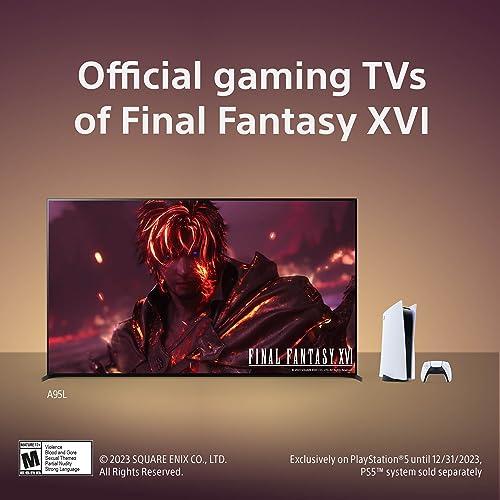
The Sony A95L provides near-instantaneous pixel response due to OLED technology, eliminating motion blur completely. However, professional reviews indicate slightly higher input lag compared to Samsung's gaming-focused models, though still responsive enough for most gaming scenarios.
For serious gamers, neither TV represents the absolute pinnacle of gaming performance, but both are perfectly adequate for console gaming with PlayStation 5 or Xbox Series X.
If you're building a dedicated home theater, the choice becomes clearer. The Sony A95L excels in dark room viewing where its perfect blacks and superior contrast create a cinematic experience that closely matches what filmmakers intended. The support for Dolby Vision ensures you're seeing premium streaming content at its best.
The Samsung Frame's matte display, while excellent for bright rooms, can appear slightly hazy in dark environments. Its edge-lit backlighting creates some uniformity issues that become more noticeable in dark room viewing. However, if your "home theater" is actually a multi-purpose living room with windows and ambient lighting, the Frame's anti-glare properties might actually provide a better experience.
Choose the Samsung Frame if:
Choose the Sony A95L if:
At the time of writing, the roughly $500 price difference between these TVs represents fundamentally different value propositions. The Samsung Frame offers unique lifestyle functionality that no other TV can match, making it excellent value for users who prioritize design and bright-room performance.
The Sony A95L commands its premium through superior display technology, better processing, and reference-quality performance. For picture quality enthusiasts, the extra cost delivers meaningful technological advantages that justify the investment.
Both TVs excel in their intended roles, but they serve very different needs. The Samsung Frame revolutionizes how a TV integrates into your living space, offering good performance while doubling as functional décor. The Sony A95L focuses purely on delivering the best possible picture and sound quality.
Your choice should align with your primary use case and room environment. If you want a TV that enhances your living room's aesthetic while providing solid performance, the Samsung Frame is exceptional. If you prioritize the best possible viewing experience and have appropriate viewing conditions, the Sony A95L represents one of the finest TVs available.
Neither choice is wrong—they're simply optimized for different priorities in the premium TV landscape.
| Samsung 65" The Frame QLED 4K 2024 TV | Sony BRAVIA XR A95L 65" QD-OLED 4K HDR Google TV |
|---|---|
| Display Technology - Foundation that determines picture quality limits | |
| QLED with LED backlighting and quantum dot enhancement | QD-OLED with self-emitting pixels and quantum dot colors |
| Peak Brightness - Critical for HDR impact and bright room viewing | |
| Good SDR brightness, limited HDR peak output | Up to 1,300 nits peak brightness for impactful HDR highlights |
| Black Levels - Determines contrast and dark scene detail | |
| Limited by LED backlighting, cannot achieve true blacks | Perfect blacks with pixels that turn completely off |
| HDR Format Support - Affects premium streaming content quality | |
| HDR10, HDR10+, HLG (no Dolby Vision support) | HDR10, HDR10+, HLG, plus Dolby Vision for 68 billion colors |
| Anti-Reflection Technology - Performance in bright rooms | |
| Matte Anti-Glare Display optimized for bright environments | X-Anti Reflection coating, good but not matte-optimized |
| Audio System - Built-in sound quality | |
| 40W conventional speakers with Object Tracking Sound | Acoustic Surface Audio+ turns entire screen into speaker |
| Art Mode Features - Unique lifestyle functionality | |
| Full Art Mode with motion sensor, customizable bezels, flush mount | Not available - traditional TV design focused on performance |
| Smart TV Platform - App ecosystem and voice control | |
| Tizen OS with Bixby voice control and SmartThings integration | Google TV with Google Assistant and comprehensive app library |
| Gaming Features - Console compatibility and responsiveness | |
| 120Hz, FreeSync Premium Pro, good input lag for casual gaming | 120Hz, HDMI 2.1, near-zero motion blur but higher input lag |
| Connectivity - Future-proofing and wireless performance | |
| Wi-Fi 5, HDMI 2.1 on select ports, One Connect Box | Wi-Fi 6, HDMI 2.1 support, standard connectivity layout |
| Best Use Case - Who should choose this TV | |
| Bright living rooms where aesthetics and dual art functionality matter | Dark viewing rooms prioritizing ultimate picture quality and cinematic experience |
The Sony BRAVIA XR A95L delivers superior picture quality with its QD-OLED technology, offering perfect blacks, higher peak brightness up to 1,300 nits, and support for Dolby Vision HDR. The Samsung Frame QLED 2024 provides good picture quality but cannot match the Sony's contrast and color accuracy due to its LED backlighting limitations.
The primary difference is their design philosophy: the Samsung Frame 2024 is a lifestyle TV that doubles as digital artwork when not in use, while the Sony A95L focuses purely on delivering reference-quality picture performance. The Samsung uses QLED technology, while the Sony uses advanced QD-OLED for superior contrast.
The Samsung Frame QLED 2024 is specifically designed for bright rooms with its Anti-Glare Matte Display that reduces reflections and maintains visibility in well-lit environments. The Sony A95L handles reflections well but isn't optimized for bright room viewing like the Samsung.
Yes, both the Samsung Frame 2024 and Sony A95L support HDMI 2.1 features including 4K at 120Hz, making them compatible with PlayStation 5 and Xbox Series X. The Samsung offers FreeSync Premium Pro, while the Sony provides near-zero motion blur due to OLED technology.
The Sony A95L has significantly better audio with its Acoustic Surface Audio+ technology that turns the entire screen into a speaker, creating immersive sound. The Samsung Frame 2024 has conventional 40W speakers with Object Tracking Sound, which are adequate but not as impressive as the Sony's implementation.
Yes, the Samsung Frame 2024 features Art Mode that displays curated artwork or personal photos when not in use, complete with customizable magnetic bezels and a flush wall mount. It includes a motion sensor and can genuinely appear like a framed painting, which the Sony A95L cannot replicate.
For home theater use, the Sony A95L is the clear winner with its perfect blacks, superior contrast, Dolby Vision support, and excellent dark room performance. The Samsung Frame 2024 is better suited for multi-purpose living rooms rather than dedicated theater environments.
The Sony A95L runs Google TV with comprehensive app support and Google Assistant integration, while the Samsung Frame 2024 uses Tizen OS with Bixby voice control and SmartThings compatibility. Both platforms provide access to major streaming services.
Value depends on priorities: the Samsung Frame 2024 offers excellent value for users wanting unique lifestyle features and bright room performance. The Sony A95L provides better value for picture quality enthusiasts willing to pay more for superior display technology and performance.
Both support HDR, but with key differences: the Samsung Frame 2024 supports HDR10 and HDR10+ but lacks Dolby Vision, while the Sony A95L supports all major HDR formats including Dolby Vision for enhanced color depth and dynamic optimization.
The Samsung Frame 2024 is designed for wall mounting with an included flush mount and One Connect Box that consolidates cables, making installation cleaner. The Sony A95L can be wall mounted but uses traditional mounting and cable management approaches.
Choose the Samsung Frame 2024 if you want a TV that enhances your décor and performs well in bright rooms. Select the Sony A95L if picture quality is your top priority and you have appropriate lighting conditions for optimal OLED performance.
We've done our best to create useful and informative comparisons to help you decide what product to buy. Our research uses advanced automated methods to create this comparison and perfection is not possible - please contact us for corrections or questions. These are the sites we've researched in the creation of this article: tomsguide.com - rtings.com - rtings.com - youtube.com - bestbuy.com - techlicious.com - youtube.com - smalllilystudio.com - theeverymom.com - livingetc.com - pcrichard.com - image-us.samsung.com - samsung.com - images.samsung.com - samsung.com - buydig.com - tvsbook.com - bestbuy.com - samsung.com - samsung.com - flatpanelshd.com - rtings.com - youtube.com - rtings.com - avsforum.com - rtings.com - smarthomesounds.co.uk - smarthomesounds.co.uk - rtings.com - smarthomesounds.co.uk - youtube.com - tomsguide.com - avsforum.com - rtings.com - perfectrec.com - flatpanelshd.com - videoandaudiocenter.com - sonypremiumhome.com - bestbuy.com - sony.com - electronics.sony.com - displayspecifications.com - donstv.com - youtube.com - static.pcrichard.com - smarthomesounds.co.uk - youtube.com - electronics.sony.com - electronics.sony.com - displayspecifications.com

Privacy Policy
Terms and Conditions - Affiliate Policy
Home Security
© Copyright 2008-2026.
11816 Inwood Rd #1211, Dallas, TX 75244