



When you're shopping for a 65-inch TV, you might think all 4K smart TVs are basically the same. That couldn't be further from the truth. The Samsung Q6F 2025 and Sony A95L represent two completely different philosophies in TV design—one prioritizes value and accessibility, while the other pushes display technology to its absolute limits.
The 65-inch TV market is fascinating because it's where budget meets premium in the most dramatic way. You can find decent 65-inch TVs for under $500, while flagship models can cost several thousand dollars. The question isn't just about money—it's about understanding what you're actually getting for that price difference.
The key factors that separate budget TVs from premium ones include display technology (how the screen creates light and color), processing power (how the TV improves lower-quality content), gaming capabilities, and build quality. These differences aren't just numbers on a spec sheet—they translate to real-world viewing experiences that can be dramatically different.
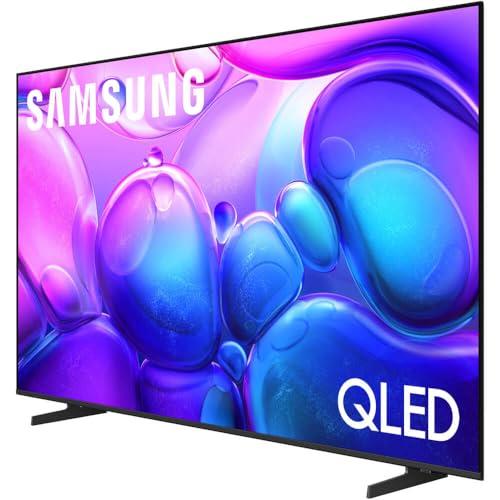
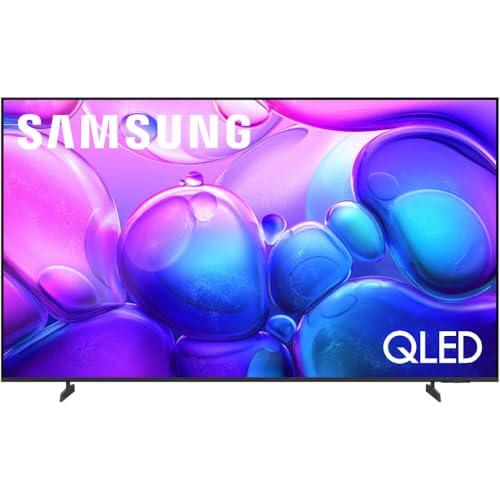
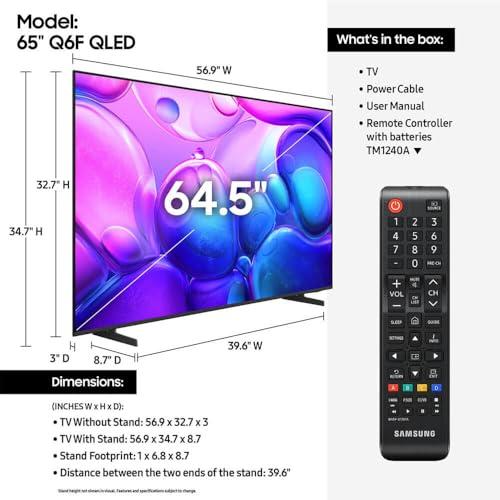
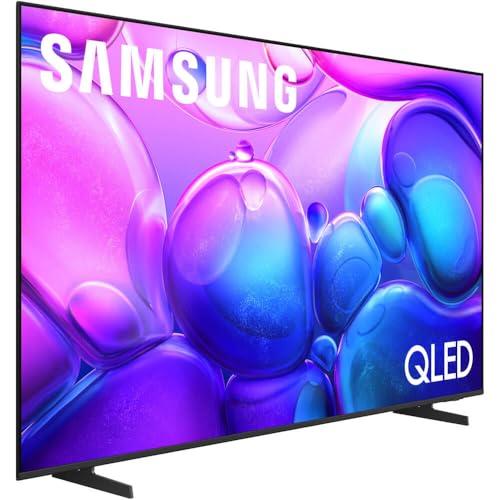
The Samsung Q6F launched in 2025 as Samsung's entry-level QLED model. Samsung uses the term "QLED" broadly across their lineup, but the Q6F represents the most basic implementation of their quantum dot technology. It's positioned as an affordable way to get a large screen with Samsung's smart features and quantum dot color enhancement.
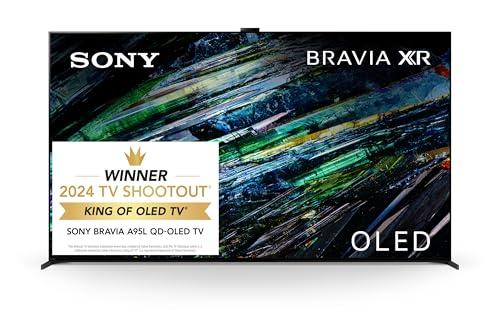
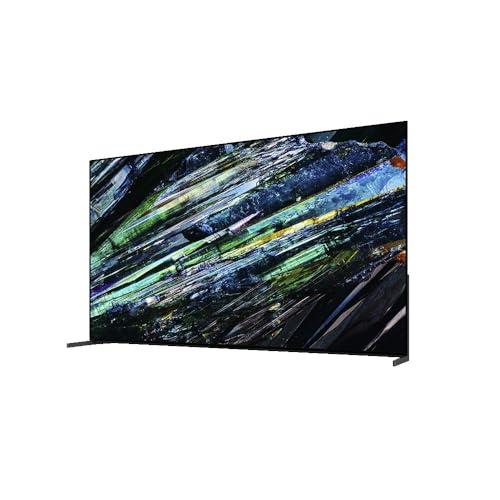
The Sony A95L, released in 2023, sits at the opposite end of the spectrum. This is Sony's flagship QD-OLED model, representing some of the most advanced display technology available to consumers. Sony has continued selling the A95L into 2025, even after introducing newer models, because it remains a reference-level television for picture quality enthusiasts.
The two-year gap between these releases is significant in TV technology terms. OLED technology has matured considerably, with improvements in brightness, color volume, and manufacturing efficiency. Meanwhile, budget LED TVs like the Q6F have benefited from trickle-down technology, getting features that were once exclusive to premium models.
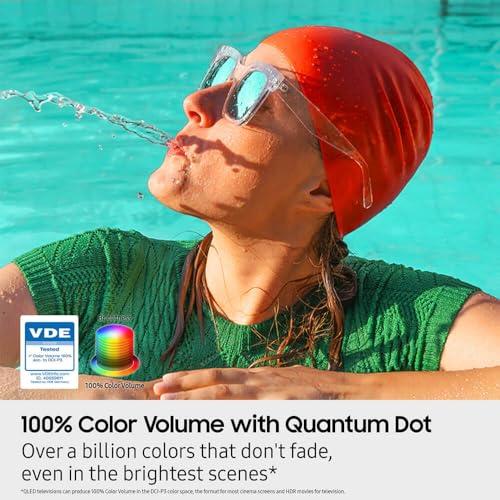
Here's where these TVs differ most dramatically. The Samsung Q6F uses traditional LED backlighting with a quantum dot layer. Think of quantum dots as microscopic particles that convert blue LED light into more pure red and green colors. This improves color saturation compared to basic LED TVs, but the underlying technology is still relatively simple.
The TV uses either edge-lit or direct-lit LED backlighting—both budget-friendly approaches that don't include local dimming zones. Local dimming is a feature where different sections of the backlight can dim independently, creating better contrast. Without it, the entire screen brightness is controlled as one unit, which limits how deep blacks can get and how bright highlights can be simultaneously.
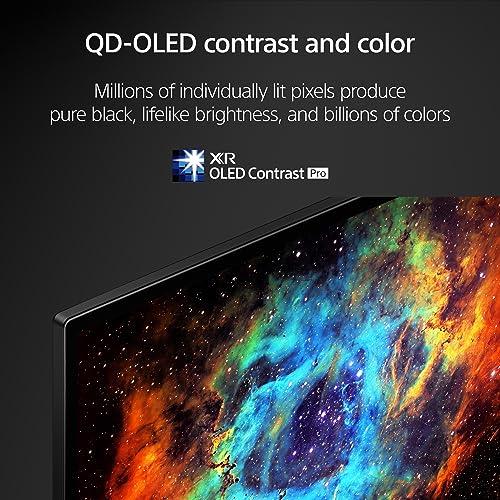
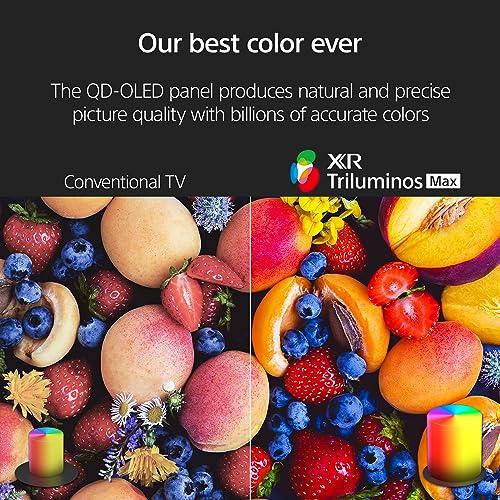
The Sony A95L uses QD-OLED technology, which combines quantum dots with OLED pixels that emit their own light. This is genuinely cutting-edge stuff. Each pixel can turn completely off for perfect blacks, while quantum dots enhance color purity and brightness. The result is infinite contrast ratio—something impossible with any backlit display.
QD-OLED panels also use a unique triangular subpixel arrangement (green on top, red and blue on bottom) that maximizes light output efficiency. This design allows the A95L to reach peak brightness levels around 1,300 nits in HDR highlights—impressive for OLED technology, which traditionally struggled with brightness compared to LED TVs.
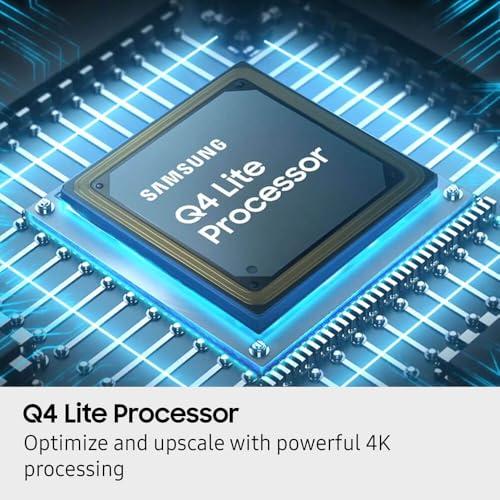
The picture quality difference between these TVs is substantial. The Samsung Q6F delivers decent performance for its price point, with quantum dots providing more vibrant colors than basic LED TVs. The Q4 Lite processor handles basic upscaling and optimization, though it's not as sophisticated as premium processors.
However, the lack of local dimming significantly impacts contrast performance. When watching dark scenes, the entire backlight stays on, causing blacks to appear gray rather than truly black. This "lifted blacks" issue is particularly noticeable in dark room viewing and with HDR content that relies on contrast between bright and dark elements.
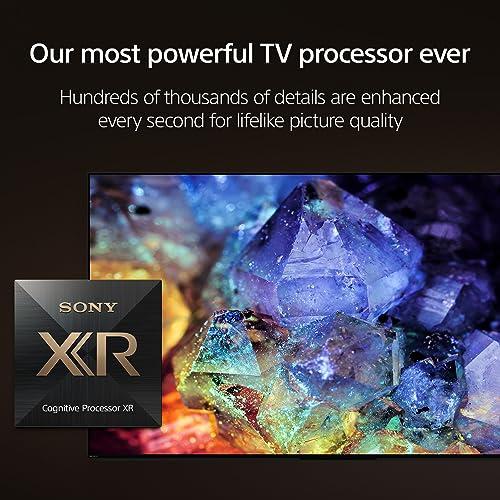
The Sony A95L operates in a different league entirely. Perfect blacks create a foundation for exceptional contrast, while the QD-OLED panel's brightness capabilities ensure HDR highlights pop dramatically. Sony's Cognitive Processor XR uses artificial intelligence to analyze content in real-time, optimizing different picture elements based on how human vision works rather than just technical specifications.
This processing advantage becomes obvious with lower-quality content. The A95L's upscaling can make 1080p streams look remarkably sharp and detailed, while also reducing compression artifacts and noise. The Q6F's basic processor simply can't match this level of enhancement.
Color accuracy is another significant differentiator. The A95L maintains professional-level color accuracy even in its default settings, while the Samsung Q6F tends toward Samsung's traditionally vibrant but less accurate color tuning. For home theater use, accuracy matters because it preserves the filmmaker's creative intent.
HDR (High Dynamic Range) represents the biggest advancement in TV picture quality since the jump to high definition. It expands the range between the darkest and brightest parts of an image, creating more realistic and impactful visuals. However, HDR performance varies dramatically between these TVs.
The Samsung Q6F supports HDR10 and HDR10+ formats but lacks Dolby Vision support. More importantly, its limited contrast capability means HDR content doesn't deliver the intended impact. Without local dimming, bright HDR highlights cause the entire screen to brighten, washing out dark areas that should remain deep and detailed.
The Sony A95L excels at HDR presentation. Its perfect blacks provide the foundation HDR needs, while peak brightness around 1,300 nits ensures highlights feel genuinely bright and impactful. The TV supports HDR10, HLG, and Dolby Vision—the latter being particularly important as it provides dynamic metadata that optimizes each scene individually.
Sony's tone mapping (how the TV translates HDR content to its display capabilities) is particularly refined. Rather than simply making everything brighter, it preserves the relationship between different brightness levels, maintaining detail in both shadows and highlights.
Gaming represents another area where these TVs serve different audiences. The Samsung Q6F includes basic gaming features like Auto Game Mode (ALLM), which automatically switches to low-latency settings when it detects a gaming console. However, its 60Hz refresh rate limits compatibility with next-generation gaming features.
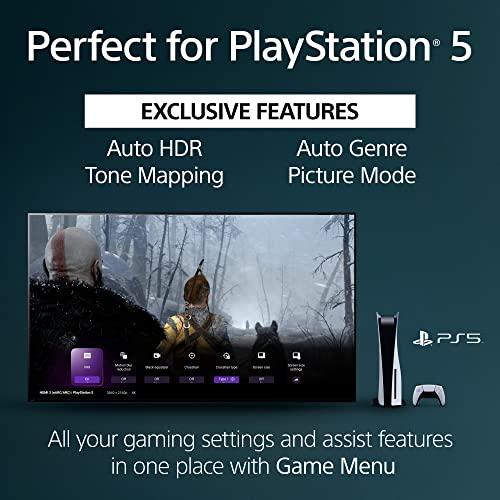
Modern gaming consoles like the PlayStation 5 and Xbox Series X can output games at 120 frames per second in 4K resolution, but the Q6F can't display this higher frame rate. This isn't necessarily a dealbreaker—many games don't support 120fps anyway—but it limits future compatibility.
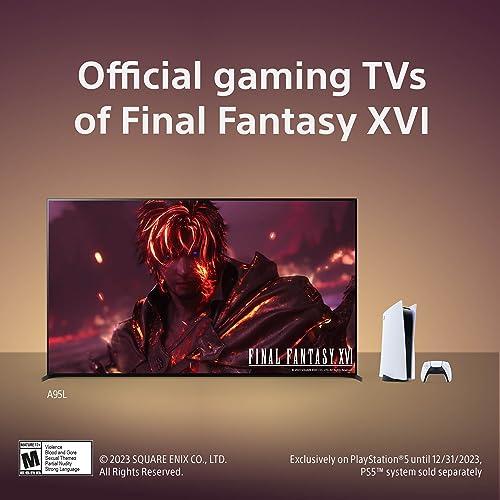
The Sony A95L supports 4K gaming at 120Hz on two of its HDMI ports, along with Variable Refresh Rate (VRR) and Auto Low Latency Mode. VRR synchronizes the TV's refresh rate with the console's output, eliminating screen tearing and providing smoother gameplay.
OLED's near-instantaneous pixel response time means motion blur is virtually eliminated, creating exceptionally clear movement during fast-paced gaming. However, the A95L's input lag—the delay between controller input and on-screen response—is higher than some gaming-focused displays. It's still responsive enough for most gamers, but competitive players might prefer displays optimized specifically for ultra-low latency.
Both TVs offer comprehensive smart features, but with different approaches. The Samsung Q6F runs Tizen OS, Samsung's proprietary smart platform. Tizen is mature and responsive, offering good app selection and Samsung-specific features like Samsung TV Plus, which provides free streaming channels.
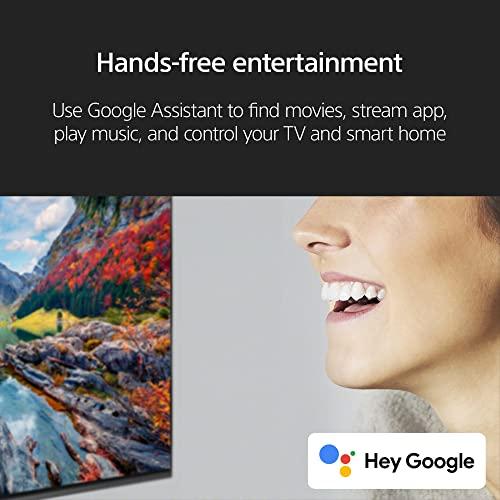
Samsung's platform integrates well with other Samsung devices and includes voice control through Bixby, though support for Google Assistant and Alexa is also included. The interface is straightforward and generally reliable, though it occasionally feels cluttered with Samsung's various services and recommendations.
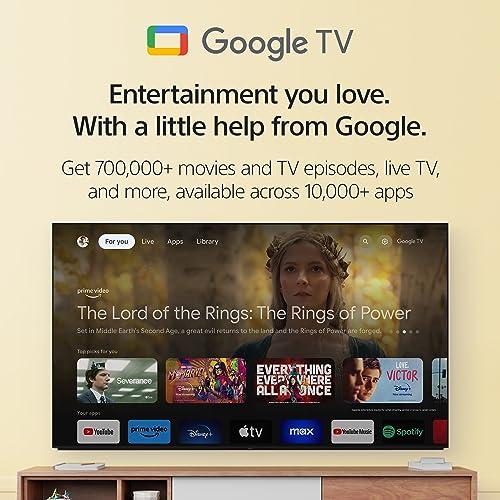
The Sony A95L uses Google TV, which provides arguably the most sophisticated content discovery system available. Google TV learns your viewing preferences across different apps and services, providing unified recommendations that actually feel useful rather than promotional.
Google TV's search functionality is particularly impressive, allowing natural language queries across multiple streaming services. The platform also integrates seamlessly with other Google services and Android devices, making it ideal for users already invested in Google's ecosystem.
Audio often gets overlooked when comparing TVs, but it's crucial for the overall viewing experience. The Samsung Q6F includes a basic 2-channel speaker system with Object Tracking Sound Lite, which attempts to match audio direction with on-screen action. While adequate for casual viewing, the thin profile and modest power output limit dynamic range and bass response.
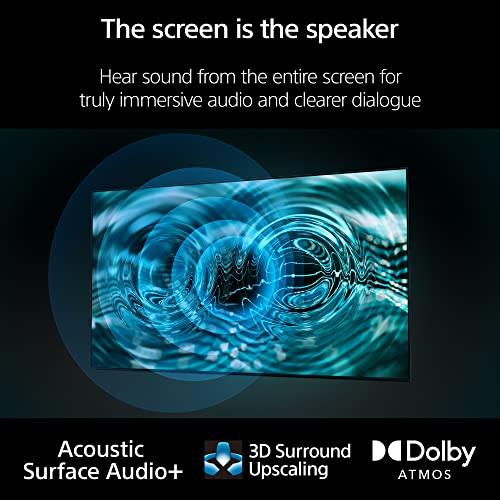
The Sony A95L features Acoustic Surface Audio+, an innovative technology that uses actuators to vibrate the entire screen as a speaker. This creates remarkably precise dialogue placement—voices appear to come directly from characters' mouths rather than from speakers below the screen.
This screen-as-speaker approach also enables the TV to function as a center channel when paired with compatible Sony soundbars, creating a more immersive surround sound experience. The A95L supports advanced audio formats including Dolby Atmos and DTS:X, and can pass through these formats to external sound systems.
Physical construction reflects each TV's market position. The Samsung Q6F uses cost-effective materials and construction methods appropriate for its price point. The design is clean and modern, but the build quality feels less premium than higher-end models.
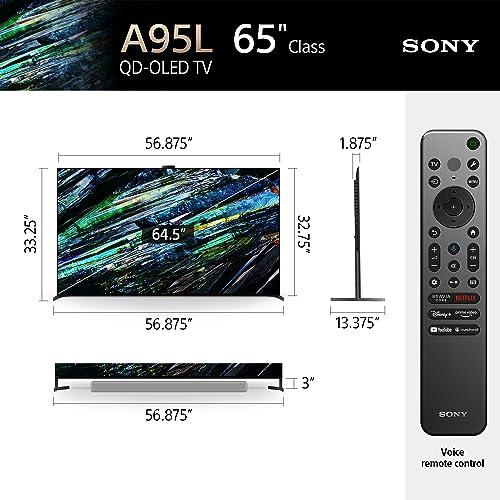
The Sony A95L demonstrates flagship build quality with premium materials and attention to detail. The stand offers multiple positioning options, including a low-profile mode for soundbar compatibility. Cable management is thoughtfully designed, and all connections remain accessible for wall mounting.
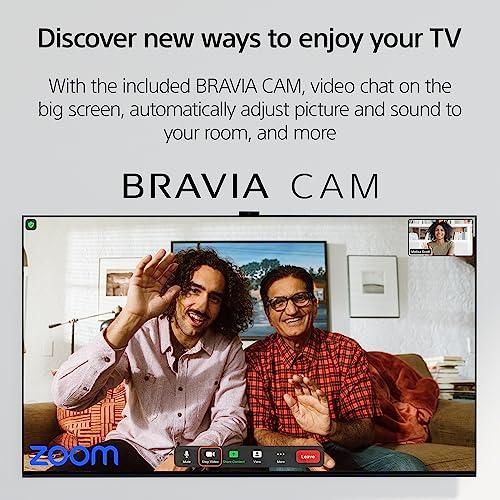
The A95L includes Sony's BRAVIA CAM, which enables advanced features like proximity sensors (automatically adjusting settings based on viewing distance), gesture controls, and optimization based on room lighting and viewer position. These features add convenience and can improve picture quality automatically.
At the time of writing, these TVs occupy very different price segments. The Samsung Q6F represents exceptional value for buyers prioritizing screen size and basic smart features. For the money, you get quantum dot color enhancement, a large 4K display, and Samsung's mature smart platform.
However, value isn't just about the initial purchase price. The Q6F's limited HDR performance and 60Hz refresh rate may feel outdated sooner, particularly as 120Hz gaming and improved HDR content become more common.
The Sony A95L commands a significant premium, but delivers picture quality that rivals dedicated home theater projectors costing much more. For users building a serious home theater or who prioritize picture quality above all else, the investment feels justified.
The A95L's advanced gaming features and professional-grade color accuracy also provide future-proofing that budget displays can't match. This TV will likely remain relevant and impressive for many more years than entry-level alternatives.
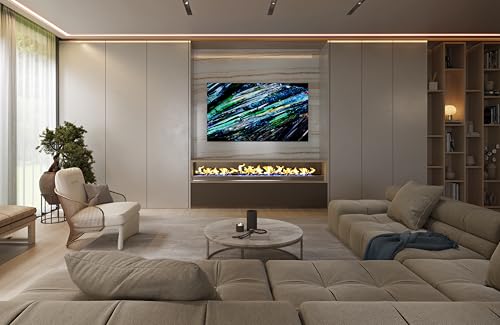
For dedicated home theater setups, the choice becomes clearer. The Sony A95L provides the contrast, color accuracy, and processing quality that serious movie watching demands. Its perfect blacks eliminate the gray wash that affects LED TVs in dark rooms, while Dolby Vision support ensures optimal presentation of premium streaming content and 4K Blu-rays.
The Acoustic Surface technology creates more immersive audio positioning, reducing the need for immediately upgrading to a separate sound system. Professional calibration options and accurate color reproduction preserve filmmakers' creative intent.
The Samsung Q6F can serve home theater duty, but with compromises. Raised black levels reduce the impact of dark scenes, and limited HDR performance means you won't experience content as intended. For casual movie watching in brighter rooms, these limitations become less noticeable.
The Samsung Q6F makes sense for buyers who want a large, smart display without premium picture quality demands. It's ideal for bright family rooms, casual viewing, and situations where screen size matters more than picture perfection. College students, first-time home buyers, or anyone outfitting a secondary viewing space will find the Q6F delivers solid value.
The Sony A95L targets enthusiasts who view their TV as a centerpiece entertainment investment. If you have a dedicated dark room, enjoy premium streaming services and 4K Blu-rays, or want cutting-edge gaming features, the A95L's performance justifies its cost.
Home theater builders, photographers, or video editors who need color accuracy will find the A95L indispensable. Its combination of perfect contrast, wide color gamut, and professional processing creates reference-quality imagery that budget displays simply cannot match.
The decision ultimately depends on your priorities, viewing environment, and budget. The Q6F maximizes screen size and basic features per dollar, while the A95L maximizes picture quality and technological advancement. Both serve their intended markets well, but they're designed for fundamentally different users and use cases.
Understanding these differences helps ensure you choose the TV that best matches your actual needs rather than just specifications or marketing claims. The right choice depends on how you plan to use your TV and what aspects of the viewing experience matter most to you.
| Samsung 65" QLED Q6F 4K Smart TV 2025 | Sony BRAVIA XR A95L 65" QD-OLED 4K HDR Google TV |
|---|---|
| Display Technology - Determines picture quality, contrast, and viewing experience | |
| LED with Quantum Dot layer, no local dimming | QD-OLED with self-emitting pixels and quantum dots |
| Black Levels - Critical for dark room viewing and HDR impact | |
| Raised blacks due to always-on backlight | Perfect blacks with pixels that turn completely off |
| Peak Brightness - Important for HDR highlights and bright room viewing | |
| Moderate brightness, exact specs not disclosed | Up to 1,300 nits in HDR highlights |
| Refresh Rate - Affects gaming smoothness and motion clarity | |
| 60Hz (limits next-gen gaming compatibility) | 120Hz native (supports 4K@120Hz gaming) |
| HDR Support - Determines quality of premium streaming content | |
| HDR10, HDR10+ (no Dolby Vision) | HDR10, HLG, Dolby Vision with advanced tone mapping |
| Gaming Features - Important for console gamers | |
| Auto Game Mode, basic VRR support | HDMI 2.1 with 4K@120Hz, VRR, ALLM on two ports |
| Smart Platform - Affects daily usability and app performance | |
| Tizen OS with Samsung TV Plus | Google TV with superior content discovery |
| Audio Technology - Impacts dialogue clarity and immersion | |
| 20W 2-channel with Object Tracking Sound Lite | Acoustic Surface Audio+ (screen acts as speaker) |
| Viewing Angles - Important for family viewing from different positions | |
| Limited viewing angles with color shifting | Wide viewing angles with consistent picture |
| Build Quality - Reflects long-term durability and premium feel | |
| Basic construction appropriate for price point | Premium materials with multi-position stand |
| Processing Power - Affects upscaling and picture optimization | |
| Q4 Lite processor with basic upscaling | Cognitive Processor XR with AI-powered optimization |
| Color Accuracy - Critical for home theater and content creation | |
| Vibrant but less accurate Samsung color tuning | Professional-grade color accuracy out of box |
| Future-Proofing - How long the TV will feel current | |
| Limited by 60Hz and basic HDR implementation | Advanced features ensure years of relevance |
The Samsung Q6F 2025 is an entry-level LED TV with quantum dot color enhancement, while the Sony A95L is a premium QD-OLED TV with self-emitting pixels. The Sony offers perfect blacks, higher brightness, and superior picture quality, but costs significantly more than the Samsung.
The Sony A95L is dramatically better for dark room viewing thanks to its OLED technology that can turn pixels completely off for perfect blacks. The Samsung Q6F uses LED backlighting that can't achieve true blacks, resulting in a grayish appearance in dark scenes.
The Sony A95L offers superior gaming features with 4K@120Hz support, VRR, and ALLM on HDMI 2.1 ports. The Samsung Q6F is limited to 60Hz refresh rate, making it less compatible with next-generation gaming consoles like PlayStation 5 and Xbox Series X.
Yes, the Samsung Q6F provides solid performance for casual viewing, especially in bright rooms. Its quantum dot technology delivers vibrant colors and the smart features work well for streaming. However, it won't match the picture quality of premium TVs like the Sony A95L.
The Sony A95L is the clear choice for home theater use. Its perfect contrast, Dolby Vision support, professional color accuracy, and Acoustic Surface Audio technology create a cinematic experience that the Samsung Q6F cannot match, especially in dedicated dark viewing rooms.
Yes, both support HDR, but with different capabilities. The Samsung Q6F supports HDR10 and HDR10+ but lacks Dolby Vision. The Sony A95L supports all major HDR formats including Dolby Vision and delivers much better HDR performance due to its superior contrast and brightness.
The Sony A95L runs Google TV, which offers superior content discovery and search capabilities. The Samsung Q6F uses Tizen OS, which is reliable but less sophisticated. Both platforms provide good app selection and voice control options.
For most casual viewers, the Samsung Q6F offers adequate picture quality at a much lower price point. However, for home theater enthusiasts or those who prioritize picture quality, the Sony A95L's superior contrast, color accuracy, and HDR performance justify the premium cost.
Both TVs work in bright rooms, but for different reasons. The Samsung Q6F offers good brightness and quantum dot colors that remain vibrant. The Sony A95L has higher peak brightness and better anti-reflection properties, though OLED performs best in controlled lighting.
The Sony A95L offers better future-proofing with 120Hz gaming support, advanced HDR formats, and cutting-edge display technology. The Samsung Q6F may feel outdated sooner due to its 60Hz limitation and basic HDR implementation.
The Sony A95L features superior audio with its Acoustic Surface Audio+ technology that makes the screen act as a speaker for precise dialogue placement. The Samsung Q6F has basic 2-channel speakers that are adequate but not exceptional.
Choose the Samsung Q6F if you want a large 4K TV with smart features at an affordable price and don't need premium picture quality. Choose the Sony A95L if you're building a home theater, prioritize picture quality, or want cutting-edge gaming features and are willing to pay significantly more.
We've done our best to create useful and informative comparisons to help you decide what product to buy. Our research uses advanced automated methods to create this comparison and perfection is not possible - please contact us for corrections or questions. These are the sites we've researched in the creation of this article: tomsguide.com - bestbuy.com - samsung.com - rtings.com - youtube.com - rtings.com - bestbuy.com - samsung.com - samsung.com - samsung.com - manuals.plus - shopjetson.com - samsung.com - samsung.com - samsung.com - samsung.com - bestbuy.com - jefflynch.com - rtings.com - youtube.com - rtings.com - avsforum.com - rtings.com - smarthomesounds.co.uk - smarthomesounds.co.uk - rtings.com - smarthomesounds.co.uk - youtube.com - tomsguide.com - avsforum.com - rtings.com - perfectrec.com - flatpanelshd.com - videoandaudiocenter.com - sonypremiumhome.com - bestbuy.com - sony.com - electronics.sony.com - displayspecifications.com - donstv.com - youtube.com - static.pcrichard.com - smarthomesounds.co.uk - youtube.com - electronics.sony.com - electronics.sony.com - displayspecifications.com

Privacy Policy
Terms and Conditions - Affiliate Policy
Home Security
© Copyright 2008-2026.
11816 Inwood Rd #1211, Dallas, TX 75244