

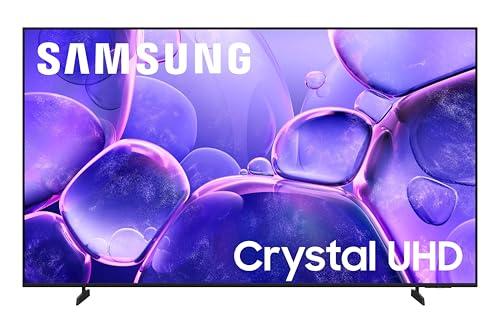
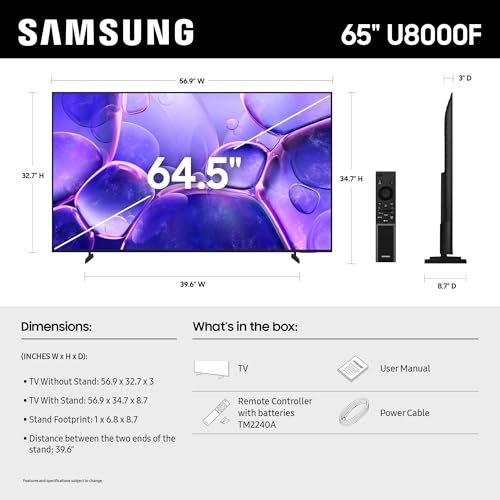
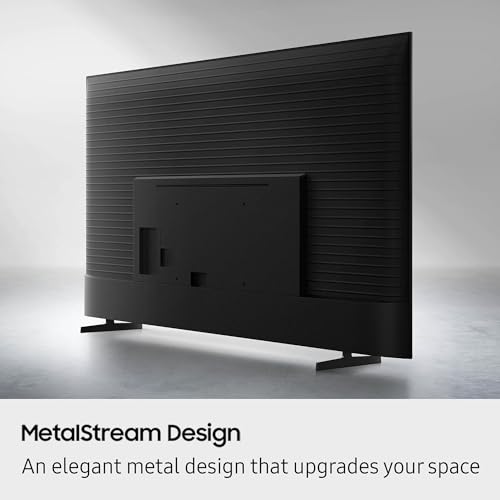
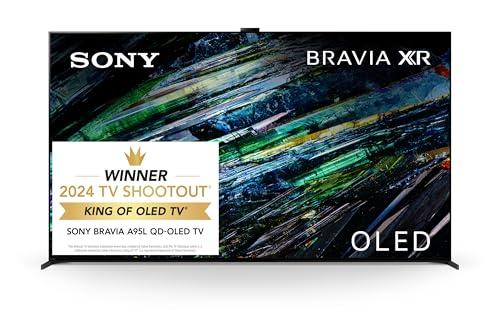
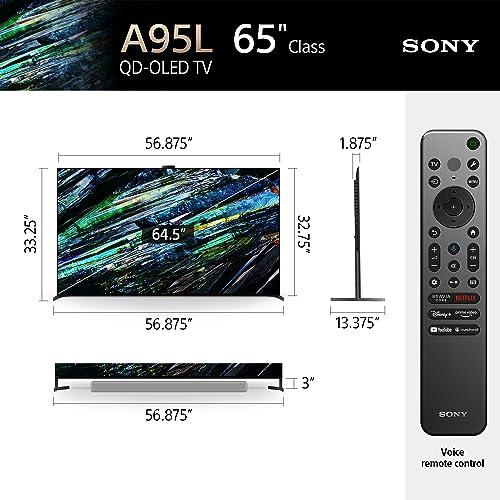


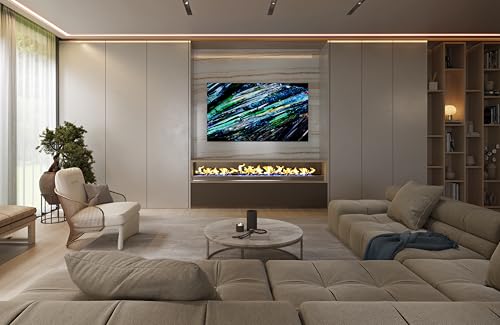
When you're in the market for a 65-inch 4K TV, you'll quickly discover that not all TVs are created equal. The difference between a budget model and a premium flagship can feel overwhelming, especially when both promise "stunning 4K picture quality." Today we're comparing two TVs that represent opposite ends of the spectrum: Samsung's U8000F from 2025 and Sony's A95L from 2023.
Understanding this comparison isn't just about picking between two TVs—it's about understanding what you're actually paying for when TV prices range from a few hundred to several thousand dollars. The technology gap between these models reveals exactly why some TVs cost dramatically more than others, and whether those differences matter for your specific viewing habits.
The TV market has evolved significantly over the past few years. At the budget end, you'll find LED TVs that use traditional backlighting—essentially a bright light behind an LCD panel that creates the image. These TVs have improved considerably since 2020, offering decent 4K resolution and smart features at accessible prices.
At the premium end, OLED technology has revolutionized picture quality. OLED stands for Organic Light-Emitting Diode, which means each individual pixel produces its own light and can turn completely off. This creates perfect blacks and infinite contrast ratios that were impossible with traditional LED backlighting.
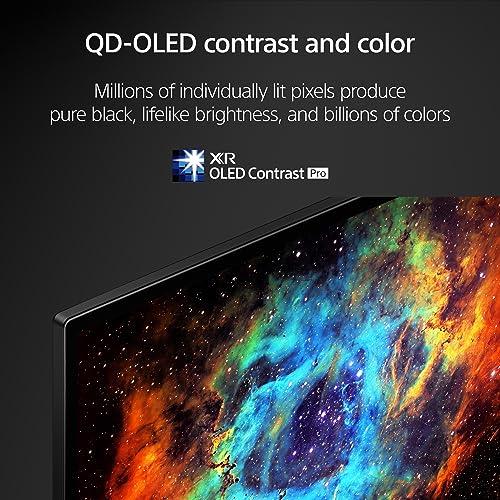
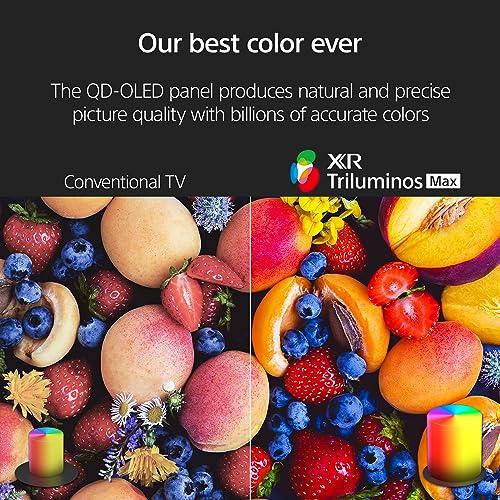
The newest advancement is QD-OLED, which combines OLED's perfect blacks with quantum dot technology for enhanced color reproduction. Samsung developed this technology, but ironically, Sony's A95L uses Samsung's QD-OLED panels while Samsung reserves them for their premium models.
The fundamental difference between the Samsung U8000F and Sony A95L lies in their display technology. The Samsung uses traditional LED backlighting, where a series of LEDs behind the screen illuminate an LCD panel. Think of it like a flashlight shining through a stained glass window—the LCD panel controls which colors pass through, but the backlight is always on.
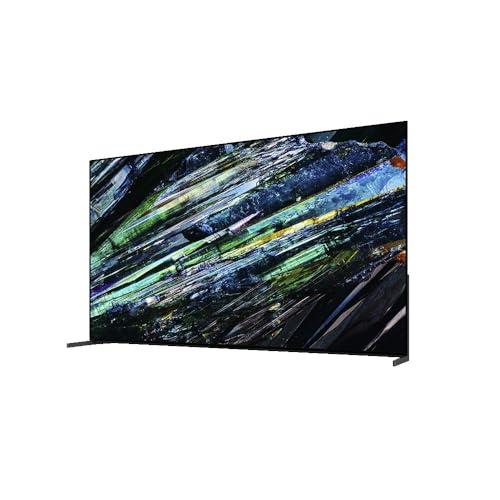
The Sony A95L uses QD-OLED technology, where each of the 8.3 million pixels can produce its own light or turn completely off. When you see a starfield in space, those black areas are truly black because those pixels aren't emitting any light at all. This creates what's called an "infinite contrast ratio"—the difference between the brightest bright and the darkest dark is theoretically unlimited.
This technology difference affects everything from power consumption to picture quality. OLED TVs typically use less power because black pixels consume no energy, while LED TVs must constantly power their backlight even for dark scenes.
The picture quality difference between these TVs is substantial, and it's important to understand what specific aspects matter most for different types of content.
Contrast ratio is arguably the most important factor for perceived picture quality. The human eye is incredibly sensitive to contrast, and this is where the Sony A95L absolutely dominates. When watching a movie with dark scenes—think of any Marvel movie with nighttime action sequences—the Sony displays true blacks while the Samsung U8000F shows dark gray instead.
This isn't just about movies looking "a bit better." Poor black levels wash out shadow details and make dark scenes look flat and unrealistic. The Samsung's LED backlighting simply can't turn off completely, so even the darkest scenes have a visible glow. In a dark room, this becomes immediately apparent and can be distracting during serious movie watching.
HDR, or High Dynamic Range, represents the biggest advancement in TV picture quality since the jump to high definition. HDR content contains more color information and a wider range between the darkest and brightest parts of the image. However, not all TVs can actually display this enhanced range effectively.
The Sony A95L can reach peak brightness levels around 1,300 nits (a measurement of brightness) in HDR content, while the Samsung U8000F typically maxes out around 400-500 nits. To put this in perspective, a bright sunny day measures about 100,000 nits, while a typical indoor room is around 100 nits. The Sony can display much brighter highlights that feel more realistic and impactful.
Color reproduction also differs significantly. The Sony's QD-OLED panel can display approximately 95% of the DCI-P3 color space (the standard used for digital cinema), while the Samsung covers roughly 70-75%. This means the Sony can show colors that simply don't exist on the Samsung's display, particularly vibrant reds and saturated blues.
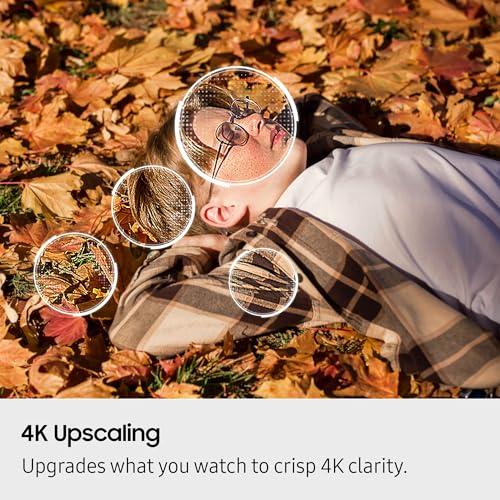
Most content you watch isn't actually 4K. Netflix streams, cable TV, and even Blu-ray discs often come in lower resolutions that need to be upscaled to fill your 4K screen. This is where processing power becomes crucial.
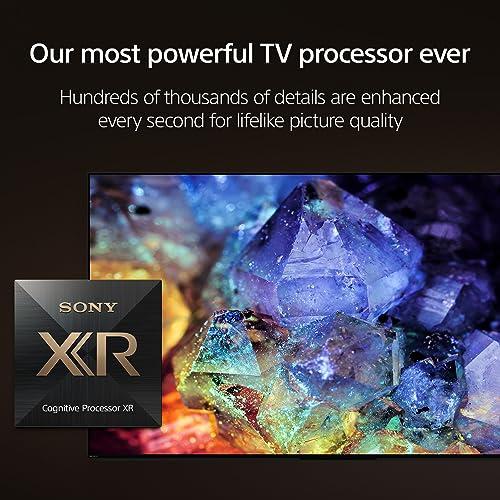
Sony's Cognitive Processor XR in the A95L uses AI-enhanced algorithms to analyze content and intelligently upscale it. When you're watching a 1080p Netflix show, the Sony examines the image in real-time, identifies objects like faces or text, and applies different processing techniques to each element. The result is noticeably cleaner, sharper upscaled content.
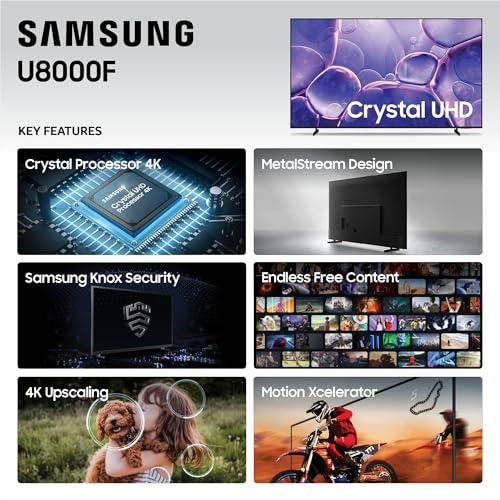
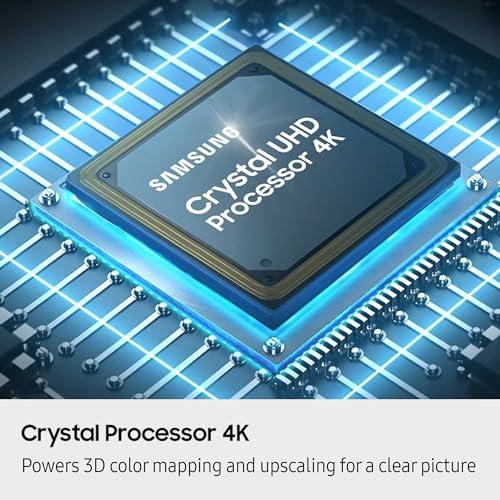
The Samsung U8000F includes Samsung's Crystal Processor 4K, which provides basic upscaling but lacks the sophisticated AI processing of premium models. The difference is particularly noticeable with streaming content, where compression artifacts (those blocky areas you sometimes see in dark scenes) are much better handled by the Sony.
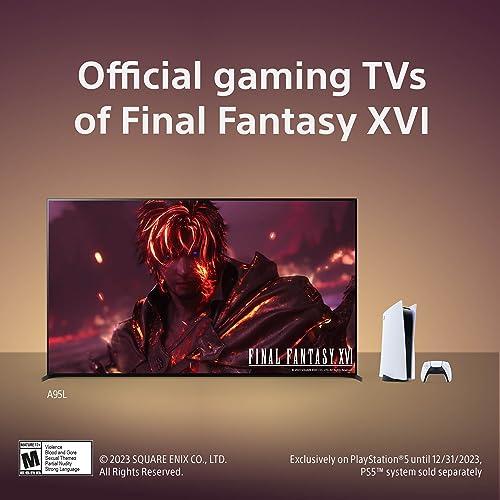
Gaming has become a major consideration for TV buyers, especially with the PlayStation 5 and Xbox Series X supporting 4K gaming at high refresh rates. Here, the technology gap becomes a canyon.
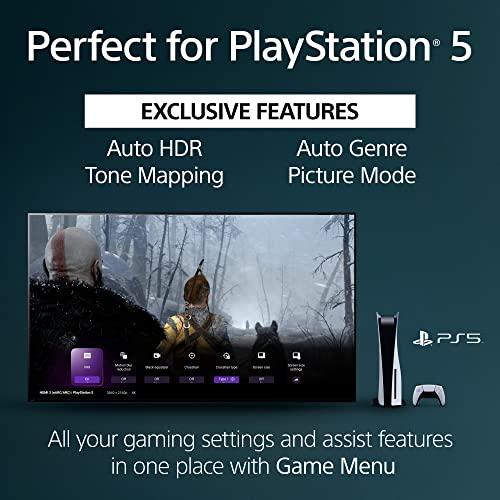
The Sony A95L supports 4K resolution at 120Hz refresh rate, meaning it can display 120 unique frames per second. This is crucial for modern gaming because these consoles can output games at 120fps for incredibly smooth motion. The TV also supports Variable Refresh Rate (VRR), which eliminates screen tearing by synchronizing the TV's refresh rate with the console's output.
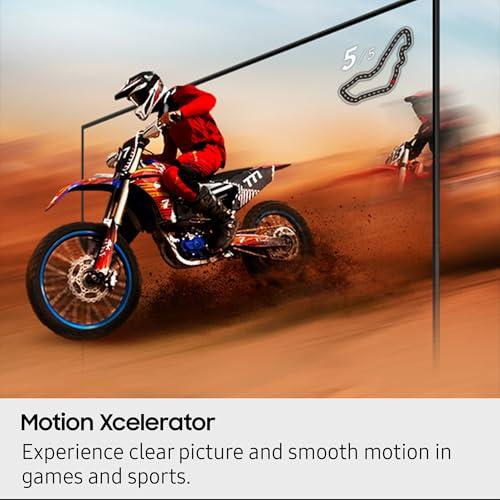
The Samsung U8000F is fundamentally limited to 60Hz. While it technically supports VRR and Auto Low Latency Mode (ALLM), the 60Hz limitation means you can't take advantage of 120fps gaming. This isn't just a minor difference—it's the difference between experiencing games as developers intended on current consoles versus being locked to last-generation performance.
Input lag—the delay between pressing a button and seeing the result on screen—is also important. The Sony achieves around 16 milliseconds, which is responsive enough for competitive gaming, while the Samsung's input lag is acceptable but not class-leading.
Both TVs offer comprehensive smart TV functionality, but their approaches differ significantly.
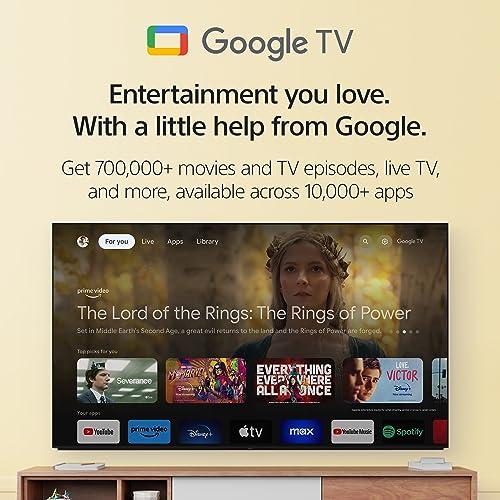
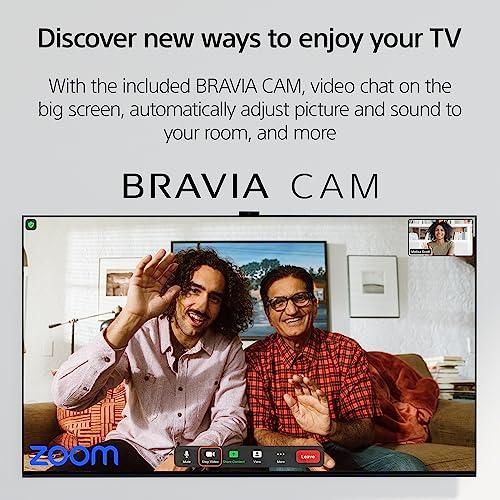
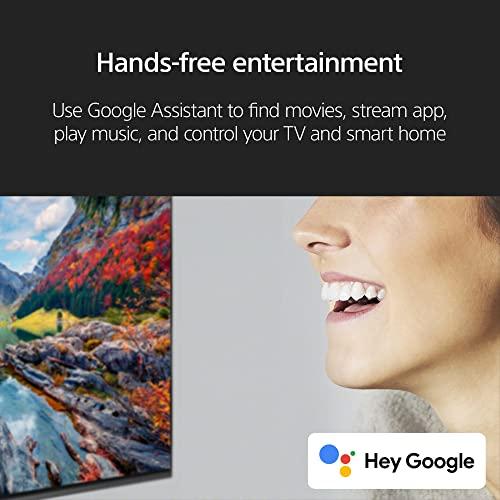
The Sony A95L runs Google TV, which provides excellent content discovery and integrates well with Google services. The platform learns your viewing habits and makes surprisingly good recommendations across different streaming services. Google TV also includes Chromecast built-in, making it easy to cast content from your phone or tablet.
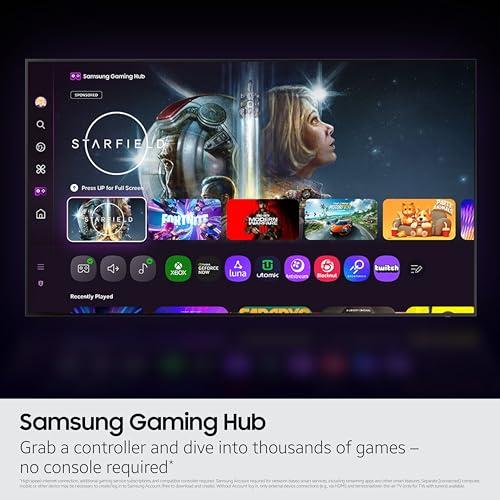
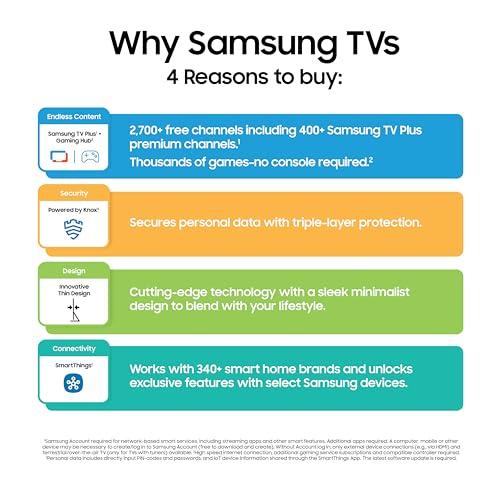
The Samsung U8000F uses Samsung's Tizen platform, which has improved considerably over the years. Tizen includes Samsung TV Plus, which provides access to hundreds of free streaming channels—a nice bonus for cord-cutters. The interface is clean and responsive, though not quite as sophisticated as Google TV's recommendation engine.
Both platforms support major streaming apps, but there's one crucial difference: Dolby Vision support. The Sony supports this premium HDR format used by Netflix, Disney+, and Apple TV+, while the Samsung only supports HDR10+. This means you're missing out on the highest quality versions of content from major streaming services with the Samsung.
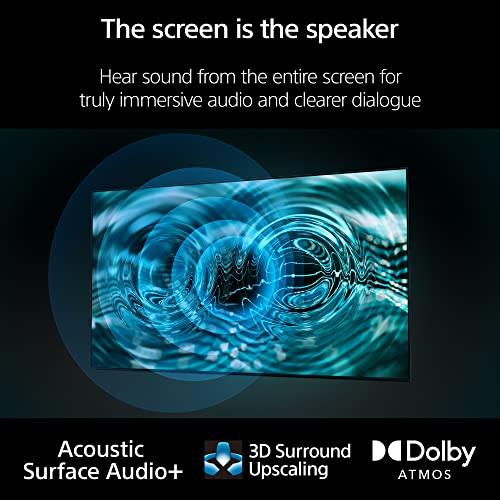
TV audio often gets overlooked, but the difference here is significant. The Sony A95L features a 70-watt audio system with Dolby Atmos support and can pass advanced DTS audio formats to external sound systems. More importantly, it can act as a center channel speaker when paired with compatible Sony soundbars, creating a more immersive audio experience.
The Samsung U8000F includes a basic 20-watt stereo system. While Samsung includes some audio enhancement features, the power difference is immediately noticeable. Both TVs will likely benefit from a dedicated soundbar, but the Sony provides better integration options and higher-quality built-in audio.
At the time of writing, these TVs occupy completely different price categories. The Sony A95L commands flagship pricing, typically several times more expensive than the Samsung U8000F. Understanding whether this price difference is justified depends entirely on your priorities and viewing habits.
The Sony represents cutting-edge display technology that will remain competitive for years. QD-OLED panels were introduced in 2022 and still represent the state-of-the-art in consumer display technology. Even two years after its 2023 launch, the Sony competes with the newest premium models from all manufacturers.
The Samsung offers solid value for budget-conscious buyers who need basic 4K functionality. It's a significant upgrade from older HD TVs and includes modern smart TV features at an accessible price point. However, it lacks future-proofing for emerging gaming and streaming standards.
If you're building a dedicated home theater, the technology differences become even more important. In a controlled lighting environment, the Sony A95L's perfect blacks and infinite contrast ratio create an experience that approaches commercial cinema quality. The accurate color reproduction means you're seeing movies as directors intended, while Dolby Vision support ensures you're getting the highest quality versions of streaming content.
The Samsung U8000F can certainly work in a home theater setup, but it's more suited to casual viewing than serious movie watching. The raised black levels and limited HDR performance become more noticeable in dark rooms where OLED technology truly shines.
For home theater enthusiasts, audio integration is also crucial. The Sony's ability to work as a center channel speaker and pass advanced audio formats makes it more versatile for complex audio setups.
The decision between these TVs comes down to understanding your specific needs and budget constraints.
Choose the Sony A95L if you're serious about picture quality and have the budget for premium technology. This TV makes sense for movie enthusiasts who watch a lot of HDR content, gamers with PlayStation 5 or Xbox Series X consoles, and anyone building a dedicated home theater. The superior processing, gaming features, and future-proof connectivity justify the higher cost for users who will appreciate these advantages.
The Samsung U8000F serves budget-conscious buyers who need basic 4K functionality without premium features. It's ideal for secondary TVs, casual viewers who primarily watch cable or broadcast television, and anyone who doesn't game with current-generation consoles. The smart TV features and attractive design make it a solid choice for basic needs.
Consider your viewing environment as well. In very bright rooms with lots of ambient light, some of the OLED's advantages are minimized, making the value proposition less clear-cut. However, for most home viewing environments, the picture quality difference remains substantial.
The technology gap between these models perfectly illustrates why TV pricing varies so dramatically. The Sony A95L includes cutting-edge display technology, advanced processing, and comprehensive gaming features that simply don't exist in budget categories. Whether these features matter depends on your specific viewing habits, but understanding what you're getting—or missing—helps make an informed decision that you'll be happy with for years to come.
| Samsung 65-Inch Crystal UHD U8000F 4K Smart TV 2025 | Sony BRAVIA XR A95L 65" QD-OLED 4K HDR Google TV |
|---|---|
| Display Technology - The fundamental difference that affects all picture quality aspects | |
| LED backlight with Crystal UHD panel | QD-OLED (Quantum Dot OLED) with per-pixel lighting |
| Peak Brightness - Critical for HDR impact and bright room viewing | |
| ~400-500 nits (adequate for basic HDR) | ~1,300 nits (excellent HDR performance) |
| Black Levels - Most important for contrast and dark scene detail | |
| Dark gray (typical LED limitation) | Perfect blacks (infinite contrast ratio) |
| Refresh Rate - Essential for modern gaming and smooth motion | |
| 60Hz (outdated for current consoles) | 120Hz native (supports PS5/Xbox Series X) |
| Gaming Features - Determines compatibility with next-gen gaming | |
| Basic VRR/ALLM, limited by 60Hz | 4K@120Hz, VRR, ALLM, PlayStation 5 optimization |
| HDR Format Support - Affects premium streaming content quality | |
| HDR10, HDR10+ (missing Dolby Vision) | Dolby Vision, HDR10, HLG (complete premium support) |
| Color Reproduction - Impacts vibrancy and accuracy of all content | |
| ~70-75% DCI-P3 coverage (basic range) | ~95% DCI-P3 coverage (cinema-grade colors) |
| Processing Power - Determines upscaling quality and motion handling | |
| Crystal Processor 4K (basic upscaling) | Cognitive Processor XR (AI-enhanced processing) |
| Audio System - Built-in sound quality and external compatibility | |
| 20W stereo with Object Tracking Sound Lite | 70W with Dolby Atmos, DTS passthrough |
| Smart Platform - Interface quality and content discovery | |
| Tizen with Samsung TV Plus free channels | Google TV with superior recommendations |
| HDMI Connectivity - Future-proofing for devices and gaming | |
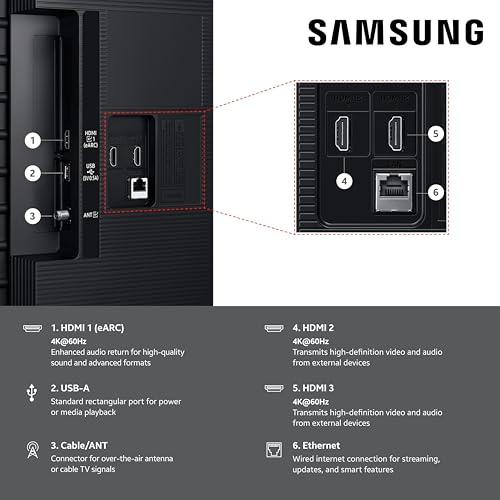
| 3x HDMI 2.0 ports (4K@60Hz max) | HDMI 2.1 ports with 4K@120Hz support |
| Viewing Angles - Important for family/group viewing | |
| Limited (typical VA panel weakness) | Excellent 178° (OLED advantage) |
| Target Market - Who each TV is designed for | |
| Budget-conscious buyers needing basic 4K | Premium buyers prioritizing picture quality |
The Sony BRAVIA XR A95L delivers significantly better picture quality with its QD-OLED technology, offering perfect blacks, vibrant colors, and excellent HDR performance. The Samsung U8000F provides decent picture quality for its price range but cannot match the contrast and color accuracy of OLED technology.
Only the Sony A95L fully supports next-gen gaming with 4K at 120Hz, VRR, and ALLM features. The Samsung U8000F is limited to 60Hz refresh rate, making it unsuitable for taking advantage of modern console gaming capabilities at their highest performance levels.
The Sony A95L handles bright rooms better due to its higher peak brightness and anti-reflection coating, though both TVs can work in well-lit spaces. The Samsung U8000F is adequate for bright rooms but may struggle with HDR content impact compared to the Sony's superior brightness levels.
The Sony A95L runs Google TV with superior content recommendations and Chromecast built-in, while the Samsung U8000F uses Tizen with Samsung TV Plus free channels. Both platforms support major streaming apps, but the Sony offers Dolby Vision support for premium Netflix and Disney+ content.
The Samsung U8000F offers excellent value for budget-conscious buyers who need basic 4K functionality, while the Sony A95L provides premium value for those prioritizing cutting-edge picture quality and future-proof gaming features. Your choice depends on budget and viewing priorities.
The Sony A95L features a superior 70W audio system with Dolby Atmos support, while the Samsung U8000F includes a basic 20W stereo setup. Both TVs benefit from external soundbars, but the Sony offers better built-in audio quality and more advanced audio passthrough options.
The Sony A95L excels in home theater environments with its perfect blacks, accurate colors, and Dolby Vision support creating a cinema-like experience. The Samsung U8000F can work for casual home theater use but lacks the contrast and HDR performance serious movie enthusiasts expect in dark viewing environments.
The Sony A95L offers better future-proofing with HDMI 2.1, 120Hz support, and cutting-edge display technology that remains competitive years after launch. The Samsung U8000F serves immediate needs well but may become outdated sooner due to its 60Hz limitation and basic feature set.
Both the Samsung U8000F and Sony A95L support all major streaming services, but the Sony provides a superior experience with Dolby Vision support for Netflix, Disney+, and Apple TV+ premium content. The Samsung works well with standard streaming but misses the highest quality versions of premium content.
The Sony A95L offers excellent 178-degree viewing angles thanks to OLED technology, maintaining consistent color and brightness from any seating position. The Samsung U8000F has more limited viewing angles typical of LED TVs, with color and brightness degradation when viewed from the sides.
The Sony A95L provides superior sports viewing with better motion handling, wider viewing angles for group watching, and more vibrant colors that make games more engaging. The Samsung U8000F handles sports adequately but cannot match the Sony's motion clarity and overall picture quality during fast-action scenes.
Choose the Samsung U8000F if you're upgrading from an older TV on a budget and need basic 4K smart features. Select the Sony A95L if you want a premium experience that will satisfy your viewing needs for years and can justify the higher investment for significantly better picture quality and gaming capabilities.
We've done our best to create useful and informative comparisons to help you decide what product to buy. Our research uses advanced automated methods to create this comparison and perfection is not possible - please contact us for corrections or questions. These are the sites we've researched in the creation of this article: bestbuy.com - youtube.com - youtube.com - rtings.com - youtube.com - samsung.com - hometechnologyreview.com - rtings.com - samsung.com - displayspecifications.com - samsung.com - displayspecifications.com - walmart.com - billsmith.com - dentonstv.com - samsung.com - samsung.com - samsung.com - youtube.com - bestbuy.com - bestbuy.com - youtube.com - samsung.com - donstv.com - rtings.com - youtube.com - rtings.com - avsforum.com - rtings.com - smarthomesounds.co.uk - smarthomesounds.co.uk - rtings.com - smarthomesounds.co.uk - youtube.com - tomsguide.com - avsforum.com - rtings.com - perfectrec.com - flatpanelshd.com - videoandaudiocenter.com - sonypremiumhome.com - bestbuy.com - sony.com - electronics.sony.com - displayspecifications.com - donstv.com - youtube.com - static.pcrichard.com - smarthomesounds.co.uk - youtube.com - electronics.sony.com - electronics.sony.com - displayspecifications.com

Privacy Policy
Terms and Conditions - Affiliate Policy
Home Security
© Copyright 2008-2026.
11816 Inwood Rd #1211, Dallas, TX 75244