

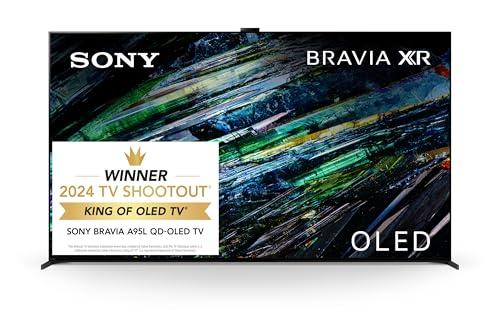
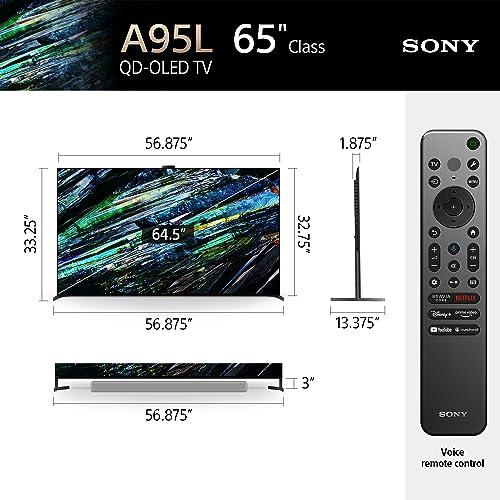




When you're shopping for a new 65-inch TV, the choice between premium OLED technology and more affordable QLED can feel overwhelming. The Sony BRAVIA XR A95L and Samsung Q7F represent two completely different approaches to delivering great picture quality—and understanding these differences will help you make the right choice for your home.
Before diving into specifics, let's clarify what we're comparing. These aren't just two TVs competing in the same price range—they're fundamentally different technologies serving different audiences.
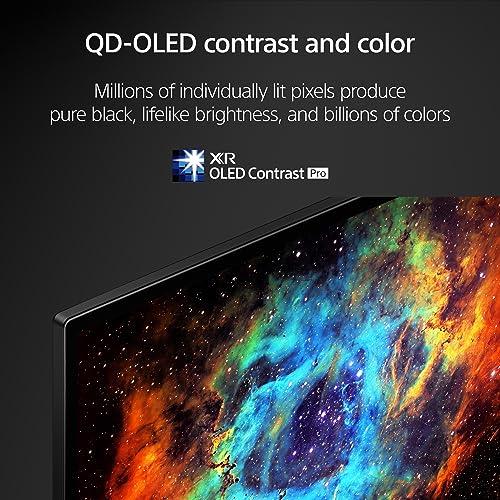
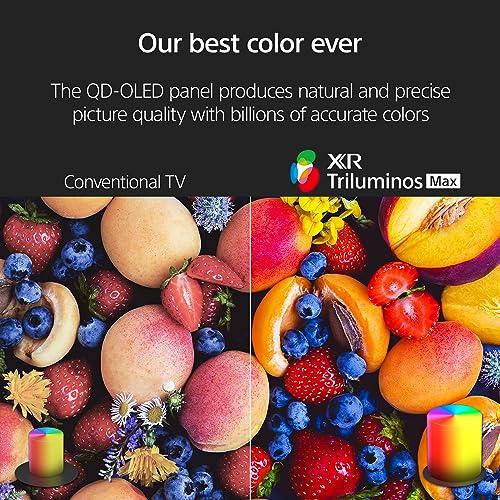
The Sony A95L, released in 2023, uses cutting-edge QD-OLED (Quantum Dot Organic Light Emitting Diode) technology. Think of OLED as having millions of tiny lights that can turn completely on or off individually. When a pixel needs to show black, it simply turns off entirely, creating perfect darkness. QD-OLED adds quantum dots—microscopic crystals that enhance color production—making colors more vibrant and accurate than traditional OLED panels.
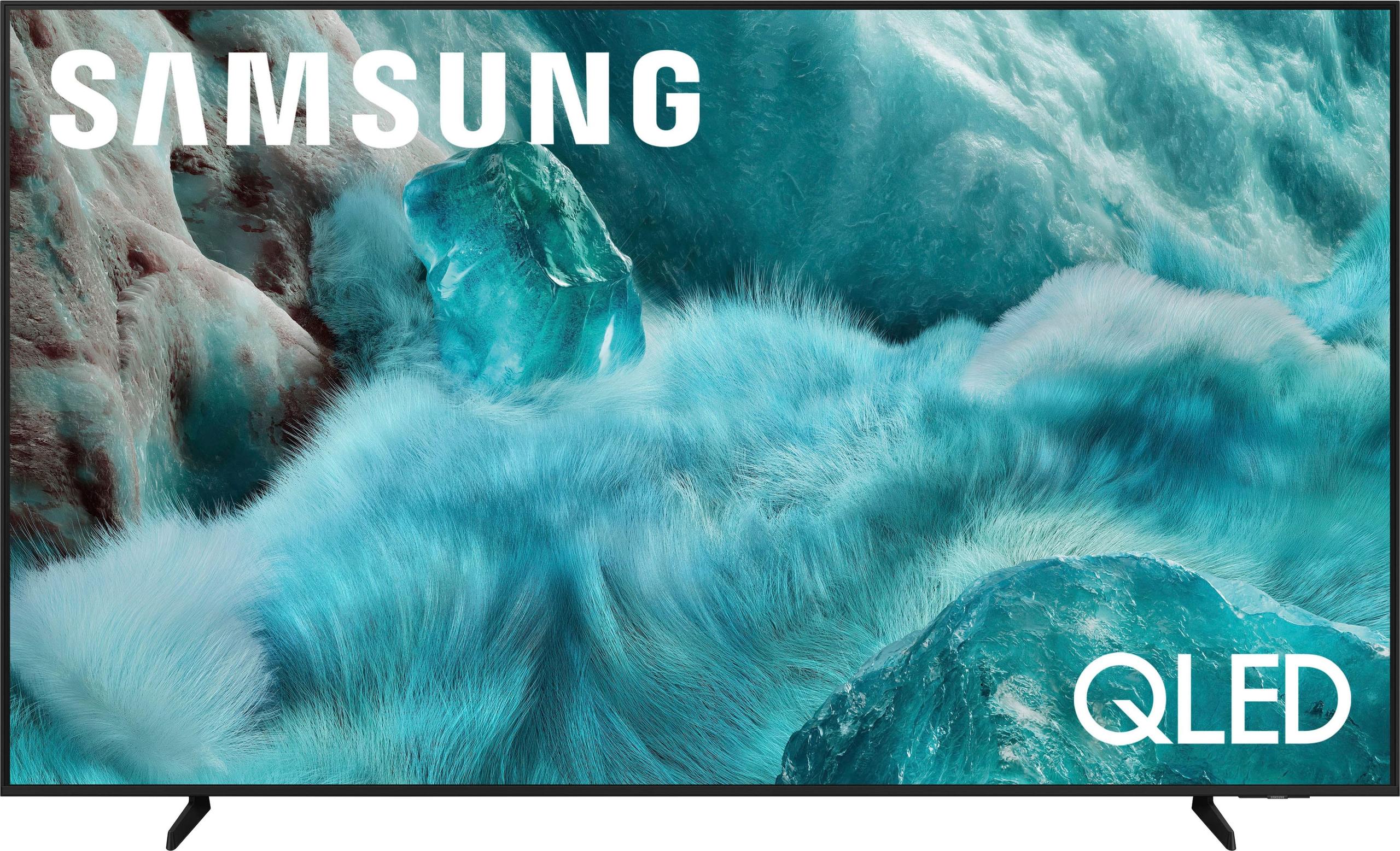
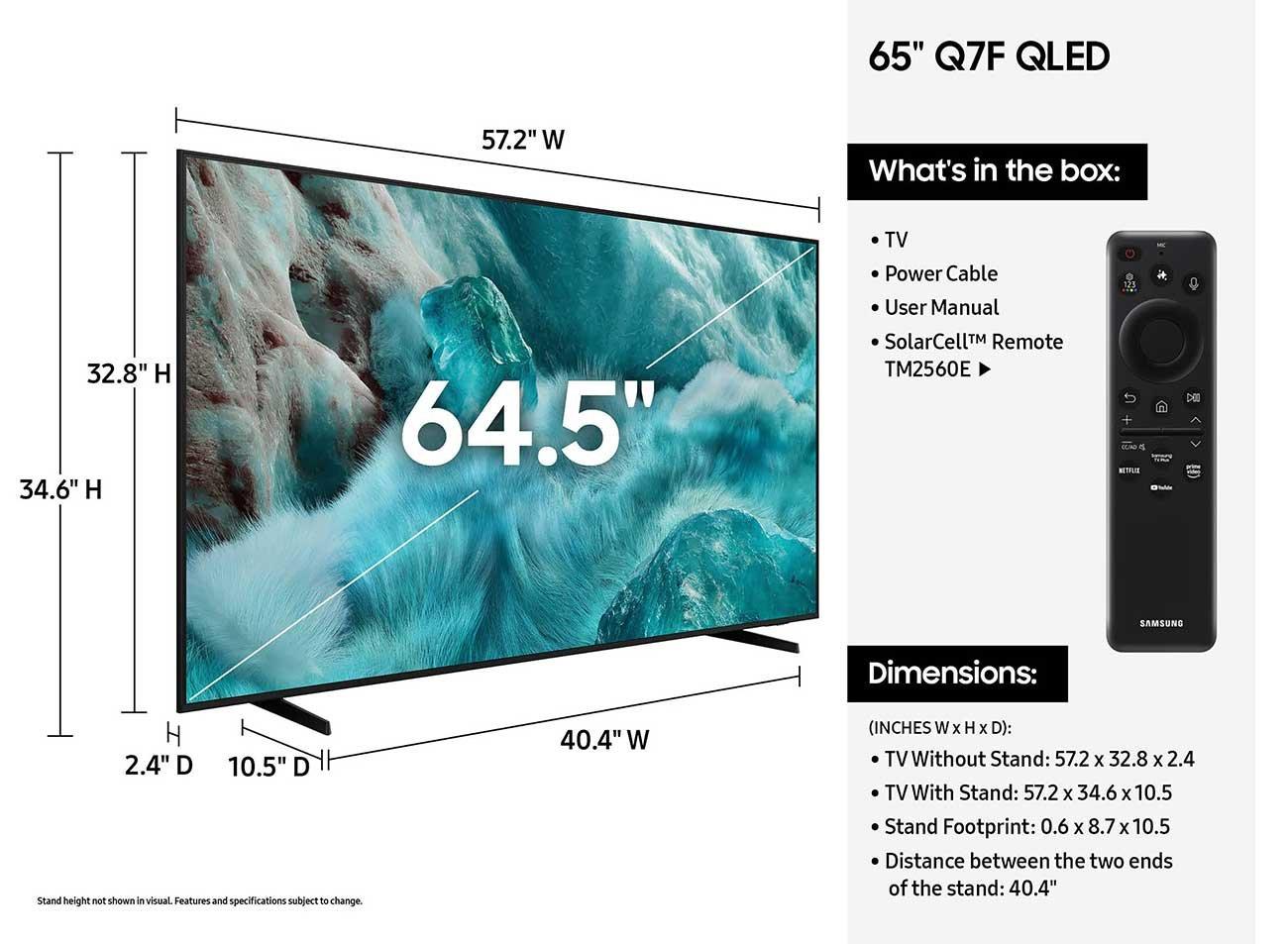
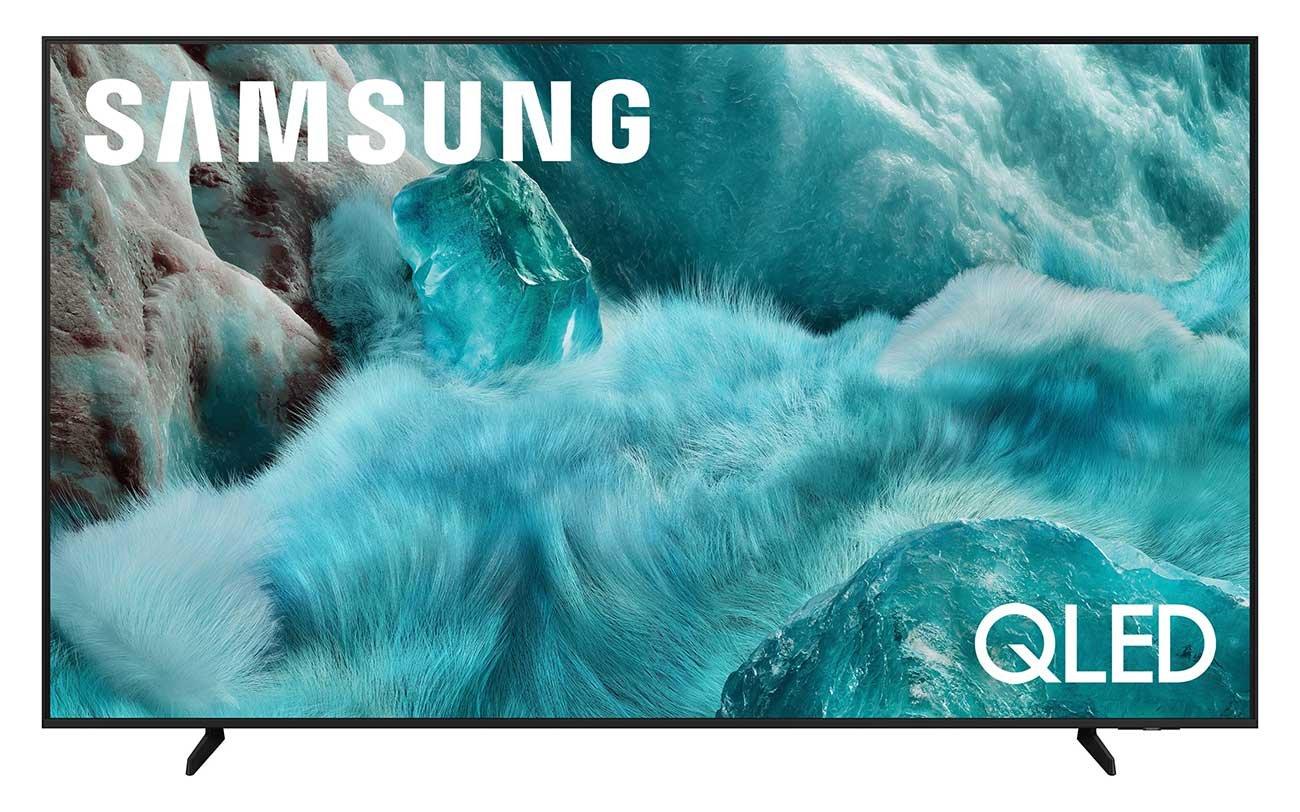
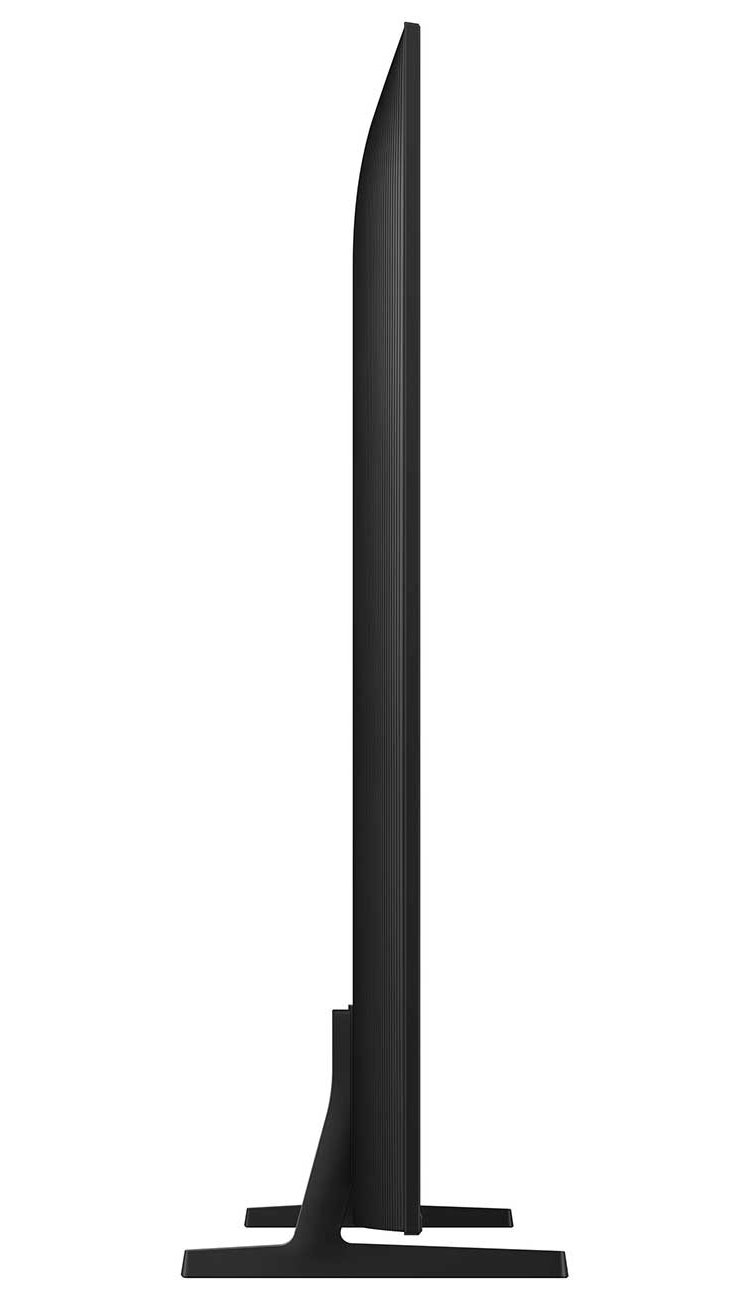
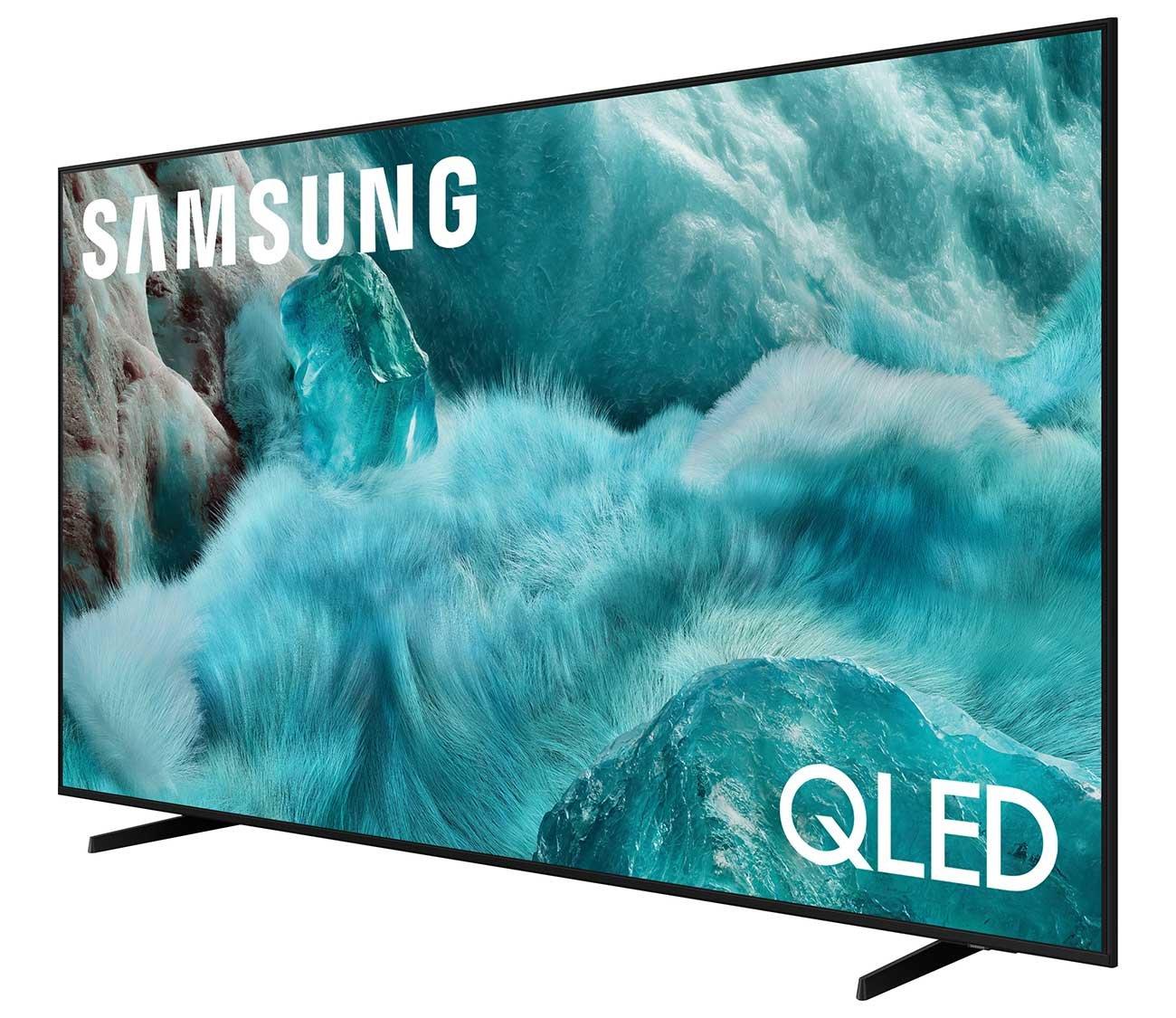
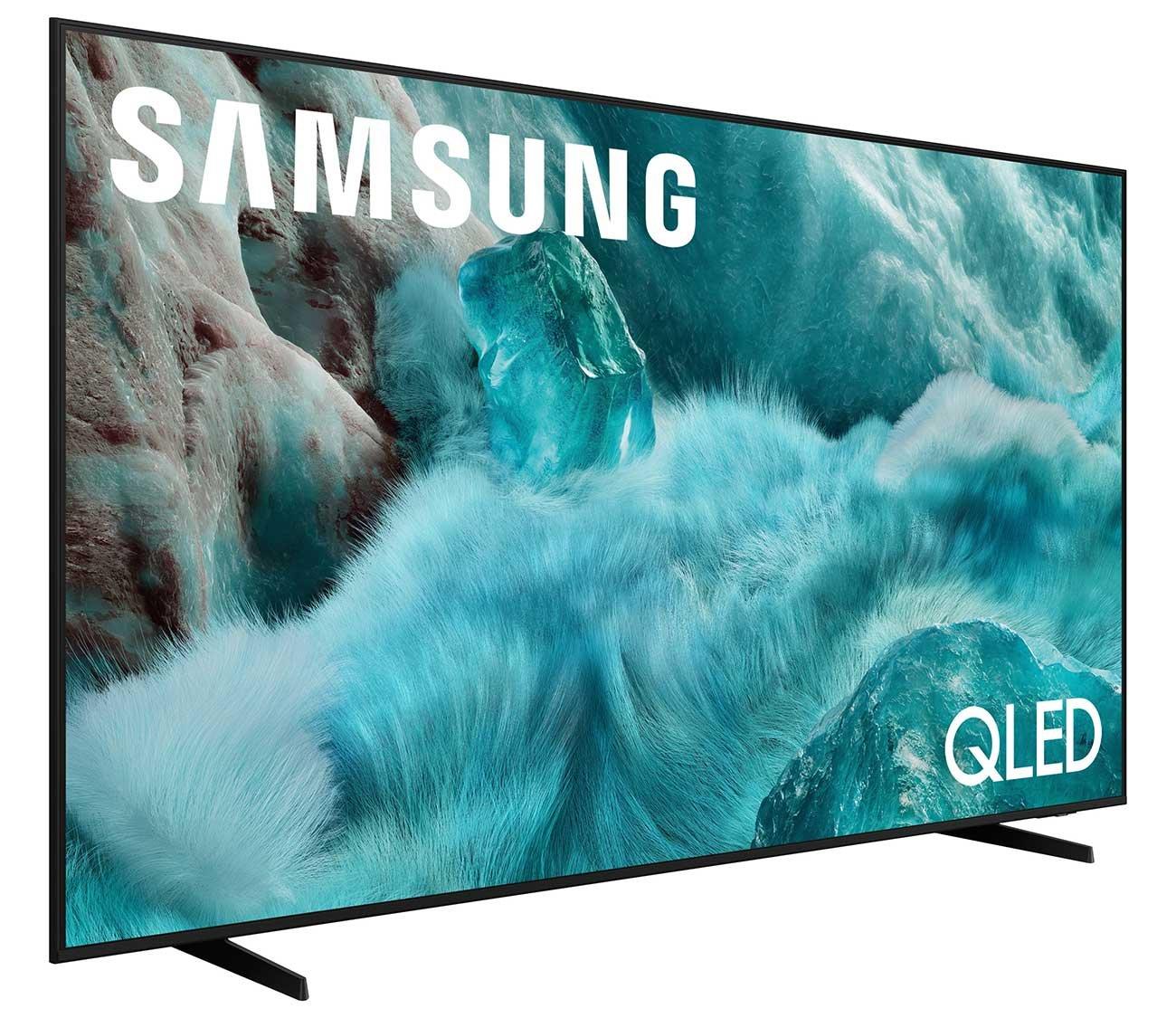
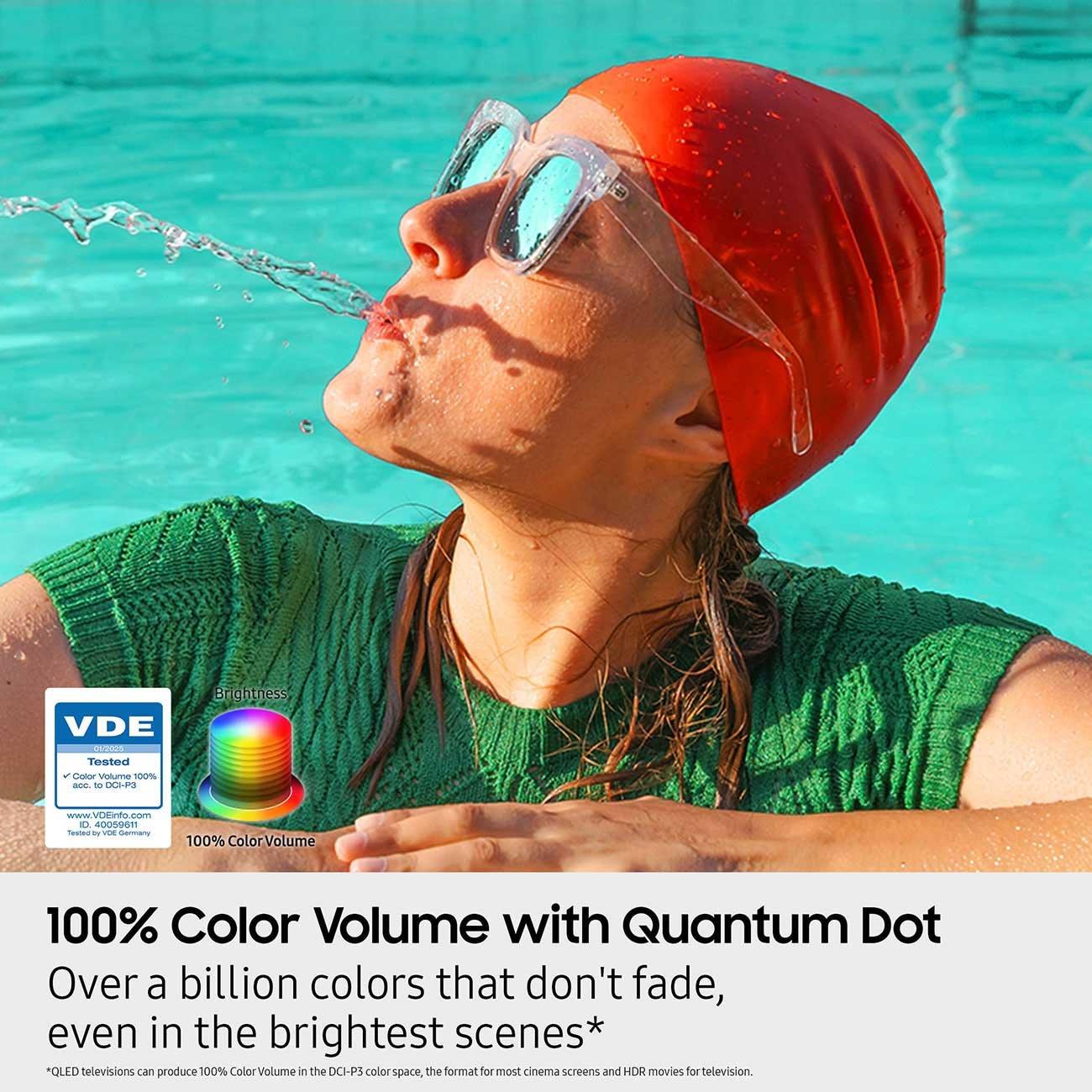
The Samsung Q7F, a 2025 model, uses QLED (Quantum Dot Light Emitting Diode) technology, which is fundamentally different. QLED is actually an enhanced LCD display with LED backlighting and quantum dot color filtering. Unlike OLED, QLED always has a backlight running behind the entire screen, which means it can't achieve true blacks but typically gets much brighter overall.
At the time of writing, the Sony A95L commands flagship pricing in the premium TV segment, while the Samsung Q7F sits comfortably in the mid-range category—a price difference of several thousand dollars that reflects their different target markets.
This is where the technology difference becomes most apparent. The Sony A95L delivers what we call "perfect blacks"—when displaying a night scene or movie credits, those dark areas are completely black because the pixels are actually off. This creates an infinite contrast ratio, meaning the difference between the darkest and brightest parts of the image is as dramatic as possible.
Our research into expert reviews consistently highlights this as the A95L's greatest strength. Watching a movie like "Blade Runner 2049" or any space scene, you'll see stars against truly black backgrounds rather than the slightly gray appearance you get with most TVs.
The Samsung Q7F, using QLED technology, can't achieve this same effect. Since there's always a backlight running, even the darkest scenes appear as very dark gray rather than true black. However, this isn't necessarily bad—many viewers don't notice this difference in normal viewing conditions, especially in brighter rooms where ambient light would wash out perfect blacks anyway.
Here's where things get interesting. The Sony A95L combines OLED's perfect blacks with quantum dot color enhancement, creating what many consider the most accurate and vibrant colors available in consumer TVs. The QD-OLED panel can reach peak brightness levels around 1,300 nits (a measurement of brightness), which is roughly double what older OLED TVs could achieve.
However, the Samsung Q7F likely achieves higher overall brightness across the entire screen. QLED technology excels at consistent brightness, making it better suited for bright living rooms with lots of windows. While we don't have specific brightness measurements for the Q7F, Samsung's QLED panels typically handle bright room viewing better than most OLED displays.
HDR (High Dynamic Range) is crucial for modern content, expanding the range between dark and bright areas in images. The Sony A95L supports Dolby Vision, HDR10, and HLG formats, with processing that expert reviews consistently praise for accuracy. The TV's tone mapping—how it translates HDR content to your screen—preserves the filmmaker's intended look better than most competitors.
The Samsung Q7F includes HDR10+ support, Samsung's competing HDR format. While not as widely adopted as Dolby Vision, HDR10+ still provides enhanced contrast and color compared to standard content.
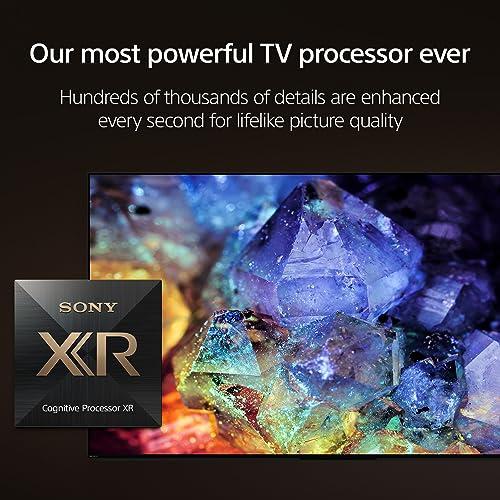
For sports and action content, both TVs handle motion differently. The Sony A95L uses its Cognitive Processor XR to analyze motion and reduce blur, with nearly instantaneous pixel response times thanks to OLED technology. This means fast-moving objects appear crisp and clear without the trailing or blurring common in LCD-based displays.
The Samsung Q7F uses Motion Xcelerator technology, though specific performance details are limited. QLED panels typically require more sophisticated motion processing to match OLED's natural advantages in this area.
The Sony A95L offers solid gaming credentials with two HDMI 2.1 ports supporting 4K at 120Hz, Variable Refresh Rate (VRR), and Auto Low Latency Mode (ALLM). These features ensure smooth gameplay with modern consoles like PlayStation 5 and Xbox Series X. Input lag—the delay between controller input and screen response—measures around 16 milliseconds, which is responsive enough for most gaming.
However, having only two HDMI 2.1 ports is a significant limitation. If you own multiple gaming consoles or want to connect a high-end PC alongside your console, you'll need to manage connections carefully or invest in an HDMI switch.
Gaming specifications for the Samsung Q7F aren't fully detailed in available information, but most 2025 Samsung TVs in this price range include basic gaming features like low input lag and some level of variable refresh rate support.
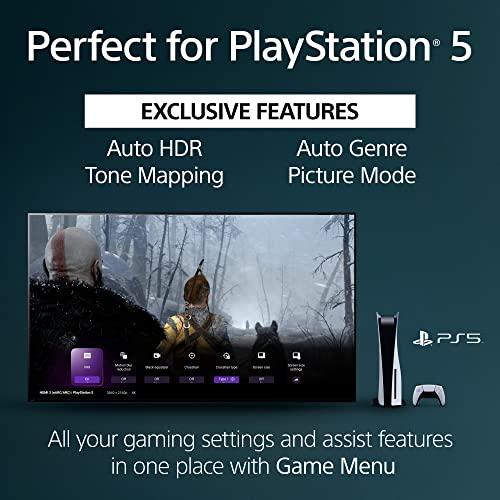
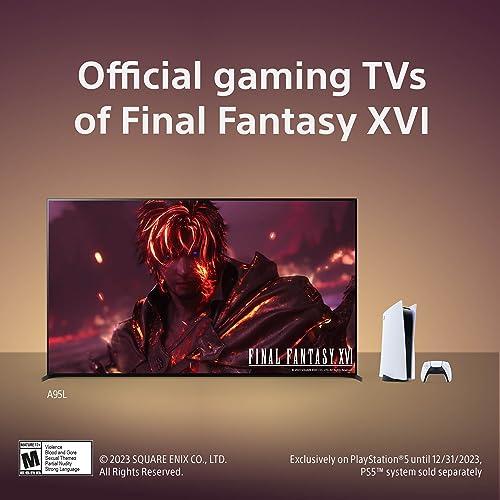
The Sony A95L includes specific PlayStation 5 optimizations, including Auto HDR Tone Mapping that automatically adjusts HDR settings for optimal PS5 performance. This integration makes sense given Sony's ownership of both the PlayStation brand and BRAVIA TV division.
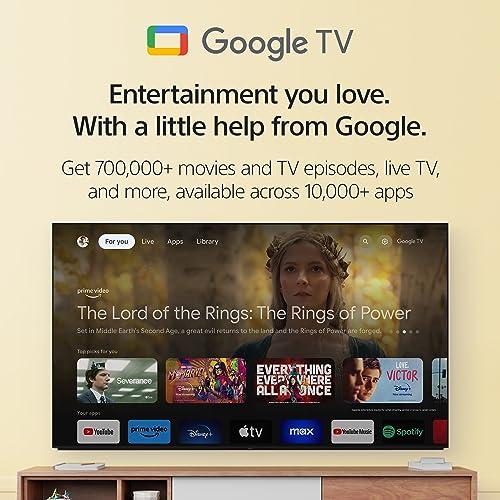
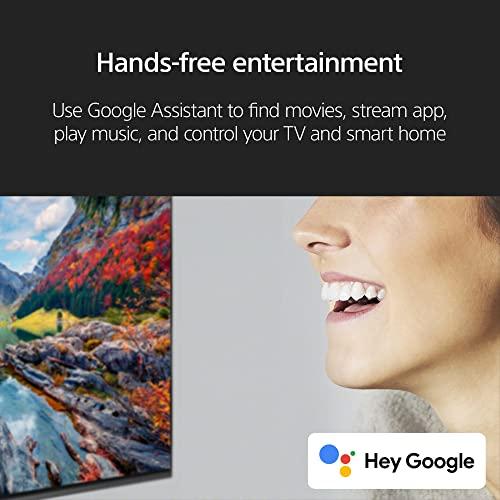
The Sony A95L runs Google TV, which offers extensive app support, intuitive organization of content from multiple services, and seamless integration with Google's ecosystem. Chromecast built-in means you can easily cast content from phones or tablets, while AirPlay 2 support accommodates Apple device users.
The Samsung Q7F uses Samsung's Tizen platform, which has matured considerably over recent years. Tizen provides access to all major streaming services and integrates well with Samsung's SmartThings ecosystem for smart home control.
The Sony A95L includes Wi-Fi 6 (802.11ax) for faster wireless connectivity and an ATSC 3.0 tuner for receiving 4K over-the-air broadcasts—a feature that's becoming more relevant as broadcasters upgrade their equipment.
Both TVs support modern streaming standards, but the Sony's premium positioning means it typically receives software updates and new features for longer periods.
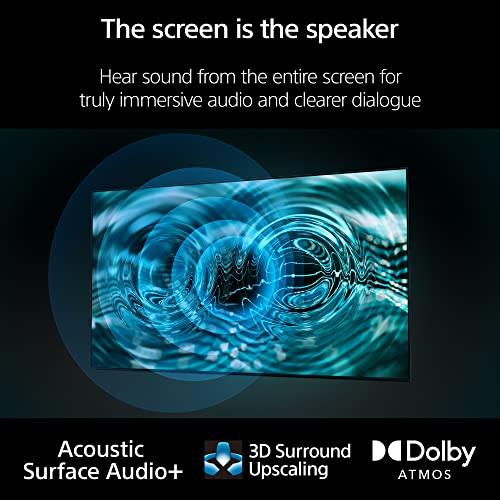
The Sony A95L uses Acoustic Surface Audio+ technology, which vibrates the screen itself to produce sound. This creates an immersive effect where dialogue appears to come directly from actors' mouths rather than from speakers below the screen. For movie watching, this technology provides a more engaging experience than traditional TV speakers.
The system also supports DTS audio passthrough, which is valuable for home theater enthusiasts who want to send high-quality audio to external sound systems without degradation.
The Samsung Q7F uses more traditional speaker placement, though specific audio specifications aren't detailed in available information.
The Sony A95L absolutely shines in dark or dimly lit rooms where its perfect blacks create a truly cinematic experience. Movie nights become more immersive when dark scenes display true darkness rather than the gray wash common with backlit displays.
The Samsung Q7F likely performs better in bright living rooms with lots of ambient light. QLED technology's higher sustained brightness helps combat glare and maintains image visibility when competing with daylight or room lighting.
The Sony A95L can handle moderately bright rooms thanks to its improved brightness compared to older OLED models, but it's not the ideal choice for rooms with large windows facing direct sunlight.
Both TVs offer wide viewing angles—178 degrees horizontally and vertically—meaning the picture quality remains consistent when viewed from the side. This is important for group viewing or rooms where seating isn't centered on the TV.
For dedicated home theater setups, the Sony A95L provides reference-level performance that rivals much more expensive projection systems. The combination of perfect blacks, accurate colors, and sophisticated processing creates an experience that many consider the best available in consumer TVs.
The TV's ability to function as a center channel speaker when paired with compatible Sony audio equipment adds flexibility for custom home theater installations.
Both TVs support eARC (Enhanced Audio Return Channel) for high-quality audio transmission to soundbars or receivers, but the Sony A95L's DTS passthrough support provides more flexibility for enthusiasts with high-end audio systems.
The Sony A95L uses QD-OLED technology, which has improved resistance to burn-in compared to traditional OLED panels. Burn-in occurs when static images display for extended periods, potentially leaving permanent ghost images. Modern OLED TVs include numerous protective features, making burn-in rare in normal use.
The Samsung Q7F doesn't face burn-in risks since it uses LCD technology. This makes it potentially better suited for use as a computer monitor or in situations with lots of static content like news channels or gaming interfaces.
At the time of writing, the Sony A95L commands premium pricing that reflects its flagship status and advanced QD-OLED technology. This TV makes sense for buyers who prioritize absolute picture quality and plan to keep their TV for many years.
The Samsung Q7F offers practical 4K performance at a much lower price point, making it accessible to mainstream buyers who want good picture quality without premium costs.
Based on our research into user reviews and expert opinions, buyers of the Sony A95L tend to report higher long-term satisfaction, particularly for movie watching and gaming. The superior contrast and color accuracy create a more engaging viewing experience that remains impressive years after purchase.
You're serious about picture quality and have the budget for a premium TV. This is the right choice if you watch movies in darker rooms, own a PlayStation 5, and want the most cinematic experience possible. The perfect blacks and vibrant colors will spoil you for other TVs, making this a long-term investment in viewing pleasure.
The limited HDMI 2.1 ports are manageable if you don't need to connect multiple high-end gaming devices simultaneously.
You want solid 4K performance without premium pricing. This makes sense for bright living rooms, families who watch varied content, or buyers who want reliable performance without the complexity or cost of flagship features.
The QLED technology provides consistent performance across different viewing conditions and doesn't require the careful room setup that maximizes OLED benefits.
These TVs serve fundamentally different needs. The Sony A95L is a no-compromise flagship that delivers exceptional performance for viewers who prioritize picture quality above all else. The Samsung Q7F provides practical, reliable 4K viewing for mainstream audiences who want good performance at reasonable prices.
Your choice ultimately depends on your viewing habits, room environment, and budget. If you're passionate about movies and gaming and can afford the premium, the Sony delivers an experience that justifies its higher cost. If you want dependable 4K performance for general family viewing, the Samsung offers excellent value without requiring a significant investment.
Both represent solid choices within their respective market segments—the key is choosing the approach that matches your priorities and usage patterns.
| Sony BRAVIA XR A95L 65" QD-OLED | Samsung 65" Q7F QLED 4K Vision AI Smart TV 2025 |
|---|---|
| Display Technology - Determines black levels, contrast, and overall picture quality | |
| QD-OLED (self-emissive pixels with quantum dot enhancement) | QLED (LED-backlit LCD with quantum dot color filter) |
| Black Levels - Critical for movie watching and dark room viewing | |
| Perfect blacks (pixels turn completely off) | Dark gray blacks (always-on backlight) |
| Peak Brightness - Affects HDR impact and bright room performance | |
| ~1,300 nits (excellent for HDR highlights) | Specifications not available (likely higher sustained brightness) |
| Viewing Angles - Important for group viewing and off-center seating | |
| 178°/178° with minimal color shifting | 178°/178° (typical for modern panels) |
| Gaming Features - Essential for console and PC gaming | |
| 2x HDMI 2.1 ports, 4K@120Hz, VRR, ALLM, ~16ms input lag | Gaming specifications not detailed |
| HDR Support - Enhances contrast and color in modern content | |
| Dolby Vision, HDR10, HLG (superior tone mapping) | HDR10+ (Samsung's competing HDR format) |
| Smart Platform - Affects app availability and user experience | |
| Google TV with Chromecast built-in and AirPlay 2 | Tizen with Samsung ecosystem integration |
| Audio Technology - Impacts built-in sound quality | |
| Acoustic Surface Audio+ (screen vibrates to produce sound) | Traditional speaker placement |
| Processor - Determines upscaling quality and motion handling | |
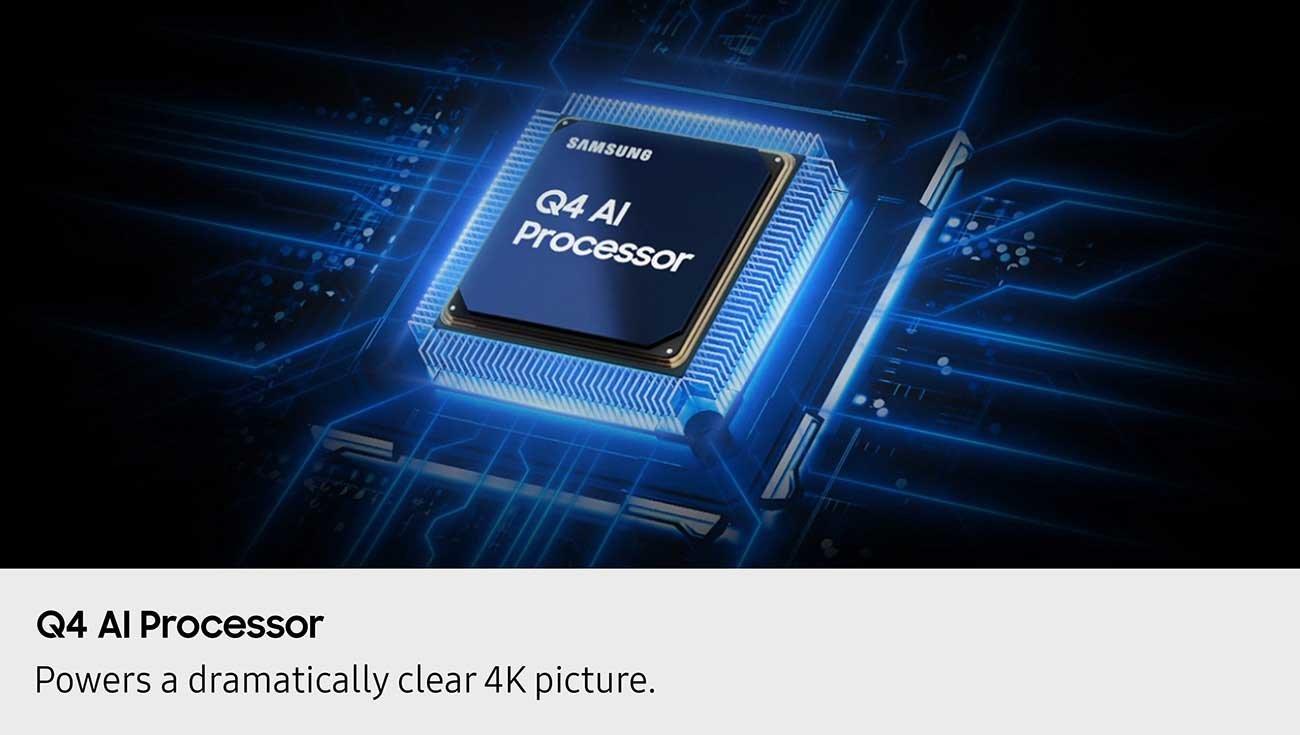
| Cognitive Processor XR with AI enhancement | Q4 AI Processor with Vision AI |
| Release Year - Indicates technology generation and feature set | |
| 2023 flagship (still premium in 2025) | 2025 mid-range model |
| Target Market - Helps determine if features match your needs | |
| Premium flagship for videophiles and cinephiles | Mainstream mid-range for general consumers |
| Room Suitability - Critical for optimal viewing experience | |
| Best in dark to moderately lit rooms | Better for bright rooms with ambient light |
| Burn-in Risk - Long-term reliability consideration | |
| Minimal risk with QD-OLED and protective features | No burn-in risk with LCD technology |
| Connectivity Future-Proofing - Important for long-term use | |
| Wi-Fi 6, ATSC 3.0 tuner, limited HDMI 2.1 ports | Standard connectivity for price range |
The Sony BRAVIA XR A95L delivers superior picture quality for movies due to its QD-OLED technology that produces perfect blacks and exceptional contrast. This creates a more cinematic experience with deeper shadows and brighter highlights compared to the Samsung Q7F's QLED display, which cannot achieve true blacks due to its always-on backlight.
OLED technology in the Sony A95L uses self-emissive pixels that can turn completely off for perfect blacks, while QLED in the Samsung Q7F uses LED backlighting with quantum dot enhancement. OLED provides better contrast and viewing angles, while QLED typically offers higher brightness and no burn-in risk.
The Samsung Q7F is likely better for bright rooms since QLED technology typically achieves higher sustained brightness to combat ambient light. The Sony A95L can handle moderately bright rooms but performs best in controlled lighting where its perfect blacks can shine.
The Sony A95L offers dedicated gaming features with two HDMI 2.1 ports supporting 4K at 120Hz, VRR, and specific PS5 optimizations. Gaming specifications for the Samsung Q7F aren't fully detailed, but it likely includes basic gaming features standard for 2025 models.
The Sony A95L runs Google TV with extensive app support, Chromecast built-in, and AirPlay 2 compatibility. The Samsung Q7F uses Samsung's Tizen platform with good app selection and SmartThings integration. Both platforms provide access to major streaming services.
The Sony A95L commands flagship pricing in the premium segment, while the Samsung Q7F is positioned as a mid-range offering with significantly lower pricing. The price gap reflects their different target markets and technology sophistication.
The Sony A95L is ideal for home theater setups with its perfect blacks, accurate colors, and Acoustic Surface Audio+ technology that creates immersive sound. The superior contrast and processing make it excellent for movie watching in dark environments where the Samsung Q7F cannot match its cinematic performance.
The Sony A95L uses QD-OLED technology with improved burn-in resistance and protective features, making permanent image retention rare with normal use. The Samsung Q7F uses LCD technology and has no burn-in risk, making it suitable for static content like computer use or news channels.
The Sony A95L features Acoustic Surface Audio+ technology that vibrates the screen to produce sound, creating more immersive audio where dialogue appears to come from actors' mouths. The Samsung Q7F uses traditional speakers, though specific audio specifications aren't detailed.
Both the Sony A95L and Samsung Q7F offer wide 178-degree viewing angles, but the Sony's OLED technology maintains better color accuracy and contrast when viewed from the side. This makes the Sony A95L slightly better for group viewing situations.
The Sony A95L represents a premium investment with flagship technology that typically receives longer software support and maintains performance over time. The Samsung Q7F offers practical reliability at a lower cost, making it better value for buyers who want solid 4K performance without premium pricing.
Choose the Sony A95L OLED if you prioritize picture quality, watch movies in darker rooms, and have the budget for premium performance. Choose the Samsung Q7F QLED if you need consistent brightness for varied lighting conditions, want reliable performance at a lower price, or prefer avoiding any OLED burn-in concerns.
We've done our best to create useful and informative comparisons to help you decide what product to buy. Our research uses advanced automated methods to create this comparison and perfection is not possible - please contact us for corrections or questions. These are the sites we've researched in the creation of this article: rtings.com - youtube.com - rtings.com - avsforum.com - rtings.com - smarthomesounds.co.uk - smarthomesounds.co.uk - rtings.com - smarthomesounds.co.uk - youtube.com - tomsguide.com - avsforum.com - rtings.com - perfectrec.com - flatpanelshd.com - videoandaudiocenter.com - sonypremiumhome.com - bestbuy.com - sony.com - electronics.sony.com - displayspecifications.com - donstv.com - youtube.com - static.pcrichard.com - smarthomesounds.co.uk - youtube.com - electronics.sony.com - electronics.sony.com - displayspecifications.com - bestbuy.com - youtube.com - samsung.com - samsung.com - pcrichard.com - samsung.com - samsung.com - videoandaudiocenter.com - displayspecifications.com - bestbuy.com - samsung.com - samsung.com - samsung.com - samsung.com - news.samsung.com

Privacy Policy
Terms and Conditions - Affiliate Policy
Home Security
© Copyright 2008-2026.
11816 Inwood Rd #1211, Dallas, TX 75244