



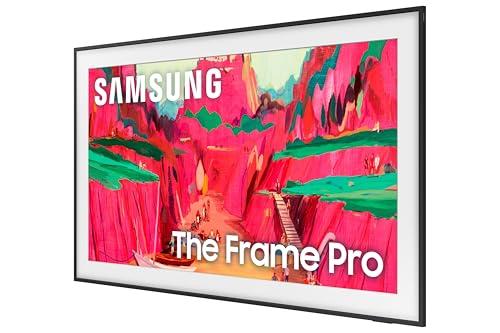
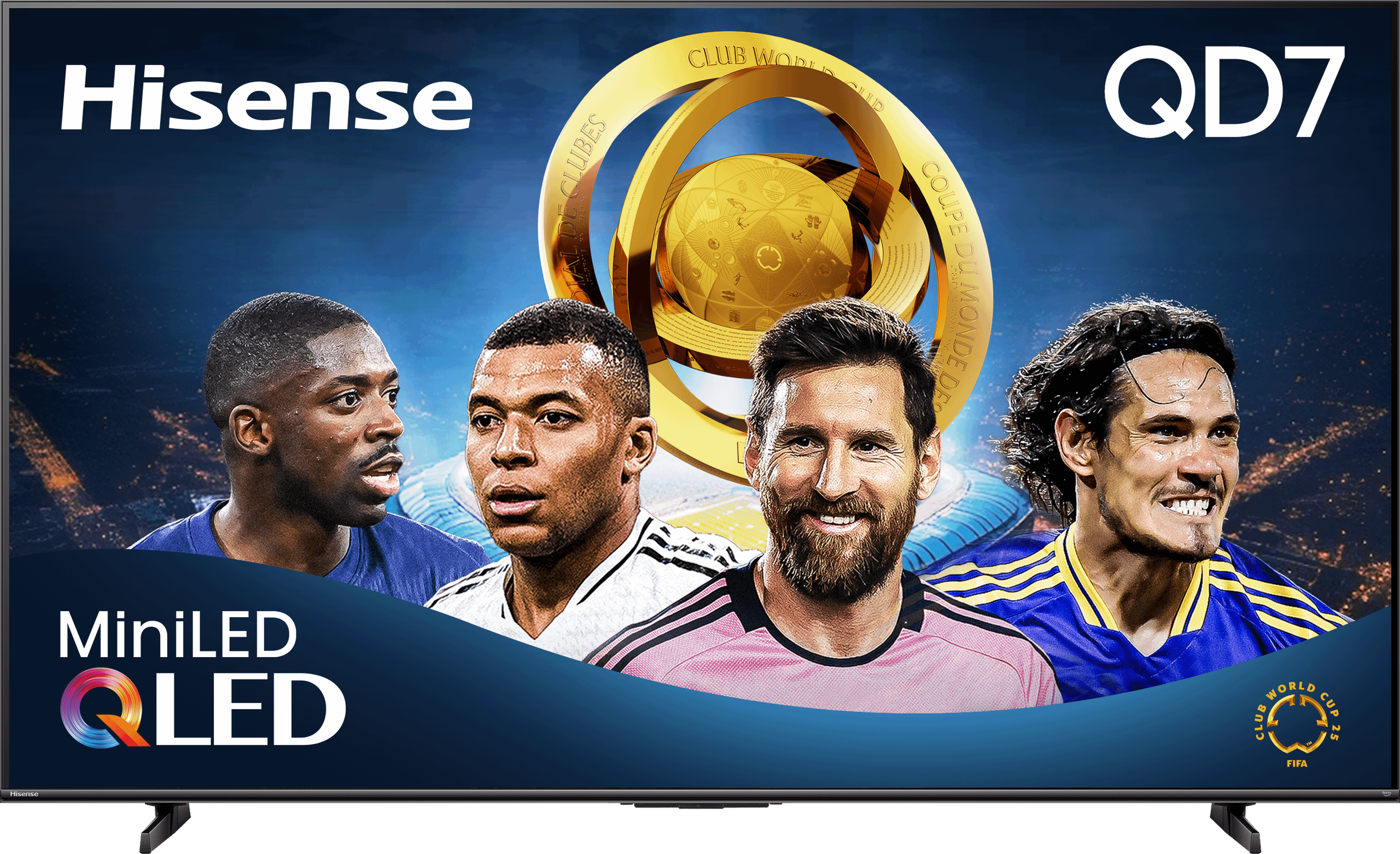
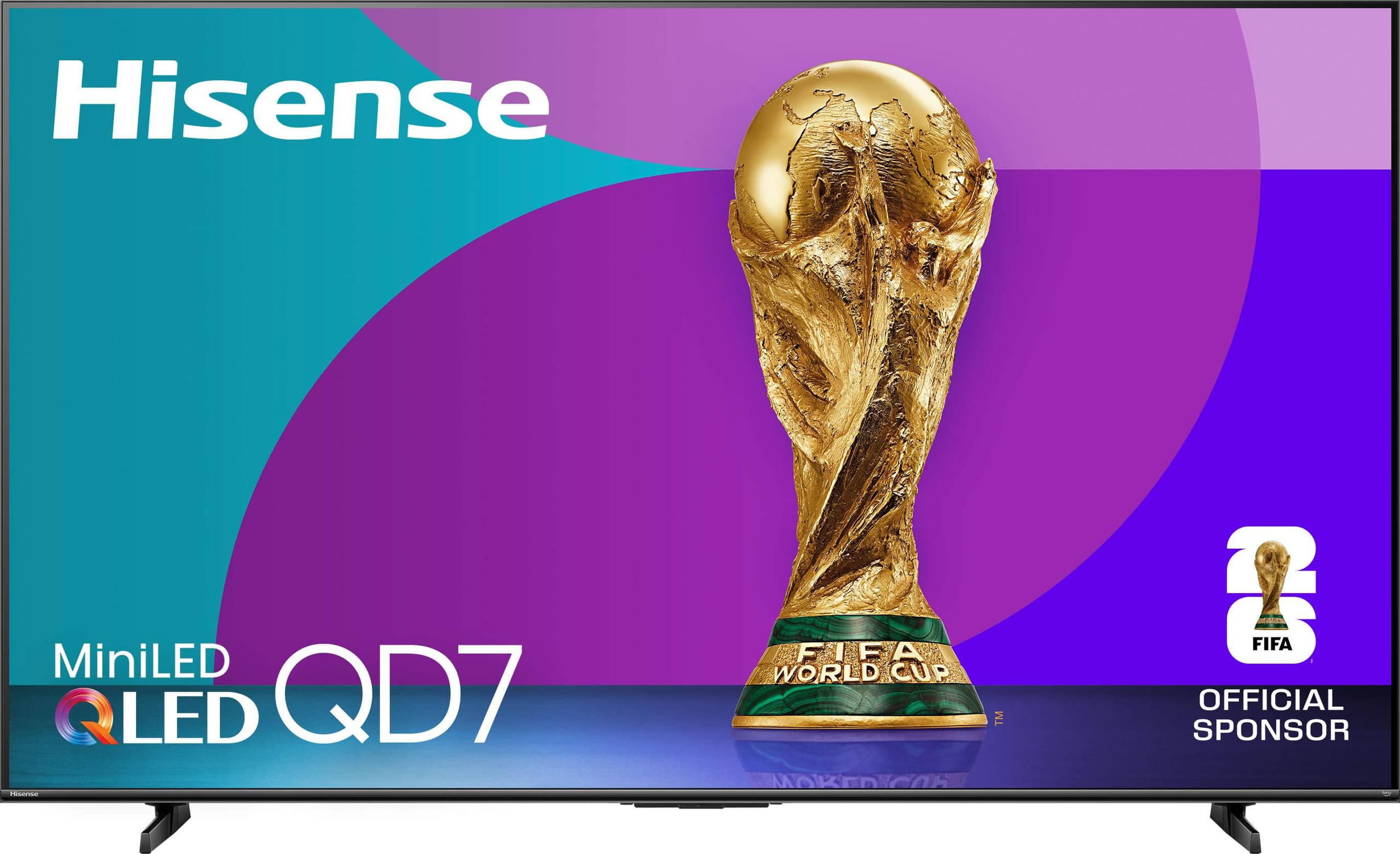


The 65-inch premium TV market has evolved dramatically since 2020, and choosing the right model now requires understanding vastly different approaches to what makes a great television. The Samsung 65" Frame Pro and Hisense 65" QD7, both released in 2025, represent two compelling but fundamentally different philosophies in TV design.
Samsung has doubled down on lifestyle integration with the Frame Pro, transforming their art-focused TV into a genuine performance contender through Mini-LED technology. Meanwhile, Hisense has pushed the QD7 into flagship territory by cramming premium features into a value-oriented package. At the time of writing, these TVs sit in different price tiers—the Samsung commanding nearly twice the price of the Hisense—making this comparison particularly relevant for buyers weighing premium features against pure performance value.
Premium 4K TVs have become incredibly sophisticated since 2020, with manufacturers focusing on four key areas: picture quality through advanced backlighting, gaming performance for next-generation consoles, smart platform integration, and design aesthetics. The challenge for buyers is that no single TV excels at everything, forcing trade-offs based on individual priorities.
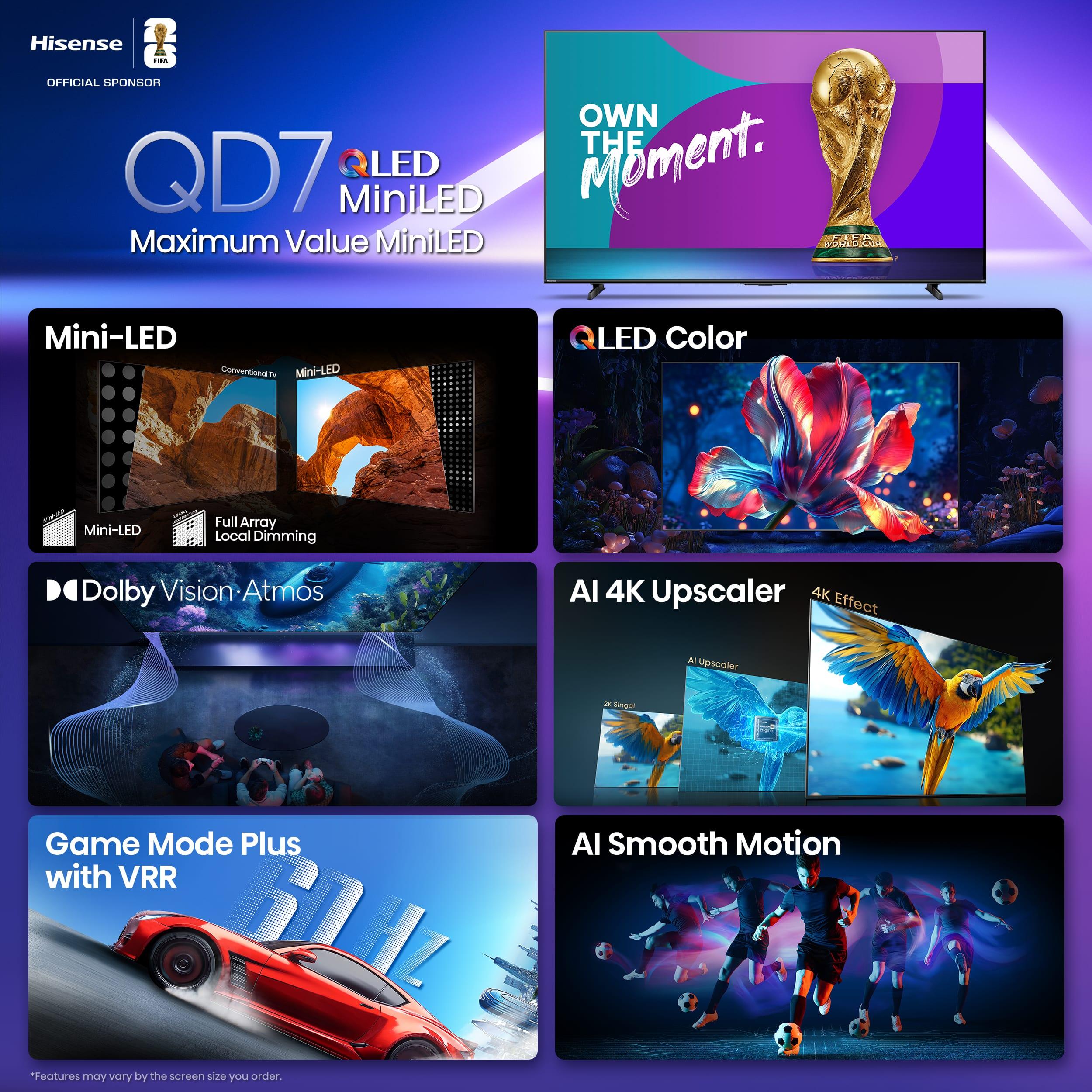
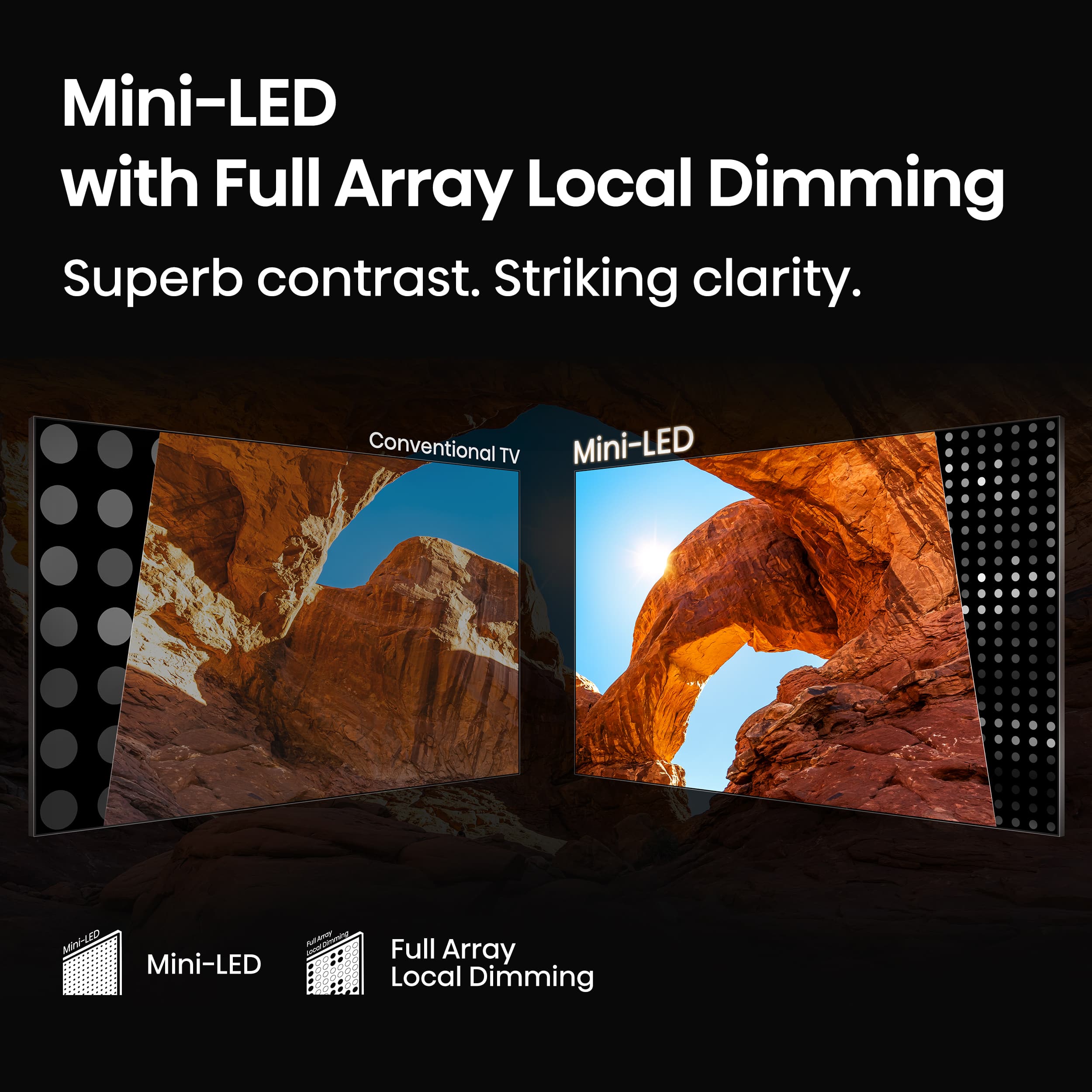
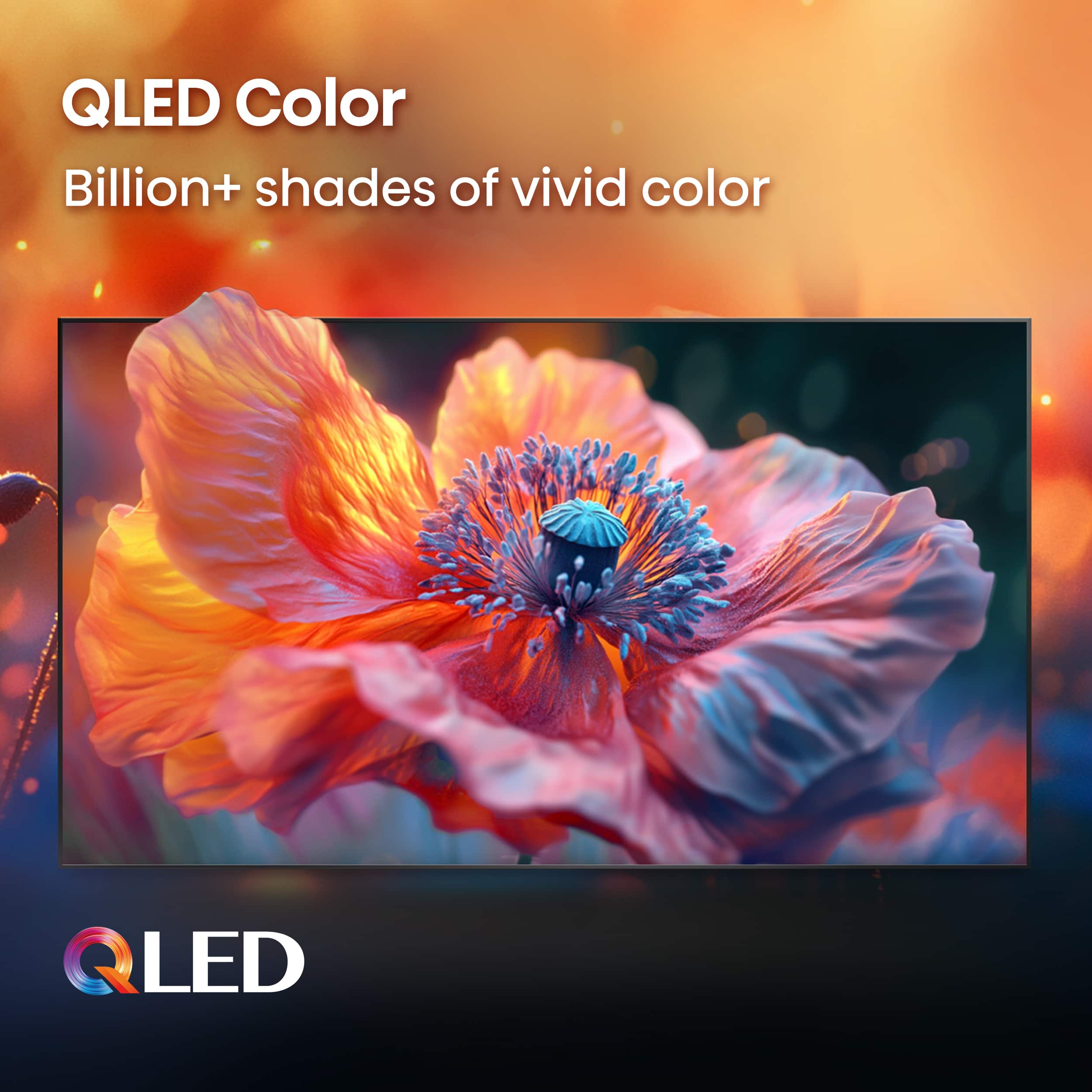
Picture quality improvements have been the most dramatic, with Mini-LED backlighting becoming mainstream. This technology uses thousands of tiny LEDs instead of traditional edge lighting, allowing for much more precise control of brightness and darkness across the screen. Combined with Quantum Dot color technology—microscopic particles that produce purer, more vibrant colors—modern TVs can display over a billion color shades with impressive brightness levels.
Gaming has become equally important, with manufacturers racing to support 120Hz and even 144Hz refresh rates (how many times per second the image updates), Variable Refresh Rate (VRR) to eliminate screen tearing, and Auto Low Latency Mode (ALLM) to minimize input delay. These features are crucial for smooth gameplay on PlayStation 5 and Xbox Series X consoles.
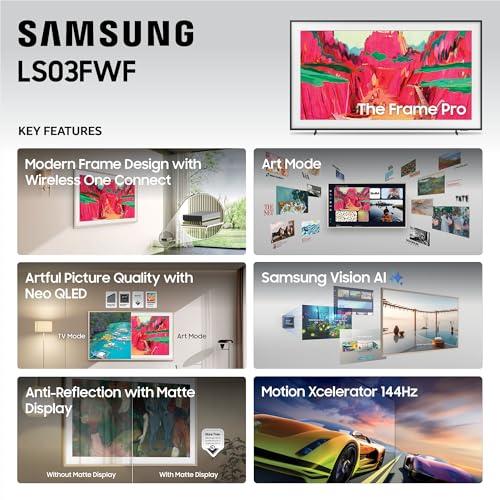
The Samsung Frame Pro represents Samsung's most ambitious attempt to merge serious television performance with their signature art-focused design philosophy. Since launching the original Frame series in 2017, Samsung has gradually improved the picture quality while maintaining the core appeal: a TV that genuinely looks like framed artwork when not in use.
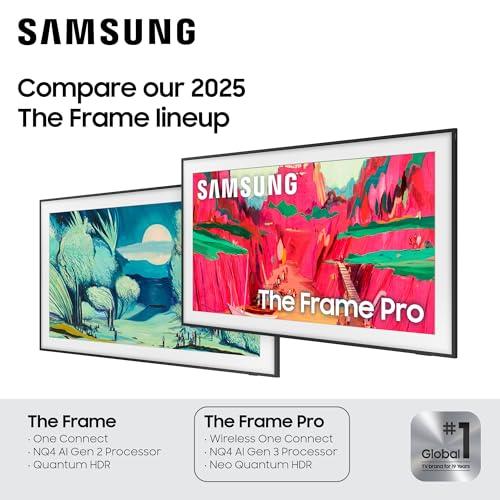
The 2025 Frame Pro introduces Neo QLED Mini-LED technology to the Frame lineup for the first time. This is a significant upgrade from previous Frame models, which used basic LED backlighting. The Mini-LED implementation provides much higher peak brightness—over 1,000 nits compared to around 400 nits in standard Frame models. For context, most TVs struggle to exceed 600 nits, making this a genuinely bright display that can handle even the most challenging viewing environments.
However, Samsung's Mini-LED implementation in the Frame Pro is somewhat controversial. Unlike true full-array local dimming found in flagship TVs, Samsung uses edge-lit local dimming, which places the LEDs around the perimeter of the screen rather than distributed across the entire panel. This approach prioritizes the ultra-thin design but limits contrast performance compared to TVs with full-array systems.
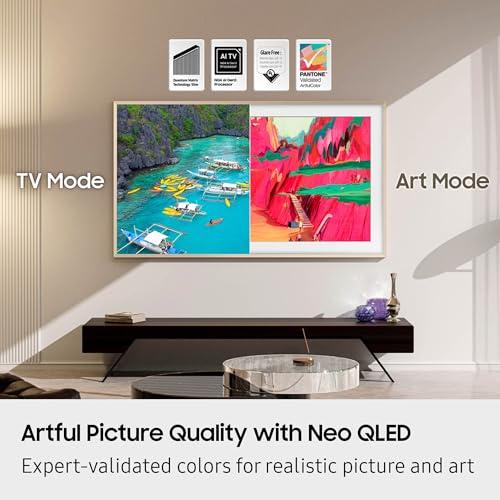
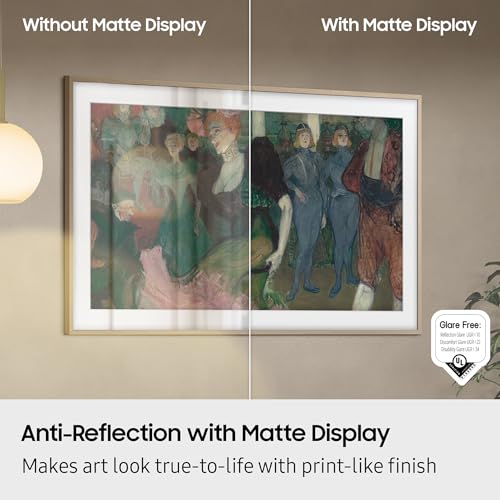
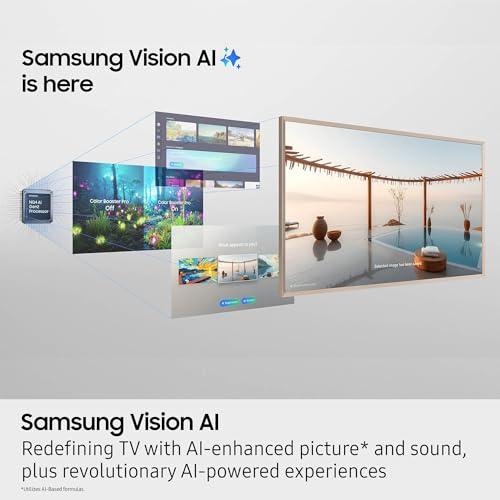
The signature feature remains Art Mode, which transforms the TV into a digital art gallery when not actively watching content. The matte anti-reflection coating is particularly effective here, eliminating the mirror-like appearance that plagues most TVs in bright rooms. This coating makes displayed artwork appear remarkably similar to actual prints or paintings, maintaining the illusion even under direct lighting.
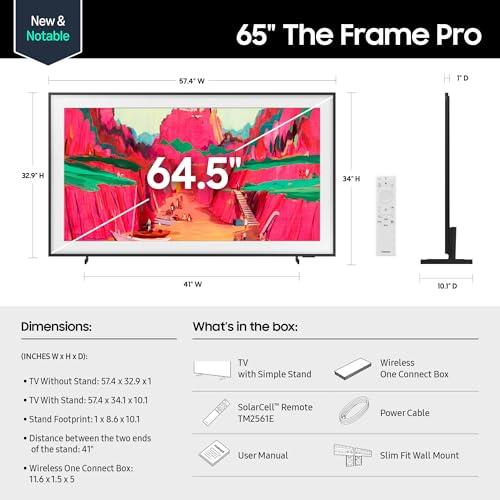
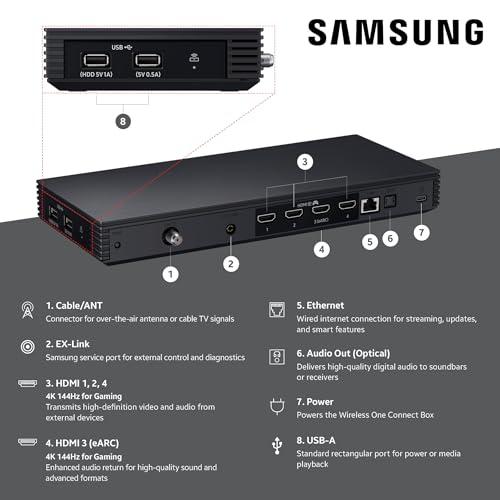
Perhaps the most impressive innovation is the Wireless One Connect Box, a separate unit that handles all cable connections and transmits audio and video wirelessly to the TV using Wi-Fi 7 technology. This wireless connection works reliably up to 10 meters (about 33 feet) and can transmit through walls, completely eliminating visible cables from the TV installation. For buyers prioritizing clean aesthetics, this feature alone justifies much of the premium pricing.
The Frame Pro supports 144Hz refresh rates for PC gaming and includes VRR support, but gaming performance is compromised by the wireless connection, which adds significant input lag—the delay between pressing a controller button and seeing the result on screen. While a direct micro HDMI port is available on the TV itself for low-latency gaming, using it defeats the cable-free design purpose.
The Hisense QD7 takes a completely different approach, prioritizing picture quality and gaming performance over lifestyle integration. Hisense has established itself as a value leader since expanding globally around 2018, consistently delivering features typically found in much more expensive TVs.
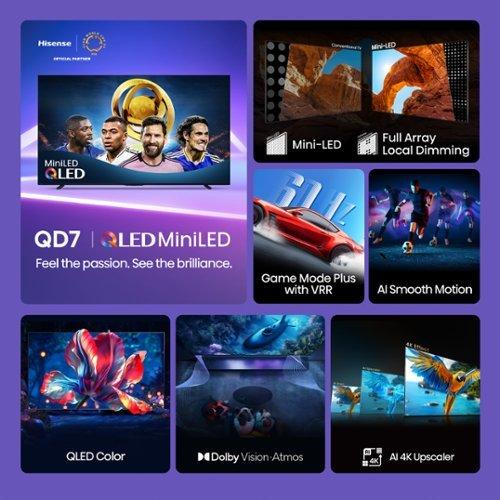
The QD7's Mini-LED implementation uses true Full Array Local Dimming (FALD), distributing LEDs across the entire back panel rather than just the edges. This allows for much more precise control of brightness in different areas of the screen, resulting in deeper blacks and better contrast. When watching content with mixed bright and dark elements—like a campfire scene under a starry sky—the QD7 can make the fire bright while keeping the sky genuinely dark, something the Frame Pro struggles with due to its edge-lit design.
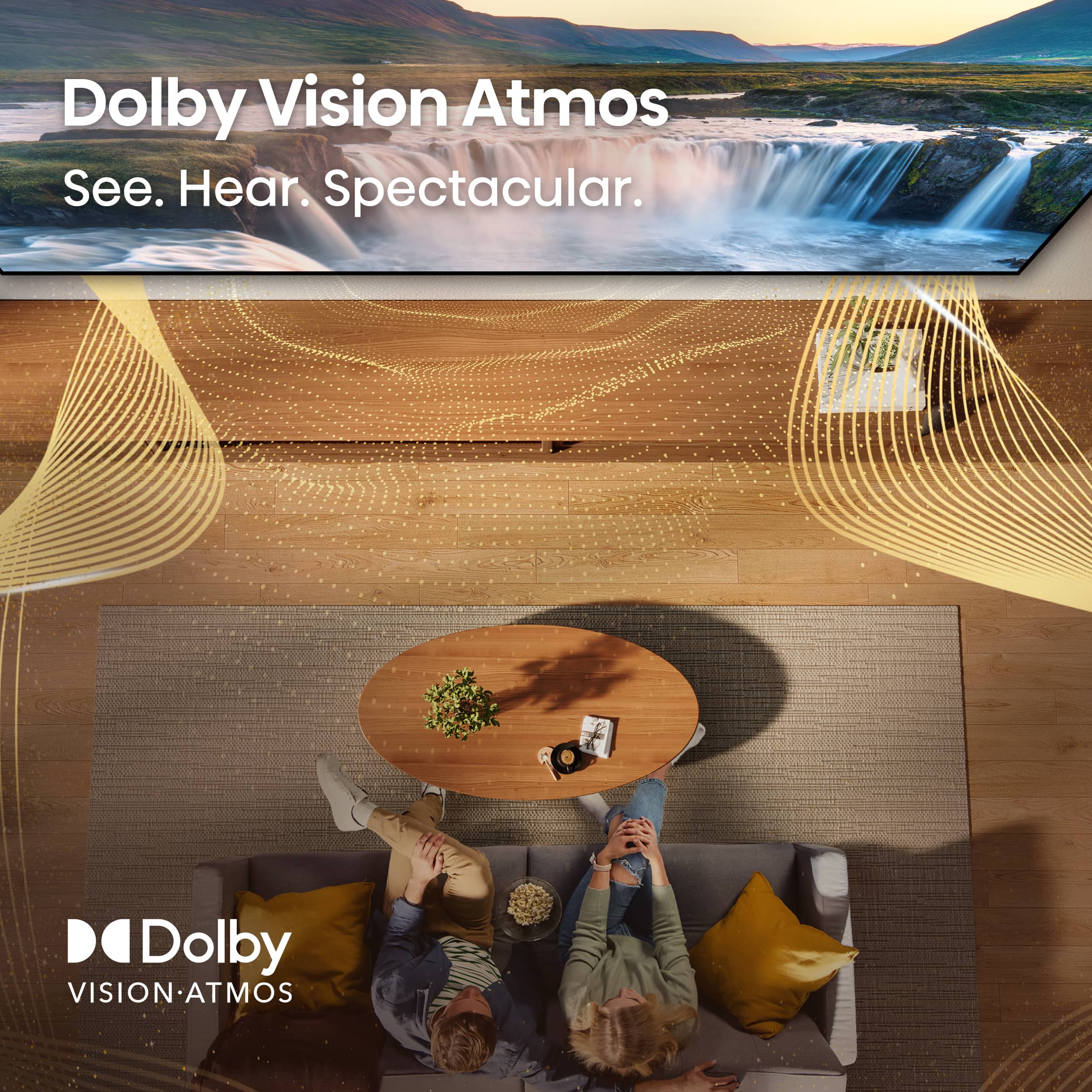
The Quantum Dot color technology in the QD7 produces vivid, accurate colors comparable to TVs costing significantly more. Combined with comprehensive HDR support including Dolby Vision, HDR10+, and HLG, the TV can display the full range of brightness and color that modern content creators intend. Dolby Vision is particularly important because it adjusts the picture dynamically scene-by-scene, ensuring optimal presentation regardless of content variations.
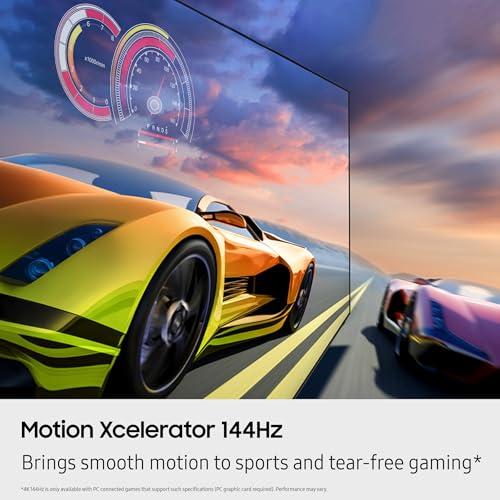
Gaming performance is where the QD7 truly shines. The native 144Hz refresh rate combines with low input lag (typically under 10 milliseconds) to deliver exceptionally smooth, responsive gameplay. VRR support eliminates screen tearing—the visual artifact where parts of different frames appear simultaneously—while ALLM automatically switches to the lowest-latency mode when gaming input is detected.
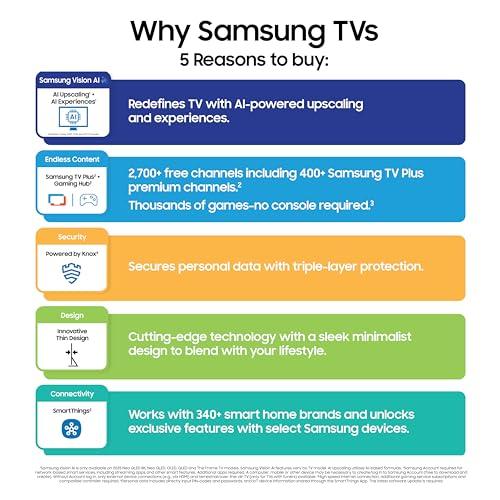
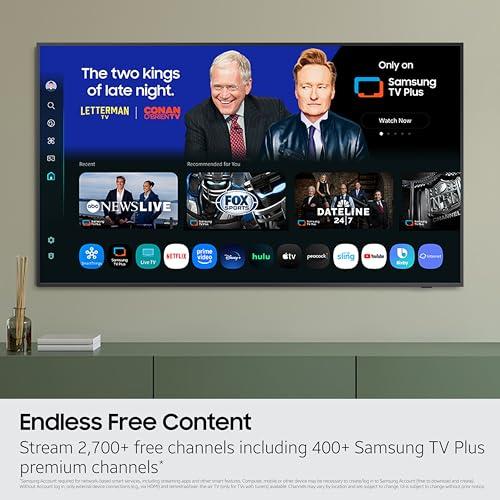
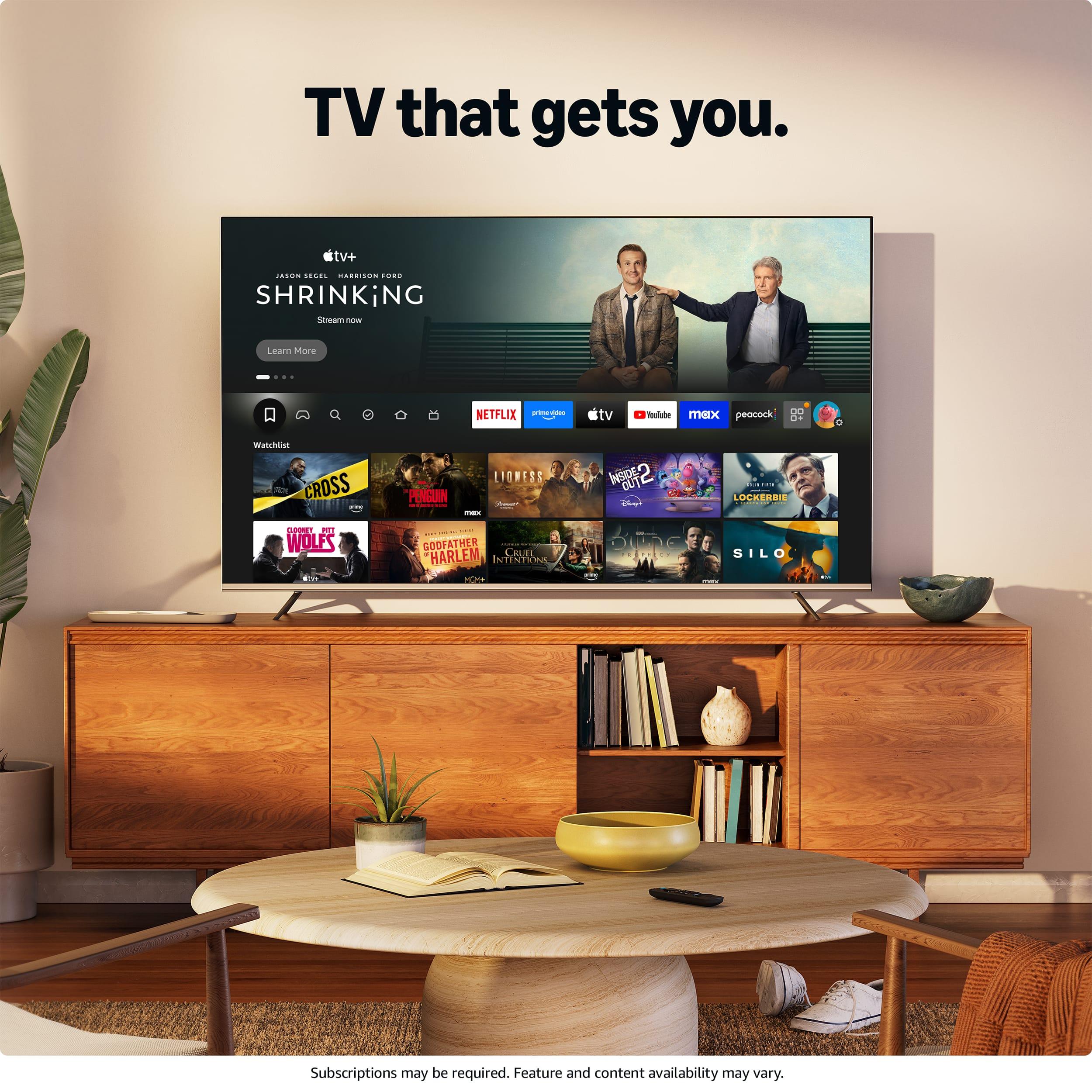
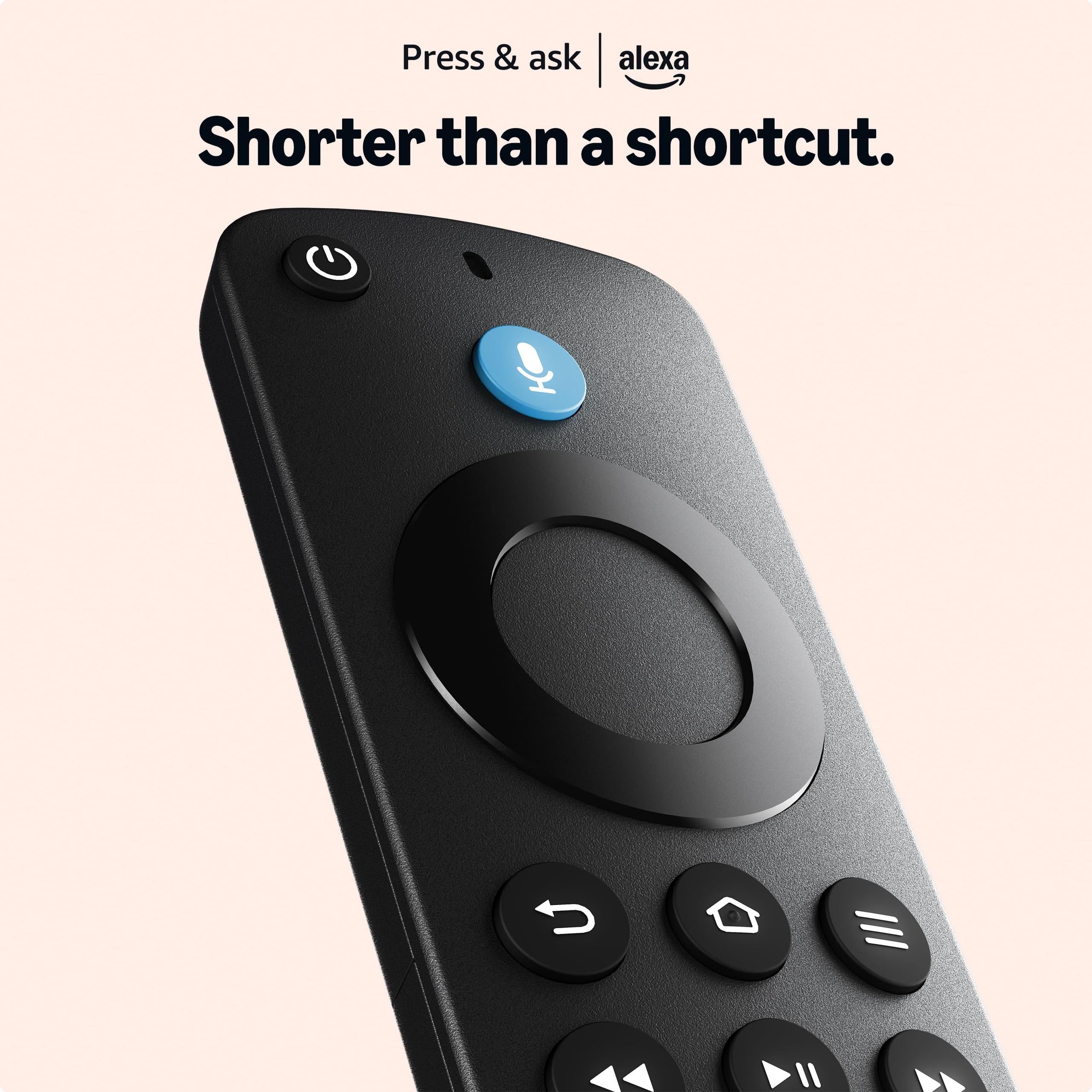
The Fire TV smart platform provides quick access to streaming services with Amazon's ecosystem integration. While not as premium-feeling as Samsung's Tizen platform, Fire TV is fast, intuitive, and rarely experiences the software lag that can plague budget TVs. Built-in Alexa voice control handles both TV functions and smart home integration effectively.
The picture quality comparison reveals fundamental differences in engineering priorities. The Frame Pro excels in bright room viewing thanks to its matte coating and high peak brightness. The anti-glare properties are genuinely impressive—you can have windows directly behind the TV without creating unwatchable reflections. This makes it ideal for living rooms with lots of natural light or multiple light sources.
However, the Frame Pro's contrast performance is limited by its edge-lit local dimming system. In dark scenes, blacks appear grayish rather than true black, and the local dimming zones are too large to prevent light blooming around bright objects. This becomes particularly noticeable in dark room viewing, where the lack of ambient light makes these limitations more apparent.
The QD7 takes the opposite approach, prioritizing contrast and dark room performance through its full-array local dimming system. Dark scenes display with much deeper blacks and better shadow detail. The trade-off is a glossy screen that can become mirror-like in bright environments, though the high peak brightness helps overcome some reflection issues.
Color performance is excellent on both TVs, with Quantum Dot technology delivering vibrant, accurate colors. The Frame Pro benefits from Samsung's longer experience with color tuning, while the QD7 offers broader HDR format support including Dolby Vision, which many streaming services and 4K Blu-rays use exclusively.
Gaming performance reveals the starkest difference between these TVs. The QD7 is simply better for gaming in almost every measurable way. The low input lag ensures immediate response to controller inputs, crucial for competitive gaming or any fast-paced action. The 144Hz refresh rate provides incredibly smooth motion, particularly noticeable in racing games or first-person shooters where rapid camera movements are common.
The Frame Pro's Wireless One Connect Box, while innovative, adds enough input lag to make competitive gaming frustrating. Even casual gaming feels less responsive compared to the QD7. The direct micro HDMI connection improves gaming performance but requires running a cable directly to the TV, undermining the wireless design's primary advantage.
For serious gamers, the QD7 is the obvious choice. It delivers flagship-level gaming performance at a fraction of the cost of Samsung's top-tier gaming TVs like the QN95C or S95C series.
Both TVs offer capable smart platforms, but with different strengths. Samsung's Tizen platform on the Frame Pro feels more premium, with smoother animations and a more sophisticated interface design. The integration with Samsung's ecosystem is seamless if you use other Samsung devices, and the built-in voice assistants (Alexa and Bixby) work reliably.
The QD7's Fire TV platform prioritizes functionality over aesthetics. Navigation is quick and straightforward, with excellent integration of Amazon Prime Video and other Amazon services. The interface occasionally feels less polished than Tizen, but it's consistently fast and rarely experiences the software slowdowns that can plague some smart TV platforms.
Both platforms support major streaming services and regular software updates, so the choice often comes down to ecosystem preference rather than fundamental capability differences.
The design comparison highlights the fundamental philosophical differences between these TVs. The Frame Pro is designed to integrate into home decor as a piece of art, with customizable bezels and the matte display creating an authentic gallery appearance. The ultra-thin profile and wireless connectivity support this illusion effectively.
The QD7 takes a more traditional approach with clean, modern lines that complement contemporary furniture without trying to disappear entirely. The build quality feels solid despite the lower price point, though the materials don't quite match the Frame Pro's premium construction.
For buyers who view their TV as part of their room's aesthetic, the Frame Pro offers unique value. For those who want their TV to look nice but prioritize picture quality above all else, the QD7's straightforward design is perfectly adequate.
At the time of writing, the pricing difference between these TVs is substantial, with the Frame Pro commanding nearly twice the price of the QD7. This price gap makes the value comparison particularly relevant.
The Frame Pro justifies its premium through unique lifestyle features rather than superior picture quality. If you value the art display functionality, wireless installation, and bright-room performance, the extra cost may be worthwhile. However, for pure television performance per dollar, it's difficult to recommend over alternatives.
The QD7 offers exceptional value, delivering picture quality and gaming performance that rivals TVs costing significantly more. It represents one of the best performance-per-dollar ratios in the premium TV market, making it an easy recommendation for buyers prioritizing picture quality over lifestyle features.
Choose the Samsung Frame Pro if you have a bright living space where the TV is always visible, value unique design integration over pure performance, and can justify the premium for wireless installation and art display capabilities. It's particularly suitable for formal living rooms or spaces where the TV needs to complement sophisticated interior design.
Choose the Hisense QD7 if you prioritize picture quality and gaming performance, prefer watching content in darker environments, or want flagship-level features without flagship pricing. It's ideal for dedicated TV watching, gaming, and buyers who view their television purchase primarily as a display device rather than a lifestyle accessory.
The QD7 delivers better overall television performance at a much lower price, making it the obvious choice for most buyers. However, the Frame Pro offers genuinely unique features that no other TV can match, creating value for specific use cases that go beyond traditional television viewing.
| Samsung 65" The Frame Pro 4K Neo QLED Smart TV 2025 | Hisense 65" QD7 Series Mini-LED 4K Fire TV 2025 |
|---|---|
| Display Technology - Determines picture quality and contrast performance | |
| Neo QLED Mini-LED with edge-lit local dimming | Mini-LED with Full Array Local Dimming (FALD) |
| Peak Brightness - Critical for HDR content and bright room viewing | |
| 1,000+ nits (excellent for bright rooms) | 800-900 nits (good for most lighting conditions) |
| Local Dimming - Controls contrast and black levels | |
| Edge-lit zones (limited contrast improvement) | Full Array Local Dimming (superior black levels) |
| Gaming Refresh Rate - Higher numbers mean smoother motion for gaming | |
| 144Hz (compromised by wireless connectivity) | Native 144Hz (with low input lag) |
| Input Lag - Lower is better for responsive gaming | |
| 30ms+ due to Wireless One Connect Box | Under 10ms (excellent for competitive gaming) |
| HDR Support - Different formats provide enhanced picture quality | |
| HDR10, HDR10+ (missing Dolby Vision) | Dolby Vision, HDR10, HDR10+, HLG (comprehensive) |
| Anti-Reflective Coating - Reduces glare in bright rooms | |
| Matte coating eliminates reflections completely | Glossy screen with some reflection issues |
| Smart Platform - Interface and app ecosystem | |
| Samsung Tizen (premium interface, extensive apps) | Amazon Fire TV (fast, Amazon ecosystem focus) |
| Design Philosophy - How the TV integrates into your space | |
| Art Mode with customizable bezels, ultra-thin profile | Traditional modern TV design, functional aesthetics |
| Wireless Connectivity - Cable management solution | |
| Wireless One Connect Box (eliminates all visible cables) | Traditional wired connections required |
| Dark Room Performance - Black levels and contrast for movie watching | |
| Limited due to edge-lit design, washed out blacks | Excellent contrast with deep blacks from FALD |
| Value Proposition - Performance and features relative to price tier | |
| Premium lifestyle features justify higher cost | Flagship performance at competitive pricing |
The Hisense QD7 is significantly better for gaming. It offers native 144Hz refresh rate with input lag under 10ms, making it highly responsive for competitive gaming. The Samsung Frame Pro has higher input lag (30ms+) due to its Wireless One Connect Box, which creates noticeable delays in fast-paced games. For serious gamers, the QD7 is the clear winner.
The key difference lies in contrast performance. The Hisense QD7 uses Full Array Local Dimming for deeper blacks and better dark room viewing, while the Samsung Frame Pro excels in bright rooms with its matte anti-glare coating and higher peak brightness. The Frame Pro is better for daytime viewing, but the QD7 delivers superior contrast for movie watching.
The Hisense QD7 provides exceptional value, delivering flagship-level features at a competitive price point. The Samsung Frame Pro commands a significant premium for its unique lifestyle features like Art Mode and wireless connectivity. If you prioritize pure TV performance per dollar, the QD7 is the better choice.
Only the Samsung Frame Pro has dedicated Art Mode that transforms it into a digital art gallery with access to curated artwork. The matte display and customizable bezels create an authentic picture frame appearance. The Hisense QD7 is a traditional TV without art display capabilities, focusing purely on entertainment performance.
The Samsung Frame Pro excels in bright environments thanks to its matte anti-reflection coating that eliminates glare completely, even with direct sunlight. The Hisense QD7 has a glossy screen that can create mirror-like reflections in bright rooms, though its high brightness helps somewhat. For challenging lighting conditions, the Frame Pro is superior.
No, there's a significant difference in HDR support. The Hisense QD7 supports all major HDR formats including Dolby Vision, HDR10, HDR10+, and HLG. The Samsung Frame Pro lacks Dolby Vision support, which many streaming services and 4K Blu-rays use exclusively. This gives the QD7 broader content compatibility.
Both offer capable smart platforms but with different strengths. The Samsung Frame Pro uses Tizen with a more premium interface and extensive Samsung ecosystem integration. The Hisense QD7 runs Fire TV, which provides fast performance and excellent Amazon ecosystem integration. Choice depends on your preferred ecosystem and interface style.
Yes, the Wireless One Connect Box on the Samsung Frame Pro uses Wi-Fi 7 technology and works reliably up to 33 feet, even through walls. This completely eliminates visible cables for a clean installation. However, this wireless connection adds input lag that makes gaming less responsive compared to the traditionally connected Hisense QD7.
The Hisense QD7 is better suited for home theater use. Its Full Array Local Dimming provides superior contrast and black levels essential for dark room movie watching. The Samsung Frame Pro struggles with washed-out blacks in dark environments due to its edge-lit design, making it less ideal for dedicated theater rooms where contrast performance matters most.
Both TVs can be wall-mounted, but the Samsung Frame Pro offers a cleaner installation due to its Wireless One Connect Box eliminating all visible cables. The Hisense QD7 requires traditional cable management for power and input connections. If cable-free aesthetics are important, the Frame Pro provides a significant advantage.
The Samsung Frame Pro features premium materials, ultra-slim profile, and customizable bezels for a luxury appearance. The Hisense QD7 offers solid build quality with modern styling at a lower price point. While both are well-constructed, the Frame Pro uses higher-end materials and more sophisticated design elements befitting its premium positioning.
Choose the Samsung Frame Pro if you have a bright living room, value unique design integration, and want the TV to function as artwork when not in use. Select the Hisense QD7 if you prioritize picture quality, gaming performance, and want flagship features at a competitive price. The QD7 offers better overall TV performance, while the Frame Pro excels as a lifestyle product.
We've done our best to create useful and informative comparisons to help you decide what product to buy. Our research uses advanced automated methods to create this comparison and perfection is not possible - please contact us for corrections or questions. These are the sites we've researched in the creation of this article: tomsguide.com - youtube.com - smarthomesounds.co.uk - images.samsung.com - rtings.com - samsung.com - bestbuy.com - bestbuy.com - businessinsider.com - dentonstv.com - samsung.com - flatpanelshd.com - samsung.com - jefflynch.com - youtube.com - costco.com - bestbuy.com - custrevs.com - youtube.com - bestbuy.com - rtings.com - youtube.com - rtings.com - pcrichard.com - bestbuy.com - pcrichard.com - camelcamelcamel.com - amazonfiretv.blog - hisense-usa.com - hisense-usa.com - hisense-usa.com - bestbuy.com - leaseville.com - youtube.com - bestbuy.com - flatpanelshd.com

Privacy Policy
Terms and Conditions - Affiliate Policy
Home Security
© Copyright 2008-2026.
11816 Inwood Rd #1211, Dallas, TX 75244