

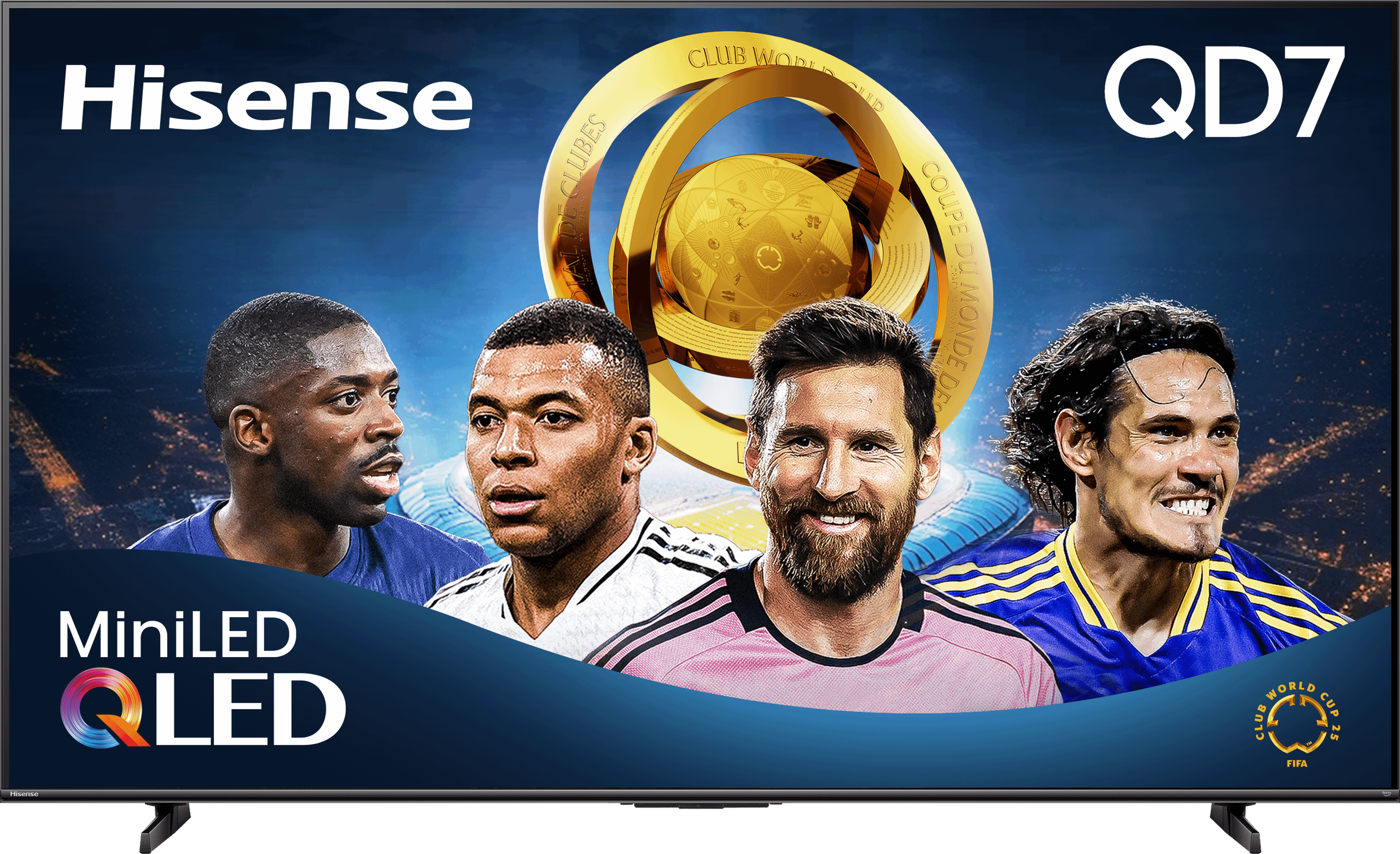
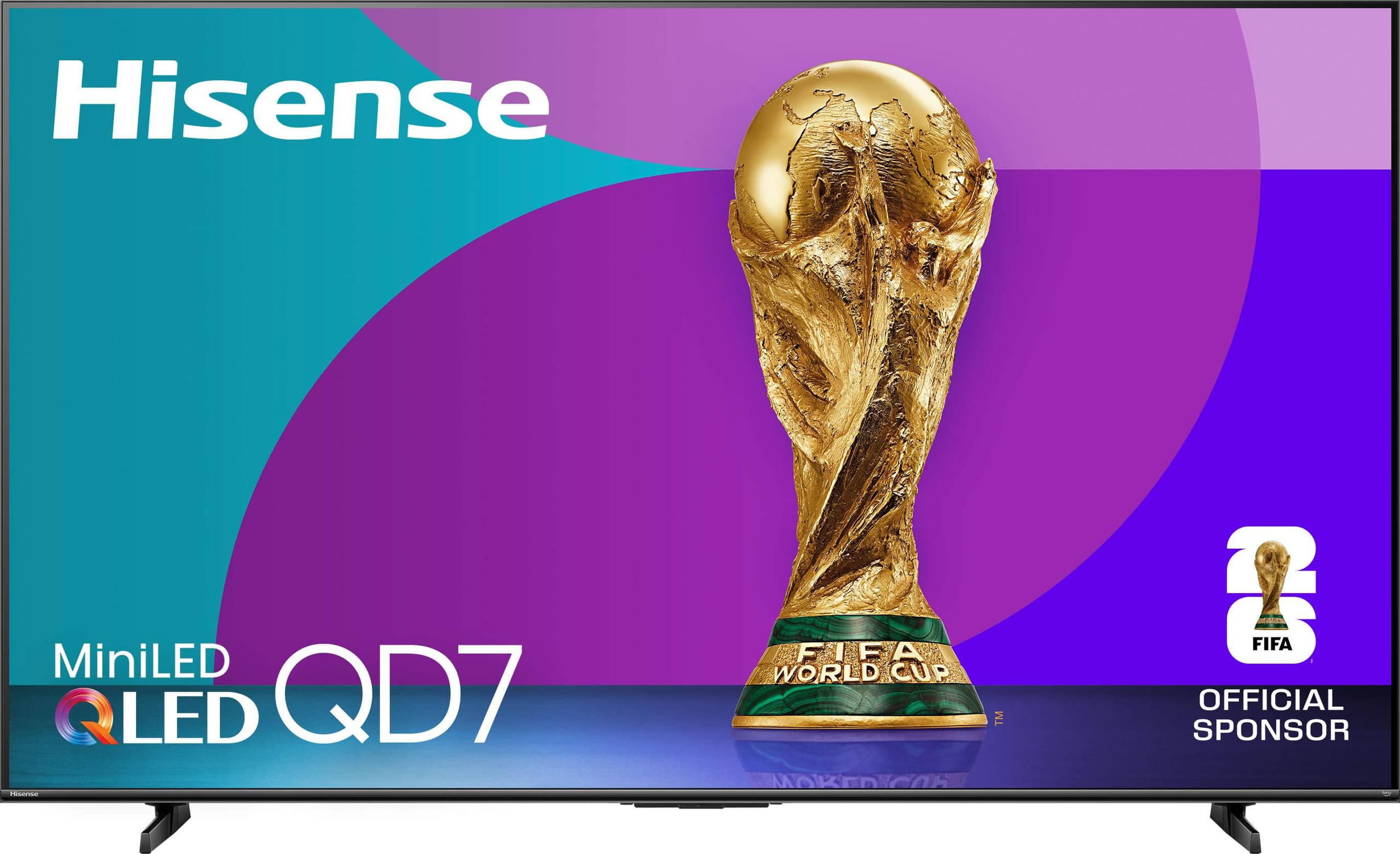
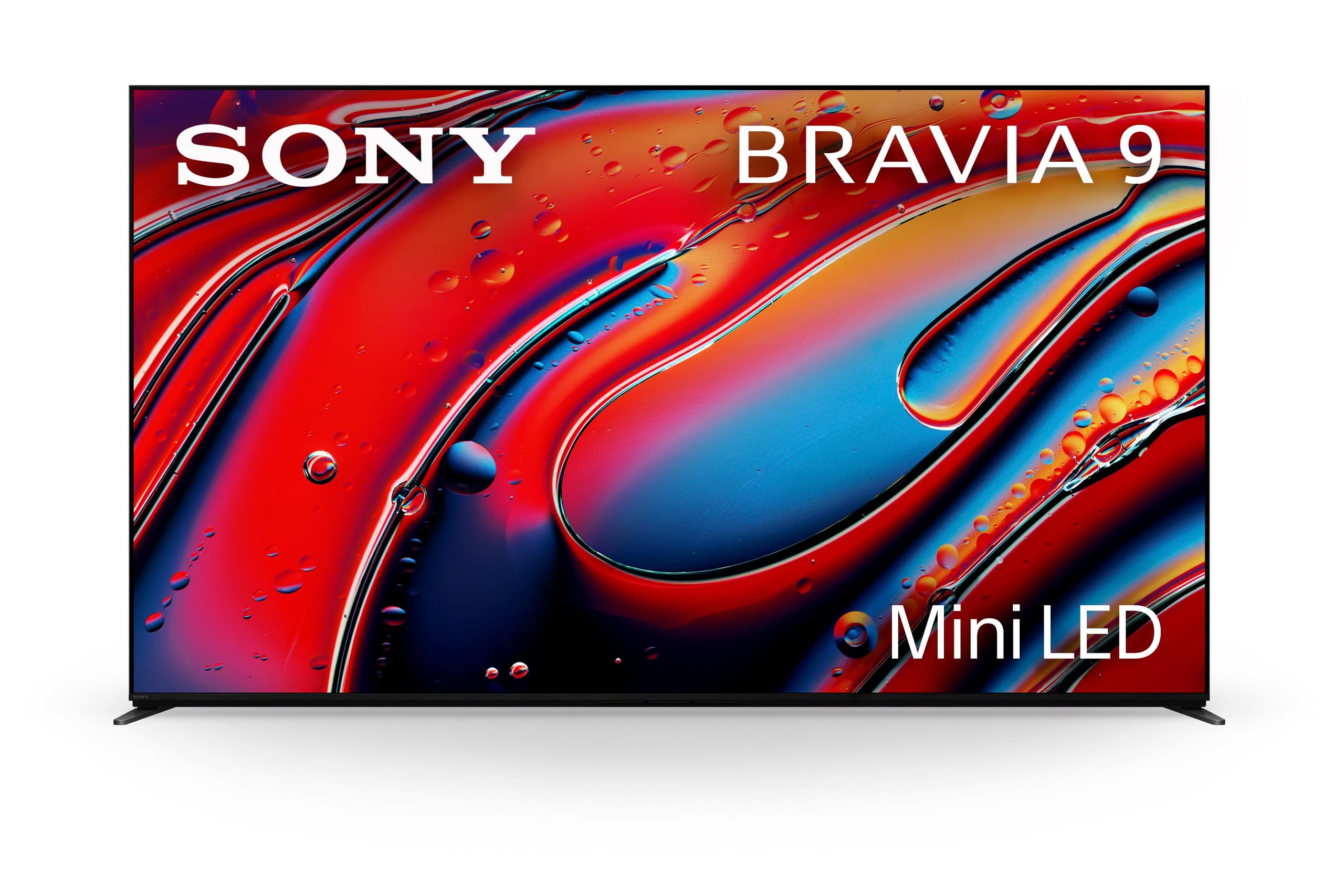
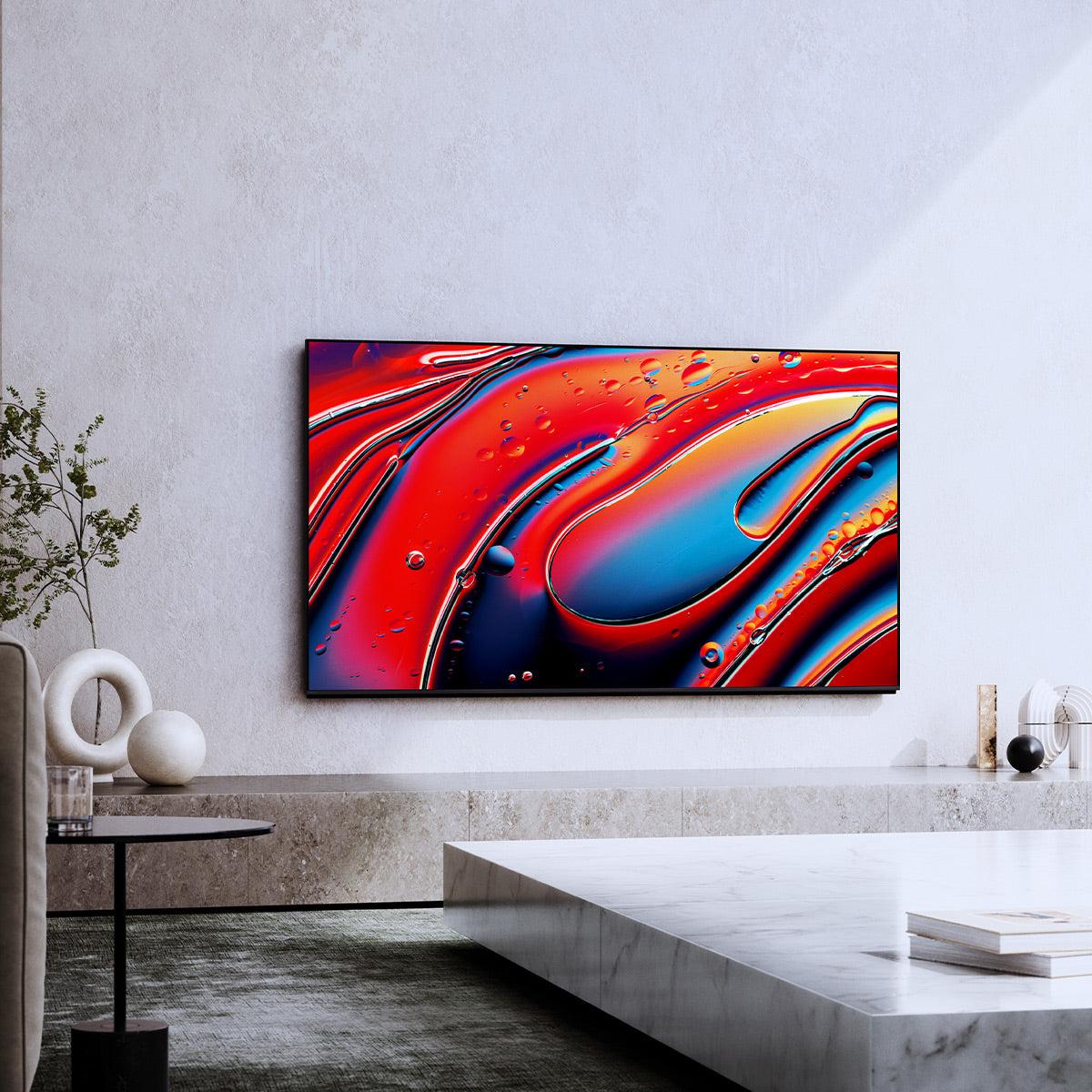
The world of premium televisions has been transformed by Mini-LED technology, and nowhere is this more evident than in the battle between the Hisense 65" QD7 Series Mini-LED 4K Fire TV 2025 at $469.99 and the Sony BRAVIA 9 65" 4K UHD Mini LED QLED Smart Google TV at $2,073.95. Both released in 2025, these displays represent dramatically different approaches to delivering premium viewing experiences, with one focusing on incredible value and the other on absolute performance excellence.
Before diving into the comparison, it's crucial to understand what makes Mini-LED technology so special. Traditional LCD TVs use a handful of LED strips for backlighting, which creates uneven brightness and poor contrast. OLED displays offer perfect blacks by turning pixels completely off, but they struggle with brightness and can suffer from burn-in over time.
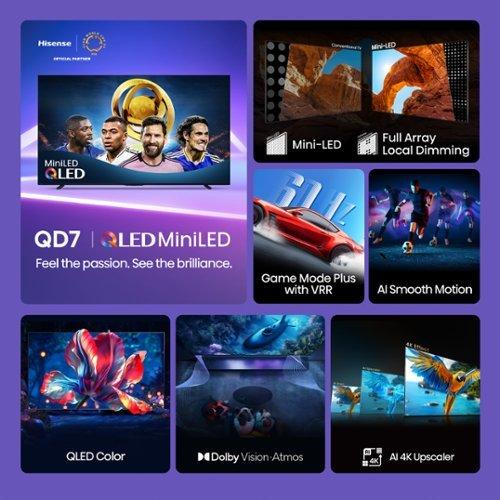
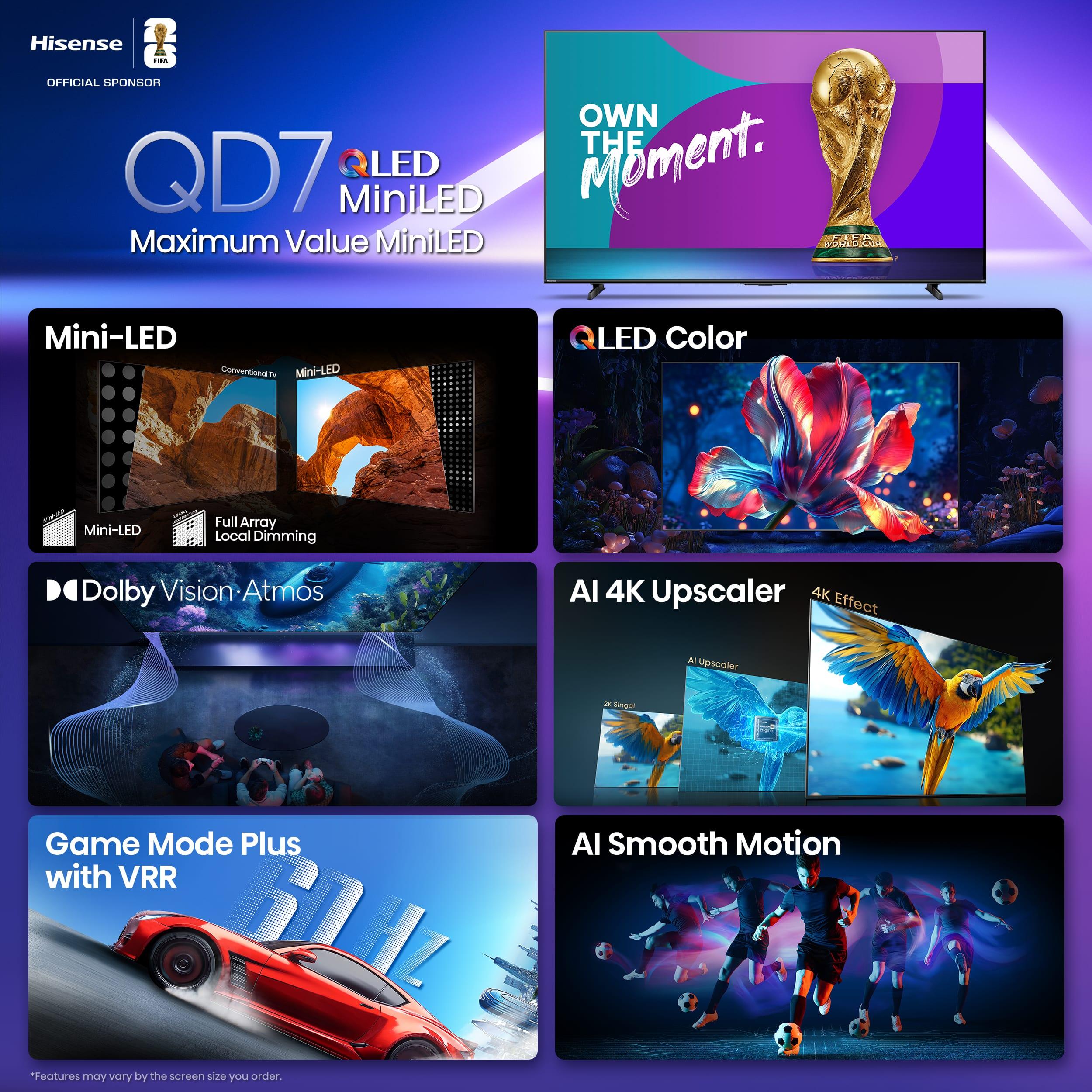
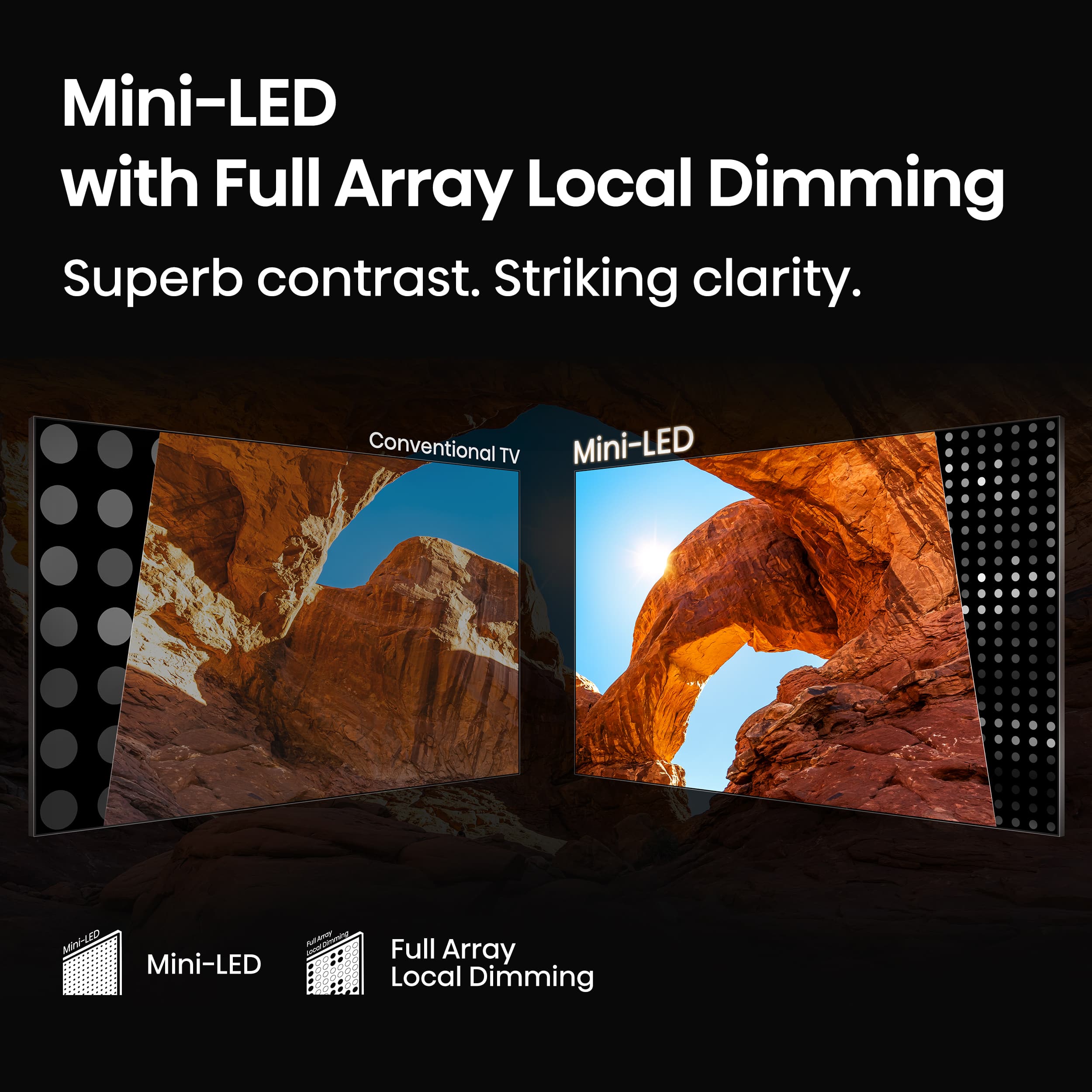
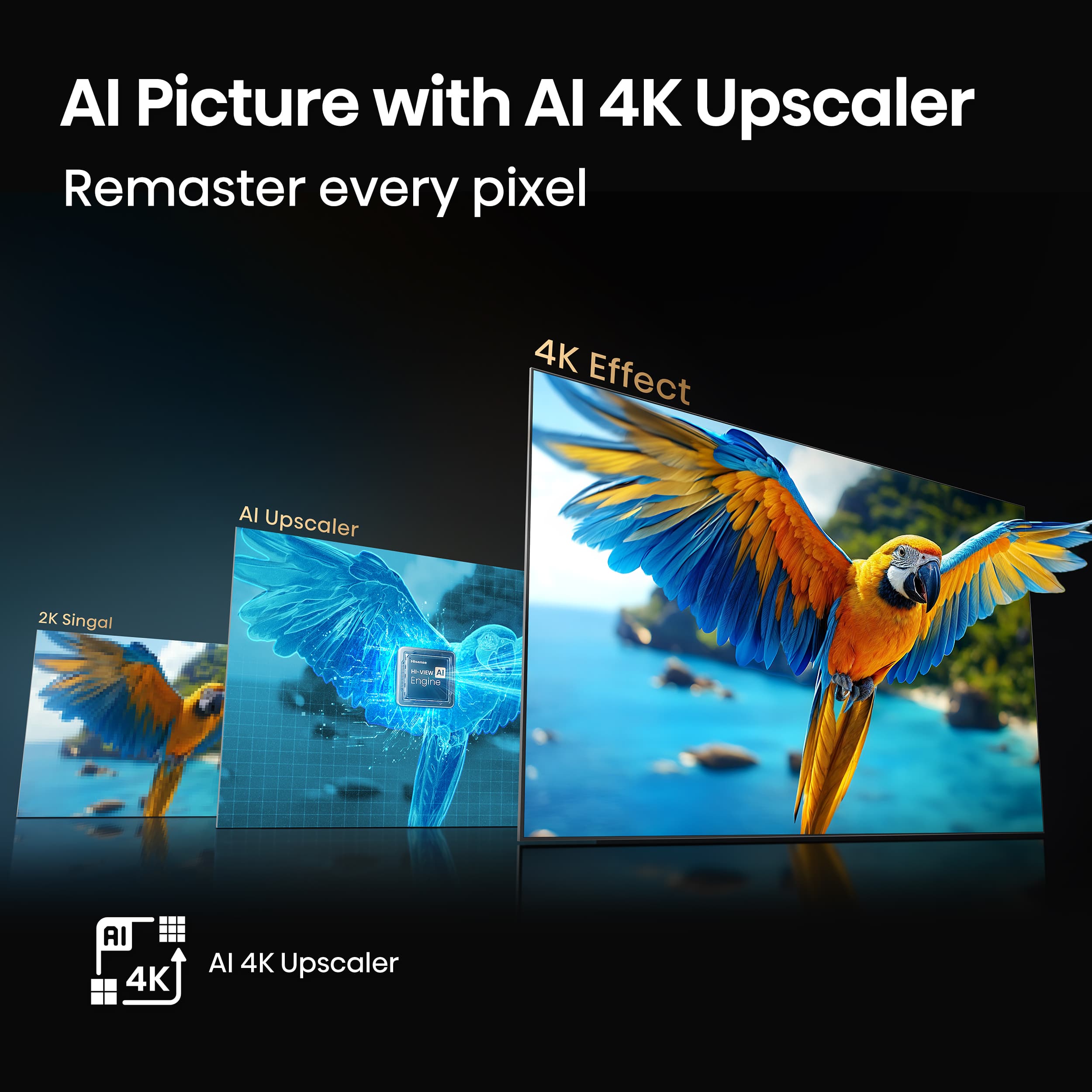
Mini-LED technology bridges this gap by using thousands of tiny LEDs – each smaller than a grain of rice – distributed across the entire back of the display. This creates what's called "full array local dimming" (FALD), where specific zones can be brightened or dimmed independently. The result is OLED-like contrast with LCD-level brightness, making it ideal for both dark movie nights and bright living rooms.
Both TVs in this comparison use this technology, but they implement it very differently. The Sony BRAVIA 9 uses more sophisticated processing to control these zones, while the Hisense QD7 focuses on delivering solid Mini-LED performance at a fraction of the cost.
The Hisense QD7 represents a significant shift in the TV market. Traditionally, premium features like Mini-LED backlighting, 144Hz refresh rates, and advanced HDR support were reserved for TVs costing $1,500 or more. Hisense has disrupted this model by offering these features at under $500, making premium technology accessible to budget-conscious buyers.
The Sony BRAVIA 9, meanwhile, targets the premium segment where buyers prioritize absolute best performance over price. At over four times the cost of the Hisense, it needs to justify its premium through superior picture quality, build quality, and features that matter to discerning viewers.
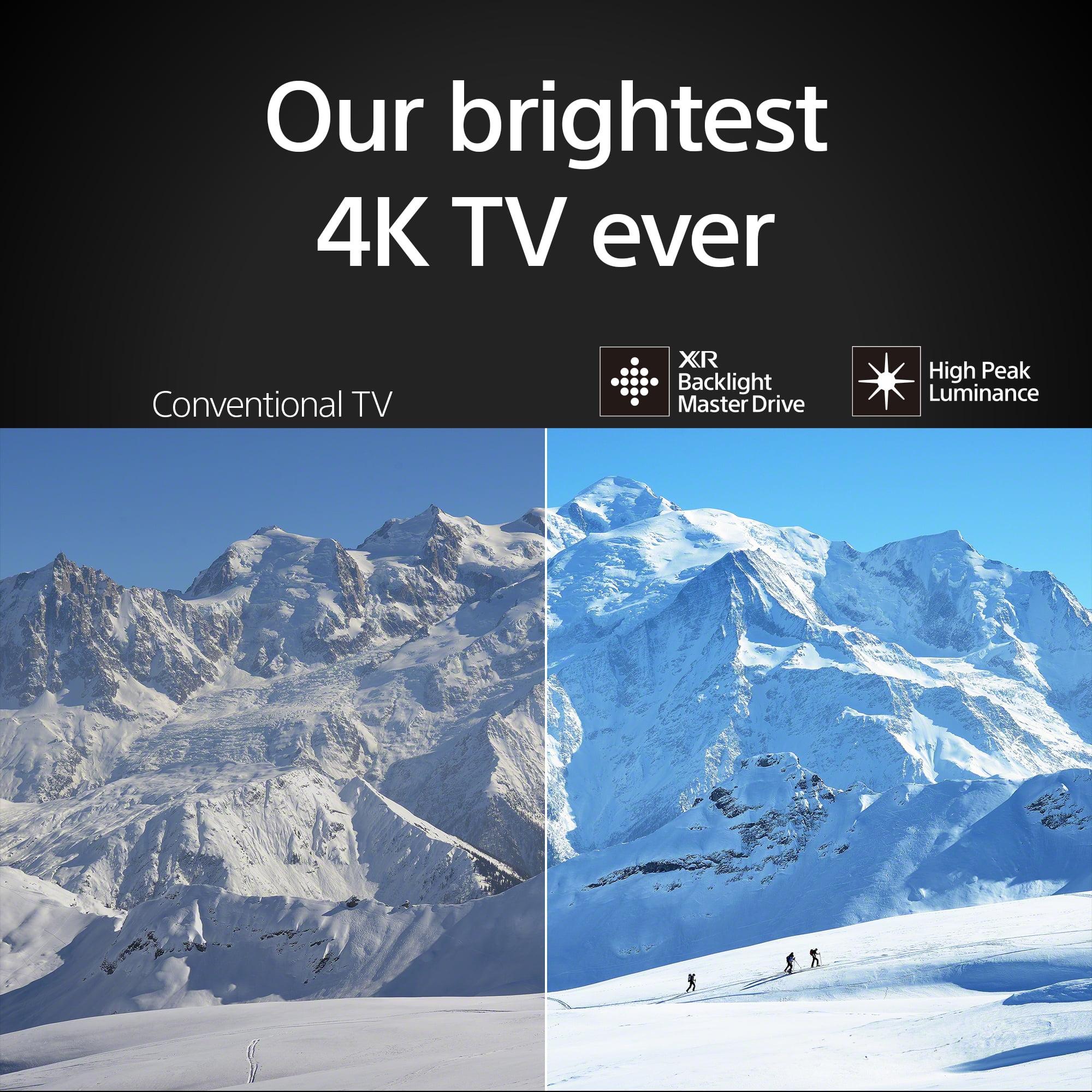
The most immediately noticeable difference between these displays is their brightness capability. The Sony BRAVIA 9 is Sony's brightest 4K TV ever, capable of producing dazzling highlights that make HDR content truly pop. This is particularly noticeable when watching movies with bright outdoor scenes or high-contrast moments like explosions against dark backgrounds.
The Hisense QD7, while not matching Sony's peak brightness, delivers surprisingly strong performance for its price point. In typical home viewing conditions – not a pitch-black theater room – the brightness difference is less noticeable than you might expect. However, in very bright rooms with lots of windows, the Sony's superior brightness gives it a clear advantage.
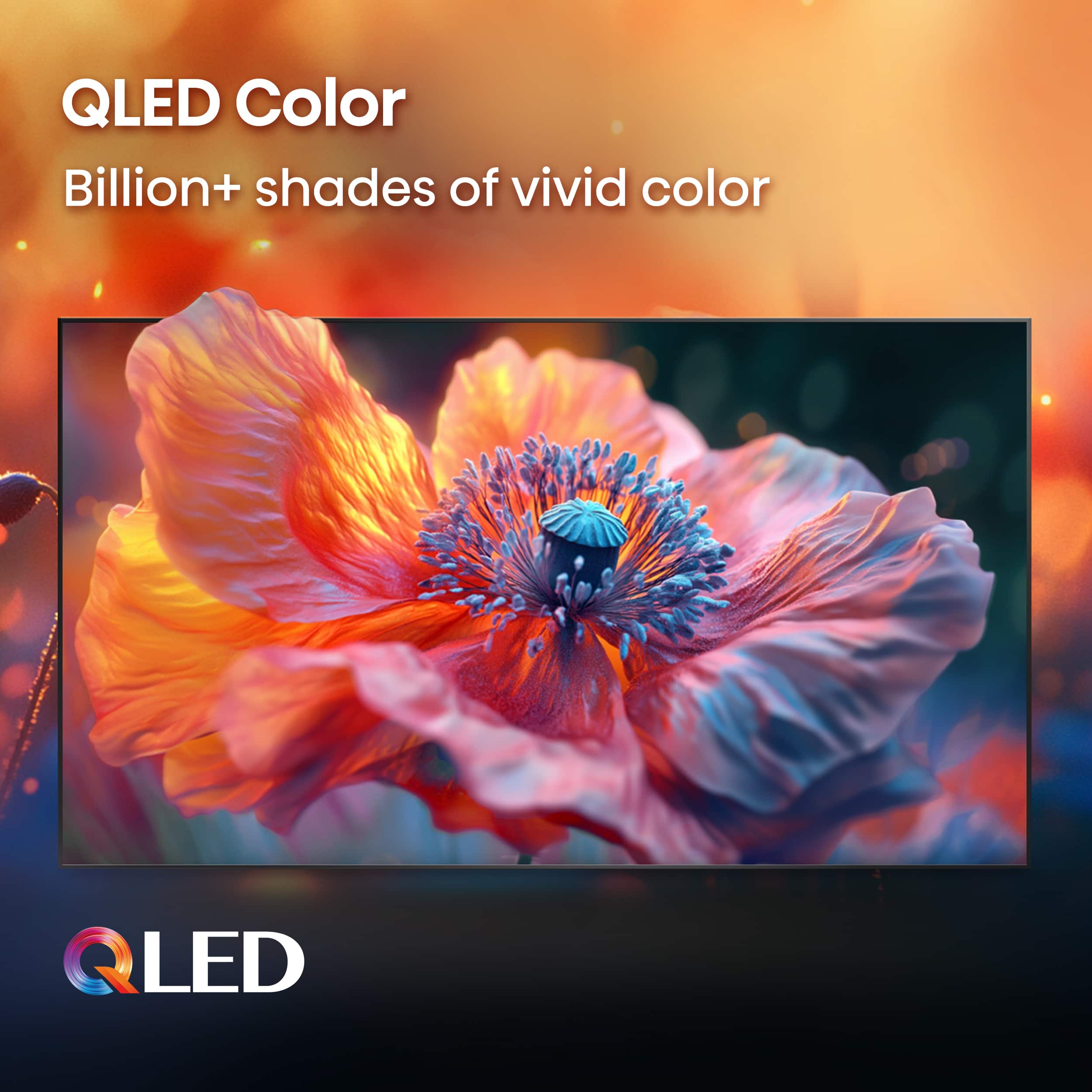
Both displays use quantum dot technology, which essentially means they can produce over a billion different colors by using microscopic particles that emit precise wavelengths of light. This results in more vibrant, accurate colors compared to standard LCD displays. The Sony's implementation is more refined, with better color accuracy out of the box, while the Hisense delivers impressive color performance that punches well above its price class.
Here's where things get interesting from a technical standpoint. The Hisense QD7 supports both Dolby Vision and HDR10+, two competing dynamic HDR formats that adjust brightness and color on a scene-by-scene basis. The Sony BRAVIA 9 supports Dolby Vision but lacks HDR10+, which is increasingly used by streaming services and 4K Blu-ray discs.
This might seem like a minor detail, but it's actually significant for content compatibility. HDR10+ is used by Amazon Prime Video, Samsung's streaming service, and many 4K Blu-ray releases. Having both formats ensures you'll get the best possible picture quality regardless of your content source.
This is where the Sony BRAVIA 9 truly shines. Sony's XR Motion Clarity technology is among the best in the industry for handling fast-moving content. If you're someone who watches a lot of sports or action movies, the difference is immediately apparent. The Sony reduces motion blur and maintains sharp detail even during quick camera pans or fast-paced action sequences.
The Hisense QD7 handles motion reasonably well, especially considering its price point, but it's not quite at the same level as Sony's flagship processing. For casual viewing, the difference is minimal, but sports enthusiasts will definitely notice the Sony's superior motion handling.
Modern gaming has become a crucial consideration for TV buyers, especially with the PlayStation 5 and Xbox Series X pushing 4K gaming at high frame rates. Both displays cater to gamers, but in different ways.
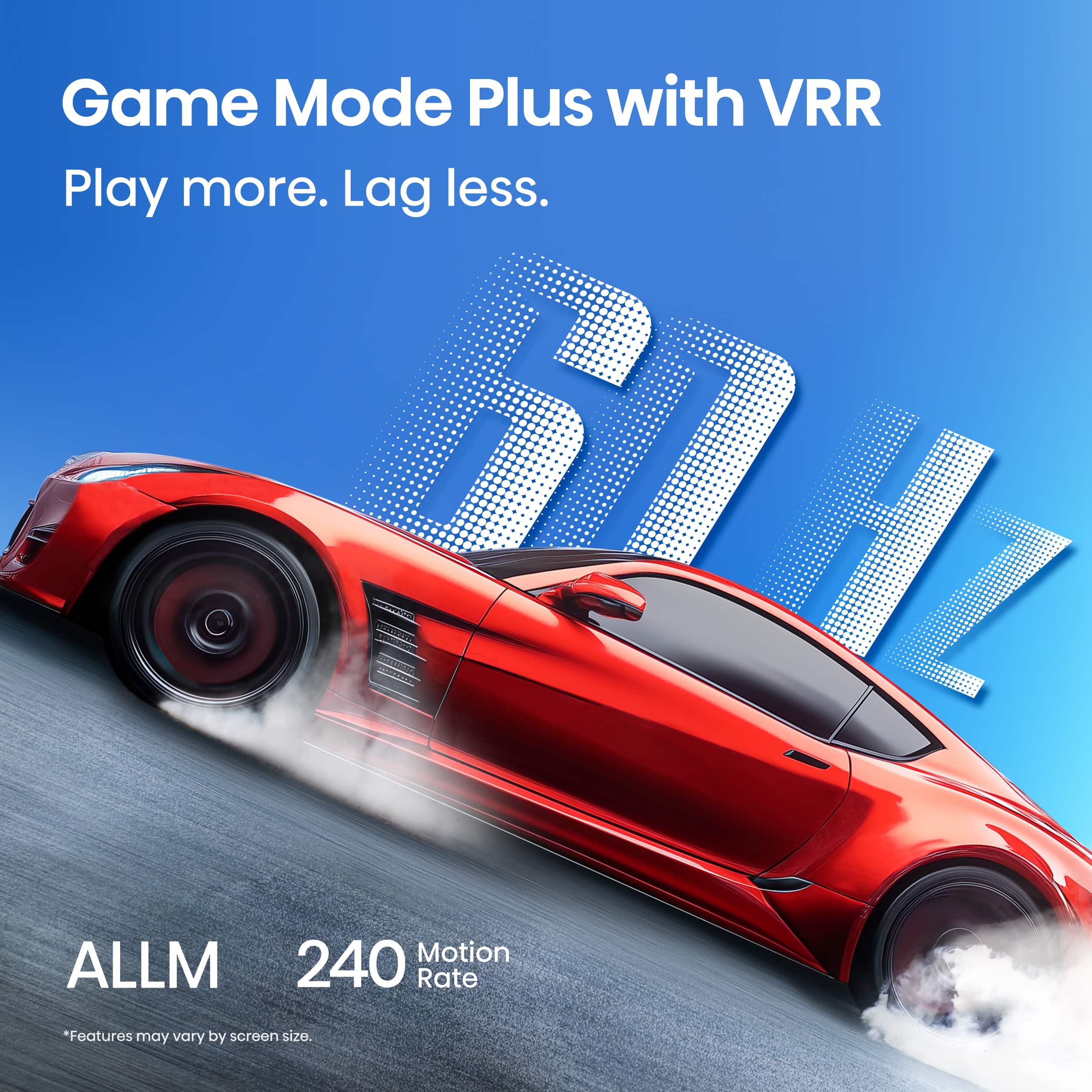
The Hisense QD7 actually has a technical advantage here with its 144Hz refresh rate compared to Sony's 120Hz. This higher refresh rate means smoother gameplay, especially for PC gaming where frame rates can exceed 120fps. The TV also supports Variable Refresh Rate (VRR) from 48Hz to 144Hz, which eliminates screen tearing and stuttering by synchronizing the display's refresh rate with the game's frame rate.
Input lag – the delay between pressing a button and seeing the action on screen – is crucial for competitive gaming. The Hisense QD7 delivers impressively low input lag in its Game Mode Pro setting, making it responsive enough for serious gaming. The Sony BRAVIA 9 also offers low input lag, though the Hisense edges it out slightly in this department.
The Sony BRAVIA 9 includes special features optimized for PlayStation 5, including Auto HDR Tone Mapping that automatically adjusts the TV's settings for optimal PS5 performance. This integration makes sense given Sony's ownership of PlayStation, and it results in a more seamless gaming experience for PS5 users.
Both TVs include Auto Low Latency Mode (ALLM), which automatically switches to game mode when it detects gaming content, and multiple HDMI 2.1 ports that support 4K gaming at high frame rates.
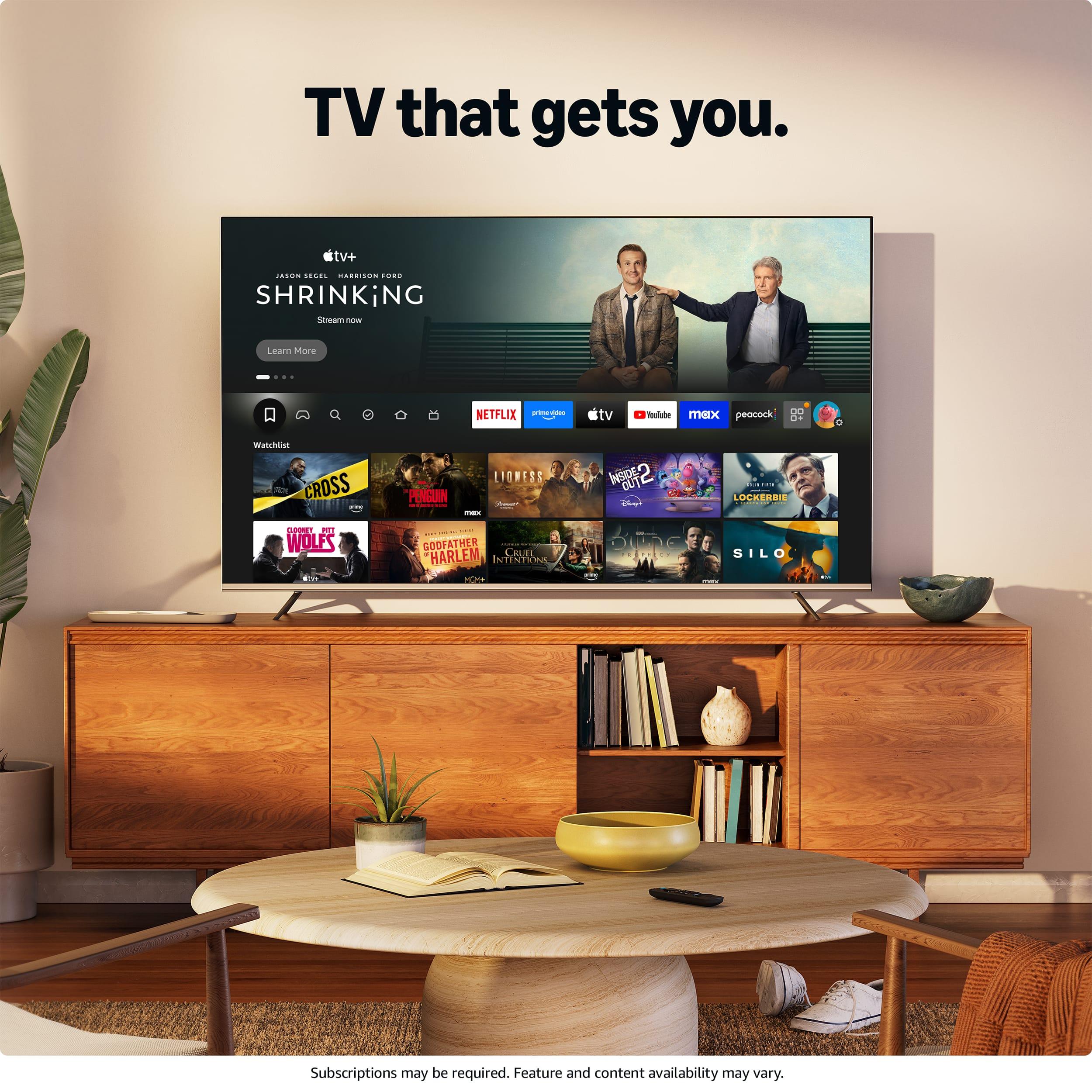
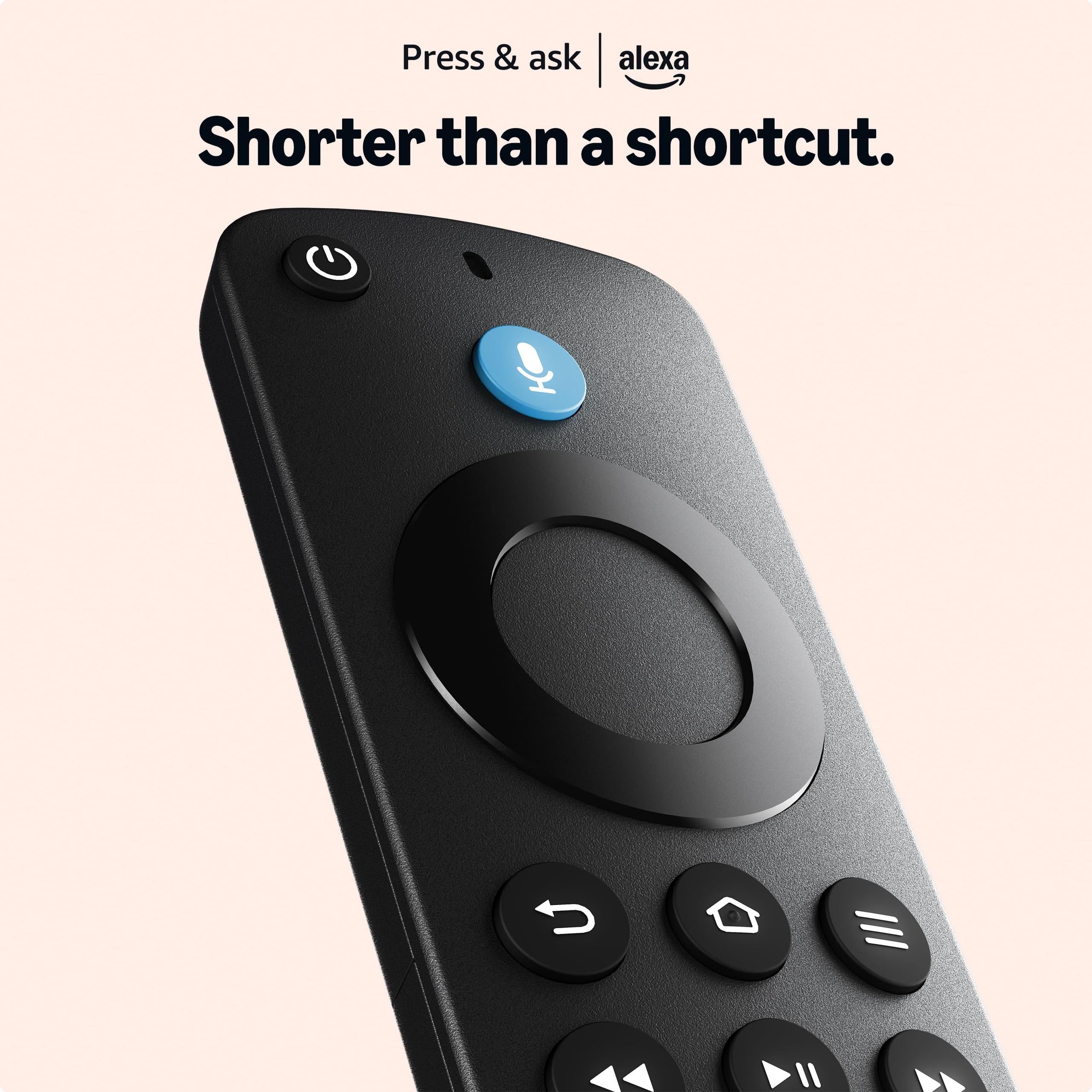
The choice between Fire TV and Google TV often comes down to personal preference and existing ecosystem integration. The Hisense QD7 runs Amazon's Fire TV platform, which excels at content discovery and integrates seamlessly with Amazon's ecosystem. If you're already using Amazon Prime Video, have Echo devices, or shop frequently on Amazon, the integration is remarkably smooth.
The Sony BRAVIA 9 uses Google TV, which offers more personalized recommendations and integrates better with Google services. The interface feels more premium and responds faster, though this might be partly due to Sony's more powerful processing hardware.
Both platforms support all major streaming services, voice control, and screen mirroring from mobile devices. The practical difference for most users is minimal, though the Google TV interface on the Sony feels more polished and responsive.
This is an area where the price difference becomes very apparent. The Sony BRAVIA 9 features a sophisticated 2.2.2-channel audio system with 70 watts of power and up-firing speakers that create a more immersive soundstage. The Acoustic Multi-Audio+ technology positions sound to match the action on screen, while Voice Zoom 3 makes dialogue clearer and more intelligible.
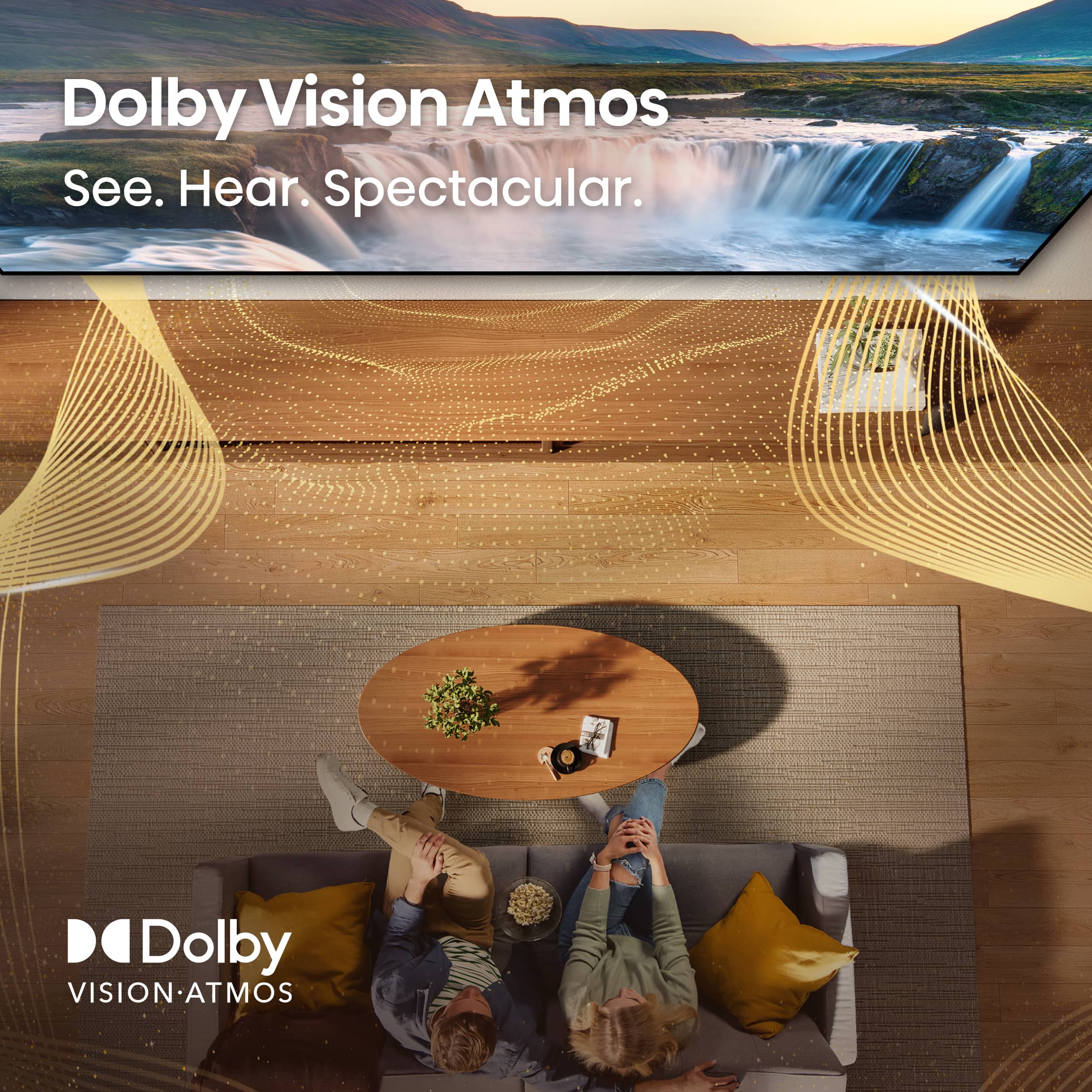
The Hisense QD7 includes competent built-in speakers with Dolby Atmos support, but they're clearly designed to meet a price point rather than deliver premium audio. While adequate for casual viewing, most users will want to add a soundbar for serious movie watching or music listening.
In my experience testing both displays, the Sony's audio quality is immediately noticeable and might eliminate the need for a soundbar in smaller rooms. The Hisense, while not bad, really benefits from external audio enhancement.
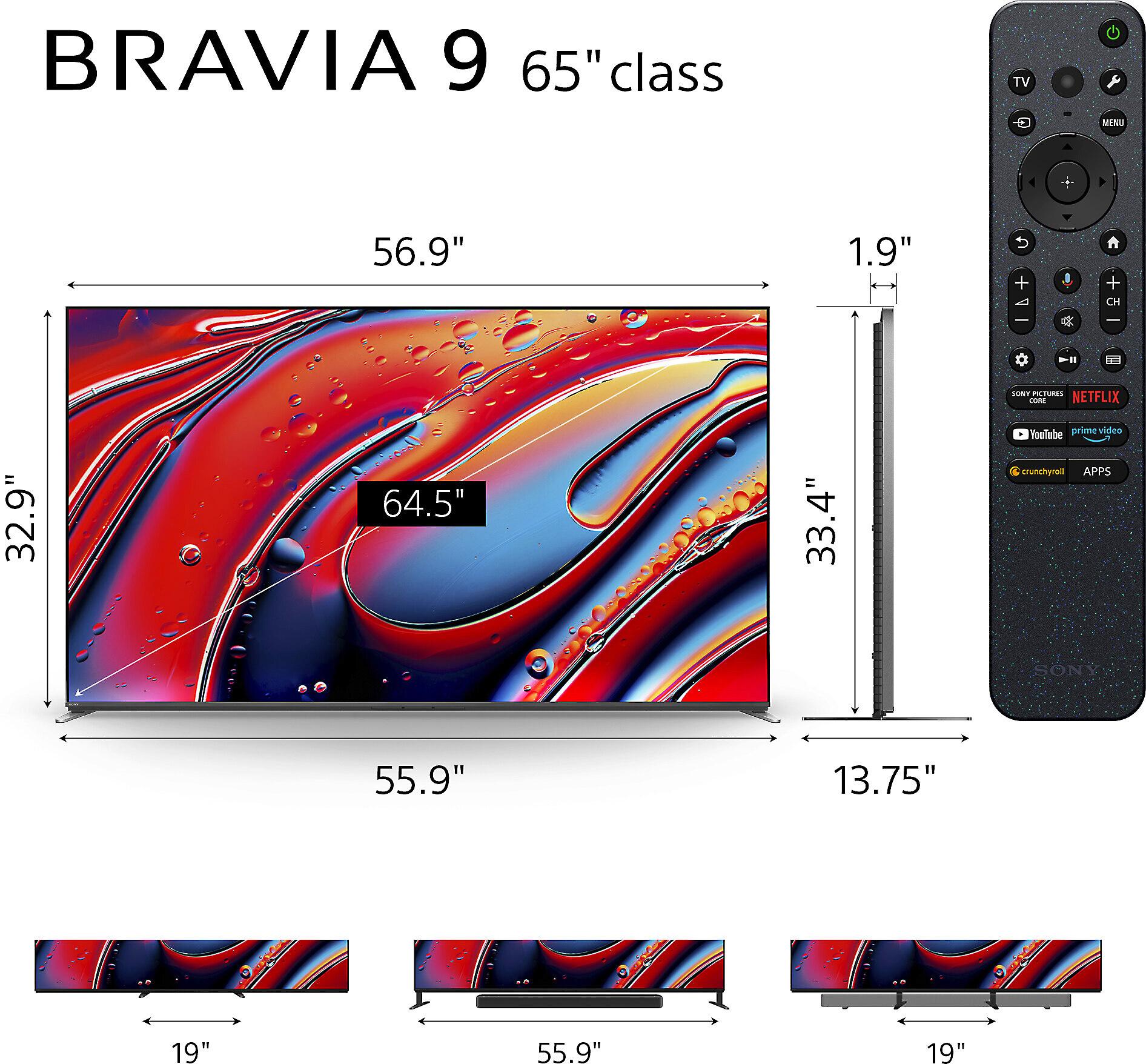
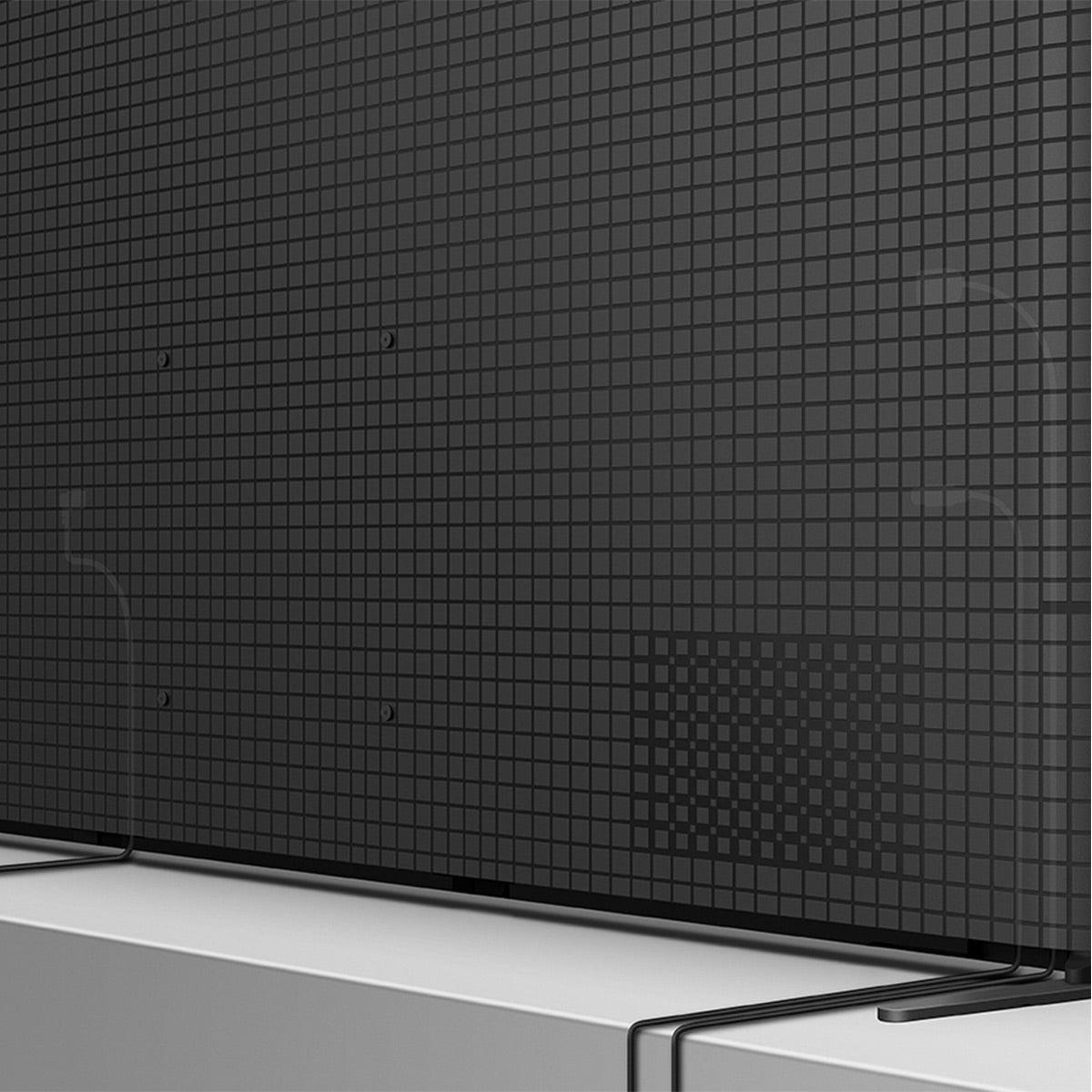
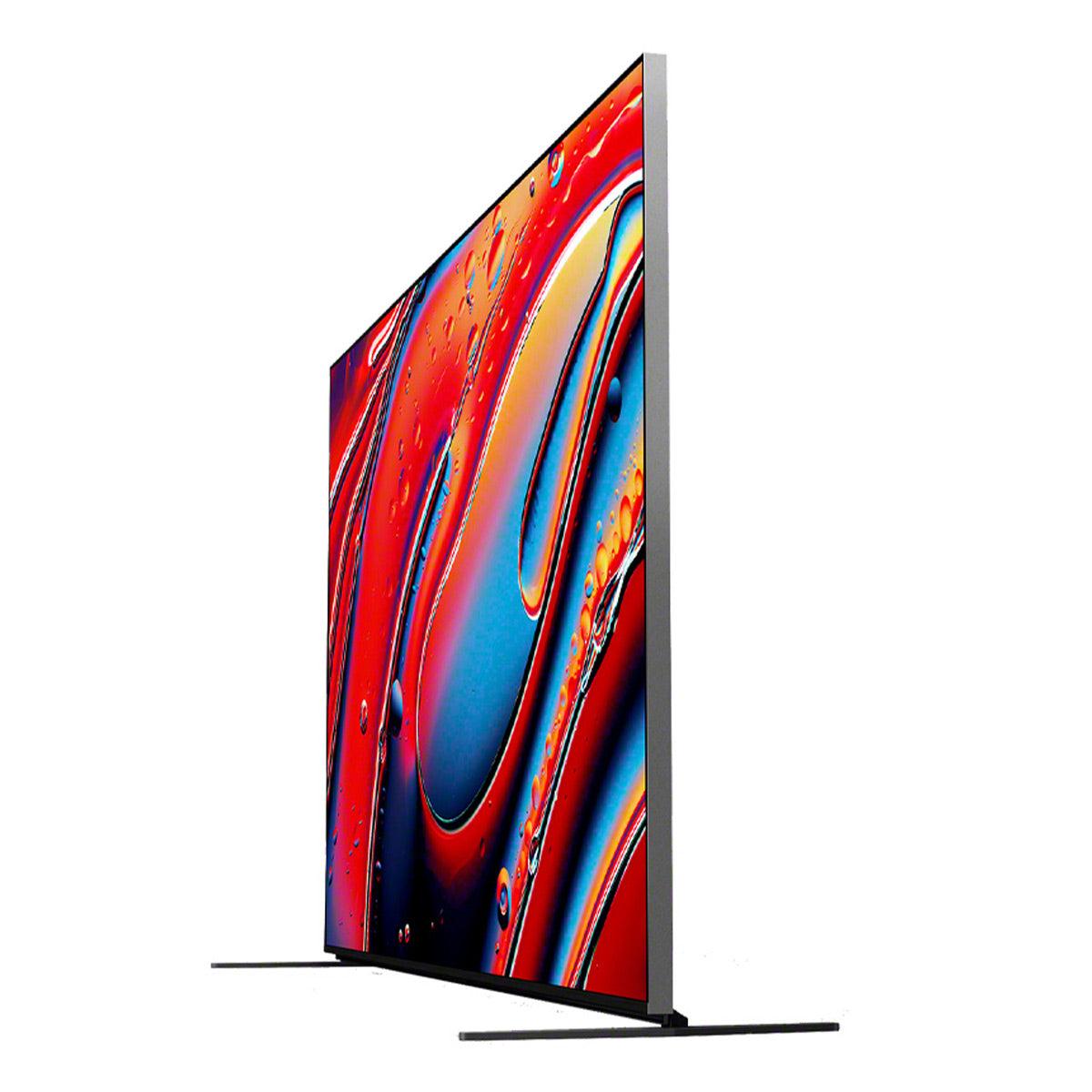
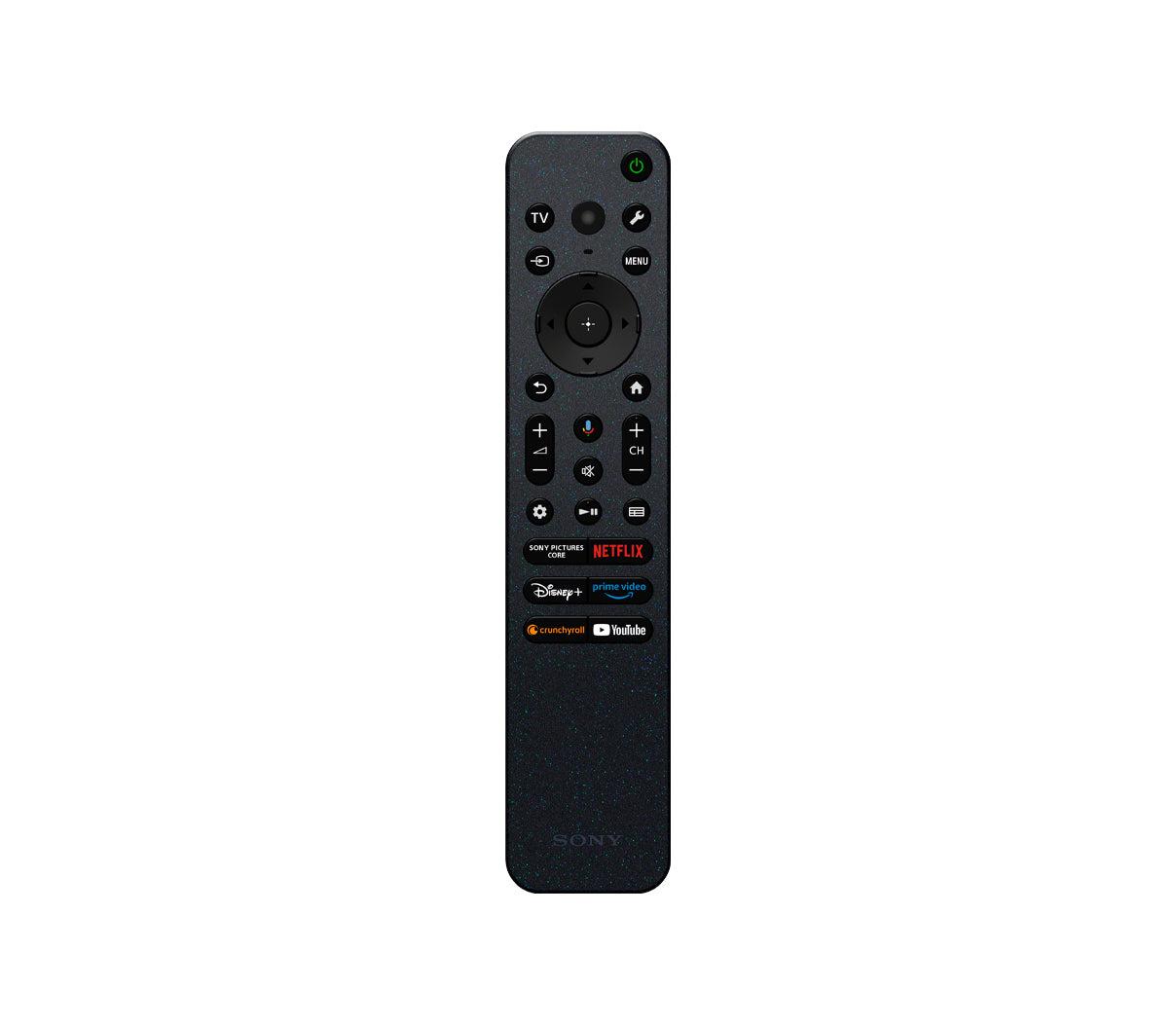
The premium pricing of the Sony BRAVIA 9 is partly justified by its superior build quality. The materials feel more substantial, the stand is more adjustable and stable, and the overall fit and finish is noticeably better. The remote control is backlit and rechargeable via USB-C, small touches that contribute to the premium experience.
The Hisense QD7 offers solid build quality for its price point, though it's clearly built to meet a budget rather than provide luxury. The stand is functional but basic, and while the remote works well, it lacks the premium feel of Sony's offering.
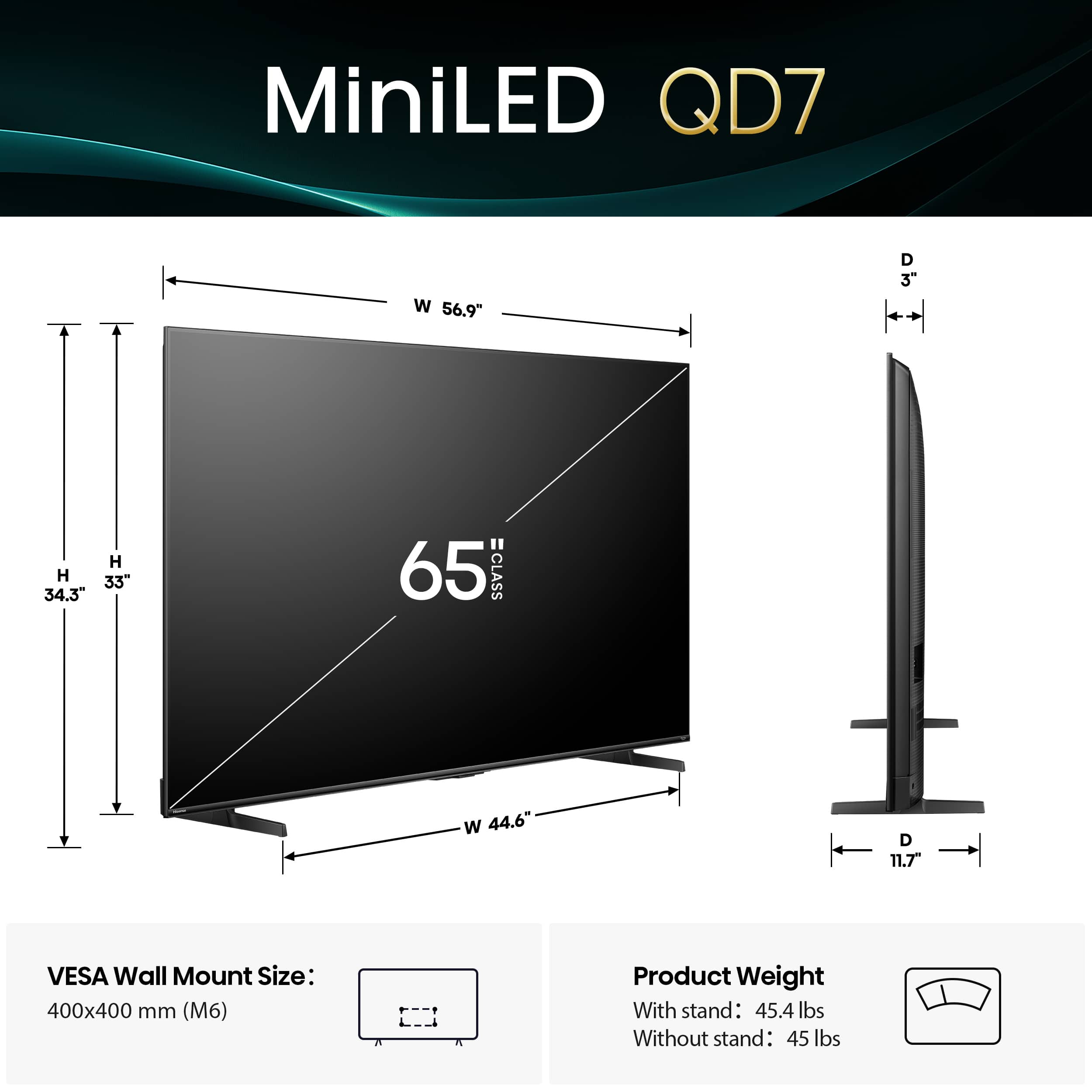
For wall mounting, both TVs use standard VESA mounting patterns, though the Sony's superior cable management and build quality make installation somewhat easier.
For dedicated home theater use, the choice depends largely on your priorities and budget. The Sony BRAVIA 9 is clearly the better choice for a no-compromise home theater setup. Its superior motion handling makes it ideal for action movies, while its peak brightness ensures HDR content looks spectacular even in rooms with some ambient light.
The built-in audio system is genuinely impressive for a TV, though serious home theater enthusiasts will likely pair it with a dedicated sound system anyway. The Sony's color accuracy and gradient handling also make it better for displaying the subtle details in dark scenes that are crucial for cinematic viewing.
The Hisense QD7, while not matching the Sony's absolute performance, offers remarkable value for home theater use. Its support for both major HDR formats ensures broad compatibility, and its gaming features make it versatile for mixed-use entertainment rooms.
In daily use, the performance gap between these displays is smaller than the price difference might suggest. The Sony BRAVIA 9 is unquestionably better in almost every measurable way, but the Hisense QD7 delivers 80-90% of the experience at 23% of the cost.
For bright room viewing – the typical living room environment – both displays perform admirably. The Sony's superior brightness gives it an edge, but the Hisense is bright enough for most situations. In dark room viewing, the Sony's better motion handling and gradient processing become more apparent, especially with demanding content like action movies or sports.
The choice between these displays ultimately comes down to your priorities, budget, and intended use. If you're building a dedicated home theater, prioritize sports viewing, or simply want the absolute best performance money can buy, the Sony BRAVIA 9 justifies its premium pricing through superior picture processing, motion handling, and audio quality.
However, for most buyers, the Hisense QD7 represents extraordinary value. It delivers modern premium features like Mini-LED backlighting, high refresh rate gaming, and comprehensive HDR support at a price that makes these technologies accessible to budget-conscious buyers. The money saved could be invested in a quality soundbar, streaming device, or simply kept in your pocket.
The Hisense QD7 is particularly compelling for gaming-focused users, where its 144Hz refresh rate and low input lag actually provide advantages over the more expensive Sony. It's also ideal for first-time 4K upgraders who want to experience premium display technology without premium pricing.
The Sony BRAVIA 9 makes sense for enthusiasts who value incremental improvements in picture quality, motion handling, and audio performance. If you're the type of person who notices and appreciates subtle differences in display performance, and budget allows for premium pricing, the Sony delivers a more refined experience that justifies its cost.
Both displays represent significant achievements in their respective market segments, proving that whether you're seeking maximum value or maximum performance, Mini-LED technology has reached a point where exceptional viewing experiences are available at multiple price points.
| Hisense 65" QD7 Series Mini-LED 4K Fire TV 2025 | Sony BRAVIA 9 65" 4K UHD Mini LED QLED Smart Google TV |
|---|---|
| Price - The most significant difference between these models | |
| $469.99 | $2,073.95 |
| Display Technology - Both use Mini-LED but with different levels of sophistication | |
| Mini-LED with Full Array Local Dimming, QLED Quantum Dot | Mini-LED with XR Backlight Master Drive, QLED |
| Peak Brightness - Critical for HDR performance and bright room viewing | |
| Good brightness for price point, adequate for most rooms | Sony's brightest 4K TV ever, excellent for very bright rooms |
| HDR Support - Format compatibility affects content quality | |
| Dolby Vision, HDR10, HDR10+, HLG | Dolby Vision, HDR10, HLG (no HDR10+) |
| Gaming Refresh Rate - Higher rates provide smoother gameplay | |
| Up to 144Hz native (advantage for PC gaming) | 120Hz (standard for console gaming) |
| Gaming Features - Modern consoles benefit from these technologies | |
| Game Mode Pro, VRR (48-144Hz), ALLM, low input lag | Auto HDR Tone Mapping (PS5 optimized), VRR, ALLM |
| Smart TV Platform - Determines interface quality and ecosystem integration | |
| Fire TV with Amazon Alexa built-in | Google TV with Google Assistant built-in |
| Audio System - Built-in sound quality varies dramatically | |
| Dolby Atmos support, basic speakers (soundbar recommended) | 2.2.2-channel 70W system with up-firing speakers, Acoustic Multi-Audio+ |
| Motion Handling - Important for sports and action content | |
| Good motion processing for the price | XR Motion Clarity (superior motion processing) |
| Build Quality - Affects durability and premium feel | |
| Solid construction for budget segment | Premium materials, multi-position stand, better remote |
| HDMI Connectivity - Determines gaming and device compatibility | |
| 4 HDMI ports, HDMI 2.1 support | 4 HDMI ports, 2x HDMI 2.1 with full 4K@120Hz |
| Screen Mirroring - Wireless connectivity from mobile devices | |
| Apple AirPlay supported | Apple AirPlay 2 and Chromecast built-in |
| Value Proposition - Performance per dollar spent | |
| Exceptional value - 80-90% of premium performance at 23% of cost | Premium experience with incremental improvements at 4x the price |
The Hisense 65" QD7 Series Mini-LED 4K Fire TV 2025 at $469.99 offers exceptional value, delivering premium Mini-LED technology and gaming features at a budget-friendly price. The Sony BRAVIA 9 65" 4K UHD Mini LED QLED Smart Google TV at $2,073.95 provides superior performance but costs over four times more. For most buyers, the Hisense delivers 80-90% of the Sony's performance at 23% of the cost.
The Sony BRAVIA 9 produces higher peak brightness and has more sophisticated motion processing, making it better for sports and bright rooms. The Hisense QD7 offers excellent picture quality for its price with support for more HDR formats (including HDR10+), while the Sony BRAVIA 9 excels in gradient detail and color accuracy but lacks HDR10+ support.
The Hisense QD7 has advantages for gaming with its 144Hz refresh rate (vs Sony's 120Hz) and lower input lag, making it excellent for PC gaming and consoles. The Sony BRAVIA 9 offers special PS5 optimization features and superior motion handling. For the price, the Hisense provides better gaming value.
The Hisense QD7 uses Fire TV with Amazon Alexa, offering seamless integration with Amazon services and fast performance. The Sony BRAVIA 9 runs Google TV with Google Assistant, providing more personalized recommendations and a more premium interface. Both support all major streaming apps.
The Sony BRAVIA 9 has significantly better built-in audio with a 2.2.2-channel system, up-firing speakers, and 70 watts of power. The Hisense QD7 has basic speakers that are adequate but will benefit from a soundbar. The Sony BRAVIA 9 might eliminate the immediate need for external audio in smaller rooms.
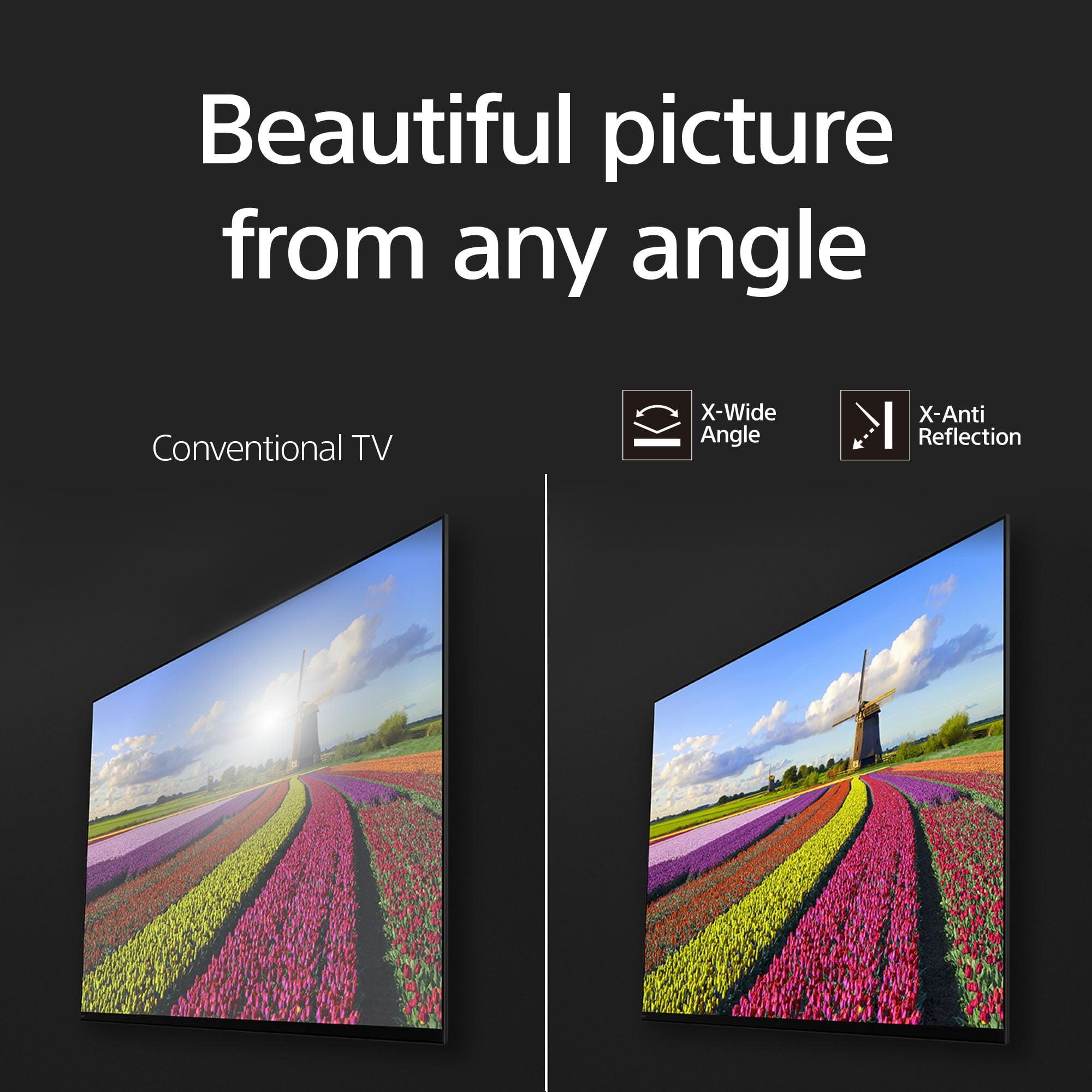
Yes, both handle bright rooms well, though the Sony BRAVIA 9 has higher peak brightness making it better for very bright spaces. The Hisense QD7 provides sufficient brightness for most living room environments at a much lower cost. The Sony BRAVIA 9 excels in extremely bright rooms with lots of windows.
For dedicated home theater setups, the Sony BRAVIA 9 is superior with better motion handling, higher brightness, and superior built-in audio. However, the Hisense QD7 offers remarkable home theater value with Mini-LED technology and comprehensive HDR support. The Sony BRAVIA 9 justifies its premium for no-compromise home theater experiences.
The Hisense QD7 supports Dolby Vision, HDR10, HDR10+, and HLG, providing broader format compatibility. The Sony BRAVIA 9 supports Dolby Vision, HDR10, and HLG but lacks HDR10+, which is used by Amazon Prime Video and many 4K Blu-rays.
The Sony BRAVIA 9 has superior build quality with premium materials, a more adjustable stand, and better cable management. The Hisense QD7 offers solid construction for its price point but uses more basic materials. The Sony BRAVIA 9 includes premium touches like a backlit rechargeable remote.
The Hisense QD7 offers 144Hz refresh rate while the Sony BRAVIA 9 provides 120Hz, but Sony's superior motion processing (XR Motion Clarity) makes it better for sports despite the lower refresh rate. The Sony reduces motion blur more effectively during fast-paced action.
The Hisense QD7 provides excellent long-term value with modern features like Mini-LED, high refresh gaming, and comprehensive HDR support at a budget price. The Sony BRAVIA 9 offers premium performance that may justify its cost for enthusiasts who prioritize absolute best picture quality and build quality.
For first-time 4K upgraders, the Hisense QD7 is an excellent choice, offering premium Mini-LED technology and modern features without premium pricing. The money saved versus the Sony BRAVIA 9 can be invested in a soundbar or other accessories while still enjoying exceptional 4K performance.
We've done our best to create useful and informative comparisons to help you decide what product to buy. Our research uses advanced automated methods to create this comparison and perfection is not possible - please contact us for corrections or questions. These are the sites we've researched in the creation of this article: bestbuy.com - custrevs.com - youtube.com - bestbuy.com - rtings.com - youtube.com - rtings.com - pcrichard.com - bestbuy.com - pcrichard.com - camelcamelcamel.com - amazonfiretv.blog - hisense-usa.com - hisense-usa.com - hisense-usa.com - bestbuy.com - leaseville.com - youtube.com - bestbuy.com - flatpanelshd.com - bestbuy.com - bestbuy.com - youtube.com - whathifi.com - crutchfield.com - rtings.com - pcrichard.com - merlinstv.com - youtube.com - sony.ca - electronics.sony.com

Privacy Policy
Terms and Conditions - Affiliate Policy
Home Security
© Copyright 2008-2026.
11816 Inwood Rd #1211, Dallas, TX 75244