




When shopping for a premium 65-inch TV in 2025, you'll quickly encounter two fundamentally different approaches to delivering stunning picture quality: OLED technology and Mini-LED with Quantum Dot enhancement. These technologies represent the current pinnacle of television display innovation, but they achieve their impressive results through completely different methods.
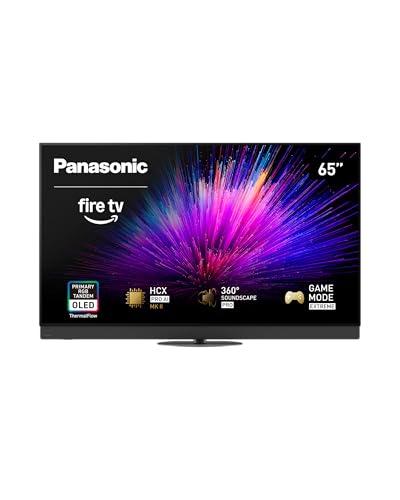
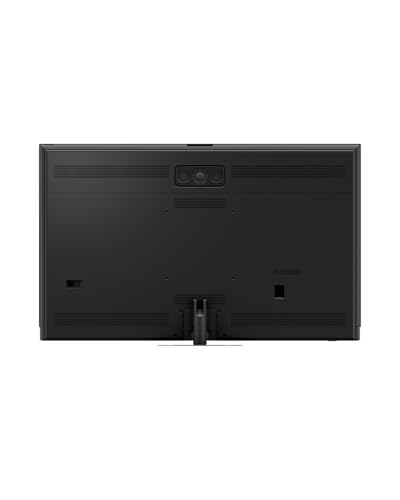
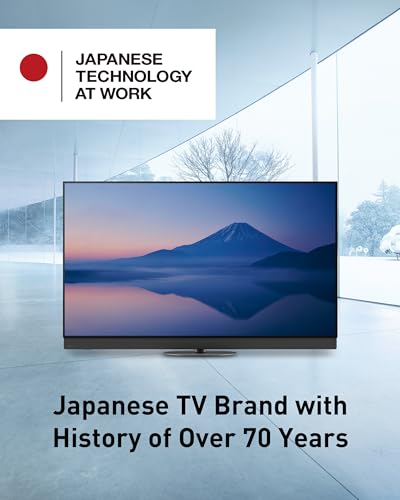
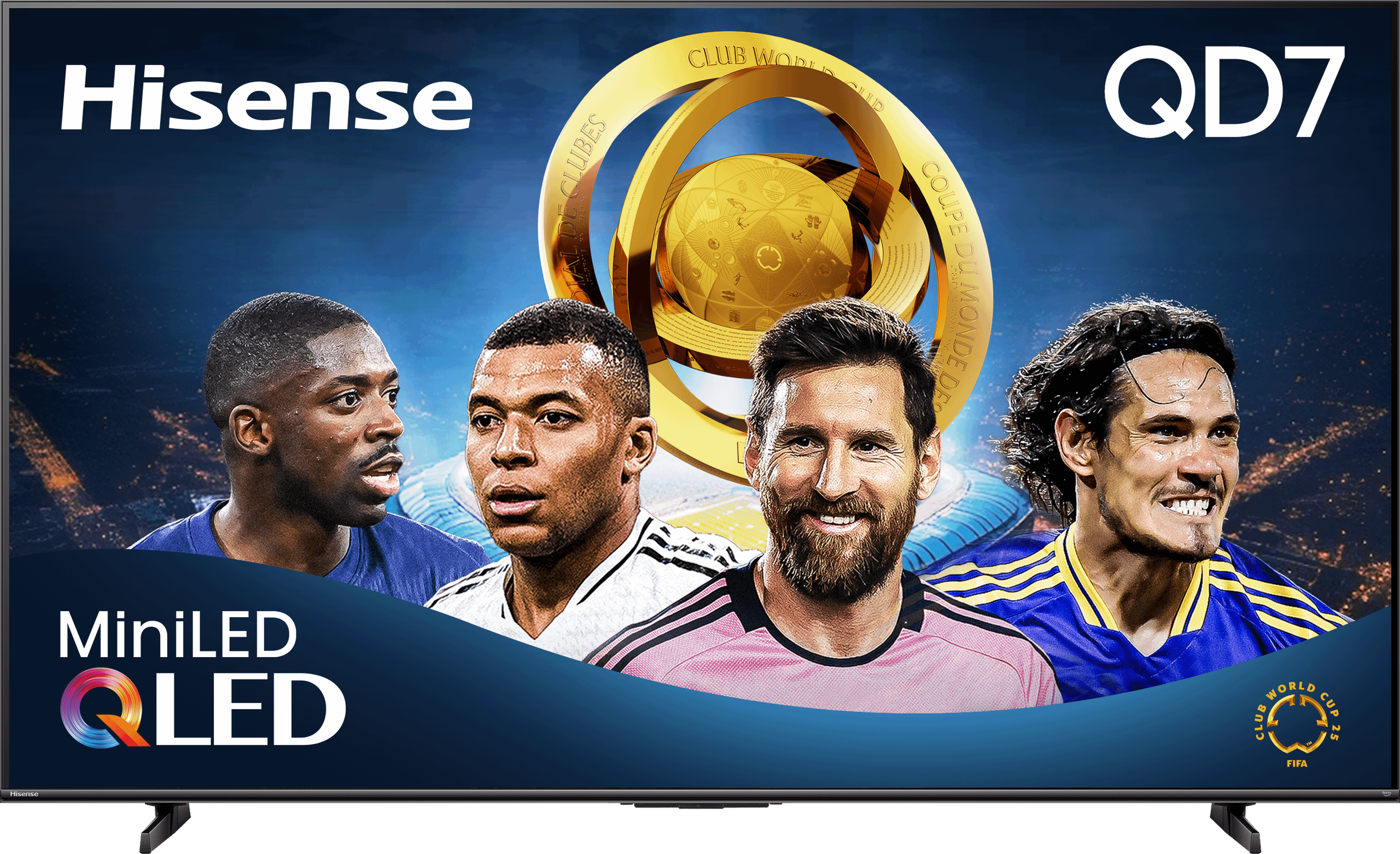
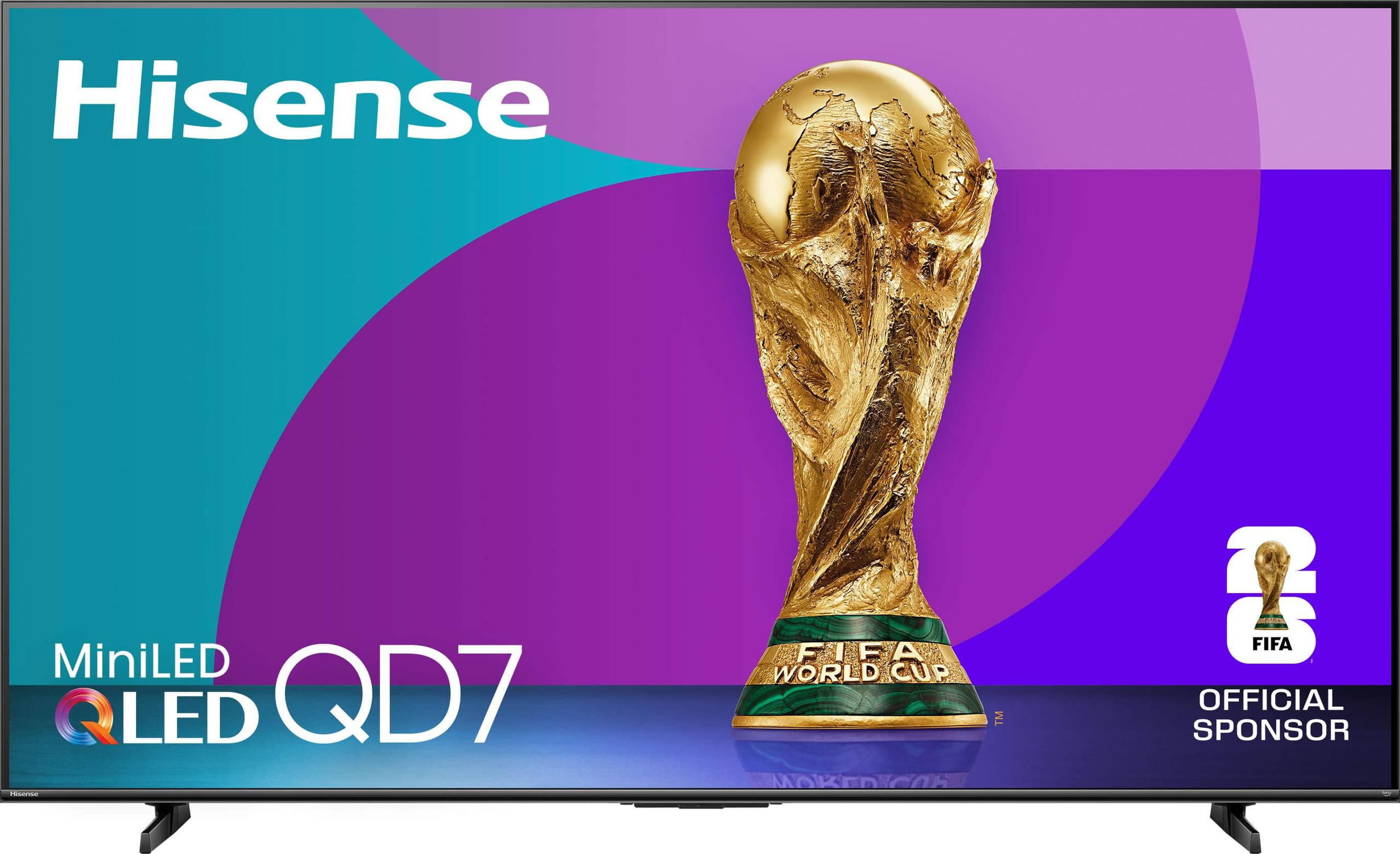
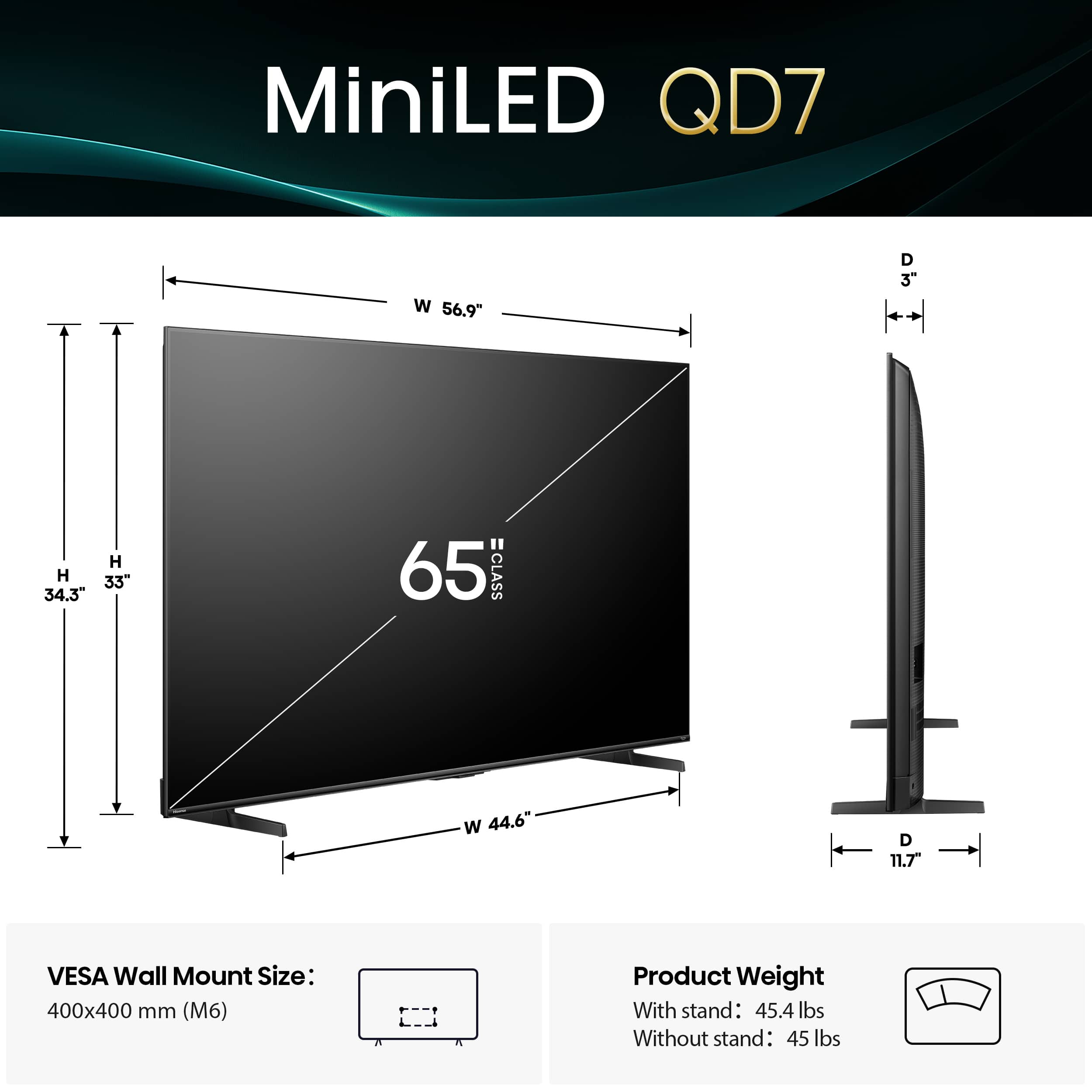
The Panasonic Z95B Series 65" OLED, released in 2025, showcases the latest evolution in OLED technology with a revolutionary tandem panel design. Meanwhile, the Hisense 65" QD7 Series Mini-LED, also from 2025, demonstrates how Mini-LED backlighting can deliver premium features at a dramatically lower price point. At the time of writing, these TVs represent vastly different value propositions—the Panasonic commands a premium price typical of flagship OLED displays, while the Hisense delivers remarkable bang-for-buck that's hard to ignore.
Understanding which technology suits your needs requires diving into how each approach works and what trade-offs you'll encounter.
OLED (Organic Light-Emitting Diode) represents the premium standard for contrast performance. Each pixel contains organic compounds that emit their own light when electricity passes through them. This means individual pixels can turn completely off to produce true black, creating an infinite contrast ratio—the difference between the darkest and brightest parts of an image. Think of it like having millions of tiny light bulbs that can individually dim to complete darkness.
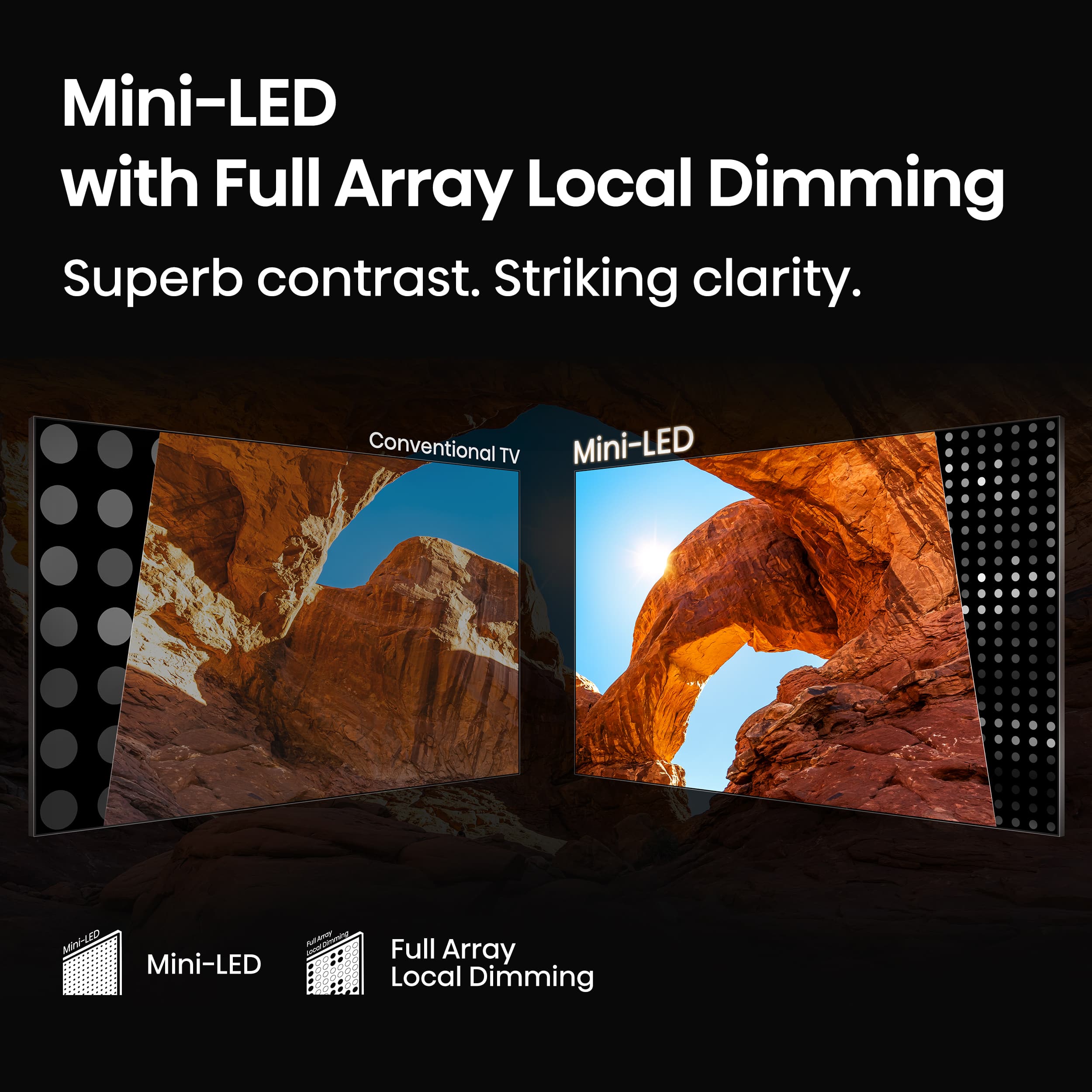
Mini-LED with Quantum Dot takes a different approach. Thousands of tiny LED backlights (much smaller than traditional LED backlights) are arranged behind the LCD panel in precise zones. These zones can independently brighten or dim to control local contrast—this is called "full array local dimming." The Quantum Dot layer acts like a color filter, converting the LED backlight into purer, more vibrant colors. Imagine having a sophisticated lighting system with hundreds of dimmer switches controlling different areas of your TV screen.
The fundamental trade-off comes down to this: OLED delivers perfect blacks but historically struggles with extreme brightness, while Mini-LED can achieve blazing brightness but can't produce true black since there's always some backlight bleeding through.
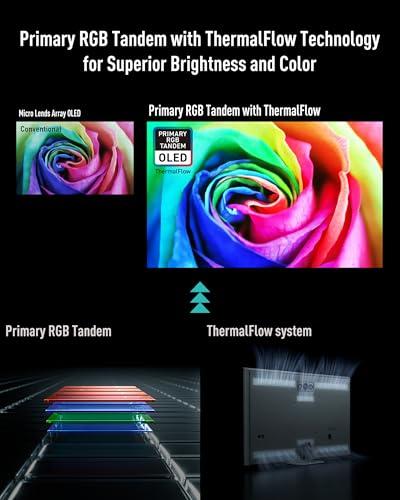
The Panasonic Z95B represents a significant leap forward in OLED technology thanks to LG Display's Primary RGB Tandem OLED panel. This isn't just marketing jargon—it's a genuine breakthrough that addresses OLED's traditional brightness limitations.
Traditional OLED panels use a single emission layer for each color. The tandem panel uses four layers—one red, one green, and two blue layers—stacked together. This design increases light efficiency by approximately 40% compared to conventional OLED panels. More importantly, it allows the TV to achieve much higher peak brightness without the color shifting or shortened lifespan that plagued earlier attempts to make brighter OLEDs.
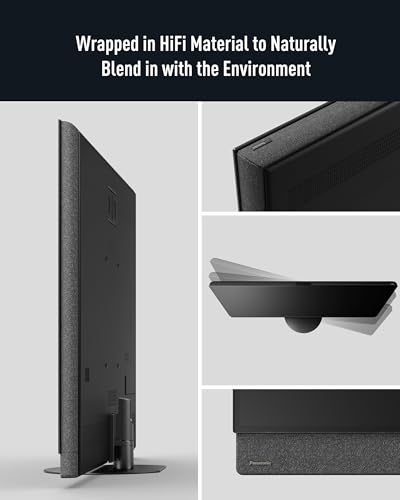
Panasonic pairs this advanced panel with their exclusive ThermalFlow cooling system, inspired by aerodynamic design principles used in race cars. Strategic venting and component placement help dissipate heat more effectively, allowing the panel to sustain peak performance longer. This matters because heat is OLED's enemy—it reduces brightness and can accelerate degradation over time.
The result is an OLED TV that can reach impressive HDR brightness levels (over 1,600 cd/m² in our research of expert measurements) while maintaining the perfect blacks that make OLED special. For home theater enthusiasts, this represents the best of both worlds: cinema-quality contrast with brightness capable of making HDR content truly pop.
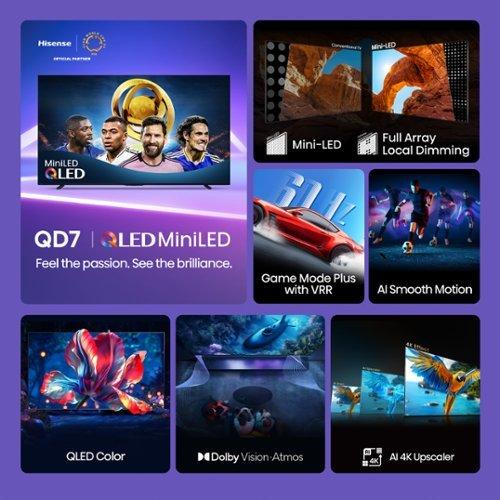
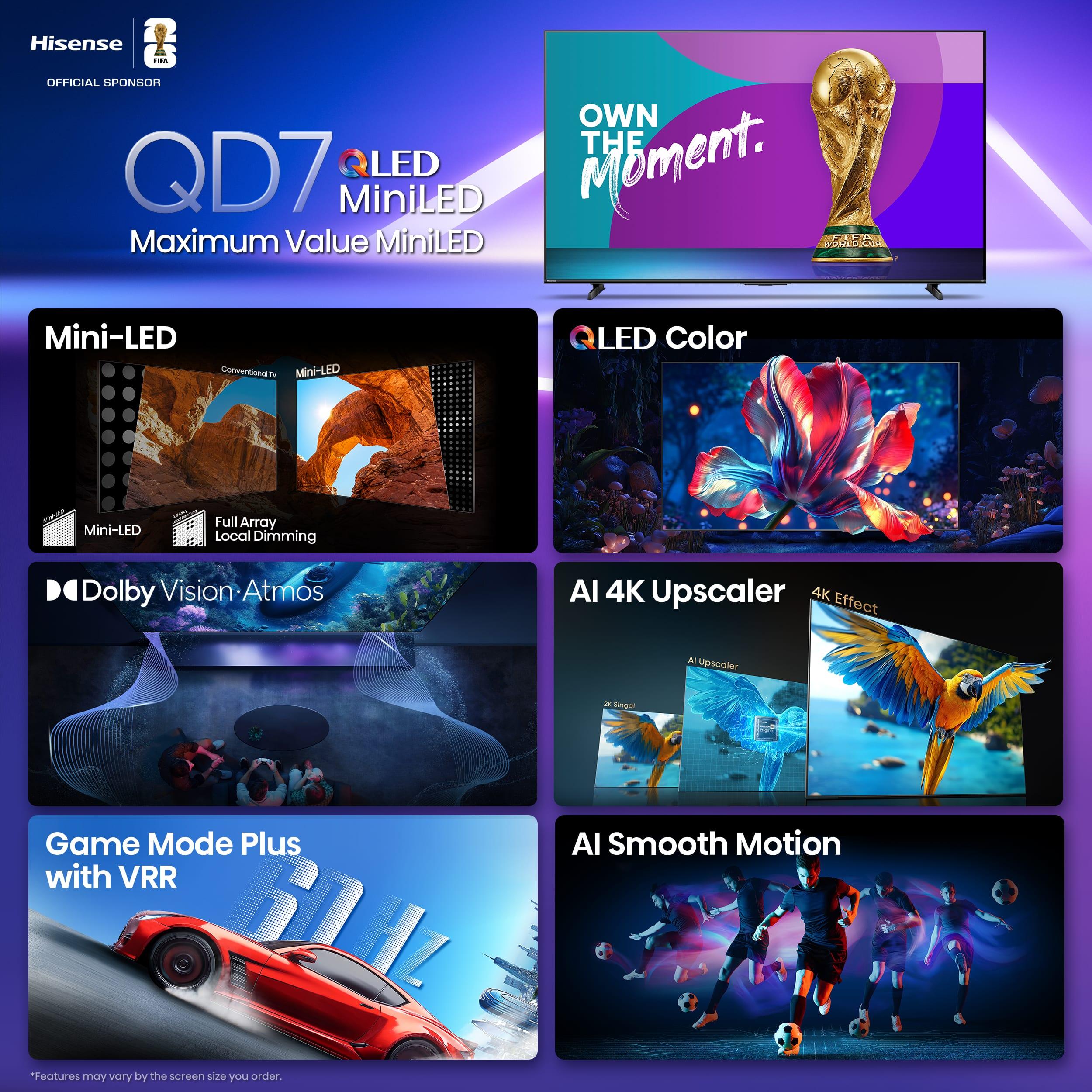
The Hisense QD7 Series demonstrates how Mini-LED technology can deliver impressive performance at a fraction of OLED's cost. While we don't have exact dimming zone counts for this model, Mini-LED TVs typically feature hundreds or thousands of independently controlled lighting zones. This precise control allows for much better contrast than traditional LED TVs, approaching (but not matching) OLED's performance.
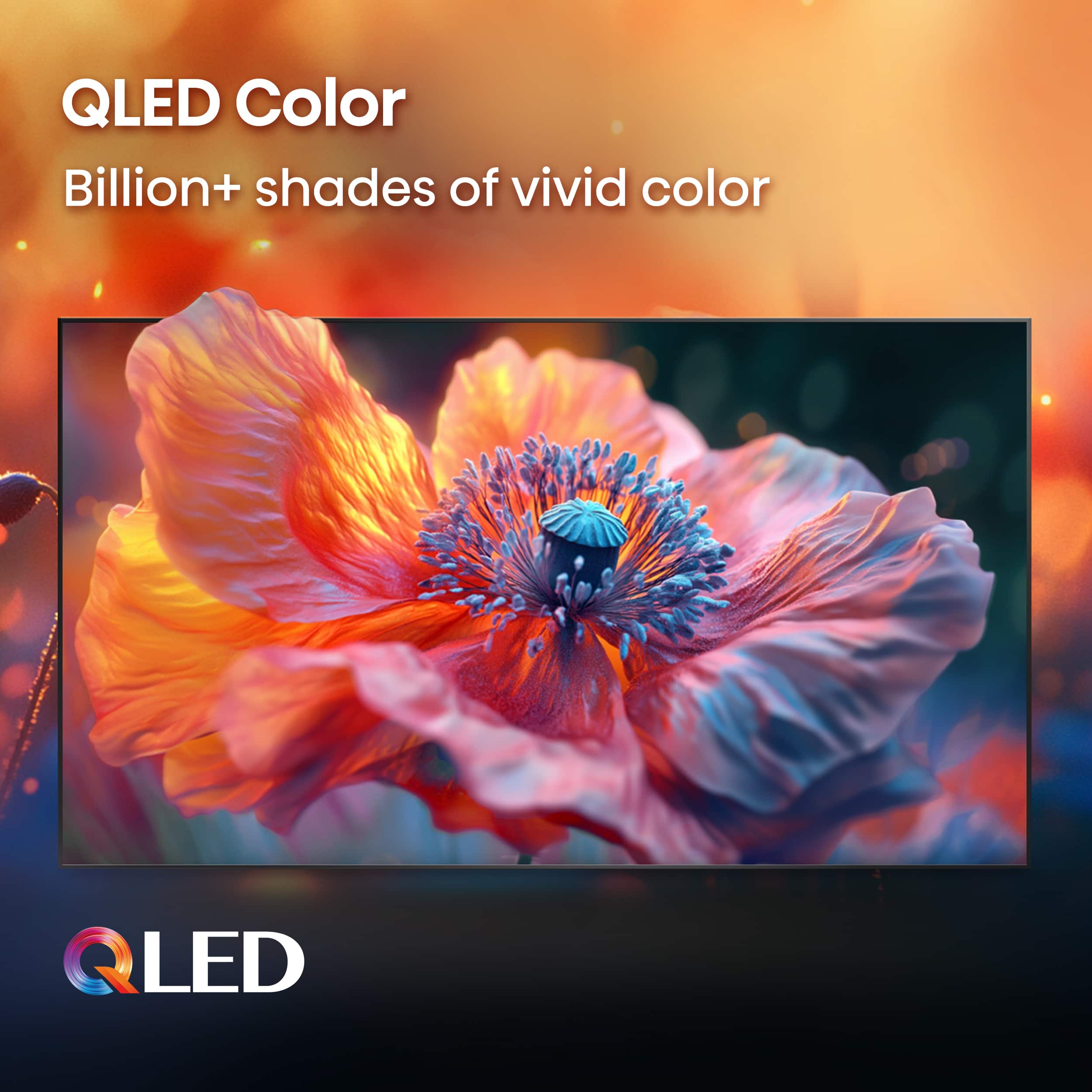
The Quantum Dot technology deserves special attention. These microscopic particles absorb light from the LED backlight and re-emit it at very specific wavelengths, producing extremely pure colors. The result is a wider color gamut—the range of colors the TV can display—often exceeding what OLED panels can achieve, especially in bright, saturated colors.
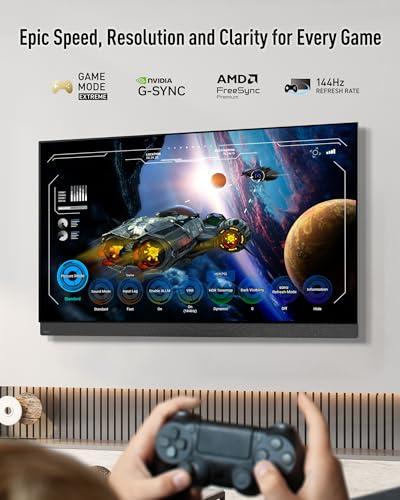
For gaming enthusiasts, the QD7's feature set is particularly compelling. The 144Hz refresh rate exceeds the standard 120Hz found on most premium TVs, potentially providing smoother motion in supported games. Combined with Variable Refresh Rate (VRR) and Auto Low Latency Mode (ALLM), it offers the gaming features typically reserved for much more expensive models.
Contrast Performance represents the most significant difference between these technologies. The Panasonic Z95B's OLED panel delivers infinite contrast—when a pixel is supposed to be black, it produces literally zero light. This creates incredibly realistic shadows and makes bright objects appear to float against perfectly dark backgrounds. Whether you're watching a space movie with stars against the void or a nighttime scene with streetlights, OLED's contrast advantage is immediately apparent.
The Hisense QD7 achieves impressive contrast through its local dimming zones, but physics prevents it from matching OLED's performance. LED backlights can dim significantly but never turn completely off, resulting in slightly gray blacks rather than true black. In most viewing conditions, this difference is minor, but in dark room viewing—the gold standard for home theater—OLED maintains a clear advantage.
Brightness Capabilities flip this equation. While the Z95B's tandem OLED technology achieves impressive peak brightness for HDR content, Mini-LED TVs like the QD7 can typically achieve higher overall brightness levels. This matters significantly in bright rooms where ambient light can wash out darker TVs. If your TV room has large windows or bright overhead lighting, the Mini-LED's superior brightness can maintain picture quality where OLED might appear dim.
Color Reproduction presents interesting nuances. The Panasonic's Primary RGB tandem technology enhances color volume—the range of colors the TV can display at different brightness levels. Combined with Panasonic's renowned image processing, it delivers exceptionally natural, film-like color reproduction that's prized by home theater enthusiasts.
The QD7's Quantum Dot technology excels at producing vibrant, saturated colors that can appear more "pop" than OLED in certain content. For sports, nature documentaries, or animated content, these vivid colors can be more engaging, though purists might find them less natural than OLED's more subdued palette.
Both TVs offer impressive gaming capabilities, but with different strengths. The Panasonic Z95B provides near-instantaneous pixel response time—essentially zero motion blur behind fast-moving objects. This makes competitive gaming incredibly smooth, and the OLED's perfect blacks can enhance visibility in dark game environments.
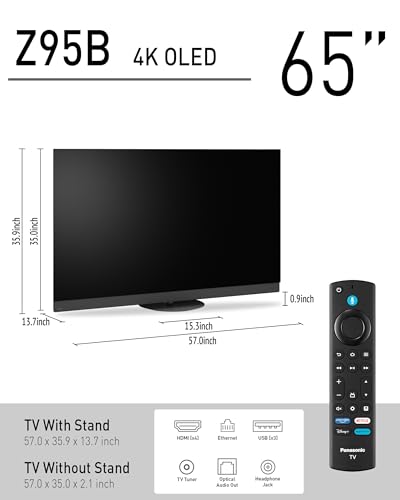
However, the Z95B includes only two HDMI 2.1 ports, which limits connectivity for users with multiple gaming consoles, PCs, and other high-bandwidth devices. This represents a significant practical limitation in today's multi-device world.
The Hisense QD7 typically includes more HDMI 2.1 ports (though exact specifications weren't confirmed in our research), making it more practical for serious gamers. The 144Hz refresh rate matches or exceeds the Panasonic's capabilities, and the lower input lag ensures responsive gameplay.
For competitive gaming, both TVs perform excellently, but the Hisense's superior connectivity and value proposition make it particularly attractive for gaming-focused setups.
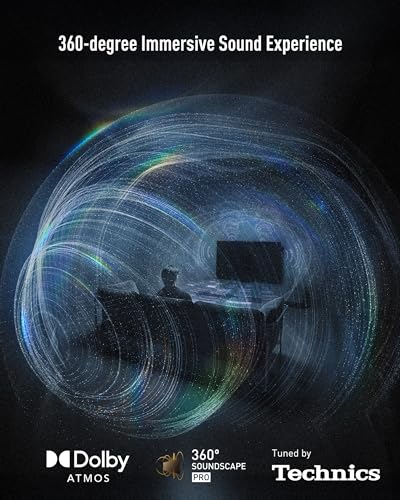
Audio represents one of the Panasonic Z95B's most compelling advantages. The 360 Soundscape Pro system, tuned by Technics, is genuinely impressive for built-in TV audio. The 5.1.2 channel, 170-watt system includes line array speakers, side-firing drivers, up-firing speakers for Dolby Atmos effects, and even a built-in subwoofer.
User and expert consensus suggests this audio system can genuinely replace a soundbar for many users—a significant value consideration given that quality soundbars often cost $300-800. The spatial audio processing creates a convincing surround sound experience that's rare in built-in TV speakers.
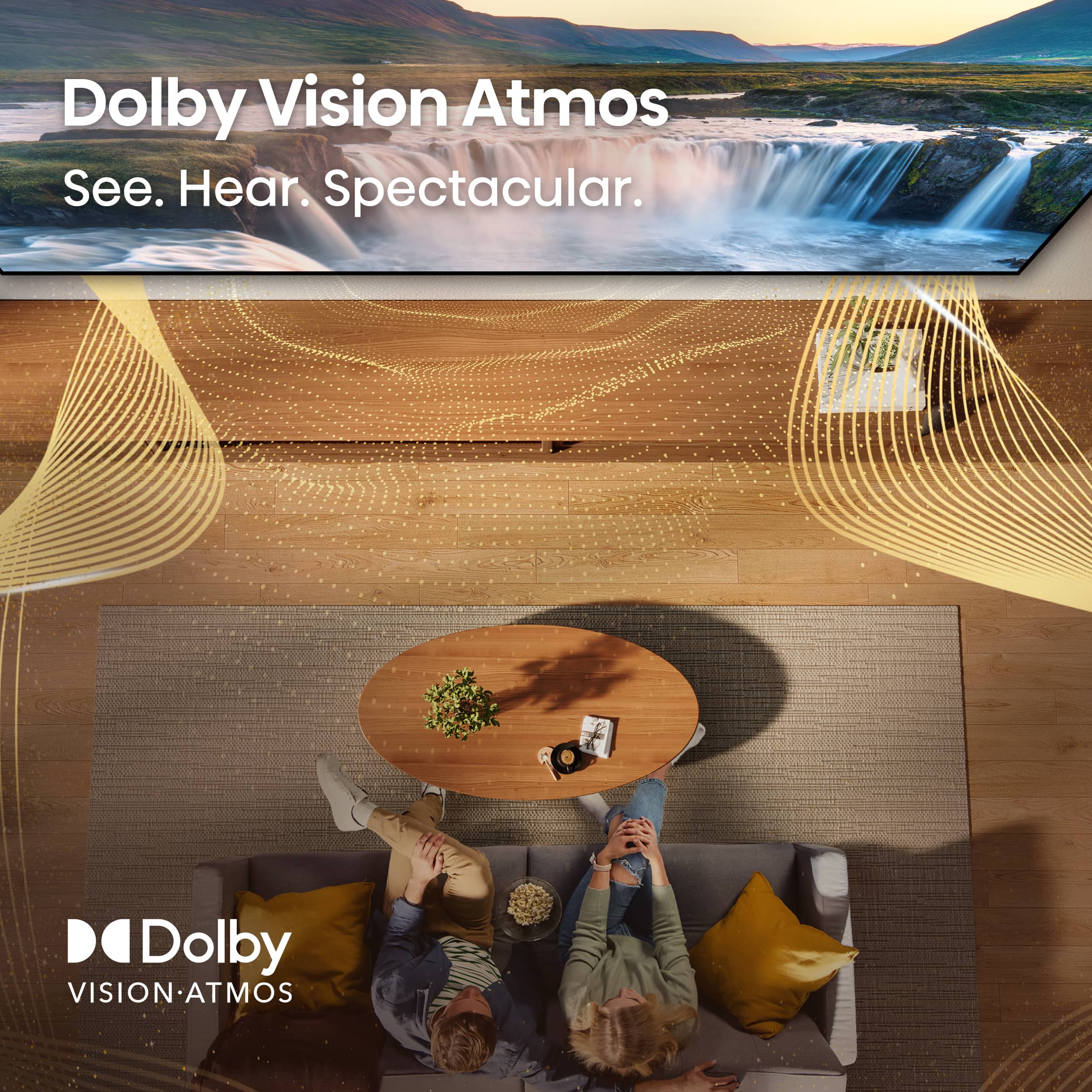
The QD7 includes Dolby Atmos support and decent built-in speakers, but they're more typical of the category—adequate but not exceptional. Most users will eventually want to add a soundbar or sound system for the best audio experience.
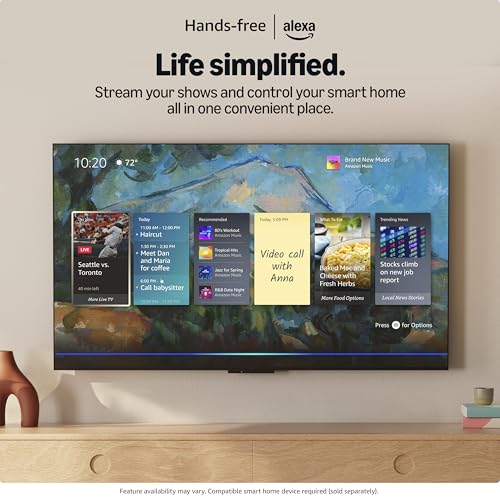
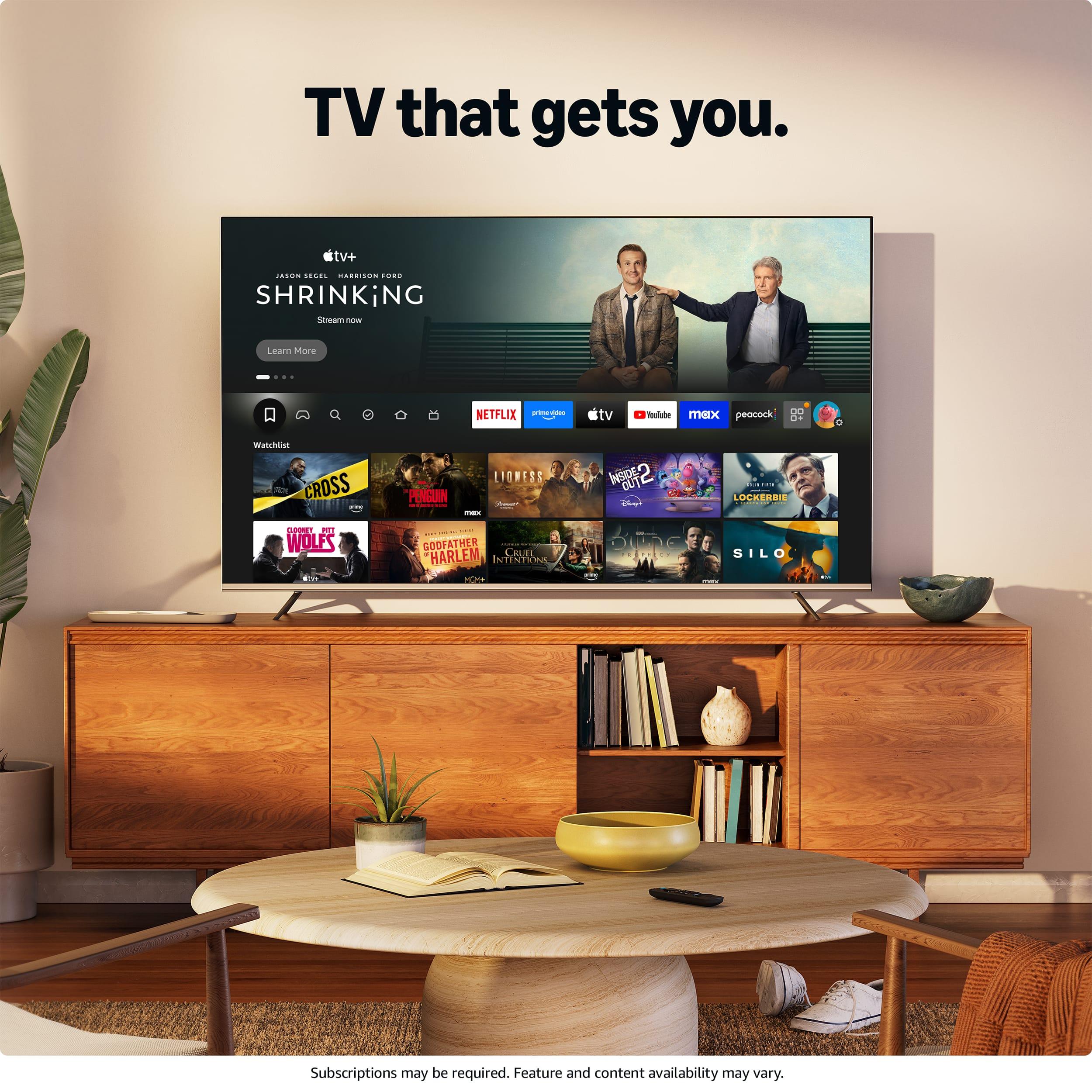
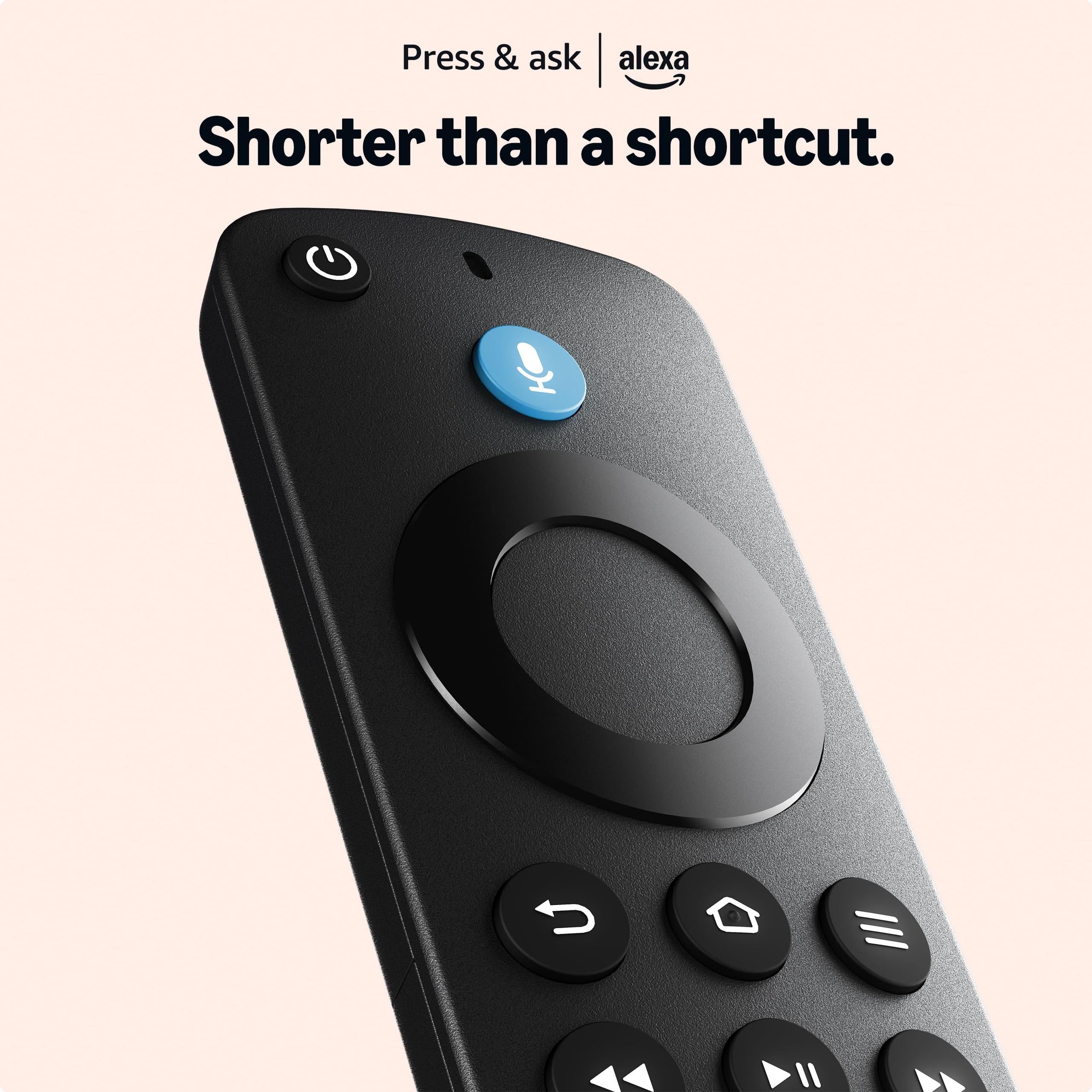
Both TVs run Fire TV OS with built-in Alexa voice control, providing similar smart features and app ecosystems. The platform offers good access to streaming services and decent performance, though it's not universally loved compared to platforms like Google TV or Apple TV.
The Panasonic Z95B benefits from superior processing power through its HCX Pro AI Processor MK II, which provides better upscaling of lower-resolution content and more sophisticated image processing. This becomes particularly noticeable with streaming content, where the Panasonic's processing can make compressed video look cleaner and more natural.
At the time of writing, these TVs represent dramatically different value propositions. The Panasonic Z95B commands premium OLED pricing, while the Hisense QD7 offers remarkable value with many premium features at a fraction of the cost.
For home theater use in controlled lighting environments, the Panasonic's superior contrast, processing, and audio create a more cinematic experience. The tandem OLED technology provides future-proof display quality that should remain impressive for years.
The Hisense QD7 excels in bright rooms, offers better gaming connectivity, and provides most of the premium TV experience at accessible pricing. For users who prioritize value or have bright viewing environments, it represents exceptional bang-for-buck.
Choose the Panasonic Z95B if:
Choose the Hisense QD7 if:
The choice between these TVs ultimately comes down to priorities and budget. The Panasonic Z95B offers undeniably superior technology with cutting-edge OLED performance, exceptional built-in audio, and premium processing. For dedicated home theater enthusiasts willing to invest in the best possible experience, it's an excellent choice.
The Hisense QD7 provides remarkable value, delivering premium features and solid performance at a dramatically lower price. For most users, particularly those in bright rooms or with gaming-focused needs, it offers the better overall package.
Both represent solid choices within their respective categories, but understanding your viewing environment, usage patterns, and budget constraints will guide you toward the right decision for your specific needs.
| Panasonic Z95B Series 65" OLED 4K Smart Fire TV | Hisense 65" QD7 Series Mini-LED 4K Fire TV 2025 |
|---|---|
| Display Technology - Fundamental difference in how the TV creates images | |
| Primary RGB Tandem OLED with 4-layer emission structure | Mini-LED with Full Array Local Dimming + QLED Quantum Dot |
| Contrast Performance - Most important for dark room viewing and cinematic experience | |
| Perfect blacks with infinite contrast ratio | Very good contrast with deep blacks, but cannot achieve true black |
| Peak Brightness - Critical for bright rooms and HDR impact | |
| 1,684 cd/m² (excellent for OLED, good for bright HDR content) | Higher overall brightness typical of Mini-LED (specific measurements unavailable) |
| Gaming Refresh Rate - Important for smooth motion in games and sports | |
| 144Hz with near-instantaneous pixel response | Native 144Hz with competitive response time |
| HDMI 2.1 Ports - Essential for multiple gaming consoles and high-bandwidth devices | |
| 2 ports (40 Gbps bandwidth) - limiting for multi-device setups | Multiple ports (exact count unconfirmed) - better connectivity |
| Built-in Audio System - Can eliminate need for soundbar purchase | |
| 5.1.2 channel 170W "360 Soundscape Pro" tuned by Technics with subwoofer | Dolby Atmos support with standard built-in speakers |
| HDR Format Support - Affects compatibility with streaming content | |
| Dolby Vision + HDR10+ + HDR10 + HLG (rare to support both DV and HDR10+) | Dolby Vision + HDR10+ + HDR10 + HLG |
| Image Processing - Important for upscaling streaming content and overall picture quality | |
| HCX Pro AI Processor MK II with superior upscaling and film-like processing | AI 4K Upscaler with solid performance for price range |
| Viewing Environment Optimization - Where each TV performs best | |
| Ideal for dark rooms and controlled lighting (home theater) | Better for bright rooms with ambient lighting |
| Gaming Features - Additional capabilities for console gaming | |
| VRR, ALLM, AMD FreeSync Premium, NVIDIA G-SYNC Compatible | VRR, ALLM, Game Mode Ultra/Pro with enhanced gaming optimization |
| Professional Calibration Support - Important for enthusiasts seeking perfect accuracy | |
| ISFccc and Calman calibration support with Prime Video Calibrated Mode | Standard calibration options |
| Value Proposition - Overall bang-for-buck consideration | |
| Premium pricing for cutting-edge OLED technology and superior audio | Exceptional value with premium features at accessible pricing |
The Panasonic Z95B OLED is significantly better for dark room viewing due to its perfect black levels and infinite contrast ratio. OLED pixels can turn completely off to produce true black, creating stunning contrast that makes the Panasonic Z95B ideal for home theater setups. The Hisense QD7 Mini-LED offers good contrast but cannot match OLED's perfect blacks since LED backlights always emit some light.
The Hisense QD7 Mini-LED performs better in bright rooms due to its higher peak brightness capabilities typical of Mini-LED technology. While the Panasonic Z95B OLED features improved brightness thanks to its tandem panel design, Mini-LED displays like the Hisense QD7 generally achieve higher overall brightness to combat ambient light and glare.
The Hisense QD7 Mini-LED offers exceptional value, providing premium features like 144Hz refresh rate, multiple HDMI 2.1 ports, and solid picture quality at a fraction of the cost. While the Panasonic Z95B OLED delivers superior picture quality and audio, the significant price difference makes the Hisense QD7 the clear winner for budget-conscious buyers.
Both TVs excel for gaming with 144Hz refresh rates and low input lag. The Hisense QD7 Mini-LED may be better for multi-console setups due to having more HDMI 2.1 ports, while the Panasonic Z95B OLED offers near-instantaneous pixel response for the smoothest motion. Serious gamers should consider the Hisense QD7's superior connectivity options.
OLED technology in the Panasonic Z95B uses self-illuminating pixels that can turn completely off for perfect blacks and infinite contrast. Mini-LED in the Hisense QD7 uses thousands of tiny LED backlights with local dimming zones to control contrast while achieving higher brightness. The Panasonic OLED excels in contrast, while the Hisense Mini-LED typically offers superior brightness.
The Panasonic Z95B OLED has significantly superior built-in audio with its 5.1.2 channel "360 Soundscape Pro" system tuned by Technics, including a built-in subwoofer. This premium audio system can potentially eliminate the need for a soundbar. The Hisense QD7 includes decent speakers with Dolby Atmos support, but most users will want to add external audio for the best experience.
Both the Panasonic Z95B and Hisense QD7 run Fire TV OS with built-in Alexa and access to major streaming apps. The Panasonic Z95B features superior image processing that makes streaming content look cleaner and more natural, while the Hisense QD7 provides solid smart TV performance at its price point.
The Panasonic Z95B OLED is better for cinematic movie watching, especially in dark rooms. Its perfect blacks, superior contrast, professional-grade image processing, and exceptional built-in audio create a more immersive home theater experience. The Hisense QD7 still delivers good movie performance but cannot match the Panasonic's cinematic quality.
Both TVs offer 144Hz refresh rates for smooth sports viewing. The Panasonic Z95B OLED provides near-instantaneous pixel response for the clearest motion with minimal blur, while the Hisense QD7 Mini-LED also delivers smooth motion handling. For bright sports bars or rooms, the Hisense QD7's higher brightness may provide better visibility.
Both the Panasonic Z95B OLED and Hisense QD7 Mini-LED support Dolby Vision, HDR10+, HDR10, and HLG formats. The Panasonic Z95B is notable for being one of the few TVs to support both Dolby Vision and HDR10+, while also offering professional calibration options for the most accurate HDR reproduction.
The Panasonic Z95B OLED is more future-proof with its cutting-edge tandem OLED technology, superior processing, and professional calibration support that maintains accuracy over time. However, the Hisense QD7 Mini-LED offers solid gaming features and connectivity that should remain relevant. The Panasonic's premium technology is designed for longer-term satisfaction.
For dedicated home theaters with controlled lighting, choose the Panasonic Z95B OLED for its perfect blacks, superior contrast, and exceptional built-in audio system. If your viewing space is bright or you prioritize value, the Hisense QD7 Mini-LED provides excellent performance at a much lower cost while still delivering impressive picture quality and gaming features.
We've done our best to create useful and informative comparisons to help you decide what product to buy. Our research uses advanced automated methods to create this comparison and perfection is not possible - please contact us for corrections or questions. These are the sites we've researched in the creation of this article: rtings.com - whathifi.com - techradar.com - tomsguide.com - youtube.com - youtube.com - youtube.com - avsforum.com - bestbuy.com - manuals.plus - na.panasonic.com - panasonic.com - displayspecifications.com - valueelectronics.com - flatpanelshd.com - valueelectronics.com - displayspecifications.com - flatpanelshd.com - bestbuy.com - custrevs.com - youtube.com - bestbuy.com - rtings.com - youtube.com - rtings.com - pcrichard.com - bestbuy.com - pcrichard.com - camelcamelcamel.com - amazonfiretv.blog - hisense-usa.com - hisense-usa.com - hisense-usa.com - bestbuy.com - leaseville.com - youtube.com - bestbuy.com - flatpanelshd.com

Privacy Policy
Terms and Conditions - Affiliate Policy
Home Security
© Copyright 2008-2026.
11816 Inwood Rd #1211, Dallas, TX 75244