

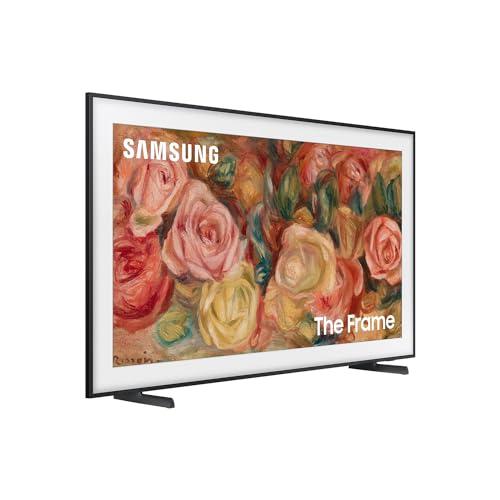
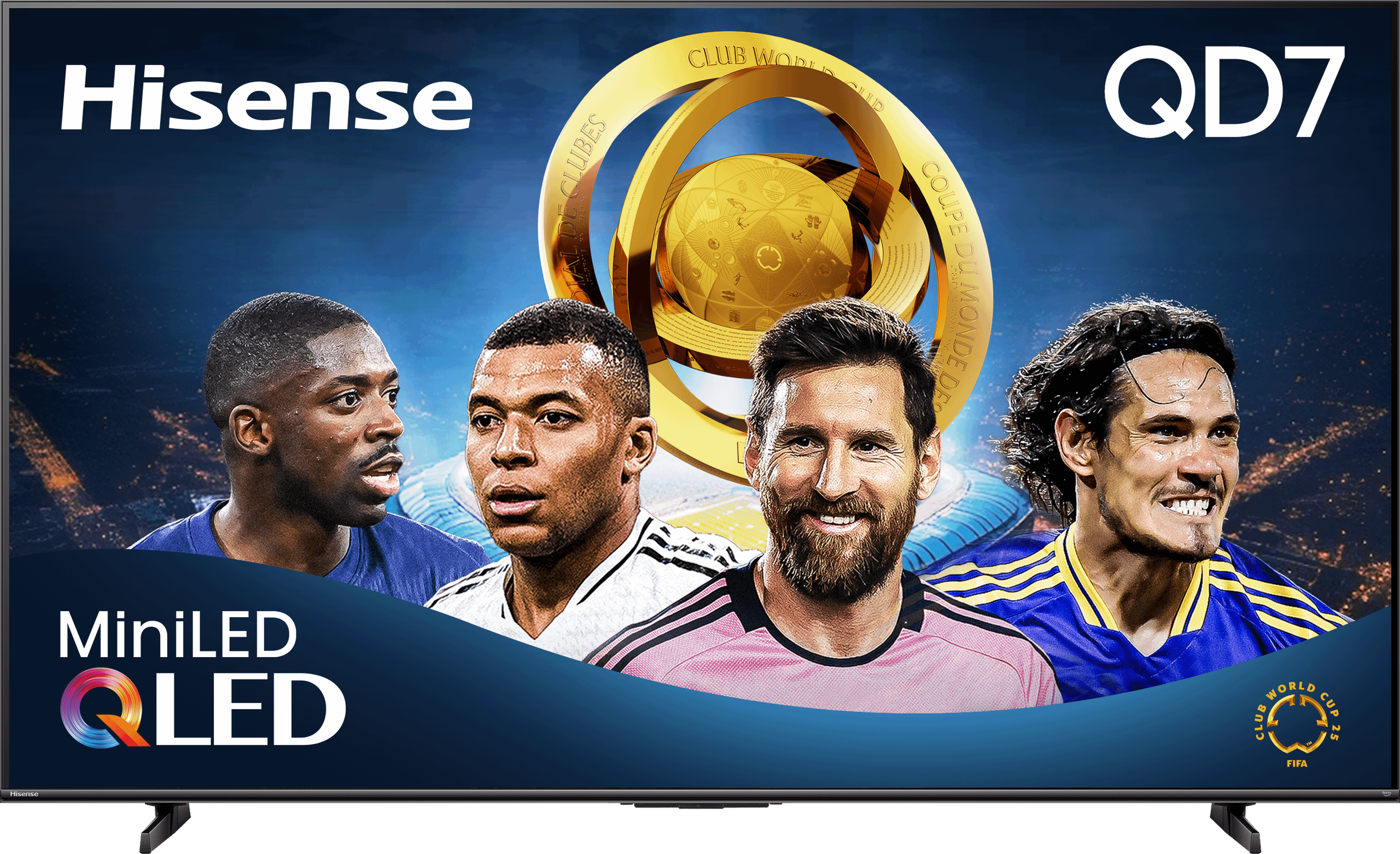
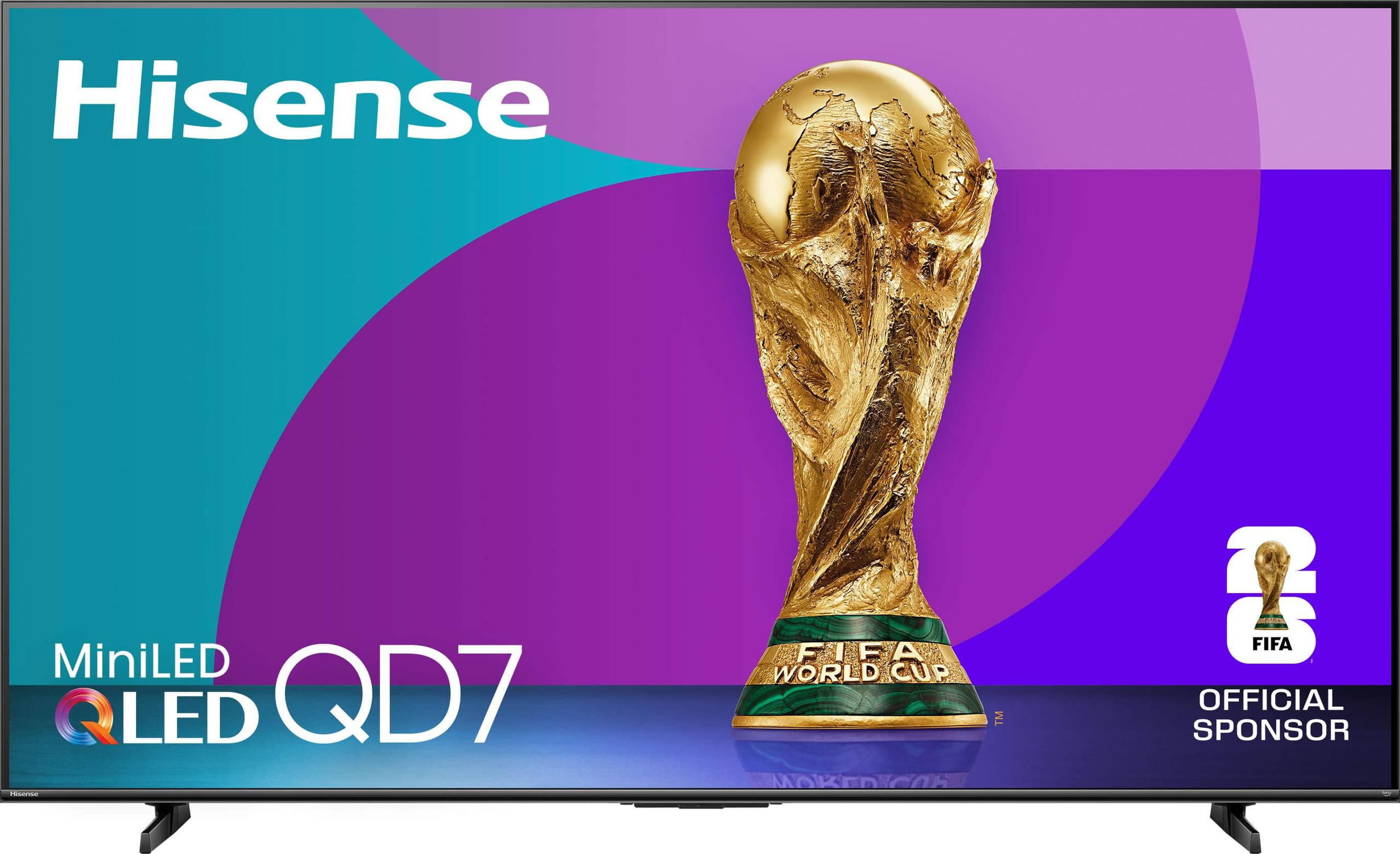


When shopping for a 65-inch 4K TV in 2024, you'll encounter two dramatically different philosophies. On one side, you have lifestyle TVs that prioritize aesthetics and dual functionality. On the other, performance-focused models that deliver maximum bang for your buck. The Samsung 65" The Frame QLED 4K 2024 TV and Hisense 65" QD7 Series Mini-LED 4K Fire TV 2025 represent these opposing approaches perfectly.
At the time of writing, the Samsung Frame commands roughly 2.5 times the price of the Hisense QD7. That price difference isn't just marketing—it reflects fundamentally different design goals and target audiences. Let's dive into what makes each TV unique and help you figure out which approach suits your needs.
Today's TV market has evolved beyond simple screen size and resolution comparisons. Display technology varies dramatically, from basic LED backlighting to sophisticated Mini-LED arrays with thousands of dimming zones. Smart platforms range from manufacturer-specific systems to popular third-party options like Fire TV and Google TV.
The most crucial distinction lies between performance-first and lifestyle-first designs. Performance TVs optimize picture quality, gaming capabilities, and technical specifications at competitive prices. Lifestyle TVs integrate additional functionality—like art display modes—while maintaining acceptable viewing performance. Understanding which category matches your priorities will guide your decision more than any spec sheet.
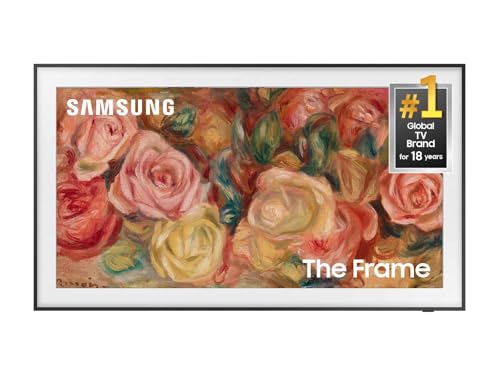
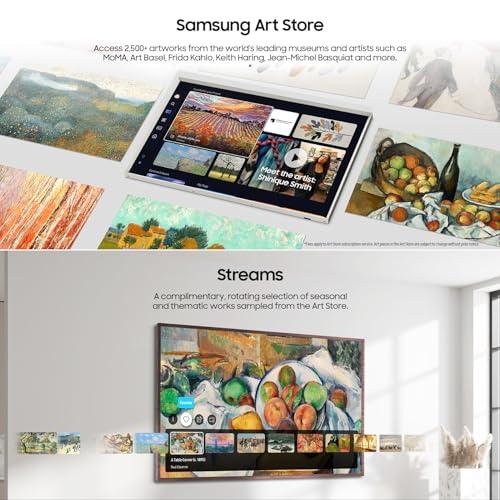
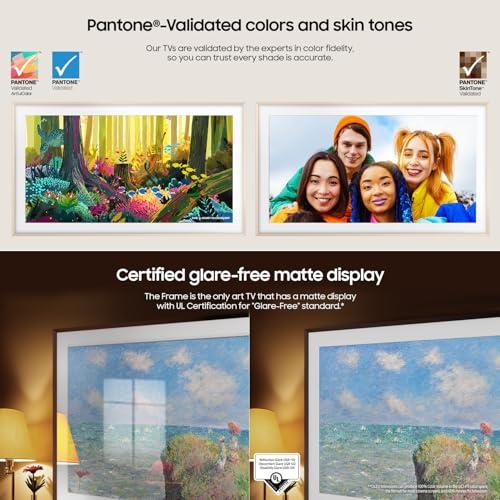
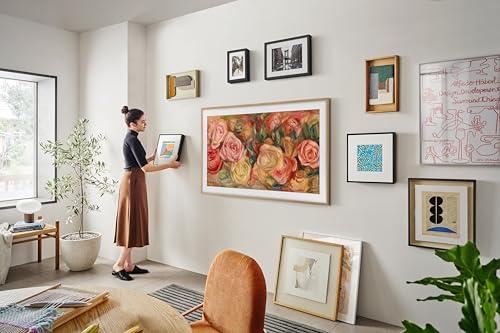
The Samsung Frame 2024 represents the pinnacle of lifestyle TV design. Released as part of Samsung's annual refresh cycle, it builds on years of Art Mode refinement with improved anti-glare technology and Pantone art certification—an industry first. This TV literally transforms into a digital art gallery when you're not watching, complete with customizable frames that mimic real artwork.
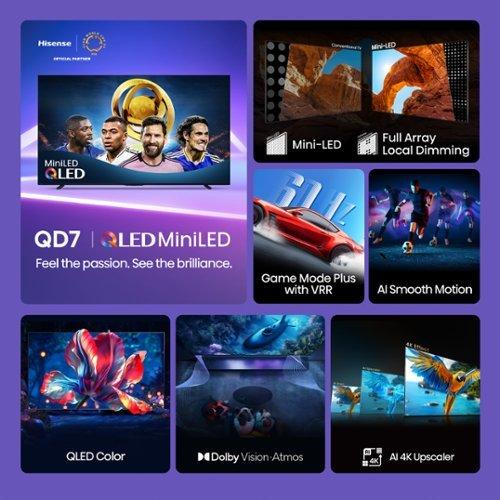
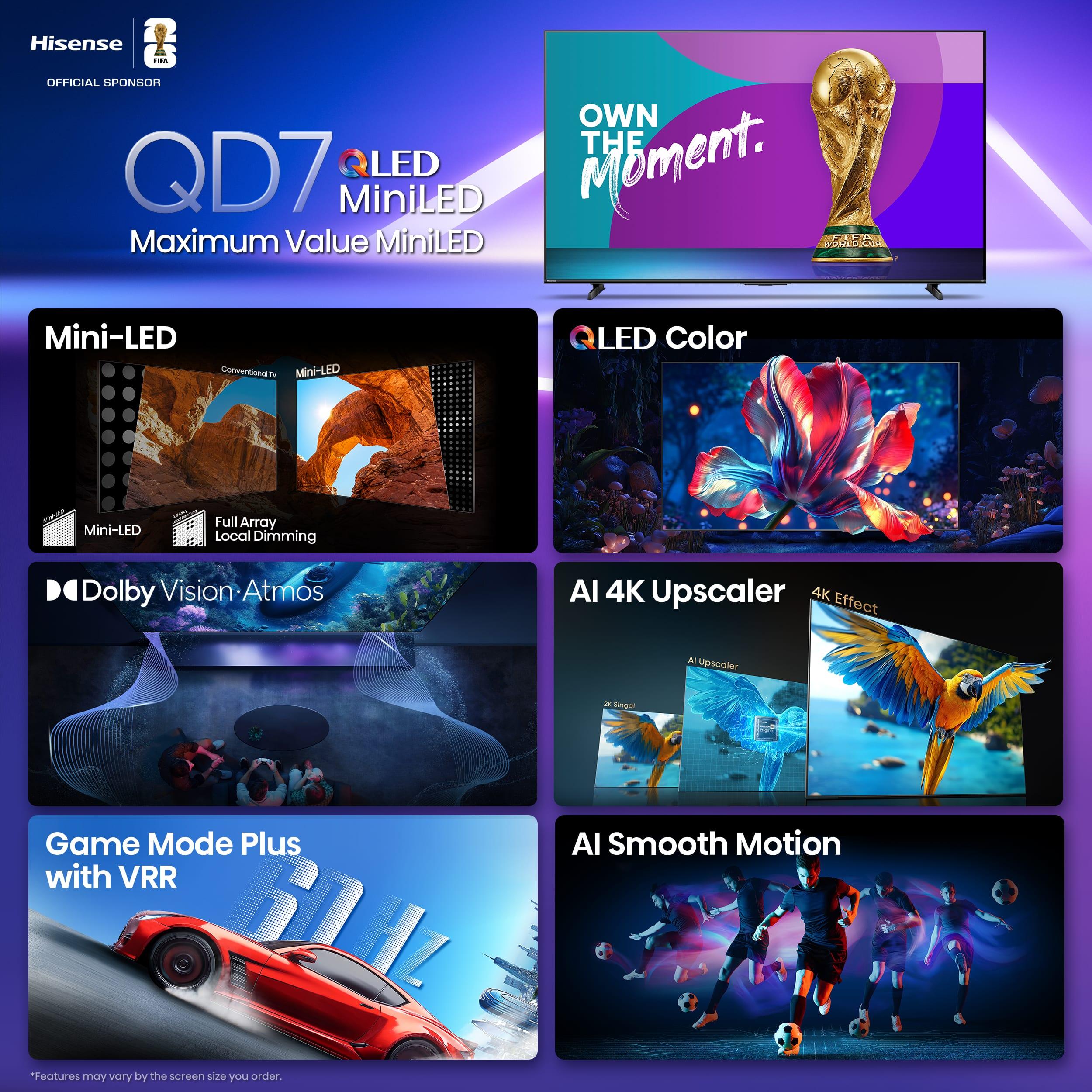
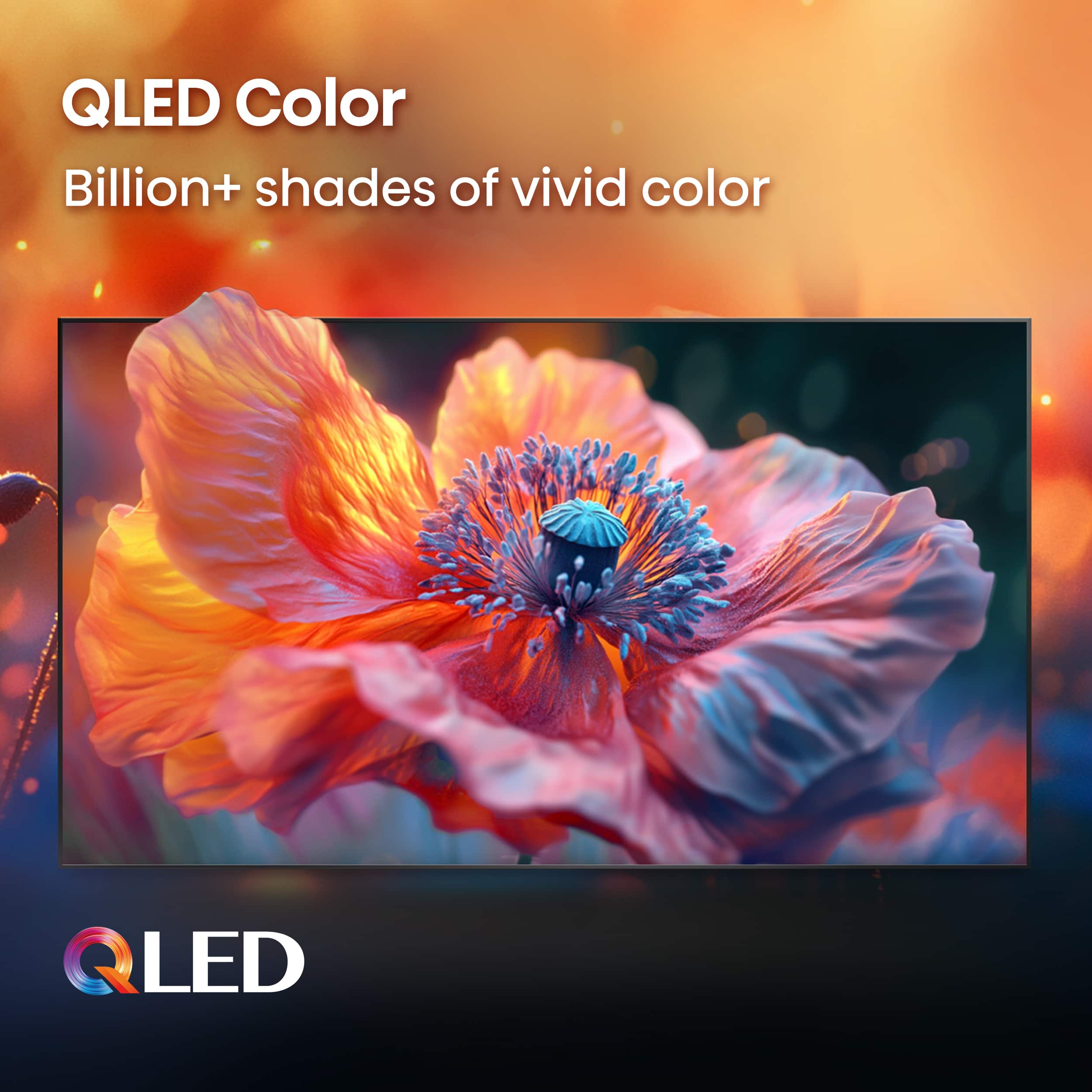
The Hisense QD7 2025 takes the opposite approach, debuting with cutting-edge Mini-LED technology typically reserved for much more expensive models. Hisense has consistently pushed aggressive pricing while matching flagship features, and the QD7 continues this tradition with 144Hz gaming support and Dolby Vision HDR—specifications you'd expect to pay premium prices for elsewhere.
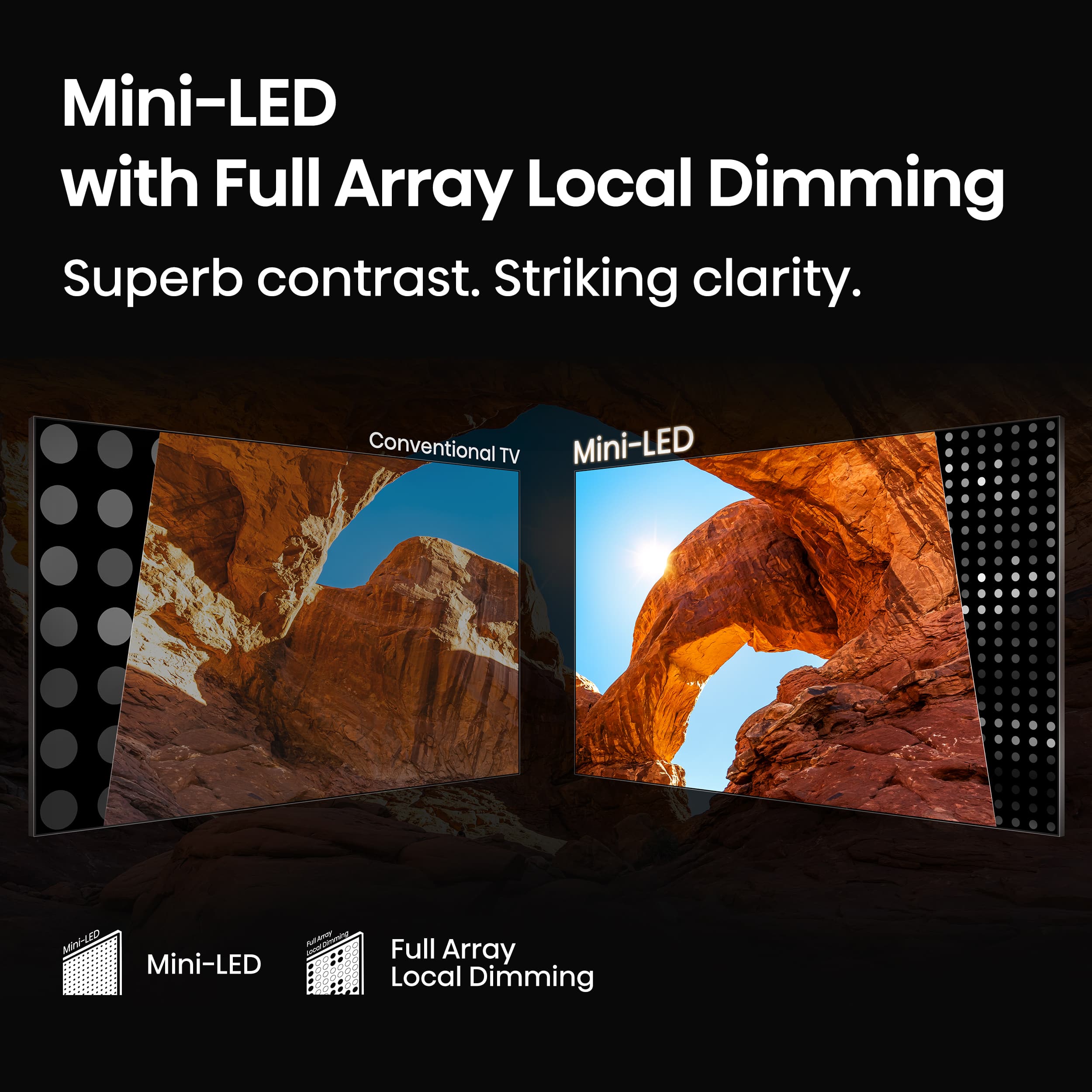
The most significant technical difference lies in backlighting technology. The Hisense QD7 employs Mini-LED backlighting with Full Array Local Dimming (FALD). Think of traditional LED TVs as having a few dozen light bulbs behind the screen. Mini-LED uses thousands of tiny LEDs, each controllable independently. This creates dramatic improvements in contrast—bright stars against pitch-black space, or sunlight streaming through dark forest canopy.
Local dimming zones work like individual spotlights, brightening or dimming specific screen areas without affecting others. When you're watching a movie with a bright explosion against a dark night sky, Mini-LED can make that explosion blindingly bright while keeping the surrounding darkness truly black. The QD7 achieves peak brightness levels exceeding 1000 nits, making HDR content genuinely impressive rather than just technically supported.
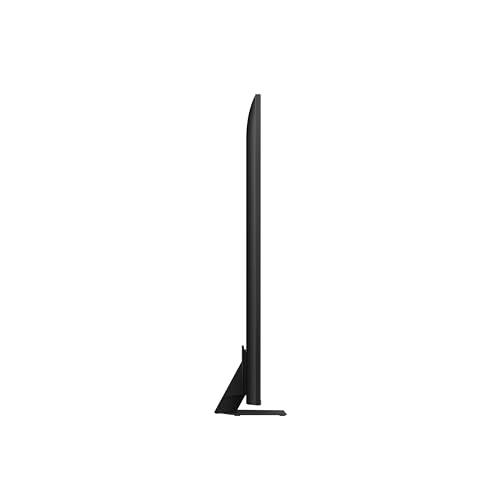
The Samsung Frame uses standard QLED with edge-lit backlighting. Instead of thousands of controllable zones, light comes from LEDs along the screen edges, distributed by a light guide. This simpler approach keeps the TV extremely thin—crucial for the Frame's wall-art aesthetic—but limits contrast performance. Peak brightness reaches approximately 590 nits, adequate for most content but less impactful for HDR scenes.
High Dynamic Range (HDR) represents the biggest picture quality advancement since 4K resolution. However, competing HDR formats create confusion. The Hisense QD7 supports Dolby Vision, HDR10+, HDR10, and HLG—essentially every format you'll encounter. Dolby Vision uses dynamic metadata, adjusting brightness and color scene-by-scene based on the content creator's intentions.
The Samsung Frame notably lacks Dolby Vision support, limited to HDR10, HDR10+, and HLG. This matters because Netflix, Disney+, and Apple TV+ increasingly use Dolby Vision for their premium content. You'll still get HDR, but not the optimized experience the content creators intended.
The Frame's signature feature is its anti-glare matte coating, designed to eliminate reflections when displaying artwork. This technology scatters ambient light rather than reflecting it directly, creating a paper-like texture that enhances the art gallery illusion.
However, matte coatings inherently reduce contrast and color vibrancy compared to glossy screens. It's a conscious trade-off—better daytime viewing and art display capability in exchange for slightly muted colors and blacks that appear more gray than pure black. In bright rooms, this trade-off absolutely makes sense. In dark home theater environments, the Hisense QD7's glossy screen delivers superior contrast and color depth.
Modern gaming demands have pushed TV manufacturers to prioritize refresh rates and input lag. The Hisense QD7 excels here with native 144Hz support—significantly higher than standard TV refresh rates of 60Hz or 120Hz. Variable Refresh Rate (VRR) technology synchronizes the TV's refresh with your gaming console's output, eliminating screen tearing and stuttering.
Input lag measures the delay between controller input and on-screen response. The QD7 achieves approximately 8-12 milliseconds in game mode, imperceptible to human reaction times. Multiple HDMI 2.1 ports support full 4K resolution at high refresh rates, crucial if you own both PlayStation 5 and Xbox Series X consoles.
The Samsung Frame offers 120Hz maximum refresh rate with VRR support, perfectly adequate for current-generation consoles. However, only one HDMI port supports the full 4K 120Hz bandwidth, limiting connectivity for multiple gaming devices. Input lag runs slightly higher at 9-15ms, still excellent for casual gaming but less optimal for competitive players.
For serious gamers, the Hisense QD7 provides clear advantages. For occasional gaming alongside other uses, the Frame performs adequately while offering its unique aesthetic benefits.
Smart TV platforms significantly impact daily usability. The Samsung Frame runs Tizen OS, Samsung's proprietary system. Tizen integrates well with Samsung smartphones, tablets, and smart home devices. The interface feels polished and responsive, though app selection can be limited compared to more popular platforms.
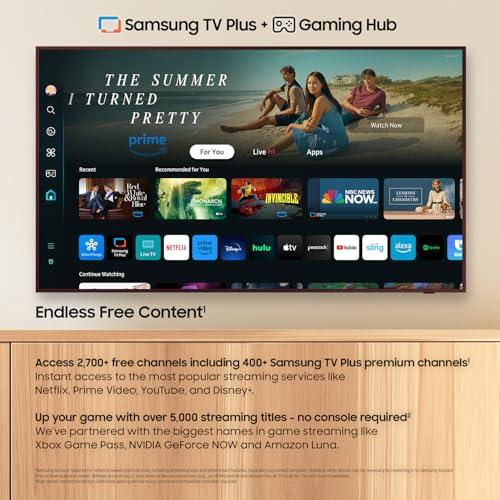
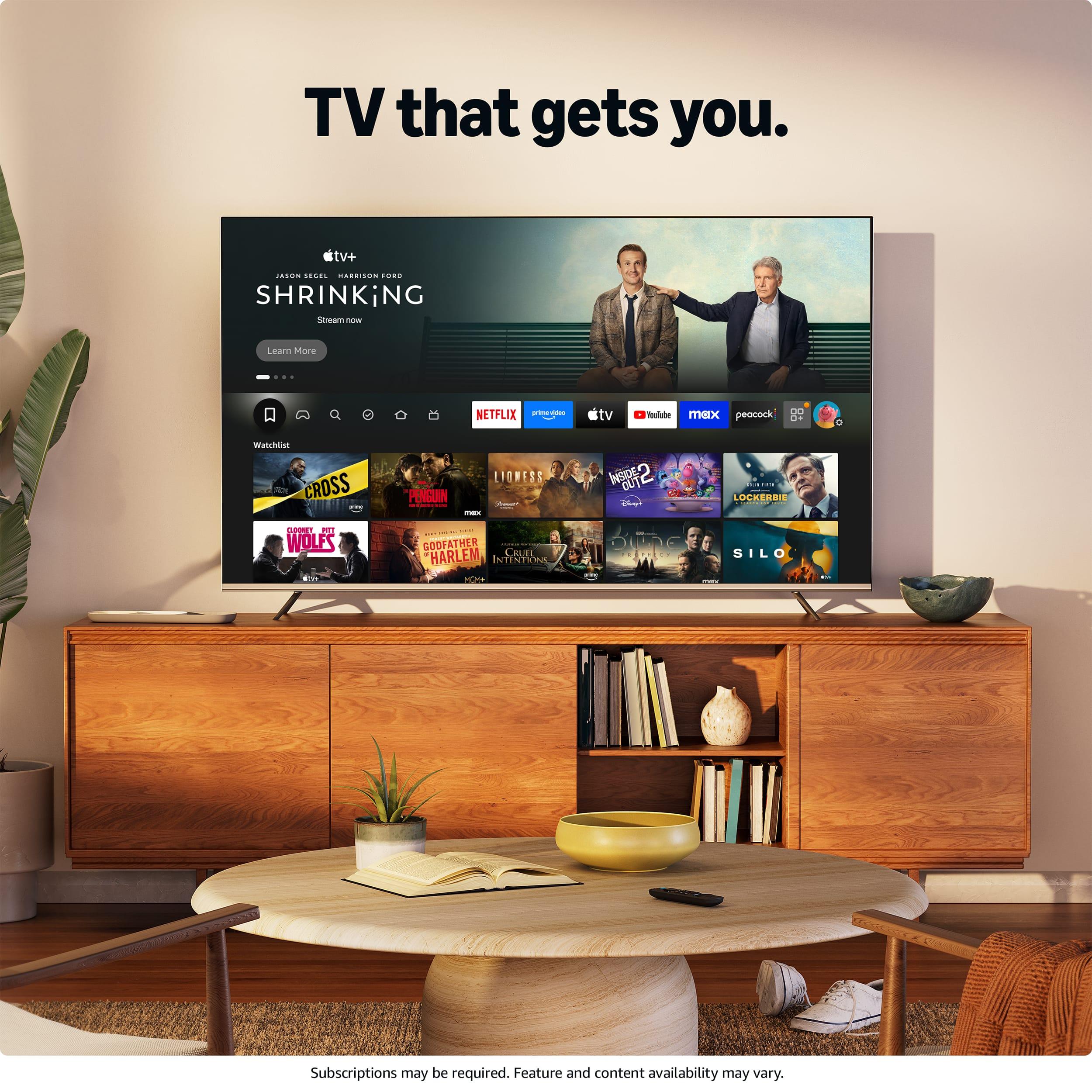
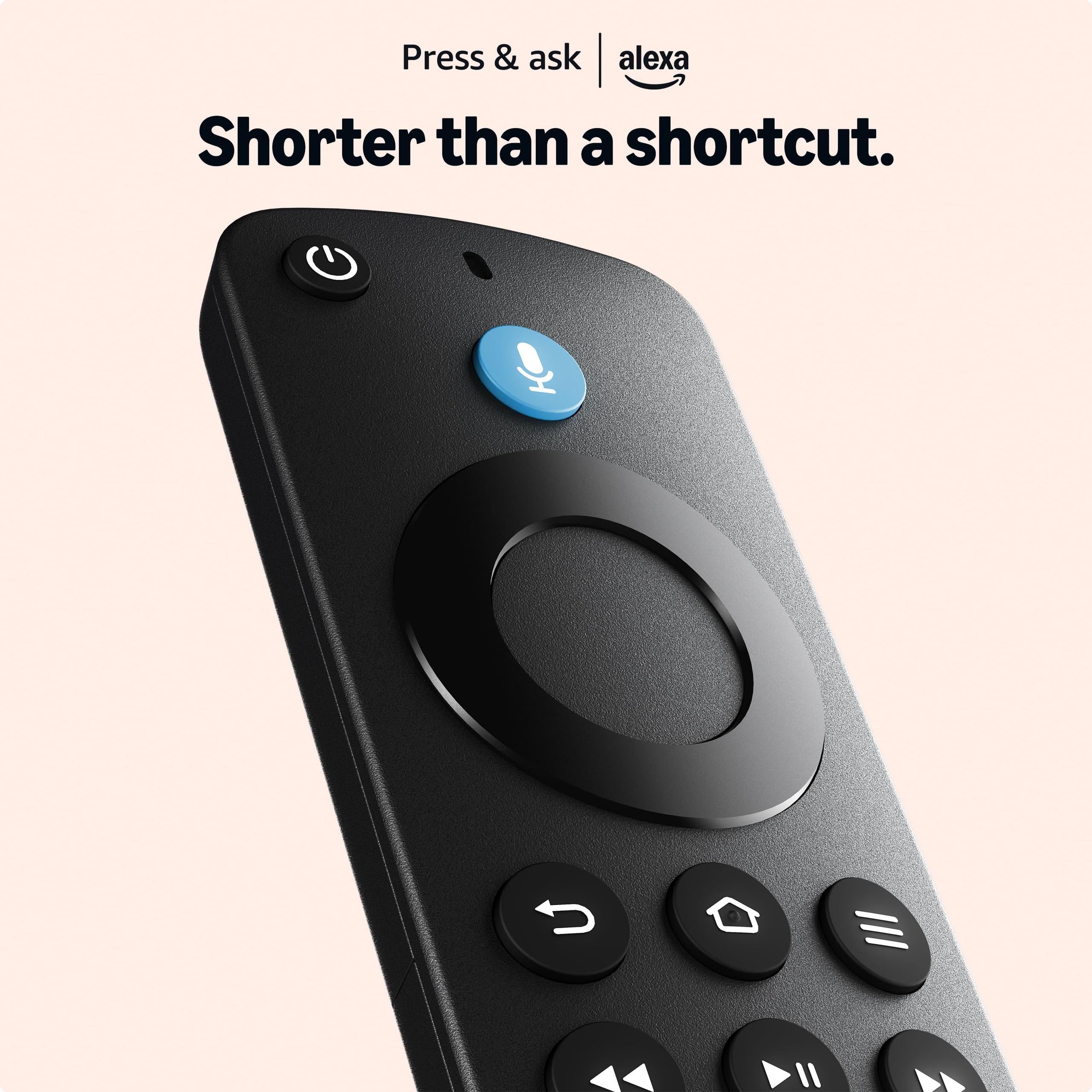
The Hisense QD7 uses Fire TV, Amazon's streaming platform. Fire TV offers extensive app compatibility, regular updates, and deep integration with Amazon's ecosystem. Built-in Alexa responds to voice commands for content search, smart home control, and general questions. The interface prioritizes Amazon content but provides easy access to all major streaming services.
From our research into user experiences, Fire TV generally receives higher marks for app variety and update frequency. However, if you're already invested in Samsung's ecosystem, Tizen's integration benefits may outweigh Fire TV's broader compatibility.
The Samsung Frame represents a fundamental reimagining of television design. When not displaying video content, Art Mode transforms the screen into a digital gallery. A built-in motion sensor detects room occupancy, automatically switching between standby and art display modes to save energy.
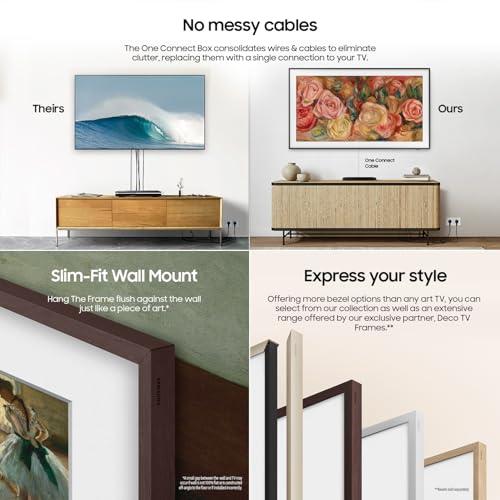
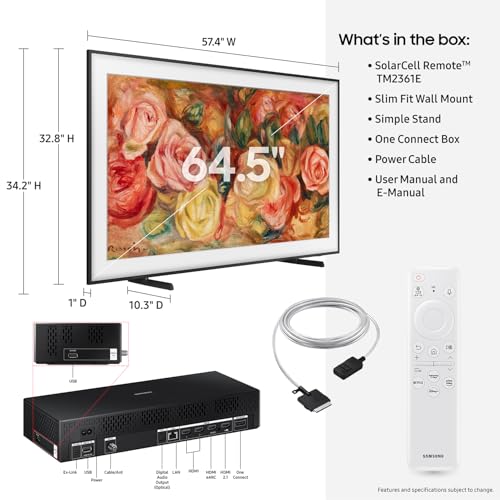
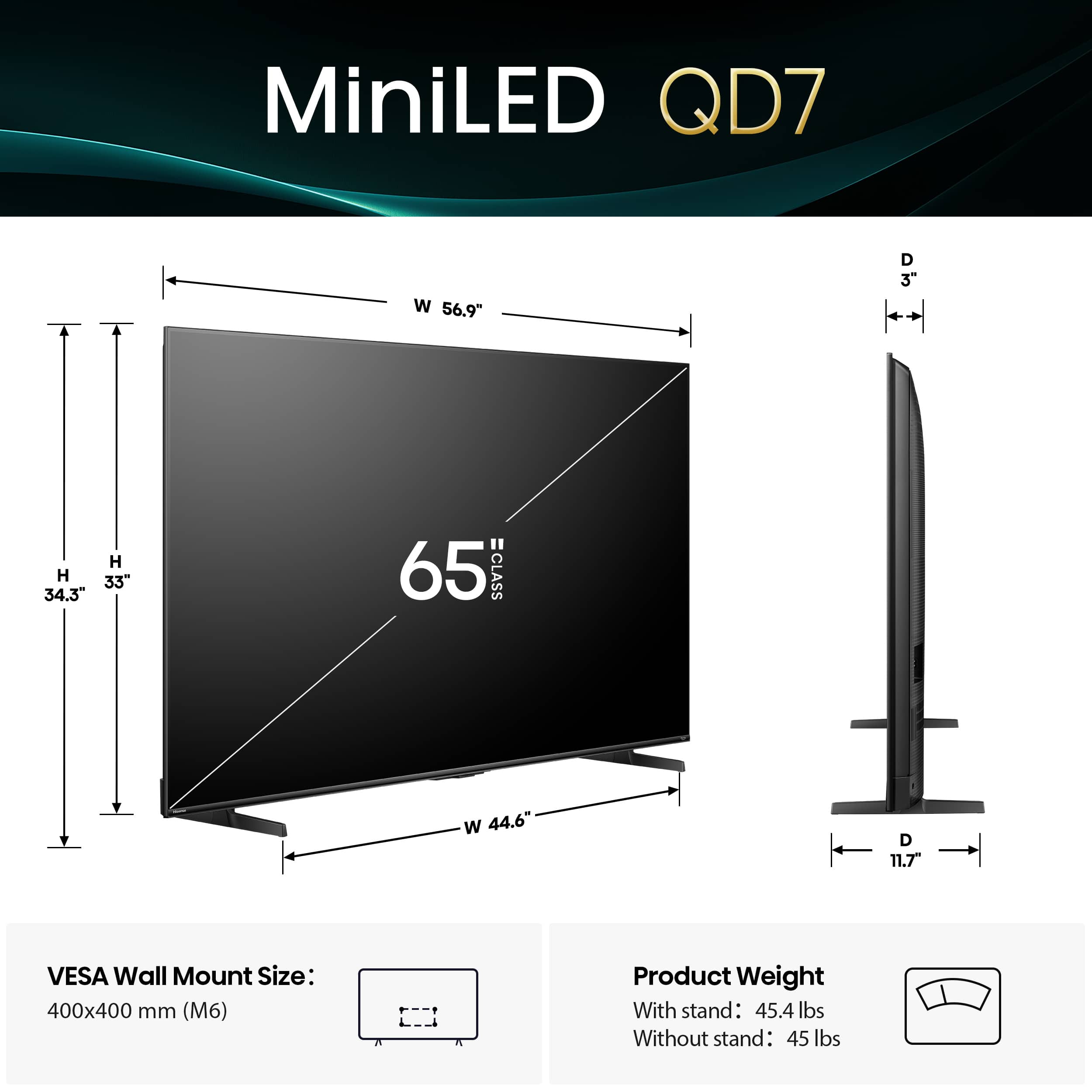
Customizable magnetic bezels let you match existing décor—wood grain, metal finishes, or colorful options that complement your interior design. The ultra-thin profile (just 1 inch deep) enables flush wall mounting that mimics a framed painting. The One Connect Box consolidates all video inputs into a separate unit, connected by a single nearly invisible cable.
This design requires compromises. The matte screen reduces contrast. The thin profile limits speaker size and thermal management. Edge-lit backlighting keeps thickness minimal but sacrifices picture quality compared to thicker designs with better cooling and more sophisticated backlighting.
The Hisense QD7 follows traditional TV design principles, prioritizing performance over aesthetics. It's well-built and attractive, but clearly identifiable as a television. Standard mounting options and direct cable connections work fine but lack the Frame's seamless integration.
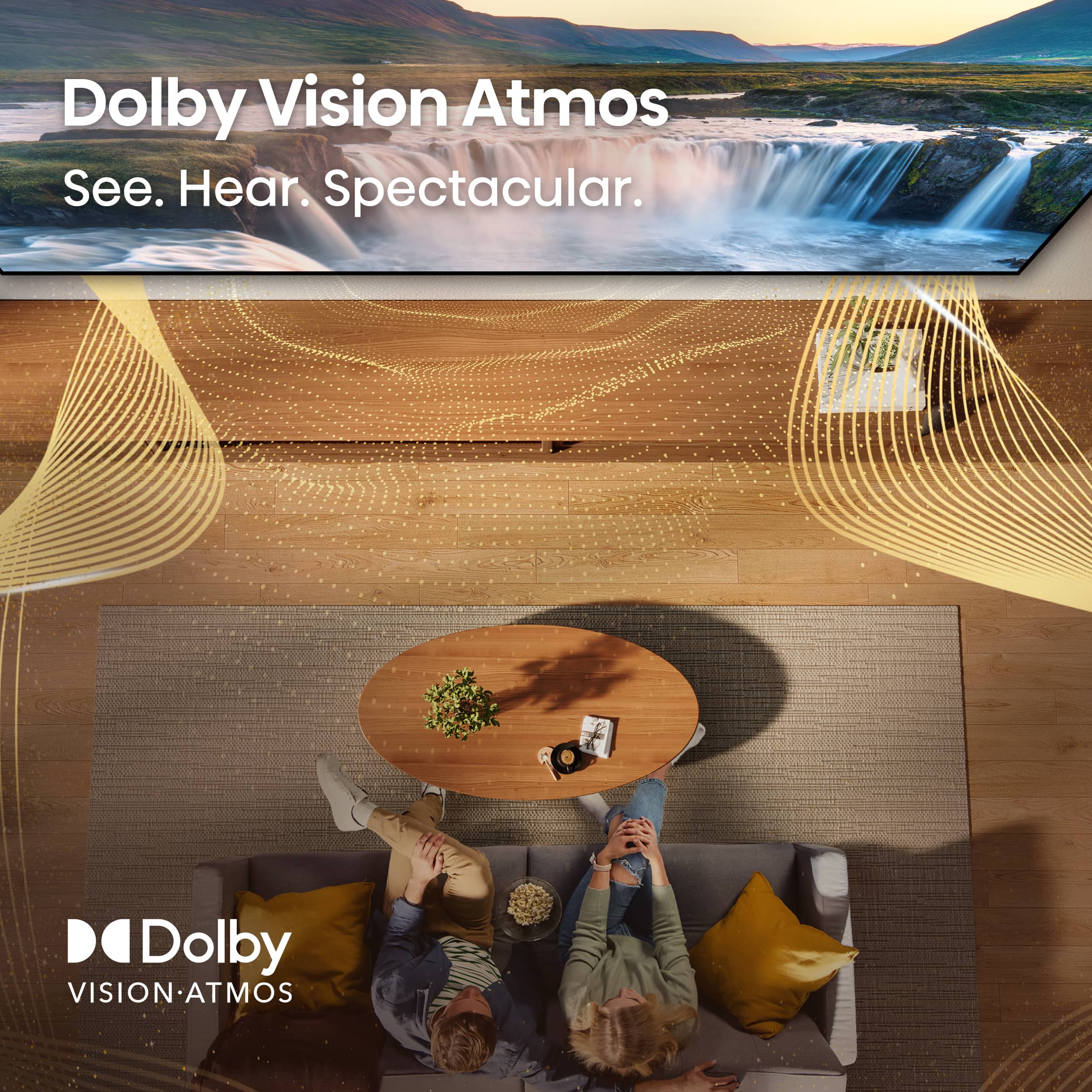
Both TVs include Dolby Atmos support, creating three-dimensional soundstages that move audio around and above listeners. The Samsung Frame features 40W total output through 2.0.2 channel speakers—adequate for casual viewing but limited by the thin design constraints.
The Hisense QD7 offers comparable audio quality with similar power output. Neither TV approaches dedicated sound system quality, but both provide acceptable audio for their respective use cases.
For serious home theater setups, external audio becomes essential regardless of your TV choice. Both models support eARC (Enhanced Audio Return Channel) for connecting high-end soundbars or receiver systems.
At the time of writing, the Hisense QD7 costs roughly half the Samsung Frame's price while delivering superior technical performance in most measurable categories. The QD7 provides Mini-LED backlighting, higher peak brightness, Dolby Vision support, and advanced gaming features typically found in much more expensive TVs.
The Frame's premium reflects its lifestyle features rather than pure performance. You're paying for Art Mode functionality, customizable bezels, anti-glare technology, and the engineering required to create such a thin, aesthetically integrated design. Additional costs include decorative bezels and optional Art Store subscriptions for premium artwork collections.
From a pure performance-per-dollar perspective, the Hisense QD7 wins decisively. However, value calculations must consider your specific needs and preferences.
In dedicated home theater environments, picture quality becomes paramount. The Hisense QD7 excels with its Mini-LED backlighting providing true blacks and brilliant highlights. Dolby Vision support ensures you're seeing HDR content as intended by filmmakers.
The controlled lighting typical of home theaters also minimizes the Frame's anti-glare benefits while highlighting its contrast limitations. In dark rooms, the matte coating's trade-offs become more apparent, with blacks appearing grayish and colors seeming muted compared to glossy alternatives.
For movie enthusiasts building dedicated viewing spaces, the QD7 delivers significantly better performance at a lower price point. The Frame makes more sense in multi-purpose living areas where aesthetics and bright-room viewing matter more than absolute picture quality.
The Samsung Frame serves a specific audience prioritizing design integration and multi-functionality. Choose it if you want your TV to disappear when not in use, display digital artwork, and maintain a sophisticated aesthetic in bright living spaces. The anti-glare technology genuinely excels in rooms with lots of windows or ambient lighting.
However, the Frame makes less sense for dedicated entertainment rooms, serious gamers, or anyone prioritizing technical performance over aesthetics. The price premium is substantial, and you're paying primarily for lifestyle features rather than picture quality improvements.
The Hisense QD7 targets performance-conscious buyers seeking flagship features at competitive prices. Choose it for superior HDR experiences, advanced gaming capabilities, or simply the best picture quality available within this price range. The Mini-LED technology and Dolby Vision support provide genuinely impressive visual experiences.
The QD7 makes less sense if design integration matters more than performance, or if you specifically need the Frame's art display functionality.
Consider your primary use cases honestly. If you watch TV occasionally while prioritizing living space aesthetics, the Samsung Frame might justify its premium. If you're building a home theater, gaming seriously, or simply want the best picture quality available, the Hisense QD7 provides exceptional value.
The technology gap between these models is significant. The QD7's Mini-LED backlighting and Dolby Vision support deliver genuinely superior picture quality for traditional TV viewing. However, the Frame's unique aesthetic integration and Art Mode functionality serve needs that no traditional TV can match.
Your decision ultimately depends on whether you're buying a television that occasionally displays art, or artwork that occasionally functions as a television. Both approaches have merit—just ensure your choice aligns with your actual needs and viewing habits rather than aspirational ideas about how you might use your TV.
| Samsung 65" The Frame QLED 4K 2024 TV | Hisense 65" QD7 Series Mini-LED 4K Fire TV 2025 |
|---|---|
| Display Technology - Determines contrast and picture quality | |
| QLED with edge-lit backlighting (thinner design, limited contrast) | Mini-LED with Full Array Local Dimming (superior contrast, deeper blacks) |
| Peak Brightness - Critical for HDR impact and bright room viewing | |
| ~590 nits (adequate for most content) | 1000+ nits (dramatic HDR highlights, excellent for bright rooms) |
| HDR Support - Affects streaming content quality | |
| HDR10, HDR10+, HLG (missing Dolby Vision from Netflix/Disney+) | Dolby Vision, HDR10, HDR10+, HLG (complete format support) |
| Gaming Performance - Matters for console gamers | |
| 120Hz max, VRR, 1x HDMI 2.1 port (good for casual gaming) | 144Hz native, VRR, multiple HDMI 2.1 ports (excellent for serious gamers) |
| Screen Coating - Impacts viewing in different lighting conditions | |
| Anti-glare matte finish (eliminates reflections, slightly muted colors) | Traditional glossy (better contrast and colors, more reflections) |
| Design Philosophy - Determines room integration | |
| Art display TV with customizable bezels, 1" thin profile | Traditional performance TV with standard mounting |
| Smart Platform - Affects app selection and user experience | |
| Samsung Tizen OS (good Samsung integration, limited app store) | Fire TV with Alexa (extensive apps, regular updates, voice control) |
| Unique Features - Special capabilities that justify the choice | |
| Art Mode, motion sensor, One Connect Box, Pantone certification | Mini-LED backlighting at budget price, 144Hz gaming, Dolby Vision |
| Best For - Target user scenarios | |
| Design-conscious users wanting TV/art combo in bright rooms | Performance seekers wanting flagship picture quality and gaming features |
| Value Proposition - What you get for the price difference | |
| Premium for lifestyle features and aesthetic integration | Exceptional technical performance at competitive pricing |
The Hisense 65" QD7 Series Mini-LED 4K Fire TV 2025 delivers superior picture quality with Mini-LED backlighting that provides deeper blacks, brighter highlights, and better contrast than the Samsung 65" The Frame QLED 4K 2024 TV. The QD7 also supports Dolby Vision HDR, which the Frame lacks, ensuring you get the best possible streaming experience from Netflix, Disney+, and other premium services.
The Samsung Frame costs significantly more than the Hisense QD7, but you're paying for unique lifestyle features rather than better TV performance. The Frame's Art Mode, customizable bezels, and ultra-thin design justify the premium only if you prioritize aesthetics and want your TV to function as wall art when not in use.
The Hisense QD7 excels for gaming with 144Hz refresh rate, multiple HDMI 2.1 ports, and lower input lag compared to the Samsung Frame. The QD7's higher refresh rate and additional ports make it ideal for serious gamers with multiple consoles, while the Frame's single HDMI 2.1 port and 120Hz limit may restrict advanced gaming setups.
Yes, the Samsung 65" The Frame QLED 4K 2024 TV features Art Mode that displays digital artwork when not watching TV. It includes a motion sensor that automatically switches between art display and standby modes, plus customizable magnetic bezels to mimic real picture frames. The Hisense QD7 doesn't offer this dual-purpose functionality.
The Samsung Frame handles bright rooms exceptionally well thanks to its anti-glare matte coating that eliminates reflections and glare. While the Hisense QD7 gets brighter overall, its glossy screen reflects more light, making the Frame the better choice for rooms with significant ambient lighting or large windows.
Both TVs support major streaming services, but with different smart platforms. The Hisense QD7 runs Fire TV with broader app selection and regular updates, while the Samsung Frame uses Tizen OS with good performance but potentially fewer third-party apps. Both access Netflix, Disney+, Prime Video, and other major services without issues.
Both the Samsung Frame and Hisense QD7 offer similar 40W audio output with Dolby Atmos support. Neither provides exceptional sound quality due to thin designs, so most users will want to add a soundbar or home theater system for the best audio experience regardless of which TV they choose.
Hisense has significantly improved build quality and reliability in recent years, with the QD7 receiving positive reviews for both performance and durability. While Samsung traditionally holds a reputation advantage, the Frame and QD7 both offer solid construction and similar warranty coverage, making reliability less of a deciding factor.
The Hisense QD7 performs better in dedicated home theater environments thanks to its Mini-LED backlighting, superior contrast, and Dolby Vision support. The controlled lighting typical of home theaters minimizes the Samsung Frame's anti-glare benefits while highlighting its contrast limitations compared to the QD7's deeper blacks.
The Samsung Frame excels at flush wall mounting with its ultra-thin 1-inch profile and included Slim-Fit Wall Mount, creating a genuine artwork appearance. The Hisense QD7 can be wall-mounted but with standard thickness and mounting hardware that doesn't achieve the same seamless, picture-frame aesthetic.
The Hisense QD7 provides exceptional value with Mini-LED technology, Dolby Vision support, and advanced gaming features typically found in much more expensive TVs. The Samsung Frame costs significantly more for lifestyle features rather than performance improvements, making the QD7 the clear winner for pure value unless you specifically need the Frame's art display functionality.
Choose the Samsung Frame if you prioritize design aesthetics, want Art Mode functionality, have a bright living room, and value the ultra-thin wall-mount appearance. Choose the Hisense QD7 if you want the best picture quality, serious gaming performance, Dolby Vision support, and maximum value for your money without paying extra for lifestyle features.
We've done our best to create useful and informative comparisons to help you decide what product to buy. Our research uses advanced automated methods to create this comparison and perfection is not possible - please contact us for corrections or questions. These are the sites we've researched in the creation of this article: tomsguide.com - rtings.com - rtings.com - youtube.com - bestbuy.com - techlicious.com - youtube.com - smalllilystudio.com - theeverymom.com - livingetc.com - pcrichard.com - image-us.samsung.com - samsung.com - images.samsung.com - samsung.com - buydig.com - tvsbook.com - bestbuy.com - samsung.com - samsung.com - flatpanelshd.com - bestbuy.com - custrevs.com - youtube.com - bestbuy.com - rtings.com - youtube.com - rtings.com - pcrichard.com - bestbuy.com - pcrichard.com - camelcamelcamel.com - amazonfiretv.blog - hisense-usa.com - hisense-usa.com - hisense-usa.com - bestbuy.com - leaseville.com - youtube.com - bestbuy.com - flatpanelshd.com

Privacy Policy
Terms and Conditions - Affiliate Policy
Home Security
© Copyright 2008-2026.
11816 Inwood Rd #1211, Dallas, TX 75244