

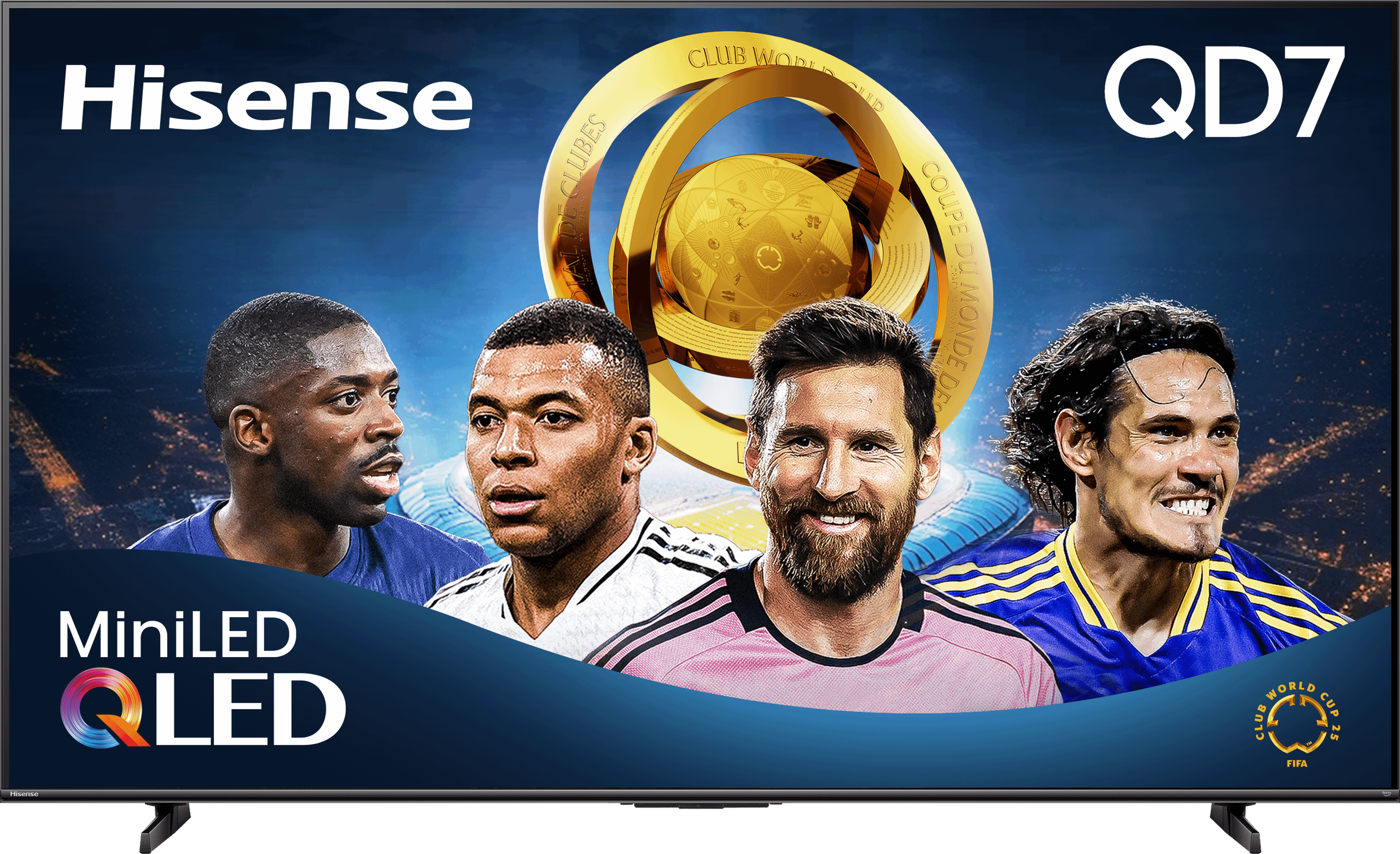
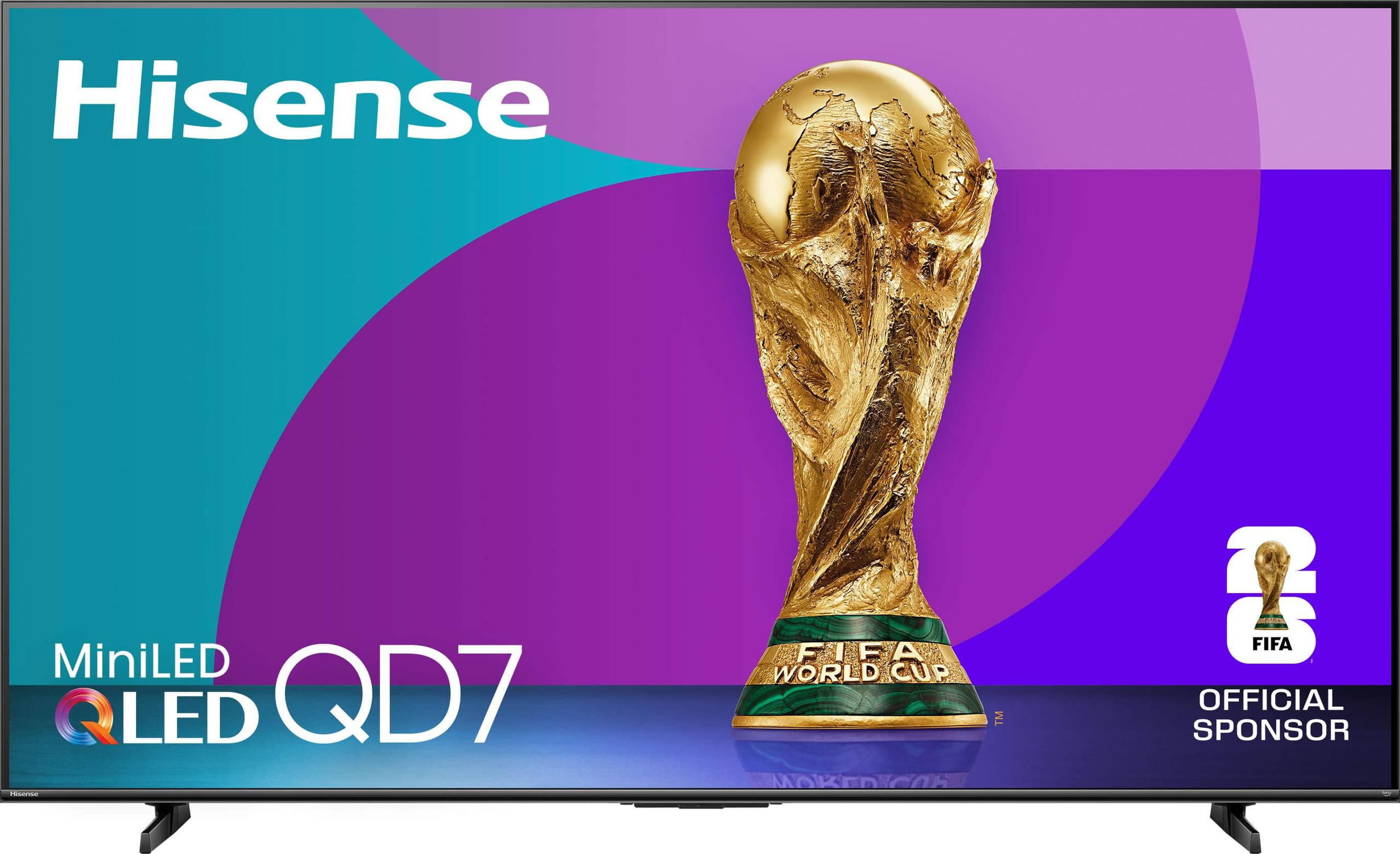
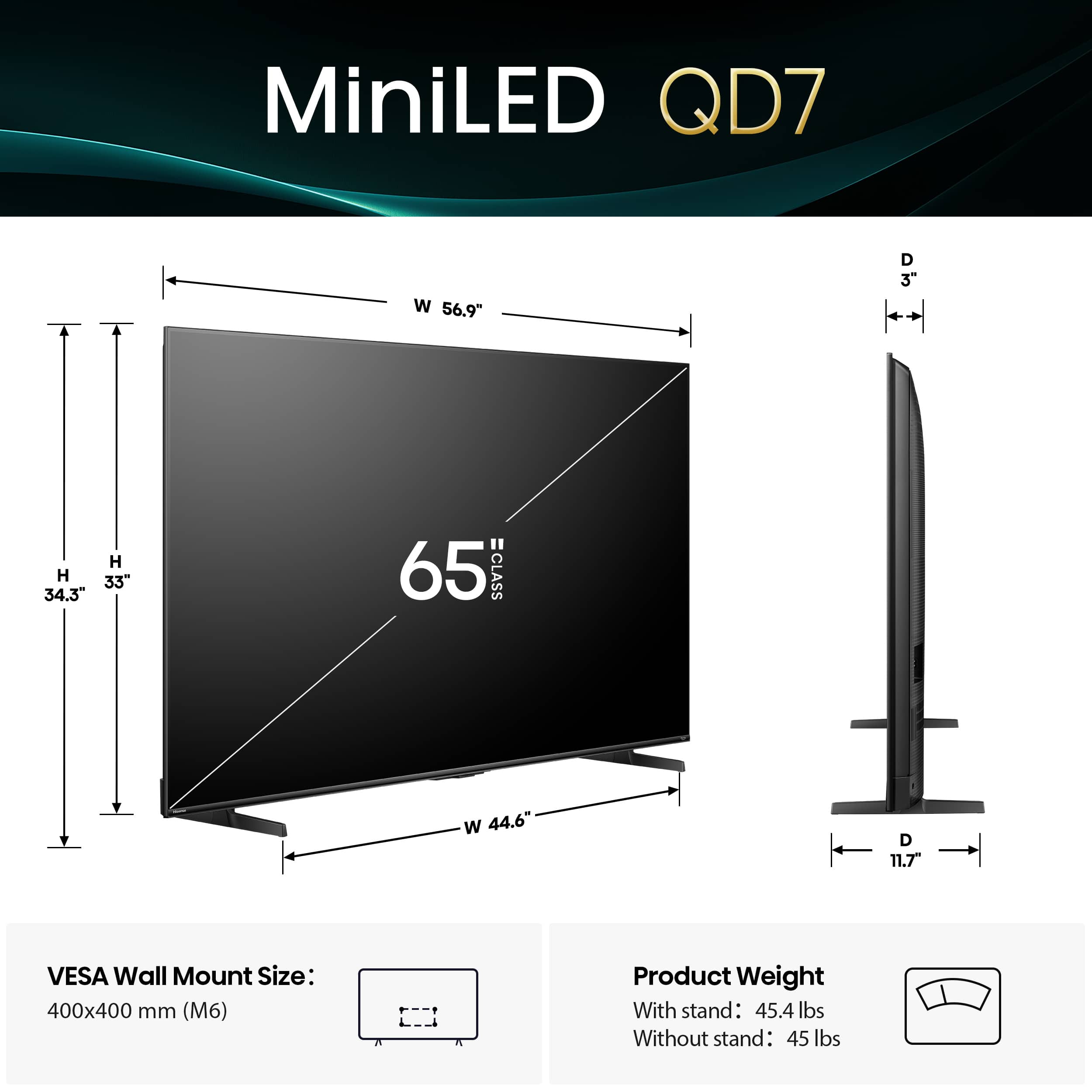
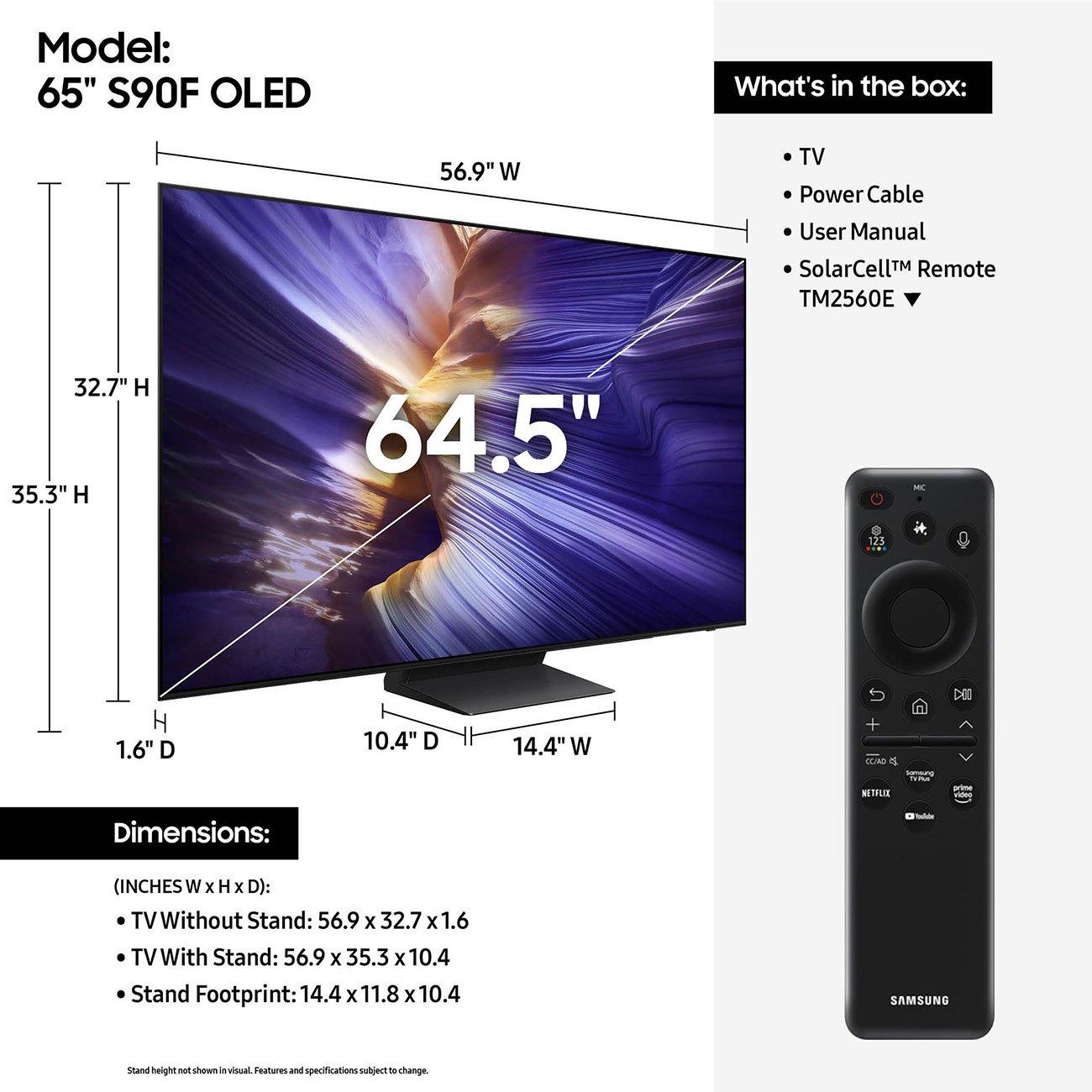
When you're shopping for a new 65-inch TV, you'll quickly discover that not all displays are created equal. Two fundamentally different technologies are competing for your attention: Mini-LED and OLED. Today, we're comparing the Hisense 65" QD7 Series Mini-LED 4K Fire TV 2025 (/product1) against the Samsung 65" S90F OLED 4K Vision AI Smart TV 2025 (/product2) to help you understand which approach might work better for your home.
The 65-inch TV market has evolved dramatically over the past few years. What used to be a simple choice between LED and OLED has become much more nuanced with the introduction of Mini-LED technology. These TVs serve as the entertainment hub for most households, handling everything from Netflix binges to intense gaming sessions.
The main considerations when choosing a premium 4K TV include display technology (how the TV creates its picture), smart platform integration (how well it works with streaming services), gaming performance (input lag and refresh rates), room environment compatibility (how it handles different lighting conditions), and overall value proposition.
Both TVs we're examining launched in 2025, representing the latest generation of their respective technologies. The timing is significant because 2025 marks a maturation point for Mini-LED technology, while OLED panels have reached new levels of brightness and durability.
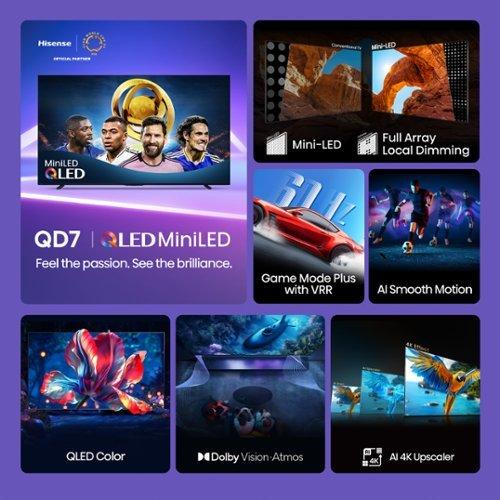
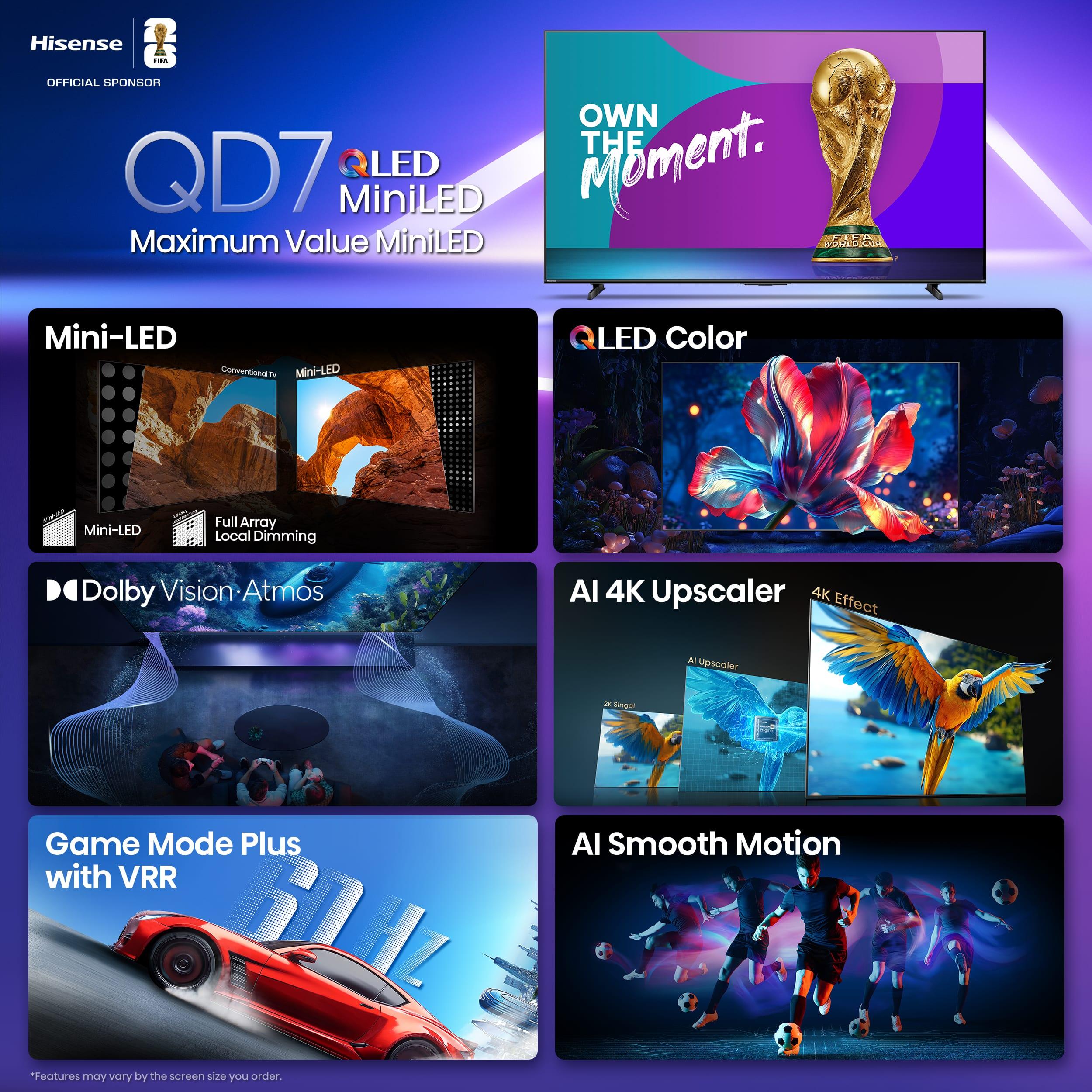
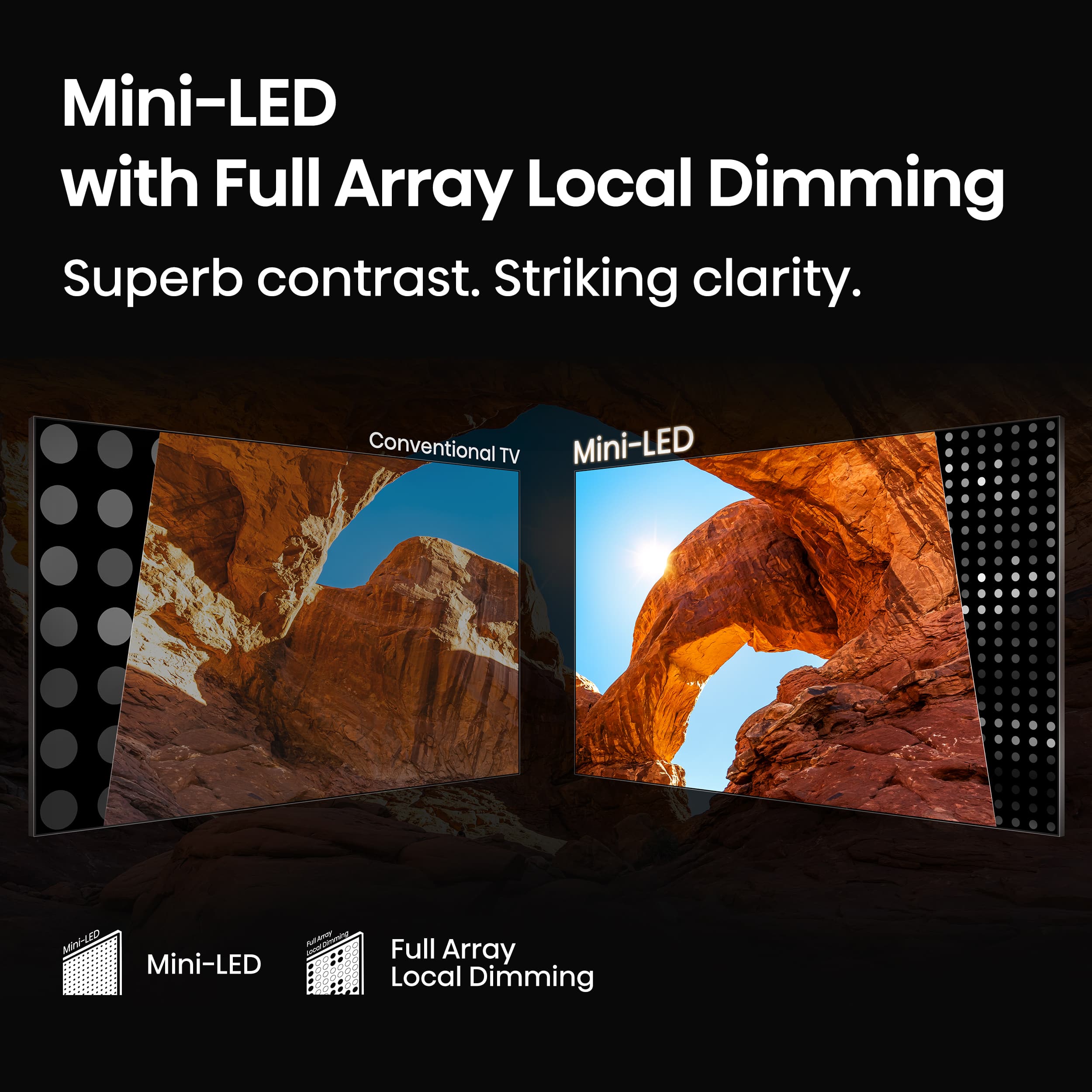
The Hisense QD7 (/product1) uses Mini-LED technology, which is essentially a significant improvement over traditional LED backlighting. Instead of having a few dozen LED zones behind the screen, Mini-LED uses thousands of tiny LEDs arranged in a grid. This allows for much more precise control over which parts of the screen are bright or dark.
Think of it like having thousands of tiny flashlights behind your TV screen instead of just a few large ones. When a scene shows a bright star against a dark sky, the Mini-LED can light up just the area where the star appears while keeping the surrounding areas dim. This creates what's called "local dimming" – the ability to control brightness in specific zones.
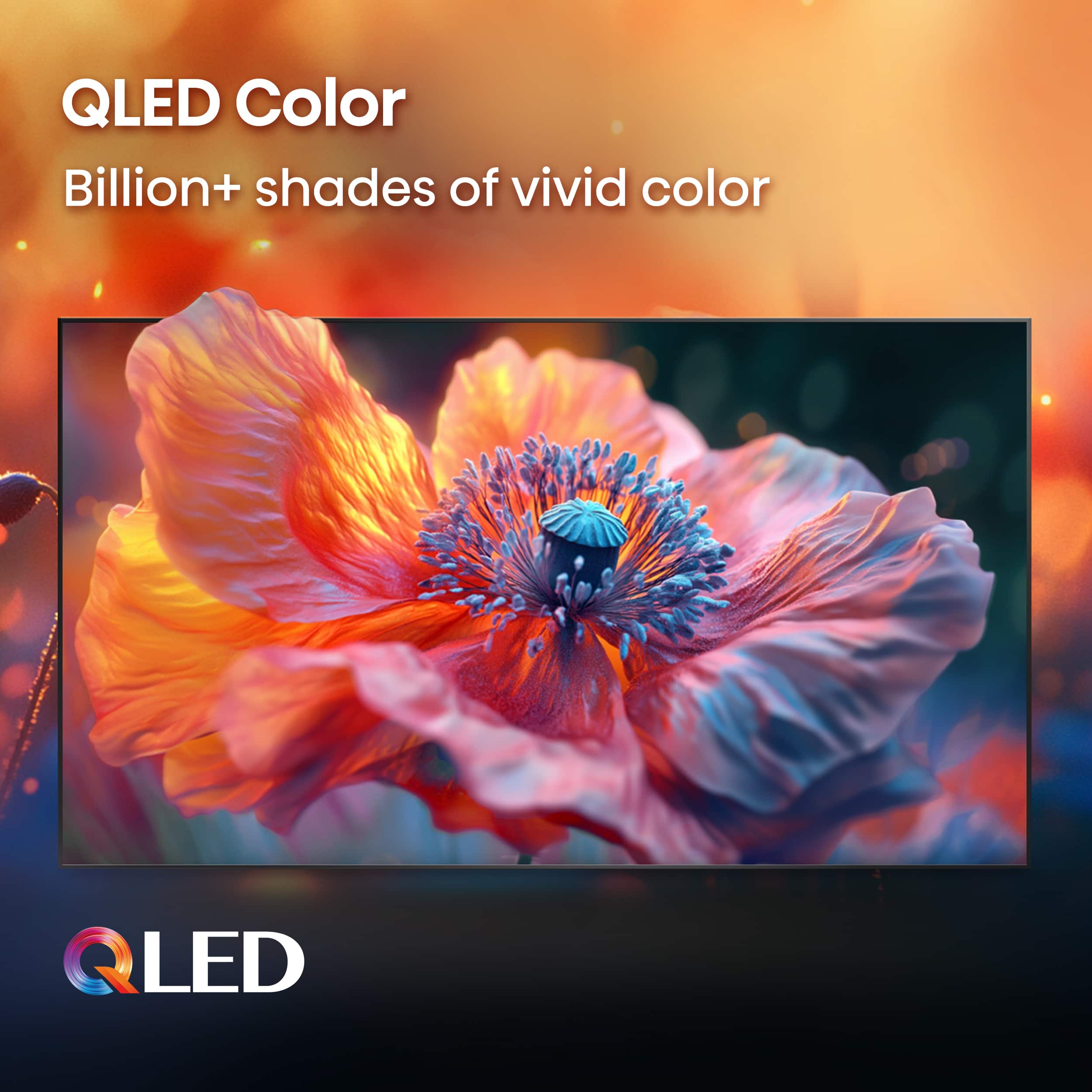
The QD7 combines this Mini-LED backlighting with quantum dot technology (that's what the "QD" stands for). Quantum dots are microscopic particles that can produce very pure, vibrant colors when light hits them. This combination gives you bright, punchy colors that really pop off the screen.
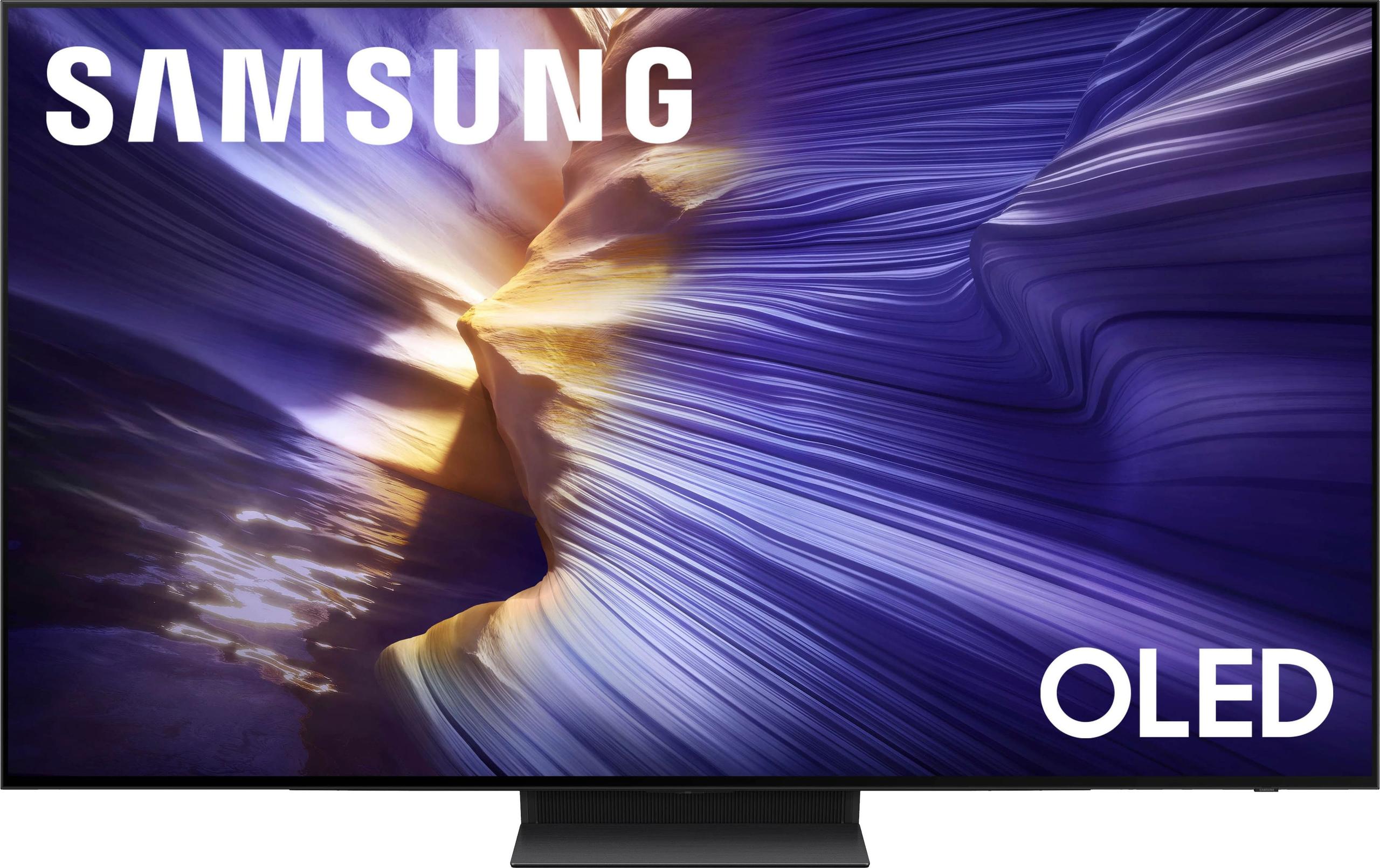
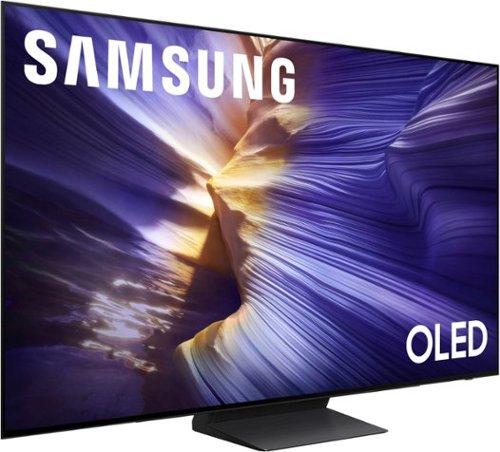
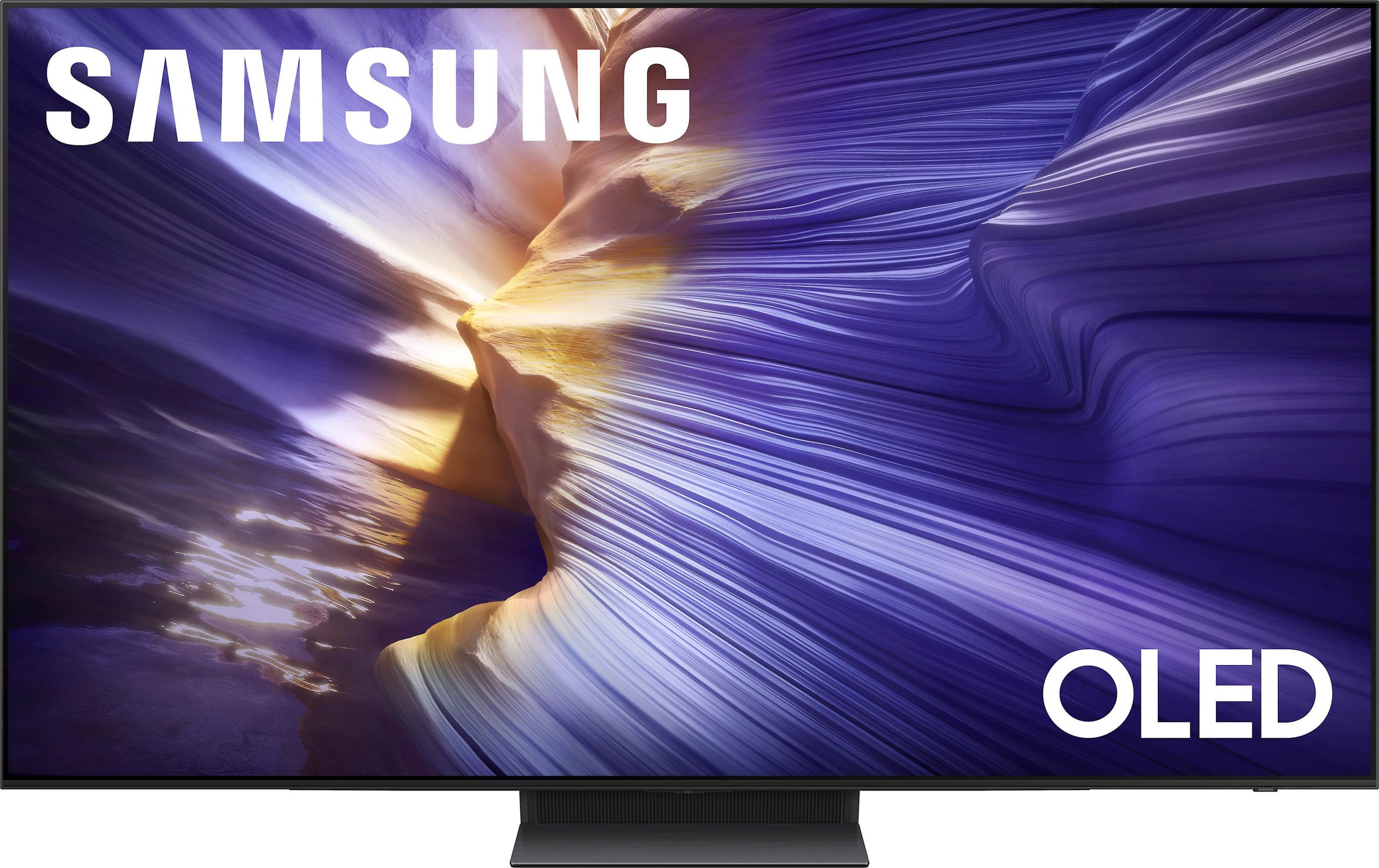
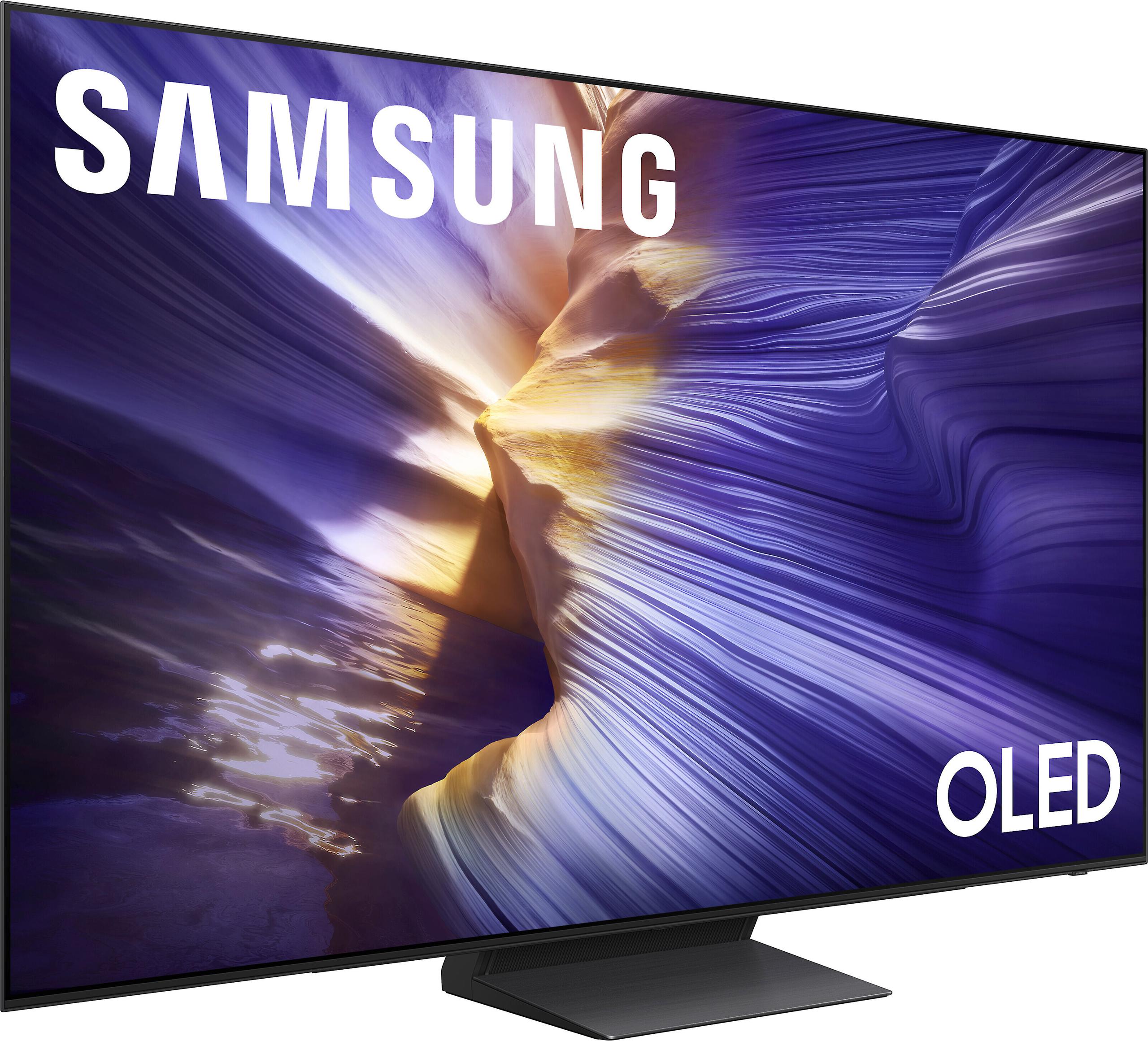
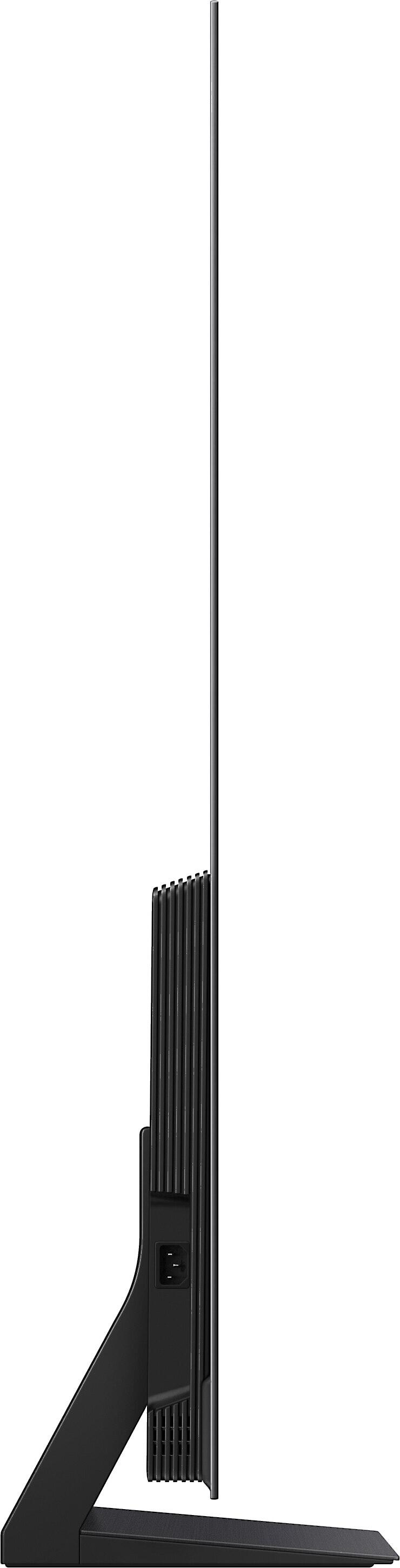
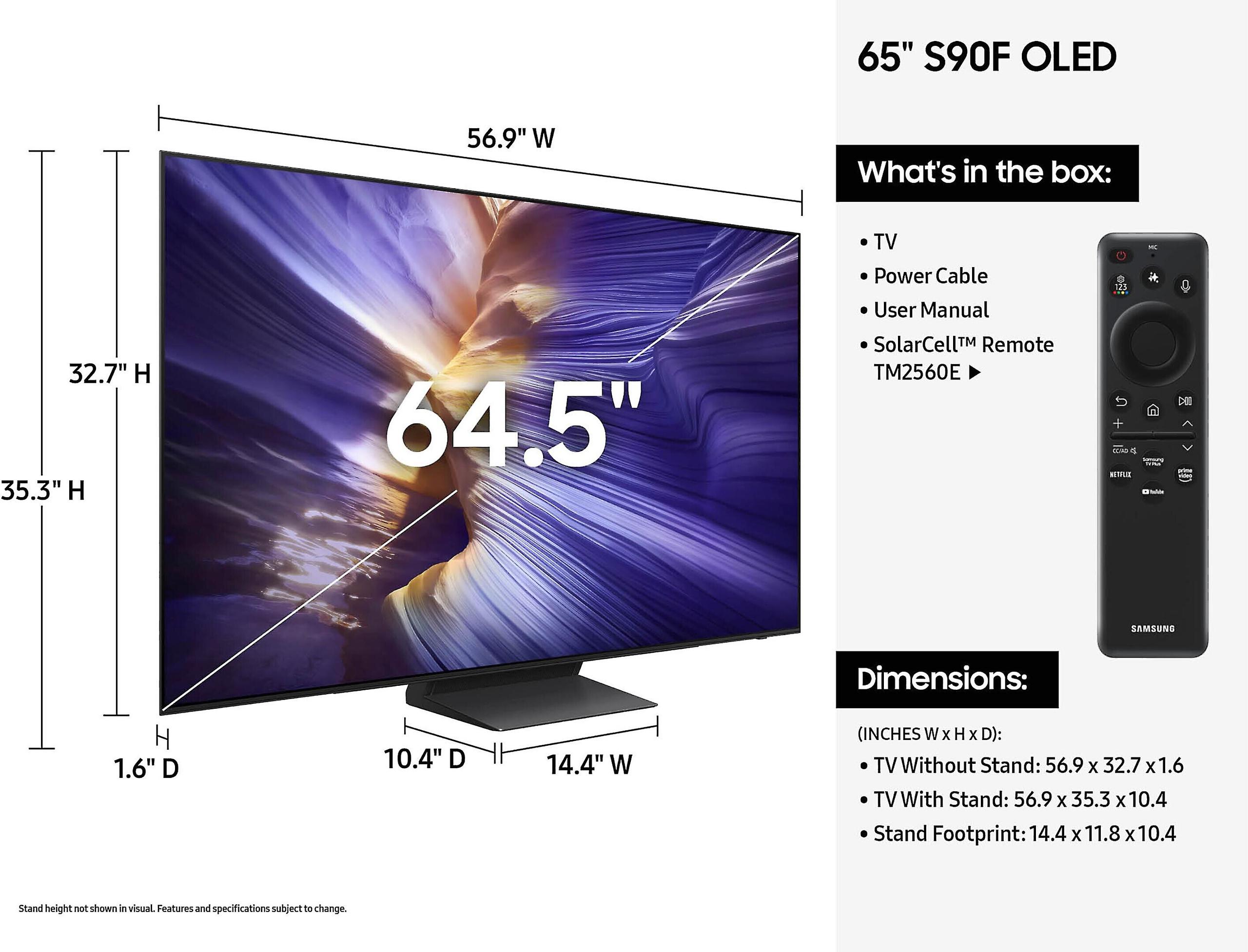
The Samsung S90F (/product2) uses OLED technology, which works completely differently. Instead of using a backlight, each pixel in an OLED display can produce its own light or turn completely off. This means when you're watching a scene with deep space or a dark room, those black areas are truly black – not just very dark gray like you'd get with other technologies.
Samsung's version uses QD-OLED, which combines the self-illuminating properties of OLED with quantum dot technology. This hybrid approach aims to deliver the perfect blacks of OLED while maintaining the bright, saturated colors that quantum dots provide.
This is where the biggest difference lies between these two TVs. The Hisense QD7 (/product1) delivers impressive contrast for its price point, but it's still limited by its LCD panel. Even with thousands of Mini-LEDs providing local dimming, there's still some light bleeding through in dark scenes – what we call "blooming." You might notice this as a slight glow around bright objects against dark backgrounds.
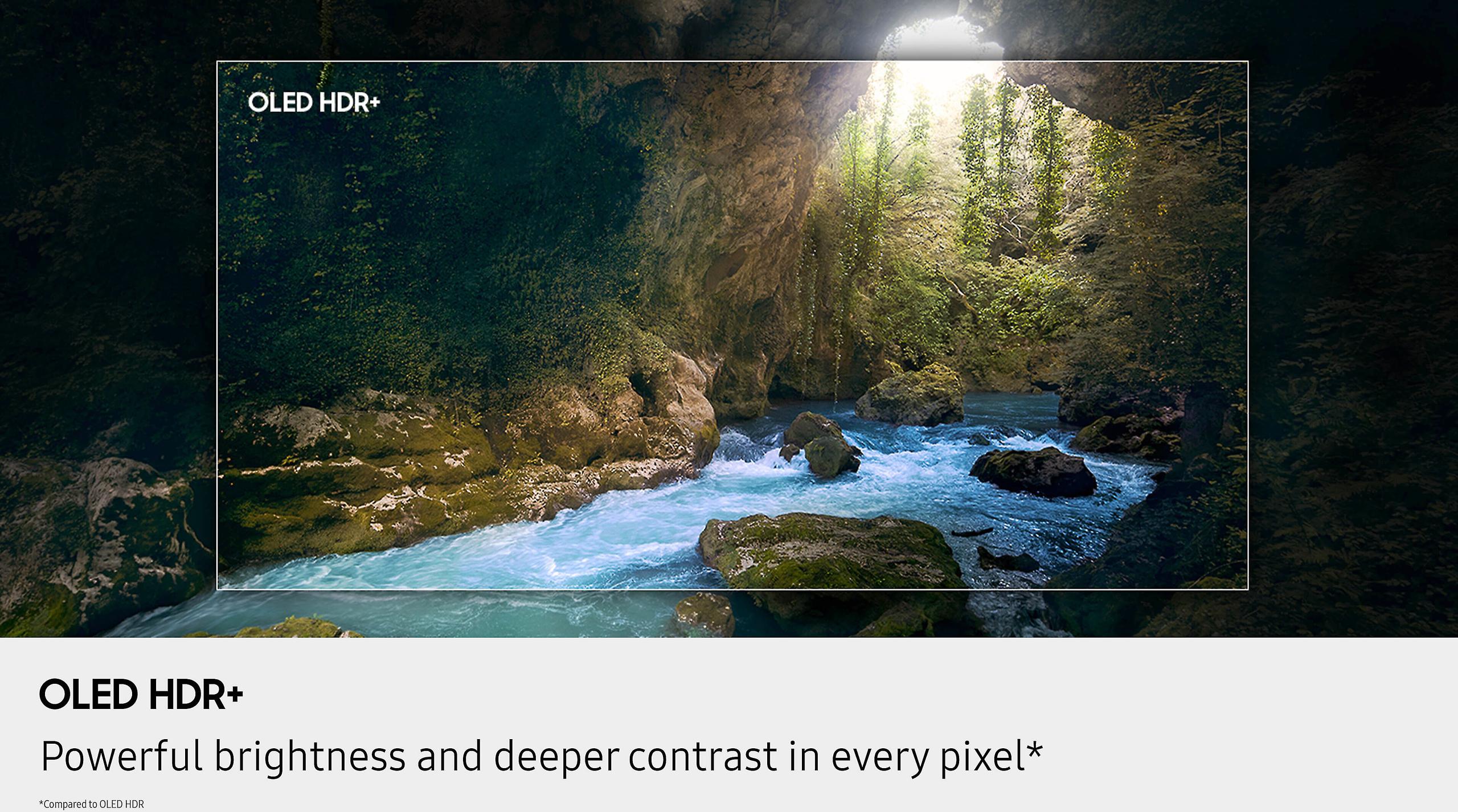
The Samsung S90F, on the other hand, achieves what's called "infinite contrast." Since each pixel can turn completely off, you get true blacks sitting right next to bright highlights. This creates a more three-dimensional, lifelike image that's particularly noticeable in dark scenes or when watching movies with lots of shadows.
Here's where things get interesting. The Hisense QD7 actually gets much brighter than the Samsung S90F. This might seem counterintuitive given the price difference, but it's one of Mini-LED's key advantages. Higher brightness means HDR (High Dynamic Range) content really shines, especially in well-lit rooms.
HDR is technology that allows TVs to display a wider range of brightness levels, from deeper blacks to brighter whites. The QD7 supports Dolby Vision, HDR10, and HLG, giving you compatibility with virtually all HDR content. The Samsung supports HDR10+ and HLG but notably lacks Dolby Vision support – a puzzling omission for a premium TV.
In practical terms, if you're watching HDR content in a bright living room during the day, the Hisense will likely look more vibrant and easier to see. The Samsung will excel in darker viewing environments where its superior contrast can really shine.
Both TVs can display over a billion colors, but they approach color reproduction differently. The Hisense QD7 tends to produce more saturated, punchy colors that immediately grab your attention. This can make content look more vibrant and exciting, though it might not always be the most accurate representation of what the content creator intended.
The Samsung S90F leans toward more natural, refined color gradients. Colors look more realistic and film-like, with smoother transitions between different shades. This is particularly noticeable in skin tones and natural landscapes, where the Samsung's more sophisticated processing creates a more lifelike appearance.
Gaming has become a crucial consideration for TV buyers, especially with the PlayStation 5 and Xbox Series X pushing the boundaries of what's possible.
This is where the Samsung S90F (/product2) really pulls ahead. With its 144Hz refresh rate, it can display up to 144 frames per second, making fast-paced games look incredibly smooth. The TV also features Variable Refresh Rate (VRR), which synchronizes the display's refresh rate with your gaming console's frame rate, eliminating screen tearing and stuttering.
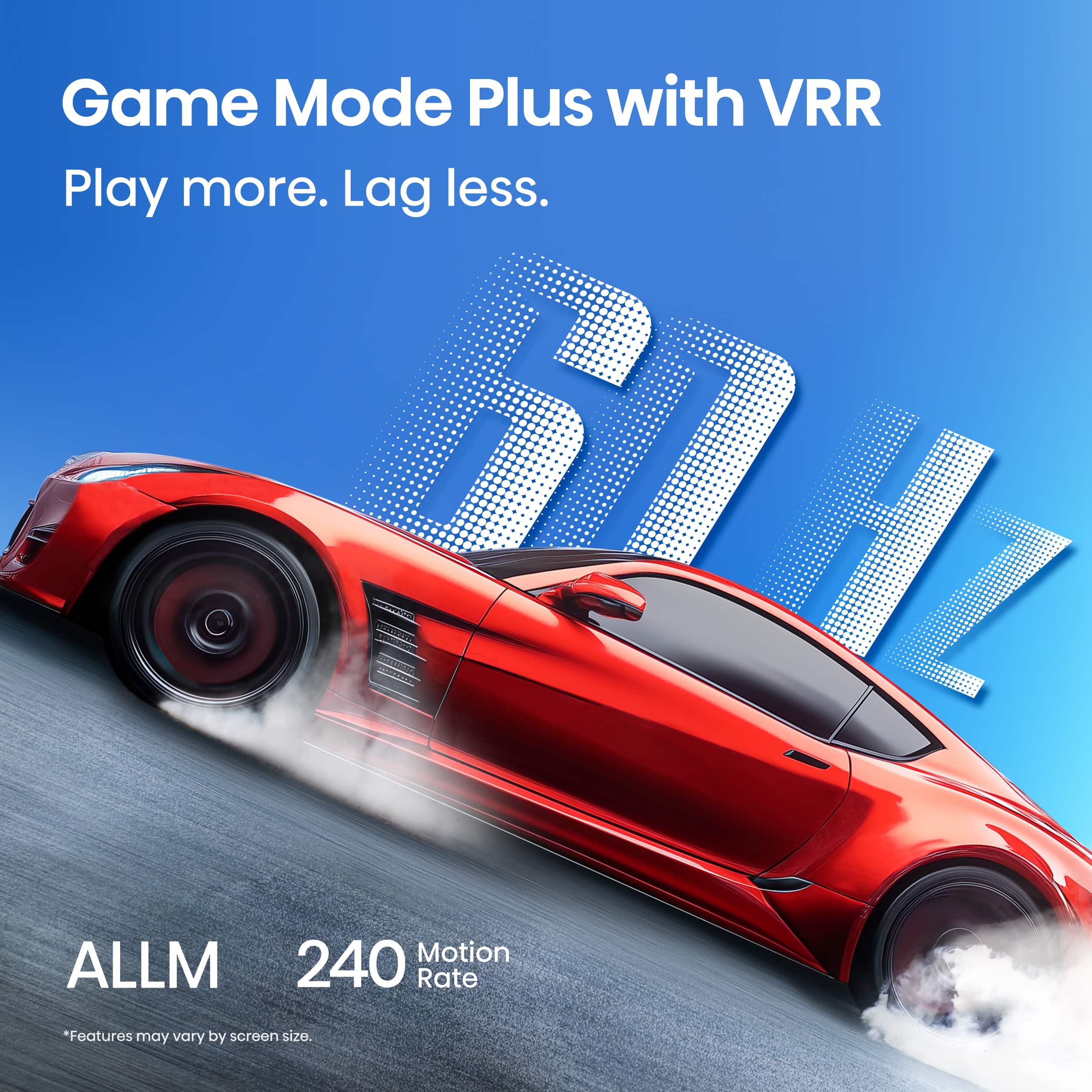
The Hisense QD7 (/product1) operates at 60Hz, which is perfectly adequate for most gaming but won't take full advantage of high-refresh-rate gaming that newer consoles can provide. It does include Auto Low Latency Mode (ALLM), which automatically switches to a gaming mode when it detects a gaming console, reducing input lag – the delay between pressing a button and seeing the action on screen.
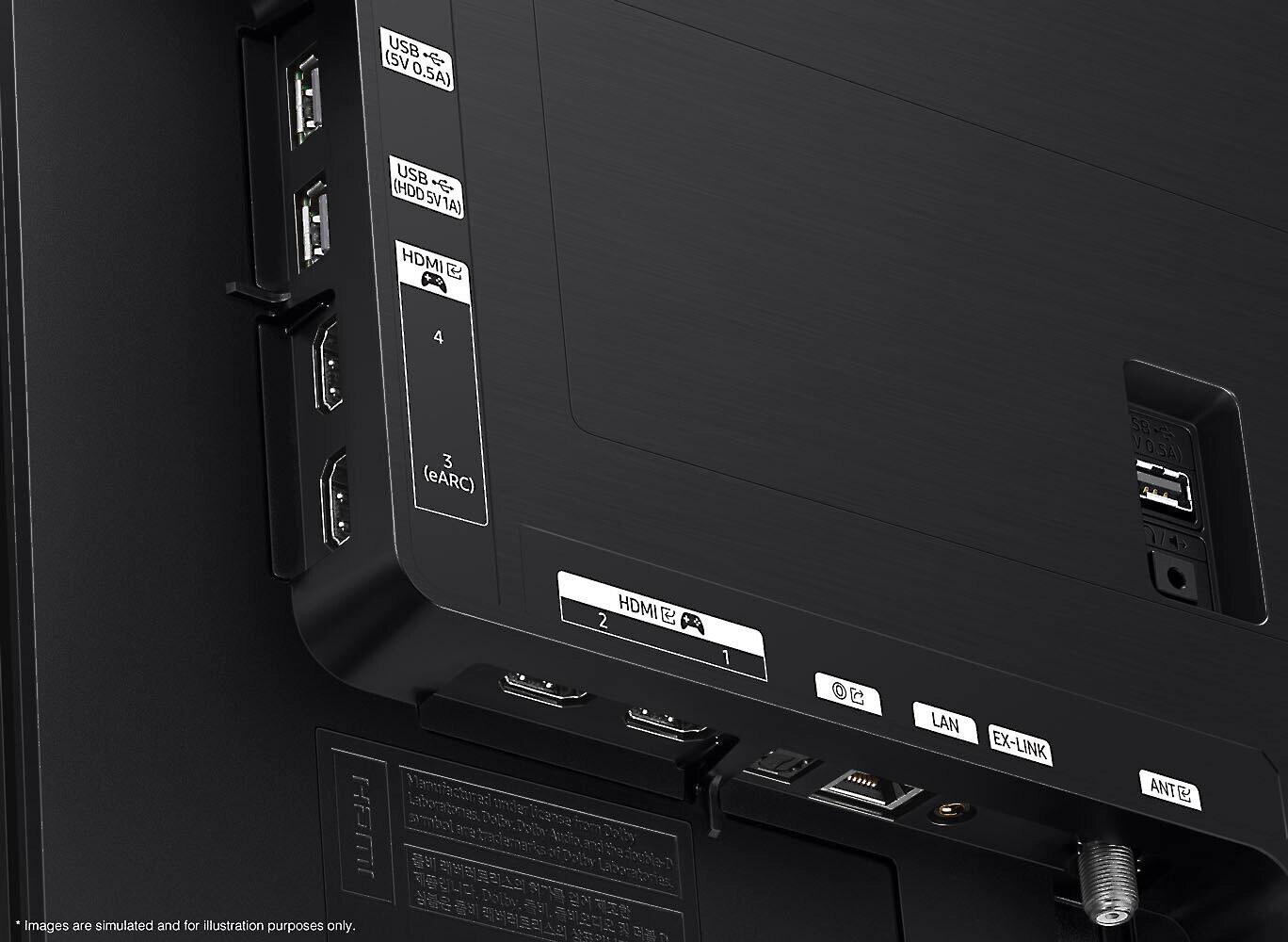
The Samsung includes four HDMI 2.1 ports, which can handle the full bandwidth needed for 4K gaming at high refresh rates. It also features Motion Xcelerator 144Hz technology, which processes fast-moving content to reduce blur and maintain clarity during intense gaming sessions.
The Hisense offers solid gaming performance for its price, with Game Mode Plus optimizing settings for different game types. However, with only basic VRR support and fewer advanced gaming features, it's better suited for casual gaming rather than competitive play.
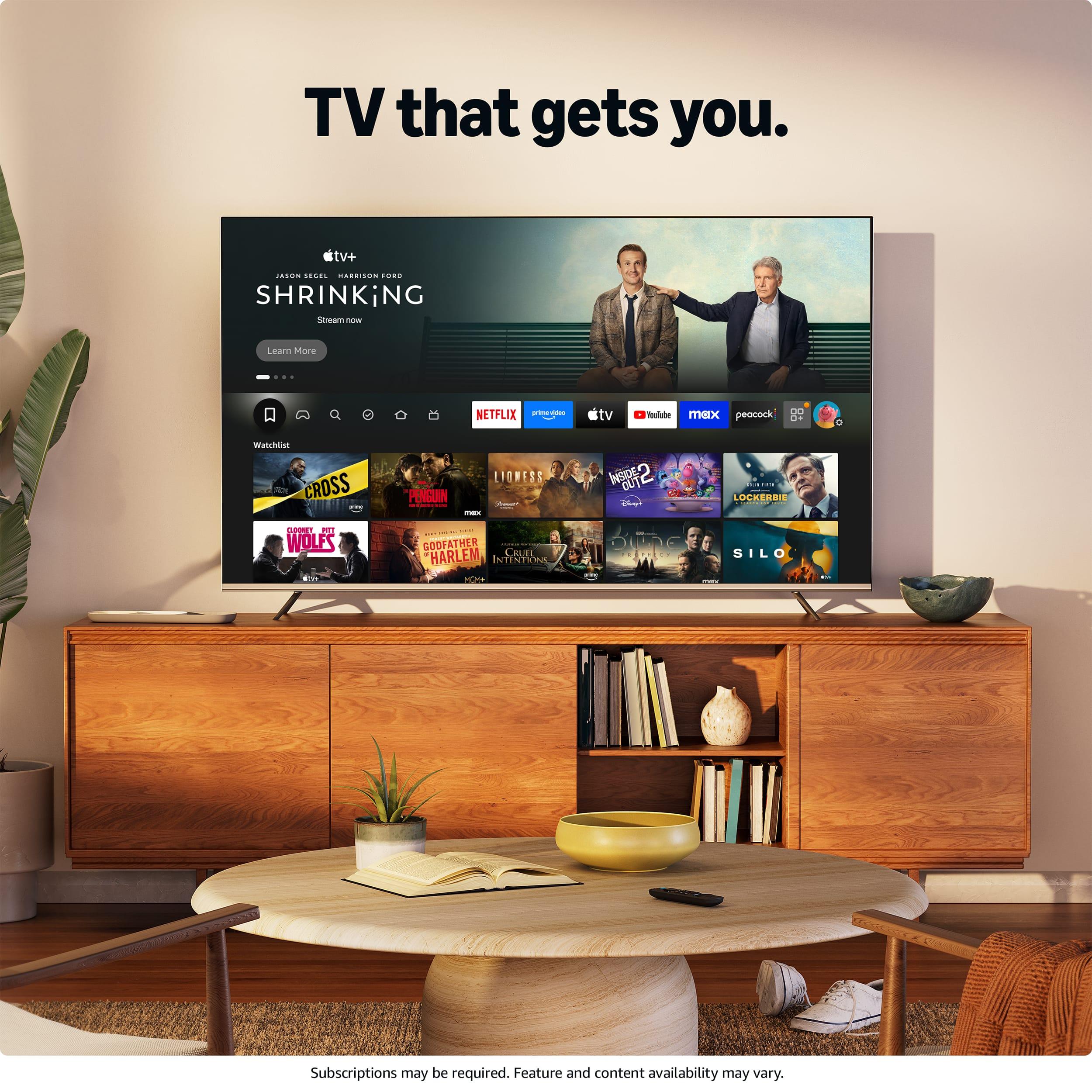
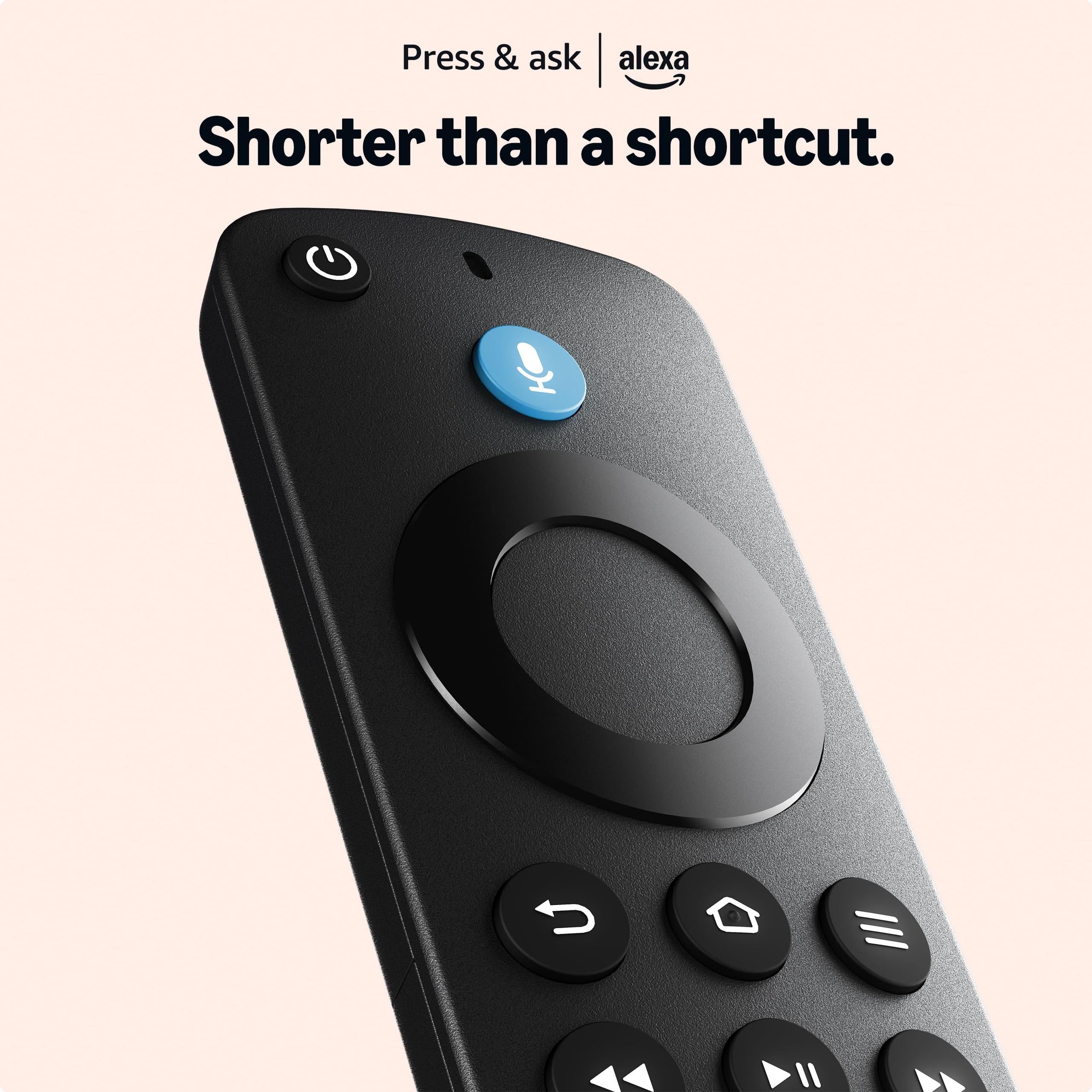
The Hisense QD7 runs Fire TV OS, Amazon's smart platform that integrates deeply with the Amazon ecosystem. If you're already using Amazon Prime Video, have Echo devices, or shop frequently on Amazon, this integration can be quite convenient. The interface is straightforward and fast, with Alexa built-in for voice control.
The Samsung S90F uses Tizen OS with Samsung Vision AI, which is more sophisticated but potentially more complex. The Vision AI can analyze what you're watching and optimize picture settings automatically. It can even recognize different types of content – like sports versus movies – and adjust accordingly.
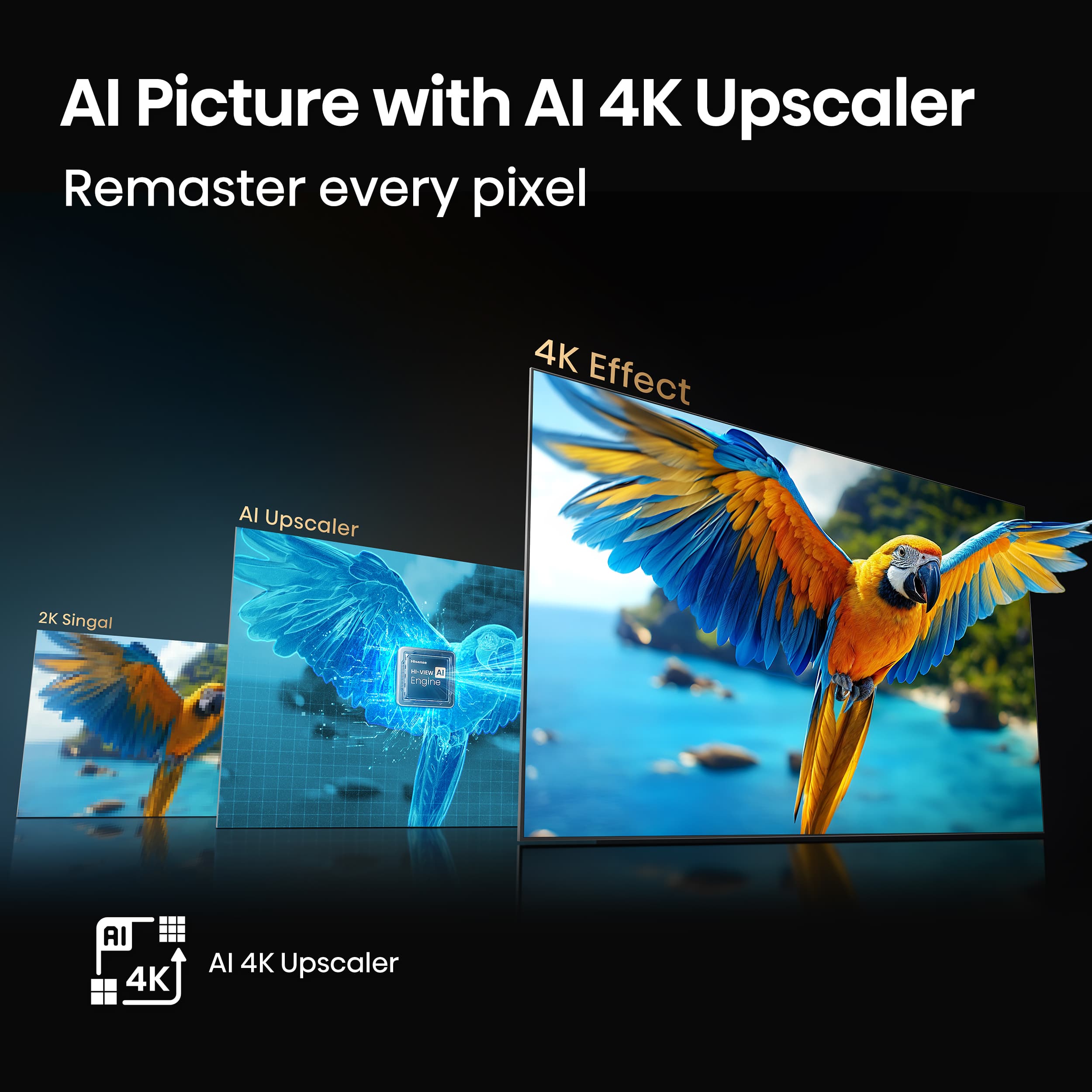
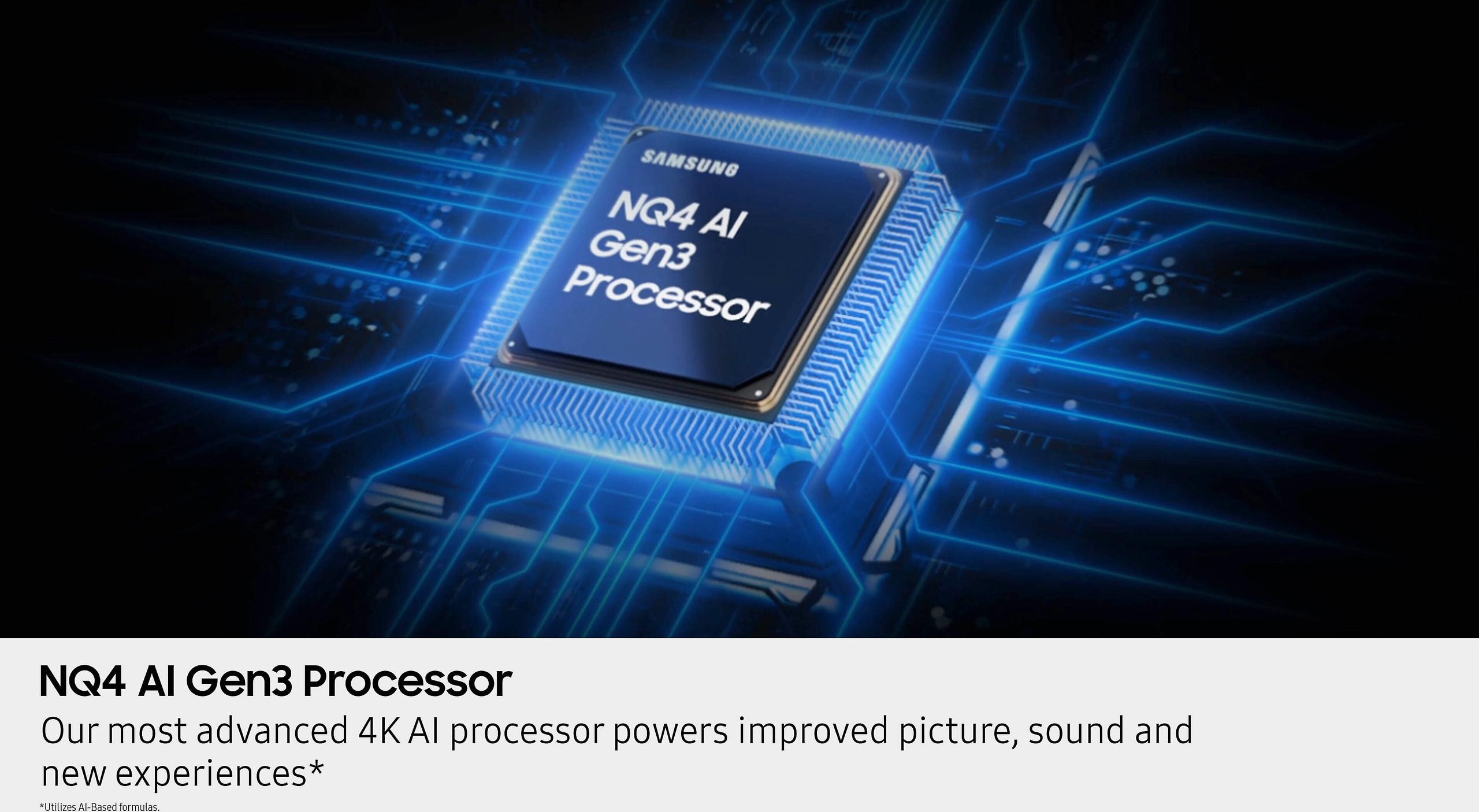
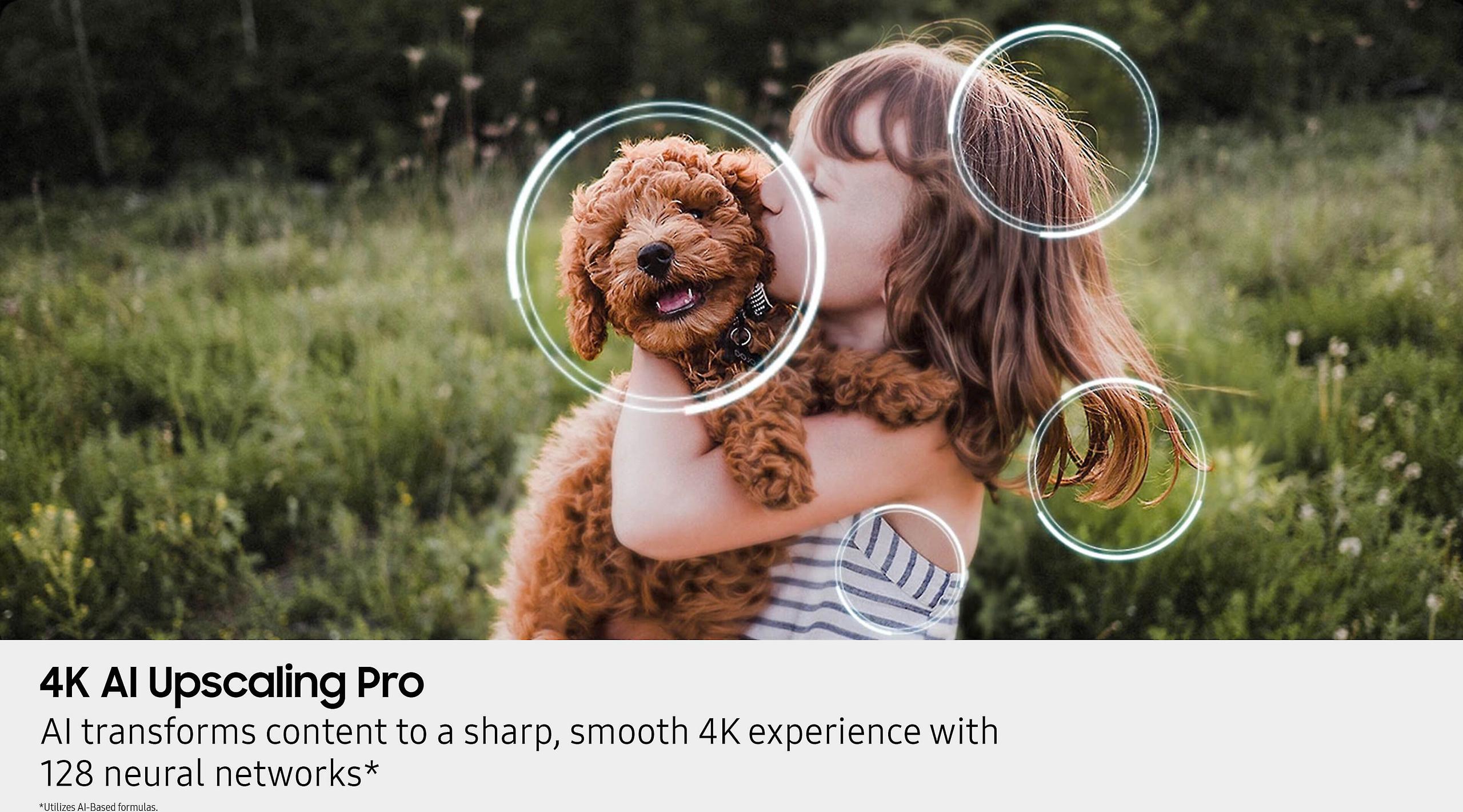
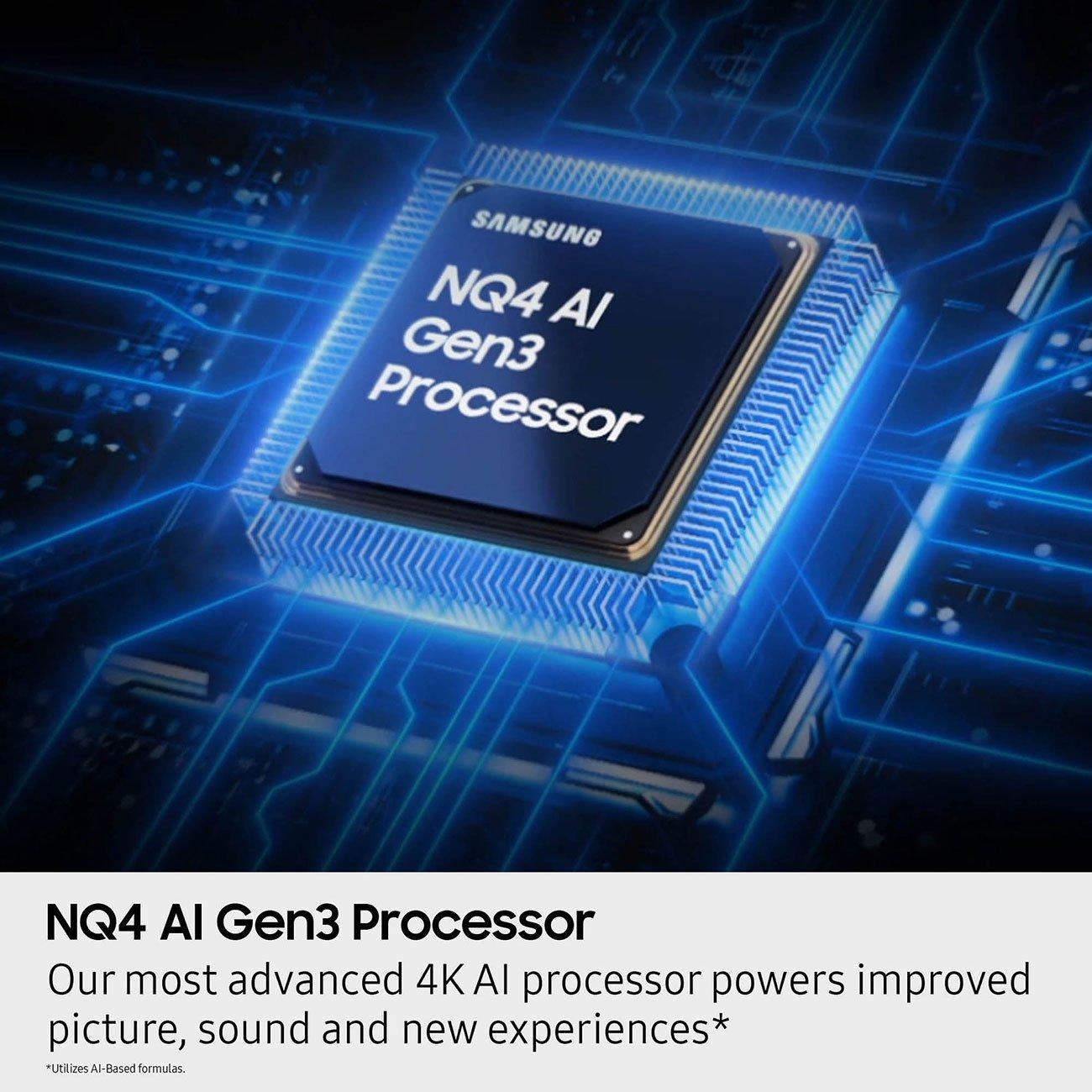
Both TVs include AI-powered upscaling, but the Samsung's NQ4 AI Gen3 processor is significantly more advanced. This processor analyzes lower-resolution content and intelligently adds detail to make it look closer to native 4K quality. The difference is particularly noticeable with older TV shows or streaming content that wasn't originally produced in 4K.
The Hisense includes basic AI upscaling and HDR remastering, which can improve the look of standard content, but it's not as sophisticated as Samsung's implementation.
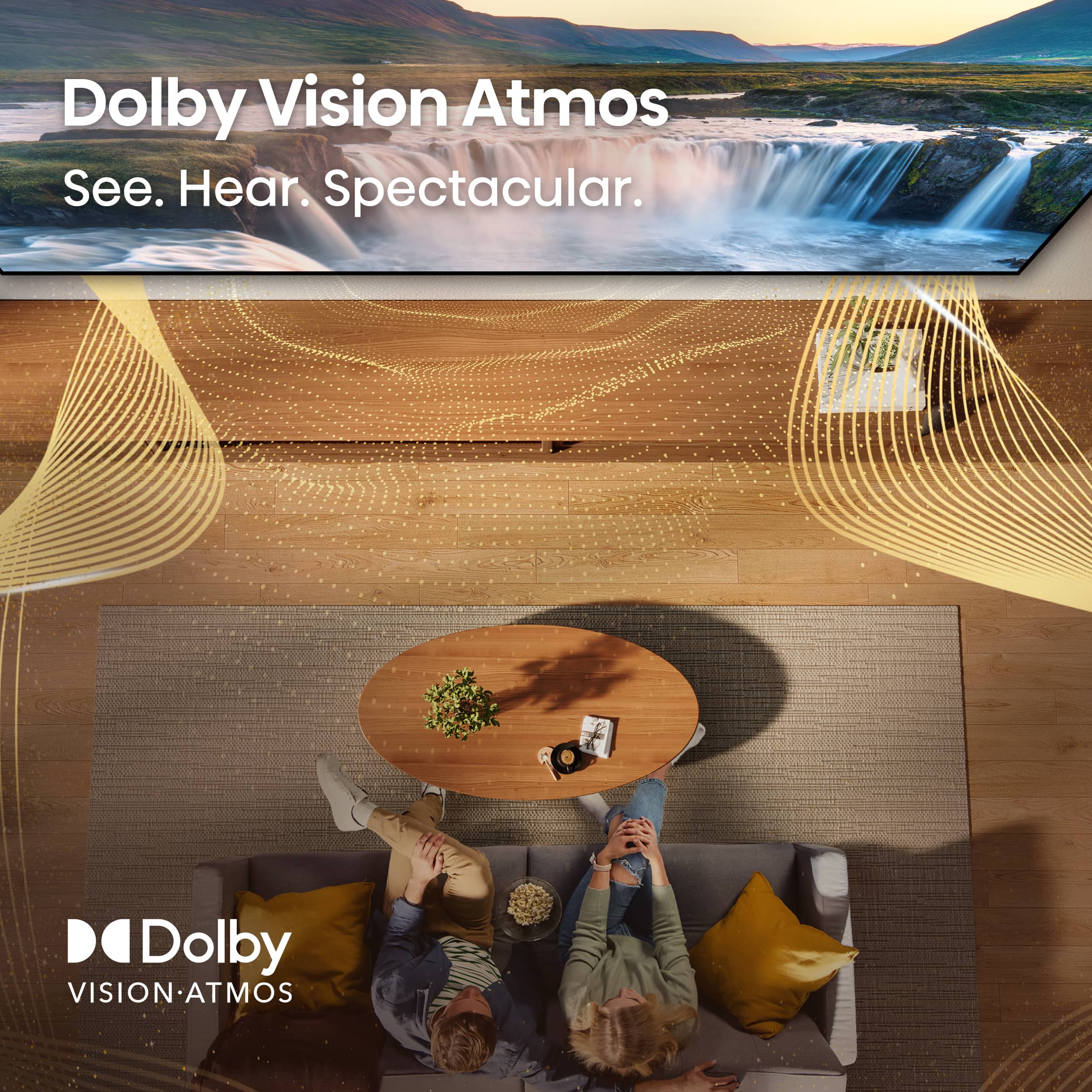
Both TVs support Dolby Atmos, which creates a more immersive three-dimensional sound experience. However, the Samsung S90F (/product2) includes more advanced audio processing with Object Tracking Sound Lite and Adaptive Sound Pro. These features can make dialogue clearer and create a more realistic soundstage.
For serious home theater use, you'll likely want to add a dedicated soundbar or surround sound system regardless of which TV you choose. Built-in TV speakers, while improved, still can't match the performance of dedicated audio equipment.
At $469.99, the Hisense QD7 (/product1) offers exceptional value. You're getting Mini-LED technology, quantum dot color, and solid gaming features at a price point that was unimaginable just a few years ago. The brightness advantage makes it particularly appealing for families who watch TV in well-lit rooms.
The compromises are mostly in advanced features rather than fundamental performance. The 60Hz refresh rate and simpler AI processing won't matter to many users, especially those who primarily stream content and play casual games.
The Samsung S90F costs nearly four times as much, but it delivers meaningfully better performance in several key areas. The OLED technology provides superior contrast and black levels, the 144Hz refresh rate future-proofs your gaming setup, and the advanced AI processing creates a more refined viewing experience.
Whether this performance difference justifies the price premium depends on your priorities and budget. If you're building a dedicated home theater room or you're a serious gamer, the Samsung's advantages become more compelling.
For dedicated home theater use, both TVs have their merits. The Hisense QD7 (/product1) excels in rooms with some ambient light, where its brightness advantage helps maintain image quality. The Samsung S90F is better suited for dark, controlled environments where its superior contrast can really shine.
The Samsung's more accurate color reproduction and better viewing angles make it preferable for critical viewing, while the Hisense's support for Dolby Vision gives it an edge for HDR content compatibility.
The Hisense QD7 (/product1) and Samsung S90F (/product2) represent two valid but different approaches to premium TV technology. The Hisense offers incredible value with Mini-LED technology that excels in bright rooms, while the Samsung provides superior overall picture quality and gaming performance at a significant premium.
Your decision should ultimately depend on your viewing environment, gaming needs, and budget. For most users seeking great value without major compromises, the Hisense delivers exceptional performance. For those who want the absolute best picture quality and are willing to pay for it, the Samsung justifies its premium pricing with meaningful improvements in contrast, gaming performance, and overall refinement.
Both TVs represent the current state of the art in their respective categories, and either choice will provide years of excellent entertainment. The key is understanding which technology and feature set align better with your specific needs and preferences.
| Hisense 65" QD7 Series Mini-LED 4K Fire TV 2025 | Samsung 65" S90F OLED 4K Vision AI Smart TV 2025 |
|---|---|
| Price - Major value consideration with nearly 4x difference | |
| $469.99 | $1,797.99 |
| Panel Technology - Fundamentally different approaches to picture quality | |
| Mini-LED with Full Array Local Dimming | QD-OLED with self-emissive pixels |
| Peak Brightness - Critical for HDR performance and bright room viewing | |
| Very high (excellent for well-lit rooms) | Moderate (improved for OLED but still lower than Mini-LED) |
| Black Levels - Determines contrast and dark scene performance | |
| Very good but not perfect (some blooming possible) | Perfect infinite blacks (each pixel can turn completely off) |
| Refresh Rate - Important for gaming and sports viewing | |
| 60Hz (adequate for most content) | 144Hz (superior for gaming and fast motion) |
| Gaming Features - Next-gen console compatibility | |
| Game Mode Plus, ALLM, basic VRR | Motion Xcelerator 144Hz, advanced VRR, ultra-low input lag |
| HDR Support - Compatibility with premium streaming content | |
| Dolby Vision, HDR10, HDR10+, HLG | HDR10+, HLG (notably missing Dolby Vision) |
| Smart Platform - Daily user experience and app performance | |
| Fire TV OS with Alexa built-in | Tizen OS with Samsung Vision AI |
| AI Processing - Upscaling and picture optimization | |
| Basic AI upscaling and HDR remastering | Advanced NQ4 AI Gen3 processor with Vision AI |
| Audio - Built-in sound quality | |
| Dolby Atmos support | Dolby Atmos with Object Tracking Sound Lite and Adaptive Sound Pro |
| HDMI Ports - Device connectivity | |
| 4 HDMI ports (some HDMI 2.1) | 4 HDMI 2.1 ports (full bandwidth for all connections) |
| Viewing Angles - Performance when viewed from the side | |
| Decent but some color/contrast shift | Excellent with minimal degradation off-axis |
| Best Use Case - Ideal viewing scenarios | |
| Bright rooms, value-focused buyers, casual gaming | Dark rooms, premium experience, serious gaming |
The Hisense 65" QD7 Series Mini-LED 4K Fire TV 2025 (/product1) offers exceptional value at $469.99, providing Mini-LED technology and quantum dot colors at a budget-friendly price. The Samsung 65" S90F OLED 4K Vision AI Smart TV 2025 (/product2) costs nearly four times more but delivers premium OLED picture quality and advanced gaming features that justify the higher price for those seeking the best performance.
Mini-LED uses thousands of tiny LEDs behind an LCD panel for precise backlighting control, offering very bright images ideal for well-lit rooms. OLED pixels emit their own light and can turn completely off, creating perfect blacks and infinite contrast that's superior for dark room viewing. The Hisense QD7 uses Mini-LED for brightness, while the Samsung S90F uses OLED for superior contrast.
The Samsung S90F (/product2) is significantly better for gaming with its 144Hz refresh rate, Variable Refresh Rate (VRR), and ultra-low input lag. The Hisense QD7 (/product1) offers decent gaming performance with 60Hz refresh rate and Game Mode Plus, making it suitable for casual gaming but not ideal for competitive or high-refresh gaming.
The Hisense QD7 excels in bright rooms due to its much higher peak brightness from Mini-LED technology, making HDR content vibrant even with ambient light. The Samsung S90F has improved brightness for an OLED but still performs better in darker environments where its superior contrast can shine.
Picture quality depends on viewing conditions. The Samsung S90F (/product2) delivers superior overall picture quality with perfect blacks, better color accuracy, and more natural-looking images. The Hisense QD7 (/product1) offers excellent picture quality for its price with brighter, more vibrant colors that some viewers prefer.
Both TVs support HDR, but with different formats. The Hisense QD7 supports Dolby Vision, HDR10, HDR10+, and HLG, providing broader compatibility with streaming services. The Samsung S90F supports HDR10+ and HLG but notably lacks Dolby Vision support, which is used by Netflix and other major streaming platforms.
The Hisense QD7 (/product1) runs Fire TV OS with Amazon Alexa built-in, offering a simple interface with strong Amazon ecosystem integration. The Samsung S90F (/product2) uses Samsung's Tizen OS with Vision AI, providing more advanced AI features and content optimization but with a more complex interface.
For dedicated home theater rooms, the Samsung S90F is superior due to its perfect blacks, superior contrast, and better viewing angles in dark environments. The Hisense QD7 works well for home theater on a budget, especially in rooms with some ambient light where its brightness advantage helps maintain image quality.
Both TVs support Dolby Atmos, but the Samsung S90F (/product2) includes more advanced audio processing with Object Tracking Sound Lite and Adaptive Sound Pro for clearer dialogue and better soundstage. The Hisense QD7 (/product1) offers decent built-in audio with Dolby Atmos support, though both benefit from adding a soundbar for serious home theater use.
The Samsung S90F is more future-proof with its 144Hz refresh rate, four HDMI 2.1 ports, and advanced AI processing that can adapt to new content types. The Hisense QD7 offers good longevity for its price with solid build quality and Fire TV platform updates, though its 60Hz refresh rate may limit future gaming capabilities.
The Hisense QD7 (/product1) has limitations in dark room contrast and lacks advanced gaming features, while some users report occasional software sluggishness. The Samsung S90F (/product2) costs significantly more, lacks Dolby Vision support, and OLED panels have minimal burn-in risk that some buyers worry about.
Choose the Hisense QD7 if you want excellent value, primarily watch in bright rooms, need Dolby Vision support, or are satisfied with casual gaming. Choose the Samsung S90F if picture quality is your top priority, you often watch in dark rooms, need high-refresh gaming, or want the most advanced smart TV features and are willing to pay a premium for them.
We've done our best to create useful and informative comparisons to help you decide what product to buy. Our research uses advanced automated methods to create this comparison and perfection is not possible - please contact us for corrections or questions. These are the sites we've researched in the creation of this article: bestbuy.com - custrevs.com - youtube.com - bestbuy.com - rtings.com - youtube.com - rtings.com - pcrichard.com - bestbuy.com - pcrichard.com - camelcamelcamel.com - amazonfiretv.blog - hisense-usa.com - hisense-usa.com - hisense-usa.com - bestbuy.com - leaseville.com - youtube.com - bestbuy.com - flatpanelshd.com - youtube.com - t3.com - rtings.com - bestbuy.com - stereonet.com - samsung.com - bestbuy.com - flatpanelshd.com - myallsouth.com - pcrichard.com - samsung.com - bestbuy.com - samsung.com - samsung.com - samsung.com

Privacy Policy
Terms and Conditions - Affiliate Policy
Home Security
© Copyright 2008-2026.
11816 Inwood Rd #1211, Dallas, TX 75244