

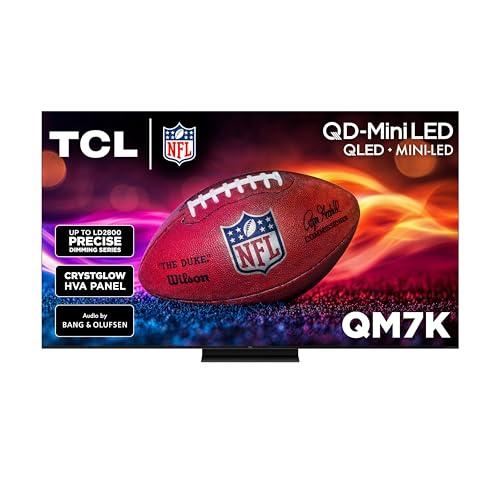
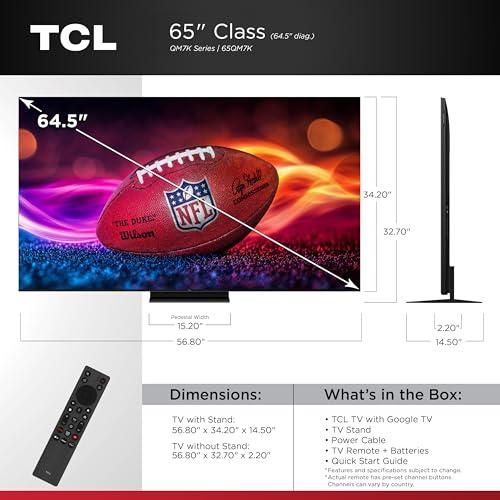
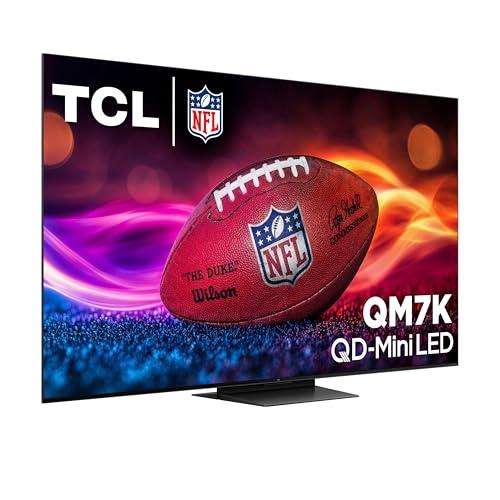
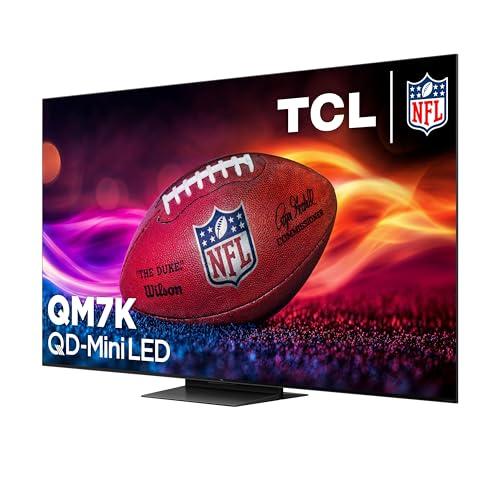
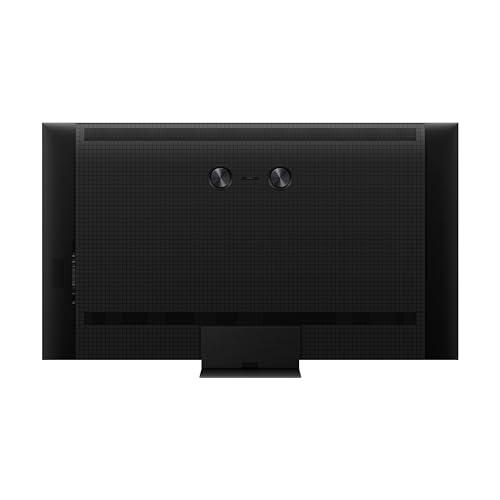
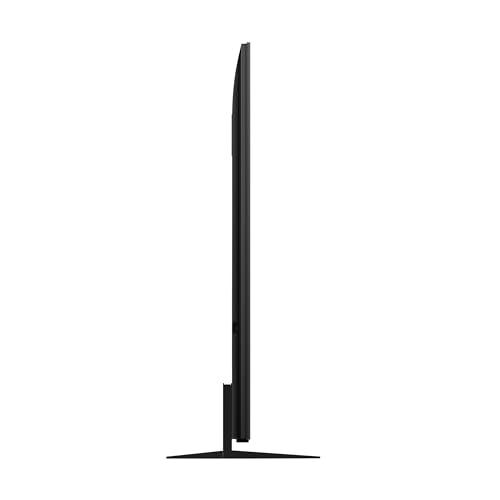
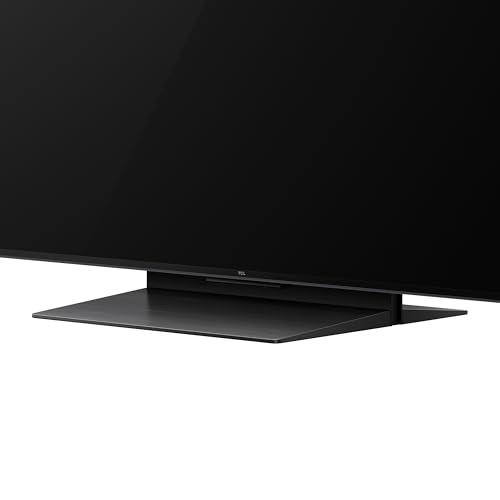
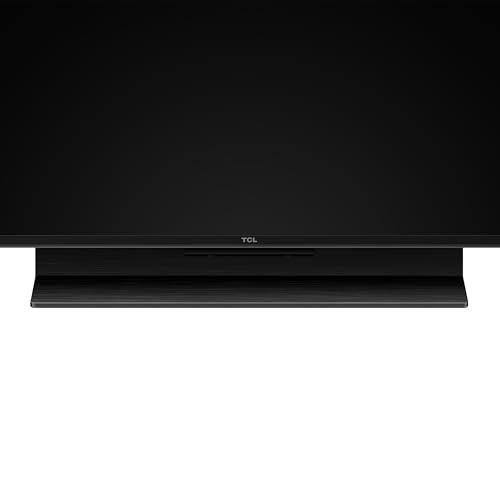
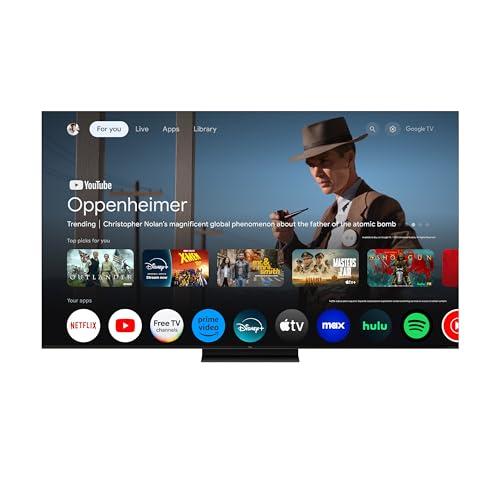
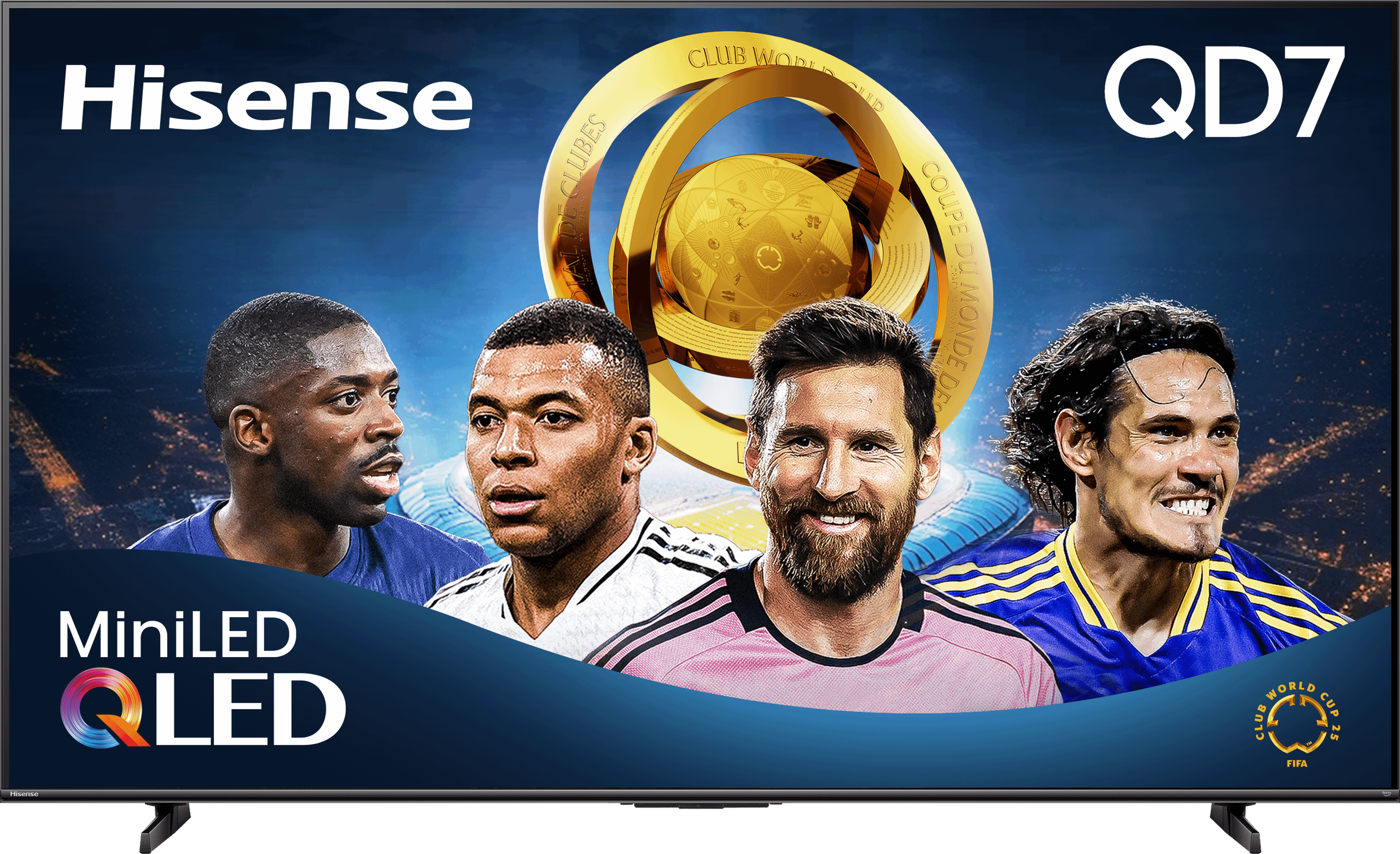
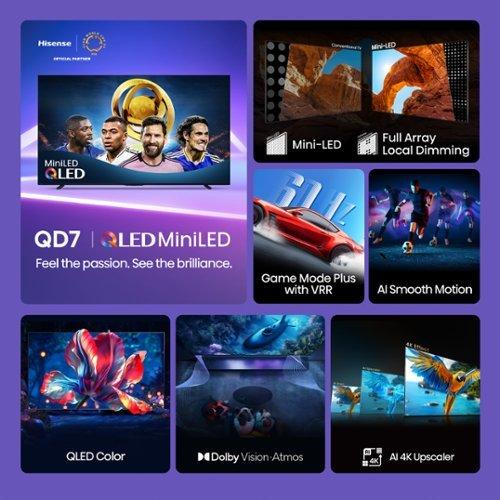
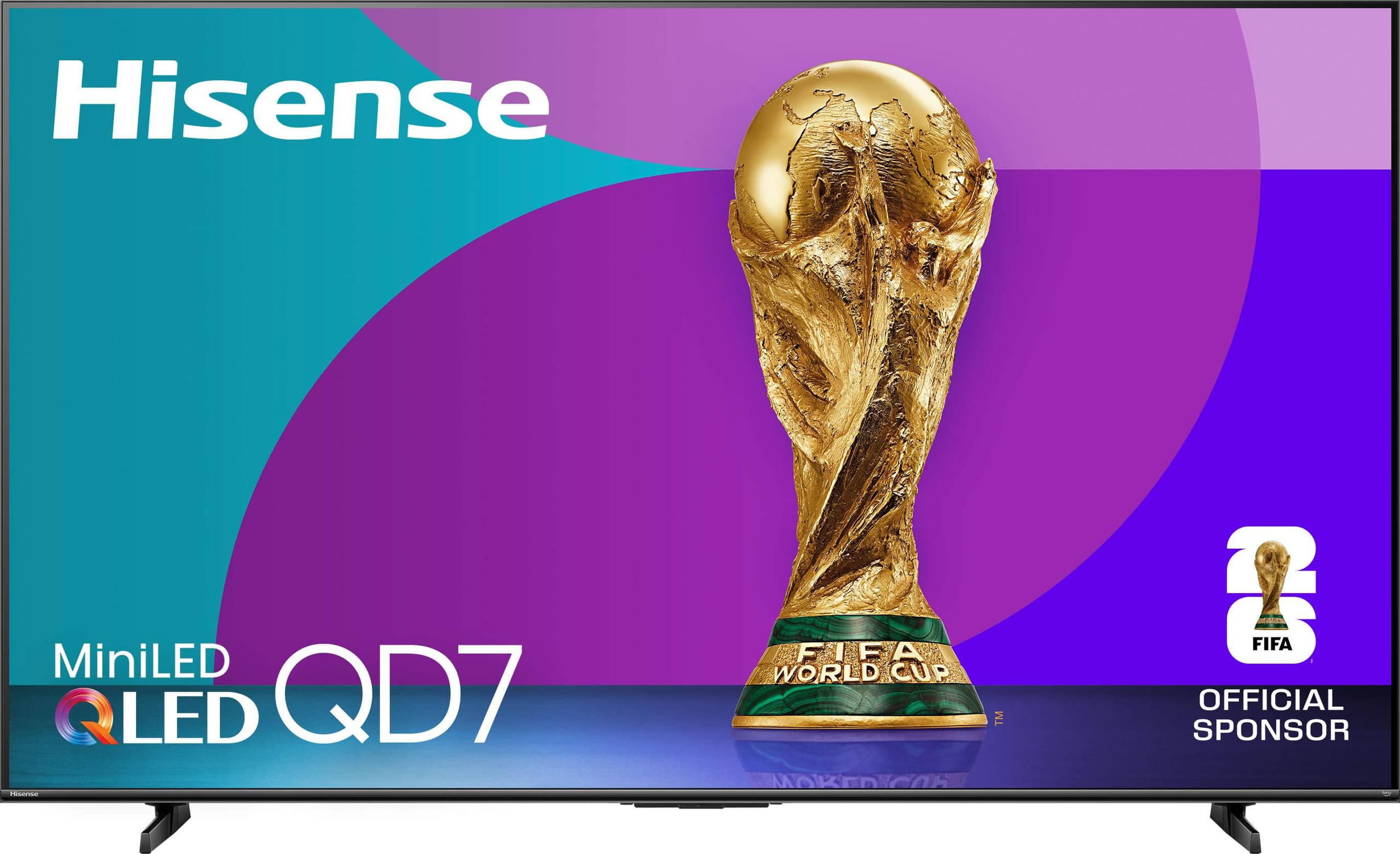
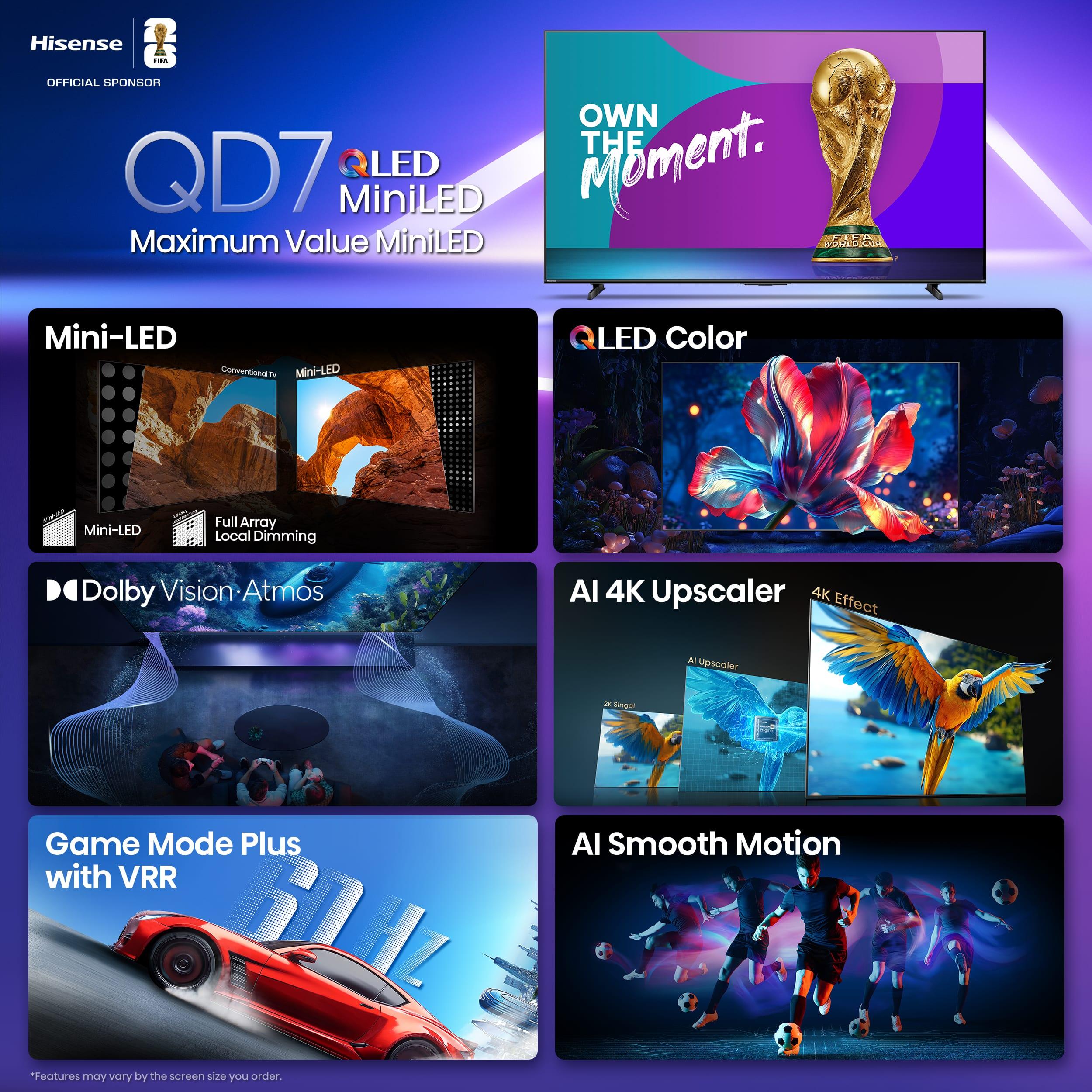
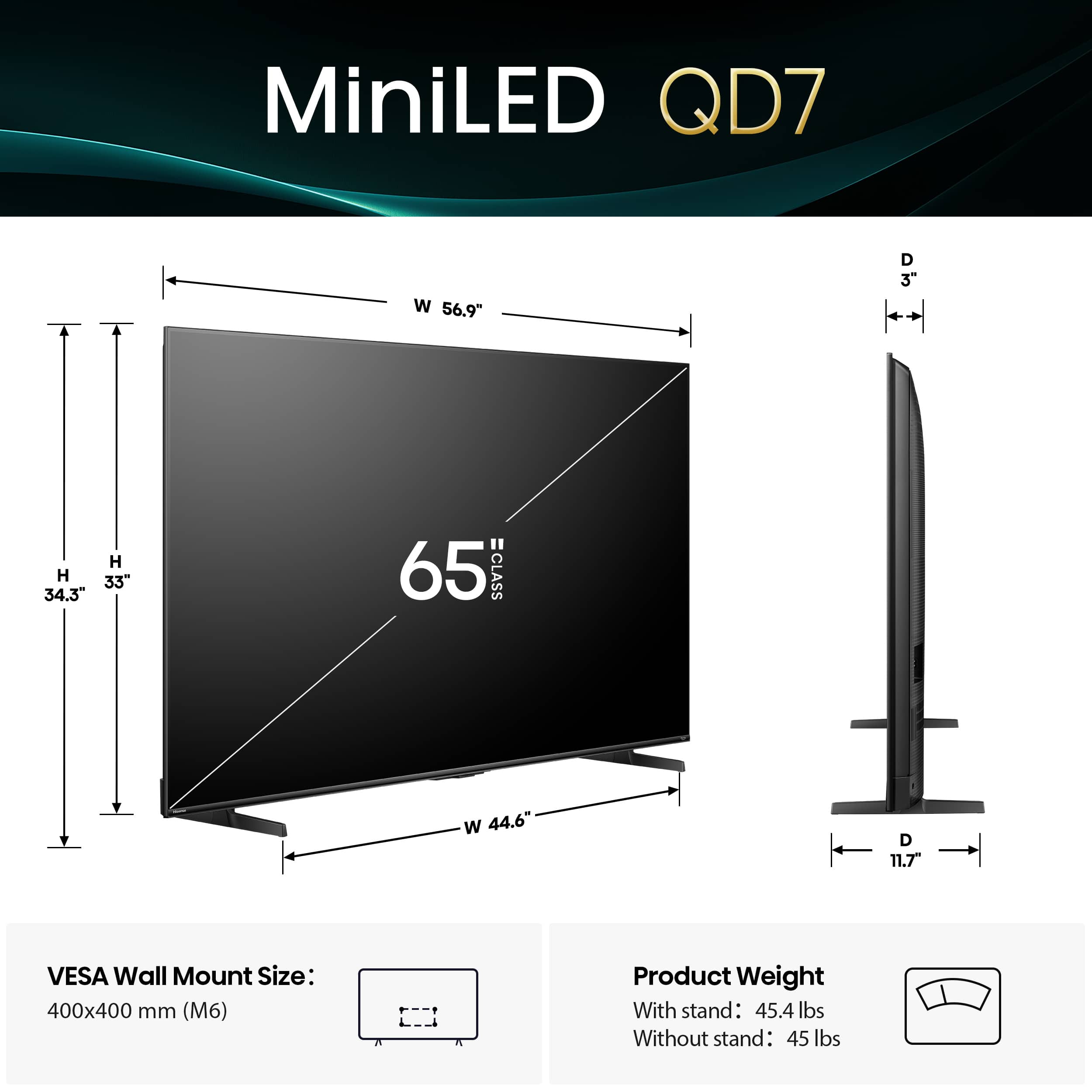
If you're shopping for a new TV in 2025, you've probably noticed that Mini-LED technology has become the sweet spot for serious picture quality without breaking the bank. Two standout options that keep appearing in discussions are the TCL 65QM7K and the Hisense 65" QD7 Series. Both use similar QD-Mini LED technology, but they take very different approaches to delivering that premium viewing experience.
At the time of writing, these TVs sit in different price tiers, with the TCL QM7K commanding a significant premium over the Hisense QD7. The question is whether that extra cost translates into meaningfully better performance, or if the budget option delivers most of what you need at a much more accessible price point.
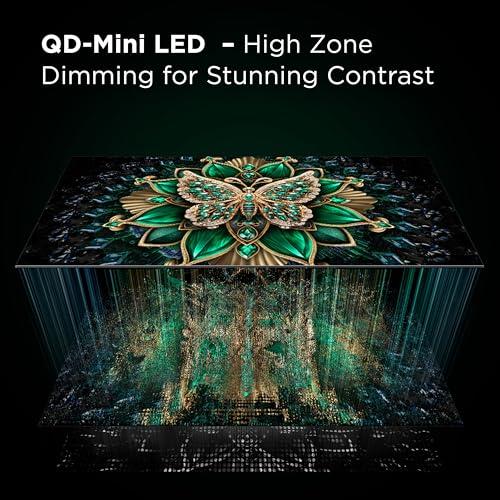
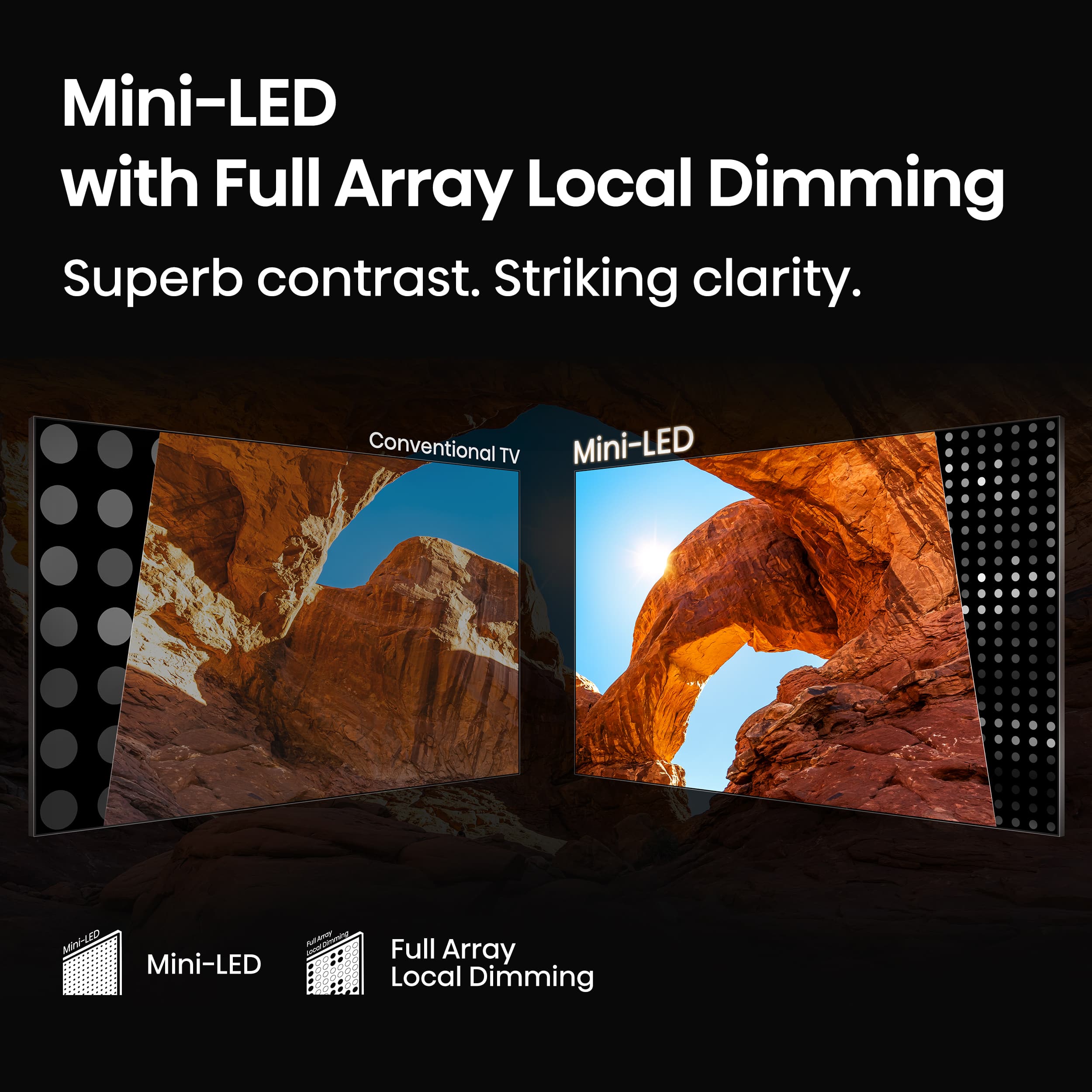
Before diving into the comparison, it's worth understanding what makes Mini-LED TVs different from regular LED TVs. Traditional LED TVs use larger LEDs arranged around the edges of the screen, which can create uneven lighting and poor contrast. Mini-LED TVs pack thousands of tiny LEDs directly behind the screen in a grid pattern, allowing for much more precise control of brightness and darkness across different areas of the picture.
This precision comes from something called "local dimming zones." Think of your TV screen as being divided into hundreds or thousands of small sections, each with its own lighting control. When you're watching a movie with a starry night sky, the TV can make the dark areas truly black while keeping the stars bright and crisp. This creates what we call "contrast" – the difference between the brightest whites and the darkest blacks.
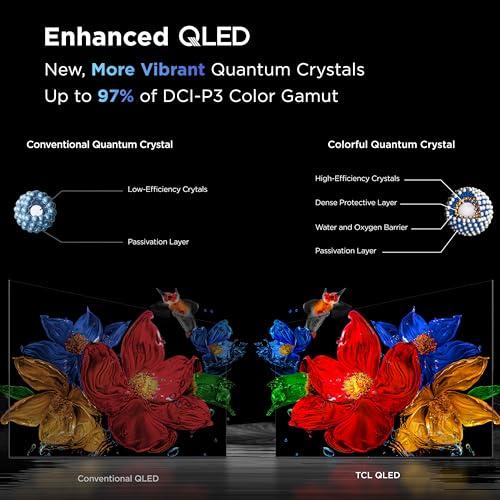
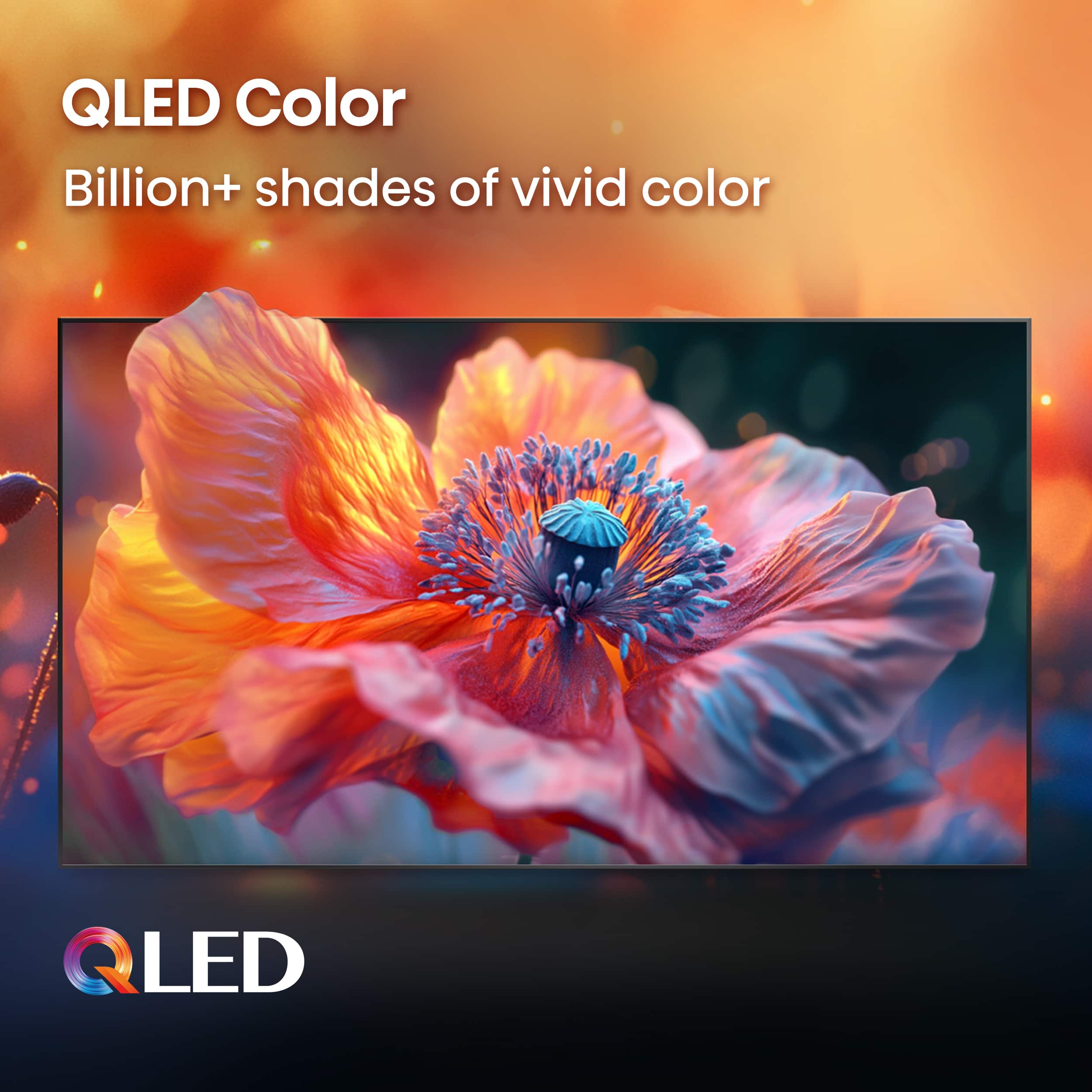
Both the TCL QM7K and Hisense QD7 add Quantum Dot (QD) technology on top of their Mini-LED backlighting. Quantum dots are microscopic particles that emit very pure colors when hit by light, resulting in more vibrant and accurate colors than you'd get from a standard LED TV. This combination of Mini-LED and Quantum Dot technology is often called QD-Mini LED.
The Hisense QD7 Series arrived in late 2024 as a 2025 model year TV, positioning itself as an accessible entry point into premium Mini-LED technology. Hisense has been aggressive about bringing high-end features to lower price points, and the QD7 represents their strategy of democratizing technology that was previously reserved for flagship models.
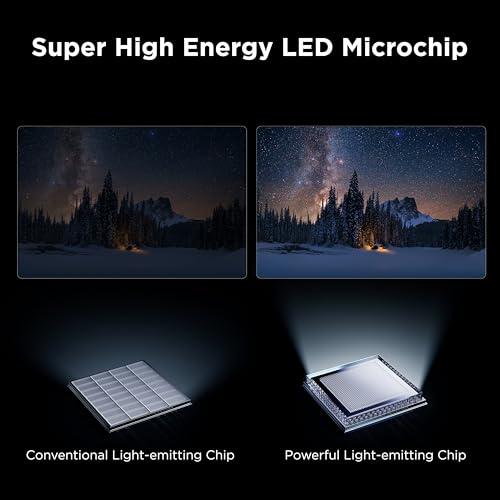
The TCL QM7K launched in 2025 as part of TCL's refined QM series lineup. TCL has been iterating on their Mini-LED technology for several years now, and the QM7K benefits from what they call "Super High Energy LED Chips" that are supposedly 53% brighter than previous generations while using 10% less power. This represents the kind of year-over-year improvement we've come to expect in the TV industry.
What's particularly interesting is how both companies are pushing Mini-LED technology down from their flagship models into more affordable tiers. Just a few years ago, this level of local dimming precision would have cost $2,000 or more. Now you can get meaningful Mini-LED performance for well under $1,000, though with some compromises.
When evaluating any premium TV, peak brightness is perhaps the most critical specification because it determines how well the TV can display HDR (High Dynamic Range) content. HDR is designed to show much brighter highlights and deeper shadows than standard content, mimicking what your eyes see in the real world.
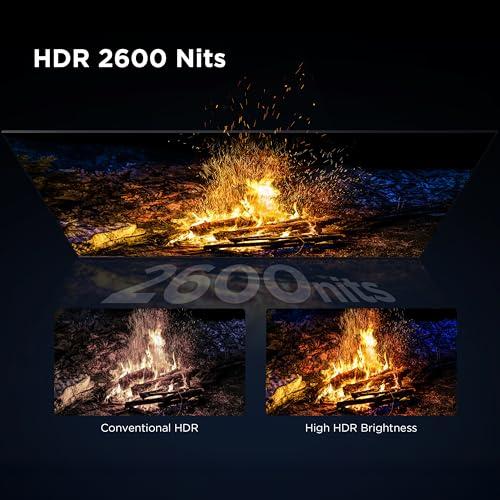
The TCL QM7K delivers a substantial advantage here, reaching peak brightness levels between 2,600 and 3,000 nits in HDR content. To put that in perspective, a typical LED TV might hit 400-600 nits, while OLED TVs usually top out around 800 nits. The Hisense QD7, while respectable for its price tier, achieves approximately 615 nits peak brightness.
This difference becomes immediately apparent when watching HDR movies or shows. Imagine watching "Top Gun: Maverick" – those cockpit reflections, the glint off aircraft surfaces, and bright sky scenes will look dramatically more impactful on the TCL QM7K. The sun actually looks like the sun, not just a bright white blob. This extra brightness also helps in bright living rooms where competing ambient light can wash out dimmer displays.
However, peak brightness isn't everything. The Hisense QD7 covers a wider color gamut, capturing about 75% of the Rec.2020 color space compared to the TCL's narrower coverage. This means the Hisense can display more saturated greens and reds, which becomes noticeable in nature documentaries or animated content where vibrant colors are crucial.
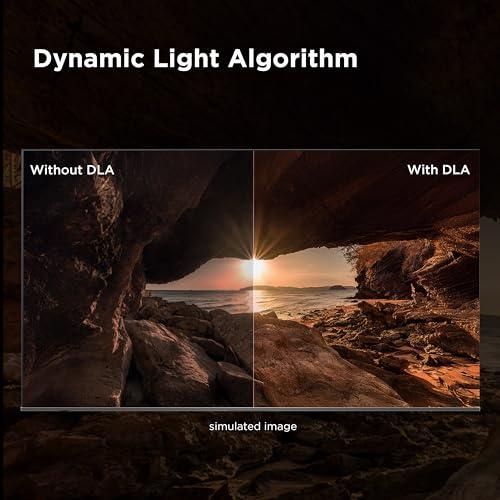
Local dimming is where Mini-LED TVs really show their sophistication, and it's here that the TCL QM7K demonstrates its premium positioning. With up to 2,500 local dimming zones, the TCL can divide the screen into incredibly small sections for precise lighting control. The Hisense QD7, while offering good local dimming for its price, works with significantly fewer zones.
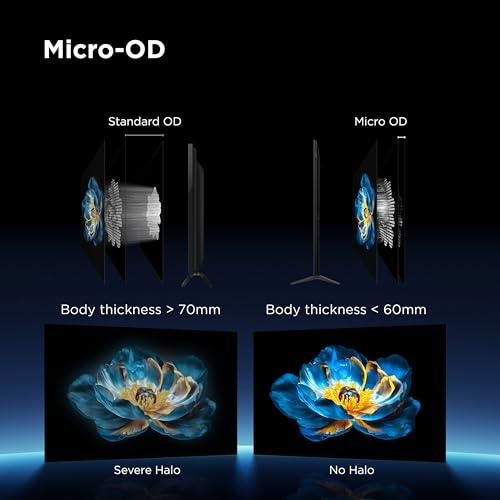
More zones translate directly into better contrast control and less "blooming" – that unwanted halo effect you sometimes see around bright objects on dark backgrounds. When watching movies with challenging scenes like city lights at night or stars against a black sky, the TCL QM7K maintains cleaner separation between light and dark areas.
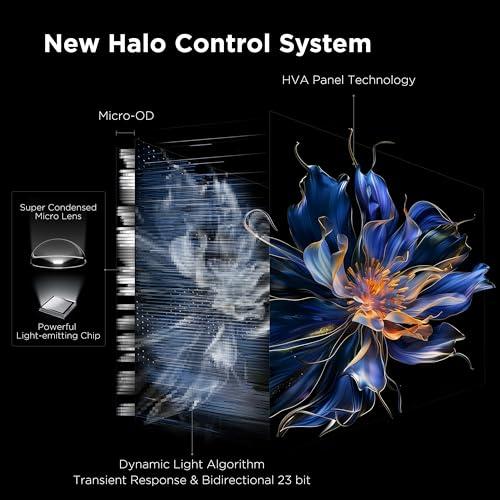
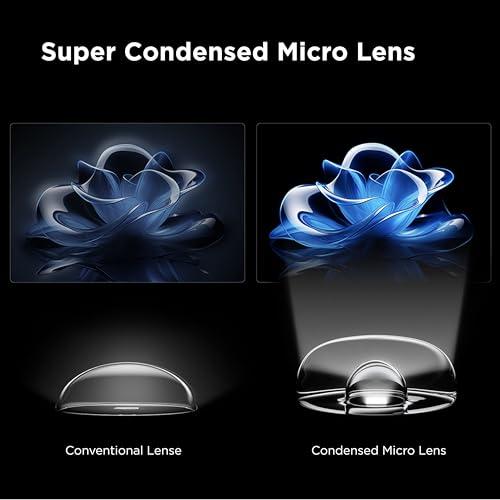
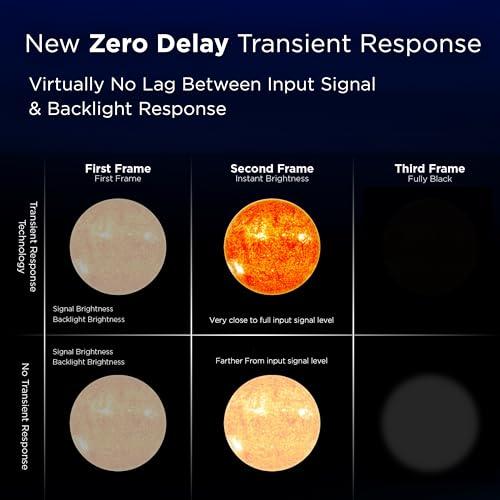
The TCL also incorporates what they call their "Halo Control System," which combines hardware improvements (better LED chips, condensed micro lenses) with software algorithms to minimize blooming. In practical terms, this means subtitles on dark backgrounds look cleaner, and you won't see those distracting light halos around bright objects.
Both TVs achieve impressive contrast ratios, but the TCL QM7K reaches a dynamic contrast ratio of 30 million:1 compared to more typical Mini-LED ratios on the Hisense QD7. While these numbers can be marketing-heavy, the real-world difference is visible in dark room viewing where contrast precision matters most.
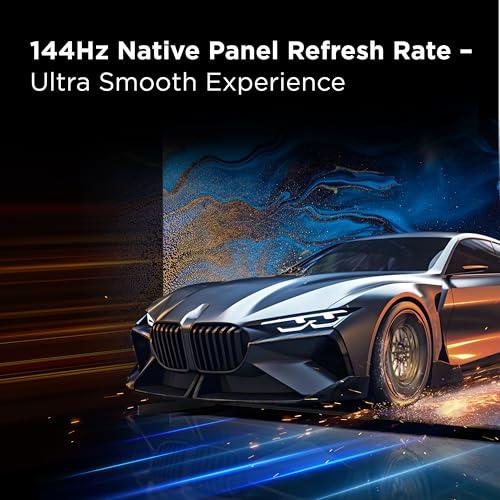
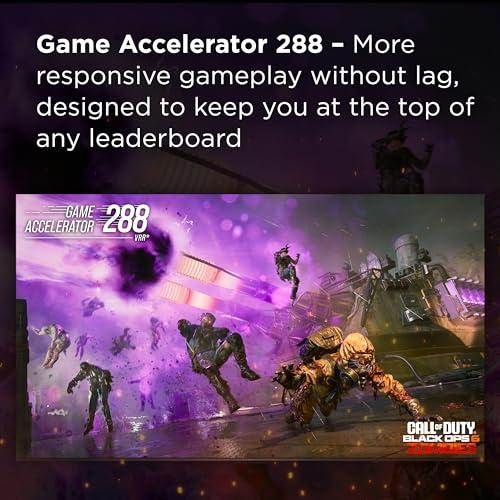
Both TVs excel for gaming, but they approach high-performance gaming differently. The TCL QM7K supports native 144Hz refresh rates and includes something called "Game Accelerator 288," which can push refresh rates up to 288Hz at 1080p resolution with Variable Refresh Rate (VRR) enabled. For competitive gamers playing esports titles, this ultra-high refresh rate can provide a slight edge in motion clarity and responsiveness.
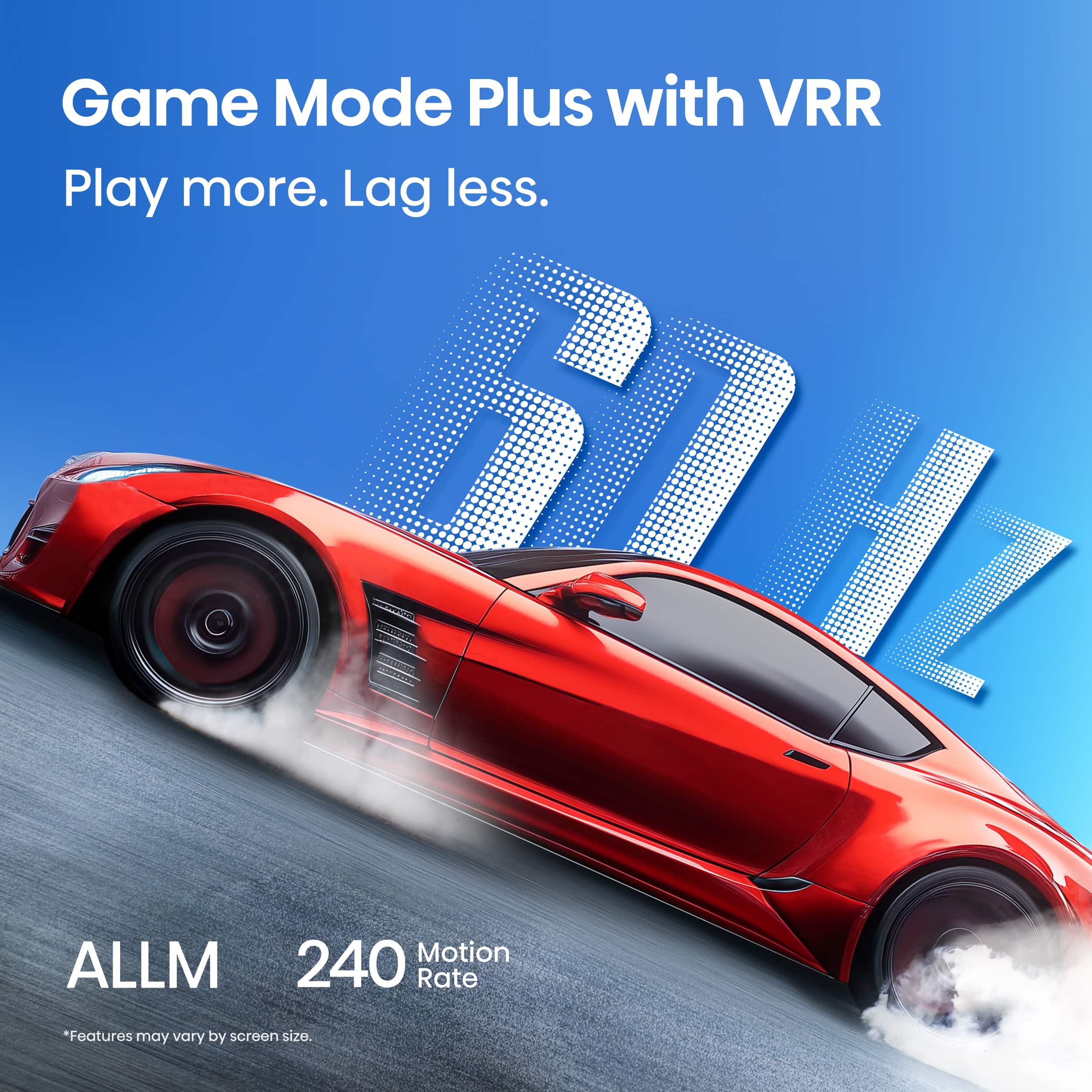
The Hisense QD7 offers a more standard but still excellent gaming experience with 144Hz refresh rates, VRR, and Auto Low Latency Mode (ALLM). Both TVs achieve input lag under 10 milliseconds, which is excellent for gaming – you won't notice any delay between pressing a button and seeing the action on screen.
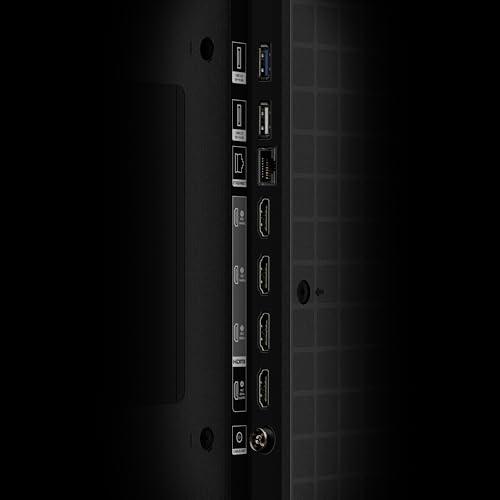
Both include HDMI 2.1 ports necessary for next-generation consoles like the PlayStation 5 and Xbox Series X. However, the TCL QM7K includes two HDMI 2.1 ports compared to what appears to be more limited high-bandwidth connectivity on the Hisense QD7. If you're connecting multiple gaming devices, streaming boxes, and sound systems, port availability becomes important.
For most gamers, either TV will deliver an excellent experience. The TCL QM7K provides a slight advantage for competitive gaming scenarios, while the Hisense QD7 offers strong gaming performance that should satisfy the vast majority of players.
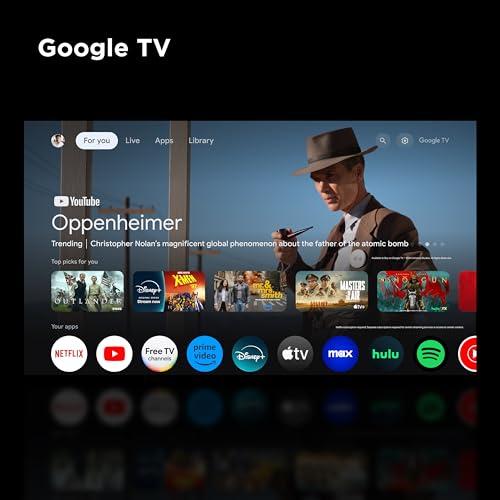
This is where personal ecosystem preferences really matter. The TCL QM7K runs Google TV, which offers broader app selection and better integration with non-Amazon streaming services. If you use YouTube TV, Google Photos, or prefer Google Assistant voice control, this platform feels more natural and responsive.
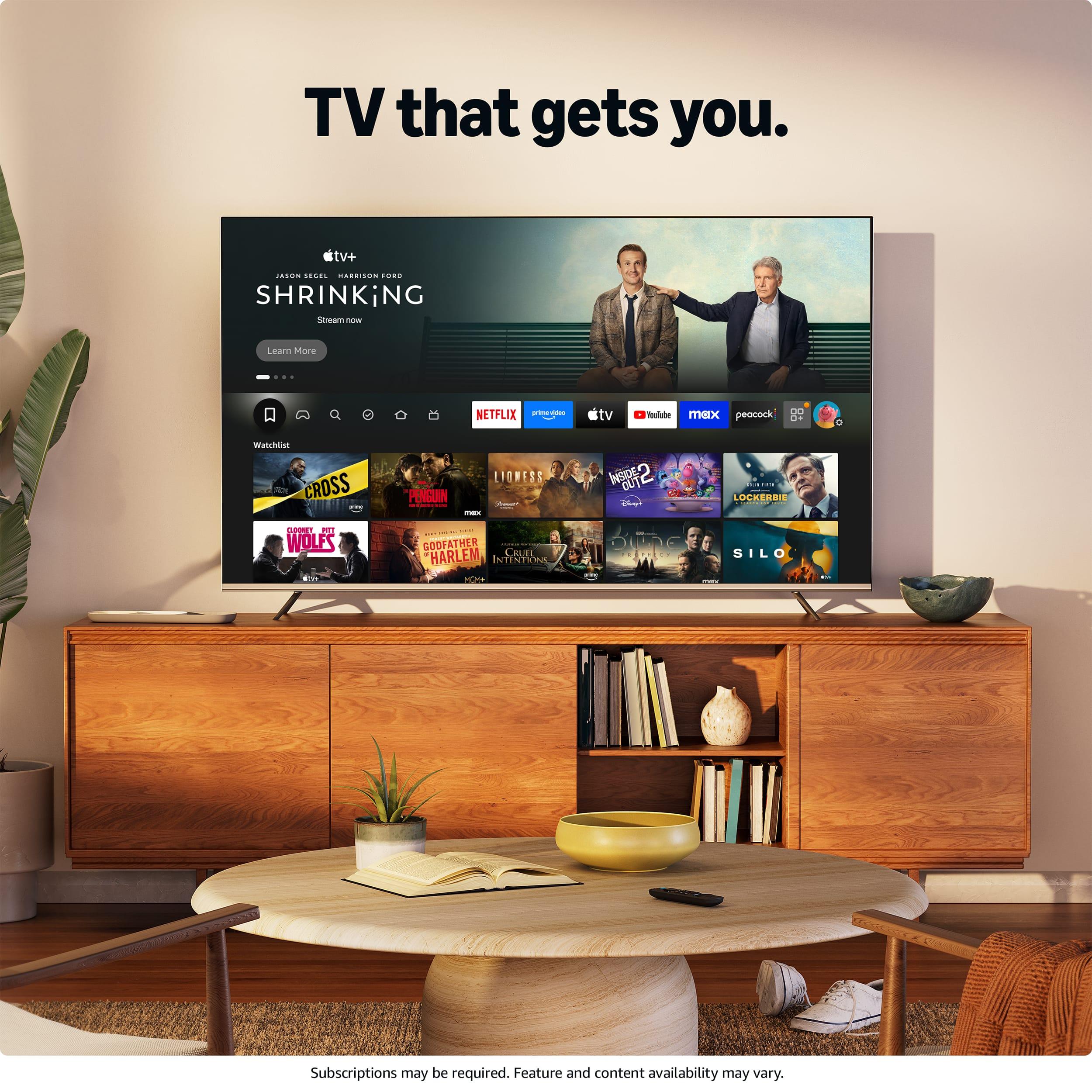
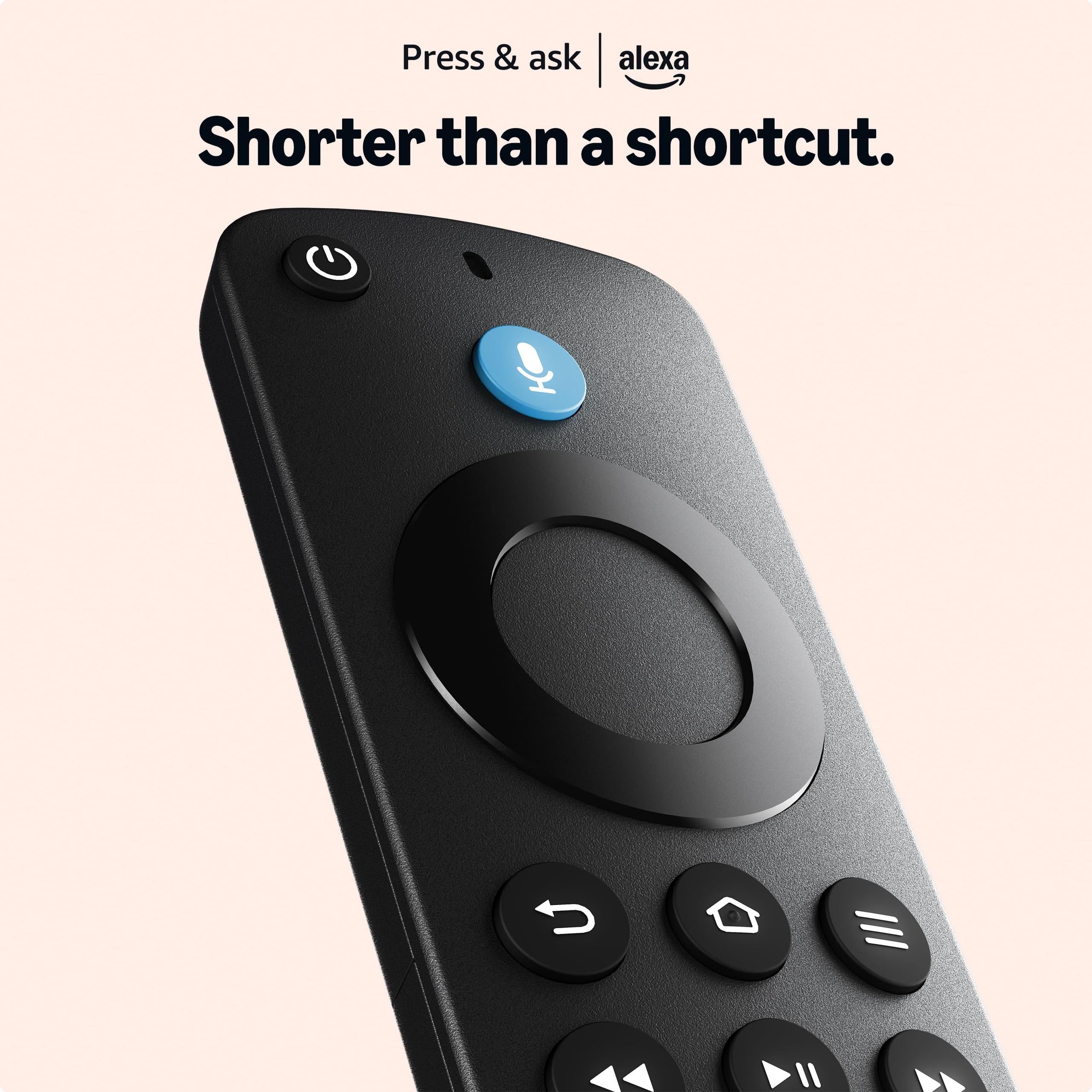
The Hisense QD7 uses Amazon's Fire TV platform with built-in Alexa. If you're already invested in Amazon's ecosystem – using Prime Video regularly, controlling Alexa smart home devices, or preferring Amazon's content recommendations – Fire TV provides seamless integration.
Both platforms handle the basics well: Netflix, Disney+, Apple TV+, and other major streaming services work smoothly on either system. The choice often comes down to which voice assistant you prefer and whether you want broader app selection (Google TV) or tighter Amazon integration (Fire TV).
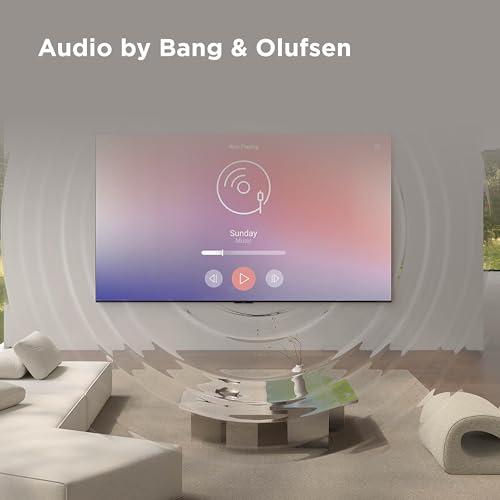
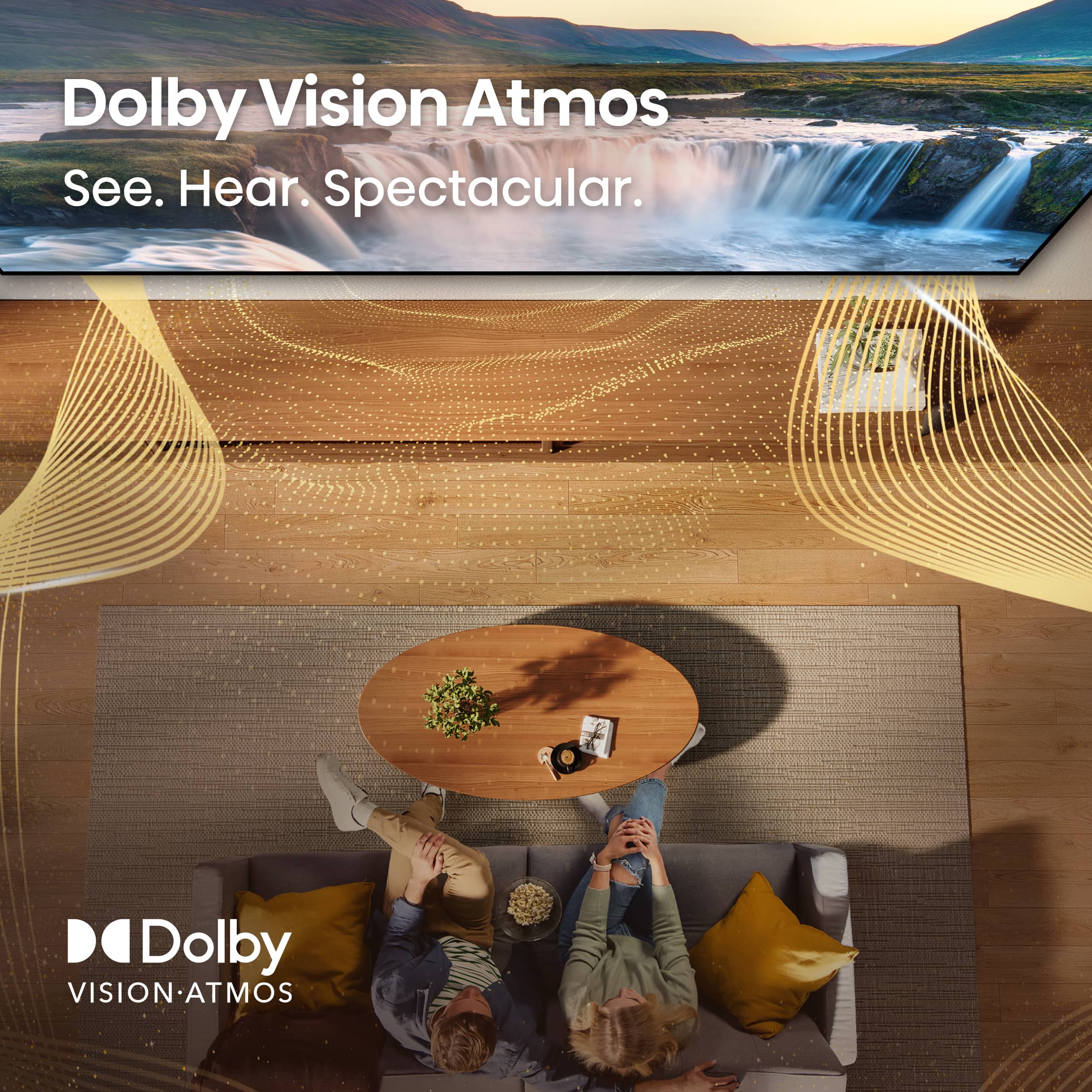
Audio represents one of the clearest differences between these TVs. The TCL QM7K includes a Bang & Olufsen audio system with 60W of power, Dolby Atmos processing, and what TCL calls "hi-end class magnetic drive" speakers. This isn't just marketing speak – the audio quality is noticeably fuller and richer than typical TV speakers.
The Hisense QD7 includes Dolby Atmos support but with more basic built-in speakers. While functional and adequate for casual viewing, serious movie watching or music listening will likely benefit from adding a soundbar.
This audio difference affects the total cost of ownership. If you're planning to add a soundbar anyway, the Hisense QD7's simpler audio system isn't a significant disadvantage. But if you prefer to keep things simple and avoid additional components, the TCL QM7K's superior built-in audio is genuinely useful.
For dedicated home theater setups, the TCL QM7K makes a stronger case. Its higher peak brightness, more precise local dimming, and superior audio create a more complete cinematic experience right out of the box. The improved contrast control becomes particularly important in dark room viewing where every detail in shadow areas matters.
The TV's support for Dolby Vision IQ and HDR10+ ensures compatibility with the best HDR content, while the higher brightness makes HDR effects more impactful. When watching movies like "Dune" or "Blade Runner 2049" that rely heavily on contrast and atmosphere, the TCL QM7K delivers noticeably better performance.
However, the Hisense QD7 shouldn't be dismissed for home theater use. Its wider color gamut can make certain content look more vibrant, and with proper room lighting and a good soundbar, it provides an impressive viewing experience that would have been considered premium just a few years ago.
Based on extensive user reviews and professional evaluations, both TVs deliver solid day-to-day performance with some important distinctions. The TCL QM7K consistently receives praise for its bright, vibrant picture quality and robust gaming features. Users particularly appreciate the Google TV interface and the quality of the built-in audio.
The Hisense QD7 earns praise for delivering premium features at an accessible price point. Users consistently note that it "punches above its weight class," offering performance that competes with more expensive models. However, some reviews mention occasional software sluggishness and the need for external audio enhancement.
Both TVs handle motion well, though the TCL QM7K's higher refresh rate capabilities provide slightly better performance with fast-moving sports or action sequences. For typical TV viewing – streaming shows, movies, news – either TV provides smooth, detailed performance.
At the time of writing, these TVs represent very different value propositions. The TCL QM7K commands a significant premium but delivers genuinely flagship-level features including exceptional brightness, precise local dimming, premium audio, and advanced gaming capabilities. It's positioned as a "mid-range flagship" that brings expensive features down to a more accessible price tier.
The Hisense QD7 takes the democratization approach, offering about 80-85% of the TCL QM7K's performance at roughly half the cost. This represents remarkable value – you're getting Mini-LED technology, quantum dot colors, and solid smart TV features at a price that was unthinkable just a few years ago.
The TCL QM7K makes sense if you have a bright living room with lots of windows, prioritize home theater performance, or want the most future-proof gaming capabilities. It's also the better choice if you prefer Google's ecosystem and want premium audio without additional equipment. The extra brightness and contrast precision justify the premium for serious movie watchers and gamers who plan to keep their TV for many years.
The Hisense QD7 is ideal for budget-conscious buyers who want to experience Mini-LED technology without the premium pricing. It's perfect for moderately lit rooms, Amazon ecosystem users, and anyone upgrading from an older LED TV who wants a significant performance improvement without stretching their budget. You'll get impressive picture quality and solid smart TV features, though you might want to budget for a soundbar.
Choosing between these TVs comes down to weighing performance against value. The TCL QM7K delivers superior brightness, contrast control, and audio quality that creates a more complete premium experience. If budget allows and you want the best possible performance, it's the clear choice for serious home entertainment.
The Hisense QD7 offers remarkable value, bringing premium TV technology to a much more accessible price point. It won't match the TCL QM7K's peak performance, but it delivers an impressive viewing experience that should satisfy most users while leaving budget for other home theater components.
Both represent smart purchases within their respective price tiers. The key is honestly evaluating your viewing environment, performance priorities, and budget constraints to determine which approach better matches your needs.
| TCL 65QM7K QD-Mini LED 4K Google TV | Hisense 65" QD7 Series Mini-LED 4K Fire TV 2025 |
|---|---|
| Peak Brightness - Critical for HDR performance and bright room viewing | |
| 2,600-3,000 nits (flagship-level HDR impact) | ~615 nits (good for moderate lighting) |
| Local Dimming Zones - Controls blooming and contrast precision | |
| Up to 2,500 zones (virtually eliminates halos) | Standard Mini-LED zones (some blooming visible) |
| Color Gamut Coverage - Affects color vibrancy and accuracy | |
| Standard quantum dot coverage (excellent accuracy) | 75% Rec.2020 (wider, more saturated colors) |
| Gaming Refresh Rate - Smoothness for fast-paced gaming | |
| 144Hz native, up to 288Hz with Game Accelerator | 144Hz native (excellent for most gaming) |
| HDMI 2.1 Ports - Next-gen console and high-bandwidth device support | |
| 2 HDMI 2.1 ports (good for multiple devices) | HDMI 2.1 support (may be limited on 65" model) |
| Smart TV Platform - Ecosystem integration and app selection | |
| Google TV with Google Assistant (broader app support) | Fire TV with Alexa (excellent Amazon integration) |
| Built-in Audio System - Reduces need for external speakers | |
| Bang & Olufsen 60W with Dolby Atmos (premium quality) | Standard Dolby Atmos speakers (soundbar recommended) |
| Panel Technology - Affects viewing angles and contrast | |
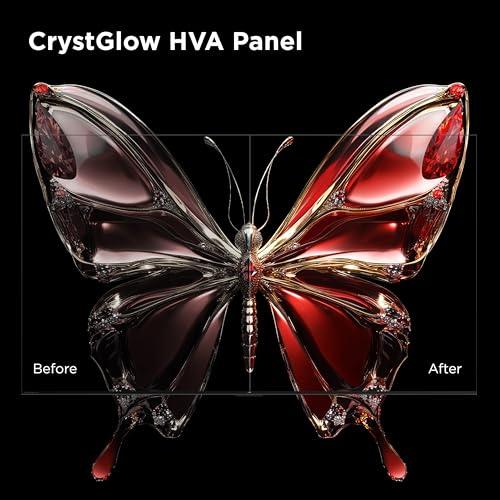
| CrystGlow HVA Panel with anti-reflective coating | Mini-LED with IPS panel (wider viewing angles) |
| Contrast Ratio - Difference between brightest whites and darkest blacks | |
| 30,000,000:1 dynamic (exceptional dark room performance) | Standard Mini-LED ratios (good but not exceptional) |
| Release Year and Generation - Technology maturity and longevity | |
| 2025 with latest LED chip technology | Late 2024/2025 model (proven technology) |
| Value Positioning - Performance tier and target market | |
| Mid-range flagship (premium features at accessible pricing) | Entry-level Mini-LED (democratizes premium technology) |
The TCL 65QM7K delivers superior picture quality for movies and HDR content due to its dramatically higher peak brightness of 2,600-3,000 nits compared to the Hisense QD7's ~615 nits. This means HDR highlights like explosions, sunlight, and bright reflections will look much more impactful and realistic on the TCL QM7K. The TCL also features up to 2,500 local dimming zones for better contrast control and reduced blooming around bright objects.
Both TVs offer excellent gaming performance with 144Hz refresh rates, VRR, and ALLM support. However, the TCL QM7K has a slight advantage with its Game Accelerator feature that can reach up to 288Hz at 1080p resolution. The TCL QM7K also includes two HDMI 2.1 ports, while the Hisense QD7 may have more limited high-bandwidth connectivity. For most gamers, either TV will deliver smooth, responsive gameplay.
The TCL QM7K runs Google TV with Google Assistant integration, offering broader app selection and better compatibility with non-Amazon streaming services. The Hisense QD7 uses Fire TV with built-in Alexa, which excels if you're already invested in Amazon's ecosystem with Prime Video and Alexa smart home devices. Both platforms handle major streaming apps well, so choose based on your preferred voice assistant and ecosystem.
The TCL QM7K significantly outperforms the Hisense QD7 in audio quality with its Bang & Olufsen 60W speaker system featuring Dolby Atmos and premium magnetic drivers. The Hisense QD7 includes basic Dolby Atmos support but will likely require a soundbar for optimal audio experience. If you want good built-in audio without additional equipment, the TCL QM7K is the clear winner.
The TCL QM7K is much better suited for bright rooms due to its exceptional peak brightness and anti-reflective coating technology. Its 2,600-3,000 nits can compete with ambient light, while the Hisense QD7's 615 nits may appear washed out in very bright conditions. For moderate lighting conditions, the Hisense QD7 performs adequately, but the TCL QM7K handles challenging lighting situations much better.
The Hisense QD7 offers exceptional value, delivering about 80-85% of the TCL QM7K's performance at roughly half the cost. It's an excellent entry point into Mini-LED technology with quantum dot colors and solid smart features. The TCL QM7K provides better overall value if you prioritize maximum performance and plan to keep the TV for many years, offering flagship features at mid-range pricing.
Interestingly, the Hisense QD7 covers a wider color gamut at 75% of the Rec.2020 color space, potentially displaying more vibrant greens and reds than the TCL QM7K. However, the TCL QM7K offers better color accuracy and the superior brightness makes colors appear more vivid in practice. For nature documentaries and animated content, you might prefer the Hisense QD7's color saturation.
The TCL QM7K is the better choice for serious home theater use due to its superior brightness, precise local dimming with 2,500 zones, and premium Bang & Olufsen audio system. Its exceptional contrast control and HDR performance create a more cinematic experience in dark room viewing. While the Hisense QD7 can work well in a home theater with proper setup and external audio, the TCL QM7K delivers a more complete premium experience.
Both TVs handle motion well with native 144Hz refresh rates, but the TCL QM7K offers additional capabilities with its Game Accelerator feature reaching up to 288Hz in certain conditions. For typical sports viewing and movies, both TVs provide smooth motion handling. The TCL QM7K has a slight edge for extremely fast-paced content, but most viewers will be satisfied with either TV's motion performance.
The TCL QM7K delivers superior contrast performance with its 30,000,000:1 dynamic contrast ratio and up to 2,500 local dimming zones. This results in deeper blacks and better separation between light and dark areas. The Hisense QD7 offers good contrast for its price tier but exhibits more blooming and less precise black level control. For dark room movie watching, the TCL QM7K provides noticeably better contrast performance.
Yes, both the TCL QM7K and Hisense QD7 support Dolby Vision, HDR10, HDR10+, and HLG formats, ensuring compatibility with all major streaming services and HDR content. The TCL QM7K also includes Dolby Vision IQ for automatic optimization based on room lighting conditions. Both TVs will display HDR content properly, though the TCL QM7K's higher brightness makes HDR effects more impactful.
If you're upgrading from an older LED TV, either option will provide a dramatic improvement in picture quality. Choose the Hisense QD7 if you want to experience Mini-LED technology at an accessible price point and have moderate lighting conditions. Select the TCL QM7K if you want the most significant upgrade possible with flagship-level brightness, contrast, and audio quality that will remain impressive for years to come.
We've done our best to create useful and informative comparisons to help you decide what product to buy. Our research uses advanced automated methods to create this comparison and perfection is not possible - please contact us for corrections or questions. These are the sites we've researched in the creation of this article: bestbuy.com - businessinsider.com - tomsguide.com - tomsguide.com - rtings.com - tomsguide.com - youtube.com - rtings.com - consumerreports.org - youtube.com - youtube.com - displayspecifications.com - youtube.com - tcl.com - tcl.com - tcl.com - youtube.com - rcwilley.com - bestbuy.com - tclcentral.com - displayspecifications.com - tomsguide.com - tcl.com - brandsmartusa.com - tcl.com - tcl.com - gizmochina.com - nfm.com - dolby.com - alexraytv.com - bestbuy.com - custrevs.com - youtube.com - bestbuy.com - rtings.com - youtube.com - rtings.com - pcrichard.com - bestbuy.com - pcrichard.com - camelcamelcamel.com - amazonfiretv.blog - hisense-usa.com - hisense-usa.com - hisense-usa.com - bestbuy.com - leaseville.com - youtube.com - bestbuy.com - flatpanelshd.com

Privacy Policy
Terms and Conditions - Affiliate Policy
Home Security
© Copyright 2008-2026.
11816 Inwood Rd #1211, Dallas, TX 75244