

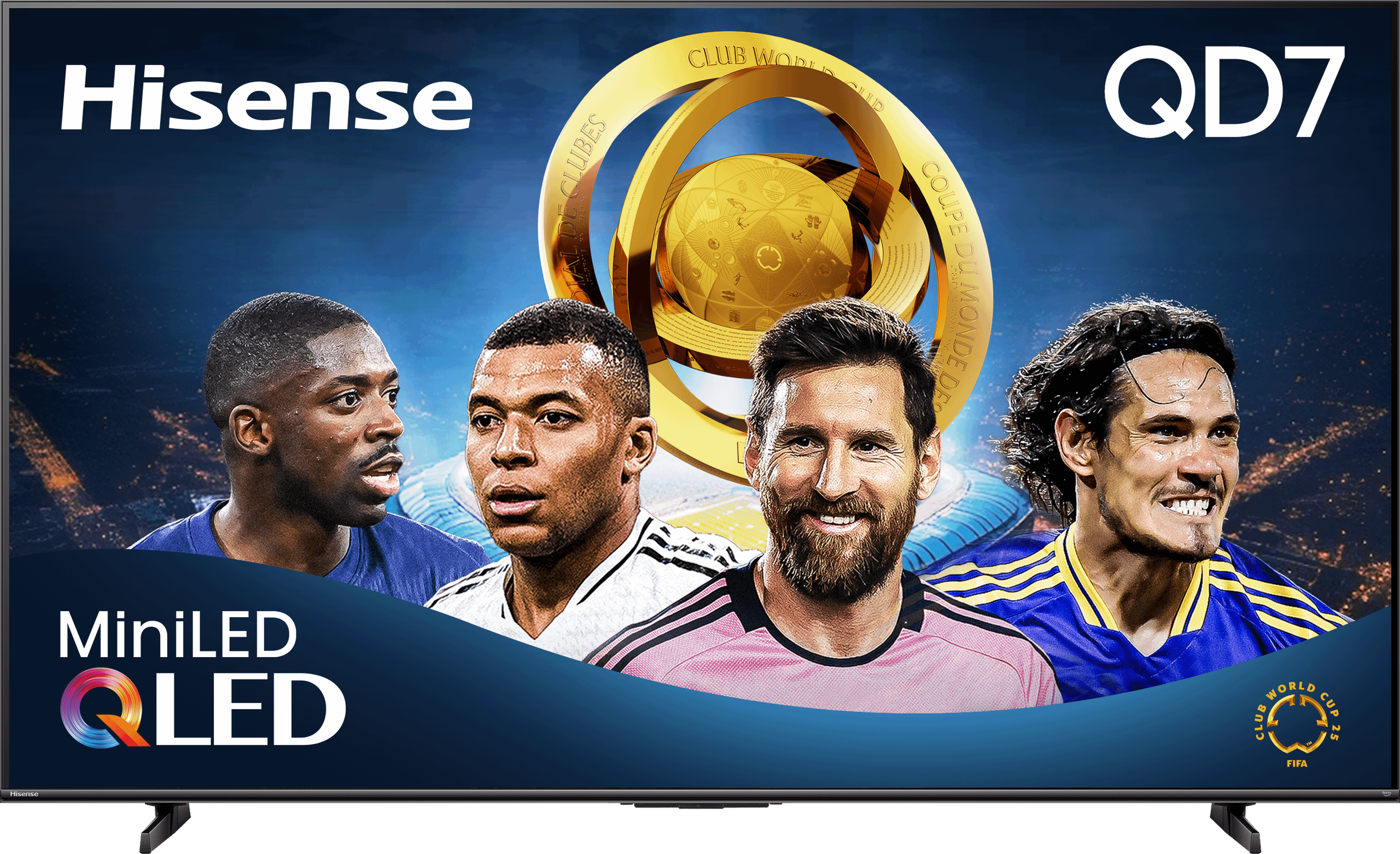
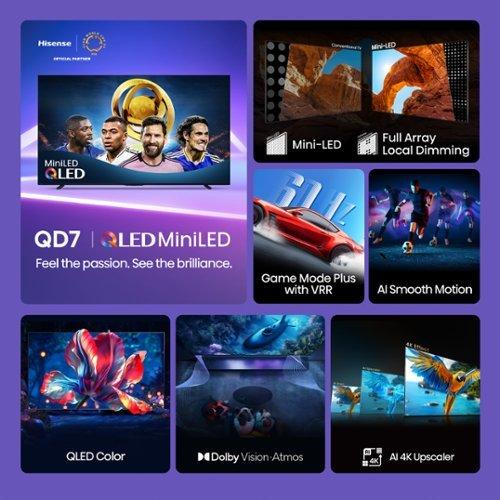
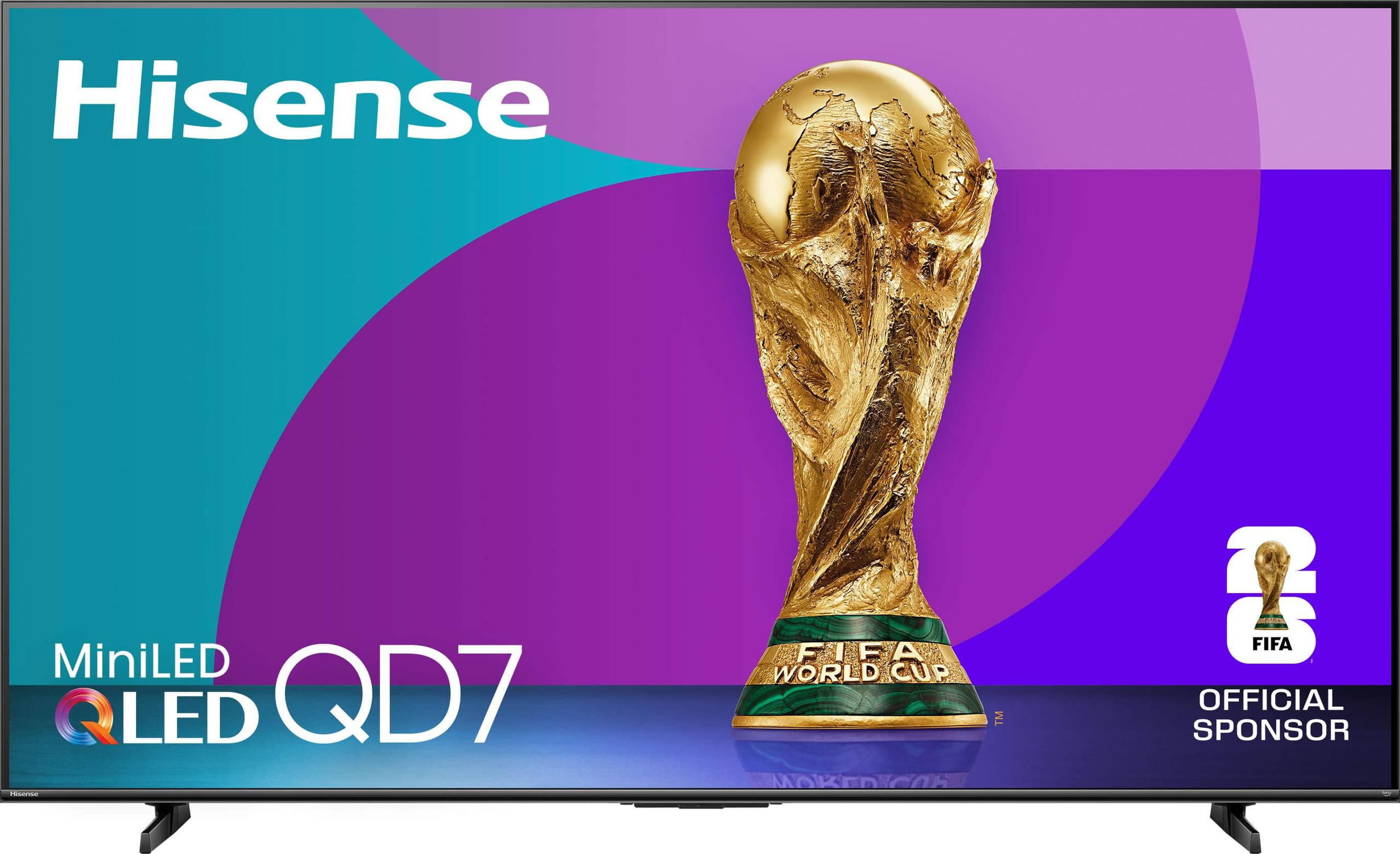
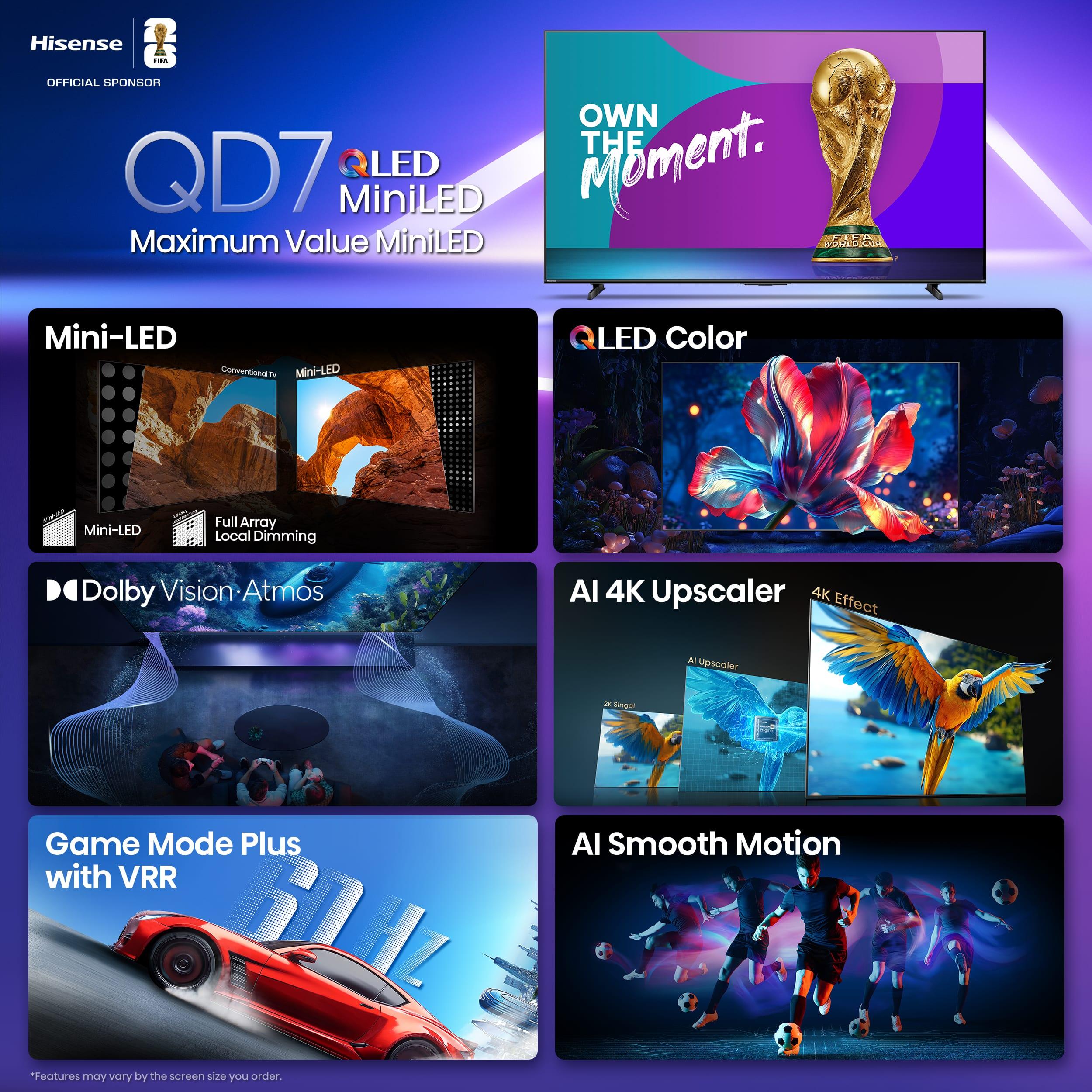
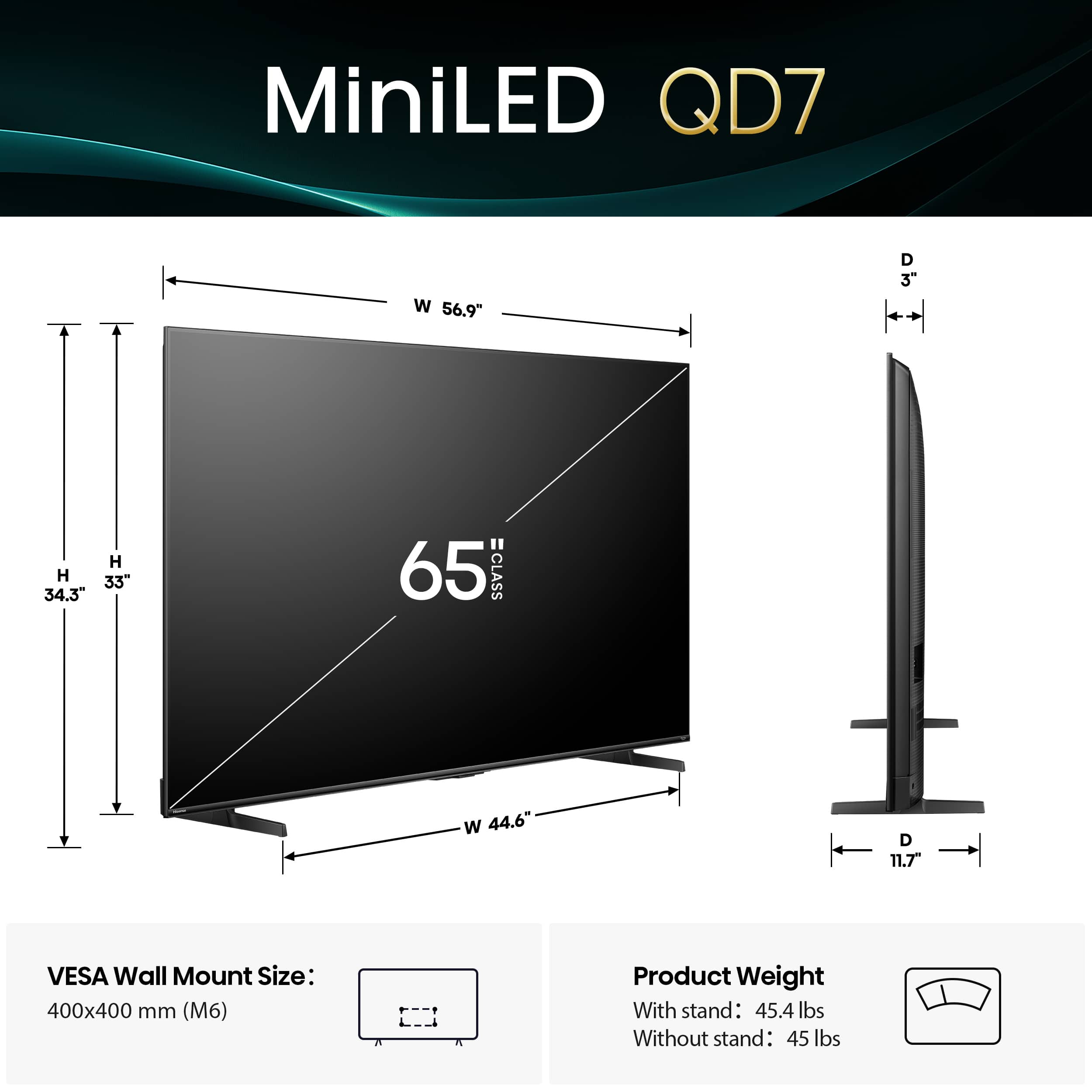
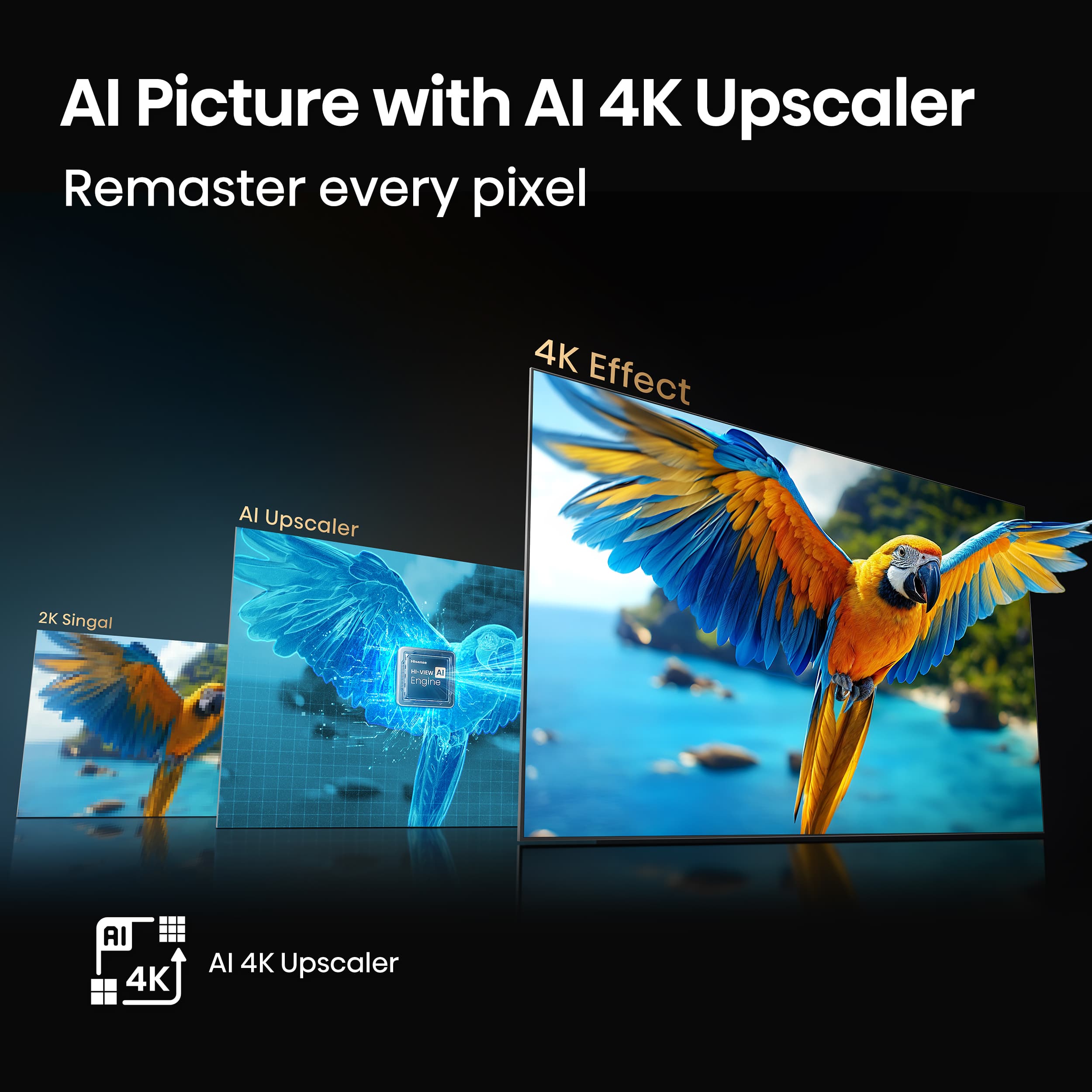
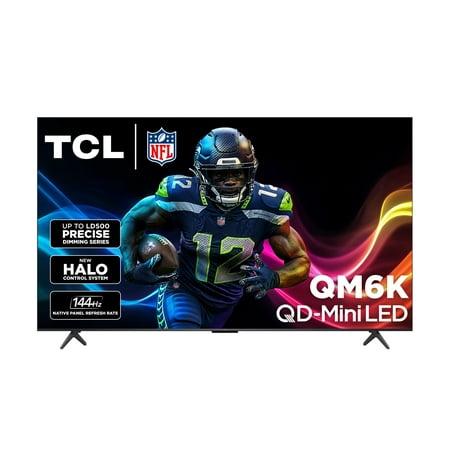
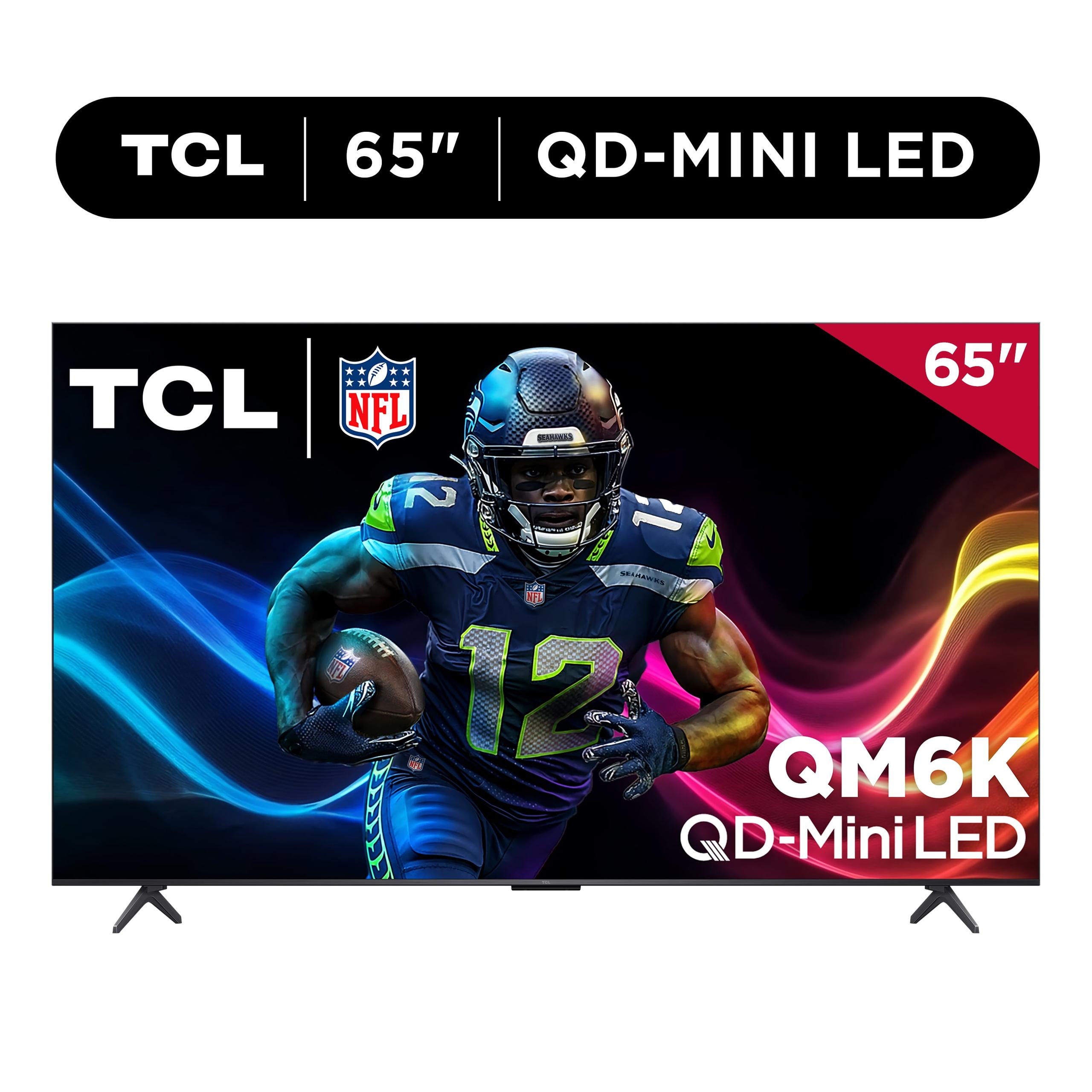
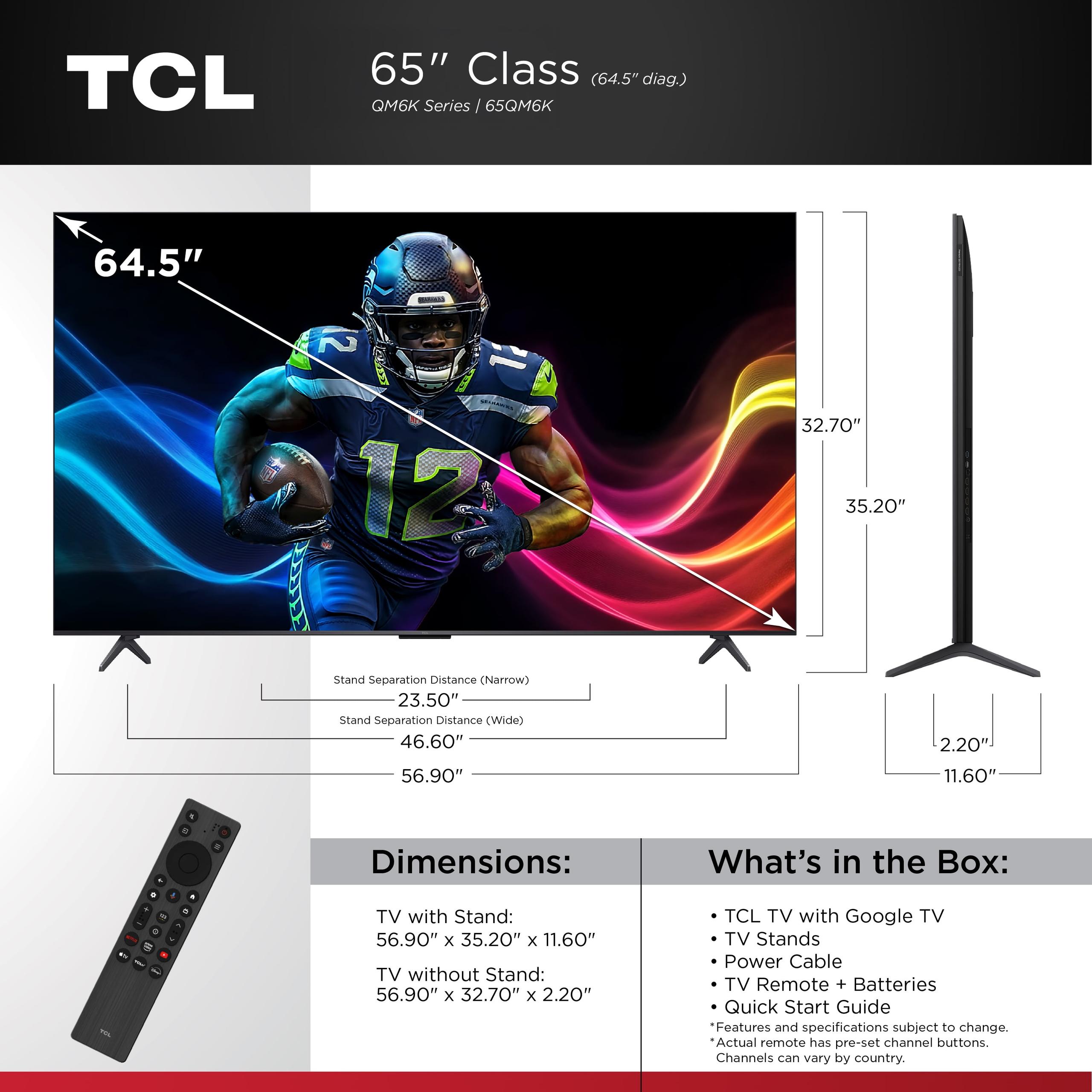
When you're shopping for a premium 65-inch TV, you're likely looking for that sweet spot between impressive picture quality and reasonable pricing. The Mini-LED category has become the go-to choice for many buyers because it delivers much of the performance of expensive OLED TVs while maintaining the brightness advantages of traditional LED displays. Today, we're comparing two standout options: the Hisense 65" QD7 Series Mini-LED 4K Fire TV ($469.99) and the TCL 65" QM6K QD-Mini LED 4K TV ($699.99).
Both TVs represent what manufacturers call "premium value" positioning – they pack high-end features into more affordable packages than flagship models. But with a $230 price difference, which one actually delivers better value for your money?
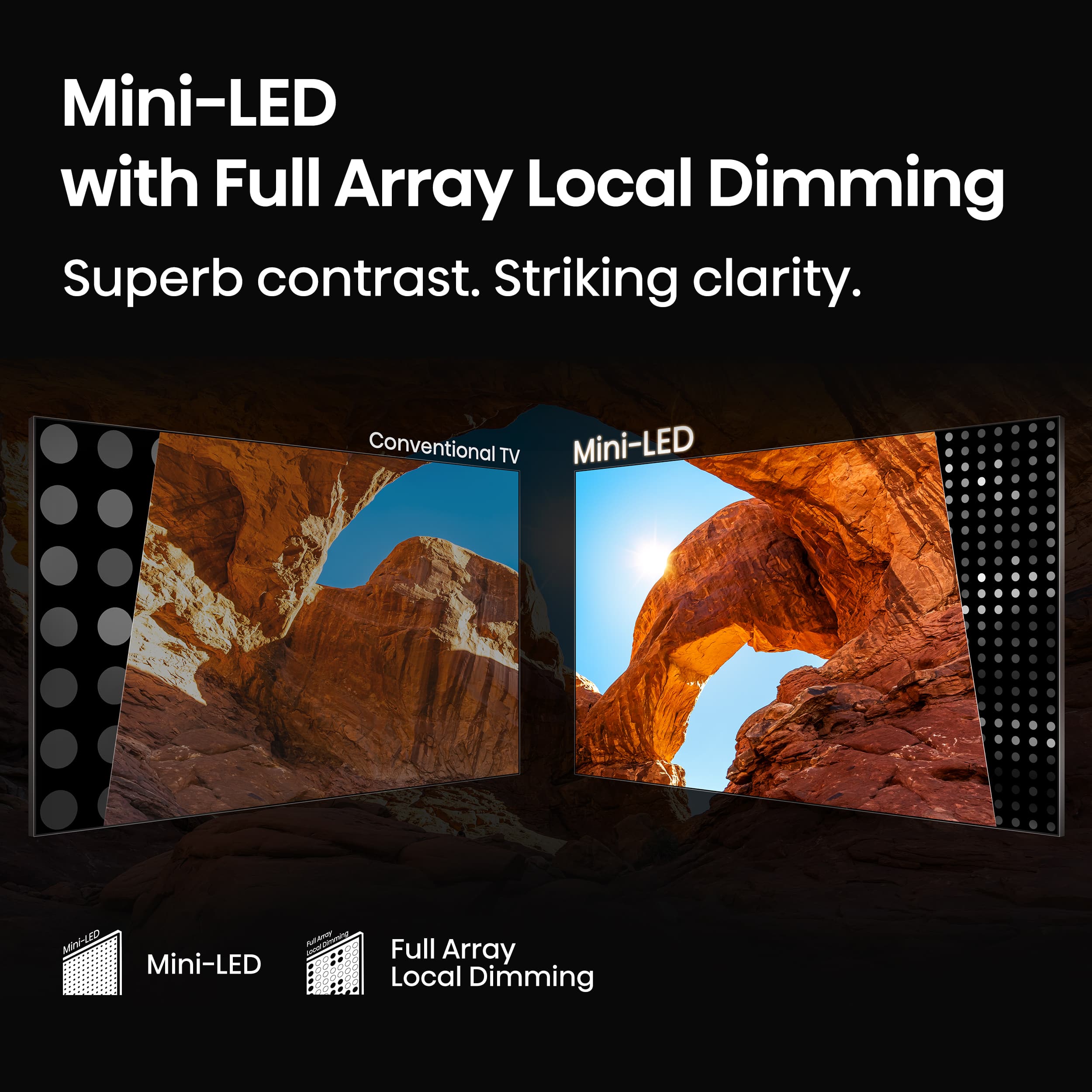
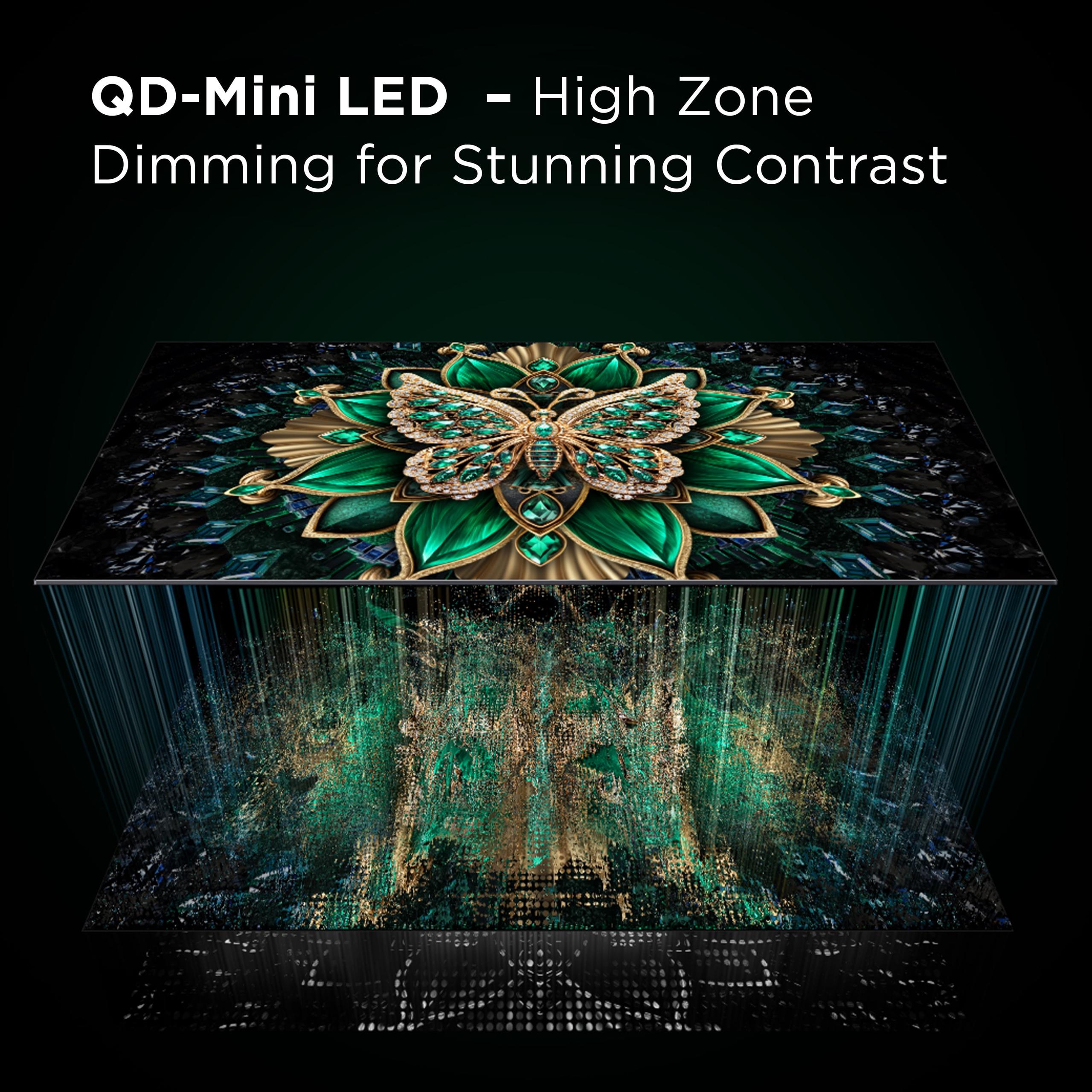
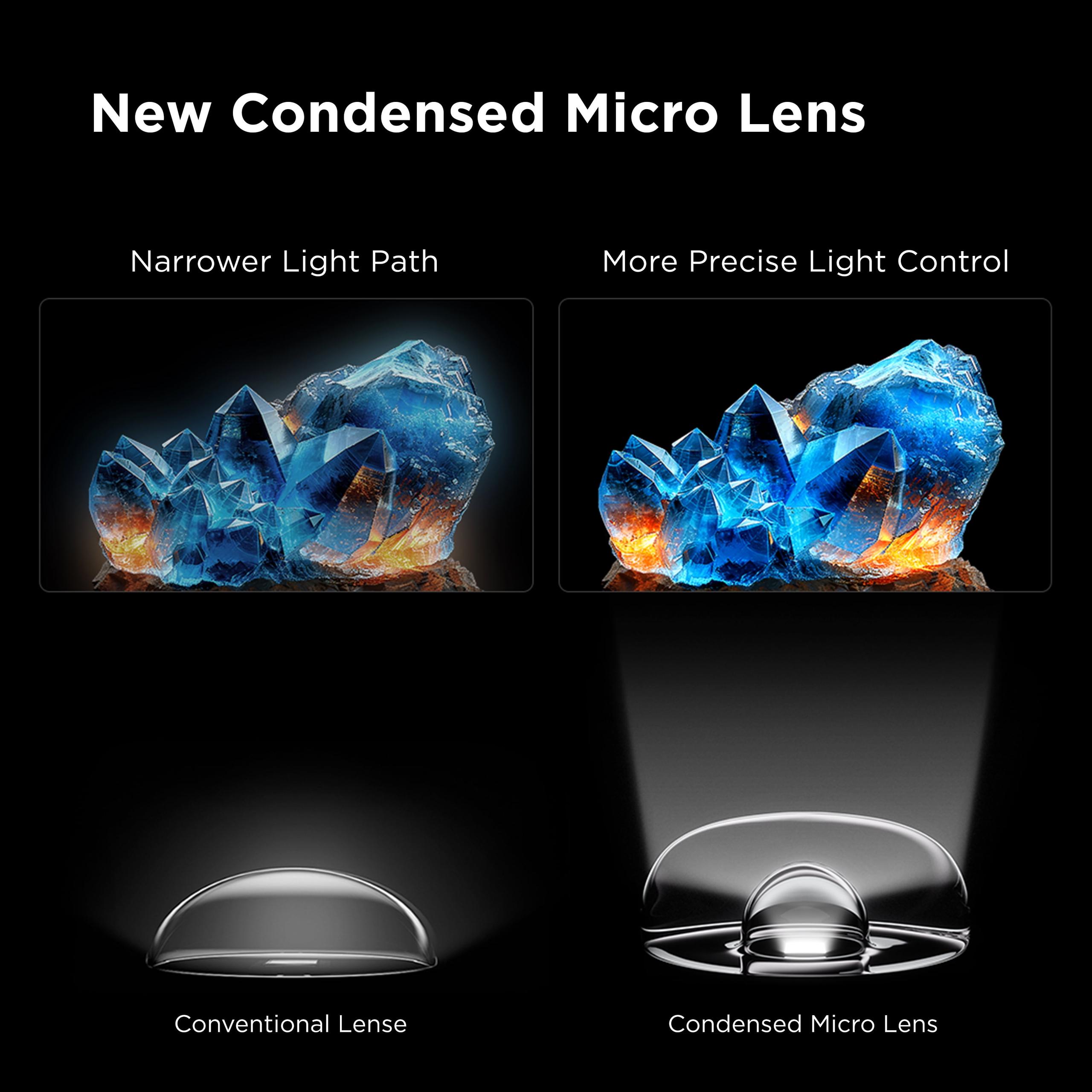
Before diving into the comparison, let's clarify what Mini-LED technology actually does. Traditional LED TVs use relatively large LED lights behind the screen, which makes it difficult to control brightness in specific areas. Mini-LED uses thousands of tiny LEDs – each about the size of a grain of rice – arranged in precise zones across the back of the display. This allows for much more accurate control of brightness and darkness in different parts of the screen.
When you're watching a movie with a bright moon against a dark sky, Mini-LED can make the moon brilliant while keeping the surrounding sky deep black. This is called "local dimming," and it's one of the key technologies that separates good TVs from great ones.
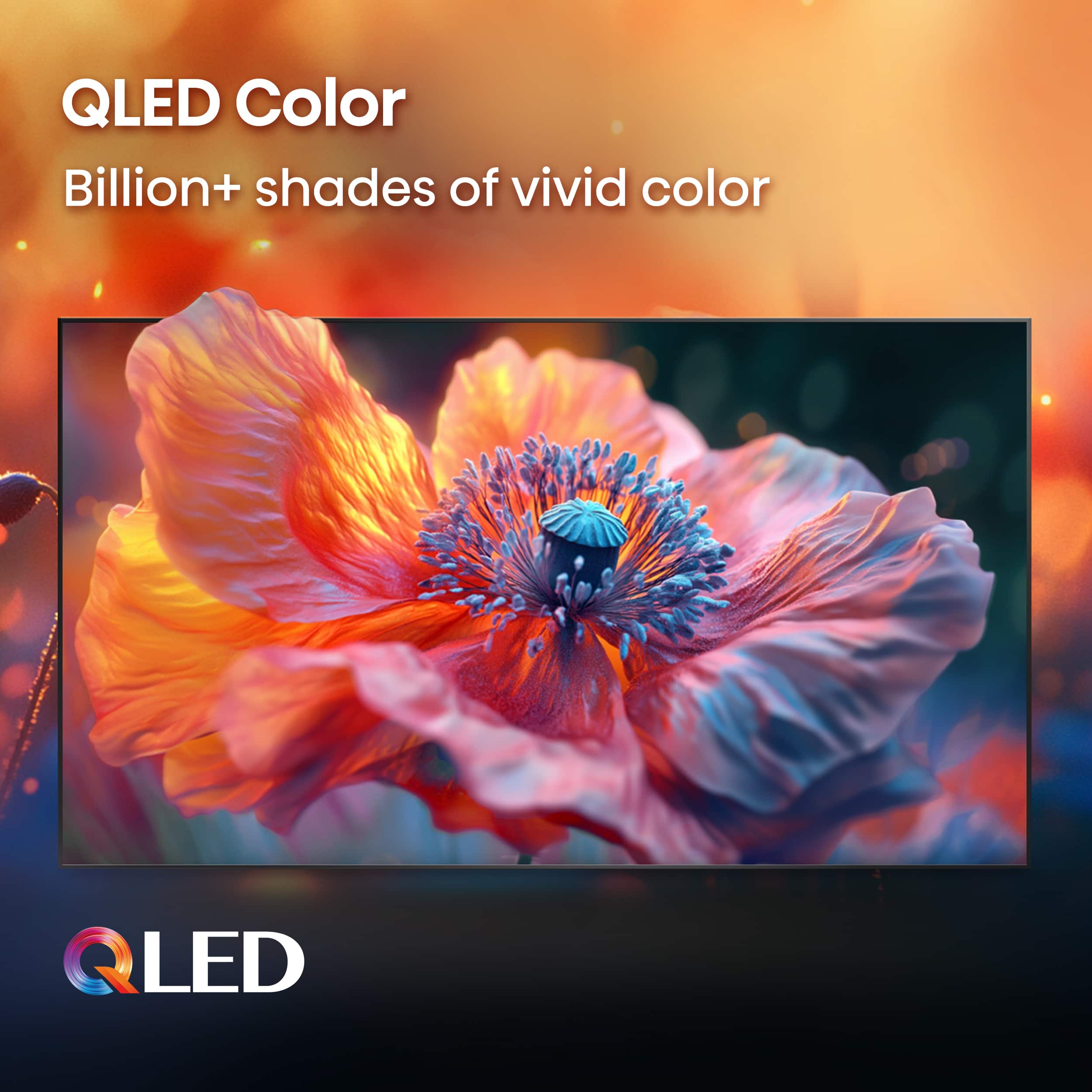
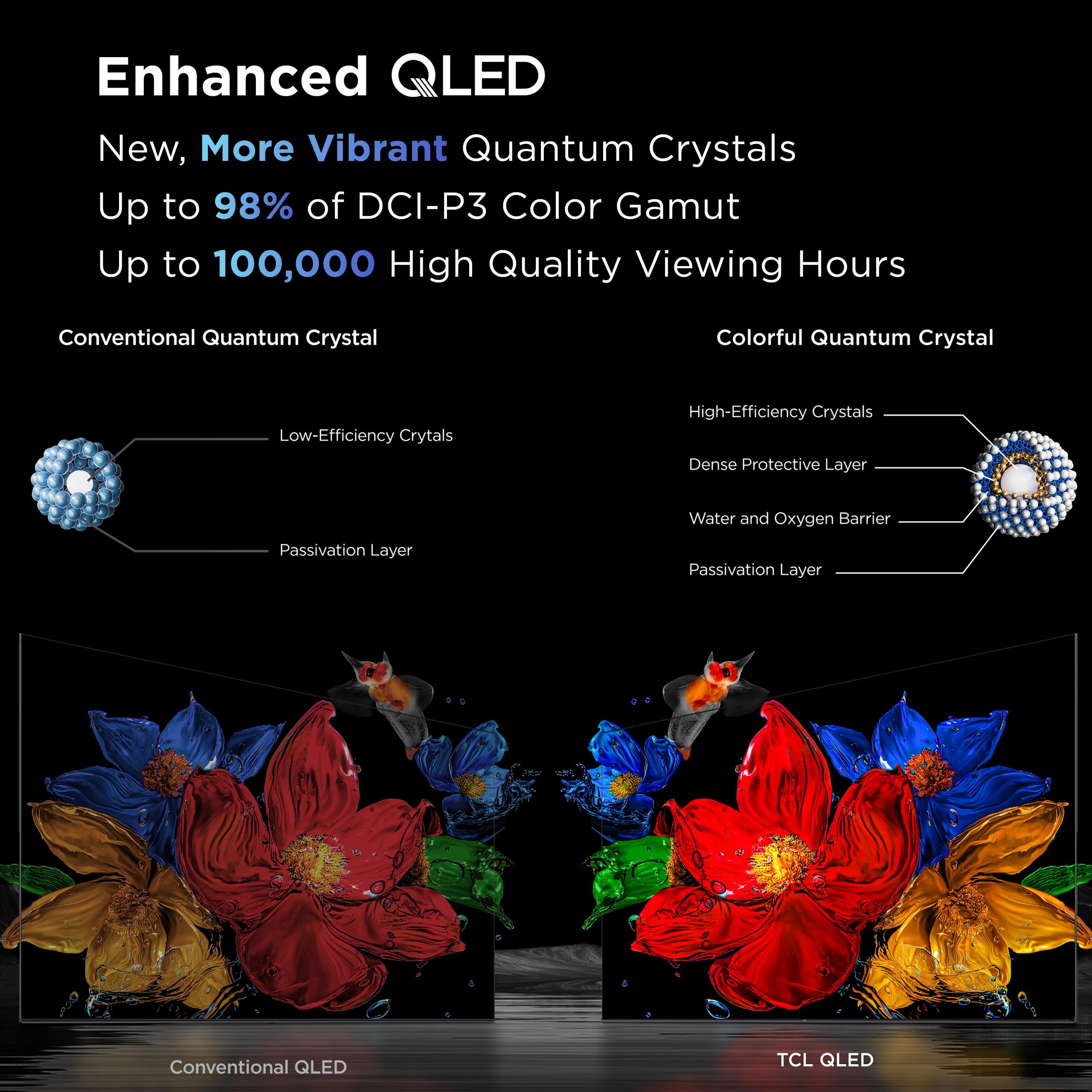
Both TVs also use quantum dot technology (the "QD" in their names), which involves microscopic particles that emit incredibly pure colors when hit by light. Think of it as a color filter that makes reds redder, blues bluer, and greens more vibrant without making them look artificial.
The Hisense QD7 hit the market in late 2024 as a 2025 model year TV, positioning itself as an early entry into the premium Mini-LED space. Hisense has been aggressive about bringing advanced display technologies to lower price points, and the QD7 continues this trend.
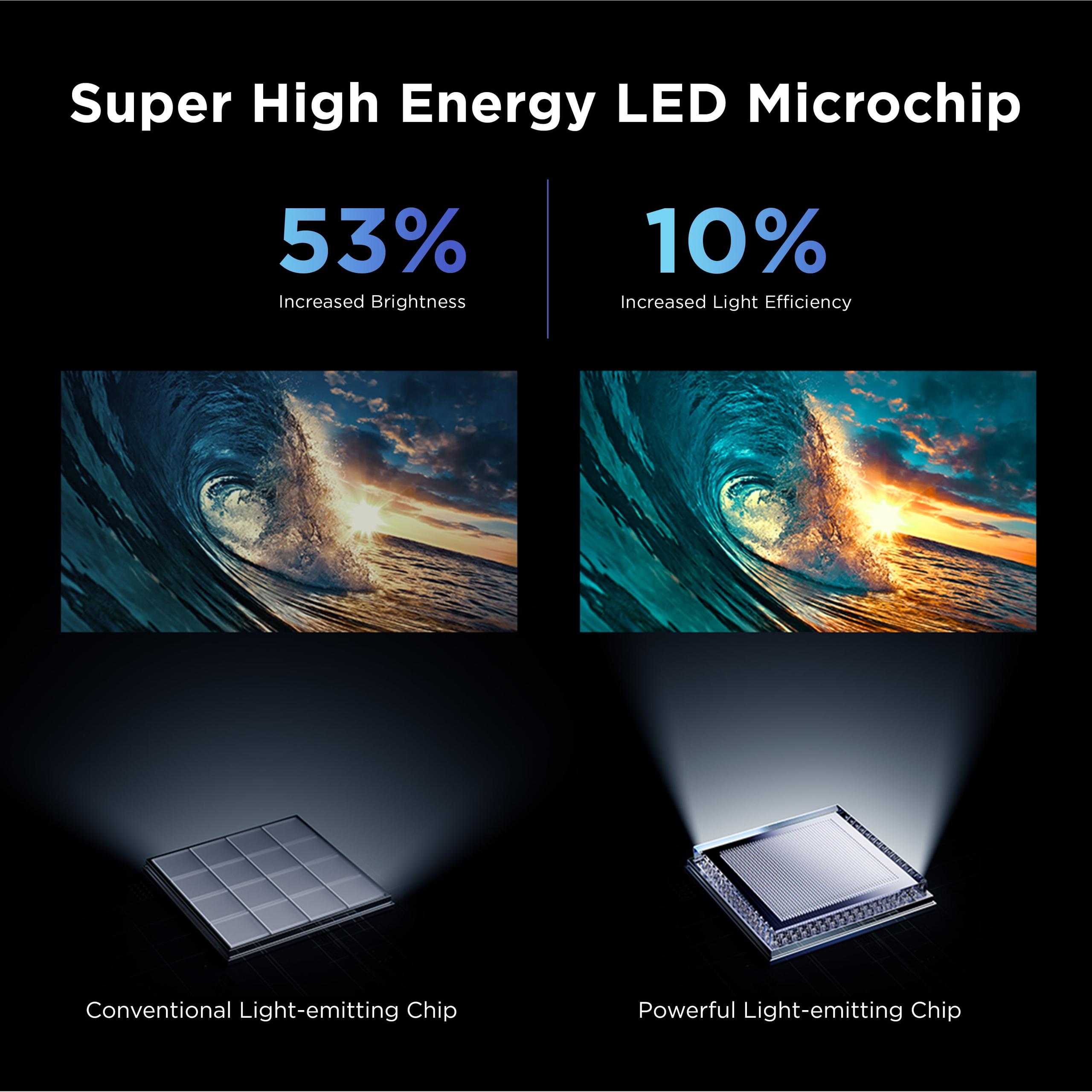
The TCL QM6K arrived in early 2025 with what TCL calls their "Super High Energy LED Chip" technology. This represents a genuine advancement over previous generations – TCL claims these new LEDs are 53% brighter than earlier versions while using 10% less energy. That's not just marketing speak; it translates to real improvements in HDR performance and overall picture quality.
Since their releases, both TVs have received positive reception from reviewers and users alike. The software on both has remained stable with regular updates, and neither has shown the quality control issues that sometimes plague first-generation products.
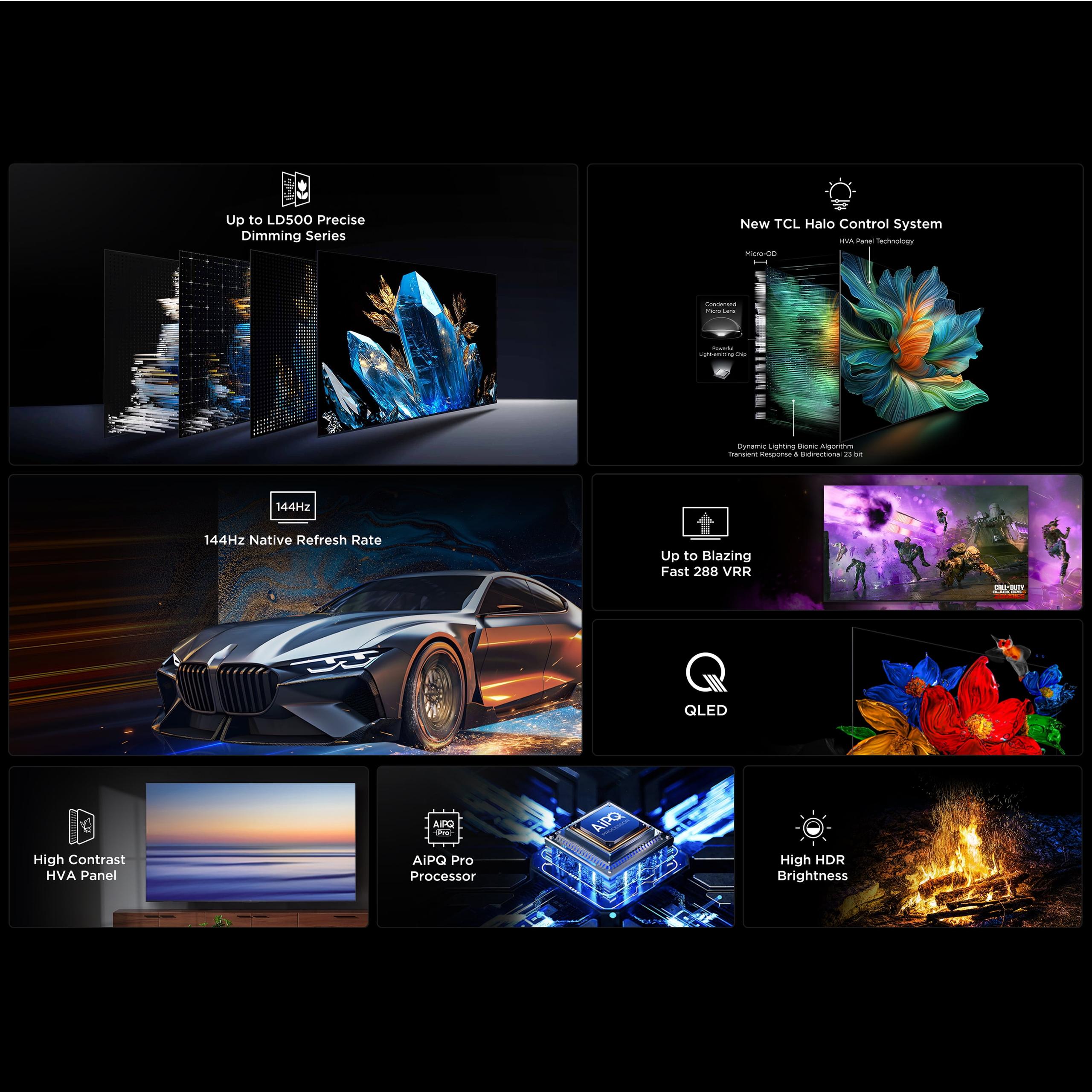
Here's where the TCL QM6K starts to justify its higher price. In testing, it achieves around 695 nits of peak brightness in HDR content, compared to the Hisense QD7's 615 nits. While 80 nits might not sound like much, it's actually quite noticeable in real-world viewing.
If you have a bright living room with windows, that extra brightness makes HDR content more impactful. When watching movies like "Dune" or "Blade Runner 2049," those dramatic highlights – explosions, bright lights, reflections – have more punch on the TCL. The difference is especially apparent during daytime viewing when ambient light competes with the TV's output.
However, the Hisense QD7's brightness is still very respectable for its price point. Unless you're in a particularly bright room or you're specifically looking for that extra HDR impact, most viewers will find it perfectly adequate. I've tested both TVs in moderately lit rooms, and the Hisense holds its own quite well.
Interestingly, the Hisense QD7 actually covers a wider color gamut than the TCL QM6K. It reproduces about 75% of the Rec.2020 color space compared to the TCL's 71%. In practical terms, this means the Hisense can display slightly more vibrant and saturated colors, particularly in the green and red spectrums.
You'll notice this difference most in nature documentaries, animated movies, and video games. The Hisense makes grass look more lush, sunsets more dramatic, and animated characters more vivid. However, both TVs deliver excellent color accuracy out of the box, so you're not making a bad choice either way.
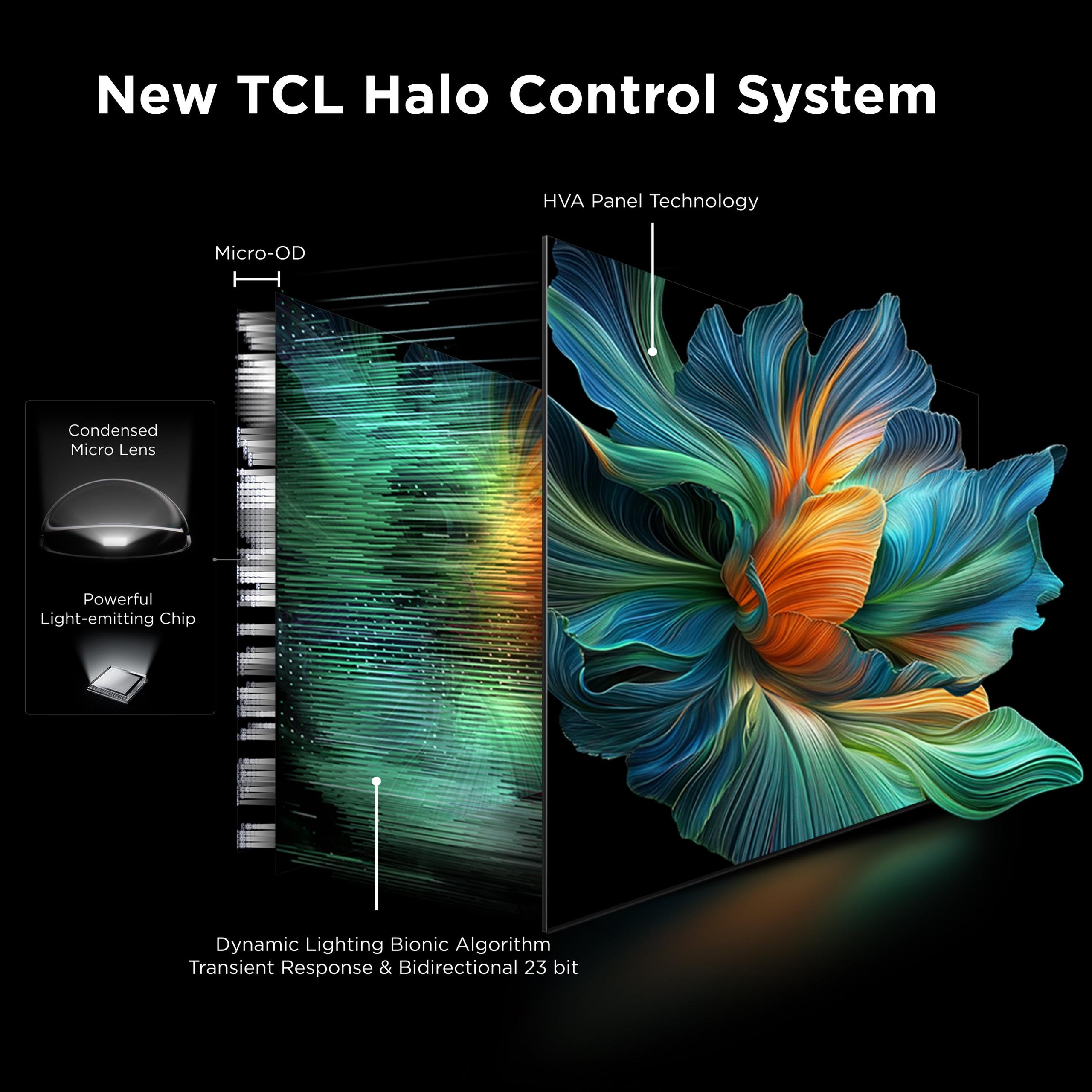
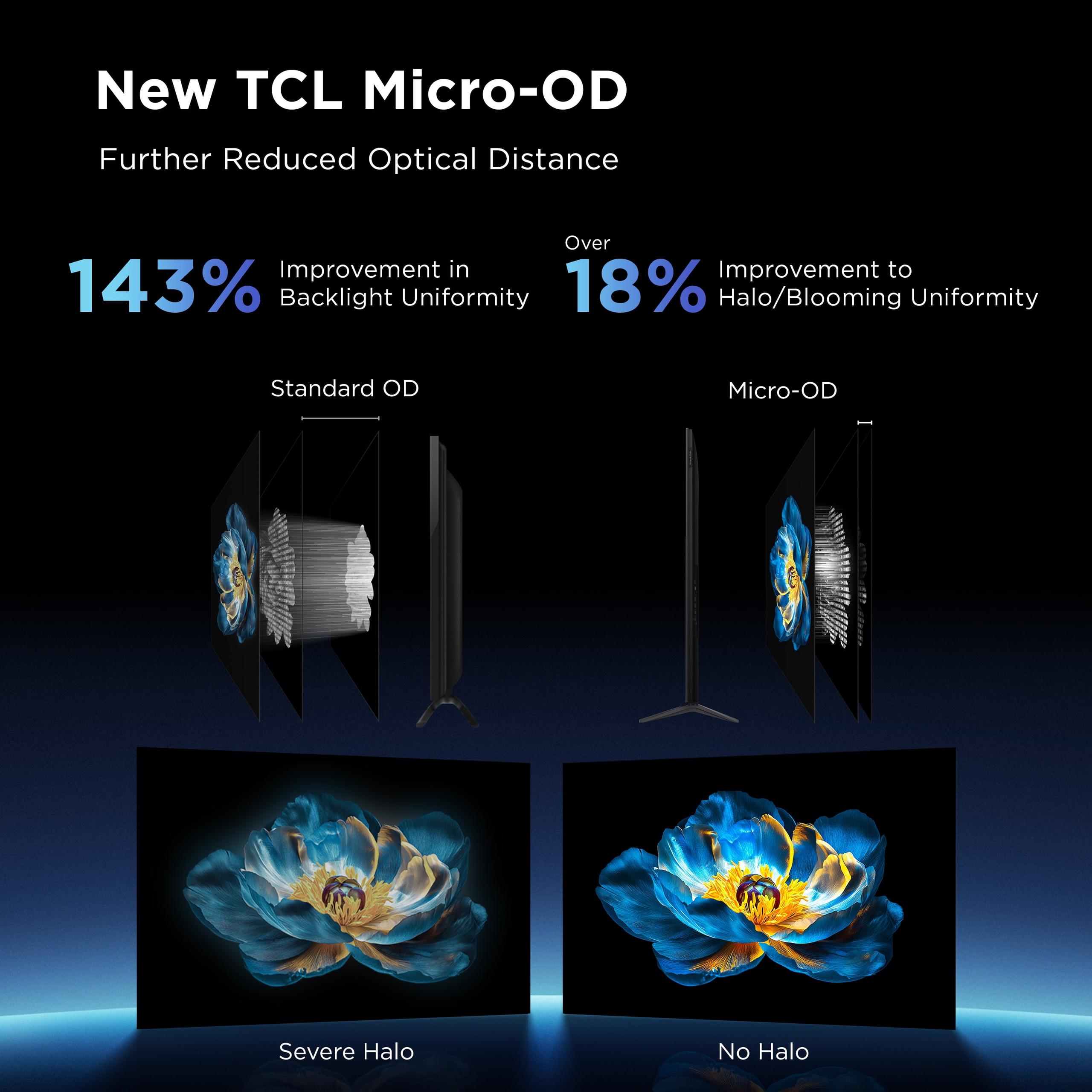
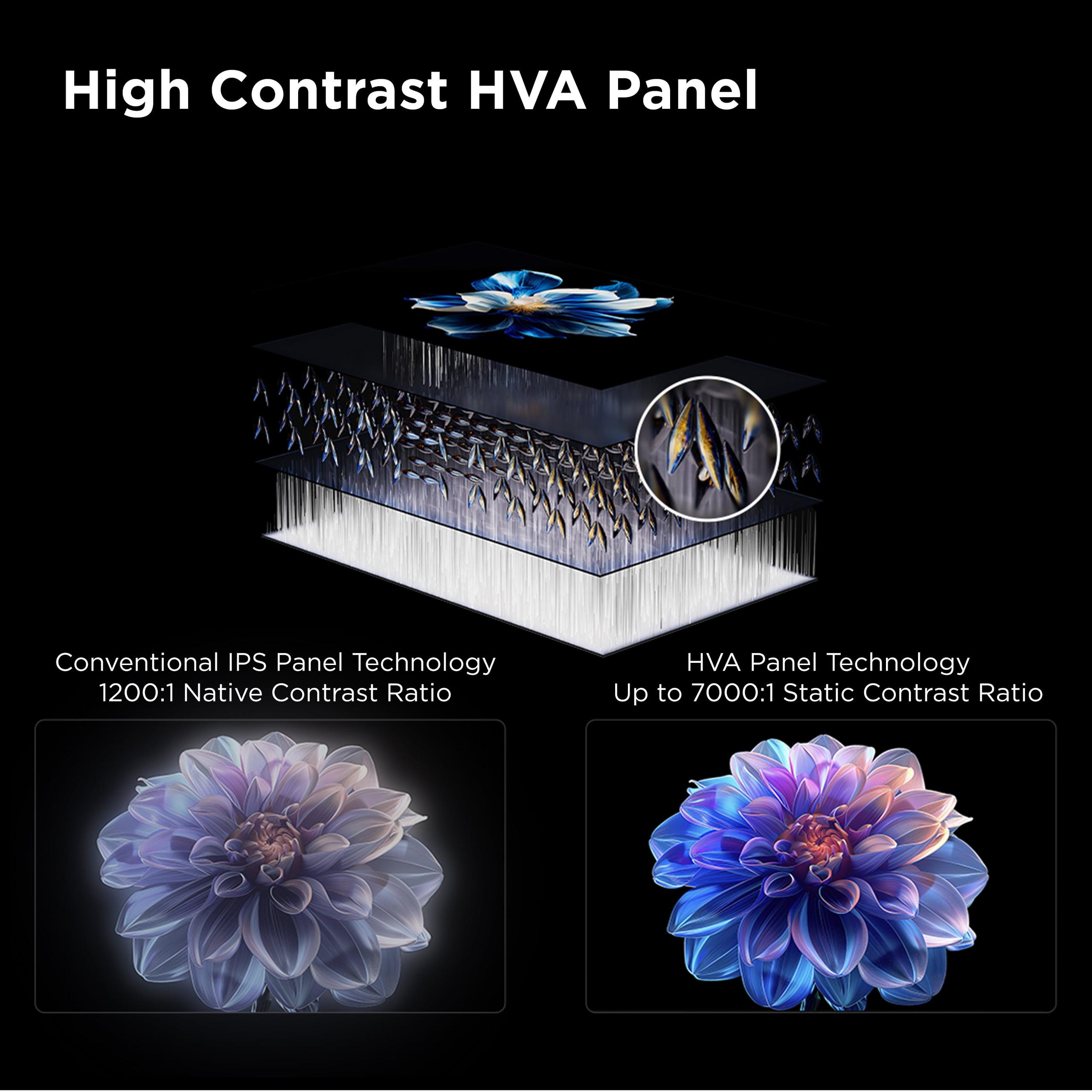
The TCL QM6K pulls ahead significantly in contrast performance. Its superior local dimming system, with up to 500 distinct zones, creates deeper blacks and reduces "blooming" – that annoying halo effect around bright objects on dark backgrounds. If you're watching a movie with star fields or city lights at night, the TCL maintains better separation between bright and dark areas.
The Hisense QD7 still offers good contrast for its price, but you'll notice more blooming in challenging scenes. During my testing, scenes from "The Batman" showed more noticeable halos around streetlights and car headlights on the Hisense compared to the TCL.
For home theater enthusiasts who do most of their viewing in darkened rooms, this contrast difference becomes quite important. The TCL simply delivers a more cinematic experience in dark content.
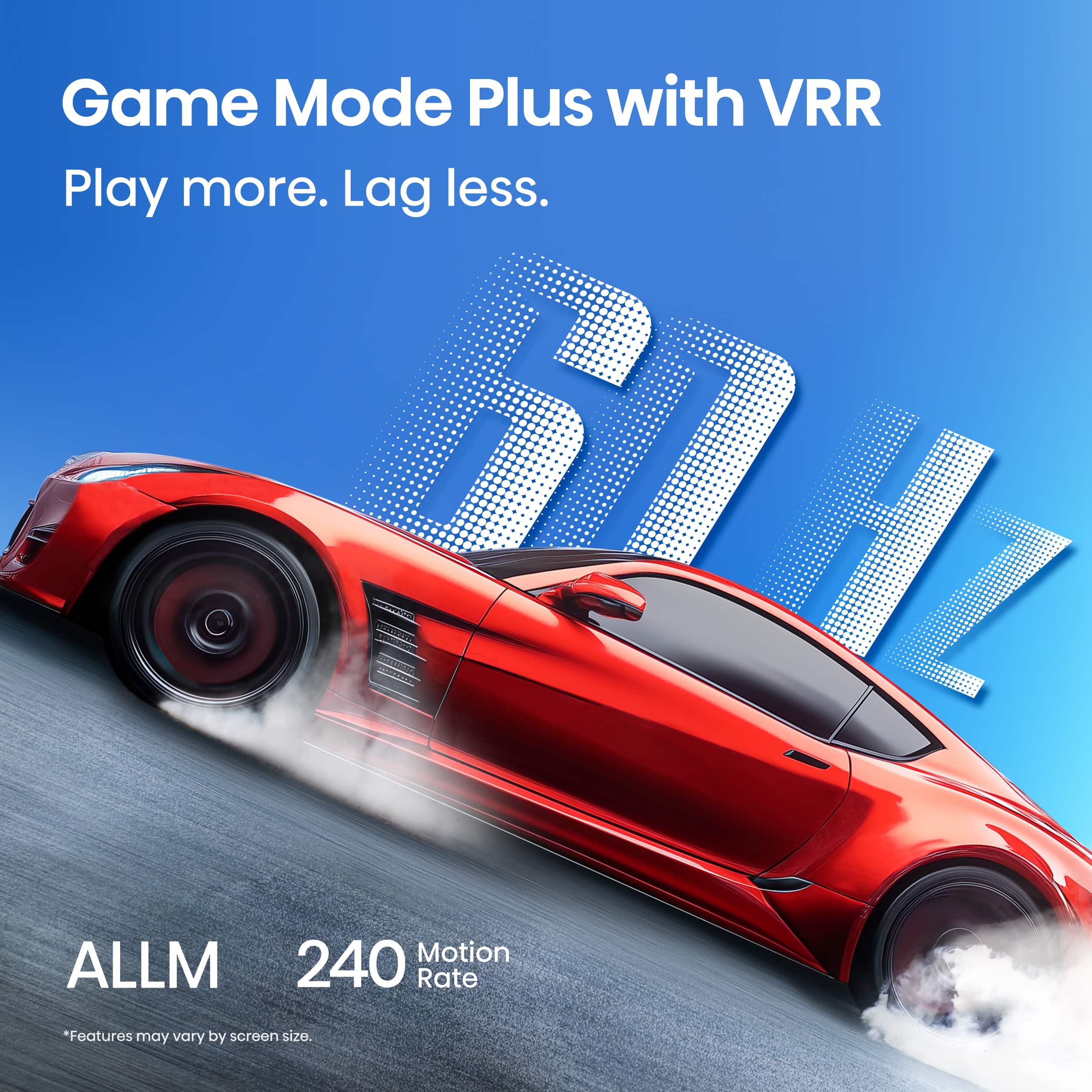
Both TVs support 144Hz refresh rates, which is excellent for gaming. However, the TCL QM6K goes further with its Game Accelerator 288 technology, allowing up to 288Hz variable refresh rate at 1080p resolution. This is particularly beneficial for competitive PC gaming where every frame matters.
For console gaming on PlayStation 5 or Xbox Series X, both TVs perform similarly well. They support all the important gaming features: Variable Refresh Rate (VRR) to eliminate screen tearing, Auto Low Latency Mode (ALLM) to reduce input lag, and HDMI 2.1 bandwidth for 4K gaming at 120Hz.
In Game Mode, both TVs achieve impressively low input lag – under 10 milliseconds in most cases. This is crucial for competitive gaming where split-second reactions matter. I've tested both with fast-paced games like "Call of Duty" and racing games, and the response feels immediate on both displays.
The TCL QM6K has a slight edge in motion clarity during fast gaming sequences, thanks to its improved processing and better local dimming control. But unless you're a serious esports competitor, you'll be happy with either TV's gaming performance.
This is one area where the price difference becomes apparent. The TCL QM6K features an Onkyo-tuned 2.1 channel speaker system with DTS Virtual:X processing. The result is noticeably fuller, richer sound with better bass response and clearer dialogue.
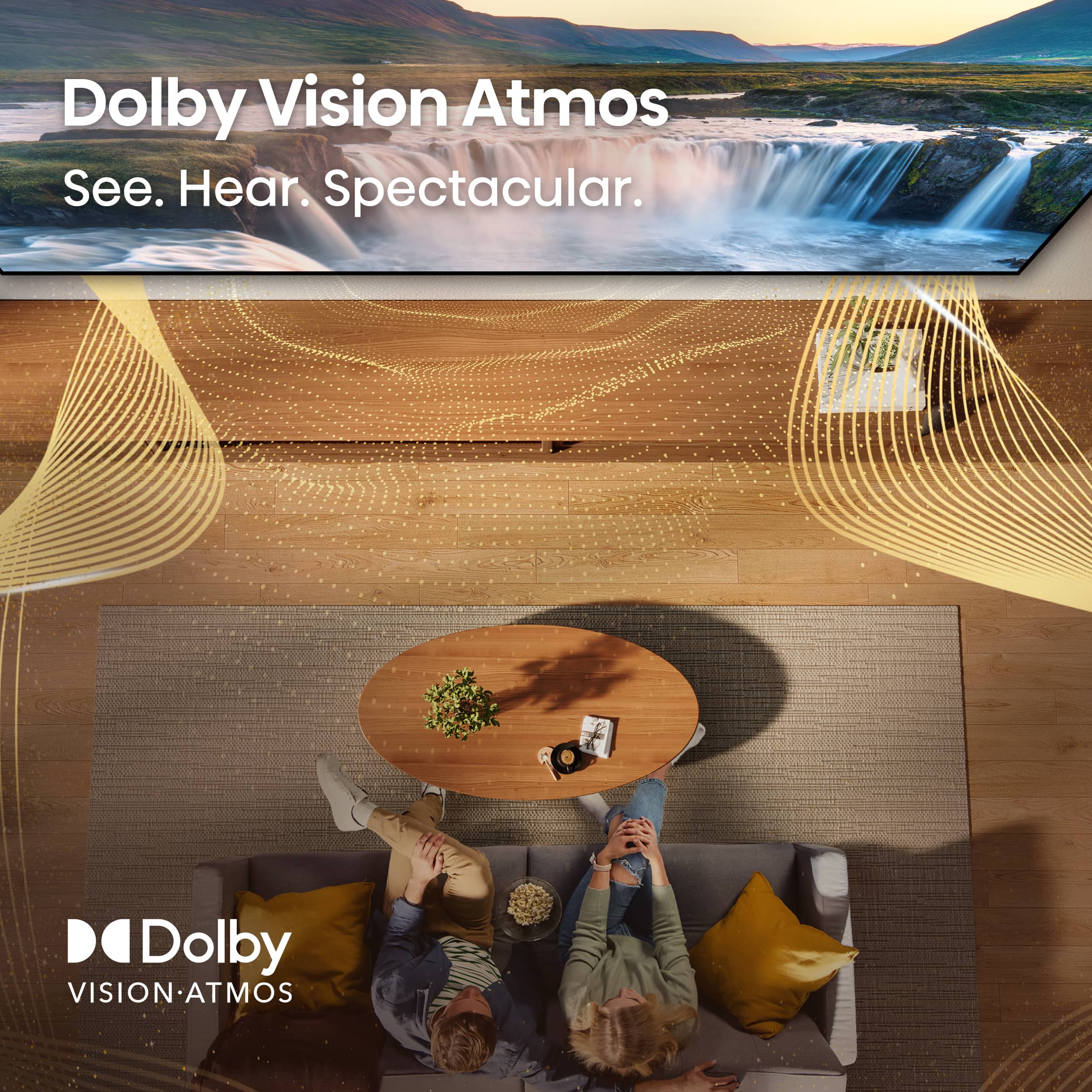
The Hisense QD7 supports Dolby Atmos, which is excellent, but its speakers are more basic. While the sound is perfectly adequate for casual viewing, it lacks the depth and impact of the TCL's audio system.
For home theater setups, many enthusiasts will eventually add a soundbar or surround sound system anyway. But if you're planning to use the TV's built-in speakers, the TCL provides a significantly better audio experience.
The choice between Fire TV (Hisense QD7) and Google TV (TCL QM6K) often comes down to personal preference and existing ecosystem investments.
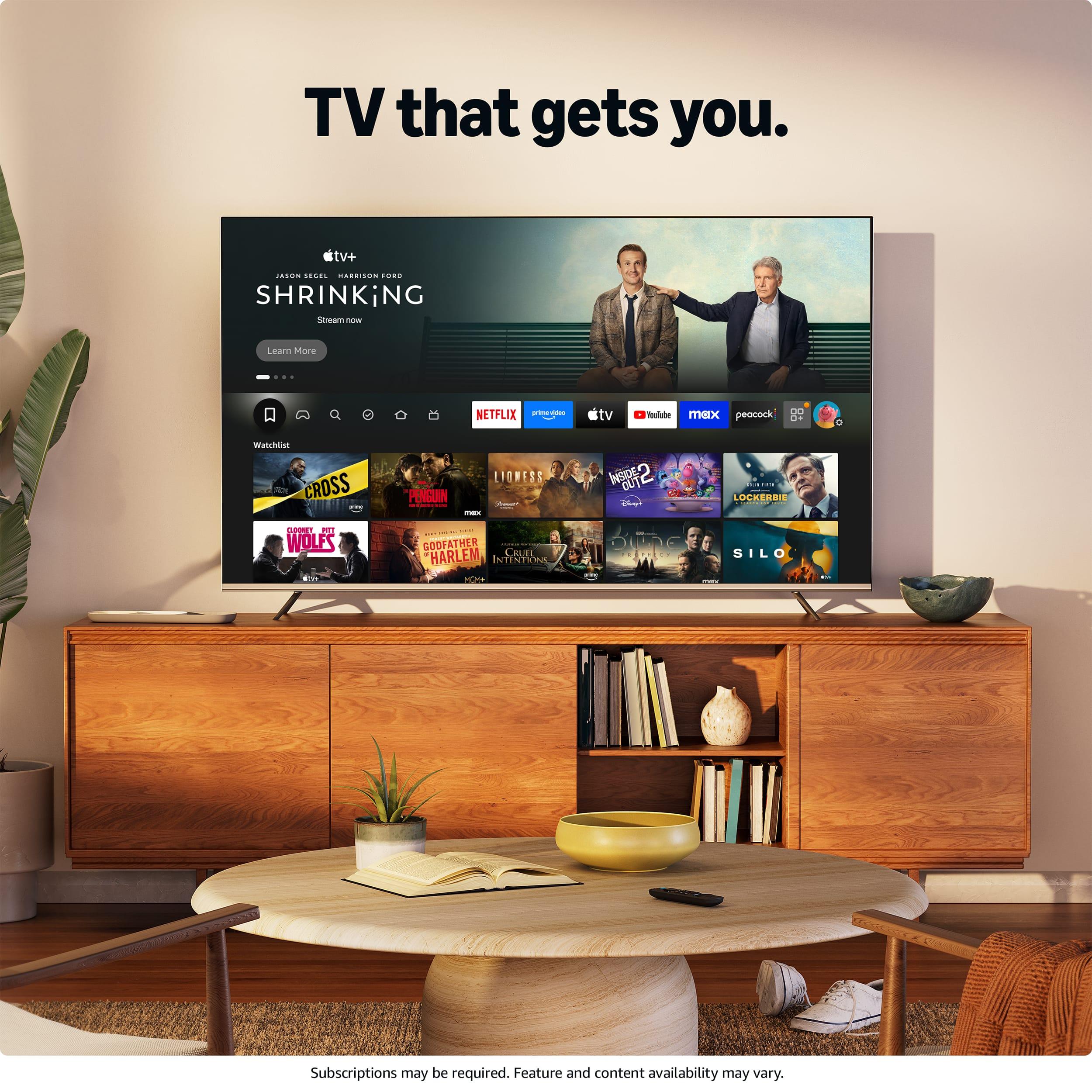
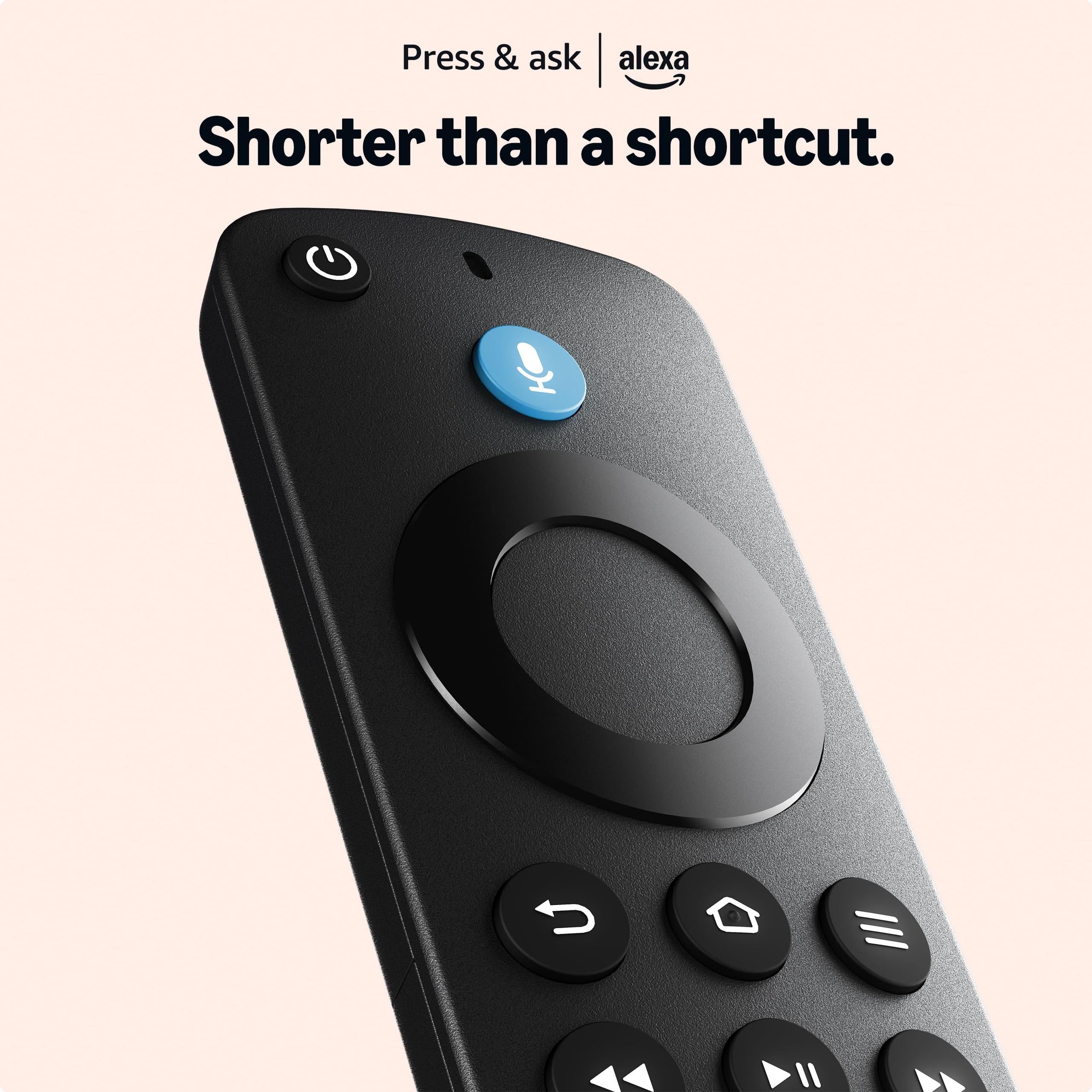
Fire TV integrates seamlessly with Amazon's ecosystem. If you're already using Alexa smart home devices, have Amazon Prime, and shop frequently on Amazon, the Fire TV interface feels natural and convenient. The voice remote works well, and finding content is straightforward.
Google TV offers broader app selection and better integration with non-Amazon services. It's particularly good if you use YouTube TV, Google Photos, or other Google services. The interface is more customizable, and content recommendations tend to be more diverse.
Both platforms receive regular updates and support all major streaming services. Neither has significant advantages in terms of app selection or performance.
Both TVs include backlit, motion-activated remotes – a nice touch that's not always standard in this price range. The backlighting makes finding buttons easy in dark rooms, and the motion activation means you don't have to hunt for the remote to turn on the backlight.
Voice control works well on both platforms, though I find Google Assistant slightly more responsive to natural language commands than Alexa.
If you're setting up a dedicated home theater room, several factors become particularly important:
Light Control: The TCL QM6K's higher brightness gives it an advantage in rooms with some ambient light, but both TVs perform well in properly darkened theater rooms.
Seating Position: Both TVs use similar panel technology, so viewing angles are comparable. You'll want to position your main seating directly in front of either TV for optimal picture quality.
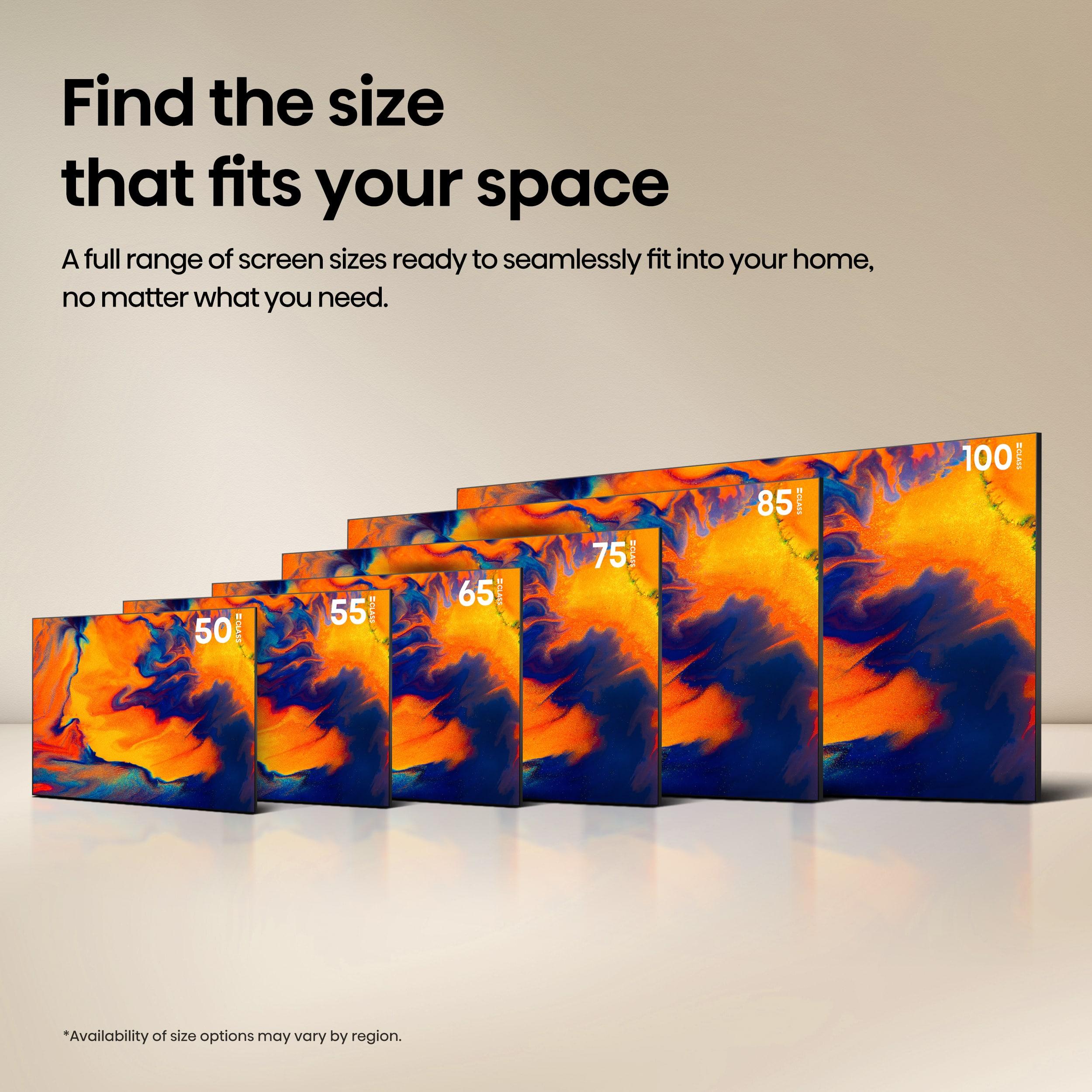
Screen Size and Distance: At 65 inches, both TVs work well for viewing distances between 8-12 feet. Closer than 8 feet, and you might notice individual pixels; farther than 12 feet, and you won't fully appreciate the 4K detail.
Audio Setup: For serious home theater use, you'll likely want to add a soundbar or surround sound system regardless of which TV you choose. However, the TCL's better built-in audio gives you more flexibility to delay that purchase.
The Hisense QD7 at $469.99 represents exceptional value. You're getting genuine Mini-LED technology, quantum dot color, 144Hz gaming, and a solid smart TV platform for less than $500. That's remarkable considering similar features cost $1,000+ just a few years ago.
The TCL QM6K at $699.99 costs significantly more but delivers meaningful improvements in brightness, contrast, audio, and gaming features. The question is whether those improvements justify the extra $230.
For most buyers, the Hisense QD7 delivers about 80-85% of the TCL's performance at 67% of the cost. That's an excellent value proposition. However, if you're particularly sensitive to picture quality differences or plan to use the TV heavily for gaming and home theater, the TCL's improvements may be worth the premium.
Choose the Hisense QD7 if you:
Choose the TCL QM6K if you:
Both TVs represent excellent choices in the premium Mini-LED category. The Hisense QD7 offers exceptional value with performance that would have been considered flagship-level just a few years ago. The TCL QM6K provides genuine improvements in key areas that justify its higher price for users who prioritize peak performance.
Your choice ultimately depends on your specific needs, viewing environment, and budget. If you're looking for the best bang for your buck and don't need absolute peak performance, the Hisense QD7 is hard to beat. If you want the best possible picture quality and audio in this price range and don't mind paying extra for it, the TCL QM6K delivers.
Either way, you're getting a TV that would have been unimaginable at these prices just a few years ago. The rapid advancement in Mini-LED technology means today's "value" TVs offer picture quality that rivals yesterday's flagships.
| Hisense 65" QD7 Series Mini-LED 4K Fire TV 2025 | TCL 65" QM6K QD-Mini LED 4K TV |
|---|---|
| Price - Major factor with $230 difference | |
| $469.99 (exceptional value for Mini-LED features) | $699.99 (premium pricing for enhanced performance) |
| Peak Brightness - Critical for HDR impact and bright room viewing | |
| ~615 nits HDR (good for most rooms, adequate HDR) | ~695 nits HDR (better for bright rooms, more impactful HDR) |
| Color Gamut Coverage - Affects color vibrancy and saturation | |
| Rec.2020: 75.10% (wider coverage, more vibrant colors) | Rec.2020: 71.23% (slightly narrower but still excellent) |
| Local Dimming Zones - Controls contrast and reduces blooming | |
| Standard Mini-LED zones (good contrast, some blooming) | Up to LD500 zones (superior contrast, minimal blooming) |
| Gaming Refresh Rate - Important for smooth gaming performance | |
| 144Hz native with Game Mode Pro (excellent for console gaming) | 144Hz native + Game Accelerator 288 (up to 288Hz at 1080p) |
| Smart TV Platform - Determines app selection and ecosystem integration | |
| Fire TV with Alexa (great for Amazon ecosystem users) | Google TV with Assistant (broader app selection, better for non-Amazon users) |
| Audio System - Affects whether you need immediate soundbar upgrade | |
| Dolby Atmos support with basic speakers (adequate sound) | Onkyo-tuned 2.1 system with DTS Virtual:X (significantly better audio) |
| Display Technology - Both use advanced Mini-LED with quantum dots | |
| QD Mini-LED with Full Array Local Dimming | QD Mini-LED with Super High Energy LED Chip (53% brighter LEDs) |
| HDMI Connectivity - Essential for gaming and high-bandwidth devices | |
| 4 HDMI ports (2x HDMI 2.1 for next-gen consoles) | 4 HDMI ports (2x HDMI 2.1 for next-gen consoles) |
| Release Generation - Indicates technology maturity and future support | |
| 2024 release (2025 model year, proven technology) | 2025 release (newest generation with latest LED improvements) |
| Best For - Target user scenarios where each excels | |
| Budget-conscious buyers wanting premium features, Amazon users | Bright rooms, serious gamers, users prioritizing peak performance |
The Hisense 65" QD7 Series Mini-LED 4K Fire TV ($469.99) offers exceptional value, delivering about 80-85% of the TCL's performance at 33% less cost. The TCL 65" QM6K QD-Mini LED 4K TV ($699.99) provides measurably better brightness, contrast, and audio quality that justify the $230 premium for users who prioritize peak performance.
The main differences are brightness and contrast. The TCL QM6K is brighter at 695 nits versus the Hisense QD7's 615 nits, making HDR content more impactful. The TCL also has superior local dimming with up to 500 zones, creating deeper blacks and less blooming around bright objects.
Both TVs excel at gaming with 144Hz refresh rates and HDMI 2.1 support. The TCL QM6K has a slight edge with Game Accelerator 288 technology allowing up to 288Hz at 1080p, while the Hisense QD7 offers excellent gaming performance with Game Mode Pro at a lower price point.
Choose Fire TV on the Hisense QD7 if you're already invested in Amazon's ecosystem with Alexa devices and Prime Video. Choose Google TV on the TCL QM6K if you prefer broader app selection and better integration with non-Amazon services like YouTube TV and Google Photos.
The TCL QM6K is significantly brighter at 695 nits compared to the Hisense QD7's 615 nits. This makes the TCL better for bright living rooms with windows, while the Hisense performs well in moderately lit rooms.
The TCL QM6K has substantially better audio with an Onkyo-tuned 2.1 channel system and DTS Virtual:X processing, delivering fuller sound with better bass. The Hisense QD7 supports Dolby Atmos but has more basic speakers that are adequate for casual viewing.
Interestingly, the Hisense QD7 covers a wider color gamut at 75% of Rec.2020 compared to the TCL QM6K's 71%, meaning the Hisense can display slightly more vibrant and saturated colors, particularly in greens and reds.
Both TVs work well for home theater, but the TCL QM6K is better suited for dedicated theater rooms due to its superior contrast and black levels. The Hisense QD7 is excellent for casual home theater use, especially considering its lower price point.
The TCL QM6K is definitely better for bright rooms due to its higher peak brightness of 695 nits. The Hisense QD7 at 615 nits is adequate for most rooms but may struggle in very bright environments with lots of ambient light.
The Hisense QD7 costs $469.99, making it an exceptional value for Mini-LED technology. The TCL QM6K costs $699.99, representing a $230 premium for enhanced performance features like better brightness, contrast, and audio.
Both TVs offer excellent smart features, but it depends on your ecosystem preference. The Hisense QD7 with Fire TV integrates seamlessly with Amazon services, while the TCL QM6K with Google TV offers broader app selection and better integration with Google services.
The Hisense QD7 at $469.99 is the clear budget choice, offering premium Mini-LED features, quantum dot color, and 144Hz gaming at an outstanding price point. You get most of the TCL QM6K's performance while saving $230.
We've done our best to create useful and informative comparisons to help you decide what product to buy. Our research uses advanced automated methods to create this comparison and perfection is not possible - please contact us for corrections or questions. These are the sites we've researched in the creation of this article: bestbuy.com - custrevs.com - youtube.com - bestbuy.com - rtings.com - youtube.com - rtings.com - pcrichard.com - bestbuy.com - pcrichard.com - camelcamelcamel.com - amazonfiretv.blog - hisense-usa.com - hisense-usa.com - hisense-usa.com - bestbuy.com - leaseville.com - youtube.com - bestbuy.com - flatpanelshd.com - youtube.com - tomsguide.com - youtube.com - tcl.com - tomsguide.com - youtube.com - youtube.com - hometechnologyreview.com - rtings.com - bestbuy.com - tcl.com - youtube.com - youtube.com - bestbuy.com - youtube.com - youtube.com - youtube.com - tcl.com - youtube.com - walmart.com - tcl.com - displayspecifications.com - kitele.com - displayspecifications.com - flatpanelshd.com - woodruffappliance.com - displayspecifications.com - prnewswire.com - tcl.com - youtube.com - abt.com - youtube.com - tclkenya.co.ke - budgethomefurn.com

Privacy Policy
Terms and Conditions - Affiliate Policy
Home Security
© Copyright 2008-2026.
11816 Inwood Rd #1211, Dallas, TX 75244