

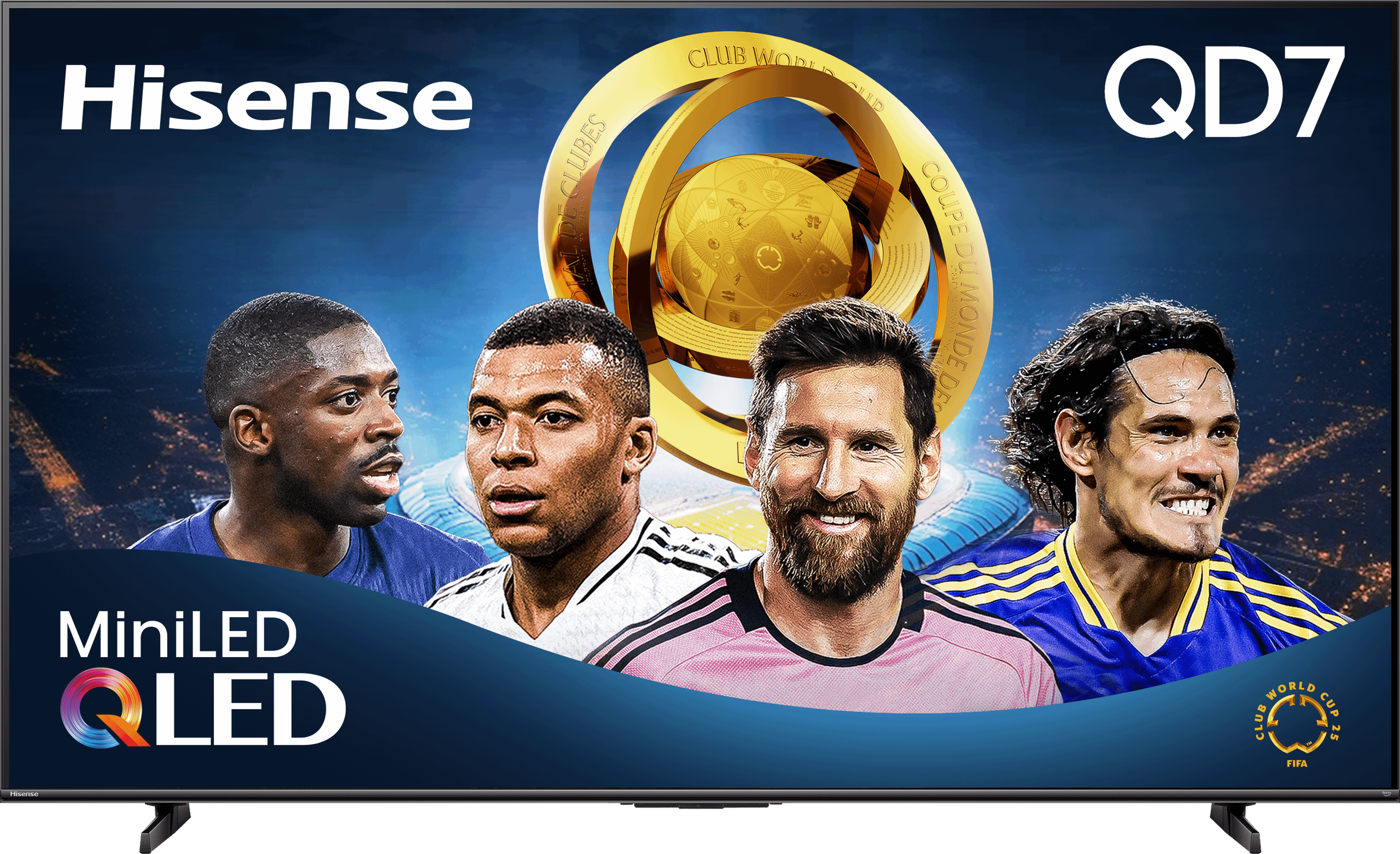
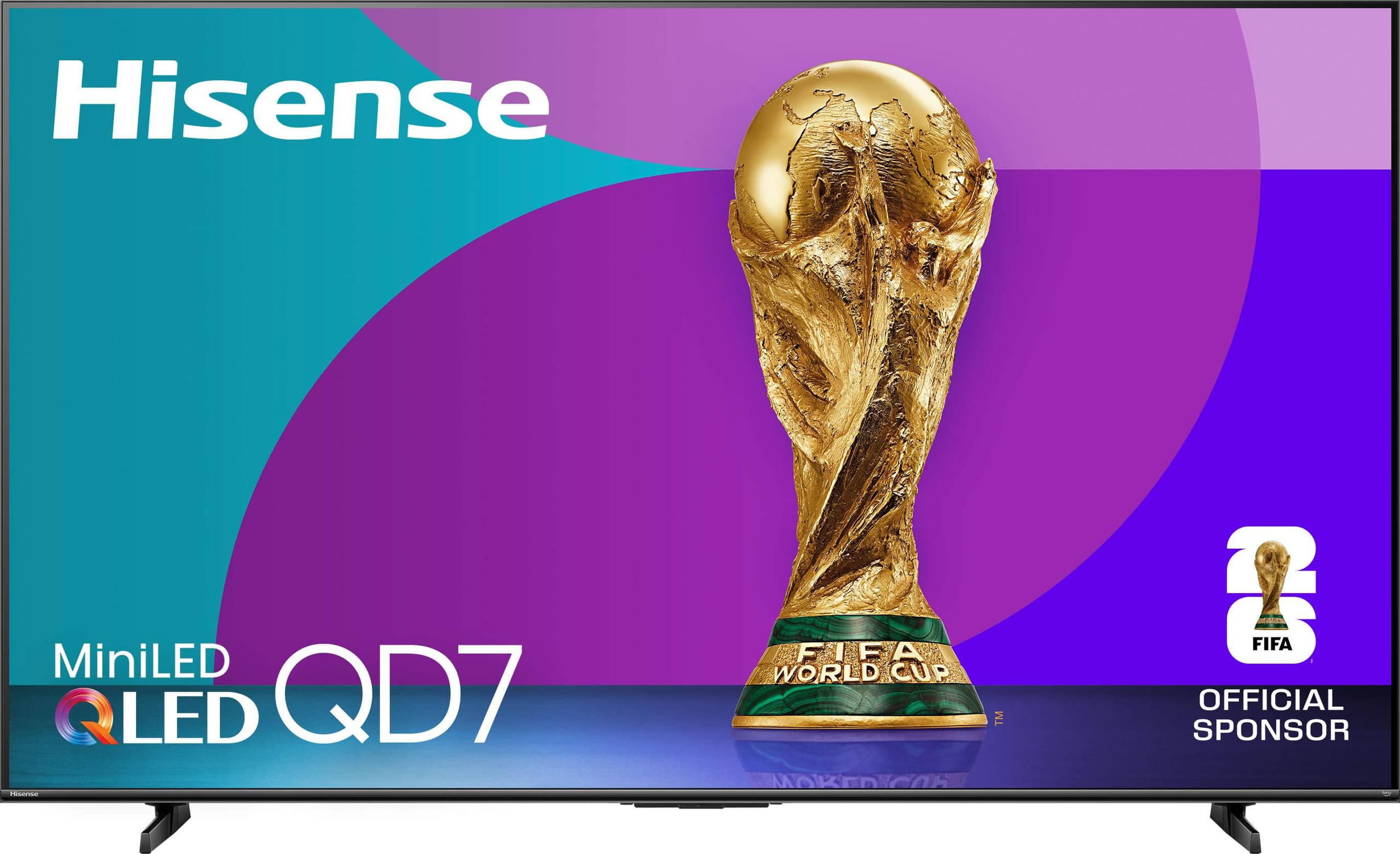
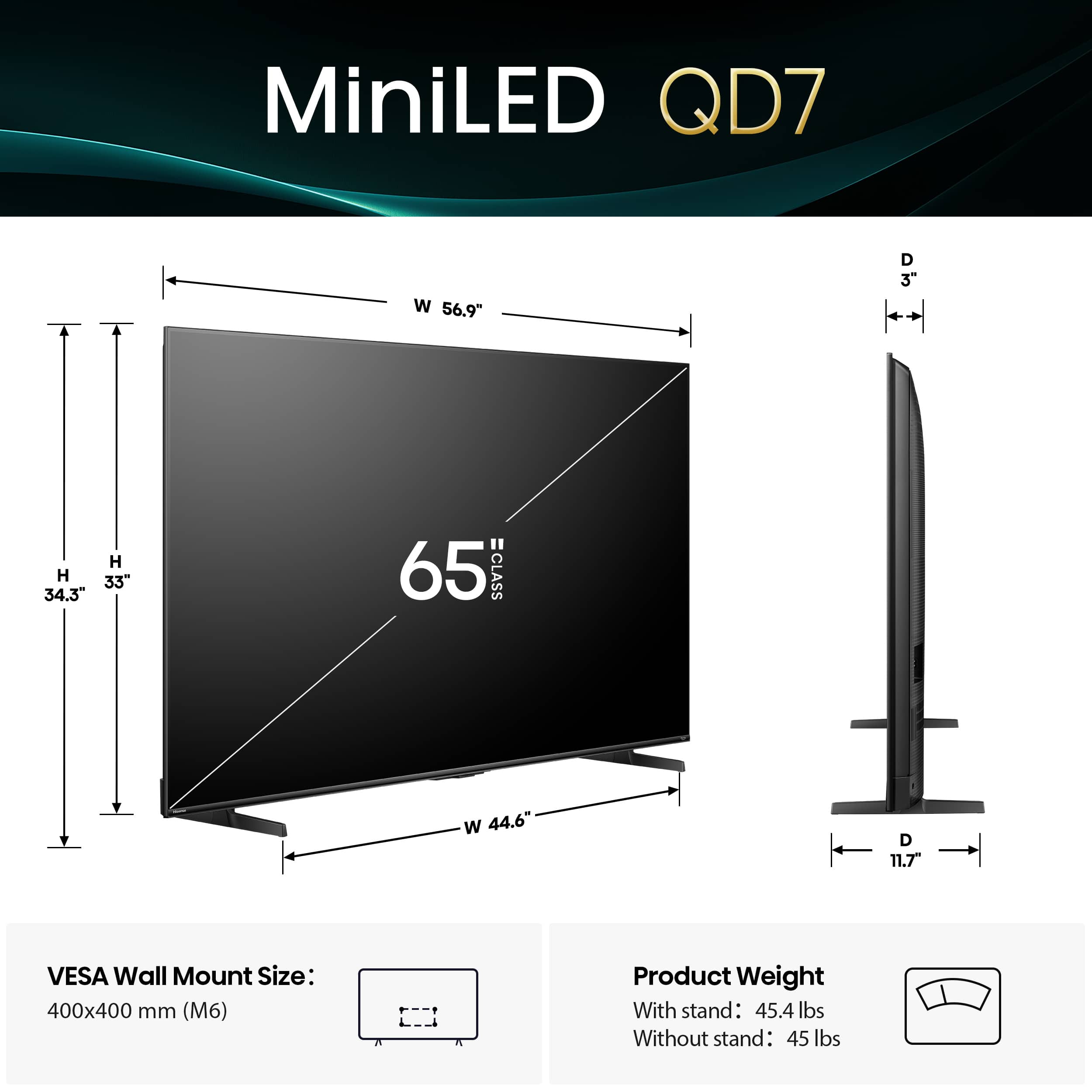
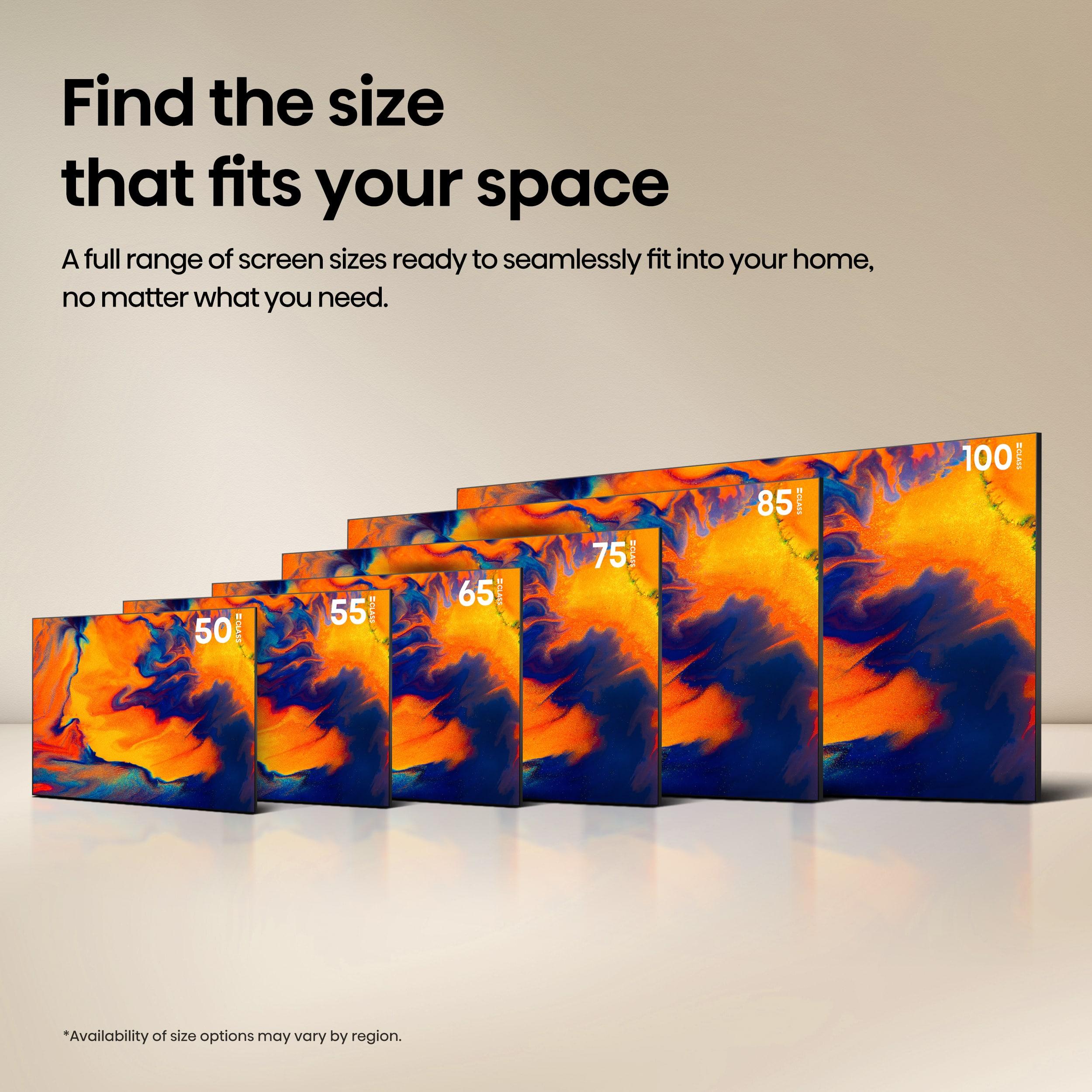
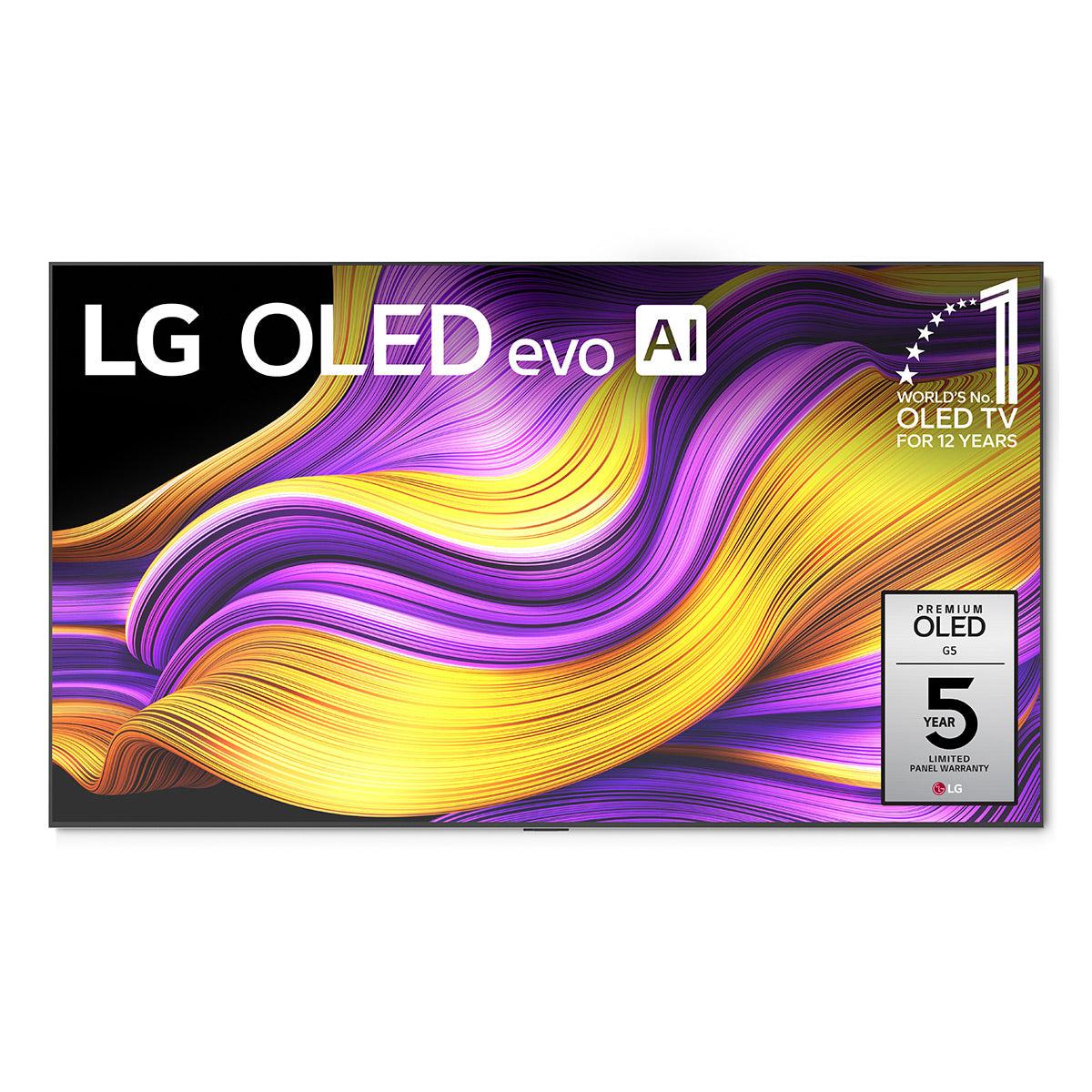
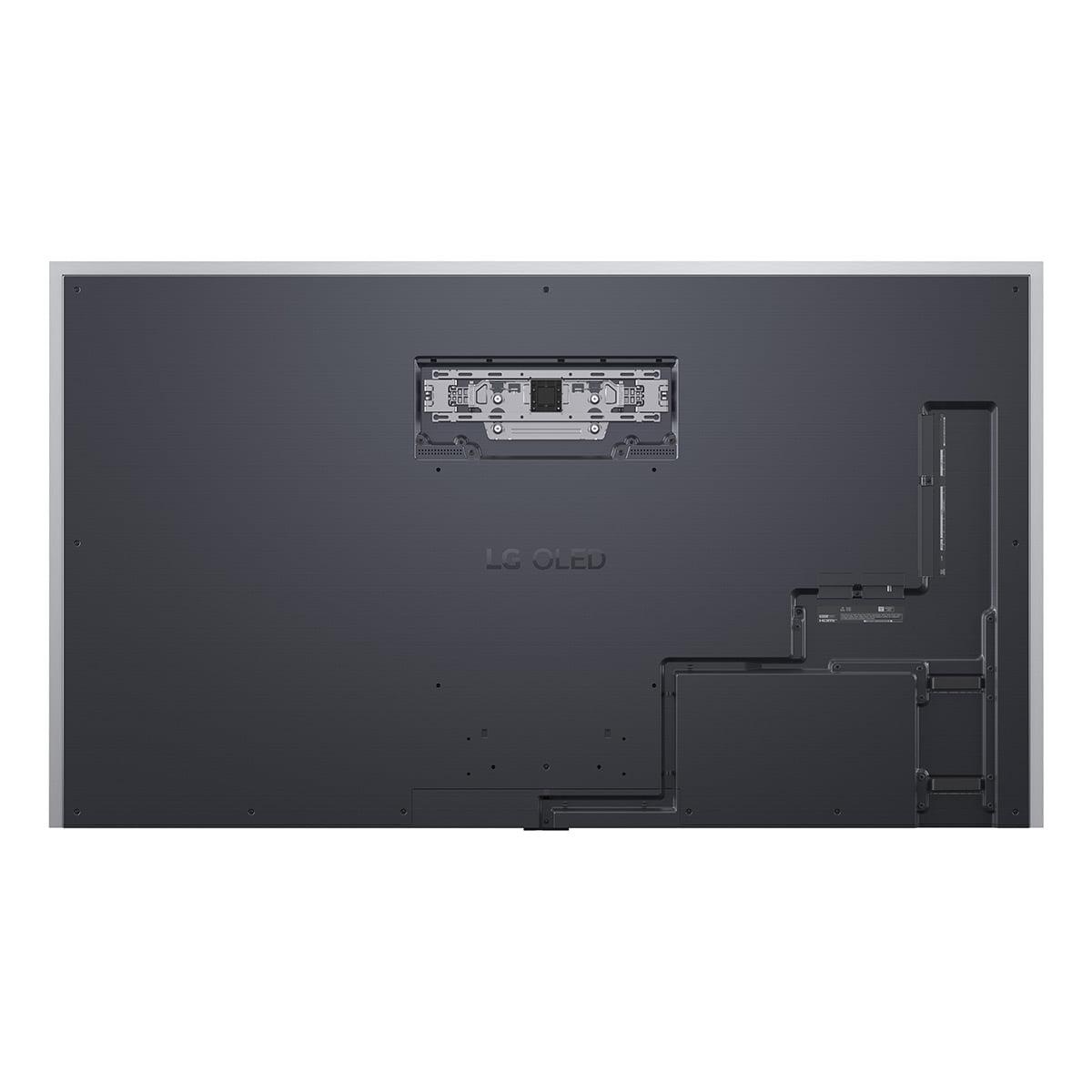
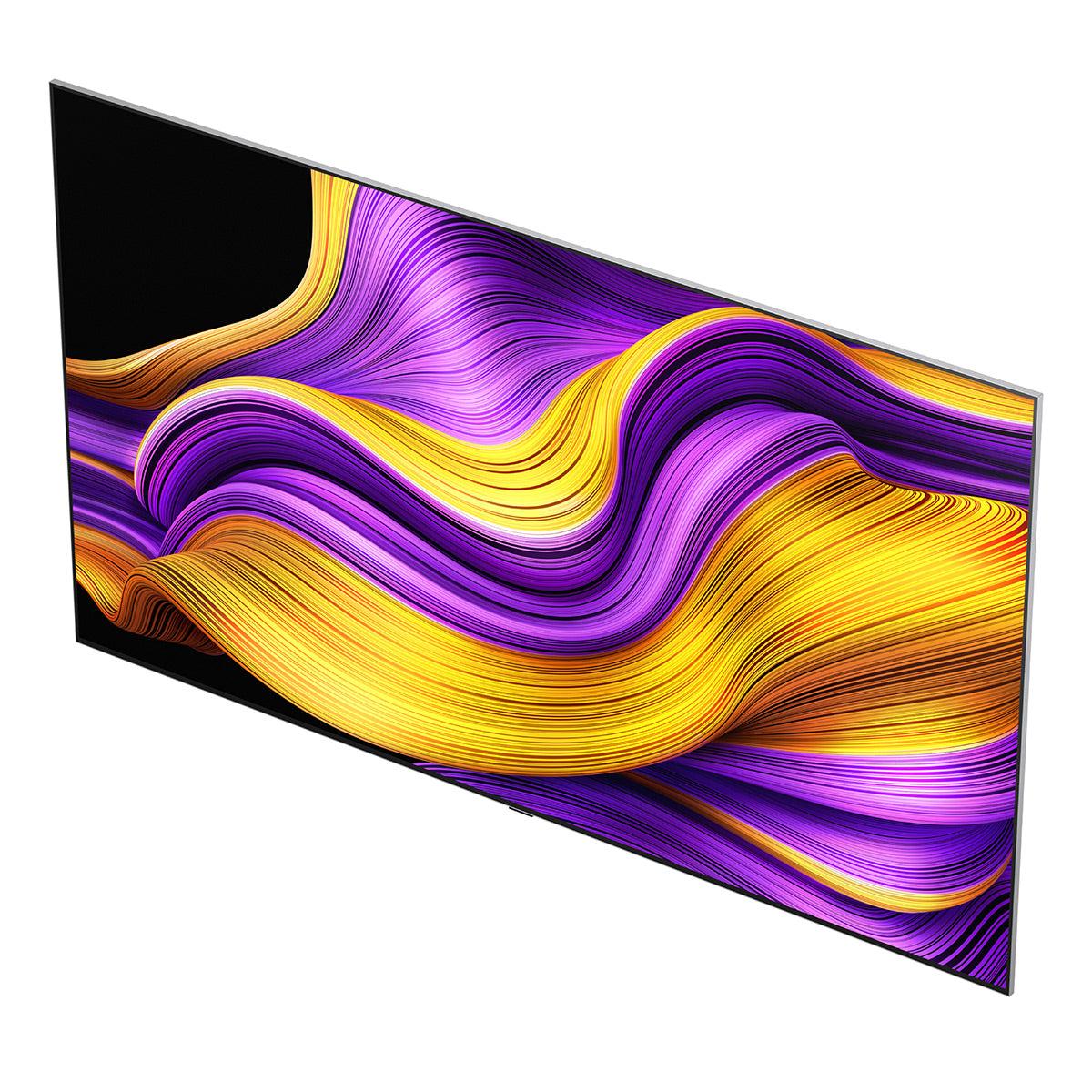
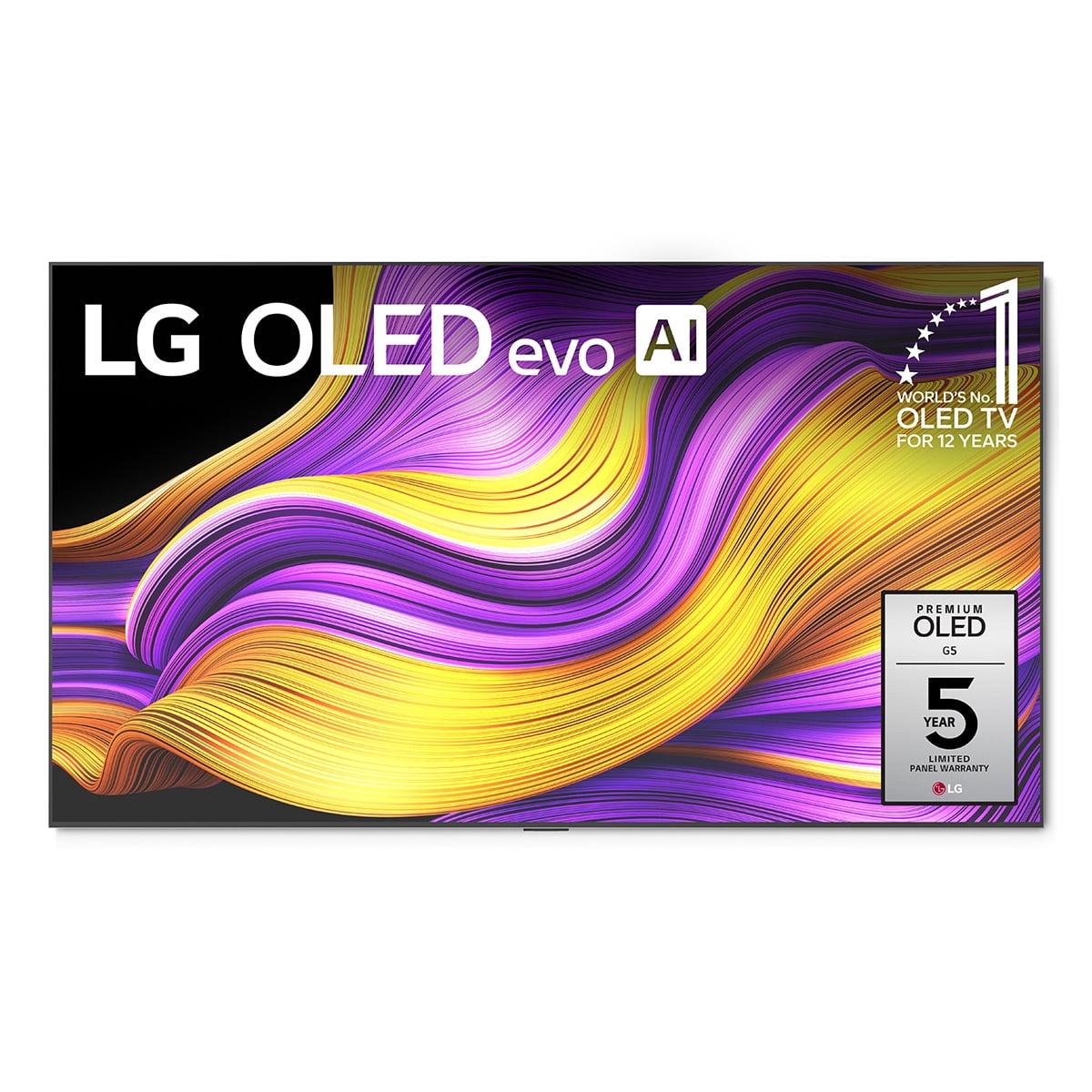
Shopping for a 65-inch TV in 2025 feels like navigating two completely different philosophies of display technology. You've got the Hisense 65" QD7 Series Mini-LED 4K Fire TV ($469.99) representing the "incredible value with premium features" camp, and the LG OLED evo G5 65" 4K Smart TV ($2,999-$3,400) sitting firmly in the "money-no-object, best-possible-picture" territory.
Both TVs launched in 2025, but they couldn't be more different in their approach to delivering an exceptional viewing experience. The Hisense arrived earlier in the year as part of their aggressive push into premium features at budget prices, while LG's G5 hit the market in June-July 2025 as their flagship OLED showcasing breakthrough brightness improvements.
Before diving into specifics, let's talk about what makes these TVs fundamentally different. The core distinction comes down to how they create light and color.
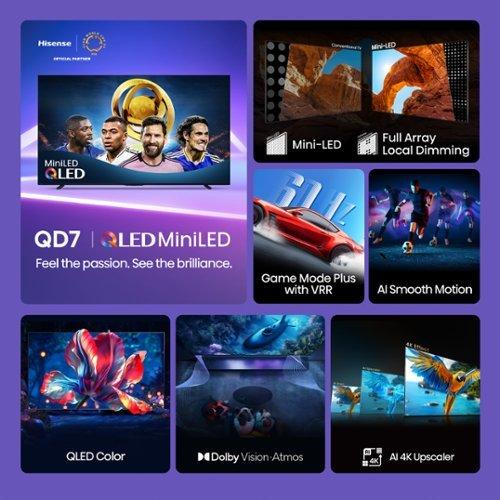
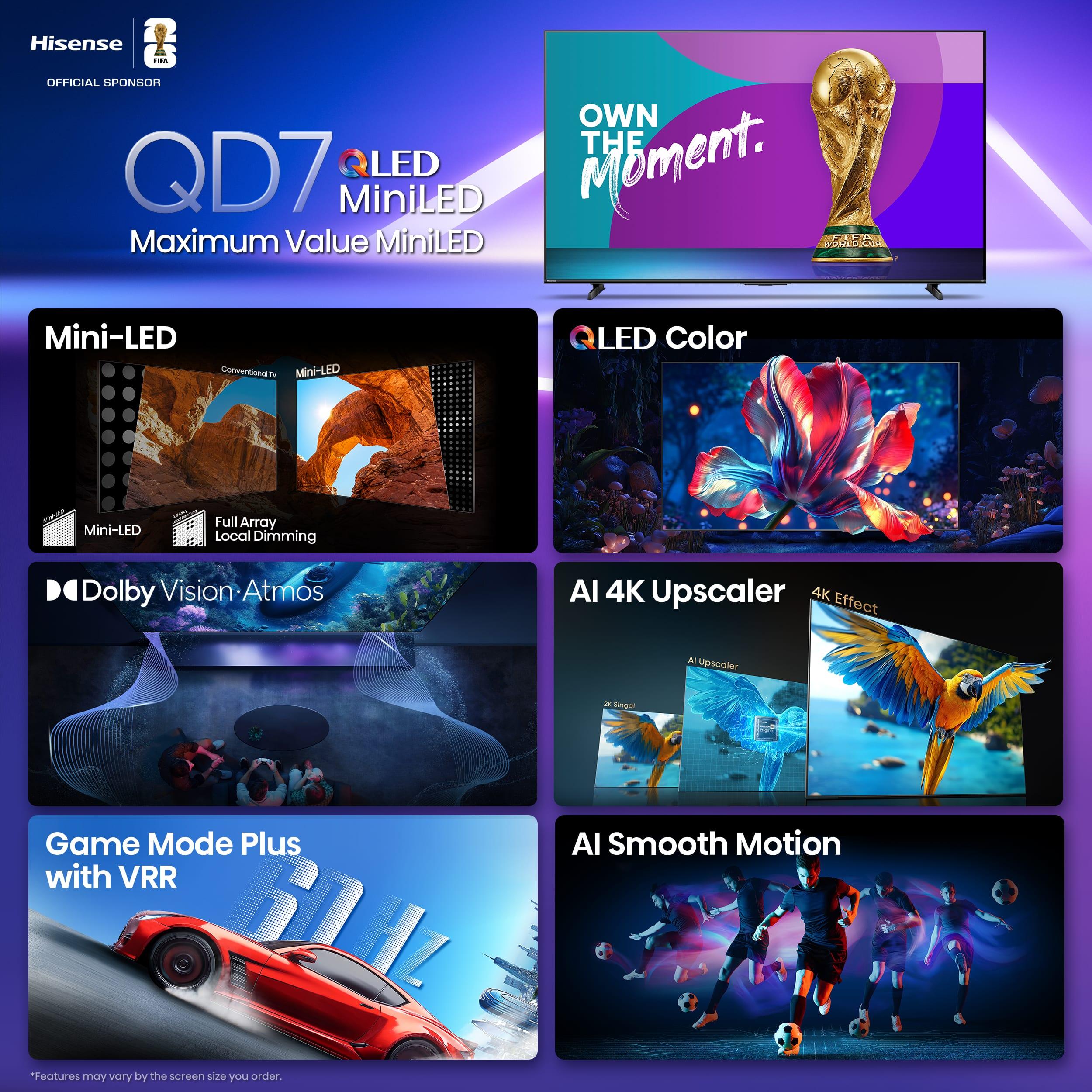
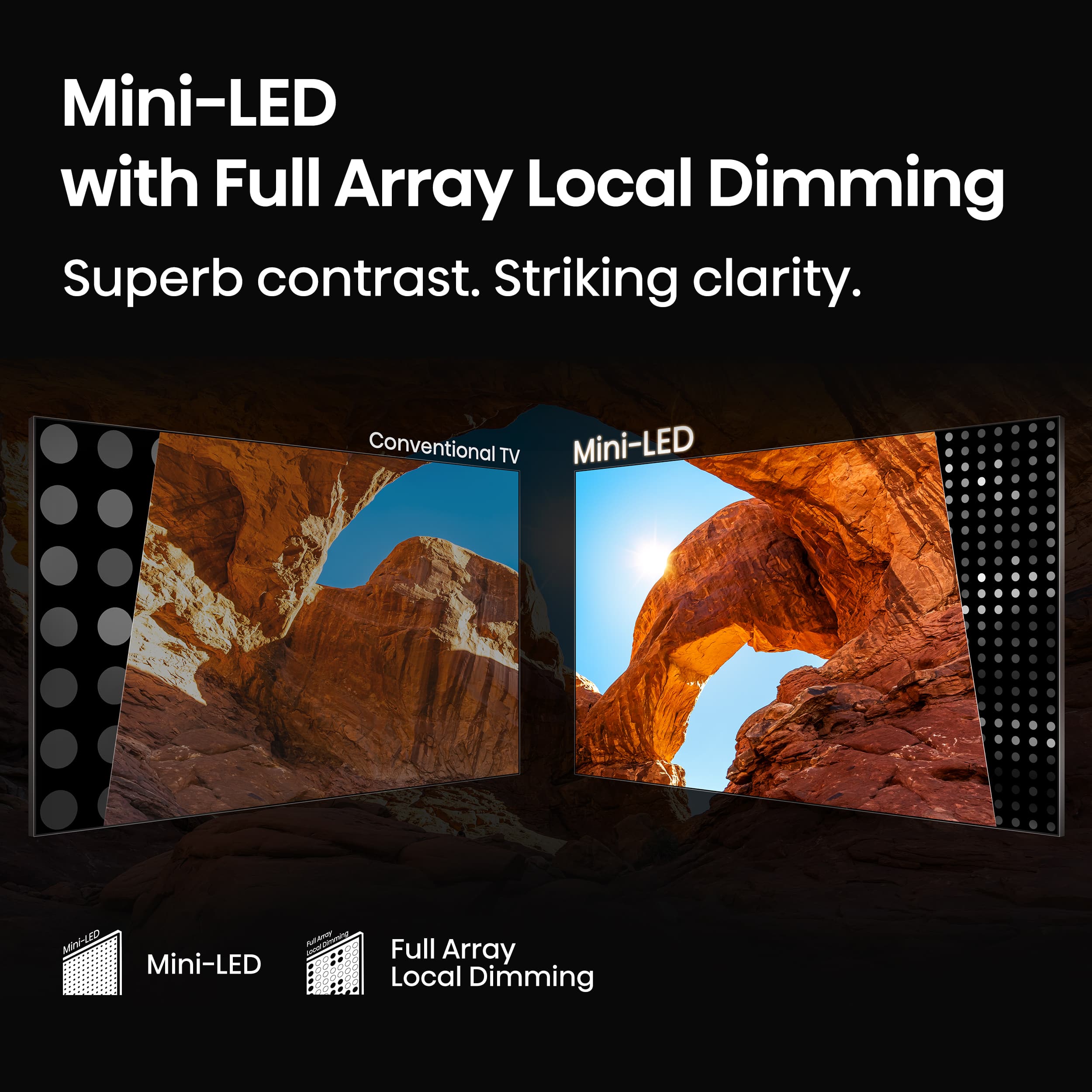
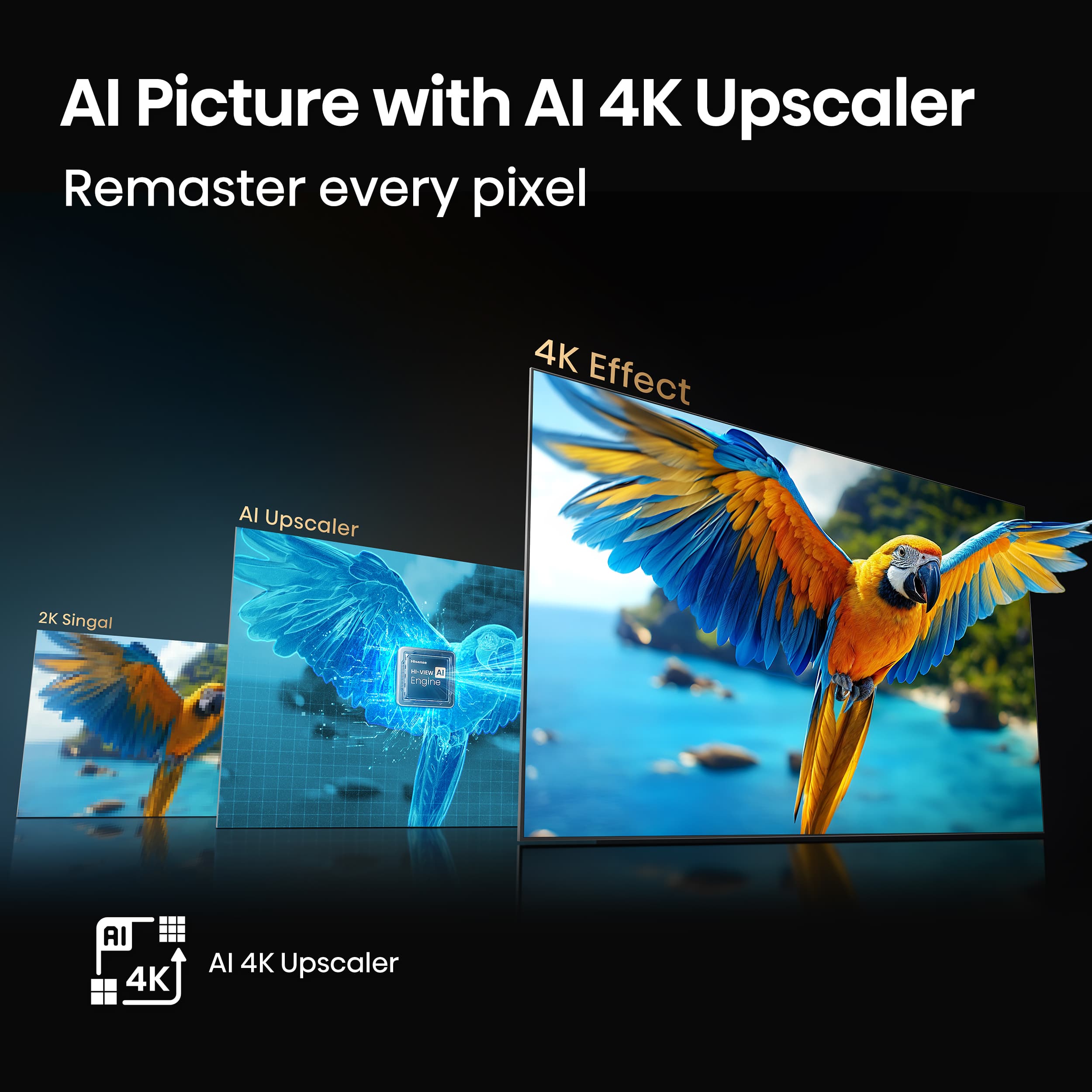
The Hisense QD7 uses Mini-LED technology, which is essentially a supercharged version of traditional LED-backlit LCD screens. Instead of having a few dozen LED lights behind the screen, Mini-LED uses thousands of tiny LEDs – think rice grain-sized rather than pea-sized. This allows for much more precise control over brightness in different areas of the screen, a feature called "local dimming."
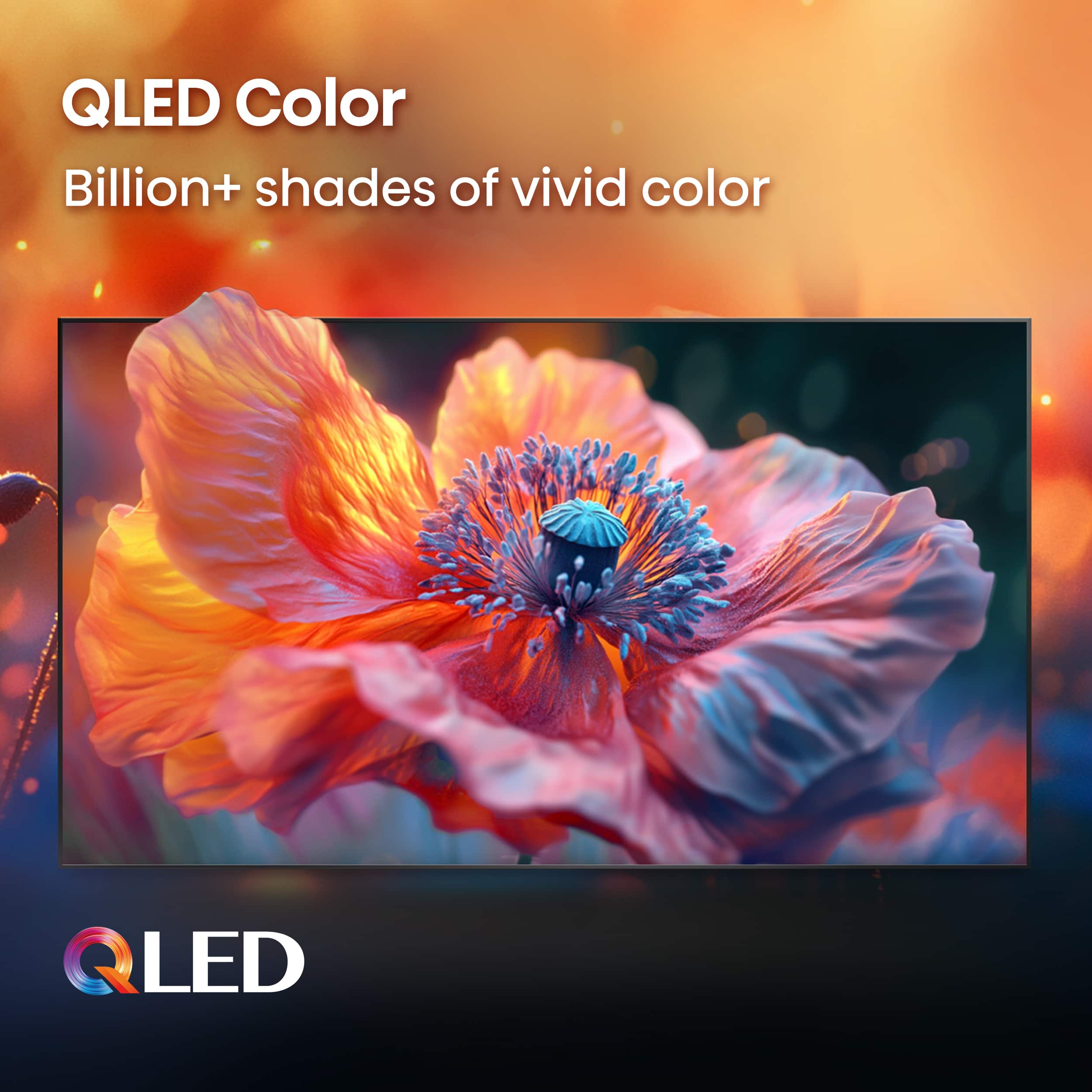
What makes the QD7 special is its Quantum Dot layer – microscopic particles that act like color filters, making reds redder and blues bluer. When I first saw Quantum Dot technology a few years ago, the color improvement was immediately obvious, especially in nature documentaries where the enhanced greens and blues made landscapes pop off the screen.
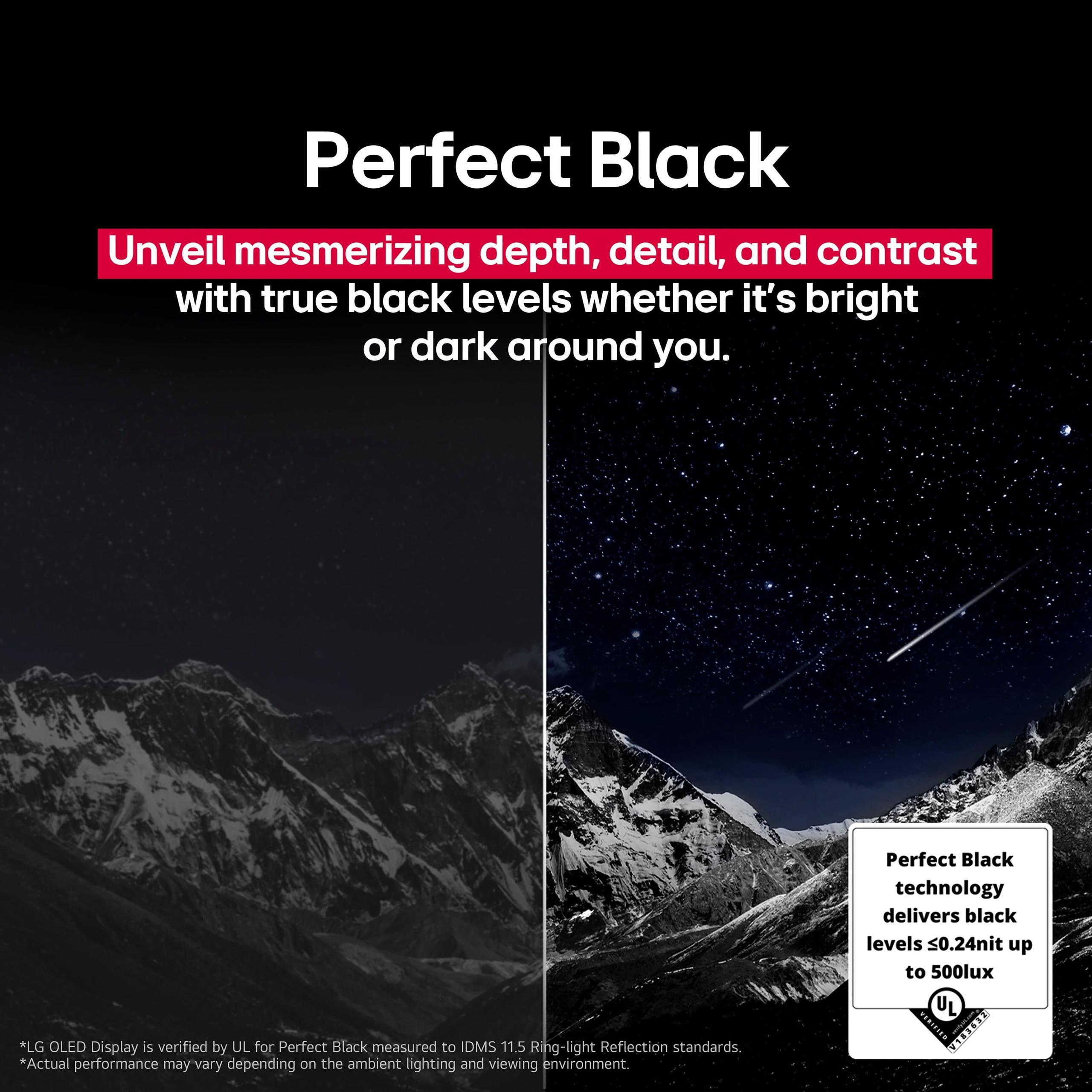
The LG G5 takes a completely different approach with OLED (Organic Light-Emitting Diode) technology. Each pixel is essentially a tiny light that can turn completely on or completely off. When a pixel needs to be black, it simply turns off – no backlight bleeding through, no compromises. This creates what's called "infinite contrast" because you're dividing any bright value by true zero.

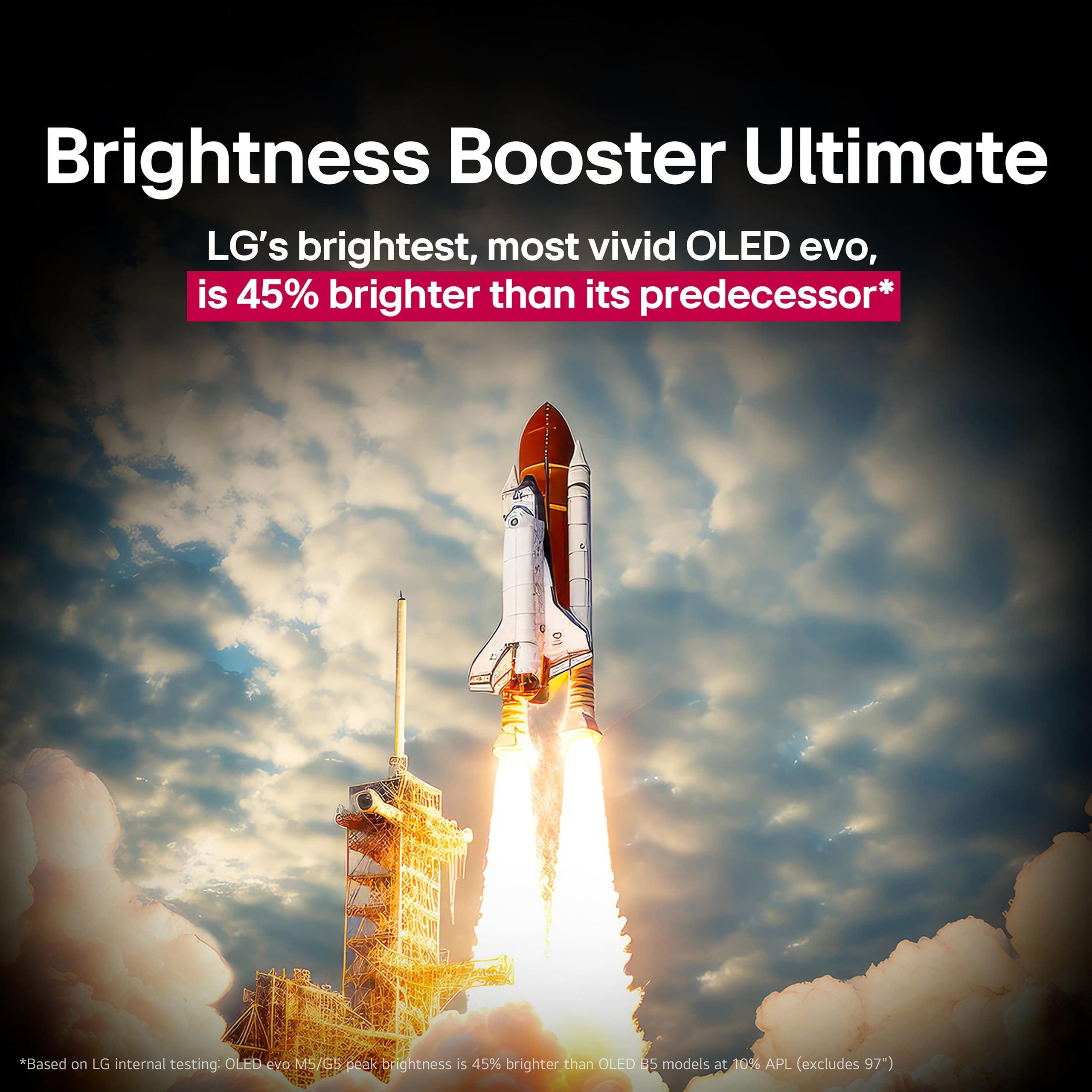
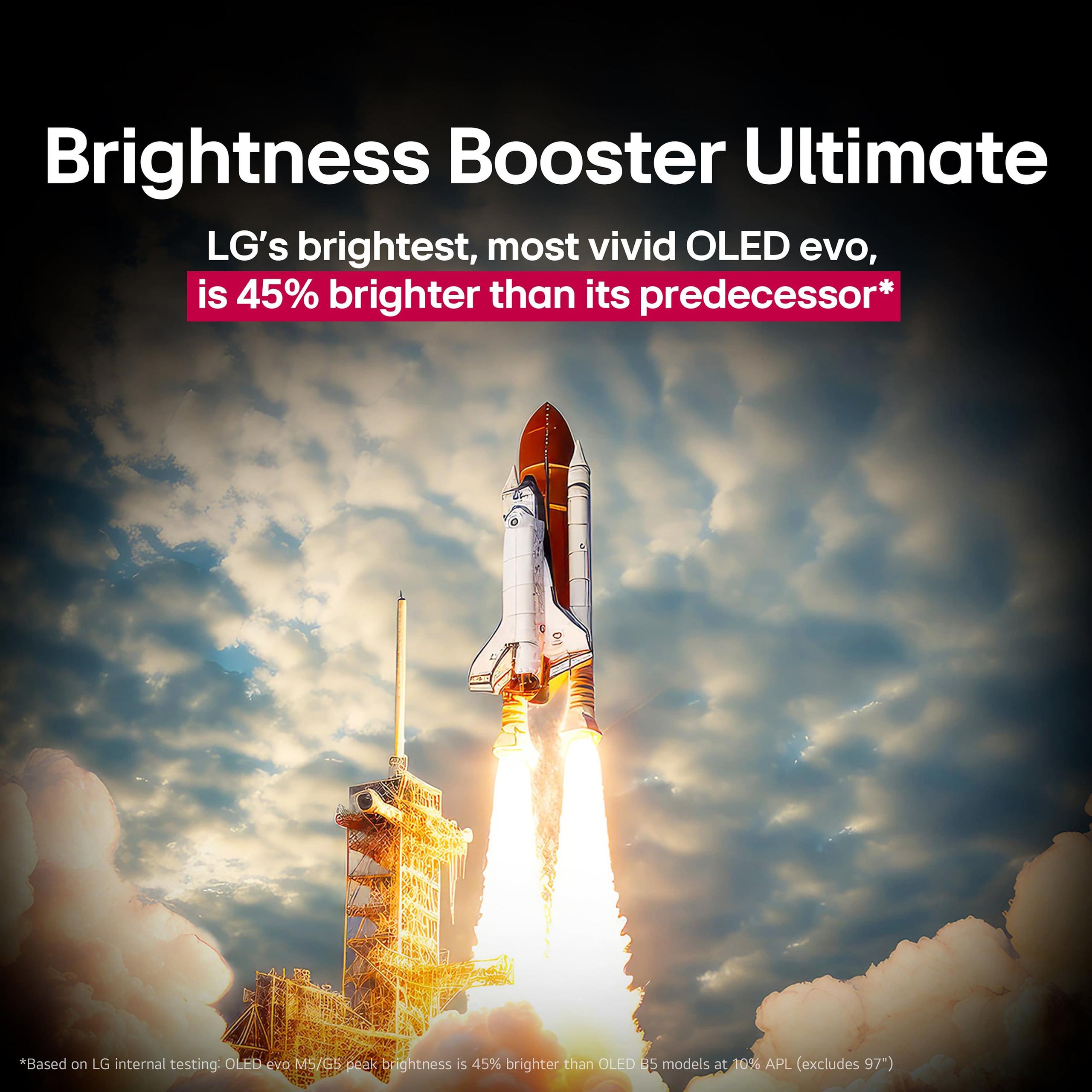
What's revolutionary about the 2025 G5 is its new 4-stack RGB Tandem OLED panel. LG essentially layered multiple OLED structures on top of each other, boosting brightness by up to 45% compared to previous models. This addresses OLED's historic weakness in bright rooms – a game-changer for the technology.
Brightness Performance Here's where things get interesting. The Hisense QD7 ($469.99) can hit impressive peak brightness levels – we're talking about 1,000+ nits in HDR content, which is bright enough to make HDR highlights really pop even in a fairly bright living room. Mini-LED backlighting allows it to push specific areas of the screen much brighter than others, creating that dramatic HDR effect where the sun glints off water or explosions light up dark scenes.
The LG G5's new Brightness Booster Ultimate technology has fundamentally changed the OLED brightness game. Previous OLEDs topped out around 600-800 nits, making them dim compared to LED TVs. The G5 can now push well over 1,000 nits while maintaining perfect blacks – something that was practically impossible before 2025.
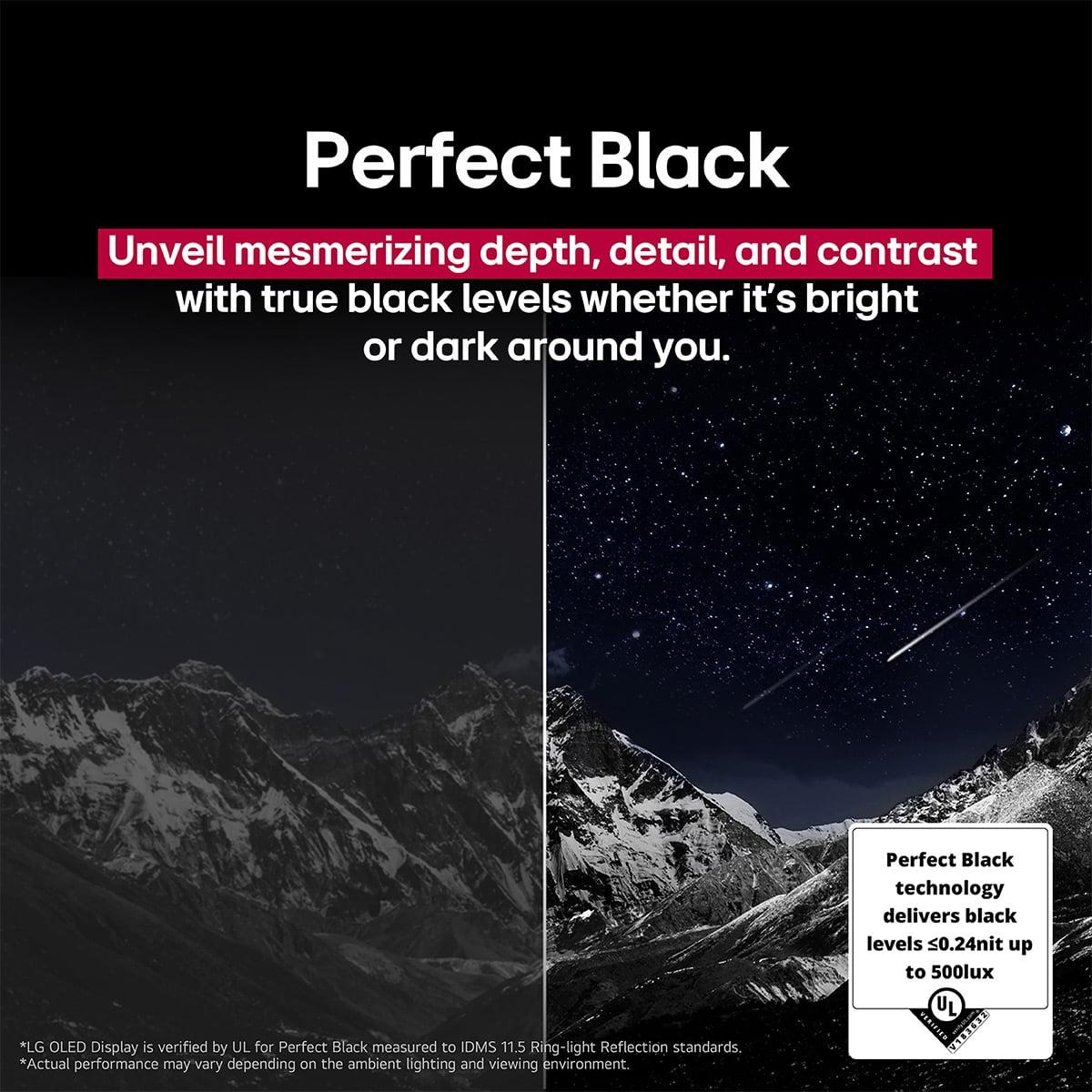
Contrast and Black Levels This is where the fundamental technology differences become crystal clear. The Hisense QD7 can create impressively deep blacks for an LCD TV, but there's always some light leakage from the Mini-LED backlight. In a completely dark room watching a movie with black bars, you'll notice the bars aren't perfectly black – they have a slight gray tint.
The LG G5's perfect blacks are genuinely transformative for movie watching. When I'm watching something like "Blade Runner 2049" or "Dune" in a dark room, the way shadows disappear completely into the screen creates an almost three-dimensional depth that LCD technology simply cannot match.
Color Reproduction Both TVs excel here, but in different ways. The QD7's Quantum Dot layer provides excellent color volume – meaning colors stay vibrant even at high brightness levels. This is particularly noticeable in animated content or nature documentaries where you want those saturated blues and greens to really pop.
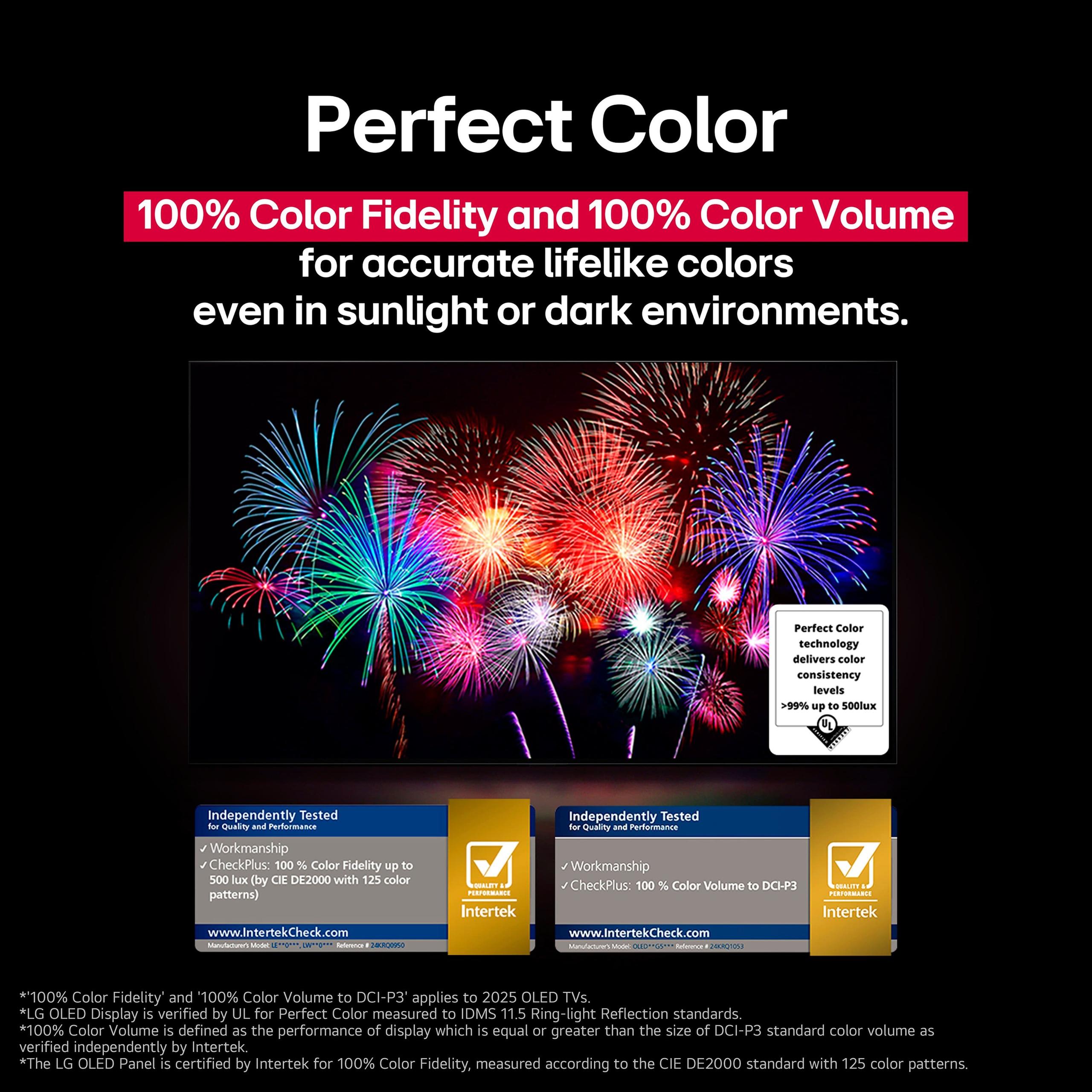
The G5's 4-stack panel creates a wider color gamut with more nuanced color transitions. Skin tones look more natural, and subtle color differences in things like fabric textures or paint finishes become more apparent. It's the difference between "wow, that's colorful" and "wow, that looks exactly like real life."
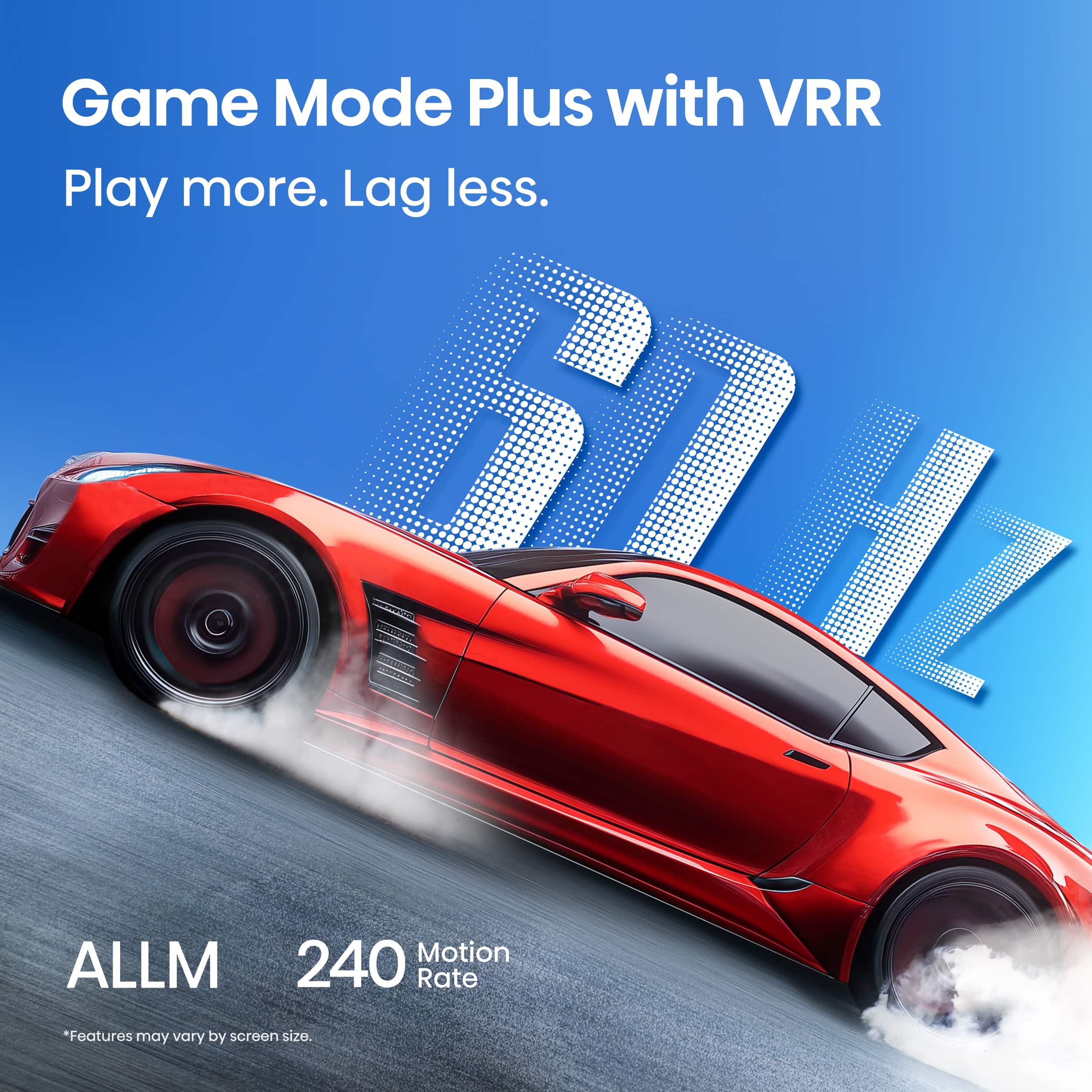
Gaming is where both TVs show their 2025 pedigree. The Hisense QD7 supports up to 144Hz refresh rate with Variable Refresh Rate (VRR) and Auto Low Latency Mode (ALLM). In practical terms, this means games feel incredibly smooth and responsive. Playing fast-paced games like "Call of Duty" or racing games, you'll notice less motion blur and practically no input lag.
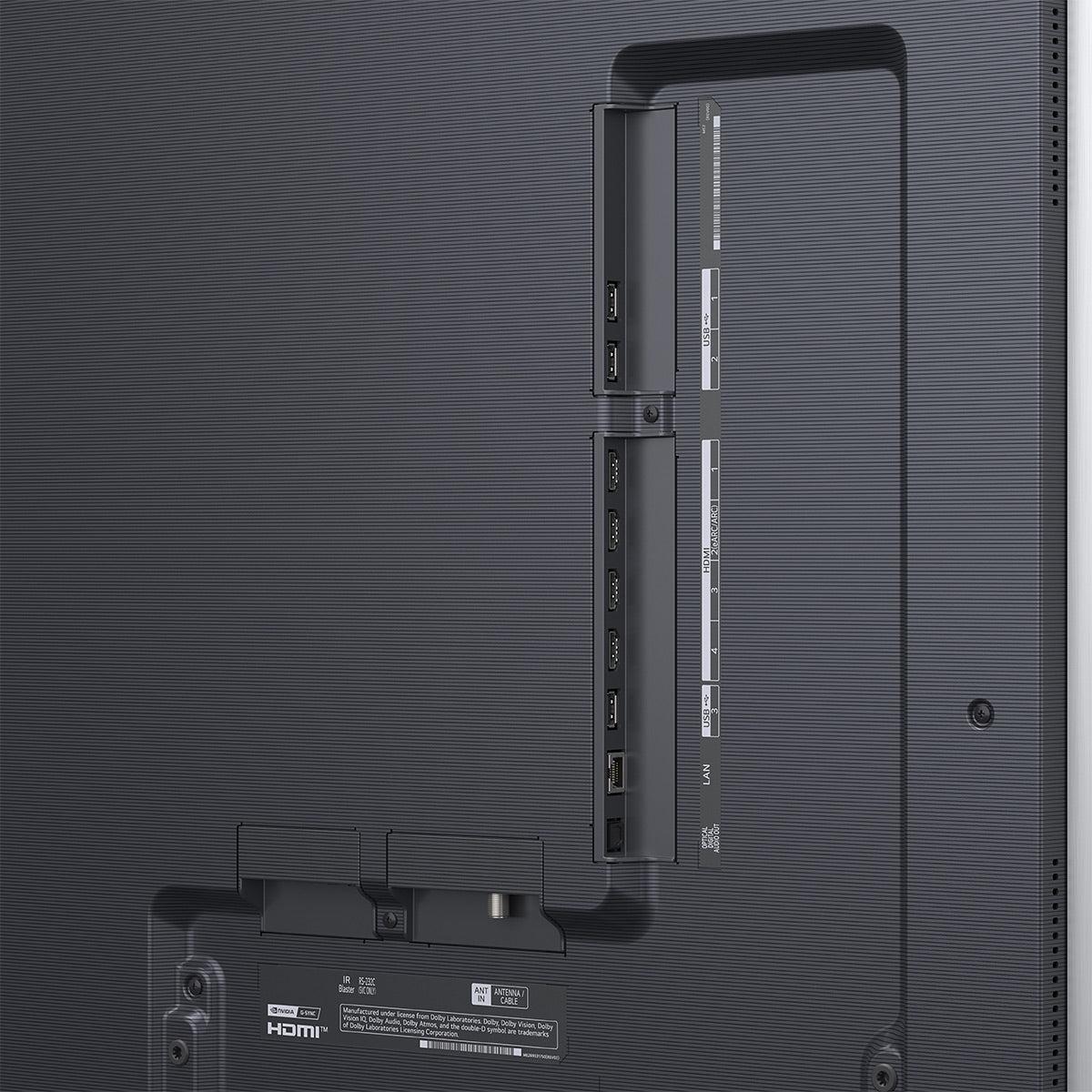
The LG G5 takes gaming to another level with 4K at 165Hz on all four HDMI 2.1 ports. That ultra-high refresh rate matters most for PC gaming with high-end graphics cards, but even console gaming benefits from the G5's 0.1ms response time – essentially instantaneous pixel response.

Both TVs support the latest gaming features, but the G5's implementation feels more polished. Quick Media Switching eliminates those annoying black screens when your console switches between different frame rates, and the overall gaming experience feels more premium.
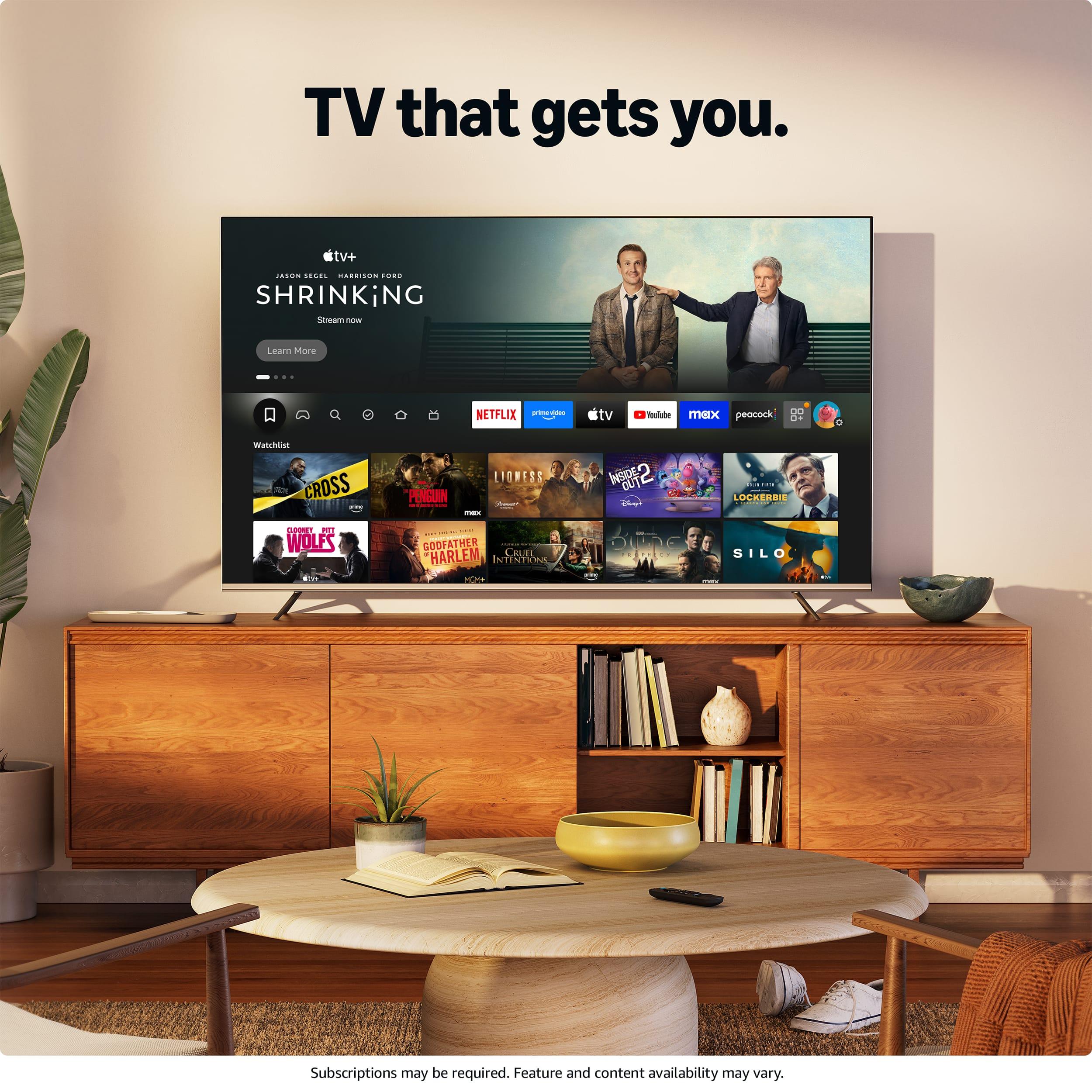
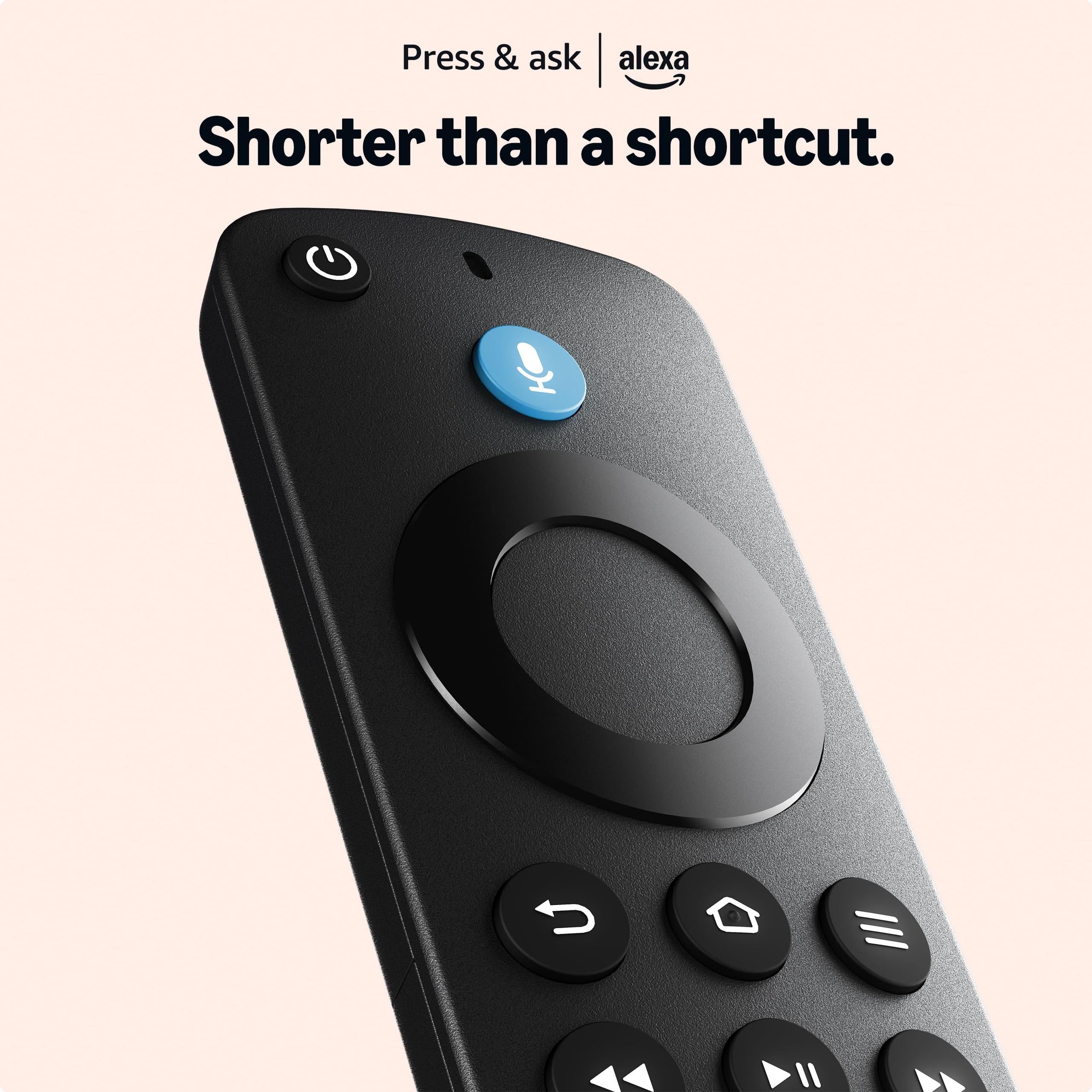
The Hisense runs Fire TV OS, which feels familiar if you've used Amazon's streaming devices. Alexa integration is seamless – you can ask it to find content, control smart home devices, or answer questions. The interface is straightforward, though it can feel a bit sluggish compared to premium TVs.
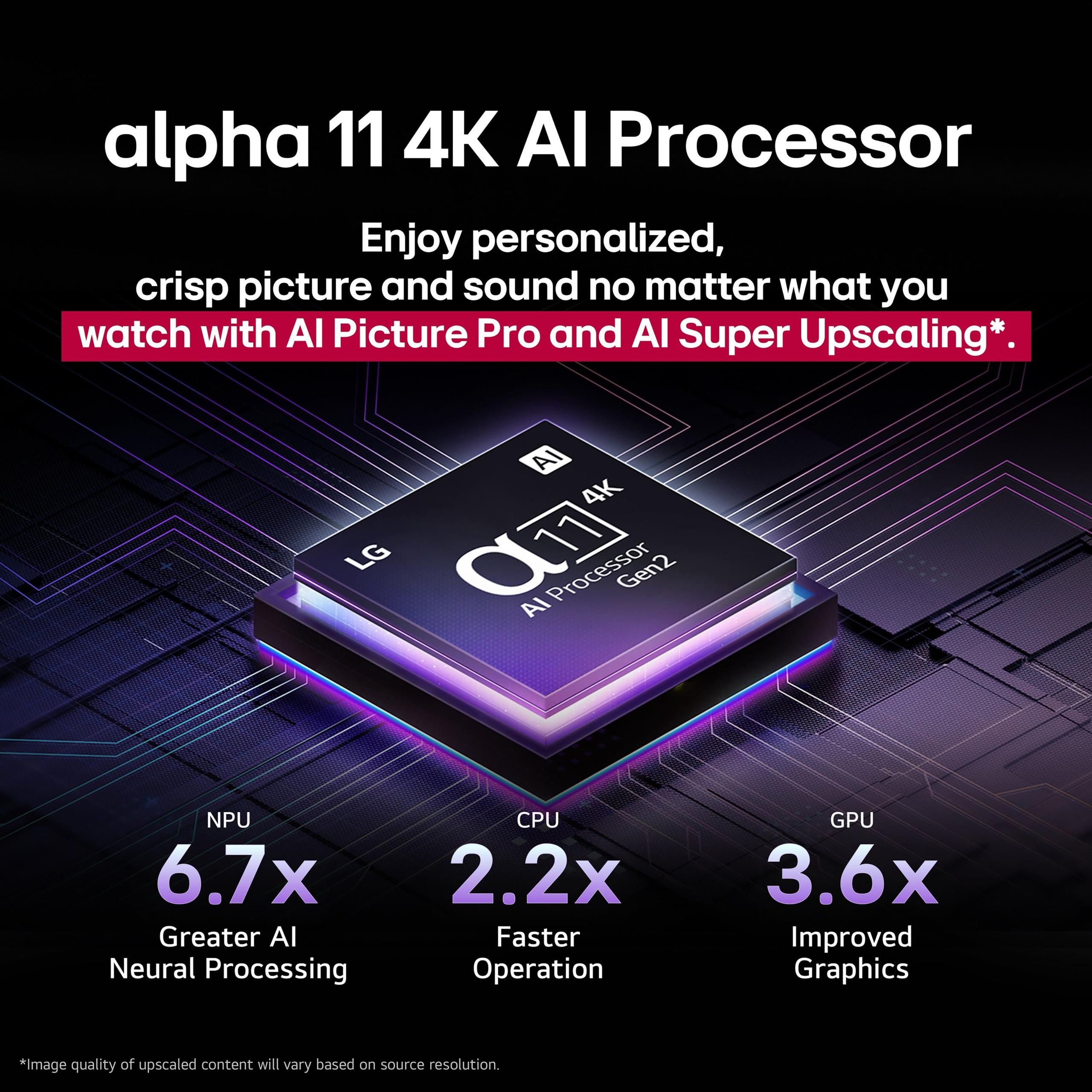
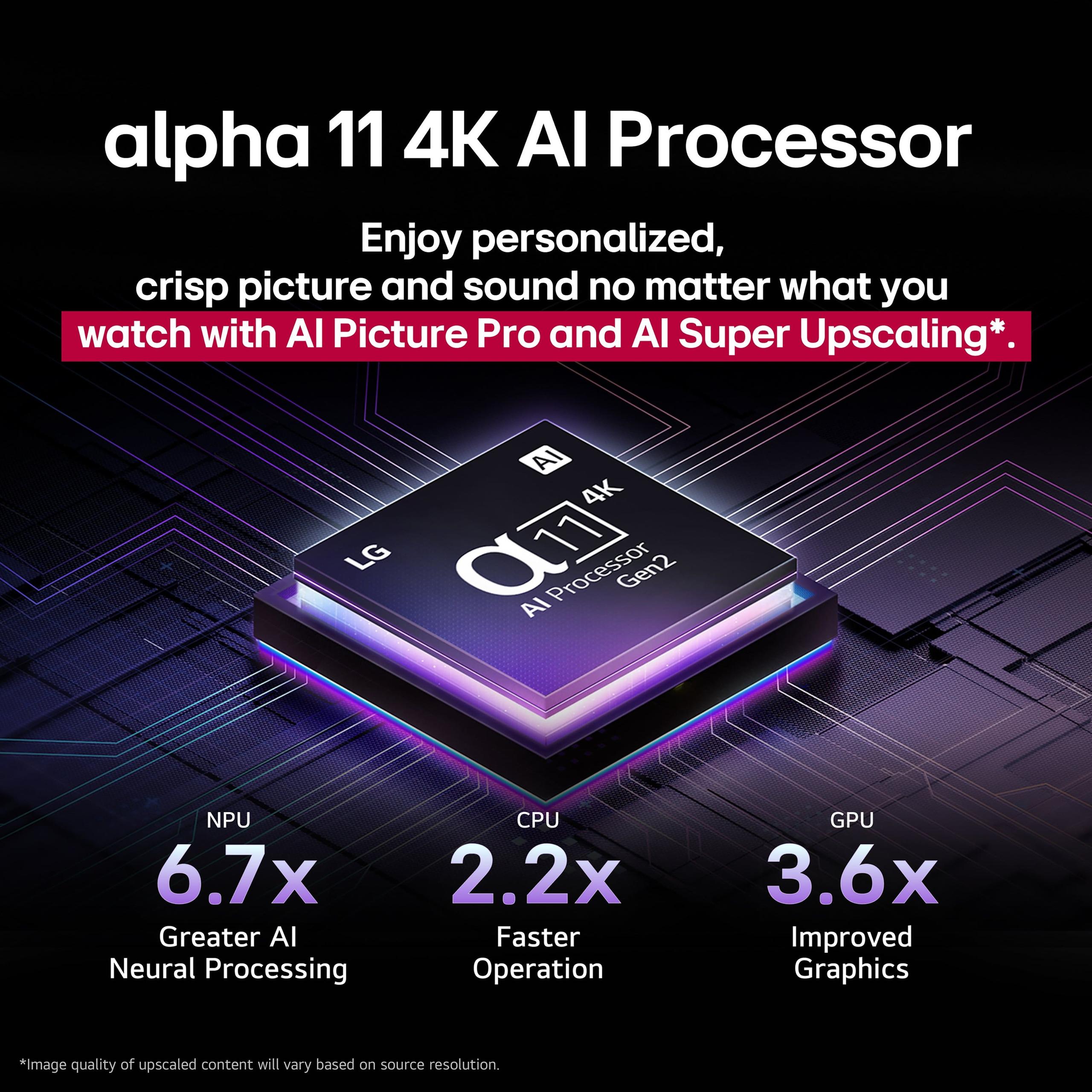
LG's webOS 25 on the G5 is noticeably more sophisticated. The Alpha 11 AI Processor Gen 2 enables features like personalized picture and sound adjustment based on your viewing habits. The "Quick Cards" feature lets you group apps and content in a way that makes sense for your household. Plus, LG's webOS Renew program guarantees software updates for five years – important for a premium purchase.
Both TVs handle bright rooms well, but for different reasons. The QD7's high peak brightness cuts through ambient light effectively, making it excellent for living rooms with large windows or lots of lighting. The colors remain vibrant, and HDR content still has impact.
The G5's improved brightness finally makes OLED viable for bright rooms. The anti-glare coating helps reduce reflections, and the increased brightness means you don't lose the OLED advantages even with lights on. This was a major breakthrough for 2025 – previous OLEDs were really only at their best in dark rooms.
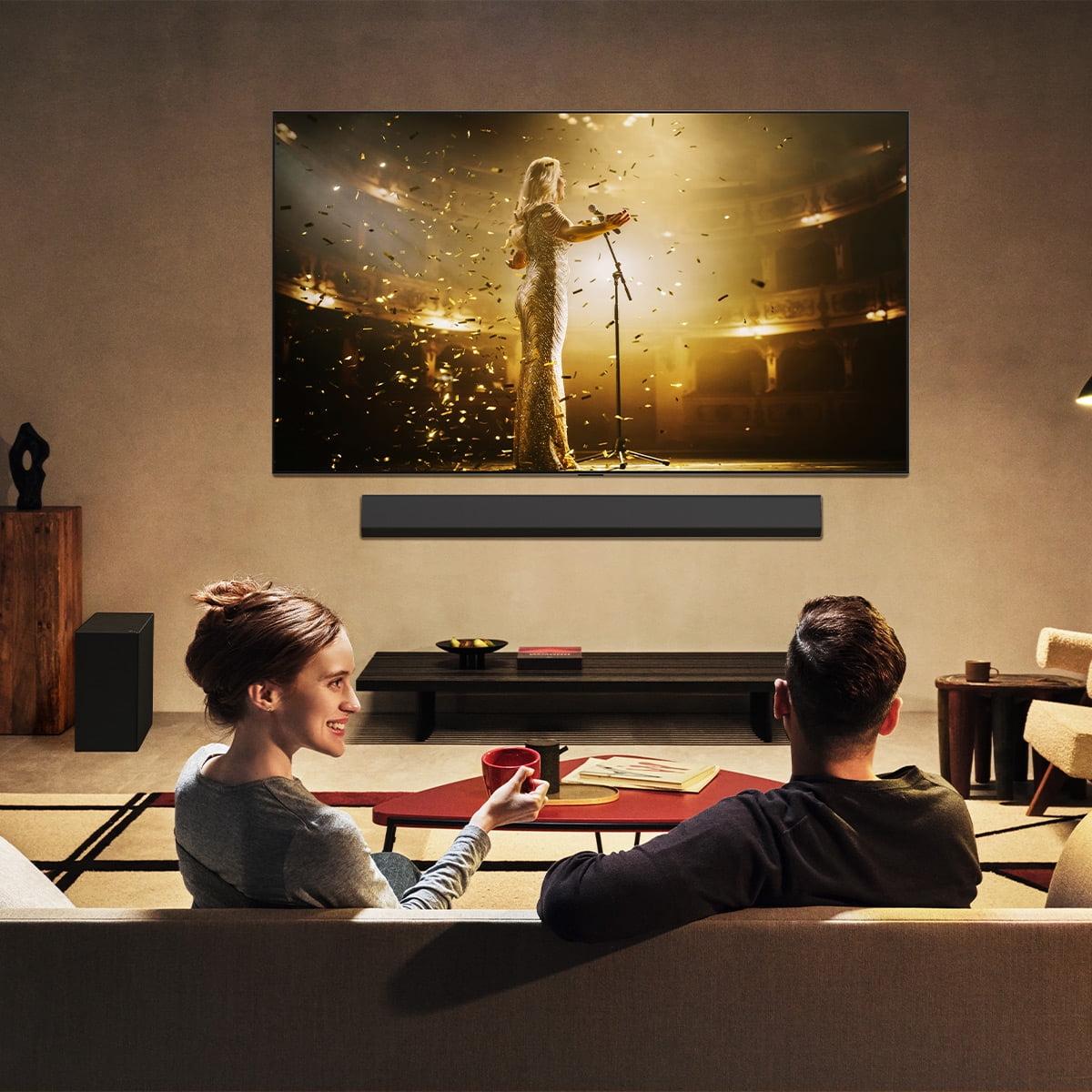
This is where the technology differences become most apparent. In my experience setting up home theaters, the QD7 provides an excellent cinematic experience for the price. The improved local dimming creates good contrast, and the large screen size makes movies feel immersive.
But the G5 in a dark room is something else entirely. The perfect blacks create a sense of depth that makes the screen almost disappear. Watching "The Dark Knight" or "Interstellar," space scenes look like you're peering through a window into actual space. The way shadows and highlights interact creates a more three-dimensional image quality.
For everyday TV watching – news, sports, streaming shows – both TVs perform admirably. The QD7's bright, colorful picture works well for varied content, and the Fire TV interface makes finding content simple.
The G5 elevates even mundane content. The AI processing upscales lower-resolution content intelligently, and the color accuracy makes everything look more natural. Sports particularly benefit from the OLED's motion handling and color reproduction.
The Hisense QD7 at $469.99 represents extraordinary value. You're getting Mini-LED technology, Quantum Dot color enhancement, modern gaming features, and a large 65-inch screen for less than $500. Five years ago, these features would have cost $2,000+.
The catch? Build quality isn't premium, the interface can be sluggish, and viewing angles are limited. But for most people's needs, these compromises are easily acceptable given the price.
The LG G5's $2,999-$3,400 price tag represents the cost of perfection. You're paying for the best possible picture quality, premium build quality, cutting-edge processing, and a 5-year warranty. The price seems steep until you experience the picture quality difference firsthand.
Both TVs showcase significant technological advances for 2025. The Hisense QD7 benefits from improved Mini-LED zone control and more powerful processing compared to previous budget models. The local dimming is more precise, reducing the "blooming" effect where bright objects create halos in dark scenes.
LG's G5 represents a breakthrough year for OLED technology. The 4-stack RGB Tandem panel addresses OLED's biggest weakness – brightness – while maintaining all the advantages. The new panel structure also improves longevity, addressing burn-in concerns that have plagued OLED adoption.
Choose the Hisense QD7 if you want maximum value and solid performance. It's perfect for bright rooms, casual viewing, and budget-conscious buyers who still want premium features. The gaming performance is excellent for the price, and the picture quality will satisfy most viewers.
Choose the LG G5 if picture quality is your top priority and budget is flexible. It's ideal for home theater enthusiasts, serious gamers, and anyone who appreciates premium build quality. The perfect blacks and color accuracy create a viewing experience that justifies the premium price.
The reality is that both TVs deliver excellent experiences within their price ranges. The Hisense QD7 offers about 80% of the premium TV experience at 15% of the cost. The LG G5 provides that final 20% improvement in picture quality and features, but at a significant price premium.
For most households, the QD7 provides incredible value and performance that will satisfy for years. But if you're building a dedicated home theater or want the absolute best picture quality available, the G5's premium price delivers a genuinely superior experience that's immediately noticeable in side-by-side comparisons.
Both represent the rapid advancement of TV technology in 2025, just aimed at very different market segments. Your choice ultimately depends on whether you prioritize value and good performance or are willing to pay significantly more for the best possible viewing experience.
| Hisense 65" QD7 Series Mini-LED 4K Fire TV 2025 | LG OLED evo G5 65" 4K Smart TV 2025 |
|---|---|
| Price - The most obvious difference between these TVs | |
| $469.99 | $2,999-$3,400 |
| Display Technology - Fundamentally different approaches to picture quality | |
| Mini-LED LCD with Quantum Dot color enhancement | 4-stack RGB Tandem OLED with self-lit pixels |
| Black Levels - Critical for movie watching and contrast | |
| Good blacks for LCD but some light leakage | Perfect blacks with infinite contrast ratio |
| Peak Brightness - Important for HDR content and bright rooms | |
| 1,000+ nits (excellent for bright rooms) | 1,000+ nits with Brightness Booster Ultimate (45% brighter than previous OLEDs) |
| Viewing Angles - Matters for off-center seating | |
| Limited viewing angles typical of LCD | Wide viewing angles with consistent picture quality |
| Gaming Performance - Key for console and PC gaming | |
| 144Hz refresh rate, VRR, ALLM support | 165Hz refresh rate, 0.1ms response time, 4 HDMI 2.1 ports |
| Smart TV Platform - Affects daily usability and app selection | |
| Fire TV OS with Alexa integration | webOS 25 with Alpha 11 AI Processor Gen 2 |
| Build Quality and Design - Premium feel and aesthetics | |
| Standard TV construction and appearance | Ultra-thin "One Wall" design with premium materials |
| Warranty Coverage - Protection for your investment | |
| 12 months standard warranty | 5-year limited panel warranty |
| Color Reproduction - Vibrancy and accuracy of colors | |
| Quantum Dot layer enhances color volume | Wider color gamut with more accurate color reproduction |
| HDR Support - Enhanced contrast and brightness in supported content | |
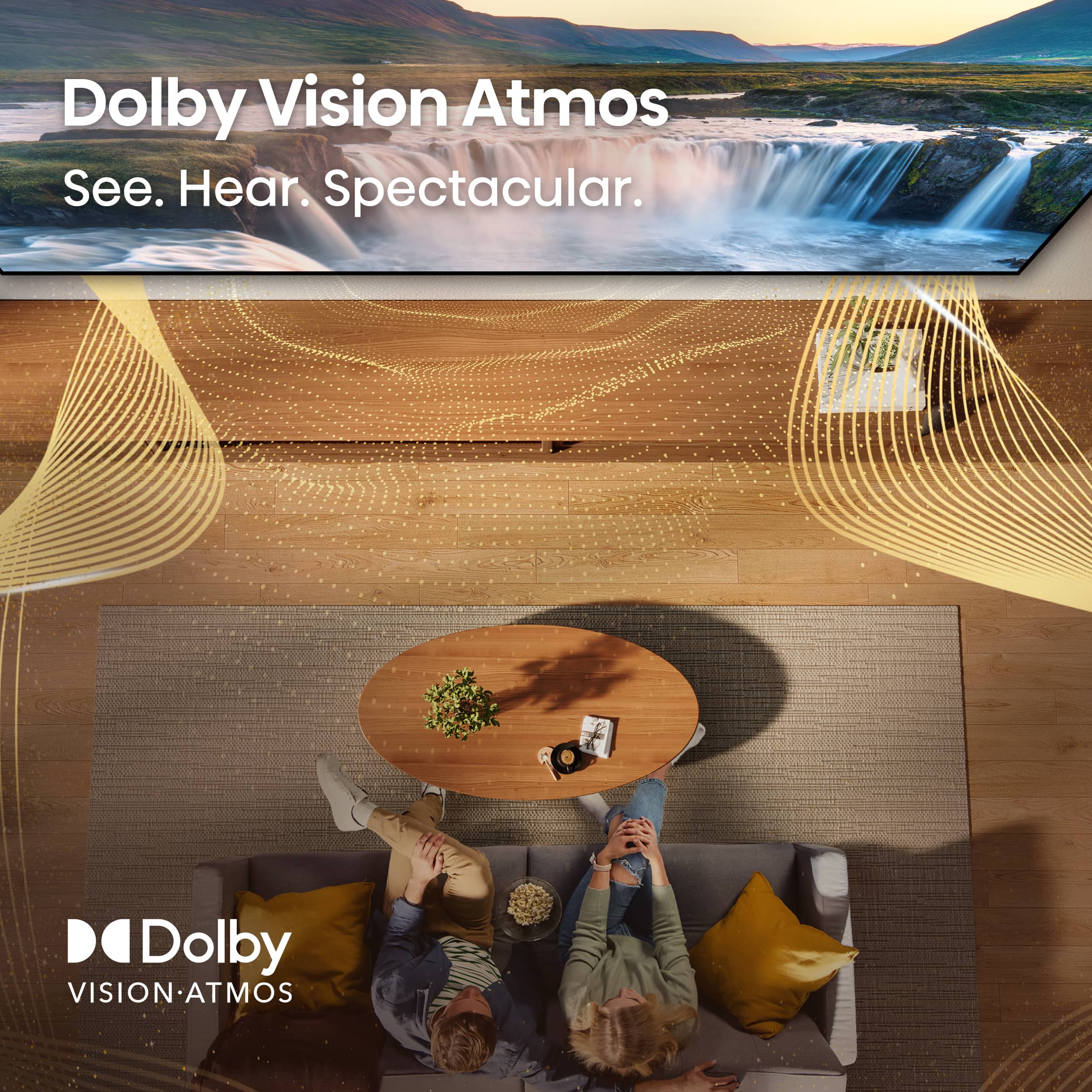
| Dolby Vision, HDR10, HDR10+, HLG | Dolby Vision, HDR10 Pro, HLG |
| Best Use Case - Who should buy each TV | |
| Budget-conscious buyers wanting premium features in bright rooms | Home theater enthusiasts prioritizing best-possible picture quality |
The Hisense 65" QD7 Series Mini-LED 4K Fire TV 2025 ($469.99) offers exceptional value, delivering premium features like Mini-LED backlighting, Quantum Dot color, and 144Hz gaming at under $500. The LG OLED evo G5 65" 4K Smart TV 2025 ($2,999-$3,400) provides superior picture quality but costs 6-7 times more. For most buyers, the Hisense delivers 80% of the premium TV experience at 15% of the cost.
The Hisense QD7 uses Mini-LED backlighting behind an LCD panel, offering high brightness and good local dimming control. The LG G5 uses OLED technology where each pixel emits its own light and can turn completely off, creating perfect blacks and infinite contrast. OLED provides better contrast and viewing angles, while Mini-LED typically offers higher peak brightness at a lower cost.
Both TVs handle bright rooms well. The Hisense QD7 ($469.99) delivers excellent brightness that cuts through ambient light effectively. The LG G5 features new Brightness Booster Ultimate technology that makes it 45% brighter than previous OLEDs, finally making OLED viable for bright room viewing. Both are solid choices for rooms with lots of natural light.
The LG OLED evo G5 excels in dark rooms due to its perfect black levels and infinite contrast ratio. The way shadows disappear completely into the screen creates exceptional depth for movies. The Hisense QD7 provides good dark room performance for the price, but cannot achieve true blacks due to LCD backlight limitations.
Both TVs offer excellent gaming performance. The Hisense QD7 supports 144Hz refresh rate with VRR and ALLM for smooth, responsive gaming. The LG G5 takes it further with 165Hz refresh rate, 0.1ms response time, and four HDMI 2.1 ports. Both work great with PS5 and Xbox Series X, but the LG offers more premium gaming features.
The Hisense QD7 runs Fire TV OS with seamless Alexa integration and familiar Amazon ecosystem features. The LG G5 uses webOS 25 with the Alpha 11 AI processor, offering more sophisticated AI features, smoother performance, and 5 years of guaranteed software updates through the webOS Renew program.
The LG OLED evo G5 delivers superior picture quality with perfect blacks, wider color gamut, and excellent viewing angles. The Hisense QD7 ($469.99) provides impressive picture quality for the price with vibrant Quantum Dot colors and good HDR performance, but cannot match OLED's contrast and color accuracy.
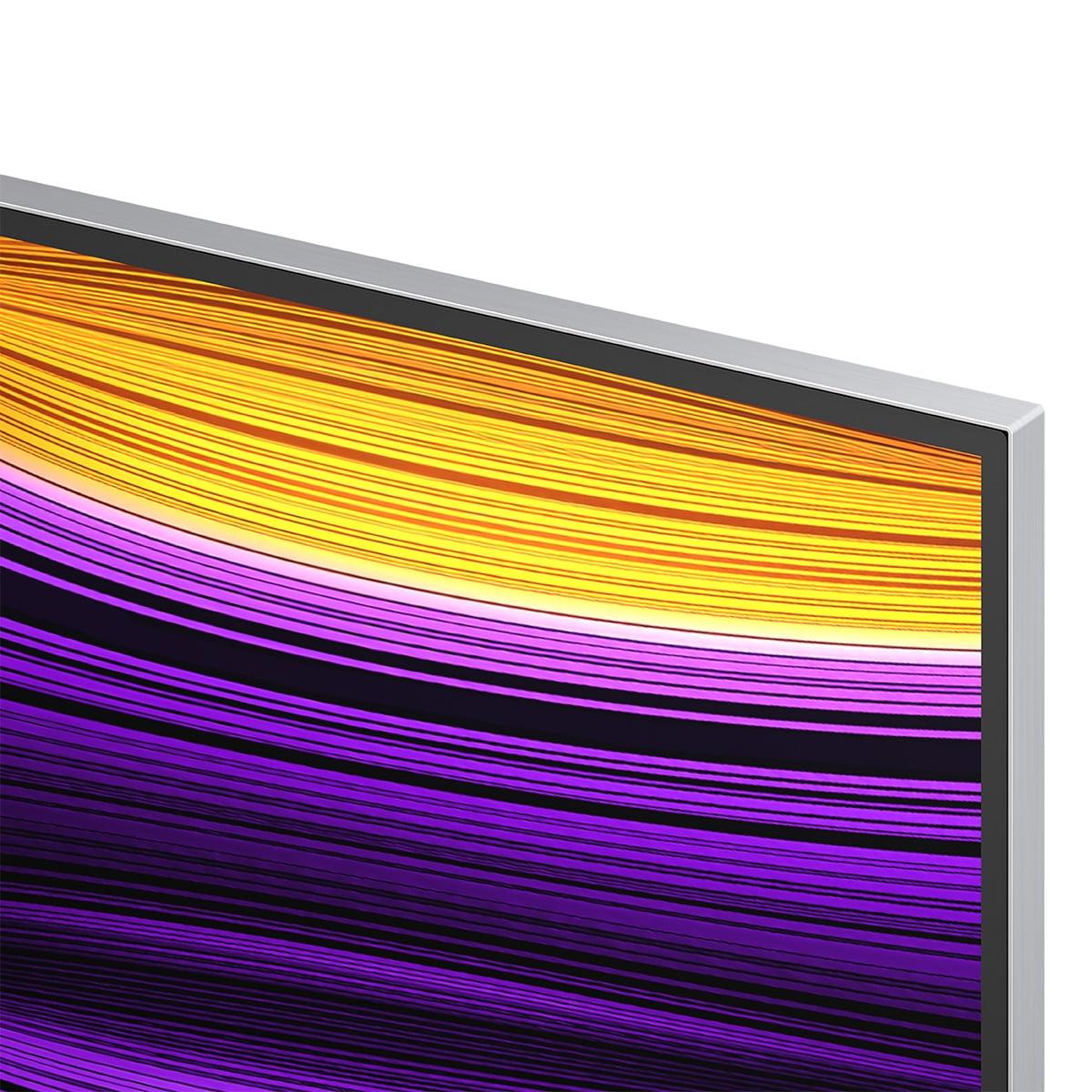
The LG G5 features premium build quality with its ultra-thin "One Wall" design and high-end materials. The Hisense QD7 has standard TV construction that's acceptable for the price point but not as premium. LG also backs their TV with a 5-year panel warranty compared to Hisense's standard 12-month warranty.
The Hisense QD7 has limited viewing angles typical of LCD technology and occasional software sluggishness. The LG G5 costs significantly more and has potential for OLED burn-in, though this is rare with modern panels. Both represent different trade-offs between price and performance.
Both TVs handle sports well. The Hisense QD7 offers bright, colorful images that work great for daytime sports viewing. The LG G5 provides superior motion handling and color accuracy that makes sports look more natural. The OLED's better viewing angles are also beneficial for group sports watching.
The Hisense QD7 ($469.99) comes with a standard 12-month warranty covering parts and labor. The LG OLED evo G5 includes a 5-year limited panel warranty, demonstrating LG's confidence in OLED longevity and providing better long-term protection for the premium investment.
Choose the Hisense QD7 if you want excellent value, prioritize bright room performance, or have a limited budget but still want premium features. Choose the LG G5 if picture quality is your top priority, you have a dedicated home theater setup, or you're willing to pay significantly more for the best possible viewing experience.
We've done our best to create useful and informative comparisons to help you decide what product to buy. Our research uses advanced automated methods to create this comparison and perfection is not possible - please contact us for corrections or questions. These are the sites we've researched in the creation of this article: bestbuy.com - custrevs.com - youtube.com - bestbuy.com - rtings.com - youtube.com - rtings.com - pcrichard.com - bestbuy.com - pcrichard.com - camelcamelcamel.com - amazonfiretv.blog - hisense-usa.com - hisense-usa.com - hisense-usa.com - bestbuy.com - leaseville.com - youtube.com - bestbuy.com - flatpanelshd.com - bestbuy.com - techradar.com - rtings.com - youtube.com - youtube.com - rtings.com - bestbuy.com - youtube.com - valueelectronics.com - lg.com - audio-videoplus.com - lg.com - lg.com - lg.com

Privacy Policy
Terms and Conditions - Affiliate Policy
Home Security
© Copyright 2008-2026.
11816 Inwood Rd #1211, Dallas, TX 75244