

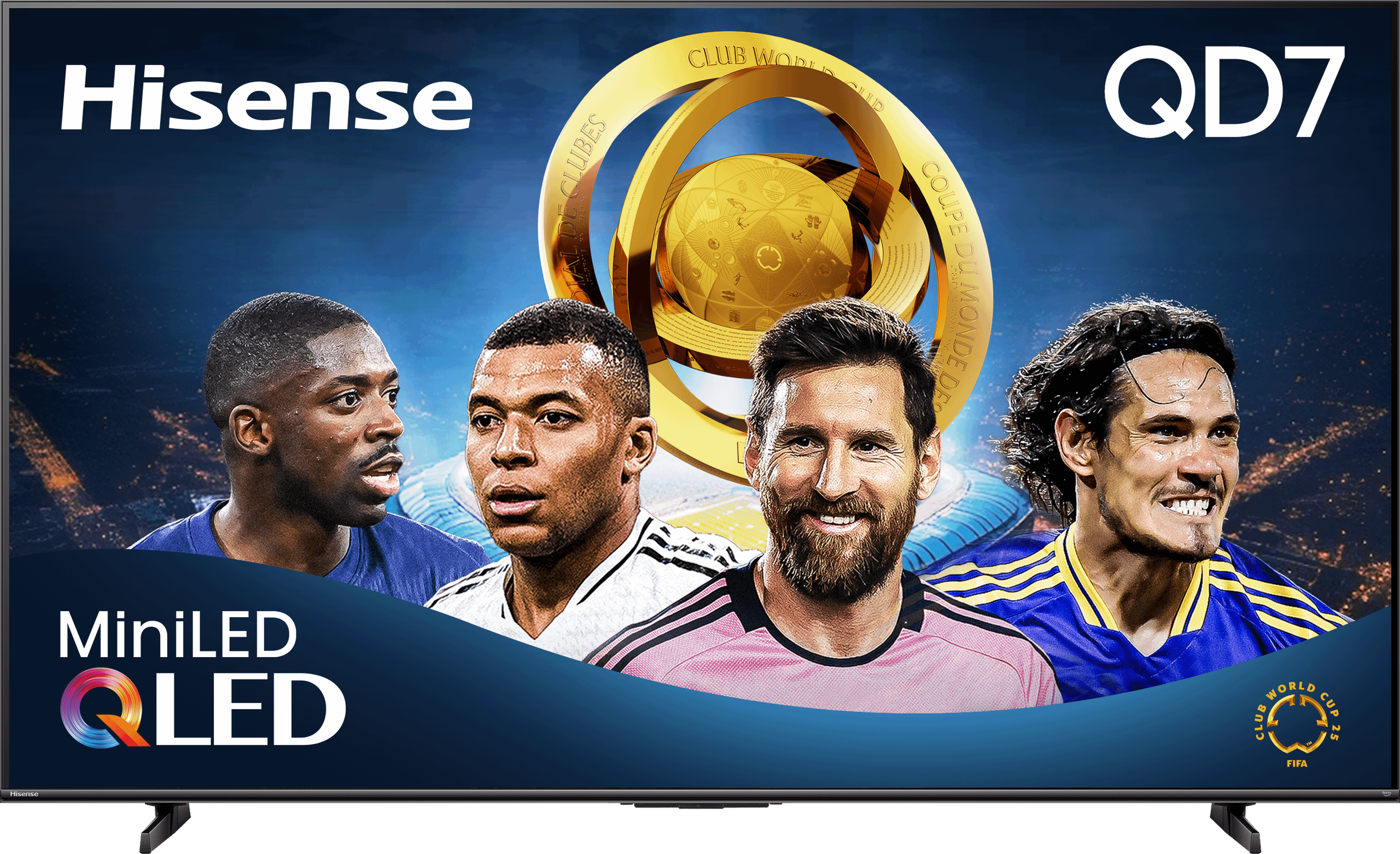
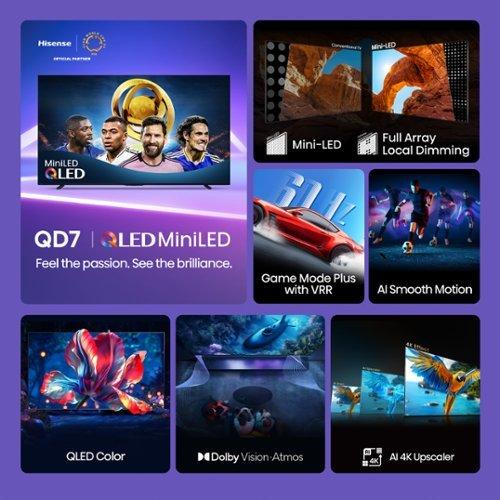
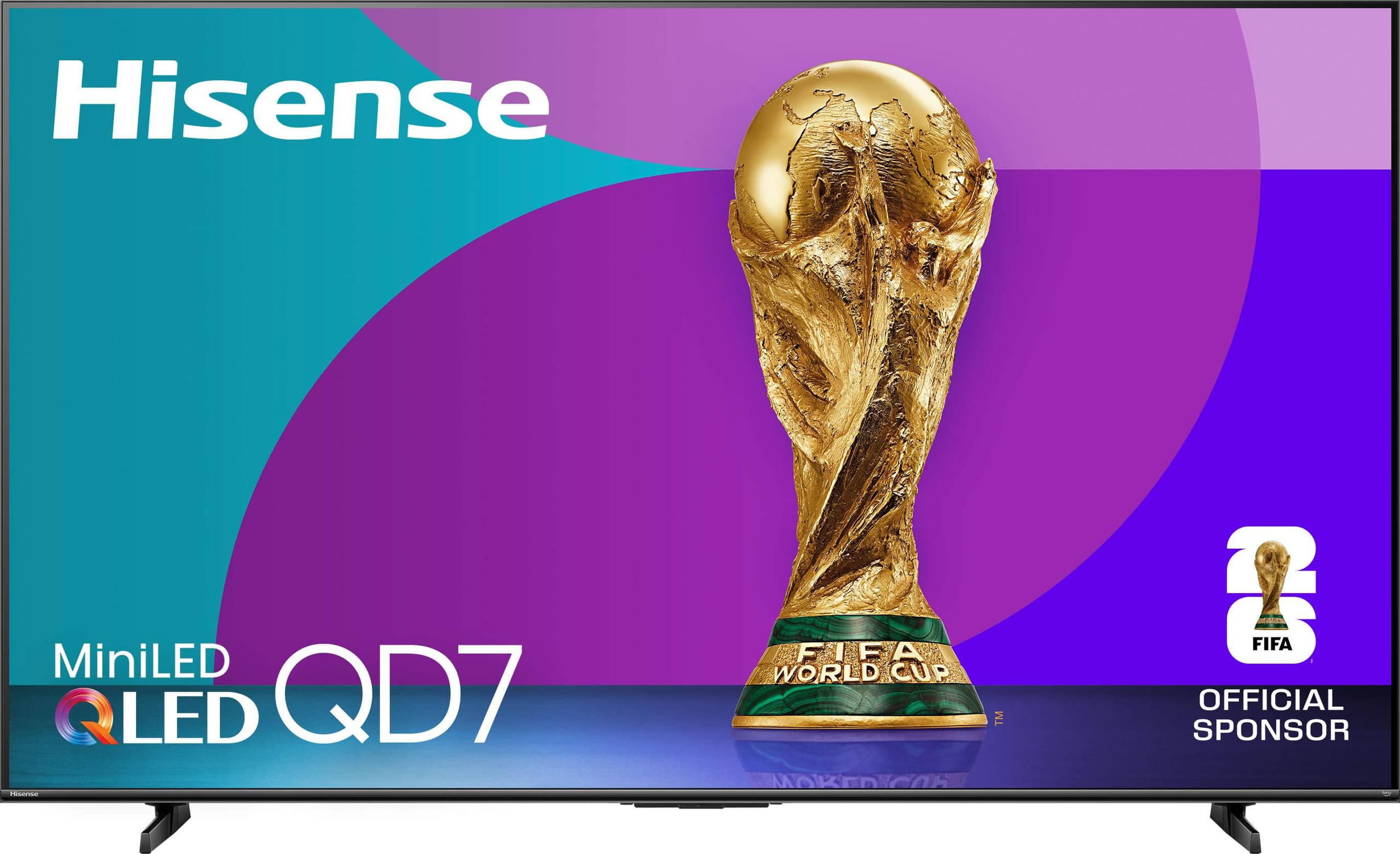
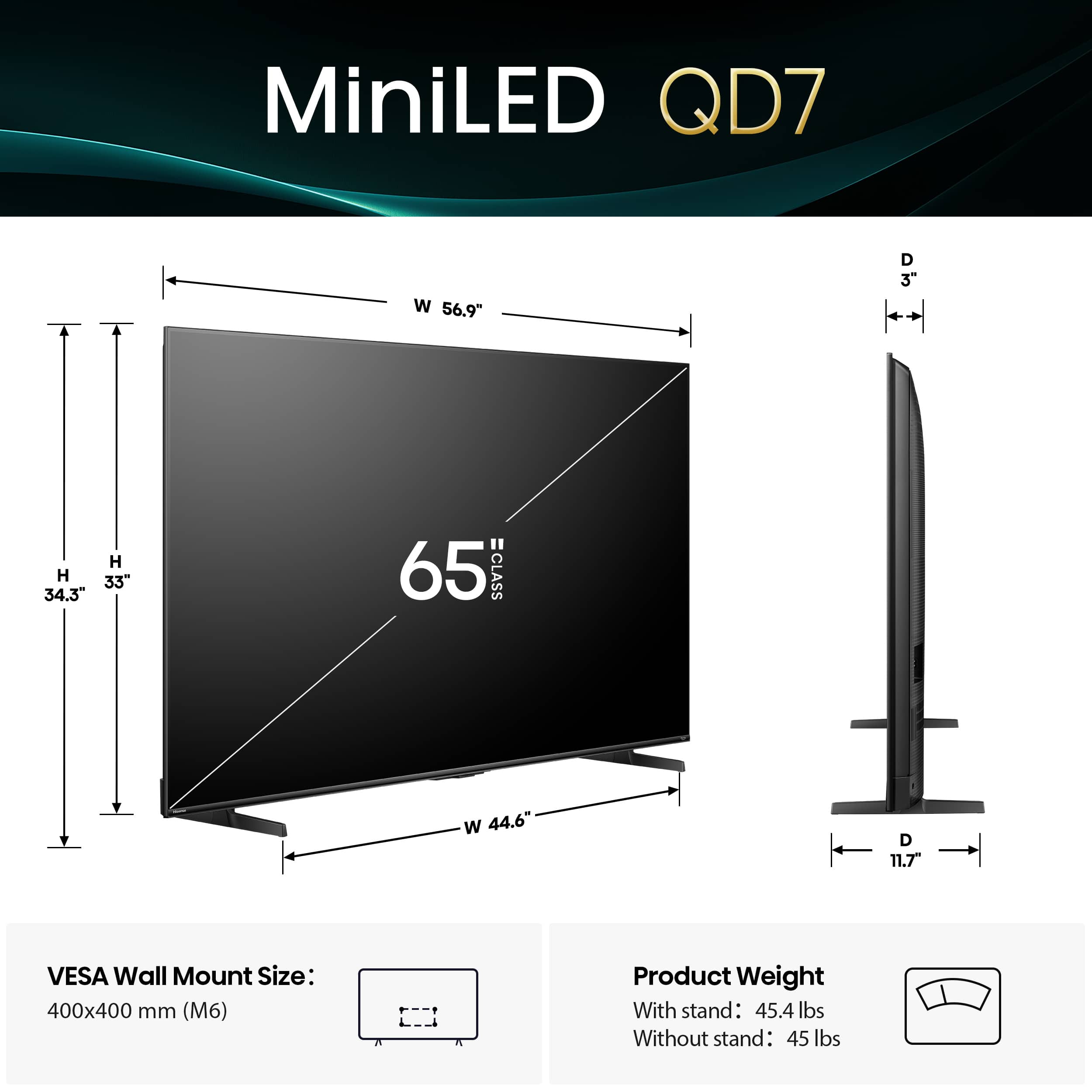
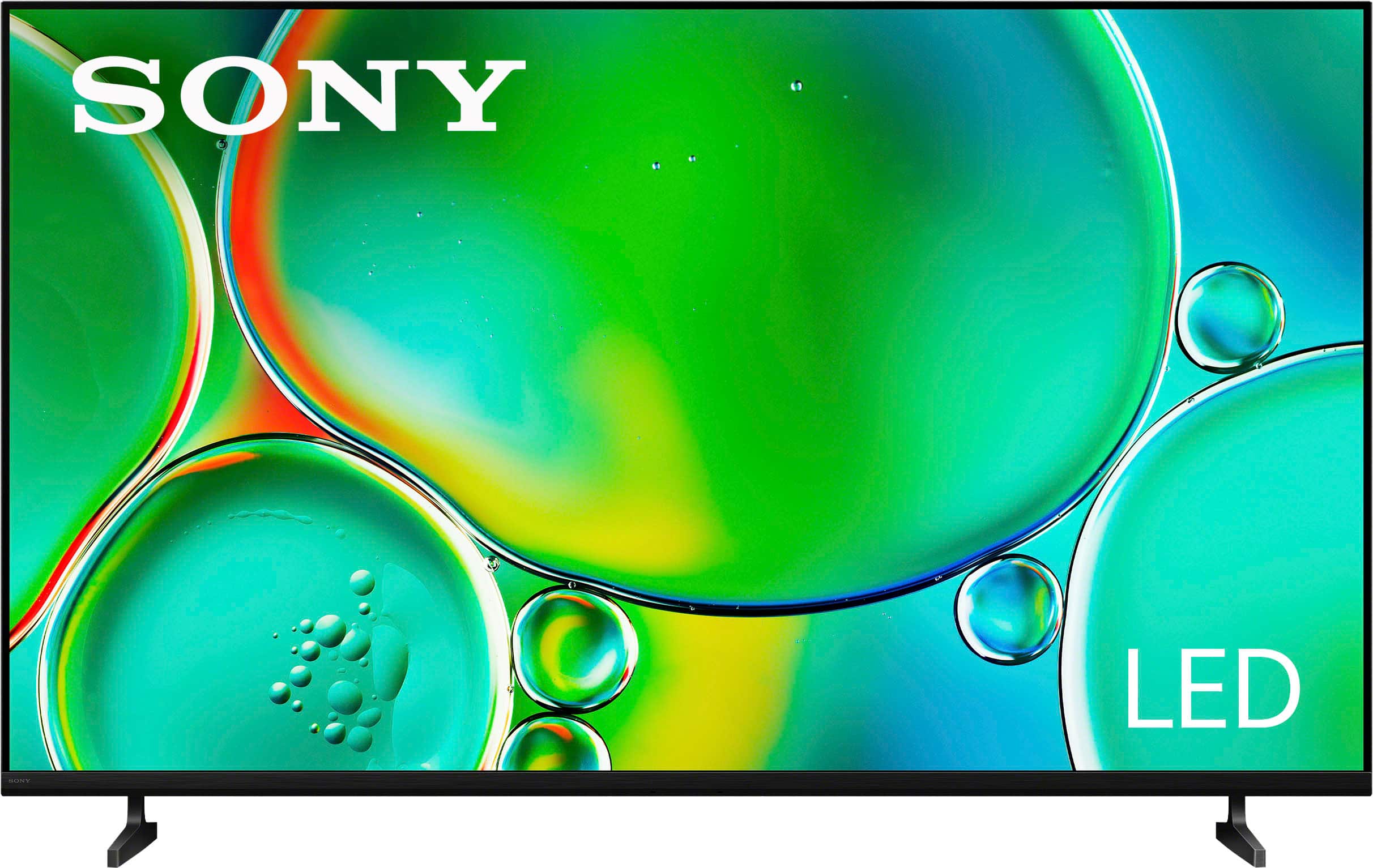
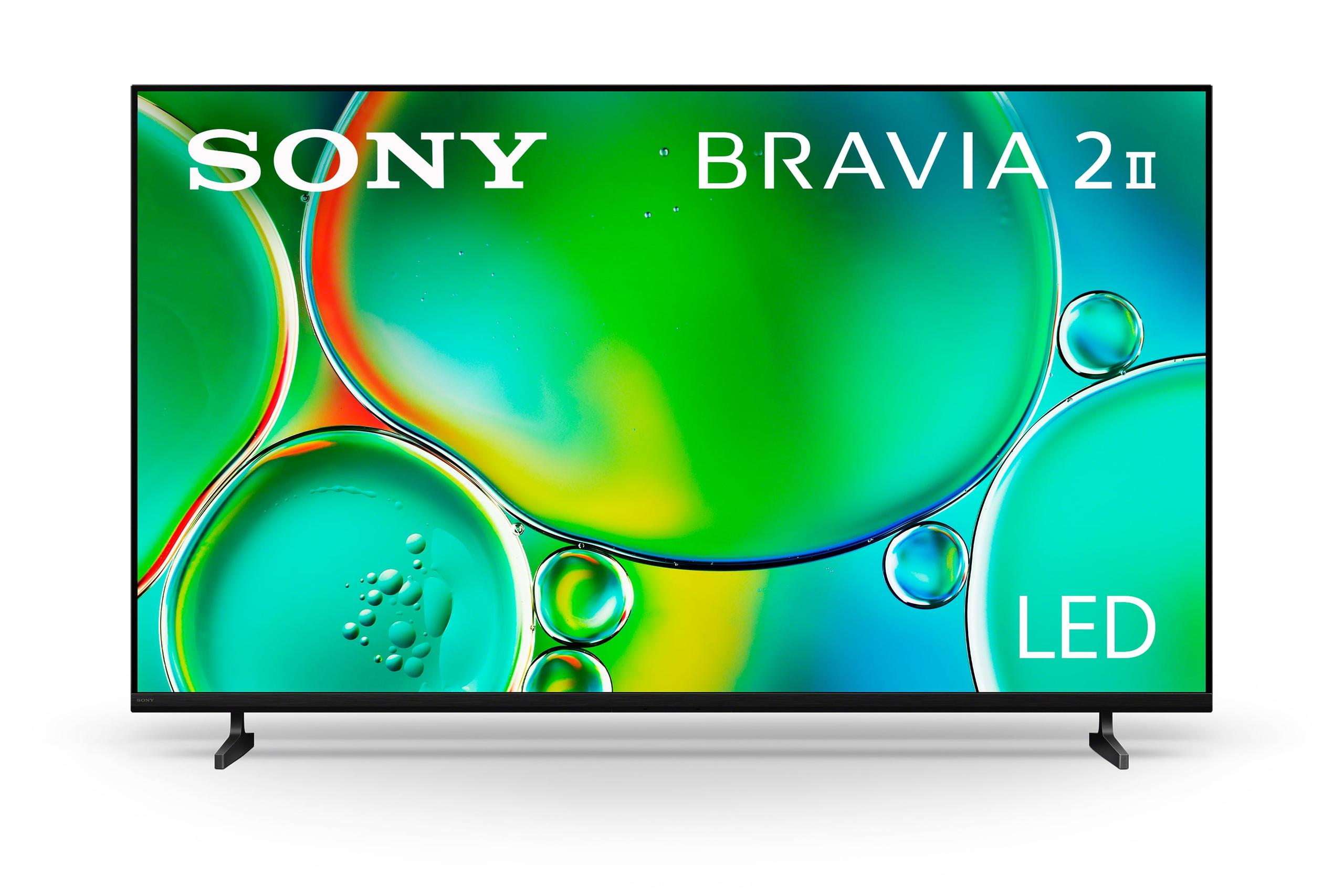
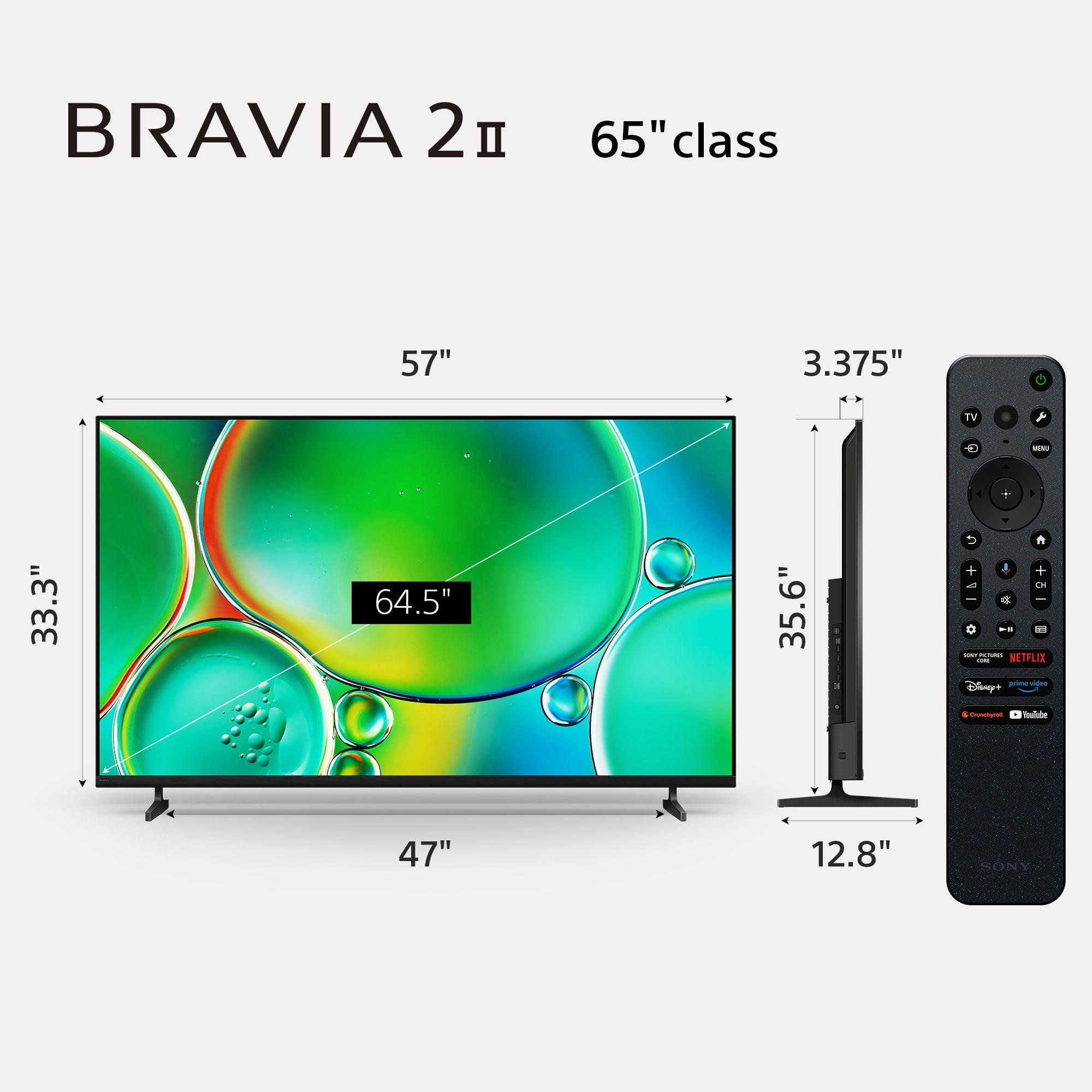

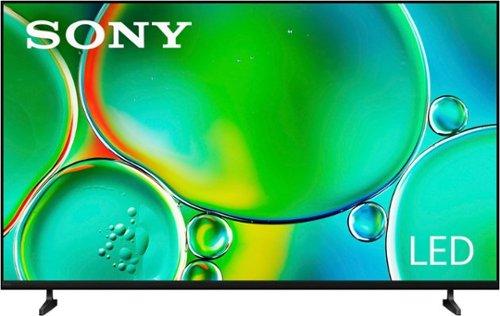
Shopping for a new 65-inch 4K TV can feel overwhelming, especially when you're trying to balance features with budget. Two standout options released in 2025 have caught my attention: the Hisense 65" QD7 Series Mini-LED 4K Fire TV at $469.99 and the Sony BRAVIA 2 II 65" 4K LED Google TV at $649.99. Both represent excellent value in their own ways, but they take very different approaches to delivering a great viewing experience.
The budget 4K TV market has exploded with innovation over the past few years. Where you once had to spend $1,500+ to get premium features like local dimming or high refresh rates, manufacturers like Hisense and Sony are now packing these technologies into sub-$700 models. This shift has created some fascinating choices for consumers who want flagship features without the flagship price tag.
When I evaluate TVs in this category, I focus on several key areas: display technology (how the TV creates the picture), smart platform experience (the interface and apps), gaming performance (refresh rates and input lag), and overall value proposition. The Hisense and Sony models take distinctly different approaches to each of these areas.
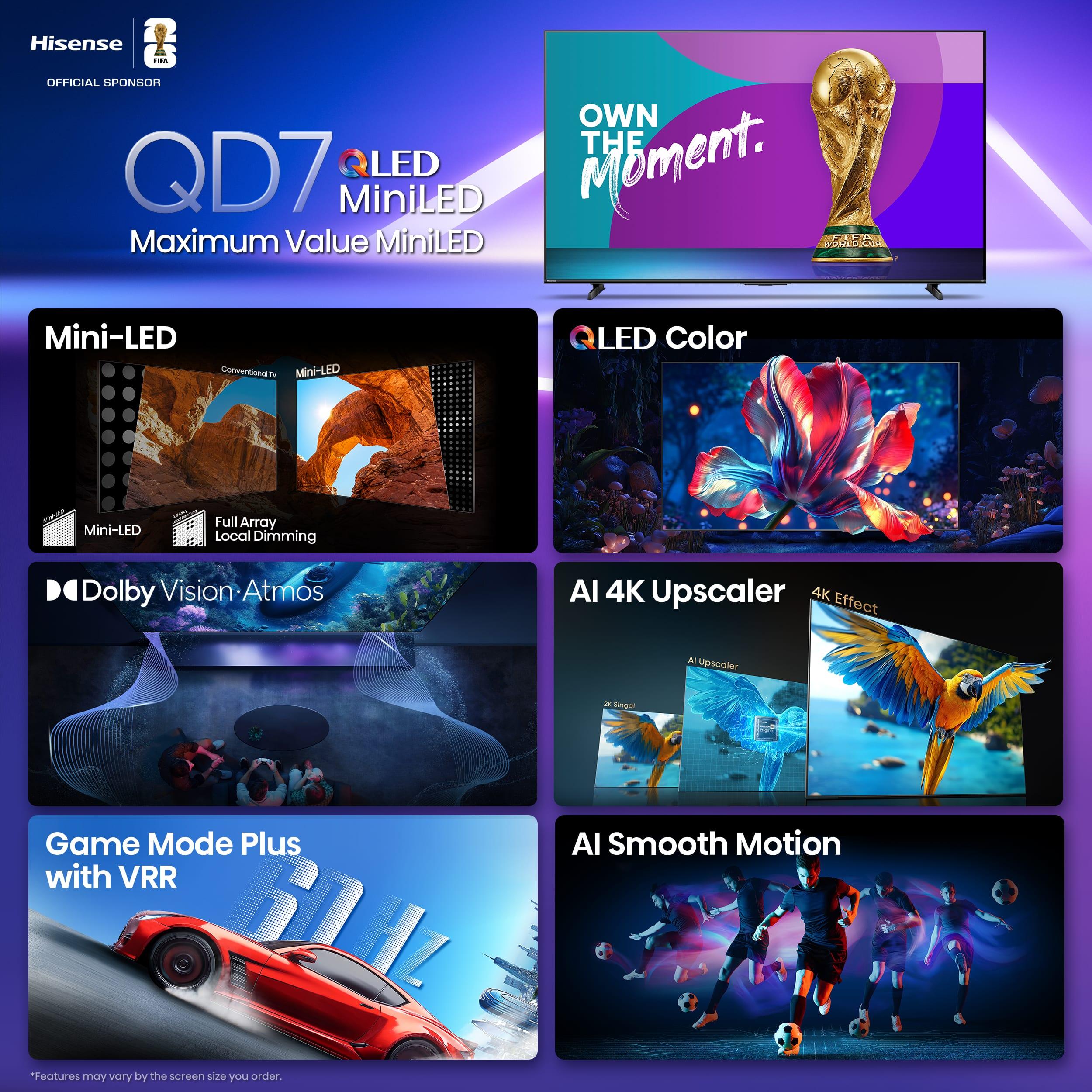
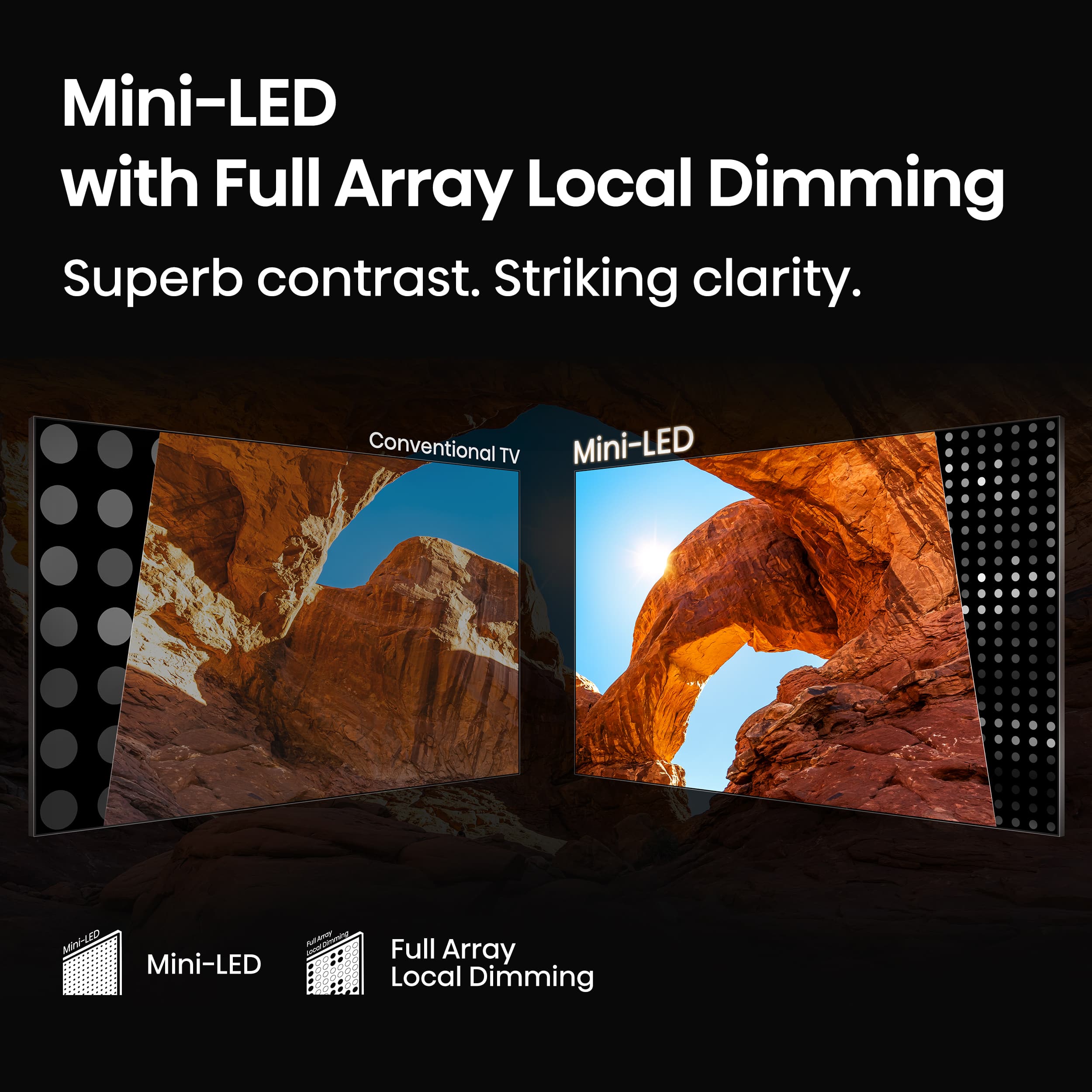
The most significant difference between these TVs lies in their display technology. The Hisense QD7 Series uses Mini-LED backlighting with Full Array Local Dimming (FALD), while the Sony BRAVIA 2 II uses traditional direct LED backlighting. This might sound like technical jargon, but it makes a huge difference in picture quality.
Mini-LED technology represents a major leap forward in LCD TV design. Instead of using a handful of large LED lights behind the screen, Mini-LED TVs use thousands of tiny LEDs—each smaller than a grain of rice. The Hisense QD7 can control these LEDs in zones, meaning it can make specific areas of the screen brighter or darker independently. This creates deeper blacks in dark scenes and brighter highlights in HDR content.
I've noticed that Mini-LED TVs like the Hisense handle contrast-heavy content particularly well. When you're watching a movie with both dark shadow details and bright explosions, the Mini-LED backlighting can dim the LEDs behind the dark areas while keeping the bright areas fully illuminated. This prevents the "washed out" look that cheaper TVs often have in similar scenes.
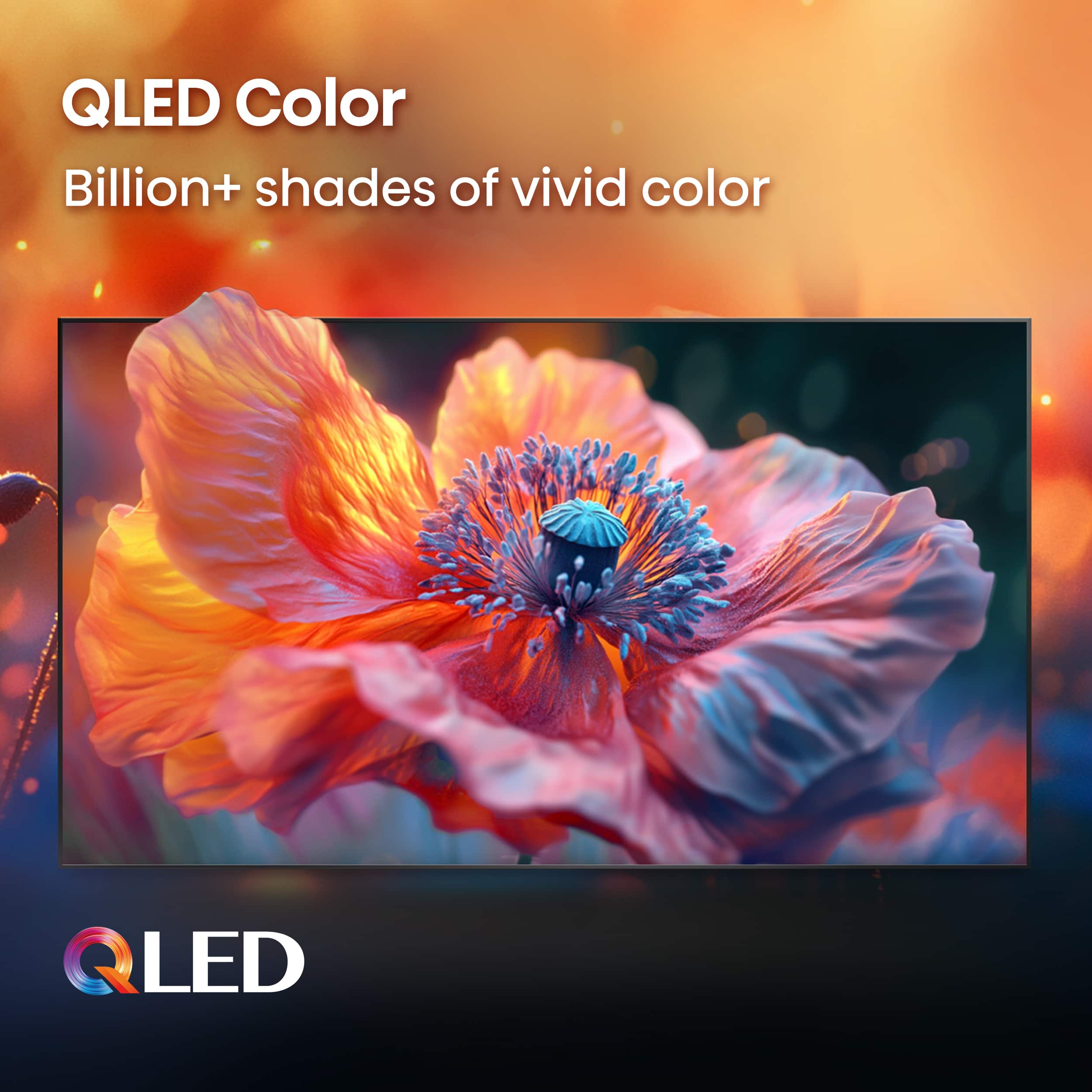
The QD7 also includes Quantum Dot technology, which enhances color reproduction. Quantum dots are microscopic particles that emit very pure colors when hit by light. This means you get more vibrant reds, greens, and blues compared to standard LCD panels. The combination of Mini-LED and Quantum Dot puts the Hisense's display technology closer to what you'd find in TVs costing $800-1,200.
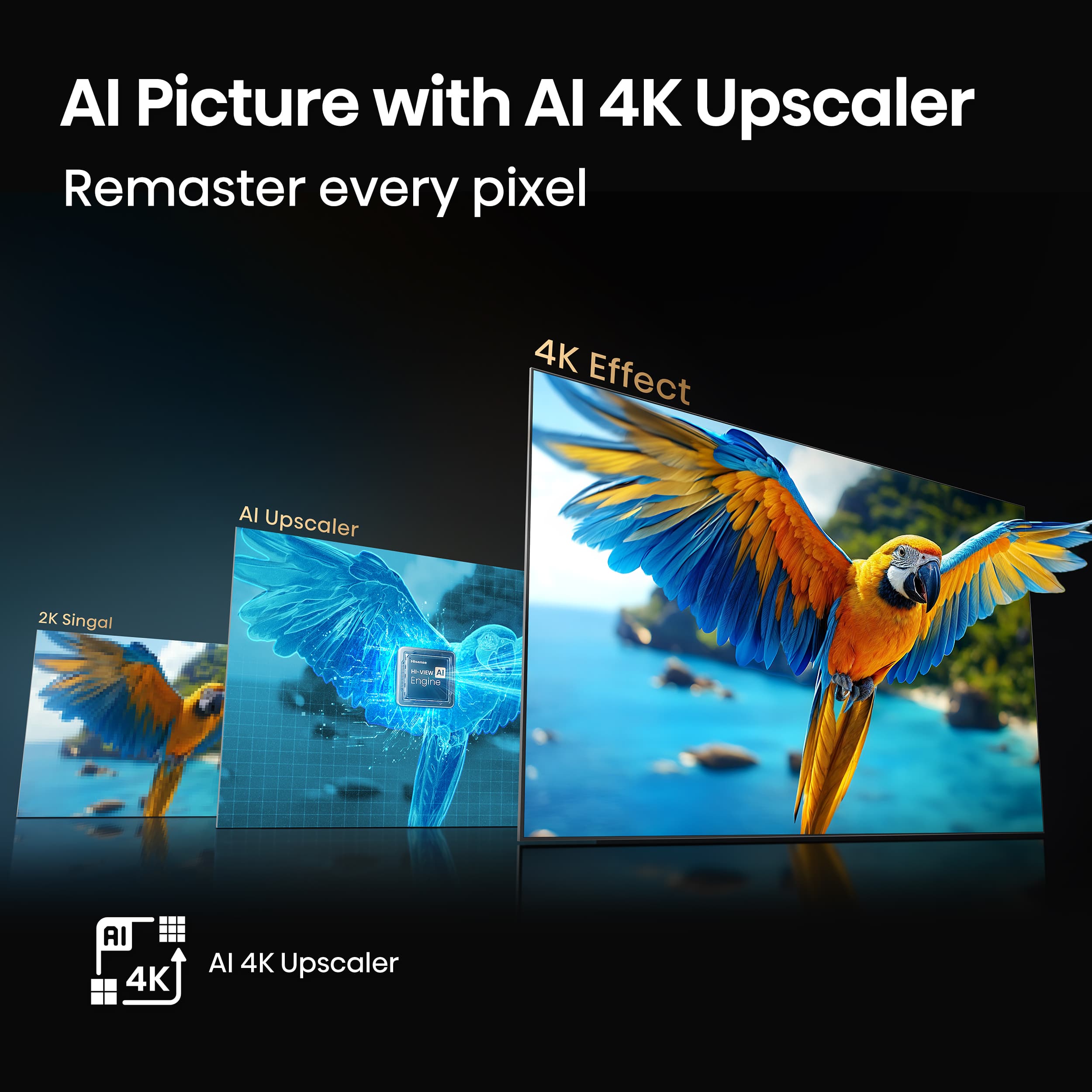
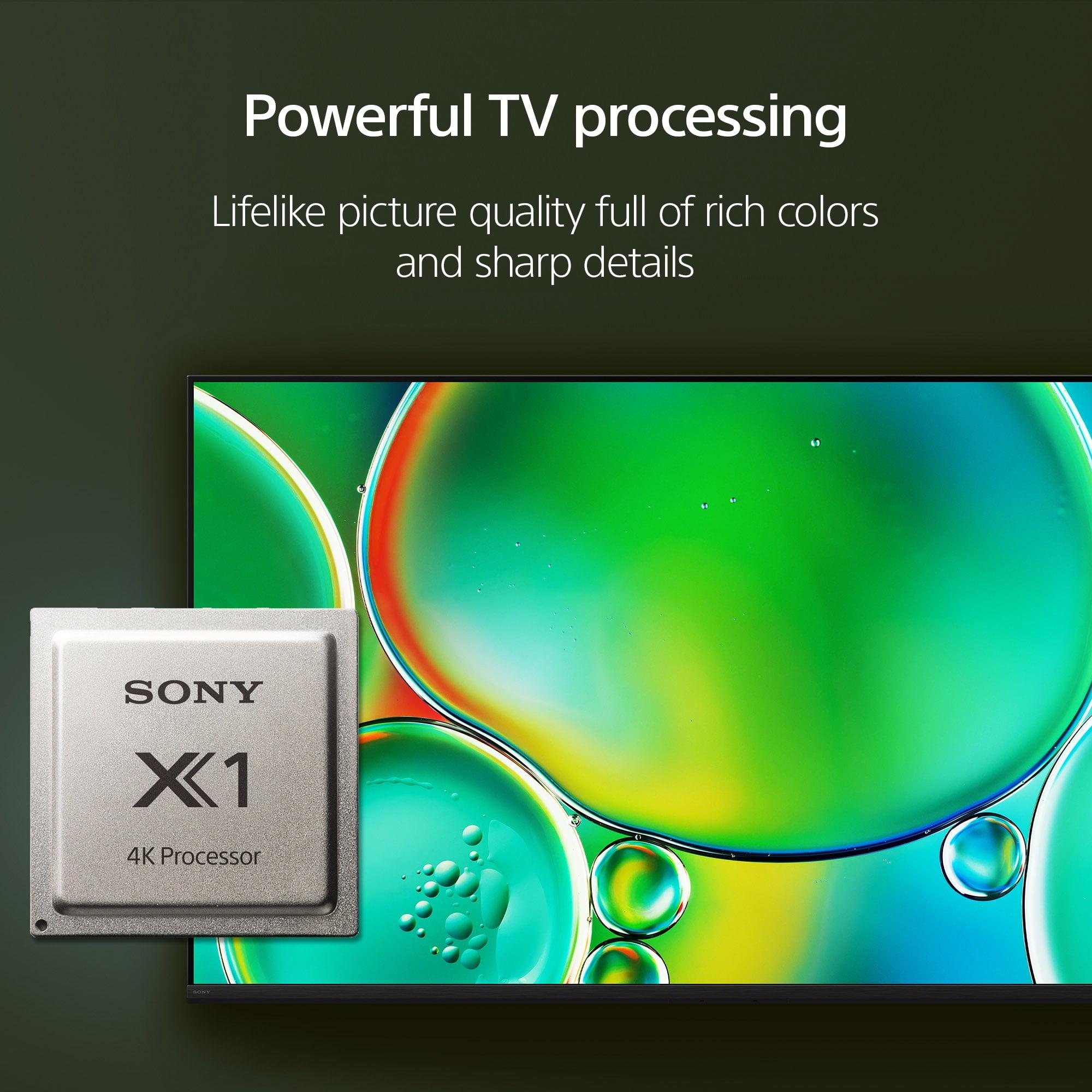
The Sony BRAVIA 2 II takes a different approach, focusing on image processing rather than advanced backlighting. Sony's 4K Processor X1 has been refined over several generations and excels at upscaling lower-resolution content to look sharp on a 4K screen. This processor works with Sony's 4K X-Reality PRO technology, which analyzes incoming video against a database of textures and patterns to enhance detail and reduce noise.
Where Sony really shines is in color accuracy and motion handling. The Live Color technology produces natural-looking skin tones and realistic color reproduction that doesn't look oversaturated. In my experience, Sony TVs often look "right" out of the box without requiring calibration, especially for movies and TV shows.
The trade-off is that Sony's direct LED backlighting can't match the contrast performance of the Hisense's Mini-LED system. You'll notice this most in dark room viewing, where blacks appear more grayish and HDR content doesn't pop quite as dramatically.
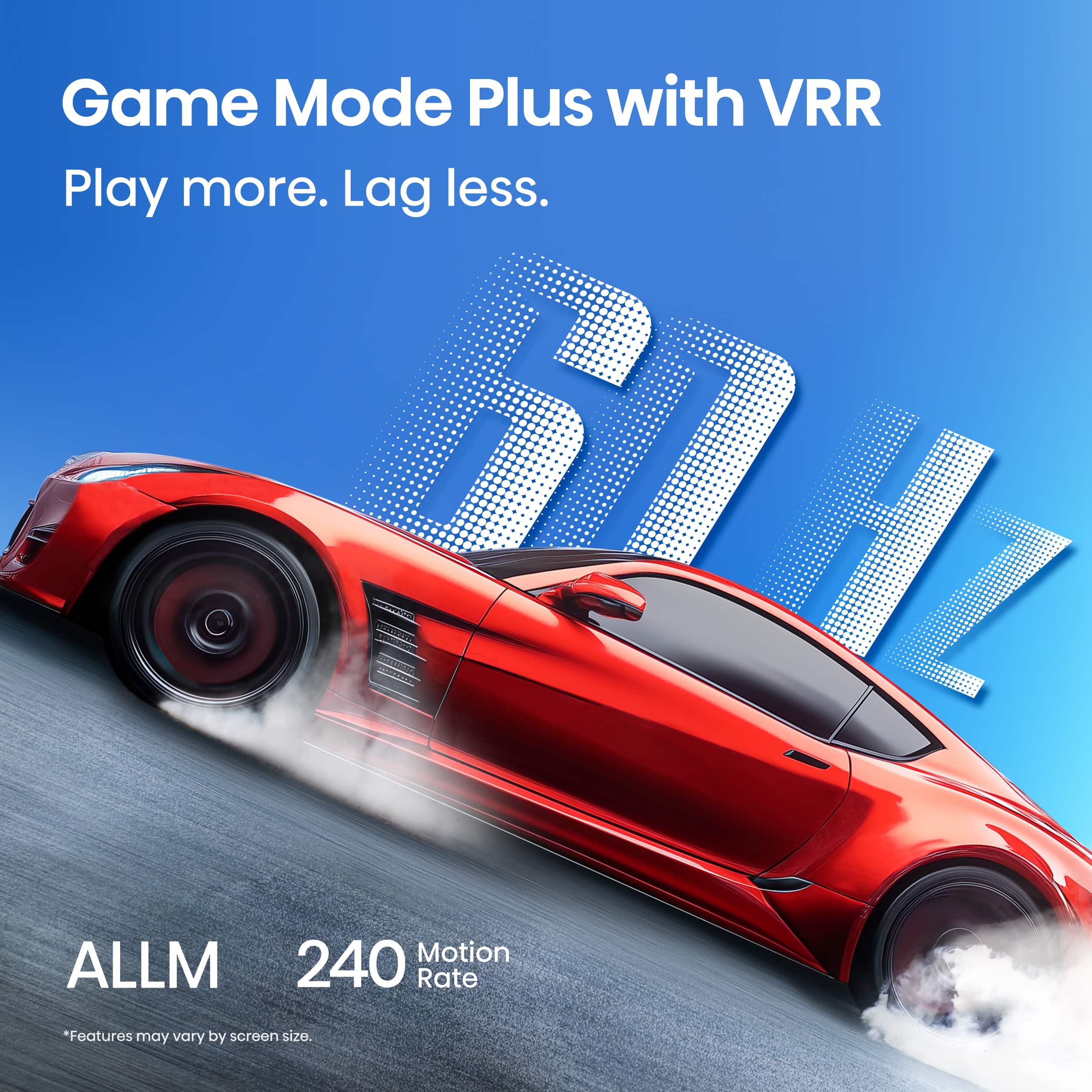
If gaming is important to you, the Hisense QD7 Series offers significantly better performance. The key specification here is refresh rate—how many times per second the TV can update the image. The Hisense supports up to 144Hz, while the Sony is limited to 60Hz.
Higher refresh rates create smoother motion, which is especially noticeable in fast-paced games. A 144Hz TV can display 144 unique frames per second, while a 60Hz TV maxes out at 60 frames. This means less motion blur during rapid camera movements and more responsive gameplay.
The Hisense also includes Variable Refresh Rate (VRR), which synchronizes the TV's refresh rate with your gaming console's output. This eliminates screen tearing—those horizontal lines that can appear when the TV and console get out of sync. Auto Low Latency Mode (ALLM) automatically switches the TV to its lowest-lag setting when it detects a gaming signal.
For next-generation consoles like the PlayStation 5 and Xbox Series X, the Hisense's multiple HDMI 2.1 ports can handle 4K gaming at high frame rates. The Sony's HDMI 2.1 support is more limited, maxing out at 4K/60Hz.
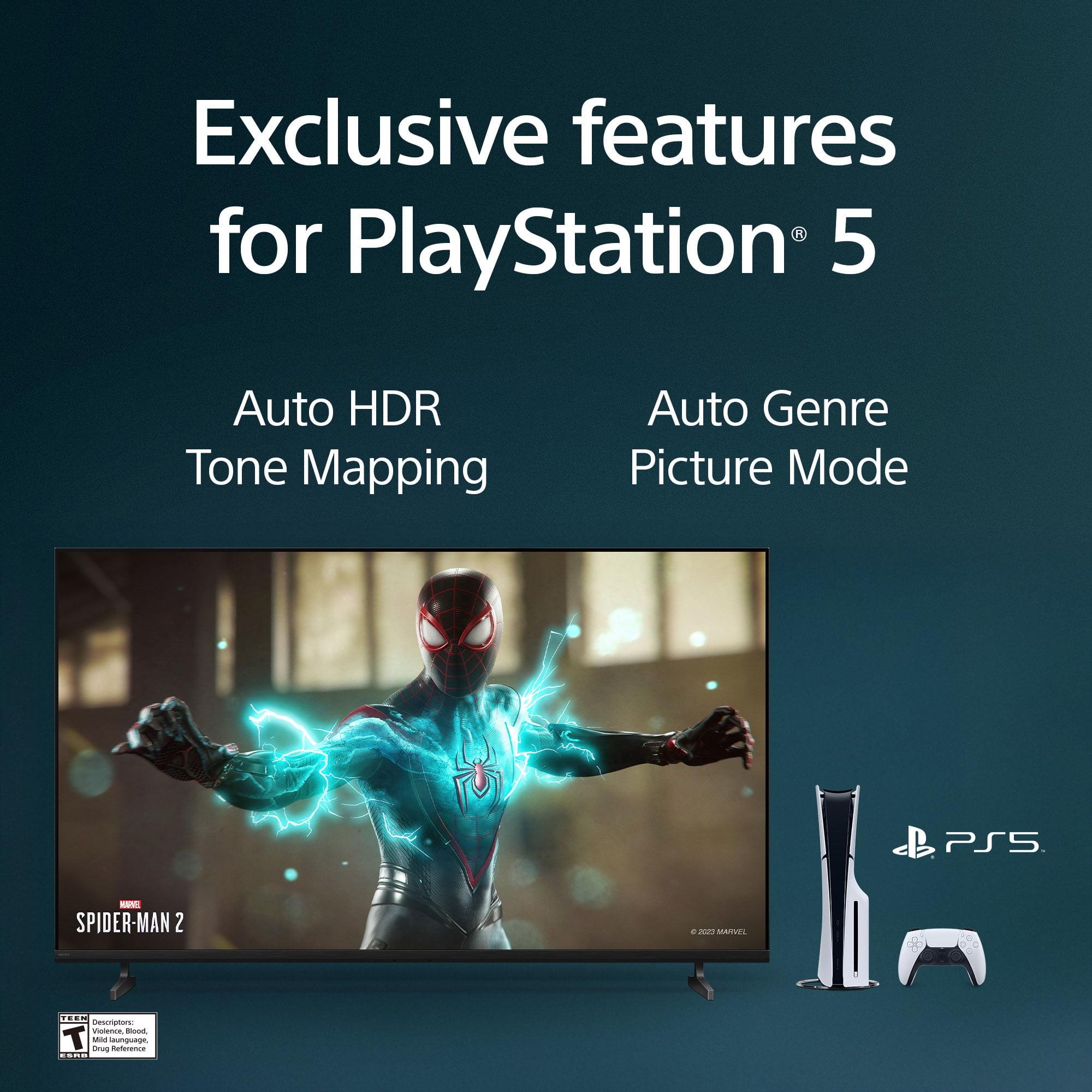
While the Sony BRAVIA 2 II can't match the Hisense's raw gaming specifications, it does offer some unique PlayStation 5 integration features. Auto HDR Tone Mapping optimizes HDR settings specifically for PS5 games, while Auto Genre Picture Mode automatically switches between game and movie settings based on what you're playing.
These features are nice touches, but they don't overcome the fundamental limitation of the 60Hz panel. If you're serious about gaming, especially PC gaming or competitive console gaming, the Hisense is the clear choice.
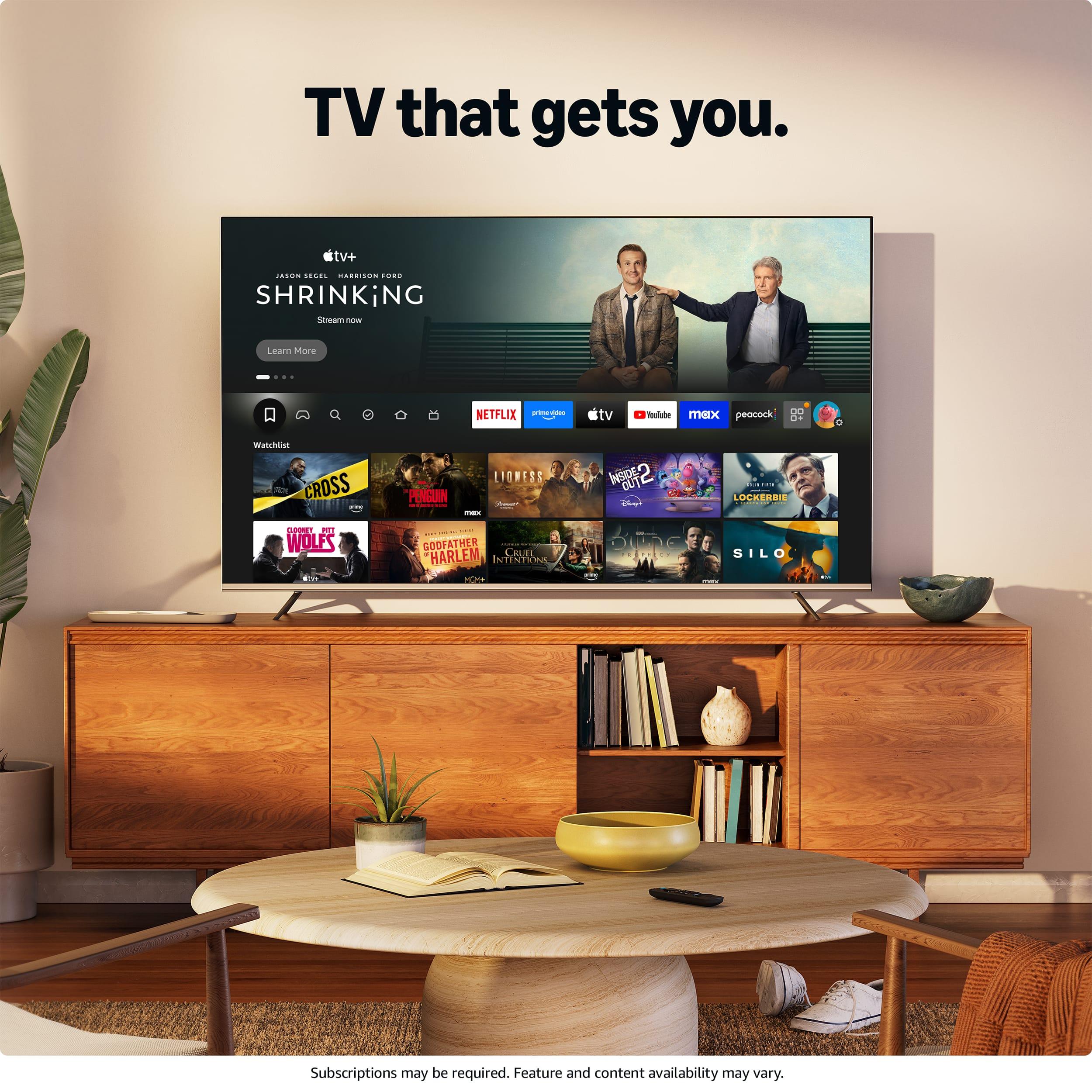
The smart TV experience—the interface you use to access Netflix, YouTube, and other streaming services—differs significantly between these models. The Hisense runs Amazon's Fire TV platform, while the Sony uses Google TV.
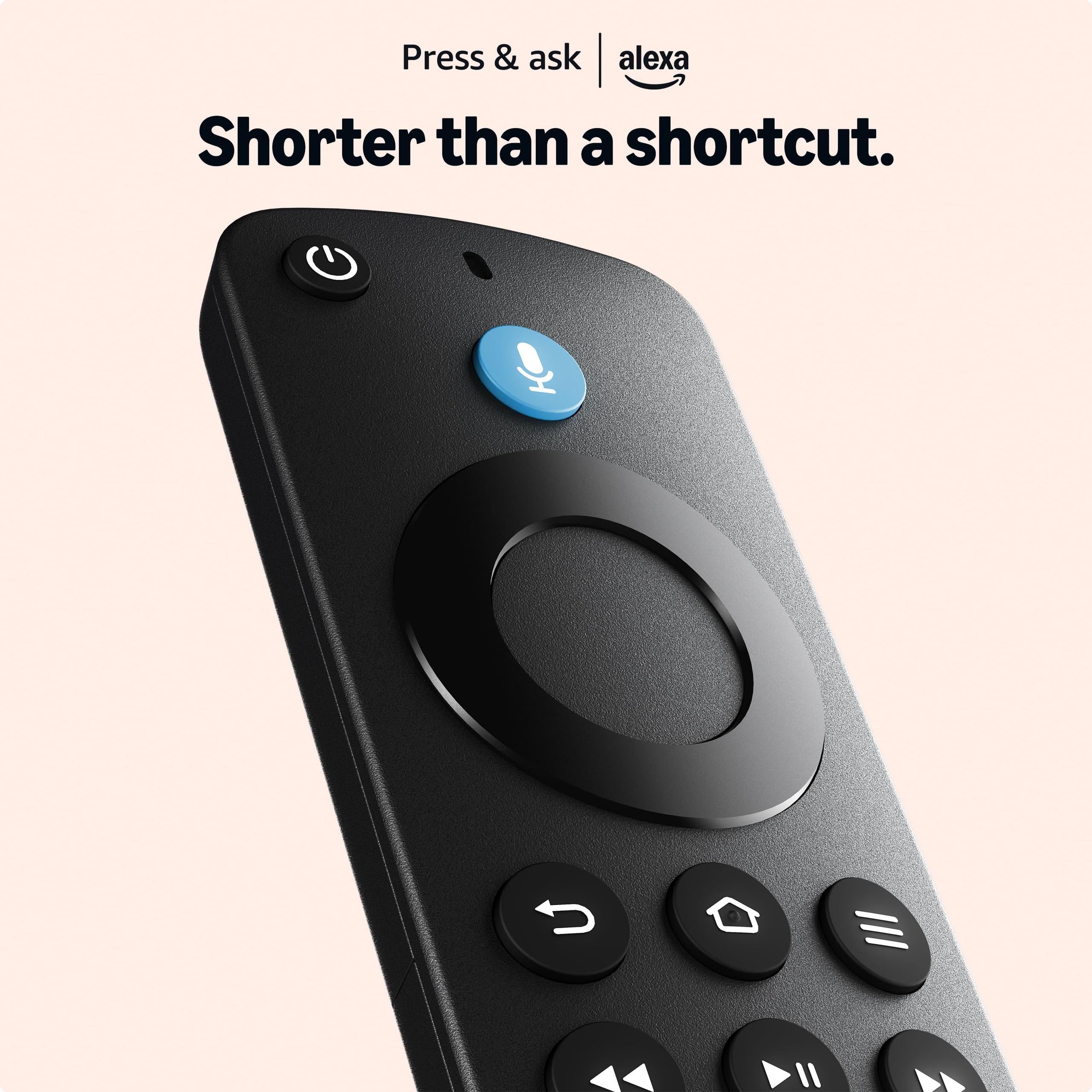
Fire TV has evolved considerably since its early days. The current interface prioritizes content discovery, showing you movies and shows from multiple services on the home screen. Alexa voice control is deeply integrated, allowing you to search for content, control smart home devices, and even ask questions without picking up the remote.
The platform works well for households already invested in Amazon's ecosystem. Prime Video content gets prominent placement, and Amazon's recommendation algorithms help surface content you might enjoy. The interface feels snappy and responsive, though some users find it too Amazon-centric.
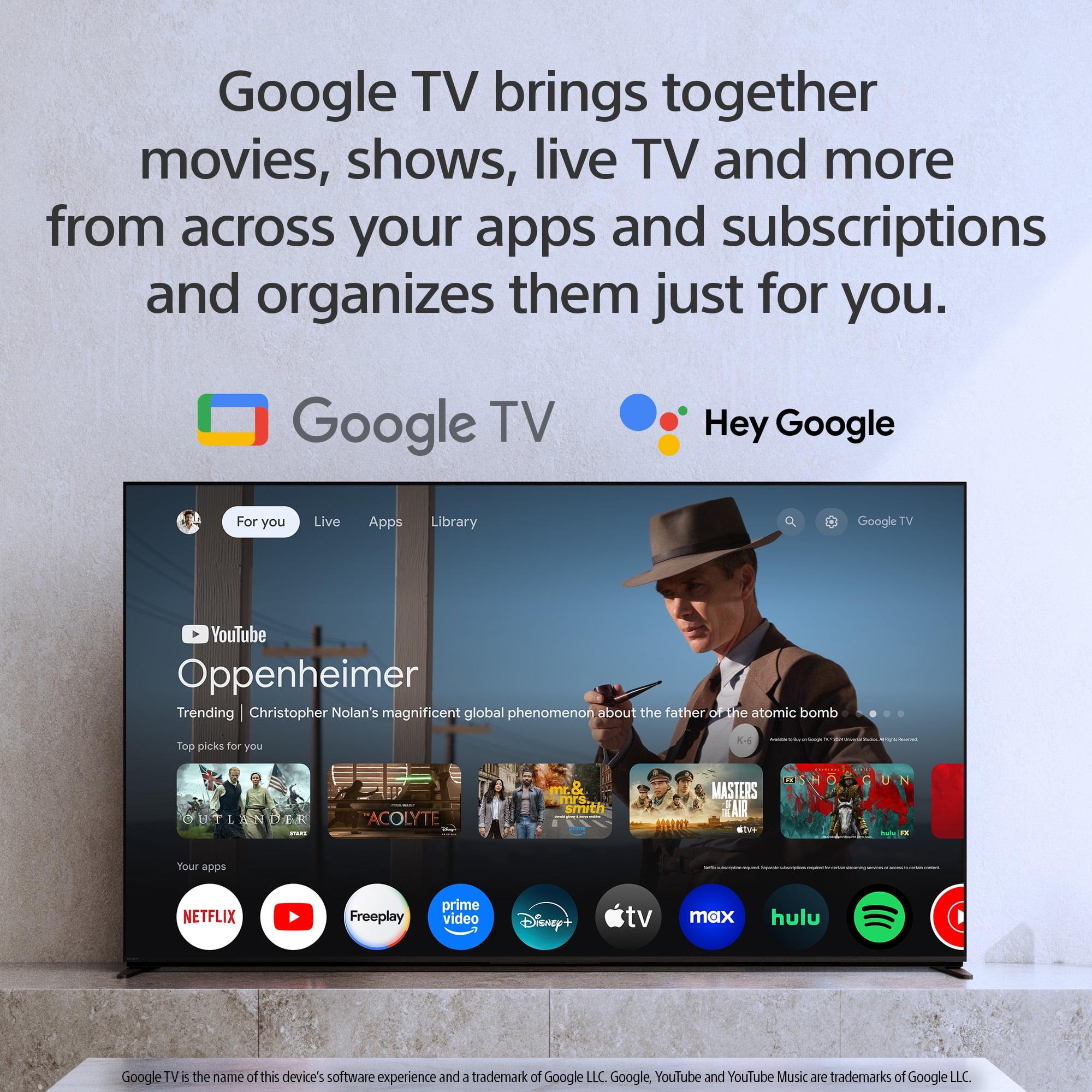
Google TV offers broader ecosystem compatibility. It works seamlessly with Google Assistant, supports Apple AirPlay 2 for iPhone users, and integrates with HomeKit for smart home control. The content recommendation system pulls from multiple streaming services to create a unified "For You" section.
I've found Google TV's search functionality particularly impressive. You can search across multiple streaming services simultaneously, and the platform will show you where specific movies or shows are available and at what cost. The interface also supports multiple user profiles, each with personalized recommendations.
The Sony BRAVIA 2 II includes access to over 10,000 apps and 800+ free live TV channels, giving you more content options straight out of the box.
Audio quality often gets overlooked in TV comparisons, but it makes a significant difference in daily use. The Sony BRAVIA 2 II includes an Open Baffle Speaker system with 40W total output, supporting both Dolby Atmos and DTS:X surround sound formats.
Sony's Clear Phase technology aligns audio timing to create better acoustic harmony. In practice, this means dialogue sounds clearer and sound effects have better spatial positioning. The built-in speakers produce surprisingly rich sound for a budget TV, though they can't replace a dedicated soundbar for true home theater applications.
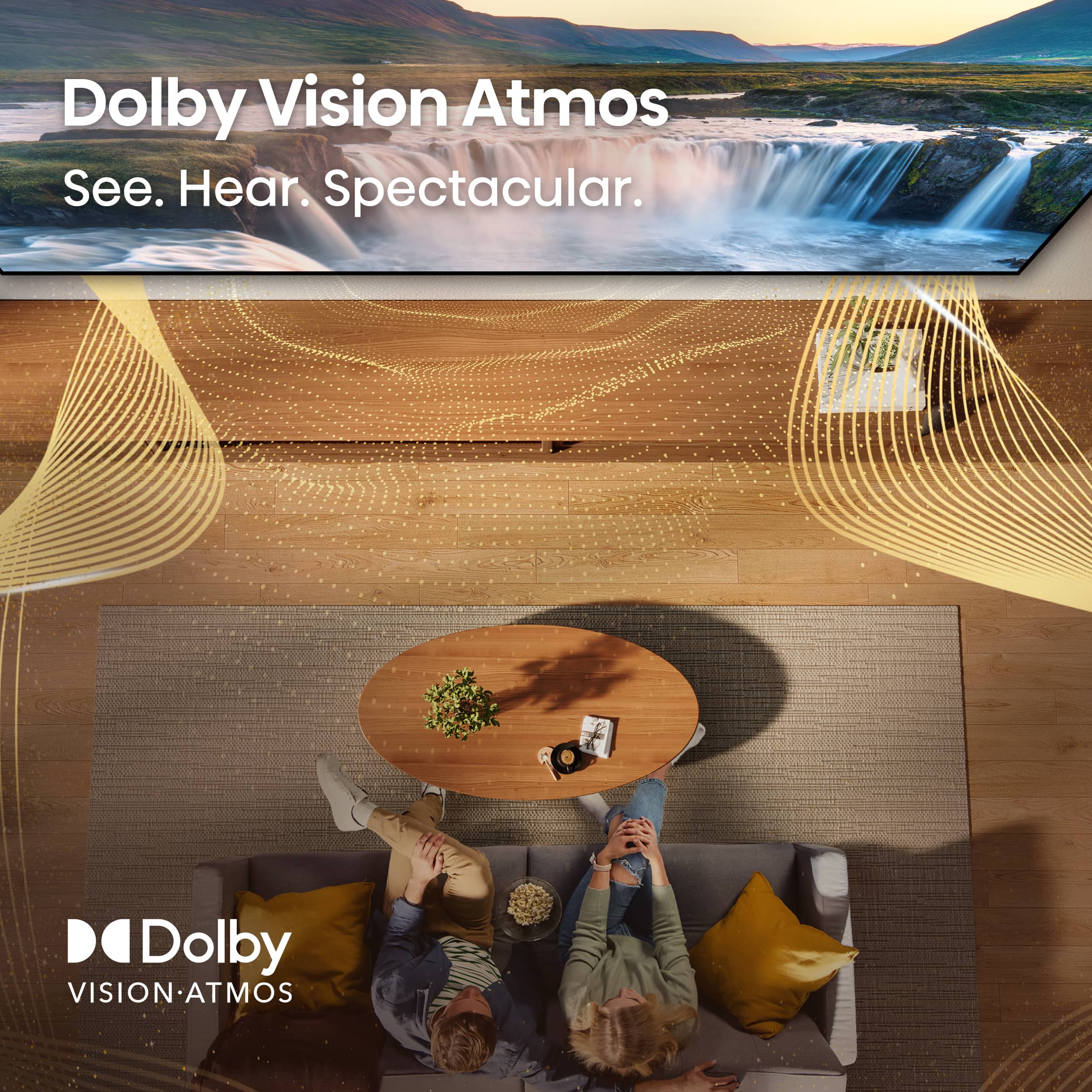
The Hisense QD7 Series also supports Dolby Atmos, but its built-in speakers are more basic. The audio is adequate for casual viewing but lacks the refinement of Sony's system.
For dedicated home theater setups, both TVs offer different advantages. The Hisense's Mini-LED technology provides better contrast for dark room viewing, which is crucial for cinematic experiences. HDR content looks more dramatic, and the deeper blacks create a more immersive experience when watching movies.
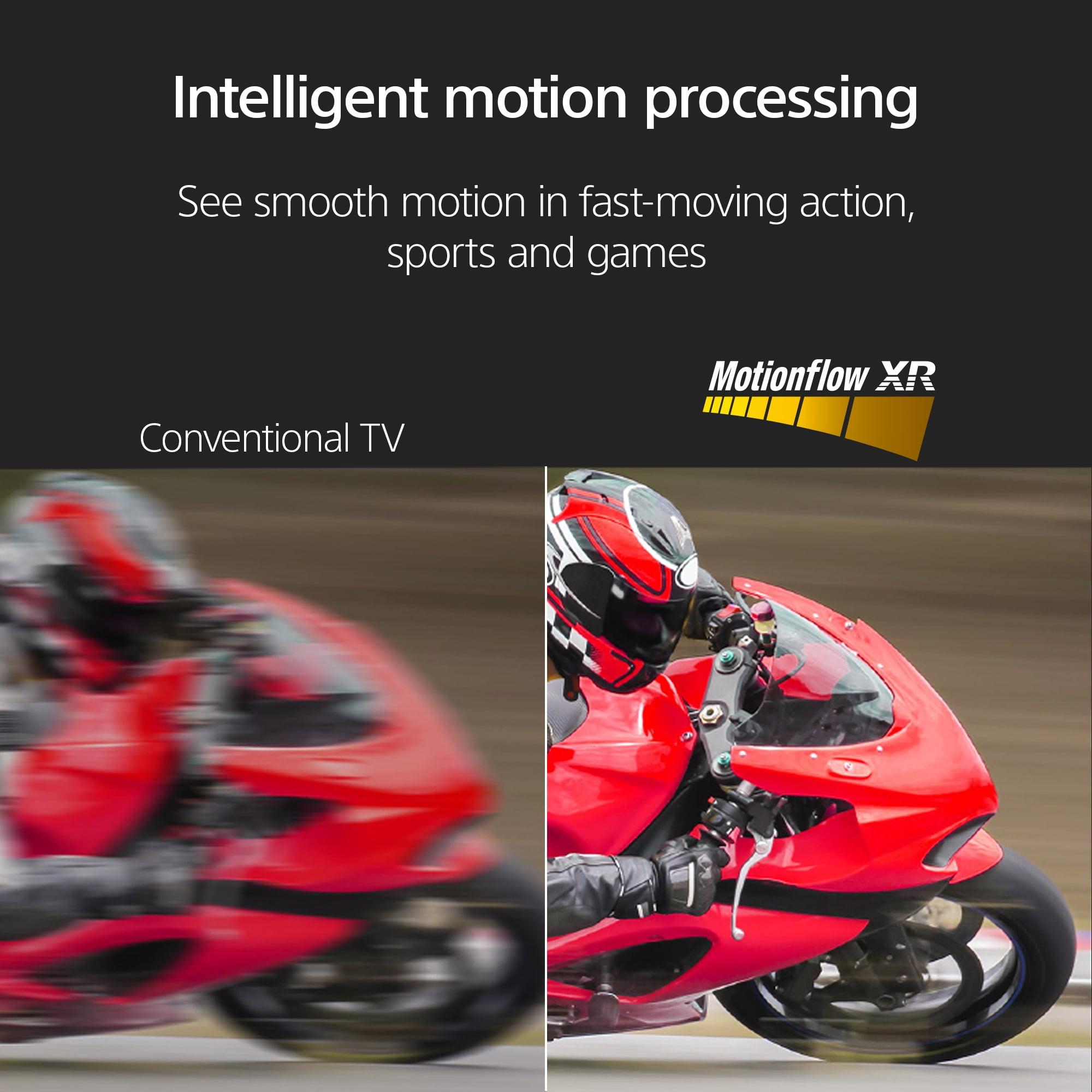
However, the Sony's superior motion processing and color accuracy make it better for film content. Sony's Motionflow XR technology reduces judder and blur in 24fps movie content, creating smoother motion that feels more natural.
Both TVs support the major HDR formats (HDR10, Dolby Vision, HLG), but the Hisense's higher peak brightness makes HDR content more impactful. If you're planning to use the TV primarily for streaming movies and shows in a darkened room, the Hisense offers better contrast performance. For mixed lighting conditions and varied content types, the Sony's processing advantages become more apparent.
Sony has built a reputation for reliability and long-term support that Hisense is still working to match. The BRAVIA 2 II feels more solidly constructed, with better fit and finish throughout. Sony's customer service and warranty support are also generally more responsive.
That said, Hisense has made significant improvements in recent years. The QD7 Series represents their commitment to bringing premium features to budget-conscious consumers. While the brand may not have Sony's long-term reputation, the hardware quality has improved substantially.
The $180 price difference between these TVs represents different value philosophies. The Hisense QD7 Series at $469.99 offers premium display technology at an exceptional price point. You're getting Mini-LED backlighting, high refresh rates, and comprehensive gaming features for less than many standard LED TVs.
The Sony BRAVIA 2 II at $649.99 costs more but delivers Sony's refined image processing, better smart platform integration, and superior build quality. The higher price reflects the brand premium and the investment in processing technology.
Choose the Hisense QD7 Series if you prioritize cutting-edge display technology and gaming performance. The Mini-LED backlighting provides superior contrast and brightness, while the 144Hz refresh rate future-proofs your gaming setup. At $469.99, it's an exceptional value for the technology you're getting.
Choose the Sony BRAVIA 2 II if you prefer brand reliability, natural color reproduction, and smart home integration. The Google TV platform offers broader compatibility, and Sony's image processing creates a more refined viewing experience for movies and TV shows. The higher price reflects better long-term support and build quality.
For most users, I'd recommend the Hisense QD7 Series. The display technology advantages are immediately visible, and the gaming features provide excellent future-proofing. The $180 savings can be invested in a soundbar or other accessories.
However, if you're not a gamer and prefer the Google ecosystem, the Sony BRAVIA 2 II offers a more polished overall experience. The superior audio quality and processing make it an excellent choice for traditional TV watching.
Both TVs represent excellent value in the budget 4K category. Your choice ultimately depends on whether you prioritize raw display technology and gaming features (Hisense) or refined processing and ecosystem integration (Sony). Either way, you'll be getting a capable 4K TV that would have cost significantly more just a few years ago.
| Hisense 65" QD7 Series Mini-LED 4K Fire TV 2025 | Sony BRAVIA 2 II 65" 4K LED Google TV 2025 |
|---|---|
| Price - Budget is often the deciding factor | |
| $469.99 | $649.99 |
| Display Technology - Determines contrast, brightness, and overall picture quality | |
| Mini-LED with Full Array Local Dimming (premium backlighting for deeper blacks) | Direct LED (standard backlighting, less precise dimming) |
| Color Technology - Affects color vibrancy and accuracy | |
| QLED Quantum Dot (over 1 billion colors, more vivid) | Live Color Technology (natural, accurate colors) |
| Refresh Rate - Critical for gaming and smooth motion | |
| 144Hz (excellent for gaming and sports) | 60Hz (standard for most content) |
| Gaming Features - Important for console and PC gamers | |
| VRR, ALLM, Game Mode Pro, multiple HDMI 2.1 ports | ALLM, PS5 integration features, limited HDMI 2.1 |
| Smart Platform - Daily interface experience | |
| Fire TV with Alexa (Amazon-focused ecosystem) | Google TV with Assistant (broader compatibility) |
| Audio System - Built-in sound quality | |
| Dolby Atmos support, basic speakers | Open Baffle Speaker system, 40W, Dolby Atmos + DTS:X |
| Image Processing - How well it handles different content types | |
| Standard processing focused on gaming | 4K Processor X1 with 4K X-Reality PRO upscaling |
| HDR Support - Enhanced contrast and brightness in compatible content | |
| HDR10, Dolby Vision, HDR10+ | HDR10, HLG, IMAX Enhanced |
| Build Quality - Long-term reliability and construction | |
| Good build quality, improving brand reputation | Excellent build quality, established brand reliability |
| Best Use Case - Who should buy this TV | |
| Gamers and value seekers wanting premium display tech | General viewers prioritizing brand reliability and Google ecosystem |
The Hisense 65" QD7 Series Mini-LED 4K Fire TV 2025 at $469.99 offers exceptional value with Mini-LED technology and 144Hz gaming features typically found in $800+ TVs. The Sony BRAVIA 2 II 65" 4K LED Google TV 2025 at $649.99 costs $180 more but provides superior brand reliability, image processing, and build quality. For pure feature-to-price ratio, the Hisense wins, but Sony offers better long-term value.
The Hisense QD7 Series uses Mini-LED backlighting with Full Array Local Dimming, providing deeper blacks and higher contrast than the Sony's direct LED panel. The Hisense also features QLED Quantum Dot technology for more vibrant colors. The Sony BRAVIA 2 II compensates with superior image processing through its 4K Processor X1, delivering more natural colors and better upscaling of HD content.
The Hisense QD7 Series is significantly better for gaming with its 144Hz refresh rate, Variable Refresh Rate (VRR), multiple HDMI 2.1 ports, and comprehensive gaming features. The Sony BRAVIA 2 II is limited to 60Hz and offers basic gaming features, though it includes nice PlayStation 5 integration touches like Auto HDR Tone Mapping.
The Hisense QD7's Fire TV offers Amazon-focused integration with Alexa voice control and Prime Video prominence. The Sony BRAVIA 2 II's Google TV provides broader ecosystem compatibility, supporting Google Assistant, Apple AirPlay 2, and HomeKit. Google TV generally offers better cross-platform compatibility and content discovery across multiple streaming services.
The Sony BRAVIA 2 II has superior audio with its Open Baffle Speaker system, 40W output, and support for both Dolby Atmos and DTS:X. It also includes Clear Phase technology for better sound alignment. The Hisense QD7 Series supports Dolby Atmos but has more basic built-in speakers that are adequate but not exceptional.
The Hisense QD7 Series performs better in bright rooms due to its Mini-LED technology providing higher peak brightness and better contrast control. The Sony BRAVIA 2 II with its direct LED backlighting may struggle more with glare and washed-out blacks in very bright environments, though it's still suitable for moderately lit rooms.
The Sony BRAVIA 2 II comes from a brand with established reliability and customer support reputation. Sony typically provides longer software support and has better warranty service. The Hisense QD7 Series represents an improving brand that has made significant quality strides in recent years, though it doesn't yet match Sony's long-term reliability track record.
The Hisense QD7 Series supports HDR10, Dolby Vision, and HDR10+ for comprehensive HDR compatibility. The Sony BRAVIA 2 II supports HDR10, HLG, and IMAX Enhanced. Both handle the major HDR formats well, but the Hisense's Mini-LED technology makes HDR content appear more impactful with higher peak brightness.
For dark room movie watching, the Hisense QD7 Series provides better contrast with its Mini-LED technology, making it ideal for cinematic experiences. The Sony BRAVIA 2 II excels in motion processing and color accuracy for film content, with better upscaling of older movies. Sony's processing creates a more refined viewing experience for varied content types.
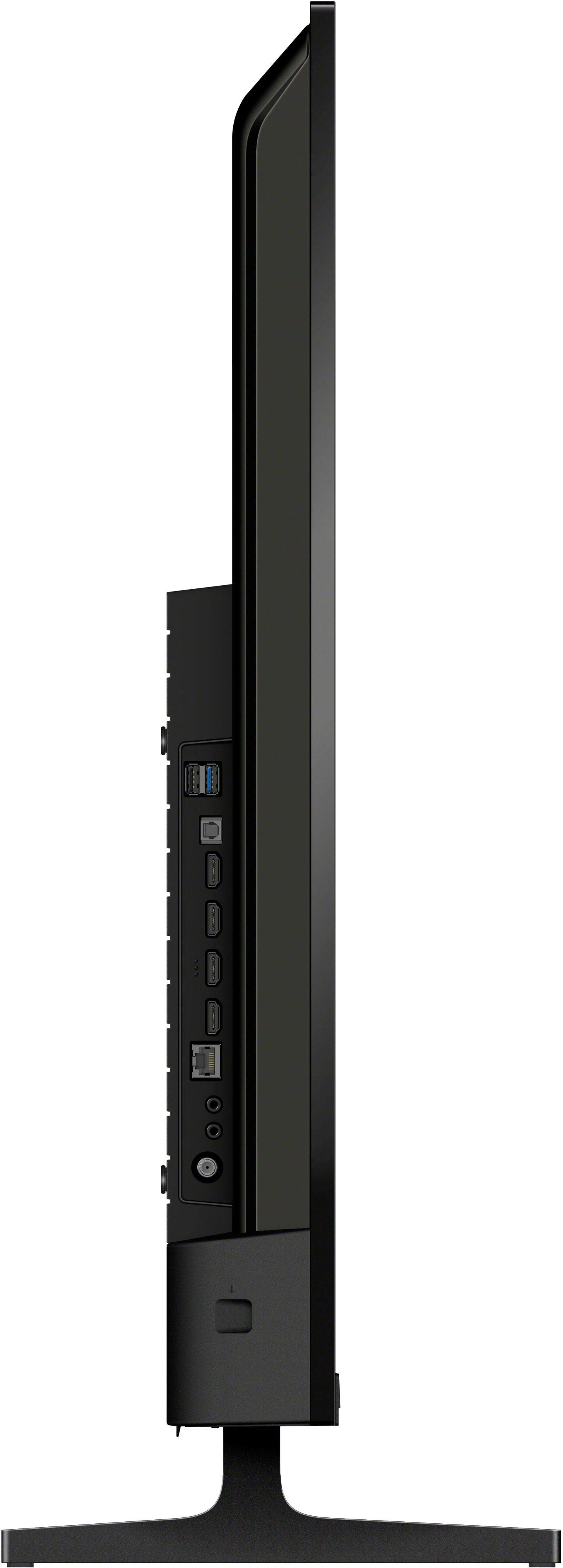
Both the Hisense QD7 Series and Sony BRAVIA 2 II offer 4 HDMI ports. However, the Hisense provides multiple HDMI 2.1 ports supporting 4K at 144Hz, while the Sony's HDMI 2.1 support is more limited, maxing out at 4K/60Hz. This makes the Hisense better for connecting multiple high-bandwidth gaming devices.
The Sony BRAVIA 2 II has superior build quality with better fit and finish, more solid construction, and premium materials. The Hisense QD7 Series offers good build quality for its price point and has improved significantly in recent years, but doesn't quite match Sony's construction standards and attention to detail.
Buy the Hisense QD7 Series at $469.99 if you're a gamer, want premium display technology at budget pricing, prefer Amazon's ecosystem, or have a bright room requiring high peak brightness. Choose the Sony BRAVIA 2 II at $649.99 if you prioritize brand reliability, prefer Google's ecosystem, want superior audio quality, or focus mainly on traditional TV and movie watching rather than gaming.
We've done our best to create useful and informative comparisons to help you decide what product to buy. Our research uses advanced automated methods to create this comparison and perfection is not possible - please contact us for corrections or questions. These are the sites we've researched in the creation of this article: bestbuy.com - custrevs.com - youtube.com - bestbuy.com - rtings.com - youtube.com - rtings.com - pcrichard.com - bestbuy.com - pcrichard.com - camelcamelcamel.com - amazonfiretv.blog - hisense-usa.com - hisense-usa.com - hisense-usa.com - bestbuy.com - leaseville.com - youtube.com - bestbuy.com - flatpanelshd.com - bestbuy.com - notebookcheck.net - rtings.com - youtube.com - youtube.com - rtings.com - avsforum.com - croma.com - totonstv.com - electronics.sony.com - listenup.com - pcrichard.com - youtube.com - flanners.com - brandsmartusa.com - displayspecifications.com - pioneertvandappliance.com - donstv.com

Privacy Policy
Terms and Conditions - Affiliate Policy
Home Security
© Copyright 2008-2026.
11816 Inwood Rd #1211, Dallas, TX 75244