

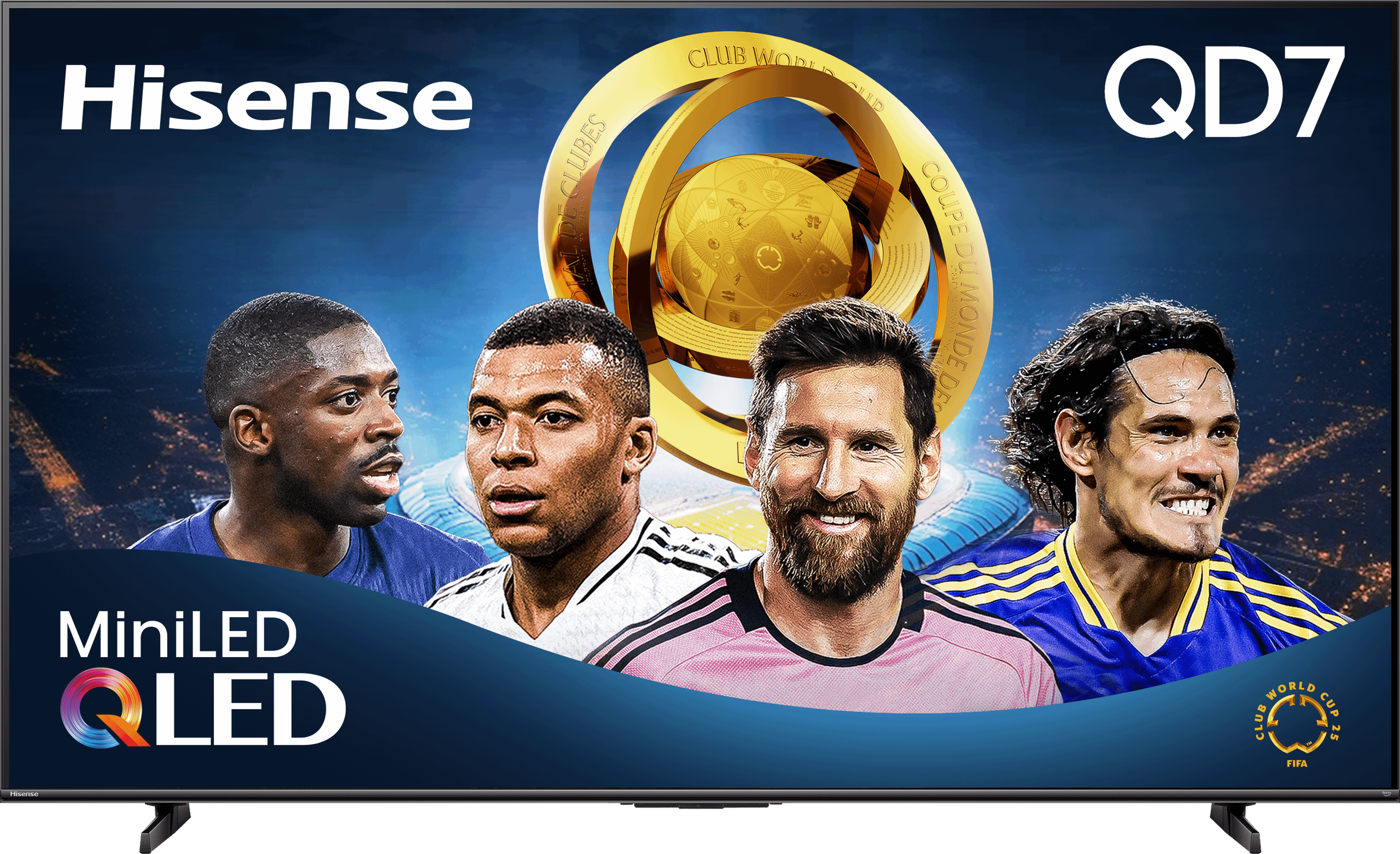
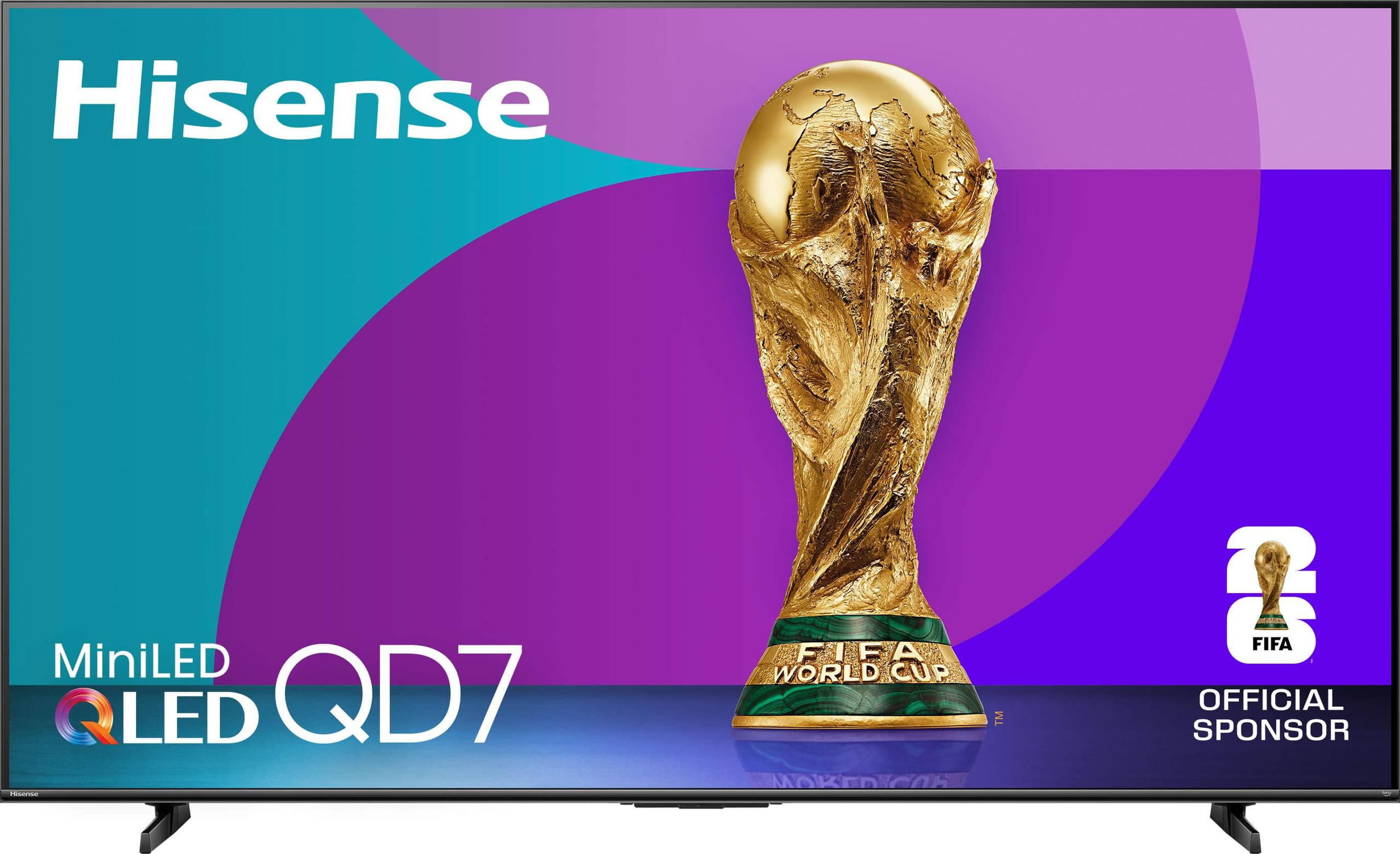
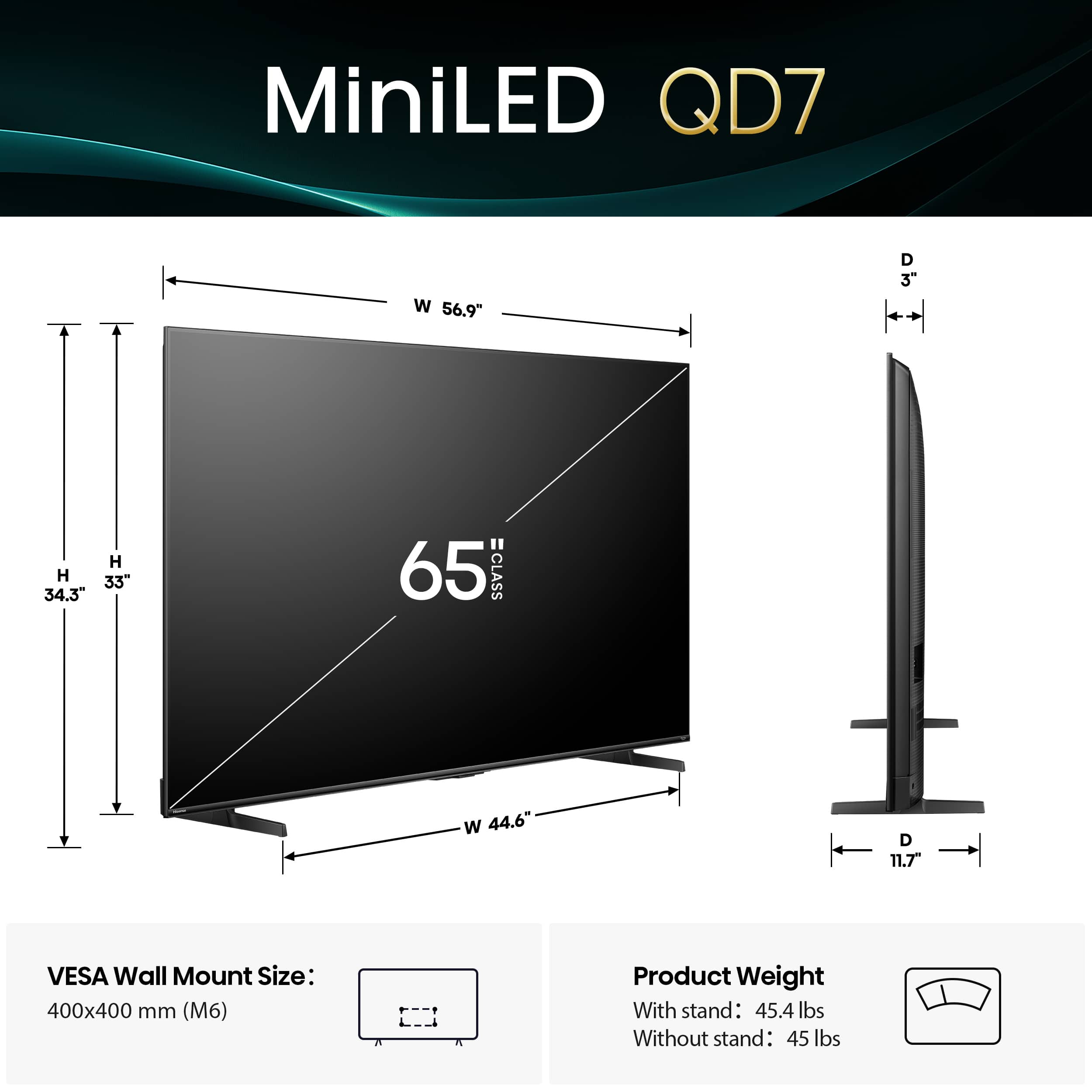
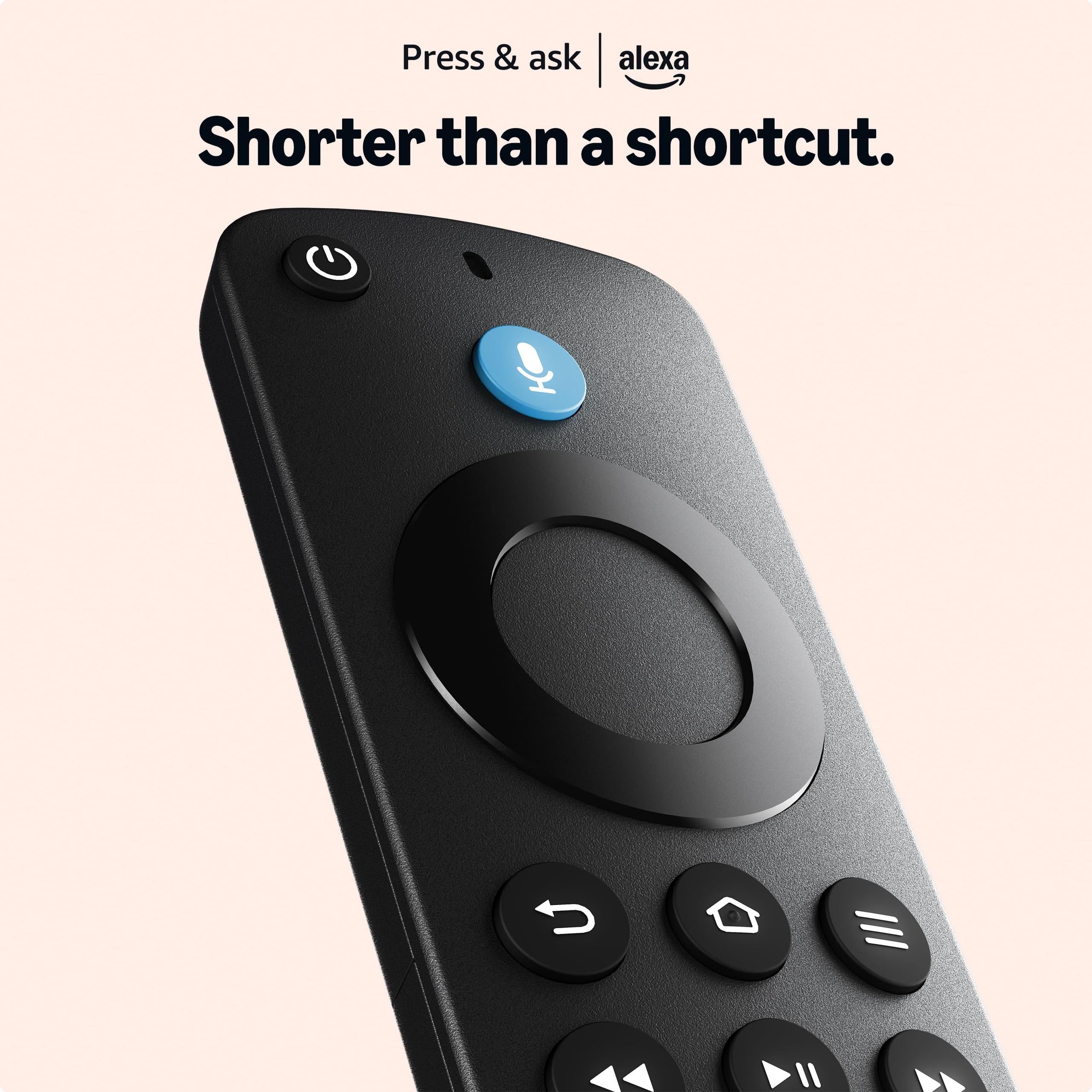
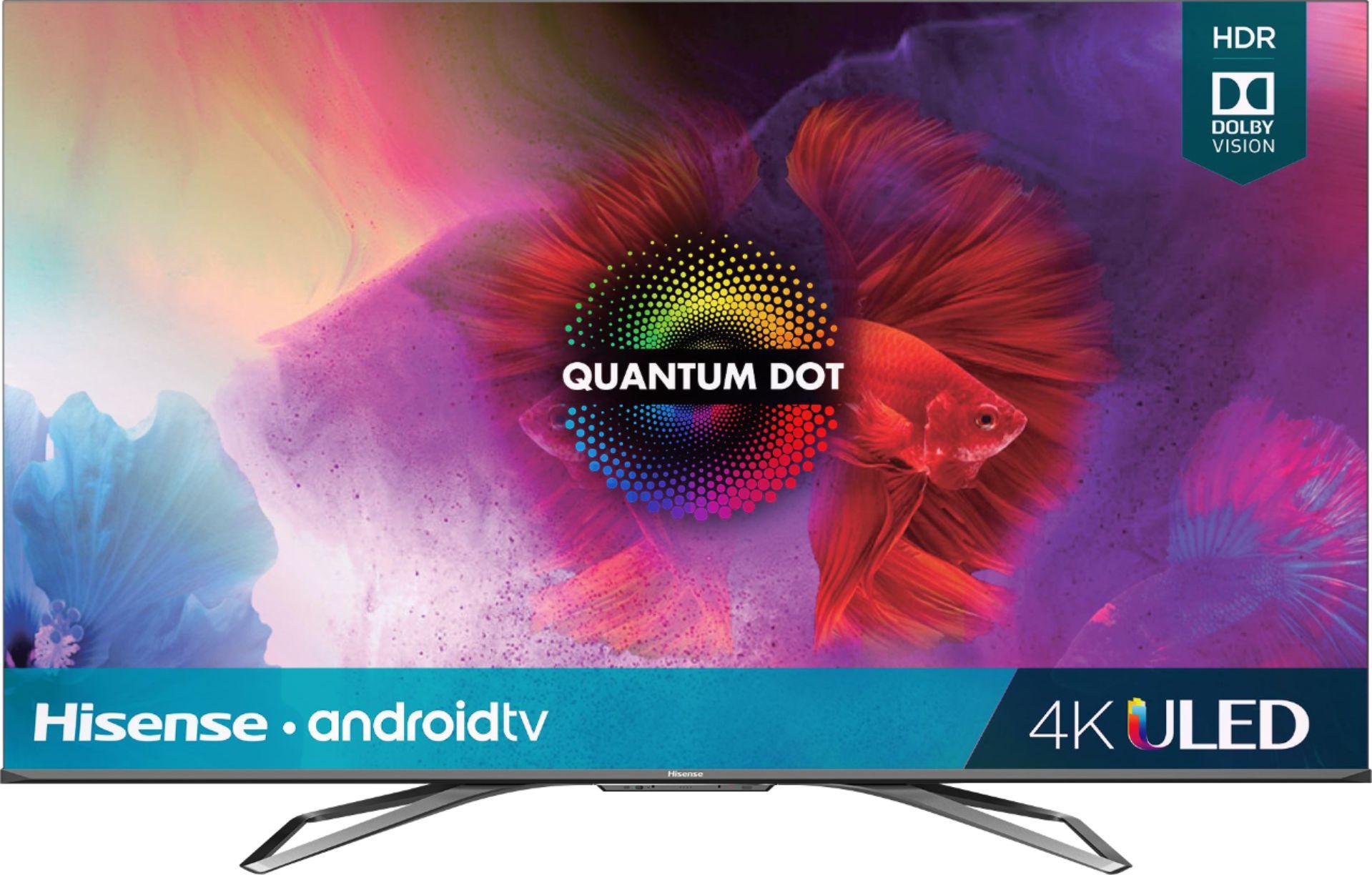
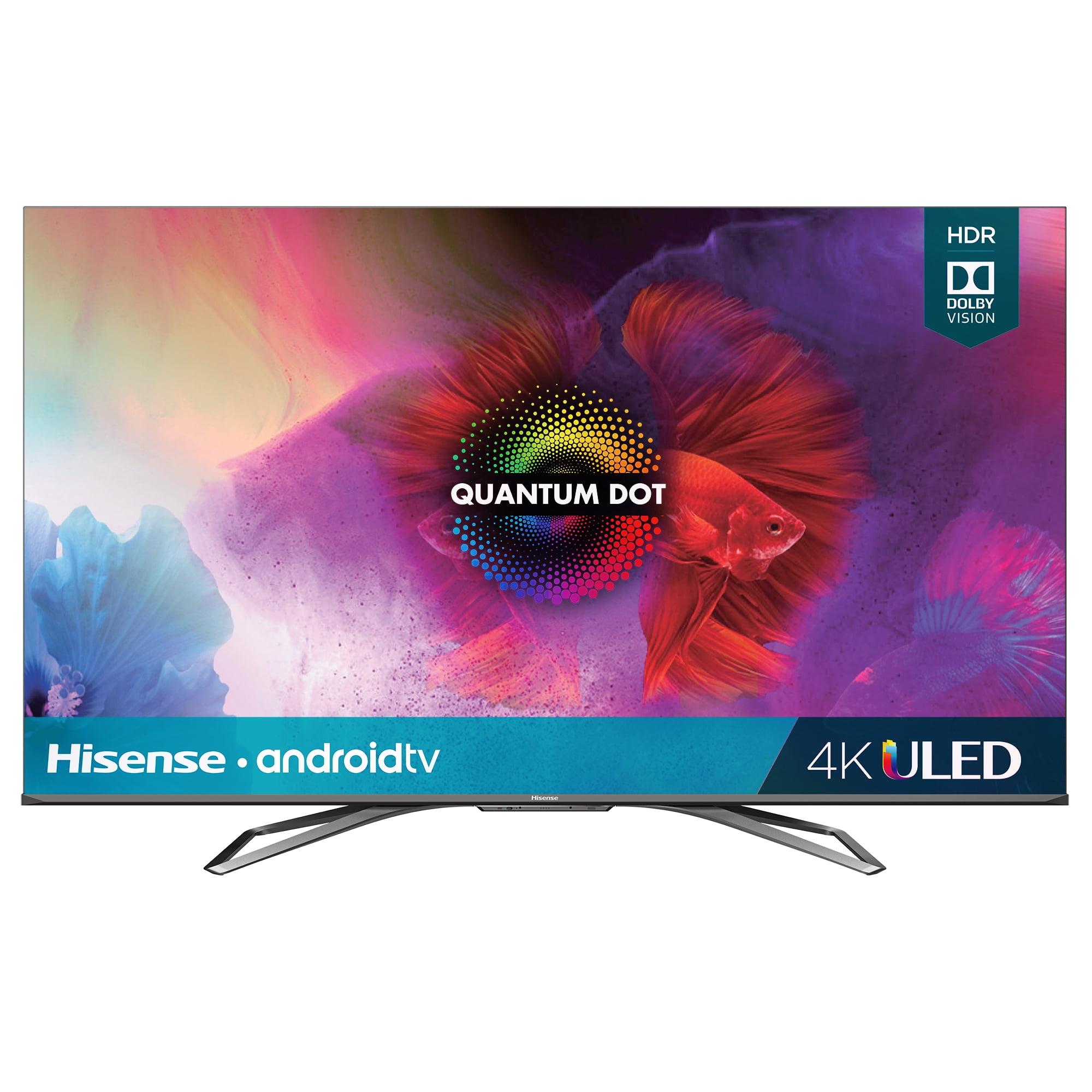
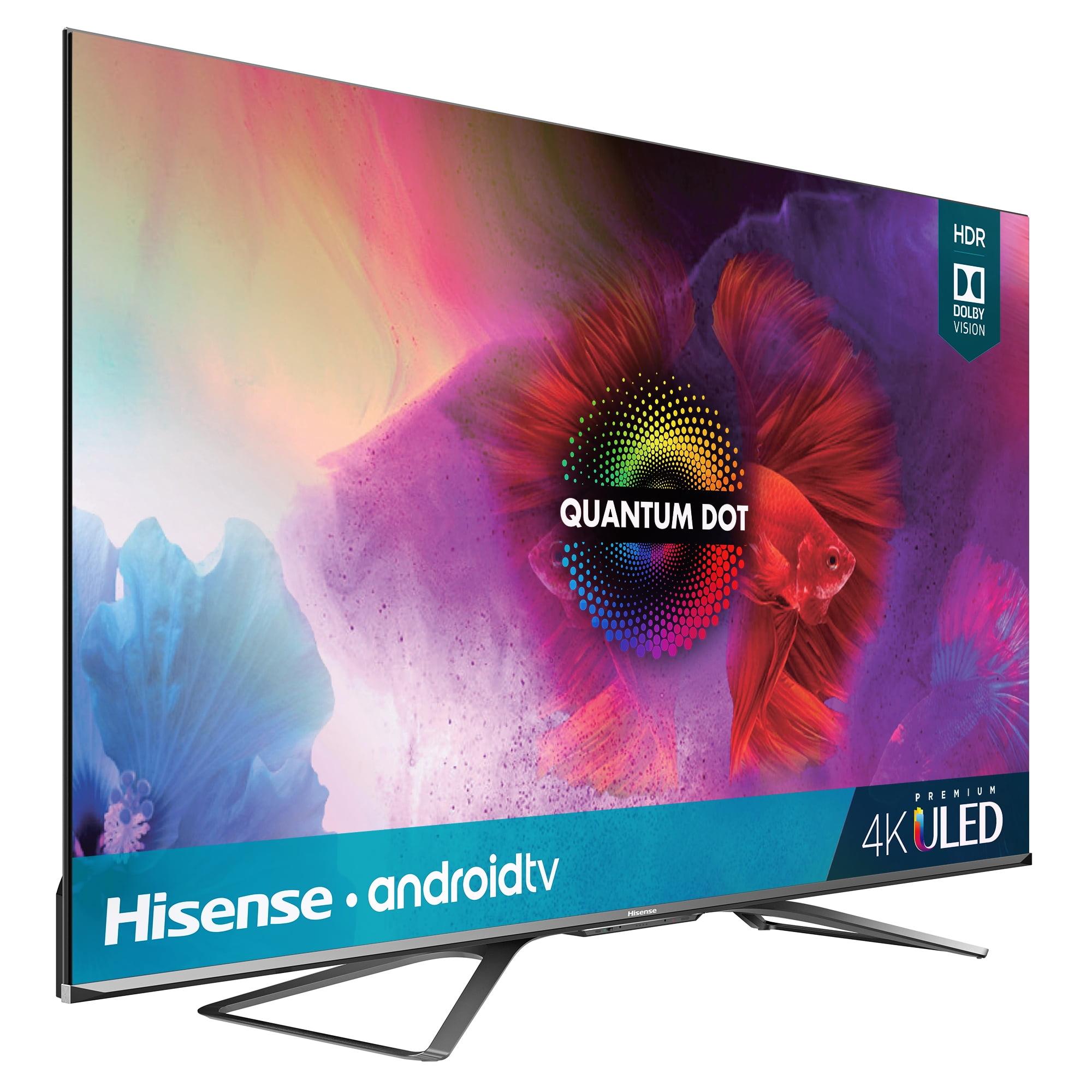

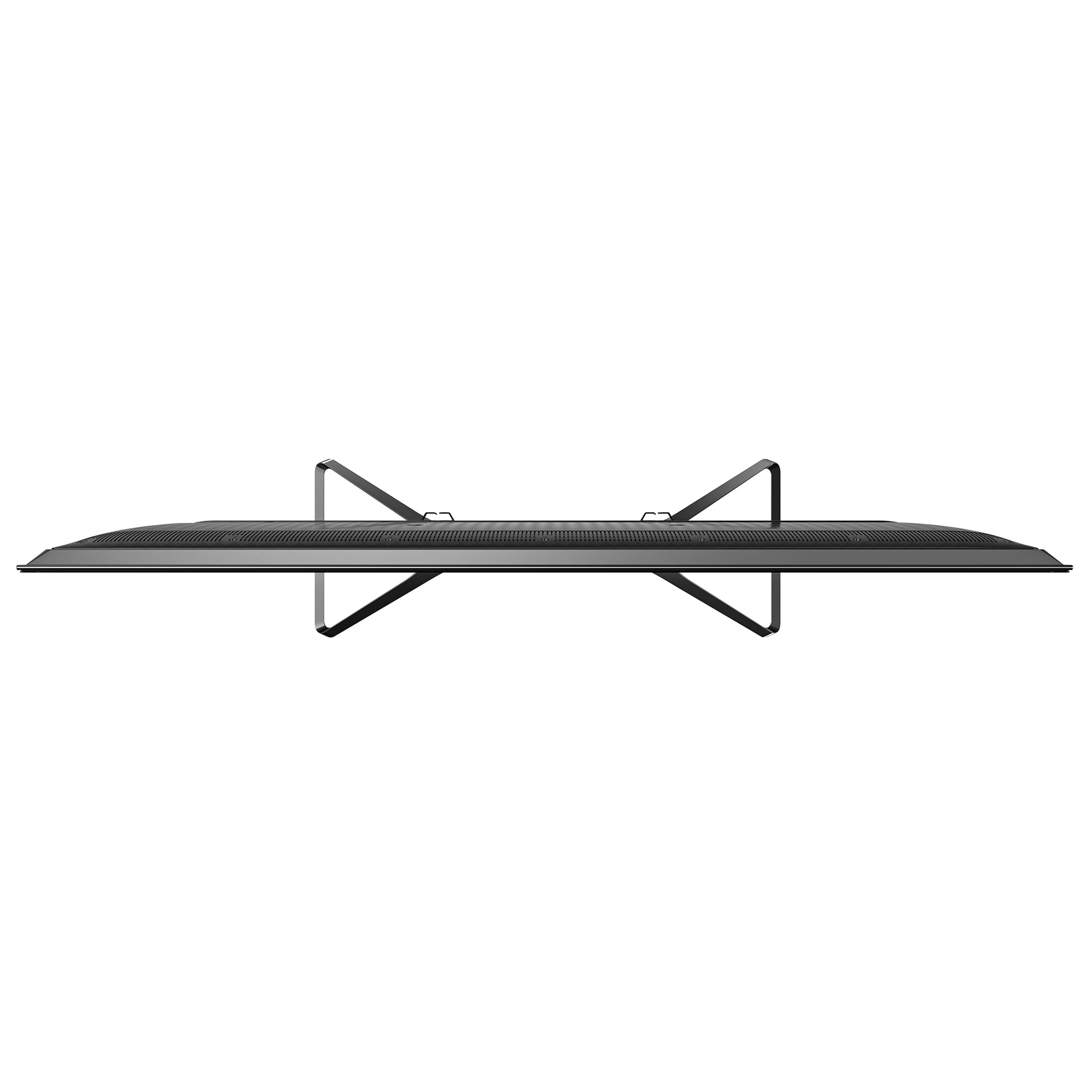
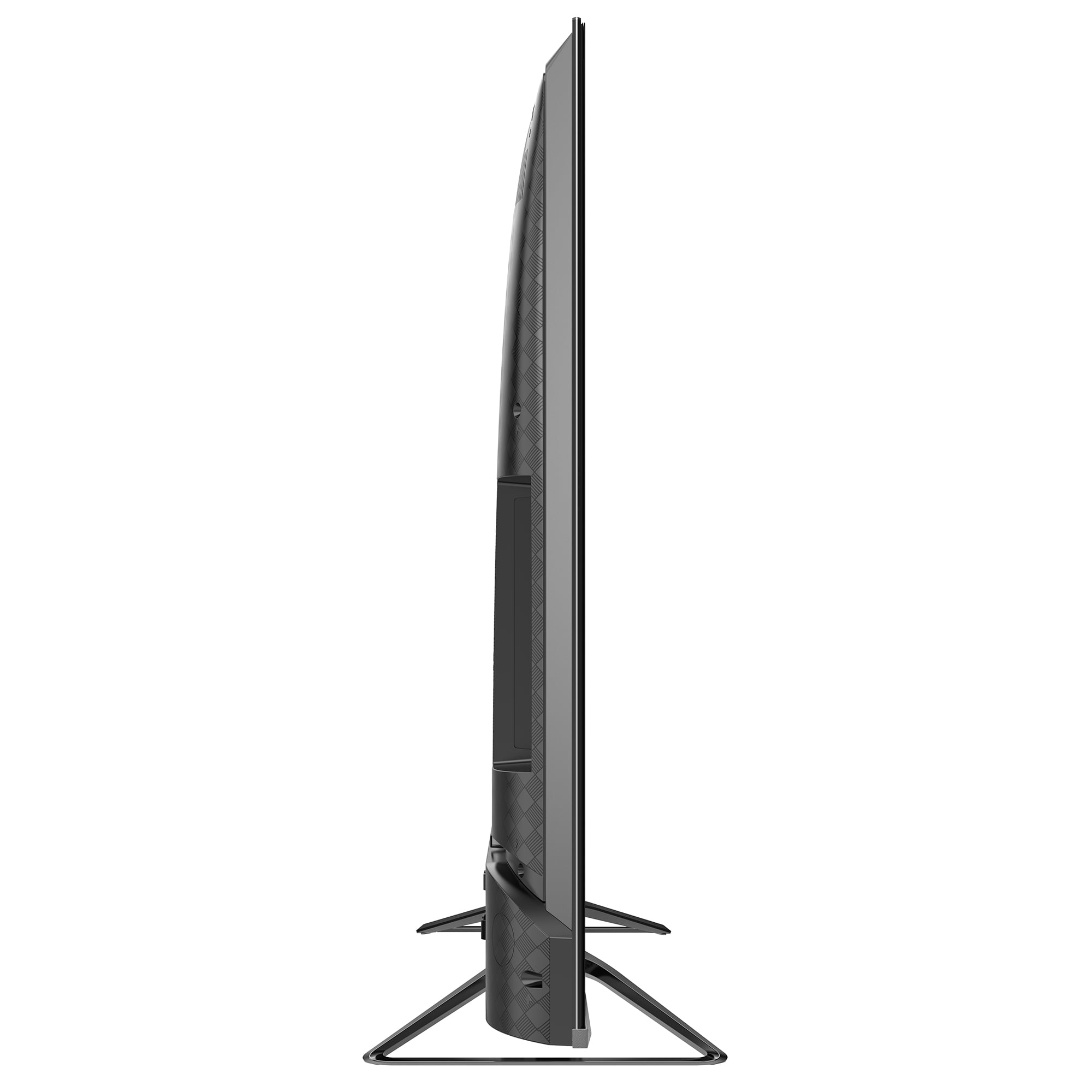
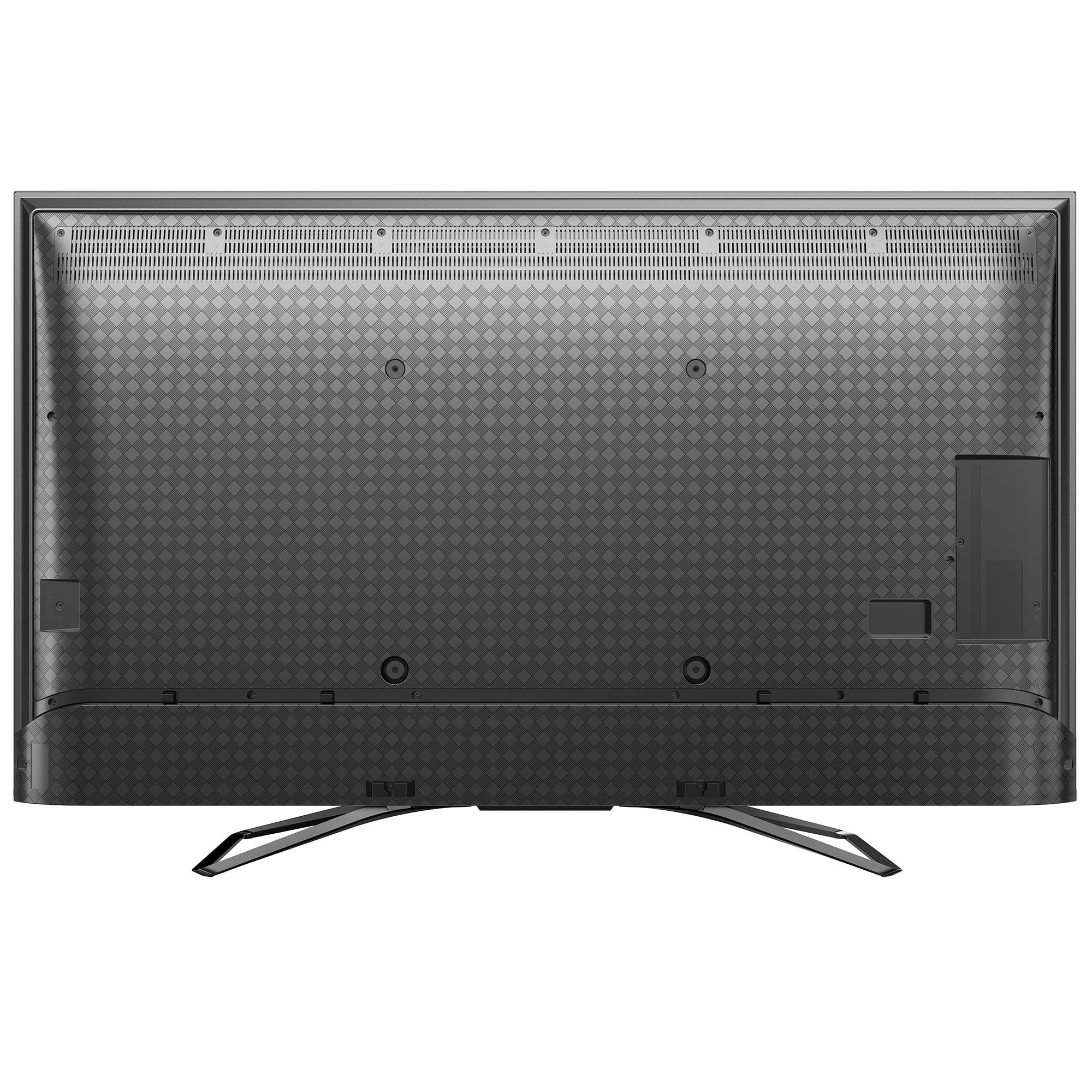
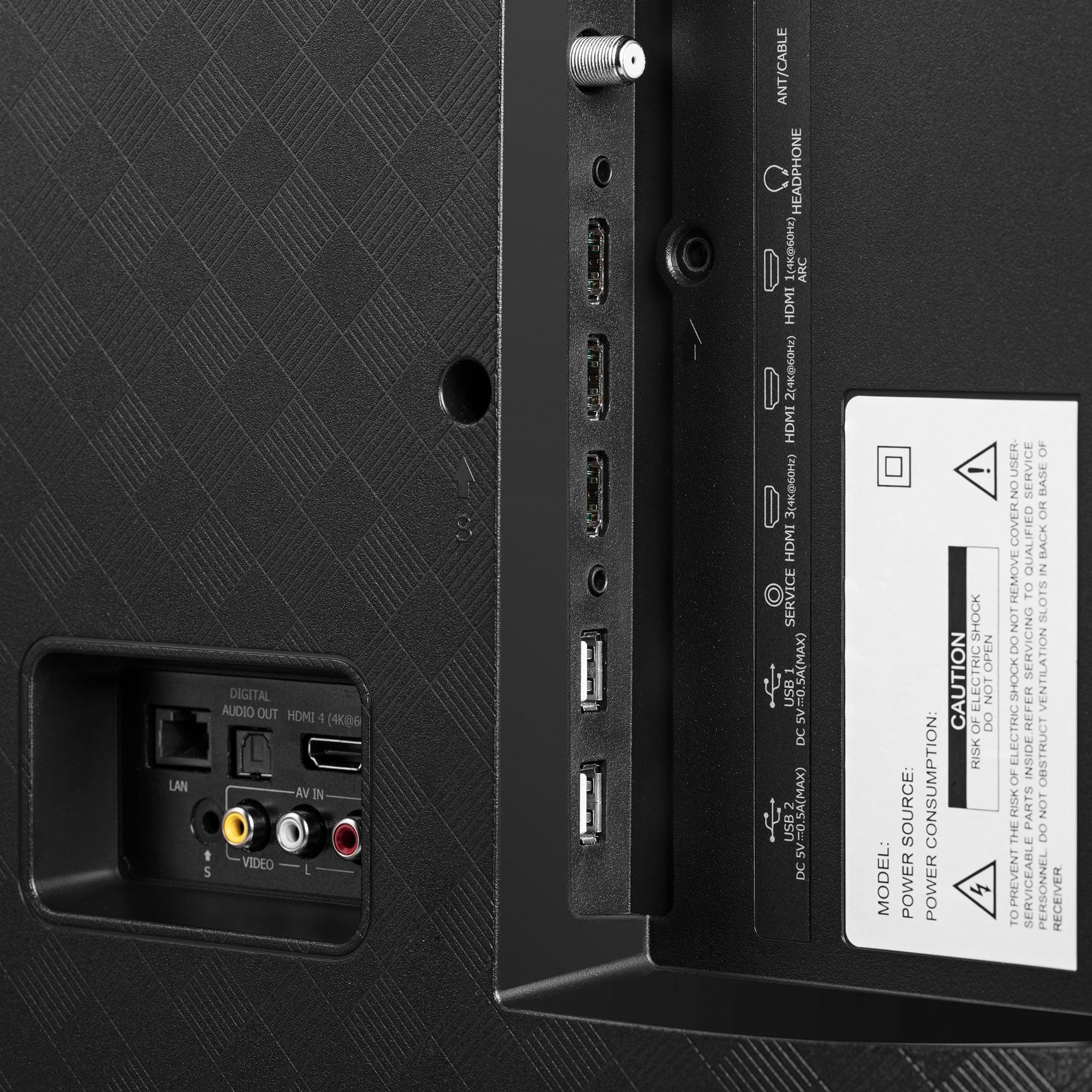
Shopping for a new 65-inch TV can feel overwhelming, especially when you're comparing models from the same brand that seem similar on paper. Today, we're diving deep into two Hisense TVs that represent different eras of TV technology: the newer Hisense 65" QD7 Series Mini-LED 4K Fire TV ($469.99) and the older Hisense 65" H9G Quantum Series 4K UHD Smart Android TV ($1,252.81).
This comparison is particularly interesting because it shows how TV technology has evolved over the past few years. The H9G was Hisense's flagship model when it launched in late 2020, while the QD7 represents their 2025 approach to bringing premium features to budget-conscious buyers. Let's break down everything you need to know to make the right choice.
Before we dive into specifics, it's worth understanding what makes a great 4K TV in 2025. The basics haven't changed much – you want sharp 4K resolution, good color reproduction, and decent sound. But the bar has been raised significantly in several key areas.
Modern TVs need to handle high dynamic range (HDR) content well. HDR is like having a much wider range of brightness levels, from the darkest shadows to the brightest highlights, making everything look more realistic. Gaming has become hugely important too, with features like variable refresh rate (VRR) – which syncs your TV's refresh rate with your gaming console to eliminate screen tearing – now considered essential by many buyers.
The smart TV platform matters more than ever since most people stream content rather than use cable boxes. And perhaps most importantly, there's been a democratization of premium technologies. Features that cost thousands of dollars just a few years ago are now available in much more affordable TVs.
The H9G Quantum Series launched in late 2020 as Hisense's premium offering, typically retailing for well over $1,000. It represented the company's best effort to compete with Samsung and LG's flagship models. The TV featured full-array local dimming (where LEDs behind the screen can be controlled in zones for better contrast), quantum dot technology for enhanced colors, and peak brightness levels that could reach an impressive 1,600 nits.
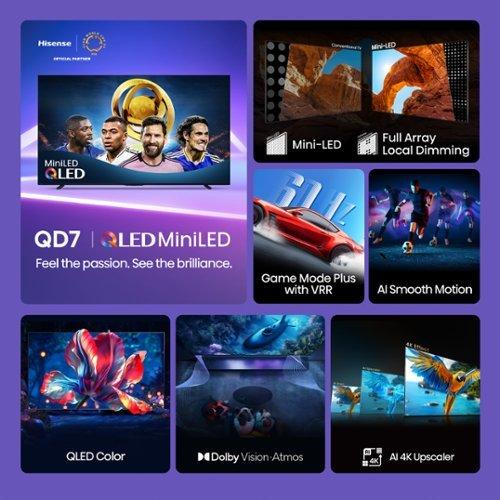
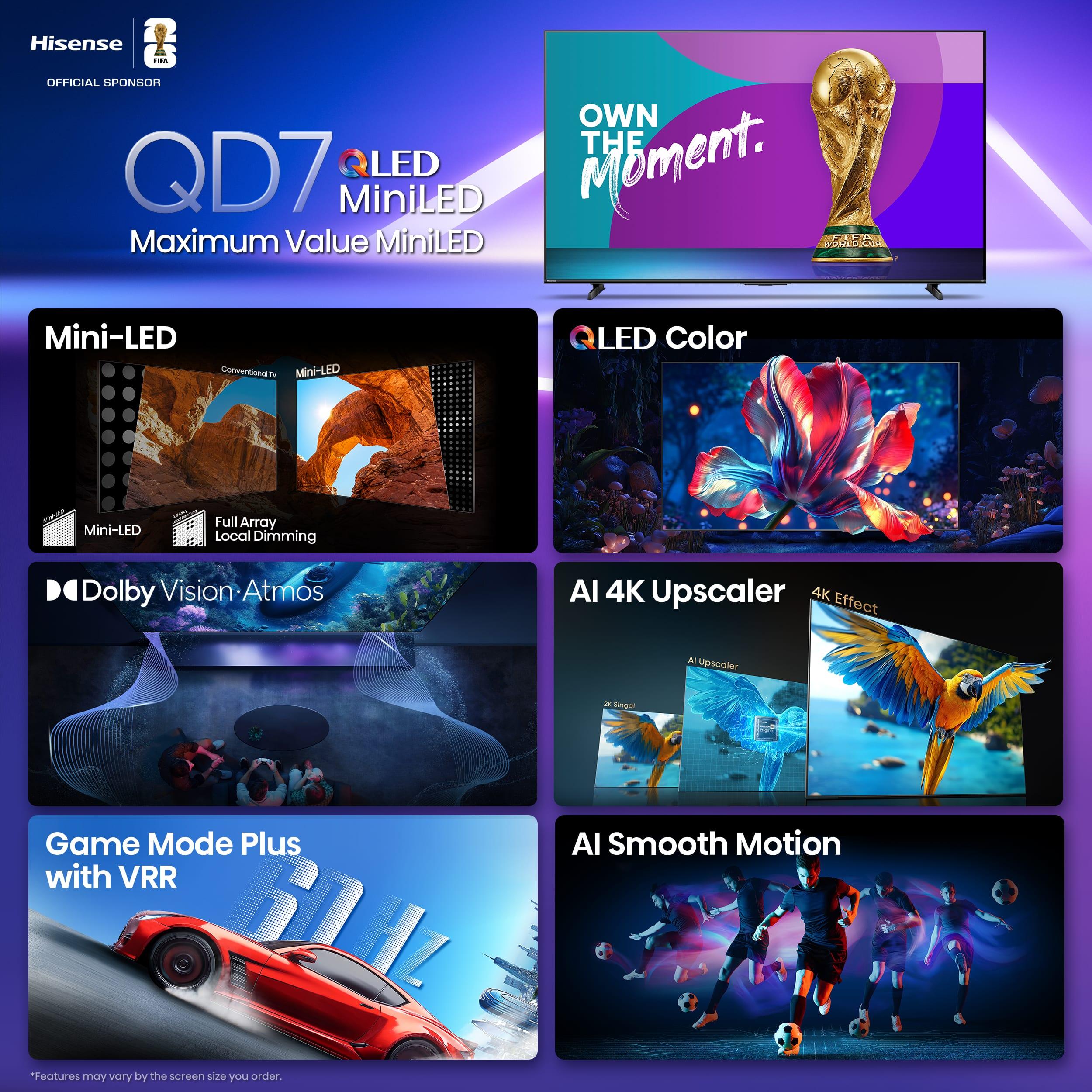
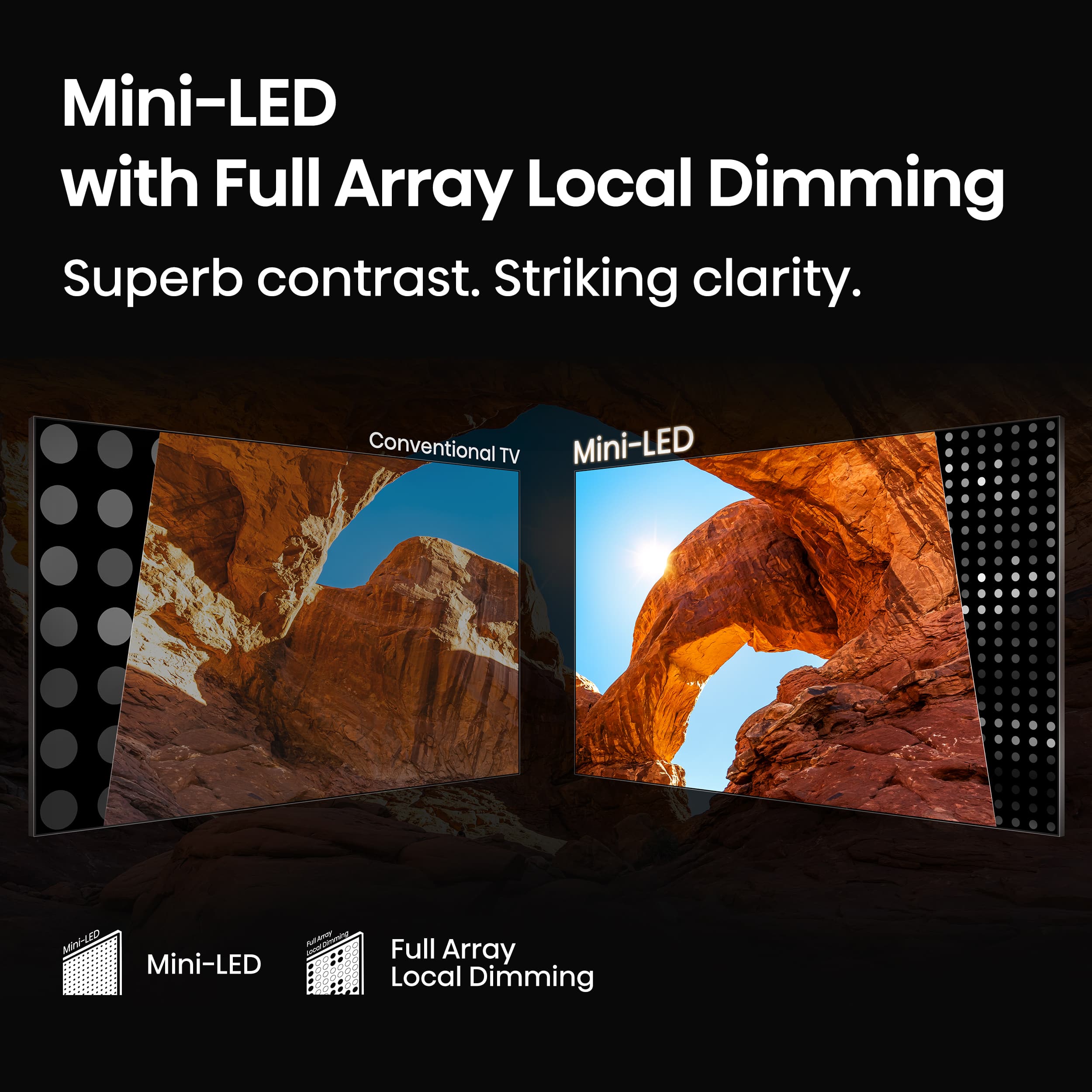
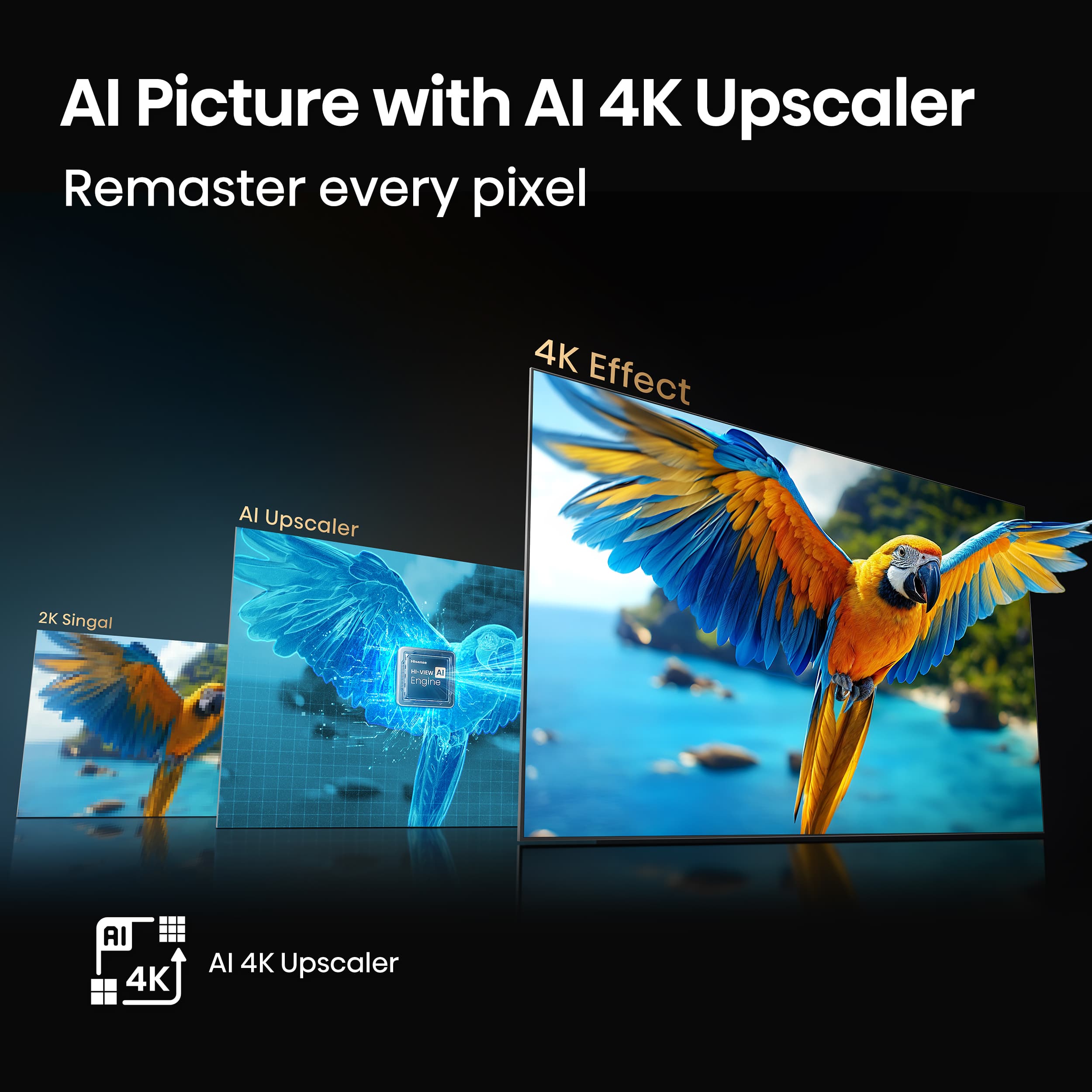
Fast forward to 2025, and the QD7 Series Mini-LED arrives with newer Mini-LED technology at less than half the price. Mini-LEDs are exactly what they sound like – much smaller LEDs that can be packed more densely behind the screen, theoretically offering better control over lighting and contrast. The QD7 also brings modern gaming features that the H9G lacks, including support for 144Hz refresh rates at 4K resolution.
This evolution reflects broader industry trends. TV manufacturers have become much more efficient at producing advanced displays, and competition has driven prices down significantly. What cost over $1,200 in 2020 now competes with a $470 TV that includes newer technology.
Contrast – the difference between the darkest and brightest parts of an image – is arguably the most important aspect of picture quality. It's what makes a campfire scene look realistic, with truly dark shadows and bright flames that seem to glow off the screen.
Here's where things get interesting, and frankly, a bit disappointing with the newer model. Despite the QD7's Mini-LED technology, which should theoretically provide better contrast, real-world testing shows it produces gray blacks rather than true blacks. When you're watching a movie with dark scenes, like a space thriller or horror film, those black bars above and below the picture will look more like dark gray, breaking the immersion.
The H9G, on the other hand, delivers exceptional contrast with deep, inky blacks. Its 180 local dimming zones work together effectively to create minimal blooming (that annoying halo effect around bright objects on dark backgrounds). I've found that this makes a huge difference when watching movies in a dark room – the H9G truly disappears, letting you focus entirely on the content.
This contrast difference is particularly noticeable during dark scenes in movies like "Dune" or "The Batman," where the atmosphere relies heavily on deep shadows contrasted with bright highlights. The H9G handles these scenes beautifully, while the QD7's gray blacks would constantly remind you that you're watching a TV screen.
Both TVs support HDR, but they handle it very differently. The H9G is exceptionally bright, capable of reaching up to 1,600 nits in HDR mode. To put this in perspective, that's bright enough to make HDR content like "Planet Earth" documentaries or Marvel movies really pop with realistic-looking sunlight and explosions.
The QD7 offers good brightness for standard content (SDR), making it excellent for daytime viewing in bright rooms. However, its HDR performance is merely "okay" – it doesn't get bright enough to really show off what HDR content can do. This means that while HDR movies will look better than standard definition, they won't have that "wow" factor you get from properly bright HDR displays.
If you've never experienced truly bright HDR, imagine the difference between looking at a photo on your phone versus seeing the same scene in real life. Proper HDR gets you much closer to that real-life experience, with highlights that actually look bright rather than just white.
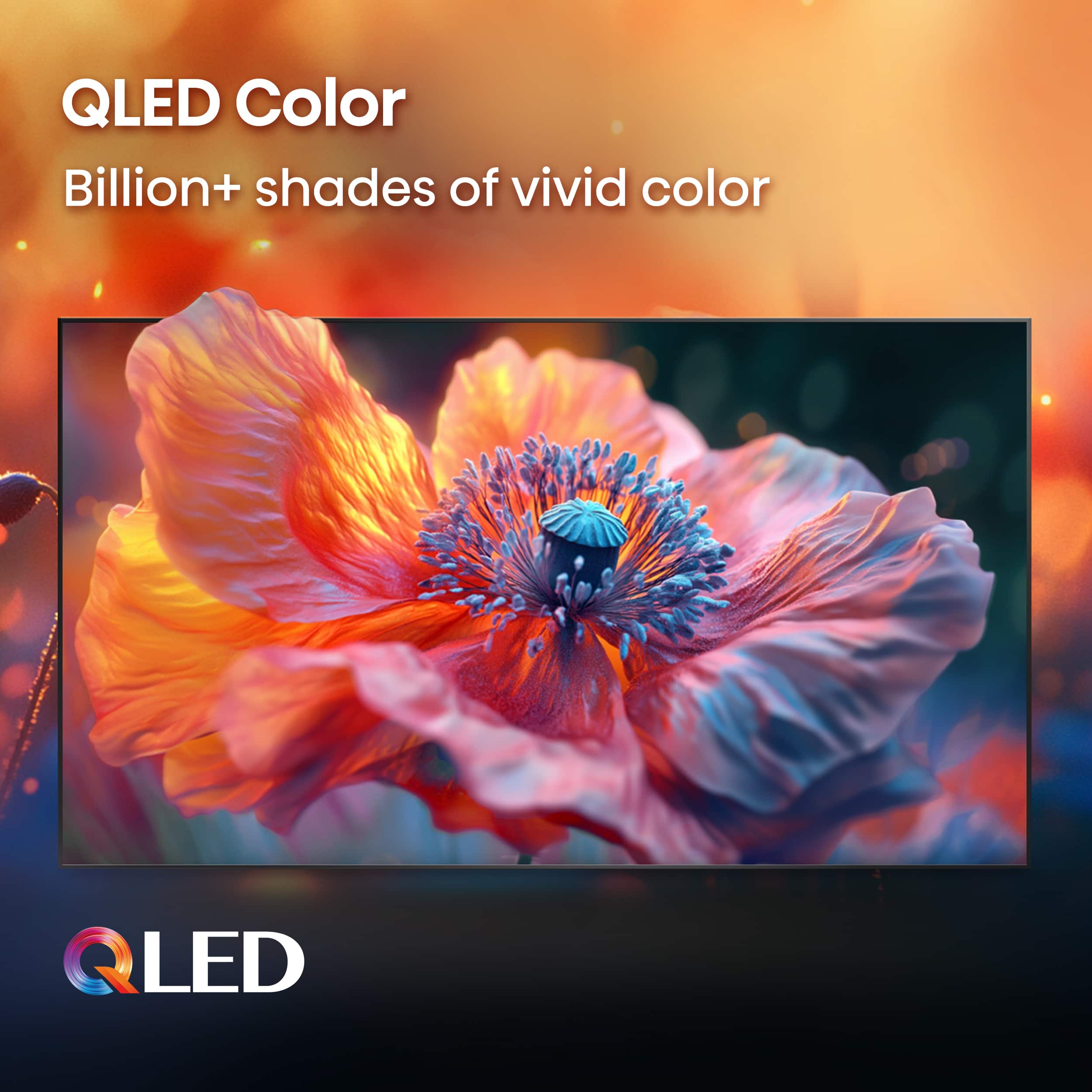
Both TVs use quantum dot technology, which involves microscopic particles that emit very pure colors when hit by light. This technology has become common in premium TVs because it allows for more accurate and vibrant color reproduction than traditional LCD displays.
The H9G excels here, producing excellent color accuracy with vibrant, bright colors across the entire spectrum. Colors look natural and engaging without being oversaturated. The QD7 struggles more with darker colors and doesn't display vibrant colors as brightly, which can make some content look a bit flat or washed out.
This color difference becomes apparent when watching nature documentaries or animated movies, where color accuracy and vibrancy are crucial for the viewing experience. The H9G makes tropical fish look genuinely brilliant, while the QD7 might make them look good but not spectacular.
Gaming has become a major consideration for TV buyers, even for those who don't consider themselves serious gamers. Modern gaming consoles like the PlayStation 5 and Xbox Series X can output 4K video at high refresh rates, but only if your TV can keep up.
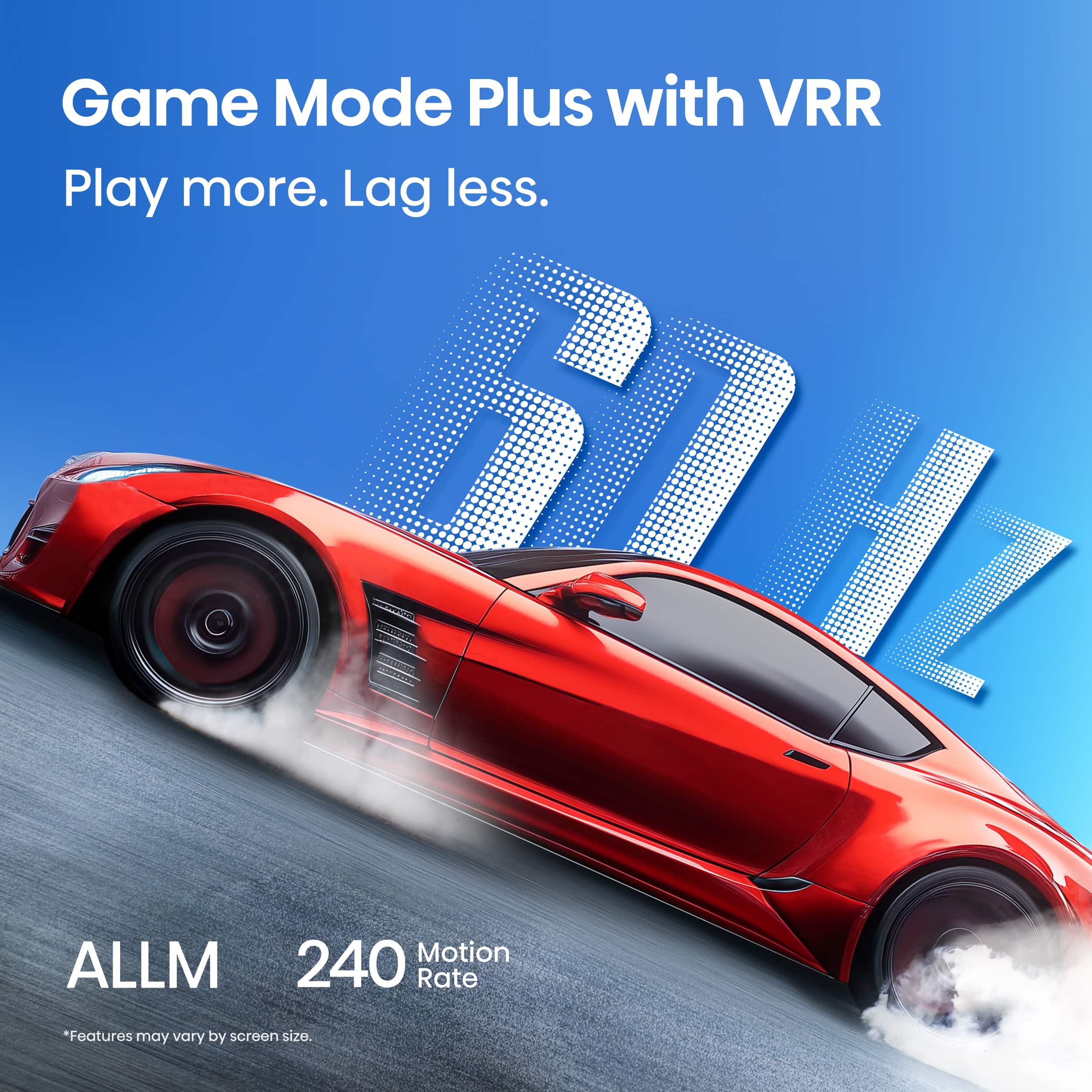
The QD7 Series shines in this area. It supports 4K gaming at 144Hz, which means games can run at up to 144 frames per second for incredibly smooth motion. It also supports VRR (variable refresh rate), which eliminates screen tearing by synchronizing the TV's refresh rate with the game's frame rate. The TV's low input lag means your controller inputs appear on screen almost instantly – crucial for competitive gaming.
Perhaps most importantly, the QD7 supports these features at both 4K and 1080p resolutions, and even offers 1080p gaming at 240Hz for esports enthusiasts who prioritize ultra-smooth motion over resolution.
The H9G, being from 2020, lacks these modern gaming features entirely. It doesn't support VRR, ALLM (auto low latency mode), or eARC (enhanced audio return channel). While it has decent response times and can handle gaming adequately, it won't take full advantage of modern gaming consoles' capabilities.
For someone building a gaming setup around a PS5 or Xbox Series X, the QD7 is the clear winner despite being much cheaper. For casual gamers who play older titles or single-player games, the H9G's limitations might not matter as much.
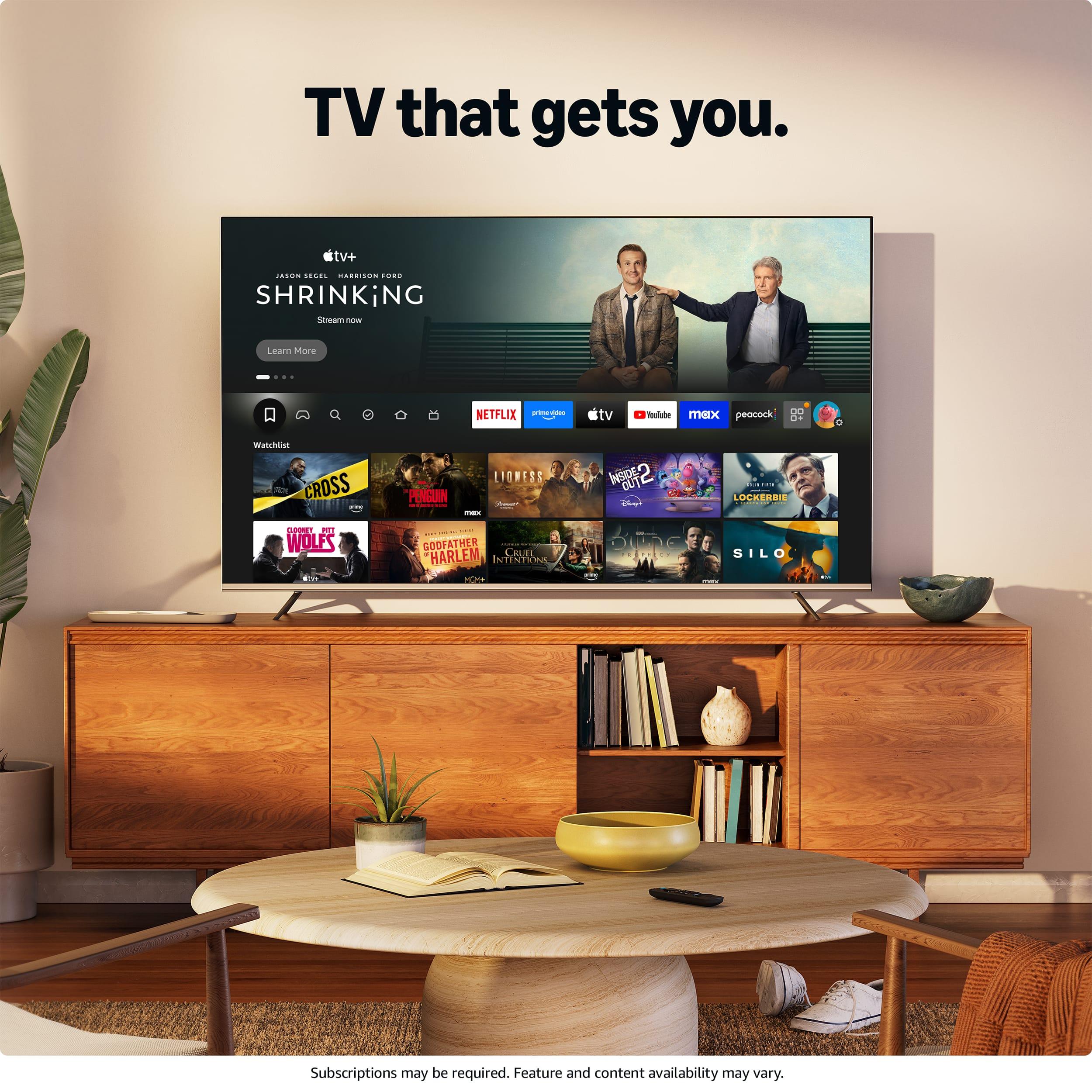
The smart TV platform is something you'll interact with every single day, so it's worth considering carefully. The QD7 runs Fire TV, Amazon's streaming platform, while the H9G uses Android TV (now called Google TV).
Fire TV has become quite polished over the years. It's fast, responsive, and integrates well with Amazon's ecosystem. If you're already using Amazon Prime, have Alexa devices, or shop frequently on Amazon, Fire TV feels natural. The interface is clean and finding content is straightforward.
Android TV on the H9G can feel slower and more prone to bugs, particularly on older hardware. However, it offers excellent integration with Google services and has access to the full Google Play Store for apps. If you're heavily invested in Google's ecosystem, Android TV might feel more familiar.
In my experience, the platform choice often comes down to personal preference and existing ecosystem investments. Both platforms support all major streaming services, so you're not missing out on content either way.
Here's where this comparison gets really interesting from a value perspective. The H9G currently costs $1,252.81 – more than 2.5 times the $469.99 price of the QD7. That's a significant price difference that needs to be justified by performance.
For many buyers, the QD7 represents exceptional value. You're getting Mini-LED technology, modern gaming features, and a responsive smart platform at a price that was unthinkable for these features just a few years ago. If you're primarily gaming, watch content in bright rooms, or are budget-conscious, the QD7 delivers impressive performance per dollar.
The H9G's higher price is harder to justify for most buyers, but it's not without merit. If picture quality is your absolute top priority – particularly contrast and HDR brightness – the H9G delivers a noticeably better experience. For dedicated home theater enthusiasts who watch movies in dark rooms, the superior contrast and brightness might be worth the premium.
Your room's lighting conditions should heavily influence your decision. The QD7 excels in bright rooms with its strong SDR brightness and good reflection handling. If your TV is in a family room with lots of windows or ambient lighting, the QD7 will maintain good visibility and color accuracy throughout the day.
The H9G is better suited for darker environments where its superior contrast can shine. In a dedicated home theater room with controlled lighting, the H9G's deep blacks and bright highlights create a more immersive viewing experience.
I've found that room lighting is often overlooked when buying TVs, but it makes a huge difference in daily satisfaction. A TV that looks great in a dark showroom might look washed out in your bright living room, while a TV optimized for bright rooms might not deliver the cinematic experience you want for movie nights.
If you're setting up a dedicated home theater, the H9G has several advantages despite its age. The superior contrast ratio creates that "floating in space" effect that makes the TV seem to disappear during movies. The exceptional HDR brightness brings out details in both shadows and highlights that lesser TVs simply can't display.
However, the QD7 isn't without merit in home theater applications. Its gaming capabilities mean it can double as an entertainment center for both movies and games. The Fire TV platform also tends to be more responsive than the H9G's Android TV, which can be frustrating when you're trying to quickly switch between apps during a movie night.
For a true home theater purist who prioritizes picture quality above all else, the H9G remains the better choice despite its higher price. But for a multipurpose entertainment room that needs to handle everything from Netflix to gaming, the QD7 offers better overall versatility.
Choose the QD7 Series Mini-LED ($469.99) if:
Choose the H9G Quantum Series ($1,252.81) if:
For most buyers in 2025, the QD7 represents better value and more practical features. The TV market has evolved to the point where you can get excellent performance without spending flagship prices. The H9G remains relevant for serious home theater enthusiasts who prioritize picture quality above all else, but it's becoming harder to justify its premium price for general use.
The QD7's combination of modern gaming features, competitive picture quality, and exceptional value makes it the smarter choice for most households. However, if you're building a dedicated home theater and want the absolute best picture quality regardless of price, the H9G's superior contrast and HDR performance might be worth the investment.
Ultimately, both TVs represent solid choices within their respective market segments. The decision comes down to your specific needs, budget, and how you plan to use your TV. In the rapidly evolving world of television technology, sometimes the newer, more affordable option really is the better choice.
| Hisense 65" QD7 Series Mini-LED 4K Fire TV 2025 | Hisense 65" H9G Quantum Series 4K UHD Smart Android TV |
|---|---|
| Price - Major factor in value equation | |
| $469.99 | $1,252.81 |
| Release Date - Affects feature availability and future support | |
| 2025 (current generation) | Late 2020 (4+ years old) |
| Backlight Technology - Controls contrast and brightness uniformity | |
| Mini-LED with Full Array Local Dimming | Full Array Local Dimming (standard LED) |
| Contrast Performance - Most important for dark room viewing | |
| Poor (blacks appear gray) | Excellent (deep blacks, minimal blooming) |
| Peak Brightness - Critical for HDR content impact | |
| Good SDR, okay HDR performance | Up to 1,600 nits HDR (exceptional) |
| Gaming Refresh Rate - Essential for modern console gaming | |
| 4K @ 144Hz, 1080p @ 240Hz | 120Hz (no VRR support) |
| Gaming Features - Future-proofing for PS5/Xbox Series X | |
| VRR, ALLM, Game Mode Plus, low input lag | Lacks VRR, ALLM, eARC |
| HDR Support - Determines premium content quality | |
| Dolby Vision, HDR10 | Dolby Vision, HDR10, HDR10+, HLG |
| Smart Platform - Daily user interface experience | |
| Fire TV (responsive, Amazon ecosystem) | Android TV (Google ecosystem, can be slower) |
| Voice Control - Hands-free operation | |
| Built-in Alexa | Google Assistant with hands-free microphones |
| Best Room Environment - Where each TV performs optimally | |
| Bright rooms (excellent reflection handling) | Dark rooms (superior contrast) |
| Target User - Who benefits most from each model | |
| Gamers, budget-conscious buyers, bright room viewing | Movie enthusiasts, dark room setups, picture quality priority |
| Value Proposition - Cost vs. performance analysis | |
| Exceptional value with modern features at budget price | Premium picture quality at flagship pricing |
The Hisense 65" QD7 Series Mini-LED 4K Fire TV 2025 ($469.99) is significantly better for gaming. It supports 4K gaming at 144Hz, includes VRR (variable refresh rate), ALLM (auto low latency mode), and has low input lag. The Hisense 65" H9G Quantum Series 4K UHD Smart Android TV ($1,252.81) lacks these modern gaming features entirely, making it less suitable for PS5 and Xbox Series X gaming.
The QD7 Series costs $469.99 while the H9G Quantum Series costs $1,252.81, making the H9G more than 2.5 times more expensive. This significant price difference means you need to carefully consider whether the H9G's superior picture quality justifies paying over $780 more.
The H9G Quantum Series has much better picture quality in dark rooms due to its excellent contrast ratio and deep black levels. The QD7 Series Mini-LED produces gray blacks instead of true blacks, which is noticeable during dark scenes in movies and significantly impacts the viewing experience in low-light conditions.
The QD7 Series Mini-LED is better for bright room viewing with good SDR brightness and excellent reflection handling. While the H9G can get extremely bright in HDR mode (up to 1,600 nits), the QD7 is more optimized for daytime use in rooms with lots of ambient light.
The QD7 Series uses Fire TV, which offers responsive performance and integrates well with Amazon's ecosystem. The H9G uses Android TV, which provides Google ecosystem integration but can be slower and more prone to bugs, especially on older hardware.
For a dedicated home theater with controlled lighting, the H9G Quantum Series is better due to its superior contrast ratio, deep blacks, and exceptional HDR brightness up to 1,600 nits. However, the QD7 Series Mini-LED offers better versatility if your home theater also needs to handle gaming and bright room viewing.
The QD7 Series Mini-LED ($469.99) offers exceptional value, providing Mini-LED technology, modern gaming features, and good performance at less than half the price of the H9G ($1,252.81). Unless picture quality is your absolute top priority, the QD7 delivers better performance per dollar.
The QD7 Series Mini-LED was released in 2025, making it a current-generation model with modern features. The H9G Quantum Series was released in late 2020, making it over 4 years old, which explains why it lacks modern gaming features like VRR and HDMI 2.1.
The H9G Quantum Series has better color accuracy with excellent color reproduction, vibrant colors, and natural-looking tones. The QD7 Series Mini-LED struggles more with darker colors and doesn't display vibrant colors as brightly, which can make some content appear less engaging.
The QD7 Series Mini-LED supports 4K gaming at 144Hz and 1080p gaming at 240Hz, making it excellent for modern gaming consoles. The H9G Quantum Series is limited to 120Hz without VRR support, which means it can't take full advantage of PS5 and Xbox Series X capabilities.
If you primarily watch movies in a dark room and picture quality is your top priority, choose the H9G Quantum Series ($1,252.81) for its superior contrast and deep blacks. However, if you also game or need versatility for different lighting conditions, the QD7 Series Mini-LED ($469.99) offers better overall value despite its contrast limitations.
We've done our best to create useful and informative comparisons to help you decide what product to buy. Our research uses advanced automated methods to create this comparison and perfection is not possible - please contact us for corrections or questions. These are the sites we've researched in the creation of this article: bestbuy.com - custrevs.com - youtube.com - bestbuy.com - rtings.com - youtube.com - rtings.com - pcrichard.com - bestbuy.com - pcrichard.com - camelcamelcamel.com - amazonfiretv.blog - hisense-usa.com - hisense-usa.com - hisense-usa.com - bestbuy.com - leaseville.com - youtube.com - bestbuy.com - flatpanelshd.com - rtings.com - bestbuy.com - techradar.com - youtube.com - digitaltrends.com - assets.hisense-usa.com - bestbuy.com - youtube.com - bestbuy.com

Privacy Policy
Terms and Conditions - Affiliate Policy
Home Security
© Copyright 2008-2026.
11816 Inwood Rd #1211, Dallas, TX 75244