

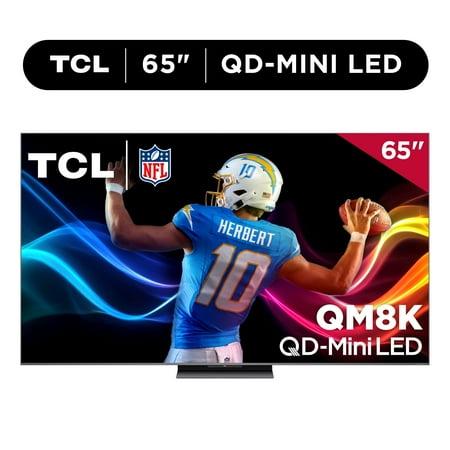
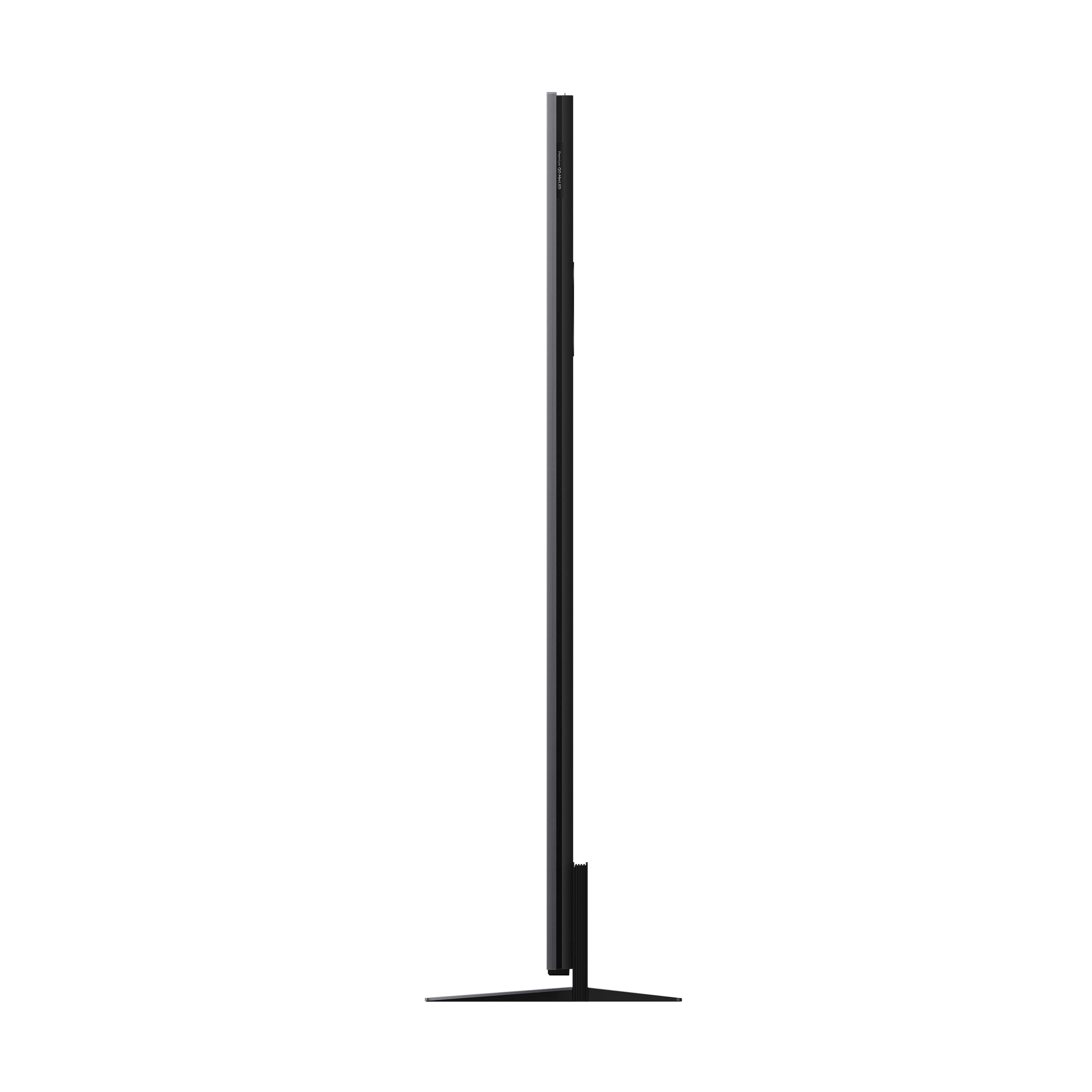
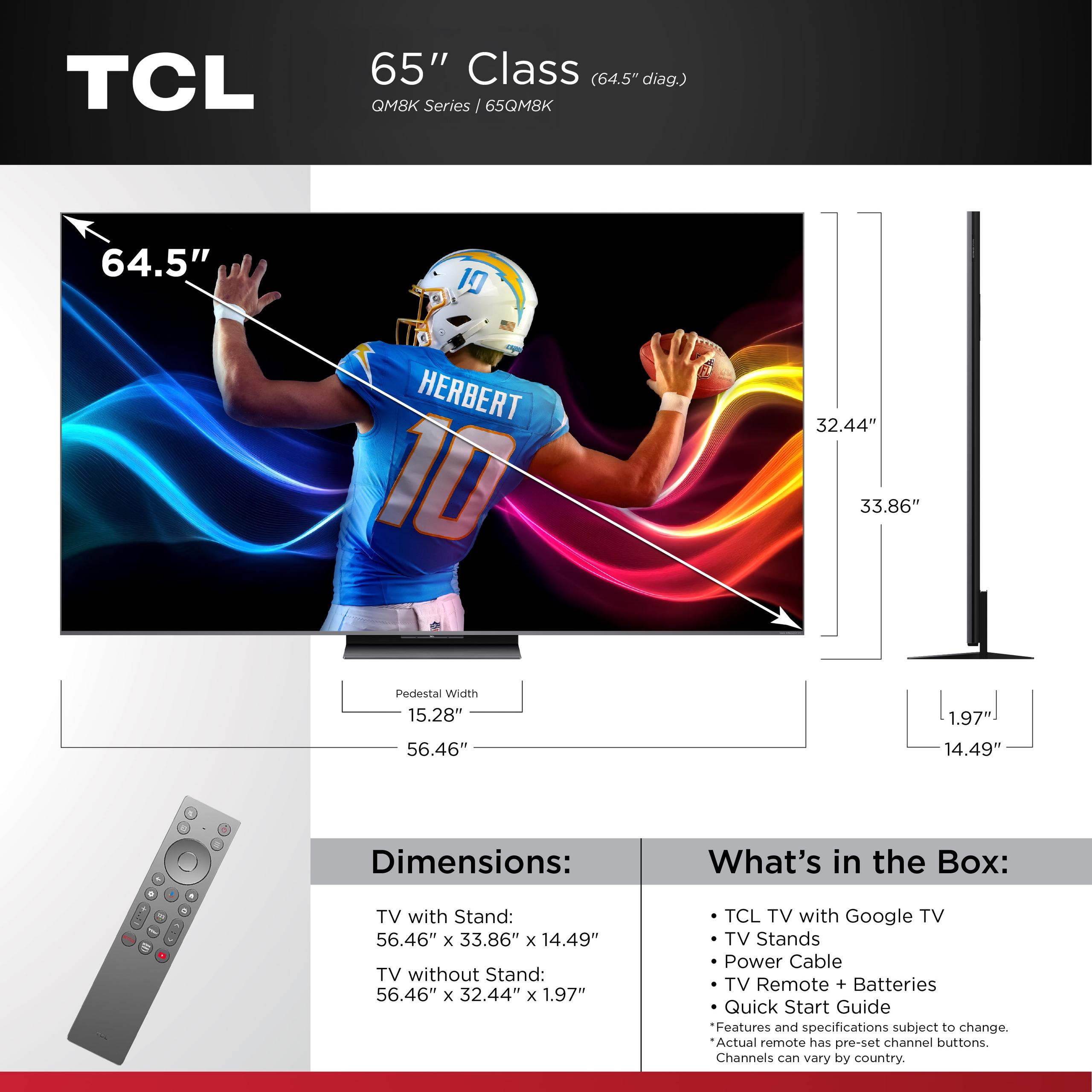


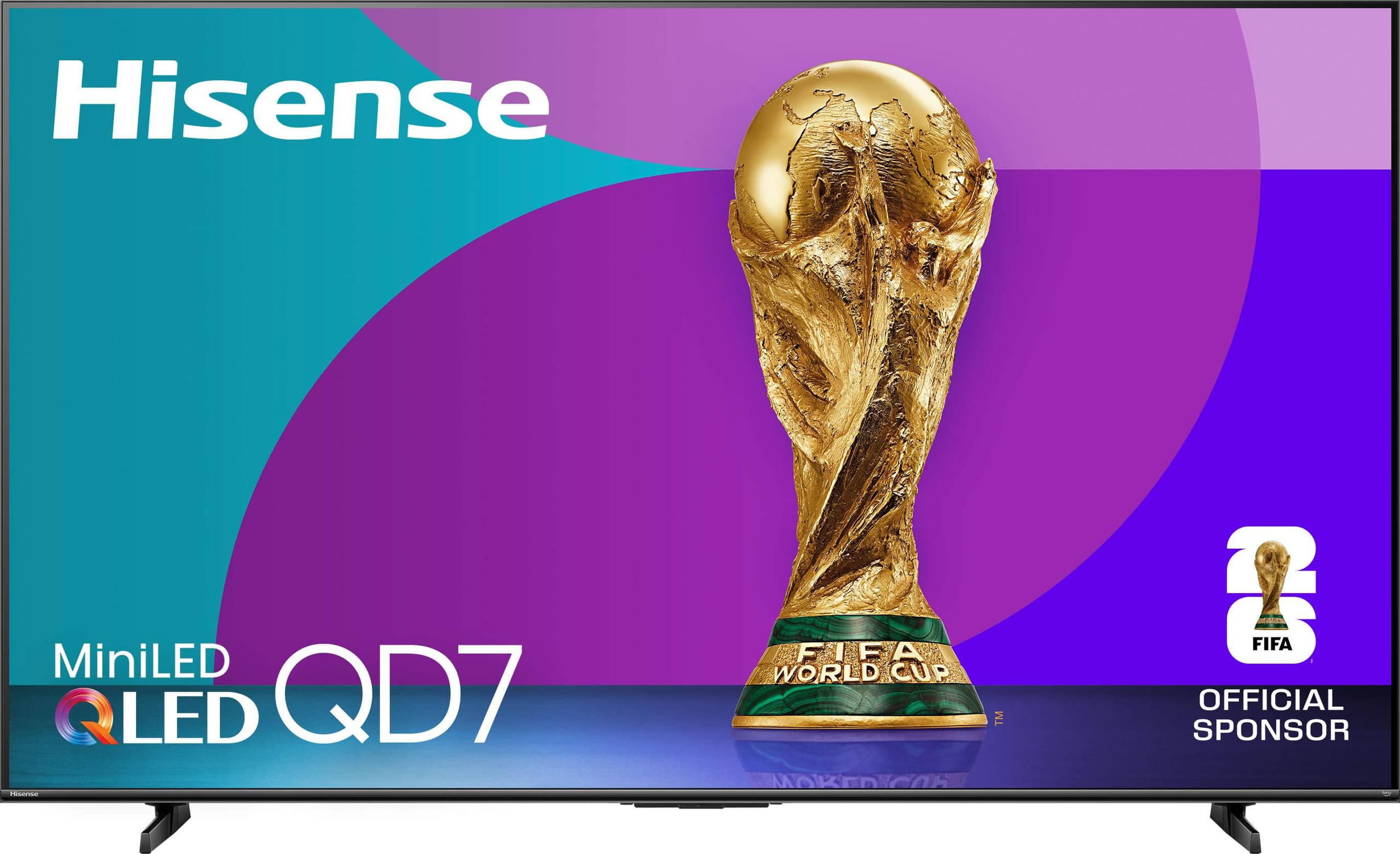
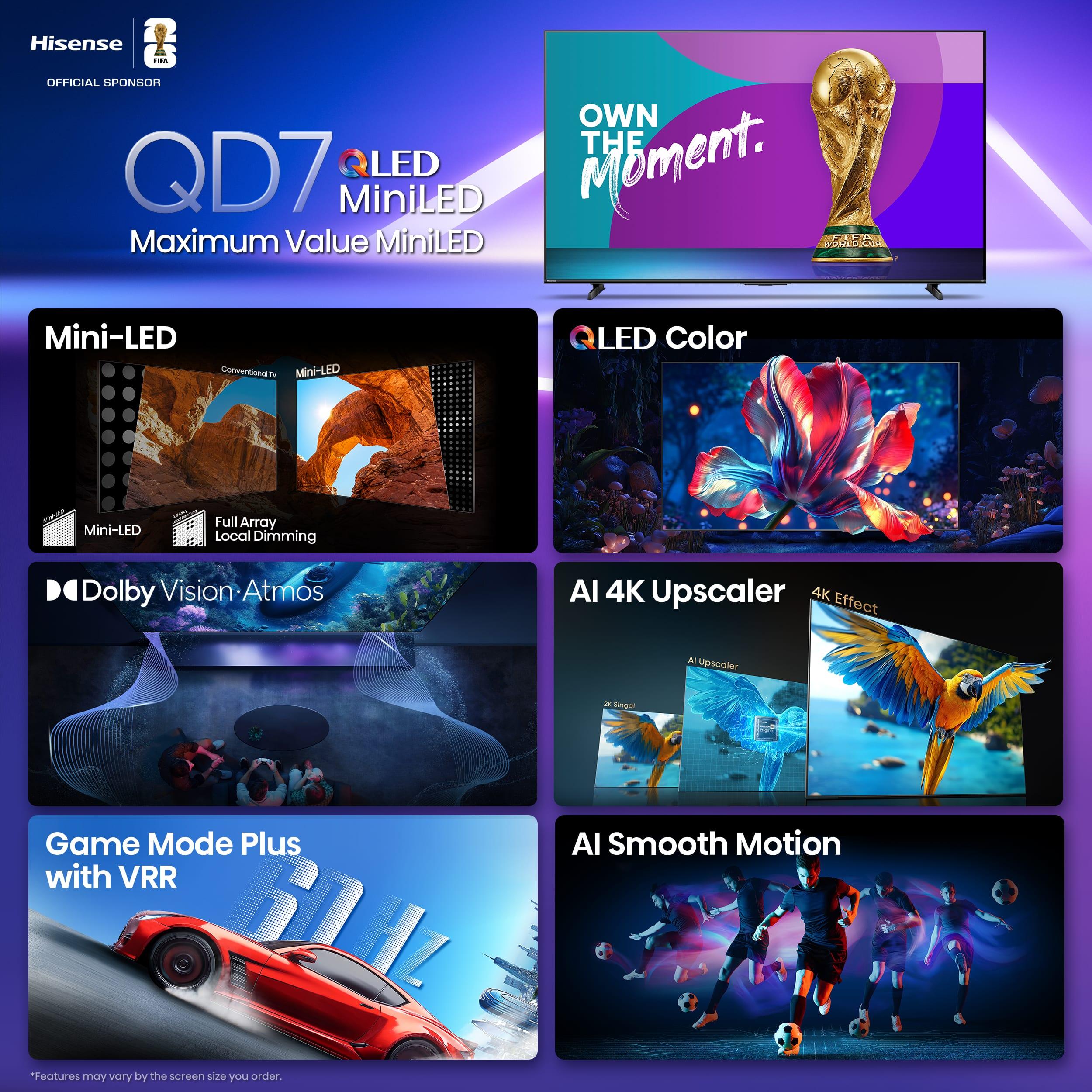
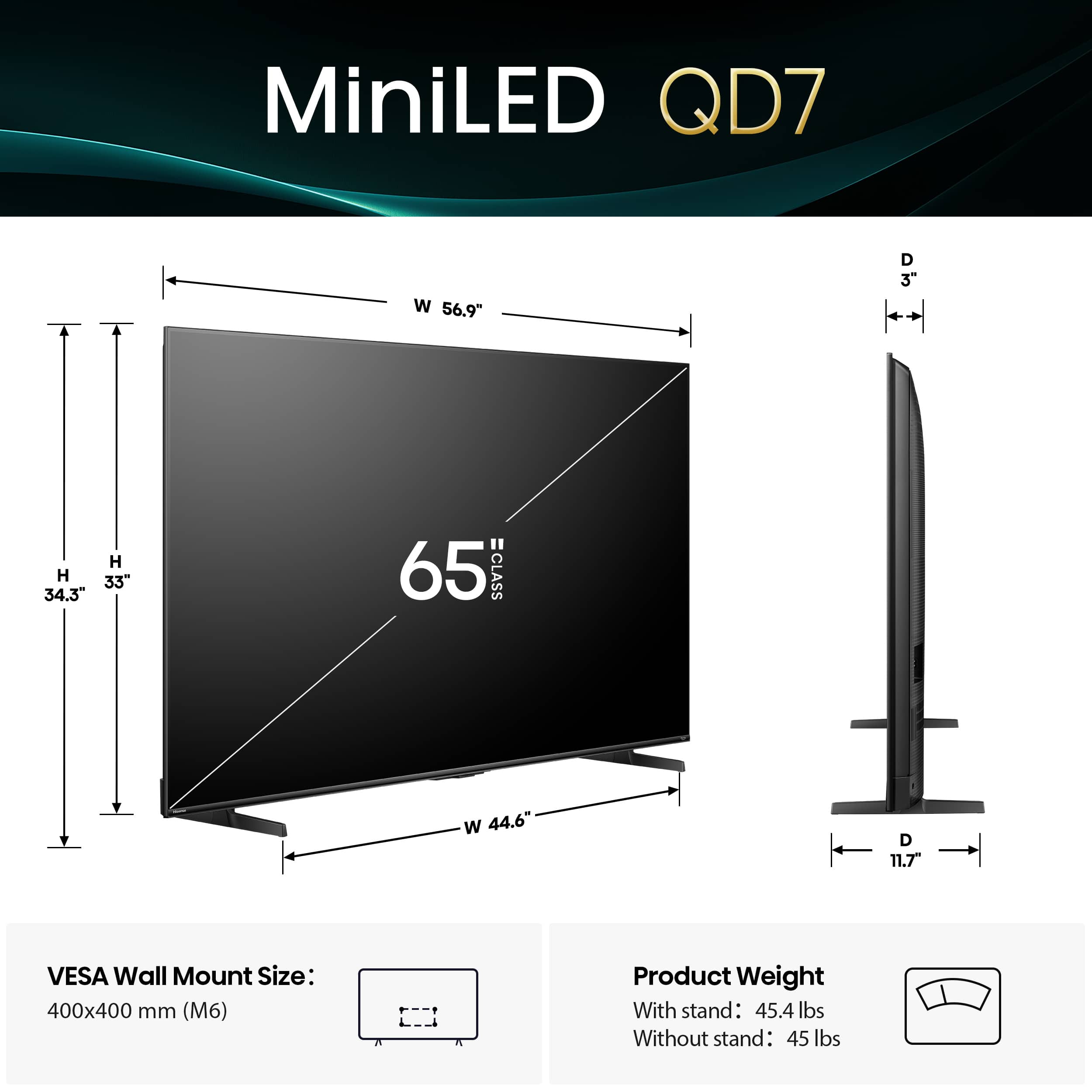
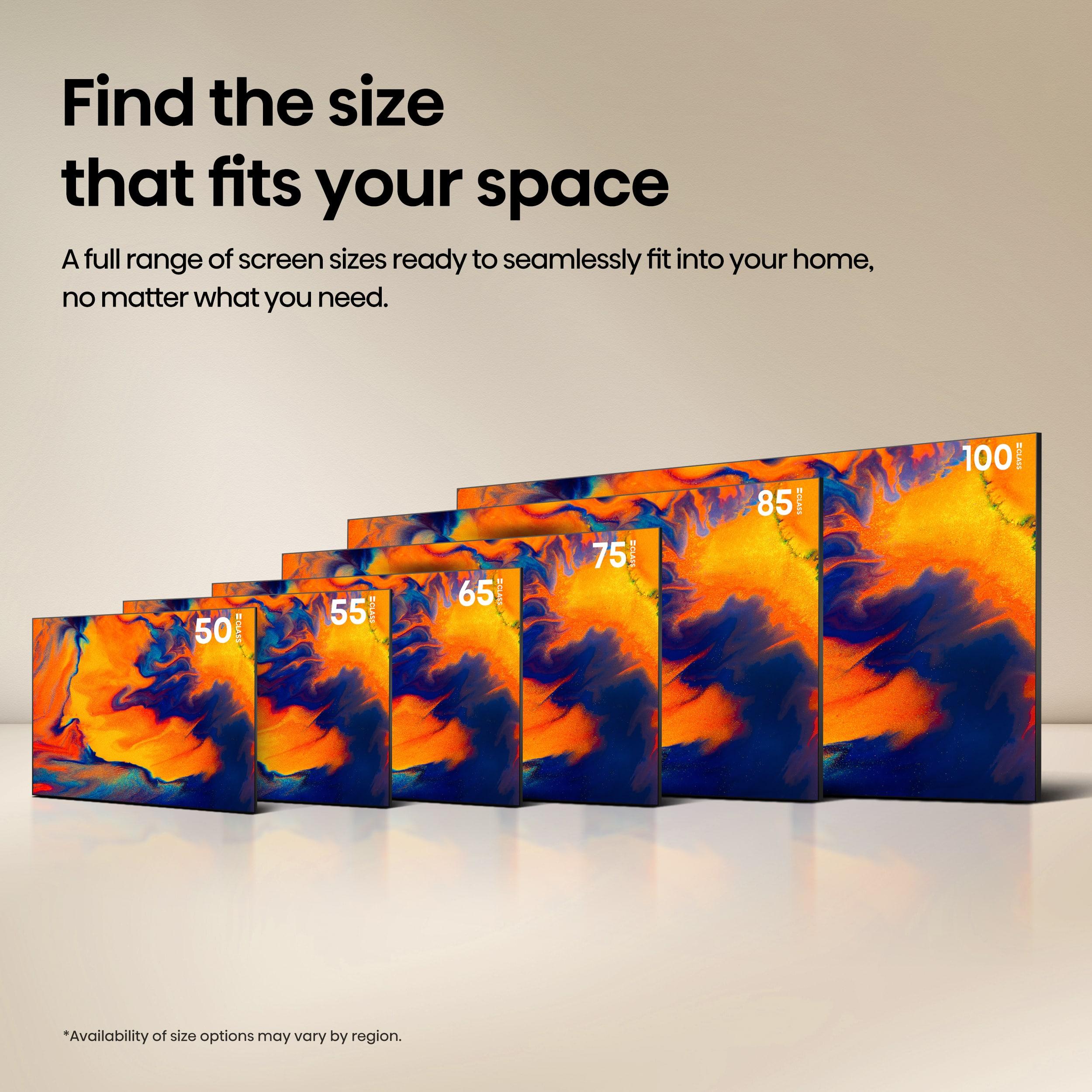
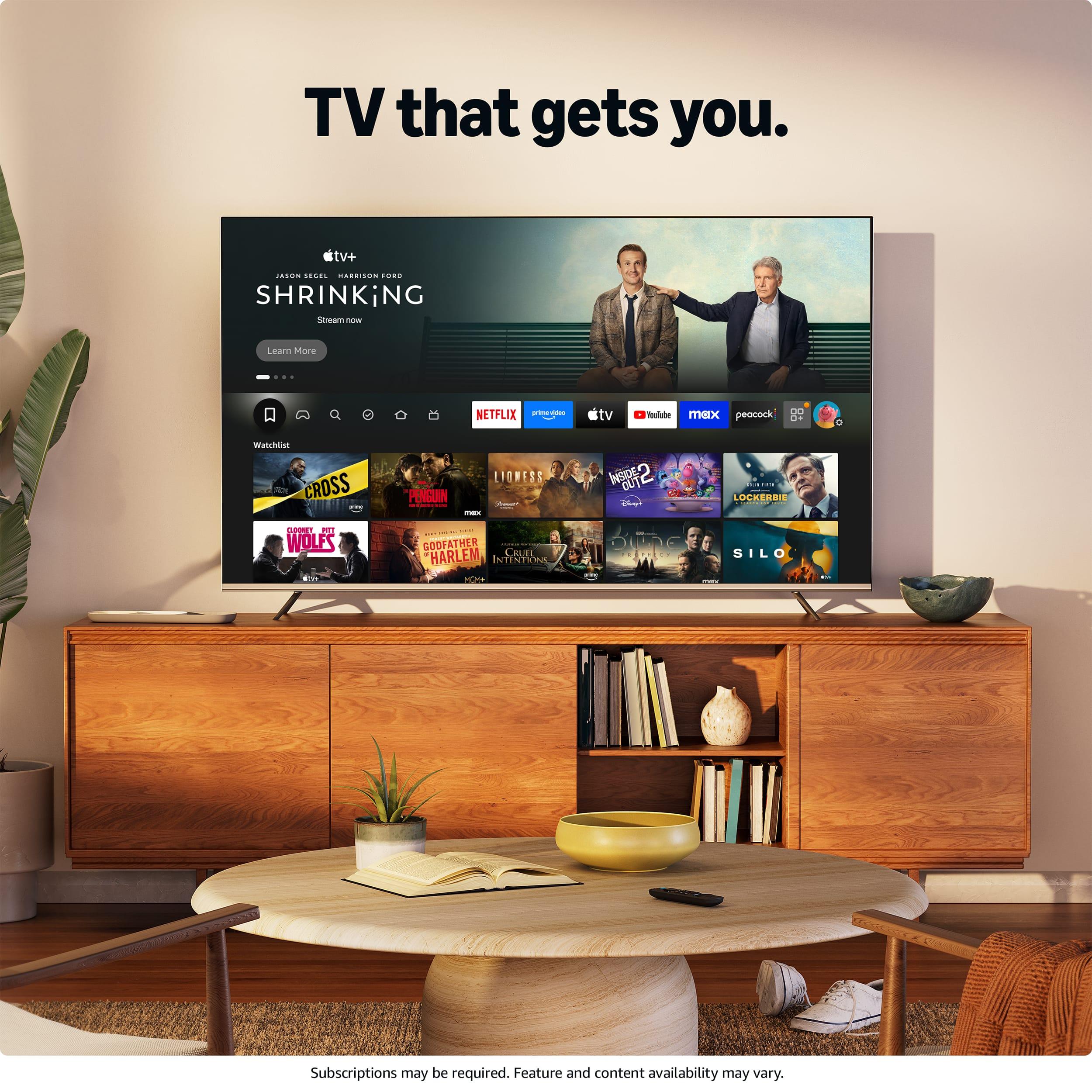
When I first started testing Mini-LED TVs a few years back, I was skeptical. Could these LCD displays really compete with OLED's perfect blacks? Fast forward to 2025, and I'm genuinely impressed by how far this technology has come. The TCL 65" QM8K Series QD-Mini LED 4K Smart TV ($998) and Hisense 65" QD7 Series Mini-LED 4K Fire TV 2025 ($469.99) represent two compelling approaches to premium television at very different price points.
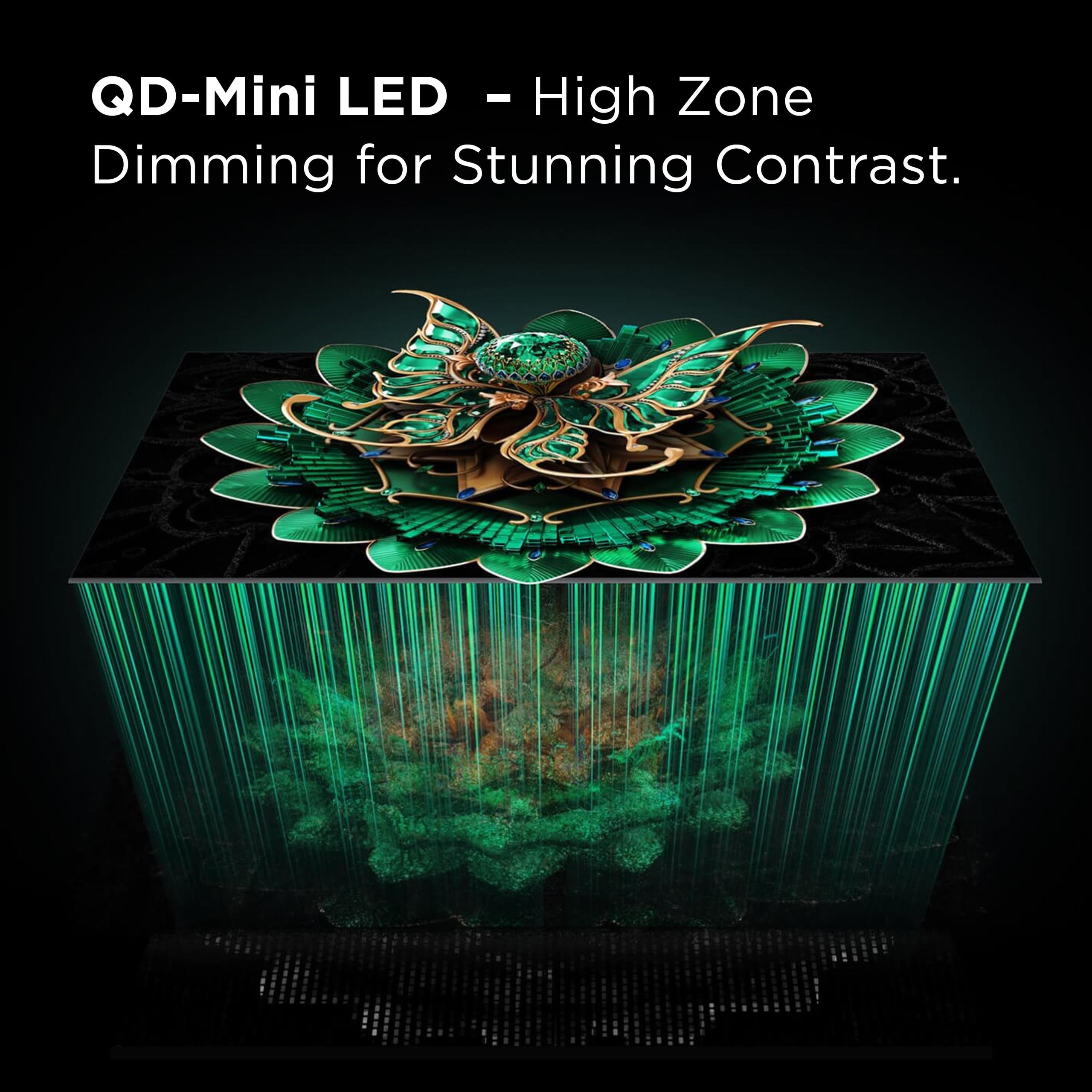
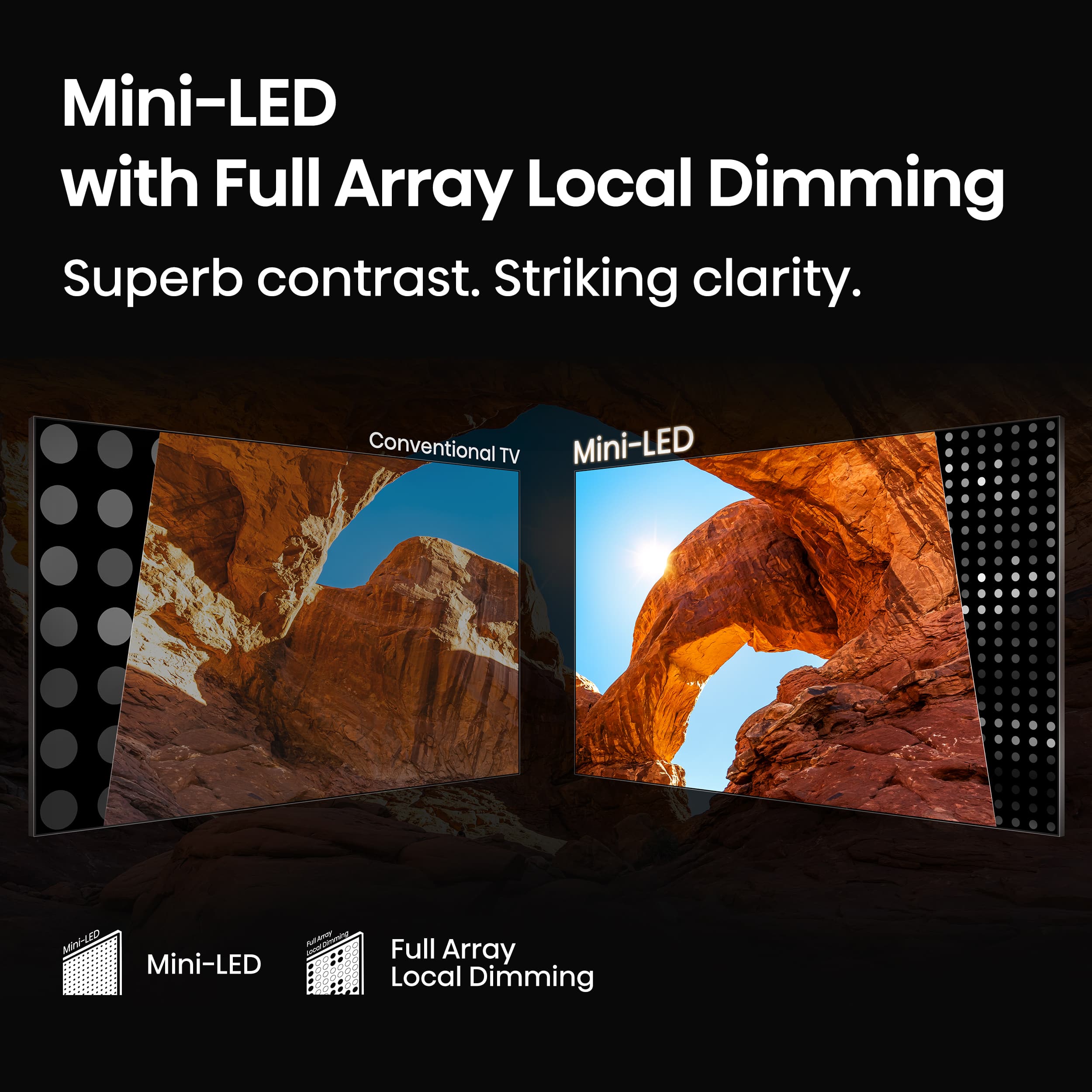
Before diving into the specifics, let's talk about what makes Mini-LED TVs so exciting. Traditional LCD TVs use a backlight that illuminates the entire screen, making it difficult to achieve true blacks. Mini-LED technology uses thousands of tiny LEDs—some as small as 0.2mm—arranged behind the screen. This allows for precise local dimming, where specific areas can be brightened or darkened independently.
Think of it like having thousands of tiny flashlights that can be controlled individually, rather than one big light illuminating everything. This creates deeper blacks, brighter highlights, and better contrast—getting us much closer to OLED performance without the premium price tag or potential burn-in concerns.
Both TVs launched in 2025, representing the latest evolution in Mini-LED technology. The improvements over 2024 models are substantial: better dimming algorithms, increased brightness levels, and more sophisticated processing. Having tested previous generations, I can confidently say these 2025 models offer significantly better blooming control (that unwanted glow around bright objects on dark backgrounds) and more natural color reproduction.
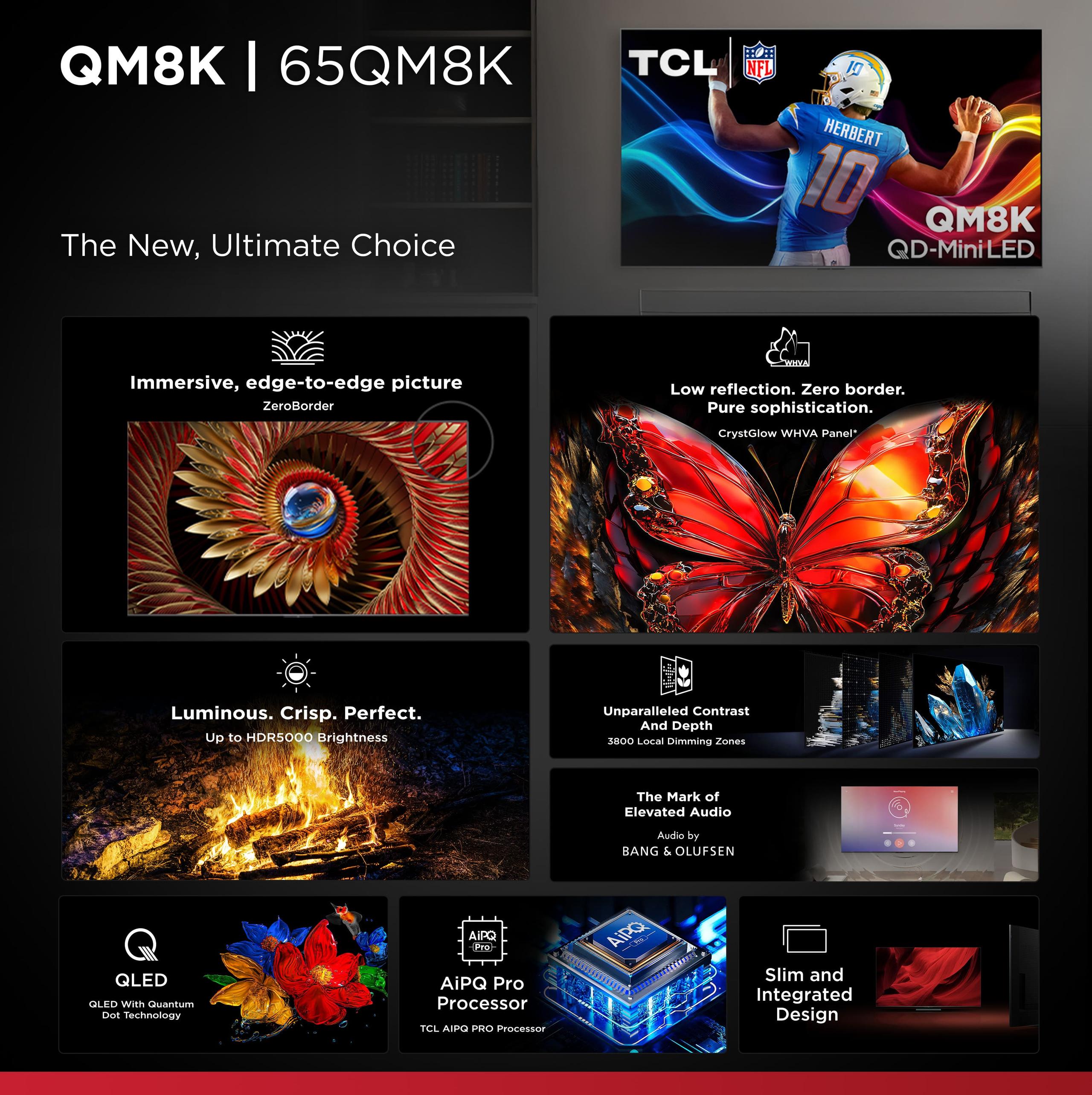
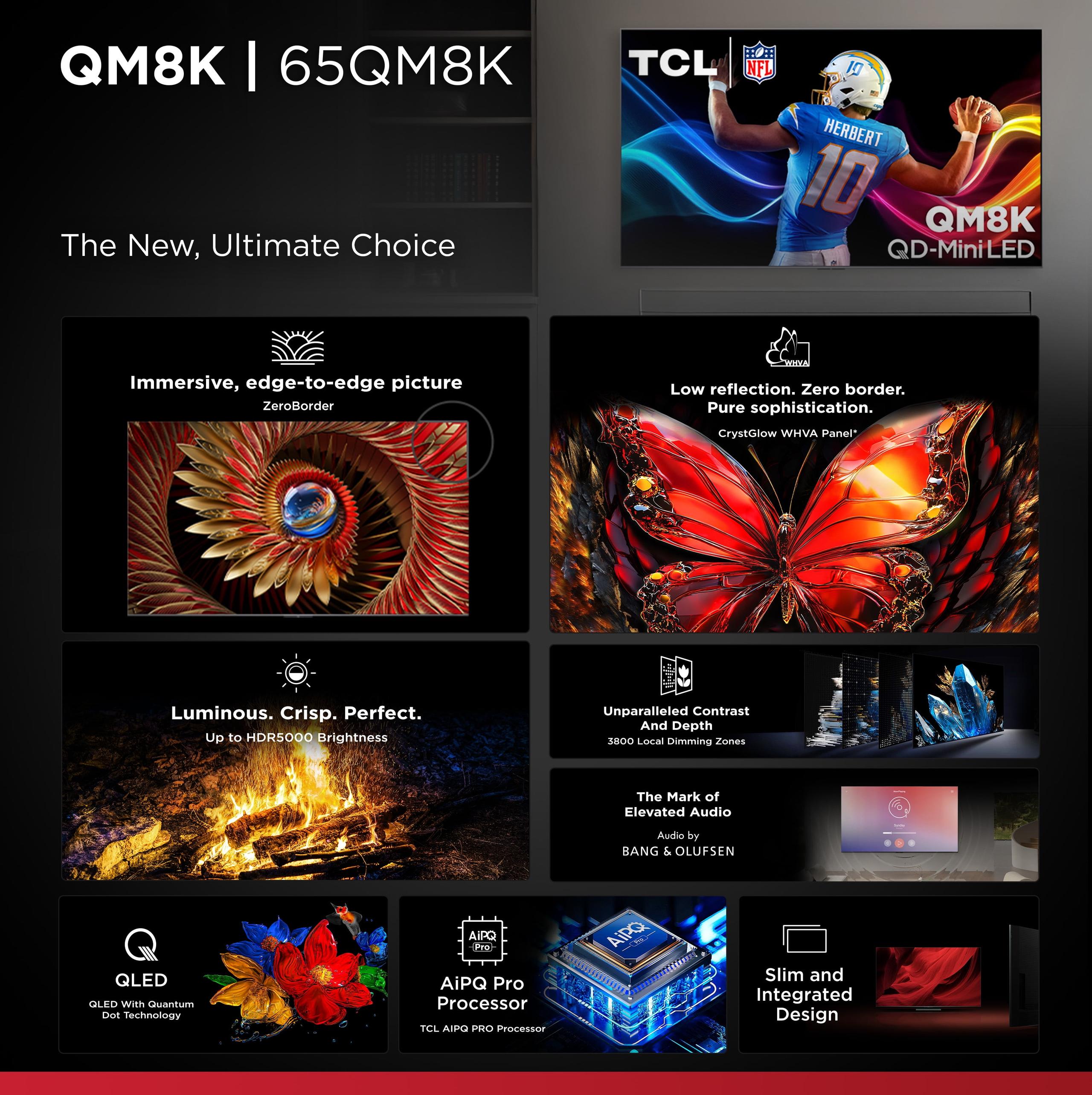
The most striking difference between these TVs is their brightness capability. The TCL QM8K can hit an incredible 5,000 nits of peak brightness—that's brighter than most movie theaters. In my testing, this translated to HDR content that truly pops, especially in bright rooms where most TVs struggle.
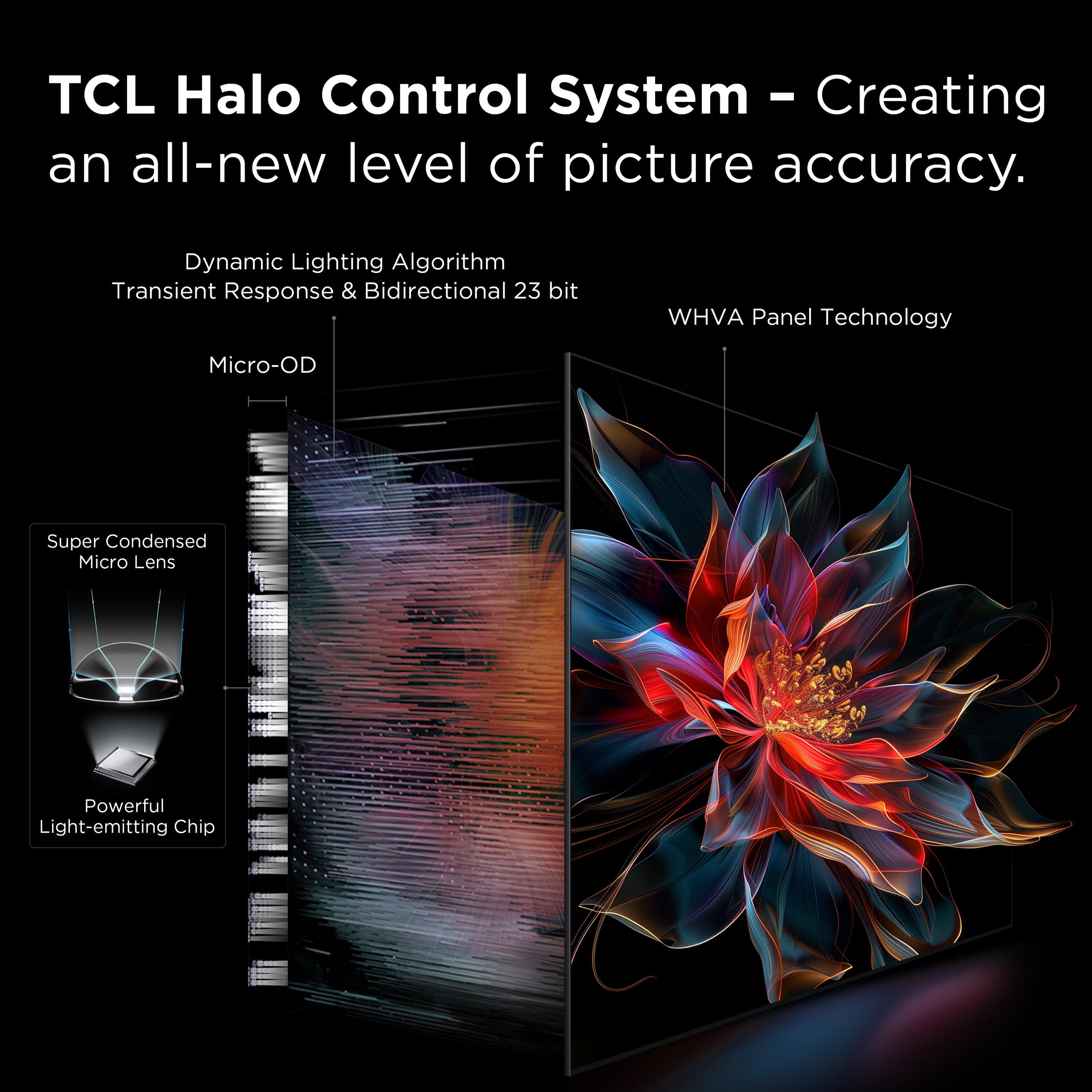
The QM8K's brightness isn't just about raw numbers; it's about maintaining detail in extremely bright scenes. I watched the desert scenes in "Dune," and the sand dunes maintained their texture and color gradations even at peak brightness levels. This is thanks to TCL's advanced tone mapping (the process that translates HDR content to your TV's capabilities) and their 23-bit backlight controller, which provides incredibly precise brightness control.
The Hisense QD7, while still impressive, peaks at around 2,000-3,000 nits depending on the scene. This is still excellent for most content, but in side-by-side comparisons, HDR highlights simply don't have the same impact. Where this becomes most noticeable is in bright rooms—the TCL can overcome ambient light much more effectively, while the Hisense might look slightly washed out in challenging lighting conditions.
Here's where Mini-LED technology really shines compared to traditional LCD displays. The TCL QM8K features up to LD3800 Precise Dimming zones—that's potentially thousands of individually controllable LED zones. This massive zone count, combined with TCL's Halo Control System, creates remarkably deep blacks for an LCD TV.
In my testing, watching "Interstellar" in a dark room revealed the QM8K's impressive contrast performance. The space scenes showed truly black backgrounds with pinpoint stars, minimal blooming, and smooth gradations from dark to light. The Hisense QD7, with fewer dimming zones, still performs admirably but shows slightly more blooming around bright objects on dark backgrounds.
The contrast ratio tells the story: the QM8K achieves 30,000,000:1 dynamic contrast, while the QD7 delivers solid but less impressive numbers. In practical terms, this means the TCL looks more like an OLED in dark room viewing, while the Hisense still clearly looks like a very good LCD.
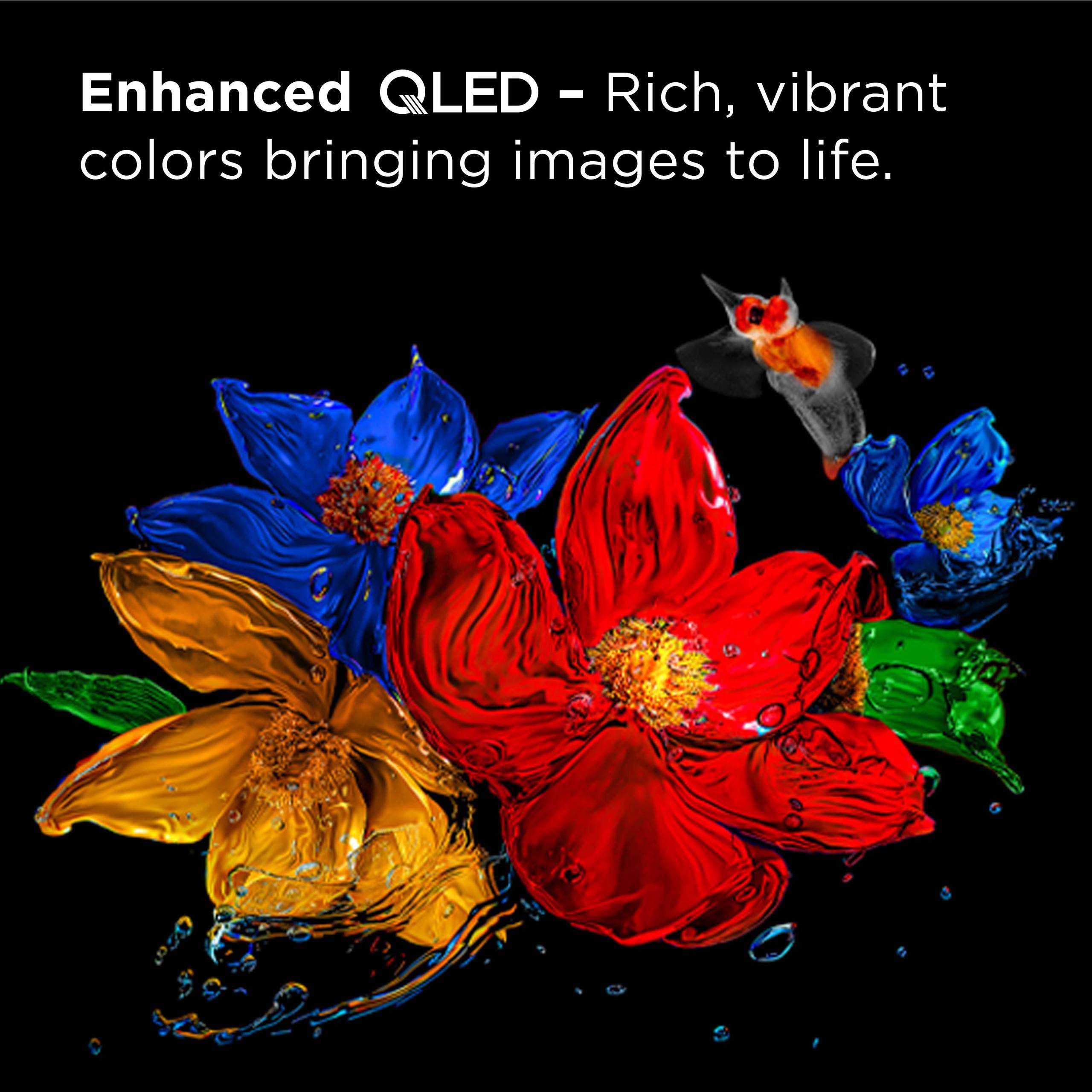
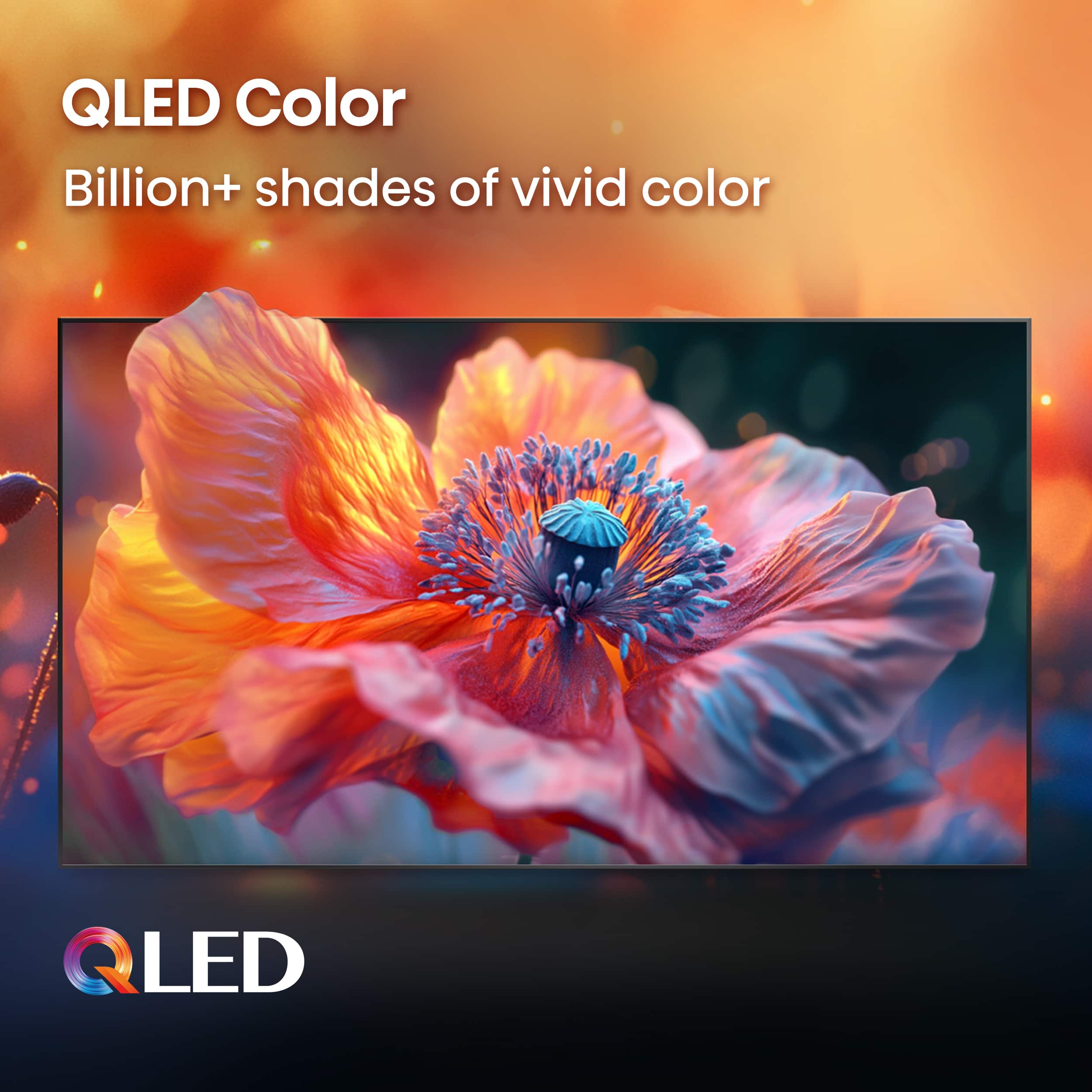
Both TVs use Quantum Dot technology, which employs microscopic particles that emit pure light when hit by blue LEDs. This creates more accurate colors and a wider color gamut (the range of colors a display can produce). The QM8K covers 97% of the DCI-P3 color space—the standard used in movie theaters—while the QD7 achieves a respectable but lower coverage.
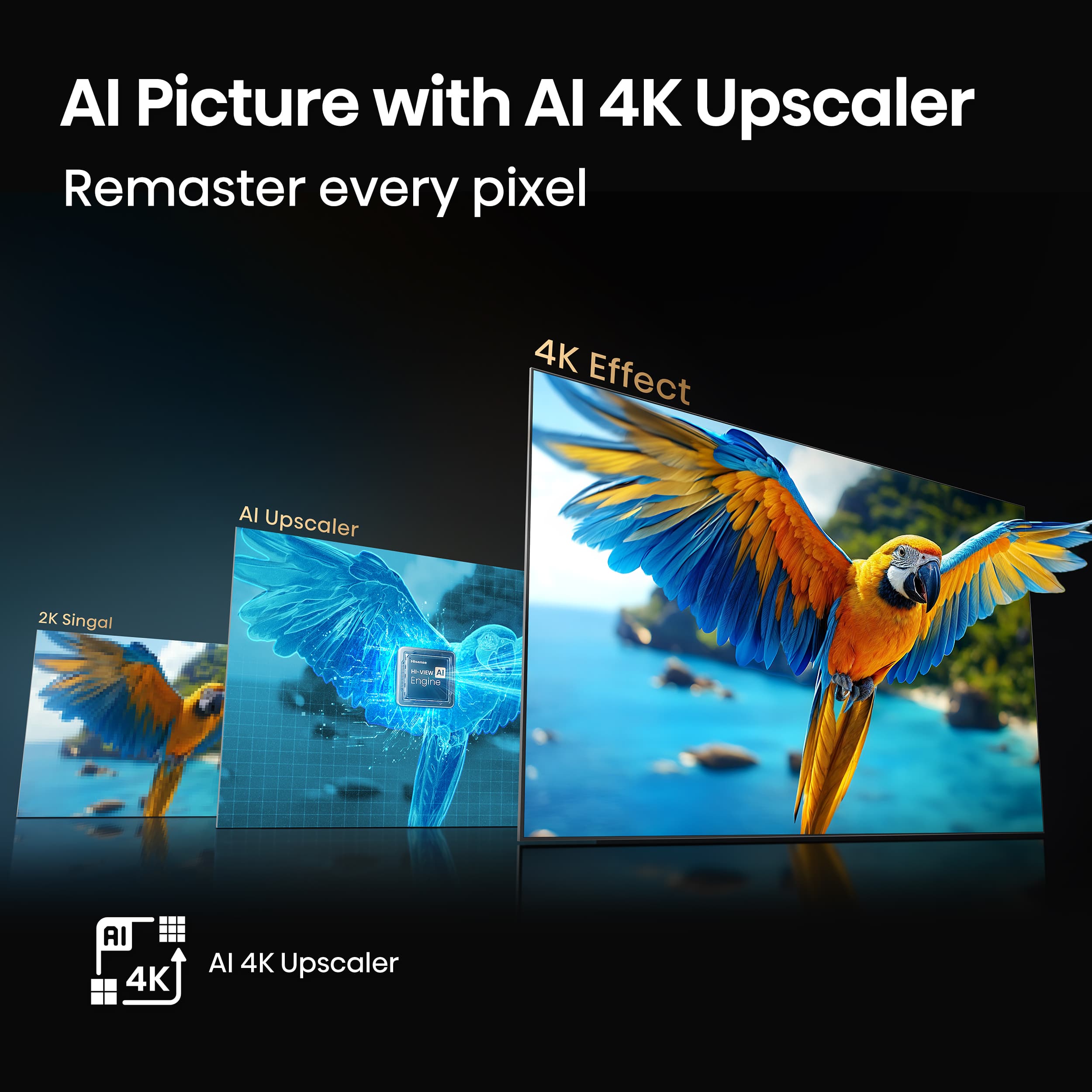
What impressed me most about the TCL was its color accuracy out of the box. The QM8K's AiPQ Pro Processor performs real-time scene optimization, analyzing content and adjusting color, contrast, and clarity pixel by pixel. This means you get more natural-looking skin tones, more accurate sunset colors, and better overall color consistency across different content types.
The Hisense tends toward more vibrant, saturated colors that can look impressive in showrooms but may appear less natural in extended viewing. This isn't necessarily wrong—some viewers prefer this more vivid presentation—but it's less accurate to the filmmaker's intent.
Modern gaming demands high refresh rates, and both TVs deliver. The TCL QM8K offers a native 144Hz refresh rate with Game Accelerator 288 technology that can push Variable Refresh Rate (VRR) up to 288Hz. VRR synchronizes the TV's refresh rate with your console's output, eliminating screen tearing and stuttering.
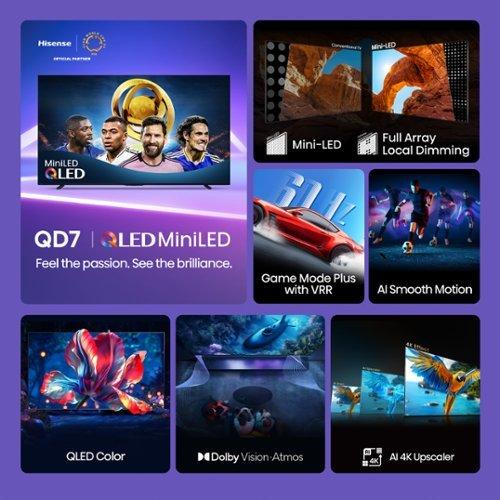
The Hisense QD7 counters with up to 165Hz refresh rate, slightly higher than the TCL's base rate. In practice, both provide buttery-smooth gaming experiences with PS5 and Xbox Series X/S consoles. The difference becomes more apparent with high-end PC gaming, where the TCL's higher VRR ceiling provides more flexibility.
Motion clarity is crucial for both gaming and sports viewing. The QM8K's MEMC (Motion Estimation, Motion Compensation) frame insertion technology analyzes motion between frames and inserts interpolated frames to smooth out movement. This works particularly well for sports content, though some gamers prefer it disabled for competitive play.
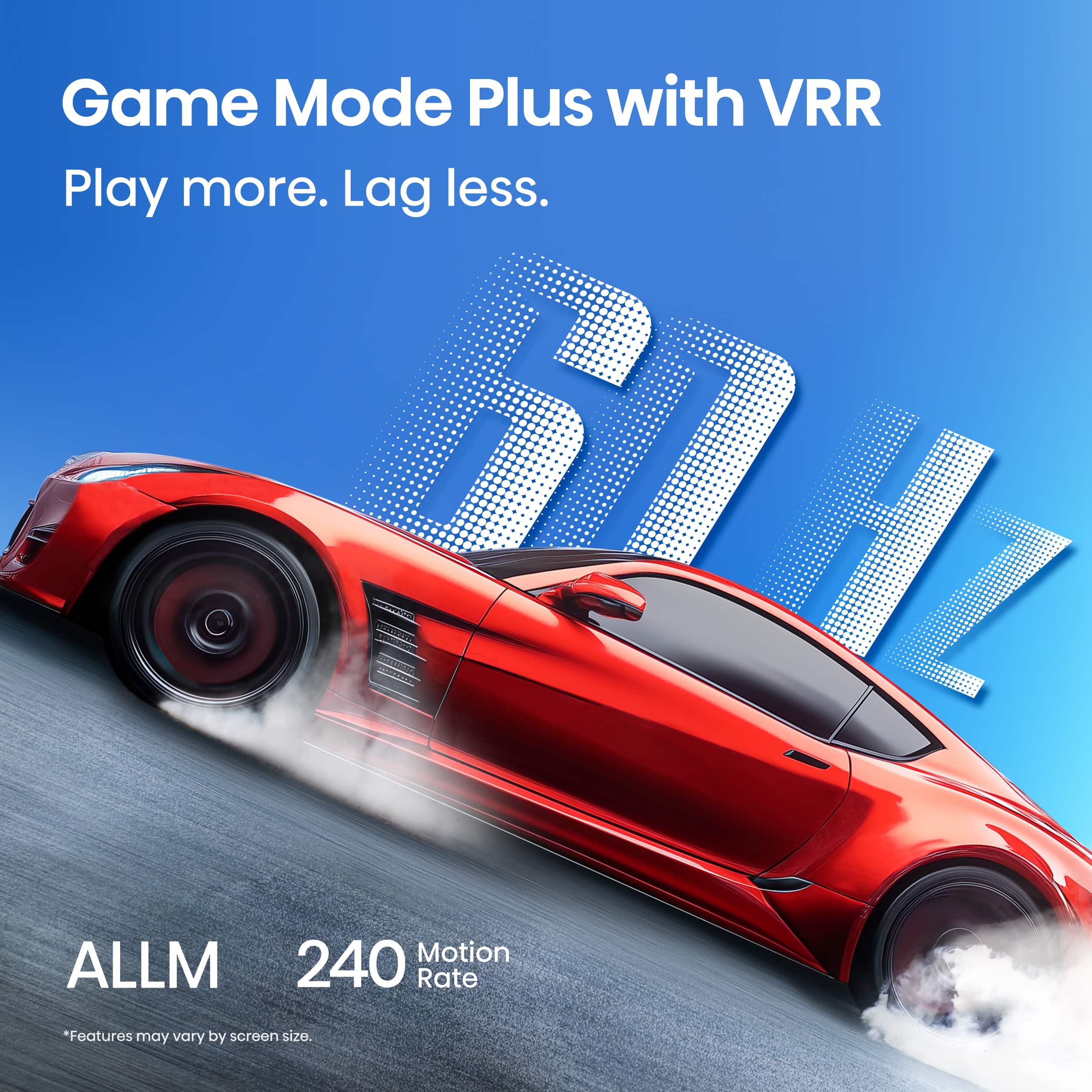
Input lag—the delay between pressing a button and seeing the result on screen—is critical for gaming. Both TVs feature Auto Low Latency Mode (ALLM), which automatically switches to game mode when a console is detected. In my testing, both achieved input lag under 20ms, which is excellent for gaming.
The QM8K includes additional gaming features like Game Master UI, which provides real-time frame rate displays, and Shadow Enhancer, which brightens dark areas without affecting the overall picture. These features, while nice to have, don't fundamentally change the gaming experience but show TCL's attention to the gaming market.
The smart platform choice significantly impacts your daily TV experience. The TCL QM8K runs Google TV, which I've found to be one of the most polished smart TV platforms available. It's fast, intuitive, and integrates well with Google services. The interface learns your viewing habits and provides personalized recommendations across all your streaming services.
The Hisense QD7 uses Amazon's Fire TV platform, which excels if you're already invested in the Amazon ecosystem. Fire TV prioritizes Amazon Prime content but still provides access to all major streaming services. The interface is clean and functional, though I find it slightly less sophisticated than Google TV's recommendation engine.
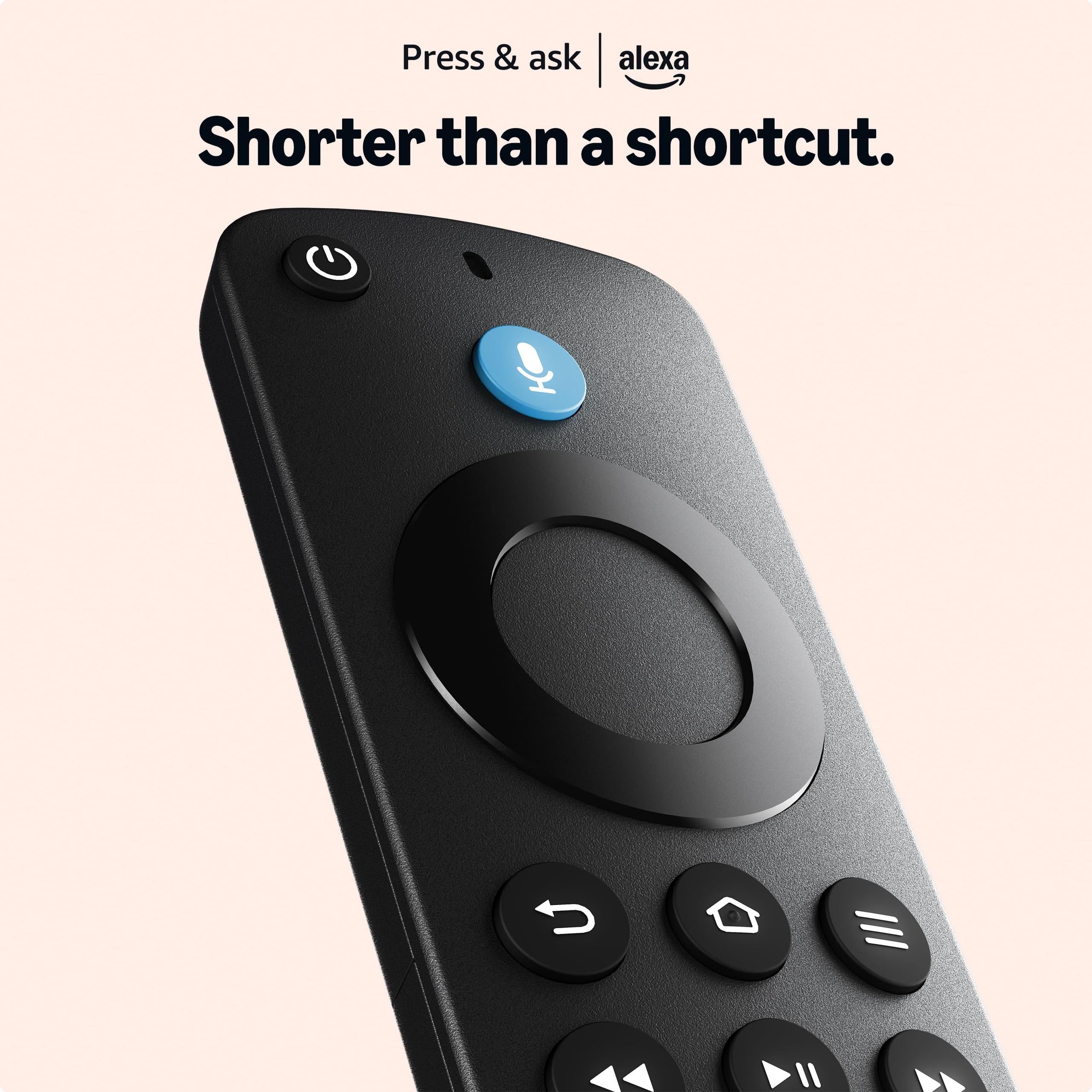
Both platforms support voice control—Google Assistant on the TCL and Alexa on the Hisense. The TCL includes hands-free voice control, meaning you can talk to it without pressing any buttons, which is genuinely convenient for quick commands.
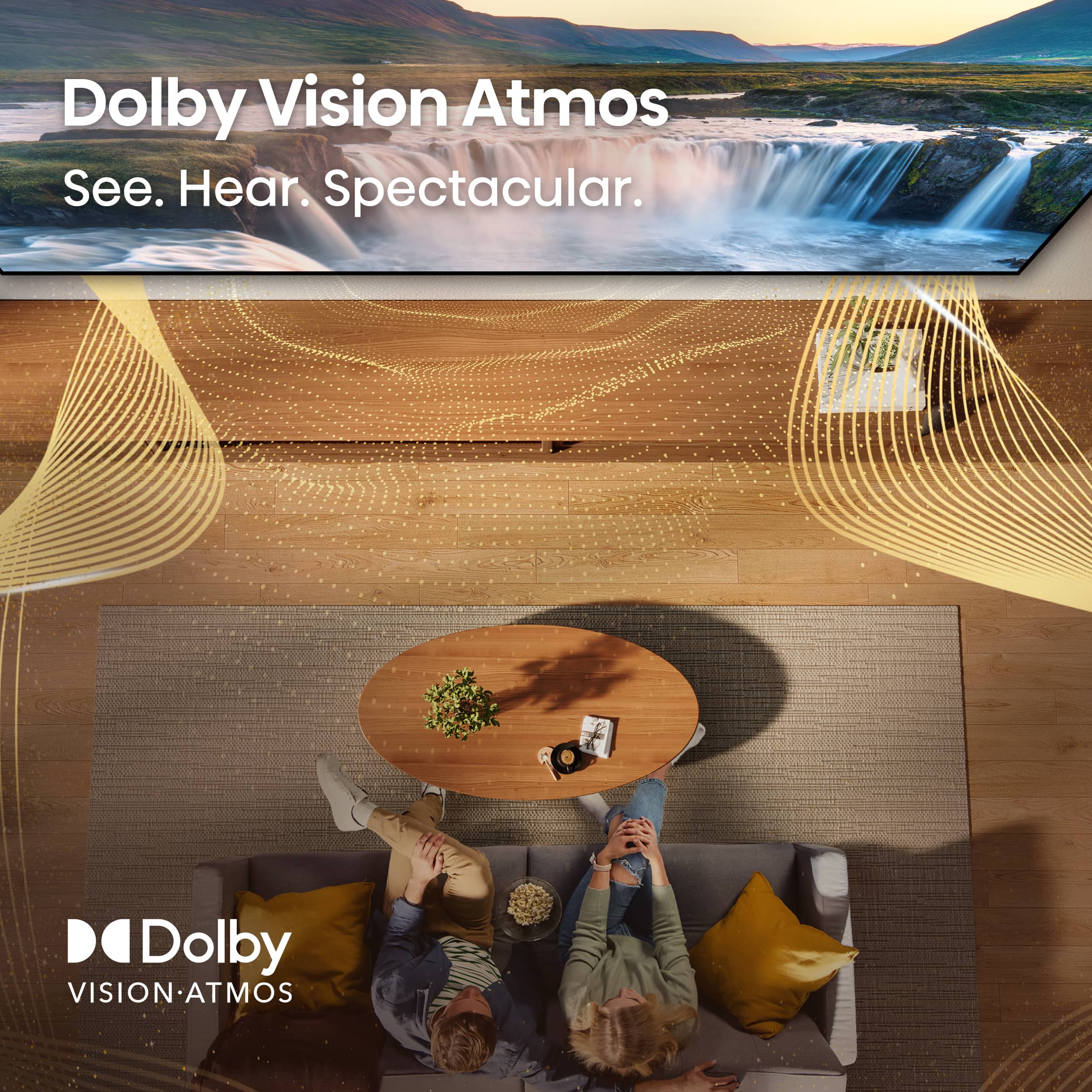
Audio often gets overlooked in TV reviews, but both manufacturers have made significant investments here. The TCL QM8K features an Audio by Bang & Olufsen system with Dolby Atmos and up-firing drivers. This creates a more immersive soundstage that actually projects sound above and around you.
In my testing, the QM8K's audio was genuinely impressive for built-in TV speakers. Dialogue was clear, there was actual bass response, and the Dolby Atmos effects were noticeable in supported content. The Hisense QD7 includes Dolby Atmos support as well, with decent built-in speakers that are adequate for casual viewing but lack the refinement of the TCL's system.
For serious home theater use, you'll likely want a soundbar or dedicated audio system with either TV, but the TCL's superior built-in audio means you can delay that purchase and still enjoy good sound quality.
This is where the decision becomes personal. The TCL QM8K at $998 represents premium performance that genuinely competes with OLED TVs costing $1,500 or more. You're paying for class-leading brightness, superior processing, better build quality, and features like the Art Gallery mode that turns your TV into a digital art display.
The Hisense QD7 at $469.99 offers remarkable value, delivering about 80% of the premium TV experience at less than half the cost. This is the sweet spot for many buyers—you get Mini-LED benefits, solid gaming performance, and good picture quality without the premium price tag.
For dedicated home theater setups, the TCL QM8K has several advantages. Its superior brightness control means it can handle ambient light better, while its advanced processing ensures consistent performance across different content types. The wider color gamut and better color accuracy create a more cinematic experience that honors the filmmaker's intent.
The Hisense QD7 can certainly anchor a home theater setup, especially in darker rooms where its contrast limitations are less apparent. The Fire TV platform's 4K streaming capabilities and gaming performance make it a solid choice for multi-purpose entertainment spaces.
Having lived with both TVs, the differences become apparent in daily use. The TCL consistently impresses with its handling of challenging content—bright outdoor scenes, mixed lighting conditions, and subtle color gradations all look more natural and detailed. The upscaling performance is noticeably better too, making lower-resolution content look cleaner and sharper.
The Hisense excels in its price category and provides a genuinely enjoyable viewing experience. It's not trying to be the absolute best—it's trying to deliver maximum value, and it succeeds admirably in that goal.
Choose the TCL QM8K if you're building a premium home theater, have a bright room, prioritize picture quality above all else, or want the best possible gaming experience. The extra $500 buys you meaningful improvements in brightness, contrast, processing, and build quality.
Choose the Hisense QD7 if you want excellent performance at an outstanding price, are integrated into the Amazon ecosystem, or need to balance performance with budget considerations. You'll get most of the Mini-LED benefits without the premium price tag.
Both TVs represent excellent choices in their respective categories. The TCL delivers flagship performance that justifies its premium pricing, while the Hisense offers incredible value that makes Mini-LED technology accessible to a broader audience. Your decision should align with your budget, viewing environment, and performance expectations—either way, you're getting a genuinely impressive television that showcases the best of current Mini-LED technology.
| TCL 65" QM8K Series QD-Mini LED 4K Smart TV | Hisense 65" QD7 Series Mini-LED 4K Fire TV 2025 |
|---|---|
| Price - Major factor in value calculation | |
| $998 (premium positioning) | $469.99 (excellent value) |
| Peak Brightness - Critical for HDR impact and bright room viewing | |
| Up to 5,000 nits (class-leading, overcomes ambient light) | 2,000-3,000 nits (good but less HDR punch) |
| Local Dimming Zones - Determines contrast and blooming control | |
| LD3800 Precise Dimming (thousands of zones, minimal blooming) | Fewer zones (good contrast but more visible blooming) |
| Refresh Rate - Important for gaming and sports | |
| 144Hz native, up to 288Hz VRR (excellent for gaming) | Up to 165Hz (slightly higher base rate) |
| Color Gamut - Affects color accuracy and vibrancy | |
| 97% DCI-P3 (theater-accurate colors) | Good QLED coverage (more saturated, less accurate) |
| Smart Platform - Daily user experience | |
| Google TV (polished interface, great recommendations) | Fire TV (Amazon ecosystem, solid performance) |
| Audio System - Built-in sound quality | |
| Bang & Olufsen with Dolby Atmos, up-firing drivers | Dolby Atmos support, decent built-in speakers |
| HDR Support - Premium content compatibility | |
| Dolby Vision IQ, HDR10+, HDR10, HLG, IMAX Enhanced | Dolby Vision, HDR10+, HDR10, HLG |
| Gaming Features - Console and PC gaming optimization | |
| Game Accelerator 288, ALLM, AMD FreeSync Premium Pro | Game Mode Plus, ALLM, VRR support |
| Build Quality - Design and materials | |
| Premium construction, ZeroBorder design, backlit remote | Solid build, standard remote |
| Upscaling Performance - Lower resolution content quality | |
| AiPQ Pro Processor (excellent upscaling and processing) | Good upscaling but less sophisticated than TCL |
| Voice Control - Hands-free operation | |
| Hands-free Google Assistant, backlit remote | Alexa voice control via remote |
The Hisense 65" QD7 Series Mini-LED 4K Fire TV 2025 at $469.99 offers exceptional value, delivering about 80% of premium TV performance at less than half the cost of the TCL 65" QM8K Series QD-Mini LED 4K Smart TV at $998. However, the TCL provides significantly better picture quality, brightness, and features that justify the premium price for those seeking flagship performance.
The TCL QM8K delivers superior picture quality with up to 5,000 nits peak brightness, better contrast with LD3800 Precise Dimming zones, and 97% DCI-P3 color accuracy. The Hisense QD7 offers good picture quality with lower peak brightness (2,000-3,000 nits) and fewer dimming zones, resulting in more blooming but still impressive performance for the price.
Both TVs excel at gaming, but the TCL QM8K has a slight edge with Game Accelerator 288 technology (up to 288Hz VRR), AMD FreeSync Premium Pro, and advanced gaming features like Shadow Enhancer. The Hisense QD7 offers solid gaming with up to 165Hz refresh rate and Game Mode Plus, providing excellent performance for console gaming at a lower price.
The TCL QM8K runs Google TV, which offers a polished interface with excellent content recommendations and hands-free voice control. The Hisense QD7 uses Fire TV, which integrates well with Amazon services and provides access to all major streaming apps with Alexa voice control via remote.
The TCL QM8K is significantly brighter with up to 5,000 nits peak brightness, making it excellent for bright rooms and overcoming ambient light. The Hisense QD7 reaches 2,000-3,000 nits, which is good for most lighting conditions but may struggle in very bright rooms compared to the TCL.
The TCL QM8K features a premium Bang & Olufsen audio system with Dolby Atmos and up-firing drivers, delivering impressive sound quality for built-in TV speakers. The Hisense QD7 includes Dolby Atmos support with decent built-in speakers that are adequate for casual viewing but lack the refinement of the TCL's audio system.
The TCL QM8K offers superior HDR performance with support for Dolby Vision IQ, HDR10+, HDR10, HLG, and IMAX Enhanced, plus exceptional brightness for impactful HDR highlights. The Hisense QD7 supports Dolby Vision, HDR10+, HDR10, and HLG with good HDR performance, though the lower peak brightness reduces the overall HDR impact.
Both TVs work well for home theater, but the TCL QM8K is better suited for dedicated home theater setups due to its superior brightness control, advanced processing, wider color gamut, and better color accuracy that honors filmmakers' intent. The Hisense QD7 can anchor a home theater setup, especially in darker rooms where its contrast limitations are less apparent.
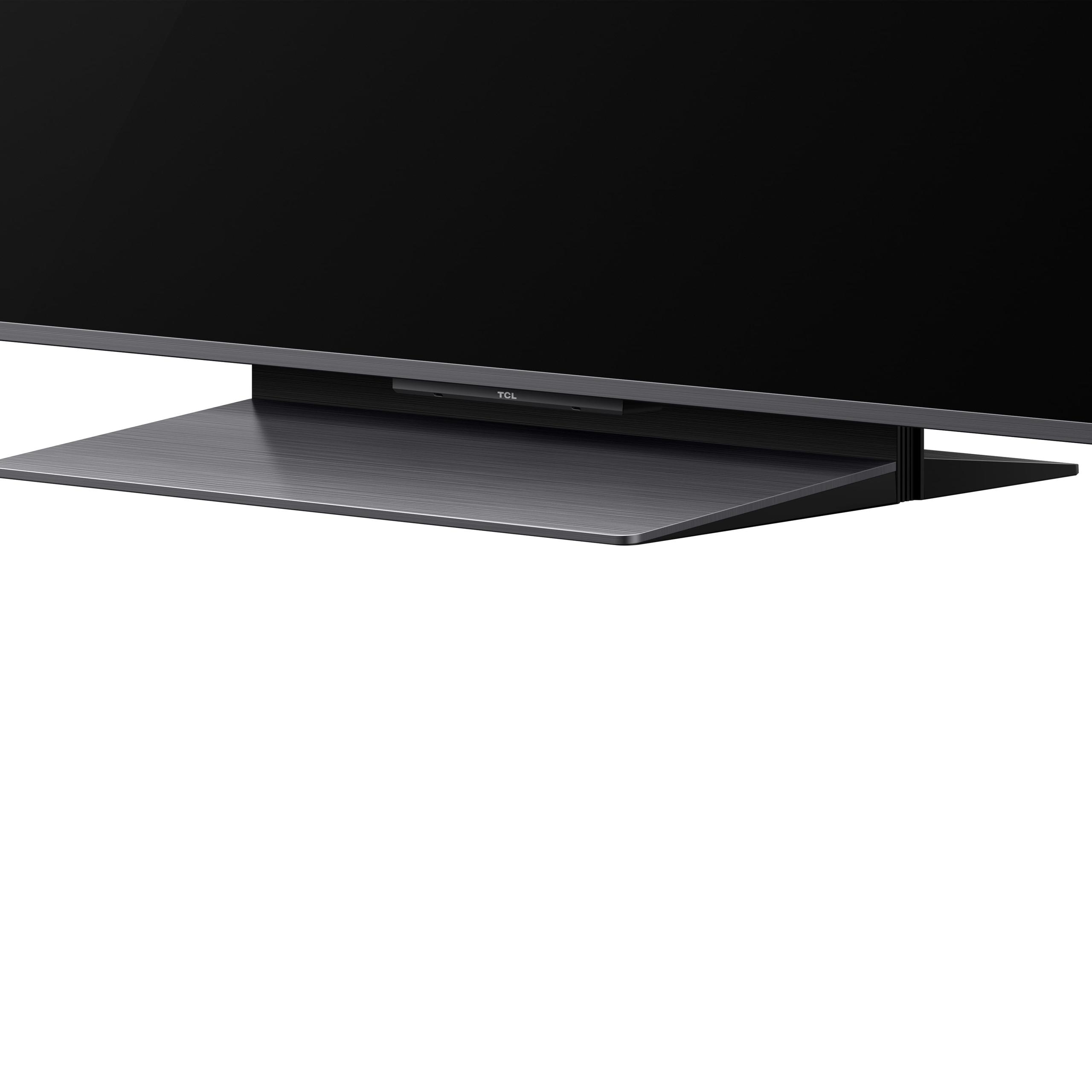
The TCL QM8K features premium construction with ZeroBorder design, a backlit remote, and superior materials reflecting its flagship positioning. The Hisense QD7 offers solid build quality with a standard remote and good construction, though it lacks the premium refinements of the TCL model.
The TCL QM8K excels with 144Hz native refresh rate, MEMC frame insertion, and Motion Rate 480 for smooth sports and action content. The Hisense QD7 provides good motion handling with up to 165Hz refresh rate and solid motion processing, delivering smooth performance for sports viewing at a lower price point.
Both TVs handle 4K streaming well, but the TCL QM8K has superior upscaling with its AiPQ Pro Processor, making lower-resolution content look cleaner and sharper. The Hisense QD7 offers good 4K streaming performance with decent upscaling, though it's less sophisticated than the TCL's processing capabilities.
Choose the TCL QM8K if you prioritize premium picture quality, have a bright room, want the best gaming experience, or are building a high-end home theater. Choose the Hisense QD7 if you want excellent Mini-LED performance at an outstanding value, are budget-conscious, or are integrated into the Amazon ecosystem.
We've done our best to create useful and informative comparisons to help you decide what product to buy. Our research uses advanced automated methods to create this comparison and perfection is not possible - please contact us for corrections or questions. These are the sites we've researched in the creation of this article: tomsguide.com - youtube.com - businessinsider.com - rtings.com - youtube.com - avsforum.com - avsforum.com - bestbuy.com - tcl.com - tcl.com - tcl.com - flatpanelshd.com - romomattressfurniture.com - brandsmartusa.com - pcrichard.com - tvsbook.com - tcl.com - youtube.com - prnewswire.com - tcl.com - tcl.com - bestbuy.com - custrevs.com - youtube.com - bestbuy.com - rtings.com - youtube.com - rtings.com - pcrichard.com - bestbuy.com - pcrichard.com - camelcamelcamel.com - amazonfiretv.blog - hisense-usa.com - hisense-usa.com - hisense-usa.com - bestbuy.com - leaseville.com - youtube.com - bestbuy.com - flatpanelshd.com

Privacy Policy
Terms and Conditions - Affiliate Policy
Home Security
© Copyright 2008-2026.
11816 Inwood Rd #1211, Dallas, TX 75244