

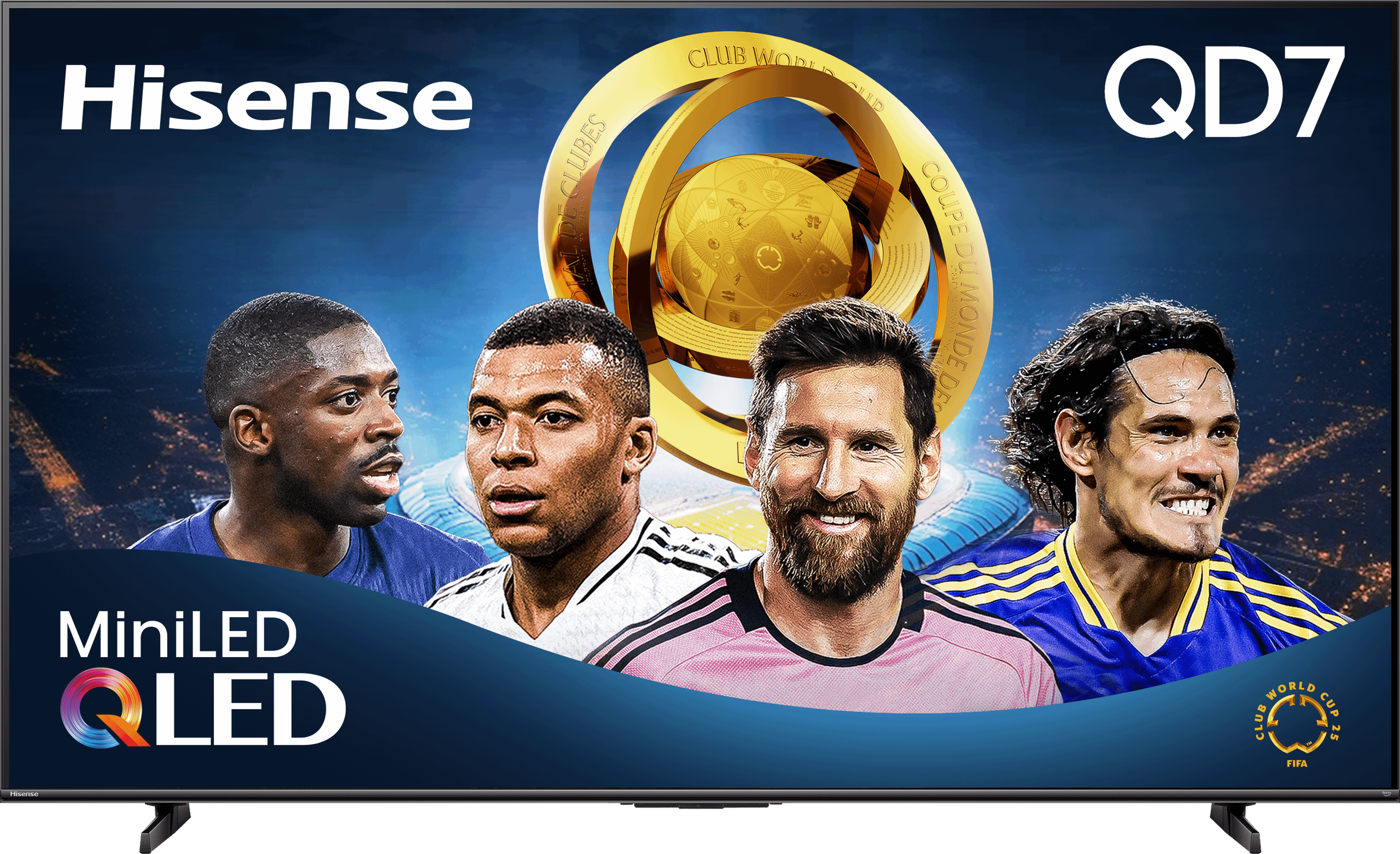
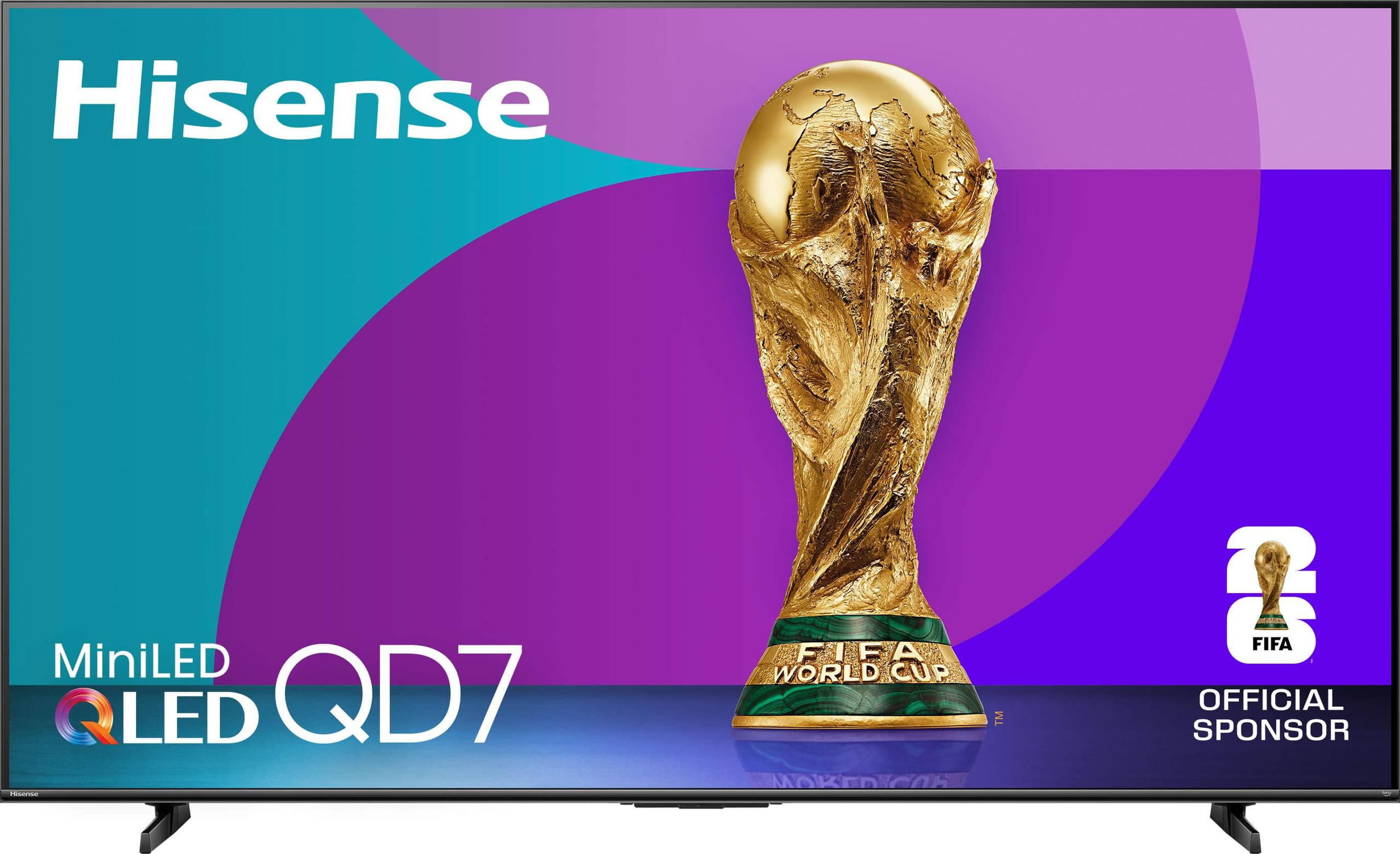
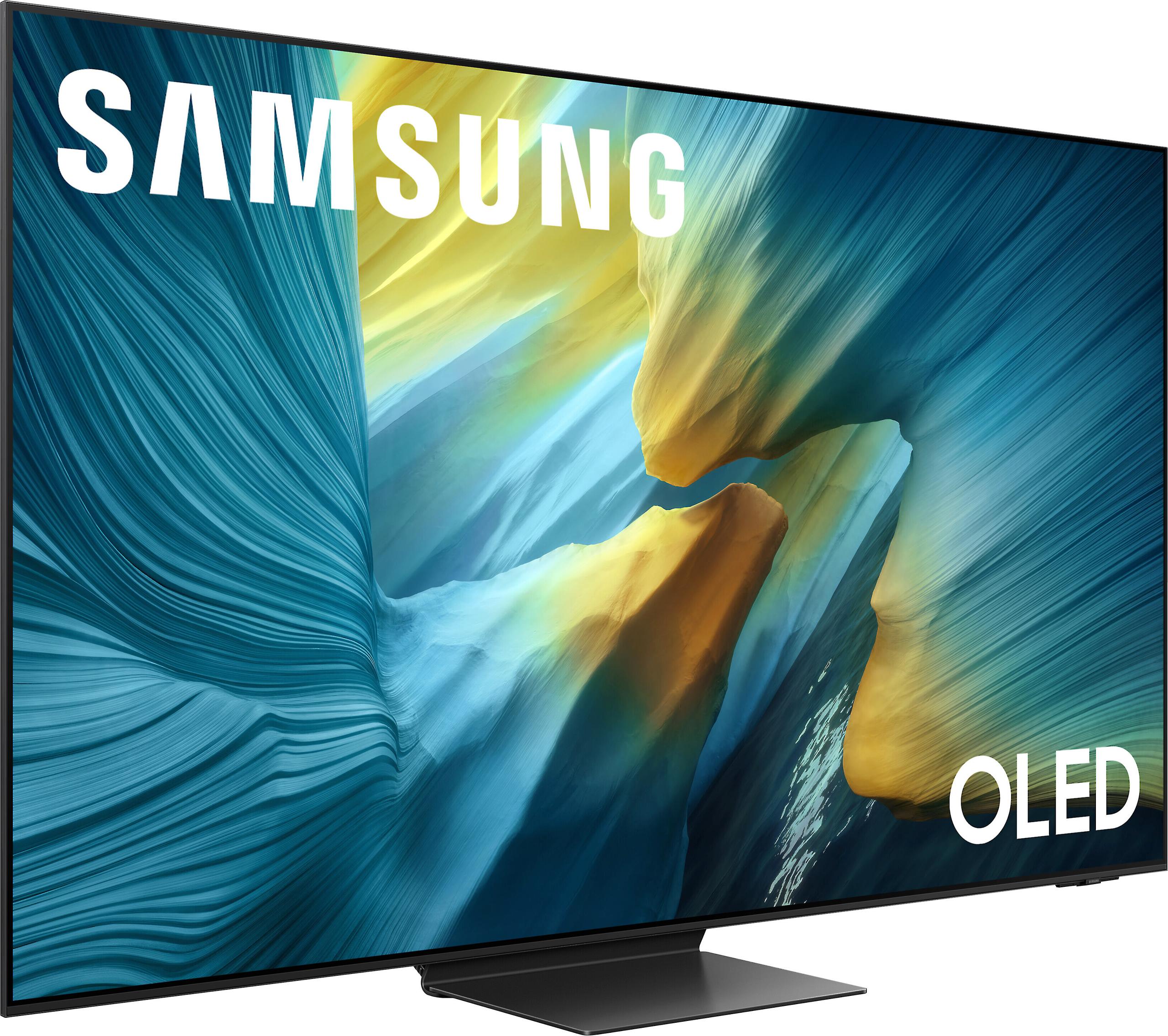
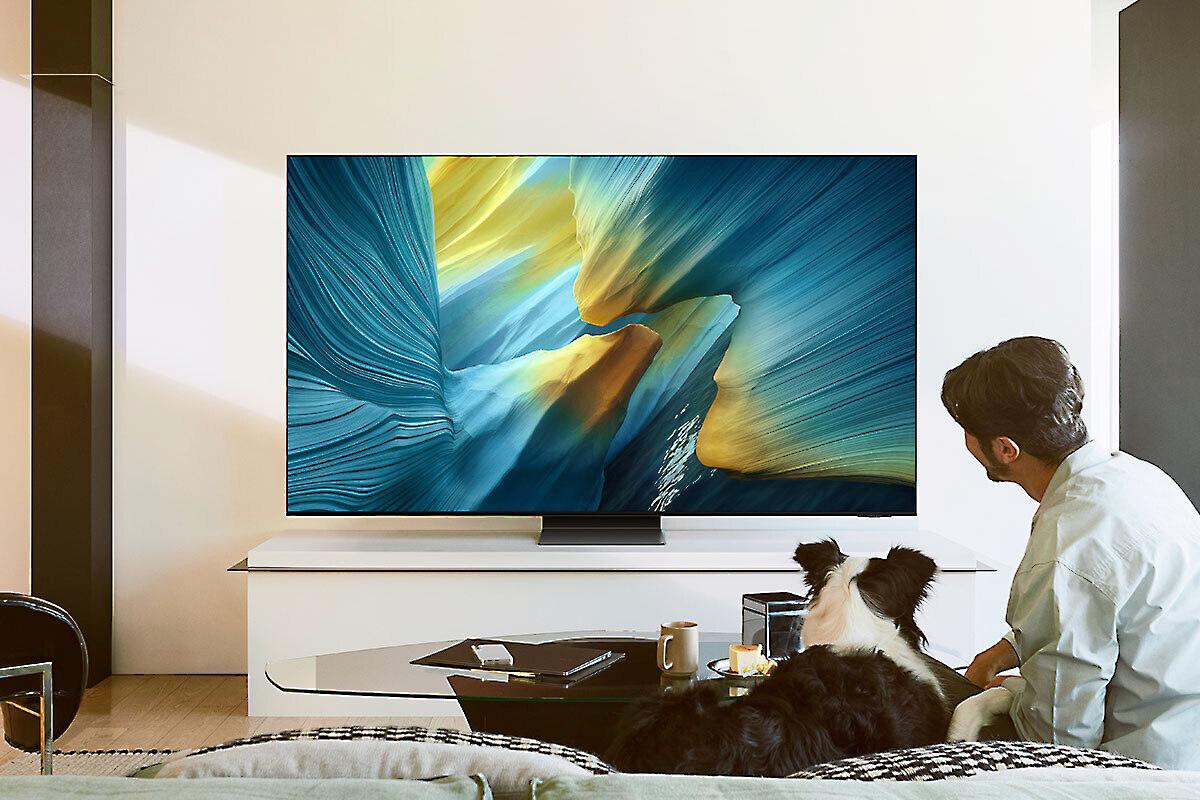
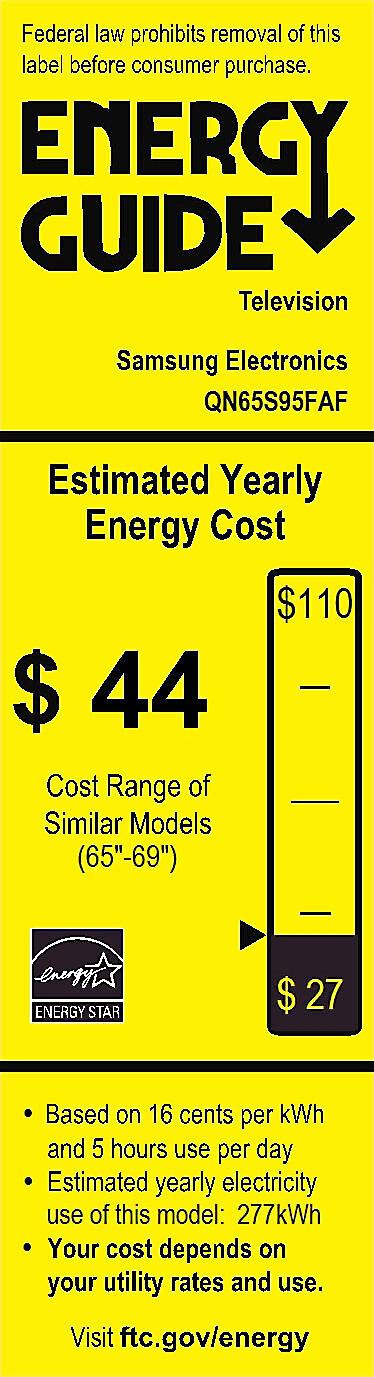
Choosing a new TV in 2025 can feel overwhelming with all the different display technologies, smart features, and price points available. Two models that perfectly illustrate the current TV landscape are the Hisense 65" QD7 Series Mini-LED 4K Fire TV at $469.99 and the Samsung 65" OLED S95F 4K Smart TV at $3,097.99. While both are 65-inch premium TVs released in 2025, they represent completely different approaches to delivering excellent picture quality—one through innovative budget engineering and the other through cutting-edge premium technology.
The premium TV market has evolved dramatically over the past few years, with manufacturers pushing brightness levels higher while improving contrast and color accuracy. Two main technologies dominate this space: Mini-LED LCD and OLED displays, each with distinct advantages.
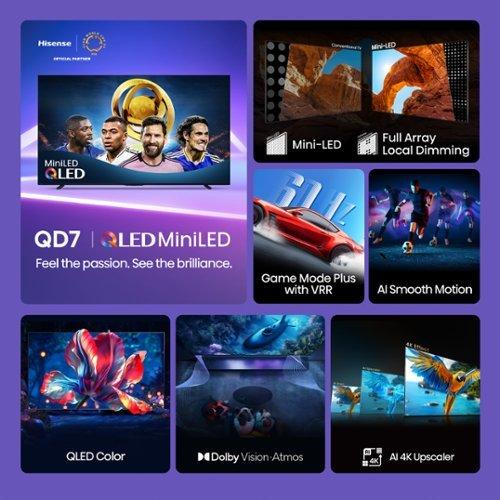
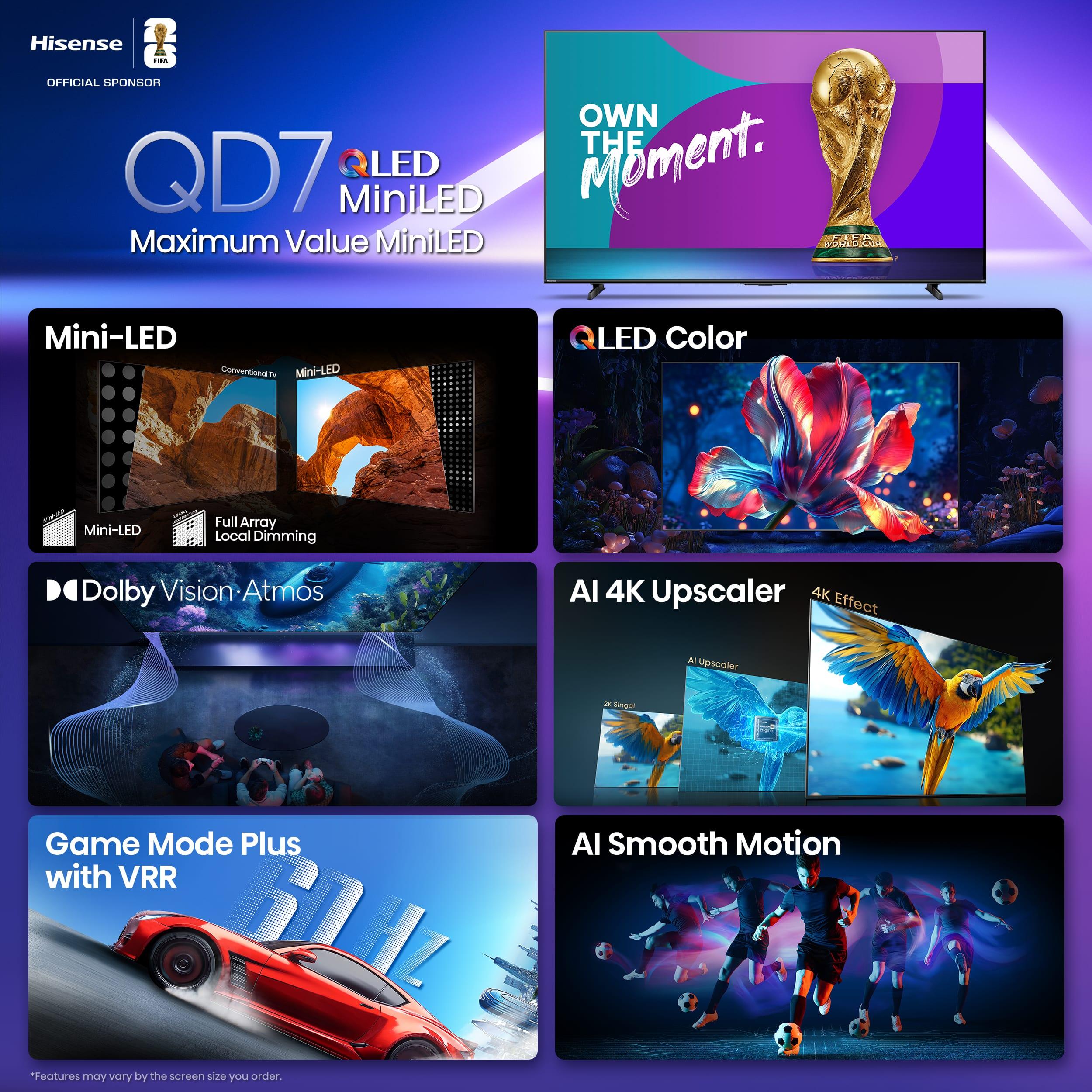
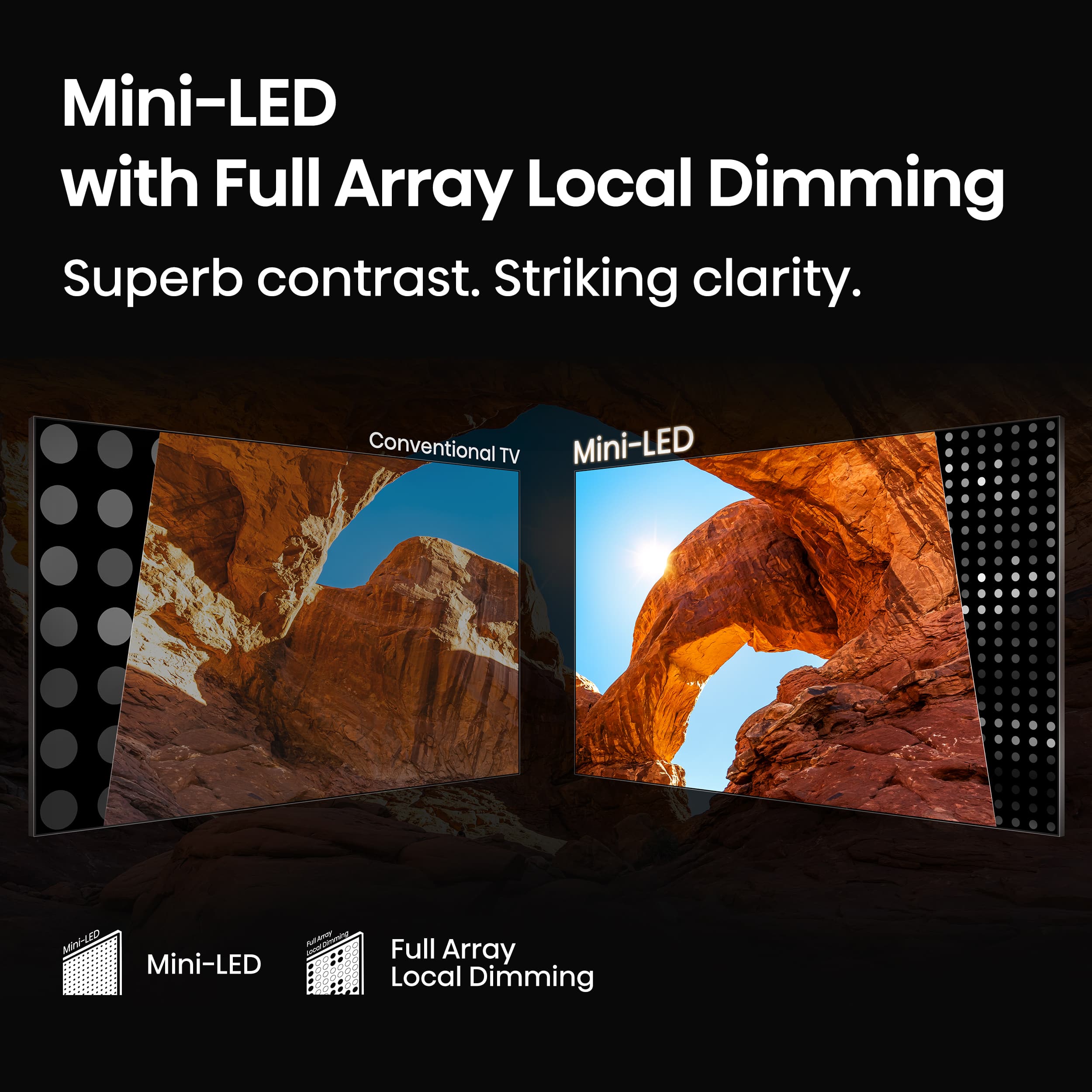
Mini-LED technology, used in the Hisense QD7, represents a major advancement over traditional LCD TVs. Instead of using a few hundred regular LEDs for backlighting, Mini-LED uses thousands of tiny LEDs—each about the size of a grain of rice. This allows for much more precise control over which parts of the screen are bright or dark, creating better contrast and reducing the "blooming" effect you might notice around bright objects on dark backgrounds. Think of it like the difference between painting with a house brush versus a fine artist's brush—the smaller tool gives you much more control.
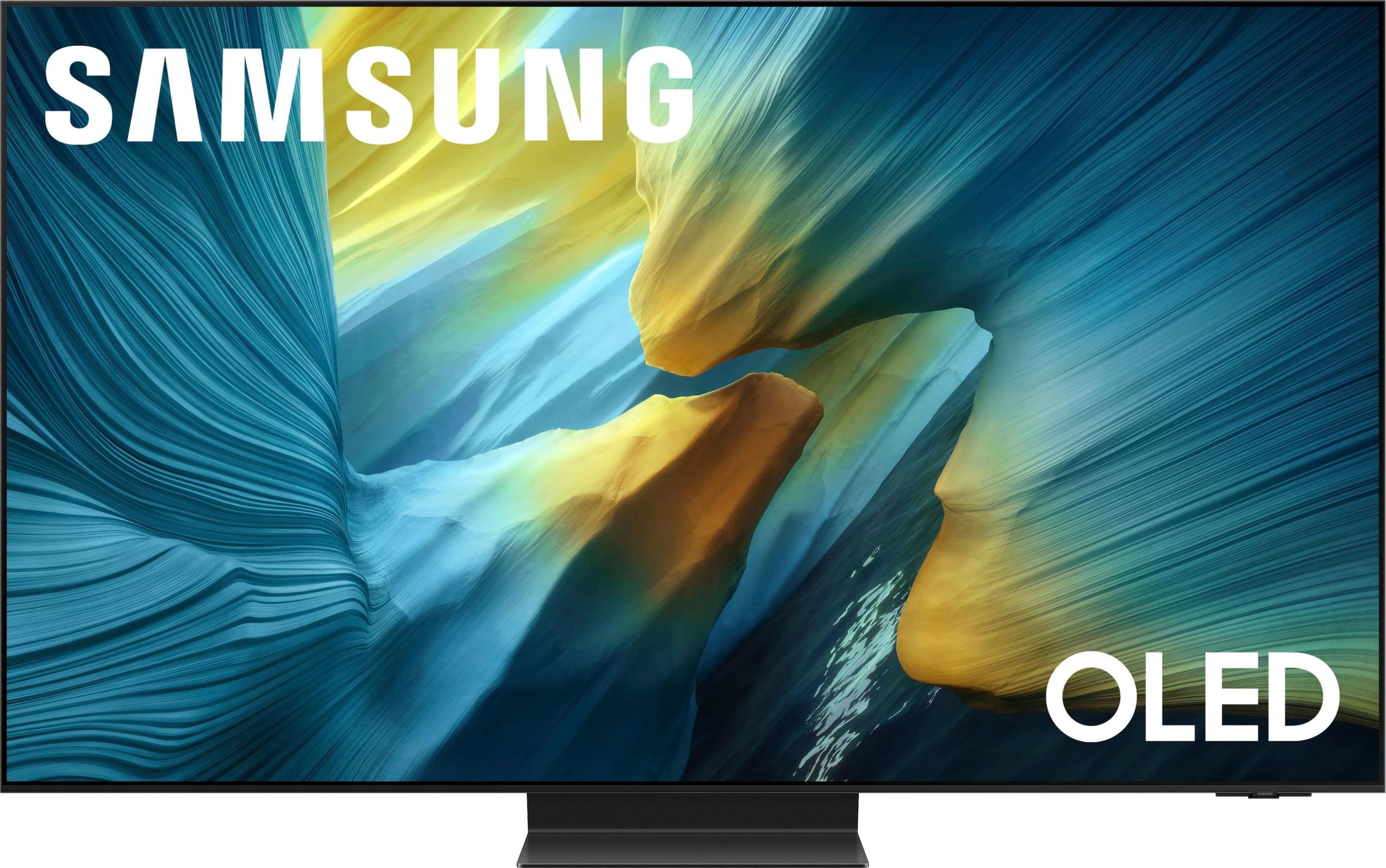
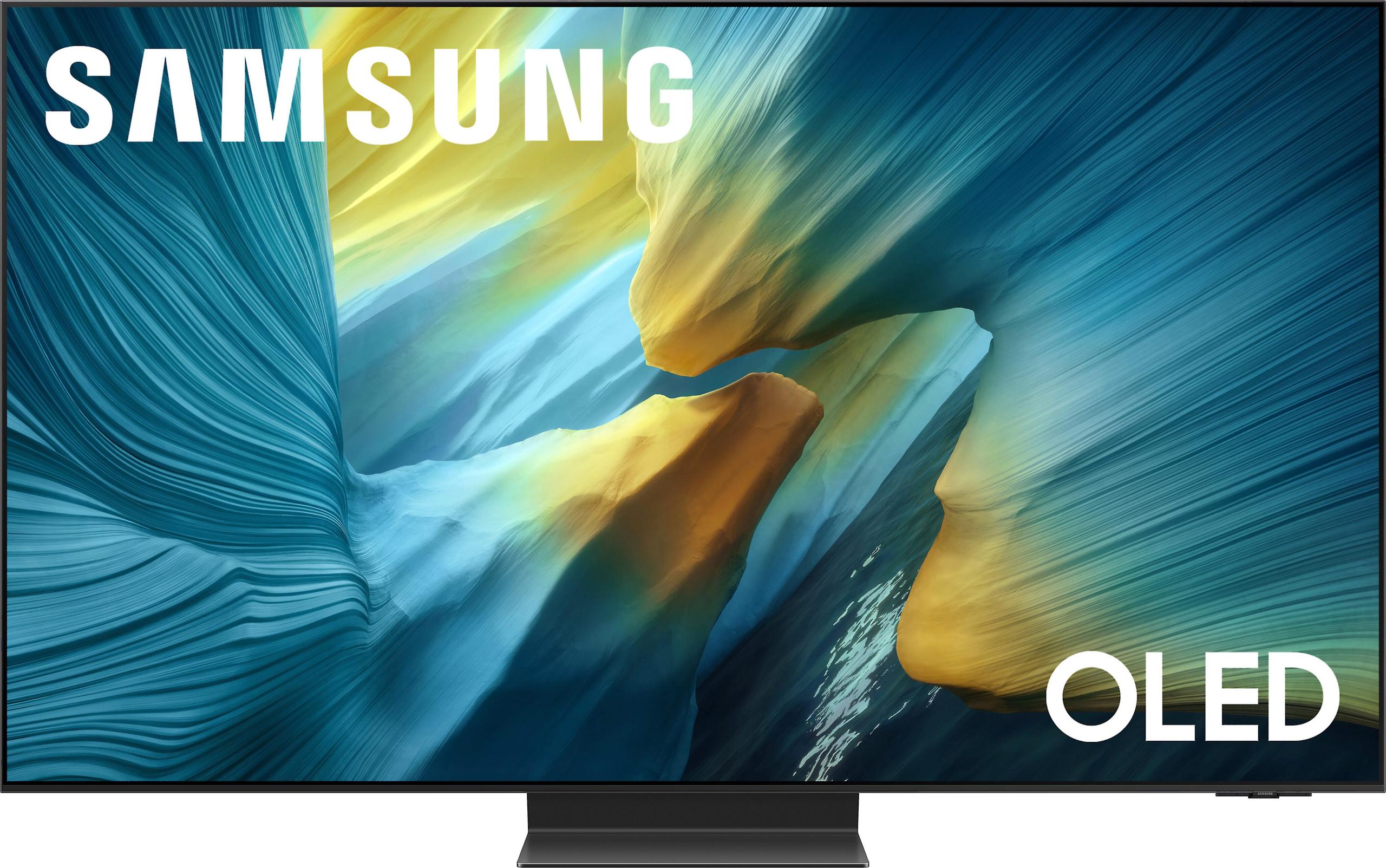
OLED technology, featured in the Samsung S95F, takes a completely different approach. Instead of using a backlight at all, each individual pixel creates its own light. This means when the TV needs to show black, those pixels simply turn off completely, creating what's called "infinite contrast." It's like having millions of tiny light switches that can turn on and off independently, rather than trying to block light from a flashlight behind a curtain.
Both TVs launched in early 2025, but they build on years of technological development. The Hisense QD7 Mini-LED represents the company's push to bring premium features to mainstream prices, incorporating Mini-LED technology that was previously found only in TVs costing several thousand dollars. Hisense has been particularly aggressive in recent years about matching the features of premium brands while keeping prices accessible.
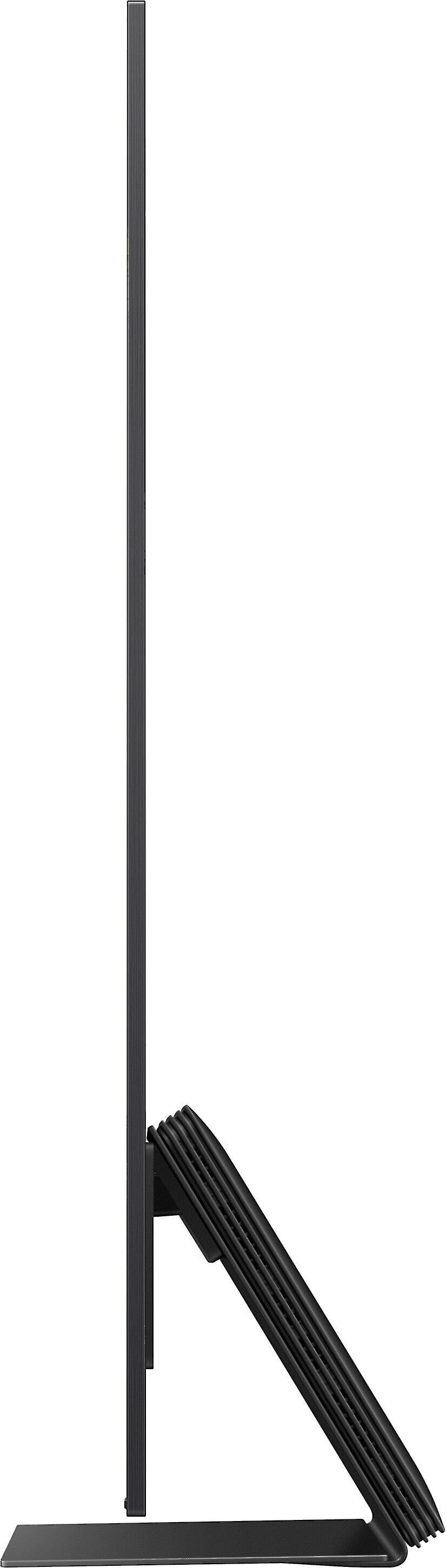
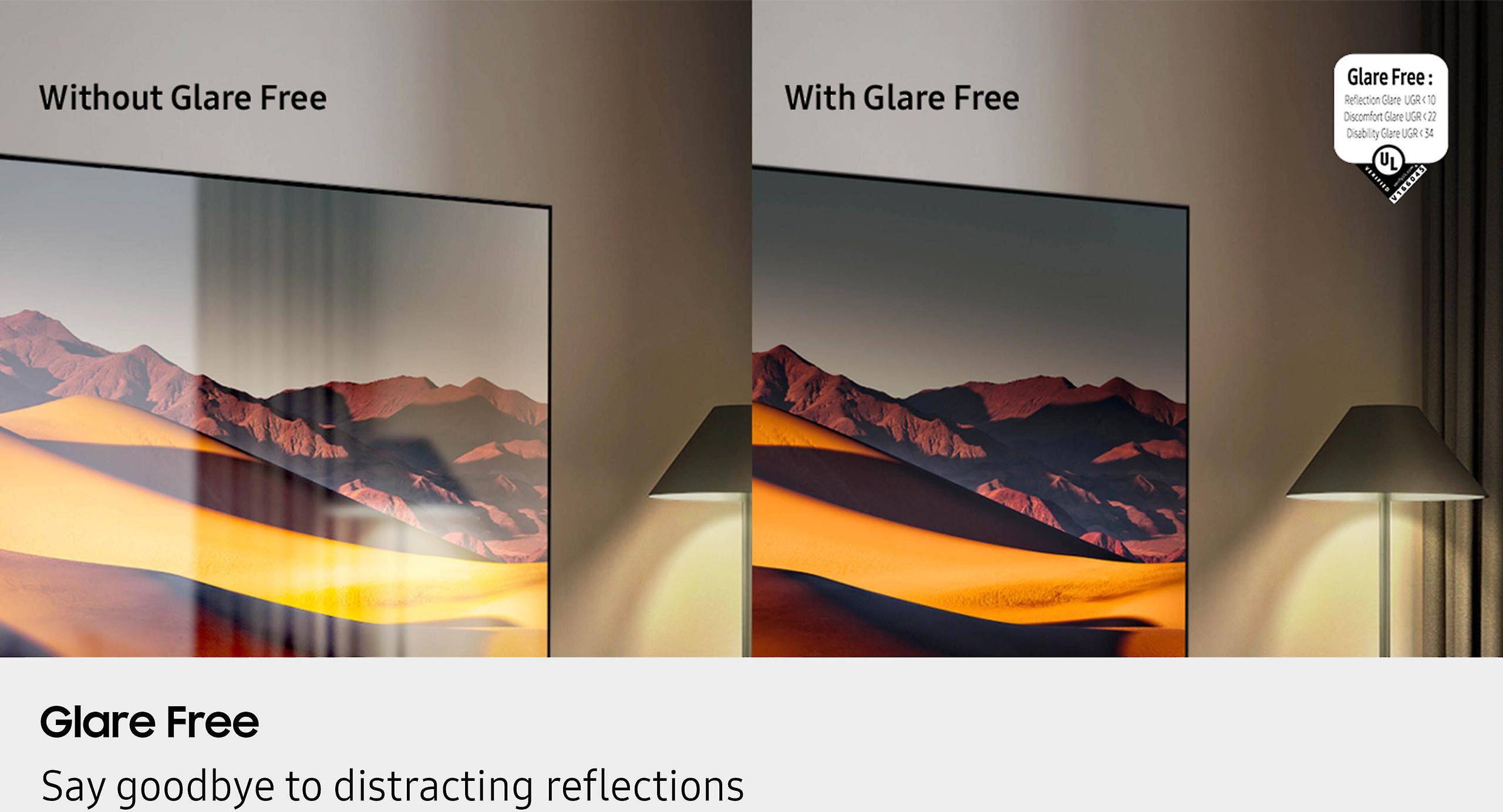
The Samsung S95F OLED builds on Samsung's QD-OLED technology, which combines the perfect blacks of OLED with the color enhancement of quantum dots. This year's model introduces a significant brightness boost—reaching up to 4,000 nits compared to about 1,500 nits in previous generations. Samsung has also added an anti-glare coating, which addresses one of OLED's traditional weaknesses in bright rooms.
Since 2023, both Mini-LED and OLED technologies have made substantial improvements. Mini-LED TVs now offer brightness levels that exceed 3,000 nits (a measurement of how bright the screen can get), while OLED panels have become significantly brighter and more durable. The addition of quantum dot technology to both approaches has expanded the range of colors these TVs can display, making content appear more vibrant and lifelike.
The most fundamental difference between these TVs lies in how they handle contrast—the difference between the darkest and brightest parts of an image. The Samsung S95F delivers what's called "infinite contrast" because its OLED pixels can turn completely off, creating true black. When you're watching a movie with a night scene, those dark areas appear genuinely black rather than the dark gray you might see on lesser TVs.
The Hisense QD7, while using advanced Mini-LED technology, still relies on a backlight system. Even with thousands of dimming zones, some light can leak through when displaying black content. However, the difference is much less noticeable than it would be on a standard LED TV, and for most content, the Hisense provides impressive contrast that satisfies the vast majority of viewers.
In practical terms, this means the Samsung excels in dark room viewing where you'll really notice the perfect blacks, while the Hisense performs excellently in most situations and actually handles bright rooms very well due to its higher overall brightness.
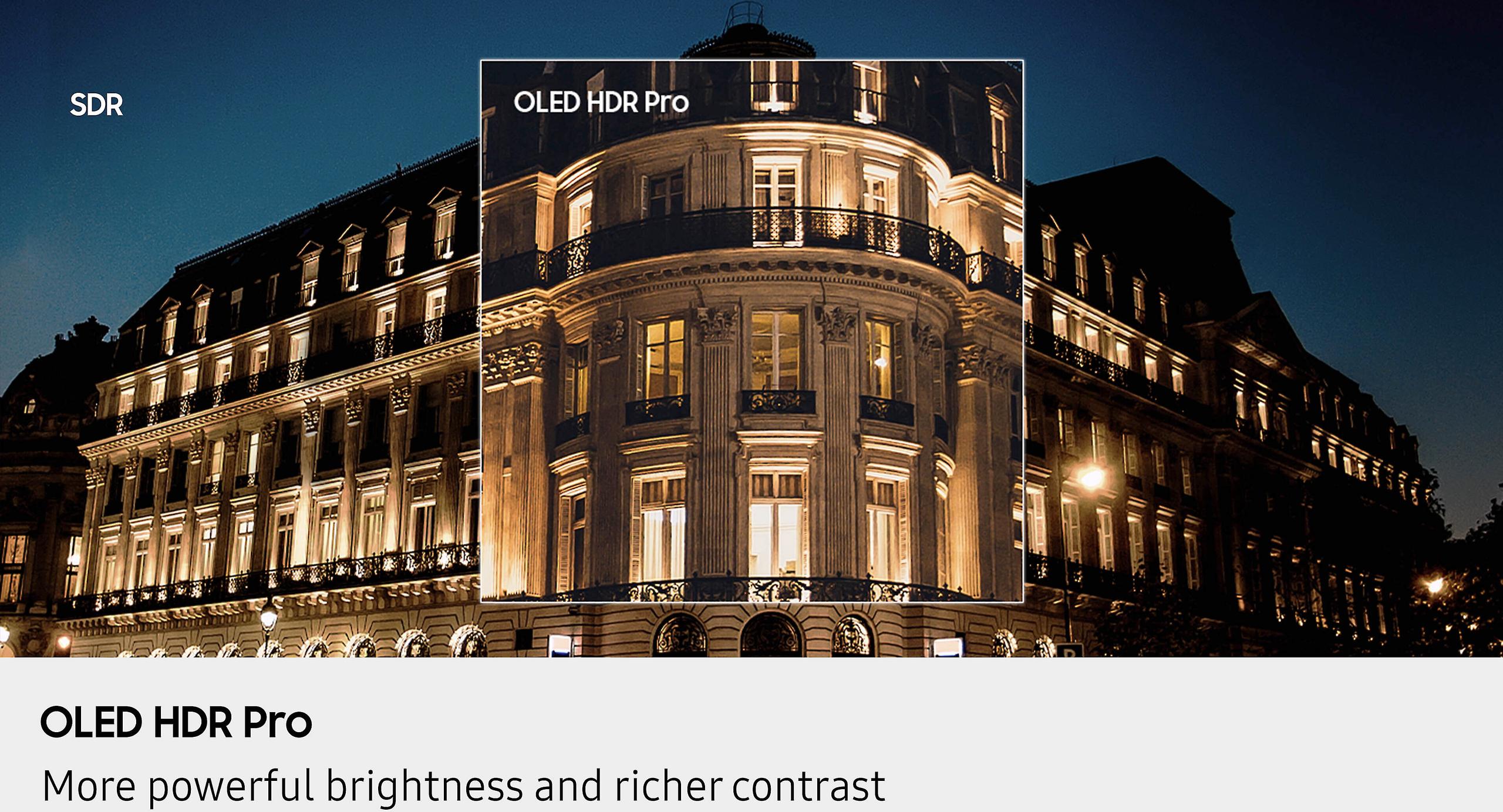
Both TVs support HDR (High Dynamic Range), which allows them to display a wider range of brightness levels than standard content. This makes highlights appear more realistic—think of how much brighter the sun looks compared to shadows in real life.
The Samsung S95F can reach peak brightness levels around 4,000 nits in small areas of the screen. To put this in perspective, that's about four times brighter than a typical LCD TV from just a few years ago. The anti-glare coating is particularly impressive, reducing reflections by about 80% compared to glossy screens. This makes it one of the few OLED TVs that work well in bright living rooms with lots of windows.
The Hisense QD7 achieves impressive brightness levels up to 3,000 nits, which is more than sufficient for most HDR content. The Mini-LED backlight system allows it to get very bright across larger areas of the screen, making it excellent for sports and other bright content. Where it falls short is in very dark scenes where the backlight can't completely turn off like individual OLED pixels can.
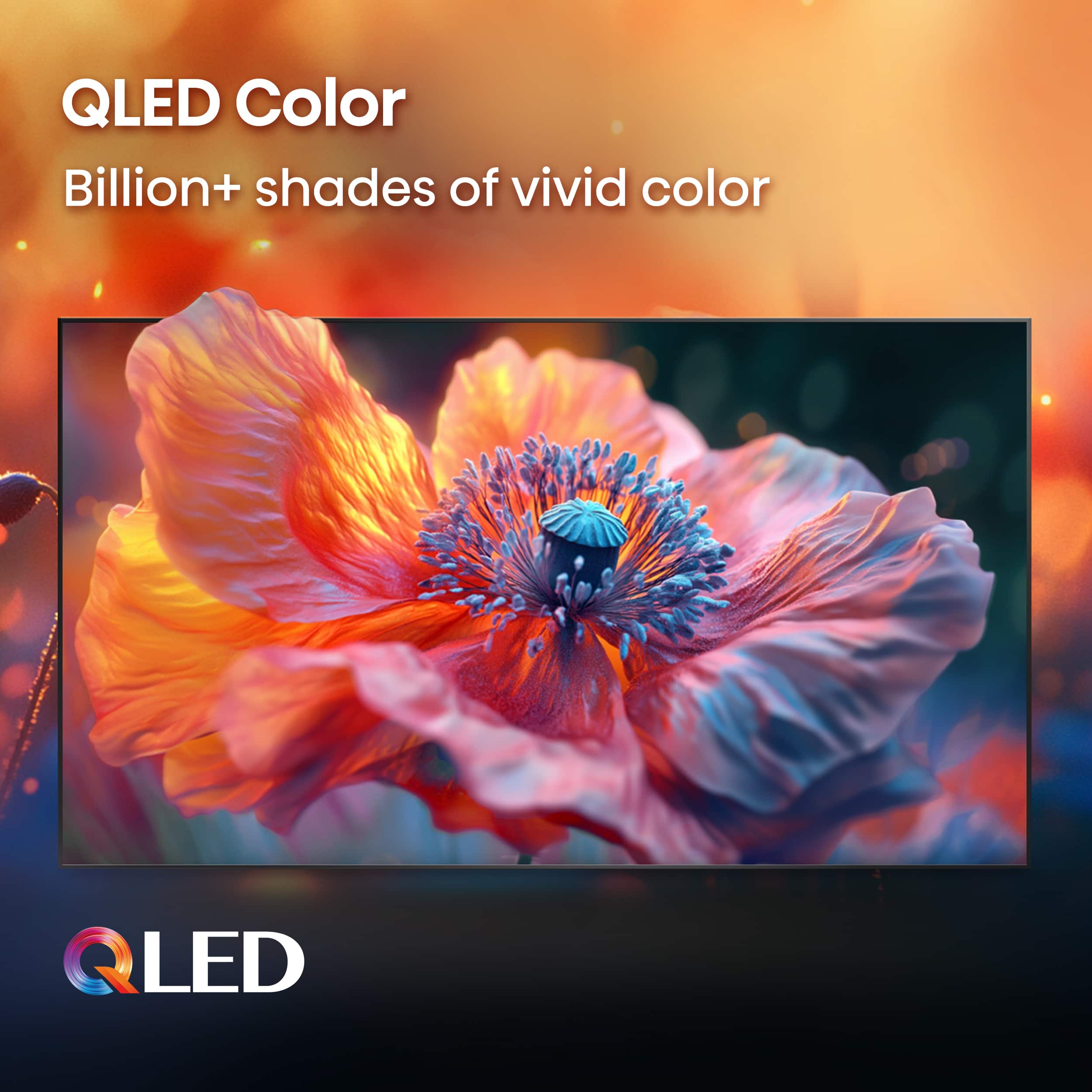
Both TVs use quantum dot technology, which enhances color reproduction by using microscopic particles that emit very pure colors when hit by light. The Samsung S95F combines this with its OLED technology to create what many consider the most accurate and vibrant colors available in consumer TVs today.
The Hisense QD7 also delivers excellent color performance, covering wide color gamuts that make nature documentaries and animated movies look particularly stunning. While it may not match the Samsung's perfect color accuracy out of the box, it comes surprisingly close for a fraction of the price.
Gaming has become a crucial consideration for TV buyers, especially with the PlayStation 5 and Xbox Series X pushing 4K gaming at high refresh rates. Both TVs offer impressive gaming capabilities, but with different strengths.
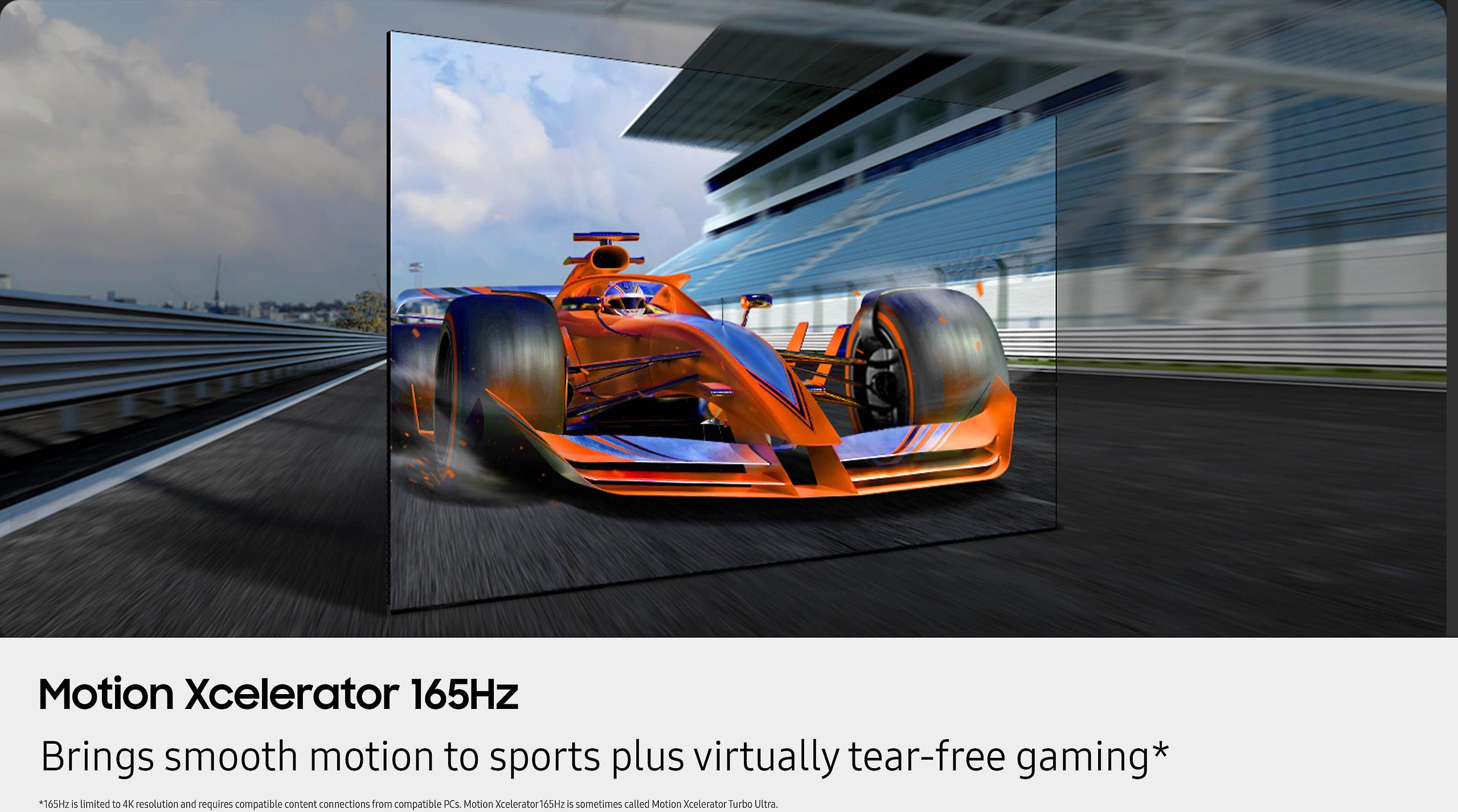
The Samsung S95F supports up to 165Hz refresh rate, which means the screen can update 165 times per second. This creates incredibly smooth motion, especially beneficial for fast-paced gaming and sports. It also features AMD FreeSync Premium Pro, which eliminates screen tearing by synchronizing the TV's refresh rate with your gaming console's output.
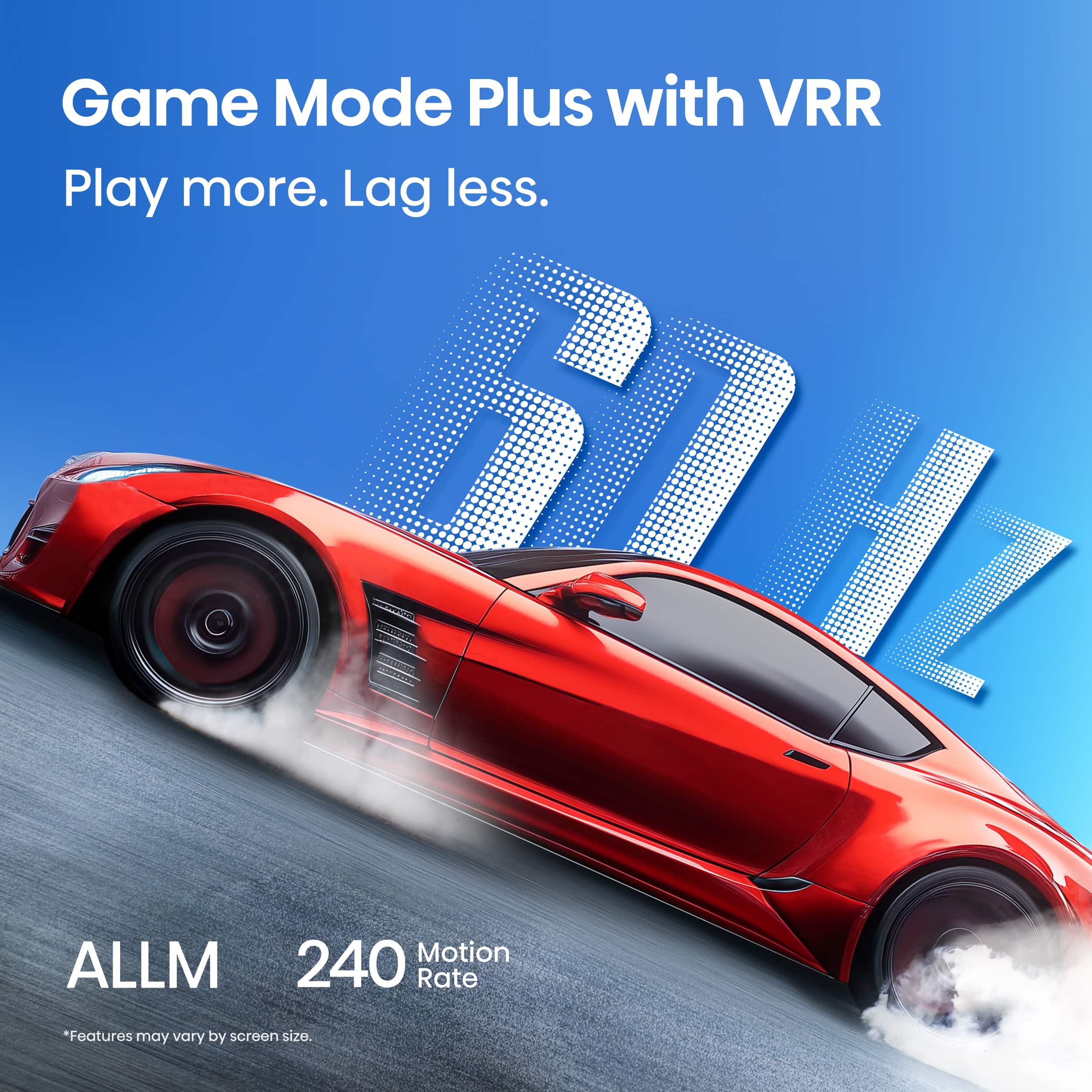
The Hisense QD7 offers a 144Hz refresh rate, which is still excellent for gaming and more than sufficient for current gaming consoles. It includes Variable Refresh Rate (VRR) and Auto Low Latency Mode (ALLM), which automatically reduces input lag when it detects a gaming console. The difference between 144Hz and 165Hz is minimal in practical gaming situations.
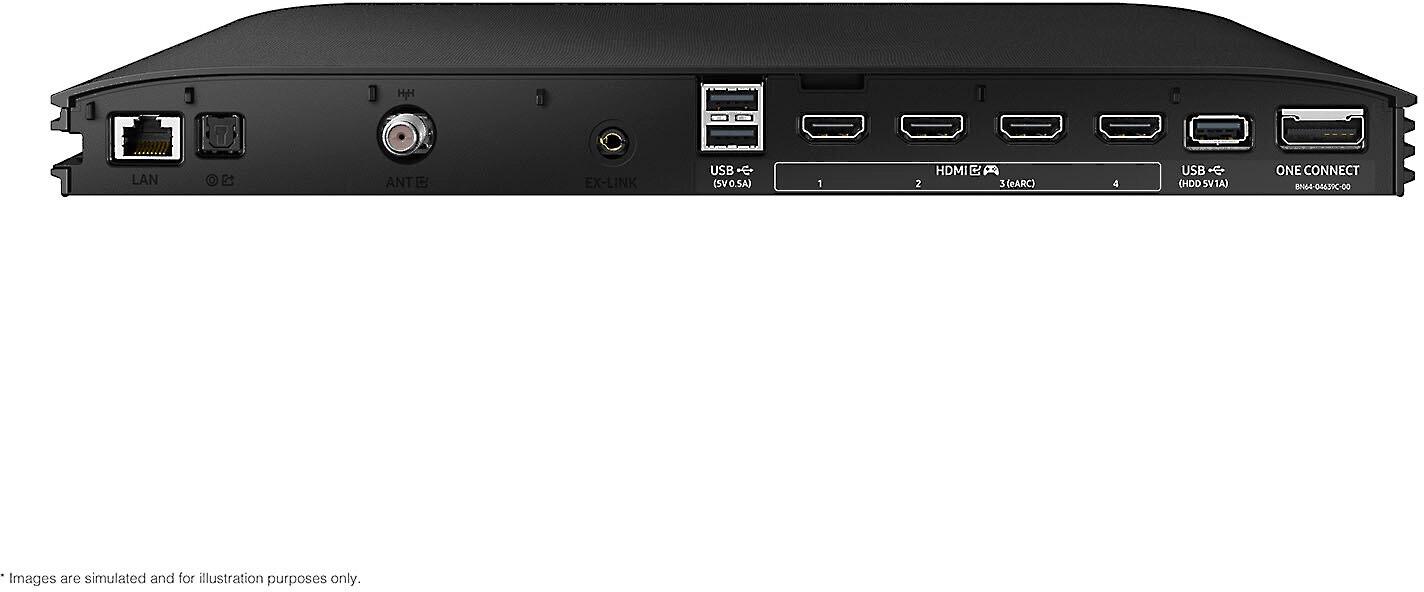
Both TVs feature multiple HDMI 2.1 ports, which support the full bandwidth needed for 4K gaming at these high refresh rates. This is crucial for getting the most out of modern gaming consoles.
Input lag—the delay between pressing a button and seeing the action on screen—is crucial for competitive gaming. Both TVs offer excellent performance here, with input lag under 10 milliseconds in game mode. The Samsung has a slight edge due to its more advanced processing, but the difference is barely noticeable in real-world gaming.
The Hisense offers exceptional value for gamers, providing premium gaming features at a budget price. The Samsung's gaming performance is excellent, but you're paying significantly more for relatively small improvements in gaming scenarios.
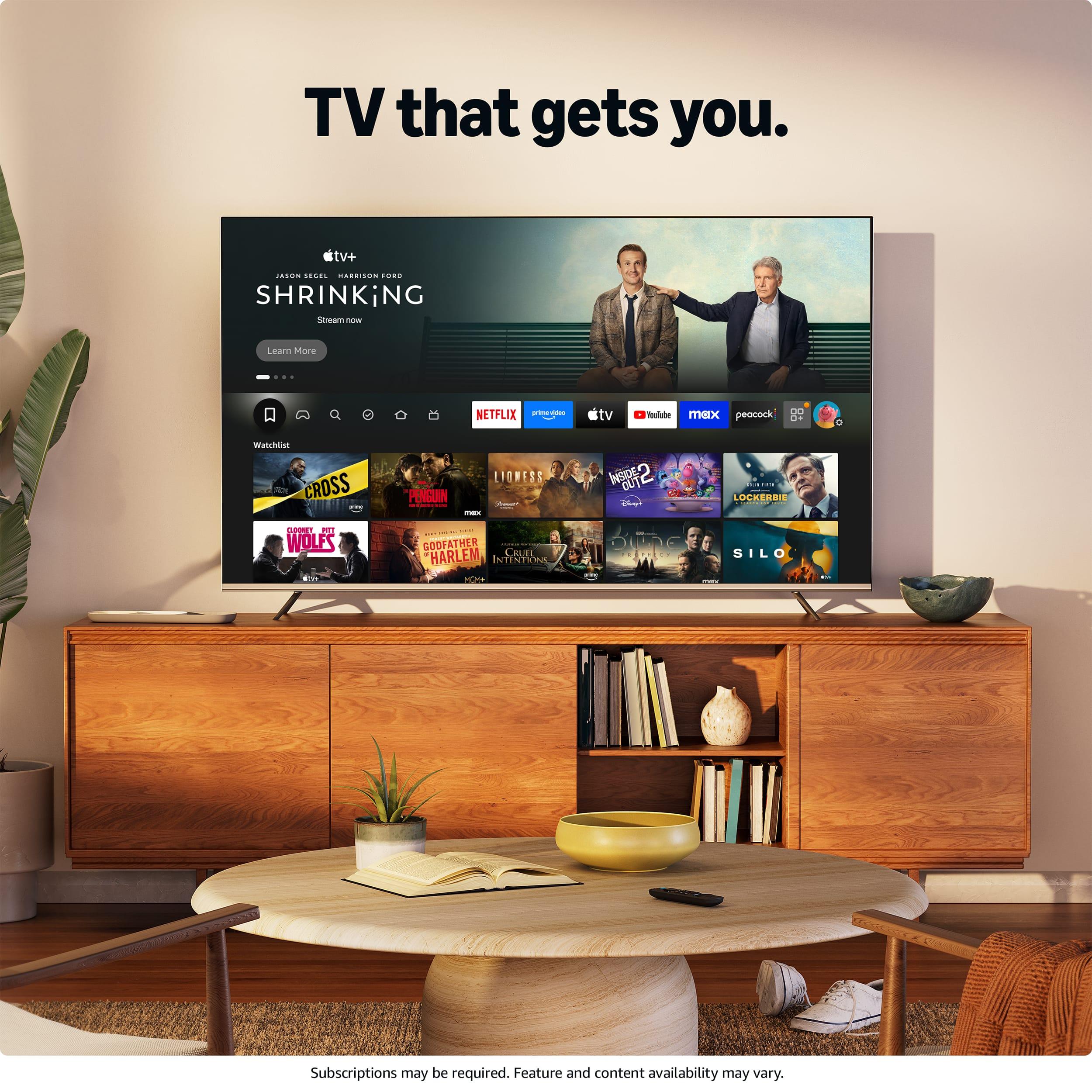
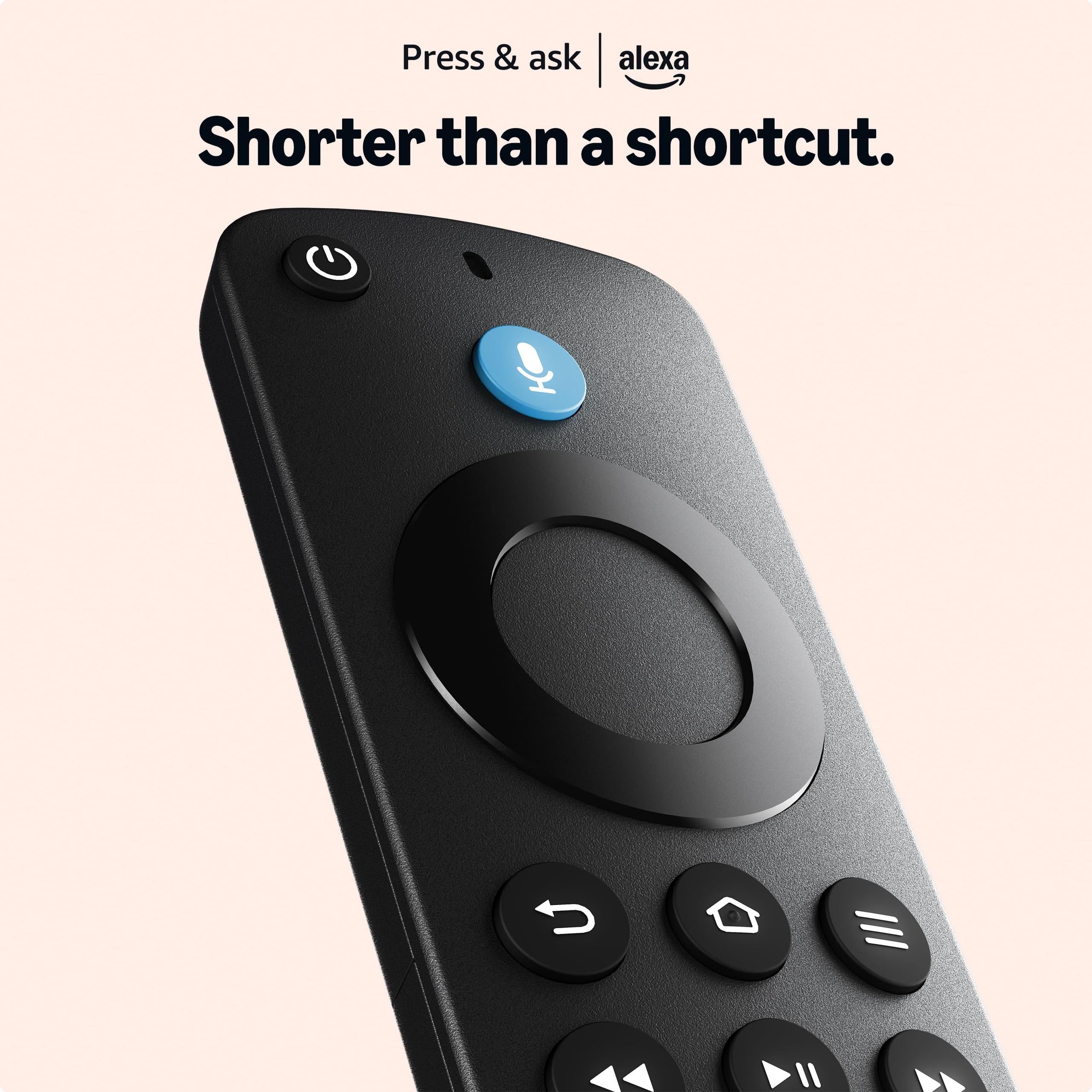
The Hisense QD7 runs Amazon's Fire TV platform, which offers a straightforward interface with excellent app selection and built-in Alexa voice control. Fire TV is particularly strong for Amazon Prime Video content and integrates well with other Amazon devices in your home.
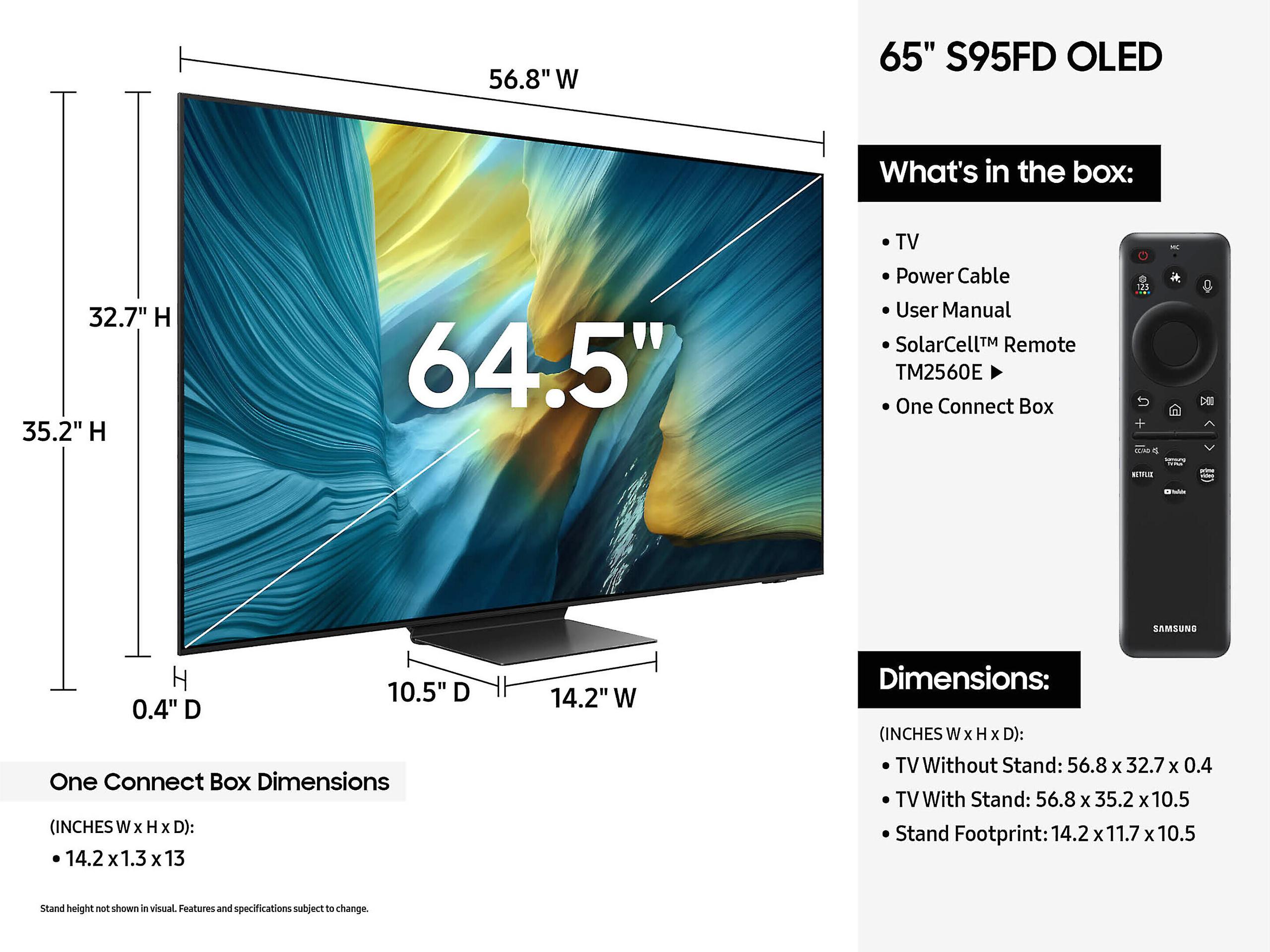
The Samsung S95F uses Samsung's Tizen operating system, which is more sophisticated but can feel overwhelming initially. Samsung promises 7 years of software updates, which is impressive for long-term usability. The TV also includes the One Connect Box, which keeps all your cables connected to a separate box rather than the TV itself—a nice touch for wall mounting.
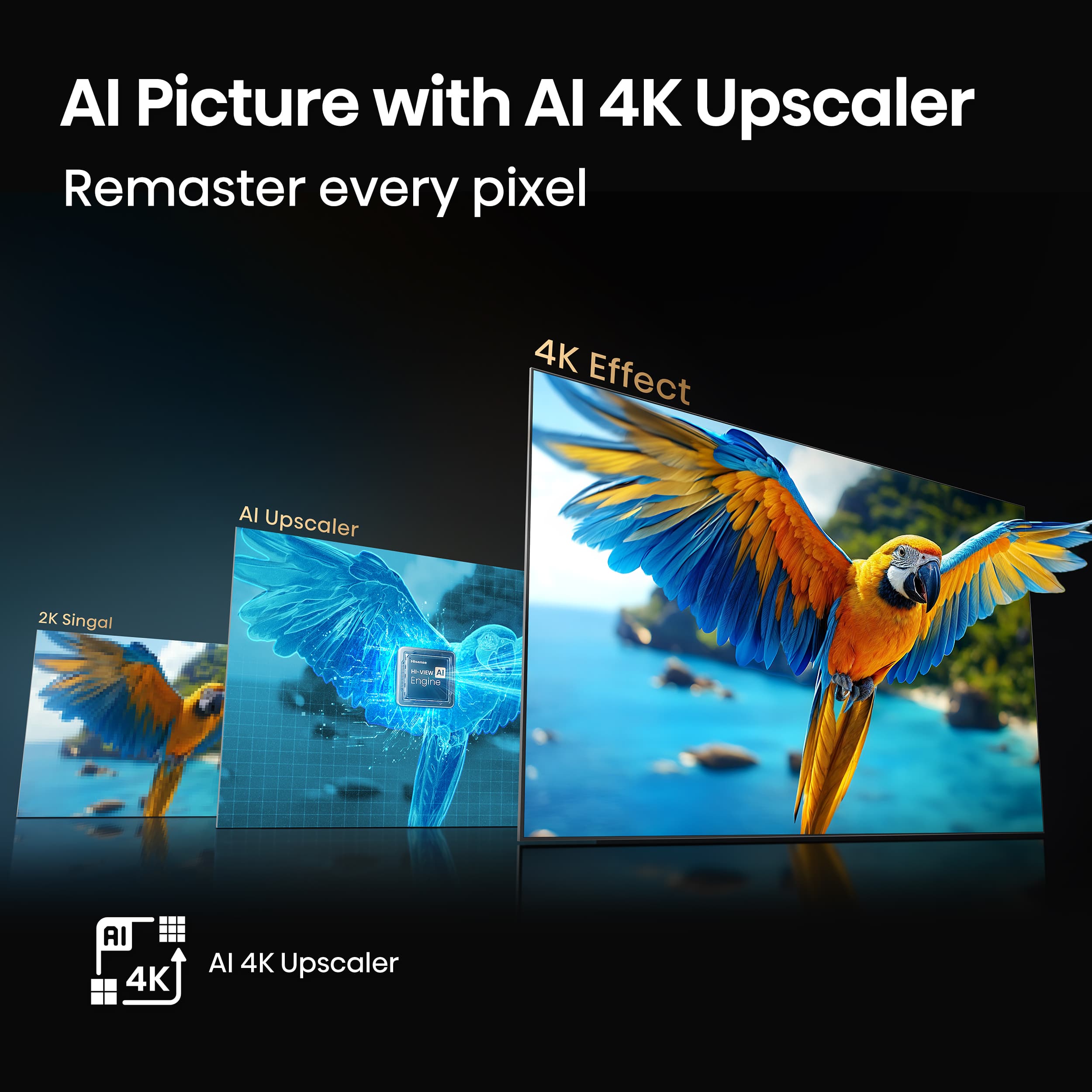
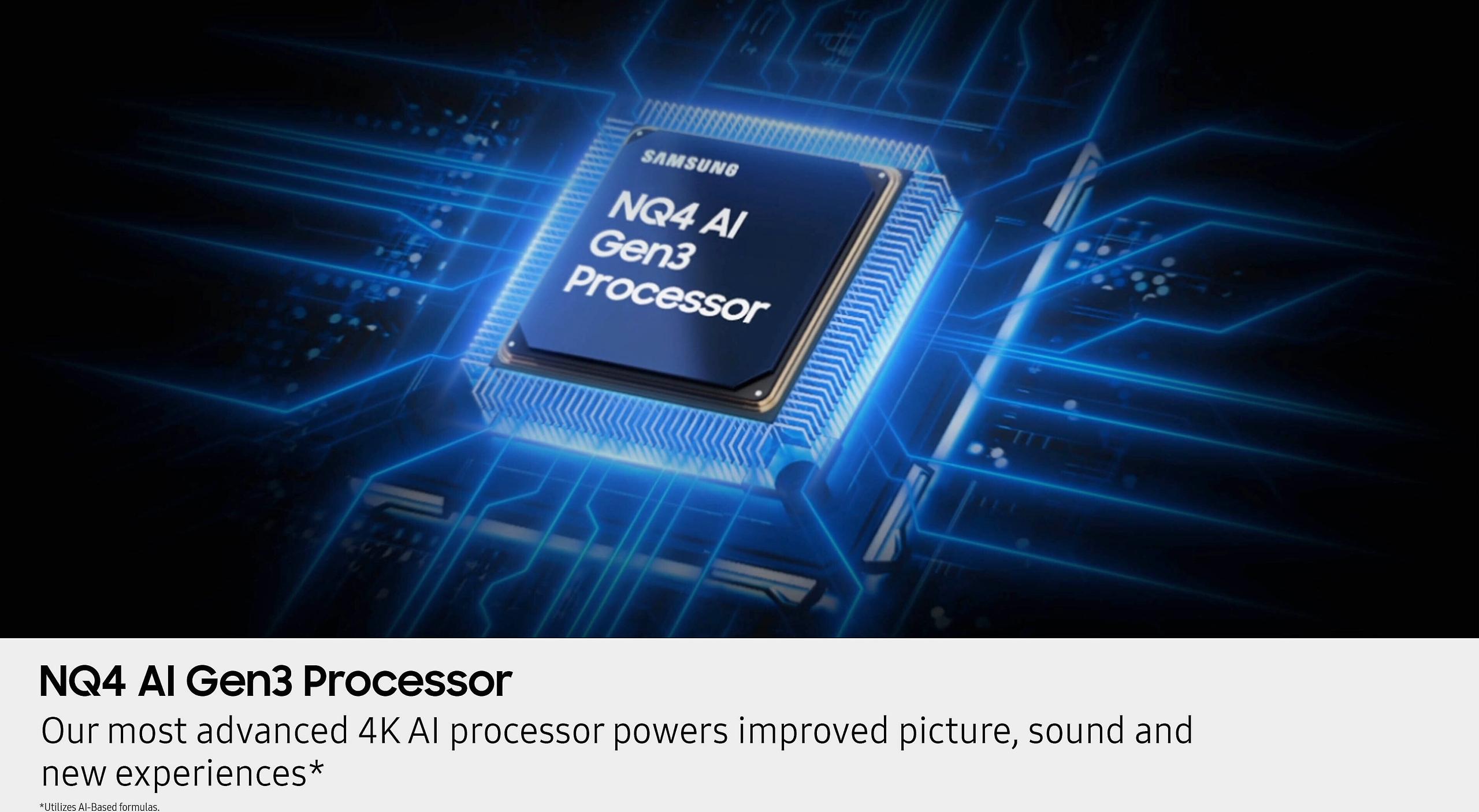
Samsung's NQ4 AI Gen3 Processor represents current state-of-the-art TV processing, with advanced upscaling that can make lower-resolution content look remarkably close to native 4K. The AI features can automatically adjust picture settings based on content type and viewing conditions, though purists might prefer manual control.
The Hisense uses more basic AI processing but still offers solid upscaling and image enhancement. For most viewers, the difference in processing power won't be noticeable during regular viewing, though enthusiasts might appreciate Samsung's more sophisticated approach.
For dedicated home theater setups, both TVs offer distinct advantages. The Samsung S95F is the clear winner for dark room viewing, where its perfect blacks create a truly cinematic experience. The infinite contrast makes it feel like you're looking through a window rather than at a lit screen.
The Samsung's Object Tracking Sound moves audio effects across the screen to match on-screen action, creating a more immersive experience without a separate sound system. The 70W 4.2.2 channel system is genuinely impressive for built-in TV speakers.
However, the Hisense QD7 shouldn't be dismissed for home theater use. Its impressive brightness makes it excellent for HDR content, and the Mini-LED technology provides good contrast for the price. While it can't match the Samsung's perfect blacks, it offers much better value for families who want a great home theater experience without the premium price.
This is where the comparison becomes particularly interesting. The Hisense QD7 at $469.99 delivers approximately 80% of the Samsung's performance at about 15% of the cost. For most viewers, this represents exceptional value—you're getting Mini-LED technology, quantum dots, high refresh rate gaming, and a solid smart platform for less than $500.
The Samsung S95F at $3,097.99 represents the current pinnacle of consumer TV technology. Every aspect is refined to the highest level, from the anti-glare coating to the sophisticated AI processing. However, you're paying a significant premium for what amounts to incremental improvements over the Hisense in many scenarios.
Both manufacturers have made significant improvements in reliability over recent years. Hisense has built a reputation for solid budget TVs, though some users report occasional software glitches and quality control variations. Samsung's premium positioning comes with generally better quality control and customer support.
The Samsung's OLED technology is more mature now, with significantly reduced risk of burn-in (permanent image retention) compared to earlier generations. The Hisense's Mini-LED technology is inherently more resistant to burn-in since it uses traditional LCD panels.
Choose the Hisense QD7 Mini-LED at $469.99 if you want excellent performance without premium pricing. It's ideal for bright rooms, delivers great gaming performance, and offers impressive picture quality that will satisfy most viewers. The Fire TV platform is user-friendly, and the overall package represents outstanding value.
Choose the Samsung S95F OLED at $3,097.99 if picture quality is your absolute priority and budget is less of a concern. It's perfect for dark room viewing, offers cutting-edge technology, and provides a premium experience in every aspect. The anti-glare coating makes it one of the few OLEDs that work well in bright rooms.
The reality is that both TVs will provide excellent viewing experiences, but they serve different priorities. The Hisense maximizes performance per dollar, while the Samsung maximizes absolute performance. For most buyers, the Hisense offers the better value proposition, while the Samsung serves those who want the very best display technology available today.
Your room's lighting conditions, viewing habits, and budget will ultimately determine which approach makes more sense for your specific situation. Both represent excellent choices within their respective price categories, showcasing how good TV technology has become across all price points in 2025.
| Hisense 65" QD7 Series Mini-LED 4K Fire TV 2025 | Samsung 65" OLED S95F 4K Smart TV 2025 |
|---|---|
| Price - The most significant difference between these models | |
| $469.99 (exceptional value for premium features) | $3,097.99 (premium pricing for cutting-edge technology) |
| Display Technology - Fundamentally different approaches to picture quality | |
| Mini-LED LCD with quantum dots (bright, good contrast) | QD-OLED with anti-glare coating (perfect blacks, infinite contrast) |
| Peak Brightness - Critical for HDR content and bright room viewing | |
| Up to 3,000 nits (excellent for most environments) | Up to 4,000 nits (best-in-class with anti-glare coating) |
| Contrast Performance - Most noticeable difference in dark scenes | |
| Very good contrast with Mini-LED local dimming | Infinite contrast with perfect blacks (pixels turn completely off) |
| Gaming Refresh Rate - Important for smooth gaming and sports | |
| 144Hz with VRR and ALLM (excellent for gaming) | 165Hz with AMD FreeSync Premium Pro (premium gaming performance) |
| HDR Format Support - Affects compatibility with streaming content | |
| Dolby Vision, HDR10, HDR10+ (broadest compatibility) | HDR10+ only (no Dolby Vision support) |
| Smart Platform - Daily user experience and interface | |
| Fire TV with Alexa (streamlined, Amazon-focused) | Tizen OS with 7 years of updates (premium features, One Connect Box) |
| Audio System - Built-in sound quality | |
| Dolby Atmos support (good for the price) | 70W 4.2.2CH with Object Tracking Sound (premium audio experience) |
| Viewing Angles - Important for family viewing and room layout | |
| Moderate (typical LCD limitation) | Excellent (OLED strength for wide seating arrangements) |
| Best Use Case - Who each TV serves best | |
| Budget-conscious buyers wanting premium features | Enthusiasts wanting absolute best picture quality |
The Hisense 65" QD7 Series Mini-LED 4K Fire TV 2025 at $469.99 offers exceptional value, delivering premium features like Mini-LED technology, quantum dots, and high refresh rate gaming at a budget price. The Samsung 65" OLED S95F 4K Smart TV 2025 at $3,097.99 provides cutting-edge technology and superior picture quality but costs over 6 times more. For most buyers, the Hisense represents better value unless you need the absolute best picture quality.
The key difference is contrast performance. The Samsung S95F OLED delivers perfect blacks and infinite contrast because its pixels can turn completely off, creating a more cinematic experience. The Hisense QD7 Mini-LED uses advanced local dimming but can't achieve true blacks due to its backlight system. However, the Hisense offers excellent brightness and contrast that satisfies most viewers at a fraction of the cost.
Both TVs excel at gaming, but with different strengths. The Samsung S95F offers 165Hz refresh rate with AMD FreeSync Premium Pro for the ultimate gaming experience. The Hisense QD7 provides 144Hz with VRR and ALLM, delivering excellent gaming performance at a much lower price. For most gamers, the performance difference doesn't justify the Samsung's premium cost.
The Samsung S95F OLED features an anti-glare coating that significantly reduces reflections, making it one of the few OLEDs that work well in bright rooms. The Hisense QD7 Mini-LED naturally handles bright environments well due to its high brightness output. Both work in bright rooms, but the Samsung's anti-glare technology gives it a slight edge.
For dedicated home theater use in dark rooms, the Samsung S95F OLED at $3,097.99 is superior due to its perfect blacks and infinite contrast, creating a truly cinematic experience. The premium audio system with Object Tracking Sound enhances the theater experience. However, the Hisense QD7 at $469.99 still provides excellent home theater performance at a much lower price point.
The Hisense QD7 uses Fire TV with built-in Alexa, offering a streamlined interface that's particularly good for Amazon Prime Video content. The Samsung S95F runs Tizen OS with 7 years of guaranteed updates and includes the One Connect Box for cleaner cable management. Both platforms offer excellent app selection and user experience.
The Samsung S95F OLED reaches up to 4,000 nits peak brightness, while the Hisense QD7 Mini-LED achieves up to 3,000 nits. Both provide excellent HDR performance, but the Samsung's higher brightness combined with perfect blacks creates more dramatic HDR effects. The difference is noticeable but may not justify the price premium for all viewers.
No, there's an important difference. The Hisense QD7 supports Dolby Vision, HDR10, and HDR10+, providing the broadest compatibility with streaming content. The Samsung S95F only supports HDR10+ and lacks Dolby Vision, which is used by Netflix, Disney+, and other major streaming services. This is a notable limitation for Samsung's flagship model.
The Samsung S95F OLED comes with premium build quality and Samsung's reputation for reliability, plus 7 years of software updates. Modern OLED panels have significantly reduced burn-in risk. The Hisense QD7 Mini-LED uses more traditional LCD technology that's inherently resistant to burn-in, though some users report occasional software glitches. Both should provide years of reliable service.
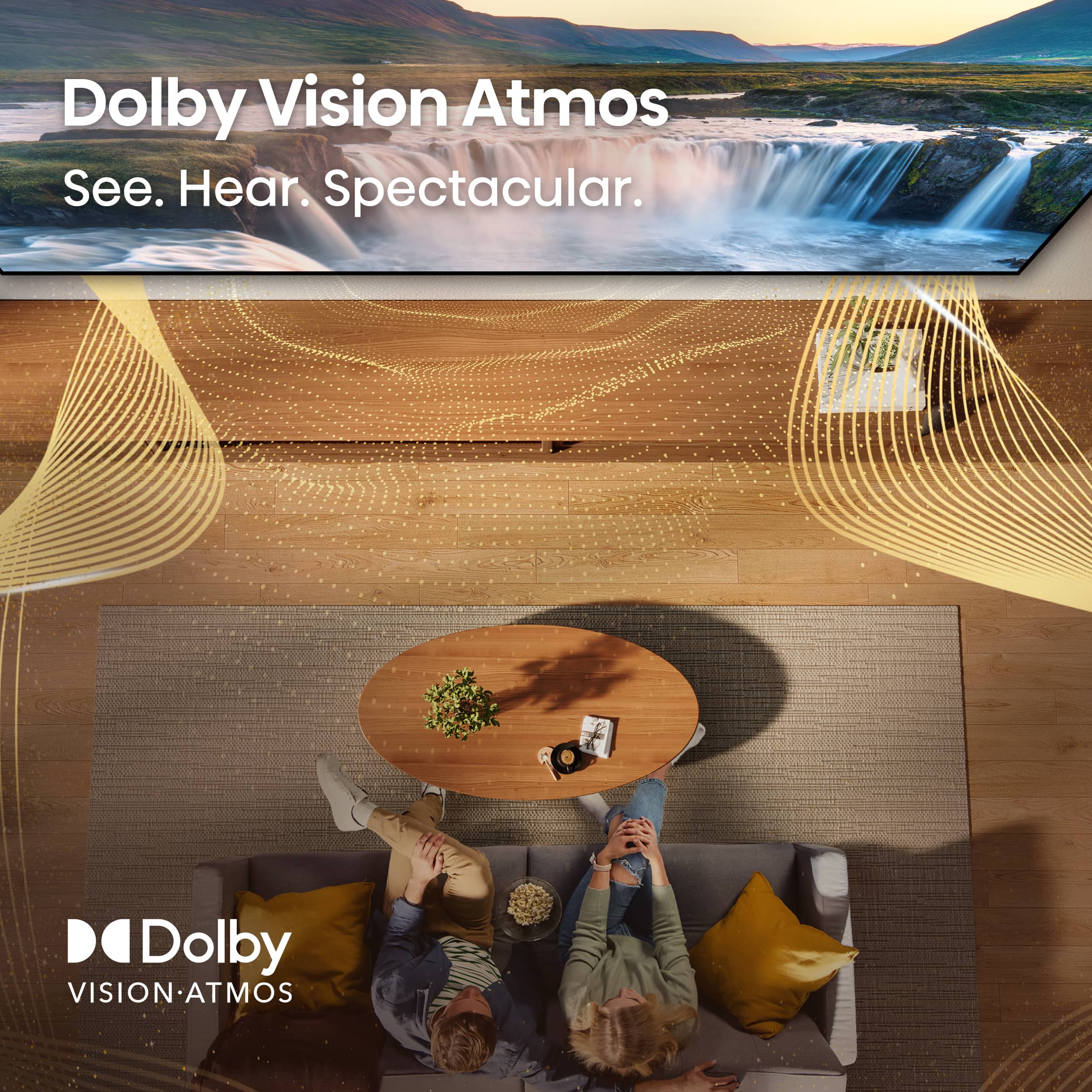
The Samsung S95F features a premium 70W 4.2.2 channel system with Object Tracking Sound and Dolby Atmos, providing impressive built-in audio. The Hisense QD7 supports Dolby Atmos and offers good audio for its price range. For serious home theater use, both would benefit from a dedicated sound system, but the Samsung's audio is noticeably superior.
For first-time premium TV buyers, the Hisense QD7 Mini-LED at $469.99 is an excellent choice. It delivers premium features like Mini-LED technology, quantum dots, and high refresh rate gaming at an accessible price, allowing you to experience high-end TV features without the premium cost. The Samsung S95F at $3,097.99 is better suited for enthusiasts who want the absolute best picture quality.
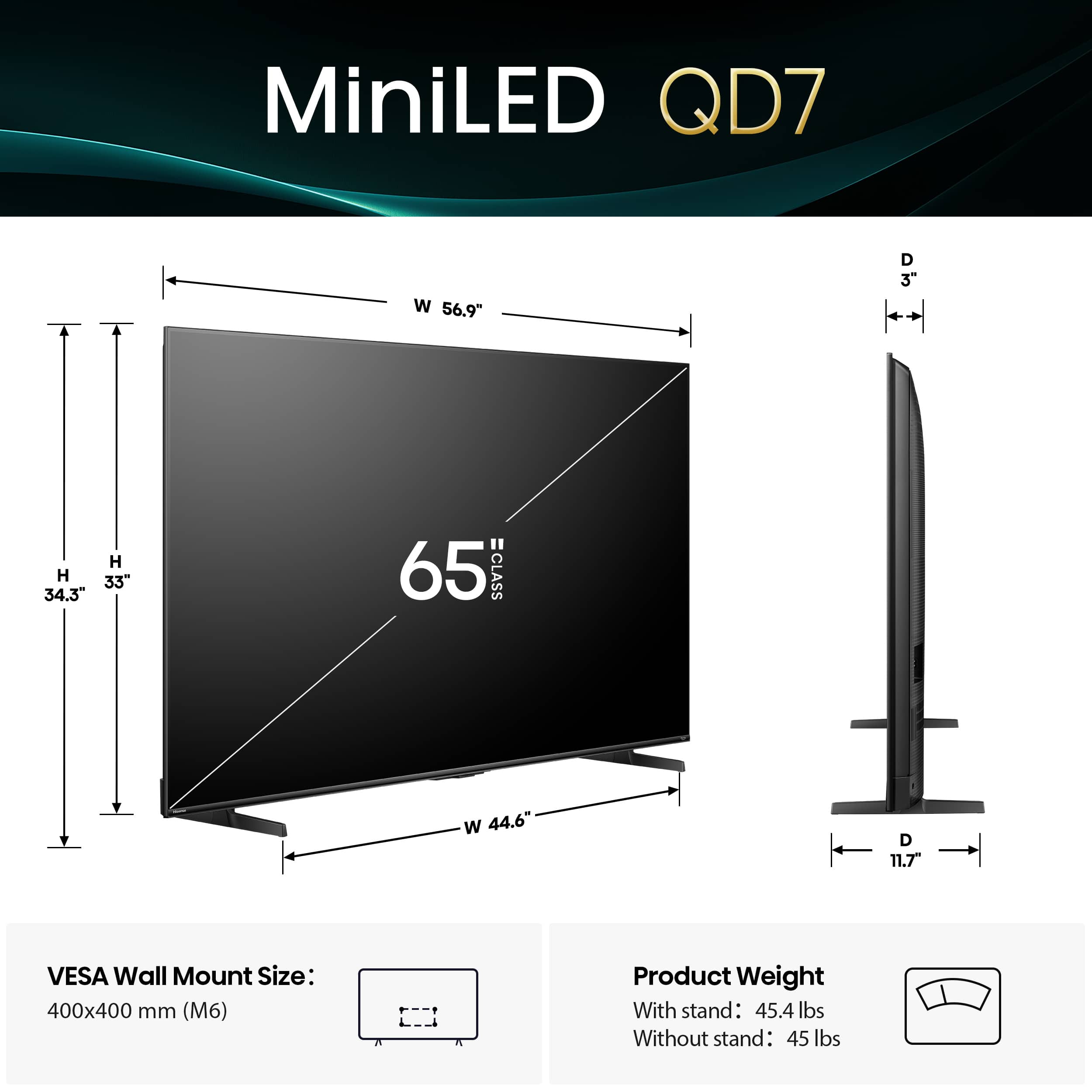
The Hisense QD7 has some limitations including narrower viewing angles compared to OLED and occasional software bugs. The Samsung S95F lacks Dolby Vision support, which is surprising for a flagship TV, and costs significantly more. Both TVs are heavy and may require professional installation for wall mounting. Consider your room layout and viewing habits when making your decision.
We've done our best to create useful and informative comparisons to help you decide what product to buy. Our research uses advanced automated methods to create this comparison and perfection is not possible - please contact us for corrections or questions. These are the sites we've researched in the creation of this article: bestbuy.com - custrevs.com - youtube.com - bestbuy.com - rtings.com - youtube.com - rtings.com - pcrichard.com - bestbuy.com - pcrichard.com - camelcamelcamel.com - amazonfiretv.blog - hisense-usa.com - hisense-usa.com - hisense-usa.com - bestbuy.com - leaseville.com - youtube.com - bestbuy.com - flatpanelshd.com - businessinsider.com - tomsguide.com - youtube.com - avsforum.com - zdnet.com - samsung.com - pioneertvandappliance.com - samsung.com - displayspecifications.com - samsung.com

Privacy Policy
Terms and Conditions - Affiliate Policy
Home Security
© Copyright 2008-2026.
11816 Inwood Rd #1211, Dallas, TX 75244