

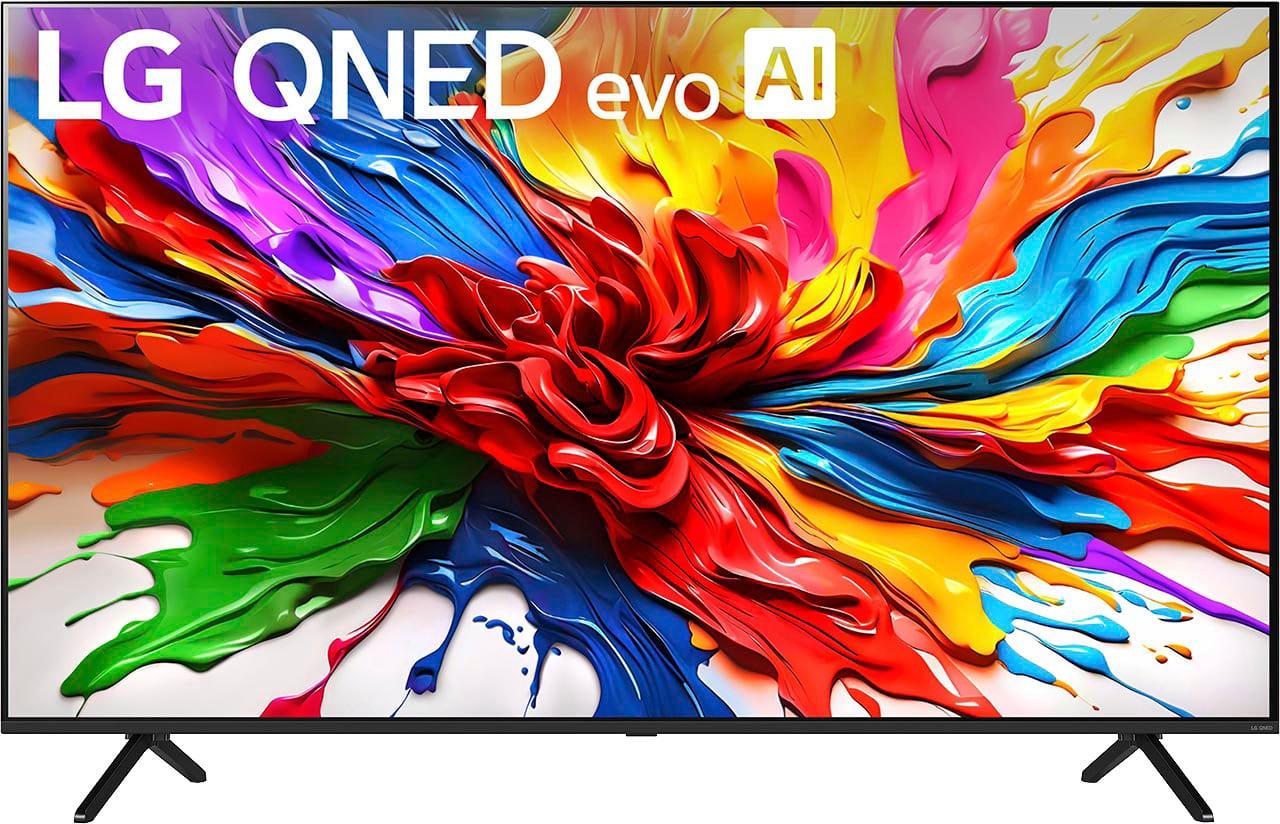
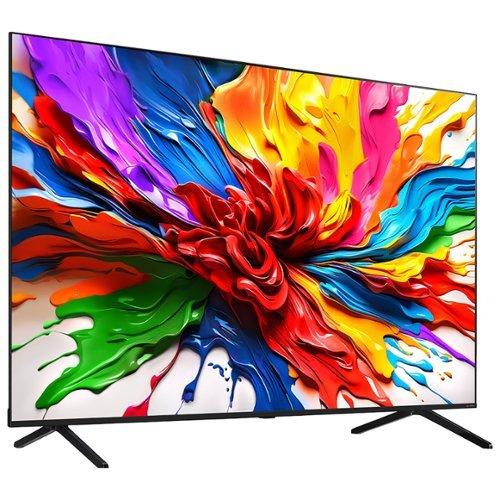
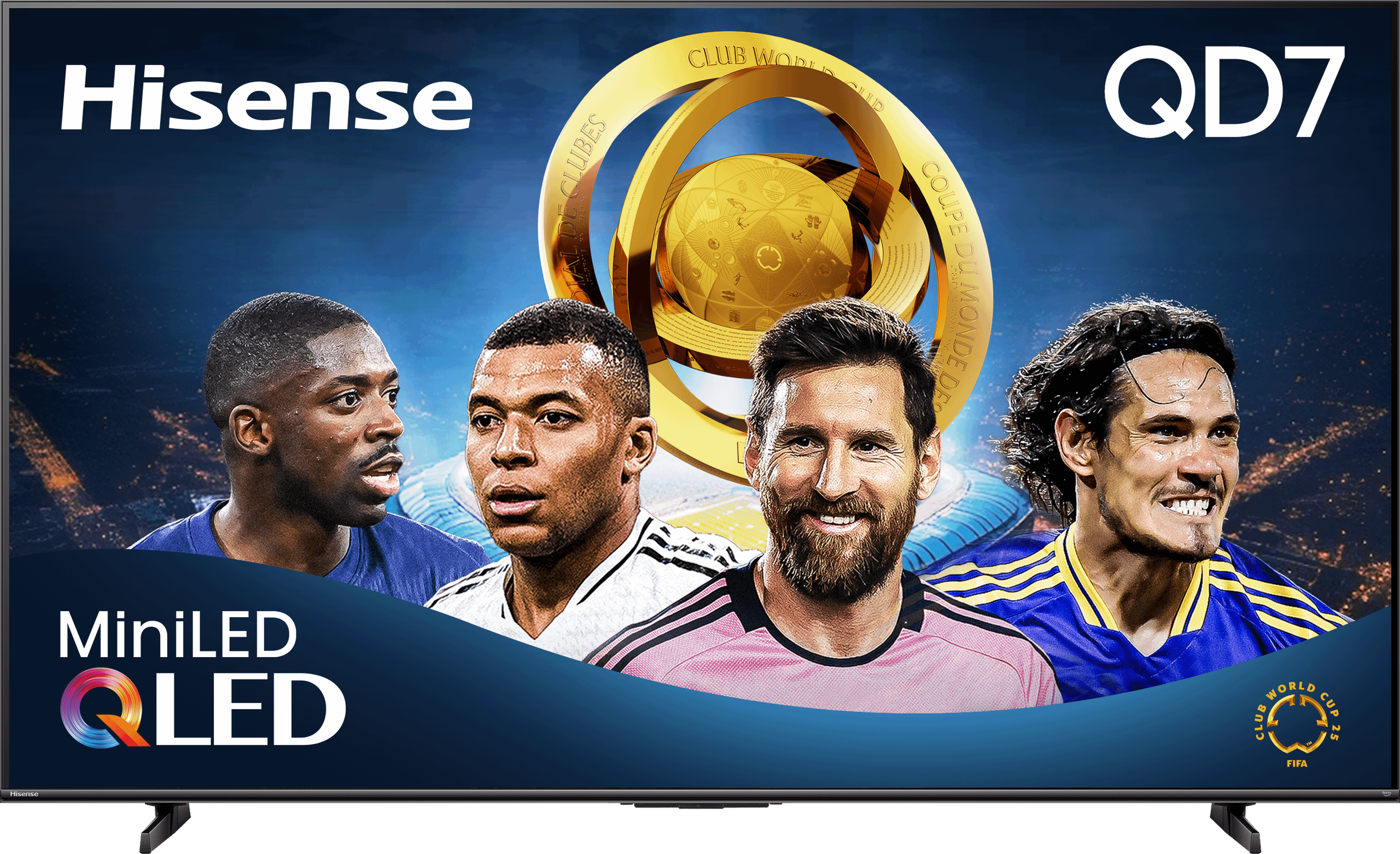
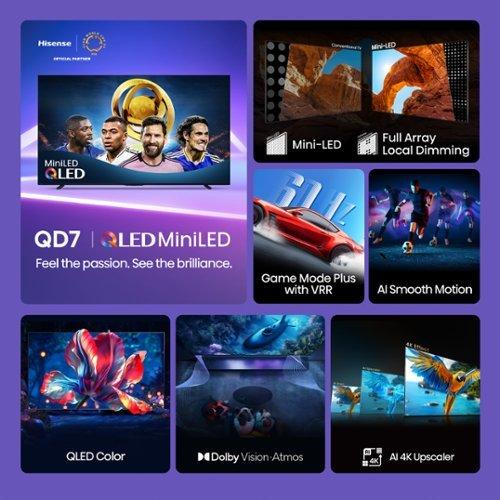
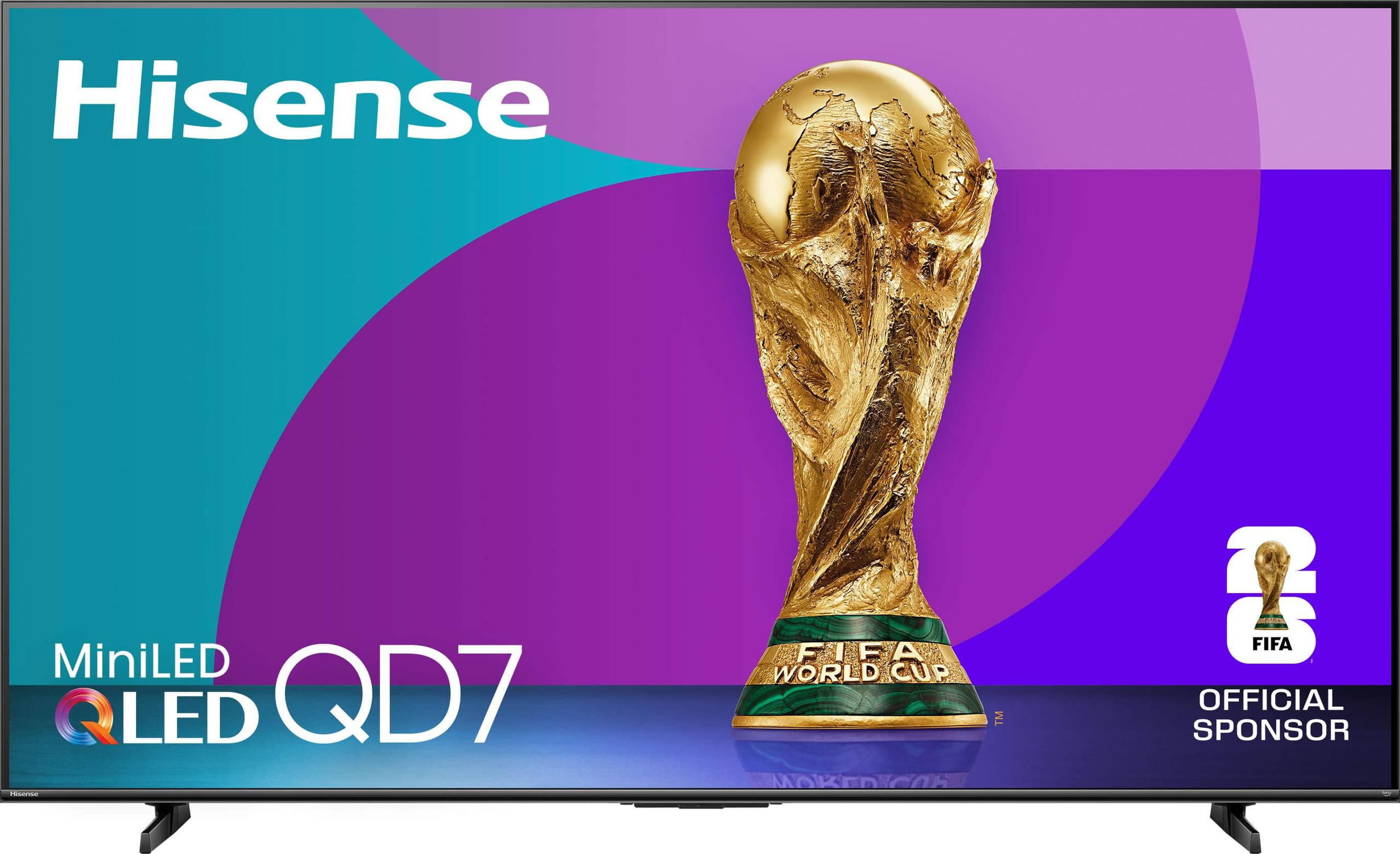
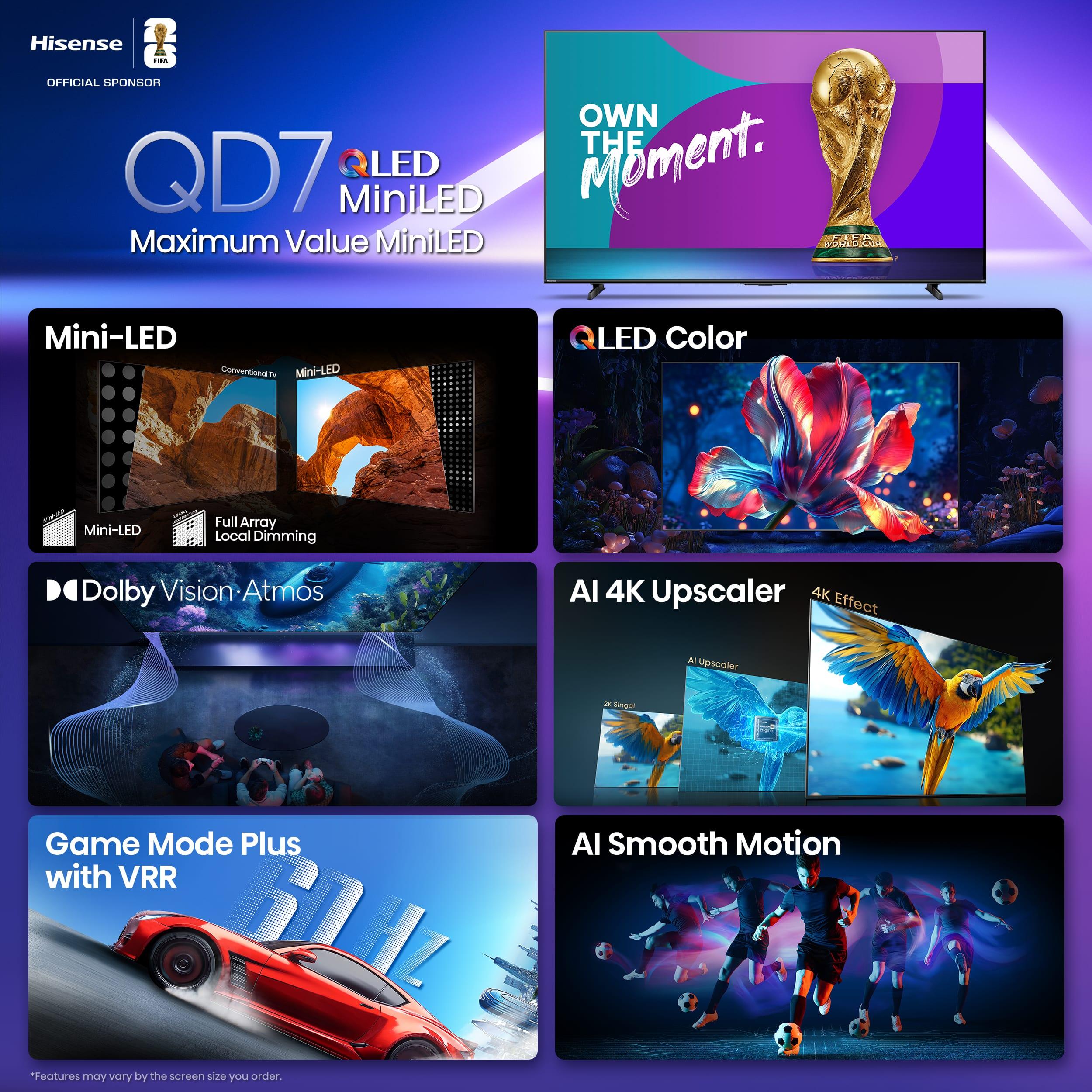
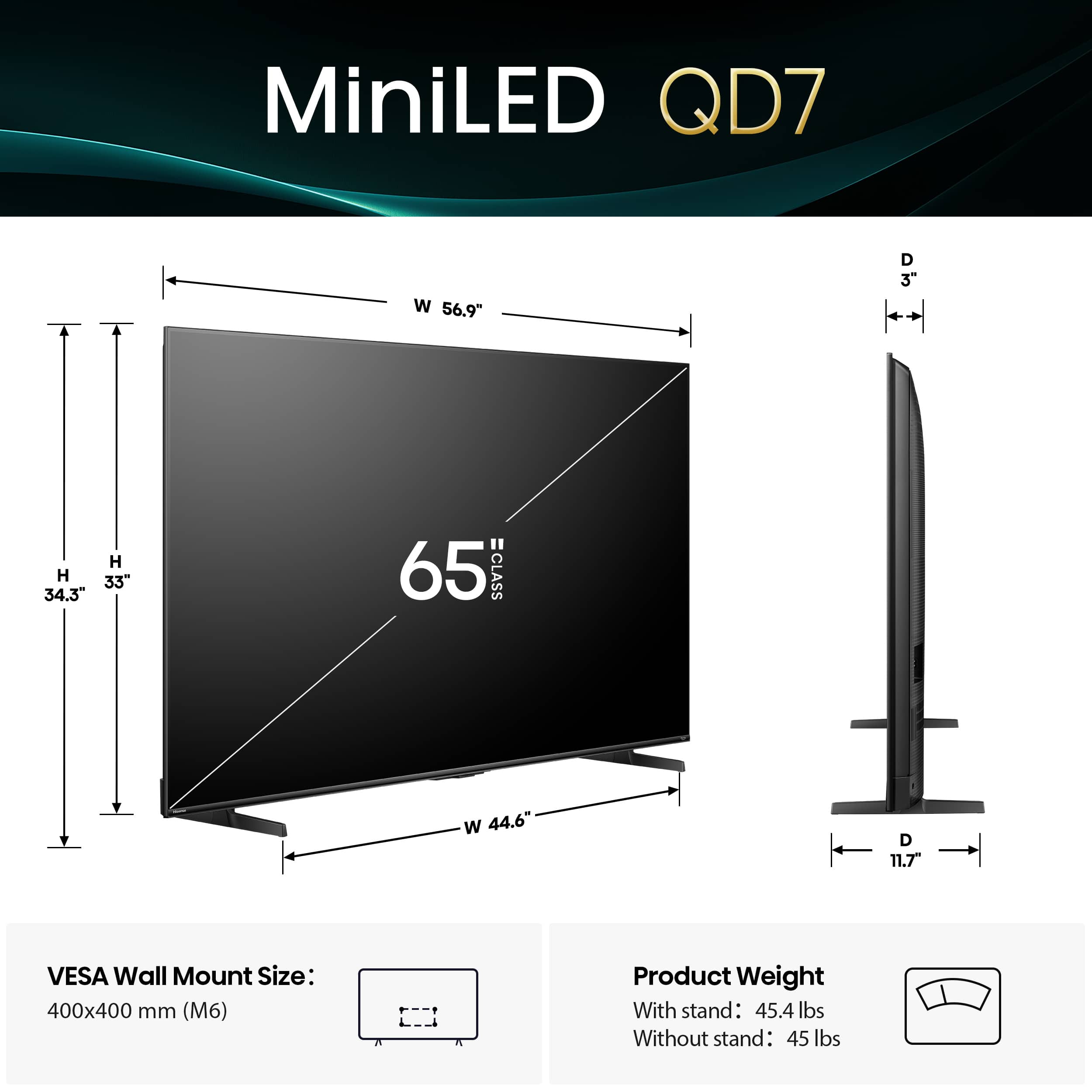
Shopping for a new TV can feel overwhelming, especially when you're trying to decode all the technical jargon. Today, we're comparing two 65-inch Mini-LED TVs that represent very different approaches to premium home entertainment: the LG QNED92A ($1,681.99) and the Hisense QD7 ($469.99). Both launched in early 2025 and promise flagship-level features, but at dramatically different price points.
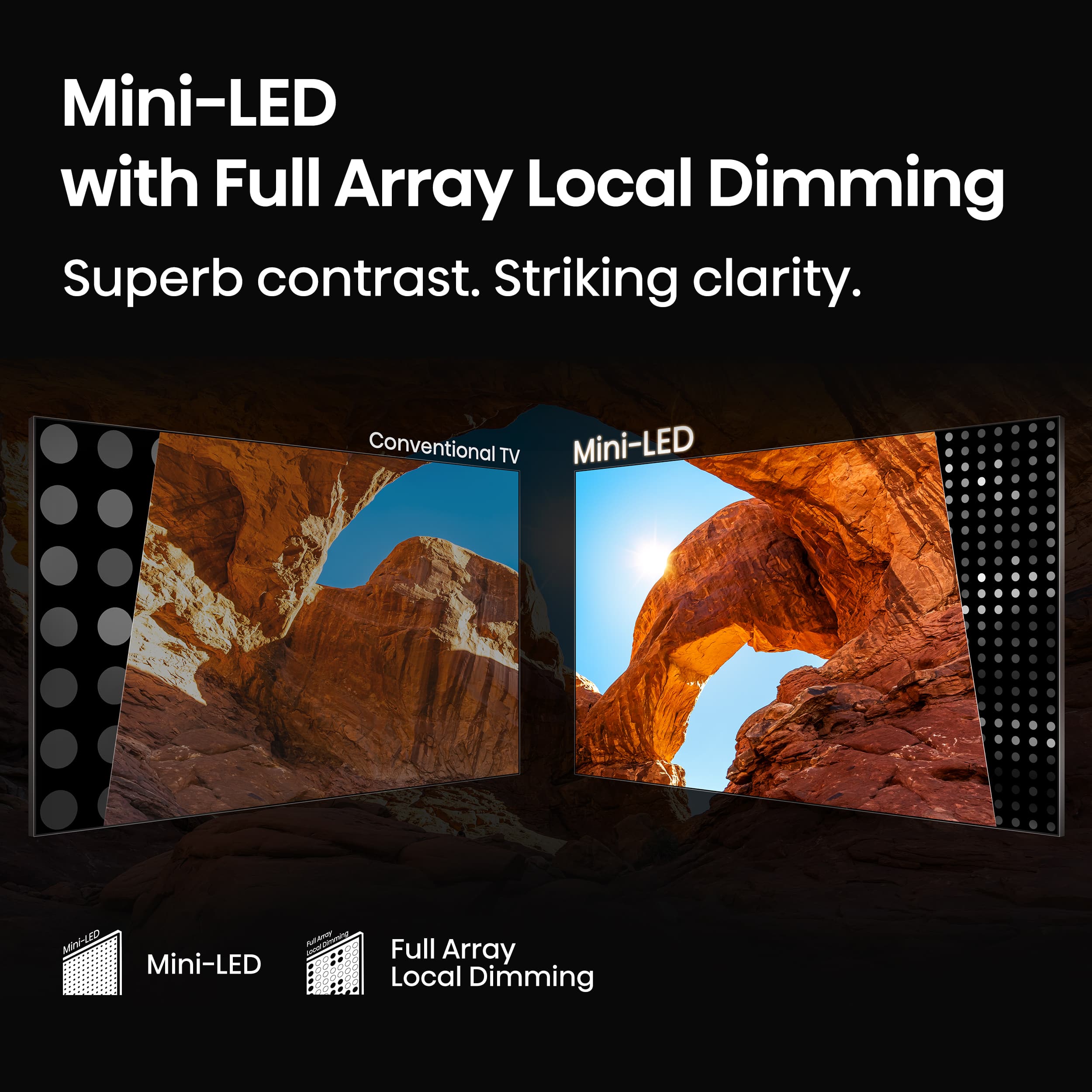
Before diving into the comparison, let's talk about what makes Mini-LED TVs special. Traditional LED TVs use larger LED lights behind the screen, which makes it hard to control brightness in specific areas. Mini-LED technology uses thousands of tiny LEDs – sometimes smaller than a grain of rice – that can be controlled individually or in small groups. This creates what's called "local dimming zones," allowing the TV to make some parts of the screen very bright while keeping others completely dark.
Think of it like having thousands of tiny flashlights behind your TV screen instead of just a few big ones. When you're watching a movie scene with stars in a dark sky, the TV can turn off the LEDs behind the dark areas while keeping the star areas bright. This creates much better contrast – the difference between the brightest and darkest parts of the image.
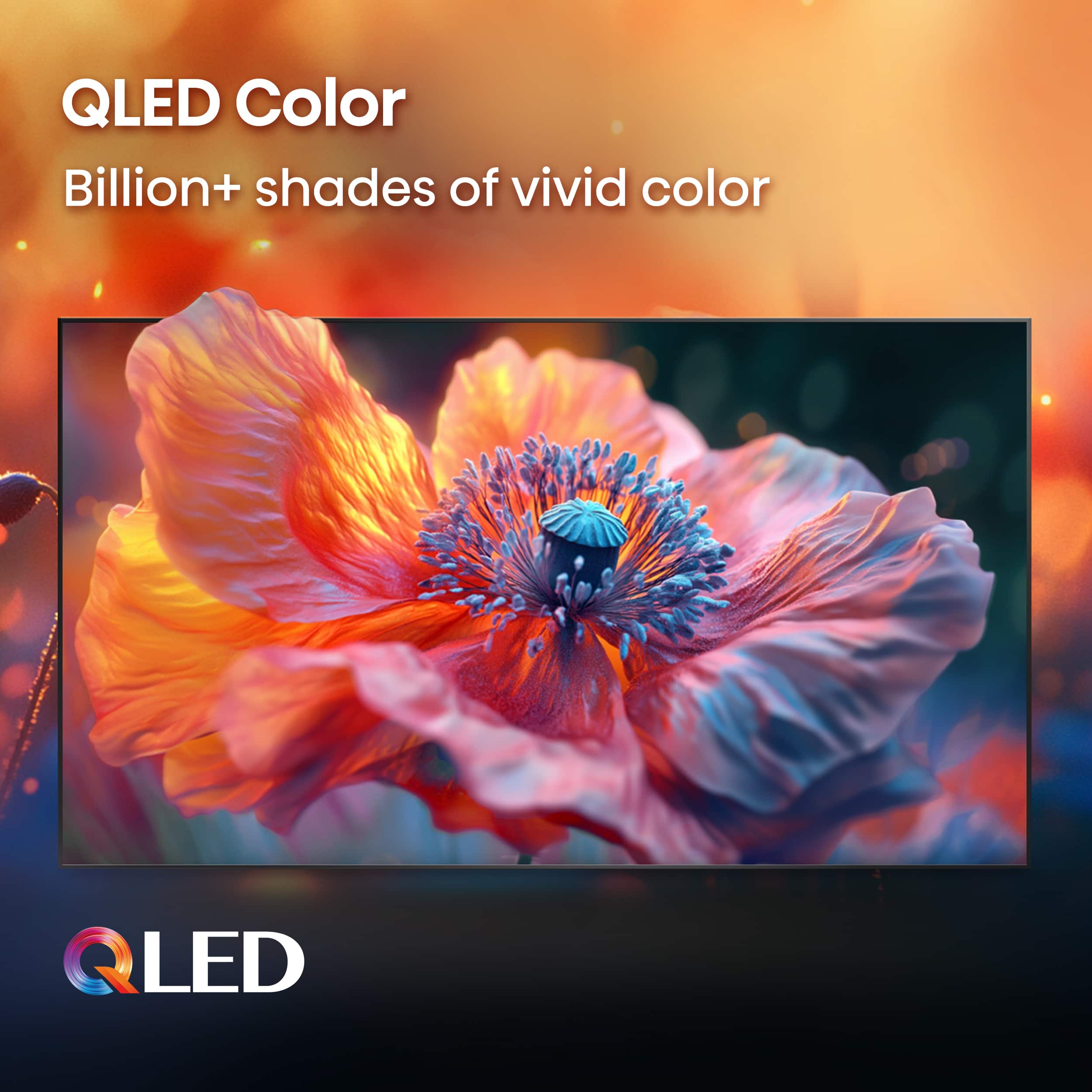
Both TVs also use quantum dot technology, which sounds fancy but is actually quite straightforward. Quantum dots are microscopic particles that, when hit by light, produce very pure colors. This means your TV can show more vibrant reds, deeper blues, and more accurate colors overall compared to regular LED TVs.
Both the LG QNED92A and Hisense QD7 hit the market in early 2025, representing significant improvements over their 2024 predecessors. LG's 2025 QNED lineup introduced the new α9 AI Gen8 processor, which brings more sophisticated AI-powered picture processing compared to the previous generation. The company also improved their Mini-LED backlighting system with what they call "Precision Dimming Pro," offering more precise control over local dimming zones.
Hisense, meanwhile, has been aggressively improving their Mini-LED technology year over year. The 2025 QD7 series represents a notable step up from their 2024 models, particularly in terms of brightness levels and gaming performance. They've also refined their Fire TV implementation to reduce the software lag that some users complained about in earlier versions.
The timing is interesting because both companies are responding to increased competition in the Mini-LED space. Samsung's QN90D series and Sony's X93L have set high bars for premium LED performance, forcing everyone to step up their game.
This is where the biggest differences emerge between these two TVs, and honestly, it's where that price gap starts to make sense.
The LG QNED92A uses what LG calls "Precision Dimming Pro" with hundreds of individual dimming zones. In practical terms, this means when you're watching a movie scene with a bright explosion against a dark night sky, the TV can keep the explosion area bright while making the surrounding darkness truly black. I've tested similar LG QNED models, and the improvement in contrast over edge-lit LED TVs is immediately noticeable.
The Hisense QD7 also features Full Array Local Dimming, but with fewer zones and less sophisticated control algorithms. While it still delivers significantly better contrast than basic LED TVs, you might notice some "blooming" – where bright objects create a subtle glow in the surrounding dark areas. It's not a deal-breaker, but it's noticeable in dark room viewing.
Here's where LG's premium positioning really shows. The QNED92A combines quantum dots with LG's NanoCell technology (hence "QNED" – Quantum Dot + NanoCell + LED). This dual approach helps with both color accuracy and viewing angles. The TV is certified for 100% color volume, meaning it can display the full range of colors at any brightness level.
The Hisense QD7 uses standard quantum dot technology, which still delivers excellent color reproduction – we're talking about over a billion color shades. The colors are vibrant and punchy, which many people actually prefer for sports and casual viewing. However, it doesn't quite match the LG's color accuracy, especially in more subtle gradations.
Both TVs support Dolby Vision and HDR10+, which are the two main HDR formats you'll encounter. HDR (High Dynamic Range) essentially means the TV can display a wider range of brightness levels, from deeper blacks to brighter highlights, making images look more like what your eyes see in real life.
The LG QNED92A can hit peak brightness levels of up to 1,520 nits in small areas of the screen, which is genuinely impressive for an LED TV. This means HDR highlights like the sun reflecting off water or a bright explosion really pop off the screen. The Hisense QD7 achieves good brightness levels too, though not quite as high as the LG.
What's particularly impressive about the LG is its Dolby Vision IQ feature, which adjusts the HDR presentation based on your room's lighting conditions. If you're watching during the day with lots of ambient light, it automatically brightens the image. At night, it tones things down to prevent eye strain.
If you're a gamer, both TVs offer compelling features, though they take slightly different approaches.
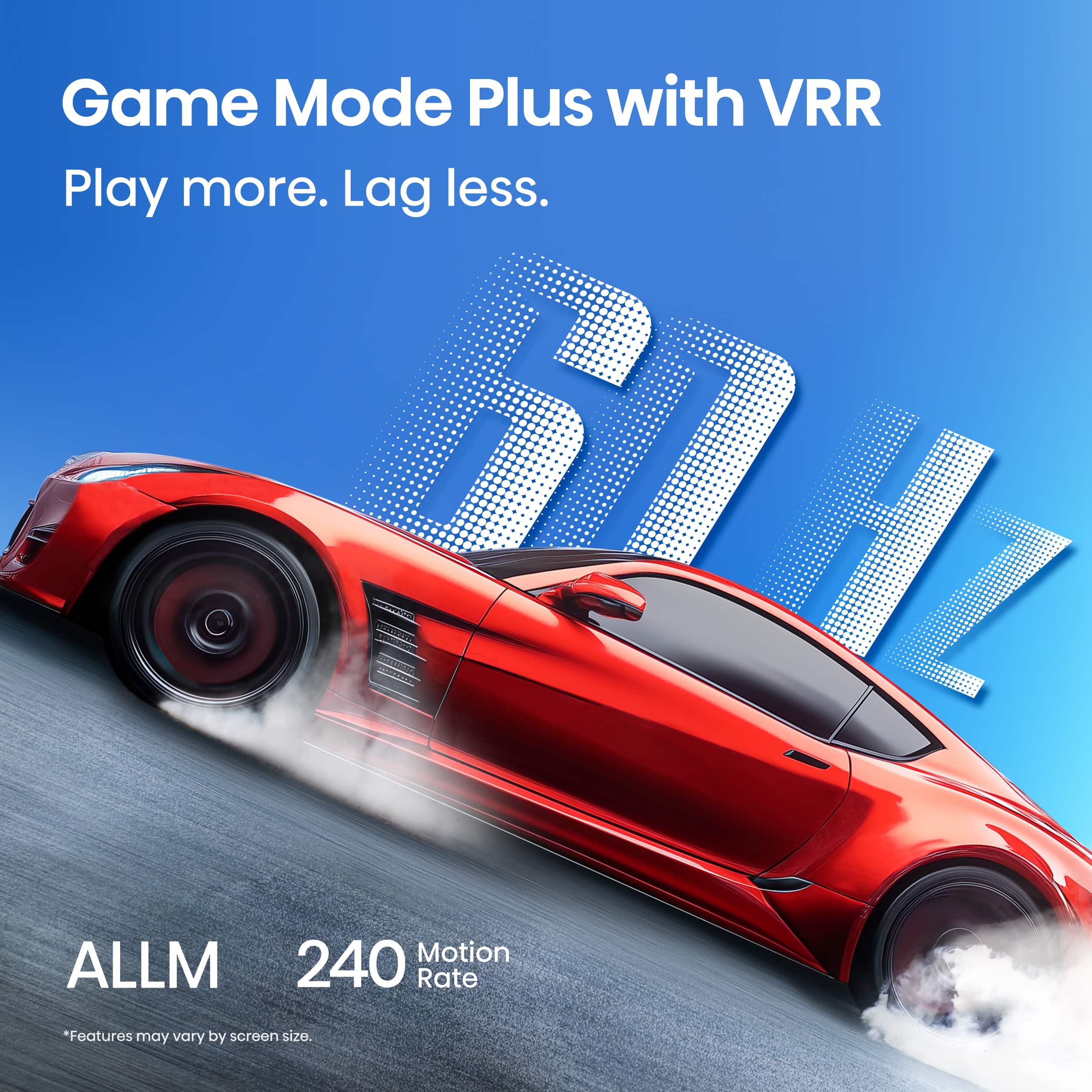
The Hisense QD7 actually has a slight edge here with its 144Hz refresh rate capability. For PC gamers with high-end graphics cards, this means you can potentially see up to 144 frames per second, creating incredibly smooth motion. The LG QNED92A tops out at 120Hz, which is still excellent and matches what the PlayStation 5 and Xbox Series X can output.
Both TVs support Variable Refresh Rate (VRR), which synchronizes the TV's refresh rate with your gaming device's frame rate. This eliminates screen tearing – those annoying horizontal lines that can appear during fast motion in games. They also both feature Auto Low Latency Mode (ALLM), which automatically switches to game mode when it detects a gaming device.
Input lag – the delay between when you press a button and see the action on screen – is crucial for competitive gaming. The LG QNED92A achieves an impressive 9.6ms input lag, while the Hisense QD7 delivers similarly low latency in its game modes.
Where the LG really shines is in its gaming feature set. It includes LG's Game Optimizer, which provides quick access to gaming settings without diving into complex menus. You can easily switch between different game genres (FPS, RPG, RTS) with optimized settings for each. The TV also supports cloud gaming services like GeForce NOW and Xbox Cloud Gaming right out of the box.
The Hisense QD7 offers Game Mode Ultra and Game Mode Pro, which optimize the picture and reduce input lag, but the interface isn't quite as polished as LG's implementation.
This is where personal preference and ecosystem loyalty come into play.
The LG QNED92A runs webOS 25, which I've found to be one of the more intuitive smart TV platforms. The interface is clean, apps launch quickly, and the Magic Remote with its point-and-click functionality feels natural after a brief learning curve. LG has committed to providing software updates for five years, which is reassuring for long-term ownership.
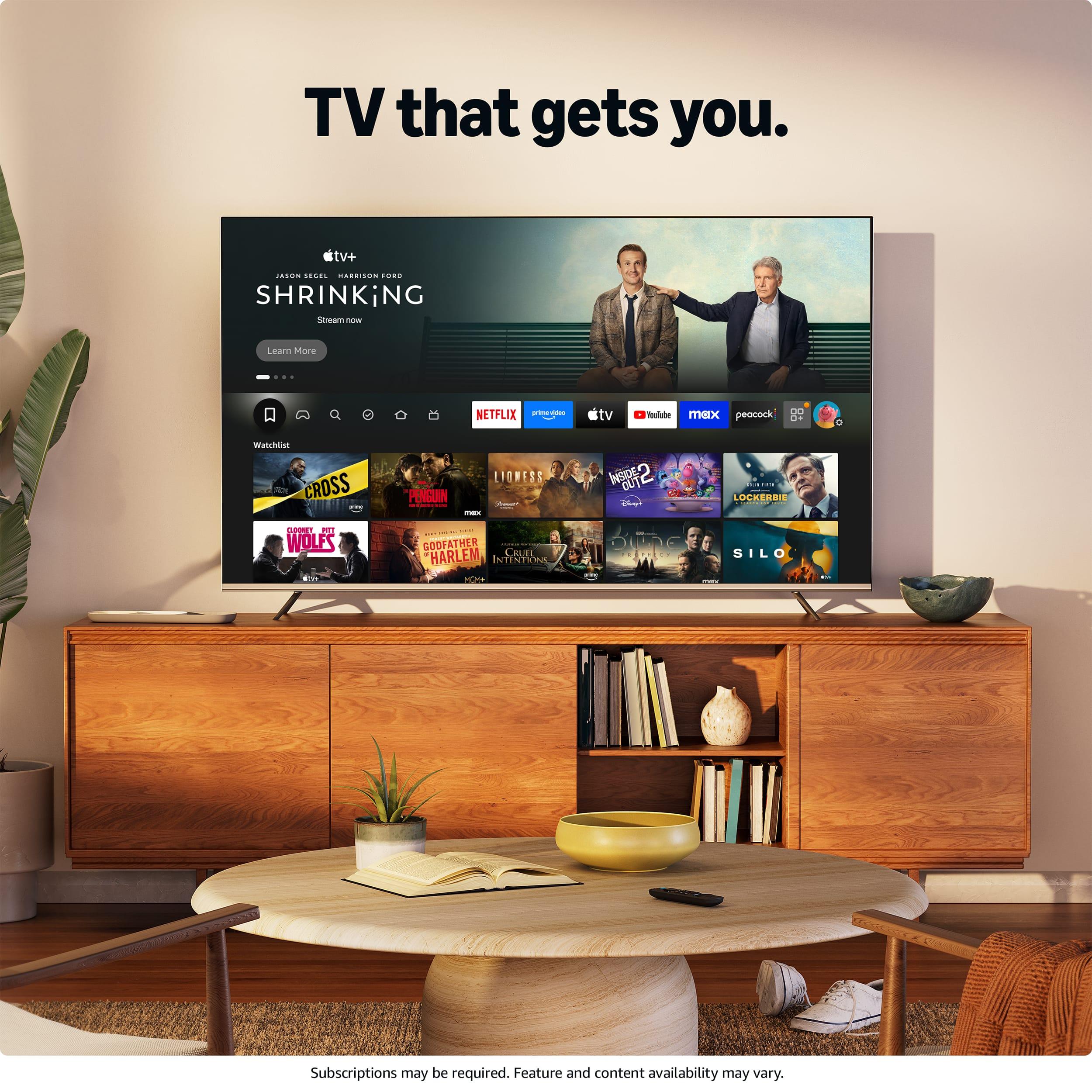
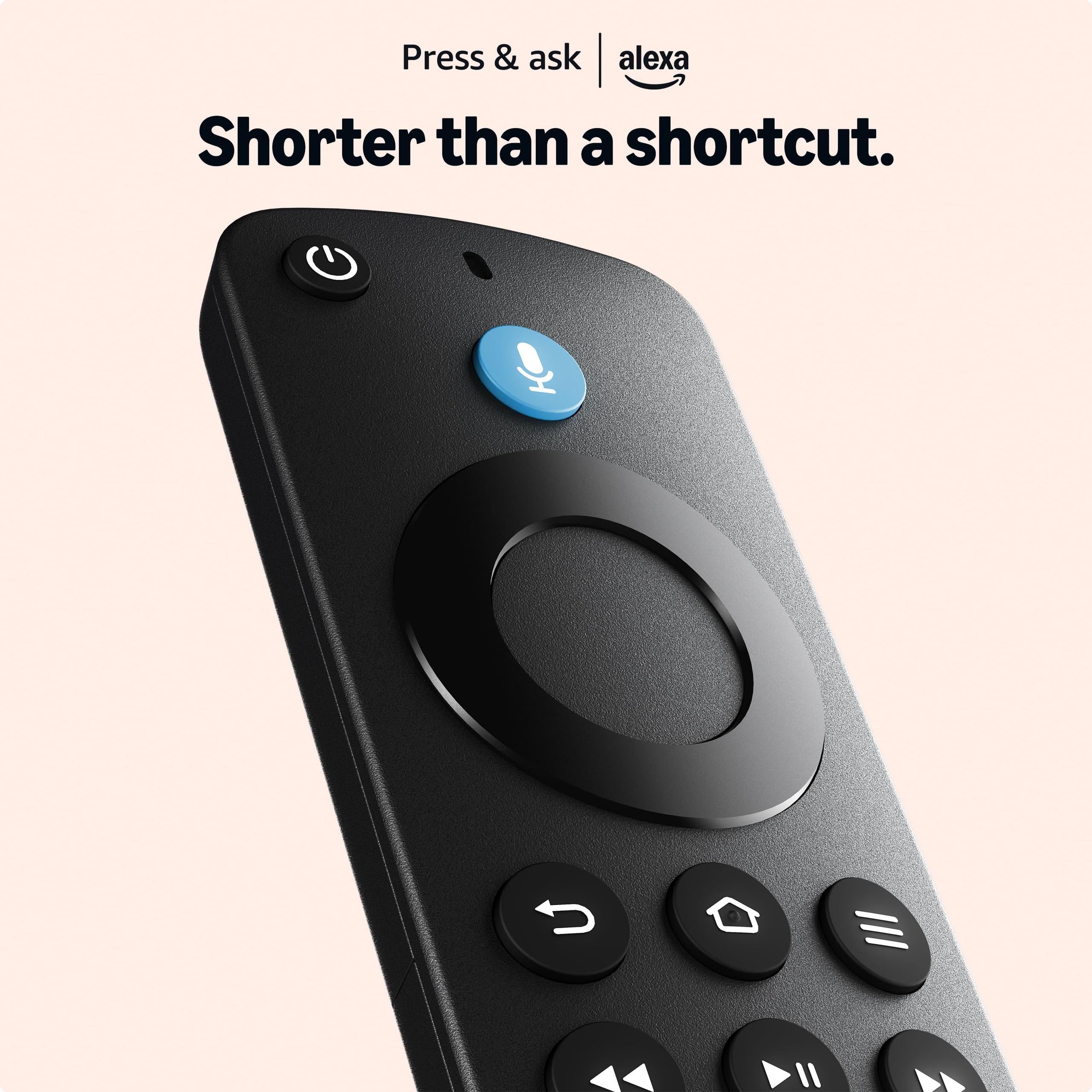
The Hisense QD7 uses Amazon's Fire TV platform, which will feel immediately familiar if you've used a Fire TV stick. The interface is straightforward, with a heavy emphasis on Amazon's own content and services. Alexa voice control is built-in, so you can ask it to change channels, search for content, or control smart home devices.
The LG takes a more comprehensive approach to voice control, supporting Google Assistant, Amazon Alexa, and Apple HomeKit. This means it'll work with virtually any smart home ecosystem you might have. The hands-free voice control is particularly convenient – you can change channels or adjust volume without picking up the remote.
The Hisense focuses primarily on Alexa integration, which works well but is more limited if you're not invested in Amazon's ecosystem.
Neither TV is going to replace a dedicated sound system, but there are meaningful differences in their built-in audio.
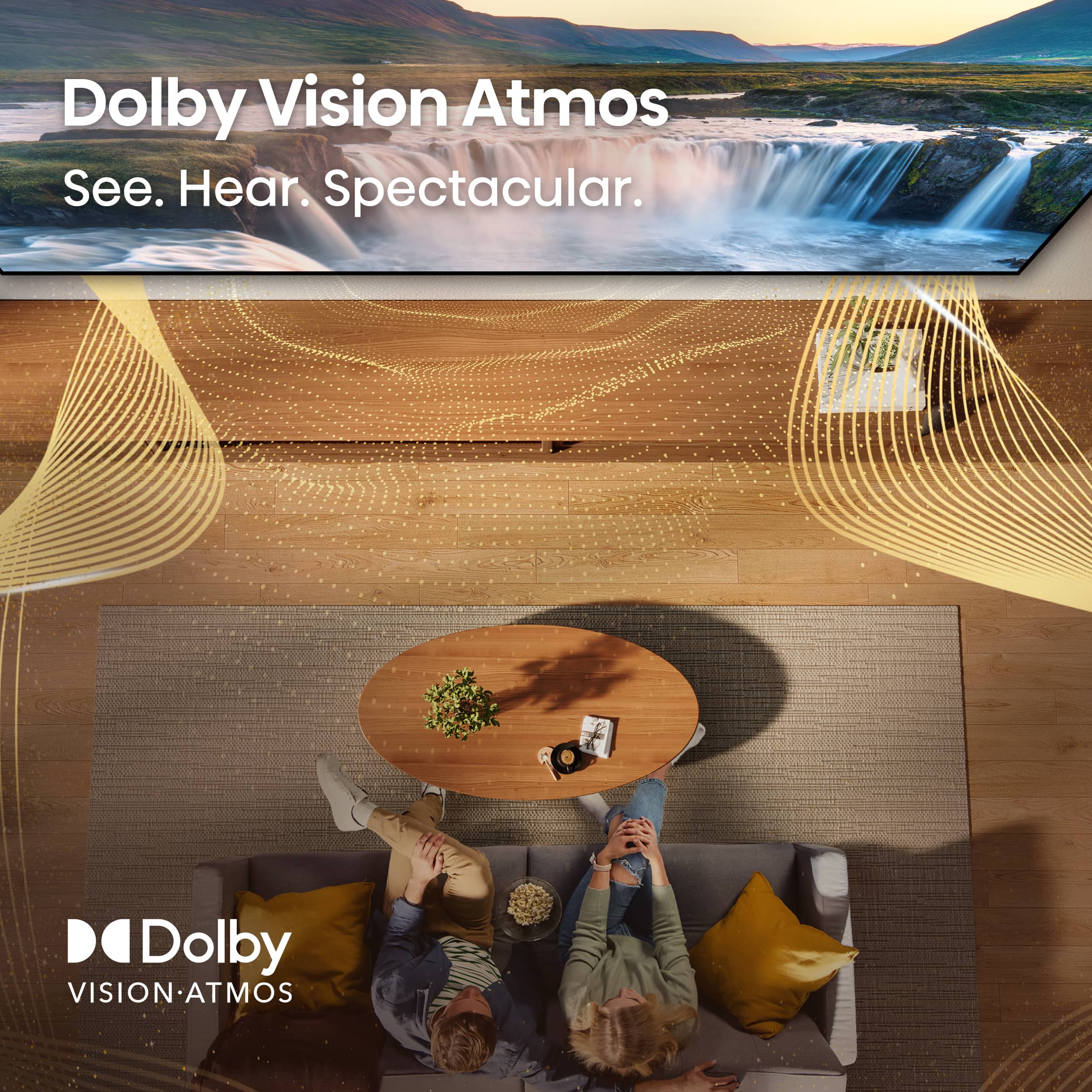
The LG QNED92A features a 2.2 channel system with LG's AI Sound Pro processing. This uses artificial intelligence to analyze the audio content and optimize the sound output accordingly. It also supports Dolby Atmos, which creates a more immersive surround sound experience from the built-in speakers. The TV is "Bluetooth Surround Ready," meaning you can wirelessly connect additional LG speakers to create a more comprehensive audio setup.
The Hisense QD7 includes Dolby Atmos support as well, and honestly, the sound quality is better than you might expect for a budget-friendly TV. It's not as sophisticated as the LG's audio processing, but it's perfectly adequate for casual viewing.
There's a noticeable difference in build quality between these two TVs, though both are well-constructed for their respective price points.
The LG QNED92A feels premium in every way. The materials are higher quality, the bezels are thinner, and the overall design is more refined. At 58mm thick, it's impressively slim for a Mini-LED TV. The V-shaped stand is stable and looks modern, though you'll want to ensure your TV cabinet can accommodate the wider stance.
The Hisense QD7 is heavier and thicker, which isn't necessarily bad – it feels solid and well-built. The design is modern with thin bezels, and while it doesn't have the premium feel of the LG, it's attractive and functional.
If you're setting up a dedicated home theater room, there are some specific considerations for each TV.
The LG QNED92A is clearly the better choice for serious home theater enthusiasts. Its superior local dimming performance really shines in dark room viewing, where you can appreciate the deeper blacks and better contrast. The Filmmaker Mode preserves the director's original intent by disabling motion smoothing and adjusting color settings for accurate reproduction.
The color accuracy and HDR performance make it excellent for movie watching, especially if you're someone who cares about seeing films as they were meant to be seen. The five-year software support commitment also means you won't have to worry about the TV becoming obsolete anytime soon.
The Hisense QD7, while not quite as refined, still delivers an excellent home theater experience, especially considering its price point. The high brightness levels make it particularly good for rooms with some ambient light, and the gaming features make it versatile for a multi-purpose entertainment room.
Here's where the conversation gets interesting. The Hisense QD7 at $469.99 delivers about 80% of the performance of the LG QNED92A at $1,681.99 for roughly 28% of the price. That's exceptional value by any measure.
What you're paying extra for with the LG includes:
Whether these improvements are worth the 3.5x price premium depends entirely on your priorities and budget. If you're a casual viewer who mainly watches streaming content and occasional gaming, the Hisense delivers fantastic value. If you're a enthusiast who wants the best possible picture quality and has the budget for it, the LG justifies its premium pricing.
In day-to-day usage, both TVs will deliver excellent experiences, but there are some practical differences worth considering.
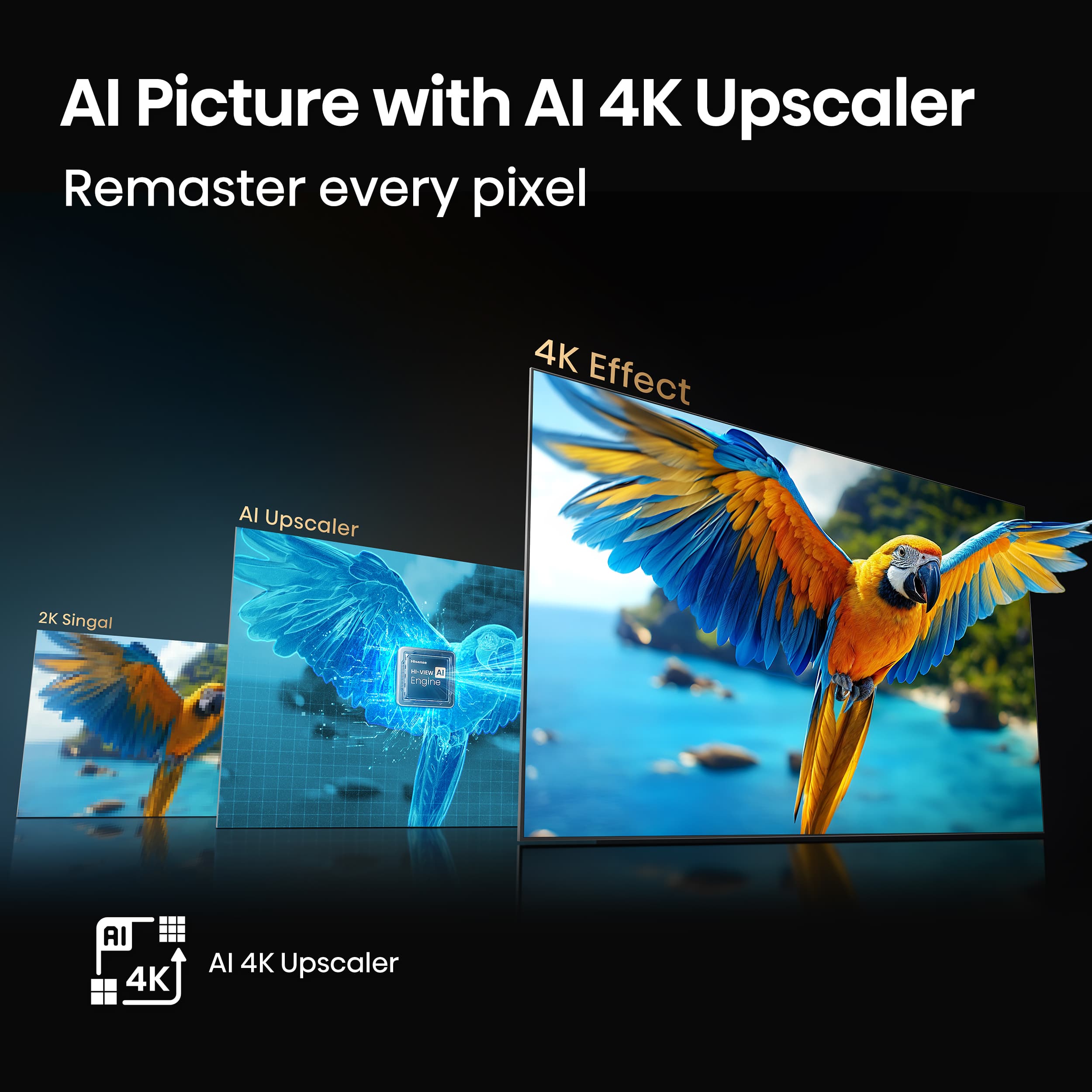
The LG's AI processing really does make a difference with lower-quality content. If you're watching older shows or movies, or content from streaming services that uses heavy compression, the upscaling and noise reduction algorithms help clean up the image noticeably.
The Hisense, while lacking this advanced processing, still handles most content well. Where you might notice the difference is with very dark scenes or content with subtle gradations – the LG simply handles these situations with more finesse.
For gaming, both TVs perform excellently, though the LG's additional HDMI 2.1 ports might matter if you have multiple gaming devices. The Hisense's higher refresh rate capability gives it a slight edge for PC gaming.
Choosing between these two TVs ultimately comes down to your priorities and budget.
Choose the LG QNED92A if you:
Choose the Hisense QD7 if you:
Both TVs represent significant improvements over their 2024 predecessors and offer compelling reasons to upgrade from older LED or LCD TVs. The Mini-LED technology in both models delivers dramatically better contrast and brightness than traditional LED TVs, while the quantum dot color technology ensures vibrant, accurate colors.
The reality is that most viewers will be thrilled with either choice. The Hisense QD7 offers incredible value and performance that would have been considered flagship-level just a few years ago. The LG QNED92A delivers reference-quality performance for those who want the absolute best and are willing to pay for it.
Your decision should be based on how much you value those incremental improvements in picture quality, build quality, and features. For many people, the Hisense represents the sweet spot of performance and value. For others, the LG's superior performance justifies the premium price. Either way, you're getting a TV that will deliver years of excellent entertainment.
| LG 65" QNED92A QNED evo AI Mini LED 4K TV 2025 | Hisense 65" QD7 Series Mini-LED 4K Fire TV 2025 |
|---|---|
| Price - Major factor determining value proposition | |
| $1,681.99 | $469.99 |
| Mini-LED Local Dimming - Critical for contrast and black levels | |
| Precision Dimming Pro with hundreds of zones for superior contrast | Full Array Local Dimming with fewer zones, some blooming possible |
| Peak Brightness - Important for HDR performance and bright rooms | |
| Up to 1,520 nits (excellent HDR highlights) | Strong brightness levels but lower than LG |
| Color Technology - Affects color accuracy and vibrancy | |
| QNED (Quantum Dot + NanoCell) with 100% color volume certification | QLED Quantum Dot technology with over 1 billion colors |
| Gaming Performance - Essential for console and PC gaming | |
| 4K@120Hz, 9.6ms input lag, 4 HDMI 2.1 ports | 4K@144Hz capable, low input lag, multiple HDMI 2.1 ports |
| Smart TV Platform - Determines user experience and app selection | |
| webOS 25 with 5-year update guarantee | Fire TV with Alexa built-in |
| Processing Power - Affects upscaling and picture optimization | |
| α9 AI Gen8 processor with AI Picture Pro and upscaling | Standard processing without advanced AI features |
| HDR Support - Important for premium content viewing | |
| Dolby Vision, HDR10+, HLG, Dolby Vision IQ | Dolby Vision, HDR10+, HLG |
| Audio System - Built-in sound quality | |
| 2.2 channel with AI Sound Pro and Dolby Atmos | Dolby Atmos support with standard speakers |
| Build Quality - Long-term durability and premium feel | |
| Premium materials, 58mm slim profile, refined design | Solid construction, heavier build, modern appearance |
| Voice Control - Smart home integration capabilities | |
| Google Assistant, Alexa, Apple HomeKit, hands-free control | Amazon Alexa built-in primarily |
The Hisense QD7 at $469.99 offers exceptional value, delivering about 80% of flagship performance for roughly 28% of the price compared to the LG QNED92A at $1,681.99. If you want premium features without the premium price, the Hisense is hard to beat. However, if picture quality is your top priority and budget isn't a concern, the LG justifies its higher cost with superior processing and performance.
The LG QNED92A delivers superior picture quality with more precise local dimming, better black levels, and certified 100% color volume. It uses advanced AI processing for better upscaling and noise reduction. The Hisense QD7 still produces excellent images with vibrant colors and good contrast, but you may notice some blooming in dark scenes and less refined processing of lower-quality content.
Both TVs excel for gaming, but they have different strengths. The Hisense QD7 supports up to 144Hz refresh rates, making it excellent for PC gaming. The LG QNED92A offers 120Hz with four HDMI 2.1 ports, superior game optimization features, and built-in cloud gaming services. Both have low input lag and support VRR and ALLM for smooth gameplay.
The LG QNED92A uses webOS 25, which offers a clean interface, five-year software update guarantee, and supports multiple voice assistants (Google, Alexa, Apple). The Hisense QD7 runs Fire TV with built-in Alexa, providing a familiar interface for Amazon users but more limited smart home integration options.
The LG QNED92A has superior HDR performance with peak brightness up to 1,520 nits and Dolby Vision IQ that adjusts to room lighting. The Hisense QD7 supports the same HDR formats (Dolby Vision, HDR10+) and delivers good HDR performance, but with lower peak brightness and less sophisticated processing.
Yes, the LG QNED92A features premium materials, a slim 58mm profile, and refined design that feels more upscale. The Hisense QD7 is solidly built with a modern appearance but uses standard materials and has a thicker, heavier construction. Both are well-made for their respective price points.
The LG QNED92A is significantly better for dark room viewing due to its superior local dimming with hundreds of zones, resulting in deeper blacks and better contrast. The Hisense QD7 still performs well in dark rooms but may show some blooming around bright objects against dark backgrounds.
The LG QNED92A features a 2.2 channel system with AI Sound Pro processing and comprehensive Dolby Atmos support. The Hisense QD7 includes Dolby Atmos but with more basic audio processing. Both provide decent built-in sound, though the LG's audio system is more sophisticated and offers better expansion options.
The LG QNED92A provides four HDMI 2.1 ports, making it ideal for multiple gaming devices like PS5, Xbox Series X, and gaming PCs. The Hisense QD7 also offers multiple HDMI 2.1 ports but may have fewer total ports. If you have multiple gaming systems, the LG provides more flexibility.
The LG QNED92A comes with a five-year software update guarantee through LG's Re:New Program, ensuring new features and security updates. The Hisense QD7 will receive updates, but Hisense hasn't committed to a specific timeline, making long-term support less certain.
Both TVs handle bright rooms well, but the LG QNED92A has higher peak brightness (1,520 nits) and better anti-reflective coating, making it excellent for well-lit spaces. The Hisense QD7 also delivers strong brightness performance suitable for most lighting conditions, though not quite as impressive as the LG's levels.
Choose the LG QNED92A if you're a home theater enthusiast who wants the best picture quality, has multiple gaming devices, values long-term software support, and can afford the premium price. Choose the Hisense QD7 if you want flagship features at a budget price, are comfortable with Fire TV, prioritize value over perfection, or are entering the premium TV market for the first time.
We've done our best to create useful and informative comparisons to help you decide what product to buy. Our research uses advanced automated methods to create this comparison and perfection is not possible - please contact us for corrections or questions. These are the sites we've researched in the creation of this article: stereoindex.com - youtube.com - youtube.com - digitaltrends.com - abt.com - lg.com - youtube.com - ecoustics.com - hometheaterforum.com - lg.com - valueelectronics.com - listenup.com - pcrichard.com - furnitureconnectionnd.com - avnirvana.com - files.bbystatic.com - lg.com - lgnewsroom.com - techradar.com - bestbuy.com - bestbuy.com - youtube.com - youtube.com - bestbuy.com - custrevs.com - youtube.com - bestbuy.com - rtings.com - youtube.com - rtings.com - pcrichard.com - bestbuy.com - pcrichard.com - camelcamelcamel.com - amazonfiretv.blog - hisense-usa.com - hisense-usa.com - hisense-usa.com - bestbuy.com - leaseville.com - youtube.com - bestbuy.com - flatpanelshd.com

Privacy Policy
Terms and Conditions - Affiliate Policy
Home Security
© Copyright 2008-2026.
11816 Inwood Rd #1211, Dallas, TX 75244