

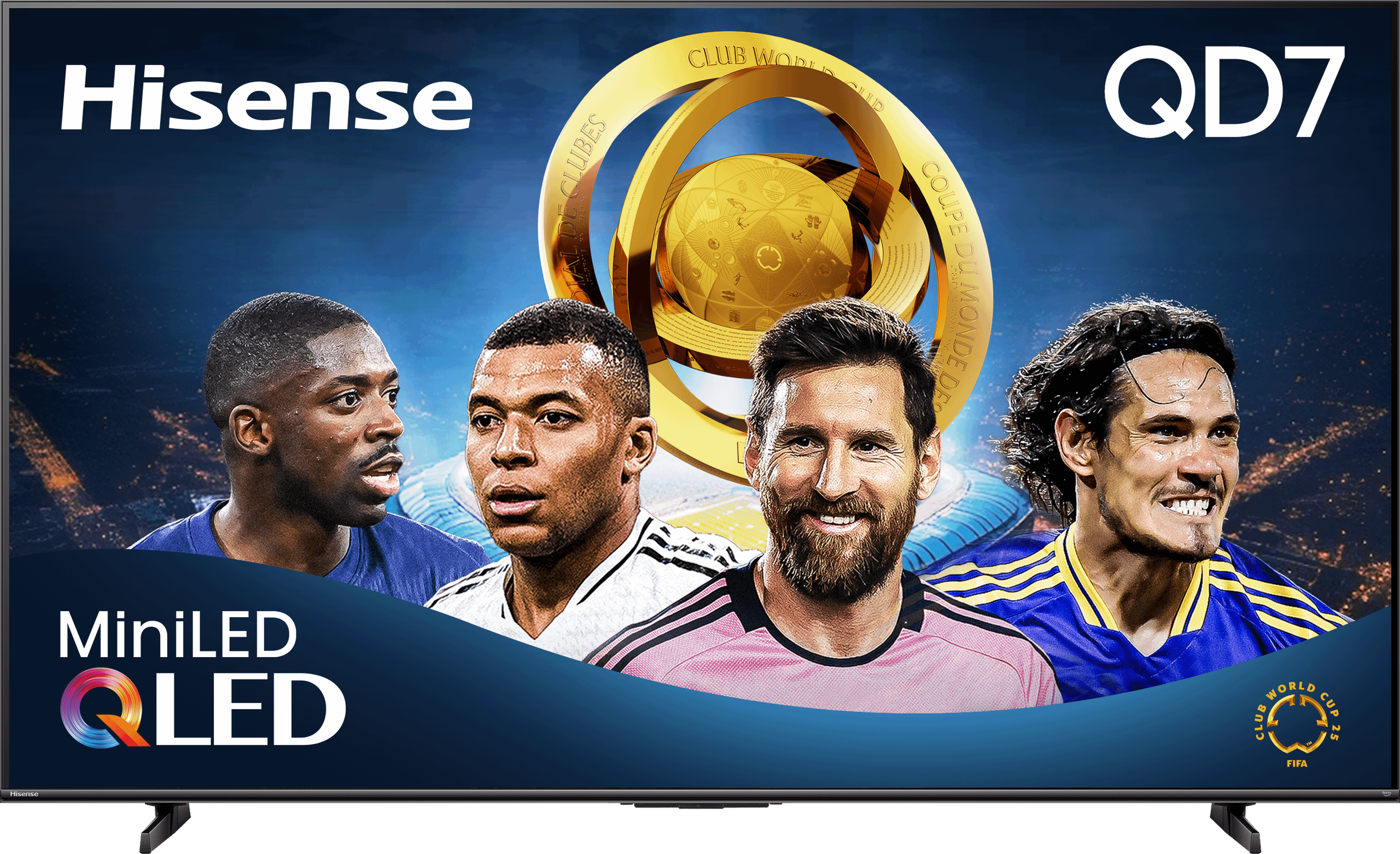
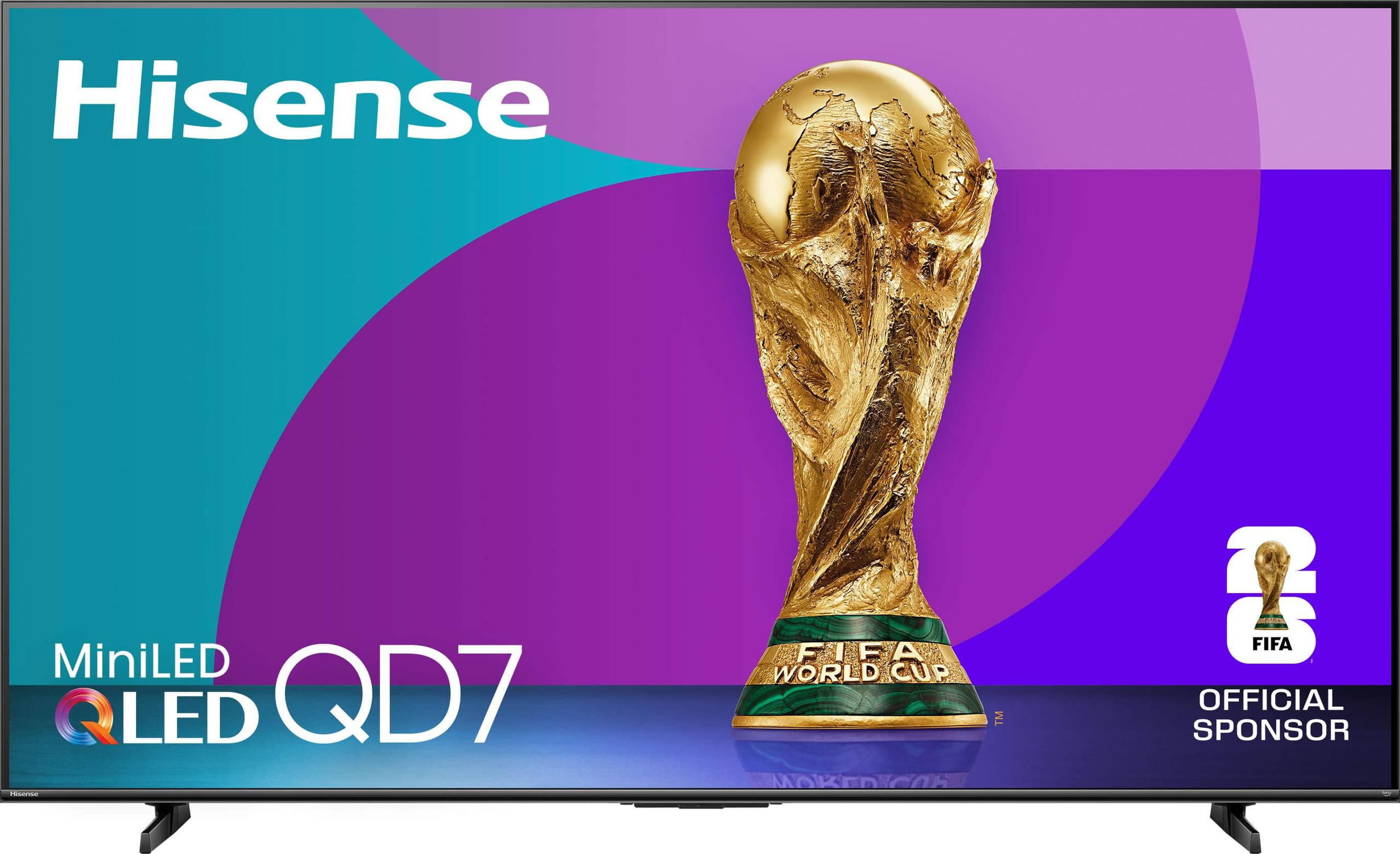
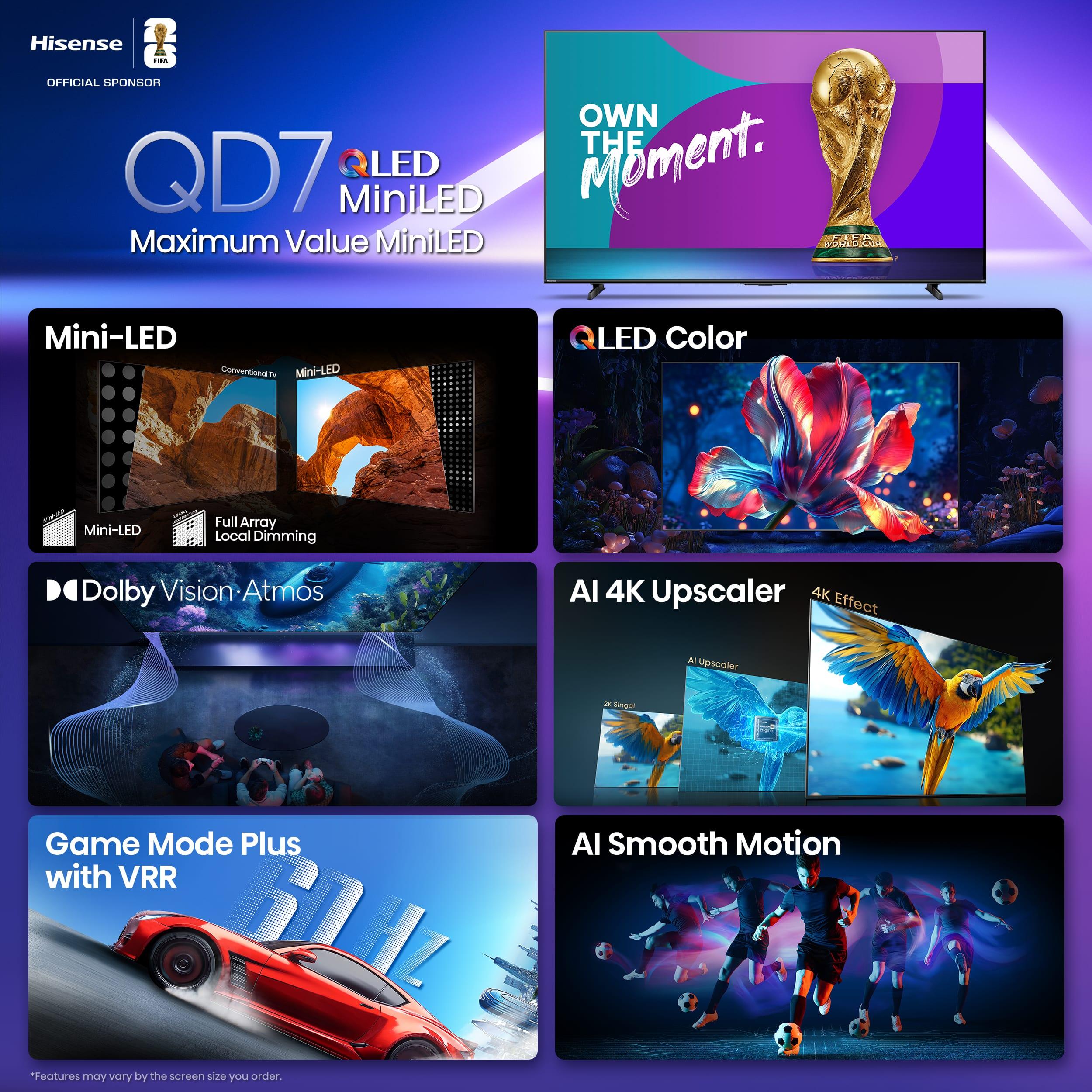
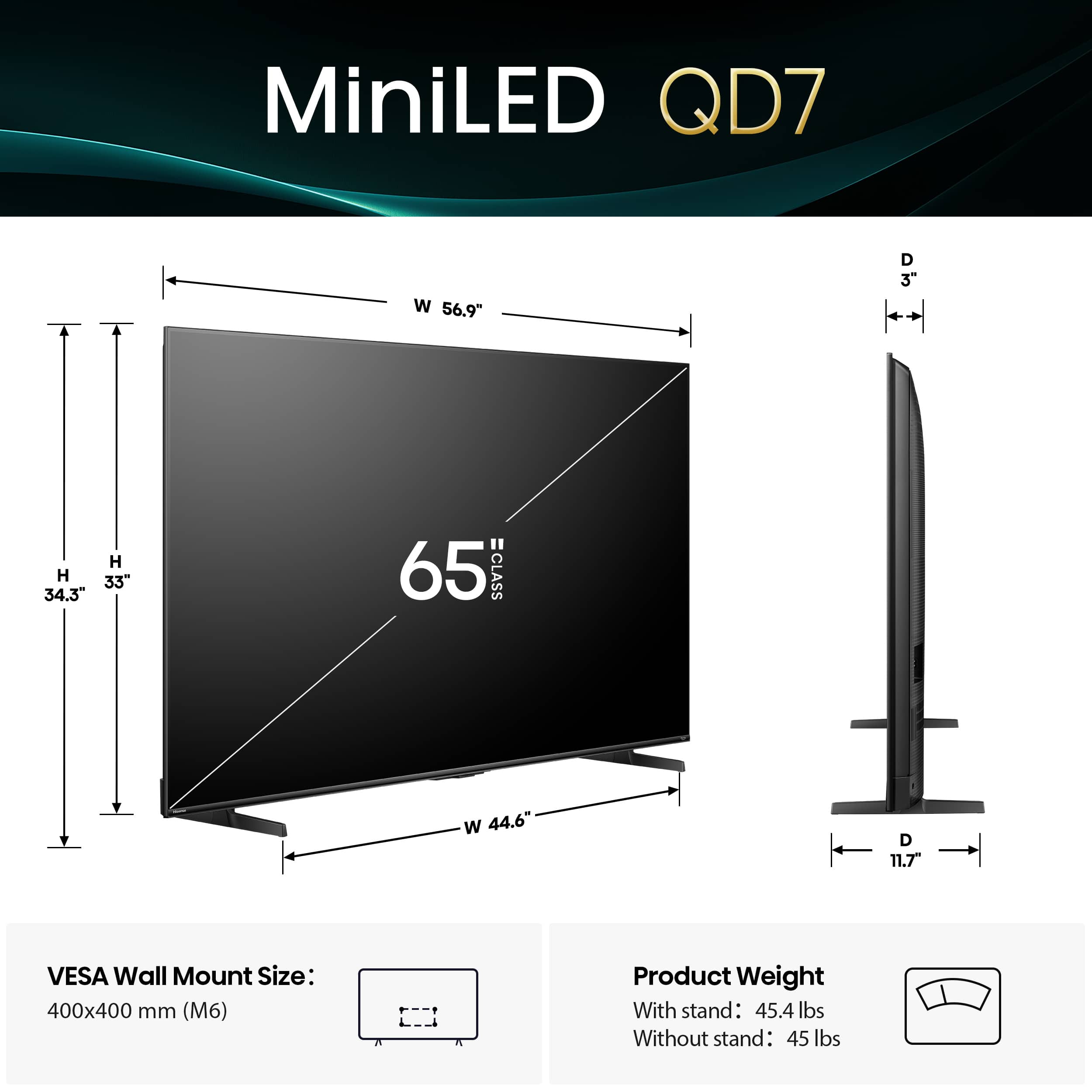
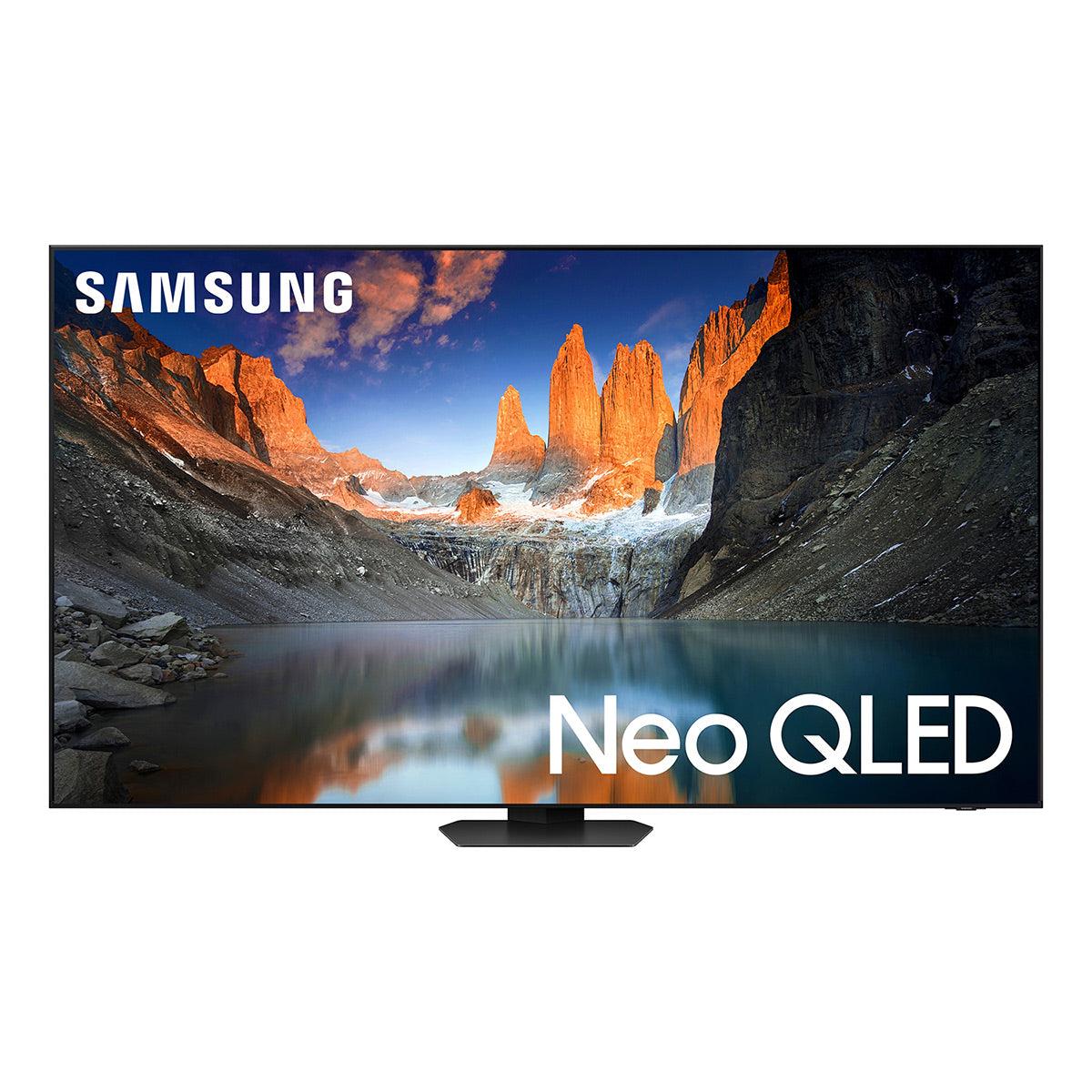
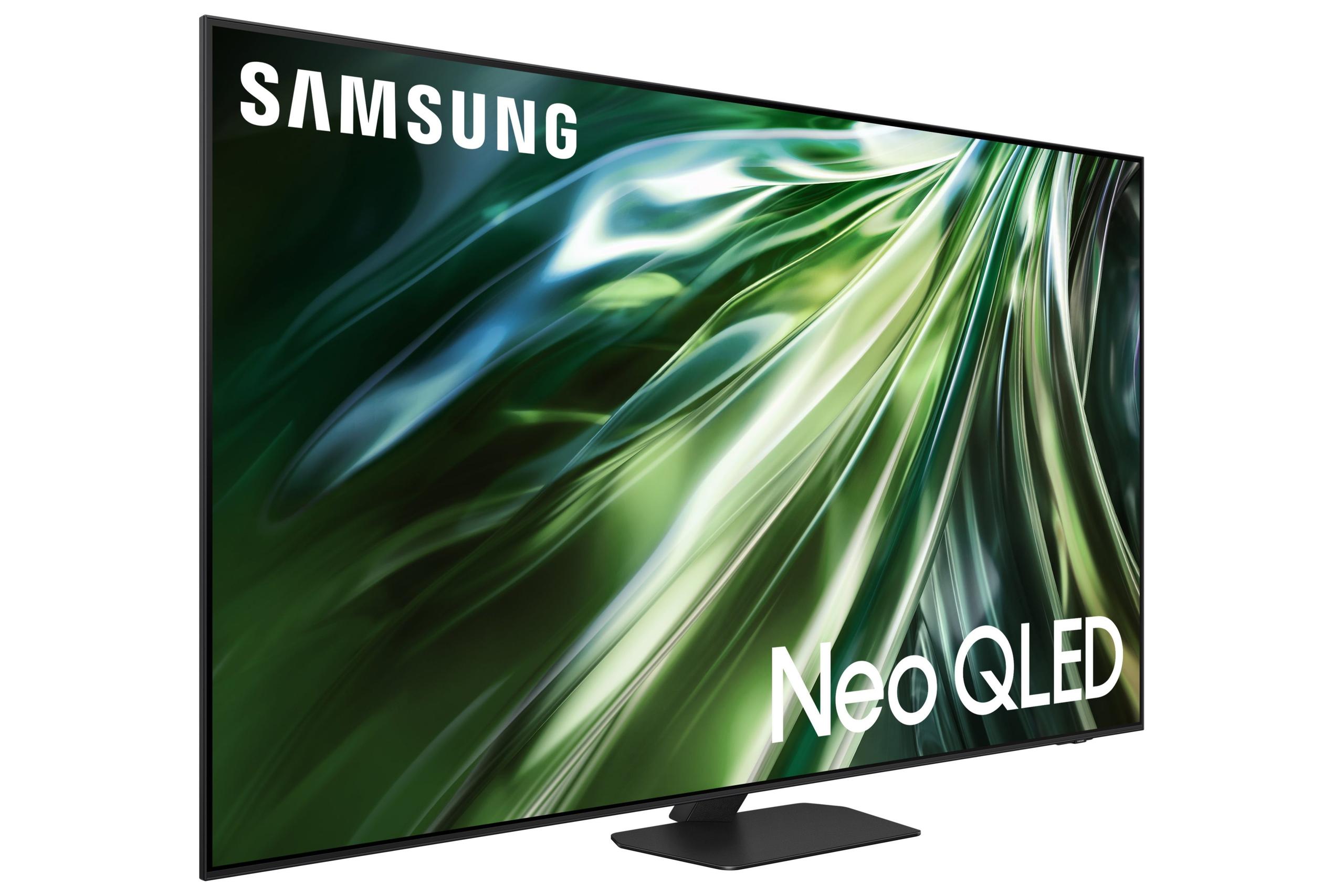
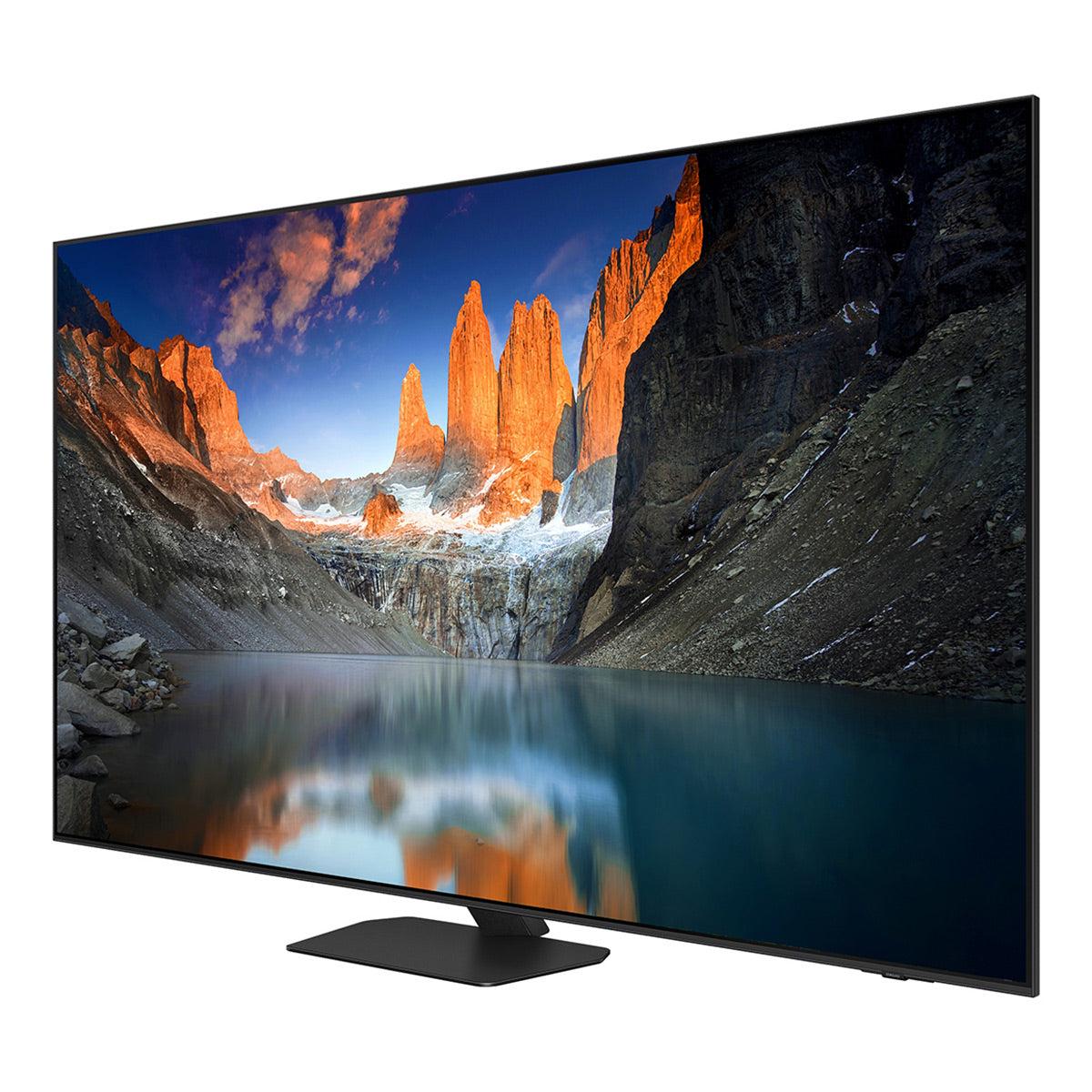
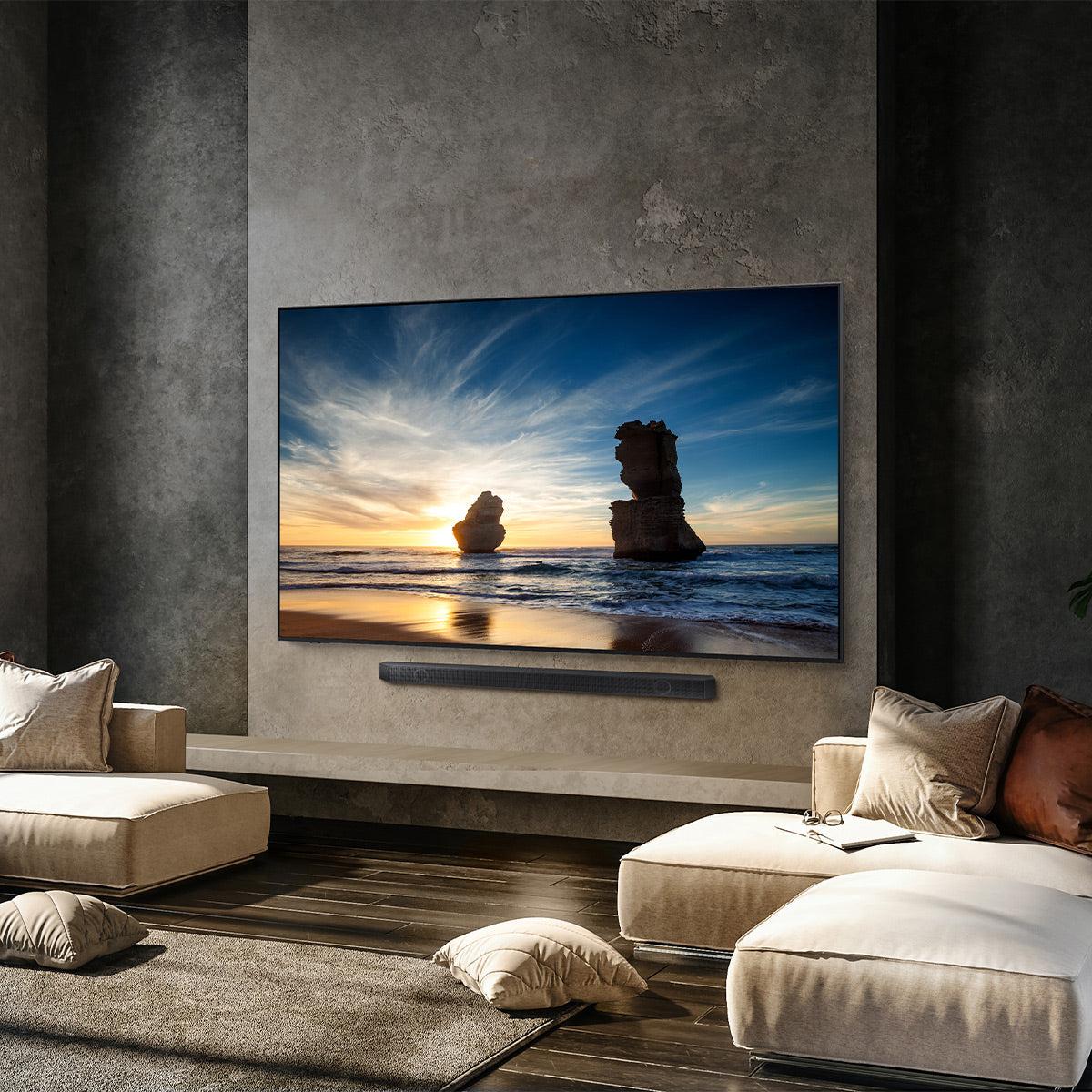
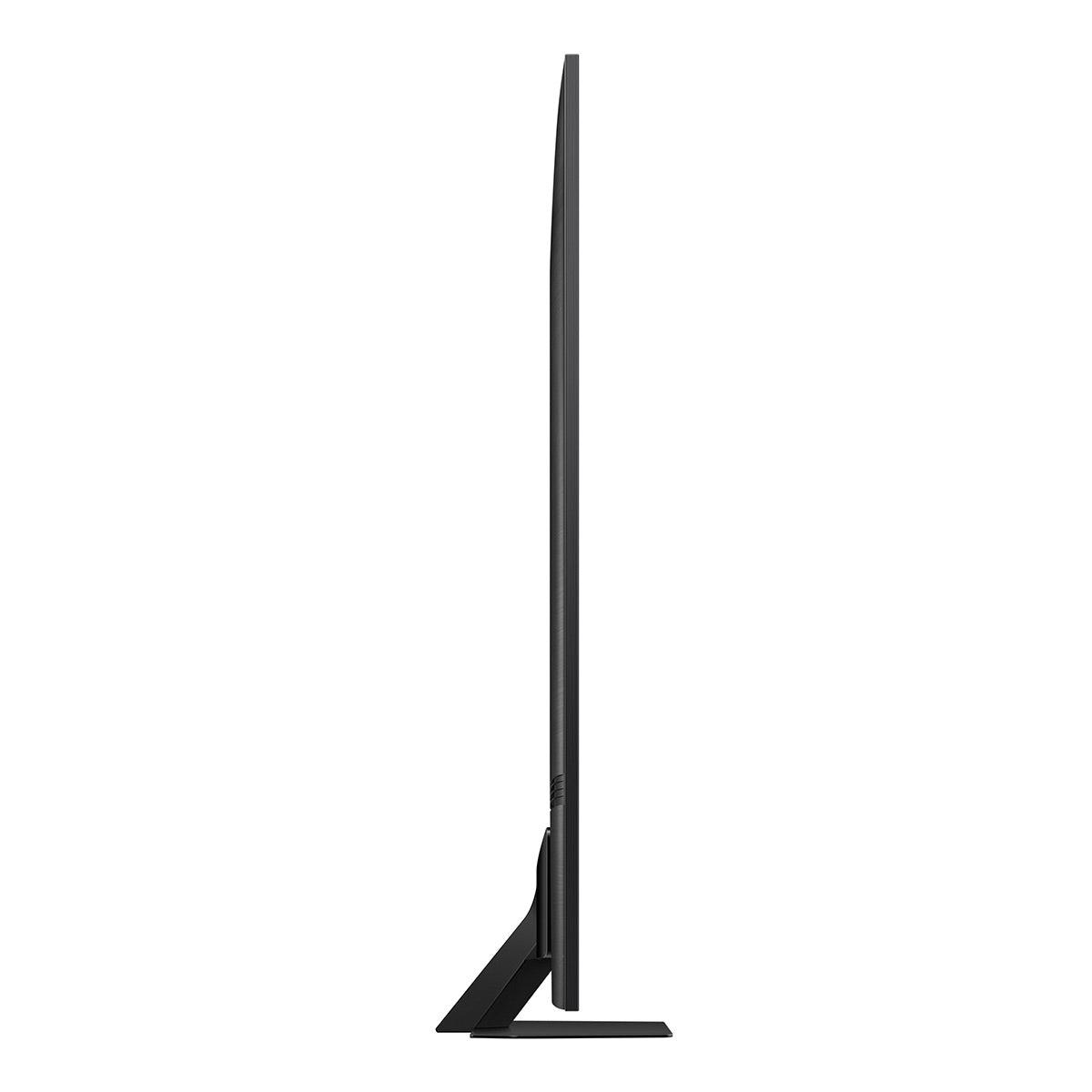
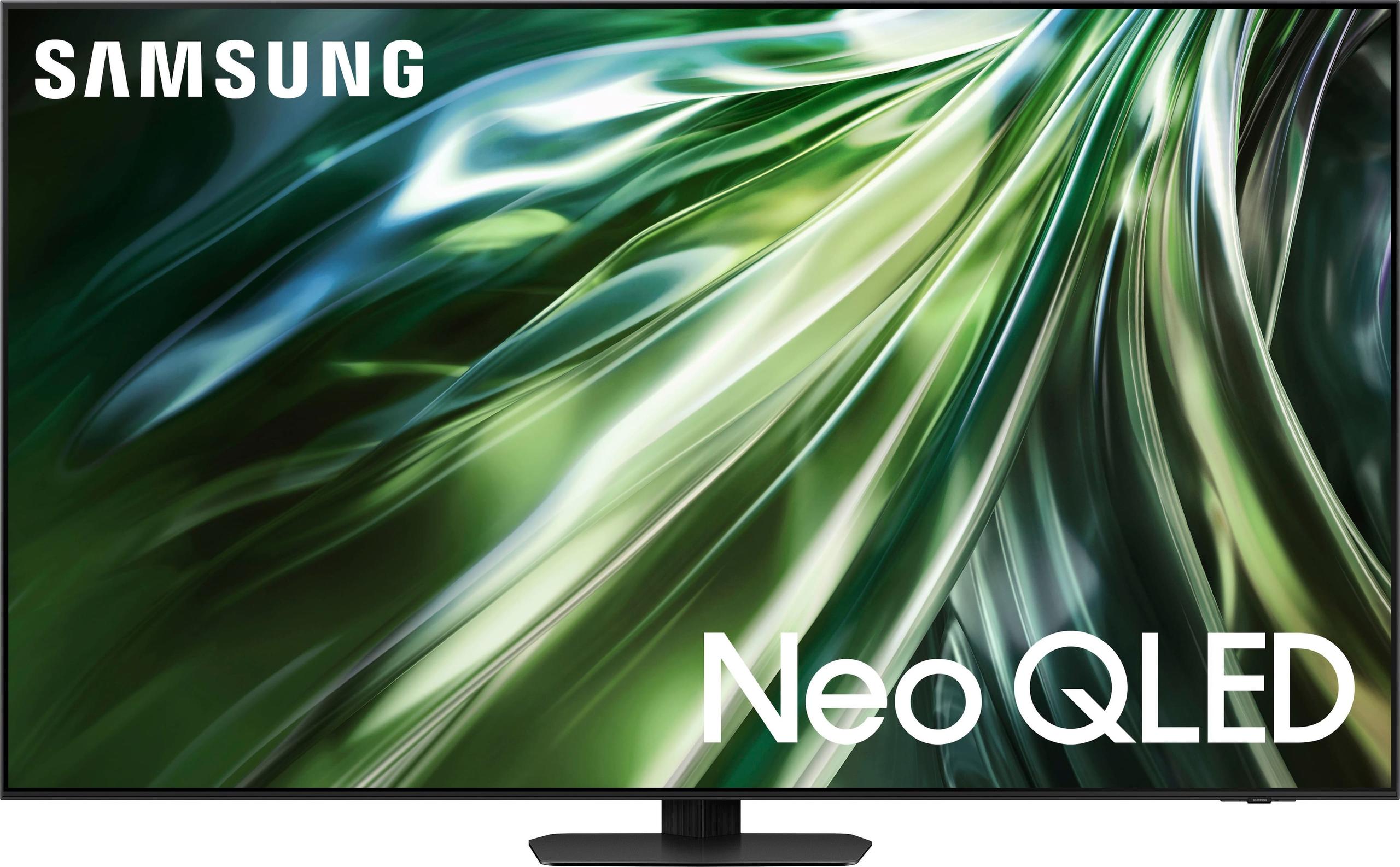
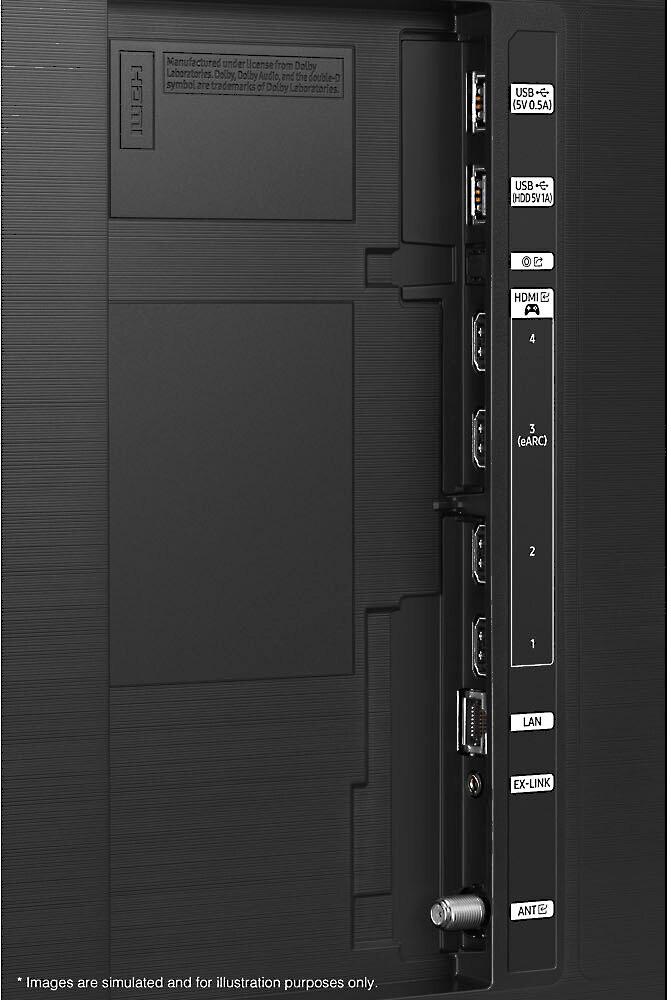

When you're shopping for a new 65-inch TV, you're entering what many consider the sweet spot of home entertainment. This size offers that cinematic experience without completely dominating your living room, and the technology packed into today's models is genuinely impressive. I've spent considerable time with both the Hisense 65" QD7 Series Mini-LED 4K Fire TV 2025 at $469.99 and the Samsung 65" QN90D Series 4K Neo QLED Smart TV starting around $1,200, and they represent two very different approaches to delivering great picture quality.
Before diving into the specifics, let's talk about what really matters when choosing a TV. The most important factors are picture quality (how good everything looks), gaming performance (if you play video games), smart features (the built-in apps and interface), and value (what you get for your money). These two TVs excel in different areas, which makes the choice more interesting than you might expect.
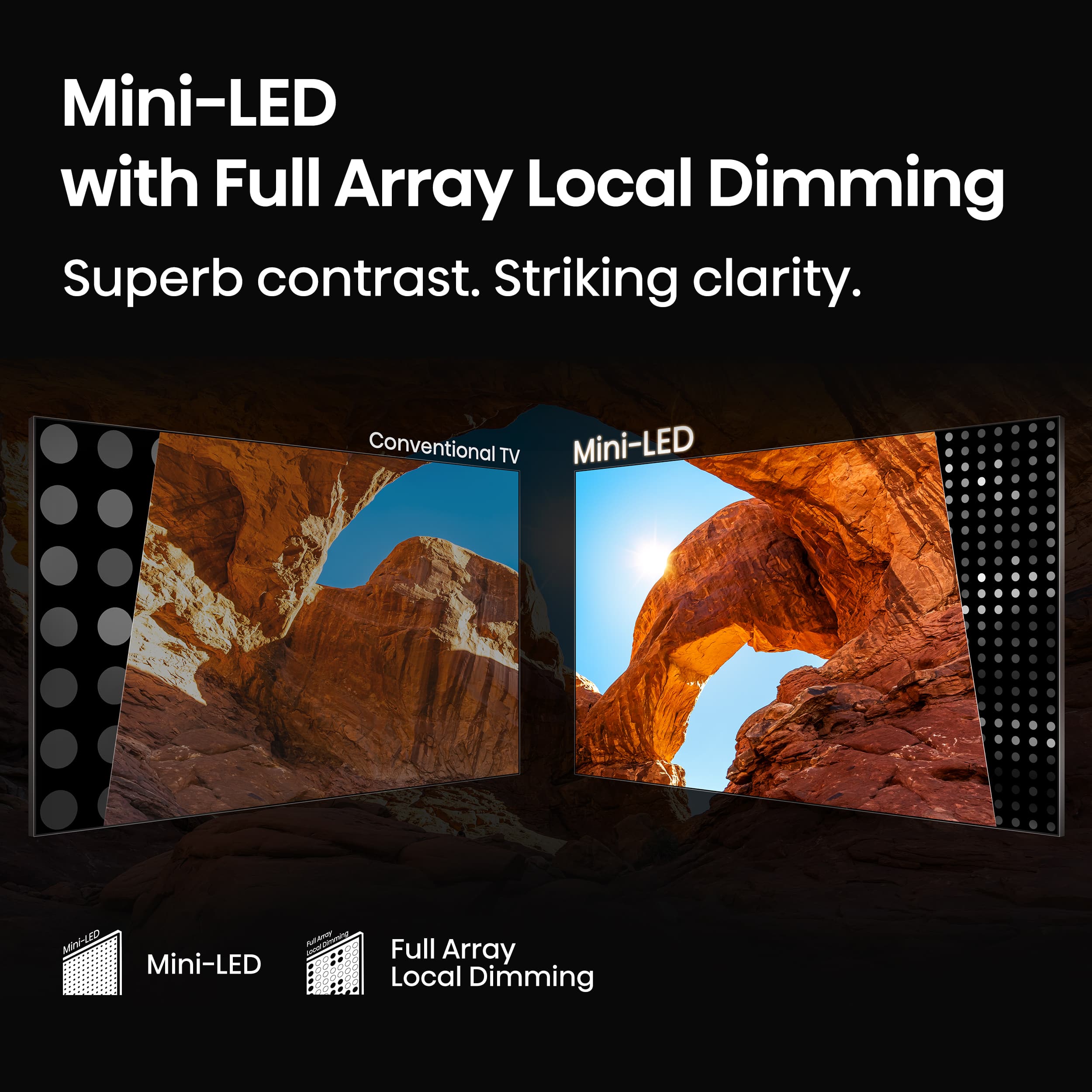
The technology driving today's premium TVs centers around something called Mini-LED backlighting. Think of your TV's backlight as thousands of tiny flashlights behind the screen that can turn on and off independently. This creates better contrast because dark scenes can have truly dark areas while bright scenes pop with intensity. Both TVs use this technology, but they implement it differently.
The Samsung QN90D hit the market in early 2024 as part of Samsung's flagship Neo QLED lineup. This timing is significant because Samsung has been refining their Neo QLED technology for several years now, and the QN90D represents a mature implementation of their vision. The improvements over previous generations include better local dimming (more precise control of those mini flashlights I mentioned), enhanced gaming features, and a more responsive smart platform.
The Hisense QD7 Series, launching in 2025, takes a different approach. Hisense has been aggressively improving their premium offerings, and the QD7 represents their attempt to deliver flagship-level features at a much more accessible price point. The 2025 model year brings some interesting upgrades, including that impressive 144Hz refresh rate and improved gaming features that directly compete with TVs costing twice as much.
This is where the most significant differences emerge, and honestly, where your decision will likely be made. The Samsung QN90D delivers what I'd call reference-quality picture performance. When you're watching a movie in a dark room, the difference is immediately apparent. The Samsung can hit peak brightness levels around 2,000 nits (nits measure brightness - for context, a bright sunny day is about 100,000 nits), which means HDR content really pops off the screen.
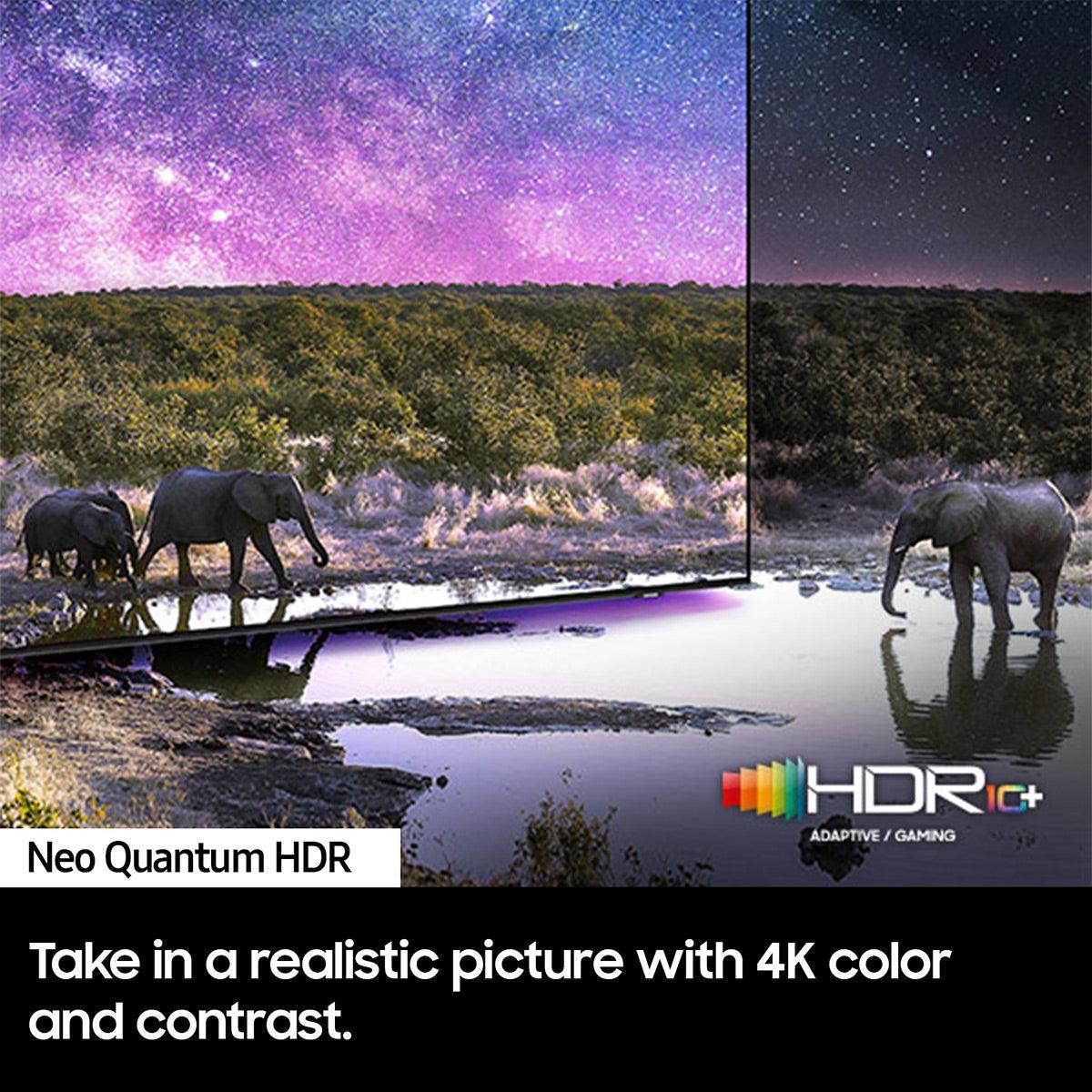
HDR, or High Dynamic Range, is essentially the difference between a photograph and seeing something with your own eyes. Regular content can only show a limited range of brightness, but HDR content can display everything from deep shadows to bright highlights simultaneously. The Samsung handles this beautifully, with precise local dimming that prevents bright objects from creating halos around them - a common issue with less sophisticated backlighting systems.
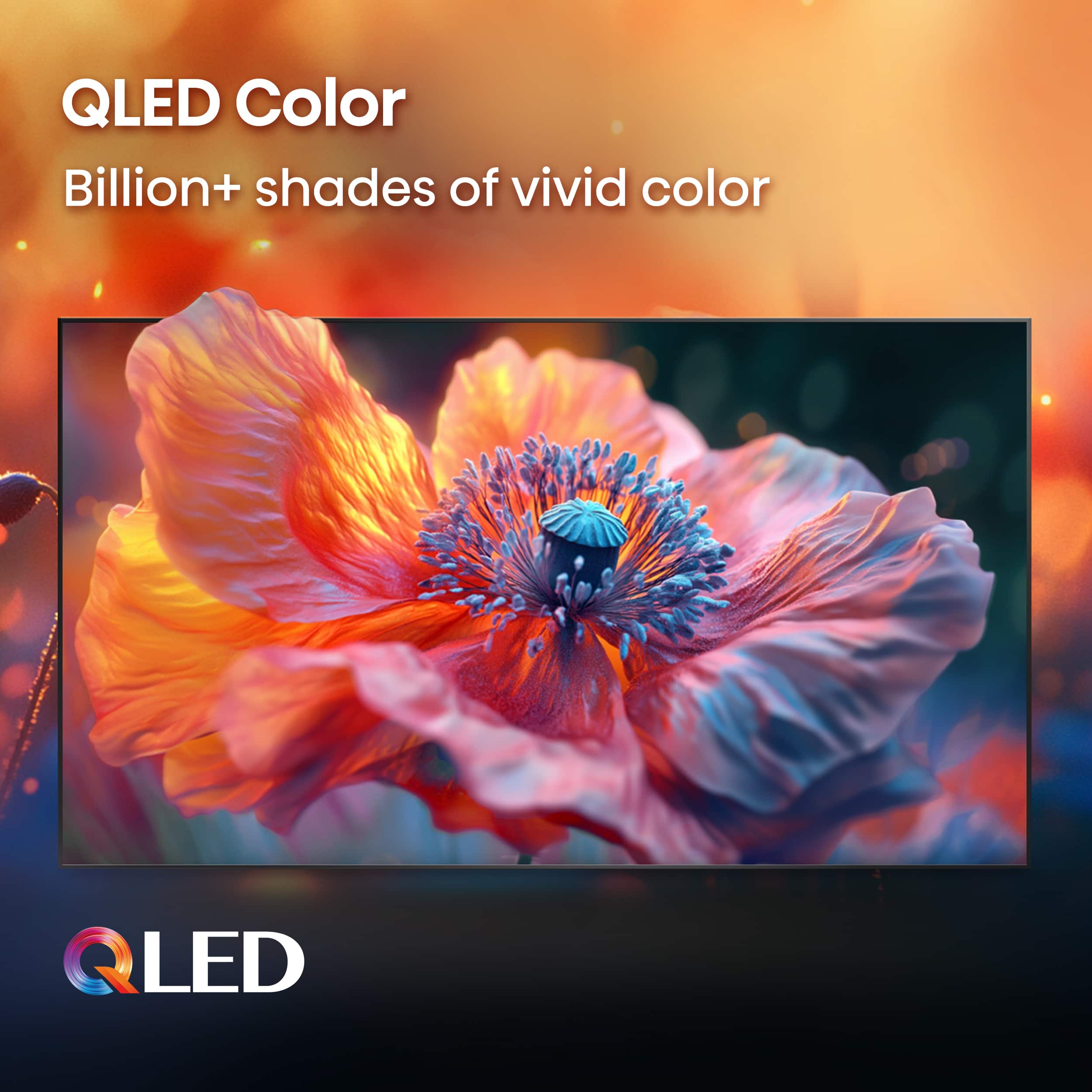
The Hisense QD7 holds its own admirably, especially considering the price difference. In bright rooms, which is where most people actually watch TV, the performance gap narrows considerably. The Quantum Dot technology in both TVs means colors are vibrant and accurate, but the Samsung's more advanced processing gives it an edge in challenging content like dark movie scenes or mixed lighting situations.
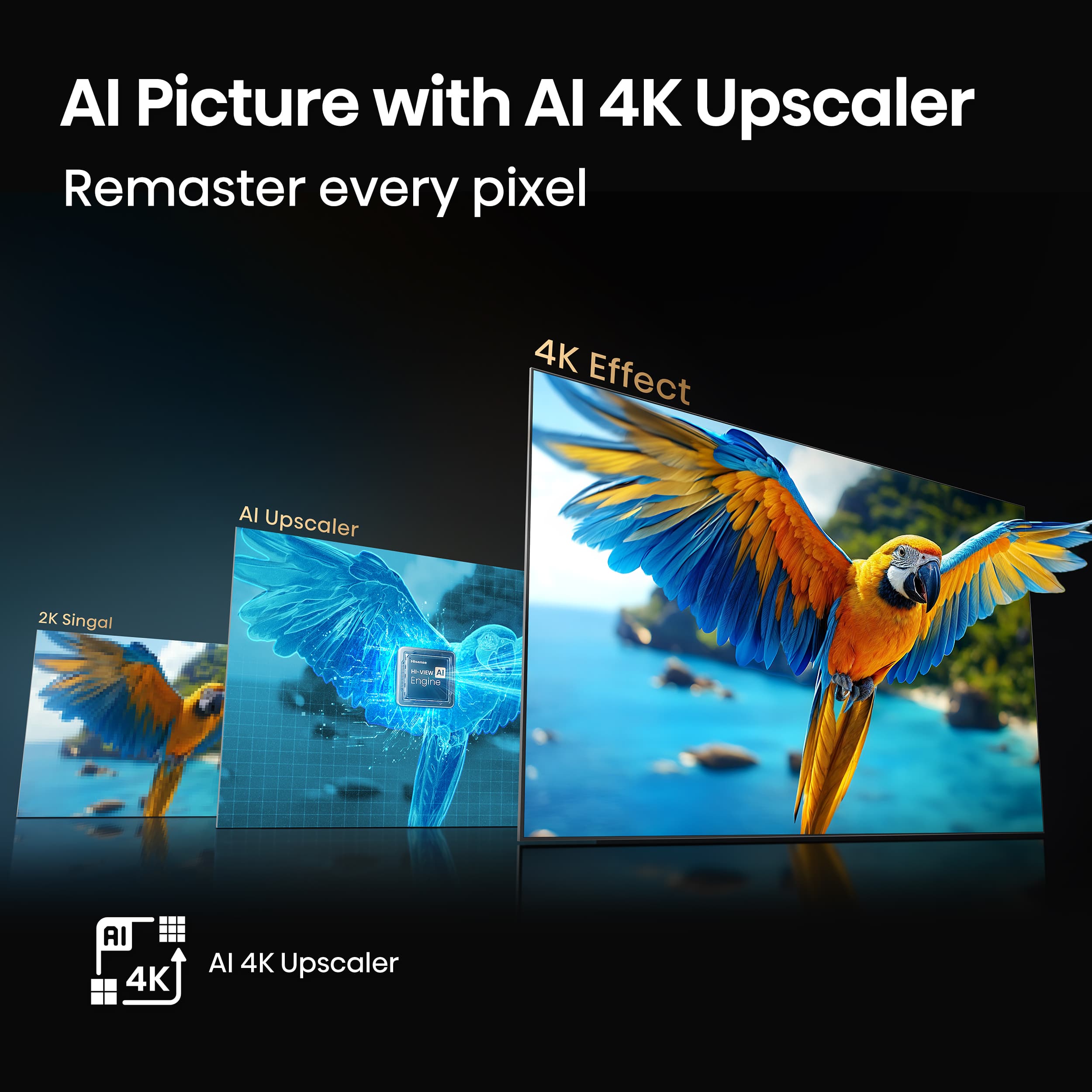
Where the Hisense really shines is in its handling of everyday content. Sports look fantastic, streaming shows are crisp and colorful, and the AI upscaling does a respectable job of making non-4K content look better. The difference becomes more pronounced when you're watching premium content in a darkened room - the Samsung's superior contrast and local dimming create a more convincing cinematic experience.
Here's where things get interesting, and frankly, where the Hisense QD7 makes a compelling case for itself. Gaming performance isn't just about how pretty games look - it's about responsiveness, smoothness, and features that enhance the gaming experience.
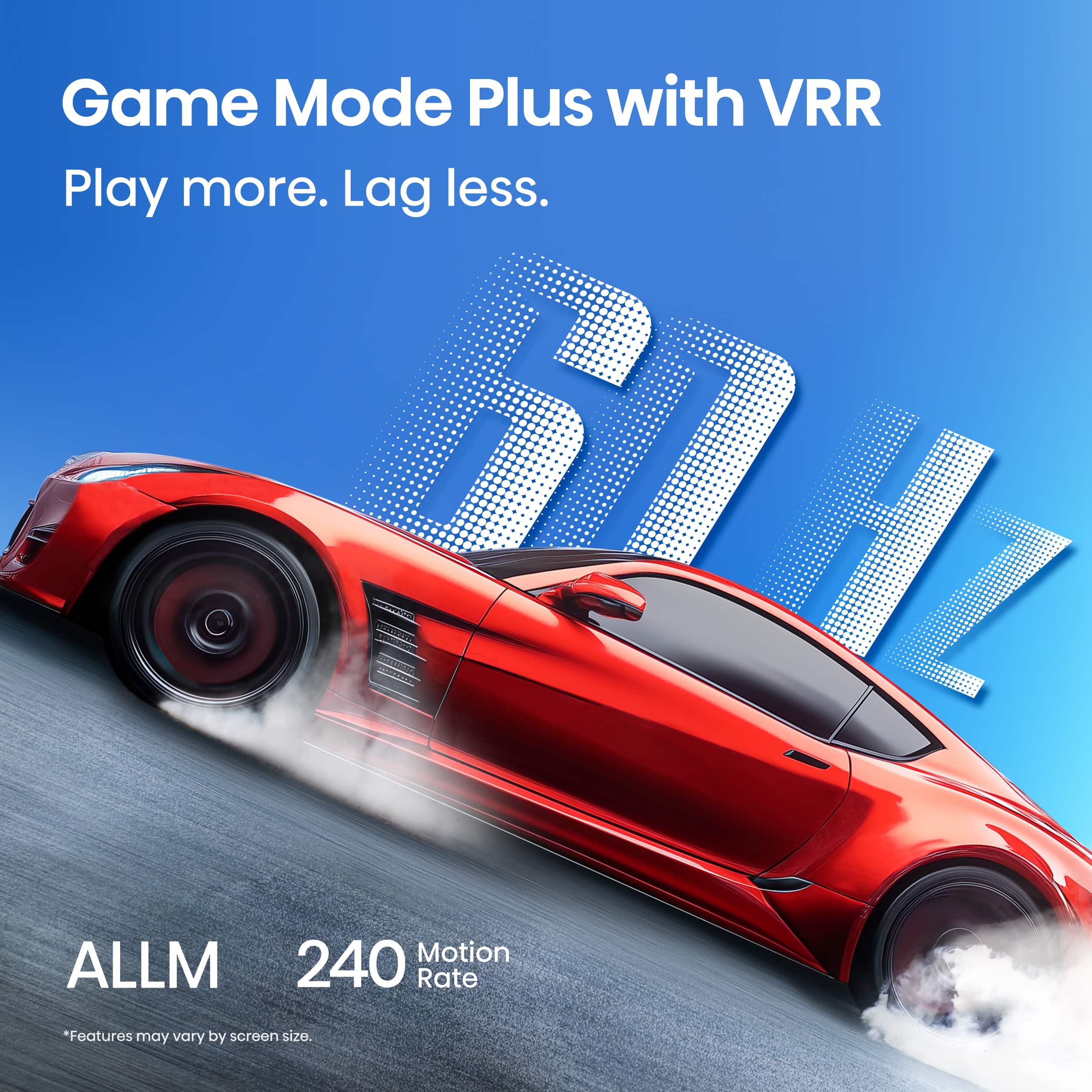
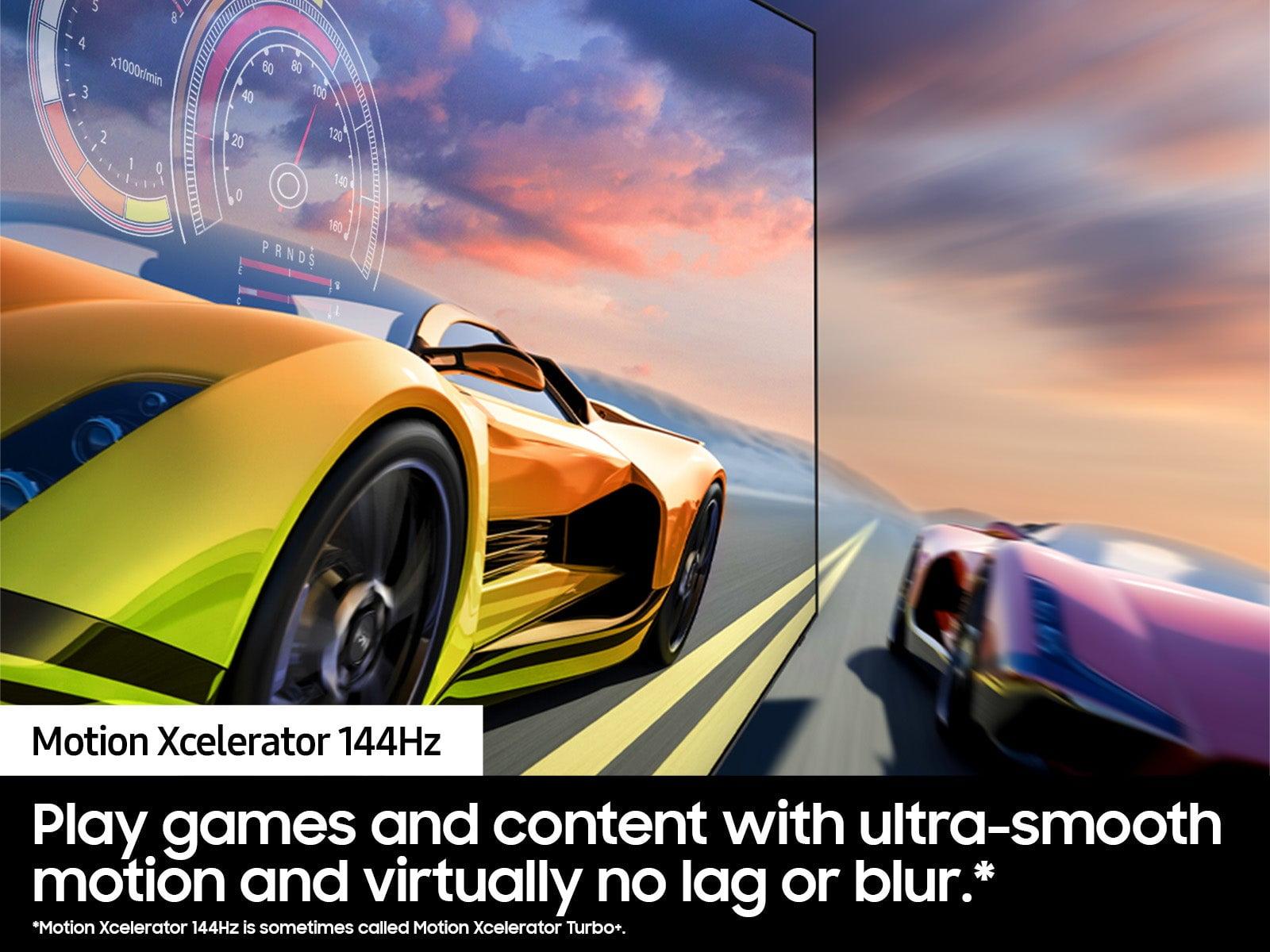
The Hisense offers a native 144Hz refresh rate, which is higher than the Samsung's 120Hz. This might seem like a small difference, but for competitive gaming, it's significant. Higher refresh rates mean smoother motion and potentially lower input lag (the delay between pressing a button and seeing the result on screen). The QD7 also includes comprehensive gaming features like Variable Refresh Rate (VRR), which prevents screen tearing, and Auto Low Latency Mode (ALLM), which automatically optimizes settings when you start gaming.
The Samsung QN90D takes a different approach. While it "only" offers 120Hz, its implementation is more refined. The motion handling is superior, which means fast-moving games look smoother even at the lower refresh rate. More importantly, the Samsung's HDR gaming experience is genuinely impressive. Games that support HDR look dramatically better on the Samsung, with more realistic lighting and better contrast in dark areas.
For competitive gaming, I'd lean toward the Hisense. For cinematic, single-player experiences, the Samsung creates a more immersive environment. Both support the latest gaming consoles fully, including PlayStation 5 and Xbox Series X features.
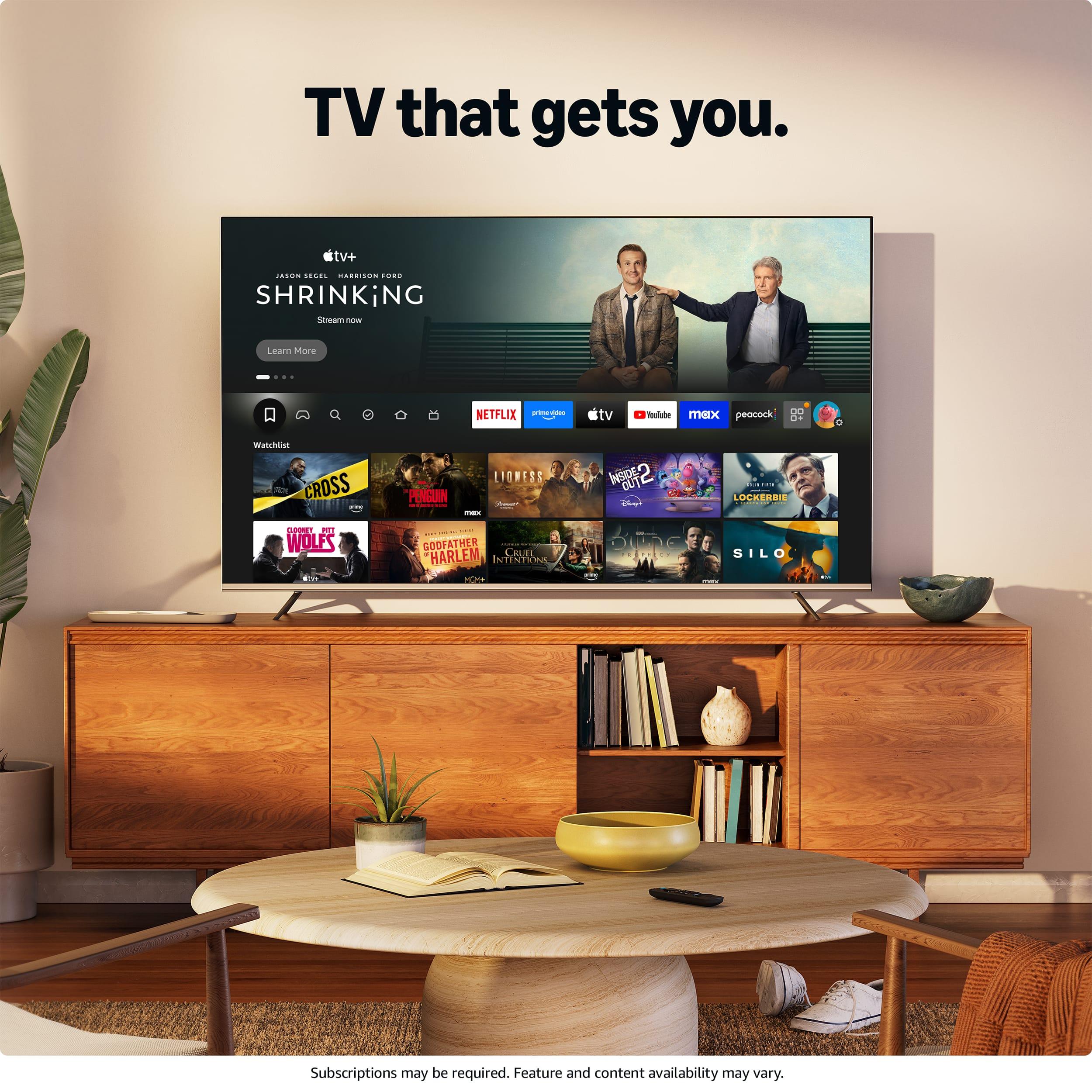
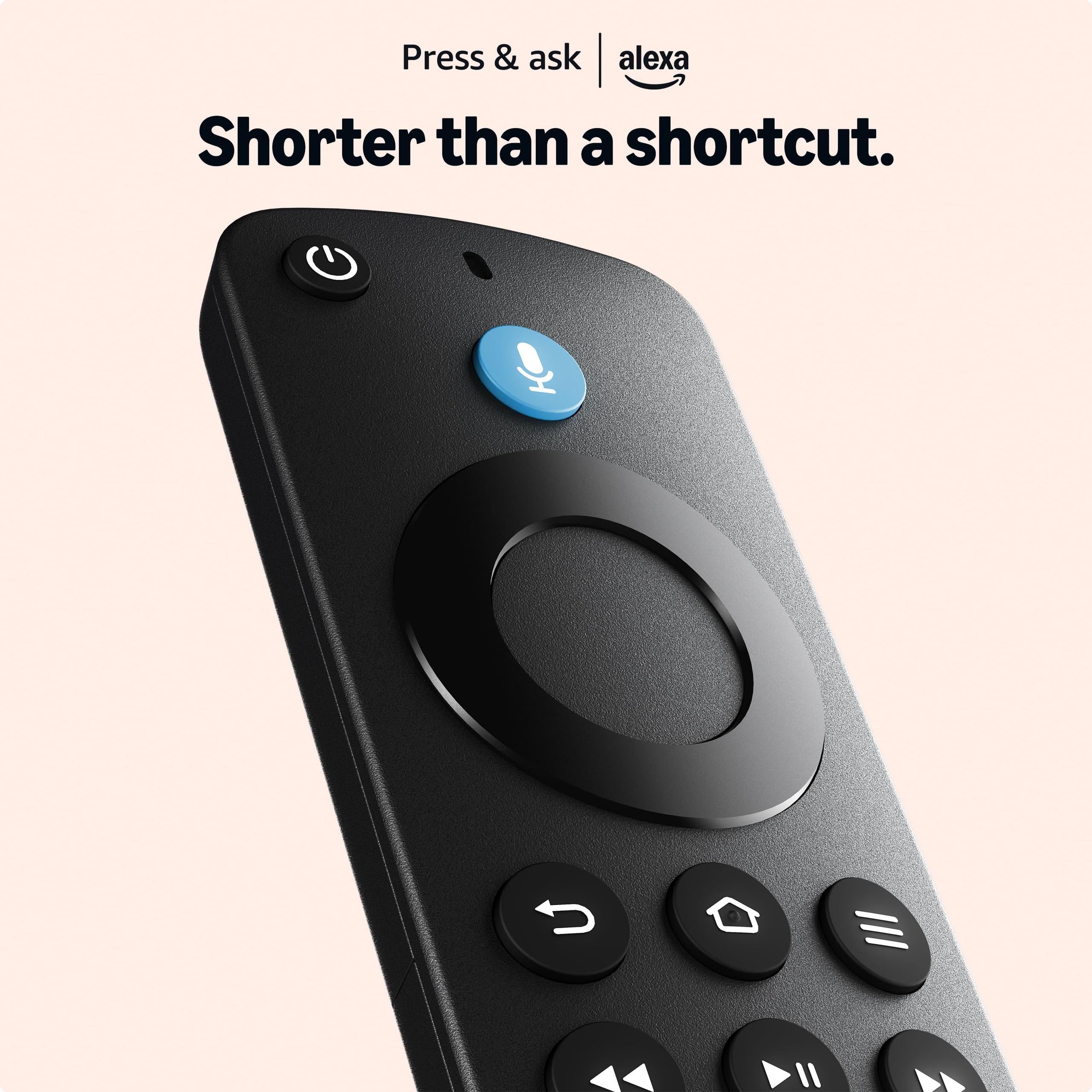
This is where you'll spend most of your time, so it's worth understanding the differences. The Hisense QD7 runs Amazon's Fire TV platform, which is mature, responsive, and intuitive. The voice search works well, the interface is clean, and finding content is straightforward. However, it does push Amazon's content and services prominently, which some find intrusive.
The Samsung QN90D uses Samsung's Tizen operating system, which has evolved into one of the better smart TV platforms. It's polished, comprehensive, and generally more customizable than Fire TV. The app selection is excellent, and the interface feels premium. Samsung's platform integrates well with their ecosystem of devices, which is valuable if you already own Samsung products.
Both platforms handle the essential streaming services well, but there are subtle differences in how they organize content and present recommendations. The Samsung feels more premium and flexible, while the Fire TV is more straightforward and Amazon-focused.
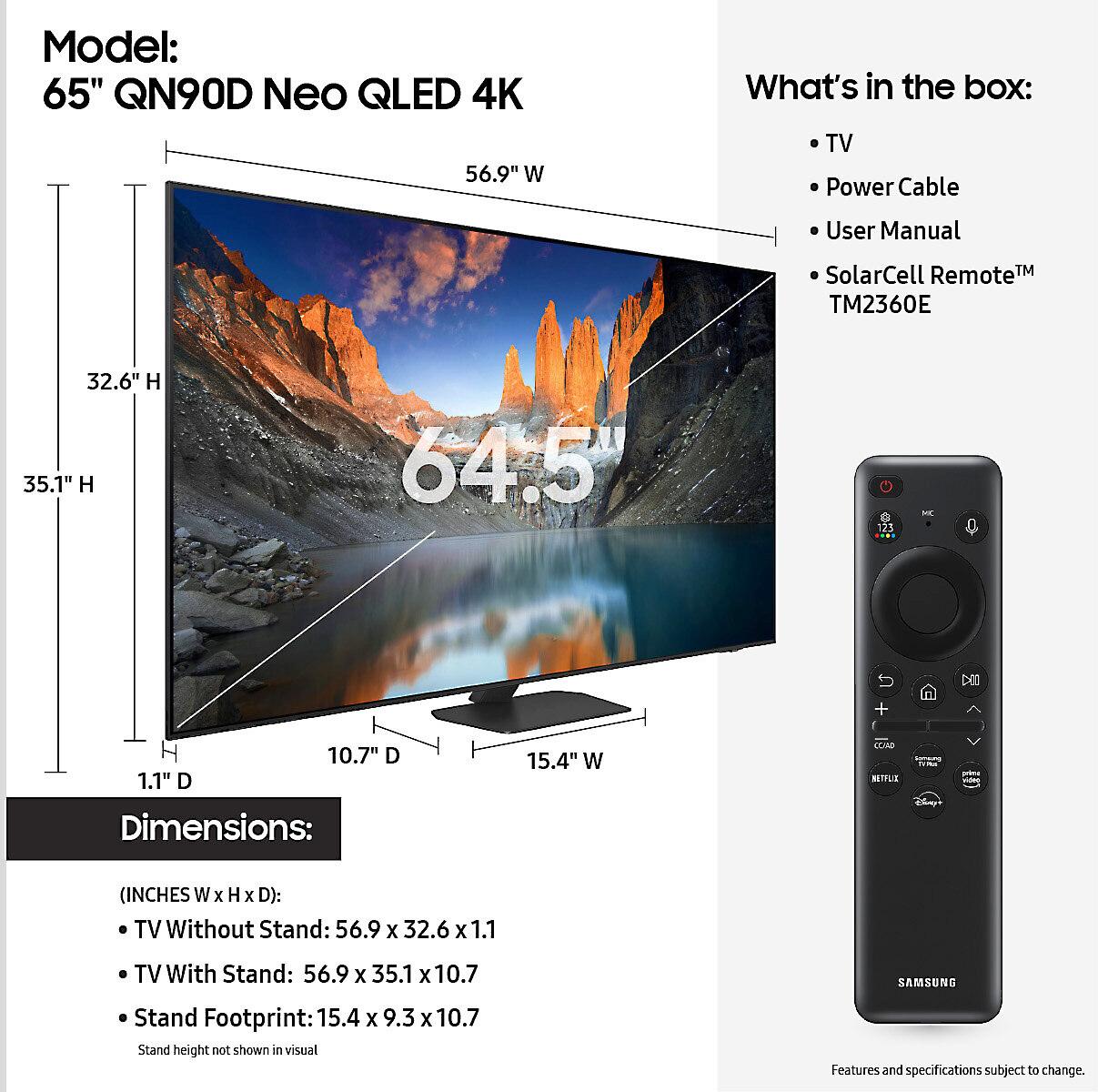
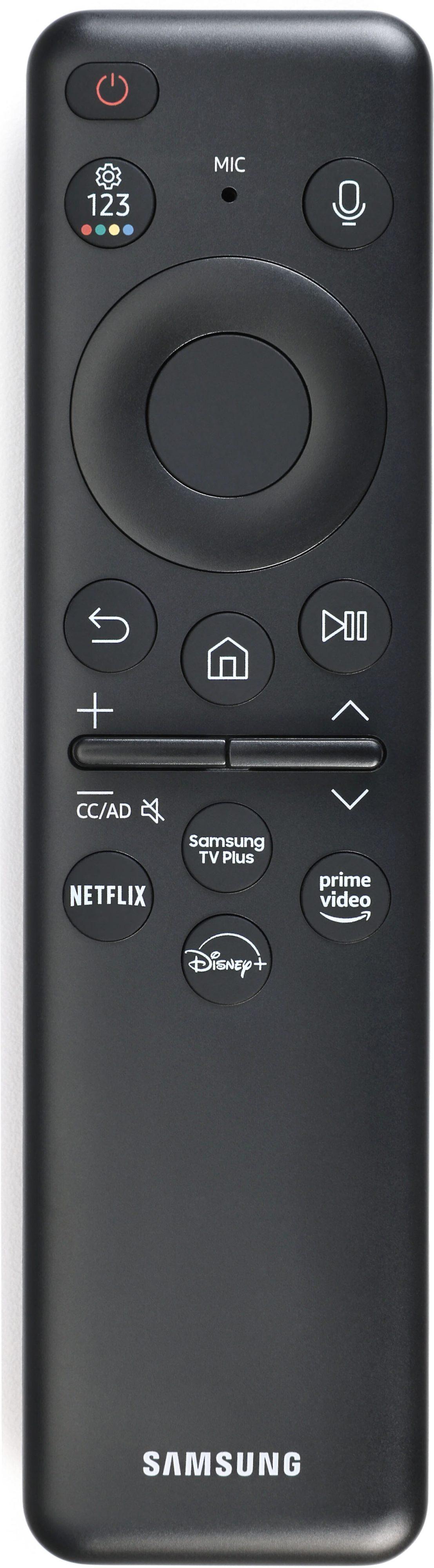
The physical differences between these TVs reflect their market positioning. The Samsung QN90D feels like a premium product from the moment you unbox it. The materials are high-quality, the design is refined, and the overall construction inspires confidence. The stand is sturdy, the bezels are minimal, and the remote control feels substantial and well-designed.
The Hisense QD7 is well-built for its price point, but it doesn't quite match the Samsung's premium feel. The differences aren't dramatic, but they're noticeable. The remote is functional but less elegant, and the overall design, while attractive, doesn't have the same refined aesthetic.
For most people, these differences won't affect daily use, but they contribute to the overall ownership experience. If you're someone who appreciates premium build quality and design, the Samsung justifies part of its price premium here.
If you're setting up a dedicated home theater or your TV is the centerpiece of your entertainment system, the differences become more pronounced. The Samsung QN90D excels in dark room viewing, which is typically how home theaters are used. The superior contrast and local dimming create a more convincing cinematic experience, especially with high-quality content.
The Samsung's color accuracy is also more refined, which matters when you're watching carefully mastered content. The processing is more sophisticated, so older or lower-quality content looks better upscaled to 4K. These improvements are subtle but meaningful when you're investing in a premium home theater experience.
The Hisense QD7 can certainly anchor a home theater setup, especially if budget is a primary concern. It handles HDR content well, the gaming features are excellent, and the overall experience is satisfying. However, the Samsung's refinements become more apparent in this demanding use case.
This is where the conversation gets interesting. The Hisense QD7 at $469.99 delivers genuinely impressive performance for the price. When you consider that it includes Mini-LED backlighting, Quantum Dot color, comprehensive gaming features, and a solid smart platform, the value proposition is compelling.
The Samsung QN90D at over $1,200 is asking you to pay more than double for what are, admittedly, meaningful but incremental improvements. The question becomes whether those improvements justify the cost difference for your specific situation.
For most people, the Hisense delivers about 80% of the Samsung's performance at 40% of the price. That's exceptional value. However, if you're someone who appreciates the finer details of picture quality, plans to keep the TV for many years, or is setting up a premium home theater, the Samsung's improvements might be worth the investment.
Choose the Hisense QD7 if you want excellent performance at an exceptional price, prioritize gaming features, watch TV primarily in bright rooms, or need a secondary TV. It's also the better choice if you value having the latest connectivity features or are satisfied with "very good" picture quality rather than "excellent."
Choose the Samsung QN90D if picture quality is your top priority, you frequently watch movies in dark rooms, you want premium build quality and design, or you're willing to pay significantly more for incremental improvements. It's also the better choice for a flagship living room TV that you plan to keep for many years.
In my experience, both TVs will satisfy most viewers, but they excel in different areas. The Hisense punches well above its weight class and represents outstanding value, while the Samsung delivers the refinement and performance you'd expect from a premium product. The choice ultimately depends on your priorities, budget, and how you plan to use your TV.
The bottom line? For most people, the Hisense QD7 is the smarter purchase. It delivers flagship-level features at a fraction of the cost, and unless you're a serious home theater enthusiast, you'll be completely satisfied with its performance. The Samsung QN90D is undoubtedly superior, but its improvements are incremental rather than transformational for most use cases.
| Hisense 65" QD7 Series Mini-LED 4K Fire TV 2025 | Samsung 65" QN90D Series 4K Neo QLED Smart TV |
|---|---|
| Price - The most significant factor in your decision | |
| $469.99 (exceptional value for features included) | $1,200+ (premium pricing for incremental improvements) |
| Panel Technology - Determines picture quality fundamentals | |
| Mini-LED with Quantum Dot (very good contrast and colors) | Neo QLED with Mini-LED (superior contrast and more precise dimming) |
| Peak Brightness - Critical for HDR impact and bright room viewing | |
| ~1,000 nits (good for most environments) | ~2,000 nits (excellent HDR pop and bright room performance) |
| Refresh Rate - Important for gaming and sports smoothness | |
| 144Hz (best for competitive gaming) | 120Hz (excellent for most content, refined motion handling) |
| Local Dimming Zones - Controls contrast and reduces blooming | |
| Good implementation (some blooming in dark scenes) | Excellent implementation (minimal blooming, precise control) |
| Smart Platform - Your daily interface experience | |
| Fire TV (intuitive, Amazon-focused) | Tizen OS (polished, customizable, premium feel) |
| Gaming Features - Essential for console and PC gaming | |
| VRR, ALLM, 144Hz, Game Mode Ultra (comprehensive package) | VRR, ALLM, 120Hz, Gaming Hub (refined implementation) |
| HDR Support - Enhances color and contrast in compatible content | |
| Dolby Vision, HDR10, HDR10+ (full format support) | HDR10+, HLG (good support, optimized processing) |
| Audio Technology - Built-in sound quality | |
| Dolby Atmos (decent built-in speakers) | Dolby Atmos with Object Tracking Sound+ (superior audio experience) |
| Build Quality - Long-term durability and premium feel | |
| Solid construction for price point | Premium materials and refined design |
| Processor - Affects upscaling and smart TV responsiveness | |
| Basic AI upscaling (adequate performance) | NQ4 AI Gen2 Processor (superior upscaling and processing) |
| Best Use Case - Where each TV excels | |
| Gaming, bright rooms, value-conscious buyers | Dark room viewing, home theater, premium experience seekers |
The Samsung 65" QN90D Series 4K Neo QLED Smart TV delivers superior picture quality, especially for dark room viewing and HDR content. It offers higher peak brightness (~2,000 nits vs ~1,000 nits), better contrast with more precise local dimming, and advanced processing that makes all content look sharper. The Hisense 65" QD7 Series Mini-LED 4K Fire TV 2025 provides very good picture quality for the price, particularly in bright rooms, but doesn't match the Samsung's refinement in challenging lighting conditions.
For competitive gaming, the Hisense 65" QD7 Series Mini-LED 4K Fire TV 2025 has the edge with its 144Hz refresh rate, comprehensive gaming features, and lower input lag optimization. For cinematic gaming experiences, the Samsung 65" QN90D Series 4K Neo QLED Smart TV excels with superior HDR gaming visuals and refined 120Hz motion handling. Both support modern console features like VRR and ALLM, making either suitable for PS5 and Xbox Series X gaming.
The Hisense QD7 costs $469.99 while the Samsung QN90D starts around $1,200+. The Samsung costs more than double but offers incremental improvements rather than transformational ones. For most buyers, the Hisense delivers about 80% of the Samsung's performance at 40% of the price, making it exceptional value. The Samsung's premium is justified mainly for home theater enthusiasts who prioritize the absolute best picture quality.
Both TVs offer excellent smart platforms with different strengths. The Hisense QD7 runs Fire TV, which is intuitive and responsive with strong voice search, though it heavily promotes Amazon content. The Samsung QN90D uses Tizen OS, which feels more premium and customizable with comprehensive app selection. Both handle major streaming services well, so the choice depends on whether you prefer Amazon's ecosystem or Samsung's more flexible approach.
Both TVs perform well in bright rooms, but the Samsung QN90D has a slight advantage due to its higher peak brightness and better anti-reflective coating. However, the Hisense QD7 still delivers excellent bright room performance and the difference is less noticeable in typical living room conditions. For the significant price difference, the Hisense provides more than adequate bright room viewing for most users.
The Samsung QN90D offers superior build quality with premium materials, refined design, and better long-term reliability. The remote control feels more substantial and the overall construction inspires more confidence. The Hisense QD7 has solid build quality for its price point with attractive design, but doesn't match the Samsung's premium feel. For most users, both are well-built enough for daily use.
For dedicated home theater use, the Samsung QN90D is the better choice due to its superior dark room performance, more precise local dimming, and better contrast. The advanced processing also handles high-quality content better. The Hisense QD7 can work in a home theater setup and offers excellent value, but the Samsung's refinements become more apparent in this demanding use case where picture quality is paramount.
The Samsung QN90D delivers superior HDR performance with higher peak brightness, better contrast, and more sophisticated processing that makes HDR content more impactful. It handles both bright highlights and dark shadows more effectively. The Hisense QD7 supports all major HDR formats and provides good HDR performance, but can't match the Samsung's dynamic range and overall HDR presentation quality.
Both TVs excel at sports viewing, but they have different strengths. The Hisense QD7 offers higher refresh rates (144Hz) for smoother motion and performs well in bright rooms where sports are often watched. The Samsung QN90D provides better motion processing and upscaling for broadcast sports content. For casual sports viewing, either TV will satisfy, but the Hisense offers better value for this use case.
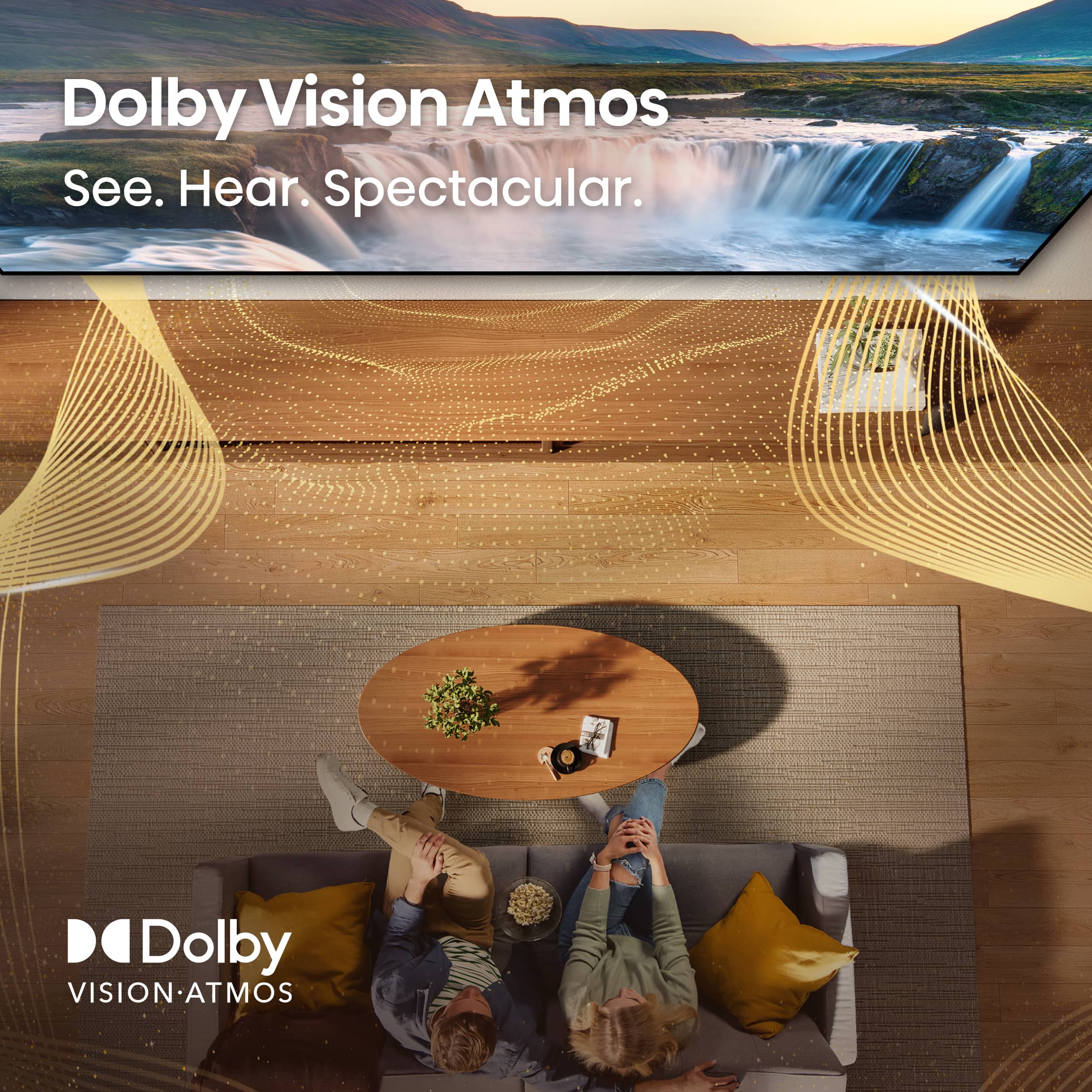
The Samsung QN90D has superior built-in audio with Object Tracking Sound+ technology and more powerful speakers that create a more immersive sound experience. The Hisense QD7 includes Dolby Atmos support and decent built-in speakers that are adequate for most users. However, both TVs benefit from external sound systems for the best audio experience, especially in home theater setups.
The Hisense QD7 at $469.99 offers exceptional value, providing flagship-level features like Mini-LED backlighting, 144Hz refresh rate, and comprehensive gaming features at a fraction of premium TV prices. The Samsung QN90D delivers better overall performance but at more than double the cost. Unless you're a serious home theater enthusiast who demands the absolute best picture quality, the Hisense represents significantly better value for most buyers.
The Samsung QN90D typically offers better long-term support with more frequent software updates and Samsung's established customer service network. Samsung also has a stronger track record for TV longevity. The Hisense QD7 has improved significantly in recent years regarding software support and build quality, but Samsung still has the edge in long-term reliability and support. Both come with standard warranties, but Samsung's premium positioning often translates to better post-purchase support.
We've done our best to create useful and informative comparisons to help you decide what product to buy. Our research uses advanced automated methods to create this comparison and perfection is not possible - please contact us for corrections or questions. These are the sites we've researched in the creation of this article: bestbuy.com - custrevs.com - youtube.com - bestbuy.com - rtings.com - youtube.com - rtings.com - pcrichard.com - bestbuy.com - pcrichard.com - camelcamelcamel.com - amazonfiretv.blog - hisense-usa.com - hisense-usa.com - hisense-usa.com - bestbuy.com - leaseville.com - youtube.com - bestbuy.com - flatpanelshd.com - samsung.com - standardtvandappliance.com - gerhardsappliance.com - bestbuy.com - image-us.samsung.com - rtings.com - youtube.com - images.samsung.com

Privacy Policy
Terms and Conditions - Affiliate Policy
Home Security
© Copyright 2008-2026.
11816 Inwood Rd #1211, Dallas, TX 75244