

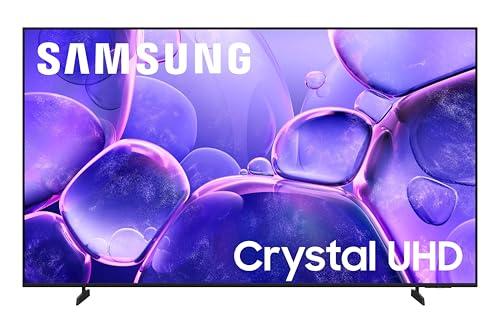
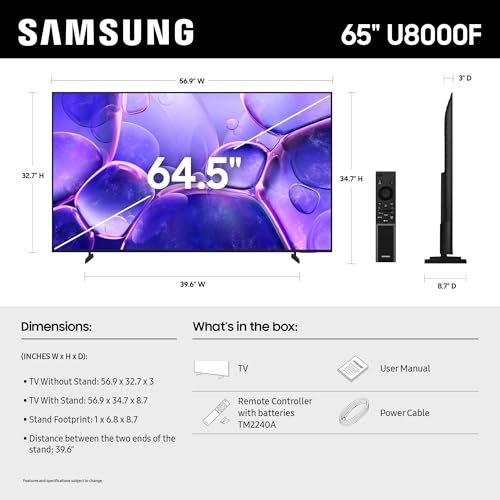
Shopping for a 65-inch 4K TV in 2025 can feel overwhelming. The market is packed with options at every price point, from basic LED displays to premium Mini-LED and OLED models. Today, we're comparing two TVs that represent very different approaches to budget-friendly 4K viewing: the Samsung 65-Inch Crystal UHD U8000F and the Hisense 65" QD7 Series Mini-LED.
Both TVs launched in 2025, but they couldn't be more different in their core technology. The Samsung U8000F takes the traditional approach with Crystal UHD LED technology, while the Hisense QD7 packs advanced Mini-LED and QLED features typically found in much more expensive models. Understanding these differences is crucial for making the right choice for your living room.
The TV landscape has evolved dramatically over the past few years. What we once considered "premium" features—like 4K resolution and basic HDR support—are now standard across most models. The real differentiators in 2025 come down to display technology, local dimming capabilities, and smart platform sophistication.
When evaluating any 4K TV, the most important factors are display brightness (measured in nits), contrast ratio (the difference between the darkest blacks and brightest whites), color gamut coverage (how many colors the TV can display), and motion handling. These technical specs directly translate to your viewing experience, whether you're watching Netflix in a bright living room or enjoying a movie in a dark home theater.
Local dimming deserves special attention because it's become a major dividing line between budget and premium displays. Think of your TV's backlight like the overhead lights in your house—older TVs essentially have one giant light switch for the entire screen, while newer models can control hundreds or thousands of individual "light switches" across different areas. This precision control is what creates those deep blacks you see in movie theaters.
The fundamental difference between the Samsung U8000F and Hisense QD7 lies in their display architecture, and it's a significant one.
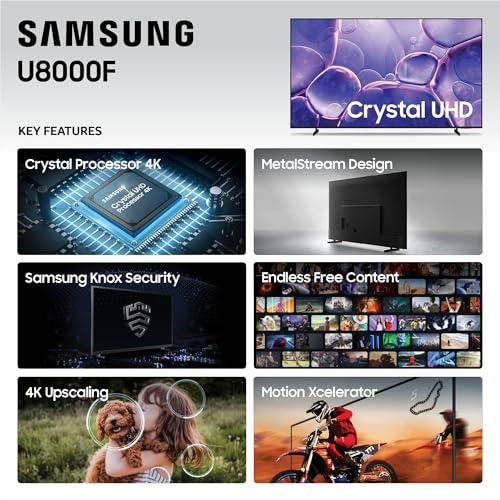
The Samsung U8000F uses Crystal UHD technology, which is essentially Samsung's marketing term for their entry-level LED displays. Behind the fancy name, you'll find a fairly traditional setup: a large LED backlight array behind an LCD panel, with no local dimming zones. This means the entire backlight operates as one unit—when you need brighter whites in one part of the screen, the whole backlight gets brighter, which can wash out dark areas elsewhere.
Crystal UHD does include Samsung's color enhancement processing, which helps with color accuracy and vibrancy compared to basic LED displays. The TV also features UHD Dimming, a software-based contrast enhancement that divides the screen into zones digitally rather than controlling actual hardware zones. While this provides some improvement, it can't match the performance of true local dimming.
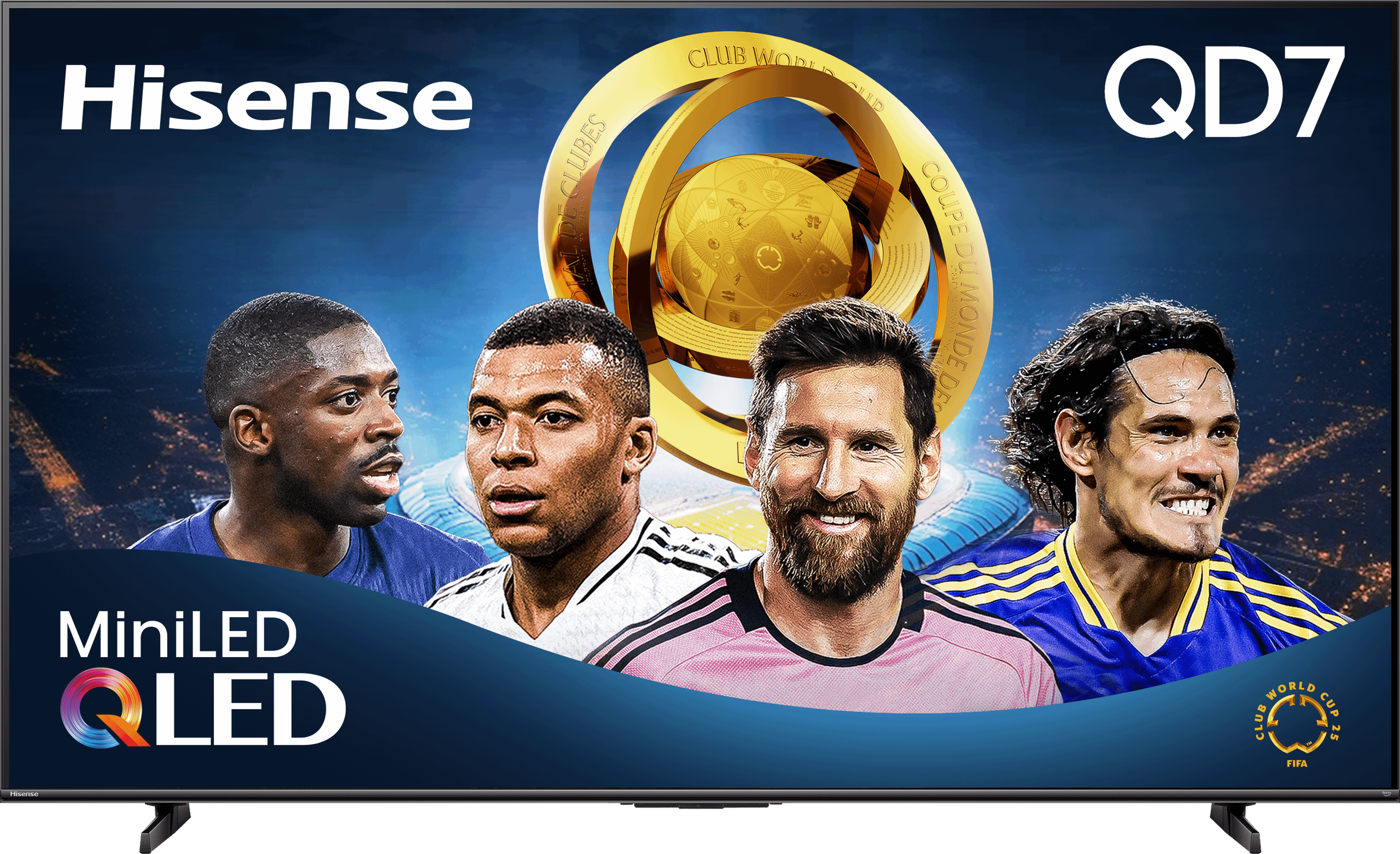
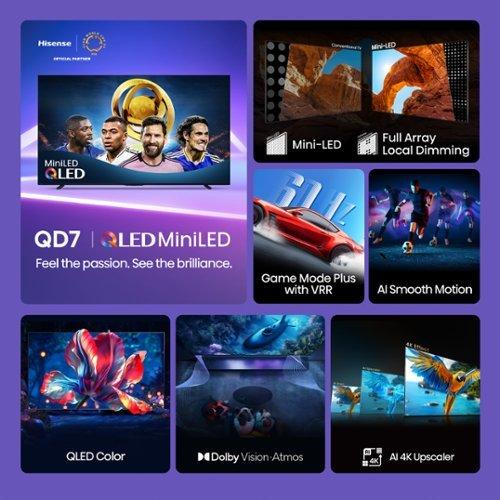
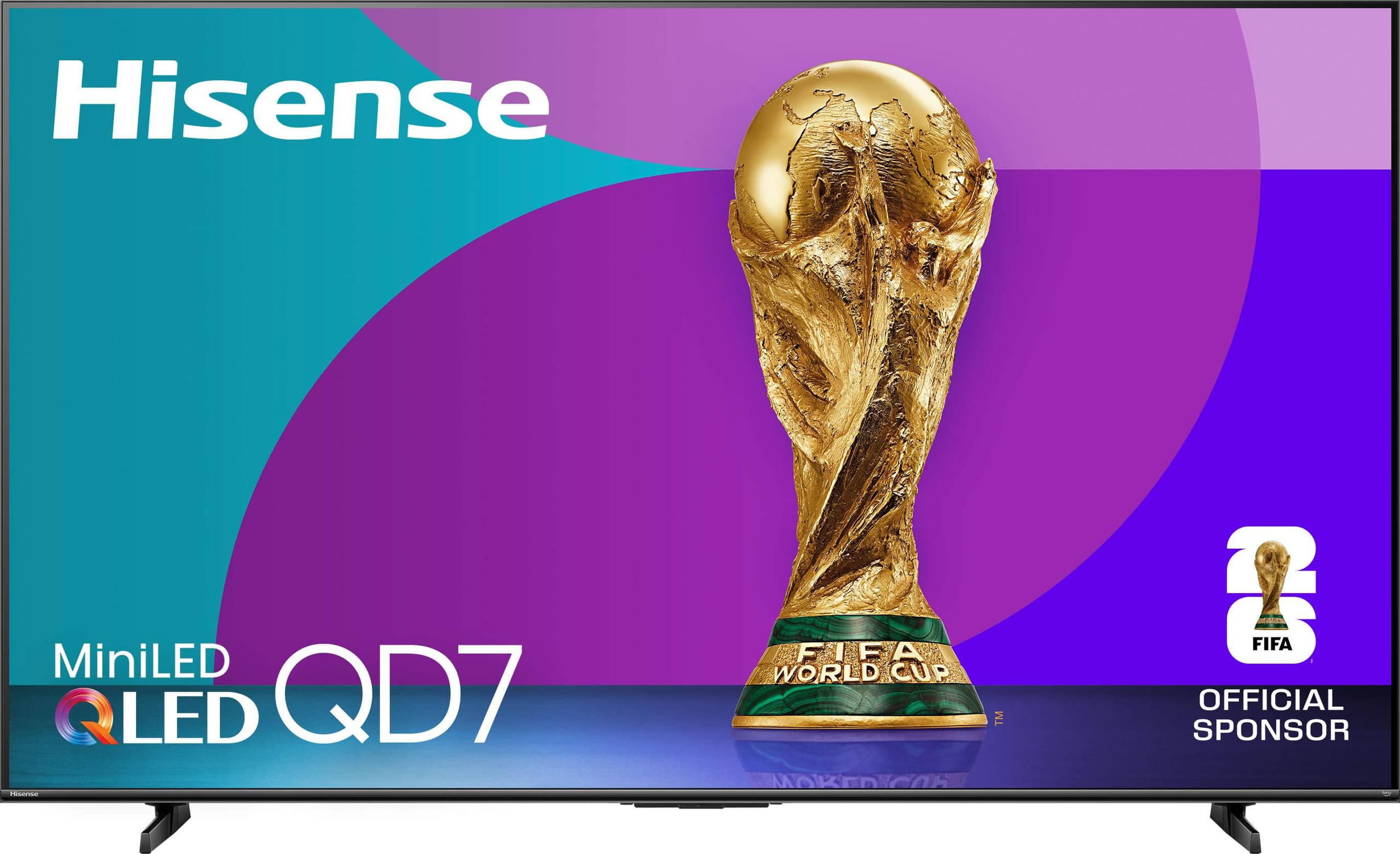
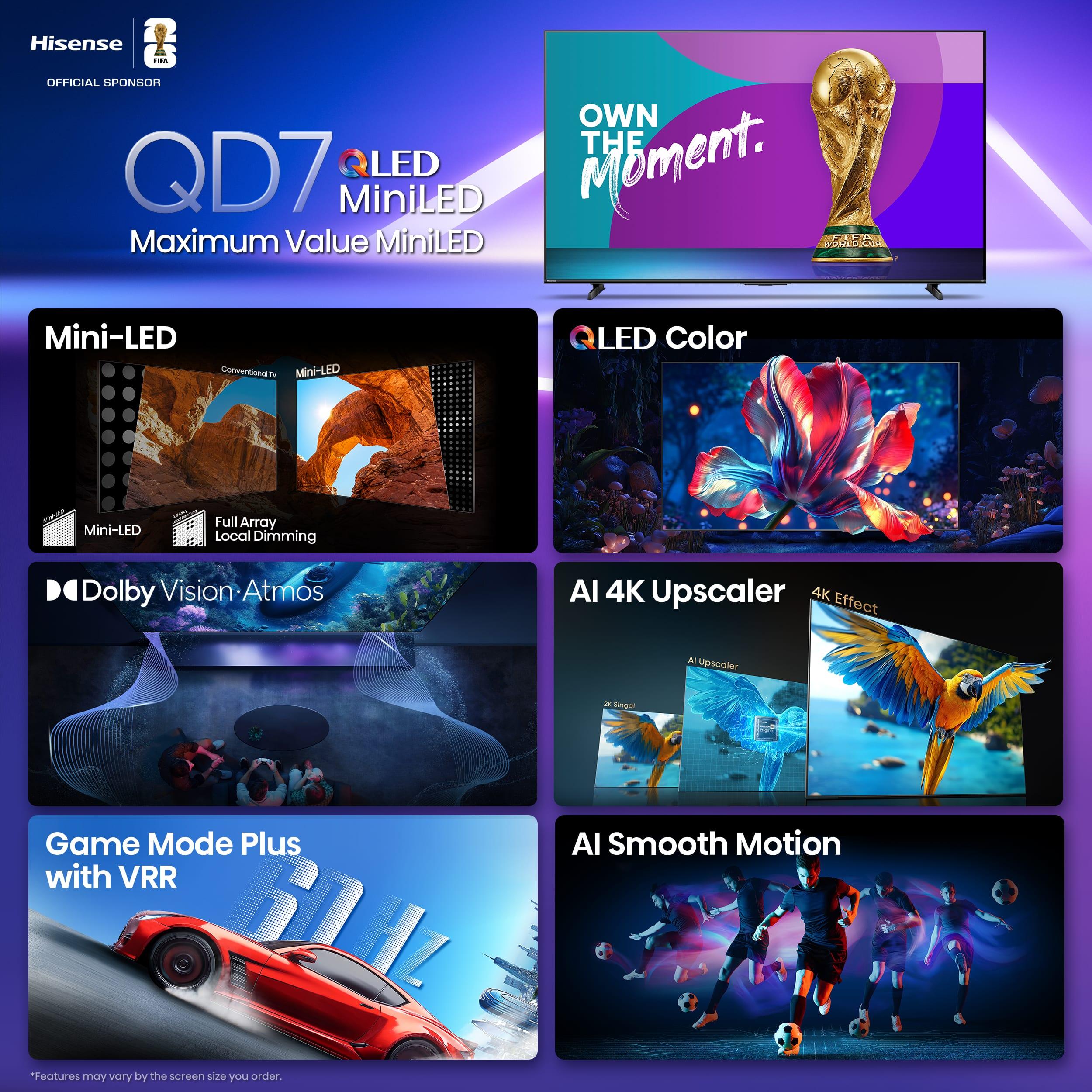
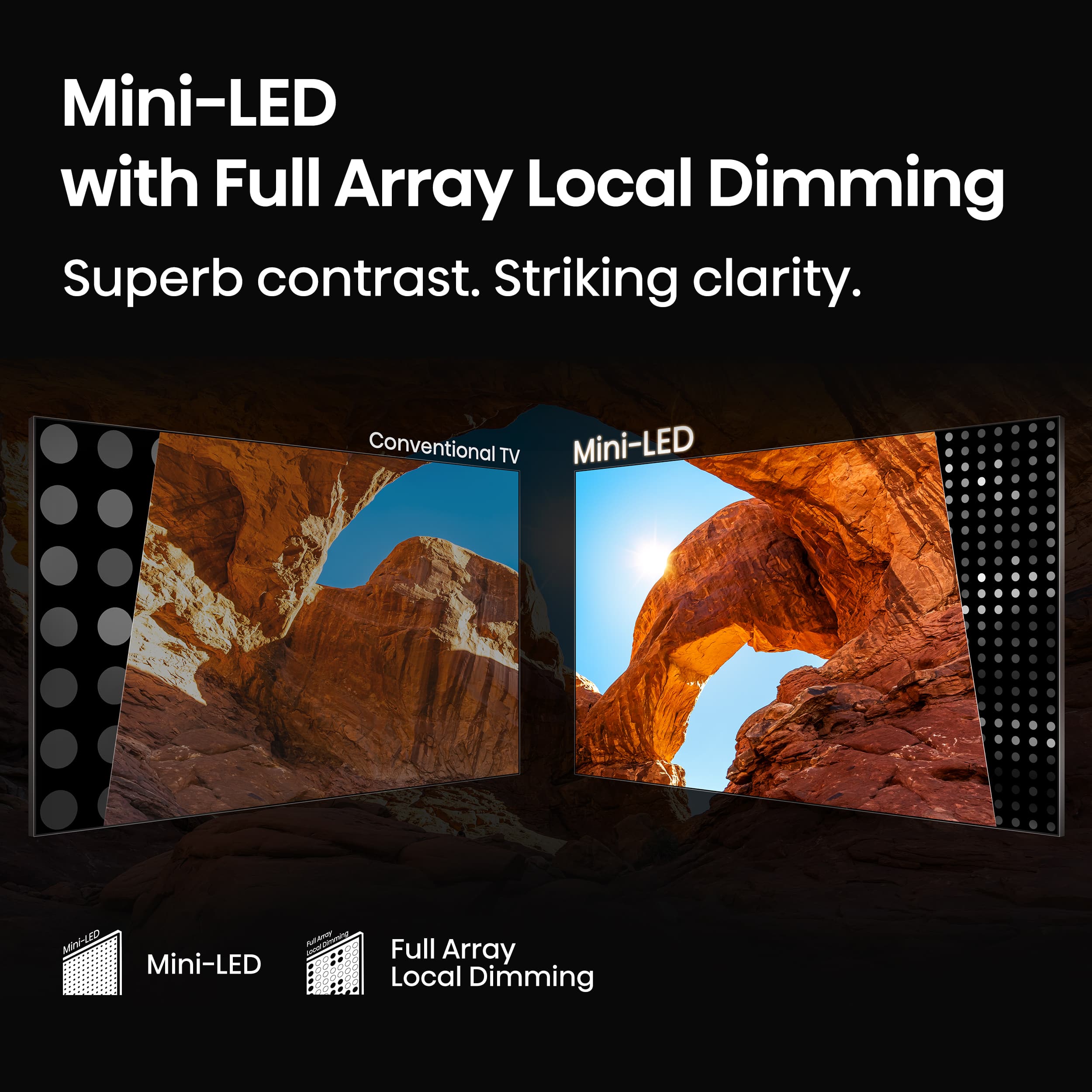
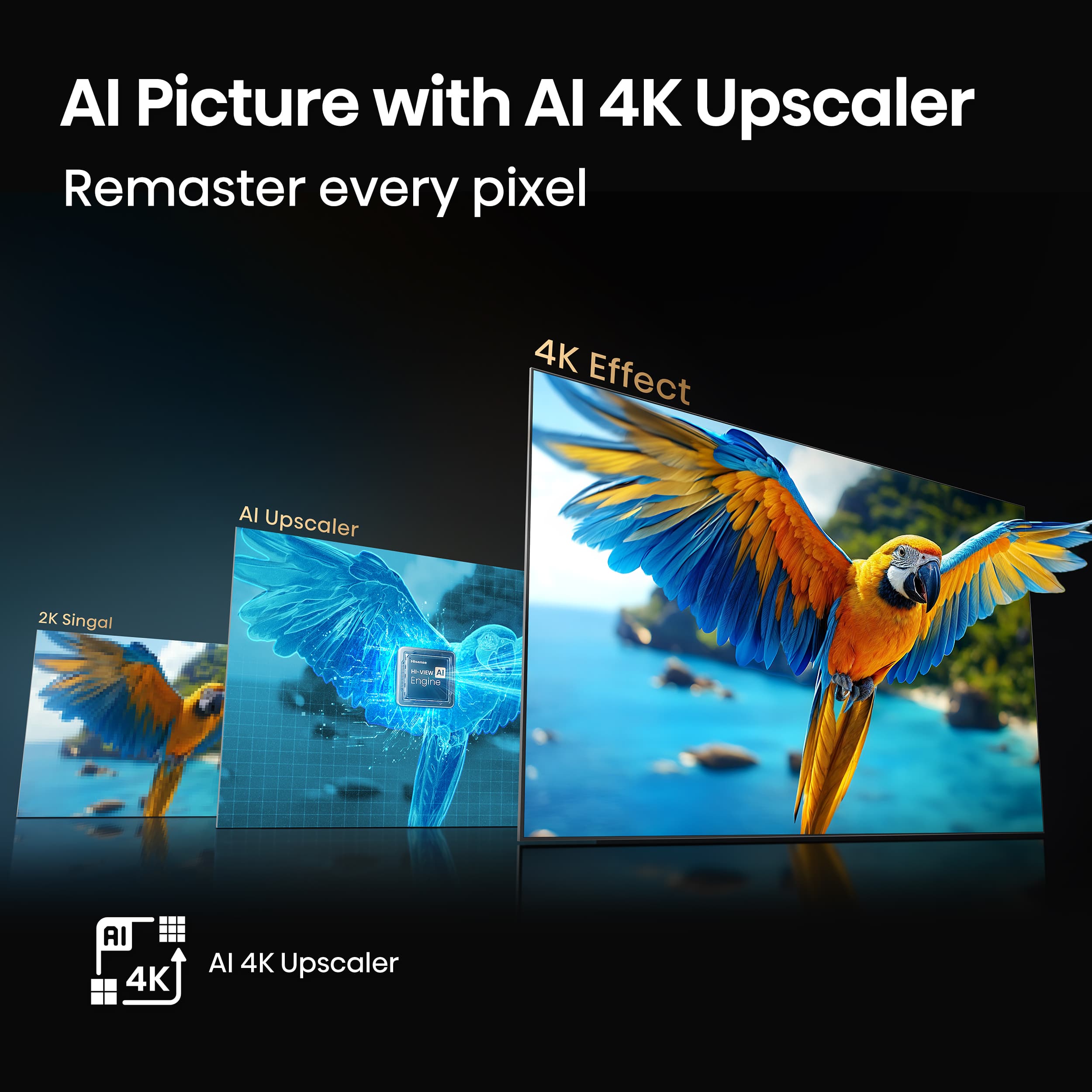
The Hisense QD7 takes a fundamentally different approach with Mini-LED technology. Instead of large LED lights behind the screen, Mini-LEDs are tiny—about the size of a grain of rice—allowing manufacturers to pack thousands of them into the same space. The QD7 combines this with Full Array Local Dimming (FALD), meaning it can precisely control brightness in hundreds of individual zones across the screen.
This precision creates what's called "blooming control"—when you have a bright object on a dark background (like credits rolling over a night scene), the Mini-LED system can keep the bright text bright while maintaining deep blacks around it. Traditional LED displays like the Samsung U8000F would illuminate a much larger area, creating a halo effect.
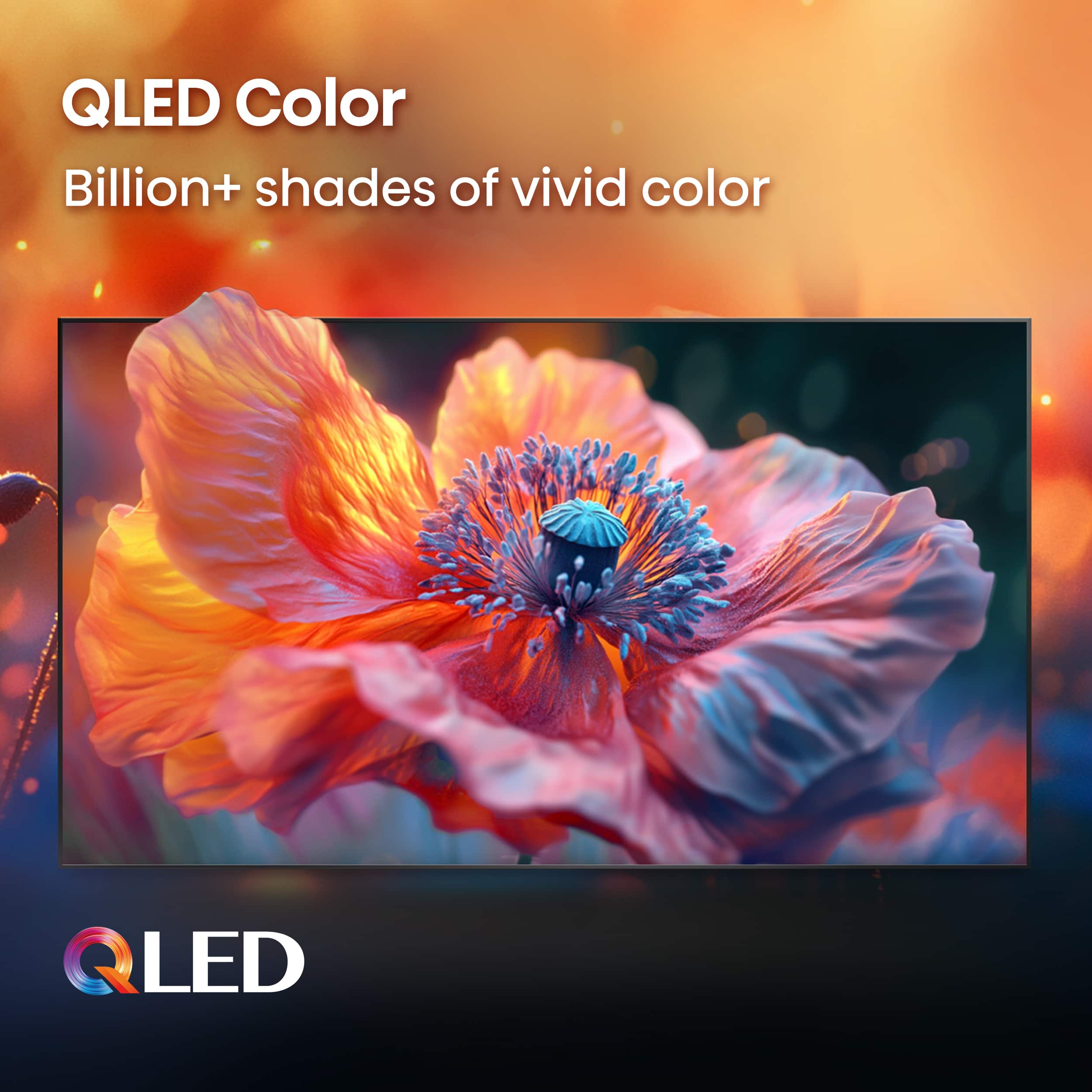
The "QD" in QD7 stands for Quantum Dot, another significant advantage. Quantum dots are microscopic particles that emit extremely pure light when excited by the backlight. This technology, borrowed from higher-end Samsung QLED TVs, allows the Hisense QD7 to display over a billion distinct colors compared to the millions available on standard LED displays.
Based on our research into expert reviews and user feedback, the picture quality difference between these TVs is substantial, especially in challenging viewing conditions.
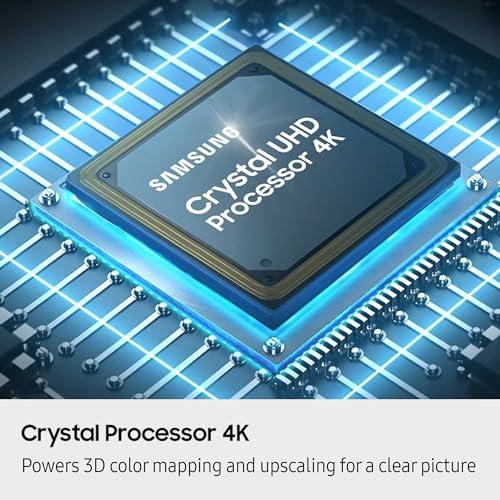
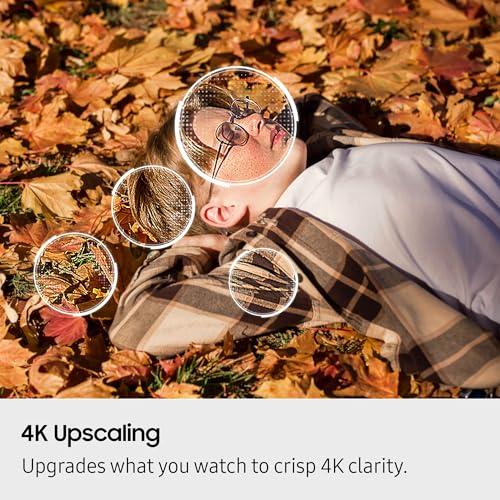
The Samsung U8000F delivers what reviewers consistently describe as "adequate" picture quality for its price range. Colors are reasonably accurate out of the box, and the Crystal Processor 4K does a decent job upscaling lower-resolution content from cable TV or older streaming shows. However, the TV struggles significantly with contrast-heavy scenes. Dark movie scenes appear gray rather than black, and bright HDR content lacks the impact you'd expect from premium streaming services.
Peak brightness is a particular weakness. Most reviews indicate the Samsung U8000F maxes out around 300-400 nits (a measure of brightness), which is sufficient for dim room viewing but inadequate for bright living rooms or impactful HDR rendering. For context, movie theaters typically display content at around 48 nits, while the brightest HDR content can require 1,000+ nits for proper reproduction.
The Hisense QD7 performs dramatically better across almost every metric. Reviews consistently praise its ability to deliver deep blacks alongside bright highlights, with peak brightness reaching 600-800 nits in our research—still not flagship-level, but a meaningful improvement. The Mini-LED backlighting creates what users describe as "OLED-like" contrast without the premium price tag.
Color performance is where Quantum Dot technology really shines. The Hisense QD7 can display nearly 100% of the DCI-P3 color space used by movie studios, compared to roughly 80-85% coverage on the Samsung U8000F. This translates to more vibrant greens in nature documentaries, more accurate skin tones in movies, and generally more lifelike images.
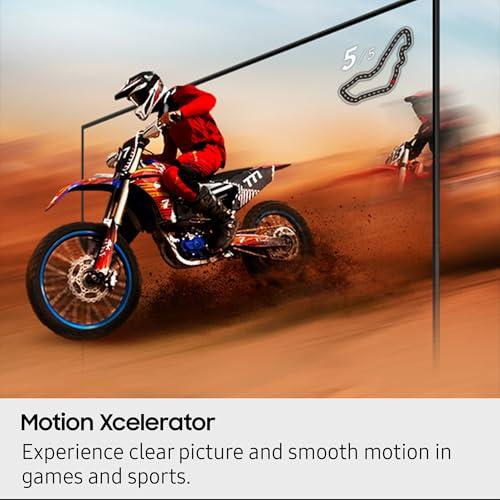
One area where the Samsung U8000F holds its ground is motion handling. Samsung's Motion Xcelerator does a reasonable job with sports and action scenes, though both TVs are limited by their 60Hz refresh rates. The Hisense QD7 occasionally shows more motion blur due to its IPS panel technology, though this varies by individual unit.
High Dynamic Range (HDR) has become one of the most important features for modern TV viewing, as most premium streaming content now uses HDR formats. This is where the technology gap between our two TVs becomes most apparent.
The Samsung U8000F technically supports HDR10 and HDR10+, but its low peak brightness and lack of local dimming severely limit its HDR performance. User reviews consistently note that HDR content looks only marginally better than standard dynamic range (SDR) content—you might notice slightly more saturated colors, but you won't get the dramatic contrast and brightness improvements that make HDR worthwhile.
The Hisense QD7 delivers genuine HDR performance with support for Dolby Vision, HDR10+, and standard HDR10. Dolby Vision is particularly significant because it includes dynamic metadata—essentially, instructions that tell the TV exactly how to display each scene for optimal brightness and color. This scene-by-scene optimization is what creates those "wow" moments when watching premium Netflix or Disney+ content.
Based on user feedback, HDR content on the Hisense QD7 shows the dramatic difference HDR is supposed to provide: bright explosions that make you squint, deep shadows that maintain detail, and colors that pop off the screen. The Full Array Local Dimming prevents HDR highlights from washing out dark areas, maintaining the contrast that makes HDR content engaging.
Gaming has become increasingly important for TV buyers, especially with the PlayStation 5 and Xbox Series X capable of 4K output at high frame rates. Unfortunately, both TVs have significant limitations for serious gaming.
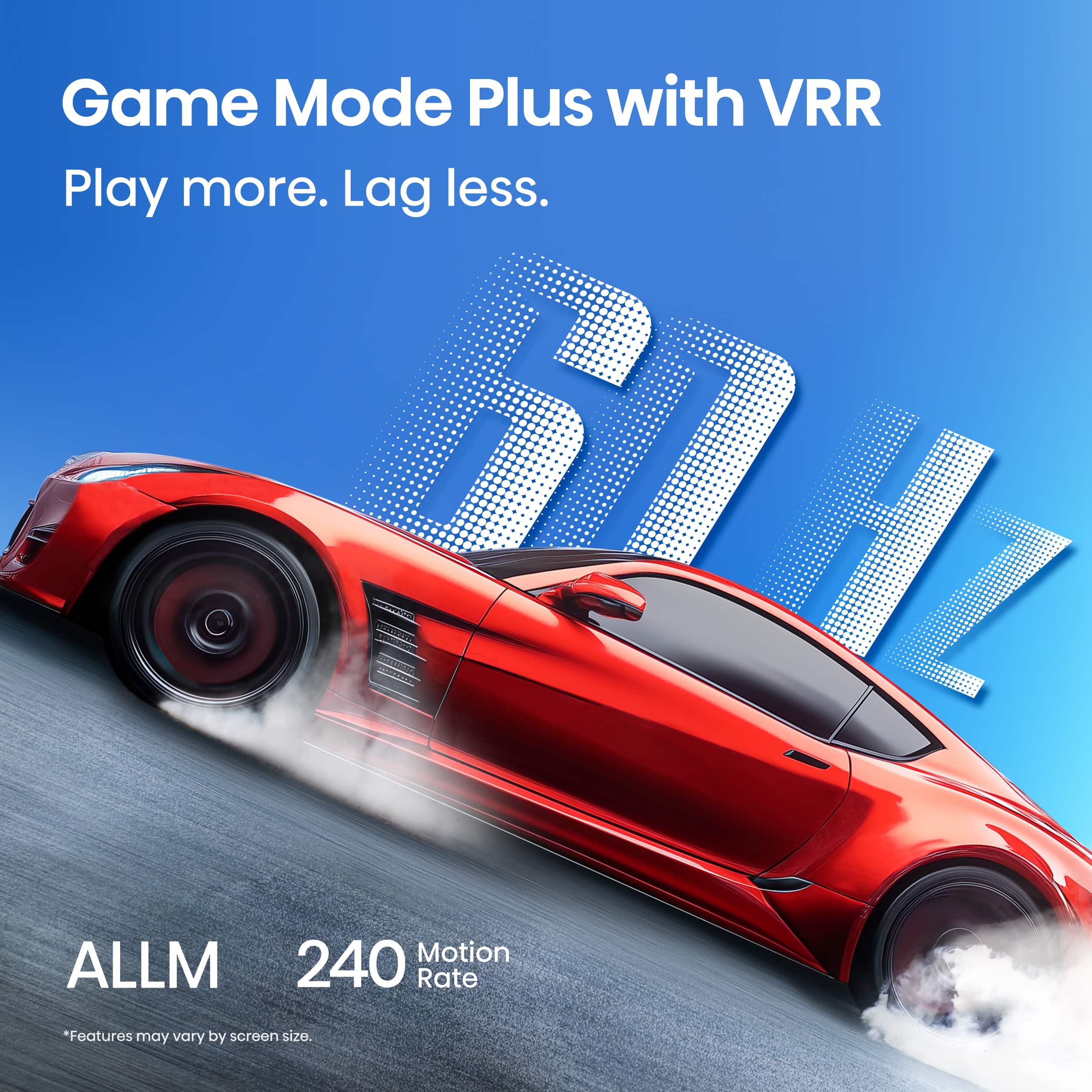
The Samsung U8000F includes Variable Refresh Rate (VRR) support, which helps reduce screen tearing when your console's frame rate doesn't perfectly match the display's refresh rate. It also features Auto Low Latency Mode (ALLM), which automatically switches to Game Mode when it detects a console, reducing input lag to around 20-25 milliseconds according to reviews.
However, the 60Hz refresh rate means you won't benefit from the 120Hz gaming modes available on current consoles. More problematically, reviews indicate poor motion handling that creates noticeable blur during fast-paced gaming, making competitive gaming less enjoyable.
The Hisense QD7 offers similar gaming features with VRR and ALLM support, plus Game Mode Plus for additional optimizations. Input lag performance appears slightly better based on user reports, typically measuring in the high teens to low 20s in milliseconds.
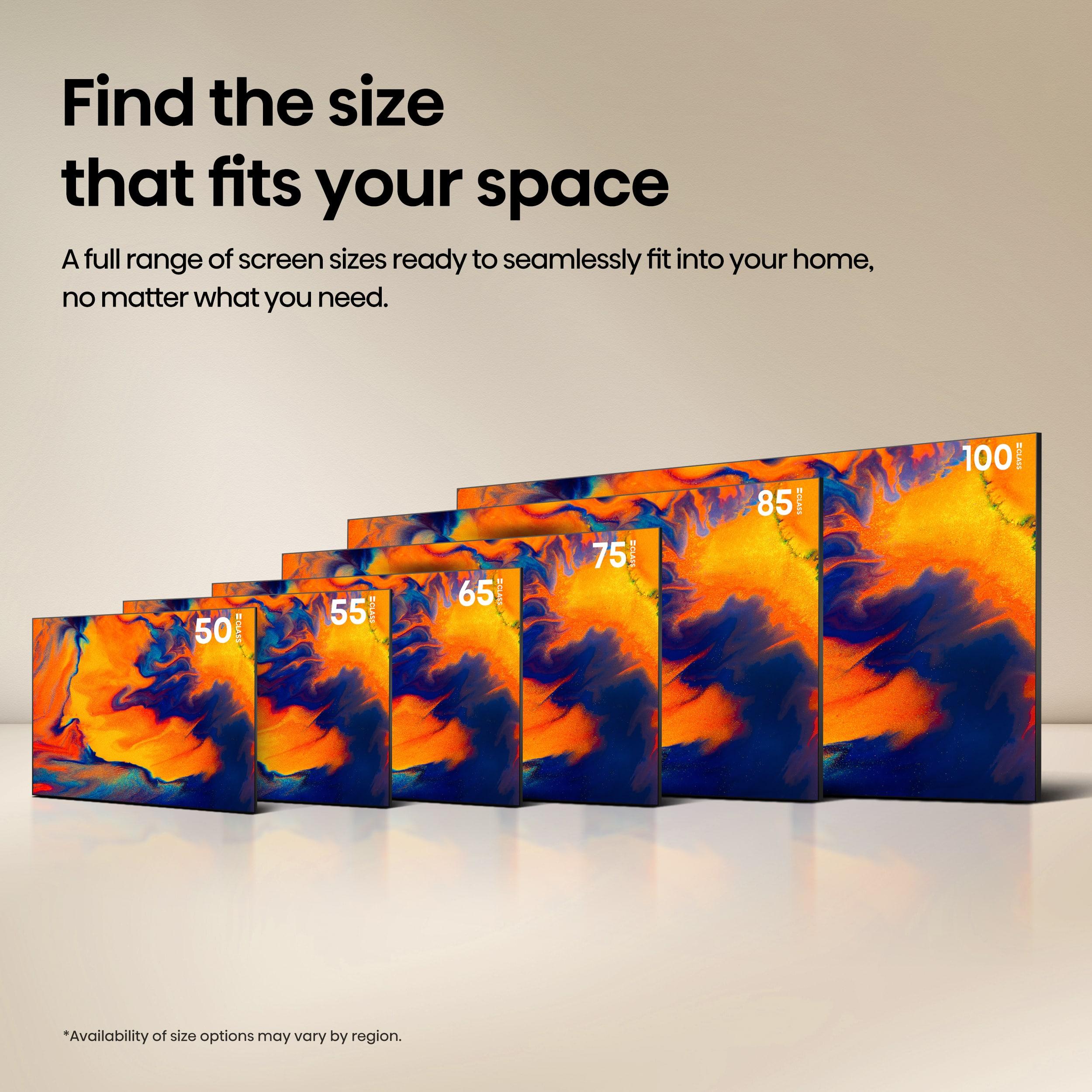
It's crucial to note that larger Hisense QD7 models (75-inch and above) feature 144Hz panels with HDMI 2.1 bandwidth, making them much more appealing for serious gaming. The 65-inch model we're comparing uses a 60Hz panel with HDMI 2.0, limiting its gaming appeal.
For casual gaming and single-player experiences, both TVs are adequate. For competitive gaming or taking full advantage of next-gen console capabilities, you'd want to look at higher-end models or larger QD7 sizes.
The smart platform can make or break your daily TV experience, as it controls everything from Netflix loading times to voice control responsiveness.
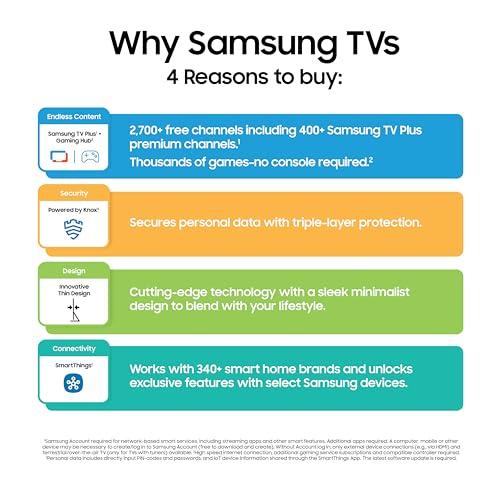
The Samsung U8000F runs Tizen OS, Samsung's proprietary smart platform. Tizen has evolved significantly since its early days and now offers a reasonably smooth, responsive interface. The platform includes Samsung TV Plus, which provides access to hundreds of free streaming channels—a nice value-add that competing platforms often lack.
Tizen's strength lies in its integration with Samsung's ecosystem. If you own Samsung phones, tablets, or appliances, the TV seamlessly connects for screen mirroring, smart home control, and unified notifications. The interface is clean and customizable, with most users finding it intuitive.
However, Tizen's app selection lags behind major platforms like Roku or Fire TV. While all major streaming services are available, you might find some niche apps missing, and updates for third-party apps can be slower.
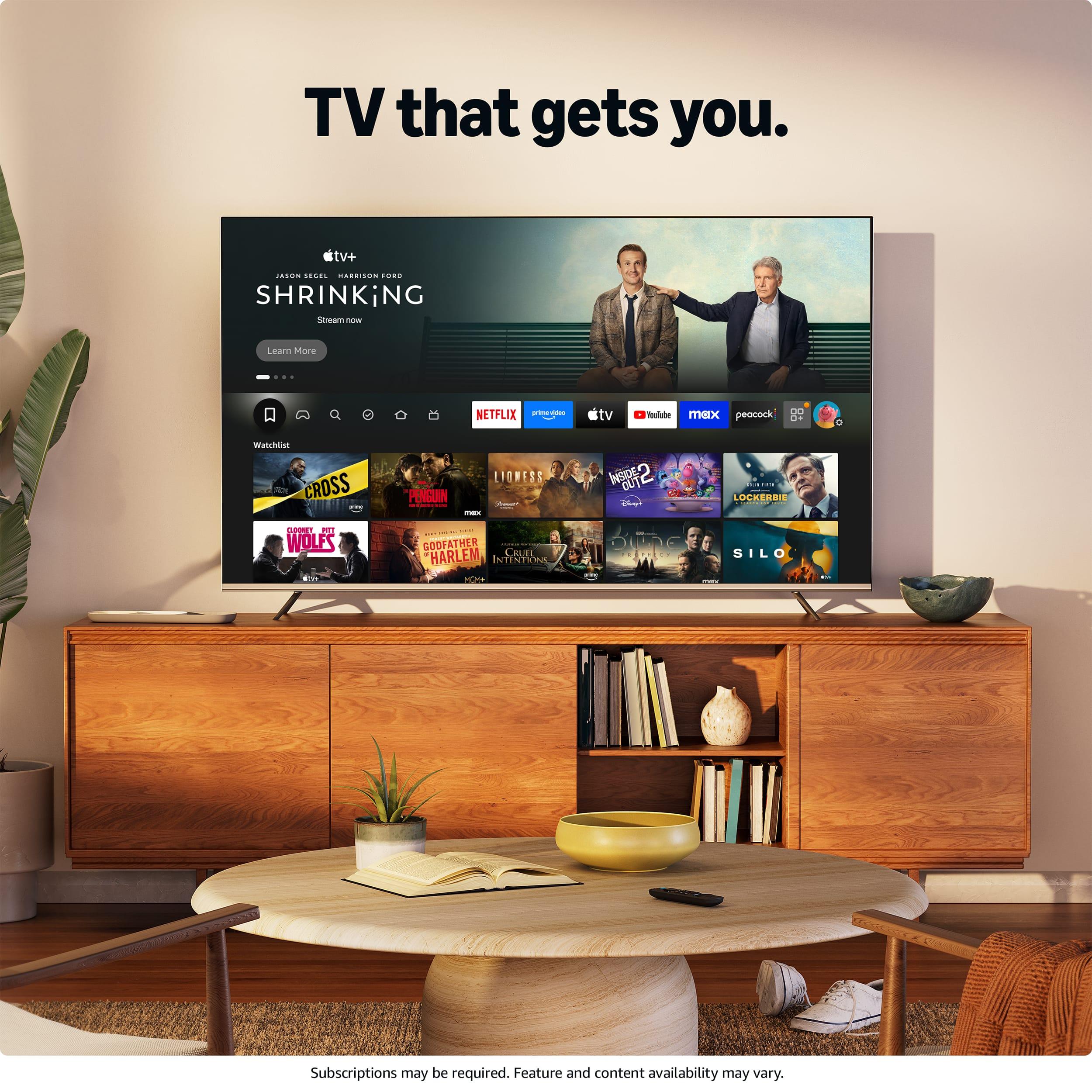
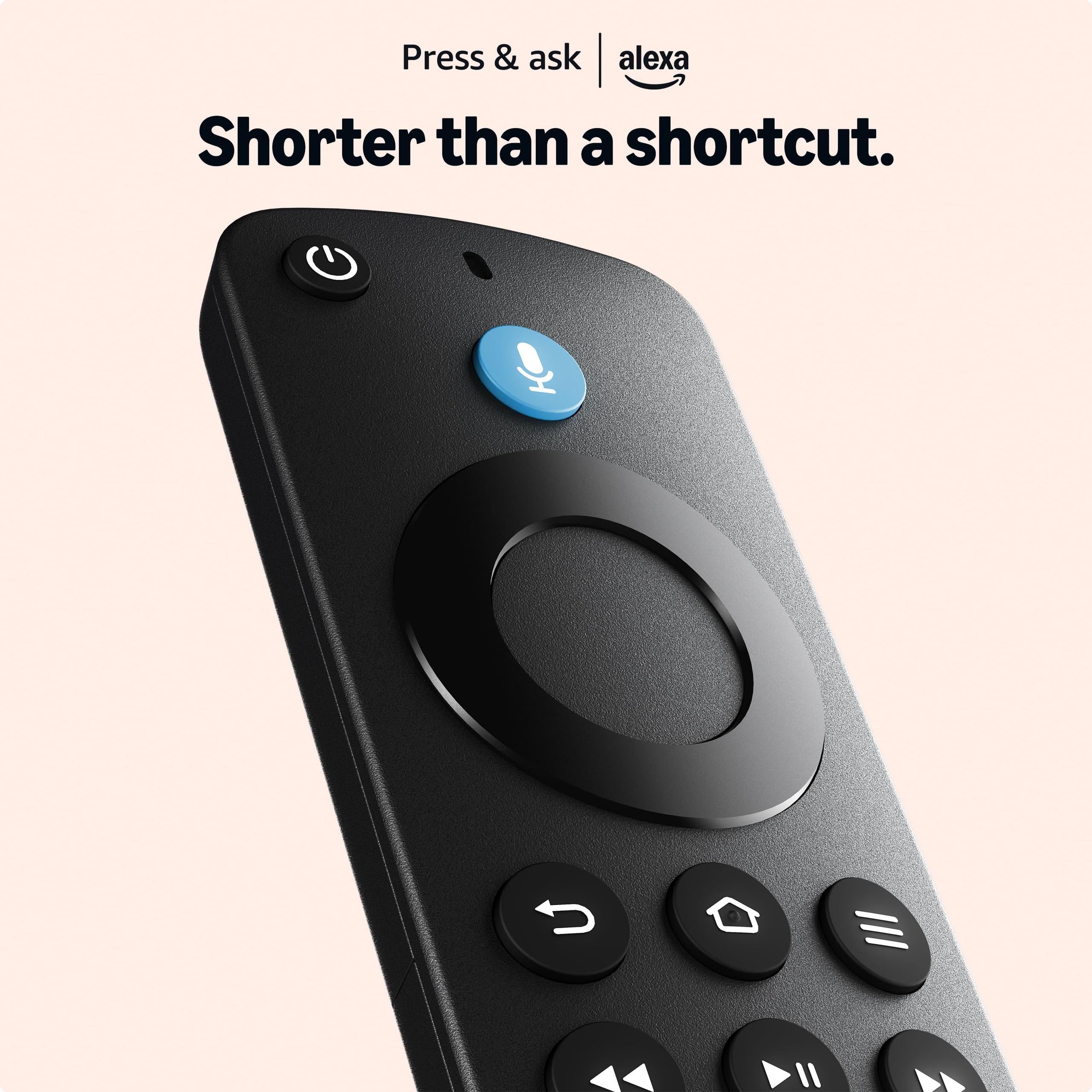
The Hisense QD7 uses Amazon Fire TV, one of the most comprehensive smart platforms available. Fire TV excels in content discovery, offering personalized recommendations across multiple streaming services and deep integration with Amazon Prime Video content.
The platform includes built-in Alexa voice control, allowing you to control smart home devices, search for content, and adjust TV settings using voice commands. The app selection is extensive, covering virtually every streaming service and many niche applications.
Fire TV's weakness is its heavy promotion of Amazon content, which some users find intrusive. The interface prioritizes Prime Video and Amazon's free ad-supported content, though this can be customized to some extent.
For most users, Fire TV's broader app selection and better content discovery make it the more versatile choice, especially if you're not deeply invested in Samsung's ecosystem.
Built-in TV speakers rarely impress, but the difference between these models is worth noting, especially if you're not planning to add a soundbar immediately.
The Samsung U8000F features a basic 2-channel, 20W RMS speaker system with Object Tracking Sound Lite. This technology attempts to move sound across the screen to match on-screen action, though the effect is subtle with just two speakers. The audio is clear for dialogue and adequate for casual viewing, but lacks any real depth or bass response.
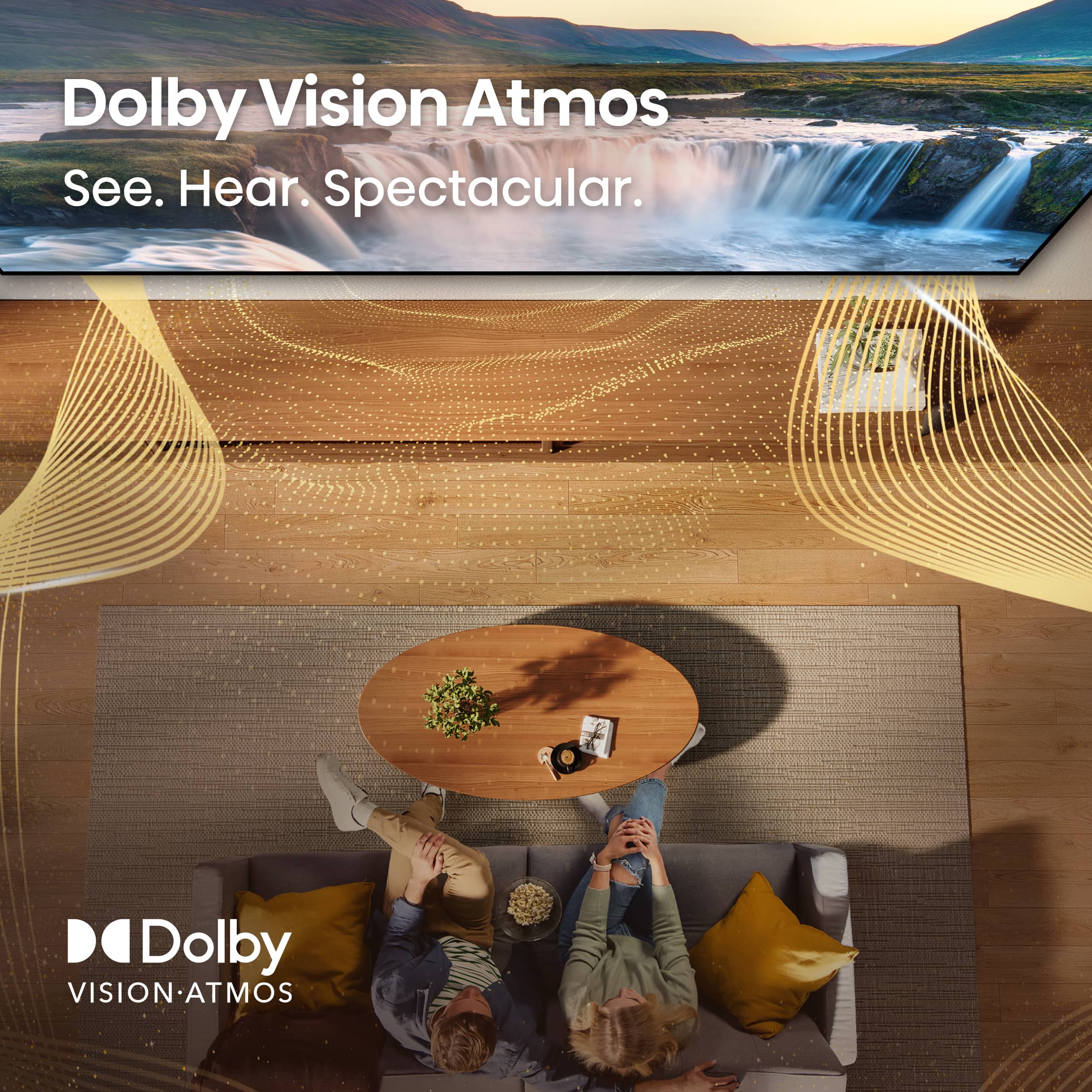
The Hisense QD7 includes Dolby Atmos support, which is remarkable for a TV in this price range. While the built-in speakers can't create true overhead sound like a dedicated Atmos speaker system, they do provide a noticeably more immersive audio experience. Users consistently report better bass response and more engaging sound for movies and music.
The Dolby Atmos processing also helps with dialogue clarity and creates a wider soundstage, making action scenes feel more dynamic. While neither TV eliminates the need for a dedicated sound system in a home theater setup, the Hisense QD7 is significantly more enjoyable without additional audio equipment.
These TVs reflect different design priorities that could influence your purchasing decision.
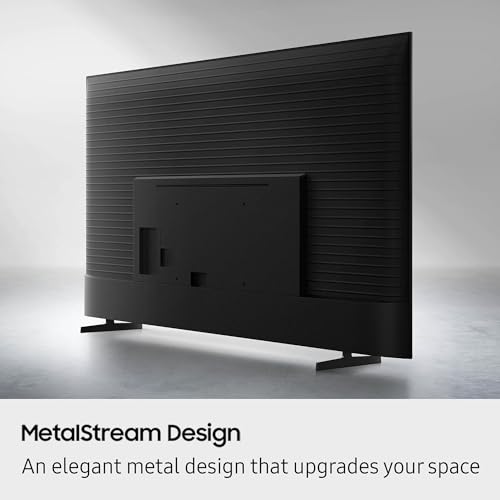
The Samsung U8000F prioritizes aesthetics with its MetalStream Design, featuring an ultra-thin profile that looks elegant when wall-mounted. The slim bezels and metallic finish give it a premium appearance that belies its entry-level positioning. This design makes it ideal for rooms where the TV needs to blend seamlessly with modern décor.
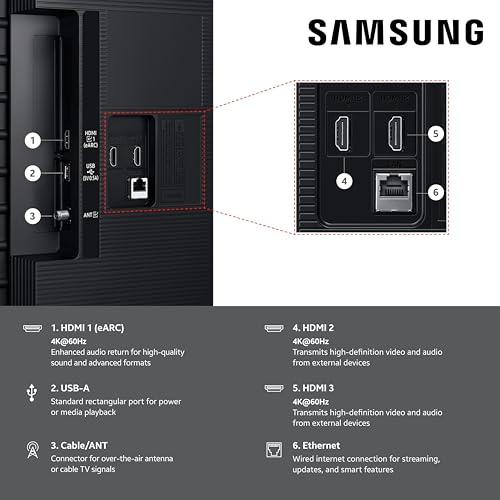
However, this thin design comes with practical limitations. The TV has only three HDMI ports and one USB connection, which could be restrictive if you have multiple gaming consoles, streaming devices, and other peripherals.
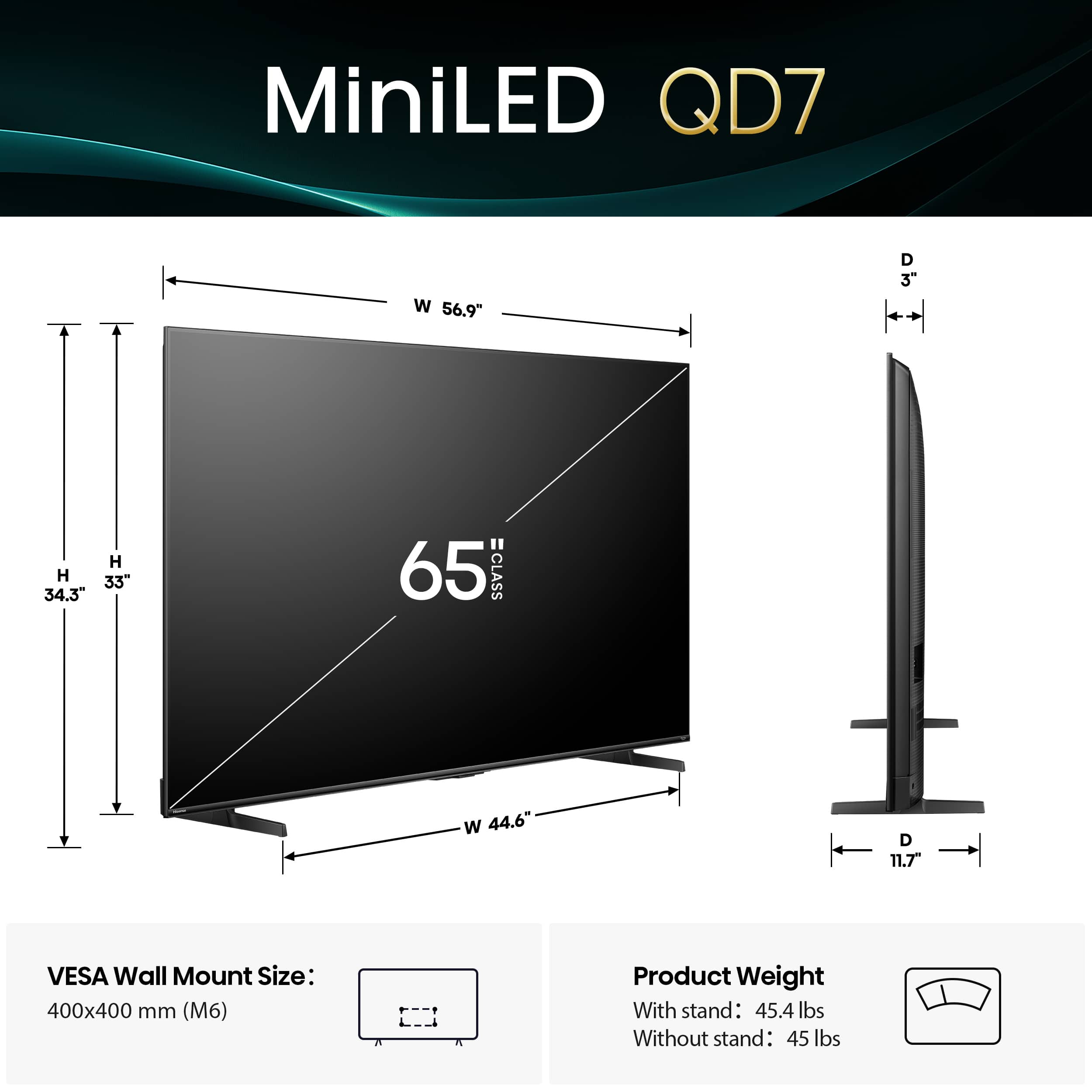
The Hisense QD7 takes a more functional approach. The Mini-LED array requires a thicker profile, making it less wall-mount friendly but still attractive in a modern living room. The benefit of this design is better connectivity: four HDMI 2.0 ports and two USB connections provide more flexibility for your entertainment setup.
Build quality appears solid on both models based on user reports, though Samsung's longer track record in the TV market provides some confidence in long-term reliability. Hisense has significantly improved their quality control in recent years, but some users still express concerns about longevity compared to established Korean brands.
If you're building a dedicated home theater or movie watching setup, the performance differences between these TVs become even more pronounced.
The Samsung U8000F struggles in the dark room environments where home theaters excel. Without local dimming, dark movie scenes appear washed out, and the limited brightness means HDR content lacks the impact that makes cinematic viewing special. The TV works best in moderately lit family rooms where these limitations are less noticeable.
The Hisense QD7 is significantly better suited for home theater use. The Mini-LED backlighting creates the deep blacks essential for movie watching, while Dolby Vision support ensures you're seeing director-intended colors and contrast. The wider color gamut reproduces the cinematic color spaces used in movie production more accurately.
For serious movie enthusiasts, the Hisense QD7 provides a viewing experience much closer to what filmmakers intended, especially when properly calibrated. The Dolby Atmos audio processing also contributes to a more immersive experience, though a dedicated sound system would still be preferable for true home theater applications.
At the time of writing, these TVs occupy similar price ranges, making the value comparison particularly striking.
The Samsung U8000F offers basic 4K TV functionality with a premium design and reliable smart platform. If your priorities are aesthetics, Samsung ecosystem integration, and adequate performance for casual viewing, it delivers reasonable value. The ultra-thin profile and clean interface justify the purchase for buyers who prioritize form over performance.
However, the Hisense QD7 represents exceptional value in the current TV market. You're getting Mini-LED backlighting, QLED color technology, Dolby Vision HDR, and Dolby Atmos audio—features typically found in TVs costing hundreds more. The performance improvements across picture quality, HDR rendering, and audio create a dramatically better viewing experience for a similar investment.
The value proposition becomes even clearer when you consider longevity. As more streaming content adopts advanced HDR formats and higher color standards, the Hisense QD7 will continue providing an optimal viewing experience while the Samsung U8000F may feel increasingly outdated.
After extensive research into expert reviews, user feedback, and technical specifications, the choice between these TVs depends on your specific priorities and viewing habits.
Choose the Samsung U8000F if you:
Choose the Hisense QD7 if you:
The Hisense QD7 represents what I consider the best value in 65-inch TVs at the time of writing. The combination of Mini-LED backlighting, QLED color technology, comprehensive HDR support, and Dolby Atmos audio creates a viewing experience that punches well above its price class.
While the Samsung U8000F has its place for buyers prioritizing aesthetics and Samsung ecosystem integration, the performance gap is simply too large to ignore for most users. The Hisense QD7 delivers the kind of picture quality and features that make you excited to watch your favorite shows and movies, while the Samsung feels more like a functional appliance.
For the vast majority of buyers, the Hisense QD7 provides better value, superior performance, and greater longevity. It's the TV I'd recommend to friends and family looking for an excellent 4K viewing experience without flagship pricing.
The only caveat is for buyers who absolutely need the thinnest possible profile or are committed to Samsung's ecosystem—in those specific cases, the Samsung U8000F might be worth the performance compromises. For everyone else, the QD7's advanced display technology and comprehensive feature set make it the clear winner in this comparison.
| Samsung 65-Inch Crystal UHD U8000F 4K Smart TV 2025 | Hisense 65" QD7 Series Mini-LED 4K Fire TV 2025 |
|---|---|
| Display Technology - The foundation of picture quality | |
| Crystal UHD LED with no local dimming | Mini-LED with Full Array Local Dimming + QLED |
| Peak Brightness - Critical for HDR and bright room viewing | |
| ~300-400 nits (struggles in bright rooms) | ~600-800 nits (good for most lighting conditions) |
| HDR Support - Essential for premium streaming content | |
| HDR10, HDR10+ (limited by brightness) | Dolby Vision, HDR10+, HDR10 (full HDR experience) |
| Color Technology - Determines vibrancy and accuracy | |
| Standard LED color gamut | QLED Quantum Dot (1 billion+ colors) |
| Audio Features - Important if not adding soundbar | |
| 20W 2CH speakers, Object Tracking Sound Lite | Dolby Atmos support, enhanced speaker tuning |
| Smart Platform - Controls daily user experience | |
| Tizen OS with Samsung TV Plus | Amazon Fire TV with Alexa built-in |
| Gaming Features - Matters for console users | |
| VRR, ALLM, 60Hz (basic gaming support) | VRR, ALLM, Game Mode Plus, 60Hz (slightly better lag) |
| Connectivity - Important for multiple devices | |
| 3 HDMI 2.0, 1 USB, Ethernet | 4 HDMI 2.0, 2 USB, Ethernet |
| Design Profile - Key for wall mounting | |
| Ultra-thin MetalStream design (premium aesthetics) | Standard thickness due to Mini-LED array |
| Best For - Target buyer profiles | |
| Samsung ecosystem users, wall-mount priority, casual viewing | Picture quality focused, HDR content, home theater use |
| Value Proposition - Performance per dollar | |
| Basic 4K with premium design | Premium display tech at budget pricing |
The Hisense 65" QD7 Series Mini-LED delivers significantly better picture quality than the Samsung 65-Inch Crystal UHD U8000F. The QD7 features Mini-LED backlighting with Full Array Local Dimming and QLED Quantum Dot technology, providing deeper blacks, brighter highlights, and over a billion colors. The Samsung U8000F uses basic LED backlighting without local dimming, resulting in washed-out dark scenes and limited contrast.
Crystal UHD is Samsung's entry-level LED display technology with standard backlighting and no local dimming zones. Mini-LED uses thousands of tiny LEDs with precise zone control, allowing the Hisense QD7 to display deep blacks alongside bright whites simultaneously. This makes the Hisense QD7 much better for movie watching and HDR content compared to the Samsung U8000F.
The Hisense QD7 is superior for streaming HDR content from Netflix, Disney+, and other premium services. It supports Dolby Vision HDR with the brightness and contrast needed to properly display HDR content. The Samsung U8000F technically supports HDR but lacks the brightness and local dimming to make HDR content look significantly better than standard content.
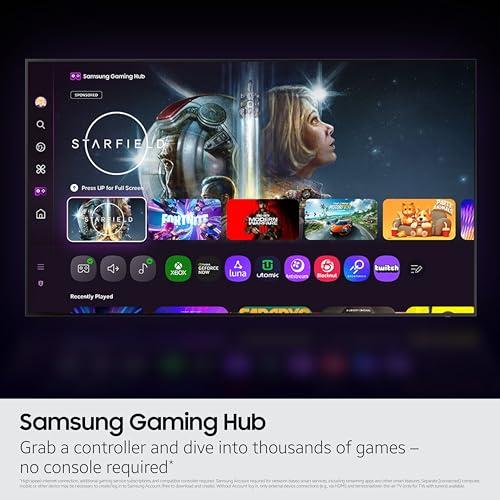
Both TVs offer basic gaming features like Variable Refresh Rate (VRR) and Auto Low Latency Mode (ALLM), but they're limited by 60Hz refresh rates. The Hisense QD7 has slightly better input lag performance, while the Samsung U8000F includes Samsung's Gaming Hub. Neither is ideal for competitive gaming or taking full advantage of PS5/Xbox Series X capabilities.
Fire TV on the Hisense QD7 offers broader app selection, better content discovery, and built-in Alexa voice control. Tizen on the Samsung U8000F provides a cleaner interface and better integration with Samsung devices, plus Samsung TV Plus free channels. Fire TV is generally more versatile, while Tizen works best for Samsung ecosystem users.
The Hisense QD7 has notably better built-in audio with Dolby Atmos support, creating a more immersive sound experience. The Samsung U8000F features basic 20W speakers with Object Tracking Sound Lite. While neither replaces a dedicated sound system, the Hisense provides significantly better audio without additional equipment.
The Hisense QD7 is much better suited for home theater use due to its Mini-LED backlighting creating deep blacks essential for movie watching, plus Dolby Vision support for cinematic color accuracy. The Samsung U8000F lacks the contrast and HDR performance needed for an engaging home theater experience, appearing washed out in dark rooms.
The Hisense QD7 performs better in bright rooms with higher peak brightness (600-800 nits) and better reflection handling. The Samsung U8000F struggles in bright environments with lower brightness (300-400 nits) and poor reflection control, making it better suited for dim to moderately lit rooms.
The Hisense QD7 provides exceptional value, offering Mini-LED, QLED, Dolby Vision, and Dolby Atmos features typically found in much more expensive TVs. The Samsung U8000F offers basic 4K functionality with premium design. For most buyers, the Hisense QD7 delivers dramatically better performance for similar pricing.
The Hisense QD7 includes 4 HDMI 2.0 ports and 2 USB connections, providing better connectivity for multiple devices. The Samsung U8000F has 3 HDMI ports and 1 USB port, which may be limiting if you have several gaming consoles, streaming devices, or other peripherals to connect.
The Samsung U8000F features an ultra-thin MetalStream design that's ideal for flush wall mounting and modern aesthetics. The Hisense QD7 has a standard thickness due to its Mini-LED array, making it less wall-mount friendly but still attractive in most room setups.
Samsung has a longer track record in the TV market, potentially offering better long-term reliability and customer support. However, Hisense has significantly improved quality control in recent years, and the Hisense QD7 offers much more advanced display technology that will remain relevant longer. For most users, the Hisense QD7's superior features outweigh brand reliability concerns.
We've done our best to create useful and informative comparisons to help you decide what product to buy. Our research uses advanced automated methods to create this comparison and perfection is not possible - please contact us for corrections or questions. These are the sites we've researched in the creation of this article: bestbuy.com - youtube.com - youtube.com - rtings.com - youtube.com - samsung.com - hometechnologyreview.com - rtings.com - samsung.com - displayspecifications.com - samsung.com - displayspecifications.com - walmart.com - billsmith.com - dentonstv.com - samsung.com - samsung.com - samsung.com - youtube.com - bestbuy.com - bestbuy.com - youtube.com - samsung.com - donstv.com - bestbuy.com - custrevs.com - youtube.com - bestbuy.com - rtings.com - youtube.com - rtings.com - pcrichard.com - bestbuy.com - pcrichard.com - camelcamelcamel.com - amazonfiretv.blog - hisense-usa.com - hisense-usa.com - hisense-usa.com - bestbuy.com - leaseville.com - youtube.com - bestbuy.com - flatpanelshd.com

Privacy Policy
Terms and Conditions - Affiliate Policy
Home Security
© Copyright 2008-2026.
11816 Inwood Rd #1211, Dallas, TX 75244