

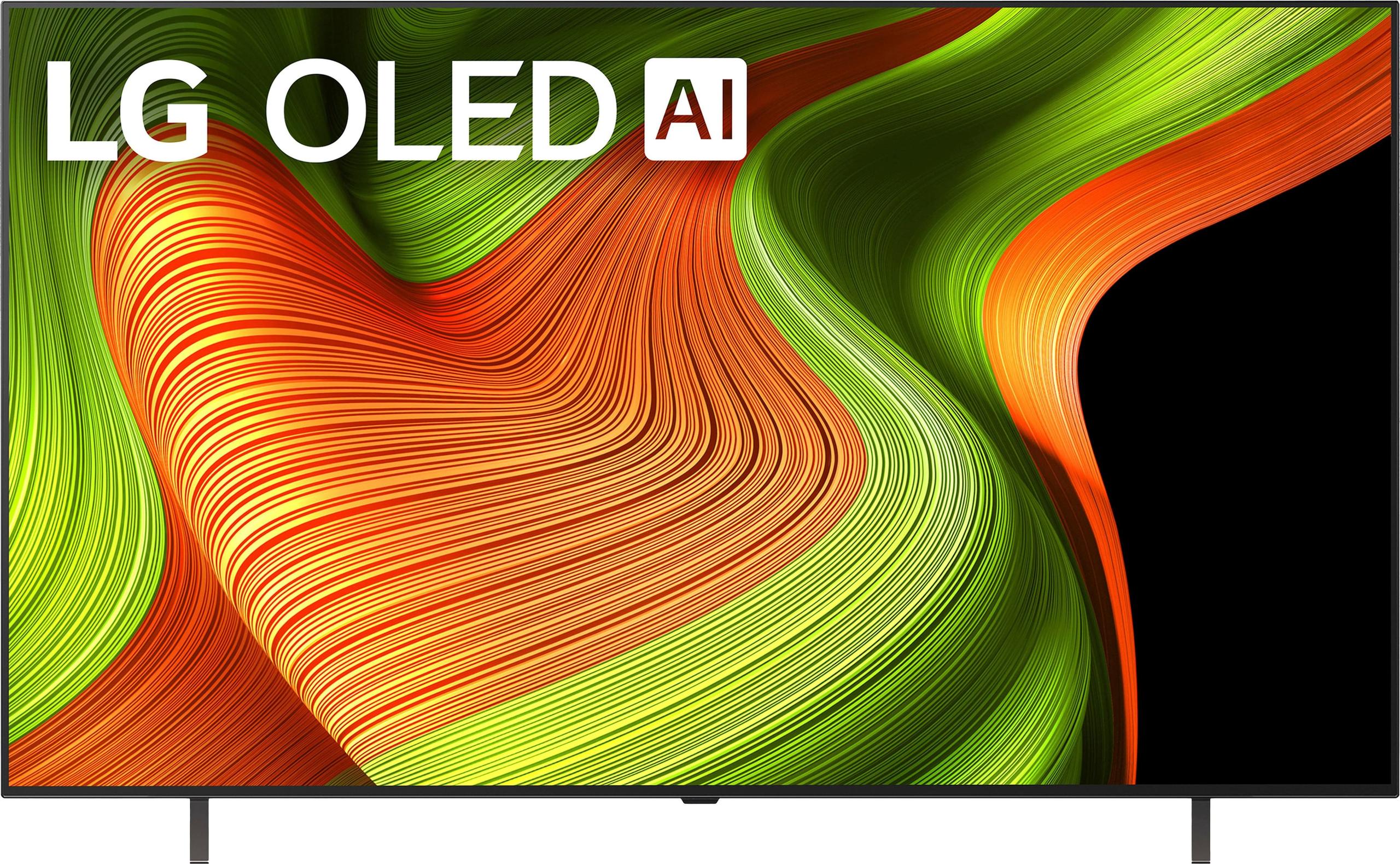
![LG B5 Series OLED 65" 4K Smart TV 2025[1][7][9]](https://images.hometheaterreview.com/htr-stateless/2025/07/3368ce40-25ef-4d07-b442-bb0af89e3a29.jpg)
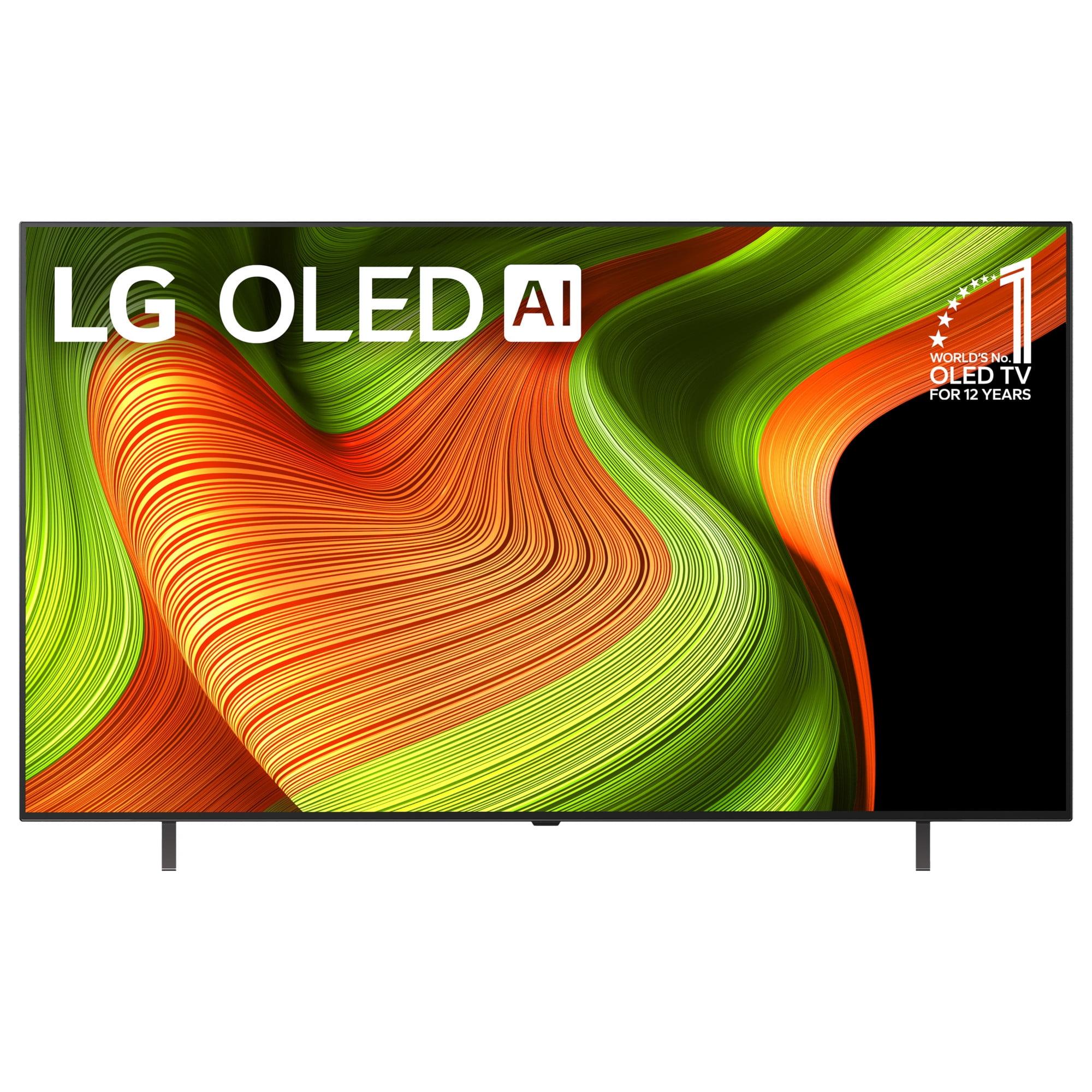
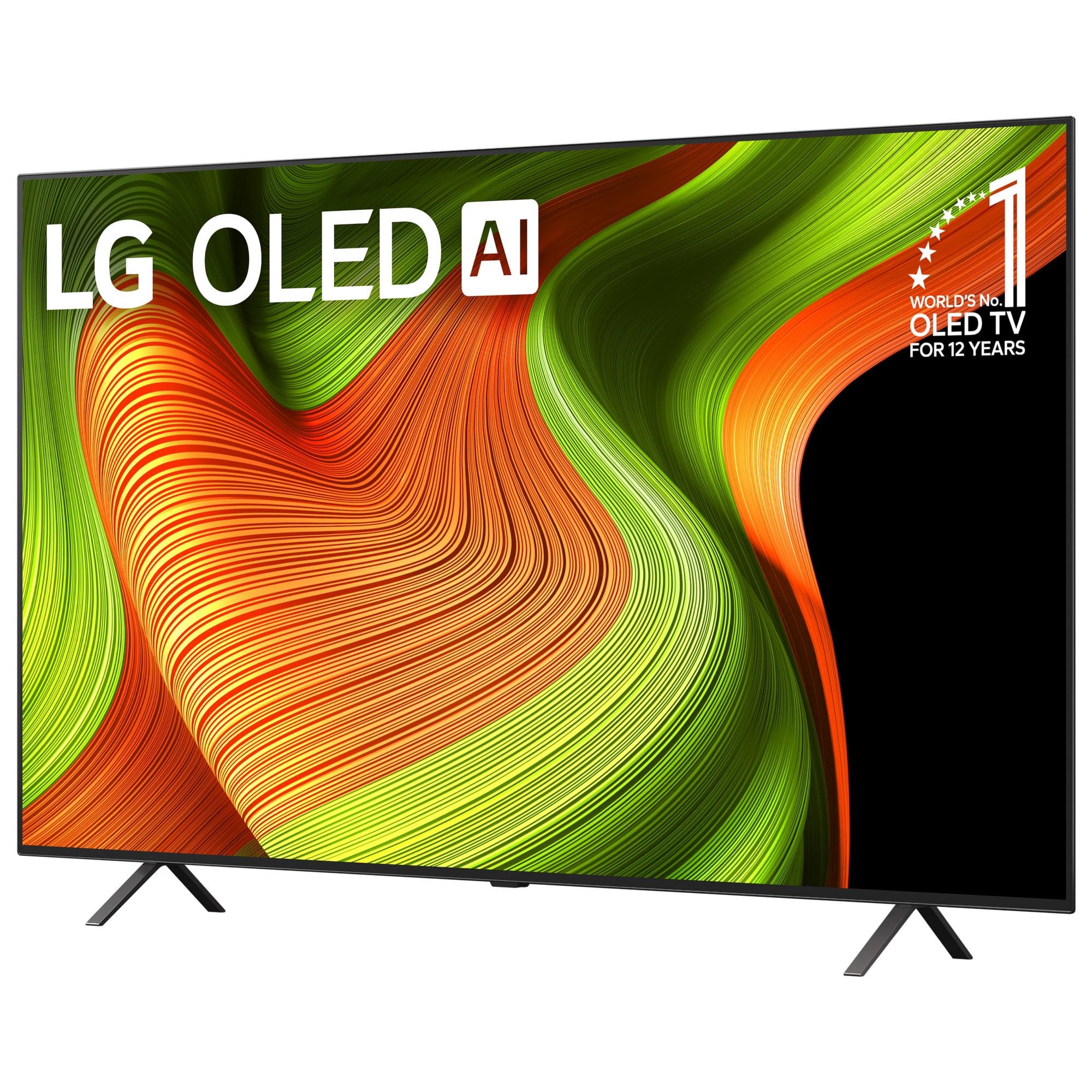
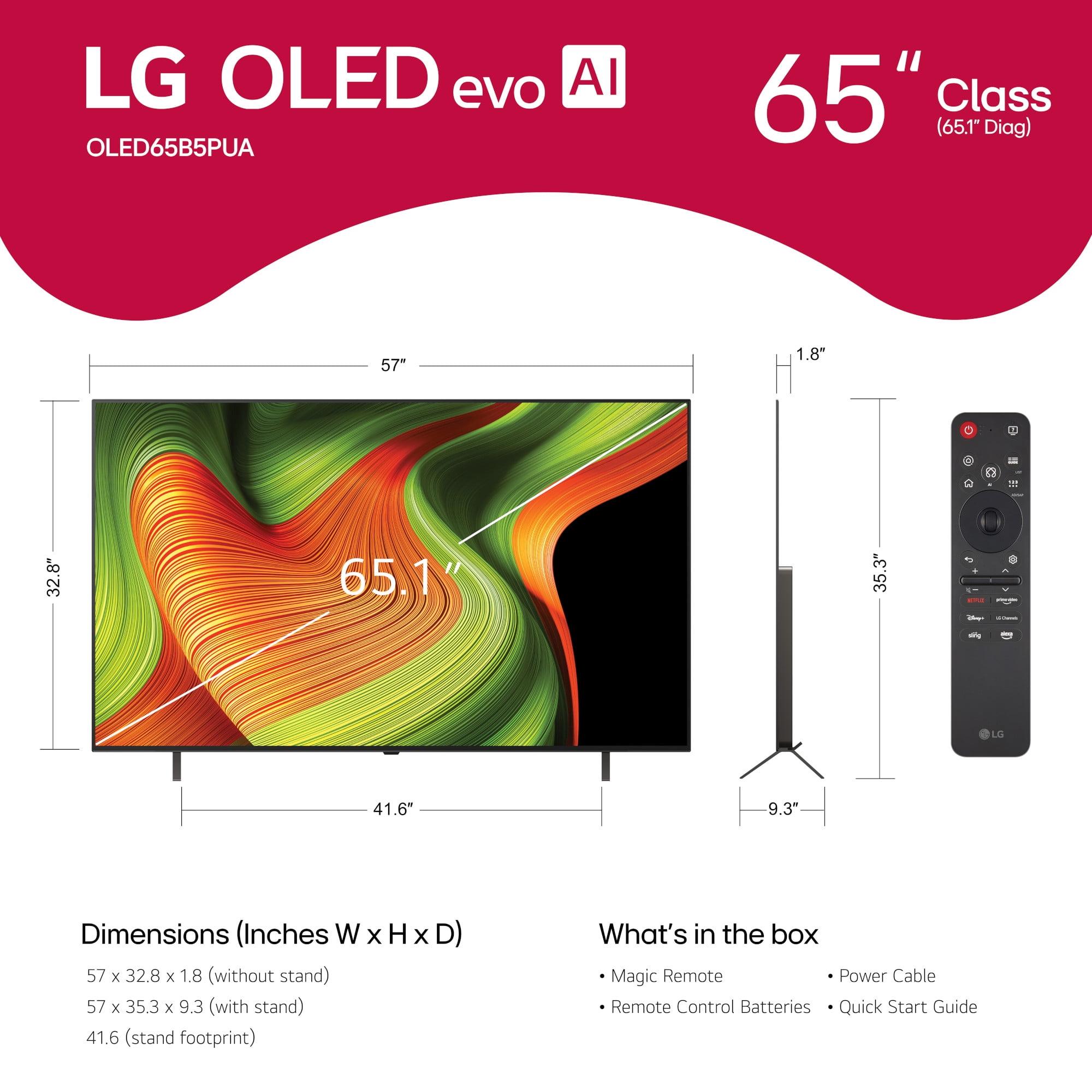
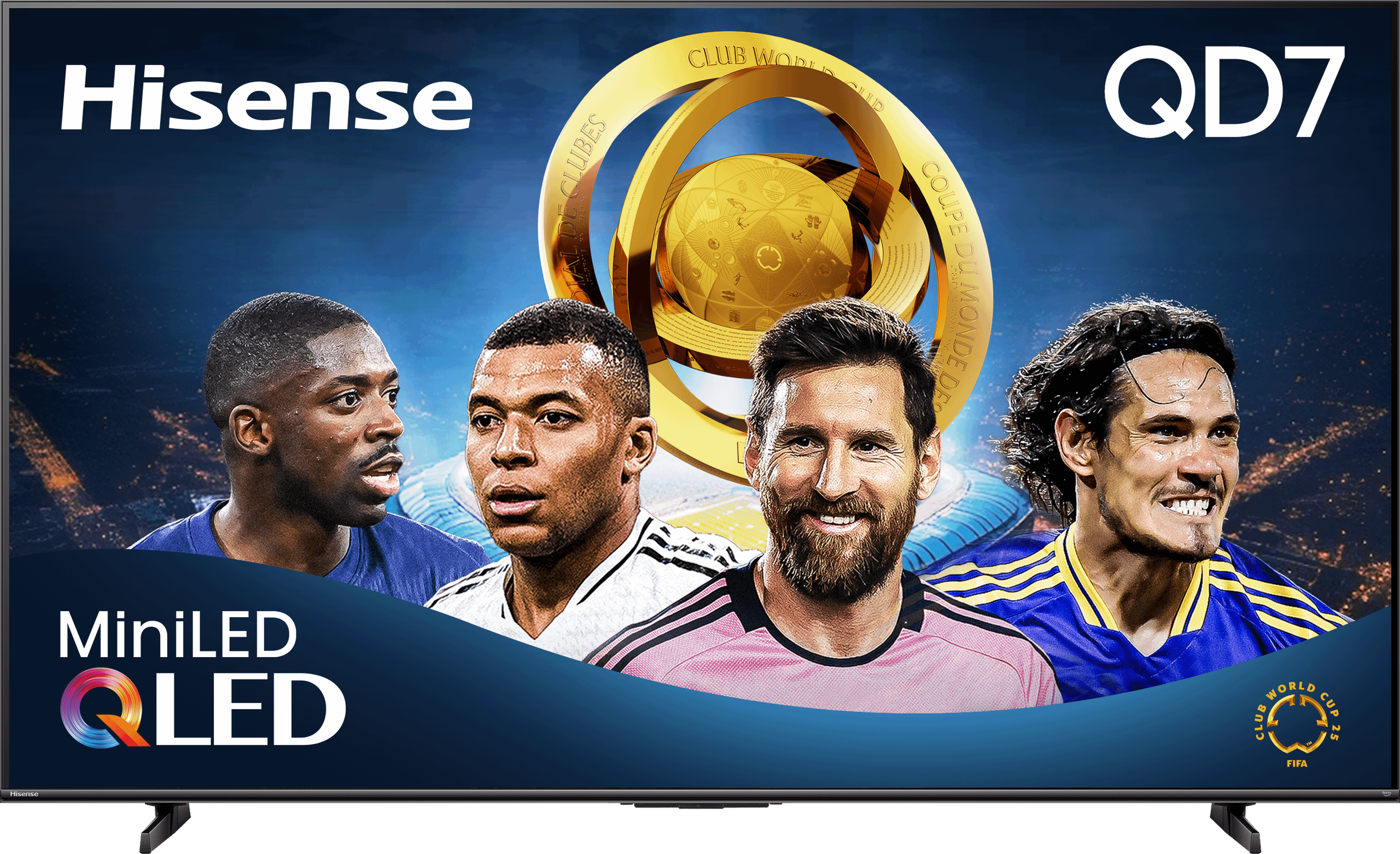
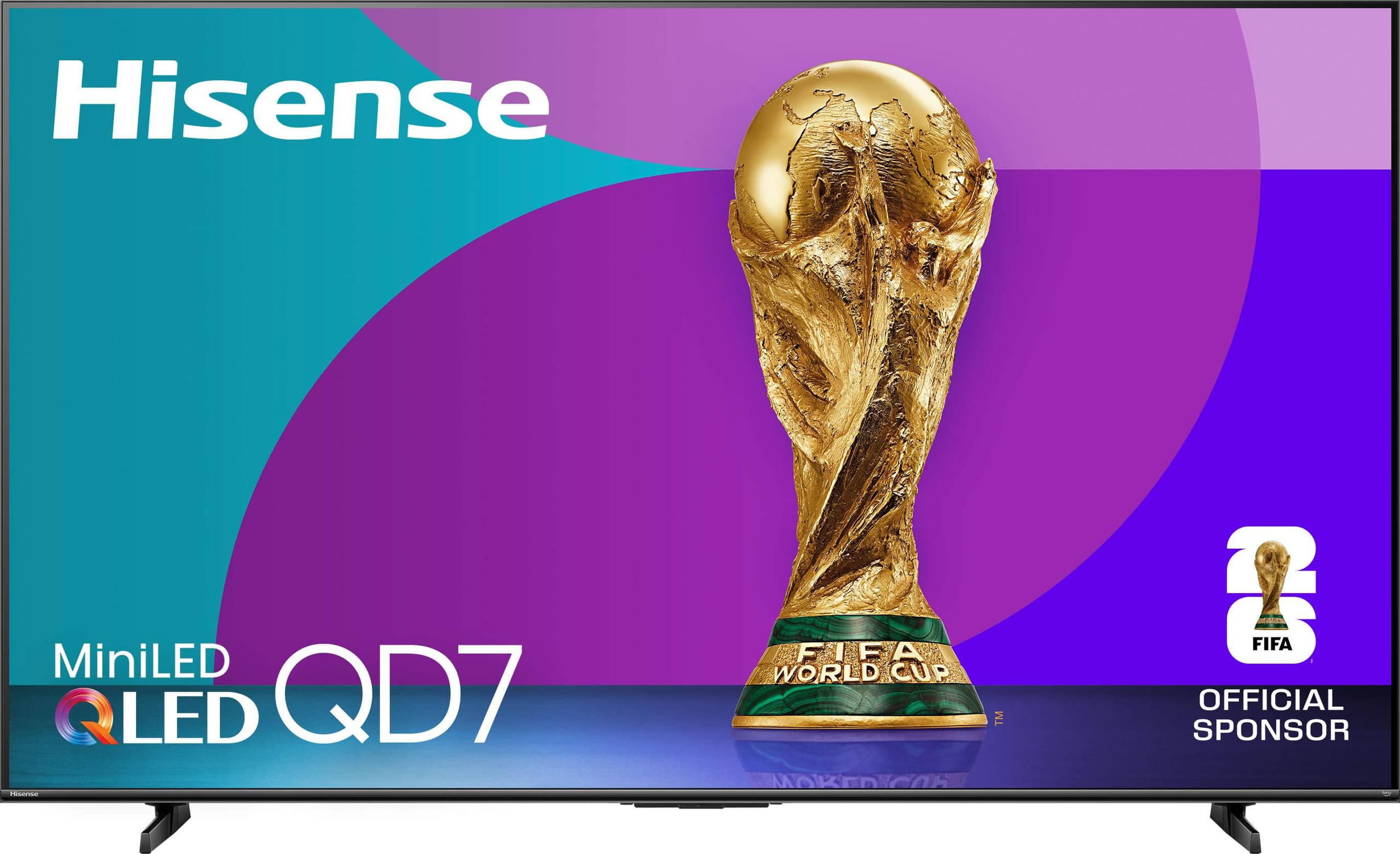
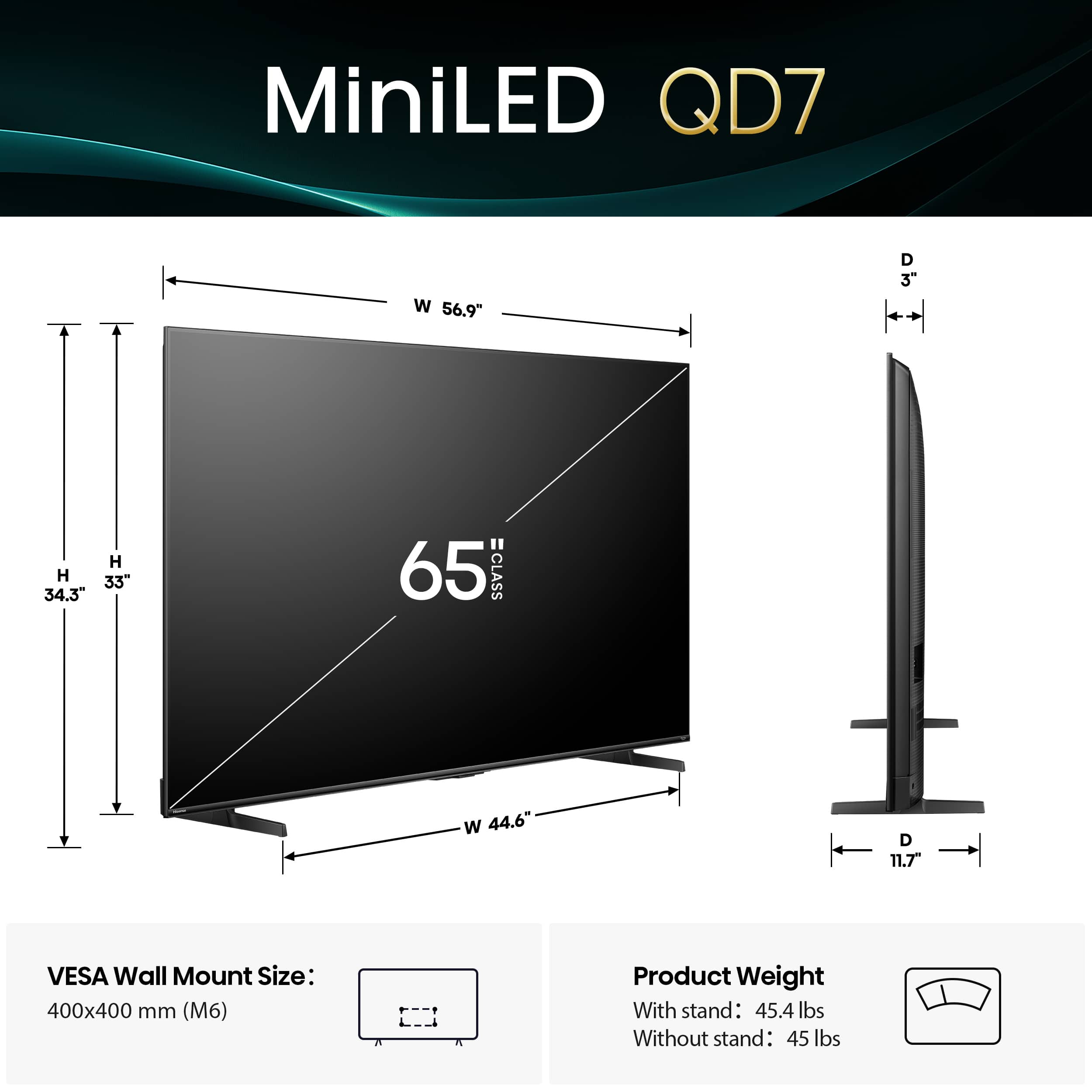
When you're shopping for a 65-inch 4K TV in 2025, you're entering a fascinating battleground between two completely different approaches to displaying images. On one side, we have the LG B5 Series OLED 65" 4K Smart TV 2025 at $1,699.99, representing the entry point into premium OLED technology. On the other, there's the Hisense 65" QD7 Series Mini-LED 4K Fire TV 2025 at just $469.99, offering impressive Mini-LED performance at a fraction of the cost.
Both TVs arrived in 2025 with significant improvements over their predecessors, but they tackle the same goal—delivering stunning 4K images—in fundamentally different ways. Understanding these differences is crucial to making the right choice for your specific needs and budget.
The LG B5 OLED uses OLED technology, which stands for Organic Light-Emitting Diode. Think of it this way: instead of having a backlight behind the screen (like most TVs), each individual pixel creates its own light. When a pixel needs to be black, it simply turns off completely. This creates what we call "perfect blacks" because there's literally no light coming from those areas.
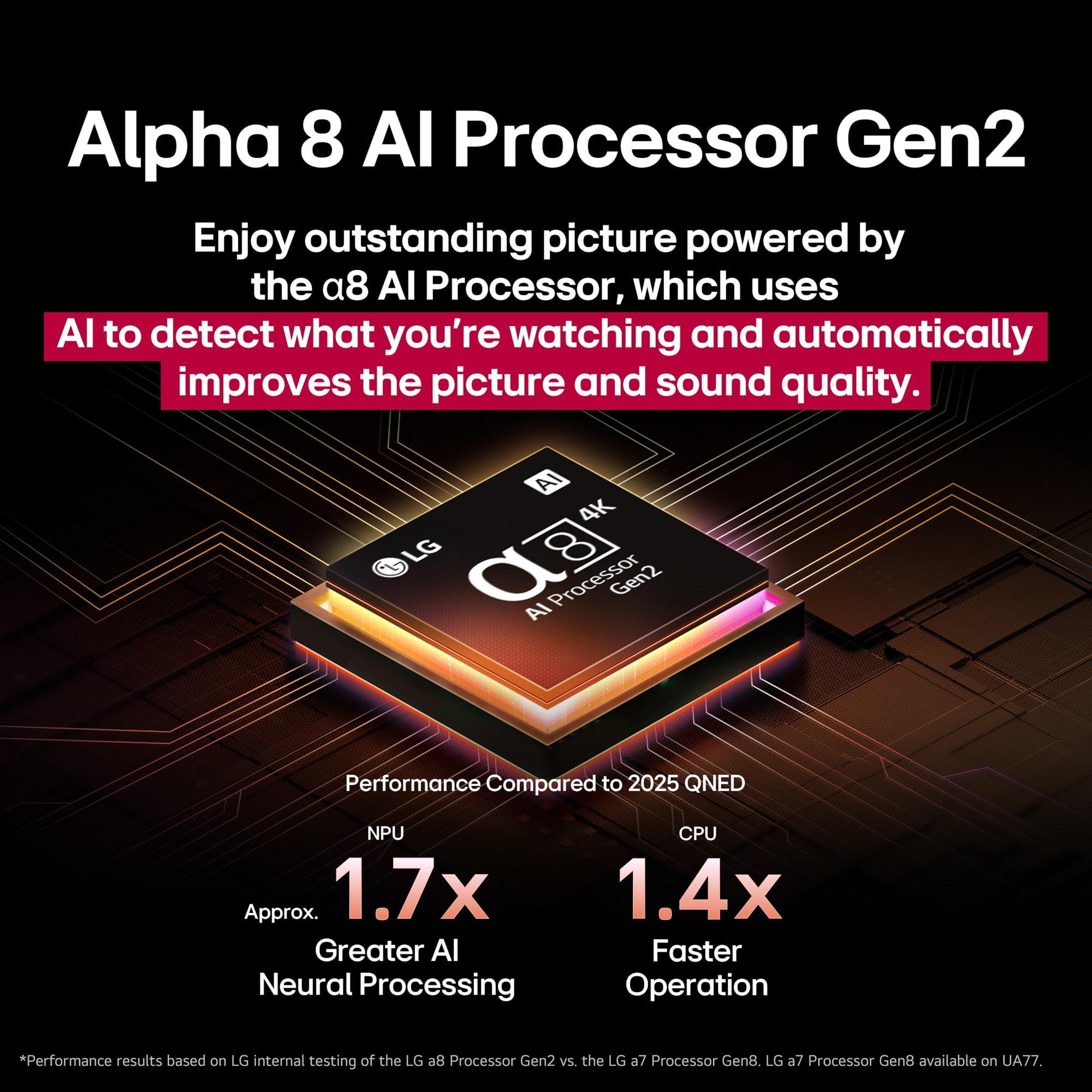
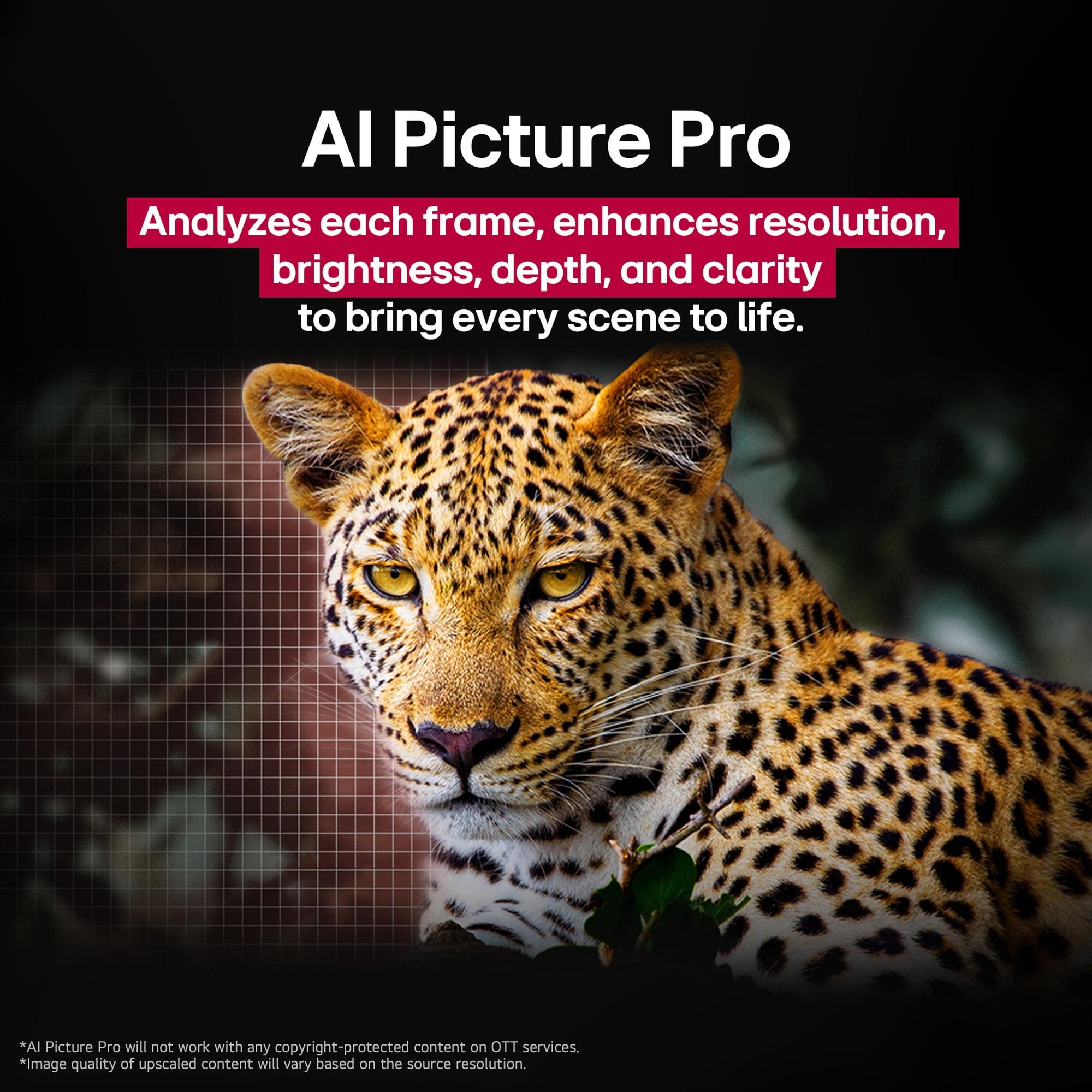
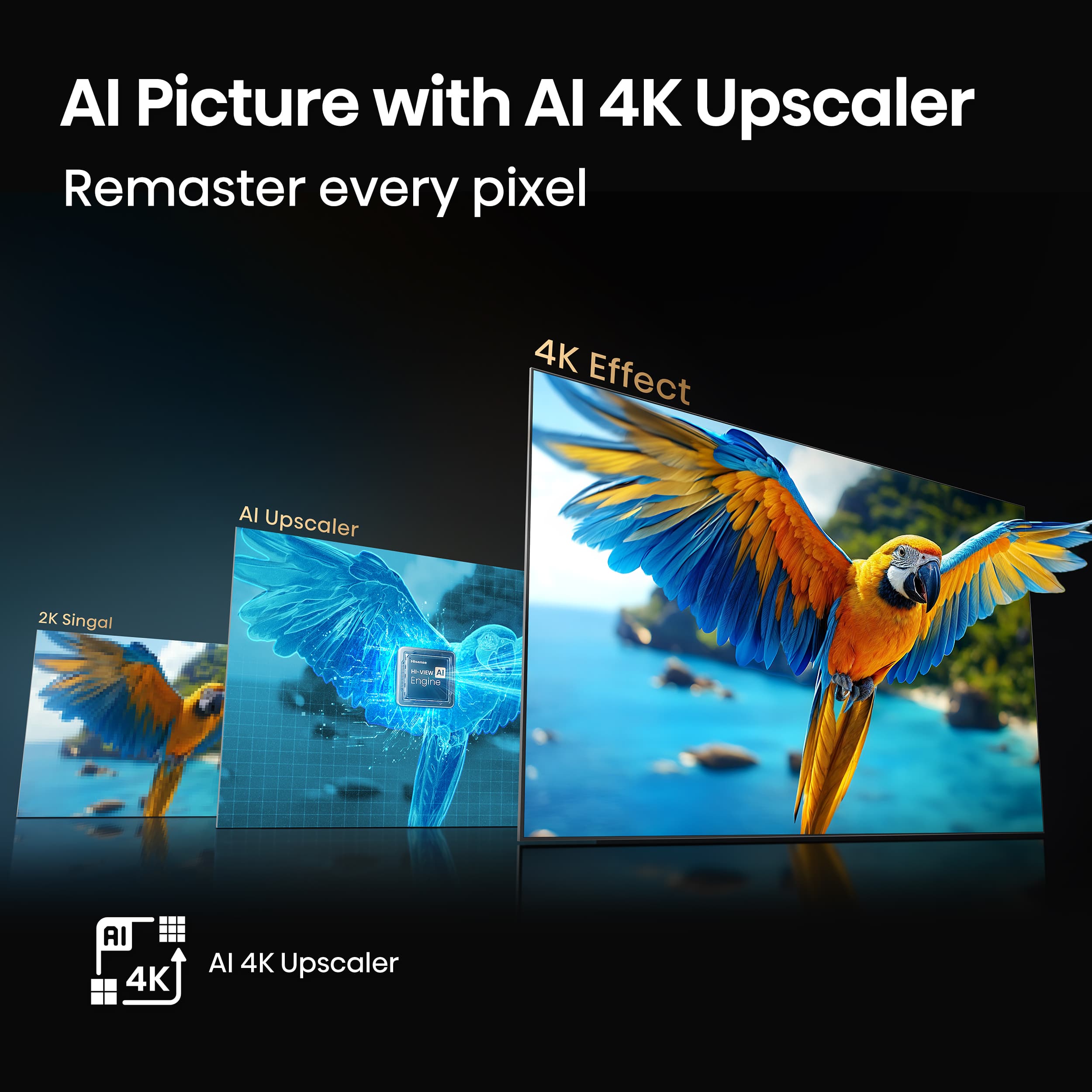
The B5 uses LG's α8 AI Processor Gen2, which is 1.4 times faster than the previous generation. This processor doesn't just upscale content—it analyzes each scene in real-time, adjusting both picture and sound based on what you're watching. If you're watching a nature documentary, it enhances greens and blues differently than it would for an action movie with explosions and fire.
One thing that sets the B5 apart from LG's higher-end models is that it doesn't use the company's latest "Brightness Booster Ultimate" panel. This means it won't get as bright as the G5 or C5 models, but it still delivers that signature OLED contrast that makes dark movie scenes pop with detail you simply can't get from other technologies.
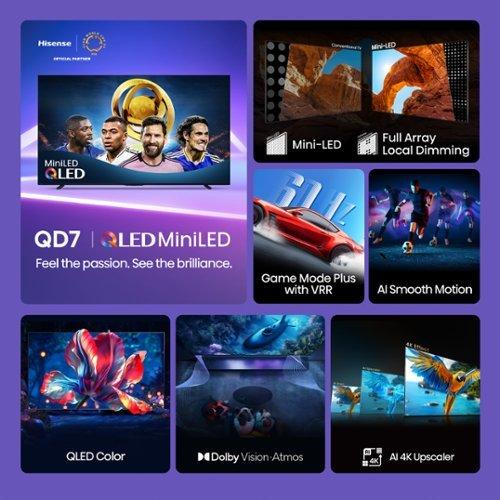
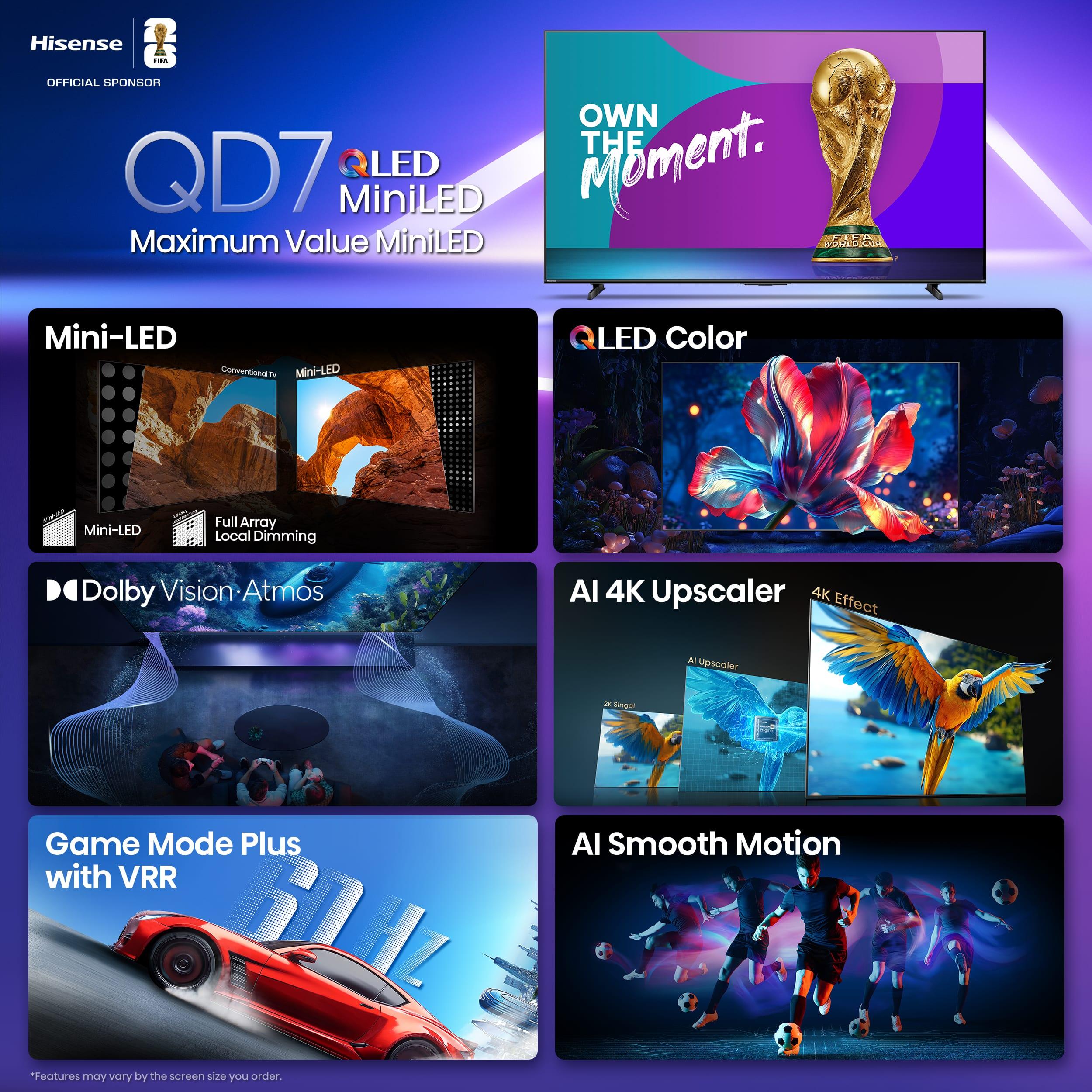
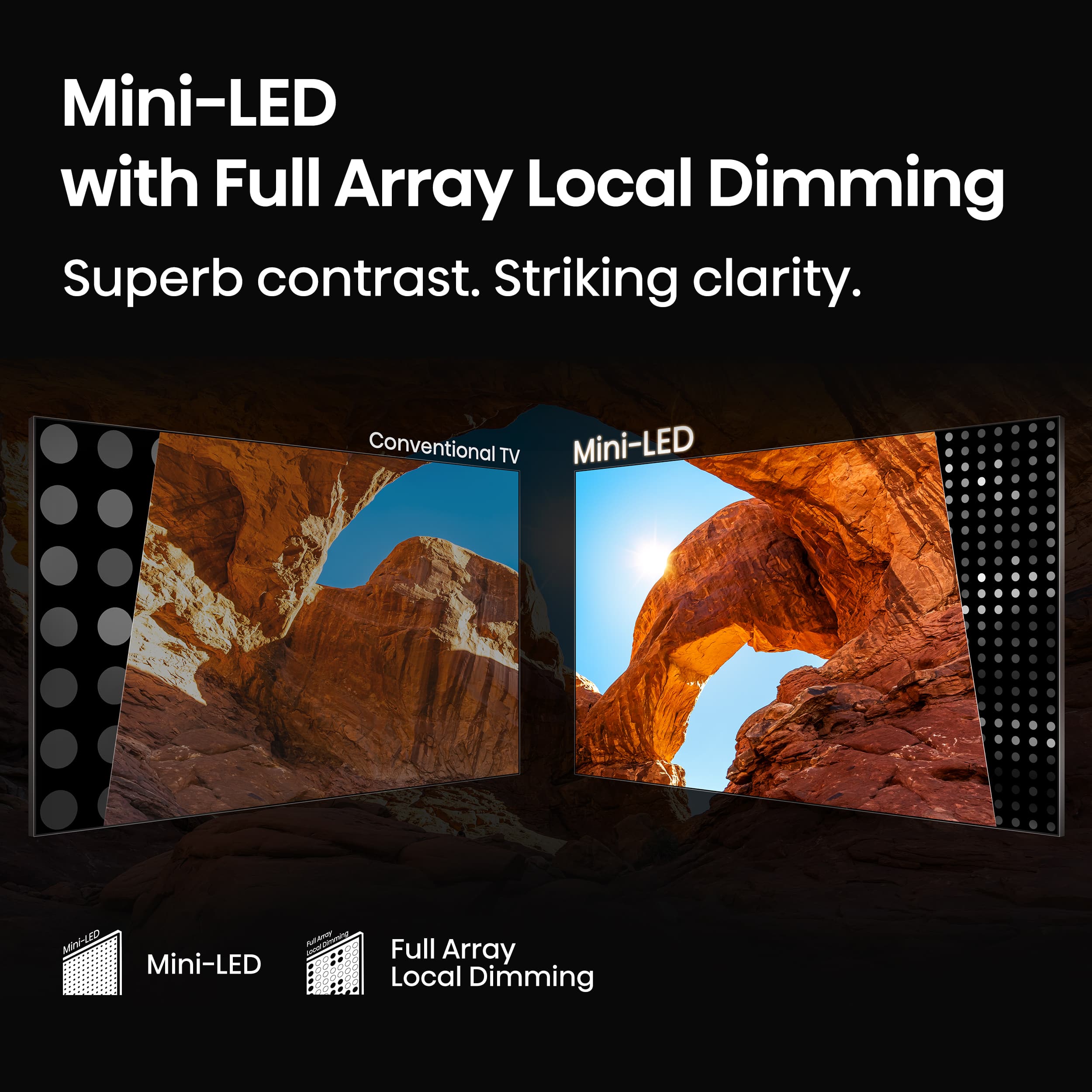
The Hisense QD7 takes a different approach entirely. Mini-LED technology uses thousands of tiny LEDs as a backlight, each much smaller than traditional LED backlights. These are arranged in zones that can be individually controlled—a feature called Full Array Local Dimming (FALD). When a dark scene appears, the zones behind those areas dim down, while bright areas get more light.
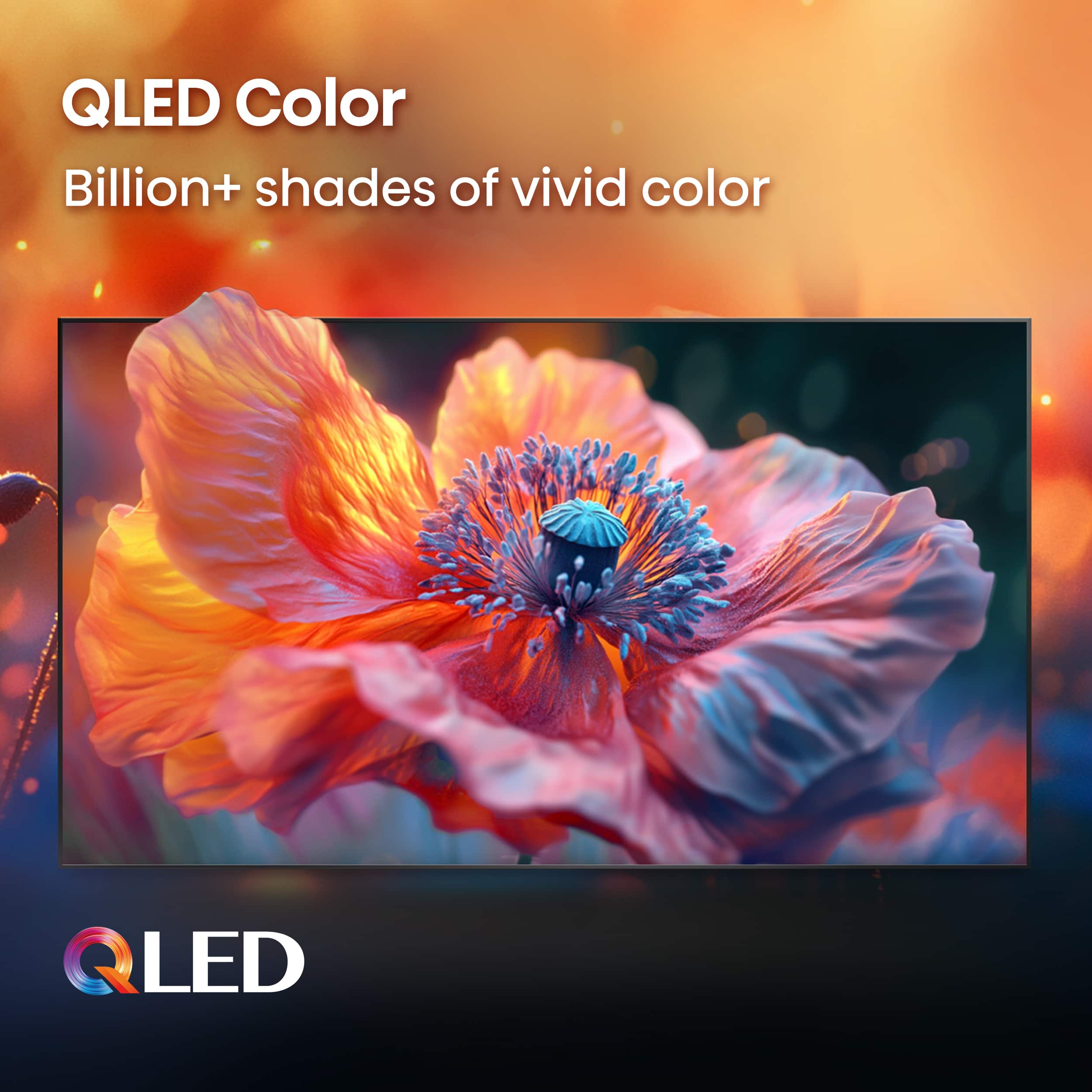
What makes the QD7 special is its Quantum Dot layer. These are microscopic particles that, when hit by light, emit very pure colors. The result is a TV that can display over a billion different shades, creating incredibly vibrant images that really pop, especially in bright rooms.
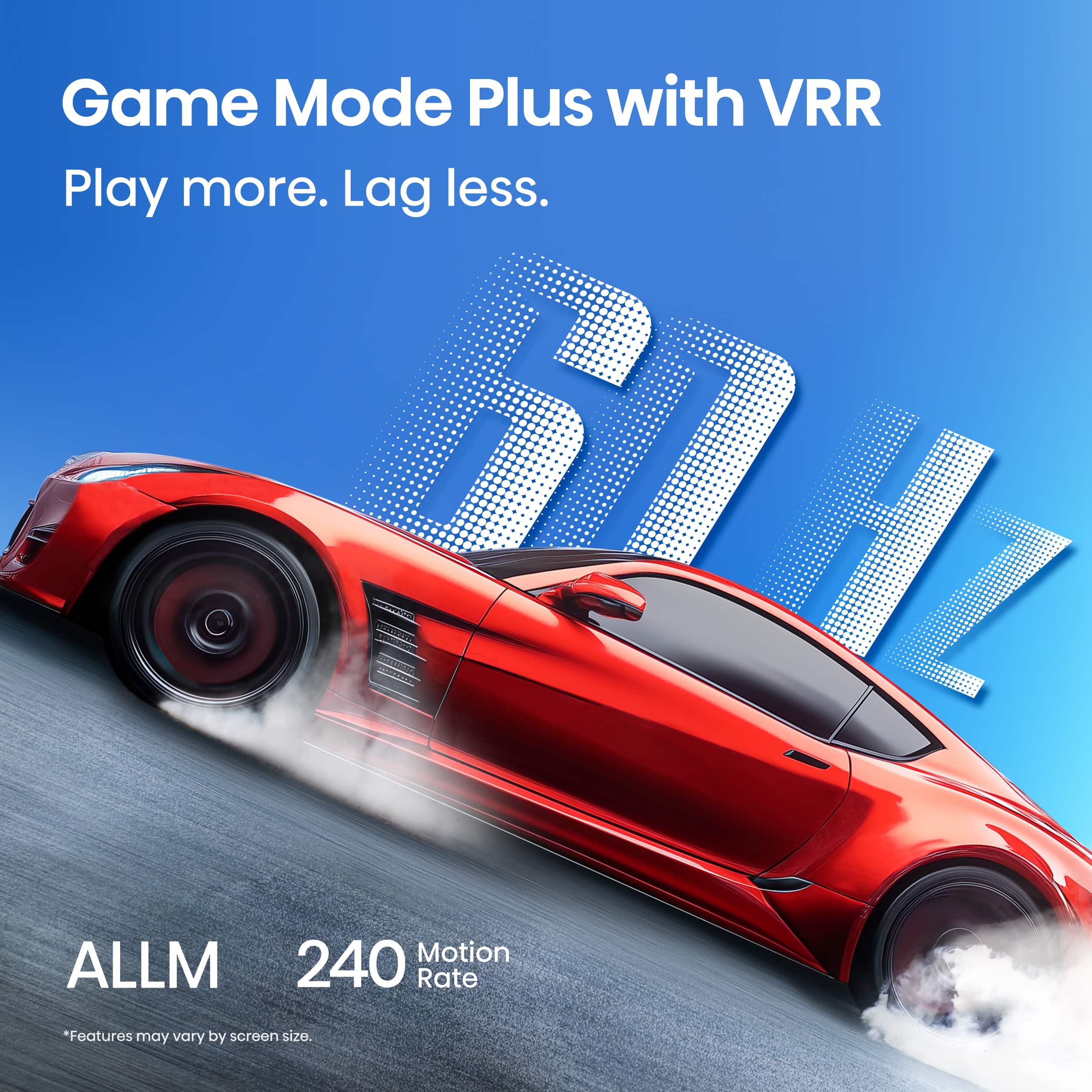
The QD7 also supports a 144Hz refresh rate in some configurations, which is higher than most TVs. This means motion appears smoother, whether you're watching sports or playing fast-paced games. The higher refresh rate reduces motion blur and makes everything from camera pans to action sequences look more fluid.
Dark Room Performance
This is where the LG B5 OLED absolutely dominates. When I watch movies in my basement theater room, the difference is immediately apparent. In a scene from a movie like "Blade Runner 2049," where you have bright neon signs against a dark cityscape, the OLED can display true black sky while keeping those neon colors vibrant and detailed. There's no "blooming" or light bleeding around bright objects because each pixel controls its own light.
The Hisense QD7, while impressive, can't quite match this performance. In the same dark scene, you might notice subtle halos around bright objects where the local dimming zones can't perfectly isolate the light. It's not necessarily bad—most people won't notice it unless they're specifically looking for it—but it's a fundamental limitation of backlit displays.
Bright Room Performance
Here's where the tables turn dramatically. The Hisense QD7 can get significantly brighter than the LG B5. In my living room, which has large windows facing south, the QD7 maintains punchy, visible images even on sunny afternoons. The Quantum Dot technology makes colors appear more saturated and vibrant, which can actually look better in bright environments.
The LG B5, while still watchable in bright rooms, starts to look washed out when competing with direct sunlight. OLED technology, by its nature, can't achieve the same peak brightness levels as Mini-LED displays. If your TV will be in a bright room most of the time, this is a significant consideration.
Color Accuracy and Processing
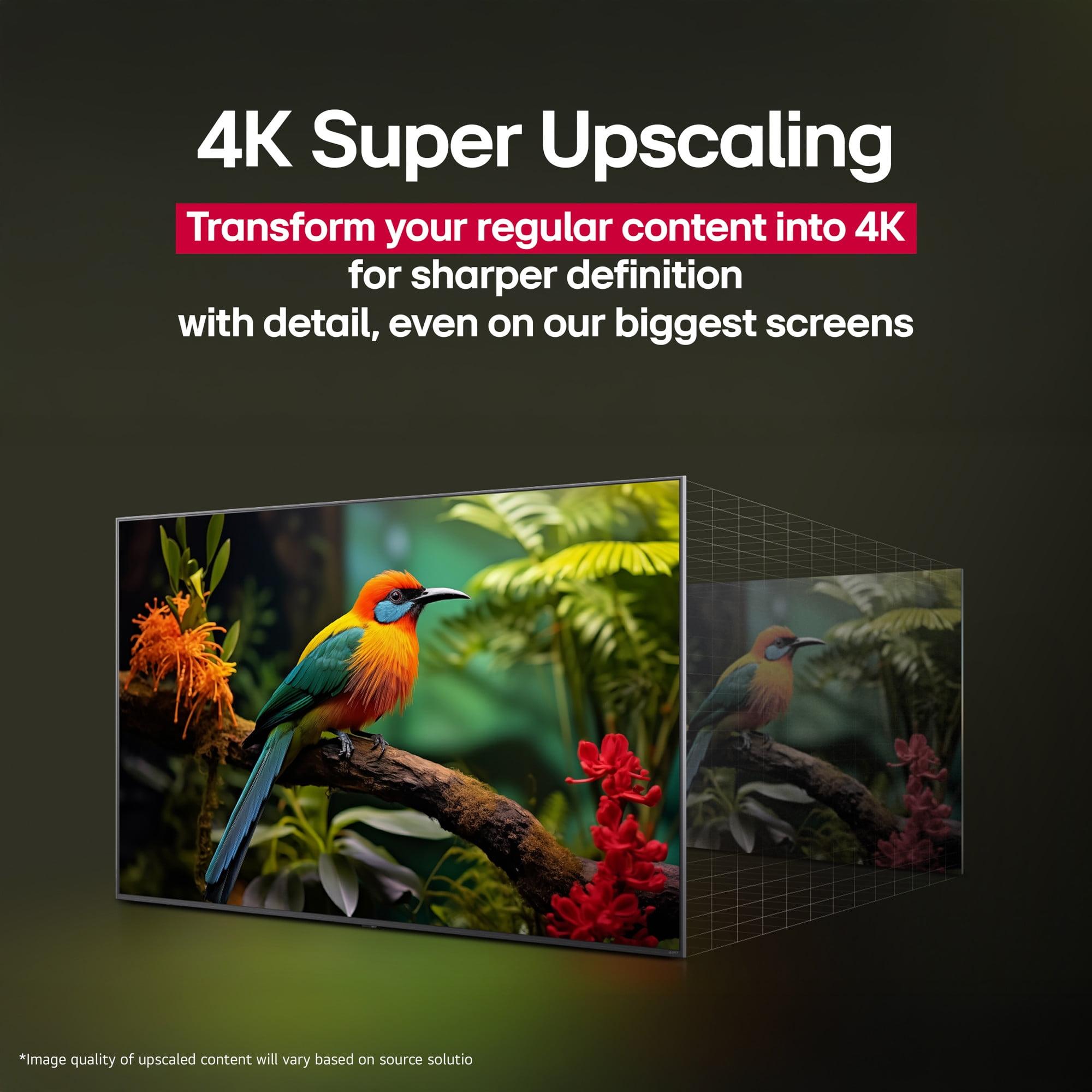
Both TVs support HDR (High Dynamic Range), but they handle it differently. The LG B5 supports Dolby Vision and HDR10, with its α8 processor providing scene-by-scene optimization. This means every frame is analyzed and adjusted for the best possible picture quality. The processing is particularly impressive with older content—I've watched 1080p movies that looked surprisingly close to native 4K after the AI upscaling.
The Hisense QD7 also supports multiple HDR formats, though the processing isn't quite as sophisticated. The Quantum Dot technology does create more vibrant colors, but they're sometimes less accurate than what the director intended. For casual viewing, this often looks better, but film purists might prefer the more natural reproduction of the OLED.
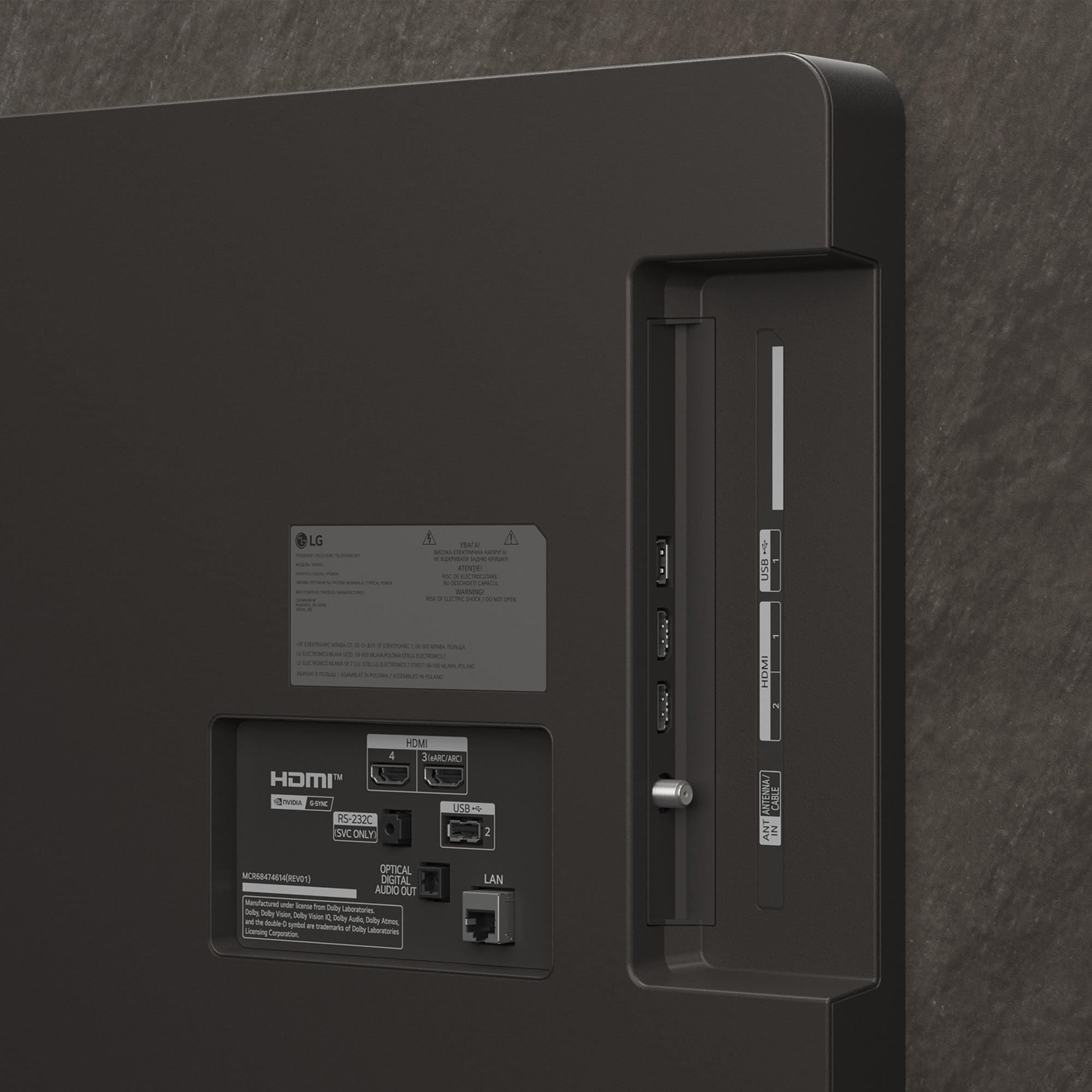
Gaming is where the LG B5 OLED really flexes its technical muscles. With a response time of less than 0.1ms, it's essentially instantaneous. The TV includes four HDMI 2.1 ports, all supporting 4K resolution at 120Hz. This means whether you're using a PlayStation 5, Xbox Series X, or a high-end PC, you'll get the smoothest possible gaming experience.
The gaming features are comprehensive: NVIDIA G-SYNC and AMD FreeSync support prevent screen tearing, while Variable Refresh Rate (VRR) ensures smooth gameplay even when frame rates fluctuate. The Game Dashboard provides quick access to all gaming settings without leaving your game.
The Hisense QD7 offers decent gaming performance but can't match the OLED's responsiveness. Input lag is higher, and while it supports some gaming features, it doesn't have the same level of optimization. However, its higher brightness can make HDR gaming more impactful in well-lit rooms.
The LG B5 runs webOS 25, which is clean, intuitive, and regularly updated. The new AI features are genuinely useful—the TV learns your viewing habits and provides relevant recommendations. The remote includes an AI button for voice commands, and the system integrates well with both Google Assistant and Amazon Alexa.
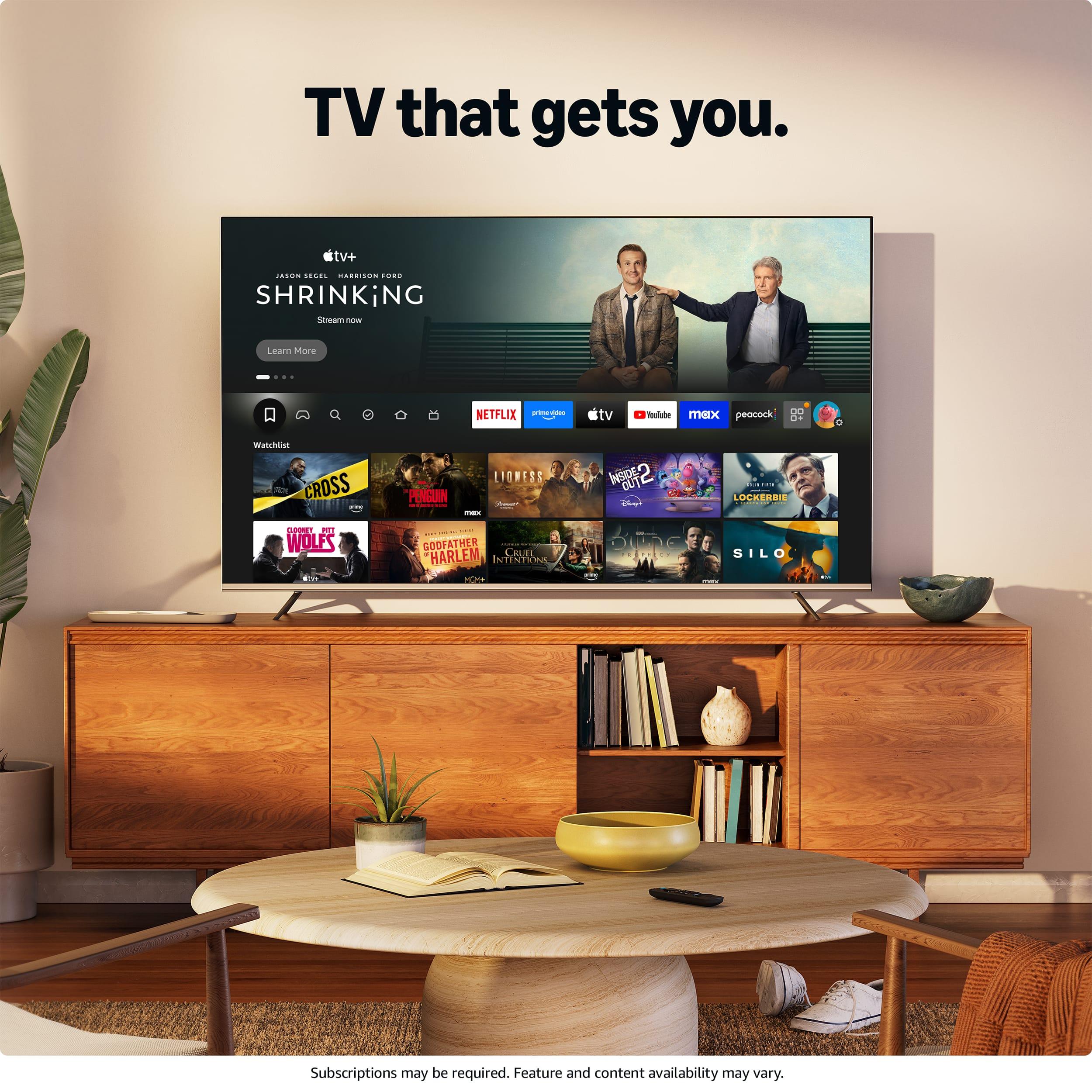
The Hisense QD7 uses Fire TV, which means deep integration with Amazon's ecosystem. If you're already using Amazon Prime Video, Alexa smart home devices, or other Amazon services, this integration is seamless. The interface is straightforward, though some users report occasional lag or freezing that requires a restart.
At $1,699.99, the LG B5 OLED represents the most affordable entry point into OLED technology from a major brand. When you consider that OLED TVs were selling for $3,000+ just a few years ago, this pricing is remarkable. You're paying for the superior contrast, gaming performance, and build quality that OLED technology provides.
The Hisense QD7 at $469.99 offers exceptional value that's hard to ignore. You're getting Mini-LED technology, Quantum Dot color enhancement, and solid smart TV features for less than a quarter of the OLED's price. This represents one of the best performance-per-dollar ratios in the TV market.
OLED technology has matured significantly. The burn-in concerns that plagued early OLED TVs are largely resolved through better pixel management and screen savers. LG provides regular software updates, and the build quality is excellent. You're likely to be satisfied with this TV for 7-10 years.
Hisense has improved their quality control significantly, but budget TVs sometimes have higher failure rates. However, at this price point, even if you needed to replace it in 5-6 years, you'd still come out ahead financially compared to the OLED.
For dedicated home theater setups, the LG B5 OLED is the clear winner. The perfect blacks create an infinite contrast ratio that makes movies look exactly as directors intended. When watching films like "Dune" or "Mad Max: Fury Road," the OLED's ability to display both deep space blacks and brilliant desert sands in the same frame is genuinely impressive.
The wide viewing angles mean everyone in your home theater gets the same excellent picture quality, regardless of seating position. This is particularly important for larger families or when entertaining guests.
If your home theater has any ambient light, the Hisense QD7 becomes more competitive. Its higher brightness can overcome some ambient light that would wash out the OLED. The Quantum Dot technology also makes colors appear more vibrant, which can be appealing for action movies and sports.
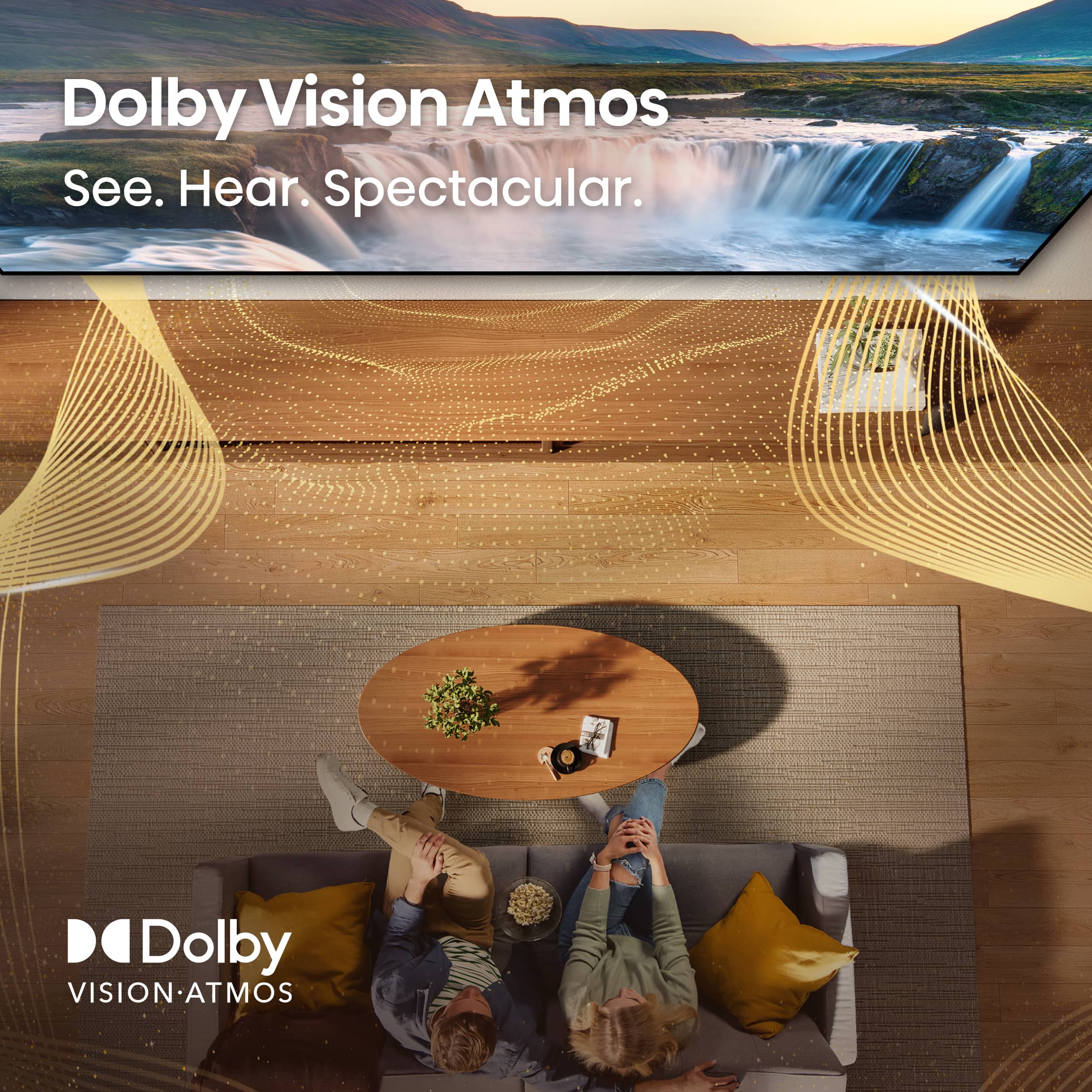
Both TVs support Dolby Atmos, but the LG B5's more sophisticated processing tends to create better spatial audio experiences. If you're planning to add a soundbar or surround sound system, both TVs will integrate well, though the LG's premium connections and processing might offer slight advantages.
Prioritize picture quality above all else. The perfect blacks and infinite contrast create an image quality that's simply unmatched. If you're the type of person who notices and appreciates these differences, the extra cost is justified.
Game seriously. The ultra-low input lag, comprehensive gaming features, and smooth motion handling make this excellent for competitive gaming or enjoying the latest console games at their best.
Watch primarily in dark or dimly lit rooms. This is where OLED technology truly shines. Every dark scene becomes more immersive and detailed.
Value long-term satisfaction. The superior build quality, regular software updates, and mature technology mean you'll likely be happy with this purchase for many years.
Need excellent performance in bright rooms. The higher brightness and vibrant colors maintain picture quality regardless of lighting conditions.
Want maximum value for your budget. At $469.99, this represents exceptional performance per dollar. You're getting premium features at a fraction of the cost.
Prefer vibrant, saturated colors. The Quantum Dot technology creates more vivid images that many people find more appealing for casual viewing.
Are integrated into Amazon's ecosystem. The Fire TV platform and Alexa integration work seamlessly if you're already using Amazon services.
Both the LG B5 OLED and Hisense QD7 represent excellent TVs for different priorities. The LG B5 offers the premium experience with superior technology, while the Hisense QD7 provides remarkable value with impressive performance.
Your room lighting conditions, budget, and viewing priorities should guide your decision. If you can afford the LG B5 and primarily watch in darker conditions, it's the better choice for image quality. If you need versatility, brightness, and exceptional value, the Hisense QD7 delivers performance that was unimaginable at this price point just a few years ago.
Remember that both TVs will provide excellent 4K viewing experiences that surpass what most people had access to even recently. The "wrong" choice between these two is still likely to be a significant upgrade from whatever you're currently watching.
| LG B5 Series OLED 65" 4K Smart TV 2025 | Hisense 65" QD7 Series Mini-LED 4K Fire TV 2025 |
|---|---|
| Price - Entry point for premium technology vs exceptional value | |
| $1,699.99 | $469.99 |
| Display Technology - Fundamentally different approaches to image quality | |
| OLED (Self-emissive pixels) | Mini-LED with Quantum Dots |
| Black Levels - Critical for dark room viewing and contrast | |
| Perfect blacks (pixels turn completely off) | Very good blacks but some blooming possible |
| Peak Brightness - Essential for bright rooms and HDR impact | |
| Moderate (best in dark/dim rooms) | Very high (excellent for bright rooms) |
| Refresh Rate - Important for gaming and smooth motion | |
| 120Hz native | Up to 144Hz (varies by model) |
| Gaming Features - Critical for console and PC gaming | |
| 4x HDMI 2.1, VRR, G-SYNC, FreeSync, <0.1ms response | Basic gaming features, higher input lag |
| Smart Platform - Different ecosystems and user experiences | |
| webOS 25 with AI features | Fire TV with deep Amazon integration |
| Viewing Angles - Important for family viewing and seating flexibility | |
| Wide angles with consistent picture quality | Narrower angles, picture degrades off-center |
| HDR Support - Enhanced contrast and color for premium content | |
| Dolby Vision, HDR10 | HDR10, HDR10+, HLG |
| Build Quality - Long-term reliability and premium feel | |
| Premium construction, regular updates | Value-oriented, occasional software issues |
| Best Use Case - Where each TV excels most | |
| Dark room cinematic viewing, serious gaming | Bright room versatility, budget-conscious buyers |
The Hisense QD7 at $469.99 offers exceptional value for money, while the LG B5 OLED at $1,699.99 provides premium picture quality. If budget is your primary concern, the Hisense delivers impressive Mini-LED performance at a fraction of the cost. However, if you want the best possible picture quality and can afford the premium, the LG B5 OLED justifies its higher price with superior contrast and gaming features.
OLED technology in the LG B5 uses self-emissive pixels that can turn completely off for perfect blacks and infinite contrast. Mini-LED technology in the Hisense QD7 uses thousands of tiny LEDs as a backlight with local dimming zones for improved brightness and contrast compared to regular LED TVs. OLED excels in dark rooms, while Mini-LED performs better in bright environments.
The LG B5 OLED is significantly better for gaming with its <0.1ms response time, four HDMI 2.1 ports, 120Hz refresh rate, and support for VRR, G-SYNC, and FreeSync. The Hisense QD7 offers basic gaming features but has higher input lag and fewer advanced gaming technologies. Serious gamers should choose the LG B5 OLED.
The Hisense QD7 is much better for bright rooms due to its higher peak brightness and vibrant Quantum Dot colors that maintain visibility even with direct sunlight. The LG B5 OLED can struggle in very bright rooms as it doesn't get as bright and may appear washed out. For bright living rooms, the Hisense is the better choice.
The LG B5 OLED has superior picture quality overall, especially in dark rooms, with perfect blacks, infinite contrast, and natural color reproduction. The Hisense QD7 offers very good picture quality with vibrant colors and high brightness, but can't match OLED's contrast performance. For the best cinematic experience, choose the LG B5 OLED.
Modern OLED TVs like the LG B5 have significantly reduced burn-in risks through improved pixel management and automatic screen savers. With normal viewing habits, burn-in is rarely an issue. The Hisense QD7 doesn't have burn-in concerns since it uses traditional LED backlighting technology.
The LG B5 OLED is superior for dedicated home theater setups due to its perfect blacks, infinite contrast, and wide viewing angles that ensure everyone gets the same excellent picture quality. The OLED technology creates the cinematic experience directors intended. The Hisense QD7 can work well in home theaters with some ambient light but can't match OLED's dark room performance.
The LG B5 OLED runs webOS 25 with AI features, clean interface, and regular updates from LG. The Hisense QD7 uses Fire TV with deep Amazon ecosystem integration, including Alexa voice control and seamless Prime Video access. Choose based on your preferred ecosystem and existing smart home setup.
The LG B5 OLED provides more accurate, natural color reproduction that's closer to what directors intended. The Hisense QD7 with Quantum Dot technology produces more vibrant, saturated colors that can appear more appealing but may be less accurate. For film purists, the LG B5 OLED is better; for vibrant everyday viewing, the Hisense QD7 may be preferred.
The LG B5 OLED maintains consistent picture quality and color accuracy from wide viewing angles, making it ideal for family viewing or entertaining guests. The Hisense QD7 has narrower viewing angles with picture quality degrading when viewed from the side. For flexible seating arrangements, the LG B5 OLED is superior.
The LG B5 OLED typically offers better long-term reliability with premium build quality and consistent software updates from LG. The Hisense QD7 has improved quality control but may have occasional software issues or hardware concerns more common with budget-oriented TVs. However, given the significant price difference, the Hisense still offers good value even considering potential reliability differences.
Choose the LG B5 OLED if you prioritize the best picture quality, primarily watch in dark rooms, game seriously, or want long-term satisfaction with premium technology. Choose the Hisense QD7 if you need excellent performance in bright rooms, want maximum value for your budget, or prefer to save money while still getting impressive Mini-LED features. Both are excellent choices for different priorities and budgets.
We've done our best to create useful and informative comparisons to help you decide what product to buy. Our research uses advanced automated methods to create this comparison and perfection is not possible - please contact us for corrections or questions. These are the sites we've researched in the creation of this article: eftm.com - bestbuy.com - rtings.com - youtube.com - rtings.com - tomsguide.com - youtube.com - nationalproductreview.com.au - lg.com - manchesterbrothers.com - avsforum.com - lg.com - lg.com - lg.com - lg.com - retailspecs.com - american-homeappliance.com - perpichtv.com - bestbuy.com - custrevs.com - youtube.com - bestbuy.com - rtings.com - youtube.com - rtings.com - pcrichard.com - bestbuy.com - pcrichard.com - camelcamelcamel.com - amazonfiretv.blog - hisense-usa.com - hisense-usa.com - hisense-usa.com - bestbuy.com - leaseville.com - youtube.com - bestbuy.com - flatpanelshd.com

Privacy Policy
Terms and Conditions - Affiliate Policy
Home Security
© Copyright 2008-2026.
11816 Inwood Rd #1211, Dallas, TX 75244