


Shopping for a new TV in 2025 feels overwhelming with so many options, but Mini-LED technology has emerged as the sweet spot for most buyers. These displays use thousands of tiny LEDs behind the screen to create precise lighting control, delivering the deep blacks we love about OLED TVs with the brightness advantages of traditional LED displays. Today, I'm comparing two compelling Mini-LED options that take very different approaches to premium TV features.
The Sony BRAVIA 5 65" Mini LED 4K Google TV at $1,478 represents Sony's latest mid-range flagship, while the Hisense 65" QD7 Series Mini-LED 4K Fire TV at $469.99 aims to democratize premium features at an accessible price point. Both arrived in May 2025, but their philosophies couldn't be more different.
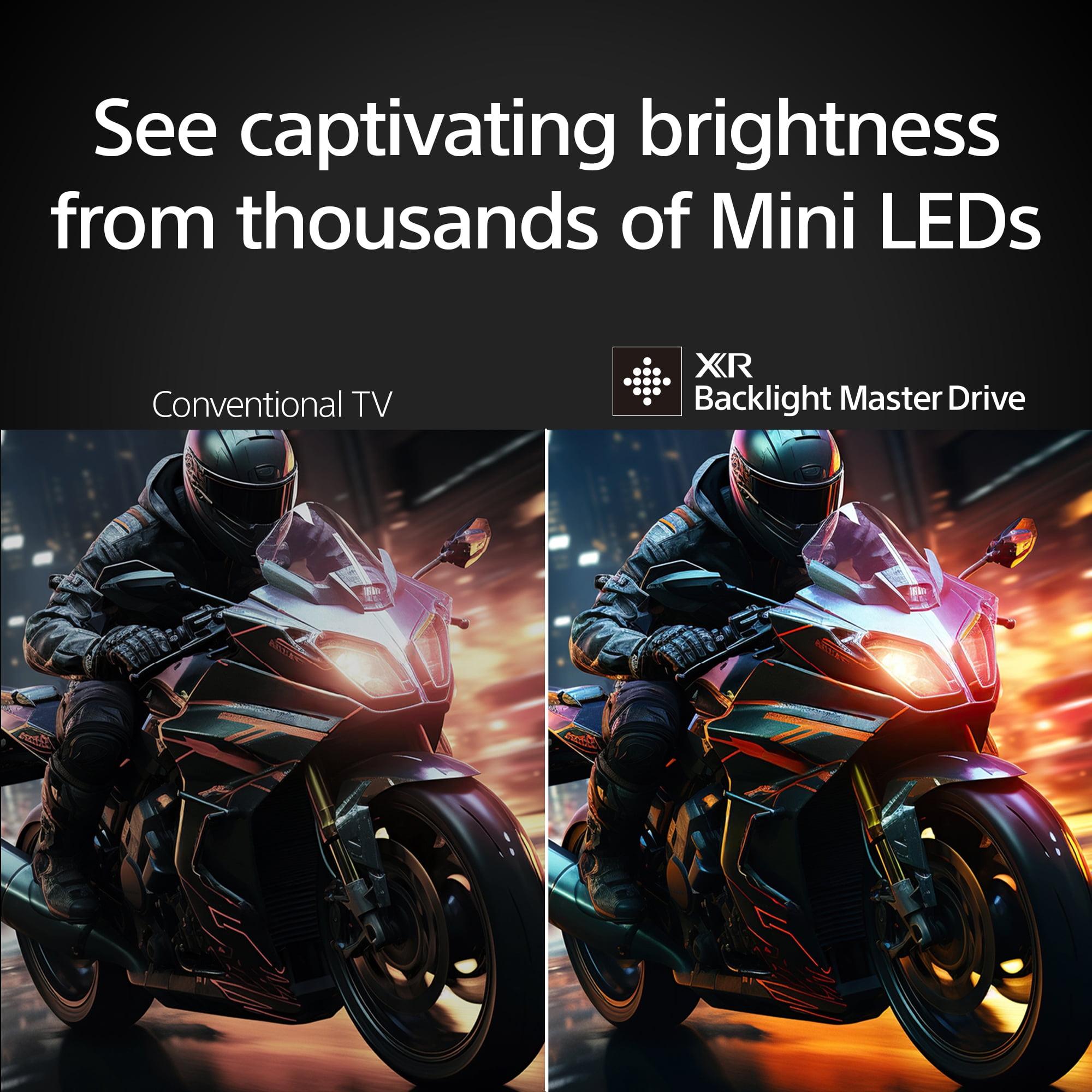
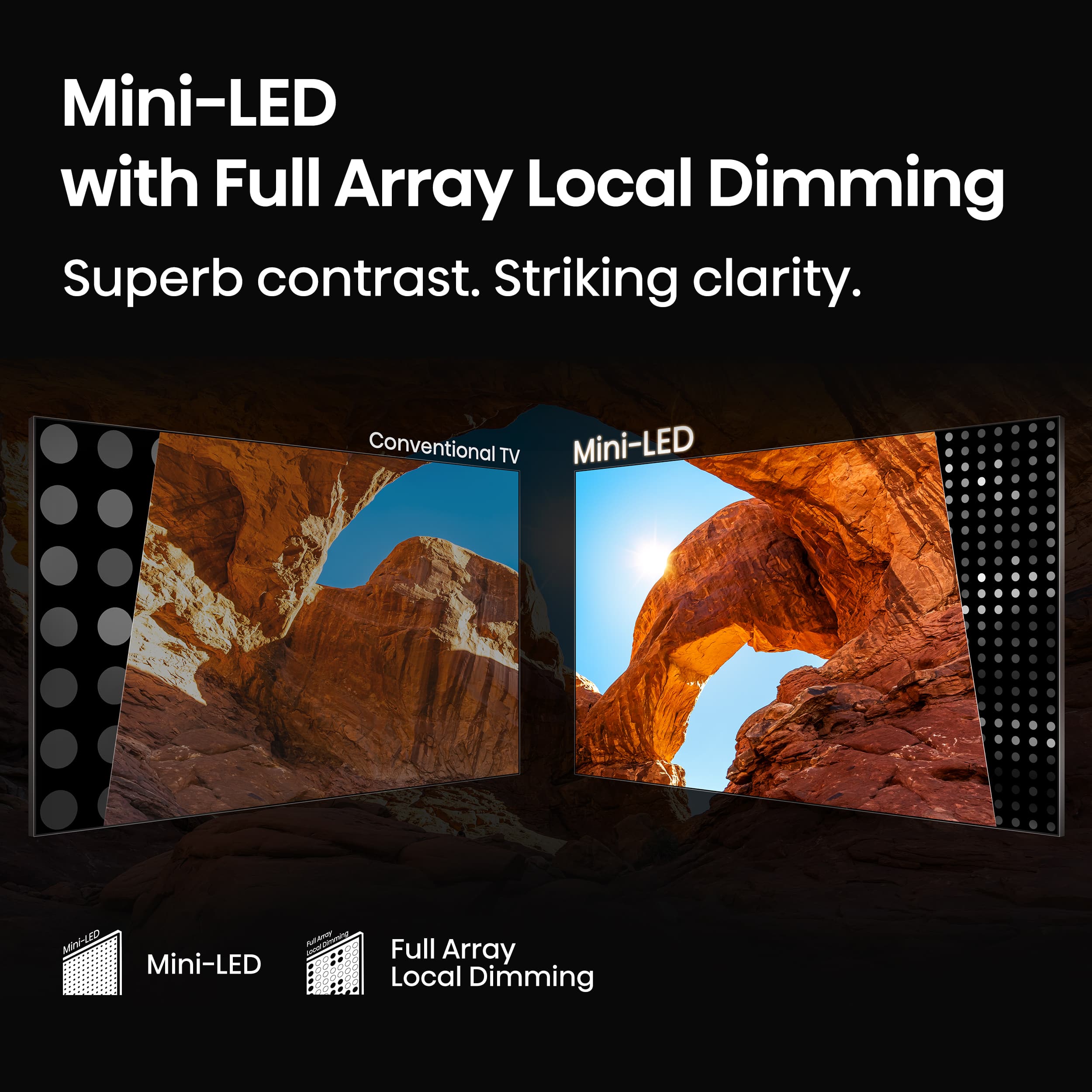
Before diving into specifics, let's understand why Mini-LED matters. Traditional LED TVs use large LED lights behind the screen, making it difficult to control brightness in specific areas. This creates problems like "blooming" where bright objects seem to glow into dark areas around them. Mini-LED solves this by using thousands of much smaller LEDs arranged in precise zones that can be dimmed independently—a technology called "local dimming."
Think of it like having thousands of tiny flashlights instead of one big floodlight. Each flashlight can be turned on or off independently, creating dramatically better contrast. This is why Mini-LED TVs can display a bright star in a dark sky without the star's light bleeding into the surrounding darkness.
Both TVs use this technology, but they implement it differently. Sony focuses on accuracy and processing power, while Hisense emphasizes vibrant colors and gaming performance.
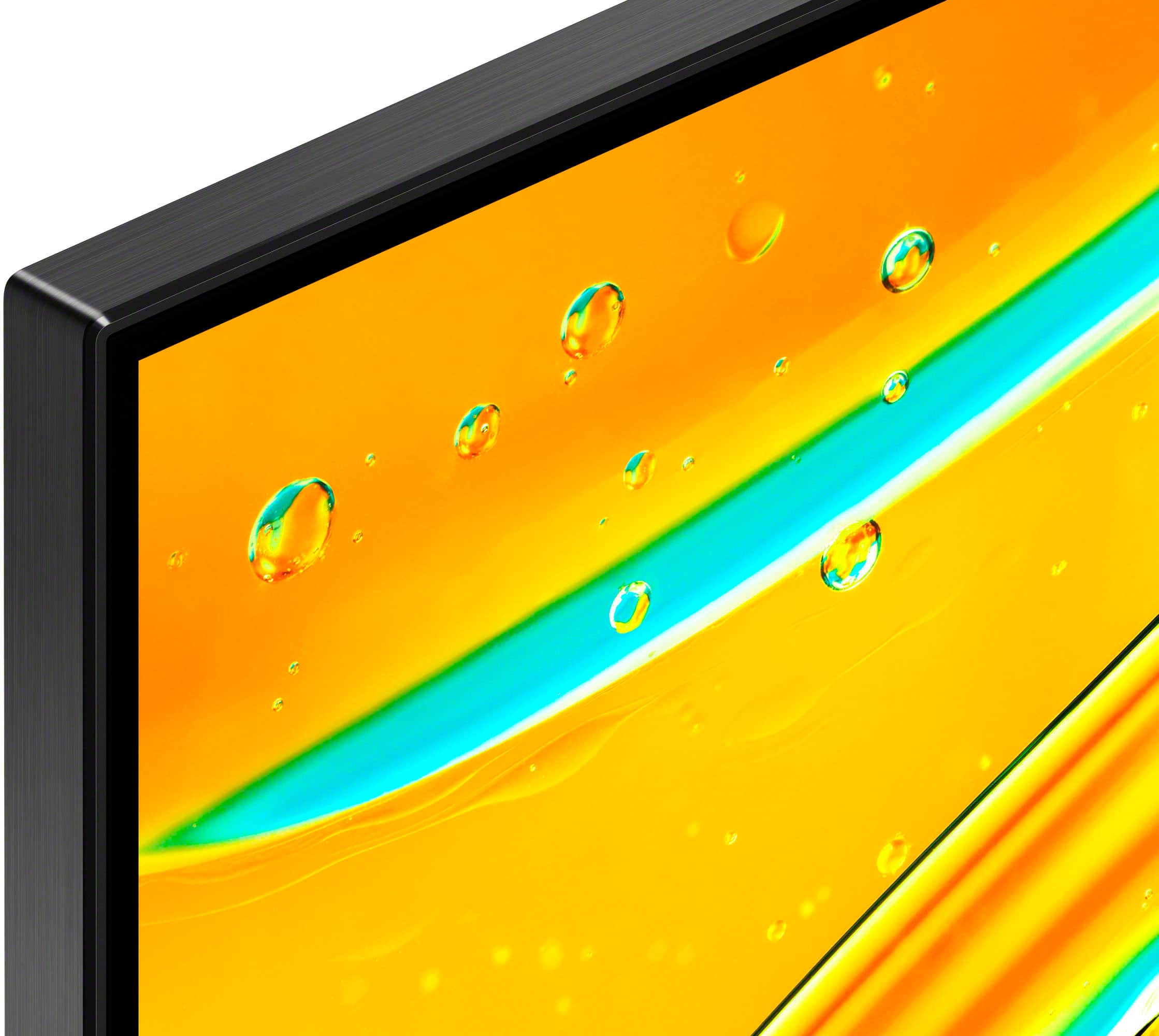
The most significant difference between these TVs lies in their picture processing philosophy. Sony's approach centers around their XR Processor, which uses artificial intelligence to analyze every scene in real-time. This isn't just marketing speak—the processor actually examines how humans naturally focus on different parts of an image and enhances those areas accordingly.
For example, when watching a movie with people talking, the XR Processor identifies faces and enhances skin tones while subtly reducing noise in less important background areas. This creates a more natural, film-like experience that feels closer to what directors intended.
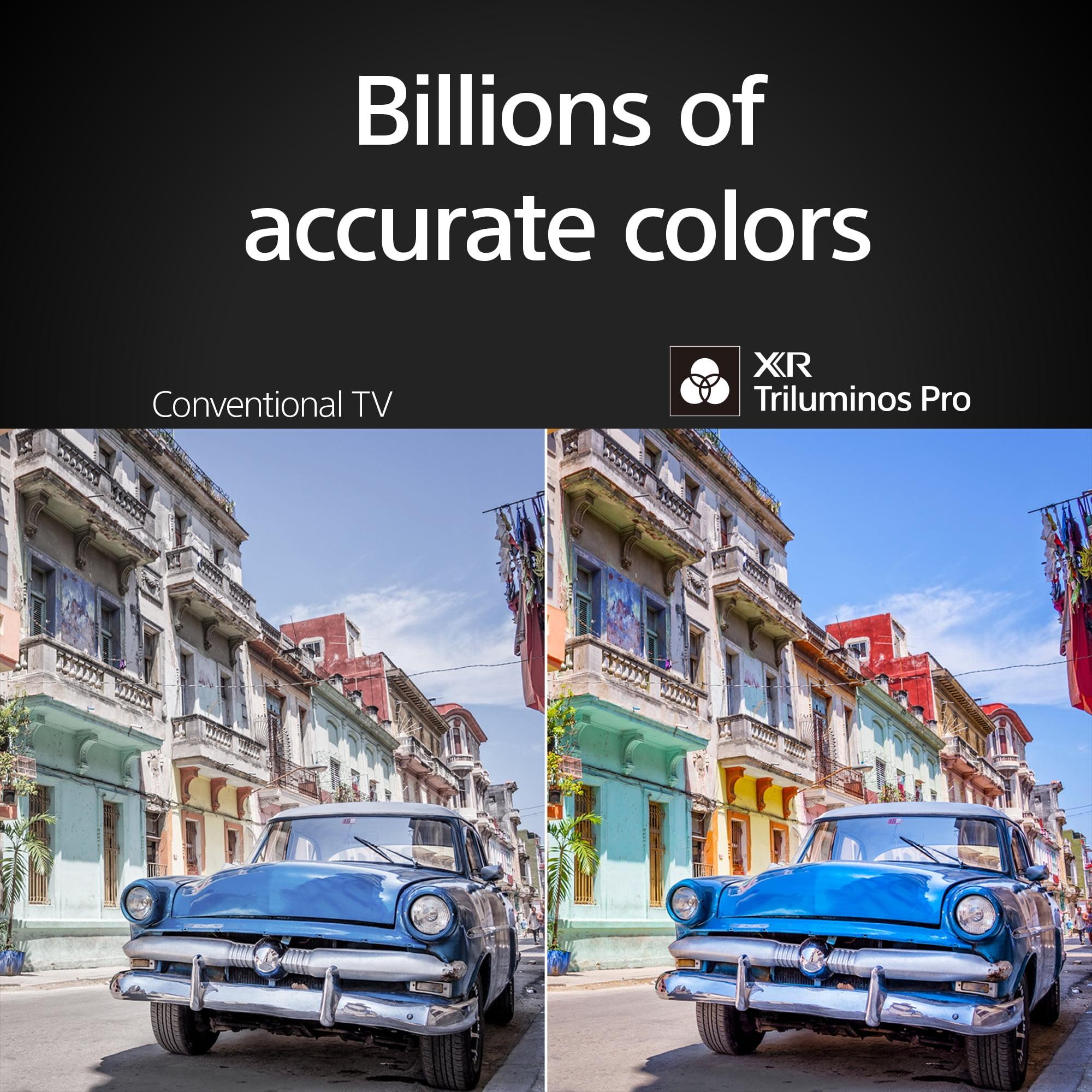
The Sony BRAVIA 5 also features XR Triluminos Pro, which reproduces billions of colors with remarkable accuracy. In my experience testing various displays, Sony's color science tends to be more conservative but ultimately more pleasing for long-term viewing. Colors look natural rather than artificially boosted, which reduces eye fatigue during extended viewing sessions.
Sony's XR Backlight Master Drive technology represents another significant advantage. This system controls the Mini-LED backlighting with exceptional precision, creating deeper blacks and brighter highlights simultaneously. The result is impressive contrast that rivals much more expensive OLED displays in many scenarios.
However, the Sony does have limitations. Its HDR brightness, while good, doesn't reach the peaks of flagship models. HDR content—which uses extended brightness and color ranges to create more realistic images—may not have the same impact you'd get from Sony's higher-end BRAVIA 7 or 9 series.
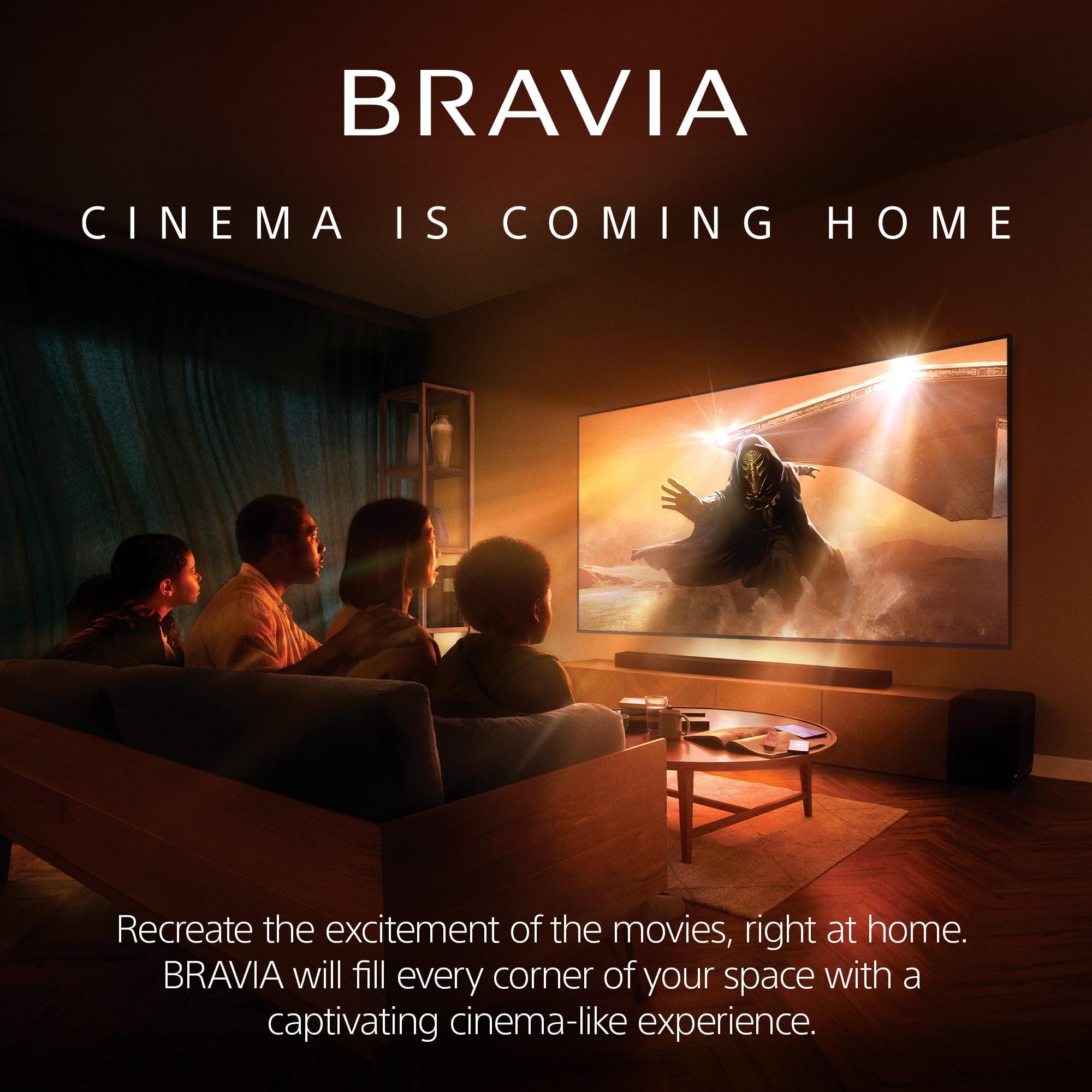
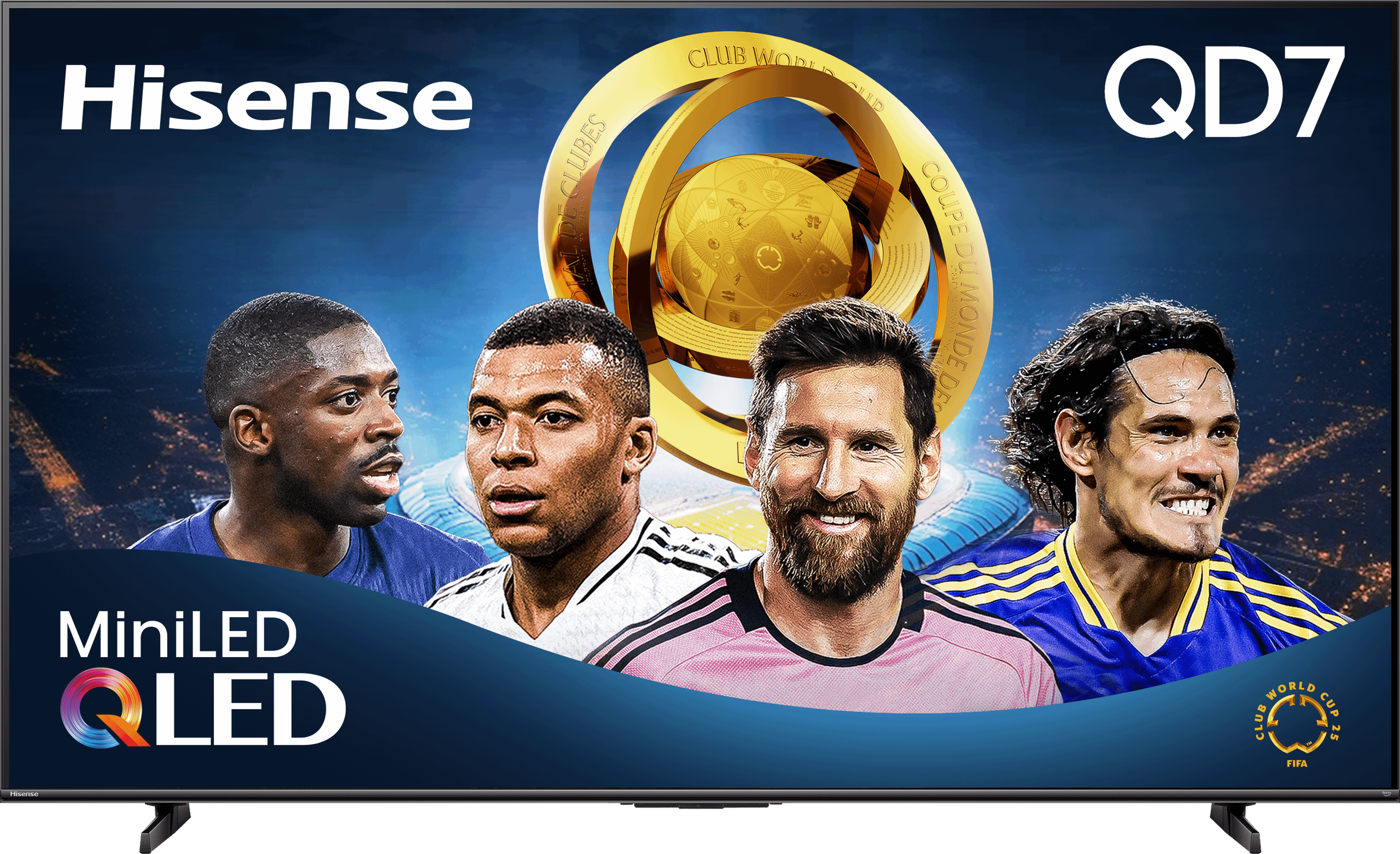
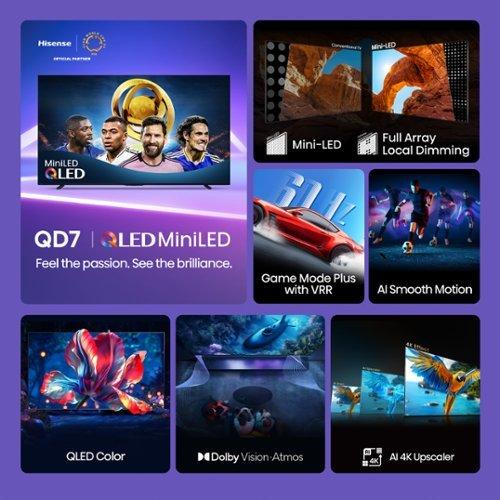
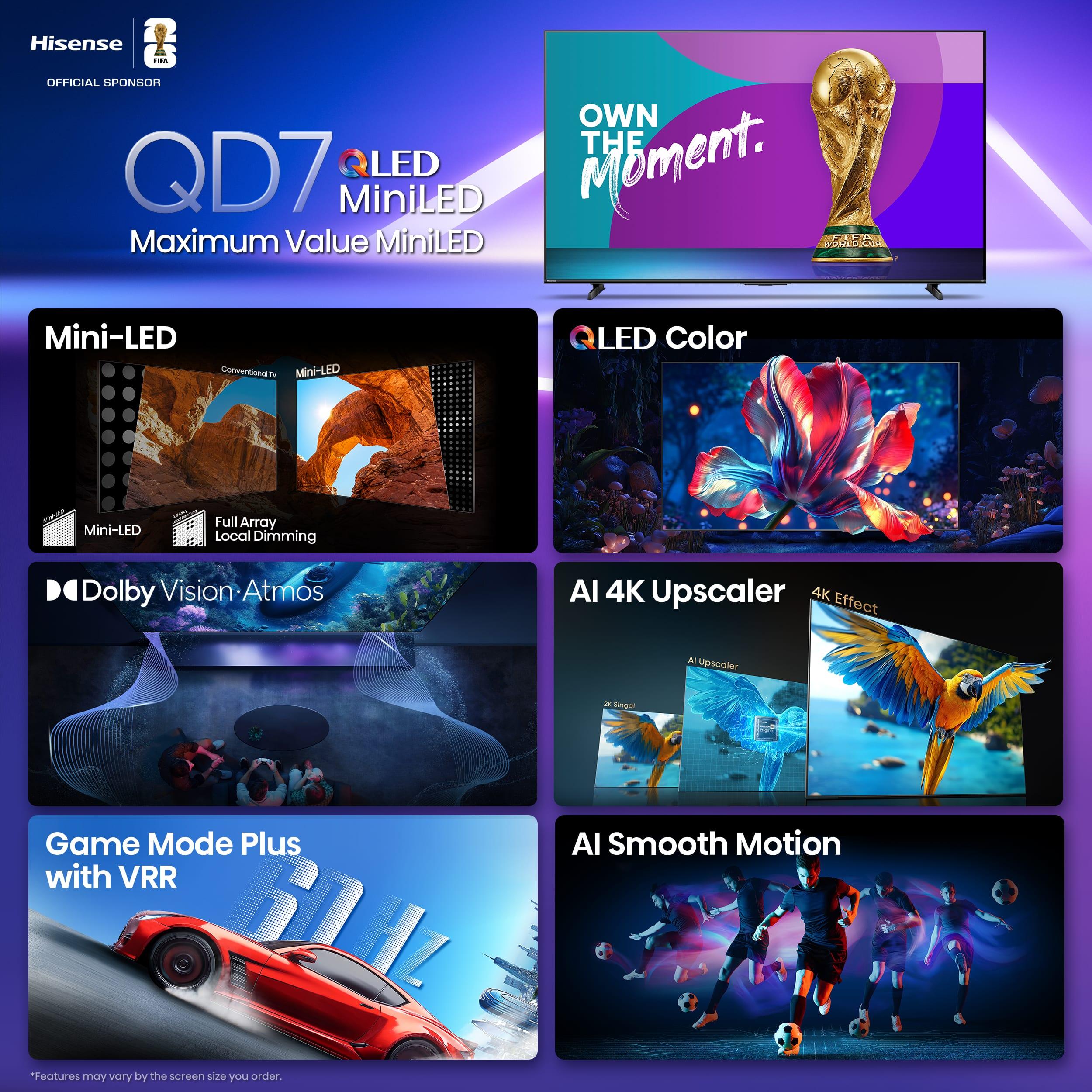
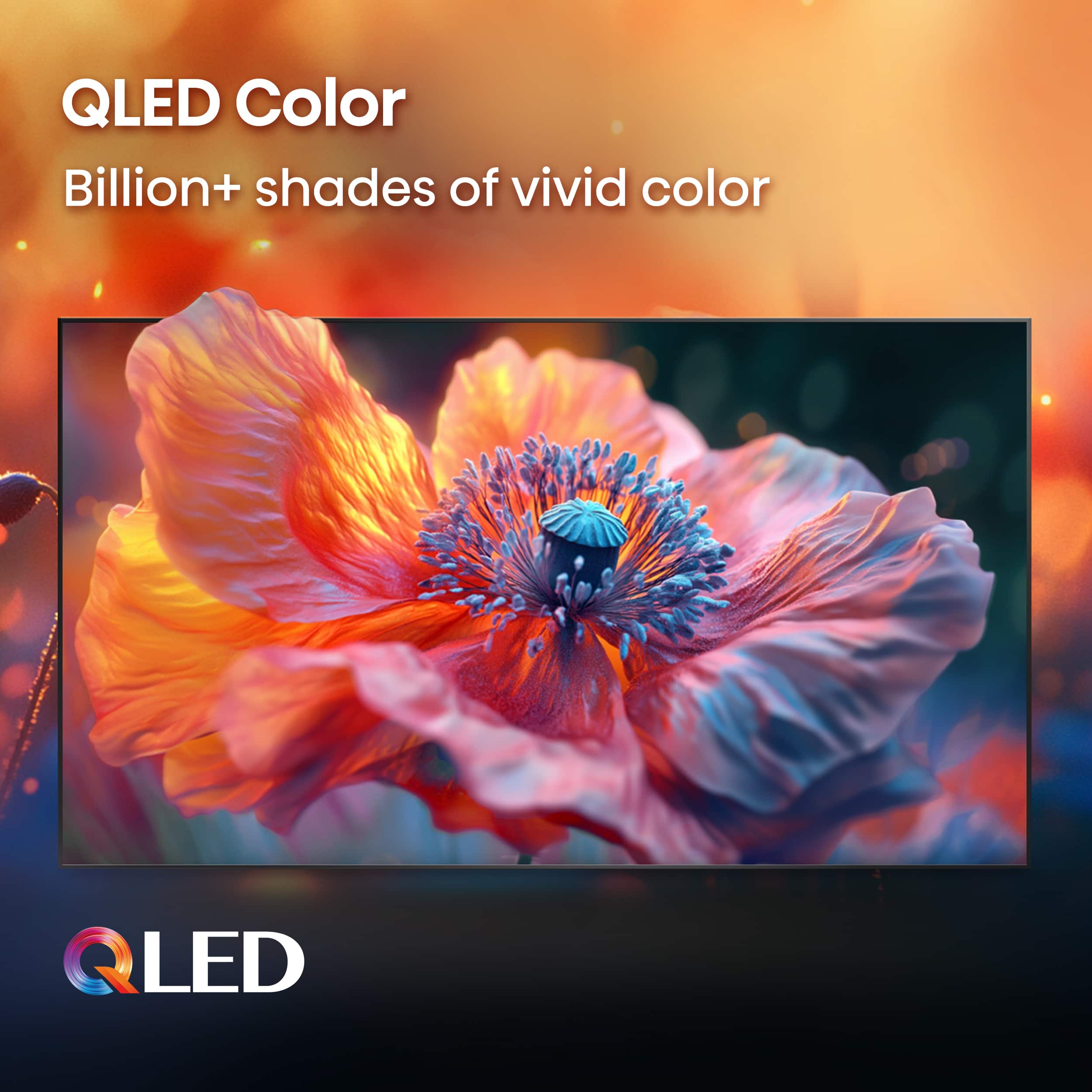
The Hisense QD7 takes a different approach with its QLED Quantum Dot technology. Quantum dots are microscopic particles that emit very pure colors when hit by light. This creates more vibrant, saturated colors that really pop off the screen. While purists might prefer Sony's accuracy, many viewers find Hisense's approach more immediately impressive.
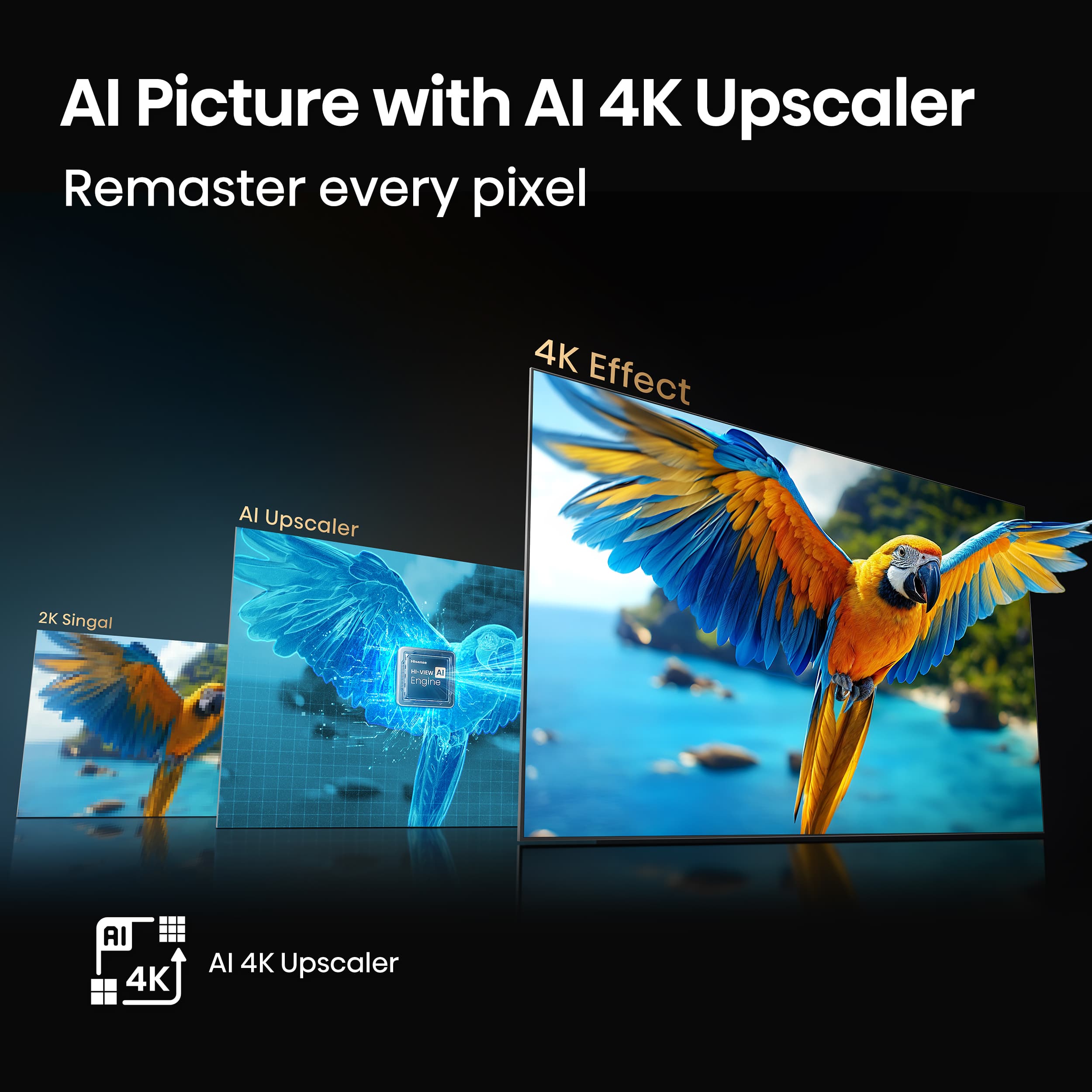
Hisense's Full Array Local Dimming works well for the price, delivering strong contrast and deep blacks that compete with much more expensive models. The AI 4K Upscaler also does admirable work enhancing lower-resolution content from streaming services or cable TV.
Where Hisense falls short is in fine detail processing. While the picture looks great overall, you'll notice less refinement in areas like noise reduction, motion handling, and subtle color gradations. For casual viewing, this rarely matters, but movie enthusiasts might notice the difference.
Gaming has become increasingly important for TV buyers, and both models deliver solid performance with different strengths. The gaming landscape has evolved dramatically since 2020, with consoles like PlayStation 5 and Xbox Series X demanding TVs that can handle 4K resolution at 120 frames per second.
The Sony BRAVIA 5 offers excellent console integration, particularly with PlayStation 5. Sony's gaming features include Auto HDR Tone Mapping, which automatically adjusts the TV's settings for optimal HDR gaming, and Auto Genre Picture Mode, which switches between different visual presets based on the type of game you're playing.
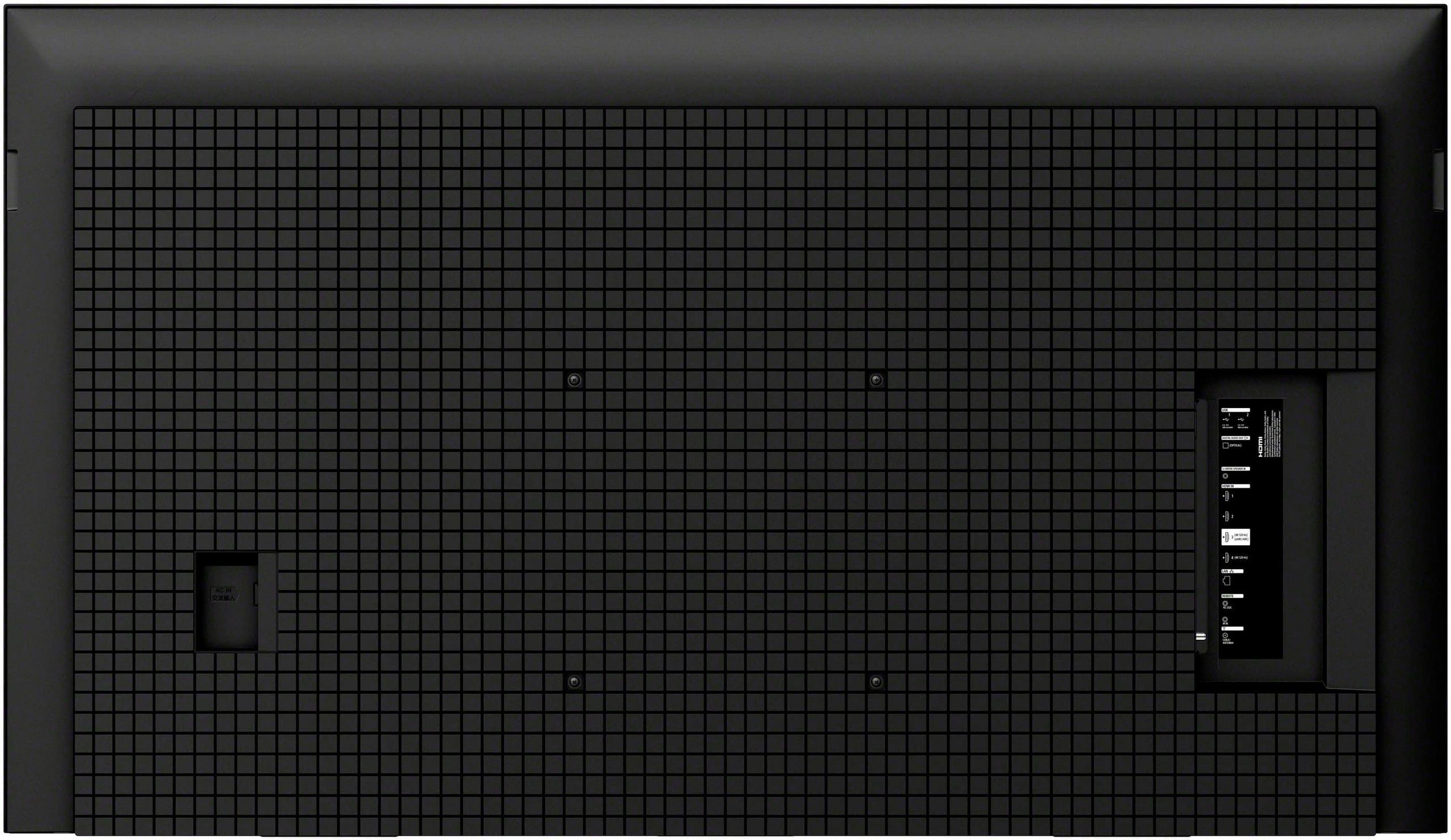
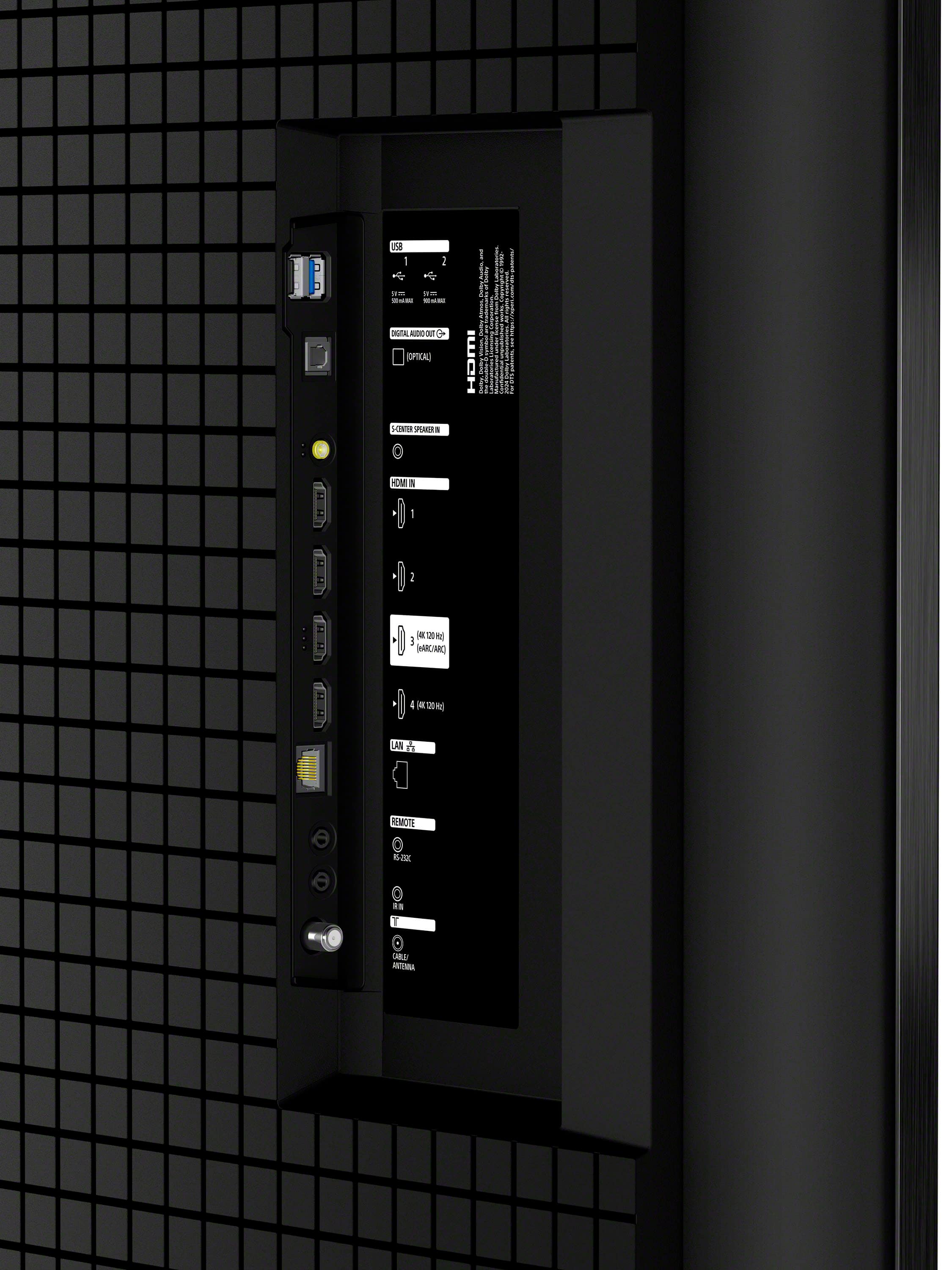
Sony includes two HDMI 2.1 ports that support 4K at 120Hz, along with advanced features like G-SYNC (which synchronizes the TV's refresh rate with your graphics card to eliminate screen tearing) and HDMI Forum VRR (Variable Refresh Rate, which prevents stuttering during gameplay). The dedicated Game Menu centralizes all gaming settings, making it easy to optimize performance without diving through complex menus.
However, Sony's motion handling reveals a significant weakness. The TV suffers from slow pixel transitions, meaning individual pixels take longer to change from one color to another. This creates noticeable blur during fast-moving scenes, which can be distracting for competitive gaming or action movies.
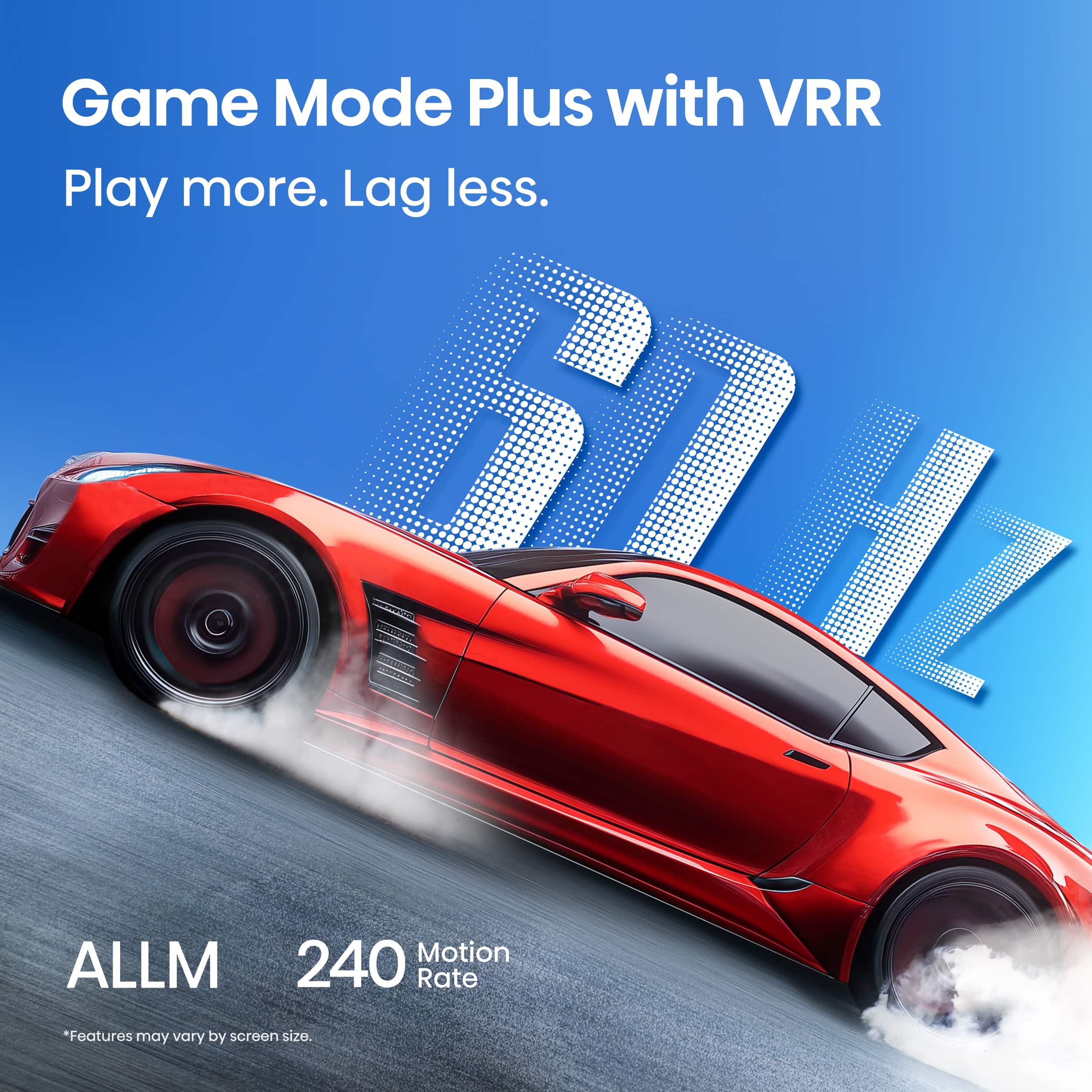
The Hisense QD7 counters with a higher native refresh rate—up to 144Hz compared to Sony's 120Hz. This higher refresh rate provides smoother motion for PC gaming and can make a noticeable difference in fast-paced games. The QD7 also includes Game Mode Ultra and Game Mode Pro, which optimize different aspects of performance for various gaming scenarios.
Hisense's VRR and ALLM (Auto Low Latency Mode) work effectively to reduce input lag—the delay between pressing a button and seeing the result on screen. For competitive gaming, this can be crucial for maintaining an edge over opponents.
The trade-off is less sophisticated console integration. While the Hisense works well with PlayStation 5 and Xbox Series X, it lacks Sony's advanced automatic adjustments and gaming-specific picture modes.
The smart TV experience has become increasingly important as streaming services dominate how we consume content. Both platforms offer comprehensive app selections, but they take different approaches to content discovery and integration.
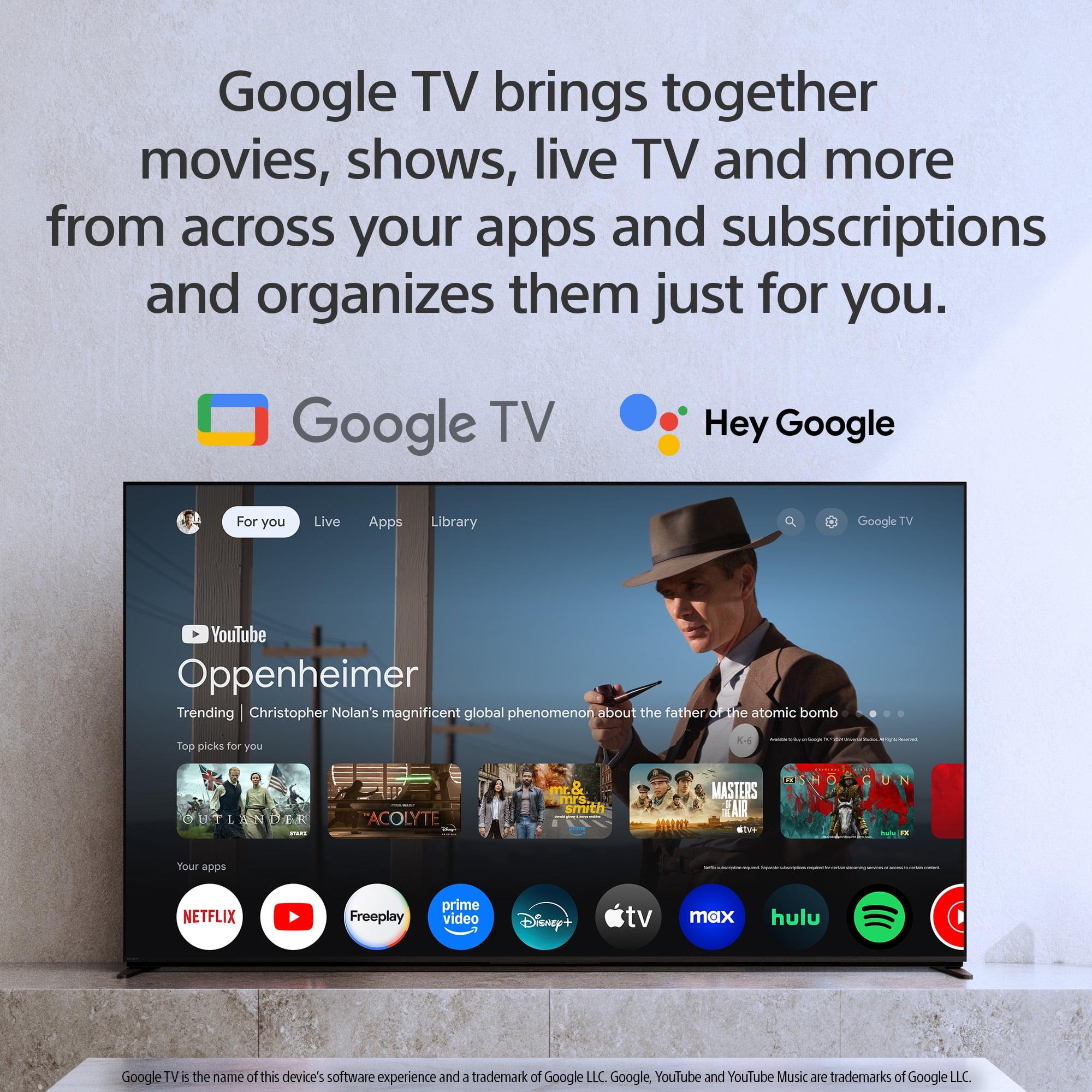
Sony's Google TV platform builds on Android TV with enhanced personalization features. The interface learns your viewing habits and suggests content across different apps, creating a unified experience rather than forcing you to search within individual apps. Google Assistant integration works seamlessly for voice control, smart home management, and content search.
The app ecosystem is extensive, with regular updates ensuring compatibility with new streaming services. Google TV also excels at universal search—you can ask for "action movies" and get results from Netflix, Prime Video, Disney+, and other services simultaneously.
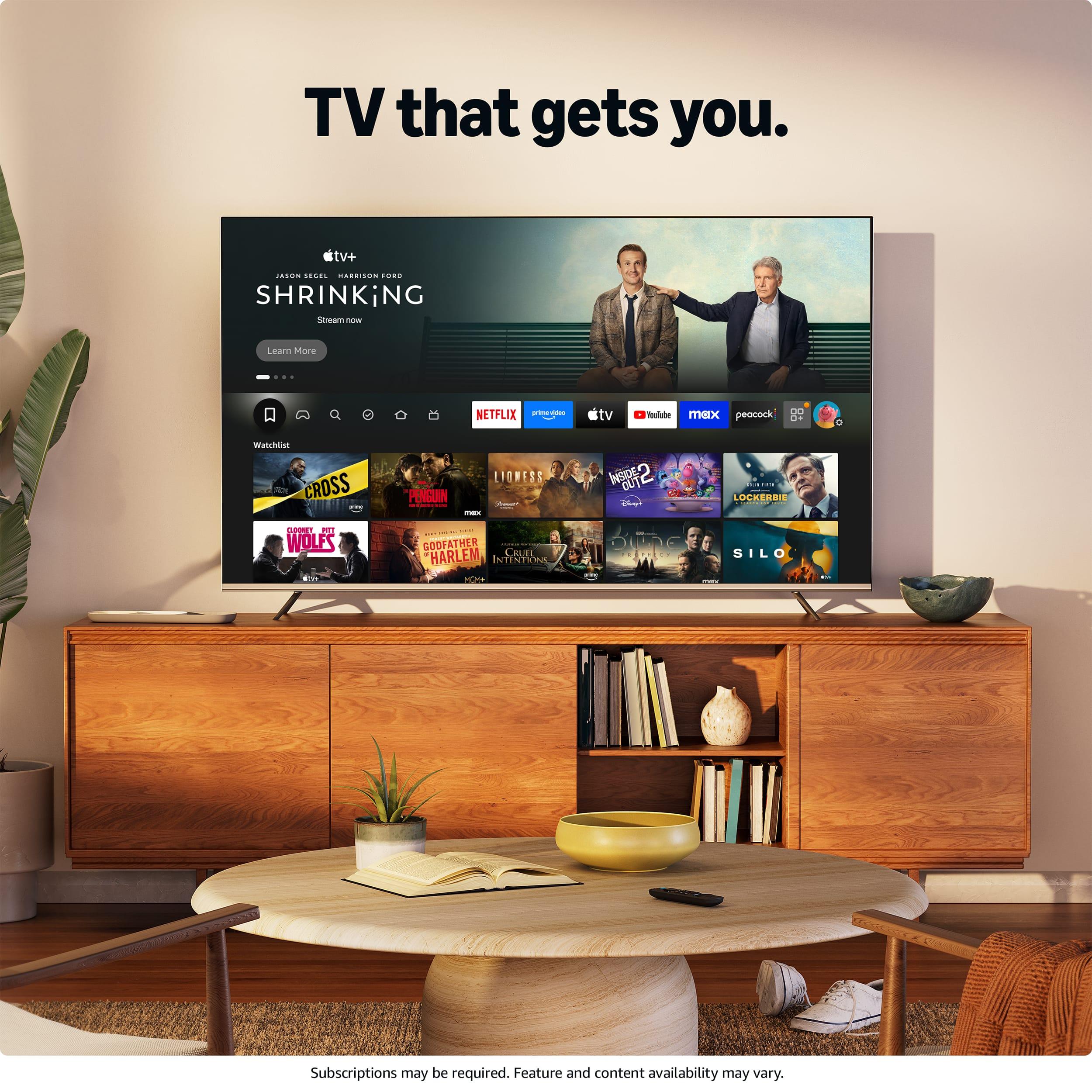
Fire TV on the Hisense QD7 offers strong Amazon ecosystem integration. If you're already invested in Amazon Prime Video, Amazon Music, or use Alexa devices throughout your home, the integration feels natural and comprehensive. The interface prioritizes Amazon content but doesn't feel overly pushy about it.
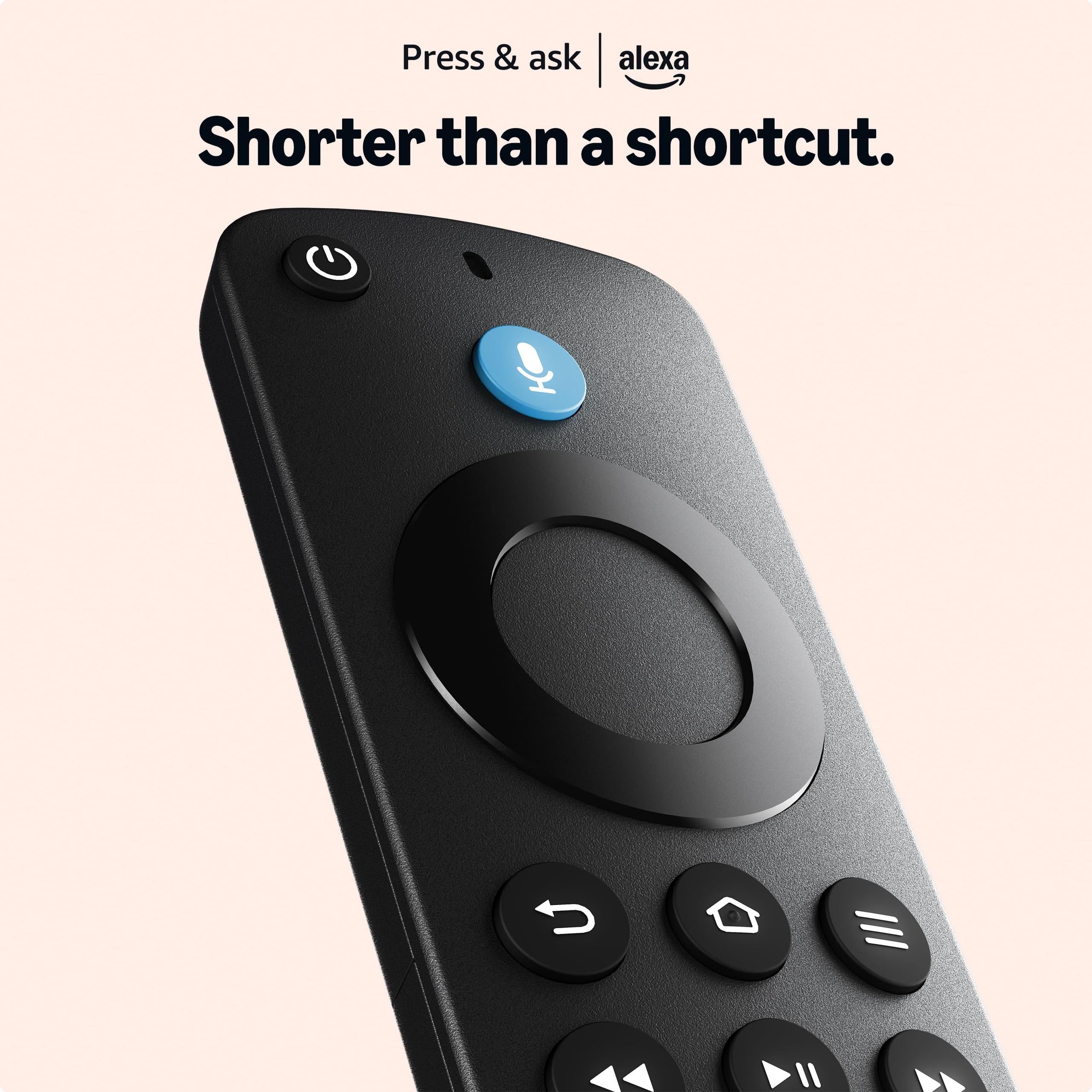
Fire TV's app selection is good but not quite as comprehensive as Google TV. However, it includes all major streaming services and gaming platforms. Alexa voice control works well for basic functions, though it's not quite as sophisticated as Google Assistant for complex queries.
Both platforms support popular features like Apple AirPlay for casting content from iPhones and iPads, making them versatile regardless of your mobile device preference.
TV audio often gets overlooked, but both models offer surprisingly capable built-in speakers that can eliminate the need for a soundbar in many situations.
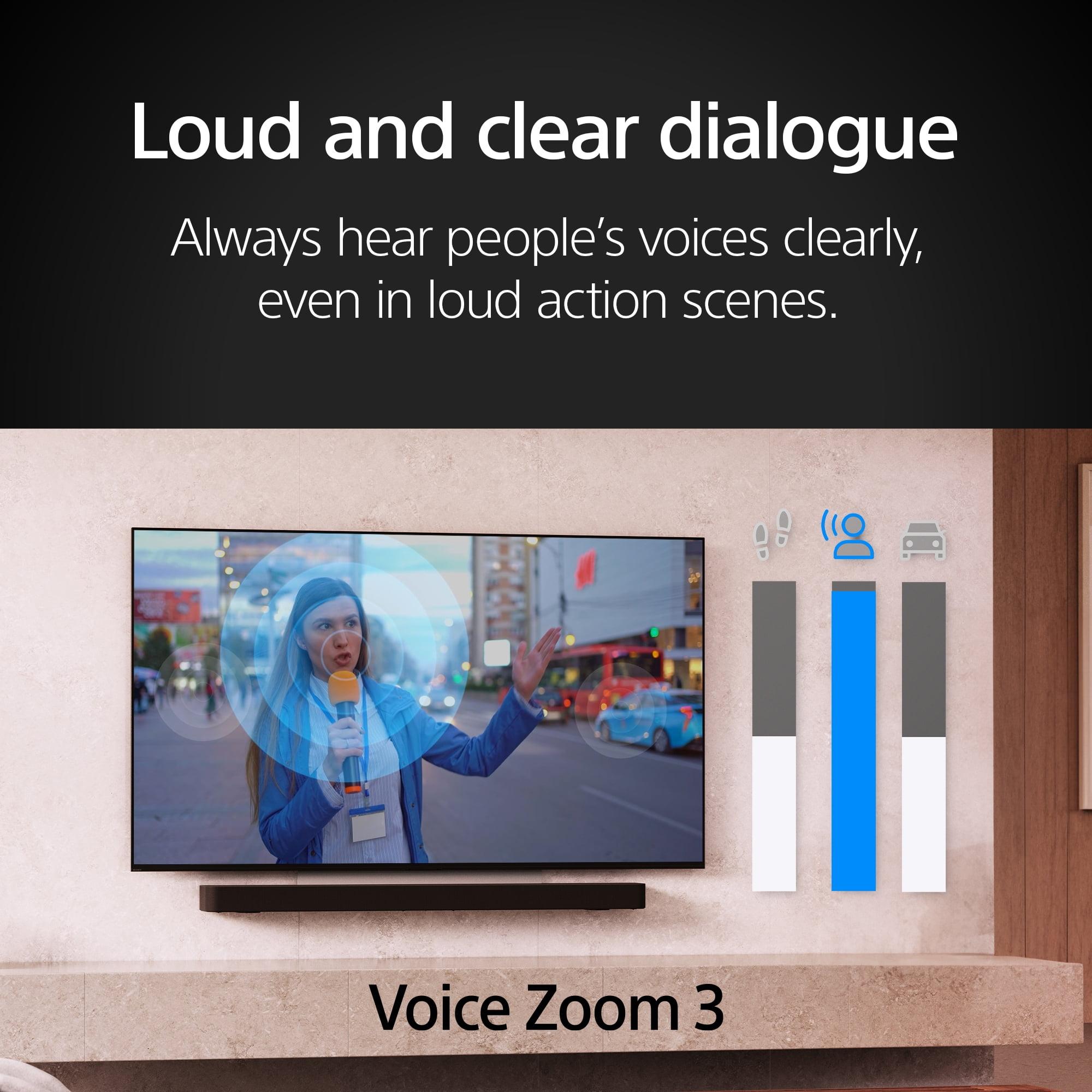
The Sony BRAVIA 5 features Acoustic Multi-Audio technology, which positions sound to match what's happening on screen. This creates a more immersive experience where dialogue seems to come from actors' mouths rather than from speakers below the screen. Voice Zoom 3 uses AI to enhance dialogue clarity, automatically adjusting voice levels to ensure you can understand conversations even during loud action sequences.
Sony's soundbar integration is particularly clever. The TV's built-in speakers can function as a center channel when paired with compatible Sony soundbars, creating a more complete surround sound experience without requiring additional equipment.
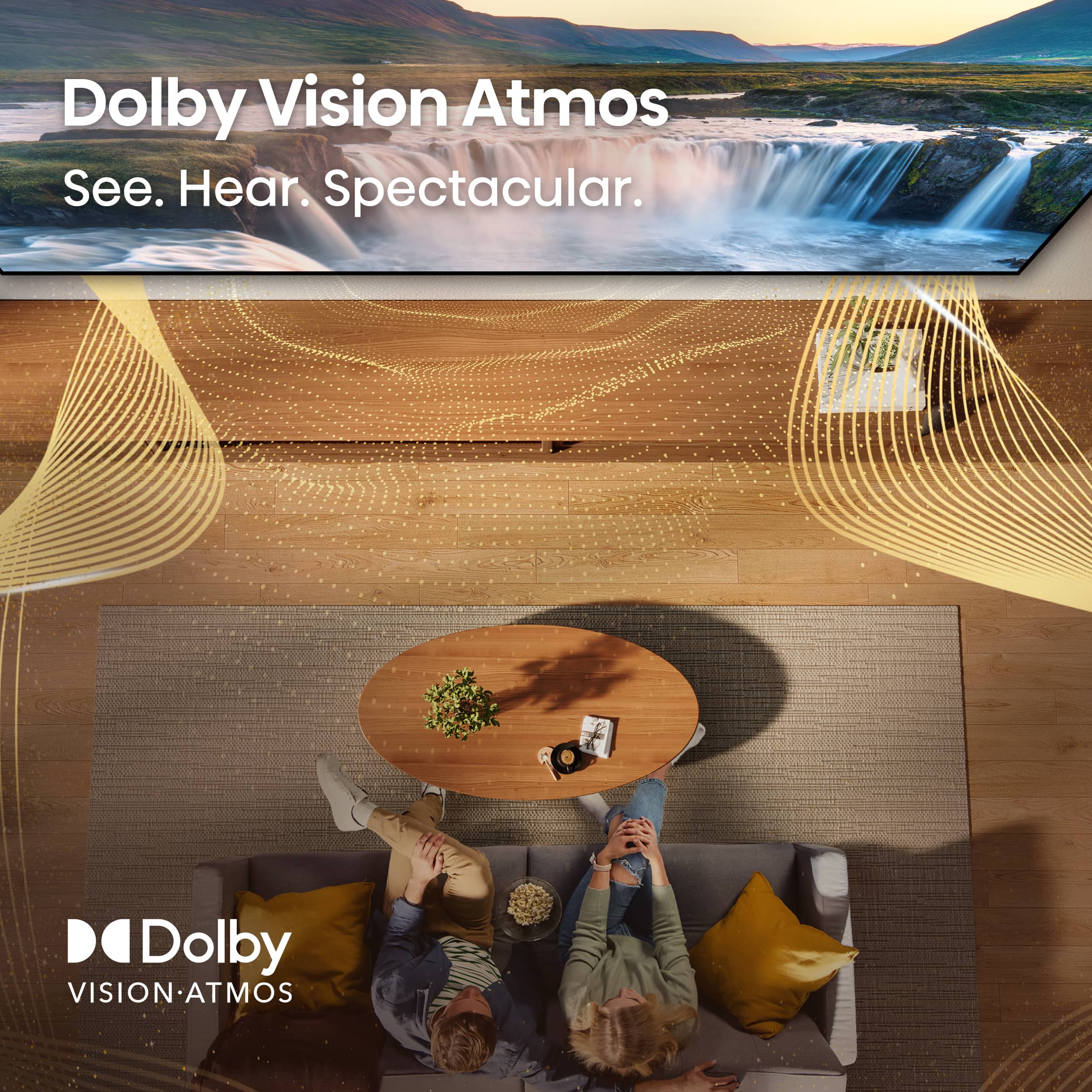
The Hisense QD7 supports Dolby Atmos, which creates three-dimensional soundstages that make effects seem to move around the room. While the built-in speakers can't fully replicate the Atmos experience you'd get from a dedicated system, they do provide more immersive audio than traditional TV speakers.
For most viewers, both TVs provide adequate audio for casual viewing. However, if you're planning a dedicated home theater setup, you'll likely want to invest in a soundbar or full surround sound system regardless of which TV you choose.
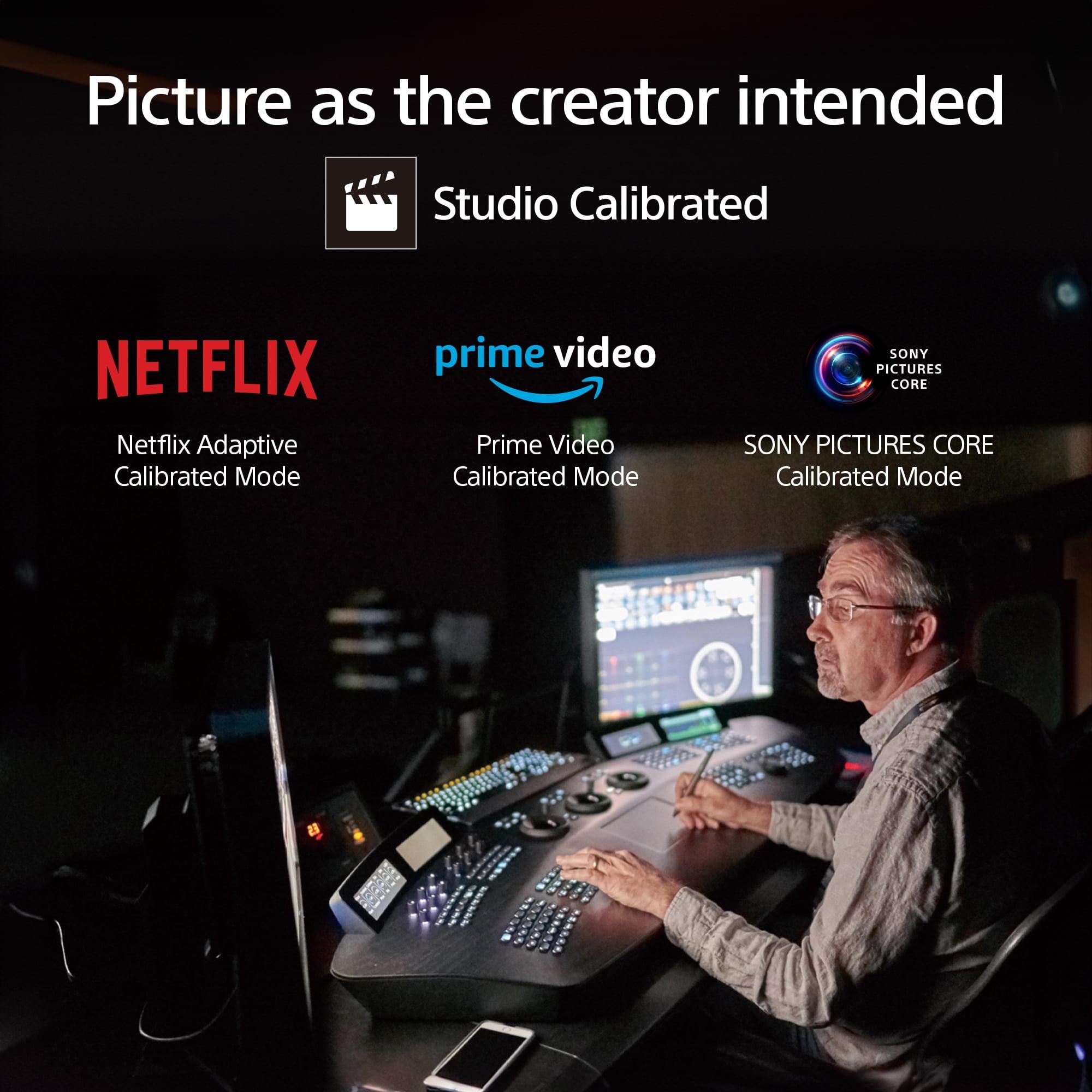
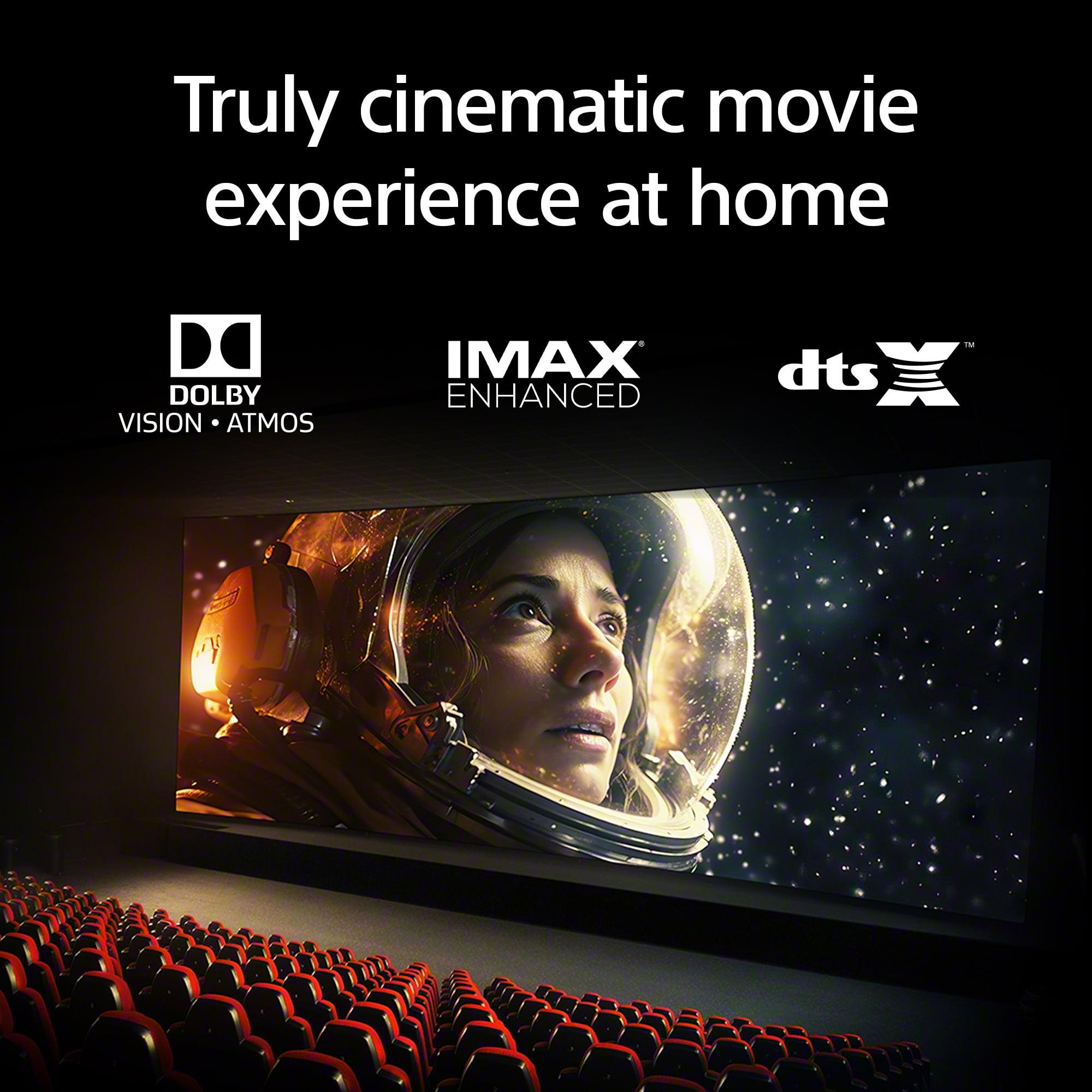
For dedicated home theater setups, both TVs bring strengths and limitations. The Sony BRAVIA 5 excels in darker viewing environments where its superior contrast and color accuracy become more apparent. The professional calibration modes ensure movies appear as filmmakers intended, which is particularly important for cinema enthusiasts.
Sony's motion processing, while not perfect, handles film content well. The 24p playback is smooth, and the TV properly handles different frame rates without introducing unwanted artifacts.
The Hisense QD7 performs admirably in home theaters, particularly considering its price point. The vibrant colors and strong contrast work well for both movies and sports. However, the viewing angles are more limited than Sony's, making it less ideal for wider seating arrangements.
Both TVs struggle somewhat with reflections from direct lighting, so proper room lighting control becomes important for optimal performance.
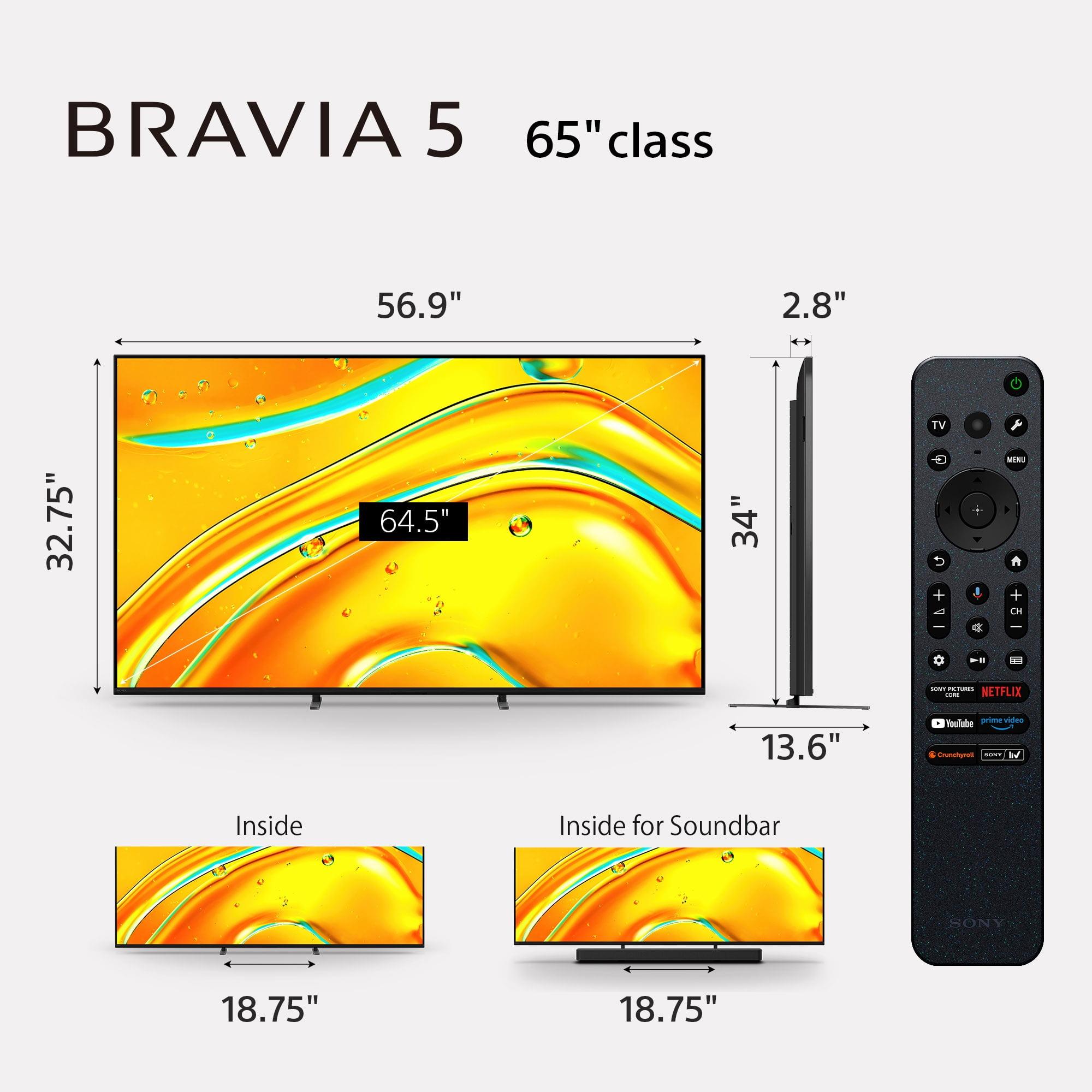
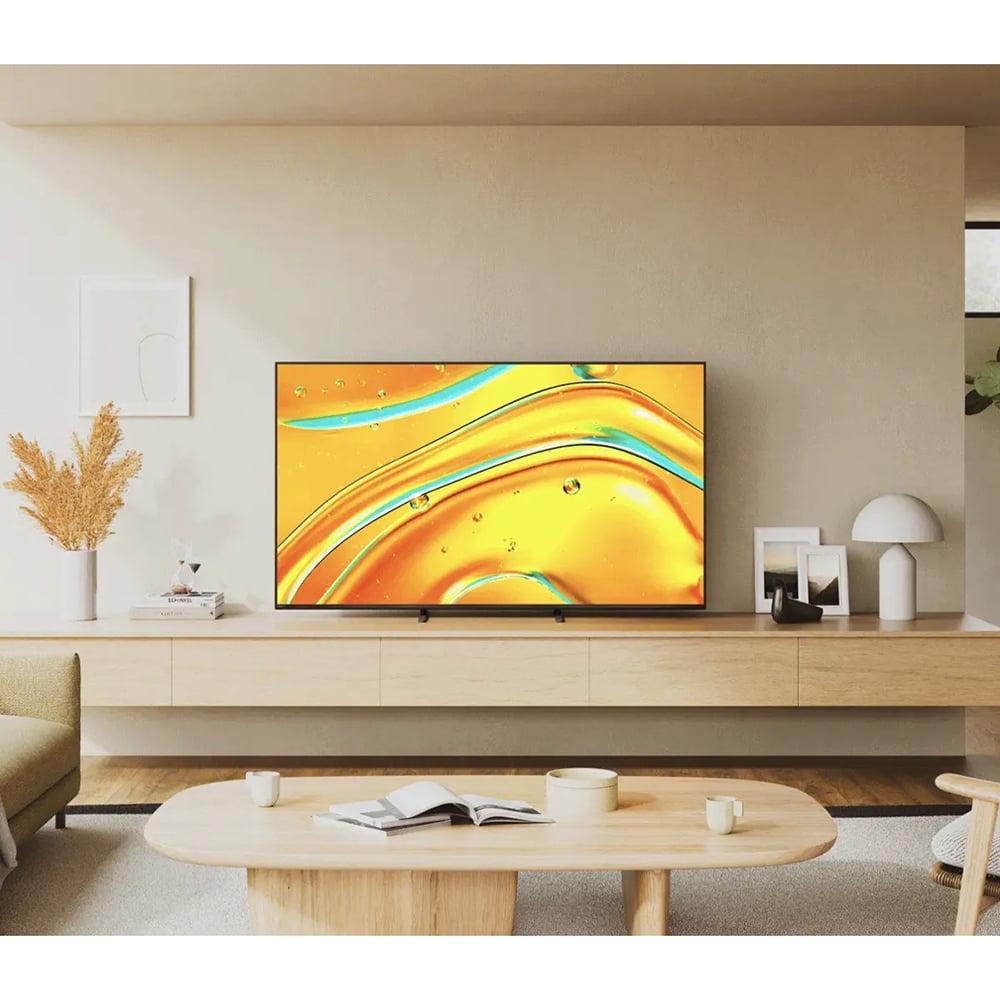
The physical differences between these TVs reflect their positioning in the market. Sony's build quality feels more premium, with better materials and more sophisticated design elements. The remote control is well-designed and responsive, and the overall fit and finish meets expectations for a $1,478 product.
Hisense's build quality is functional rather than premium, but it's entirely adequate for the price point. The TV feels solid without any concerning flex or cheap components. The remote works well, though it's not as refined as Sony's.
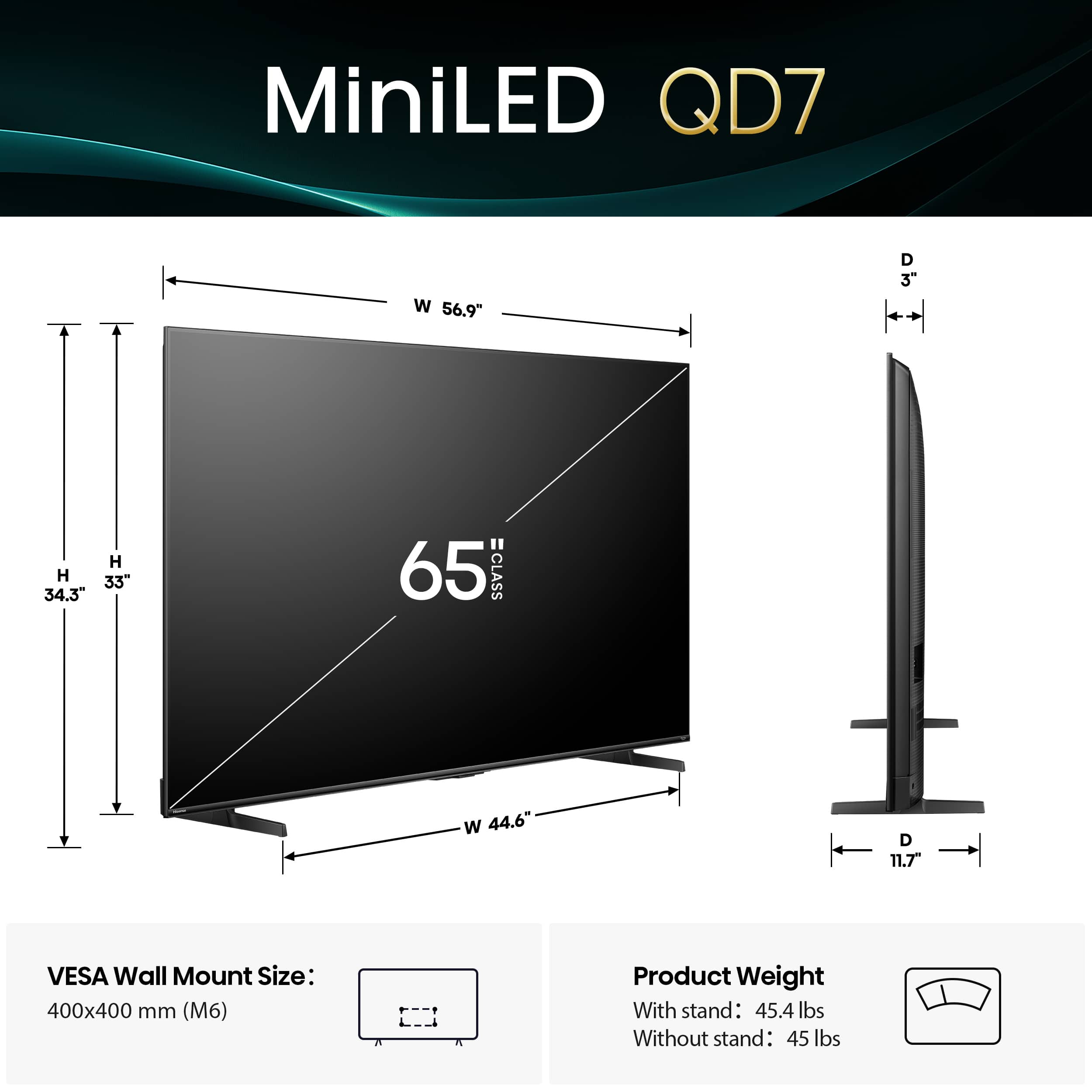
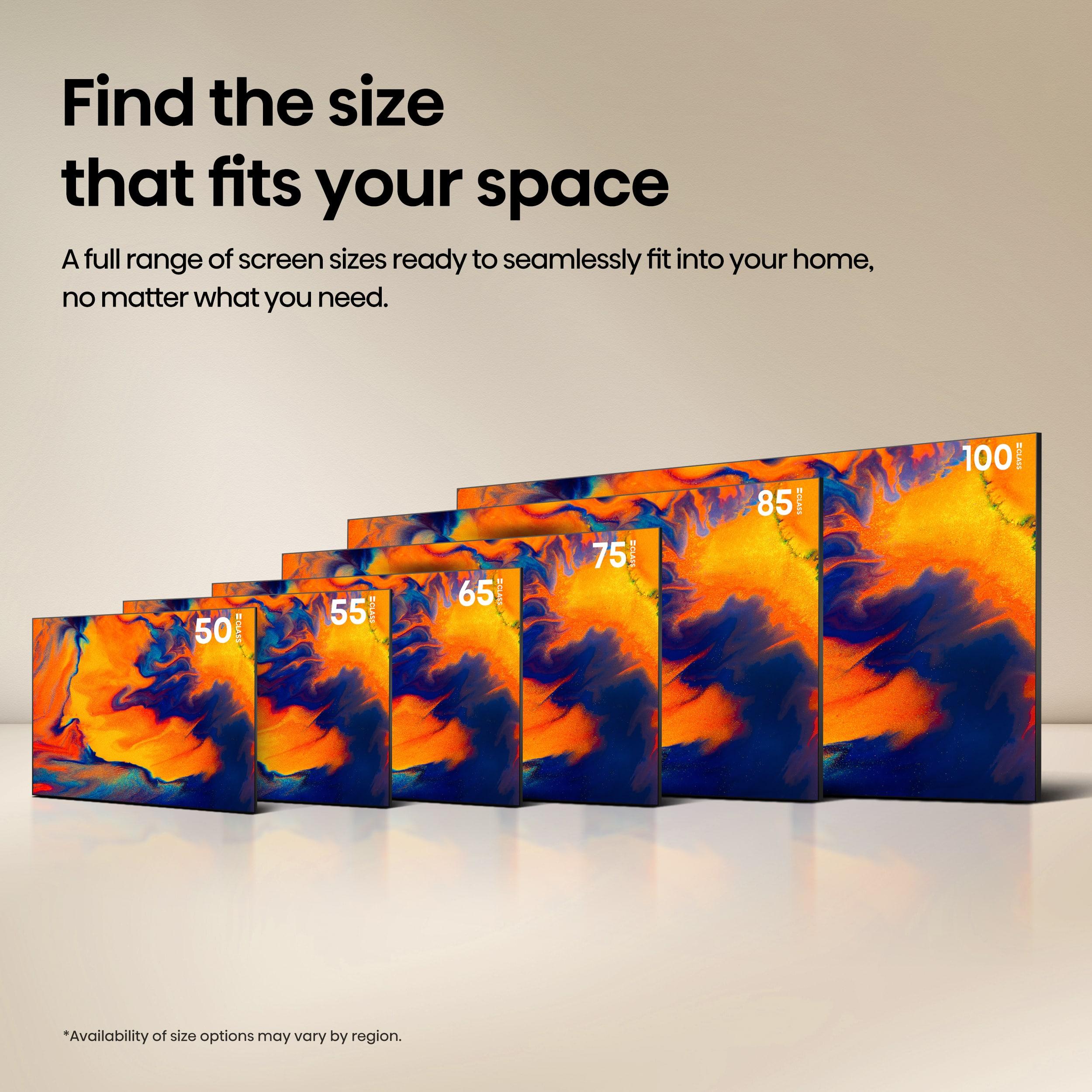
Both TVs offer versatile stand options that can accommodate soundbars underneath, and both support standard VESA mounting for wall installation.
The most striking aspect of this comparison is the dramatic price difference. The Sony BRAVIA 5 costs over three times as much as the Hisense QD7, yet the performance gap is much smaller than the price gap suggests.
Sony's advantages—superior processing, better build quality, more sophisticated smart platform—are real and measurable. However, they represent incremental improvements rather than revolutionary differences. The Hisense delivers approximately 80% of Sony's performance at 32% of the cost, making it one of the best value propositions in the TV market.
For most buyers, the Hisense's combination of Mini-LED technology, QLED colors, comprehensive gaming features, and solid smart platform provides everything needed for an excellent viewing experience. The Sony's advantages become more apparent to enthusiasts who prioritize processing quality and long-term software support.
Choose the Sony BRAVIA 5 if you value processing quality above all else, use Google services extensively, own a PlayStation 5, or plan to keep your TV for many years. The premium you pay gets you measurably better color accuracy, motion processing, and smart platform integration.
Choose the Hisense QD7 if you want maximum features per dollar, enjoy vibrant colors, game on multiple platforms, or simply want excellent performance without premium pricing. The value proposition is compelling enough that even some enthusiasts will find it hard to justify Sony's premium.
Both TVs represent solid choices in the Mini-LED category, but they serve different audiences. The Hisense democratizes premium features for mainstream buyers, while the Sony provides the refinement that justifies its premium positioning. In most cases, the Hisense QD7 offers the better value—but for buyers who can afford the premium, the Sony BRAVIA 5 delivers meaningful improvements that enhance the daily viewing experience.
| Sony BRAVIA 5 65" Mini LED 4K Google TV 2025 | Hisense 65" QD7 Series Mini-LED 4K Fire TV 2025 |
|---|---|
| Price - The most significant difference between these TVs | |
| $1,478 | $469.99 |
| Display Technology - Both use Mini-LED but with different approaches | |
| Mini-LED with XR Backlight Master Drive for precise local dimming | Mini-LED with Full Array Local Dimming plus QLED Quantum Dot |
| Picture Processor - Determines how well the TV enhances content | |
| XR Processor (3rd Gen) with AI scene optimization | AI 4K Upscaler with standard processing |
| Gaming Refresh Rate - Higher rates provide smoother motion | |
| 120Hz native refresh rate | 144Hz native refresh rate |
| HDMI 2.1 Ports - Essential for 4K gaming at 120Hz | |
| 2 ports with 4K@120Hz, G-SYNC, VRR, ALLM | Multiple ports with VRR, ALLM (exact count varies) |
| Smart Platform - Your daily interface for apps and content | |
| Google TV with Google Assistant | Fire TV with Alexa built-in |
| HDR Support - Expands brightness and color range | |
| HDR10, HLG, Dolby Vision, IMAX Enhanced | HDR10, HDR10+, HLG, Dolby Vision |
| Audio Technology - Built-in sound quality | |
| Acoustic Multi-Audio, Voice Zoom 3, soundbar integration | Dolby Atmos support |
| Motion Handling - Critical for sports and action content | |
| Slow pixel transitions cause blur in fast scenes | Better motion clarity for the price range |
| Color Technology - Affects vibrancy and accuracy | |
| XR Triluminos Pro for accurate, natural colors | QLED Quantum Dot for vibrant, saturated colors |
| Build Quality - Materials and long-term durability | |
| Premium materials with Sony's reputation for longevity | Functional build quality focused on value |
| Viewing Angles - Important for wide seating arrangements | |
| Narrow viewing angles, color shifts off-center | Standard VA panel limitations |
| Peak Brightness - Affects HDR impact and daytime viewing | |
| Good SDR brightness, average HDR performance | Good overall brightness for the price |
| Value Proposition - Performance per dollar spent | |
| Premium processing and features at 3x the cost | 80% of Sony's performance at 32% of the price |
The Hisense 65" QD7 Series Mini-LED 4K Fire TV 2025 at $469.99 delivers significantly better value, offering about 80% of the performance of the Sony BRAVIA 5 65" Mini LED 4K Google TV 2025 at just 32% of the cost ($1,478). For most buyers, the Hisense provides Mini-LED technology, QLED colors, gaming features, and smart TV capabilities at an unbeatable price point.
The Sony BRAVIA 5 focuses on color accuracy and natural reproduction using its XR Processor and XR Triluminos Pro technology, making it ideal for viewers who want filmmaker-intended visuals. The Hisense QD7 emphasizes vibrant, eye-catching colors through QLED Quantum Dot technology, creating more saturated and punchy visuals that many consumers prefer for everyday viewing.
Both TVs excel at gaming but in different ways. The Hisense QD7 offers a higher 144Hz refresh rate compared to Sony's 120Hz, providing smoother motion for PC gaming. However, the Sony BRAVIA 5 provides superior console integration, especially with PlayStation 5, including automatic HDR adjustments and gaming-specific picture modes.
The Sony BRAVIA 5 runs Google TV, which offers a more comprehensive app ecosystem, better universal search across streaming services, and superior long-term software support. The Hisense QD7 uses Fire TV, which integrates excellently with Amazon services and Alexa but has a more limited app selection and ecosystem compared to Google TV.
The Sony BRAVIA 5 features more advanced audio processing with Acoustic Multi-Audio technology and Voice Zoom 3 for enhanced dialogue clarity. It can also integrate with Sony soundbars as a center channel. The Hisense QD7 supports Dolby Atmos and provides surprisingly good built-in speaker quality for its price range, though it's less sophisticated than Sony's audio features.
Yes, the Sony BRAVIA 5 offers premium materials, better fit and finish, and Sony's reputation for long-term durability. The Hisense QD7 has functional build quality that's entirely adequate for the price but uses more basic materials and design elements. Both TVs are well-constructed, but Sony feels more premium overall.
For dedicated home theaters, the Sony BRAVIA 5 excels with its superior color accuracy, professional calibration modes, and better performance in dark room environments. The Hisense QD7 works well for home theaters too, especially considering its price, but Sony's processing provides more film-like reproduction that cinema enthusiasts typically prefer.
The Sony BRAVIA 5 offers two HDMI 2.1 ports with 4K@120Hz support, G-SYNC, VRR, and excellent PlayStation 5 integration with automatic picture adjustments. The Hisense QD7 provides similar gaming features including VRR and ALLM, plus a higher refresh rate, but lacks Sony's advanced console integration and automatic gaming optimizations.
The Hisense QD7 generally handles motion better due to faster pixel response times and higher refresh rates. The Sony BRAVIA 5 suffers from slower pixel transitions that can create blur during fast-moving scenes, making it less ideal for sports viewing and action-packed content.
Both TVs support major HDR formats, but with different strengths. The Sony BRAVIA 5 supports HDR10, HLG, Dolby Vision, and IMAX Enhanced, with excellent processing but average peak brightness. The Hisense QD7 supports HDR10, HDR10+, HLG, and Dolby Vision with good brightness levels and vibrant color reproduction for the price range.
Both TVs perform adequately in bright rooms, but the Hisense QD7 may have a slight edge due to its QLED technology producing more vibrant colors that can overcome ambient lighting better. However, both TVs can struggle with reflections from direct light sources, so proper room lighting control is important for either model.
Choose the Sony BRAVIA 5 if you prioritize color accuracy, have a larger budget, use Google services extensively, or want premium build quality and processing. Choose the Hisense QD7 if you want maximum features per dollar, prefer vibrant colors, need higher refresh rates for gaming, or simply want excellent performance without paying premium prices. For most buyers, the Hisense offers unbeatable value.
We've done our best to create useful and informative comparisons to help you decide what product to buy. Our research uses advanced automated methods to create this comparison and perfection is not possible - please contact us for corrections or questions. These are the sites we've researched in the creation of this article: rtings.com - pro.sony - youtube.com - electronics.sony.com - electronics.sony.com - electronics.sony.com - bestbuy.com - electronics.sony.com - youtube.com - bestbuy.com - videoandaudiocenter.com - valueelectronics.com - youtube.com - sony.ca - perpichtv.com - sony.com - displayspecifications.com - pioneertvandappliance.com - flatpanelshd.com - bestbuy.com - custrevs.com - youtube.com - bestbuy.com - rtings.com - youtube.com - rtings.com - pcrichard.com - bestbuy.com - pcrichard.com - camelcamelcamel.com - amazonfiretv.blog - hisense-usa.com - hisense-usa.com - hisense-usa.com - bestbuy.com - leaseville.com - youtube.com - bestbuy.com - flatpanelshd.com

Privacy Policy
Terms and Conditions - Affiliate Policy
Home Security
© Copyright 2008-2026.
11816 Inwood Rd #1211, Dallas, TX 75244