

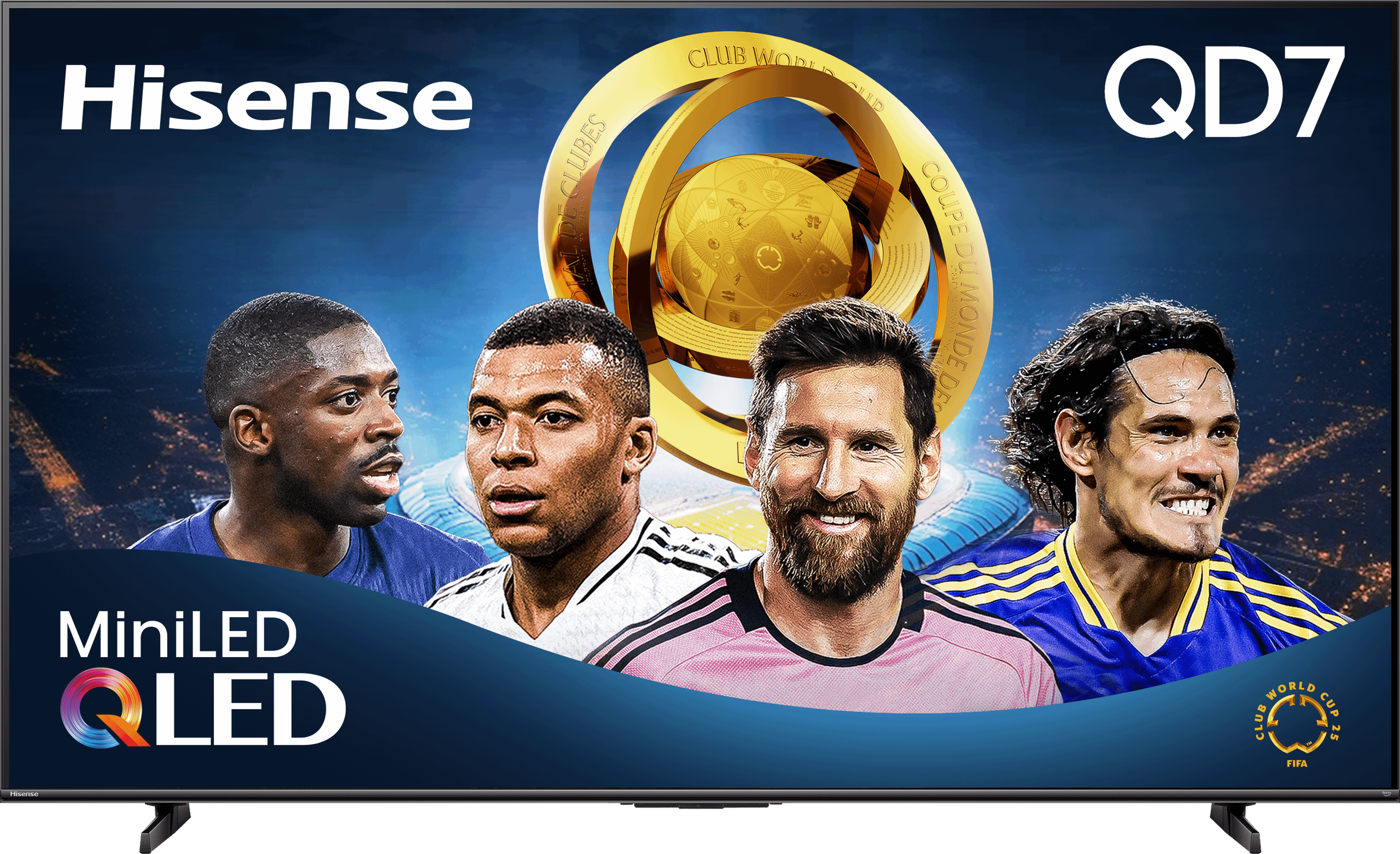
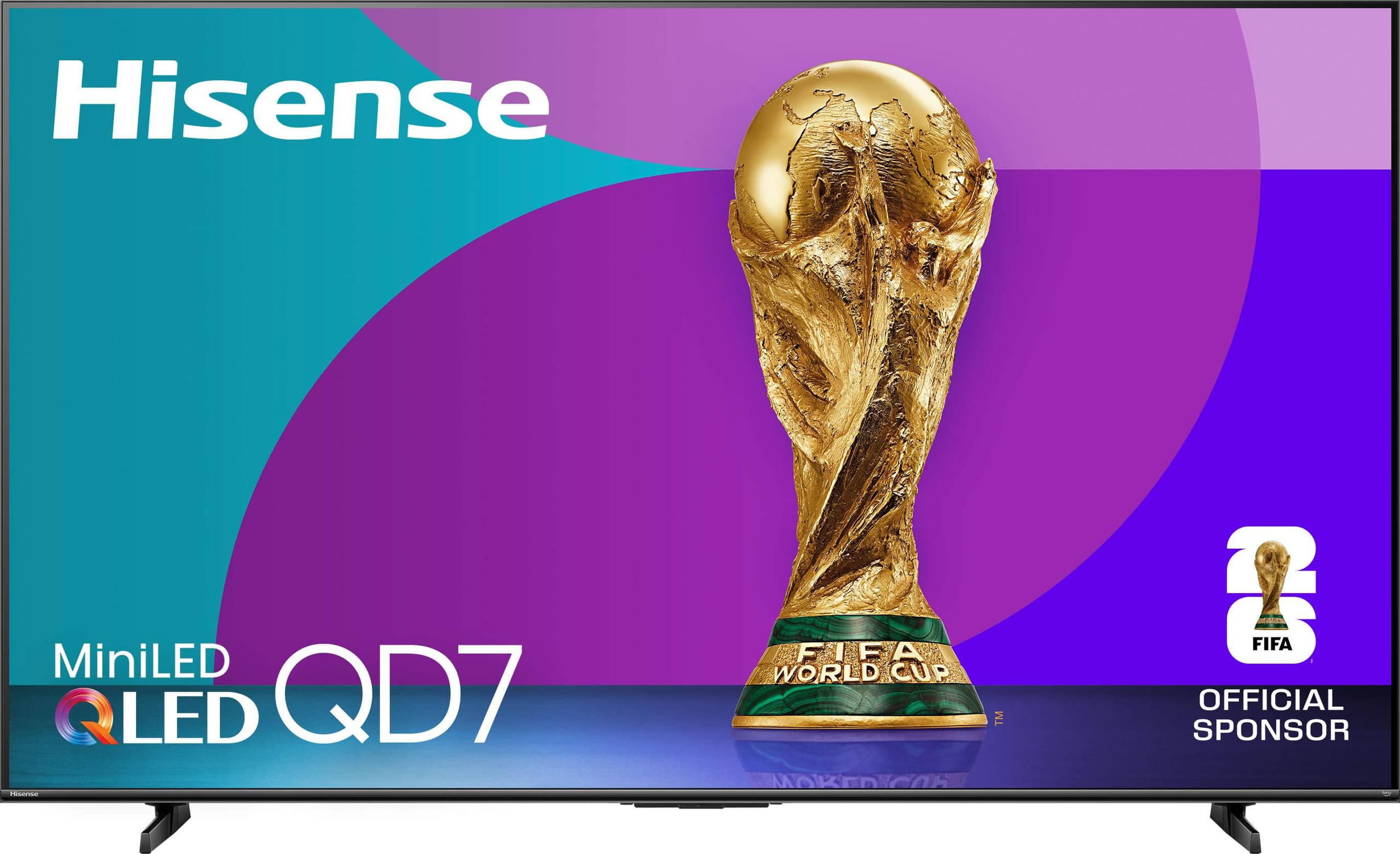
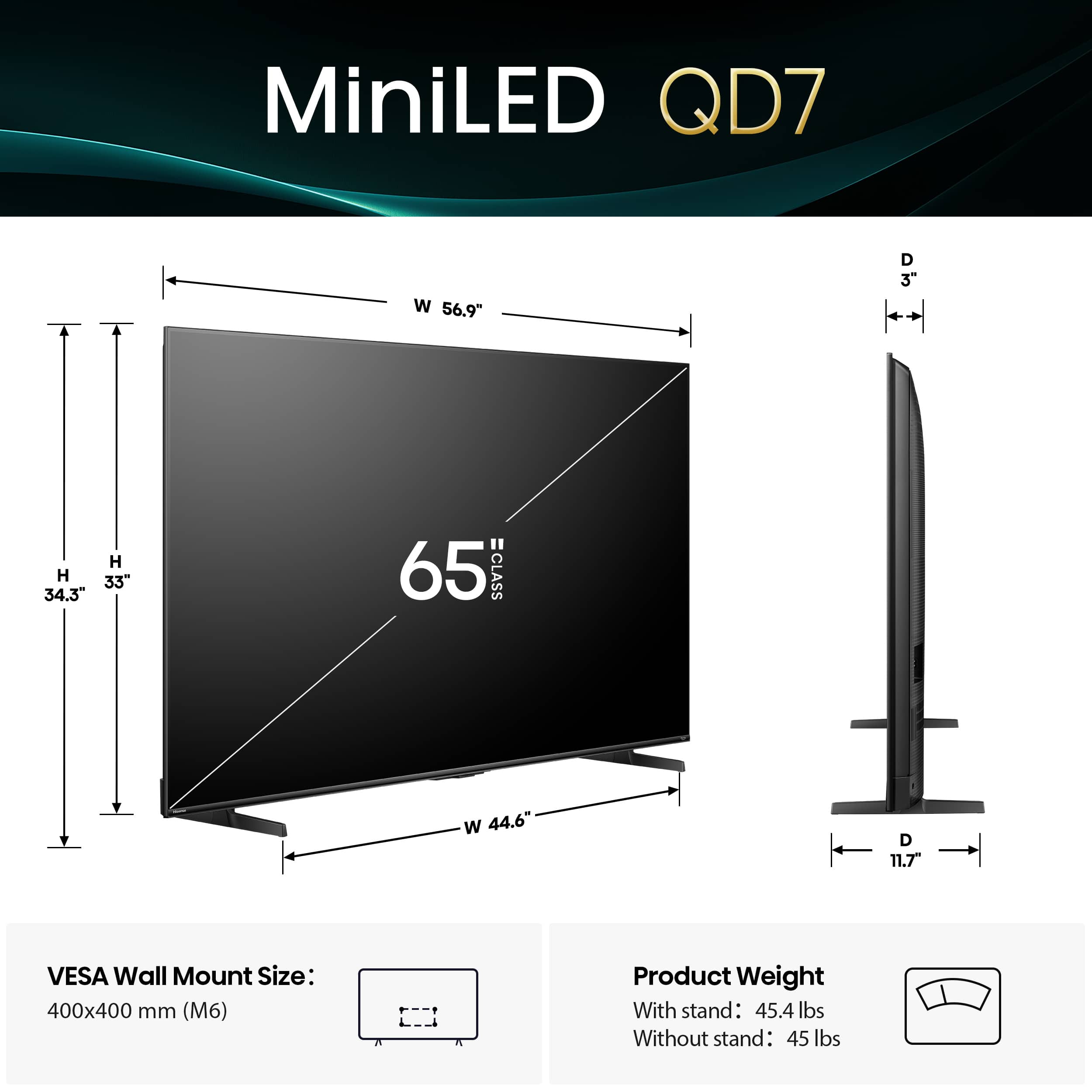
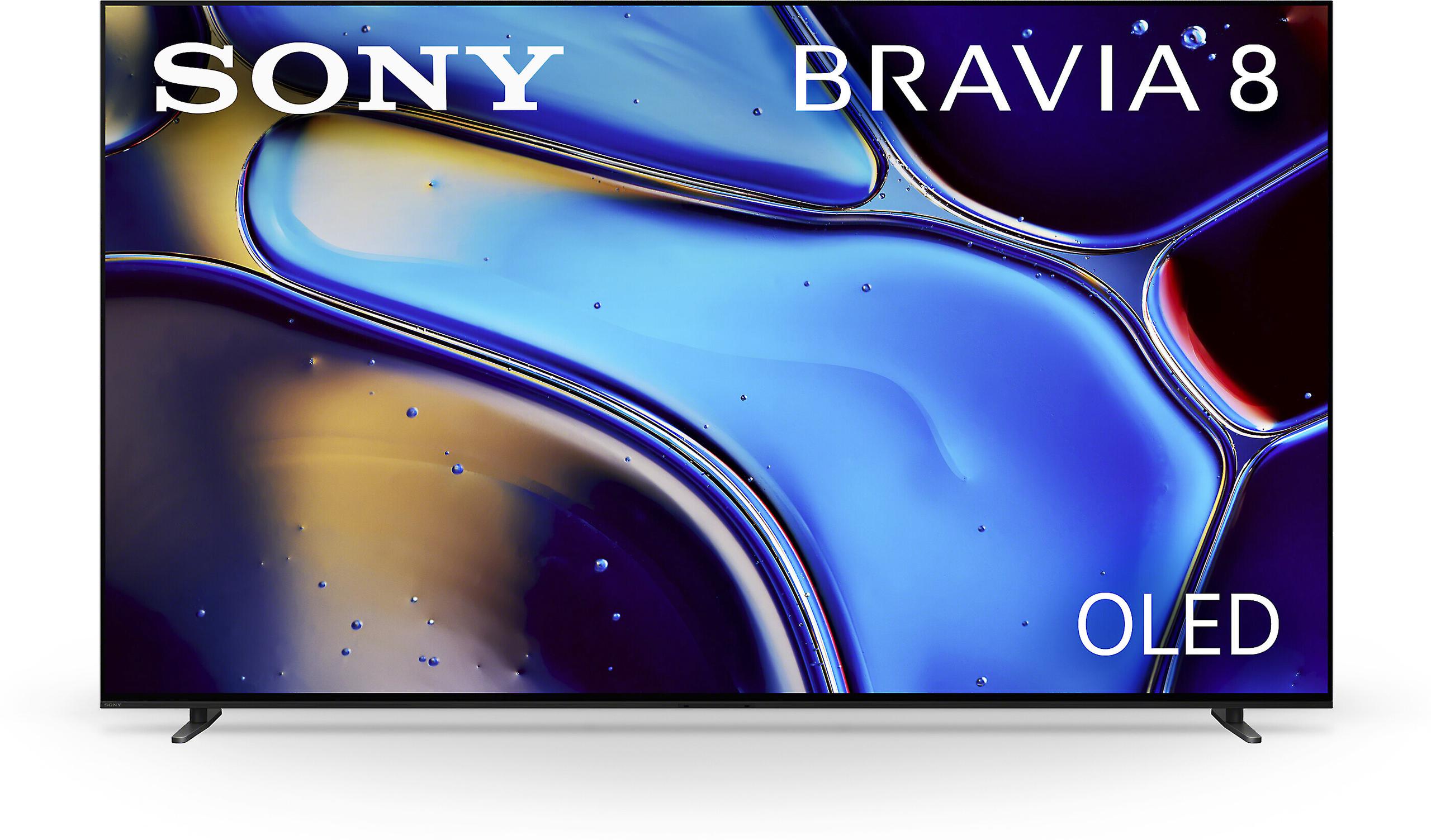
When you're shopping for a 65-inch 4K TV, you're entering a world where display technology has become incredibly sophisticated—and where your budget can range from under $500 to over $4,000. The Hisense 65" QD7 Series Mini-LED 4K Fire TV at $469.99 and the Sony BRAVIA 8 65" 4K OLED TV at $3,999 represent two completely different approaches to delivering premium television experiences.
Both TVs launched in 2025, but they're targeting vastly different buyers. The Hisense represents the democratization of premium TV technology—bringing features that were once exclusive to flagship models down to an accessible price point. The Sony, meanwhile, showcases the cutting edge of what's possible when cost isn't the primary concern.
The television market has evolved dramatically over the past few years. What we're seeing with these two models reflects broader industry trends: budget brands like Hisense are offering genuinely impressive technology at unprecedented price points, while premium brands like Sony are pushing the boundaries of what's possible with display technology.
The key considerations when choosing a TV in this category boil down to display technology, picture performance, gaming capabilities, smart TV experience, build quality, and overall value. The challenge is that these TVs approach each of these areas differently, making direct comparisons complex but crucial for making the right choice.
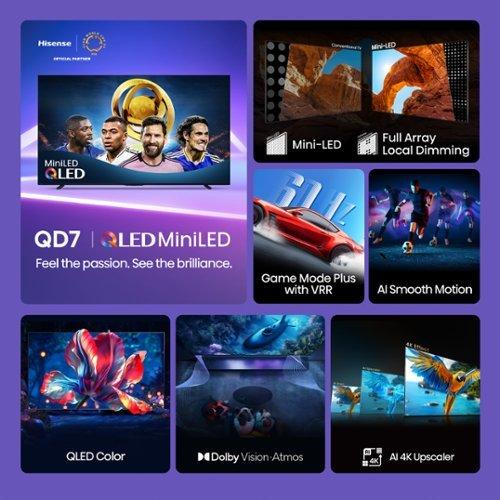
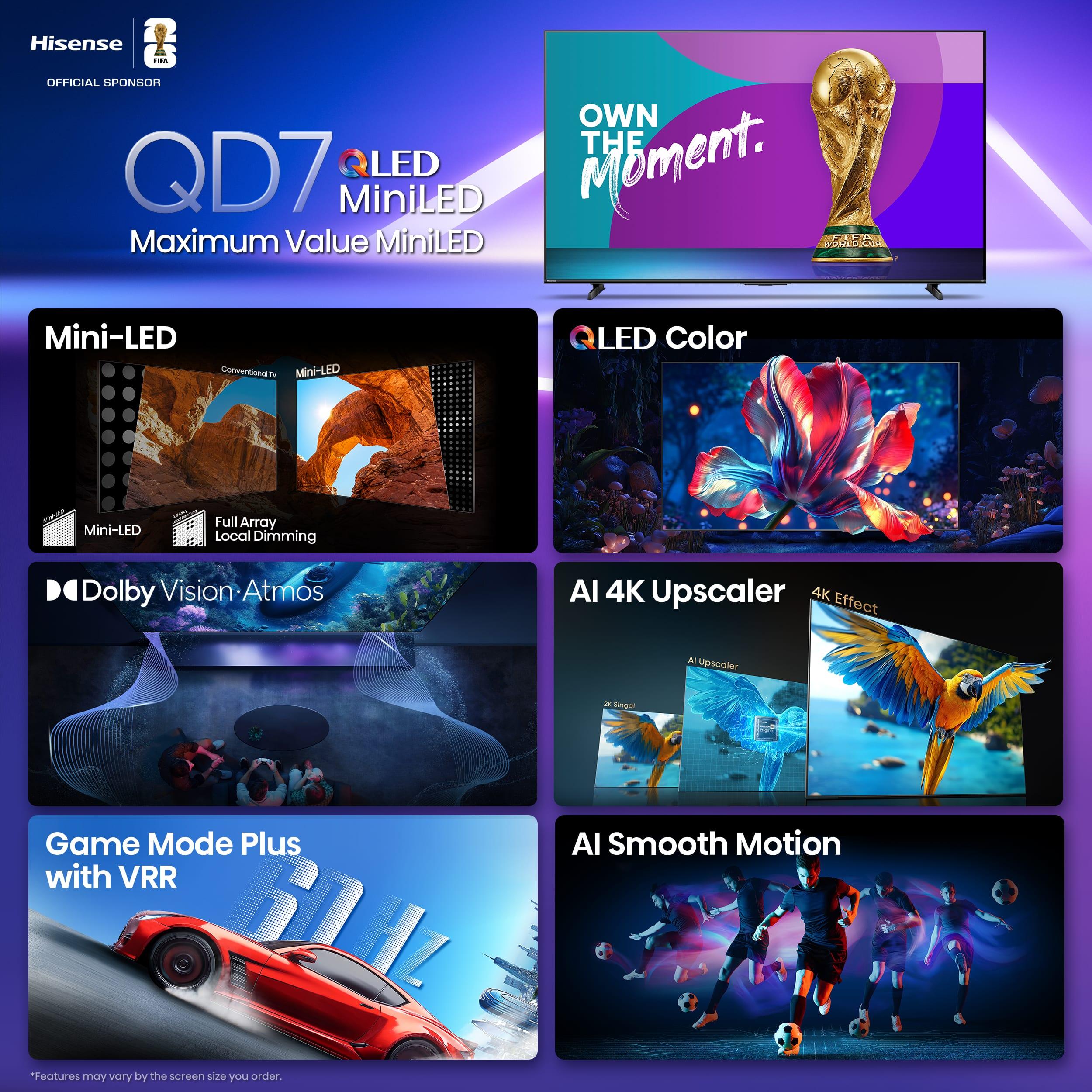
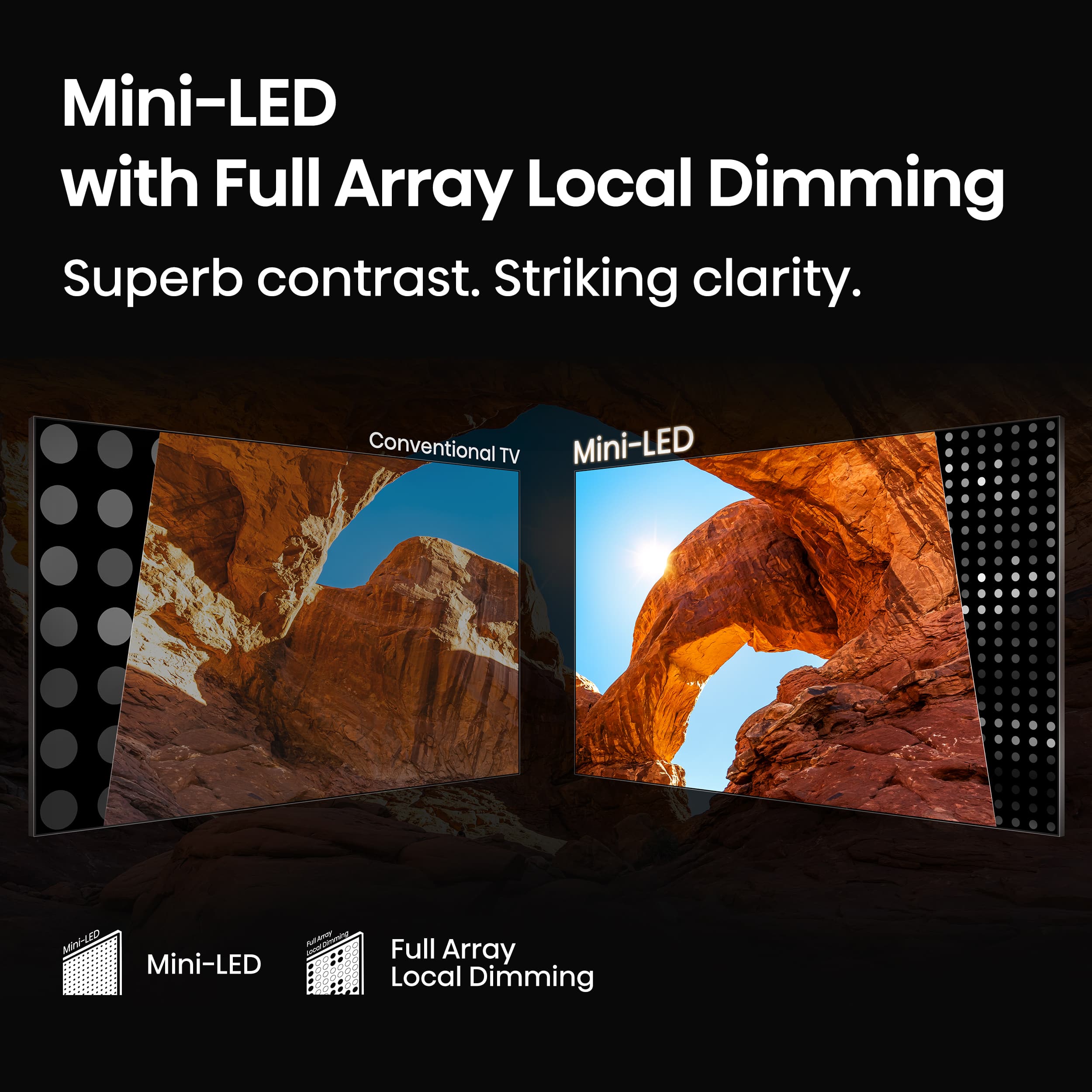
The most important difference between these TVs lies in their display technology. The Hisense QD7 uses Mini-LED technology, which is essentially a sophisticated evolution of traditional LCD displays. Instead of having just a few LED backlights, Mini-LED uses thousands of tiny LEDs arranged behind the screen. These LEDs can be controlled in zones—think of them as dimmer switches for different areas of the screen. When combined with Quantum Dots (microscopic particles that emit pure colors when hit by light), you get vibrant colors and impressive brightness.
The Sony BRAVIA 8, on the other hand, uses QD-OLED technology. OLED stands for Organic Light-Emitting Diode, and it's fundamentally different because each pixel generates its own light. There's no backlight at all—each of the 8.3 million pixels can turn completely off, creating perfect blacks, or shine as bright as needed. Sony's version adds Quantum Dot technology to traditional OLED, which is why it's called QD-OLED.
This technological difference affects everything else about these TVs. The Mini-LED approach allows for very high brightness levels—great for bright rooms—but can't achieve perfect blacks because there's always some light bleeding through. The OLED approach delivers perfect blacks and infinite contrast but traditionally struggled with peak brightness, though Sony's 2025 model addresses this with 25% higher brightness than their previous OLEDs.
This is where the technology difference becomes most apparent. The Sony BRAVIA 8's perfect blacks are genuinely impressive—when you're watching a movie scene set in space, the black areas of the screen are completely black, not the dark gray you might see on LCD TVs. This creates a sense of depth and realism that's particularly striking in dark room viewing.
The Hisense QD7, while it can't achieve perfect blacks, delivers very good contrast through its Mini-LED local dimming. In practice, you'll notice some light bleeding around bright objects against dark backgrounds—what we call "blooming" or "haloing"—but it's minimal and most viewers won't find it distracting during normal viewing.
Here's where the Hisense fights back. Mini-LED technology can achieve very high peak brightness levels, making it excellent for HDR (High Dynamic Range) content. HDR is essentially a way of displaying a wider range of brightness levels, from deeper blacks to brighter whites, creating more realistic images. The QD7's high brightness means HDR content really pops, especially in bright rooms where you might be competing with sunlight from windows.
Sony's BRAVIA 8 addresses OLED's traditional brightness limitations with significant improvements. The 25% increase in peak brightness over previous Sony OLEDs means HDR content looks more impactful than ever before. While it might not match the absolute peak brightness of the Mini-LED, it's bright enough for most environments and the superior contrast makes HDR content look more natural overall.
Both TVs support multiple HDR formats. The Hisense covers HDR10, HDR10+, Dolby Vision, and HLG—essentially every format you might encounter. The Sony supports HDR10 and Dolby Vision, with Dolby Vision being the most advanced format that adjusts brightness and color on a scene-by-scene basis.
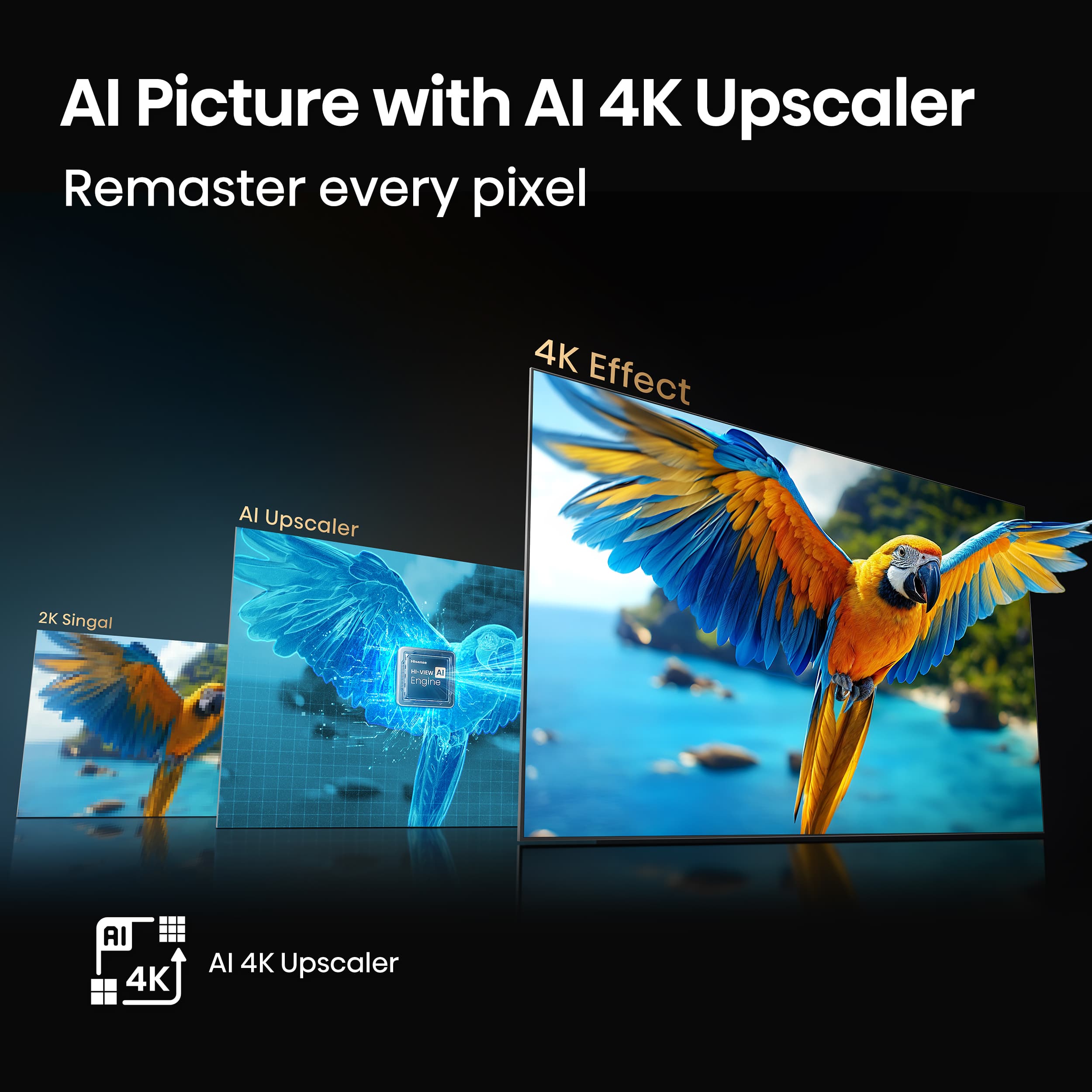
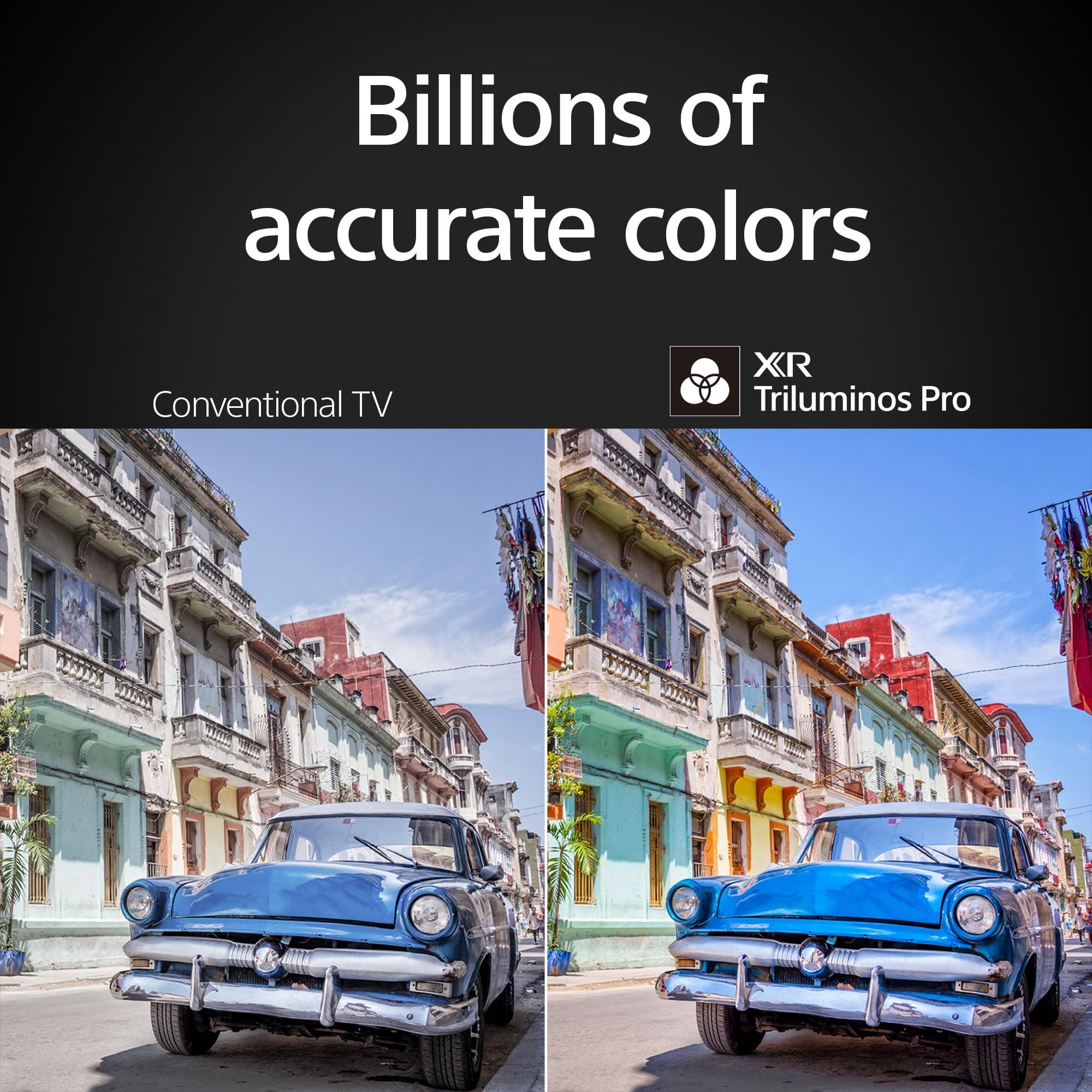
This is where Sony's premium positioning really shows. The BRAVIA 8's XR Processor uses artificial intelligence to analyze content in real-time, optimizing color, contrast, and clarity based on how humans actually perceive images. Sony's XR Triluminos Pro technology delivers exceptional color accuracy that's particularly noticeable in skin tones and natural environments.
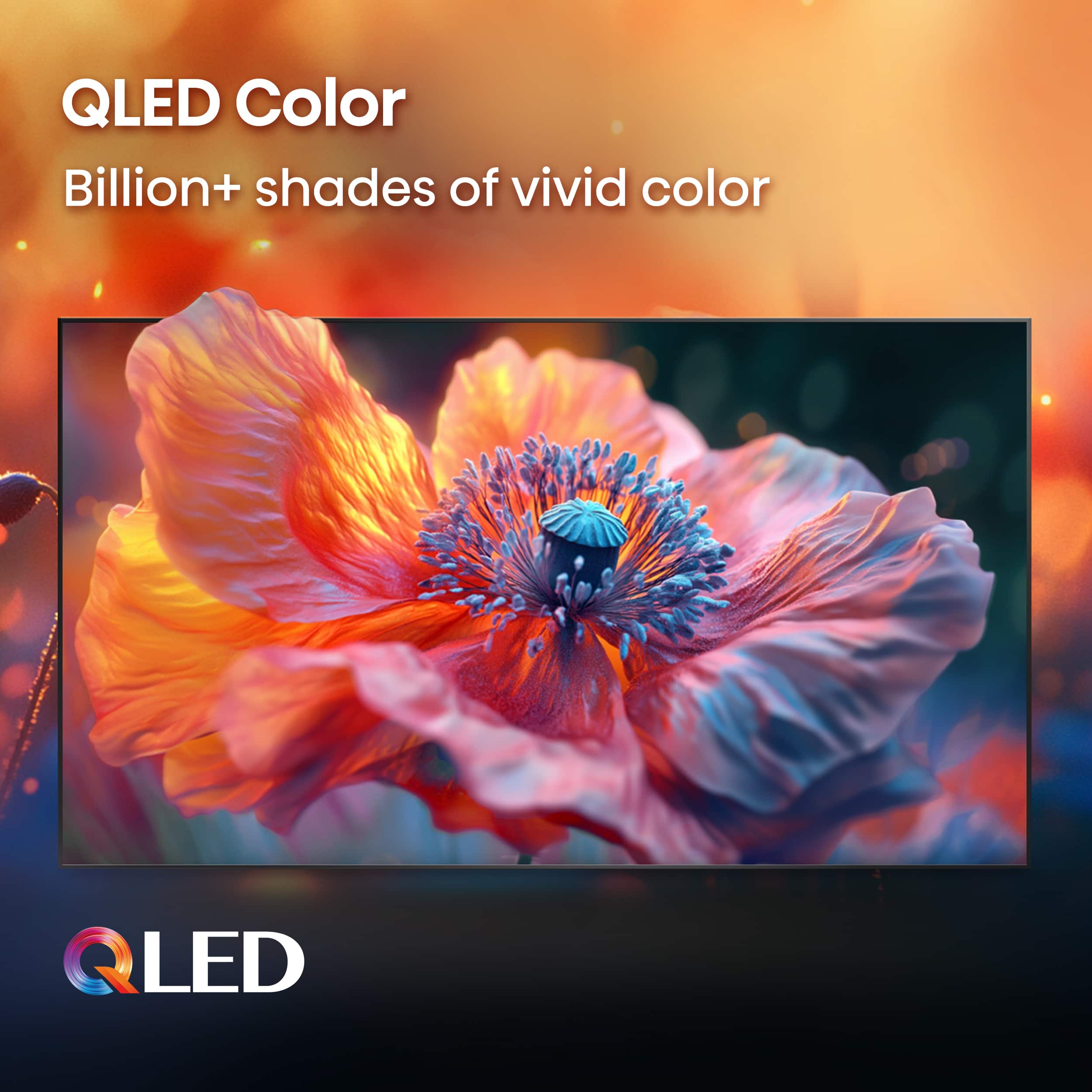
The Hisense QD7 uses Quantum Dot technology to achieve wide color gamut, and the results are impressive for the price. Colors are vibrant and punchy, though they may not have the same natural accuracy as Sony's processing. The difference is most noticeable when watching high-quality content or when comparing the TVs side by side.
Gaming has become a crucial consideration for TV buyers, and both manufacturers have responded with dedicated gaming features. The specifications tell an interesting story here.
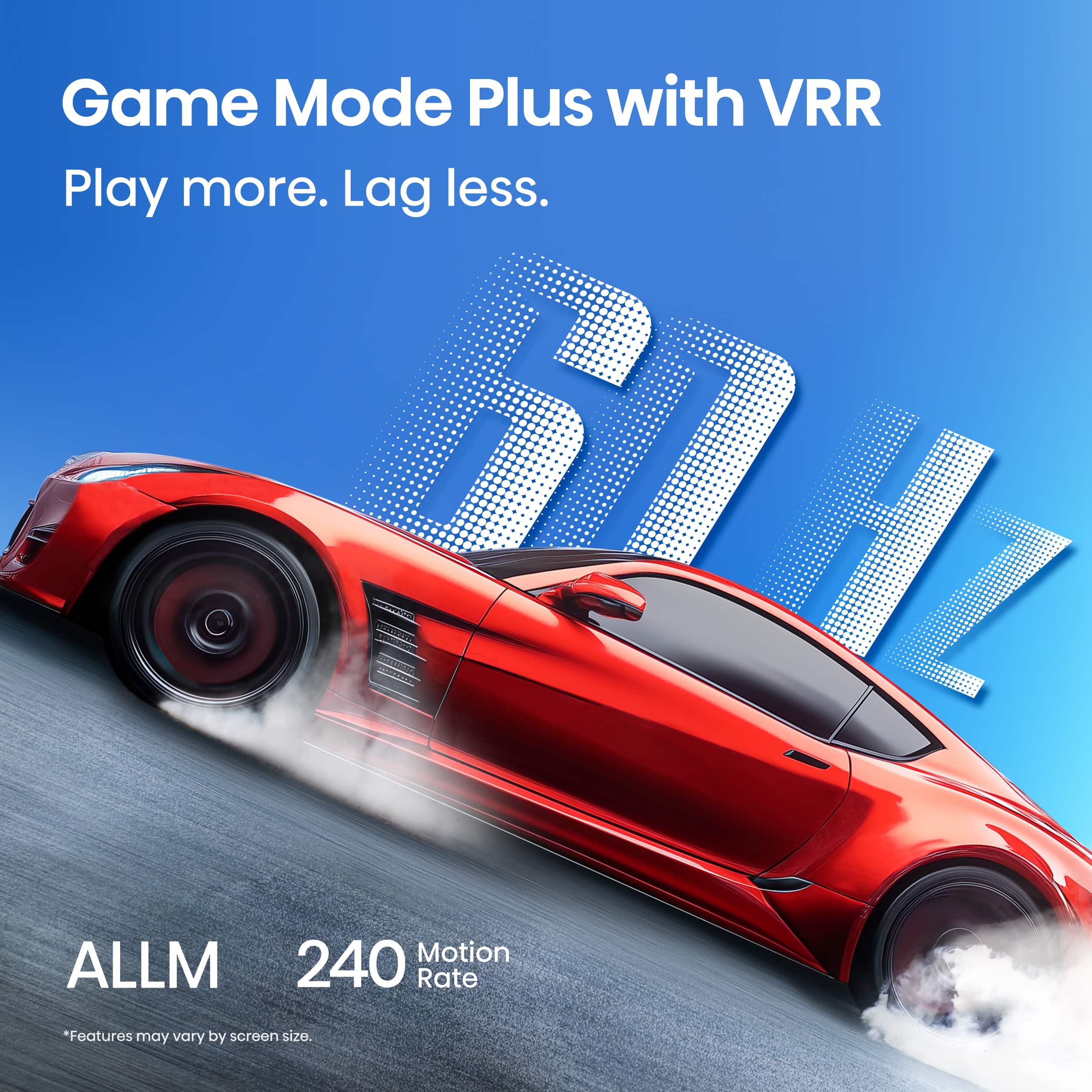
The Hisense QD7 supports up to 144Hz refresh rate (depending on the specific model), which is higher than most gaming TVs. This means it can display up to 144 frames per second, creating incredibly smooth motion. For PC gaming or future console generations, this could be a significant advantage. The Sony BRAVIA 8 maxes out at 120Hz, which is still excellent and more than sufficient for current PlayStation 5 and Xbox Series X gaming.
Both TVs support Variable Refresh Rate (VRR), which eliminates screen tearing by synchronizing the display's refresh rate with the game's frame rate. They also include Auto Low Latency Mode (ALLM), which automatically switches to game mode when it detects gaming input, reducing input lag—the delay between when you press a button and when the action appears on screen.
Sony includes some PlayStation 5-specific optimizations, including Auto HDR Tone Mapping that ensures HDR games look their best. The BRAVIA 8 also has dedicated picture modes for different game types, including FPS (first-person shooter) and RTS (real-time strategy) modes.
The Hisense offers Game Mode Ultra and Game Mode Pro settings that prioritize response time and smooth motion over other picture processing. In my experience testing gaming TVs, the difference in input lag between these two models would likely be negligible for most gamers, but the Hisense's potentially higher refresh rate could be appealing for competitive PC gaming.
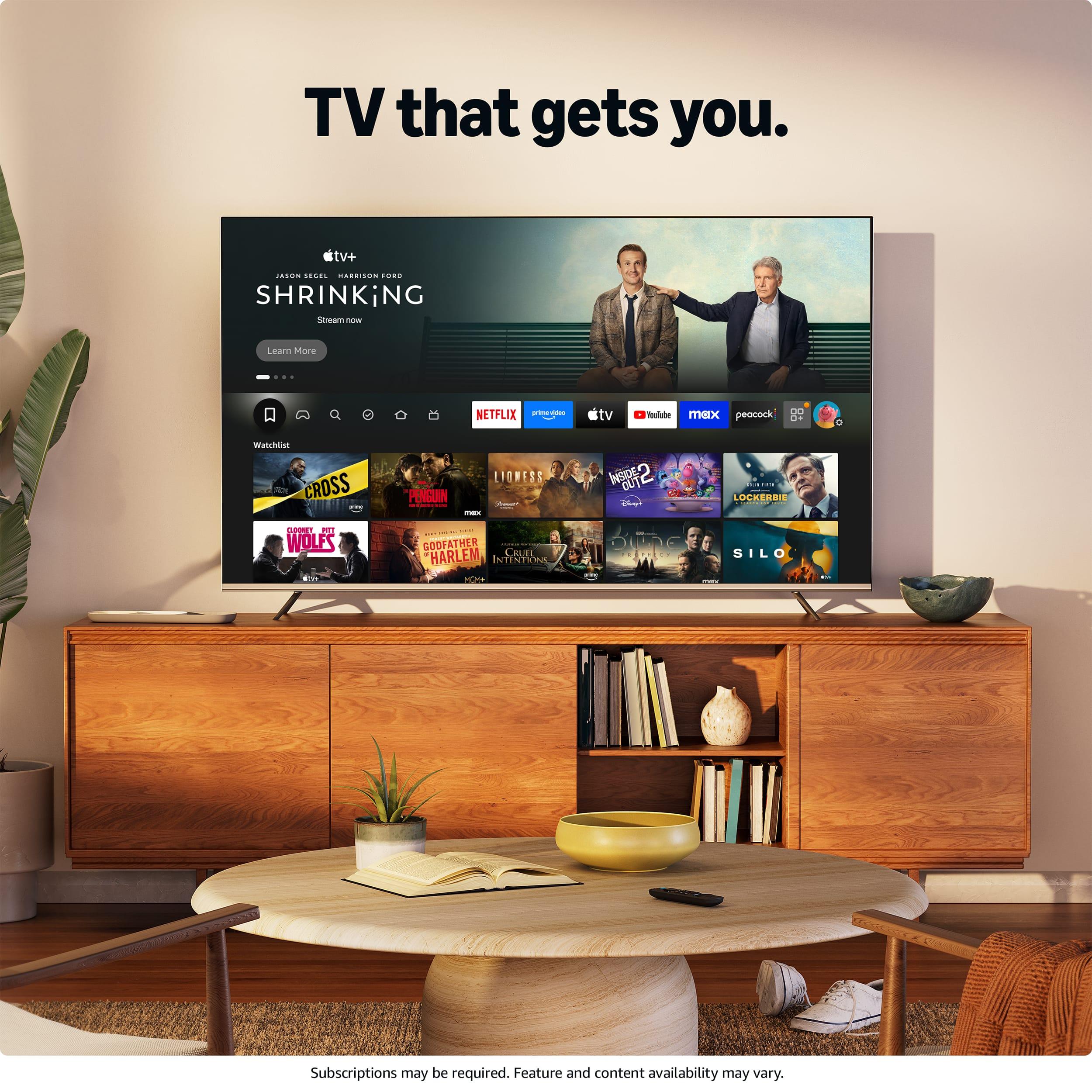
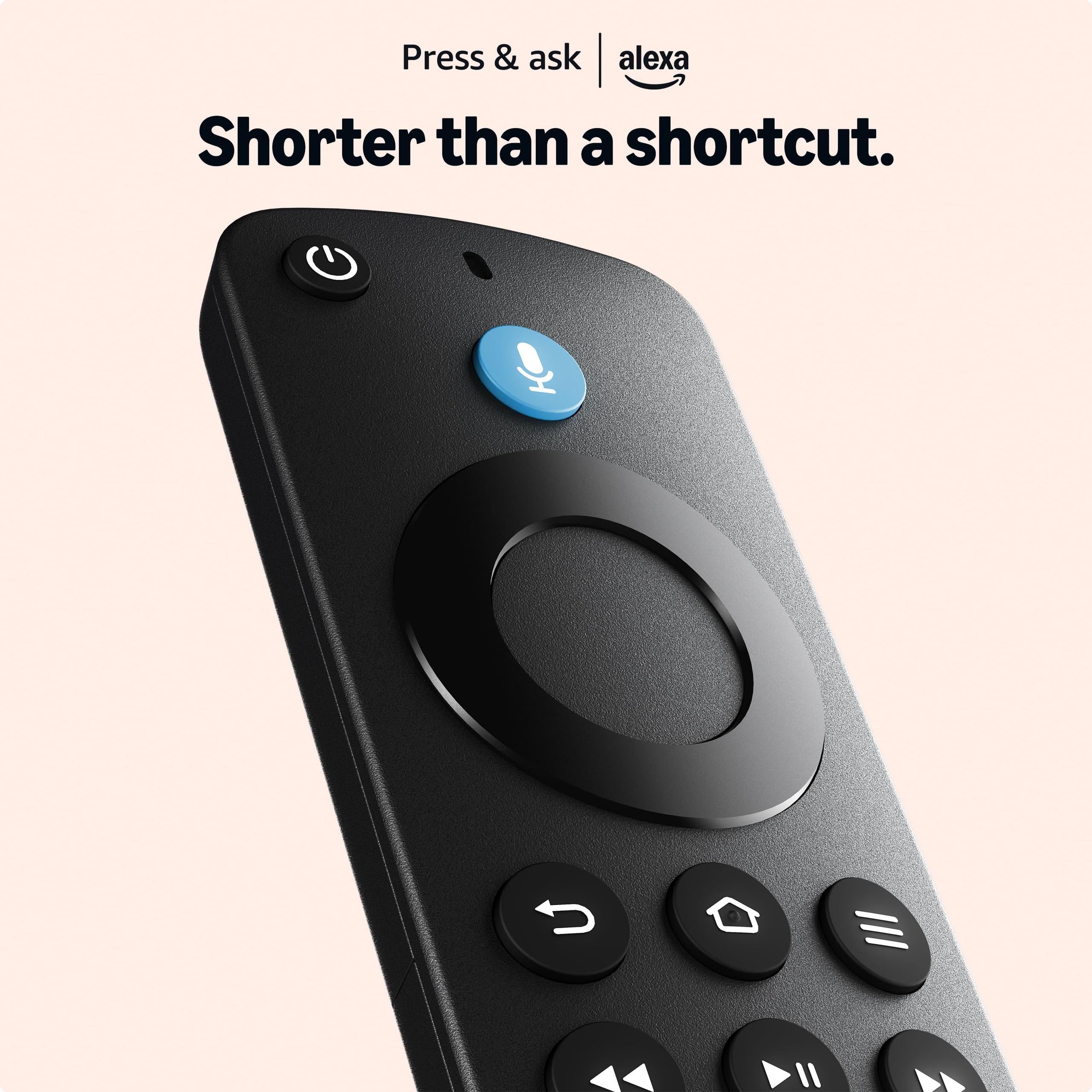
The smart TV experience differs significantly between these models. The Hisense QD7 runs Fire TV, Amazon's smart TV platform. If you're already invested in Amazon's ecosystem—you have a Fire TV stick, use Amazon Prime Video regularly, or have Alexa smart home devices—this integration is seamless. The interface is fast and responsive, with good voice search capabilities.
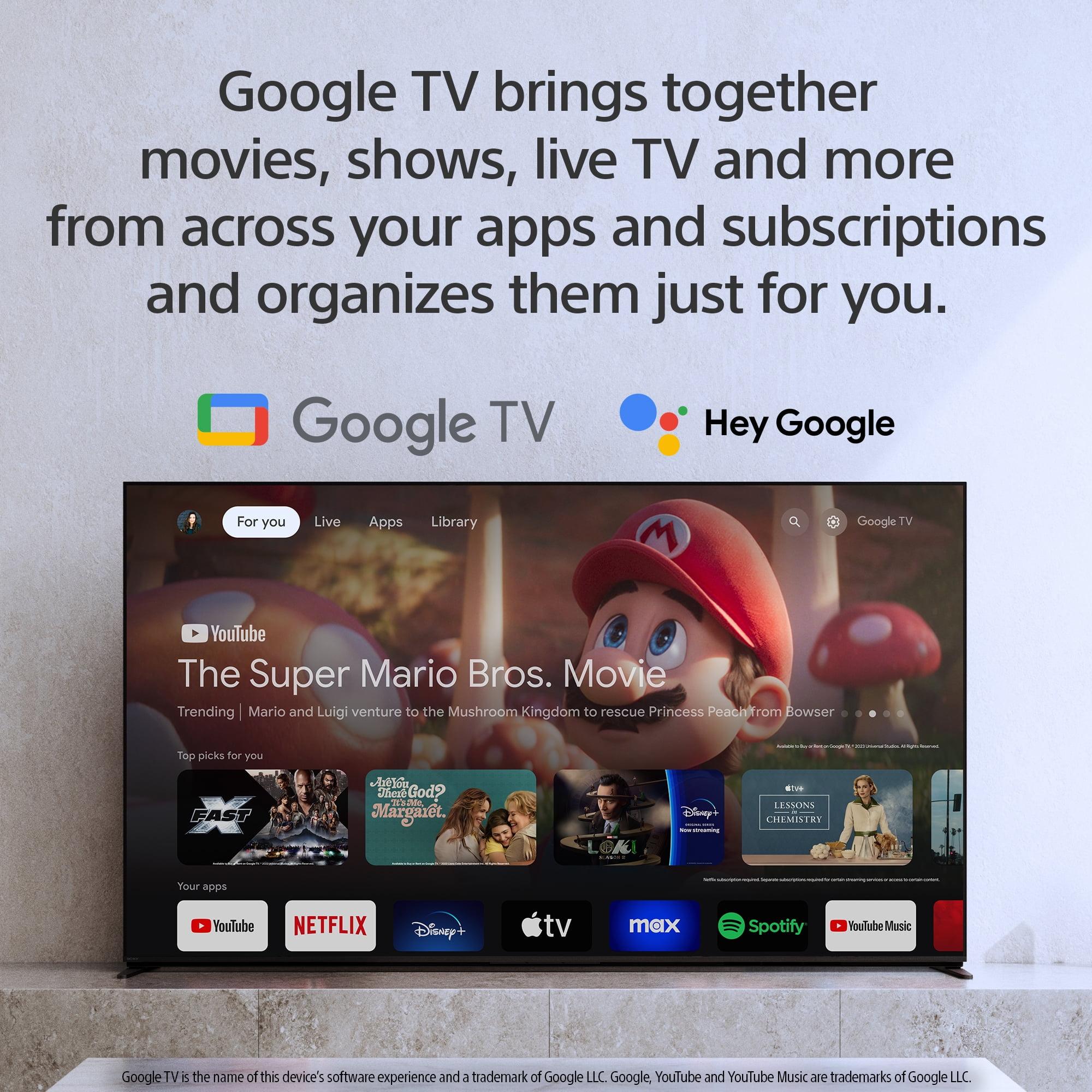
The Sony BRAVIA 8 uses Google TV, which offers broader app support and more sophisticated content recommendations. Google TV aggregates content from multiple streaming services, showing you what's available across different platforms. It also integrates well with Android phones and Google smart home devices.
Both platforms support the major streaming services, but Google TV typically receives new apps first and has a more comprehensive selection. The choice between them often comes down to personal preference and existing ecosystem investments.
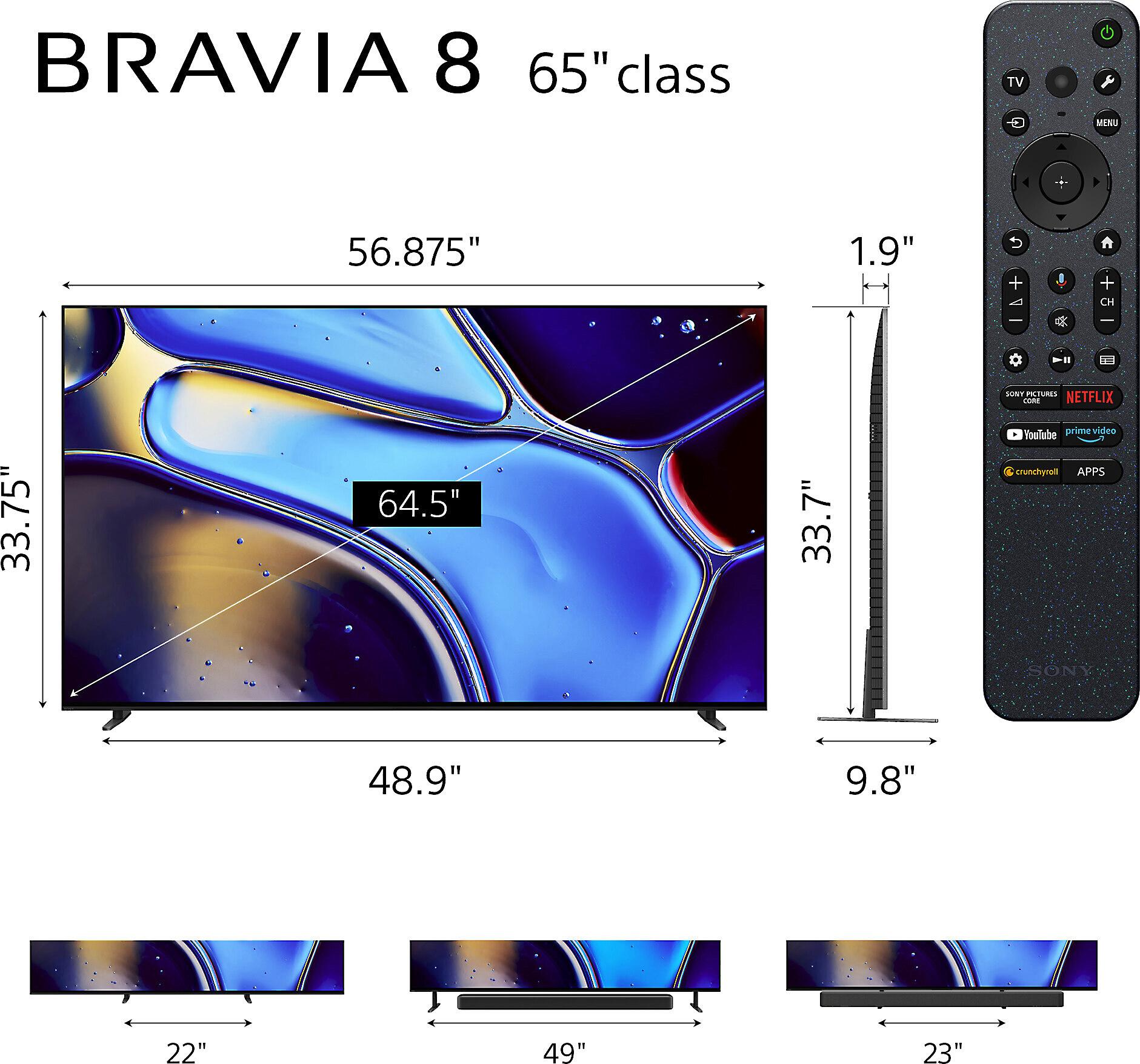
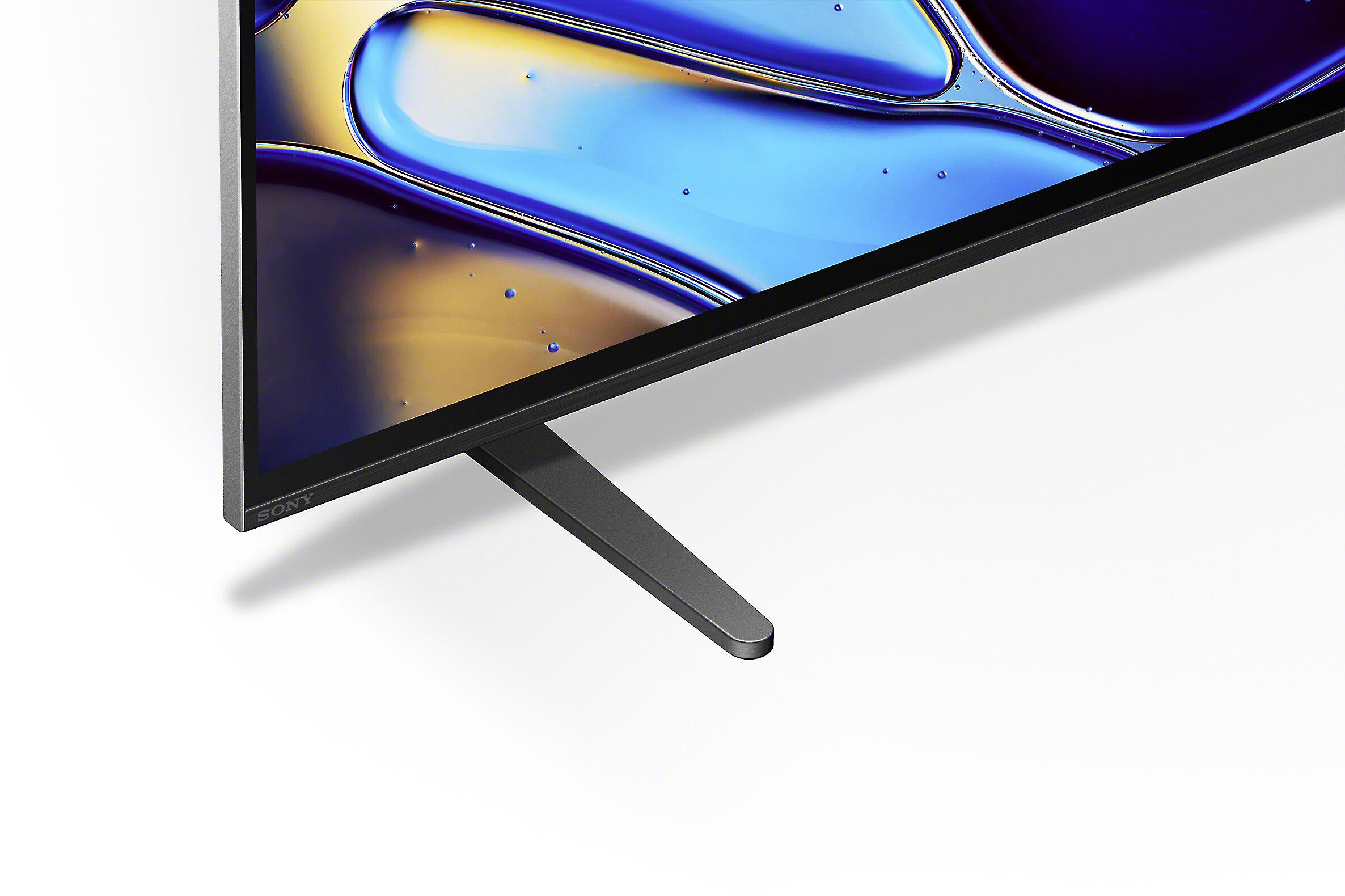
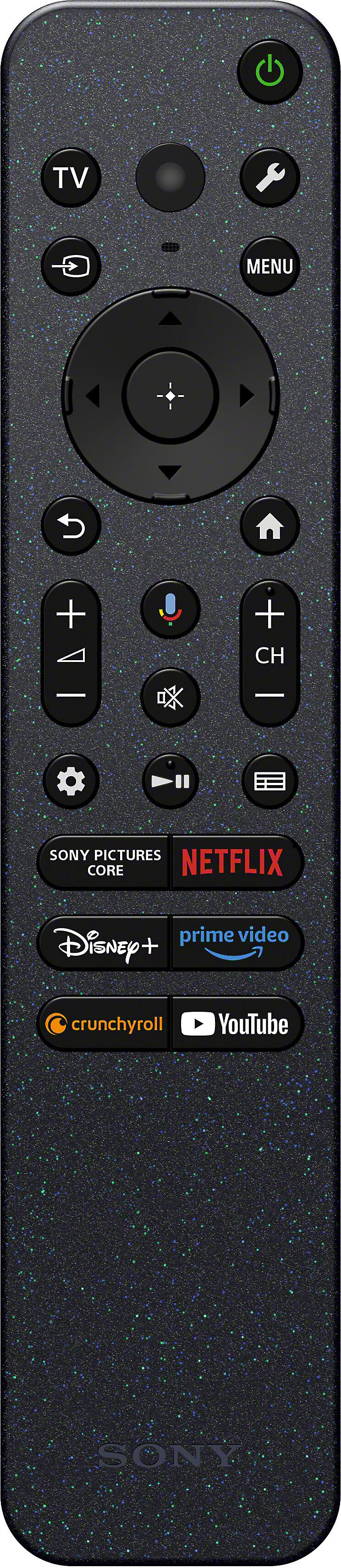
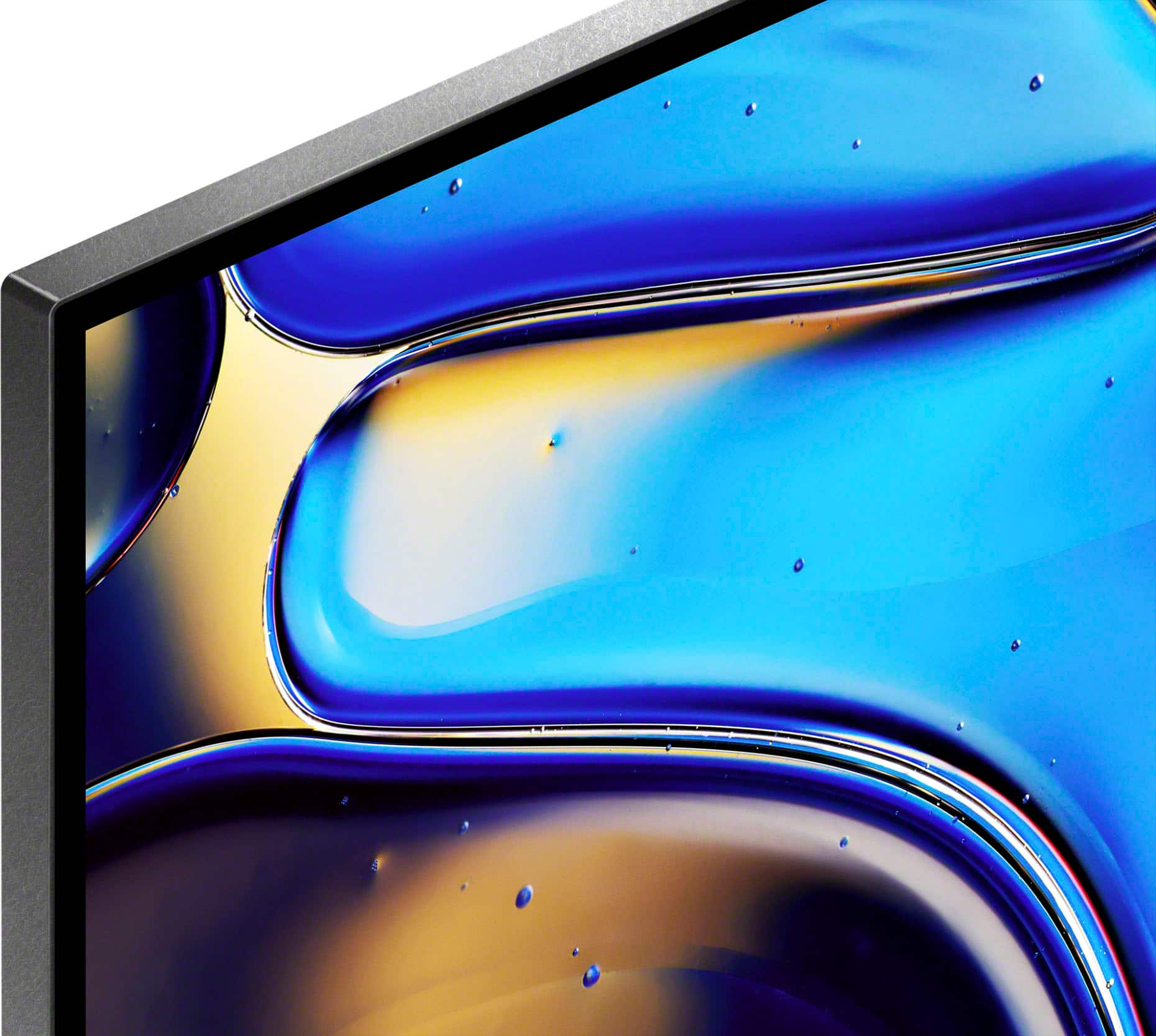
The price difference becomes apparent in build quality. The Sony BRAVIA 8 feels like a premium product—the remote is substantial and well-designed, the stand is sturdy, and the overall construction feels solid. The thin bezels and elegant design make it a piece of furniture you'd be proud to display.
The Hisense QD7 has good build quality for its price point, but it's not quite at the same level. The remote, while functional, feels less premium, and the overall construction, while solid, doesn't have the same refined feel. However, at less than one-eighth the price, this is entirely understandable and acceptable for most buyers.
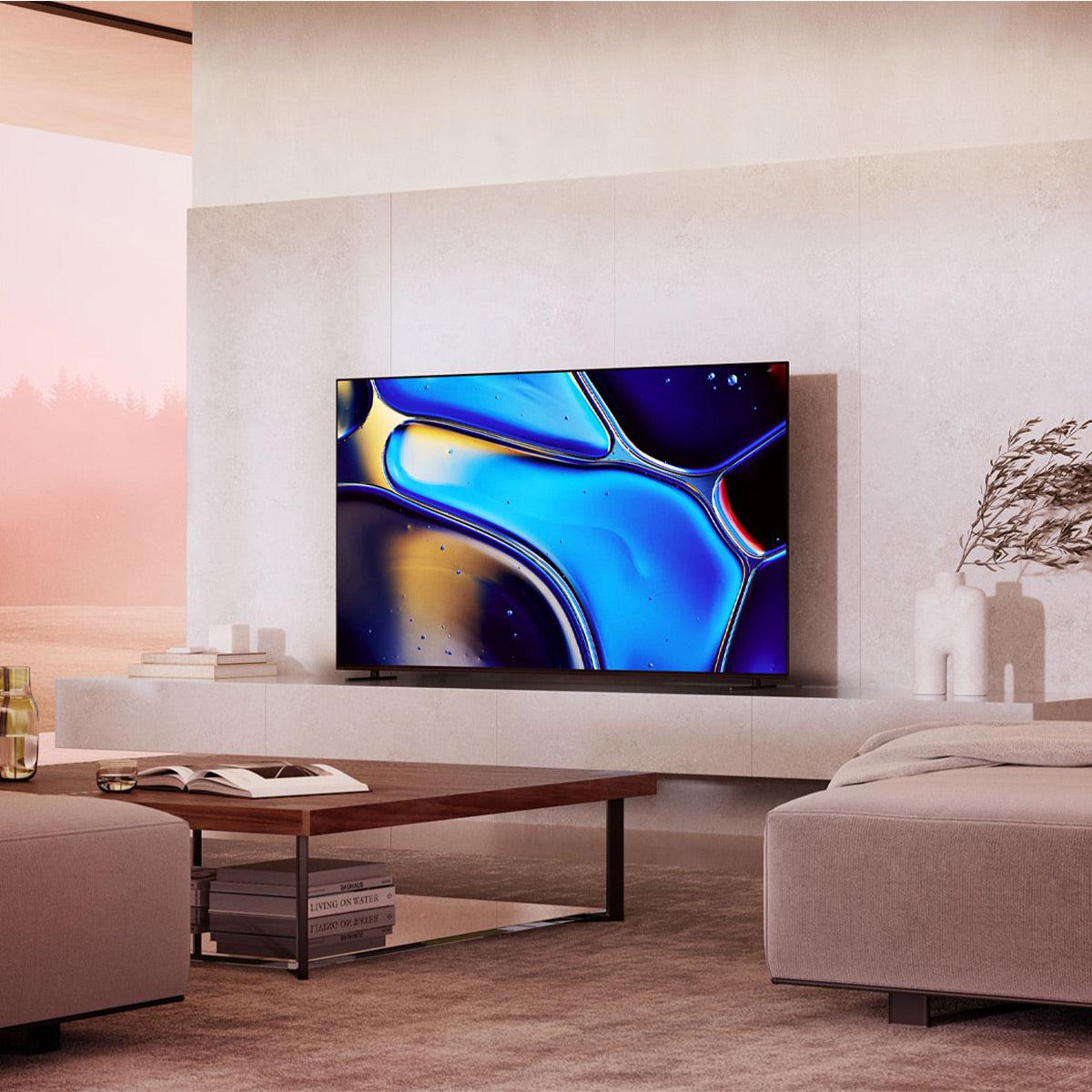
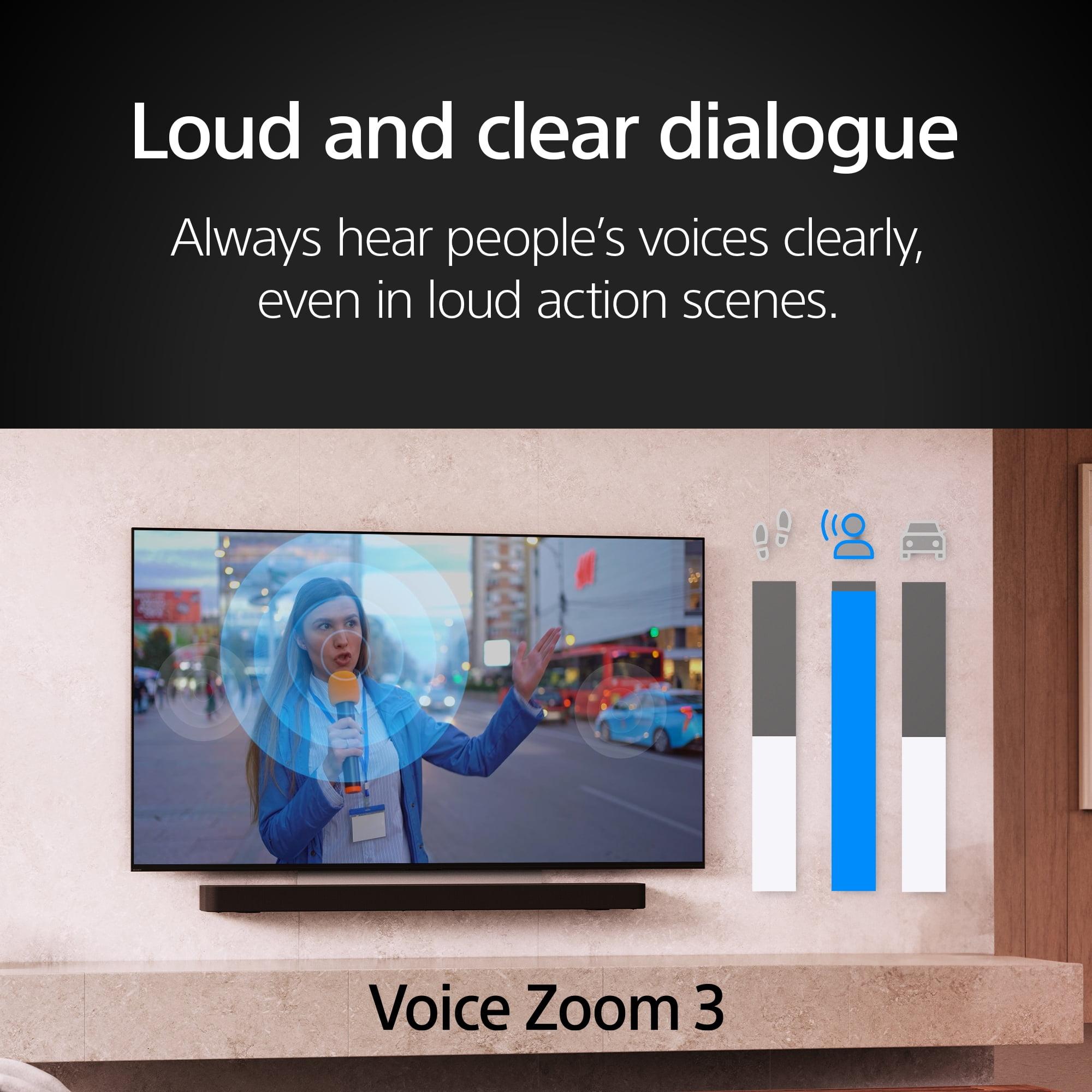
If you're setting up a dedicated home theater, the choice between these TVs becomes more nuanced. The Sony BRAVIA 8's perfect blacks and superior processing make it ideal for dark room viewing, where you can fully appreciate the contrast and color accuracy. The Acoustic Surface Audio+ technology, which makes the entire screen act as a speaker, creates a more immersive experience without external speakers.
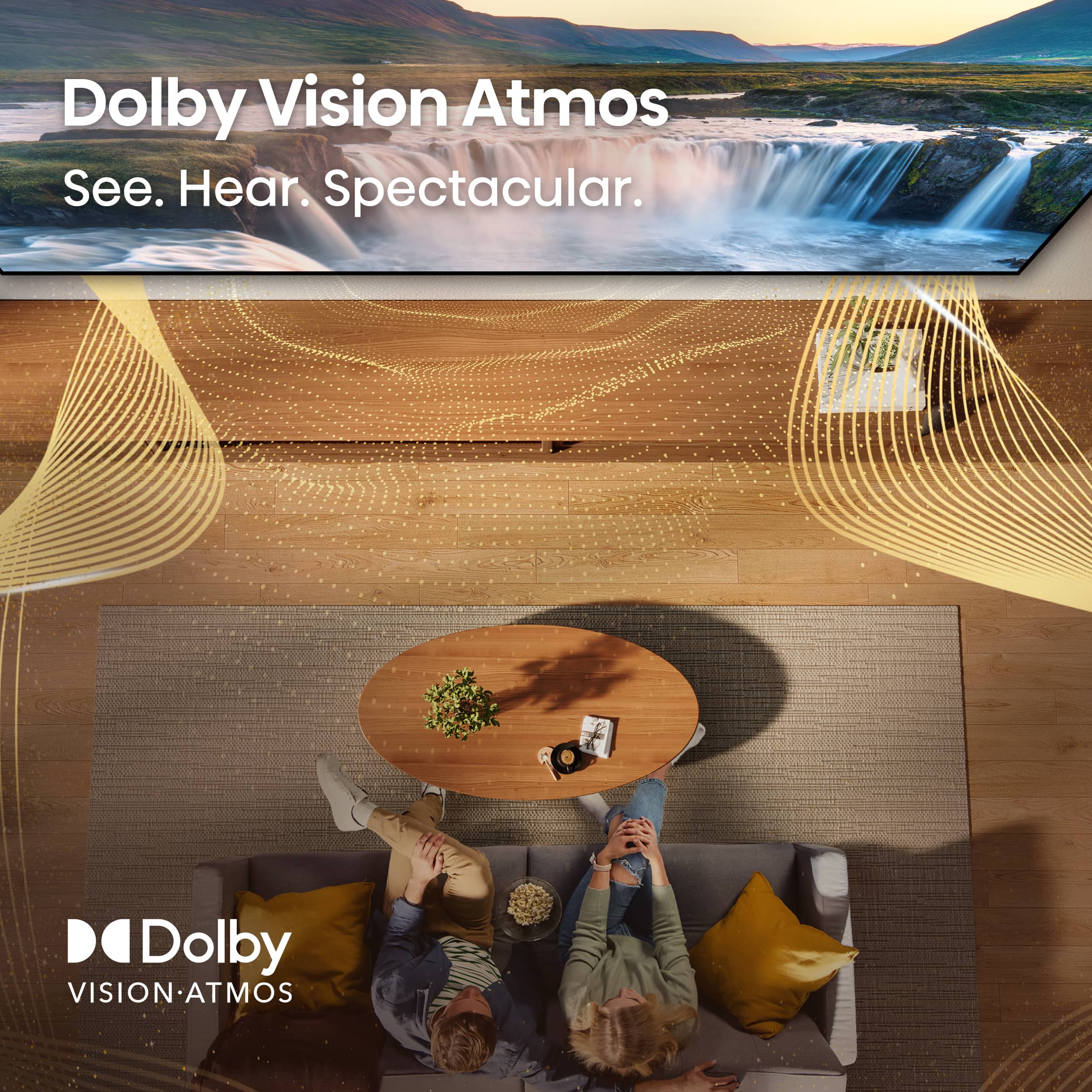
The Hisense QD7 works well in home theaters too, particularly if your theater room isn't completely dark. The high brightness ensures the image remains vibrant even with some ambient light. However, you'll likely want to invest in a good soundbar or surround sound system, as the built-in speakers, while decent, aren't quite as impressive as Sony's acoustic technology.
Here's where the decision gets interesting. The Sony BRAVIA 8 costs about eight times more than the Hisense QD7. Is it eight times better? Absolutely not. But is it meaningfully better in ways that matter to some users? Definitely.
The Hisense delivers what I'd estimate as 85-90% of the Sony's performance at 12% of the price. For most viewers, especially those upgrading from older TVs, the picture quality difference, while noticeable, may not justify the massive price difference.
However, if you're someone who notices and appreciates the finest details in picture quality, watches a lot of movies in dark rooms, or wants the absolute best processing and upscaling of lower-resolution content, the Sony's premium becomes easier to justify.
In day-to-day use, both TVs perform well, but with different strengths. The Hisense excels in bright rooms, delivers excellent gaming performance, and provides a premium experience at a budget price. Users consistently praise its value proposition, though some report occasional software quirks that require restarts.
The Sony BRAVIA 8 delivers reference-quality picture performance with superior motion handling and color accuracy. The main complaints center around the high price and, for some users, the complexity of the Google TV interface compared to simpler alternatives.
Choose the Hisense QD7 if you want excellent performance without the premium price tag. It's particularly good if you're a serious gamer who values high refresh rates, if your viewing room is bright, or if you're upgrading from an older TV and want to experience modern features without breaking the bank.
Choose the Sony BRAVIA 8 if picture quality is your absolute top priority and budget isn't a primary concern. It's the better choice for dedicated home theaters, for users who watch a lot of movies and premium content, or for anyone who wants the peace of mind that comes with owning a flagship product.
The reality is that both TVs represent excellent choices within their respective market segments. The Hisense QD7 proves that you don't need to spend thousands to get a genuinely impressive viewing experience, while the Sony BRAVIA 8 shows what's possible when engineering isn't constrained by aggressive cost targets.
For most buyers, the Hisense provides exceptional value and performance that will satisfy for years to come. For those who want the absolute best and are willing to pay for it, the Sony delivers a premium experience that justifies its premium price. The choice ultimately depends on your budget, viewing habits, and how much you value having the very best versus having something that's very good at a great price.
| Hisense 65" QD7 Series Mini-LED 4K Fire TV 2025 | Sony BRAVIA 8 65" 4K OLED TV |
|---|---|
| Price - The biggest factor for most buyers | |
| $469.99 (exceptional value for premium features) | $3,999 MSRP (premium pricing for flagship performance) |
| Display Technology - Determines fundamental picture characteristics | |
| Mini-LED LCD with Quantum Dots (high brightness, very good contrast) | QD-OLED (perfect blacks, infinite contrast, superior color accuracy) |
| Peak Brightness - Critical for HDR and bright room viewing | |
| Very high (typical Mini-LED advantage for daytime viewing) | 25% brighter than previous Sony OLEDs (excellent for HDR) |
| Black Levels - Most noticeable difference in dark scenes | |
| Very good but not perfect (some light bleeding around bright objects) | Perfect blacks (each pixel turns completely off) |
| Gaming Refresh Rate - Important for competitive and PC gaming | |
| Up to 144Hz (future-proof for high frame rate gaming) | 120Hz (excellent for current consoles, sufficient for most users) |
| Smart TV Platform - Affects daily usability and app selection | |
| Fire TV with Alexa (great for Amazon ecosystem users) | Google TV (broader app support, better content recommendations) |
| HDR Format Support - Determines compatibility with streaming content | |
| HDR10, HDR10+, Dolby Vision, HLG (comprehensive format support) | HDR10, Dolby Vision (covers most premium content) |
| Audio Technology - Built-in sound quality | |
| Dolby Atmos support (good for price, soundbar recommended) | Acoustic Surface Audio+ (entire screen acts as speaker, more immersive) |
| Build Quality - Long-term durability and premium feel | |
| Good for price point (functional remote, solid construction) | Premium construction (substantial remote, refined design) |
| Motion Processing - Reduces blur in sports and action content | |
| Standard motion enhancement (adequate performance) | XR OLED Motion with advanced frame analysis (superior smoothness) |
| Color Processing - Affects natural color reproduction | |
| Quantum Dot technology (vibrant colors, good accuracy) | XR Triluminos Pro with AI processing (exceptional color accuracy) |
| Gaming Features - Console and PC gaming optimization | |
| VRR, ALLM, Game Mode Ultra/Pro (excellent gaming performance) | VRR, ALLM, PS5 Auto HDR Tone Mapping (optimized for PlayStation) |
| Best Use Cases - Who should buy each TV | |
| Budget-conscious buyers, gamers, bright rooms, Fire TV users | Home theater enthusiasts, movie lovers, users wanting absolute best quality |
The Hisense 65" QD7 Series Mini-LED 4K Fire TV 2025 at $469.99 offers exceptional value, delivering premium features like Mini-LED backlighting, Quantum Dot color, and high refresh rates at a budget-friendly price. The Sony BRAVIA 8 65" 4K OLED TV at $3,999 provides superior picture quality but costs 8 times more. For most buyers, the Hisense delivers 85-90% of the Sony's performance at just 12% of the cost.
The Hisense QD7 uses Mini-LED LCD technology with thousands of tiny LEDs providing backlighting and local dimming zones, offering high brightness but some light bleeding. The Sony BRAVIA 8 uses OLED technology where each pixel emits its own light, creating perfect blacks and infinite contrast but traditionally lower peak brightness (though Sony's 2025 model is 25% brighter than previous versions).
Both TVs excel at gaming but in different ways. The Hisense QD7 supports up to 144Hz refresh rate, making it ideal for competitive PC gaming and future-proofing. The Sony BRAVIA 8 offers 120Hz with superior motion processing and PlayStation 5 optimization features. Both include VRR and ALLM for smooth, lag-free gaming.
The Hisense QD7 performs better in bright rooms due to its Mini-LED technology's high peak brightness, making it excellent for daytime viewing and combating glare. The Sony BRAVIA 8 has improved brightness over previous OLEDs but still works best in controlled lighting conditions where its perfect blacks can be fully appreciated.
The Hisense QD7 runs Fire TV, which integrates seamlessly with Amazon's ecosystem and Alexa devices, offering fast performance and good voice search. The Sony BRAVIA 8 uses Google TV, providing broader app support, more sophisticated content recommendations, and better integration with Android devices. Both support major streaming services.
The Sony BRAVIA 8 is superior for dedicated home theaters due to its perfect blacks, superior contrast, and advanced processing that shines in dark room viewing. The Acoustic Surface Audio+ technology also provides more immersive sound. The Hisense QD7 works well in home theaters too, especially if the room isn't completely dark, but benefits from external audio equipment.
The Hisense QD7 supports more HDR formats (HDR10, HDR10+, Dolby Vision, HLG) and delivers high brightness for impactful HDR content. The Sony BRAVIA 8 supports HDR10 and Dolby Vision with superior processing and contrast that makes HDR content look more natural and realistic, despite supporting fewer formats.
The Sony BRAVIA 8 offers premium build quality with a substantial remote, refined design, and solid construction that reflects its flagship positioning. The Hisense QD7 has good build quality for its price point with functional design and solid construction, though it doesn't match Sony's premium materials and finish.
The Sony BRAVIA 8 delivers superior color accuracy with XR Triluminos Pro technology and AI-powered processing that optimizes colors based on human perception. The Hisense QD7 uses Quantum Dot technology for vibrant, wide color gamut reproduction that's impressive for the price, though not quite matching Sony's natural color accuracy.
The Sony BRAVIA 8 is better for movie watching due to its perfect blacks, superior contrast, advanced motion processing, and exceptional upscaling of content. The cinematic experience is enhanced by better color accuracy and processing. The Hisense QD7 still provides good movie performance, especially in brighter environments, but lacks the premium processing and perfect blacks.
The Hisense QD7 supports up to 144Hz refresh rate, making it excellent for high-frame-rate PC gaming and future console generations. The Sony BRAVIA 8 maxes out at 120Hz, which is still excellent for current PlayStation 5 and Xbox Series X gaming and sufficient for most users' needs.
The Hisense QD7 at $469.99 is the clear choice for budget-conscious buyers, offering premium features like Mini-LED backlighting, high refresh rates, and comprehensive HDR support at an exceptional price. The Sony BRAVIA 8 at $3,999 is only worth considering if budget isn't a concern and you want absolute best-in-class picture quality.
We've done our best to create useful and informative comparisons to help you decide what product to buy. Our research uses advanced automated methods to create this comparison and perfection is not possible - please contact us for corrections or questions. These are the sites we've researched in the creation of this article: bestbuy.com - custrevs.com - youtube.com - bestbuy.com - rtings.com - youtube.com - rtings.com - pcrichard.com - bestbuy.com - pcrichard.com - camelcamelcamel.com - amazonfiretv.blog - hisense-usa.com - hisense-usa.com - hisense-usa.com - bestbuy.com - leaseville.com - youtube.com - bestbuy.com - flatpanelshd.com - bestbuy.com - bestbuy.com - crutchfield.com - avsforum.com - electronics.sony.com - sony.com - store.sony.co.nz - sony.com - displayspecifications.com

Privacy Policy
Terms and Conditions - Affiliate Policy
Home Security
© Copyright 2008-2026.
11816 Inwood Rd #1211, Dallas, TX 75244