

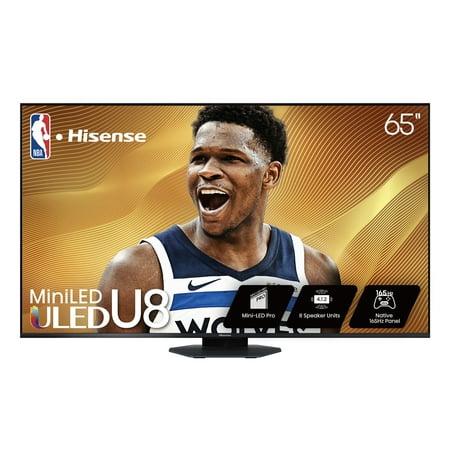
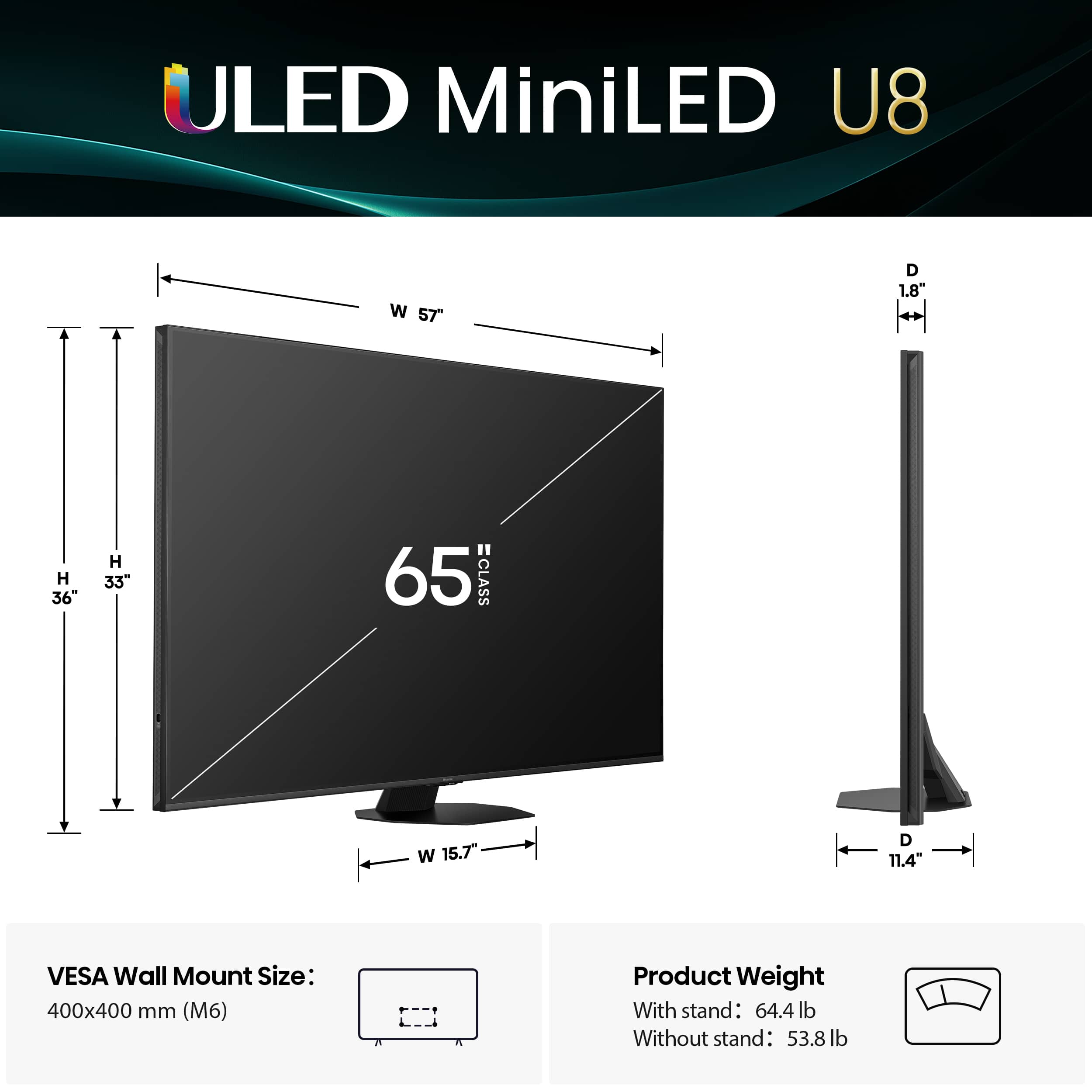
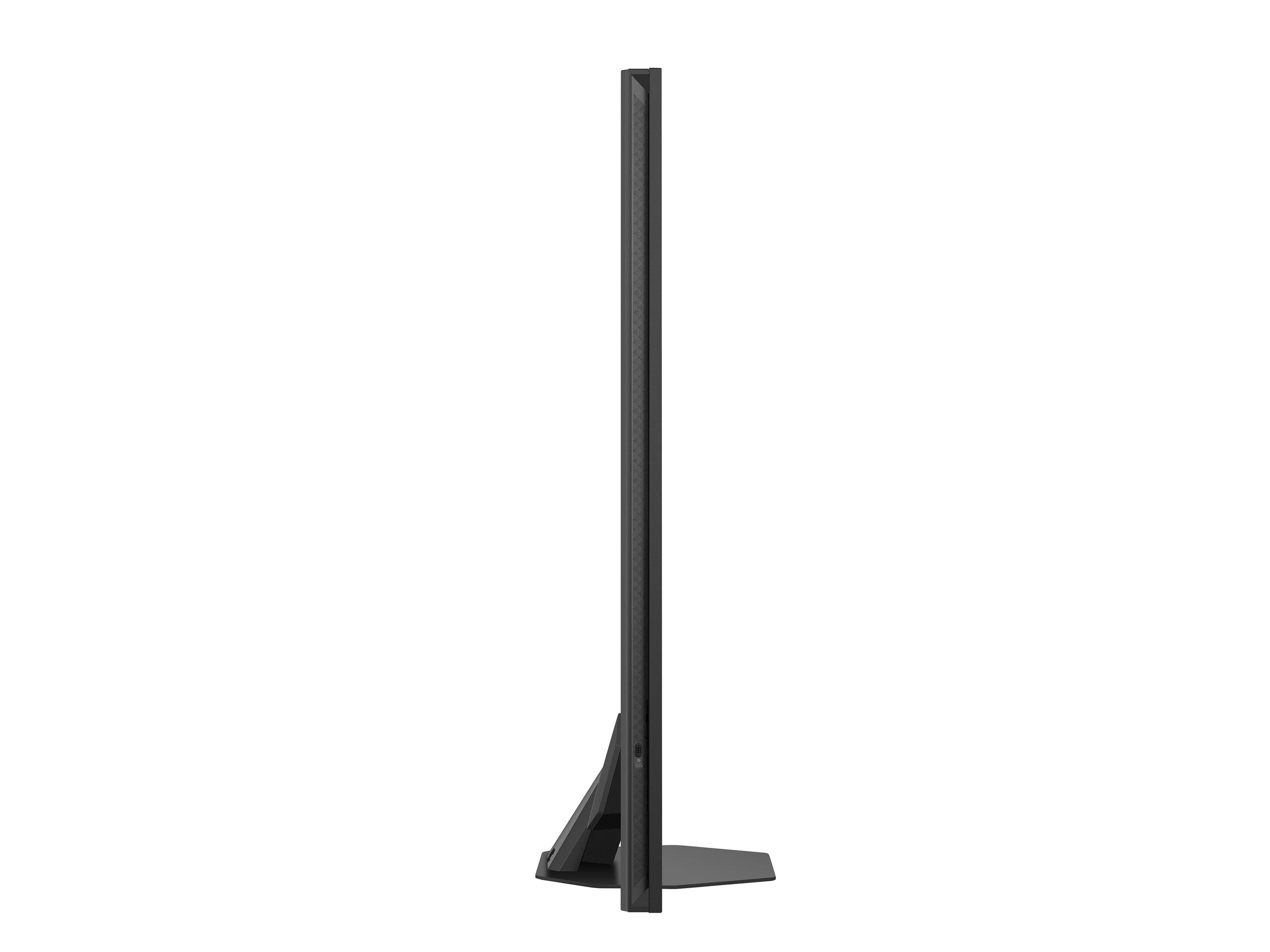
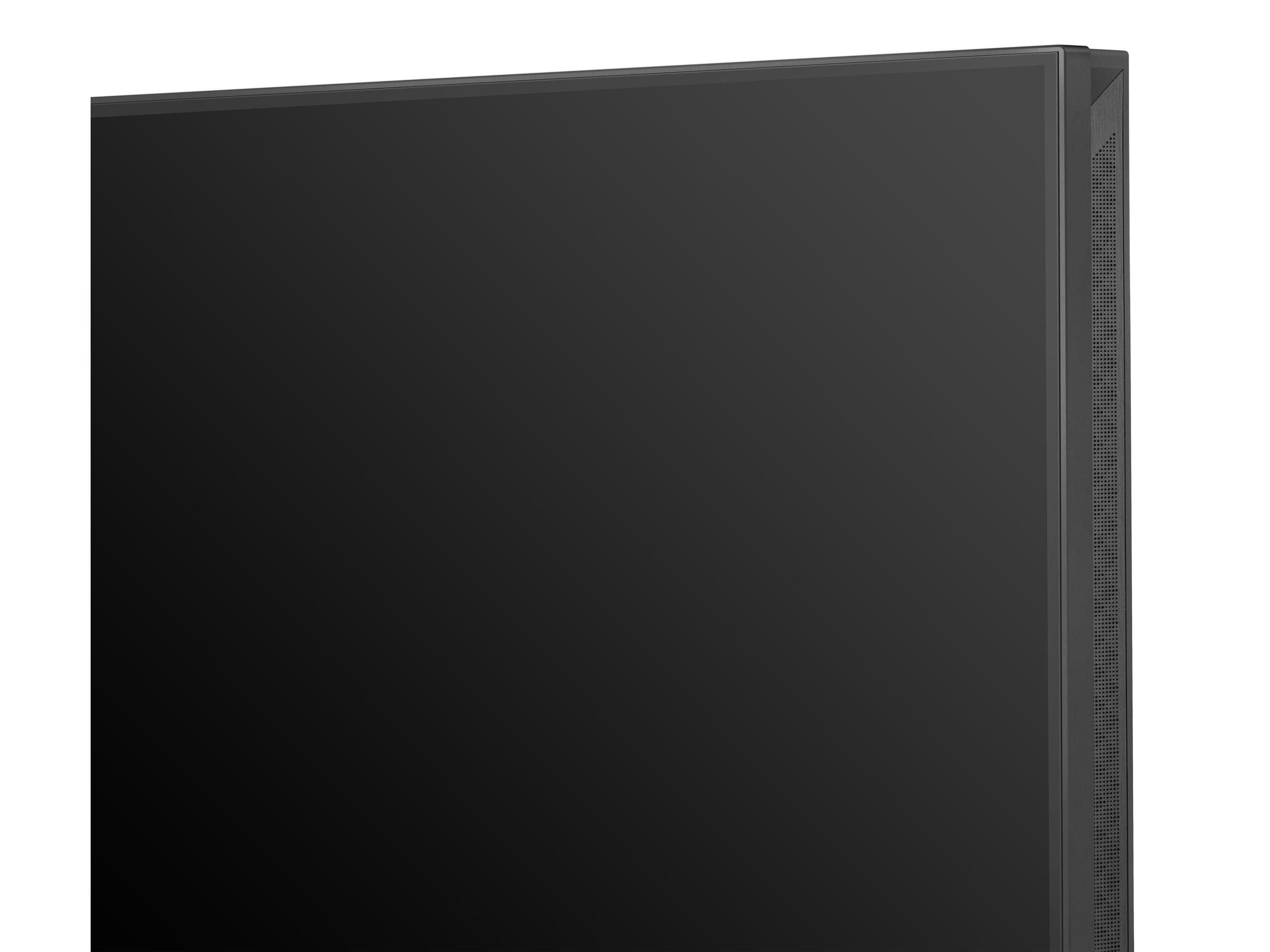
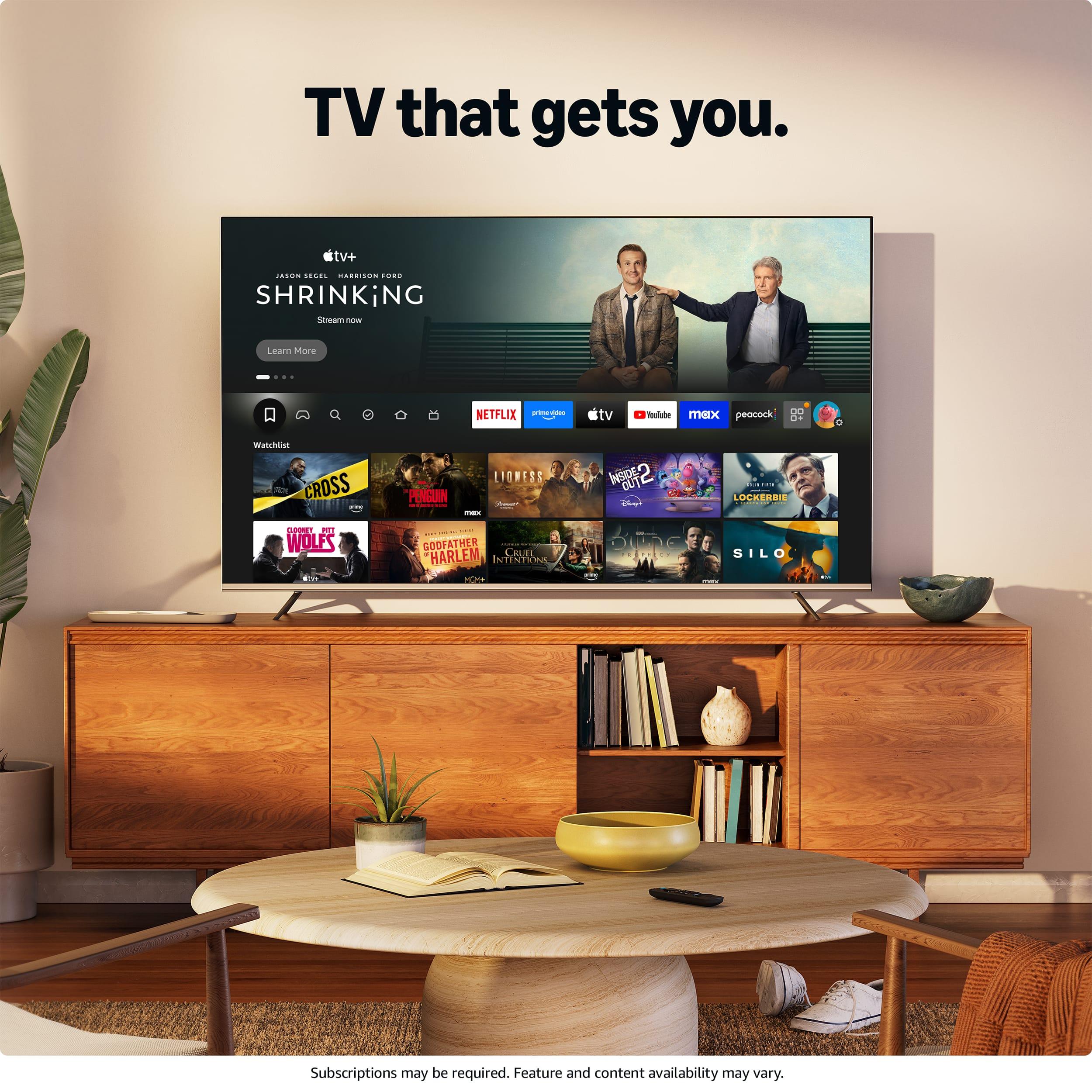
If you're shopping for a premium TV in 2025, you've probably noticed that Mini-LED technology has become the sweet spot between traditional LED and expensive OLED displays. Both the Hisense 65" U8 Series Mini-LED ULED 4K Google TV (~$997.99) and the Hisense 65" QD7 Series Mini-LED 4K Fire TV 2025 (~$469.99) represent excellent examples of this technology, but they target very different buyers despite sharing the same screen size and basic Mini-LED foundation.
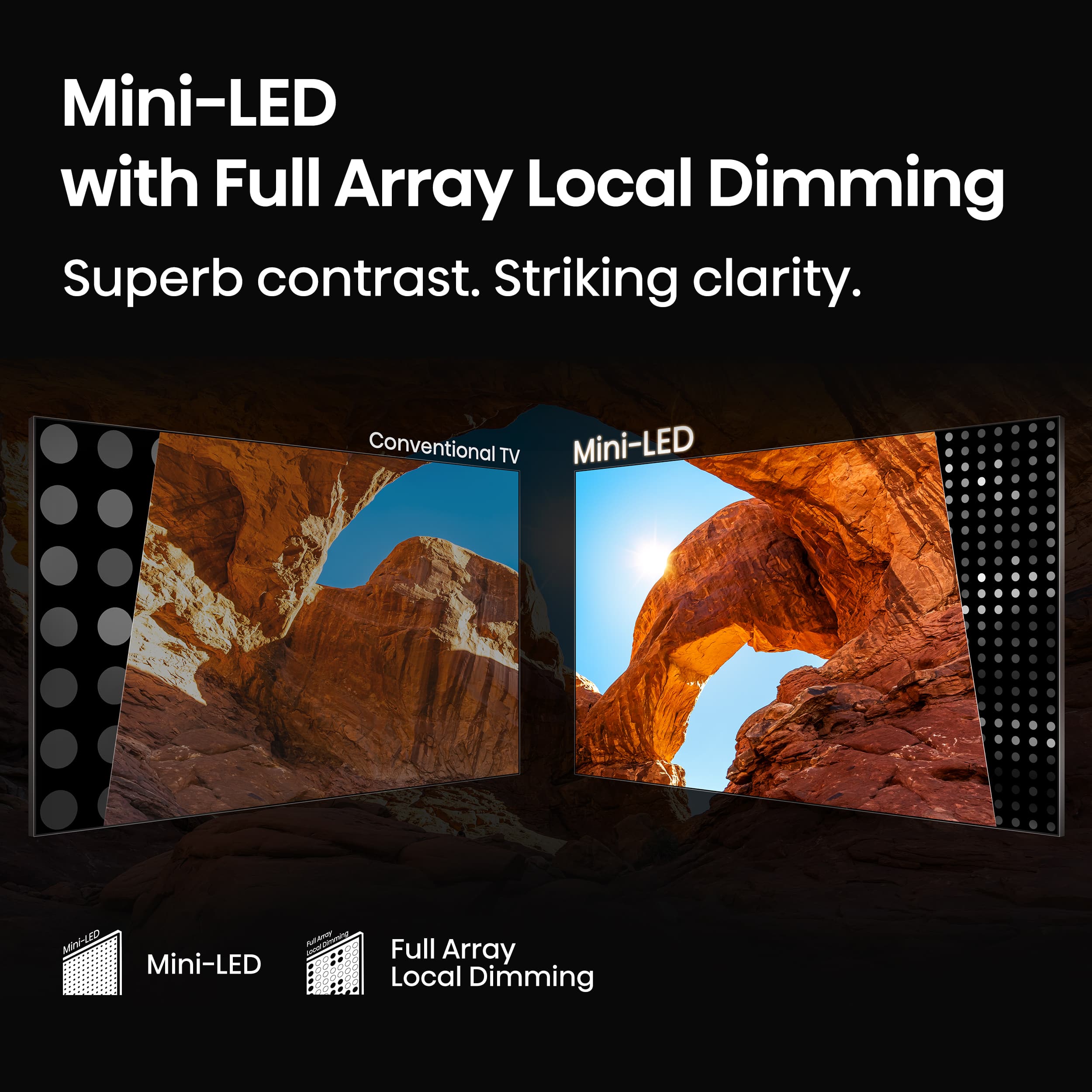
Before diving into the comparison, let's talk about what Mini-LED actually means for your viewing experience. Traditional LED TVs use larger LED backlights that can create uneven brightness and poor contrast. Mini-LED uses thousands of tiny LEDs—each about the size of a grain of sand—arranged behind the screen to create precise lighting control. This technology, combined with local dimming (where different sections of the screen can be brightened or darkened independently), creates deeper blacks and brighter highlights than standard LEDs.
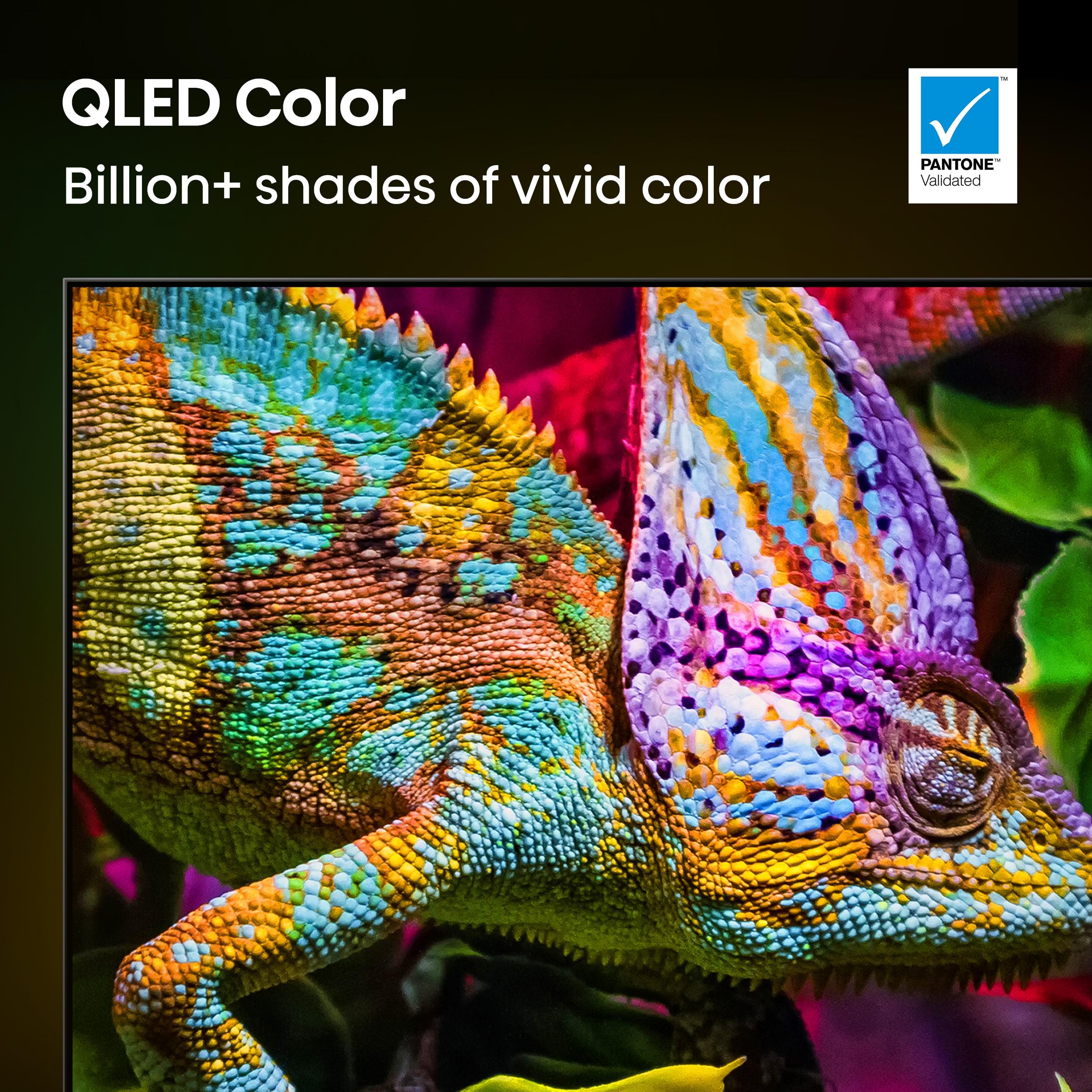
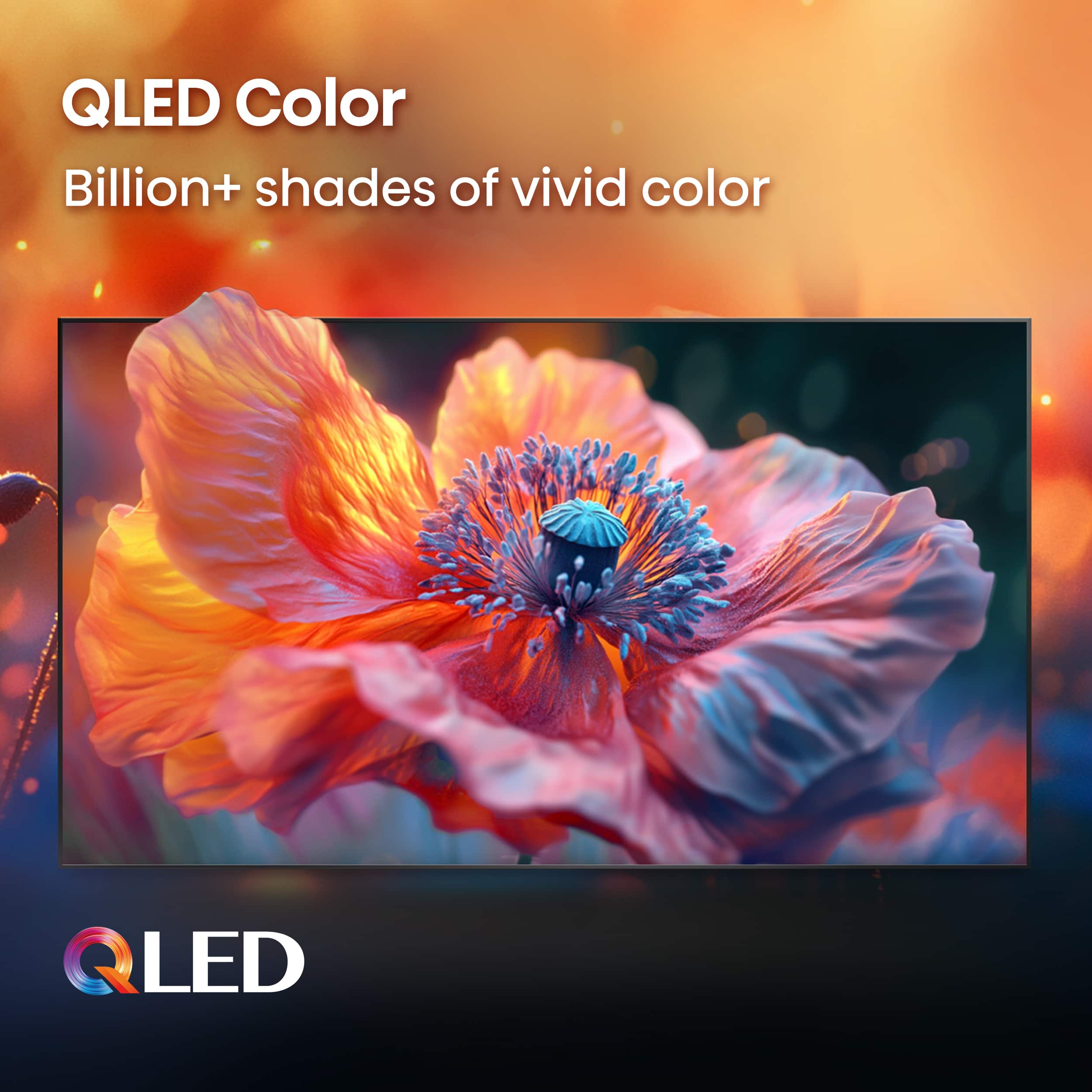
Both TVs also use QLED technology, which stands for Quantum Dot Light Emitting Diode. Quantum dots are microscopic particles that emit very pure colors when light hits them, resulting in more vibrant and accurate colors than traditional displays. Think of it as adding a color filter that makes everything look more lifelike and saturated.
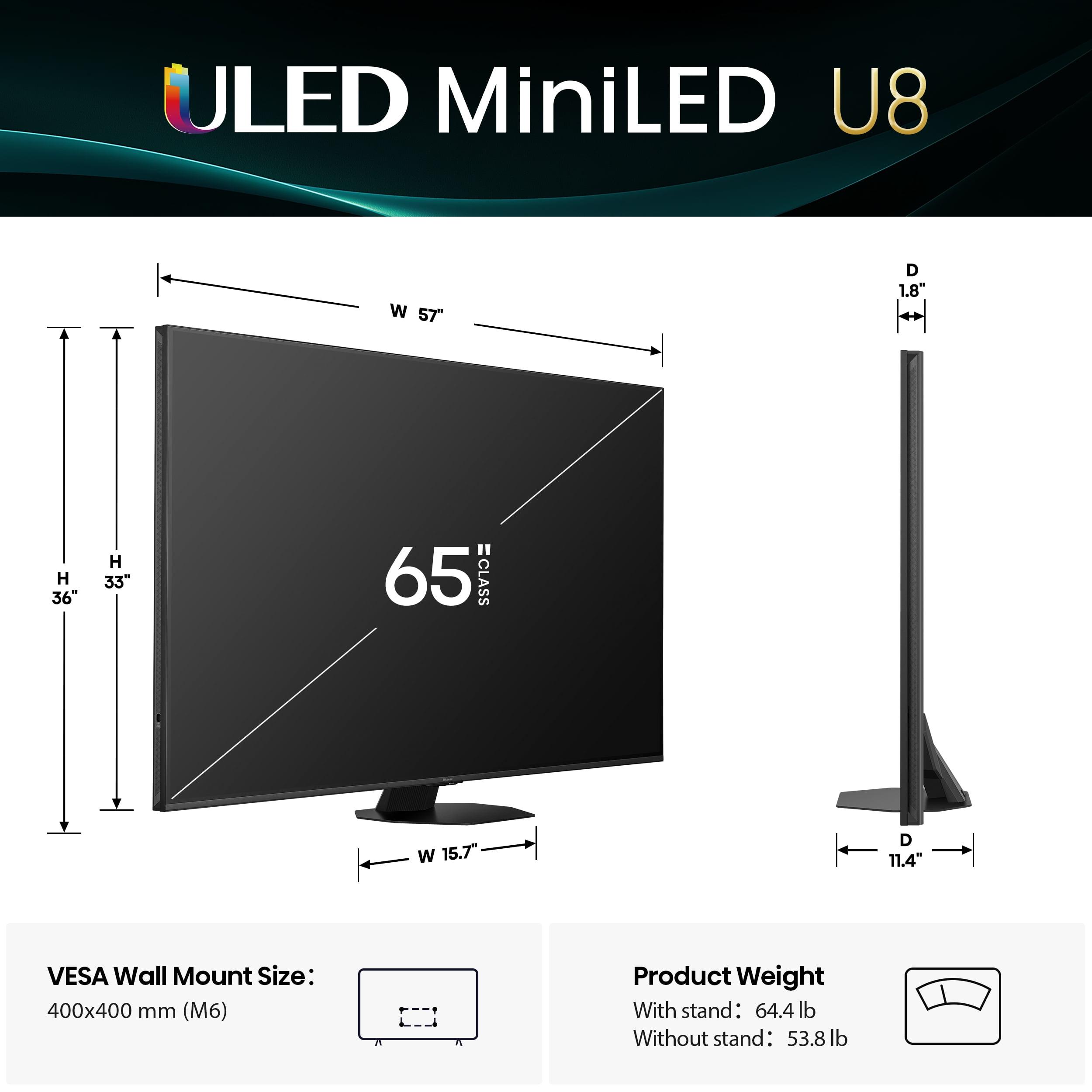
The Hisense 65" U8 Series represents the 2025 iteration of Hisense's flagship consumer line, building on years of Mini-LED refinement. This latest version features significant improvements over previous U8 models, including double the local dimming zones (now over 2,000), a new AI-powered Hi-View Engine PRO processor, and enhanced gaming features that reflect the growing importance of high-refresh gaming.
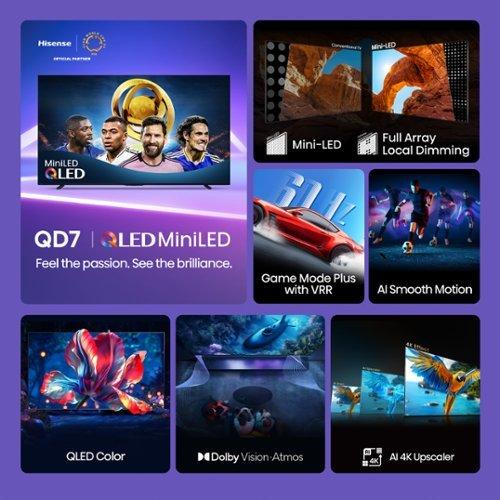
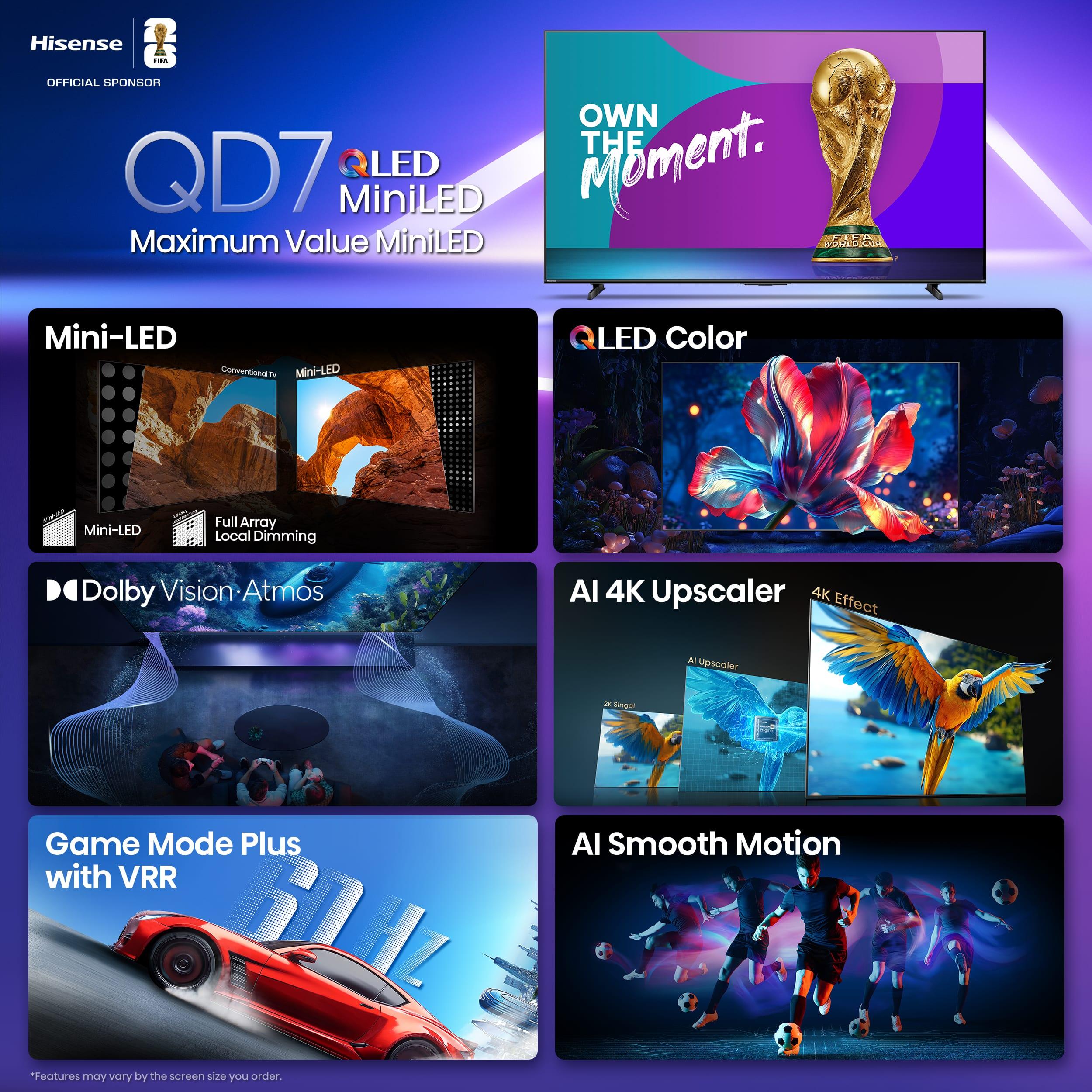
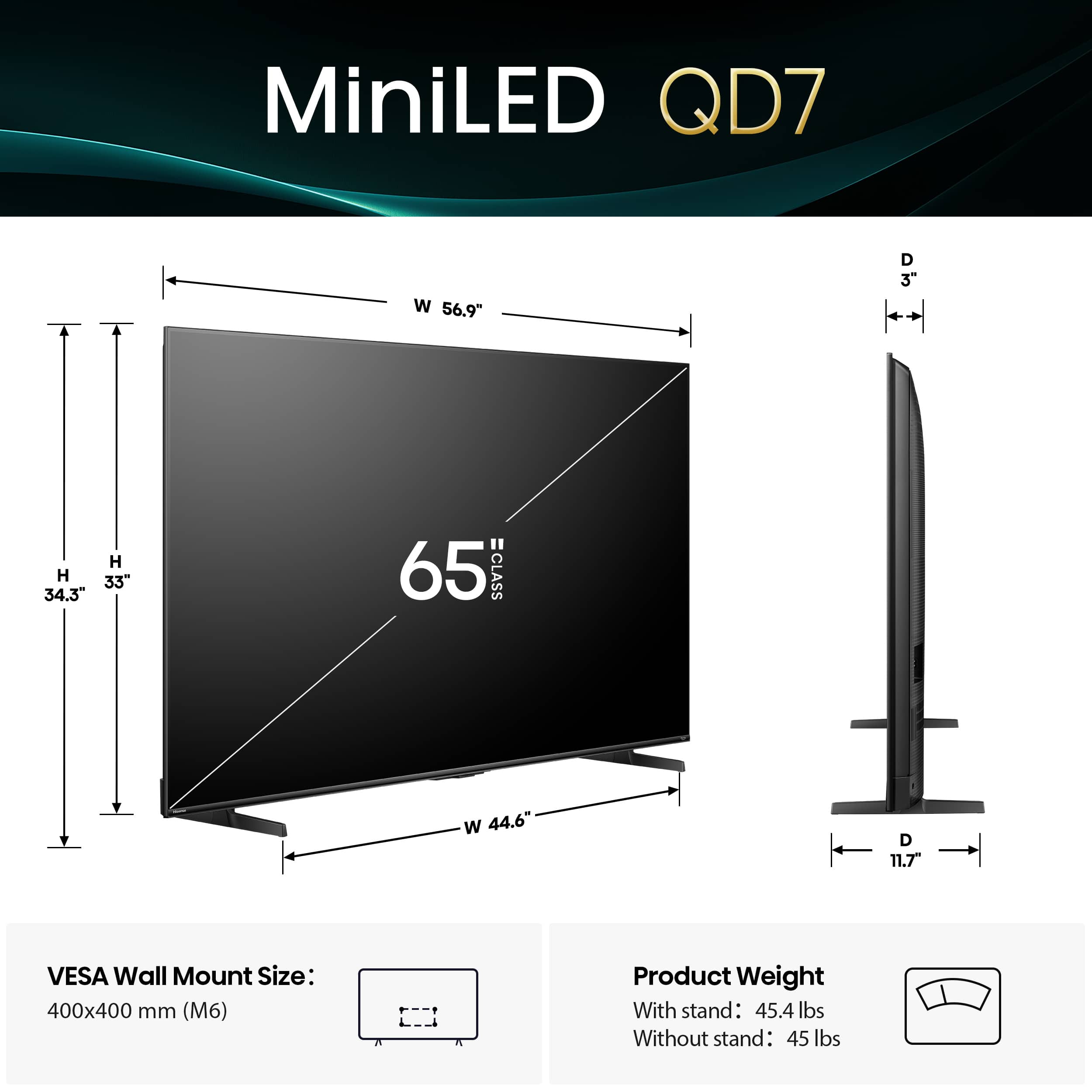
The Hisense 65" QD7 Series launched in spring 2025 as Hisense's answer to budget-conscious buyers who wanted Mini-LED technology without flagship pricing. It incorporates many of the same core technologies as the U8 but with strategic compromises to hit that sub-$500 price point. This positioning makes sense given that Mini-LED has matured enough to be affordable while still delivering impressive performance.
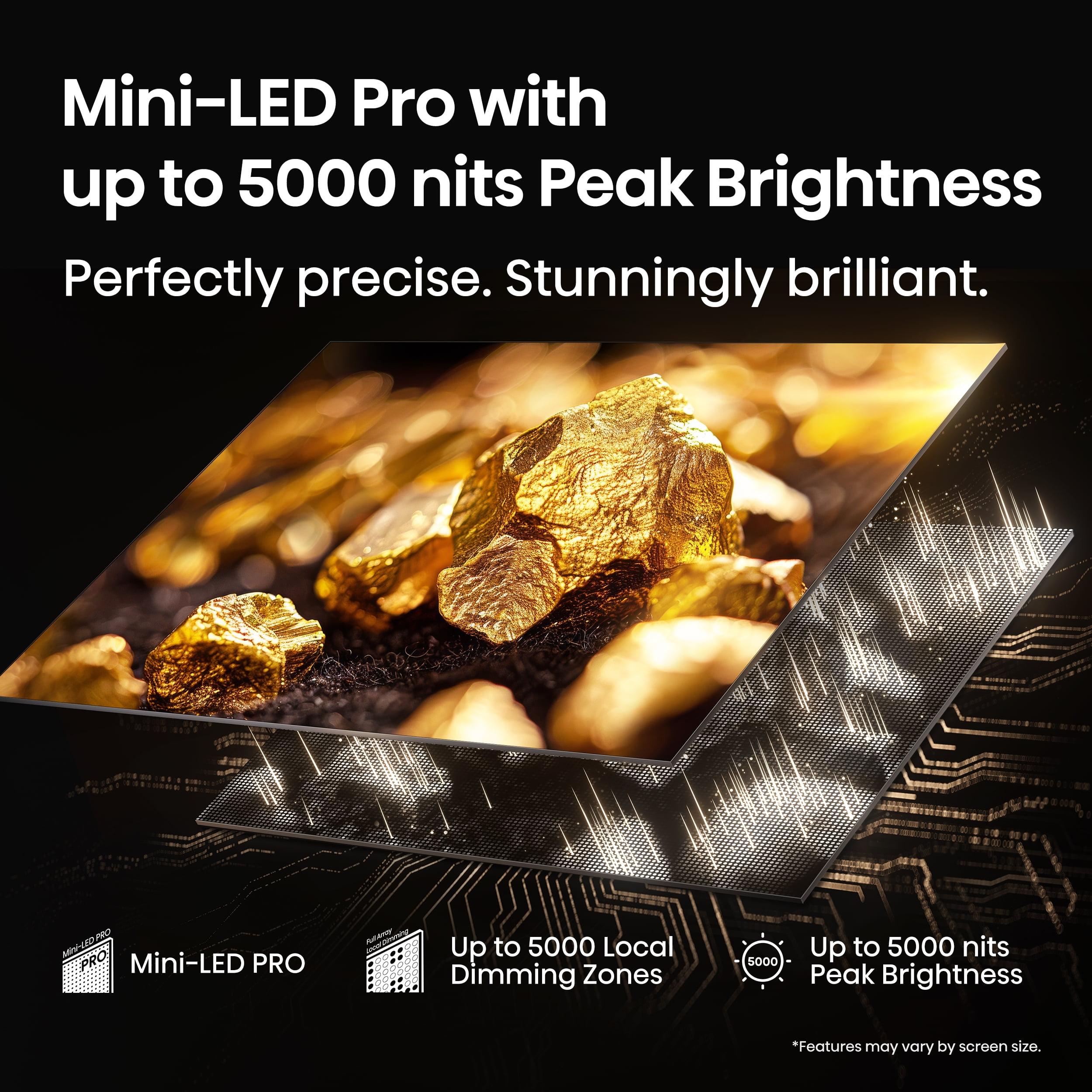
The U8 Series uses what Hisense calls Mini-LED Pro+ technology, which goes beyond standard Mini-LED implementation. With over 2,000 local dimming zones, this TV can control brightness with remarkable precision. To put this in perspective, imagine your TV screen divided into thousands of tiny sections that can each be brightened or dimmed independently. This creates what's called "blooming reduction"—where bright objects don't create halos of light around them in dark scenes.
The peak brightness of up to 3,000 nits (some models reach 5,000 nits) is genuinely impressive. For context, most standard LED TVs max out around 400-600 nits, while even good OLED TVs typically peak around 700-1,000 nits. This extreme brightness isn't just about showing off—it's crucial for HDR (High Dynamic Range) content, where the difference between the brightest and darkest parts of an image creates that cinematic, lifelike quality.
I've spent considerable time with high-brightness Mini-LED displays, and the difference is immediately noticeable, especially in bright rooms. Where other TVs might look washed out with sunlight streaming through windows, the U8 maintains vibrant colors and deep contrast. This makes it particularly valuable for family rooms or spaces where you can't control ambient lighting.
The QD7 Series uses standard Mini-LED with fewer local dimming zones, though Hisense hasn't specified the exact number. Based on the price point and user reviews, it likely offers several hundred zones—still impressive for the money, but not matching the U8's precision. The trade-off is noticeable in challenging content like dark movie scenes with bright highlights, where you might see some blooming or less precise contrast control.
However, the QD7 still delivers excellent picture quality for its price range. The QLED color reproduction ensures vibrant, accurate colors, and the Mini-LED backlighting provides significantly better contrast than traditional LED TVs. For most viewers watching typical streaming content, the difference between the QD7 and U8's display quality might be less dramatic than the price difference suggests.
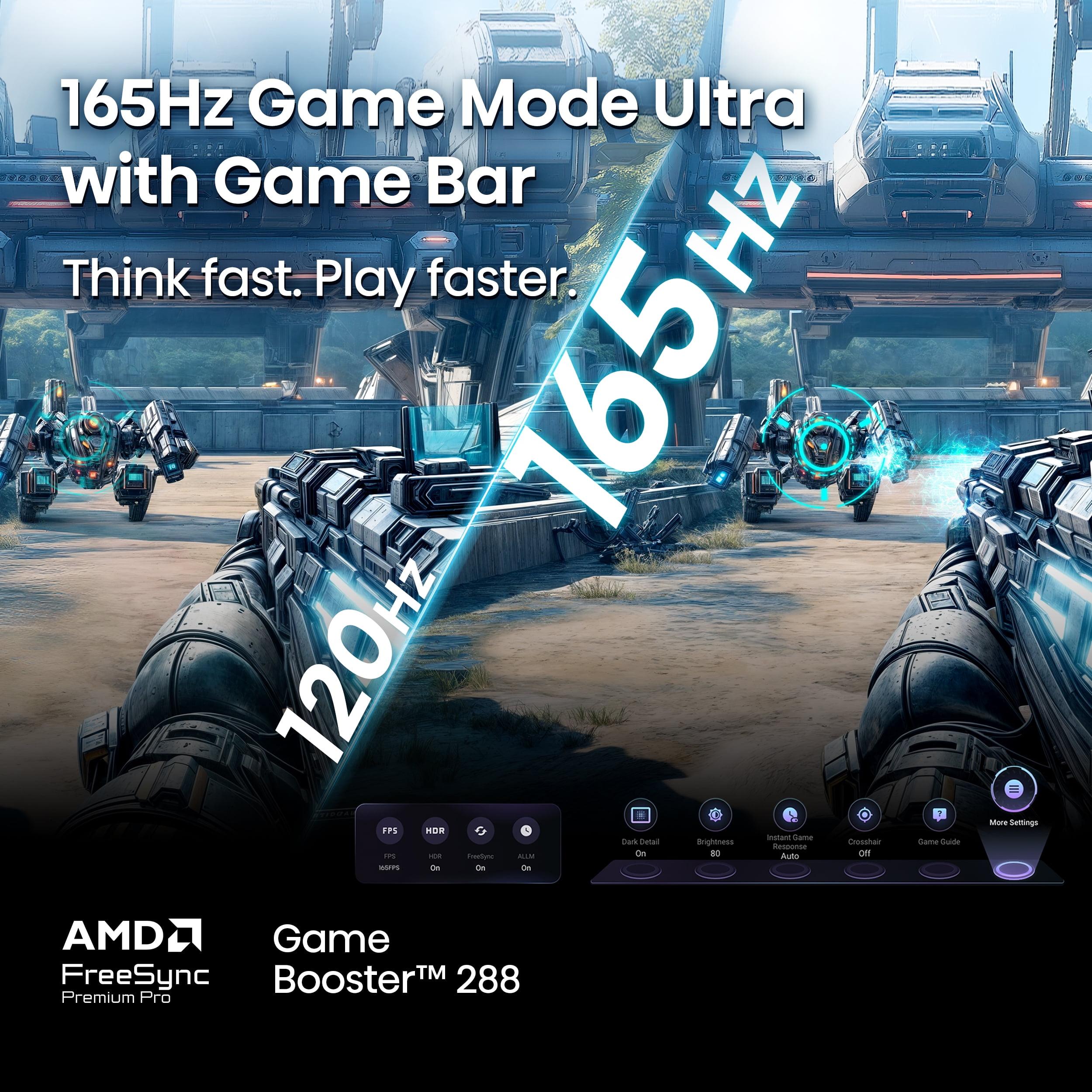
This is where the two TVs diverge most dramatically. The U8 Series features a native 144Hz refresh rate, which is genuinely impressive for a TV. Most TVs, even expensive ones, top out at 120Hz. This higher refresh rate means smoother motion in fast-paced games, reduced input lag, and better compatibility with high-end gaming PCs.
The gaming feature set is comprehensive: Variable Refresh Rate (VRR) eliminates screen tearing, Auto Low Latency Mode (ALLM) automatically switches to gaming mode when it detects a console, and FreeSync Premium Pro ensures smooth gameplay across different frame rates. The dedicated Game Bar lets you adjust settings without leaving your game—a surprisingly useful feature when you're trying to optimize performance for different games.
Having tested similar high-refresh gaming TVs, the difference is substantial for competitive gaming or fast-paced action games. The smoothness of 144Hz is immediately apparent in racing games, first-person shooters, and sports titles. Even if you're not a hardcore gamer, the improved motion handling benefits regular TV watching, making sports and action movies look more fluid.
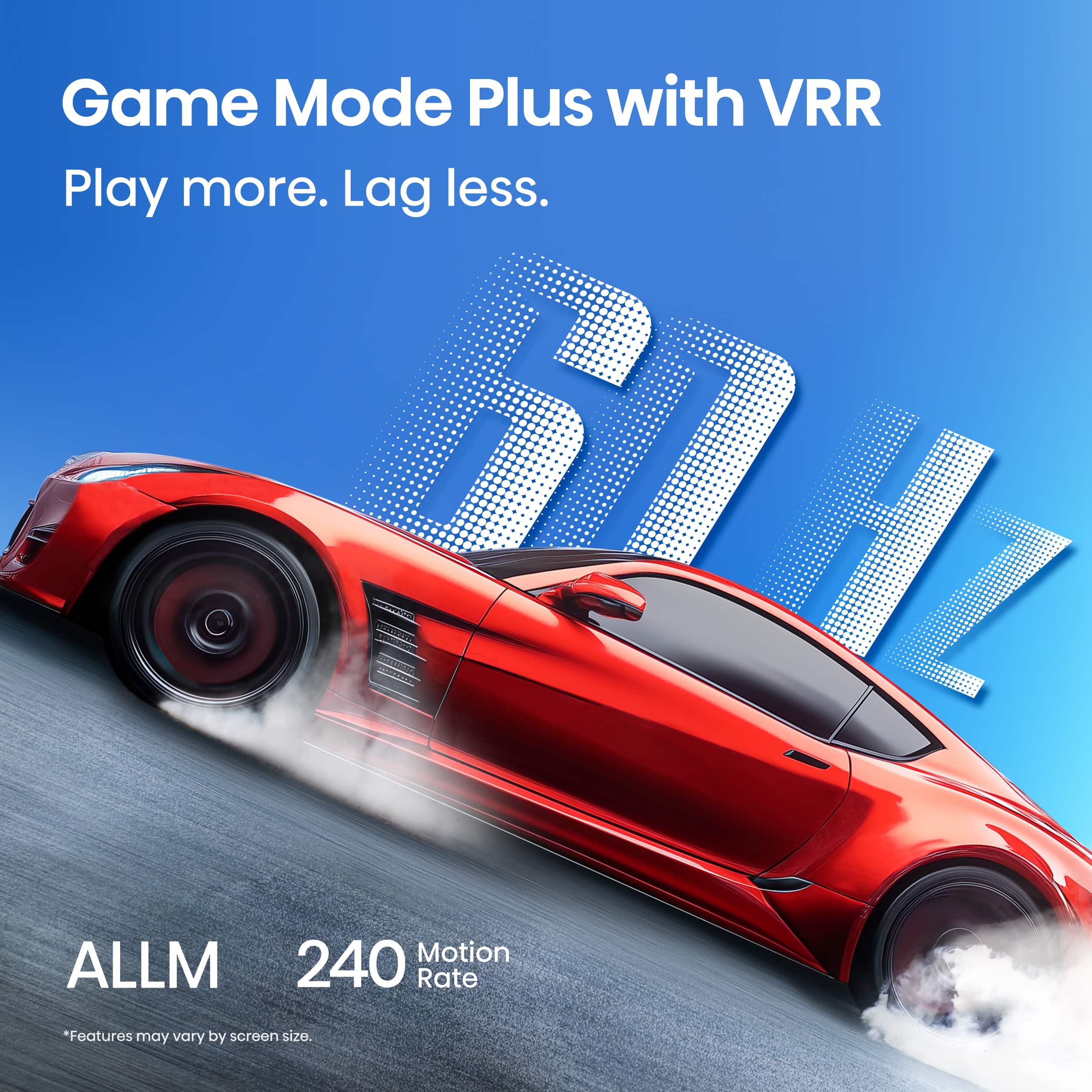
The QD7 Series offers a more basic gaming experience with its 60Hz refresh rate. While it includes VRR and ALLM, it's primarily designed for casual gaming rather than competitive play. This is perfectly adequate for most console gaming, since many games are designed around 60fps anyway. However, if you're planning to use a gaming PC or want the smoothest possible experience with next-gen consoles, the limitation becomes apparent.
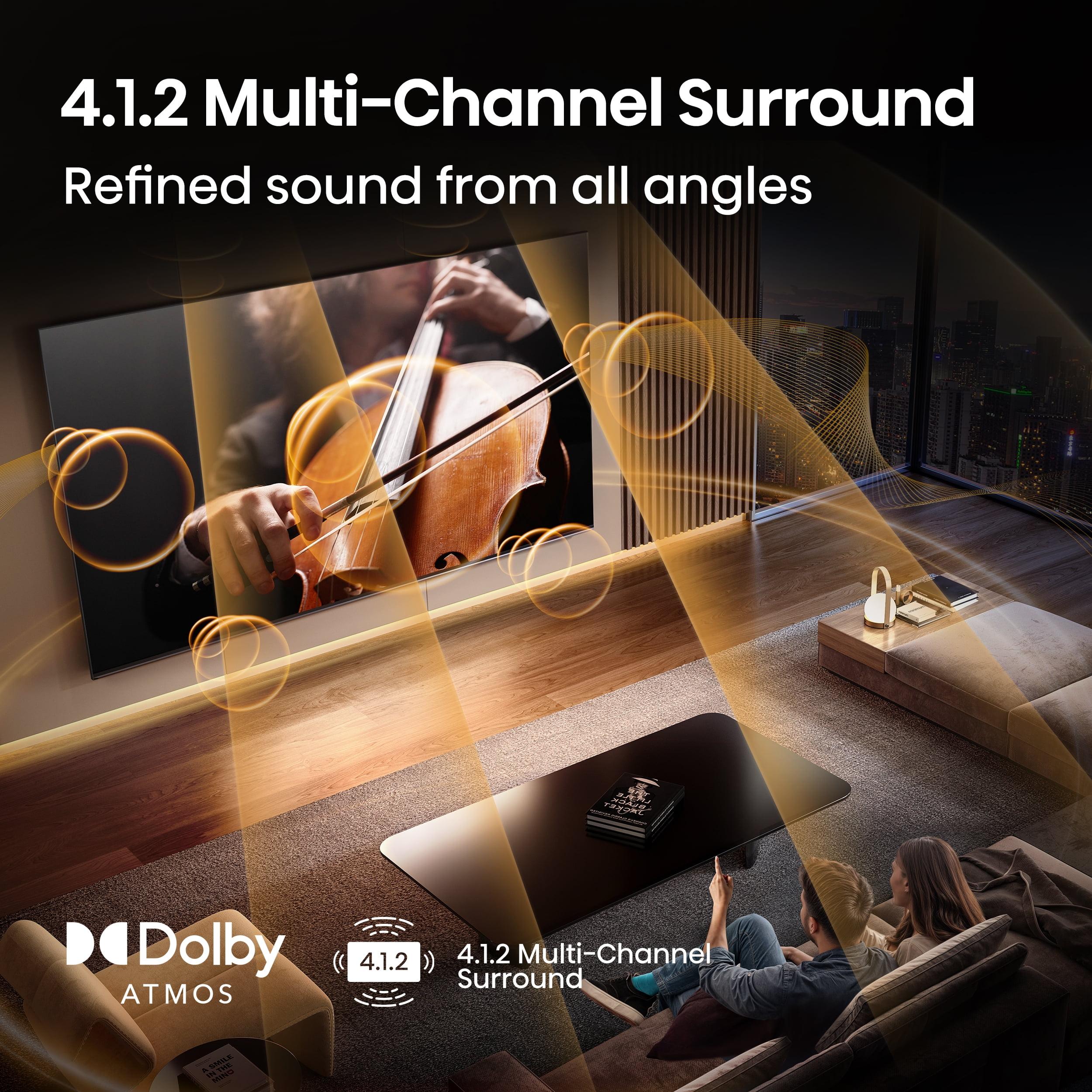
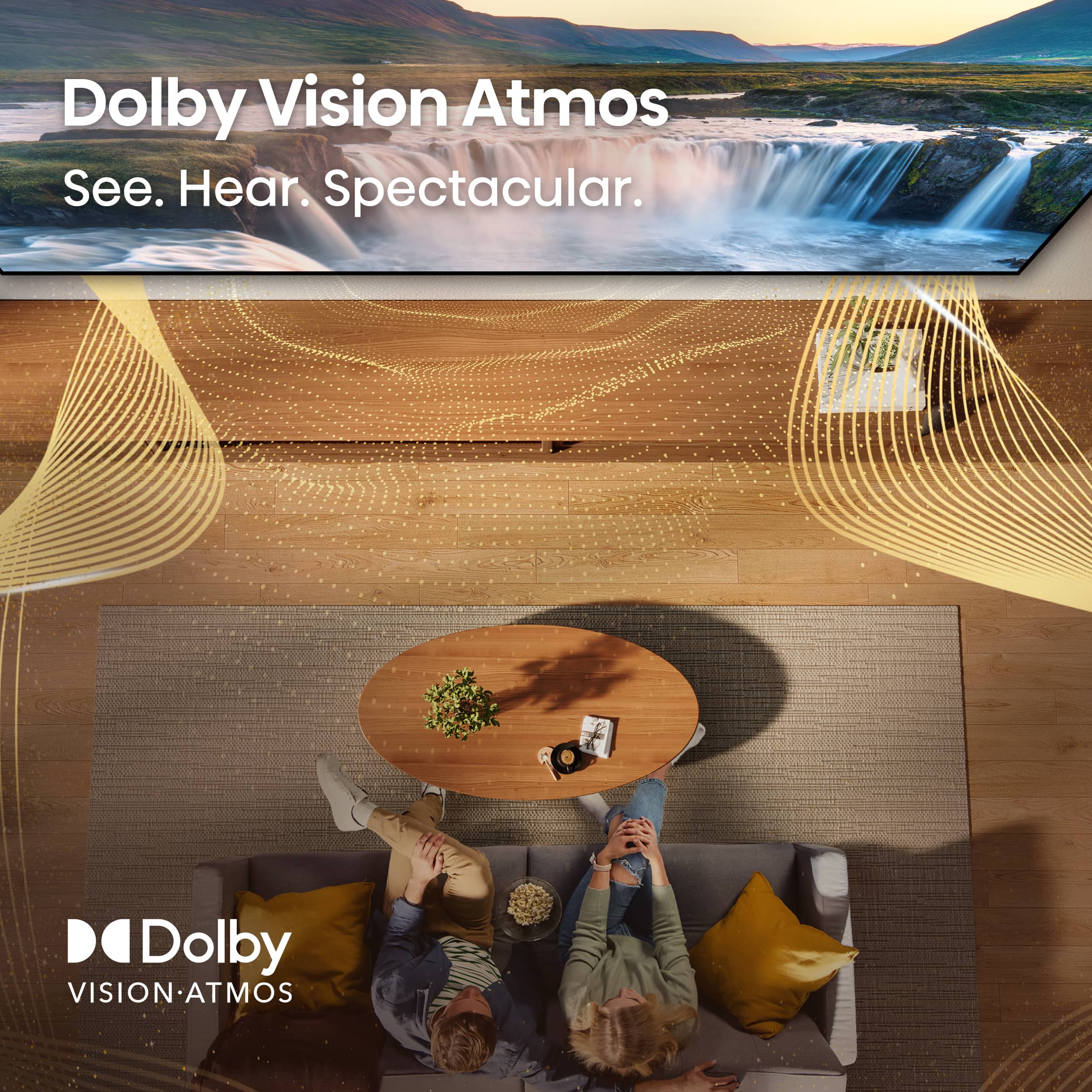
The audio difference between these TVs is significant and often underestimated. The U8 Series includes a 50W 2.1.2 channel system with Dolby Atmos support, including upward-firing speakers that bounce sound off your ceiling to create height effects. This isn't just marketing—the built-in subwoofer provides genuine bass response that most TV speakers completely lack.
I've been consistently impressed by how much the audio quality affects the overall viewing experience. The U8's sound system is substantial enough that many users won't need an immediate soundbar upgrade, which effectively reduces the total cost of ownership. The Dolby Atmos implementation, while not matching a dedicated surround system, creates a noticeably more immersive experience than standard TV speakers.
The QD7 Series offers 20W speakers with Dolby Atmos support, but without the dedicated subwoofer and upward-firing drivers. The sound is adequate for basic viewing but lacks the depth and power that modern content demands. Most QD7 owners will likely want to add a soundbar relatively quickly, which should factor into your total budget consideration.
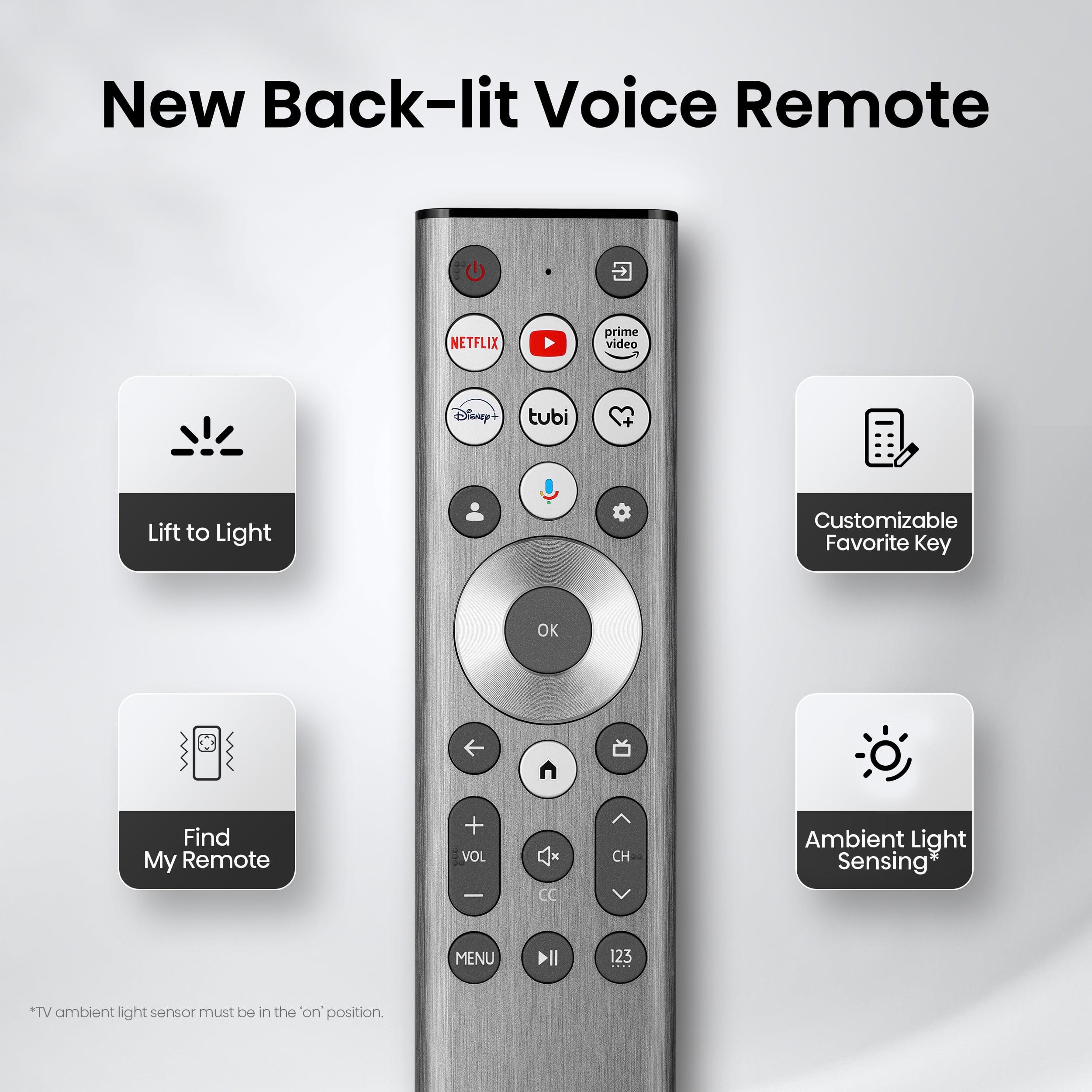
The platform choice between Google TV and Fire TV often comes down to ecosystem preferences, but there are practical differences worth considering. The U8 Series runs Google TV, which offers excellent integration with Google services, Chromecast built-in, and generally smooth performance. The interface is clean and recommendations are typically well-curated.
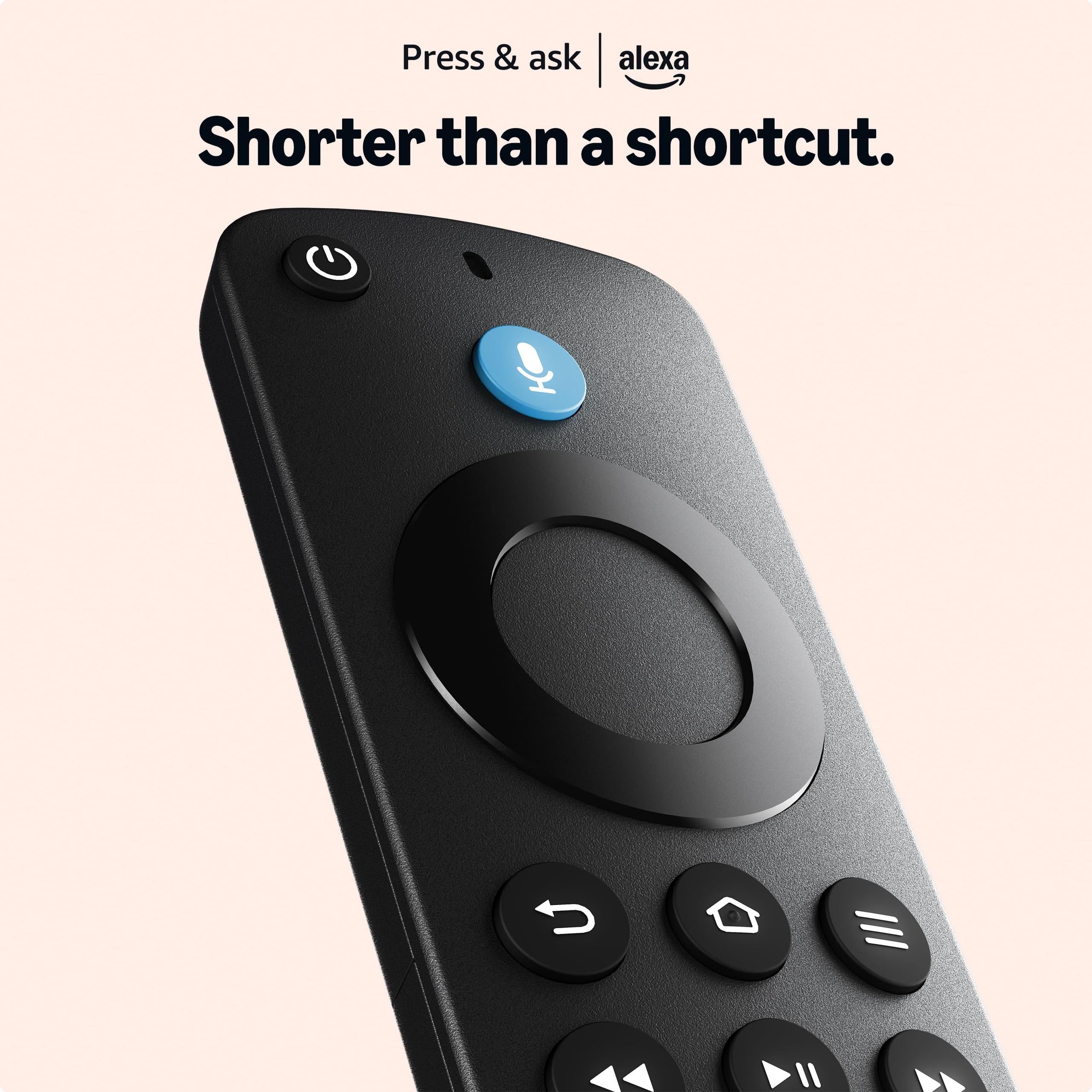
The QD7 Series uses Fire TV, which excels if you're already invested in Amazon's ecosystem. Alexa integration is seamless, and the interface prioritizes Amazon Prime content while still providing access to all major streaming services. However, user reports suggest occasional lag and freezing issues that require resets—a minor but recurring annoyance that's worth noting.
From a long-term perspective, both platforms receive regular updates and support all major streaming services. Your choice might depend on whether you prefer Google's search capabilities and casting features or Amazon's voice control and smart home integration.
For dedicated home theater setups, the U8 Series offers several advantages that justify its premium pricing. The anti-glare coating helps in controlled lighting environments, while the extreme brightness ensures HDR content displays as intended. The superior local dimming creates the deep blacks that are crucial for cinematic experiences.
The 144Hz refresh rate also benefits movie watching through better motion handling. While movies are typically shot at 24fps, the higher refresh rate allows for smoother motion interpolation when desired and reduces judder in panning shots.
The built-in audio system is particularly valuable in home theater contexts where you might not want to immediately invest in a full surround sound system. The 2.1.2 configuration provides a solid foundation that can be upgraded later while still delivering impressive performance out of the box.
The $500 price difference between these TVs represents different value propositions rather than a simple good-better-best scenario. The QD7 Series offers remarkable value by bringing Mini-LED technology to the sub-$500 price point. For casual viewers who primarily stream content and don't need gaming features, it provides excellent picture quality at an accessible price.
The U8 Series justifies its premium through features that genuinely enhance the viewing experience: superior brightness for bright rooms, advanced gaming capabilities, and built-in audio that eliminates the immediate need for additional purchases. When you factor in the avoided cost of a soundbar, the effective price difference narrows considerably.
In typical viewing scenarios, both TVs excel at streaming content from Netflix, Disney+, and other services. The QD7 provides vibrant colors and good contrast that will satisfy most viewers. The U8's advantages become apparent in challenging content: HDR movies with extreme brightness ranges, gaming at high refresh rates, and viewing in rooms with significant ambient light.
The brightness difference is particularly noticeable with HDR content. While both TVs support Dolby Vision and HDR10+, the U8's higher peak brightness allows it to display the full range of HDR as content creators intended. This translates to more impactful sunsets, brighter explosions, and generally more dynamic images.
Choose the Hisense 65" U8 Series if you're serious about gaming, watch a lot of HDR content, have a bright viewing room, or want the best possible built-in audio. The premium price brings genuine performance advantages that will remain relevant for years.
The Hisense 65" QD7 Series makes sense for budget-conscious buyers who want to experience Mini-LED technology without flagship pricing. It's perfect for casual viewing, secondary TVs, or situations where you're planning to add a soundbar anyway.
Both TVs represent excellent value in their respective price ranges, offering Mini-LED technology that was unthinkable at these prices just a few years ago. Your choice ultimately depends on whether the U8's premium features align with your specific needs and budget, or if the QD7's impressive performance per dollar makes more sense for your situation.
The rapid advancement in Mini-LED technology means both TVs offer picture quality that rivals much more expensive options from just a generation ago. Whether you choose the feature-rich U8 Series or the value-focused QD7 Series, you're getting access to display technology that delivers a genuinely premium viewing experience.
| Hisense 65" U8 Series Mini-LED ULED 4K Google TV | Hisense 65" QD7 Series Mini-LED 4K Fire TV 2025 |
|---|---|
| Price - Significant cost difference for premium features | |
| ~$997.99 | ~$469.99 |
| Peak Brightness - Critical for HDR content and bright rooms | |
| Up to 3,000 nits (some models 5,000 nits) - excellent for daytime viewing | Not specified, but significantly lower - adequate for most rooms |
| Local Dimming Zones - More zones = better contrast and less blooming | |
| Over 2,000 zones with Mini-LED Pro+ technology | Fewer zones with standard Mini-LED (exact number not specified) |
| Refresh Rate - Higher rates provide smoother gaming and motion | |
| Native 144Hz (some models 165Hz) - ideal for competitive gaming | 60Hz - sufficient for casual gaming and standard content |
| Gaming Features - Advanced features reduce lag and improve performance | |
| Game Mode Pro, VRR, ALLM, FreeSync Premium Pro, Dolby Vision Gaming, Game Bar | Game Mode Plus, VRR, ALLM - basic gaming support |
| Audio System - Built-in sound quality affects need for soundbar | |
| 50W 2.1.2 channel with Dolby Atmos, built-in subwoofer, upward-firing speakers | 20W with Dolby Atmos - likely requires soundbar upgrade |
| Smart Platform - Different ecosystems and performance levels | |
| Google TV with Chromecast built-in, Google Assistant | Fire TV with Alexa built-in, Amazon ecosystem integration |
| Display Technology - Processing and backlighting sophistication | |
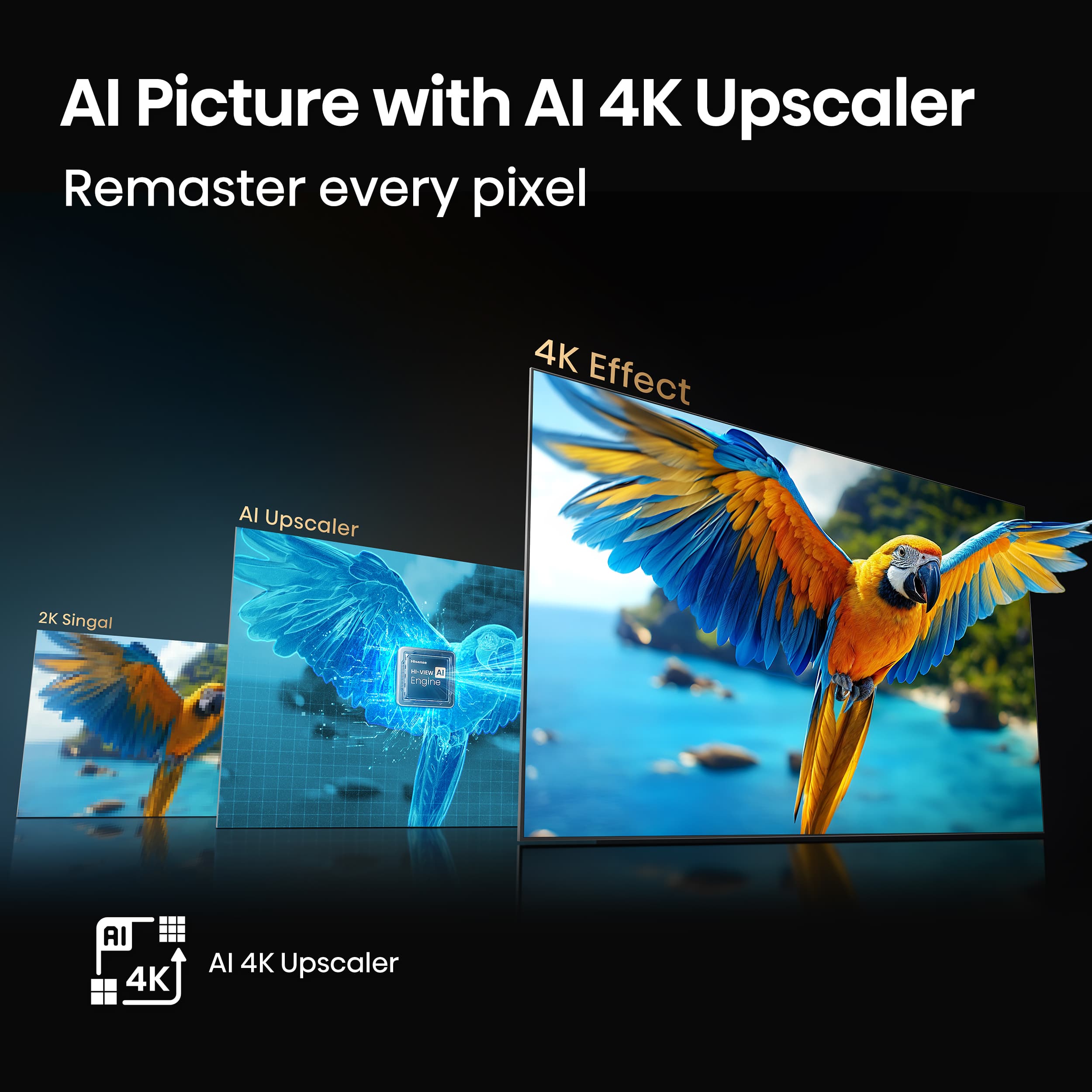
| ULED with Mini-LED Pro+, Hi-View AI Engine PRO, anti-glare coating | QLED with standard Mini-LED, AI 4K Upscaler |
| Build Quality - Premium features and durability | |
| Premium construction, anti-glare/anti-reflection, 2-year warranty | Standard build, 1-year warranty |
| HDR Support - All major formats supported on both | |
| Dolby Vision, HDR10, HDR10+, HLG with superior peak brightness | Dolby Vision, HDR10, HDR10+, HLG with good performance |
| Connectivity - Future-proofing and device compatibility | |
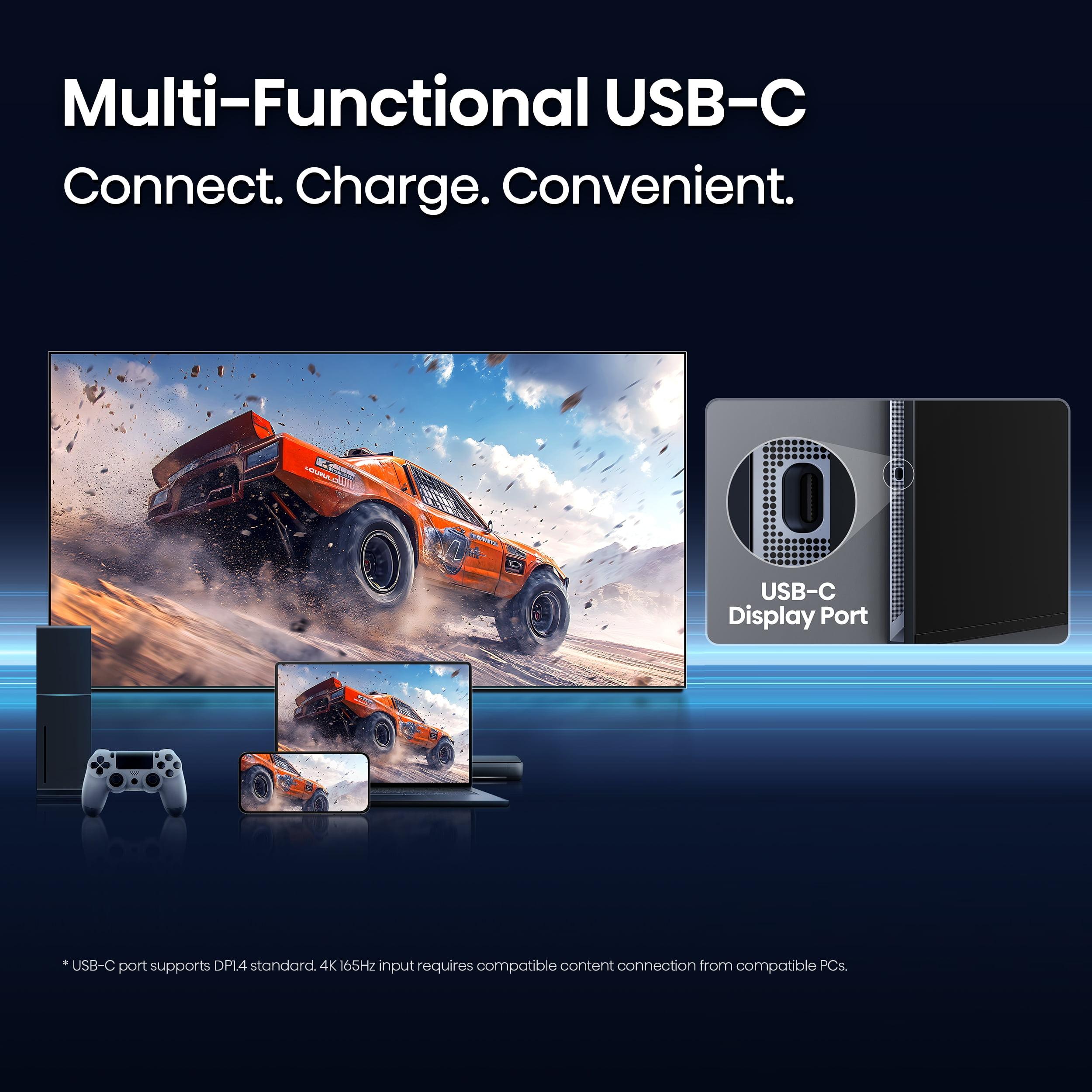
| Multiple HDMI 2.1 ports, USB-C with DisplayPort (some models), Wi-Fi 6E | 4 HDMI ports, 2 USB ports, Bluetooth 5.0 |
| Best For - Target user and use cases | |
| Serious gamers, bright rooms, home theater enthusiasts, premium audio preference | Budget-conscious buyers, casual viewers, secondary TVs, Amazon ecosystem users |
The primary difference is performance level and price. The Hisense 65" U8 Series Mini-LED ULED 4K Google TV (~$997.99) is a premium model with superior brightness (up to 3,000 nits), over 2,000 local dimming zones, and 144Hz gaming capabilities. The Hisense 65" QD7 Series Mini-LED 4K Fire TV 2025 (~$469.99) offers excellent value with good Mini-LED performance but fewer dimming zones, lower brightness, and 60Hz refresh rate.
The U8 Series is significantly better for gaming with its native 144Hz refresh rate, Game Mode Pro, VRR, ALLM, FreeSync Premium Pro, and Dolby Vision Gaming support. The QD7 Series offers basic gaming features with 60Hz refresh rate, suitable for casual gaming but not competitive or high-refresh gaming.
The U8 Series delivers up to 3,000 nits peak brightness (some models reach 5,000 nits), making it excellent for bright rooms and HDR content. The QD7 Series has significantly lower peak brightness, though exact specifications aren't provided. This brightness difference is most noticeable in HDR content and daytime viewing.
The Hisense 65" U8 Series has superior audio with a 50W 2.1.2 channel system, built-in subwoofer, and upward-firing Dolby Atmos speakers. The Hisense 65" QD7 Series offers 20W speakers with Dolby Atmos but lacks the subwoofer and power, likely requiring a soundbar upgrade for optimal audio.
The U8 Series costs approximately $528 more than the QD7 Series. Whether it's worth it depends on your needs: the U8 justifies the premium with superior gaming performance, much higher brightness, better audio, and more local dimming zones. For casual viewing, the QD7 offers excellent value.
Both platforms are capable, but they serve different preferences. The U8 Series runs Google TV with Chromecast built-in and Google Assistant, offering smooth performance and excellent search capabilities. The QD7 Series uses Fire TV with Alexa integration, though some users report occasional lag and freezing issues.
Yes, both work well for home theater, but the U8 Series excels with its superior brightness for HDR content, over 2,000 local dimming zones for better contrast, anti-glare coating, and impressive built-in audio that may eliminate the immediate need for a soundbar. The QD7 Series provides good home theater performance but may require audio upgrades.
The Hisense 65" U8 Series is significantly better for bright rooms due to its peak brightness of up to 3,000 nits and anti-glare coating, maintaining vibrant colors and contrast even with ambient light. The Hisense 65" QD7 Series has lower brightness and may appear washed out in very bright environments.
Yes, both the U8 Series and QD7 Series support Dolby Vision, HDR10, HDR10+, and HLG. However, the U8's superior peak brightness and local dimming zones allow it to display HDR content closer to the creator's intent, with brighter highlights and deeper contrasts.
The U8 Series offers a native 144Hz refresh rate (some models up to 165Hz), ideal for competitive gaming and high-refresh PC gaming. The QD7 Series provides a 60Hz refresh rate, which is adequate for console gaming and casual use but limited for competitive gaming.
This depends on your priorities. The Hisense 65" QD7 Series offers exceptional value by bringing Mini-LED technology under $500, perfect for budget-conscious buyers. The Hisense 65" U8 Series provides premium value with flagship features that compete with much more expensive TVs, justifying its higher price for enthusiasts.
The U8 Series includes a 2-year warranty, which is double the industry standard and reflects Hisense's confidence in the premium build quality. The QD7 Series comes with a standard 1-year warranty, typical for TVs in this price range.
We've done our best to create useful and informative comparisons to help you decide what product to buy. Our research uses advanced automated methods to create this comparison and perfection is not possible - please contact us for corrections or questions. These are the sites we've researched in the creation of this article: bestbuy.com - hisense-usa.com - rtings.com - bestbuy.com - rtings.com - hisense-usa.com - youtube.com - hisense-usa.com - avsforum.com - hisense-usa.com - hisense-usa.com - rtings.com - avsforum.com - hisense-usa.com - prnewswire.com - hisense-usa.com - bestbuy.com - youtube.com - hisense-usa.com - bestbuy.com - custrevs.com - youtube.com - bestbuy.com - rtings.com - youtube.com - rtings.com - pcrichard.com - bestbuy.com - pcrichard.com - camelcamelcamel.com - amazonfiretv.blog - hisense-usa.com - hisense-usa.com - hisense-usa.com - bestbuy.com - leaseville.com - youtube.com - bestbuy.com - flatpanelshd.com

Privacy Policy
Terms and Conditions - Affiliate Policy
Home Security
© Copyright 2008-2026.
11816 Inwood Rd #1211, Dallas, TX 75244